Syd Shelton’s East Enders
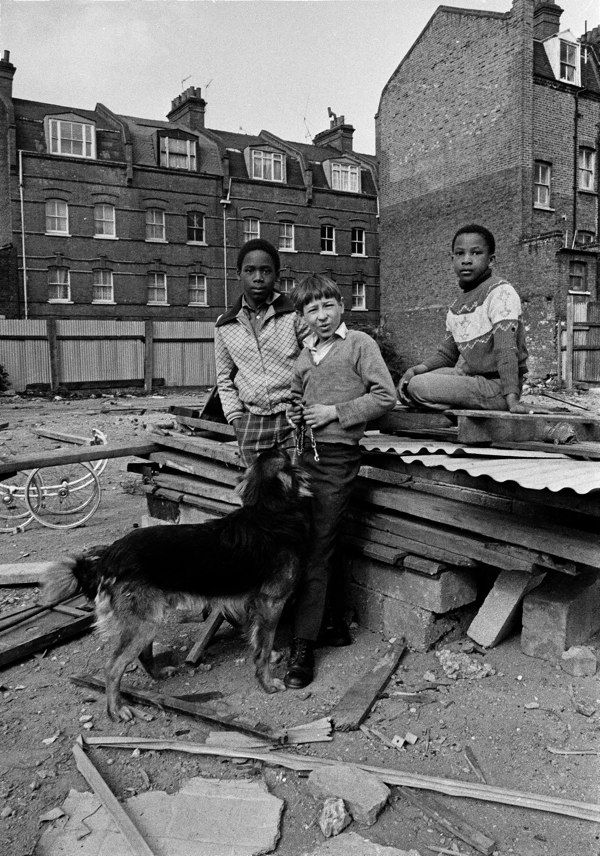
Brick Lane 1978
Photographer Syd Shelton‘s enduring fascination with the East End was sparked by a childhood visit from Yorkshire with an uncle and aunt more than fifty years ago. “My cousin was was working in a mission somewhere off Bethnal Green Rd,” Syd recalled, “It was a scary part of London then and I remember my uncle looked out of the window every few minutes to check the wheels were still on his car!”
“The day I left college in 1968, I came down to London and I have worked here ever since, photographing continuously in Hackney and Tower Hamlets,” Syd admitted to me.
In the seventies, Syd became one of the founders of Rock Against Racism, using music as a force for social cohesion, and his photographs of this era include many affectionate images of racial harmony alongside a record of the culture of racism . “It was an exciting time when, after the death of Altab Ali, the Asian community stood up to be counted and the people of the East End became militant against the National Front,” he explained, “In 1981, I got a studio in the Kingsland Rd and I only gave it up recently because the rents became too expensive.”
Syd’s portraits of East Enders span four decades yet he did not set out consciously to document social change. “I never started this as a project, it’s only when I looked back that I realised I had taken swathes of pictures of people in the East End,” he explained, “So now I come back and spend a day on the streets each week to continue.”
“I say I am not a documentary photographer, because I like to talk to people before I take my picture to see what I can coax out of them,” he qualified,“Taking photos is what makes my heart beat.”
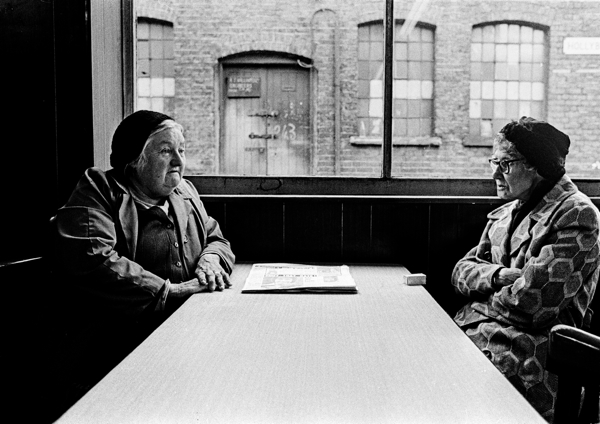
Bethnal Green 1980
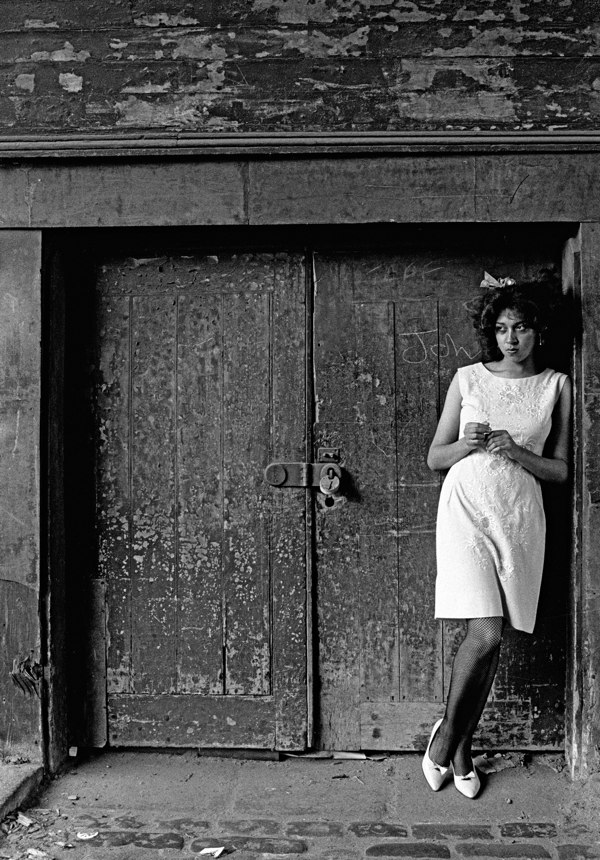
Linda, Kingsland Rd 1981
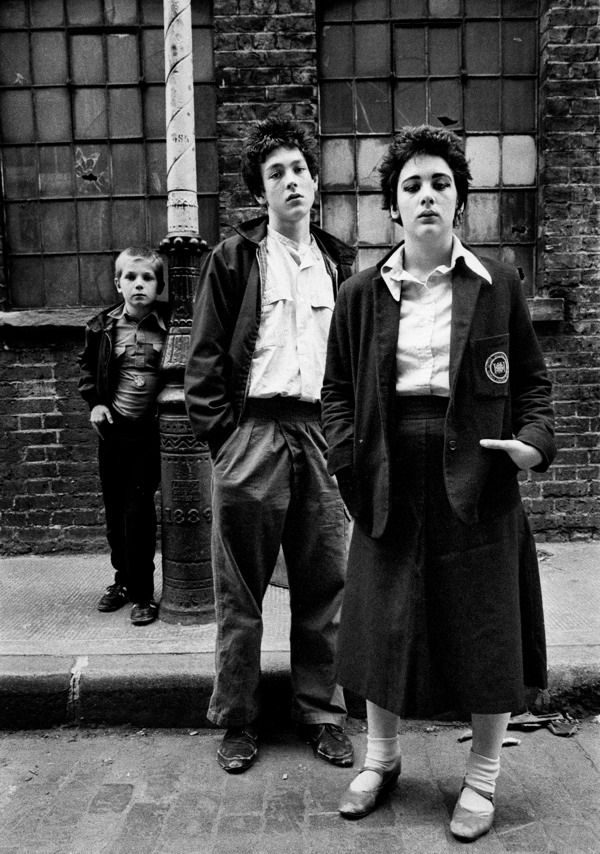
Bethnal Green 1980
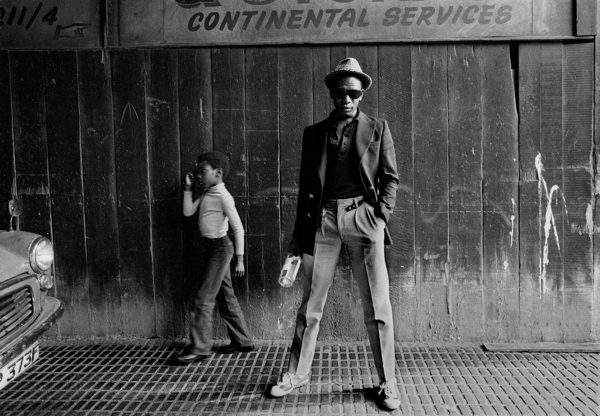
Bagger, Cambridge Heath Rd 1979
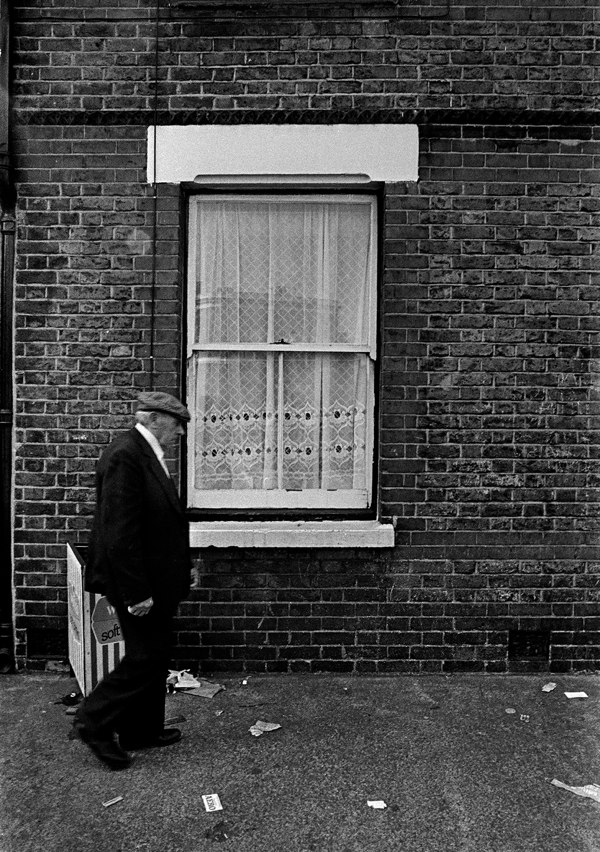
Columbia Rd 1978
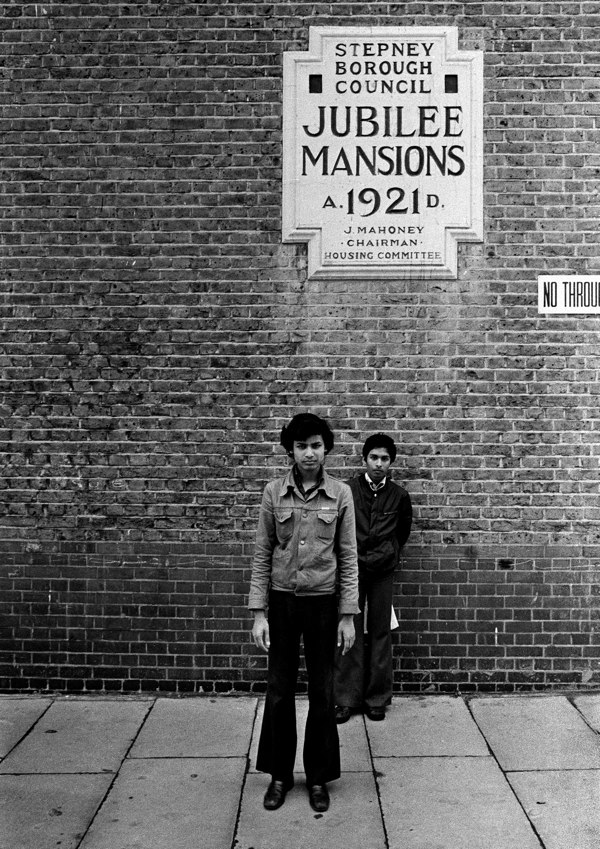
Jubilee St, 1979
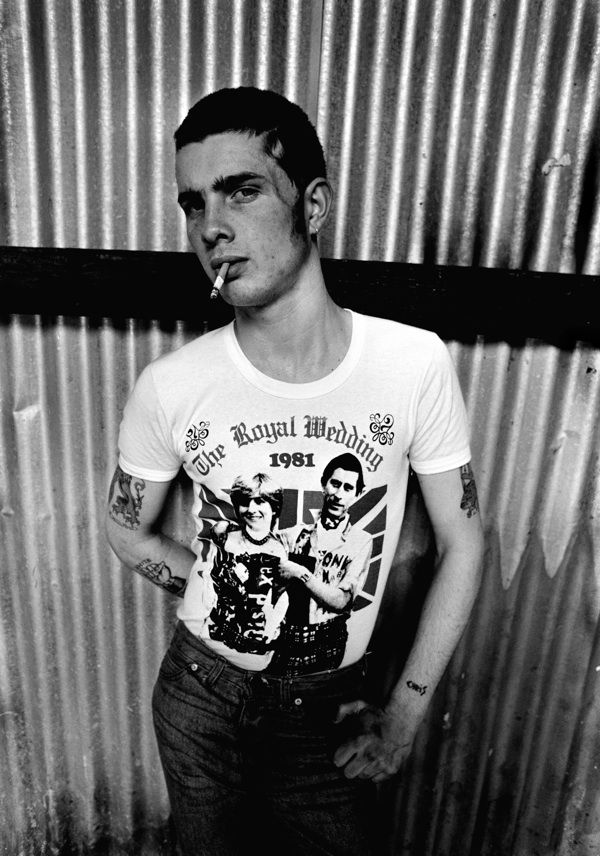
Petticoat Lane 1981
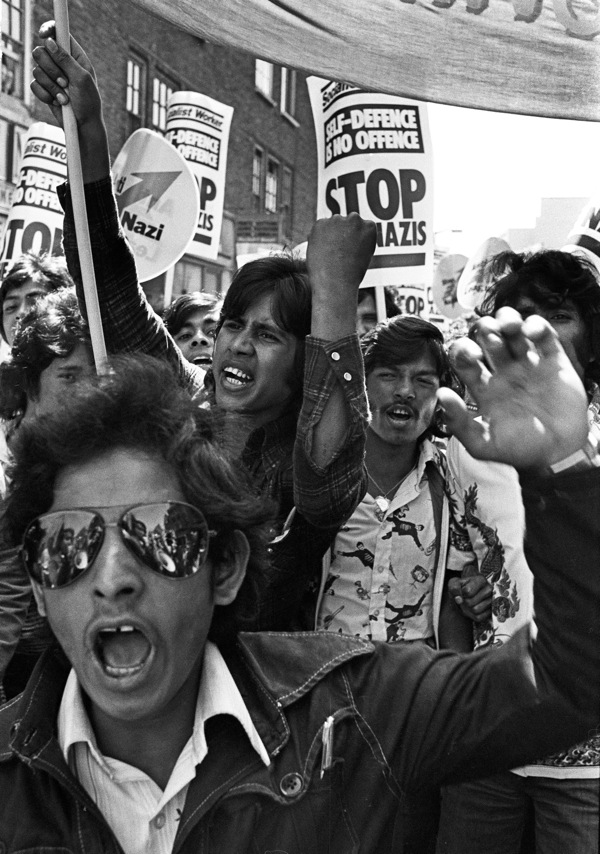
Brick Lane 1978
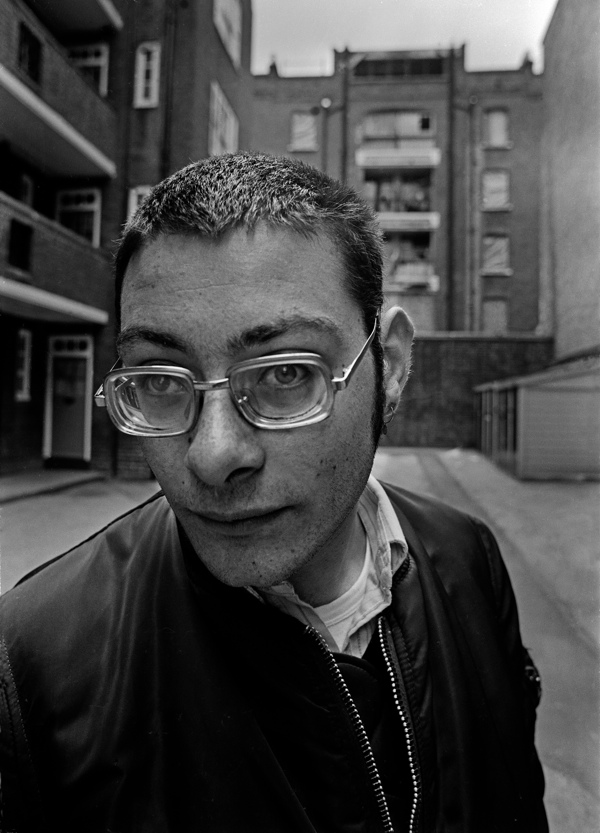
Aldgate East 1979
Brick Lane 1980
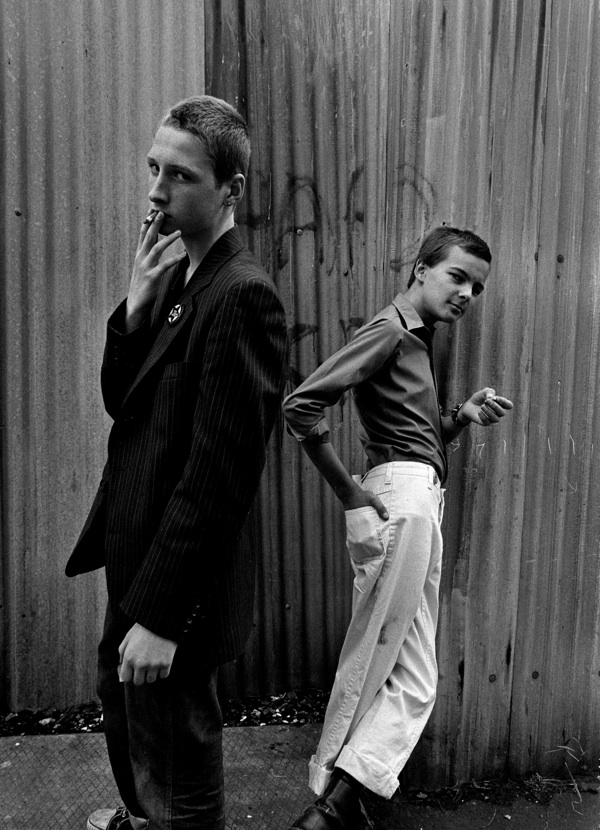
Hoxton 1979
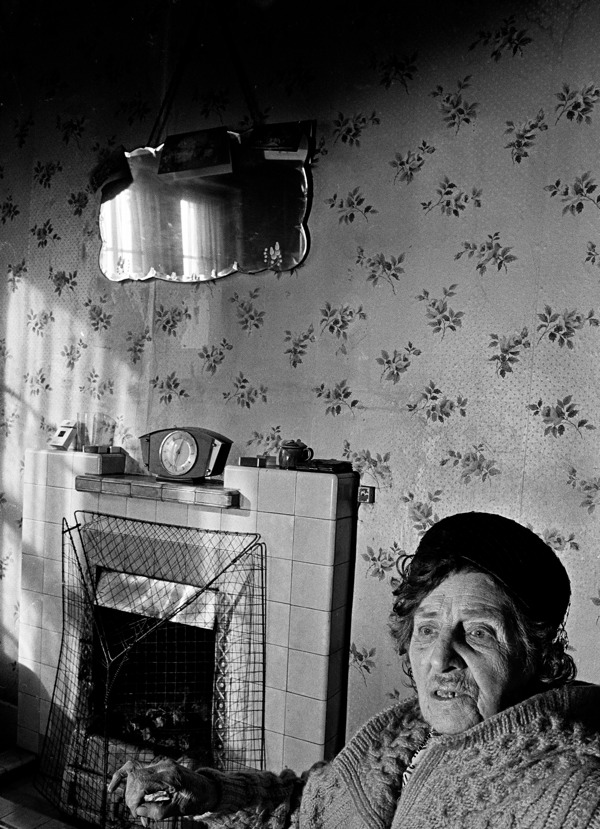
Tower Hamlets 1981
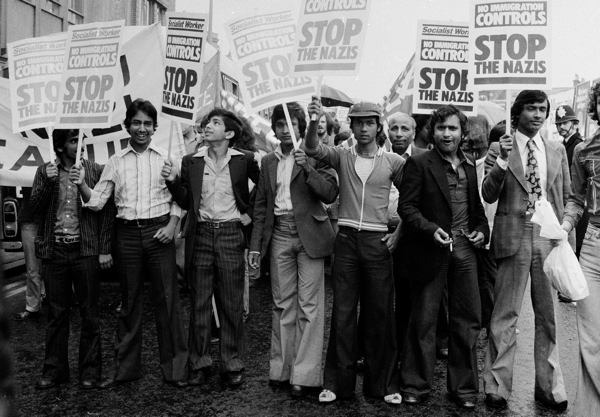
Brick Lane 1976
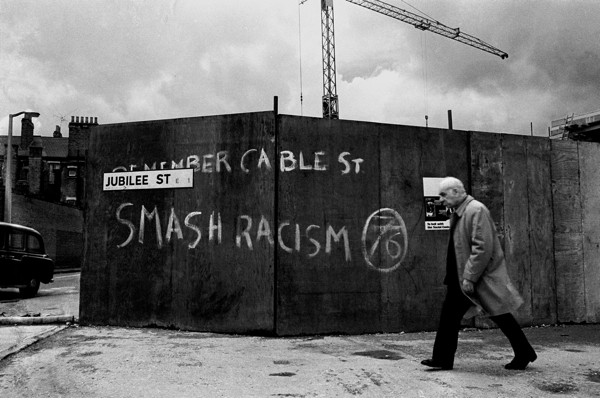
Jubilee St 1977
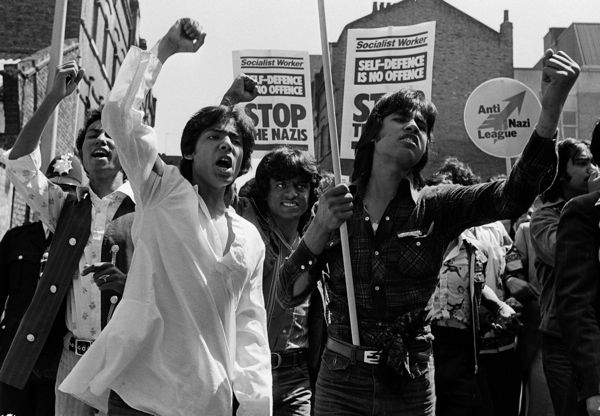
Brick Lane 1978
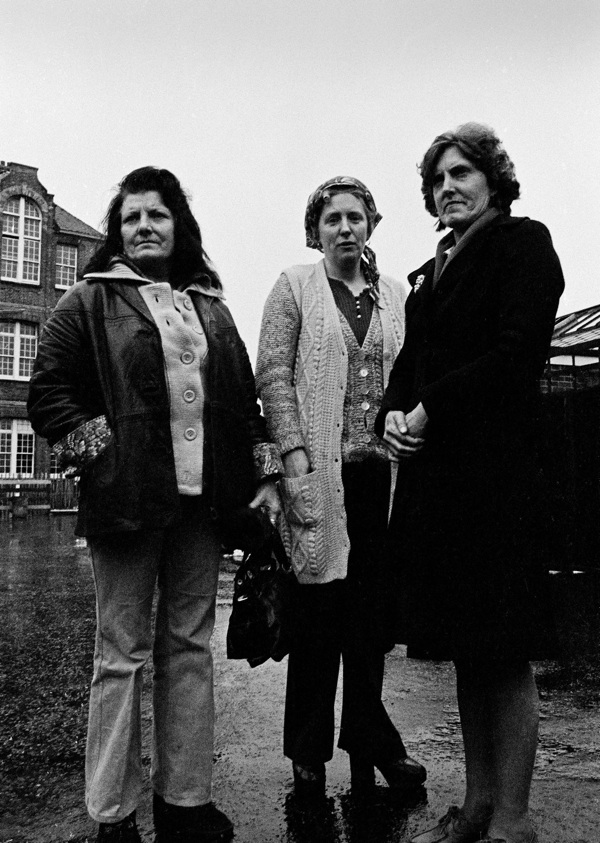
School Cleaners’ Strike 1978
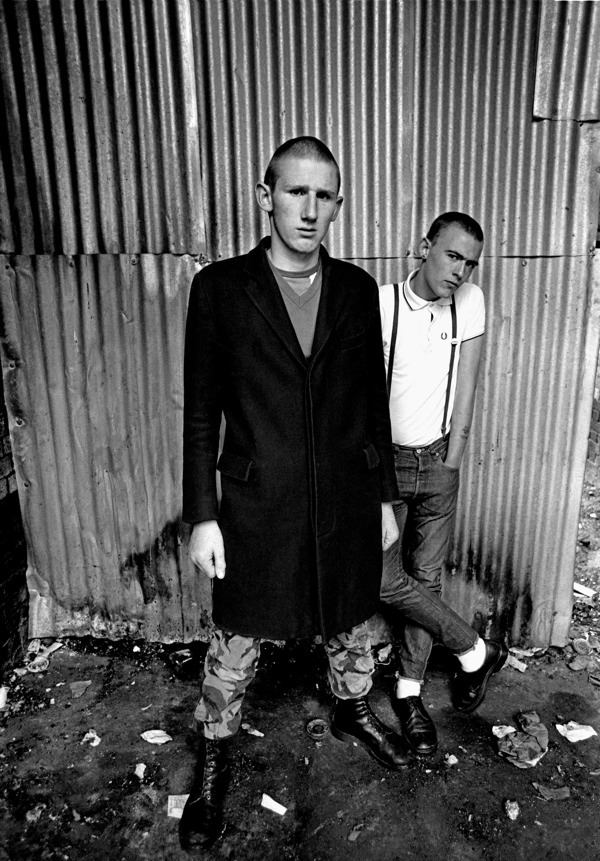
Petticoat Lane 1978
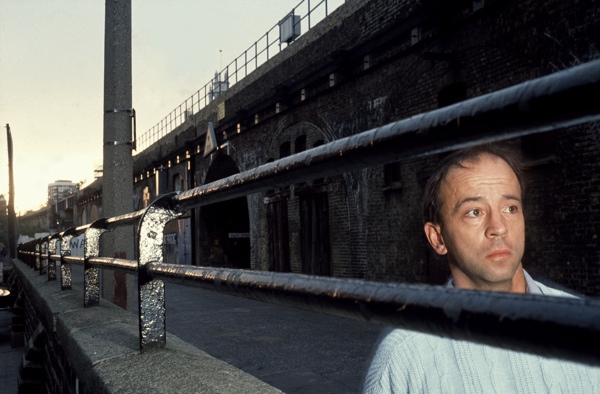
David Widgery, Limehouse 1981
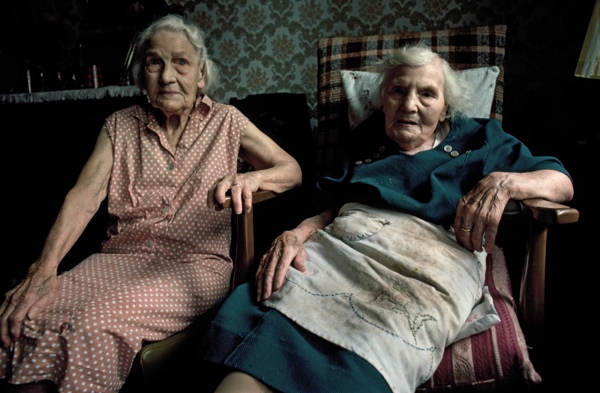
Sisters, Bow 1984
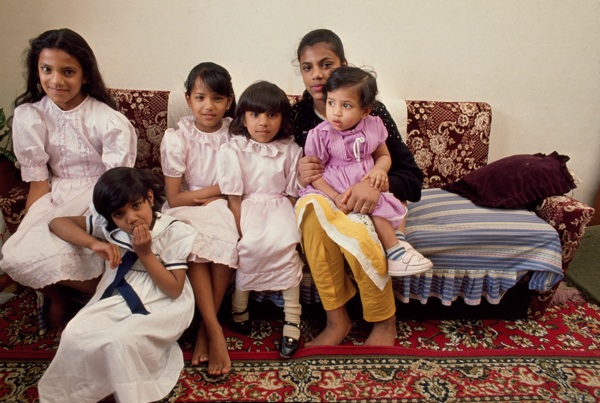
Sisters, Tower Hamlets 1988
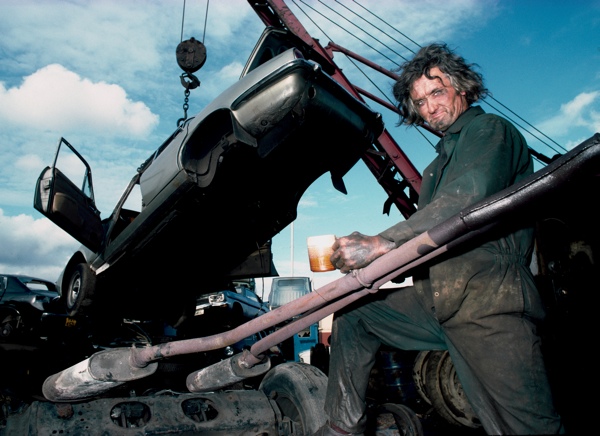
Bow Scrapyard 1984
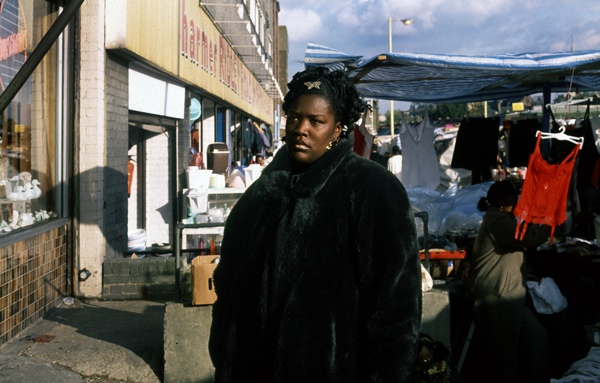
Ridley Rd Market 1992
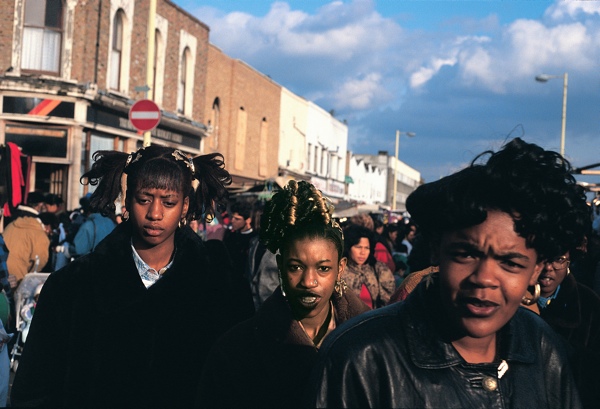
Ridley Rd Market 1992
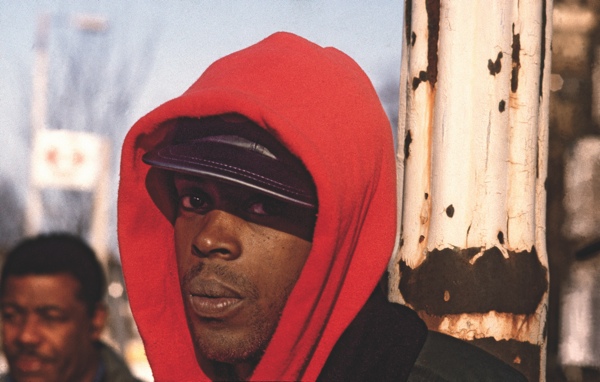
Ridley Rd Market 1995
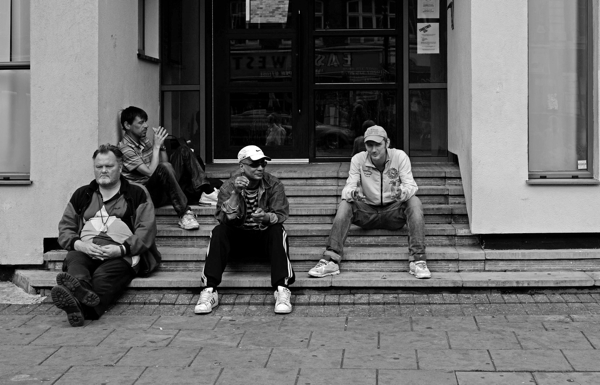
Whitechapel 2013
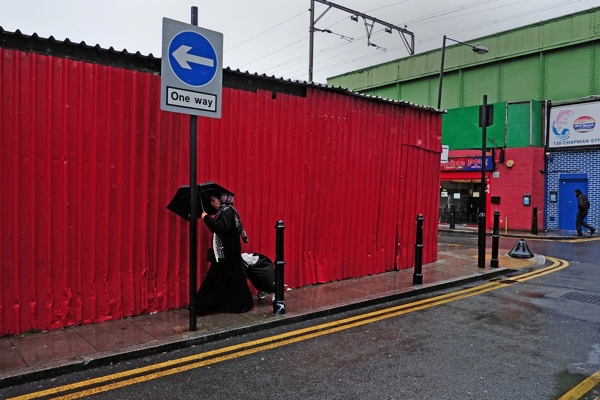
Shadwell 2013

Brick Lane 2013
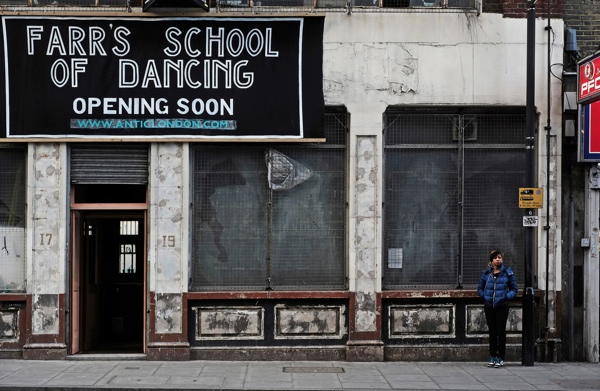
Dalston Lane 2013
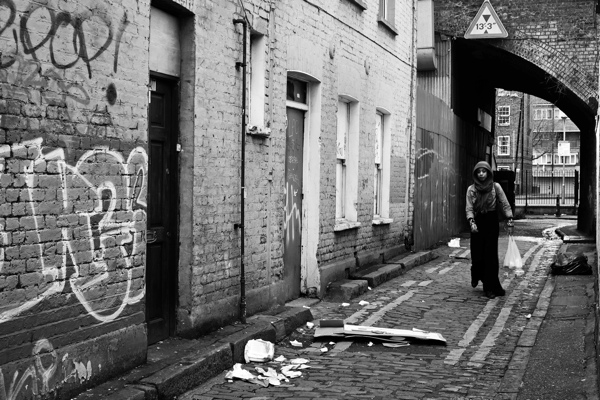
Bethnal Green 2013
Photographs copyright © Syd Shelton
You may also like to take a look at
Bandele “Tex” Ajetunmobi, Photographer
Count Ralph Smorczewski In The East End

Treves House, Whitechapel
I doubt if passers-by give a second thought to Treves House or its neighbour Lister House as they hurry up and down Vallance Rd between Whitechapel and Bethnal Green. Yet these two understated modernist buildings with clean lines and elegant proportions – one a long terrace and the other a tall block – were designed in 1956 by the architect Count Ralph Smorczewski, a man whose astonishing story connects to the very essence of the history of Whitechapel.
Currently, these buildings face an uncertain future. In recent years, the council has failed to maintain them properly, encouraged decay and neglect. Now tenants and leaseholders, including long-term resident ninety-three year old Sophie Spielman, fear they will be evicted and their homes demolished. But perhaps these structures might be better appreciated if the architect’s history and motives were more widely known?
Ralph Smorczewski (1925-2009) grew up on his family’s estates in Tarnogóra and Stryjów, in the province of Lublin, Poland. Under the Nazi occupation, transports of Jewish people arriving from Germany and Austria began in 1942. In the summer, Ralph’s father realised they were dying of starvation and applied to the Nazis for the maximum number of farm workers, as a means to feed and keep alive as many Jews as possible. Yet in the autumn, they were rounded up and packed into trains, bound for the death camps.
Ralph was just seventeen years old when this happened. It was a formative experience that informed his actions for the rest of his life. At eighteen years of age, he contacted the Polish Resistance and was sworn into their ranks. As the Red Army invaded, he and his family moved to Warsaw. When the Red Army arrived in August 1944, Ralph fought heroically with the Resistance in the Warsaw Uprising and worked as a surgeon’s assistant in a military hospital, before being arrested and interrogated by the SS. Despite torture and confinement, he gave no information and even convinced them he was Hungarian, leading to his eventual release.
Fleeing Warsaw, Ralph rejoined the Resistance in the forests near Czestochowa and was appointed second-in-command of a troup. They killed a group of Nazi soldiers who had perpetrated some of the worst atrocities of the Warsaw Uprising, before taking part in a four-day battle against SS near the village of Krzepin.
In 1945, Ralph and his family obtained passes taking them by train to Vienna where they joined a refugee convoy fleeing west. When they reached Italy, Ralph joined the Polish II Corps, part of the Eighth Army. Posted to the 7th Horse Artillery Regiment, he graduated from the Officers’ School in June 1946 and, that autumn, arrived in England with the Corps, possessing little more than his uniform.
Ralph graduated from the Architectural Assocation in 1951 at twenty-six years old and worked at Stillman & Eastwick Field, one of the most notable practices contributing to idealistic post-war reconstruction of schools, hospitals and public housing.
Among the first buildings Ralph designed for Stillman & Eastwick Field were Treves House and Lister House in Whitechapel. This project served as the natural outcome of his experiences in the war. Certainly, it was no accident that he undertook this assignment to provide better homes for Jewish people. One such was Nathan Spielman, who was moved from a slum dwelling in Anthony St to Treves House in 1958, before marrying Sophie in 1962. Thus it is that the story of Sophie, the last of the original Jewish residents, connects to that of Ralph who designed the buildings, and both stories co-exist as part of the story of Whitechapel itself.
Yet Treves House and Lister House do more than reflect an historical moment. In the generosity of their accommodation, they embody the humane values that led to their creation. Rather than face demolition, these buildings deserve to be cherished because we need them to remind us of their origin and serve as an inspiration for generations to come.
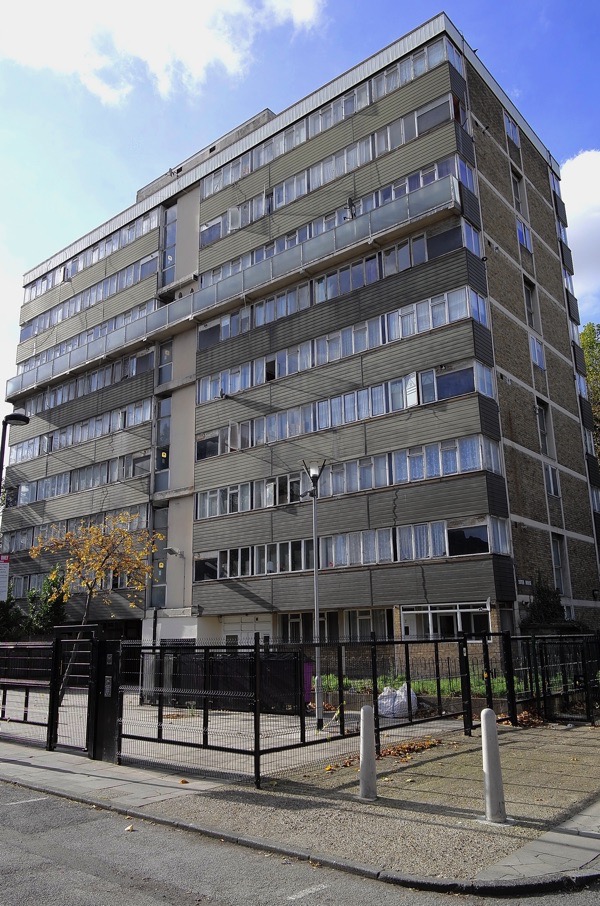
Lister House, Whitechapel
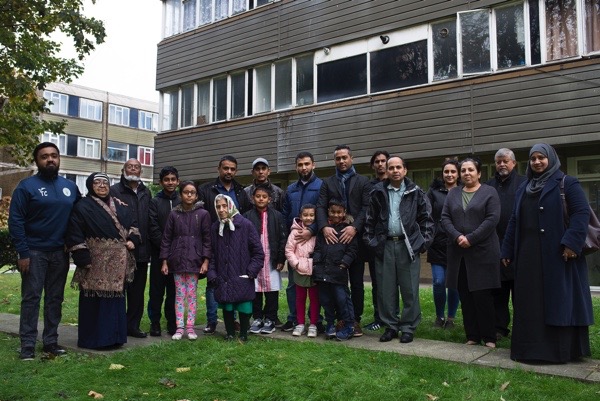
Residents of Treves & Lister House: (From left to right) Tasahood Choudury, Ashraf Choudury, Hasan Zaman (behind), Muhammad Noor, Usama Noor, Nabiha Haque, Sophie Spielman, Mr Kamal, Ziaul Syed, Ayman Syed (in front), Syed Hass (behind), Muhammad Khan, Mahrisa Khan (in front), Syed Ali, Ayaan Ali, Satyendra Roy, Elif Ozturk, Ismigul Osturk, Mjibur Rahman & Khayrun Begum (in front).
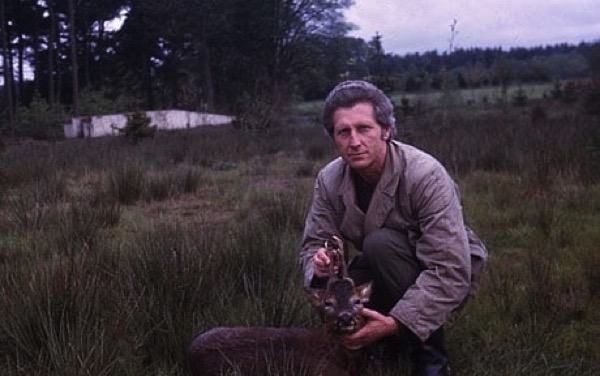
Count Ralph Smorczewski, Architect of Treves House & Lister House
Photograph of residents © Sarah Ainslie
The Executions Of Old London
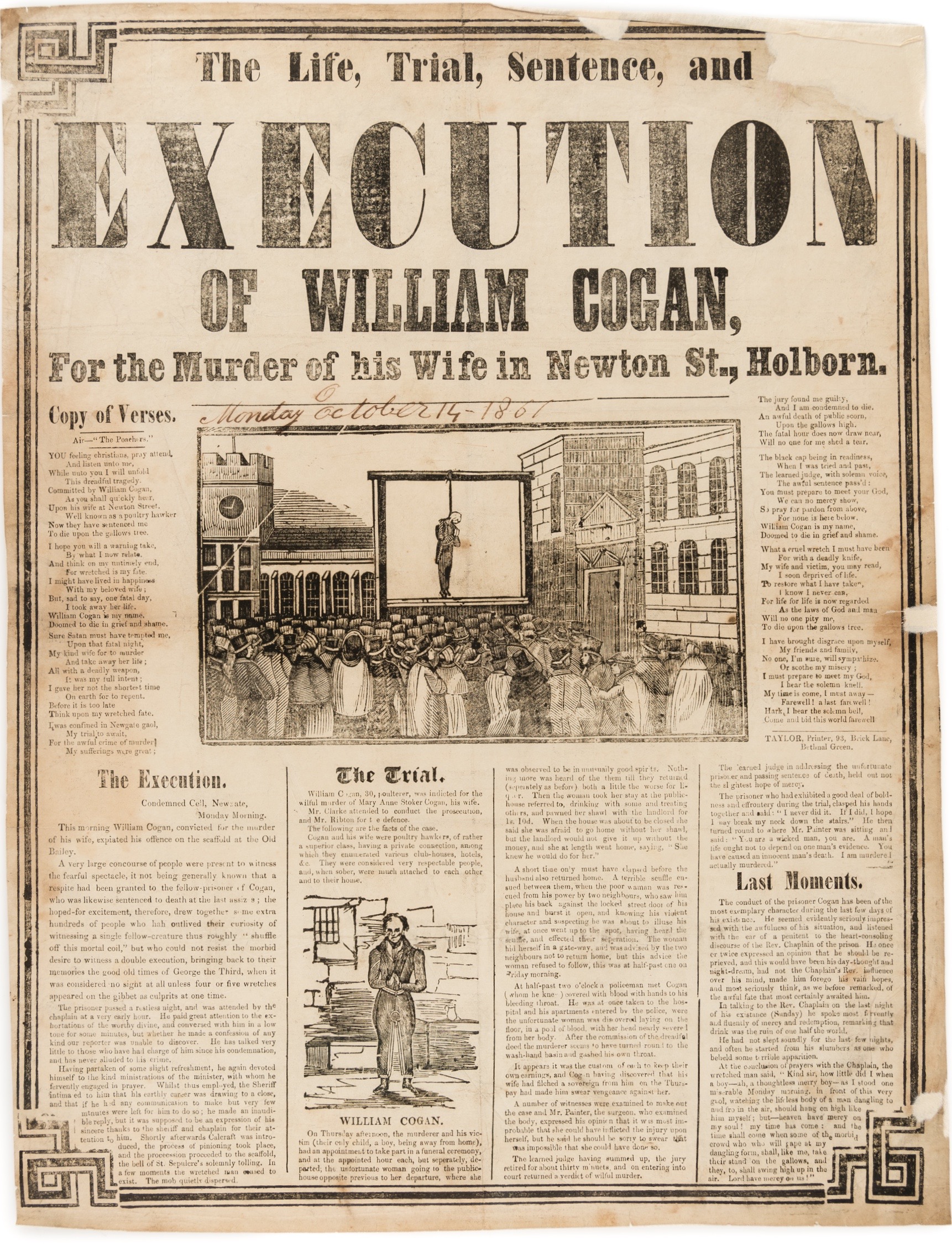
In the days before the internet, television or cinema, public executions were a popular source of entertainment in London. Ed Maggs, fourth generation proprietor of Maggs Bros booksellers (now safely esconced in their new home at 48 Bedford Sq), sent me this fine selection of Execution Broadsides that he came across recently.

(Click on the image to enlarge and read the text)
Execution Broadside of Henry Horler for the murder of his wife Ann Horler on 17th November 1852, at Sun St, Bishopsgate.
Ann Horler’s mother, Ann Rogers, came to take her daughter away from her husband Henry Horler on the night before the murder was discovered. She had been told that her daughter had been abused by her husband. Henry Horler insisted his wife would not go with her mother that night, but Mrs Rogers should return in the morning for her. The next morning Ann Horler was found dead.

(Click on the image to enlarge and read the text)
Execution broadside of John Wiggins at Newgate, 15th October 1867, for the murder of Agnes Oakes on the morning of Wednesday 24th July at Limehouse. Printed with the trial and execution of Louis Bordier, a Frenchman charged with the murder of Mary Ann Snow on the 3rd September 1867 on Old Kent Rd.
Agnes Oakes lived with John Wiggins as his wife for about six months prior to the murder. Neighbours said they witnessed John beating Agnes and she had said she would leave him if he did not stop.

(Click on the image to enlarge and read the text)
Execution broadside of Michael Barrett, the Fenian, and last man to be hanged in public, on the 26th May 1868, Newgate. Barrett was arrested for the “Clerkenwell Explosion” on 13th December 1867 which killed twelve people and injured many others. Barrett was the only Irish Republican to be convicted of the crime, five others were acquitted.
This tragic event occurred during an attempt to release Richard O’Sullivan Burke from prison. The explosion was misjudged and not only did it blast a sixty foot hole in the prison wall, (O’Sullivan Burke is thought to have been killed in the blast), a number of tenements on Corporation Lane were also destroyed.
The conviction appeared largely to be based on the fact Michael Barrett was a Fenian and that several witnesses claimed he may have been in London at the time. Barrett stated he was in Glasgow on the day of the explosion and if ‘there were 10,000 armed Fenians in London, it was ridiculous to suppose they would send to Glasgow for a person of no higher abilities than himself.’

(Click on the image to enlarge and read the text)
Execution broadside of John Devine for the murder of Joseph Duck in the early morning of 11th March 1863, Little Chesterfield St, Marylebone.
The condemned pleaded not guilty to the crime which appeared to result from a robbery that went wrong. The jury was sympathetic to Devine and, although the verdict returned was guilty, there was a strong recommendation to mercy, as they were of the ‘opinion that the prisoner inflicted the injuries on the deceased while in the act of robbing him; but, at the same time they thought he did not intend to murder him.’ The scene of the execution was described thus: ’There was not a large concourse assembled to witness the sad spectacle, nor was there exhibited by those present any of that unseemly demonstrativeness which they are wont to indulge in.’

(Click on the image to enlarge and read the text)
Execution broadside of the nurse Catherine Wilson for the murder by poisoning with colchicine of her patient Maria Soames in Albert St, Bloomsbury, on the 18th October 1856. The last woman to be publicly hanged in London.
This was Catherine Wilson’s second indictment for poisoning a patient, having been acquitted the first time round to the astonishment of many. When the first trial took place, on 16th June 1862, in the documents the accused appeared as Constance Wilson and was also occasionally found under the alias Catherine Taylor/Turner. Immediately, she was taken back in to custody and charged with the murder of Maria Soames. During the initial trial, the police had been busy putting together evidence of further victims and even exhumed several bodies, including that of Ann Atkinson, Peter Mawer and James Dixon, who was one of Ms. Wilson’s former lovers. In seven of these exhumed bodies a variety of poisons were found.
The Judge presiding said he had ’never heard of a case in which it was more clearly proved that murder had been committed, and where the excruciating pain and agony of the victim were watched with so much deliberation by the murderer.”
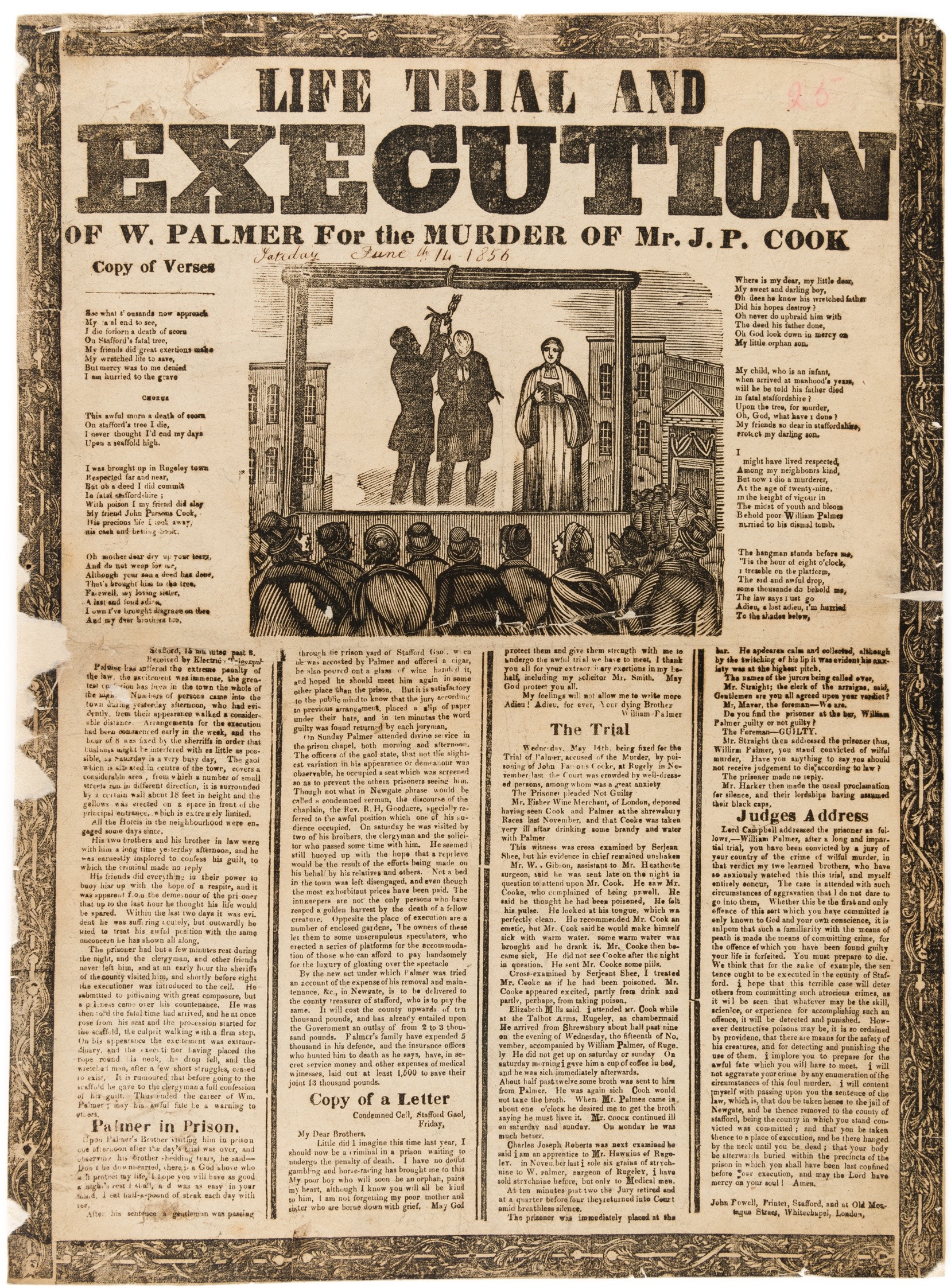
(Click on the image to enlarge and read the text)
Execution broadside of Dr William Palmer, for the poisoning of John Parsons Cook at Stafford. Dr Palmer was described by Charles Dickens as ‘The greatest villain that ever stood at the Old Bailey’ in his article on ’The Demeanor of Murderers’. He is also referenced in several novels and an Alfred Hitchcock film.
He was also suspected, although never indicted, of the murder of his four children, all of whom died in infancy, his wife Ann Palmer, Brother Walter Palmer, a house guest Leonard Bladen, and his mother-in-law, Ann Mary Thornton. The doctor benefited financially from all of these deaths.
Dr Palmer was executed at Stafford Prison Saturday 14th June 1856. Although not mentioned in this broadside, the prisoner was said to have had an interesting exchange with the prison governor moments before his death. When Dr Palmer was asked to confess his crimes, the exchange went thus:
Dr Palmer – ’Cook did not die from strychnine.’
Prison Governor -’There is not time for quibbling – Did you or did you not kill Cook?’
Dr Palmer – ’The Lord Chief Justice summed up for poisoning by strychnine.’
In the trial text, it is stated Dr Palmer reiterated he was: ‘innocent of poisoning Cook by strychnia.’
The Judge stated in his summation: ‘Whether it is the first and only offence of this sort which you have committed is certainly known only to God and your own conscience.’
Dr Palmer became notorious for his supposed crimes. It was said 20,000 people attended his execution and a wax figure of him was displayed at Madame Tussauds in the Chamber of Horrors from 1857 – 1979.

(Click on the image to enlarge and read the text)
Trial broadside of Thomas Cooper,‘would-be’ highwayman, for the murder of Timothy Daly, policeman, and also for shooting at and maiming, with intent to murder, Charles Mott (a baker), and Charles Moss (another police officer) on 5th May at Highbury.
The defence, Mr Hory, addressed the jury, saying ‘for the first time during the seven years that he had been at the bar, he was called upon to address a jury upon a charge, conviction upon which was certain death. He almost felt that his anxiety would defeat itself. He could not help referring to different published statements, most of them monstrous perversions of established fact, and all calculated to excite the prejudices of a jury. When he saw these he could hardly fancy they lived in an enlightened age’.
Mr Hory made the case that the prisoner was not of sound mind, citing attempts of suicide, and claims of being Dick Turpin and Richard III. But this defence was unsuccessful with the jury reached a verdict of guilty, and Thomas Cooper was sentenced to death and executed July 7th 1842.
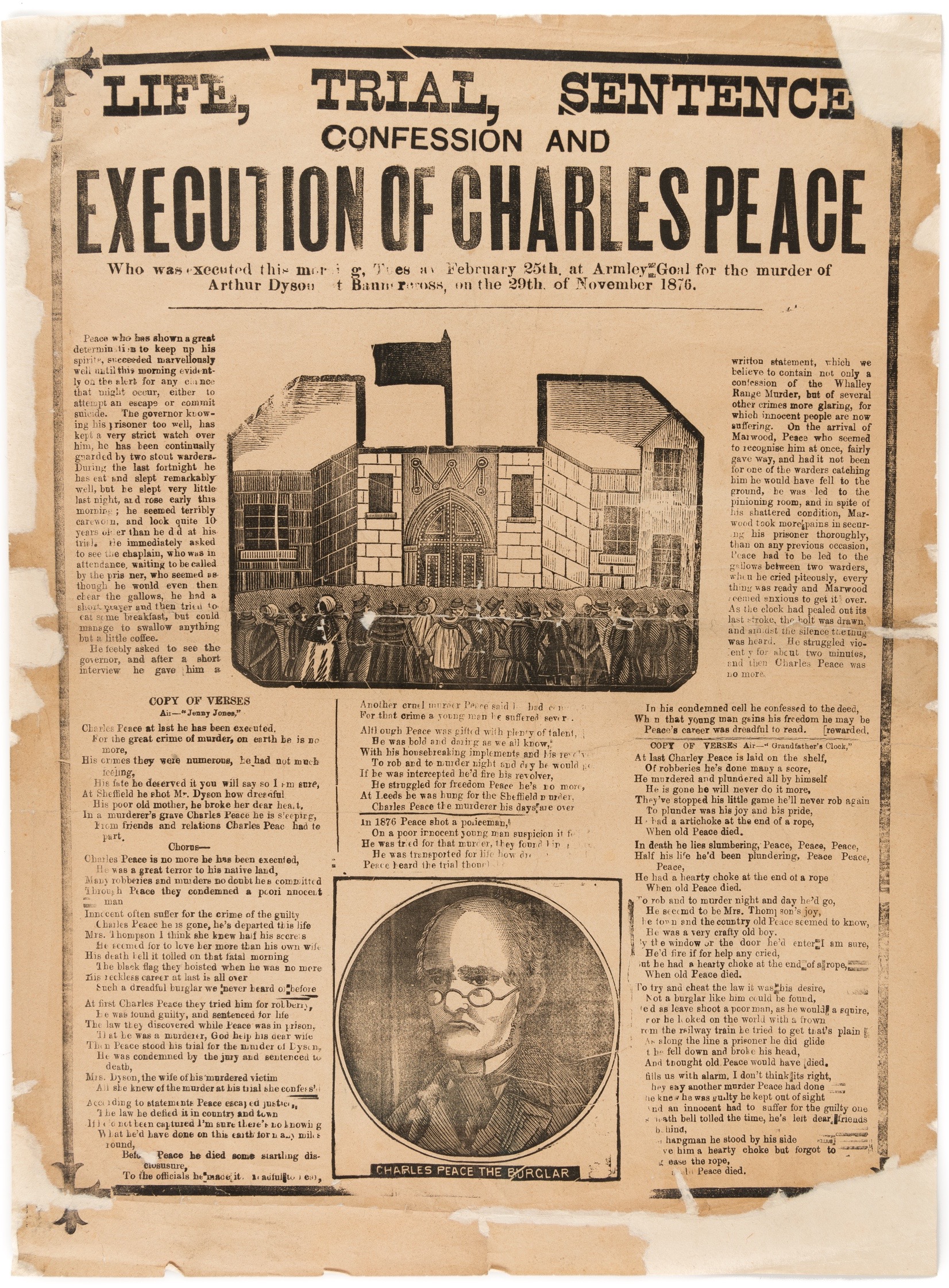
(Click on the image to enlarge and read the text)
Execution broadside of Charles Peace the notorious Blackheath burglar, for the murder of Arthur Dyson at Banner Cross, on the 29th November 1876.
Charles Peace murdered Arthur Dyson after become obsessed with Mr Dyson’s wife. Then Peace went on the run for two years with a £100 reward on his head, until he was betrayed by his mistress, Mrs Sue Thompson, who revealed his whereabouts to the police. She never received her expected reward as the police claimed her information did not lead directly to Peace’s arrest. He was caught on 10th October 1878, by Constable Robinson, who Peace shot at five times.
Subsequently, a waxwork figure of Charles Peace featured at Madame Tussaud’s, and two films and several books were produced about his life and crimes.
Images courtesy of Maggs Bros
You may also like to read about
Two East End Vernacular Lectures
I have illustrated lectures on the subject of EAST END VERNACULAR, Artists who painted London’s East End streets in the 20th century coming up in Whitechapel on Thursday 17th November and in Shoreditch on 21st November.
I shall be showing the paintings and telling the stories that lie behind their creation, including work by John Allin, S. R. Badmin, Pearl Binder, Dorothy Bishop, James Boswell, Roland Collins, Alfred Daniels, Anthony Eyton, Doreen Fletcher, Geoffrey Fletcher, Barnett Freedman, Noel Gibson, Charles Ginner, Lawrence Gowing, Harry T. Harmer, Elwin Hawthorne, Rose Henriques, Dan Jones, Nathaniel Kornbluth,Leon Kossoff, James Mackinnon, Cyril Mann, Jock McFadyen, Ronald Morgan, Grace Oscroft, Peri Parkes, Henry Silk, Harold Steggles, Walter Steggles & Albert Turpin.
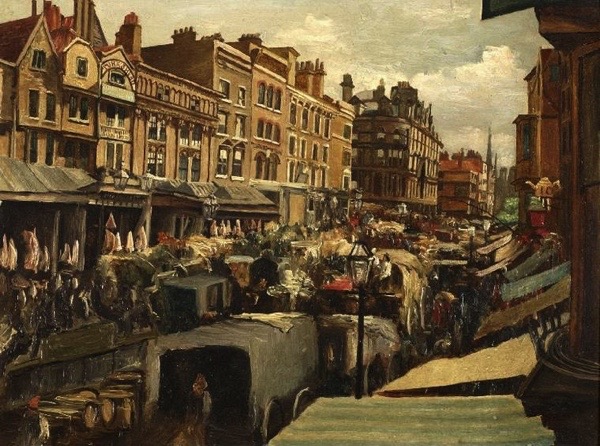
Whitechapel High St, 1869 by Edwin Edwards
7pm Friday 17th November at Idea Store, Whitechapel, opening the Write Idea Festival 2017. Click here to book.
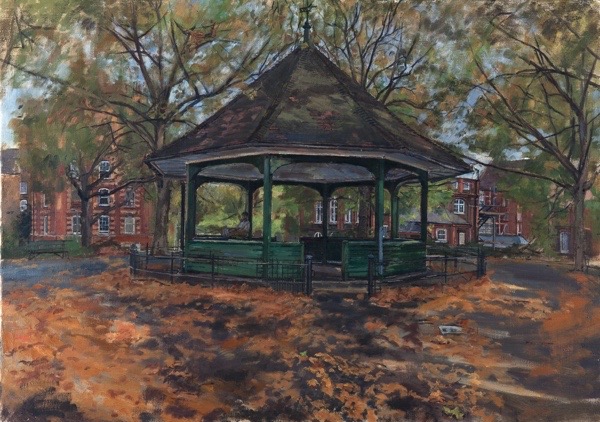
Arnold Circus, 1990-92 by Peri Parkes
6:30pm Tuesday 21st November at Calvert 22 Foundation, 22 Calvert Avenue, E2 7JP, as part of the Friends of Arnold Circus AGM. Click here to book.
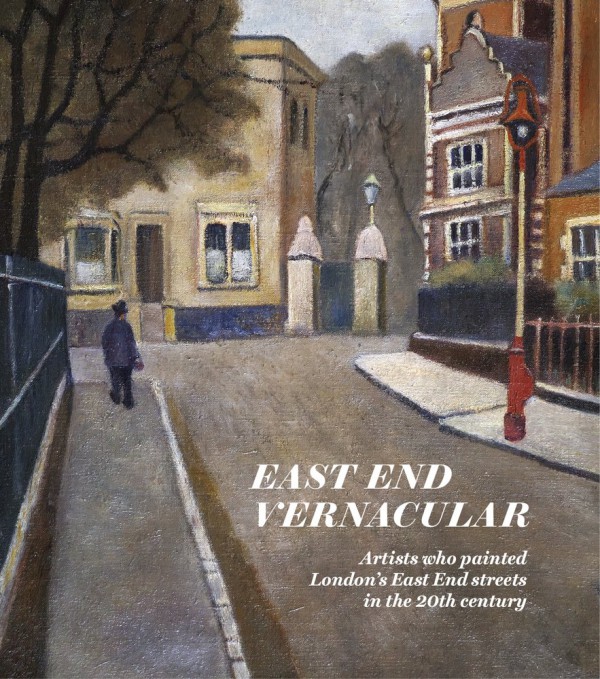
Click here to order a copy of EAST END END VERNACULAR for £25

More East End Beer Bottle Labels
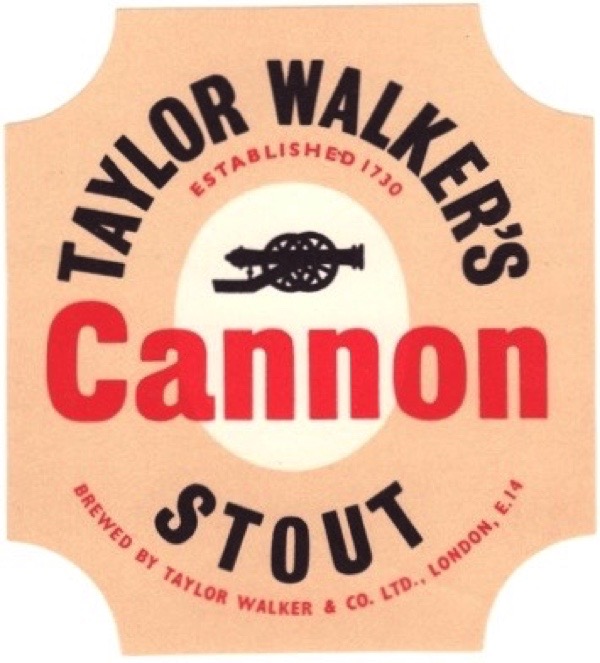
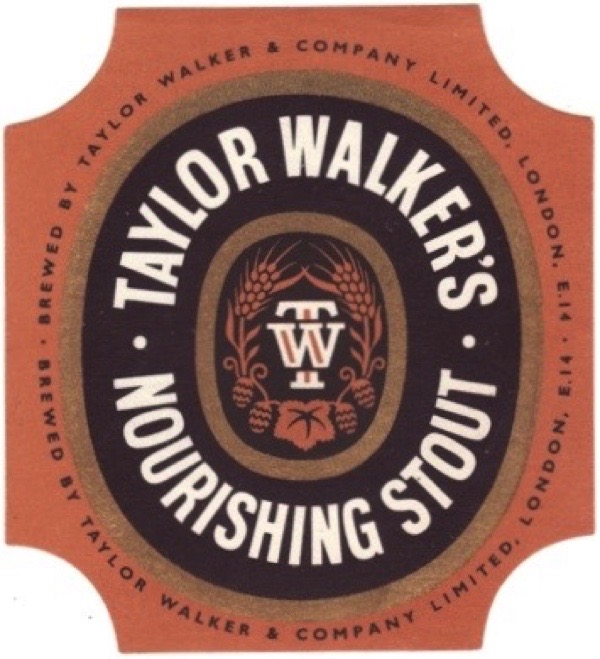
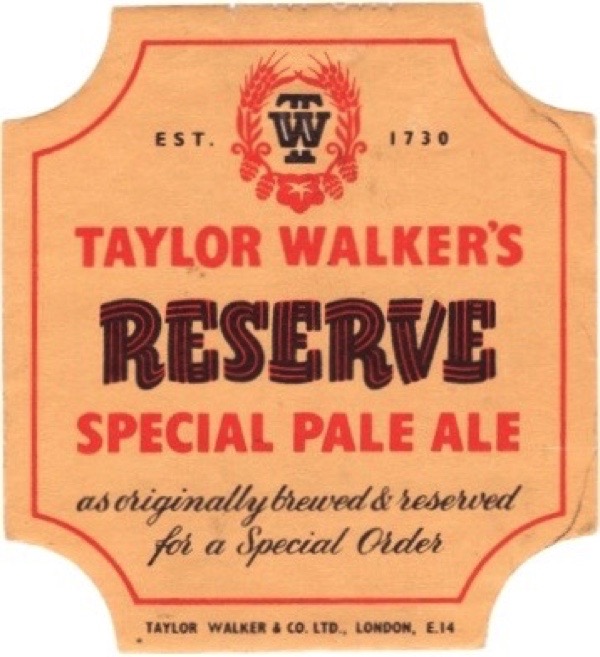
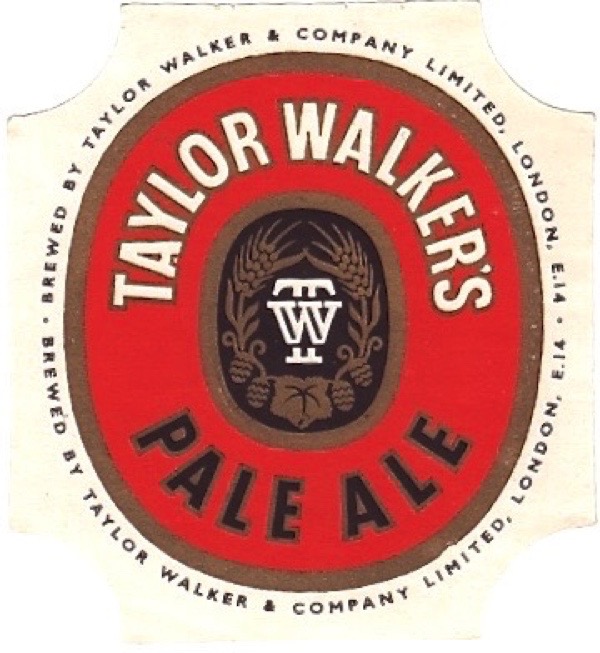
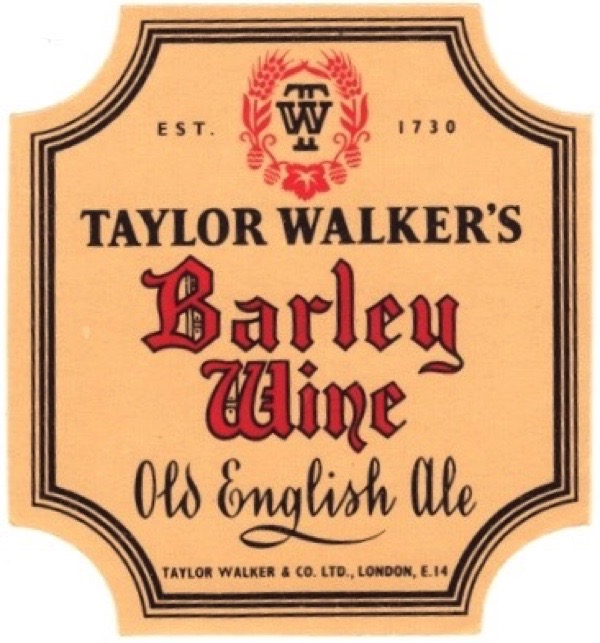
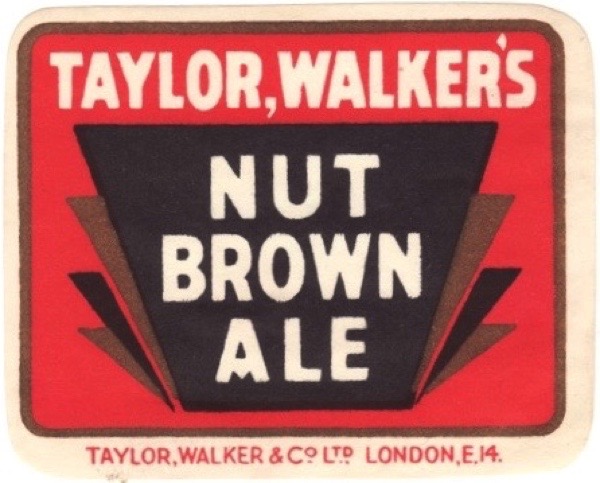
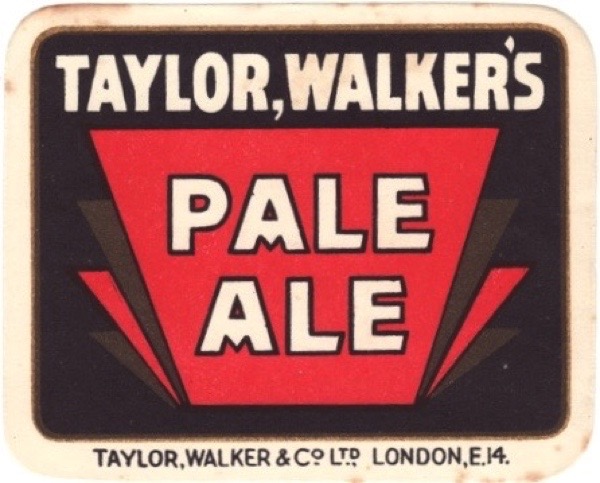
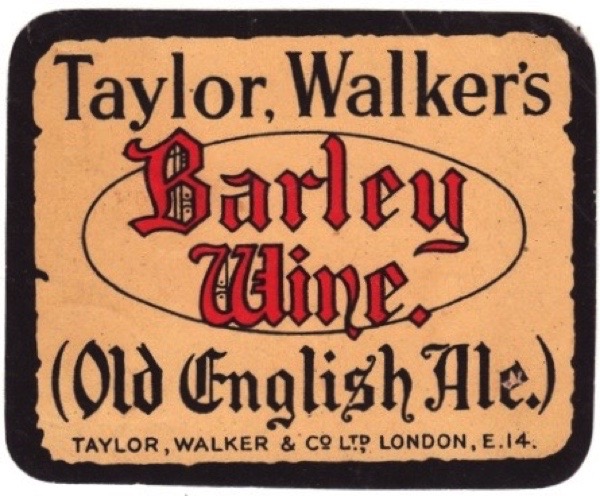
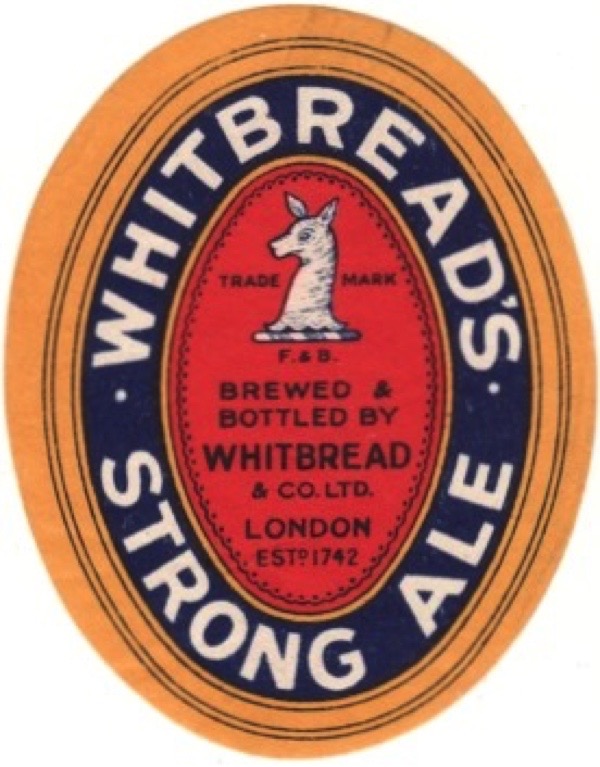
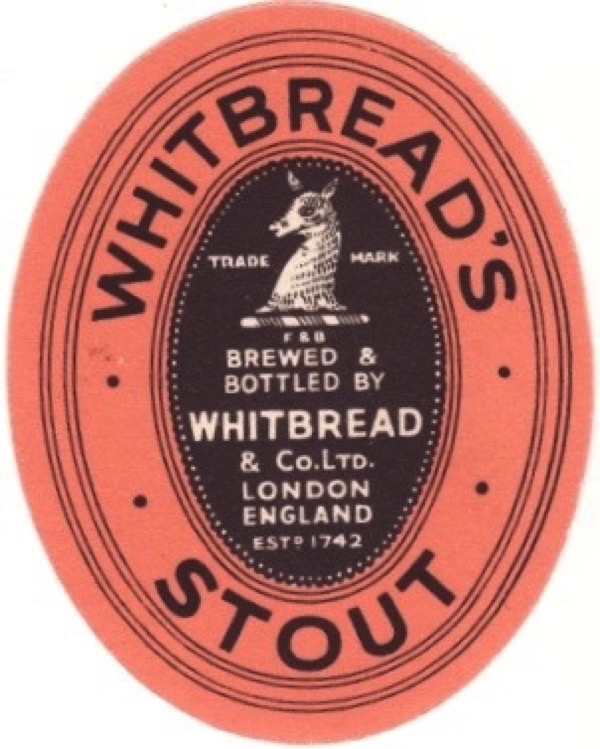
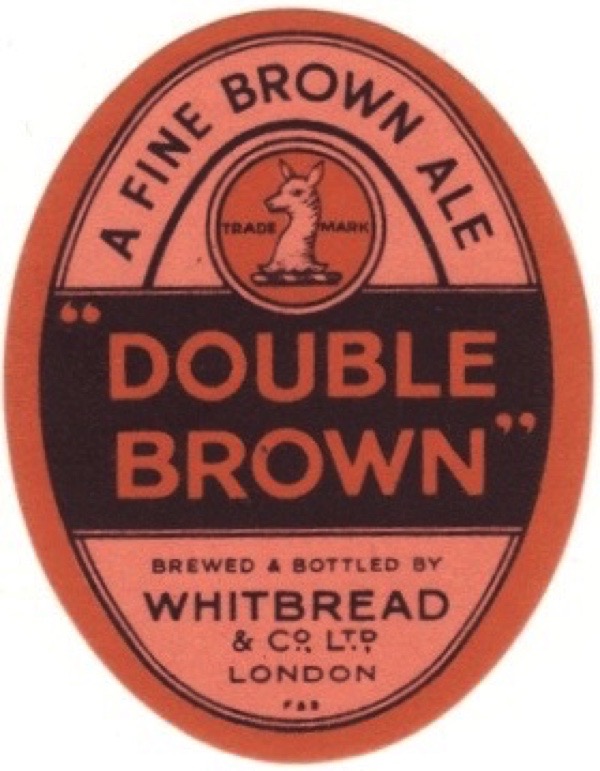
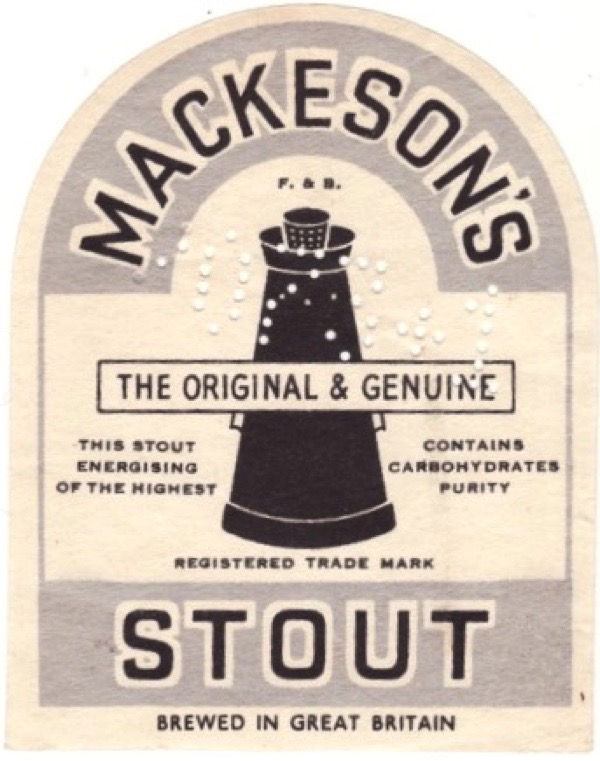
Paul Shearsmith kindly sent me more thirst-inspiring mid-twentieth century beer labels. These are from Taylor Walker & Co at the Barley Mow Brewery in Limehouse (1730-1960) and Whitbread at the Hind Brewery in Chiswell St (1750-1976). At this time of year, my instinct is to install myself in the snug and stay there till spring, sampling ales by the fire. I cannot decide whether to start with a pint of Taylor Walker’s Cannon Stout or Whitbread’s Double Brown.
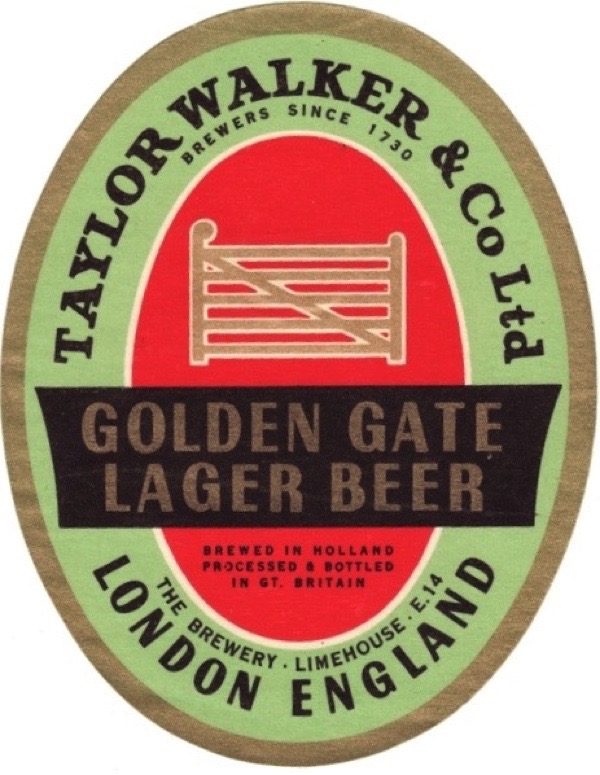
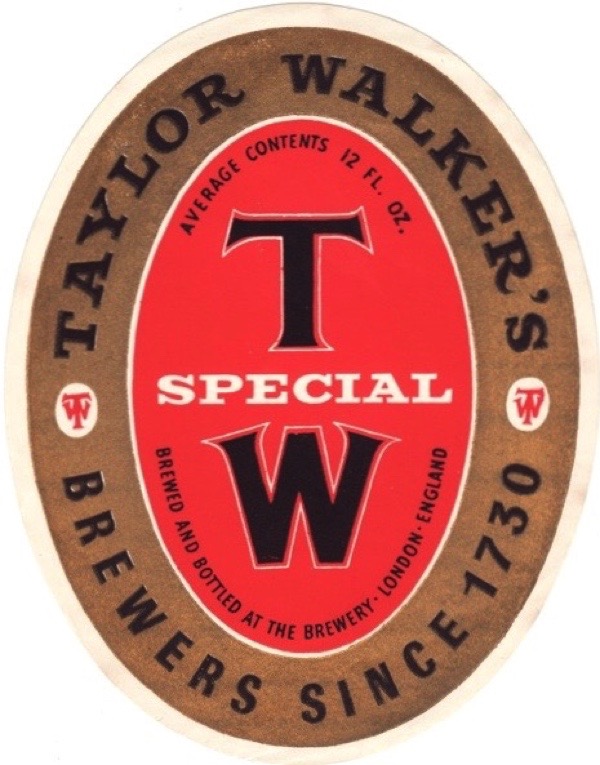
You may also like to take a look at
Stephen Killick’s Truman’s Beer Labels
Ben Hur’s Stepney
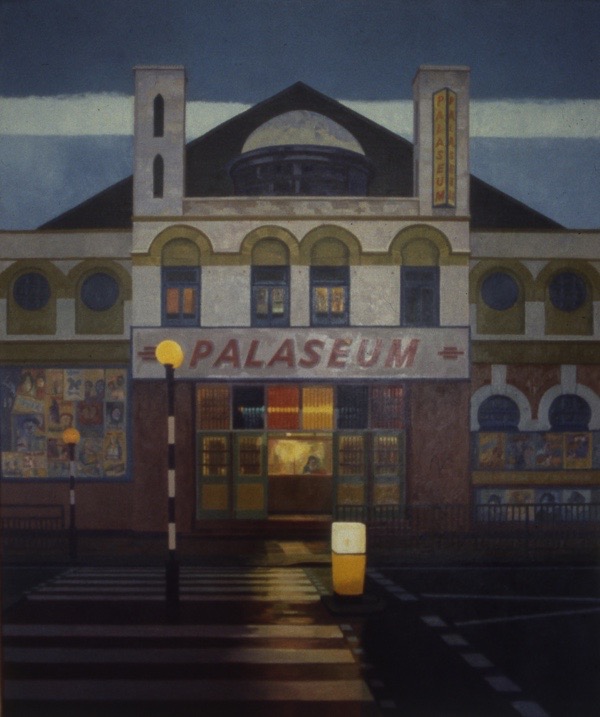
The Palaseum Cinema (also known as the Ben Hur) painted by Doreen Fletcher, 1985
Ian Ben Hur, grandson of Ben Hur who was both projectionist and proprietor at the Palaseum Cinema in White Horse Rd, Stepney from 1917, sent me this glorious film celebrating a party thrown by his grandfather for eight hundred children at the Jubilee of 1935. Ben placed a camera on the front of a car to take some of the shots and showed the completed film to audiences at his cinema. How much I would love to have been there to witness their reaction.
Too often, we think of the East End in the thirties as defined by social problems, the poverty and deprivation, and the rise of fascism, yet these images confront us with the vitality of that society. The delightful sequences of crowds arriving at the cinema remind me of the Lumiere Brothers’ film of workers leaving the factory, with spectators offering spontaneous greeting as they recognise the camera. Above all, the wonder of this film is the exuberance of the community which is conveyed and no viewer can fail to be touched by these joyful personalities presenting themselves to the lens with such confident self-possession.
Ben Hur was born Henry Ben Solomon, but changed his name by deed poll to Ben Hur after gaining fame by beating a market bully who was a bare-knuckle boxing champion after seventy-seven rounds. He made money with a stage act as The World Strongest Man and used it to buy businesses including the Palaseum. Renowned for his charitable endeavours including donations to the Royal London Hospital, Ben lived until in 1960.
The Ben Hur cinema which was also known as the Palaseum was converted to a bingo club in 1962 and then a snooker club in the eighties, closing in 2007 before the building was demolished in 2008.
[youtube hzZ5rPWAC_c nolink]
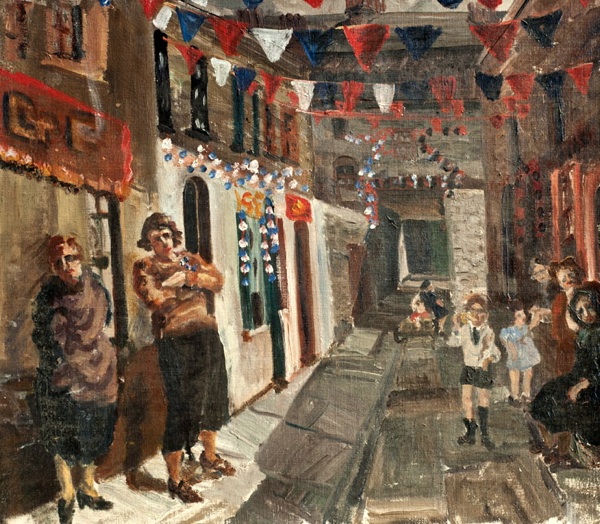
Celebrations in Challis Court by Rose Henriques (Courtesy of Tower Hamlets Local History Library & Archives)
The Pubs Of Old London

The Vine Tavern, Mile End
I cannot deny I enjoy a drink, especially if there is an old pub with its door wide open to the street inviting custom, like this one in Mile End. In such circumstances, it would be affront to civility if one were not to walk in and order a round. Naturally, my undying loyalty is to The Golden Heart in Commercial St, as the hub of our existence here in Spitalfields and the centre of the known universe. But I have been known to wander over to The Carpenters’ Arms in Cheshire St, The George Tavern in Commercial Rd and The Marksman in Hackney Rd when the fancy takes me.
So you can imagine my excitement to discover all these thirst-inspiring images of the pubs of old London among the thousands of glass slides – many dating from a century ago – left over from the days of the magic lantern shows given by the London & Middlesex Archaeological Society at the Bishopsgate Institute. It did set me puzzling over the precise nature of these magic lantern lectures. How is it that among the worthy images of historic landmarks, of celebrated ruins, of interesting holes in the ground, of significant trenches and important church monuments in the City of London, there are so many pictures of public houses? I can only wonder how it came about that the members of the London & Middlesex Archaeological Society photographed such a lot of pubs, and why they should choose to include these images in their edifying public discourse.
Speaking for myself, I could not resist lingering over these loving portraits of the pubs of old London and I found myself intoxicated without even lifting a glass. Join me in the cosy barroom of The Vine Tavern that once stood in the middle of the Mile End Rd. You will recognise me because I shall be the one sitting in front of the empty bottle. Bring your children, bring your dog and enjoy a smoke with your drink, all are permitted in the pubs of old London – but no-one gets to go home until we have visited every one.

The Saracen’s Head, Aldgate

The Grapes, Limehouse

George & Vulture, City of London

The Green Dragon, Highgate

The Grenadier, Old Barrack Yard

The London Apprentice, Isleworth

Mitre Tavern, Hatton Garden
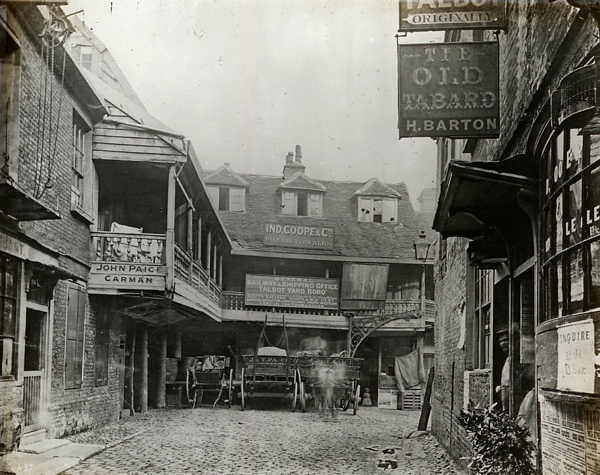
The Old Tabard, Borough High St

The Three Compasses, Hornsey

The White Hart, Lewisham

The famous buns hanging over the bar at The Widow’s Son, Bow

The World’s End, Chelsea, with the Salvation Army next door.

The Angel Inn, Highgate

The Archway Tavern, Highgate

The Bull, Highgate

The Castle, Battersea

The Old Cheshire Cheese, Fleet St

The Old Dick Whittington, Cloth Fair, Smithfield

Fox & Crowns, Highgate

The Fox, Shooter’s Hill


The Albion, Barnesbury

The Anchor, Bankside

The George, Borough High St
Images courtesy Bishopsgate Institute
You may also like to read about
Sandra Esqulant, The Golden Heart
The Carpenter’s Arms, Gangster Pub