Syd Shelton’s East End
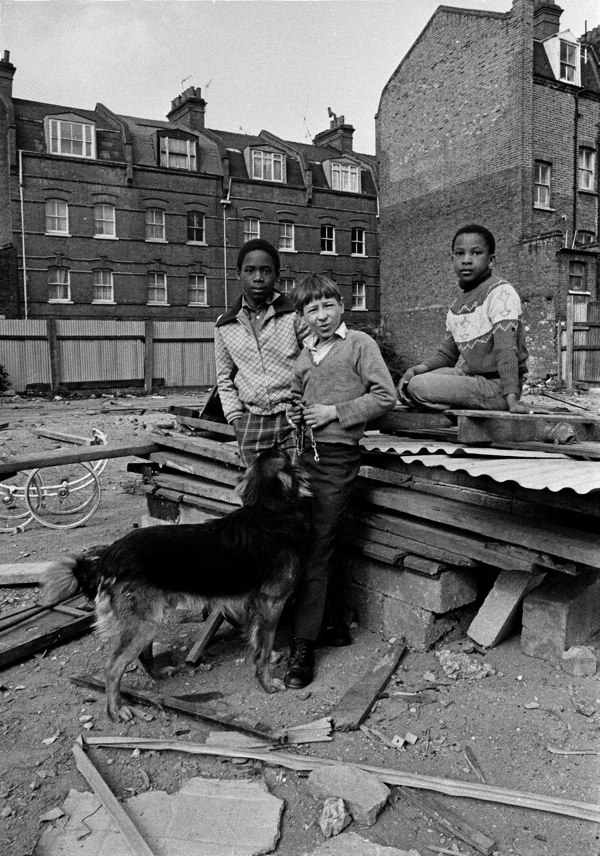
Brick Lane 1978
Photographer Syd Shelton‘s enduring fascination with the East End was sparked by a childhood visit from Yorkshire with an uncle and aunt more than fifty years ago. “My cousin was was working in a mission somewhere off Bethnal Green Rd,” Syd recalled, “It was a scary part of London then and I remember my uncle looked out of the window every few minutes to check the wheels were still on his car!”
“The day I left college in 1968, I came down to London and I have worked here ever since, photographing continuously in Hackney and Tower Hamlets,” Syd admitted to me.
In the seventies, Syd became one of the founders of Rock Against Racism, using music as a force for social cohesion, and his photographs of this era include many affectionate images of racial harmony alongside a record of the culture of racism . “It was an exciting time when, after the death of Altab Ali, the Asian community stood up to be counted and the people of the East End became militant against the National Front,” he explained, “In 1981, I got a studio in the Kingsland Rd and I only gave it up recently because the rents became too expensive.”
Syd’s portraits of East Enders span four decades yet he did not set out consciously to document social change. “I never started this as a project, it’s only when I looked back that I realised I had taken swathes of pictures of people in the East End,” he explained, “So now I come back and spend a day on the streets each week to continue.”
“I say I am not a documentary photographer, because I like to talk to people before I take my picture to see what I can coax out of them,” he qualified,“Taking photos is what makes my heart beat.”
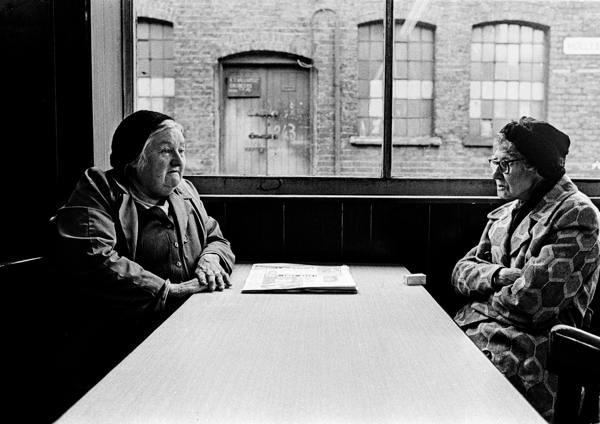
Bethnal Green 1980
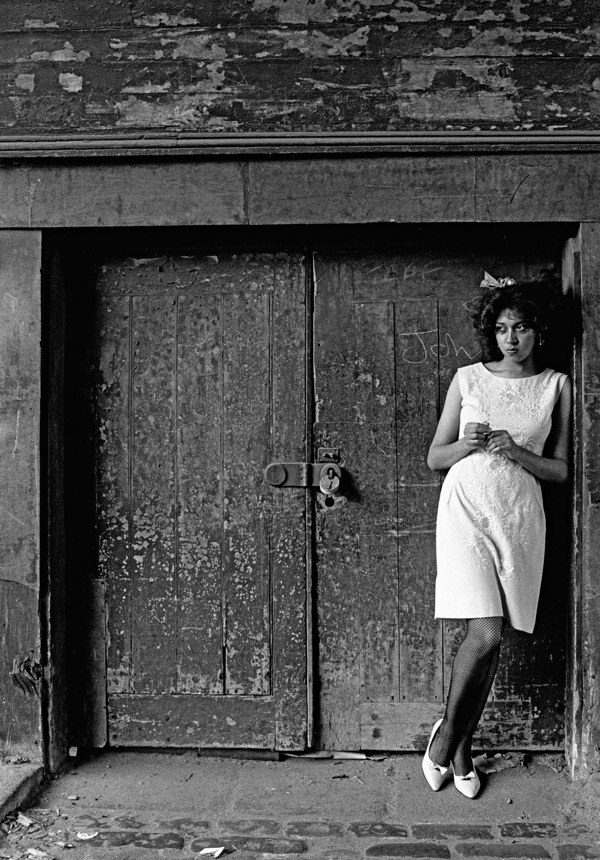
Linda, Kingsland Rd 1981
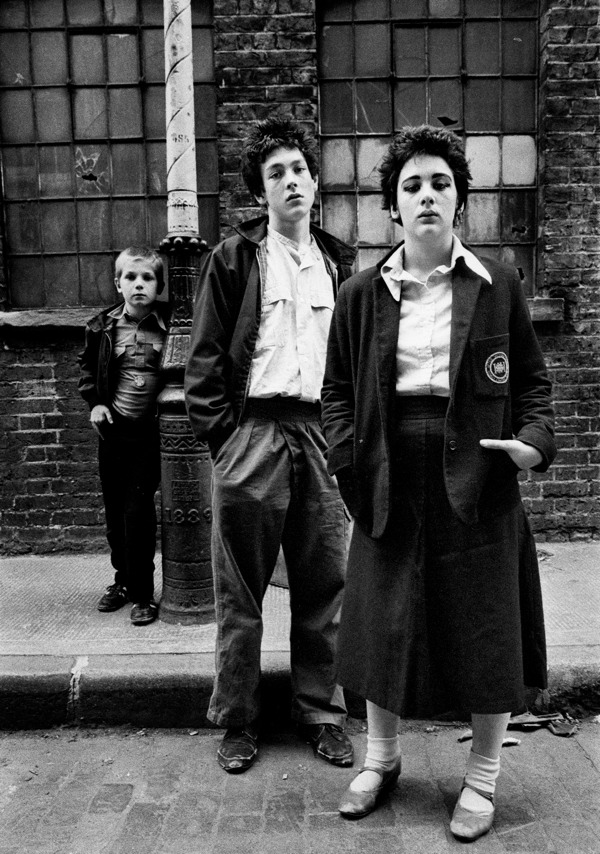
Bethnal Green 1980
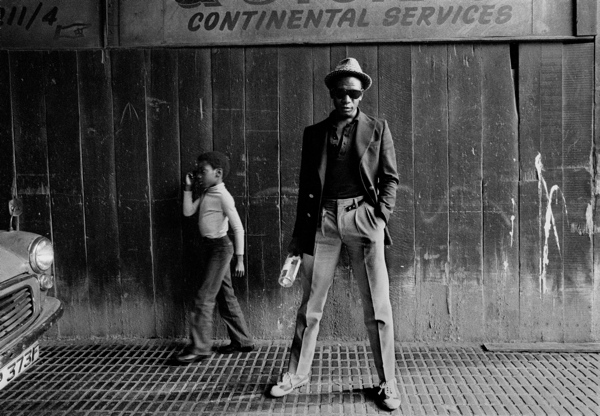
Bagger, Cambridge Heath Rd 1979
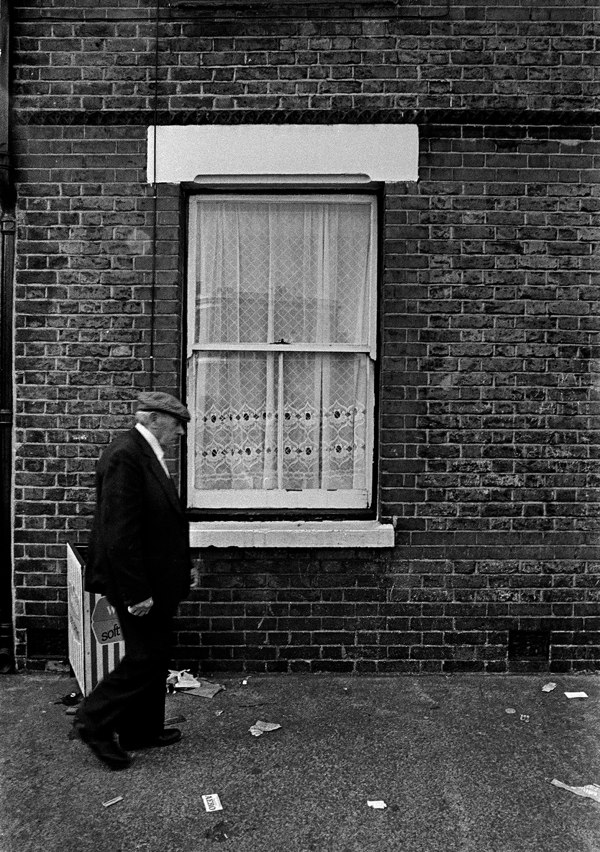
Columbia Rd 1978
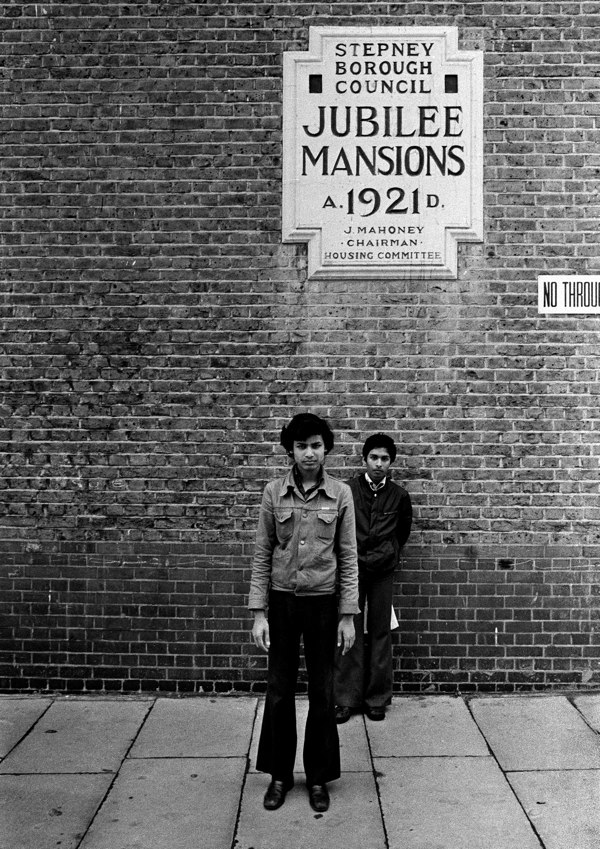
Jubilee St, 1979
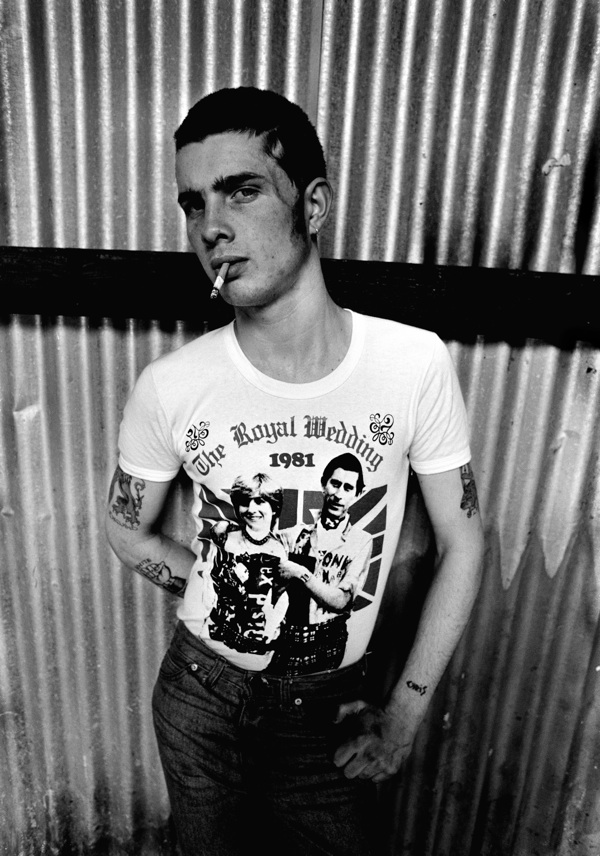
Petticoat Lane 1981
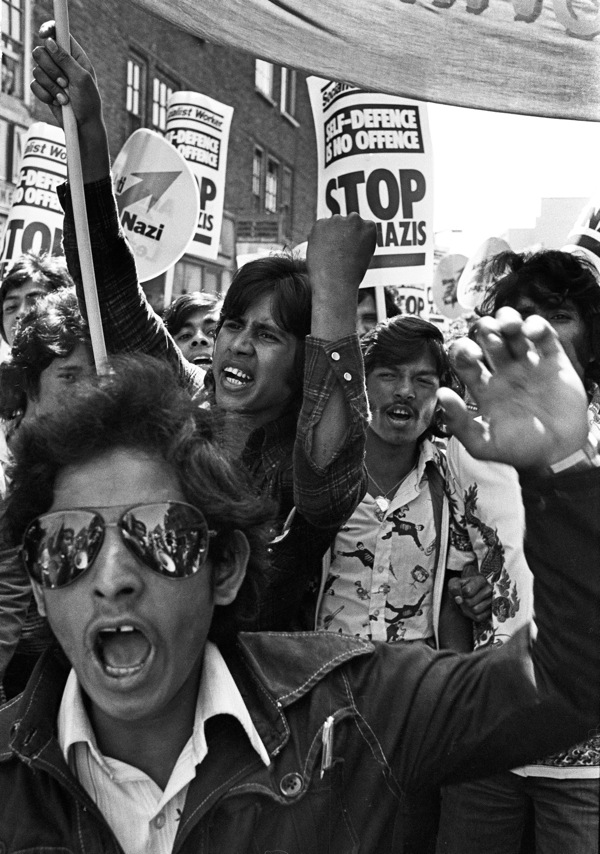
Brick Lane 1978
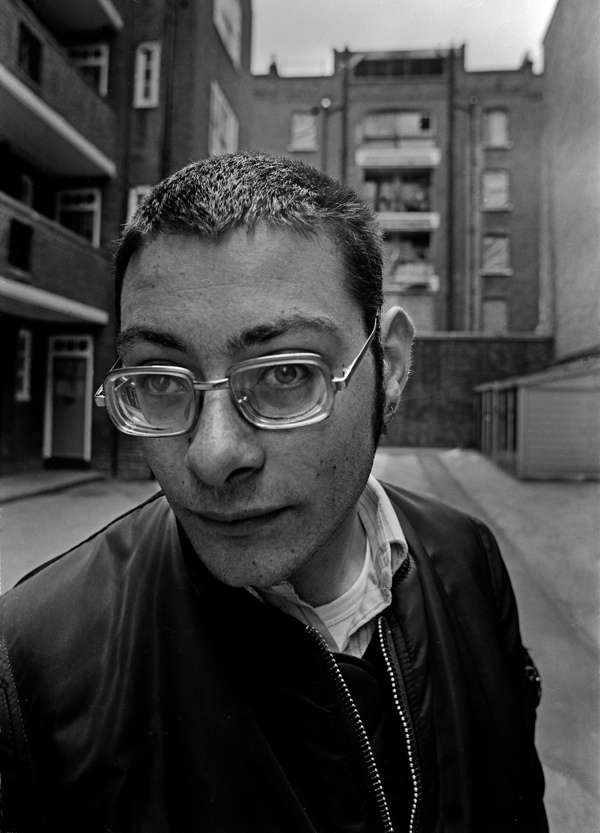
Aldgate East 1979
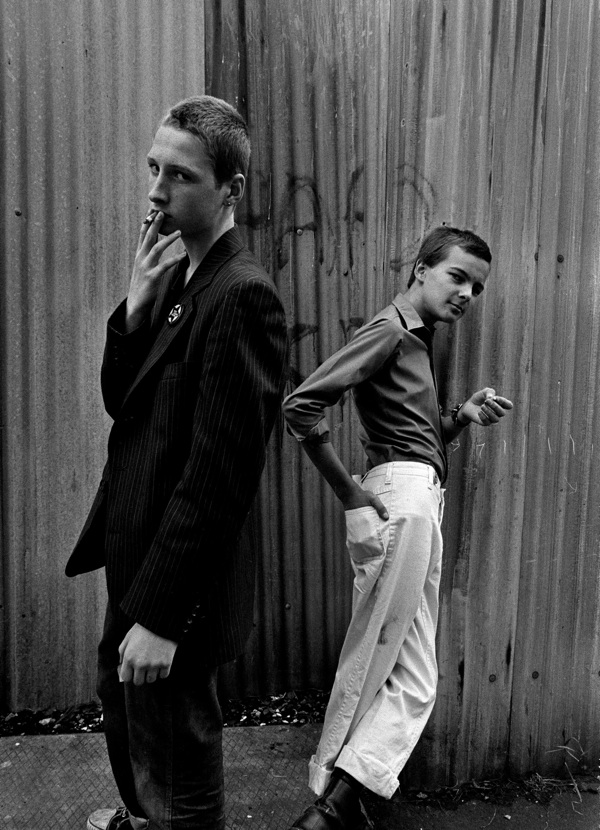
Hoxton 1979
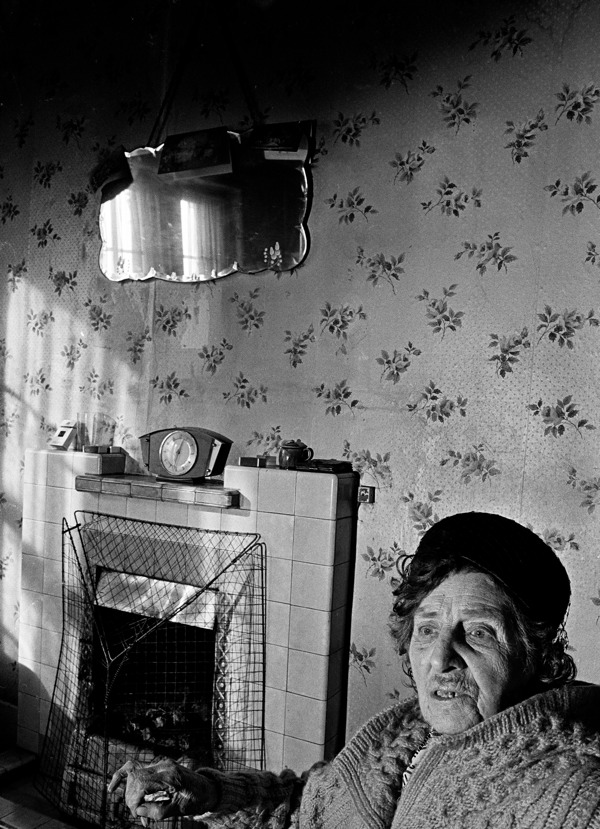
Tower Hamlets 1981
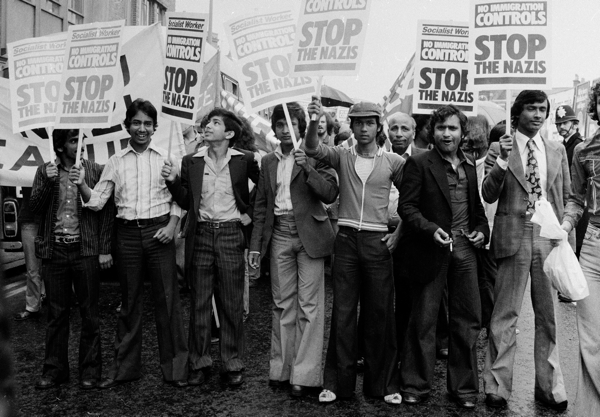
Brick Lane 1976
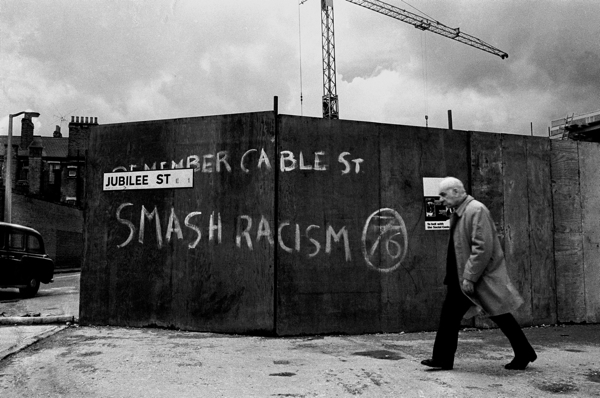
Jubilee St 1977
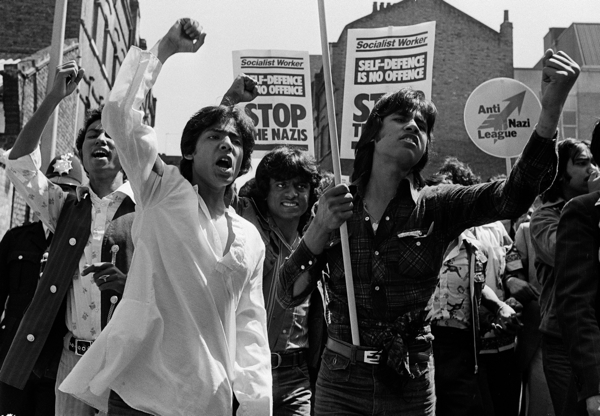
Brick Lane 1978
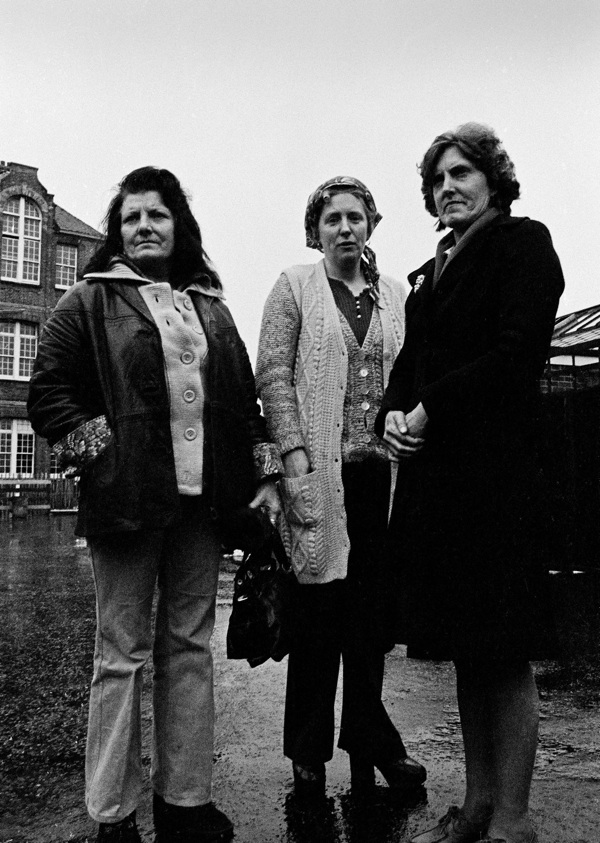
School Cleaners’ Strike 1978
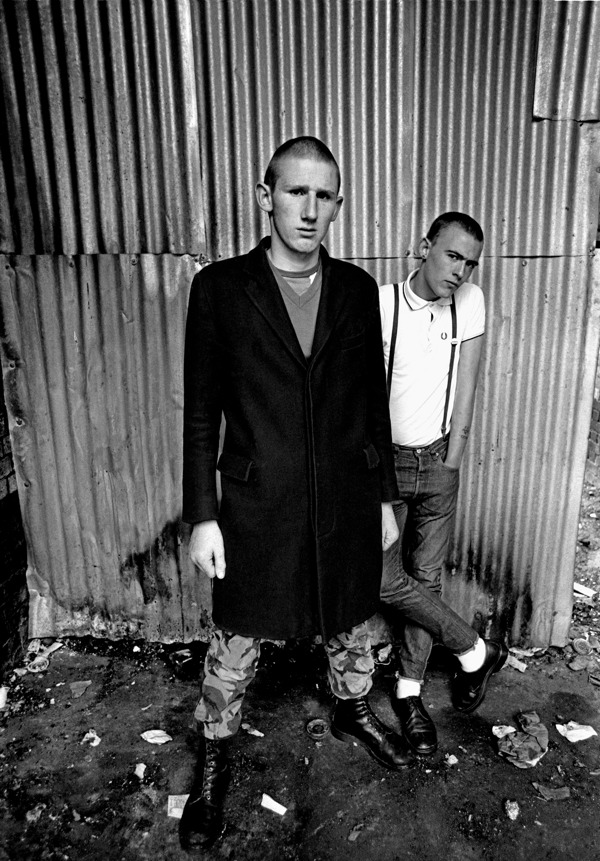
Petticoat Lane 1978
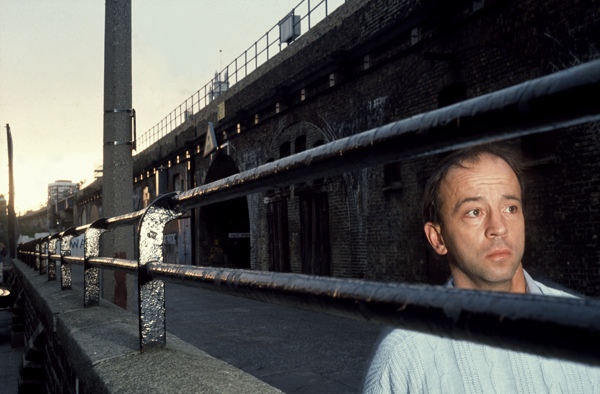
David Widgery, Limehouse 1981
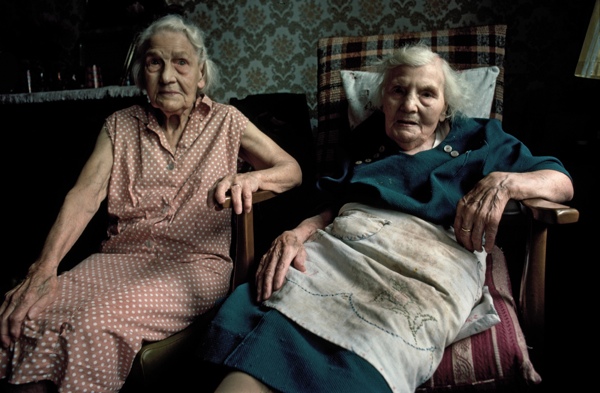
Sisters, Bow 1984
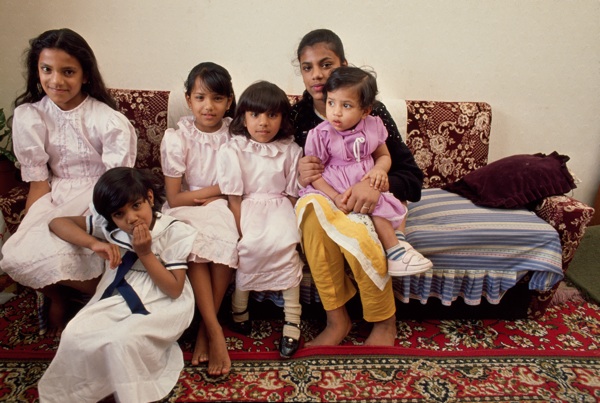
Sisters, Tower Hamlets 1988
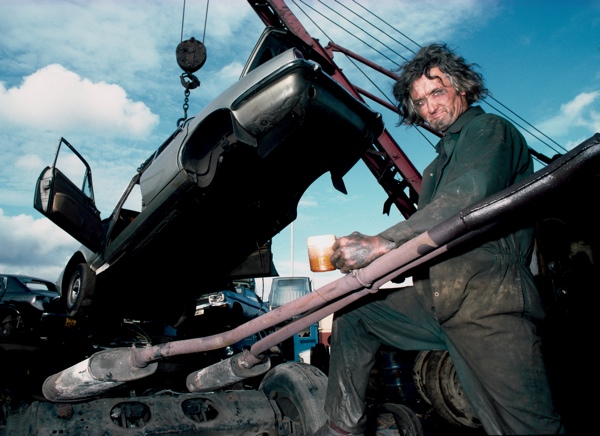
Bow Scrapyard 1984
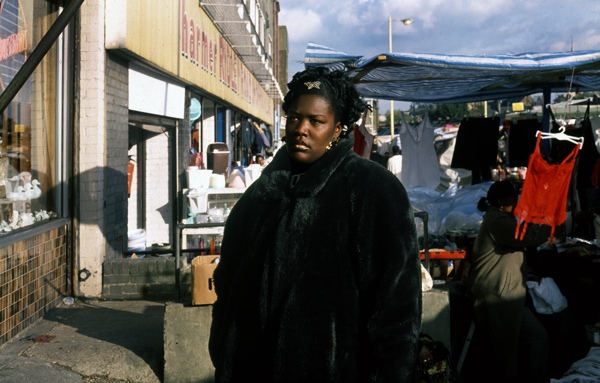
Ridley Rd Market 1992
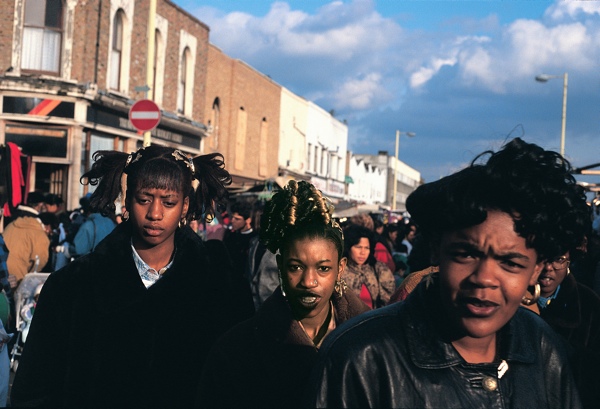
Ridley Rd Market 1992
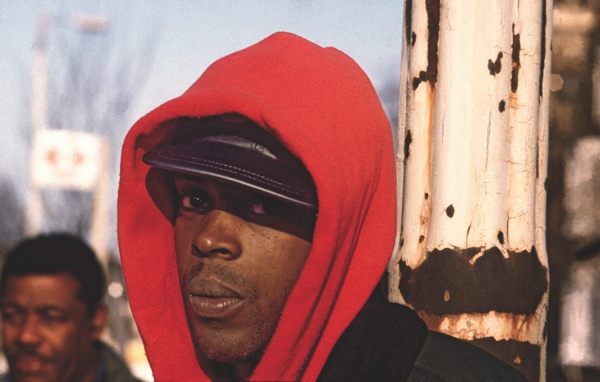
Ridley Rd Market 1995
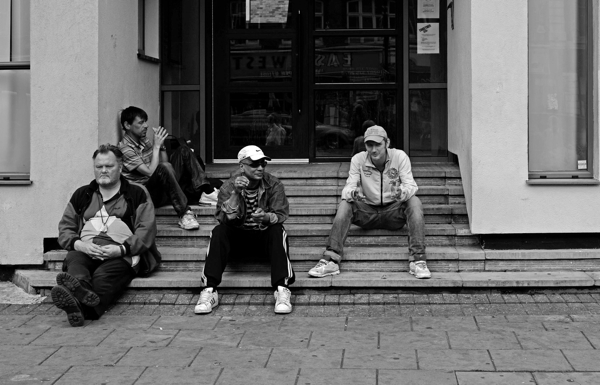
Whitechapel 2013
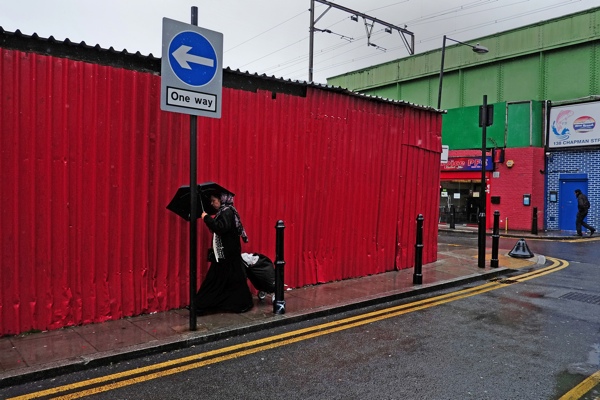
Shadwell 2013

Brick Lane 2013
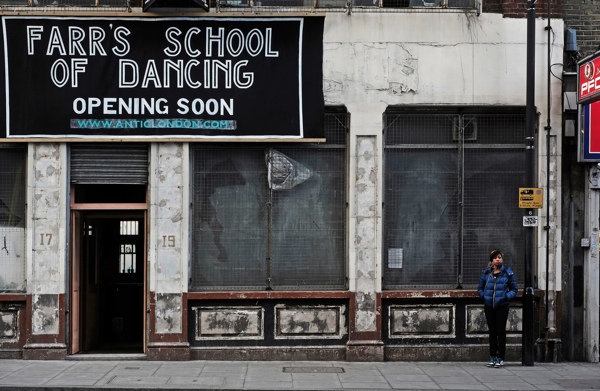
Dalston Lane 2013
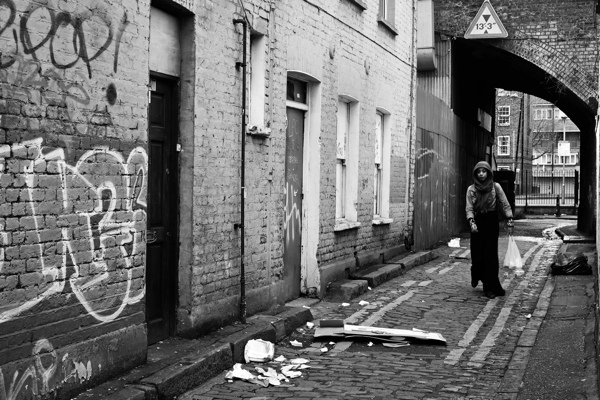
Bethnal Green 2013
Photographs copyright © Syd Shelton
You may also like to take a look at
Tessa Hunkin’s New Mosaic In Haggerston
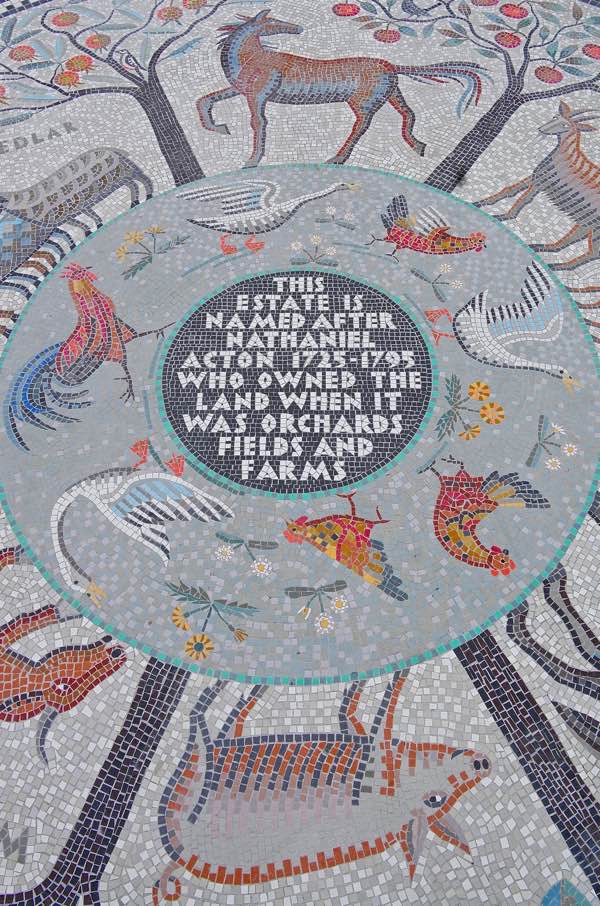
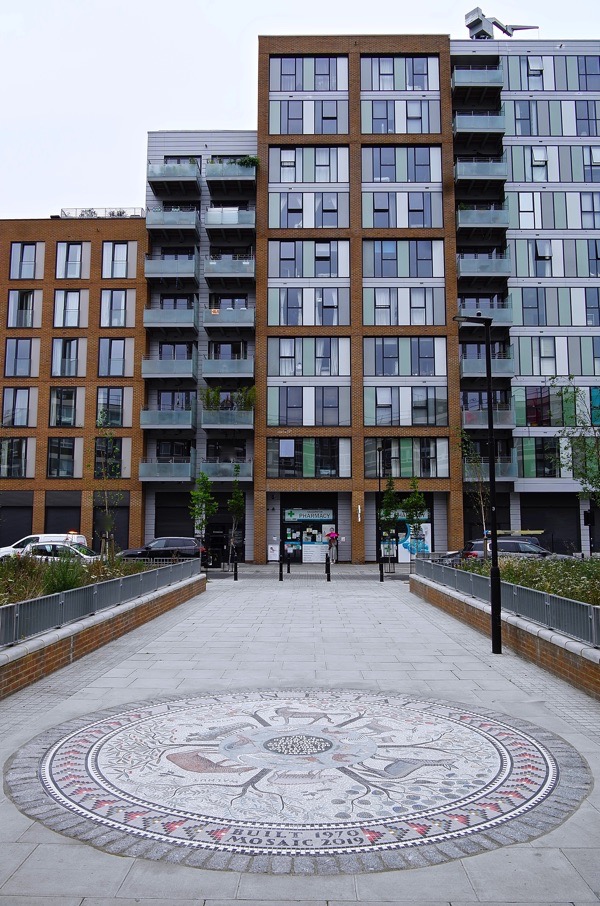
If you are seeking a destination for your daily walk you can do no better than directing your footsteps towards Haggerston where Tessa Hunkin & Hackney Mosaic Project‘s largest ever mosaic has just been completed on the Acton Estate.
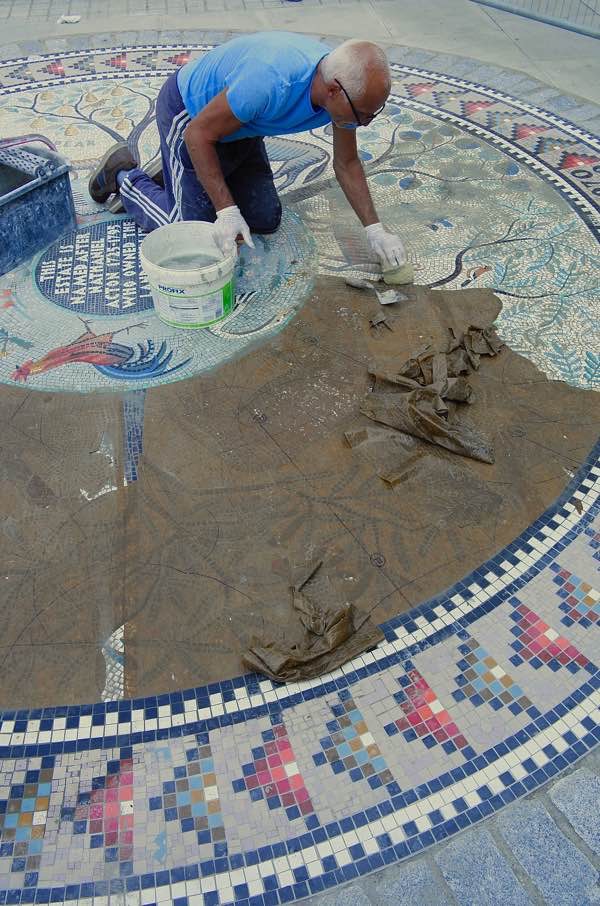
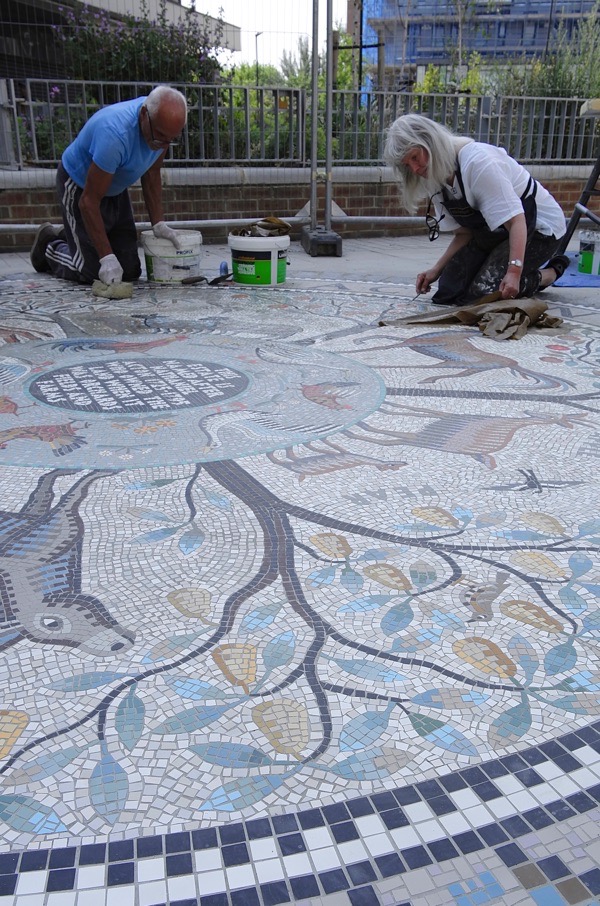
Eight months of work by Tessa and her team reached its spectacular culmination last week as mosaic specialist Walter Bernadin laboured from early morning to install their latest masterpiece before the sun reached its full heat. Funded by the developers who have redeveloped part of the post-war estate, the mosaic forms the centrepiece to the shopping parade at the heart of the neighbourhood which takes its name from Nathaniel Acton who owned the land in the eighteenth century.
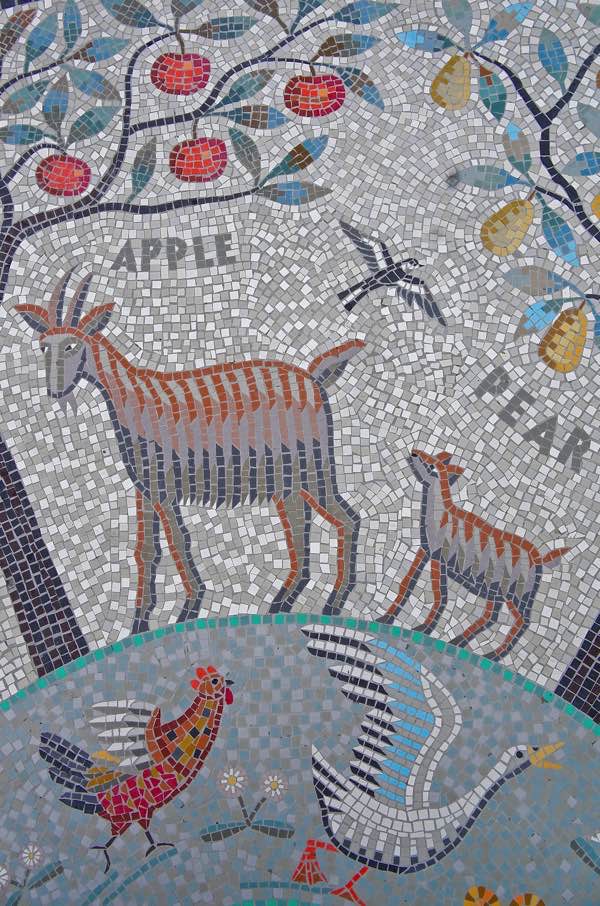
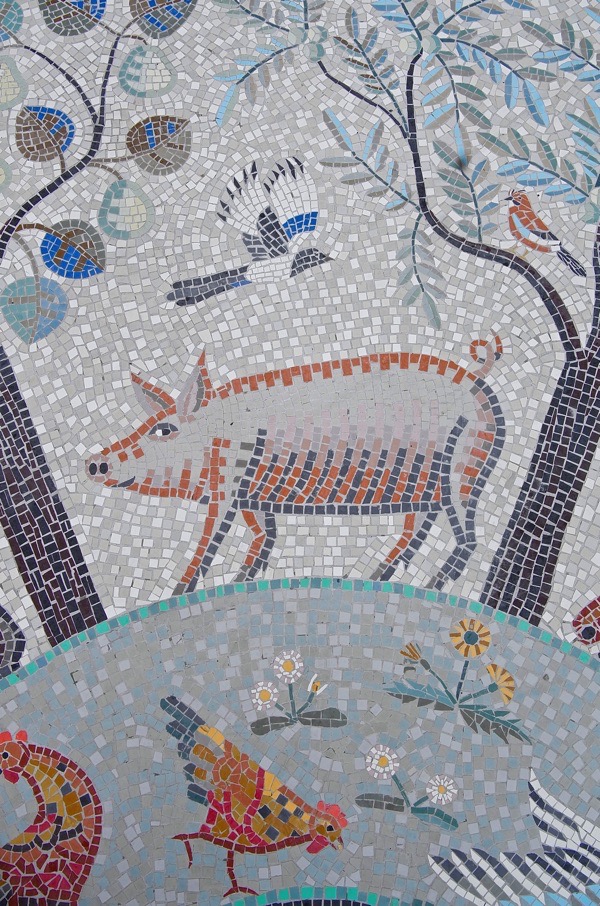
Drawing inspiration from Haggerston’s rural past, Tessa’s design evokes the natural world, illustrating the farm animals and fruit trees that once were here. A closer study reveals hidden initials of local people who were each responsible for different aspects of the work – the animals, plants and birds.
Quickly, a small crowd of residents gathered to admire the new mosaic, appreciative of its lyrical finesse and elegant detail which alleviate the surrounding acres of paving, concrete and brick. In such grim and lonely times in the city, everyone was heartened and uplifted to witness this flourishing of creativity and community spirit, enhancing the urban environment for years to come. It is a symbol of renewal.
The mosaic can be found outside 224 Haggerston Rd, E8 4HT
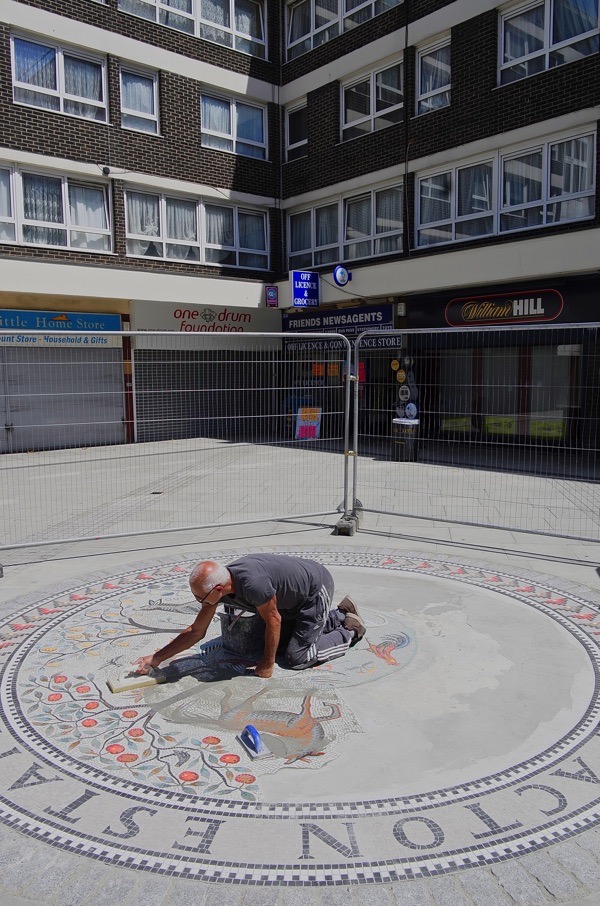
Mosaic expert Walter Bernadin at work on the installation
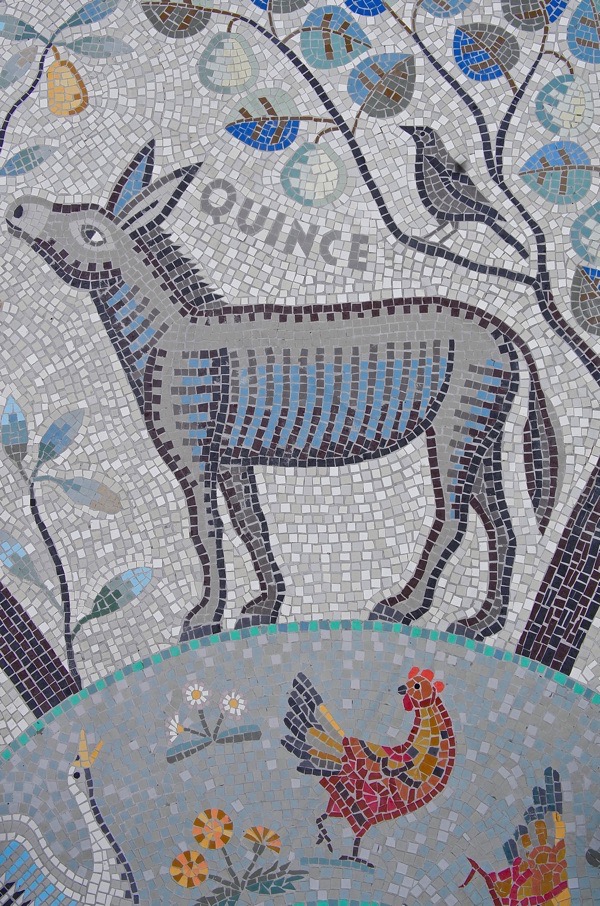
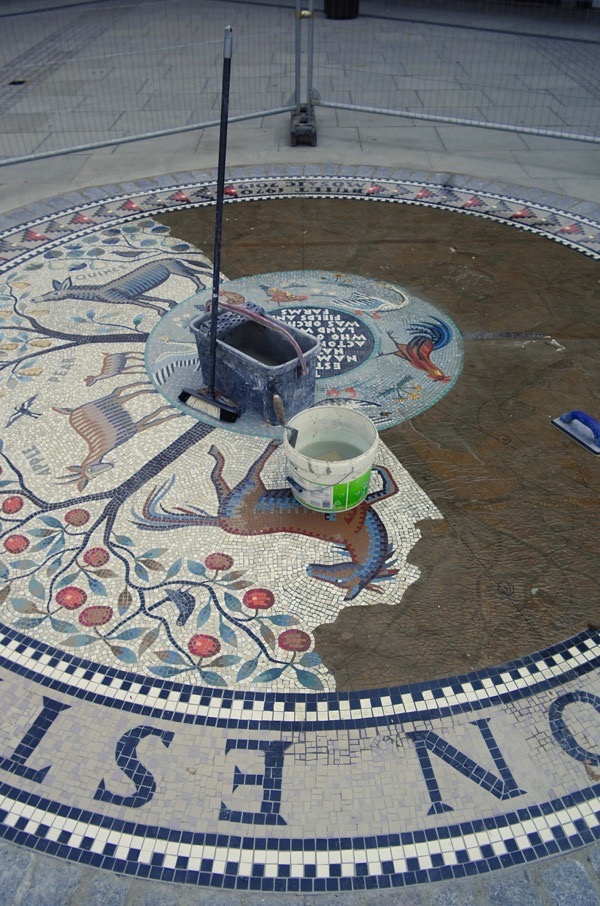
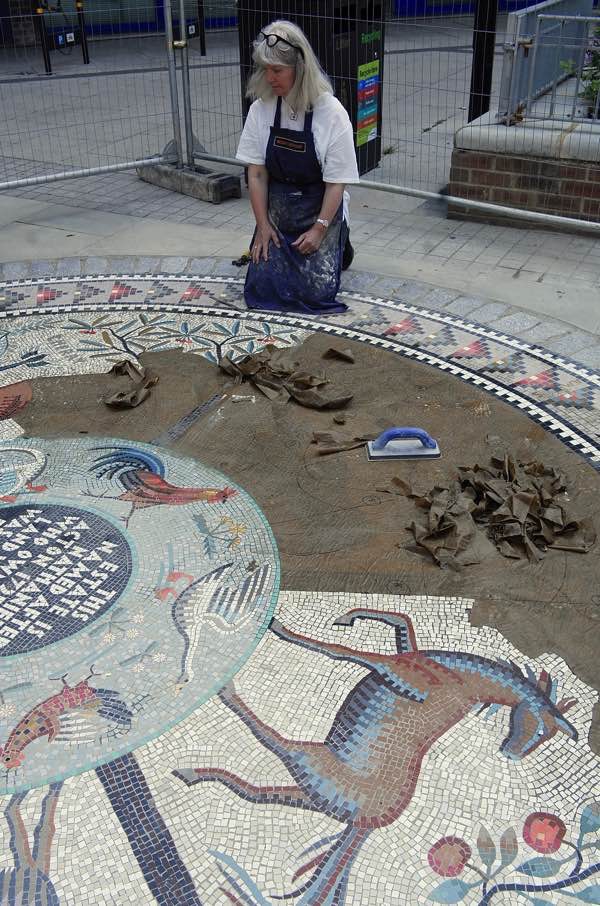
Tessa Hunkin surveys her work in progress
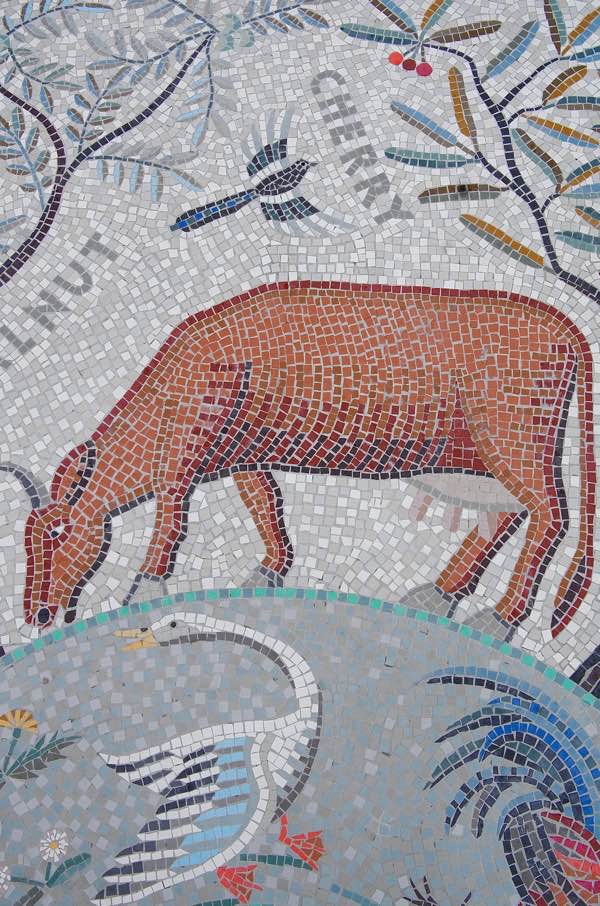
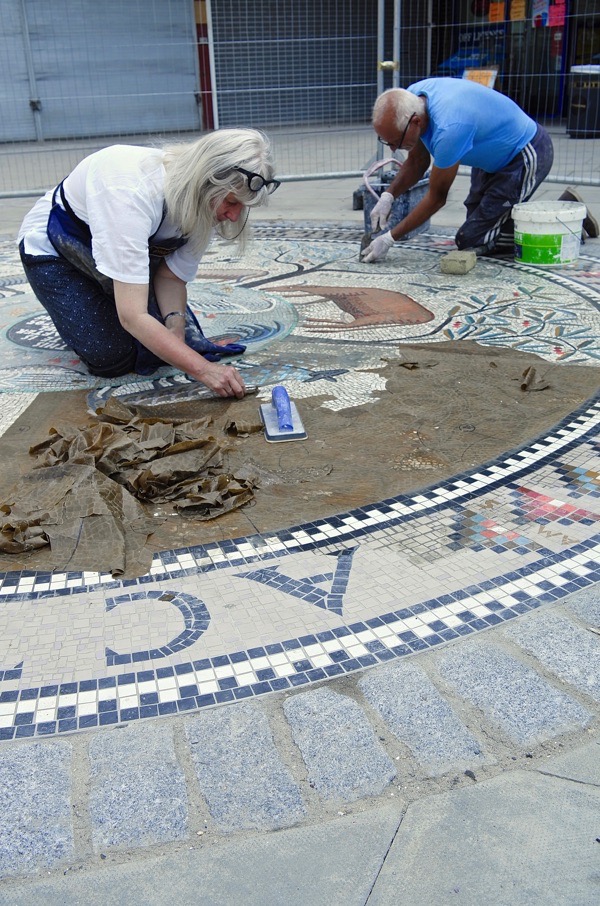
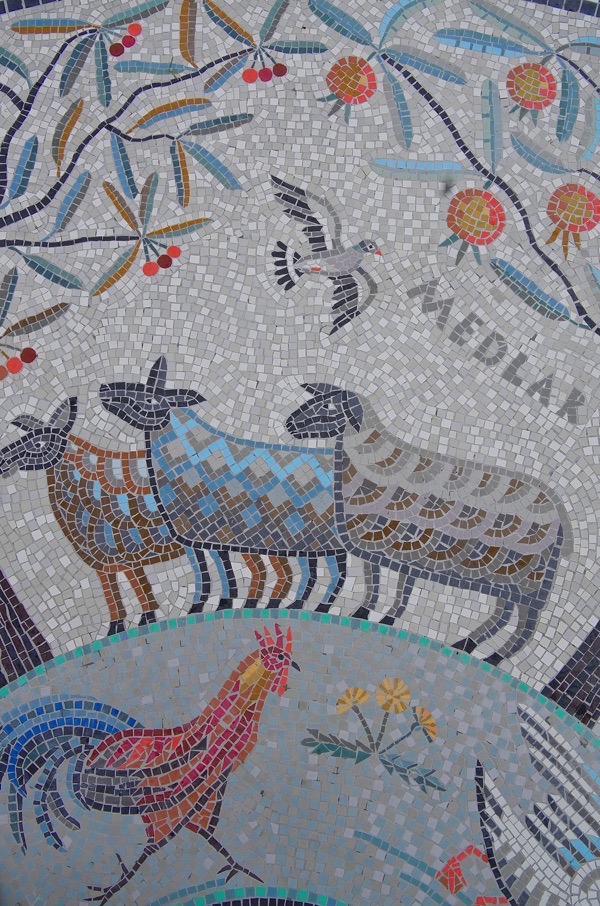
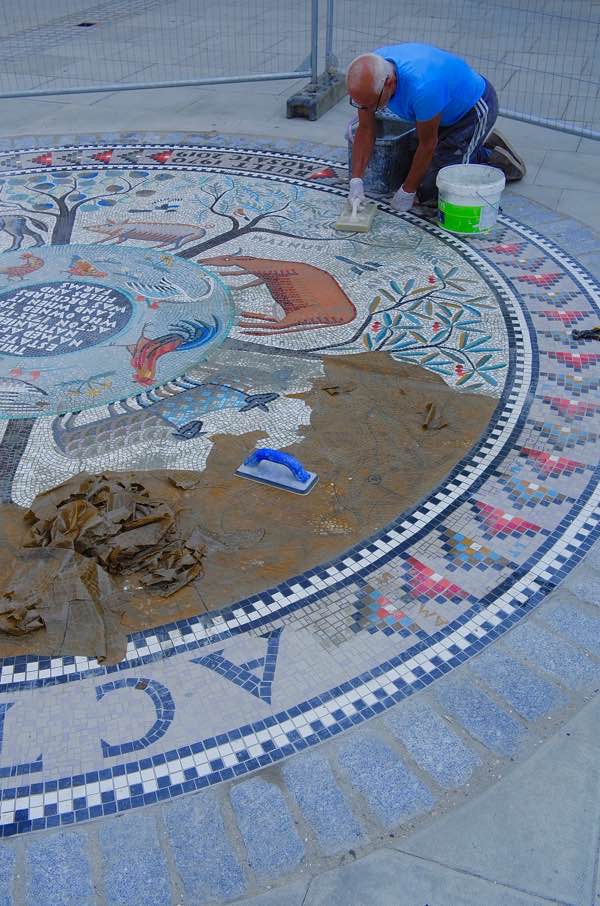
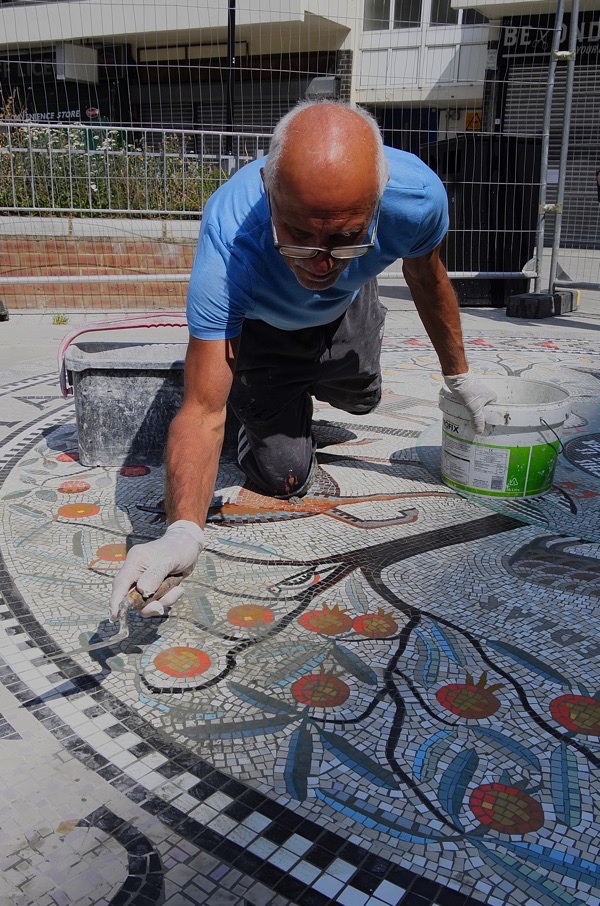
Walter checks for missing pieces
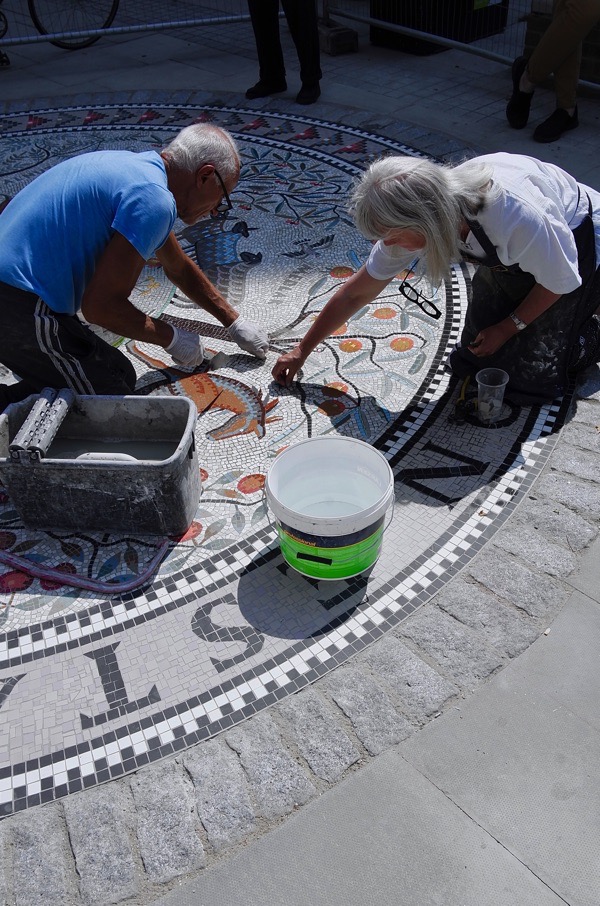
Tessa places the final mosaic tile
THE HACKNEY MOSAIC PROJECT is seeking commissions, so if you would like a mosaic please get in touch hackneymosaic@gmail.com
You may also like to read about
The Mosaic Makers of Hackney Downs
The Award-Winning Mosaic Makers of Hackney
Hackney Mosaic Project at London Zoo
The Haggerston Mosaic was created with the participation of Ken Edwards, James Johnson, Nicky Turner, John Friedman, David Lilley, Janice Dressler, Bernard Allen, Mary Helena, Linda Green, Elspeth Worsley, Mark Muggeridge, Shaz, Tessa Nowell, Sheri Lalor, Gabi Liers, Jackie Ormond, Dani Evans, Frances Whitehouse, Rose Woolmer & Jeremy Maddison.
Special thanks to Denise Bingham of the Residents & Tenants Association who fought to have the mosaic on the Acton Estate.
Phil Maxwell At Chrisp St Market
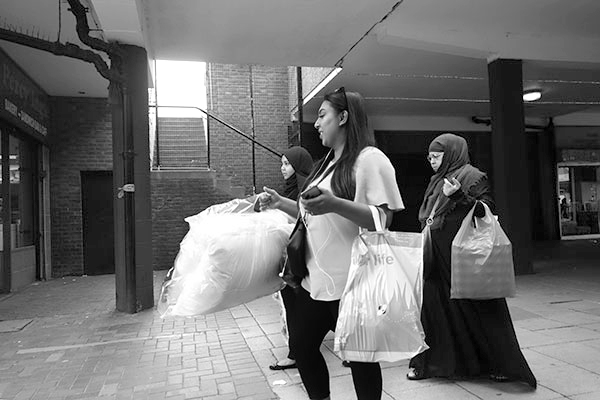
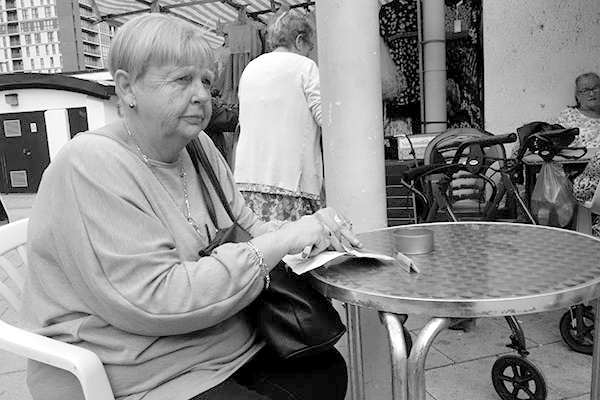
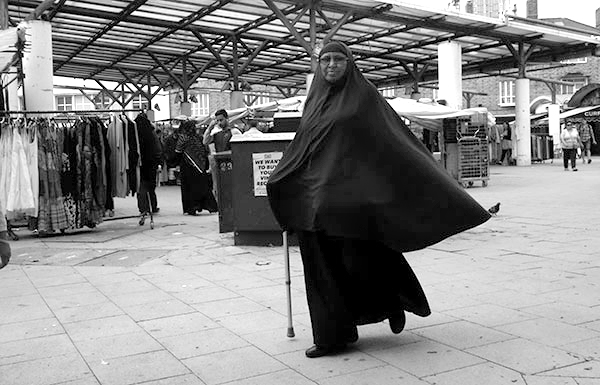
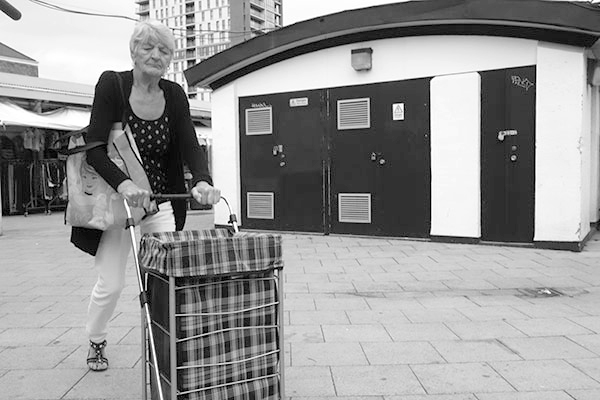
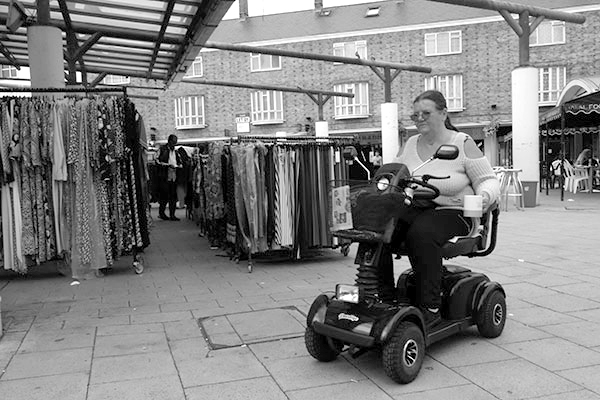
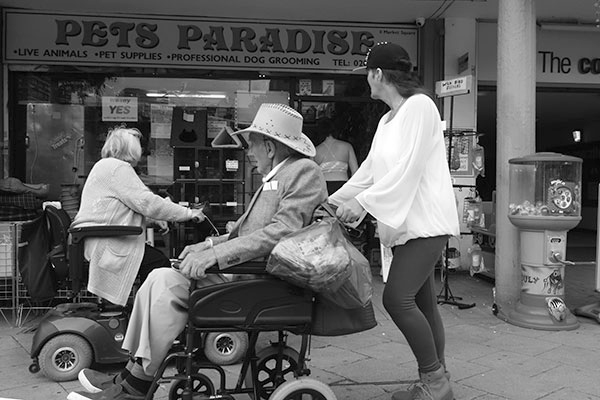
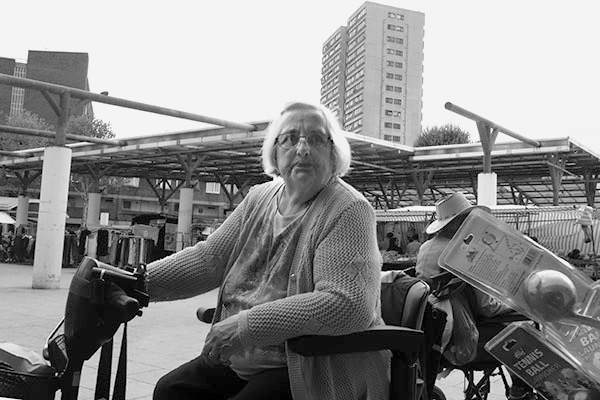
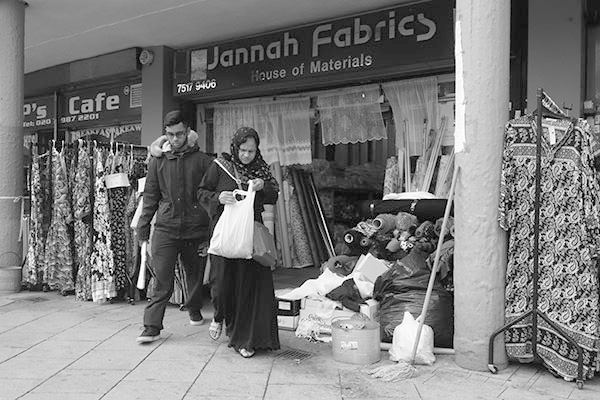
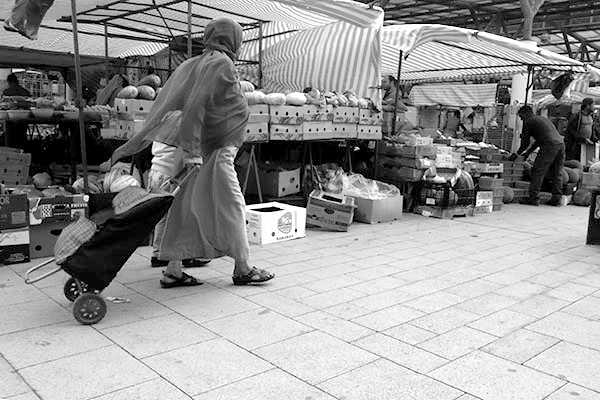
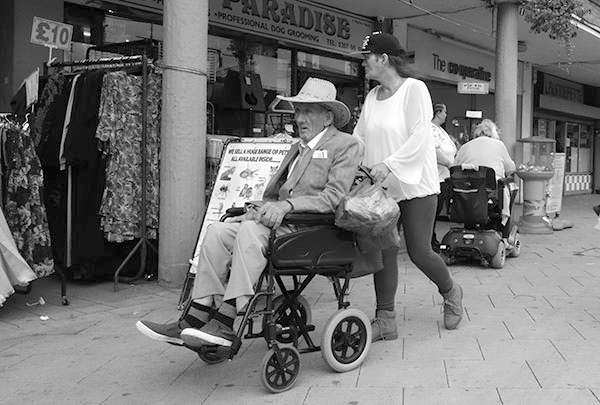
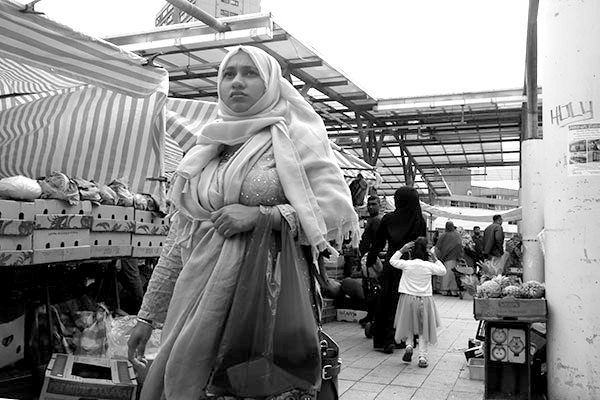
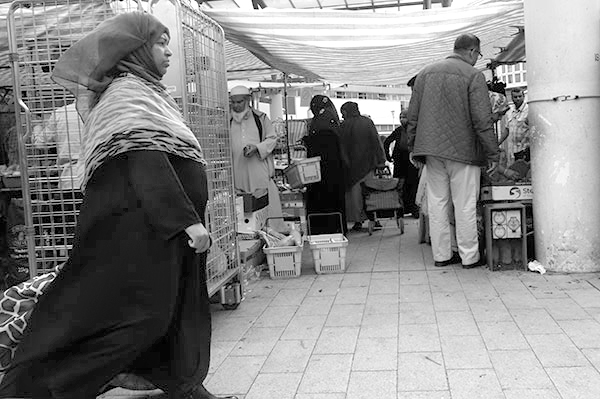
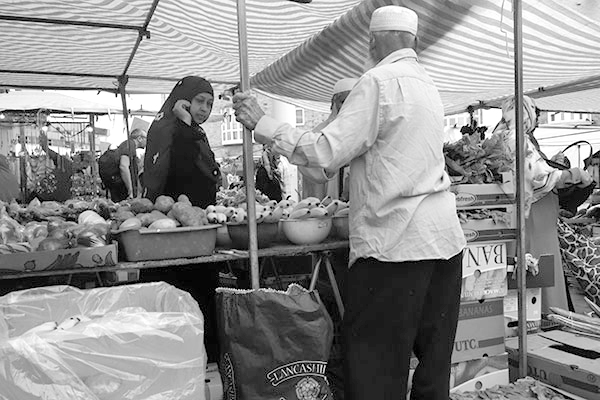
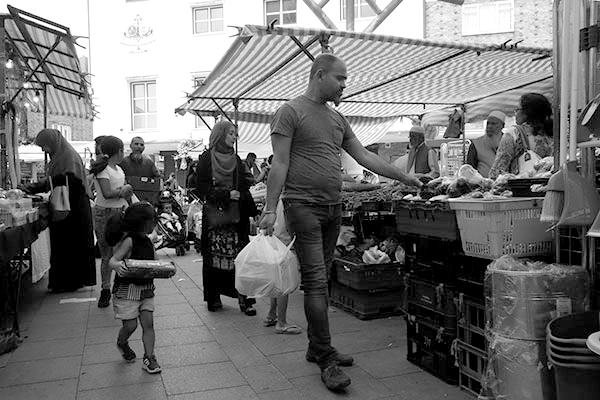
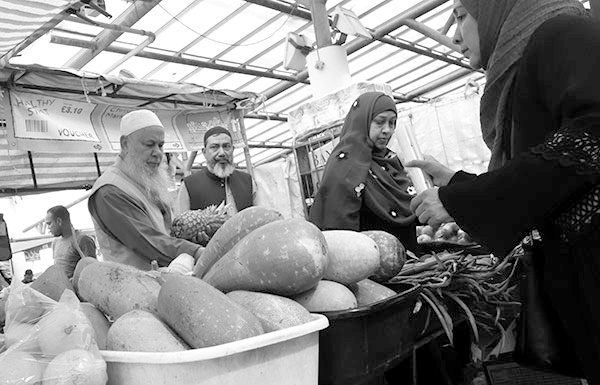
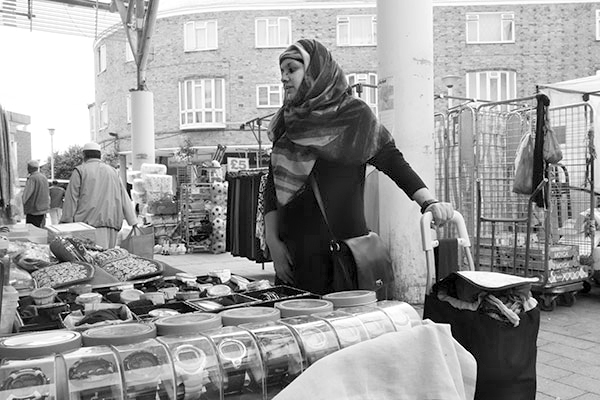
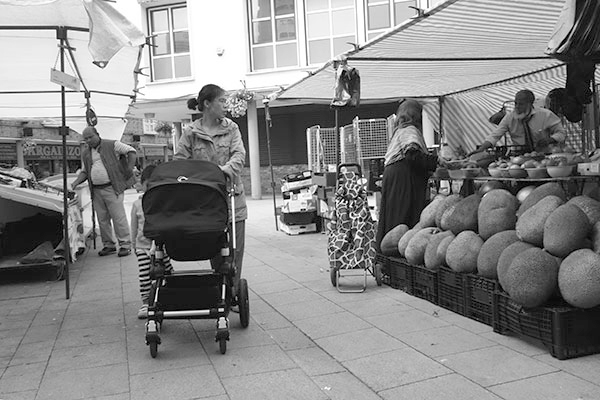
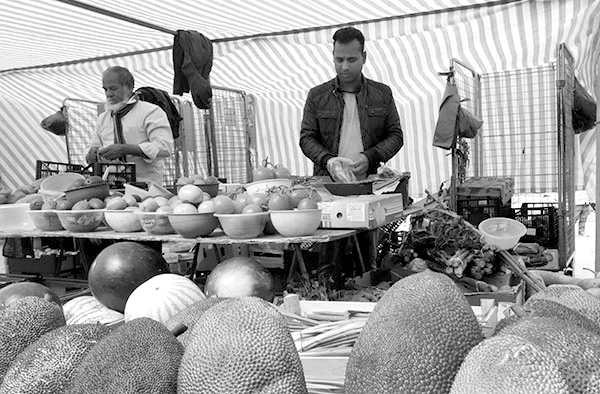
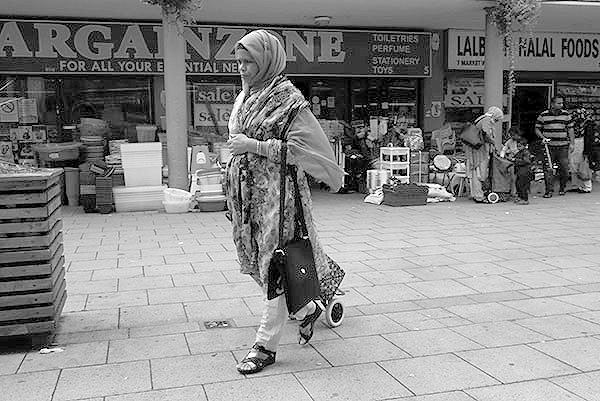
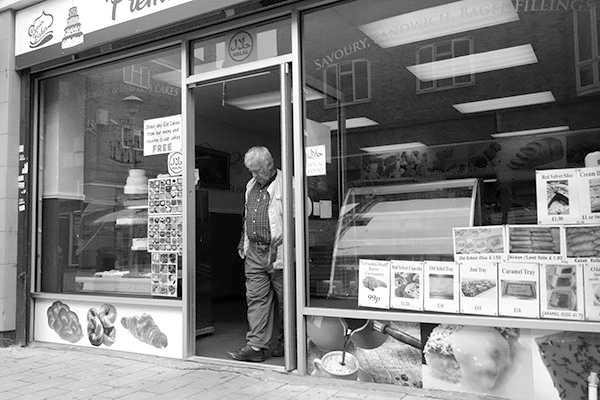
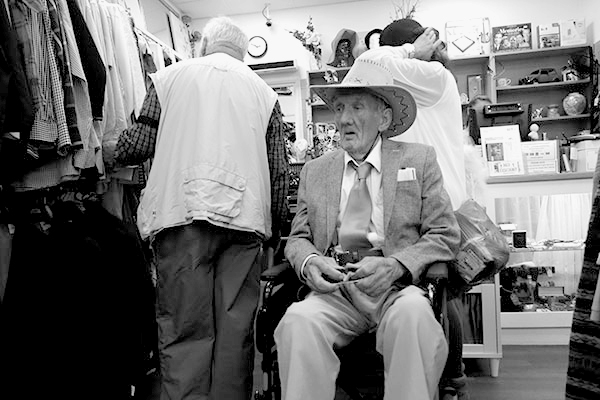
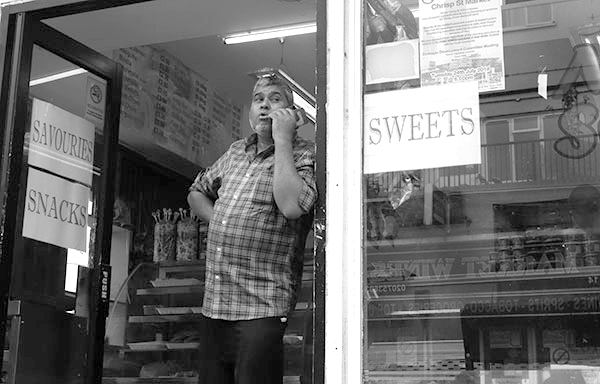
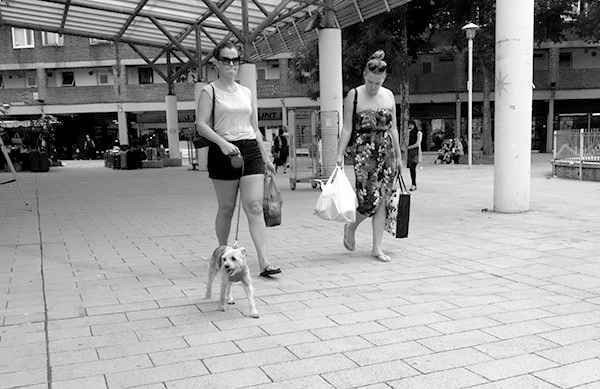
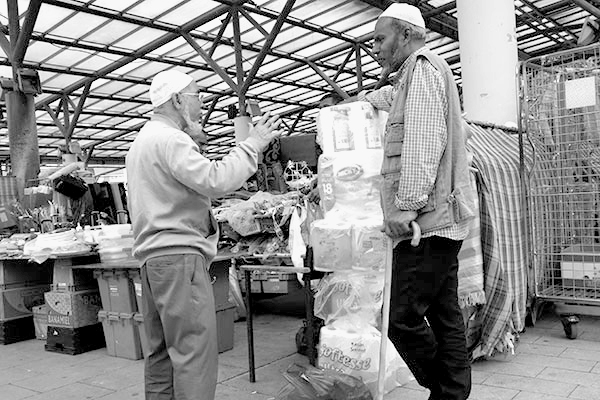
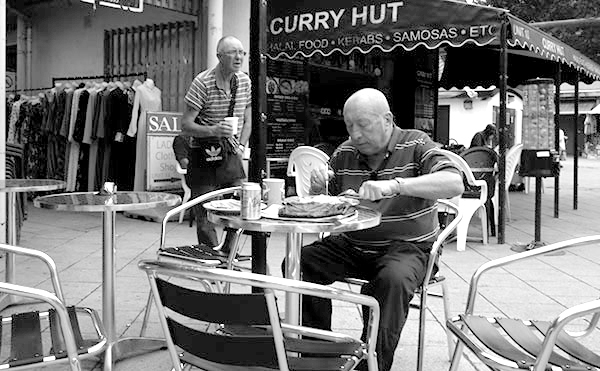
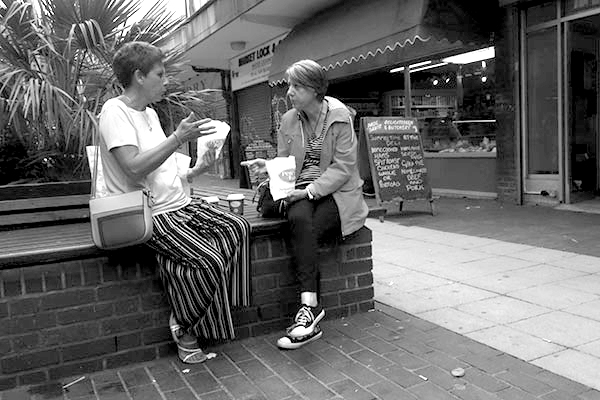
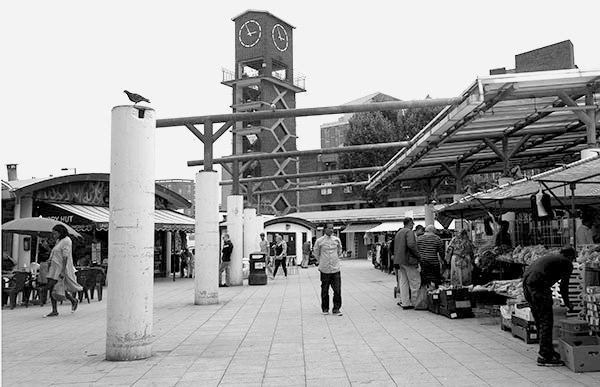
Now the East End markets are opening up again, Phil Maxwell introduces his photographs of the people of Chrisp St Market
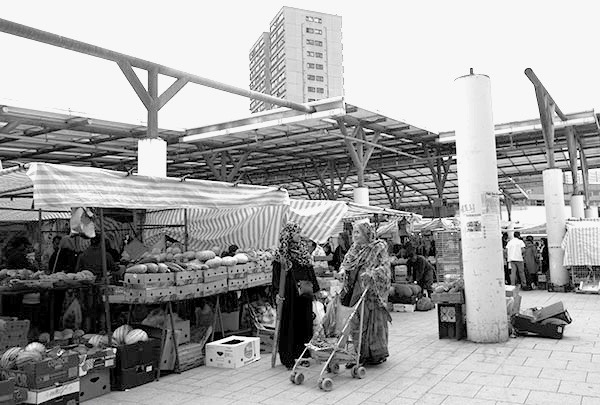
“Every East End market has its own personality and Chrisp St is no exception. As a photographer, I have always been fascinated by markets the world over, they are a magnet for local people as an antidote to impersonal shopping malls.
When I heard last year that the Tower Hamlets had approved regeneration plans for Chrisp Street Market, I knew I had to photograph the market again before it was wrecked by developers.
They claim they want to “to create a thriving town centre – keeping the best of what’s here while providing an improved retail offering, more homes, including more social and affordable, more services and amenities and a greater focus on our heritage.”
Developers always promise more. They always talk about ‘affordable homes’ but the reality is that the people in my photographs will not be able to afford them. The new homes will only be ‘affordable’ to people on high incomes and this is how gentrification drives working class people out of Tower Hamlets.
For me, the living heritage of Chrisp St is as a place where local people can gather, converse, eat pie & mash (and more), purchase fresh food at a reasonable price and meet their neighbours.
When developers claim they are bringing ‘High St names’ they mean displacing independent traders and when they talk about a “new community hub,” you know the soul of a place is about to be ripped out.
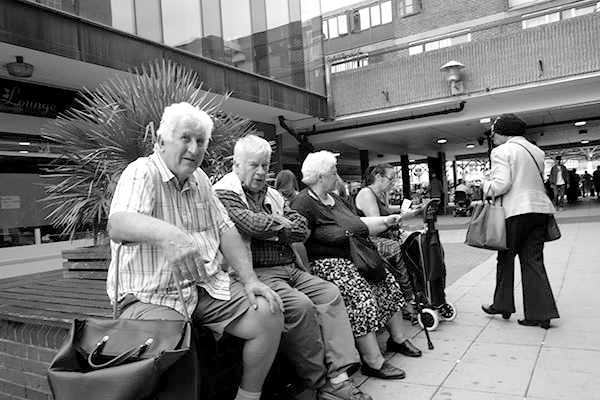
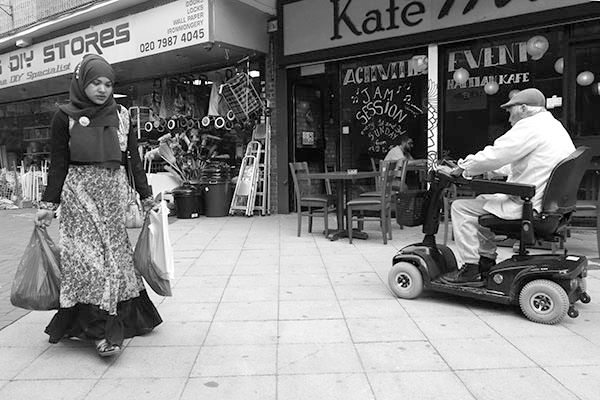
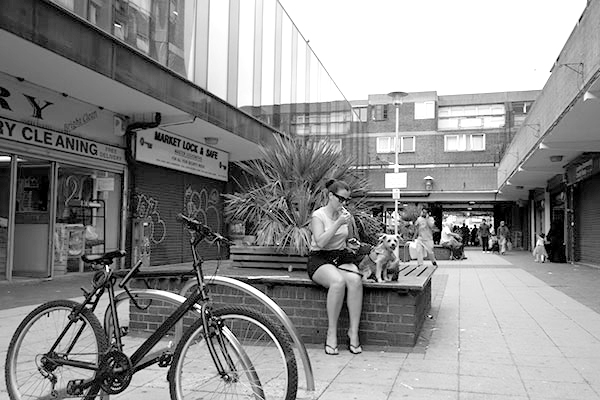
These photographs, published here today for the first time, celebrate the people of Chrisp Street Market as it was in early 2019.”
Phil Maxwell
You may also like to take a look at these other stories about Chrisp St Market
Alice Pattullo’s Alphabet
Alice Pattullo created this portfolio of screen prints of animals for each letter of the alphabet
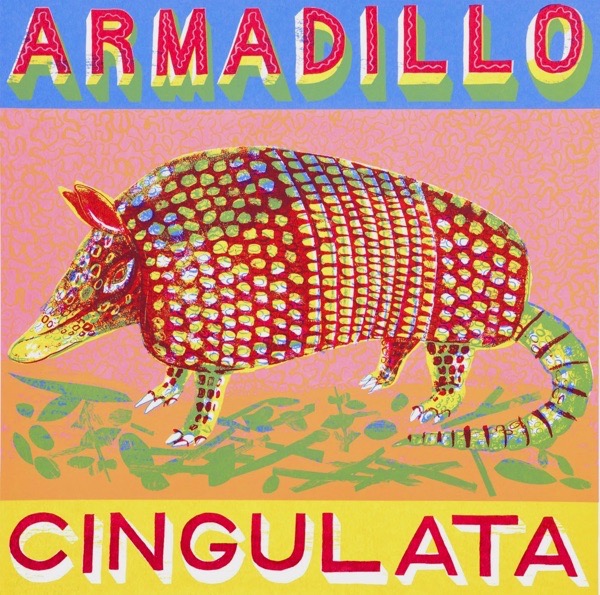
A is for Armadillo who is short stout and round
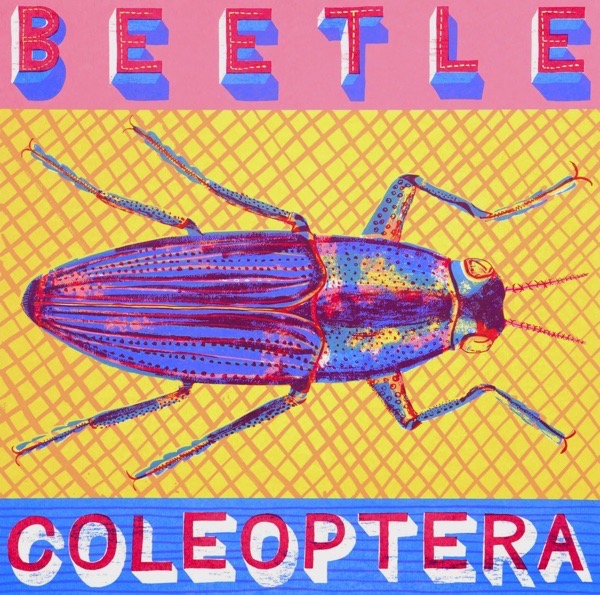
B is for Beetle who stays close to the ground
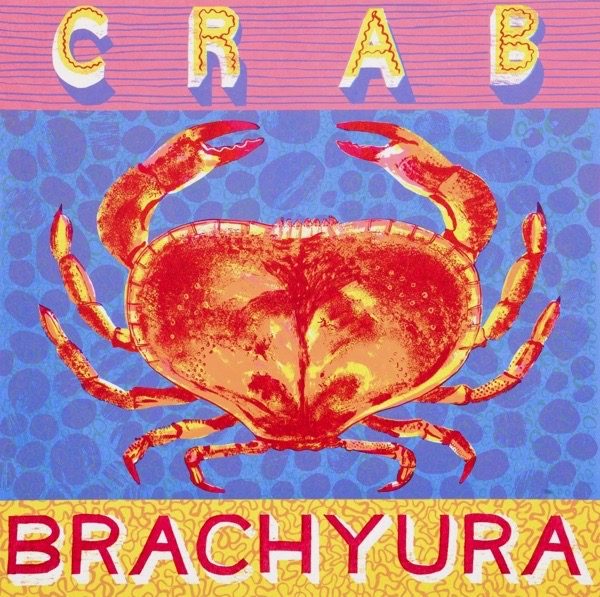
C is for Crab who crawls on the sea bed
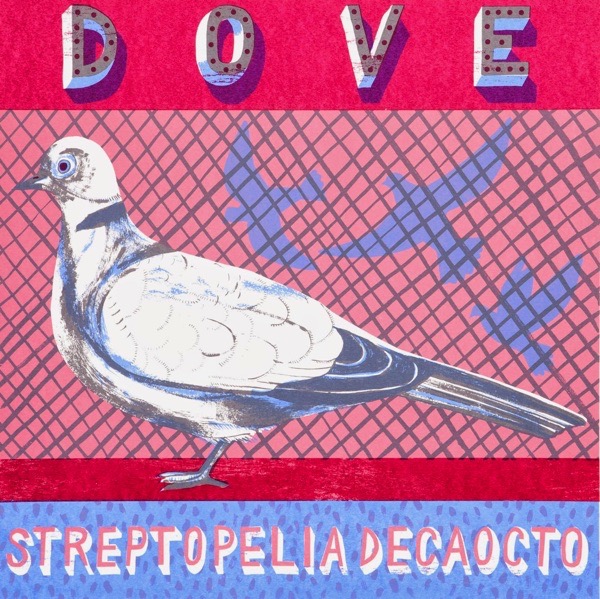
D is for Dove who likes to fly overhead

E is for Elephant who is anything but light

F is for fox who roams the city streets at night
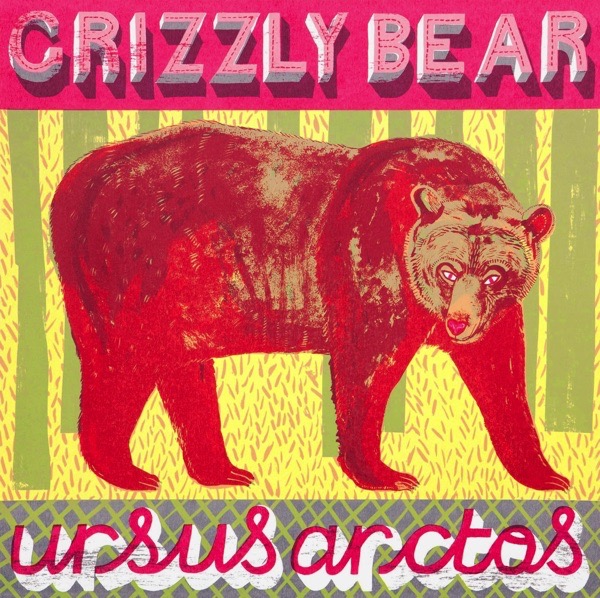
G is for grizzly bear, a fierce looking fellow
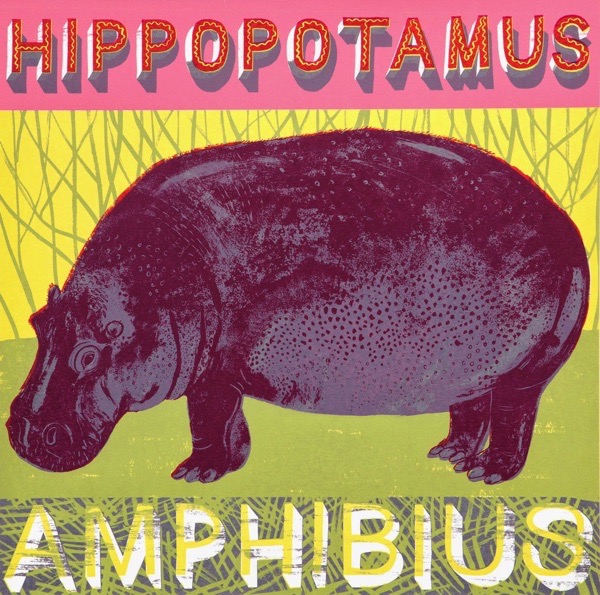
H is for Hippo who is altogether more mellow
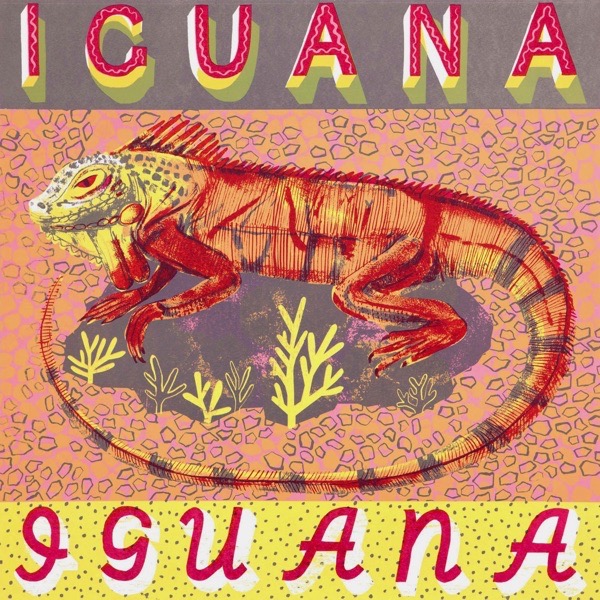
I is for Iguana a large scaly reptile
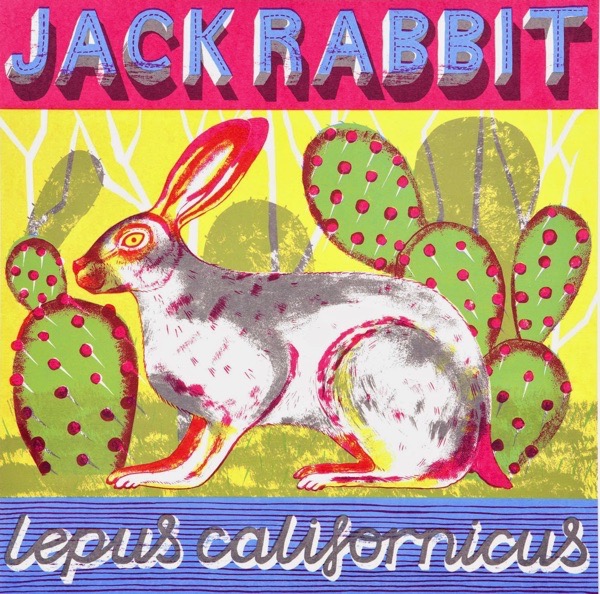
J is for jack rabbit who jumps mile after mile
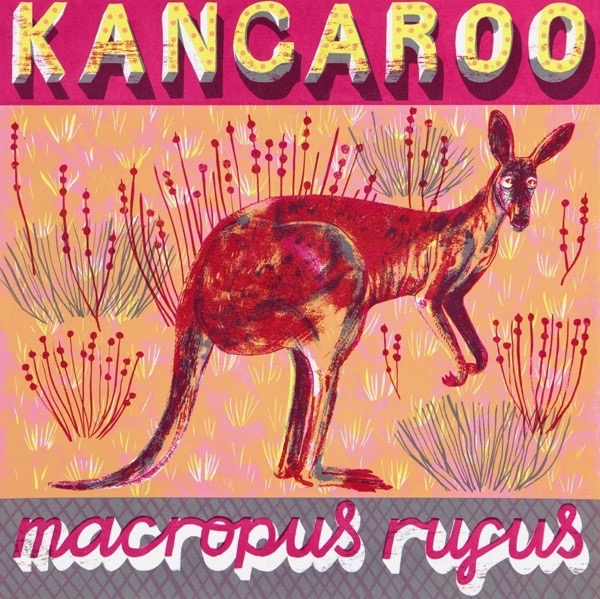
K is for Kangaroo who takes hop, skip and bound
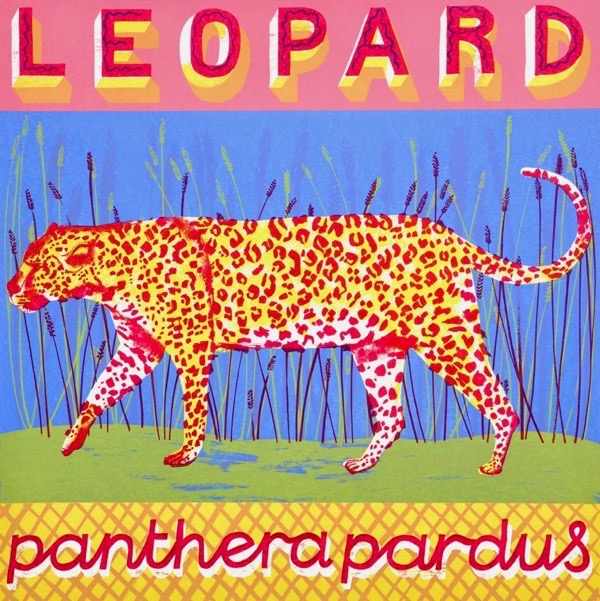
L is for leopard who moves fast across the ground
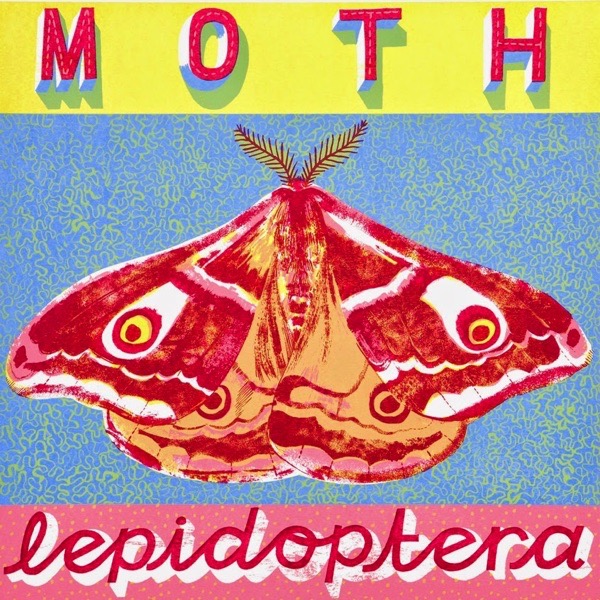
M is for Moth, a winged friend of the butterfly
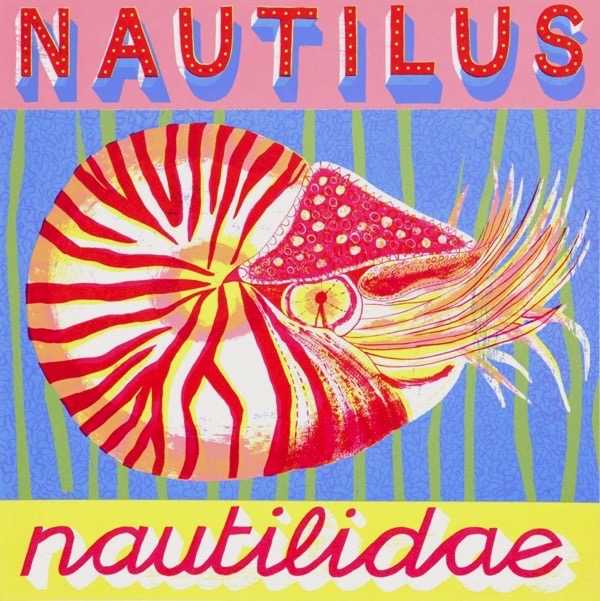
N is for Nautilus who in his shell is quite shy
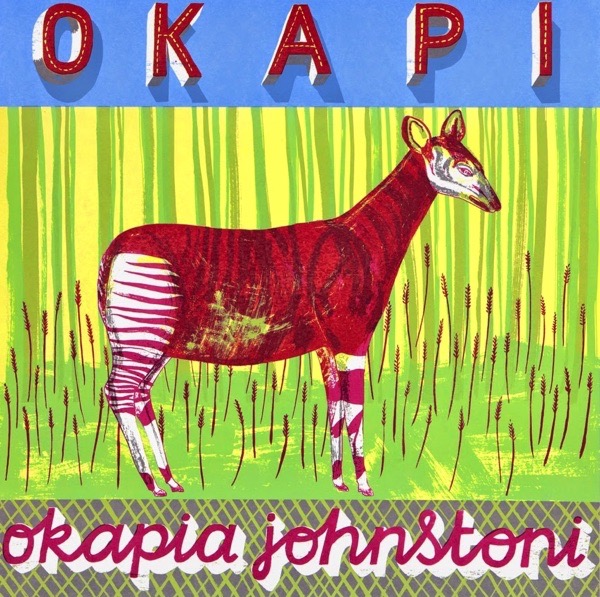
O is for okapi, our strange stripy friend
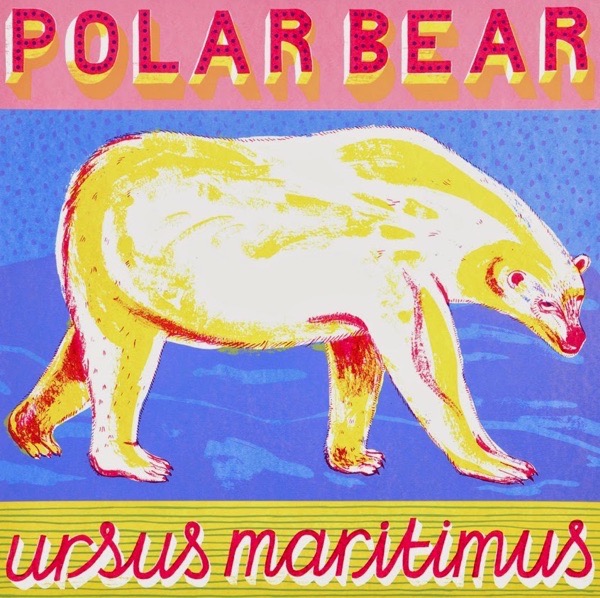
P is for polar bear who lives at world’s end
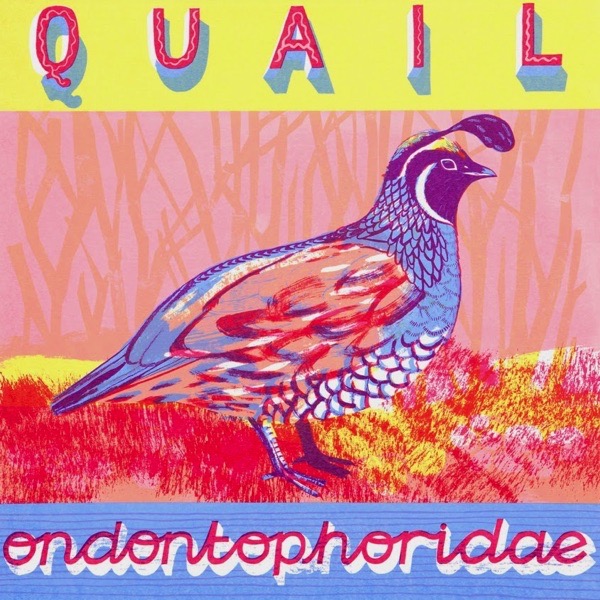
Q is for quail whose bright head feathers are fun
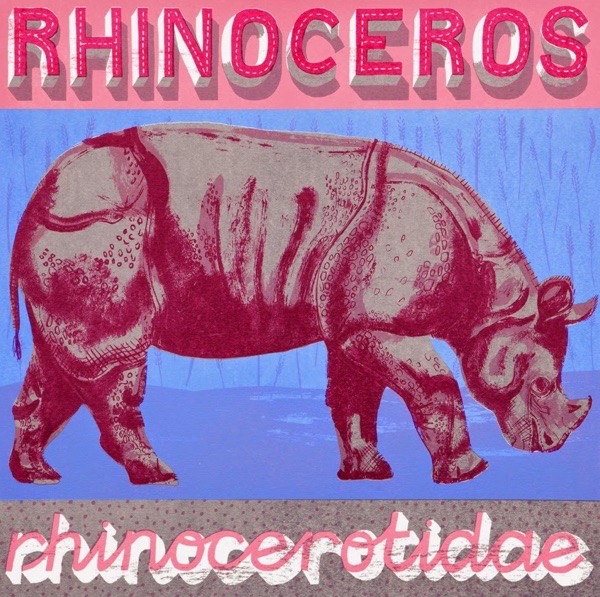
R is for Rhino who weights almost a tonne
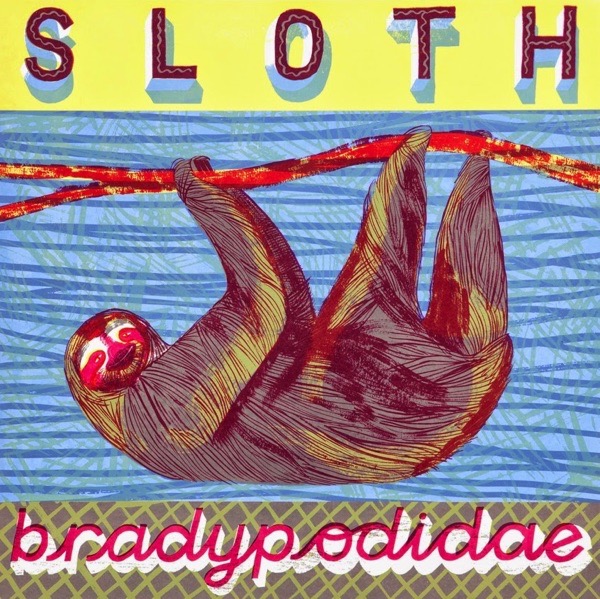
S is for sloth who hangs and sleeps in a tree
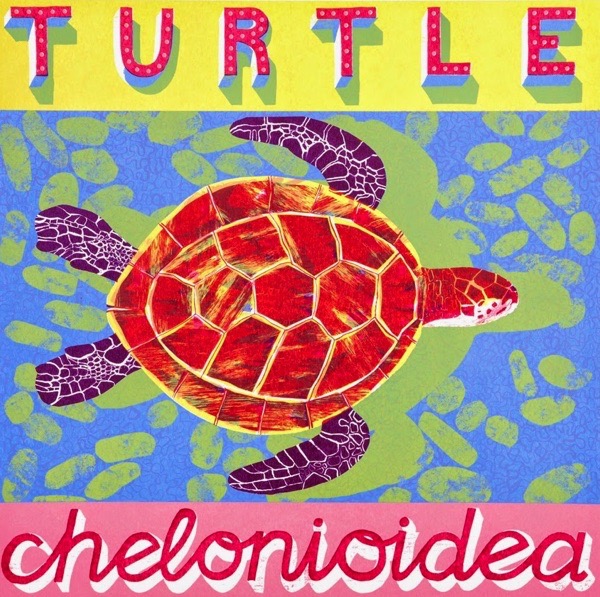
T is for turtle who swims through the sea
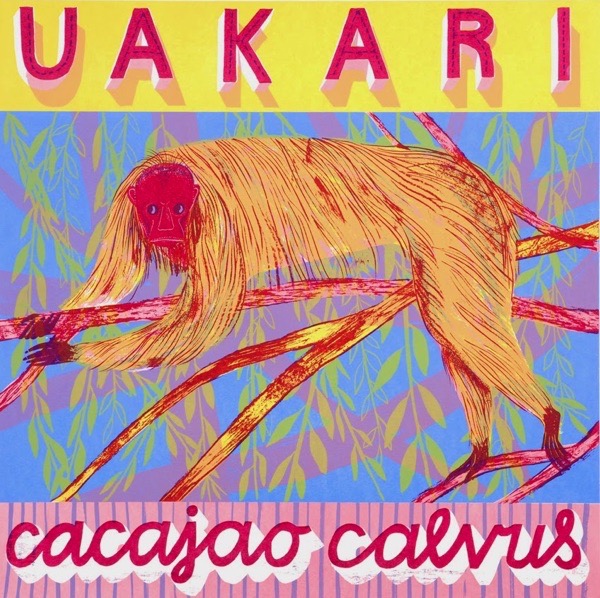
U is for uakari whose face is small, wrinkly and red
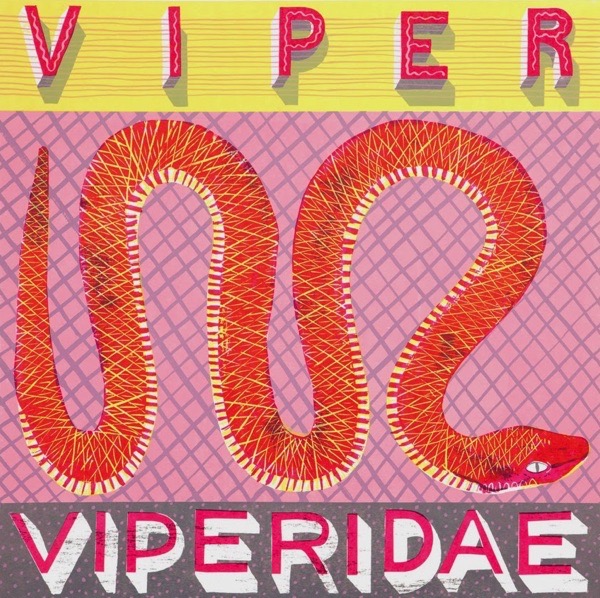
V is for viper whose bite might leave you dead
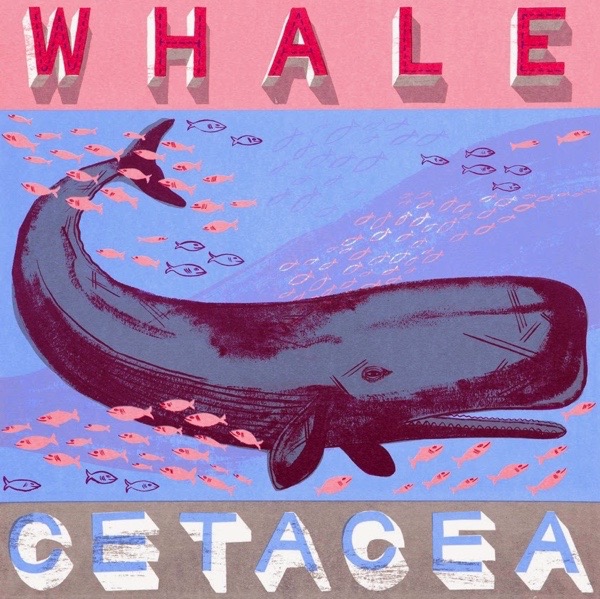
W is for Whale, the biggest animal of them all
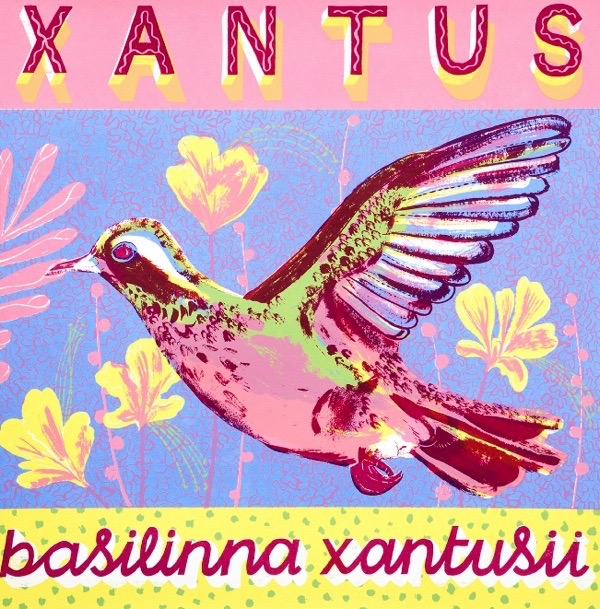
X is for Xantus who is remarkably small
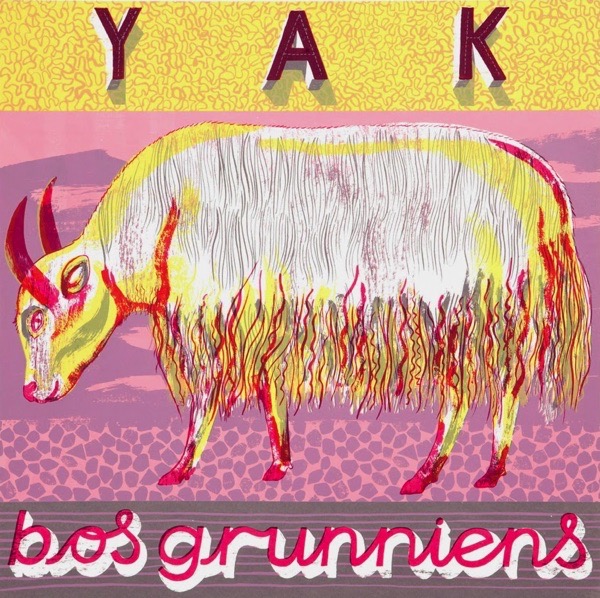
Y is for Yak, like a cow with long hair
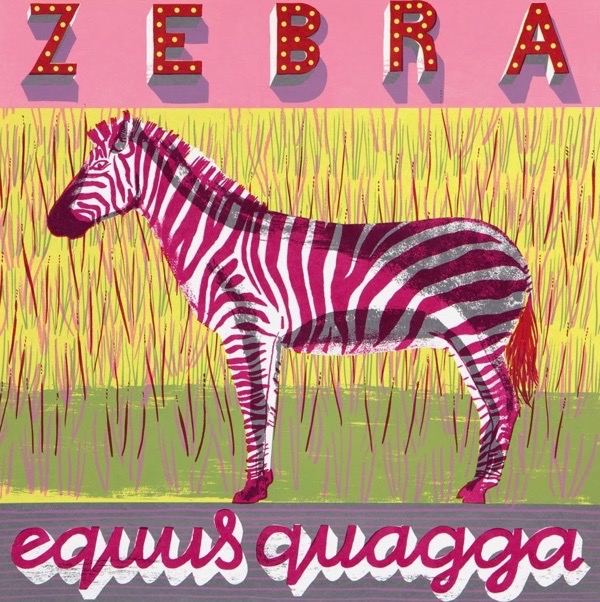
Z is for Zebra, so stripy you might stare
Copyright © Alice Pattullo
Alice Pattullo’s Alphabet is published as a book by Pavilion
Alice’s screen prints are available from her online shop
You may also like to read about
The Little Visitors
Sian Rees introduces an unexpected discovery in the work of Maria Hack (1777 – 1844), published by Darton, Harvey & Darton of Gracechurch St in the City of London
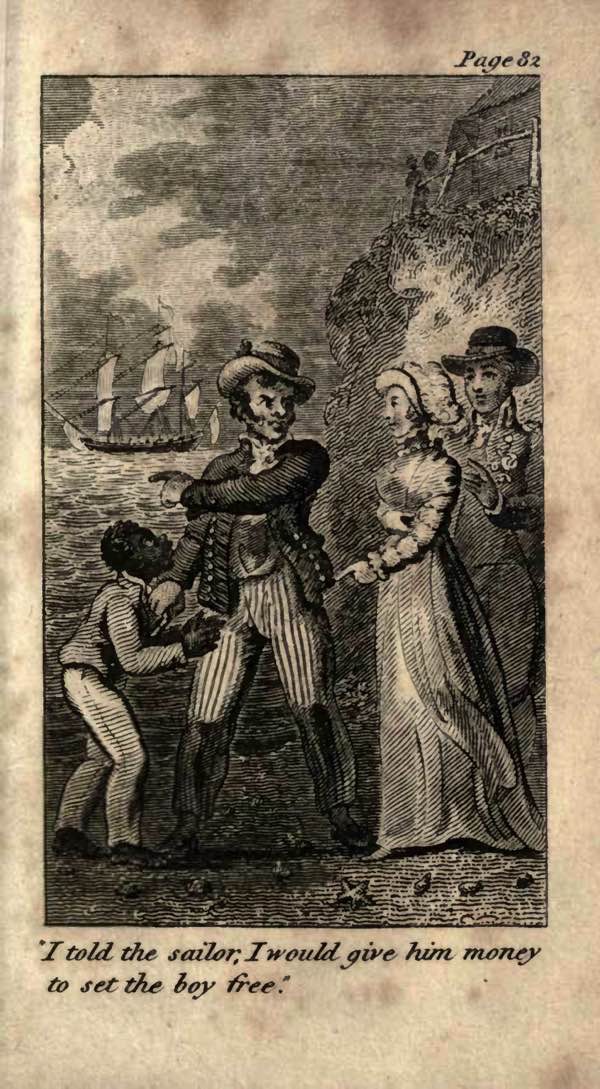
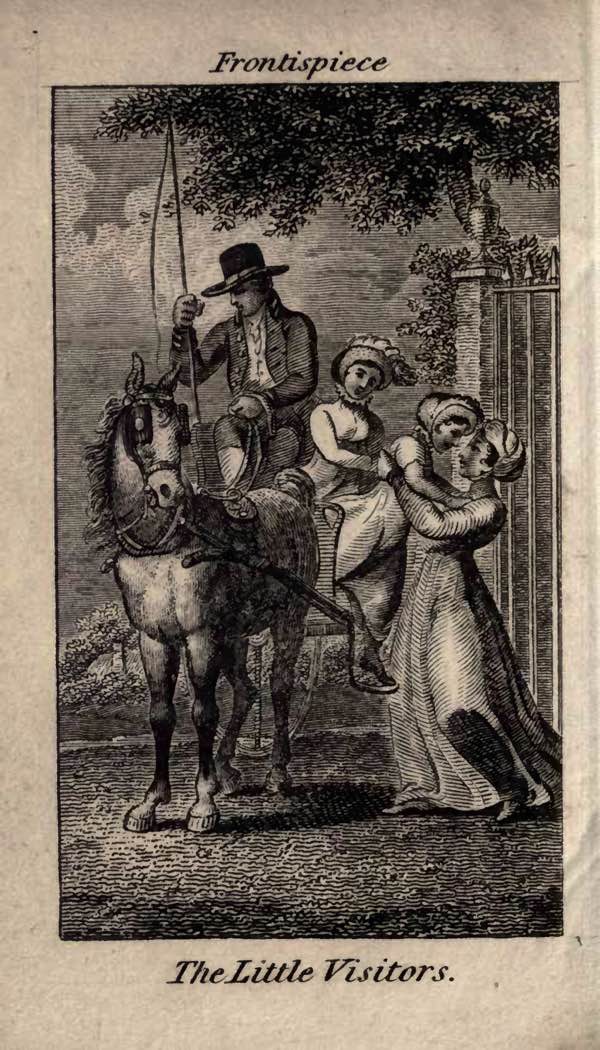
In Maria Hack’s The Little Visitors, published in London in 1815, one of the characters is a young slave. Although you might not expect children’s books of the Georgian era to explore the experience of slavery, some authors did embrace the challenge of discussing it with a young readership.
Even after the slave trade was outlawed by the 1807 Slave Trade Act, it was not until the Slavery Abolition Act of 1833 that it became illegal to own or purchase slaves. Maria Hack’s father, John Barton, had been involved in the Society of Friends to Influence the Abolition of Slavery.
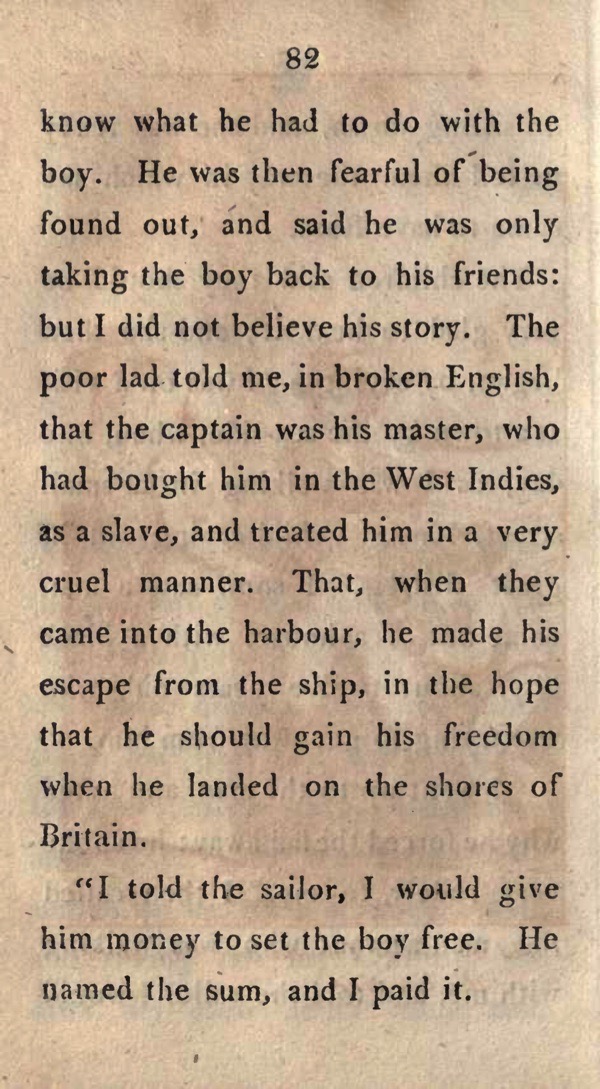
In her book, Tom is a twelve-year-old boy who has been bought by sailors in the West Indies and brought to England, before being rescued from poor treatment and delivered to safety. Unsurprisingly perhaps, the wider industry of slavery is not portrayed in detail but Tom’s presence in the story as a credible and charismatic character reveals the violence of his origins through personal experience.
Maria Hack wrote educational books to provide children with assistance in reading, offering information about the world and moral guidance. This ‘conduct of life’ genre was popular among women writers and pioneered by Mary Wollstonecraft in the late eighteenth century. The protagonists are children of the same age as the readers in familiar situations they could recognise and relate to.
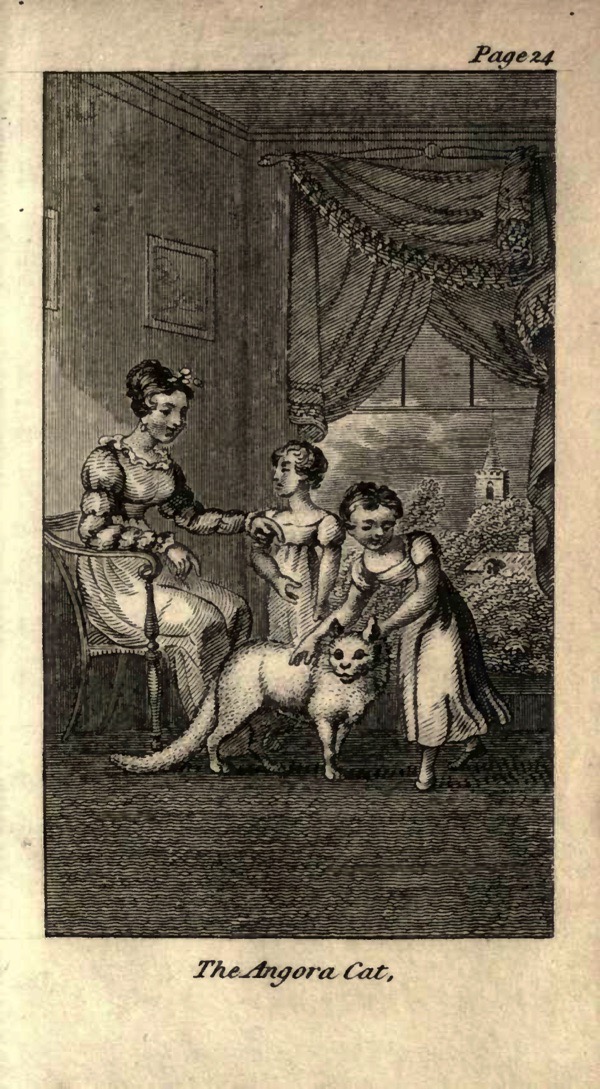
The Little Visitors is the story of two sisters, Ellen & Rachel, who visit their learned aunt’s house in the countryside. Through a series of dialogues with their erudite aunt, the girls learn about horticulture, the origin of household goods such as tea and coffee and how the poor sustain themselves through working in farming and domestic service. By the standard of modern children’s books, the story is lacking in excitement. But Maria Hack enlivens her tale by introducing an element of mystery in the form of the aunt’s unusual angora cat, Rosa.
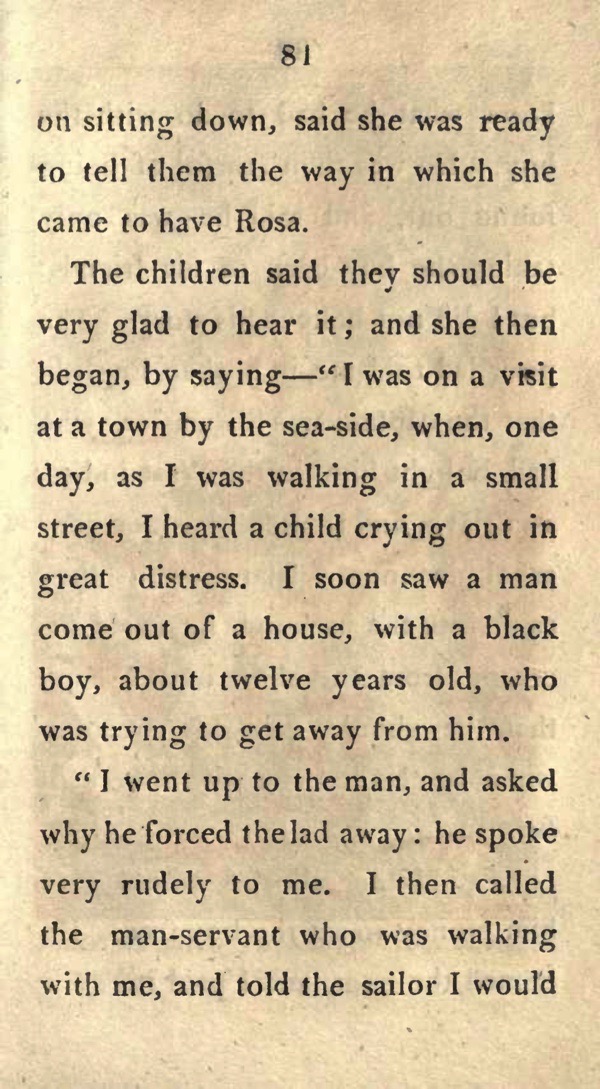
Although the girls are curious to know who gave the cat to their aunt, there is never enough time at the end of each day of educational improvement for her to tell them. So the intrigue builds until one morning their aunt is ready to explain that she once rescued Tom, a child slave, who gave her the cat as a thank you present.
The aunt and Tom met by chance in a seaside town, when she heard a child crying out in distress and saw a black boy trying to escape from a sailor. The aunt confronted the sailor and persuaded him to accept money for the boy, then she placed Tom with someone she trusted to treat him with kindness. The protagonists, Ellen & Rachel, never actually meet Tom but his sympathetic representation as a character of the same age as the girls ensures that they and the readers identify with him and his situation.
Growing up in the sixties and sixties, I do not recall much diversity in the children’s books of that era. So while Maria Hack’s story reveals the limitations of her time, we should recognise her initiative in making a black character visible and refusing to erase slavery from her portrayal of everyday life.
Images courtesy University of California
Sian Rees is the author of PLANTING DIARIES, Gardens, Planting Styles & Their Origins
You may also like to take a look at
Adam Dant’s London Rebus

Click on the rebus to enlarge
Contributing Artist ADAM DANT created this ingenious puzzle to amuse you while staying at home this weekend. Here are the answers:
Marylebone, Harley Street, Telecom Tower, UCL, Oxford Street, Broadcasting House, Bloomsbury, Hyde Park Serpentine, Marble Arch, Mayfair, Fortnum & Mason, Soho, Ritz, Claridges, Belgravia, Victoria, Buckingham Palace, Lambeth Palace, The Mall, Jermyn Street, Houses of Parliament, Covent Garden, St Giles, Waterloo, The Cut, Somerset House, Holborn, Aldwych, Fleet Street, Blackfriars, Tate Modern, Borough, Cannon Street, St Paul’s, Tower Hill, London Assembly, Bermondsey, Royal Mint, Fenchurch Street, Aldgate, Bank of England, Guildhall, St Bart’s, Barbican, Bunhill, Liverpool Street, Shoreditch, Hoxton, Spitalfields, Hackney, Moorfields, Finsbury, Hatton Garden, St Pancras, British Museum, Clerkenwell.
We received more than thirty correct entries. The twenty readers below were the first to submit their answers and Maps of Spitalfields Life are in the mail to them.
Ele Aaser
Lucinda Acland
Ayla Bedric
Rebekah Bristow
Clare Britton
Andrew Collingridge
Sue Davis
Sarah Dawson
Lucy Fawcett
Richard Fearn
Anne Flavell
Sean Galvin
Peter Halston
Julia Harrison
David Hunter
Martin Peterson
David Rees
Lynn Roffee
Kerry Sewell
John White
You may also like to take a look at

CLICK TO ORDER A COPY OF MAPS OF LONDON & BEYOND BY ADAM DANT
Adam Dant’s MAPS OF LONDON & BEYOND is a mighty monograph collecting together all your favourite works by Spitalfields Life‘s Contributing Cartographer in a beautiful big hardback book.
Including a map of London riots, the locations of early coffee houses and a colourful depiction of slang through the centuries, Adam Dant’s vision of city life and our prevailing obsessions with money, power and the pursuit of pleasure may genuinely be described as ‘Hogarthian.’
Unparalleled in his draughtsmanship and inventiveness, Adam Dant explores the byways of London’s cultural history in his ingenious drawings, annotated with erudite commentary and offering hours of fascination for the curious.
The book includes an extensive interview with Adam Dant by The Gentle Author.
Adam Dant’s limited edition prints including THE LONDON REBUS are available to purchase through TAG Fine Arts
Paul Trevor In Brick Lane, 1978
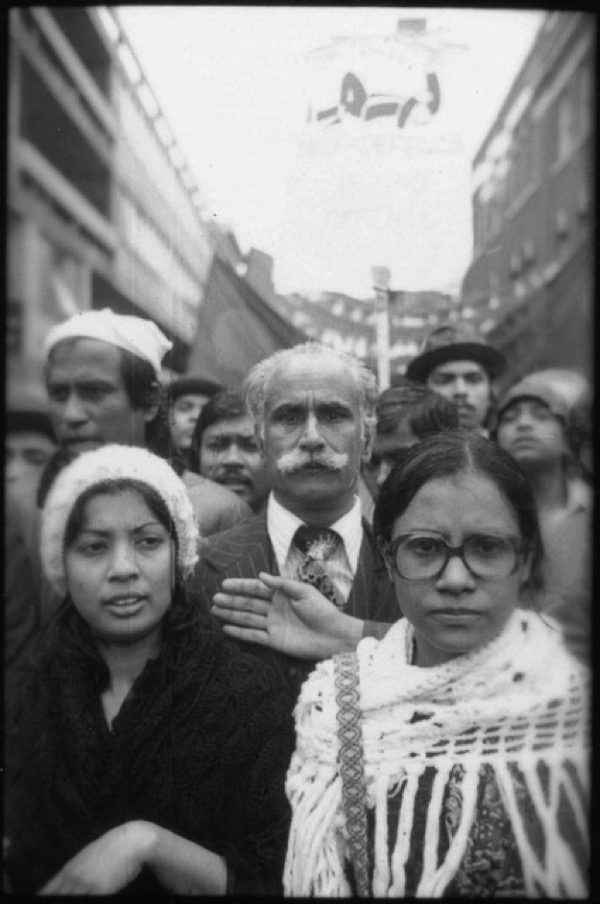
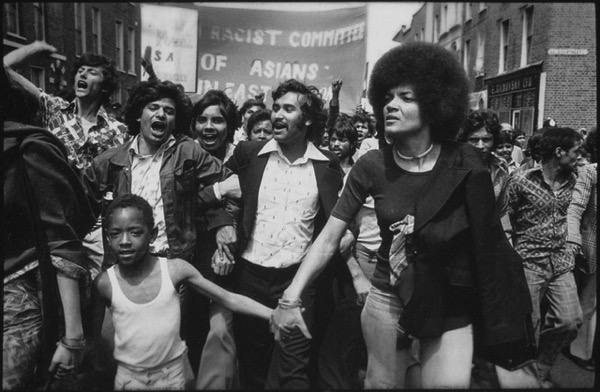
Photographer Paul Trevor captured the drama of Brick Lane during the summer of 1978 when protests erupted after the racist murder of Altab Ali, a twenty-five-year-old leather garment worker, on May 4th.
Now a project is underway to trace the people in these photographs and record personal accounts of this transformative moment in racial politics in the East End when people organised to fight back against racism. The aim is to gather an archive of oral histories leading to an exhibition at Four Corners Gallery in Bethnal Green next year.
If you are in these photographs or you can identify anyone, or you would like to contribute your personal experiences of these events, please email bricklane1978@gmail.com
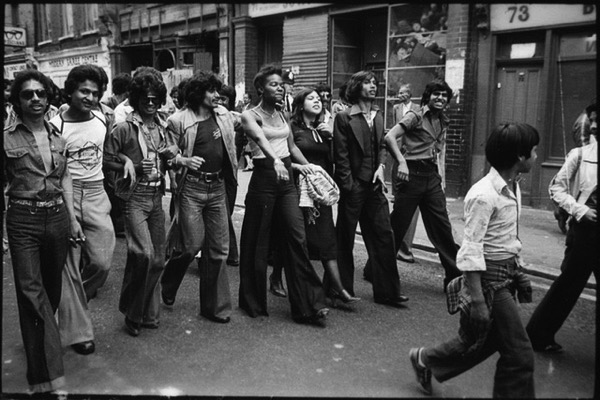
Marching down Brick Lane
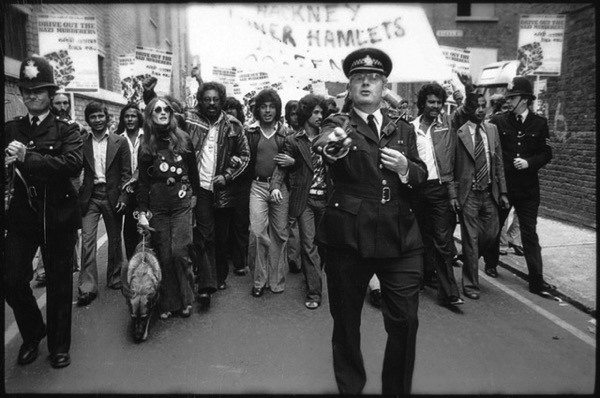
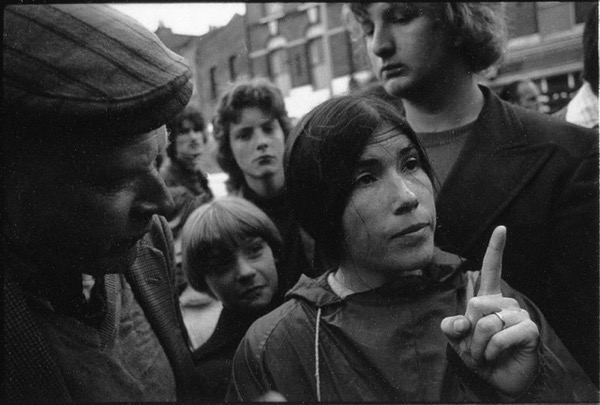
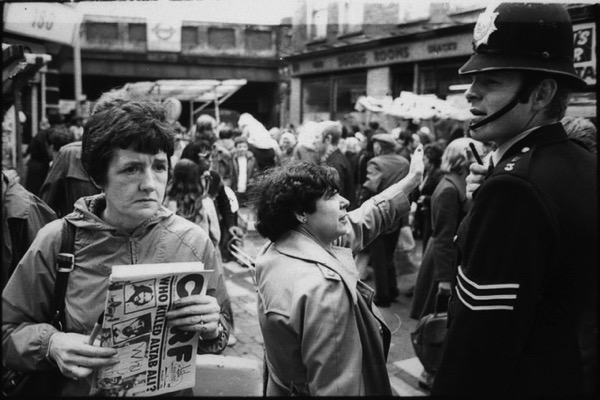
This woman carries a Campaign Against Racism & Fascism paper with the story of Altab Ali’s murder
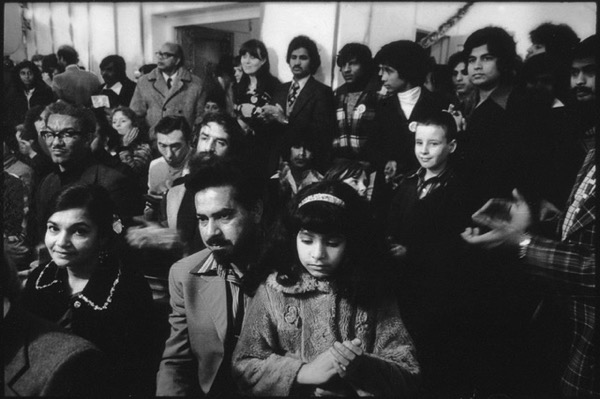
Community Gathering
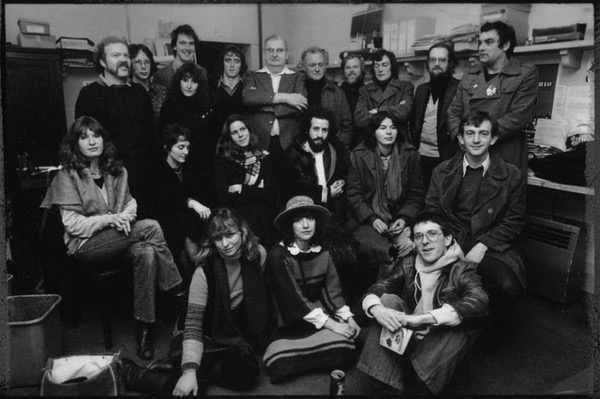
Writers’ Group
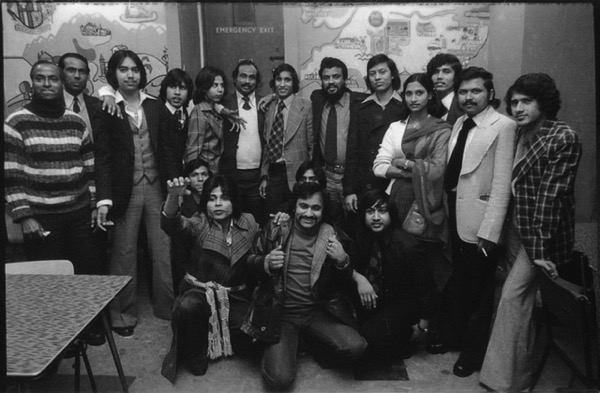
Members of the Bangladesh Youth Front
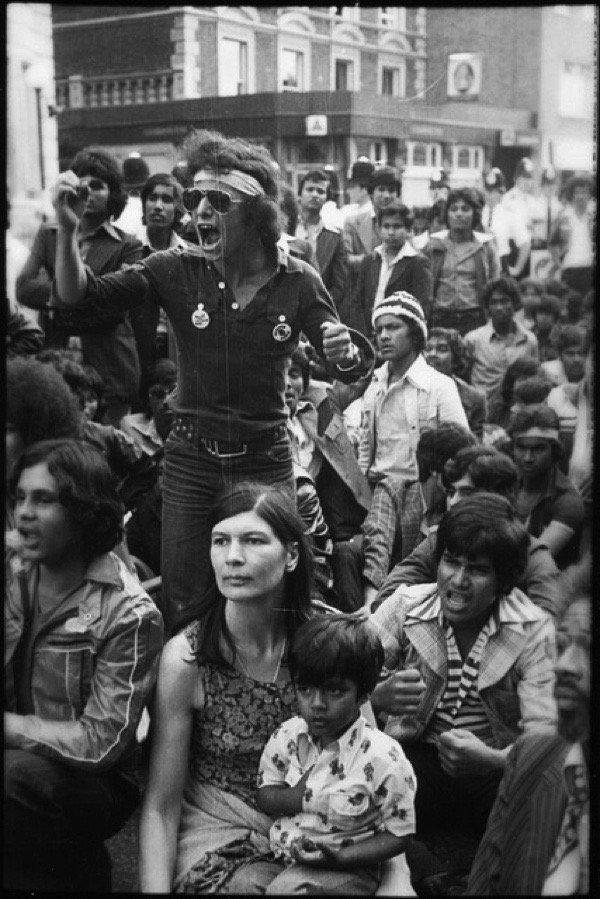
Anti-racist protest in Bethnal Green
Photographs copyright © Paul Trevor