
A Favourite Blog
I am delighted to publish this favourite extract from BUG WOMAN LONDON – a graduate of my blog writing course who is now celebrating nine years of publishing posts online. The author set out to explore our relationship with the natural world in the urban environment, yet her subject matter has expanded to include a brave and tender account of her mother’s decline and death. Follow BUG WOMAN LONDON, because a community is more than just people
I am now taking bookings for the next course HOW TO WRITE A BLOG THAT PEOPLE WILL WANT TO READ on March 25th/26th. Come to Spitalfields and spend a weekend with me in an eighteenth century weaver’s house in Fournier St, enjoy delicious lunches and cakes baked to historic recipes by Townhouse and learn how to write your own blog. Click here for details
If you are graduate of my course and you would like me to feature your blog, please drop me a line.

I do still have one parent alive though, so I ring the nursing home to see how Dad is getting on.
‘I’m on a boat’, he says. ‘I’ll be gone for forty days’.
‘Where are you going, Dad?’ I ask. I have learnt that it is easier for everyone if I join Dad in Dadland rather than attempting to drag him into the ‘real’ world, where he has dementia and his wife of sixty-one years is dead.
‘Northern China’, he says, emphatically.
‘You’ve not been there before, have you? It will be an adventure. I hope the food is good!’
I am not sure if Dad is remembering the business trips that he used to take, or the cruises he went on with Mum, or if this is a metaphor for another journey that he is taking. But I am sure that it could be all three explanations at once.
‘And I’ve done a picture of a rabbit with a bird on its head’.
‘That sounds fun Dad, I know you like painting and drawing’.
‘It’s with crayons’.
‘Well, they’re a bit less messy’.
Dad laughs. There’s a pause.
‘I haven’t been able to talk to Mum. I ring and ring, but she never answers’.
I wonder if he has actually been ringing the house and getting Mum’s voice on the answerphone. He is convinced that she is cross with him because one of the ‘young’ female carers at the home (a very nice lady in her fifties) helped him to have a shower. He went to the funeral and was in the room when Mum died, but does not remember.
‘She’s away at the moment Dad’, I say, ‘But she loves you and she knows that you love her’.
‘That’s all right then,’ he says. ‘But I have to go now’.
‘Love you Dad’.
‘Love you n’all’.
It is as if, in his dementia, Dad is returned to some earlier version of himself – more placid, less anxious. His calls to my brother have gone from forty-three in one day to once or twice a week. I am not sure if this peacefulness will last, or if it presages a movement to another stage in the progression of the disease, but I am grateful for his equanimity. Somewhere inside this frail, vulnerable man there is still my Dad, and I feel such tenderness for him.
I walk to the bedroom and look out of the window. There is something totally unexpected in the garden.
A grey heron is in the pond, and, as I watch, the creature spots the rounded head of a frog. Once the bird is locked on target, there is no escape. The heron darts forward, squashes the frog between the blades of its bill and waits, as if uncertain what to do. The frog wriggles, and the heron dunks it into the water, once, twice. And then the bird throws back its head and, in a series of gulps, swallows the frog alive.
I do not know what to do. I feel protective towards the frogs, but the heron needs to eat too. The frogs have bred and there is spawn in the pond, so from a scientific point of view there is no need to be sentimental. But still. I have been away for two weeks and I suspect that the heron got used to visiting when things when quiet. The pond must have had a hundred frogs in it when we left. Hopefully some of them quit the water once the breeding was over, because on today’s evidence the heron could happily have eaten the lot.
What a magnificent creature, though. It is such a privilege to have a visit from a top predator. Close up, I can see the way that those yellow eyes point slightly forward to look down the stiletto of the beak, and the way that the mouth extends back beyond the bill, enabling an enormous gape. The plume of black feathers at the back of the head show that this is an adult bird, perhaps already getting ready for breeding. The heron leans forward, having spotted yet another frog, and I decide that I will intervene. I unlock the back door and open it, but it is not until I am outside on the patio that the bird reluctantly flaps those enormous wings and takes off, to survey me from the roof opposite.
I know that I will not deter the bird for long – after all, I will leave the house, and the heron will be back. But there has been so much loss in my life in the past few months that I feel as if I have to do something. The delicate bodies of the frogs seem no match for that rapier-bill and there is something unfair about the contest in this little pond that riles me. We are all small, soft-bodied creatures, and death will come for us and for everyone that we love with its cold, implacable gaze, but that does not mean we should not sometimes throw sand in its face. I am so lucky to have the graceful presence of the heron in my garden, but today, I want to tip the balance just a little in favour of the defenceless.


Photographs copyright © Bug Woman London

HOW TO WRITE A BLOG THAT PEOPLE WILL WANT TO READ: 25th-26th March
Spend a weekend in an eighteenth century weaver’s house in Spitalfields and learn how to write a blog with The Gentle Author.
This course will examine the essential questions which need to be addressed if you wish to write a blog that people will want to read.
“Like those writers in fourteenth century Florence who discovered the sonnet but did not quite know what to do with it, we are presented with the new literary medium of the blog – which has quickly become omnipresent, with many millions writing online. For my own part, I respect this nascent literary form by seeking to explore its own unique qualities and potential.” – The Gentle Author
COURSE STRUCTURE
1. How to find a voice – When you write, who are you writing to and what is your relationship with the reader?
2. How to find a subject – Why is it necessary to write and what do you have to tell?
3. How to find the form – What is the ideal manifestation of your material and how can a good structure give you momentum?
4. The relationship of pictures and words – Which comes first, the pictures or the words? Creating a dynamic relationship between your text and images.
5. How to write a pen portrait – Drawing on The Gentle Author’s experience, different strategies in transforming a conversation into an effective written evocation of a personality.
6. What a blog can do – A consideration of how telling stories on the internet can affect the temporal world.
SALIENT DETAILS
The course will be held at 5 Fournier St, Spitalfields on 25th-26th March. The course runs from 10am-5pm on Saturday and 11am-5pm on Sunday.
Lunches, tea, coffee & cakes by the Townhouse are included within the course fee of £300.
Email spitalfieldslife@gmail.com to book a place on the course.
At Wellington Buildings in Bow
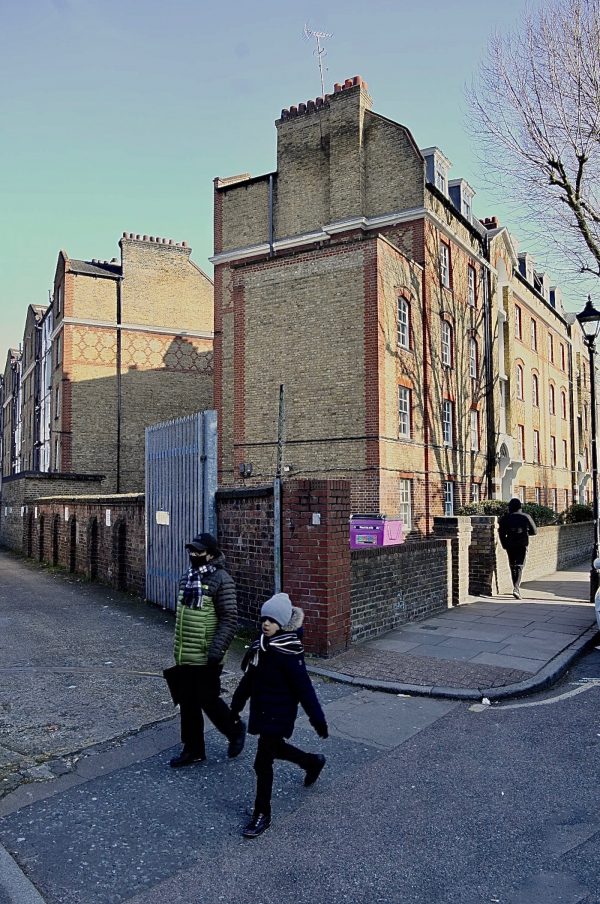
No doubt you have seen them out of the corner of your eye, looming over Bow Rd tube station. Wellington Buildings, Cuthbert Arthur Bereton’s dignified Victorian housing blocks rise like fairytale castles when you peer up at them from the railway platforms below.
They were constructed around 1900 by Brereton when he was Engineer to the Whitechapel & Bow Railway, for people displaced by the building of the underground railway line and Bow Rd station, which opened in 1902. Wellington Buildings serve as an attractive landmark within the vernacular urban landscape in Bow and are an important example of the social and industrial change which took place here over century ago, especially the impact of the expansion of the railways.
When the Whitechapel & Bow Railway Act was passed in April 1897, it gave the Metropolitan District Railway Company power of compulsory purchase and demolition of a third of the houses in Mornington Rd nearby. Consequently, they were obligated to rehouse those displaced and Wellington Buildings was the result, tucked in at the north end of Wellington Way beside the station.
Comprising two tall blocks of tenements of yellow London stock bricks, the buildings are embellished with glazed Doulton bricks at ground level, and red bricks at corners and in the window surrounds – and a little discreet lattice work in the manner of William Butterfield’s ecclesiastical and collegiate architecture, high upon the wall, just to give them distinction. Brereton also contrived projecting bays for staircases that were originally open to the elements under pointed gables, and a low range on the south side of the courtyard served as a laundry and bathhouse. He came from a family of generations of heroic civil engineers and architects, but is chiefly remembered today for the elegant austerity of his design for Kew Bridge.
Wellington Buildings are a noble location in the history of the Suffrage movement. In 1913, number 37 was the home of Miss F E Adams, Honorary Secretary of the East London Branch of the Women’s Freedom League. According to The Vote newspaper, regular meetings were held there as part of the Women’s Suffrage movement.
“On Monday last a branch meeting was held at 37, Wellington Buildings, Bow. It was decided that till further notice branch meetings should be hold at the same address on alternate Thursdays.”
The Vote, Friday 7th Nov 1913
Standing today in their pristine, unaltered state after more than a century, Wellington Buildings are not listed yet adjoin Bow Rd Underground station which is Grade II listed and built at the same time. We must hope that their position, within the curtilage of the listed structure and being by the same architect as the station, will afford them some degree of protection.
To the dismay of the residents, the freeholders of Wellington Buildings have applied twice and been rejected in their ill-conceived attempts to add bulky extensions that compromise the architecture and quality of the buildings.
Now there is new planning application for a crude extension to Wellington Buildings under consideration by the council. You can study the plans online by clicking here and entering PA/22/02634/A1 in the search box. Comments can be mailed to development.control@towerhamlets.gov.uk until 14th February.
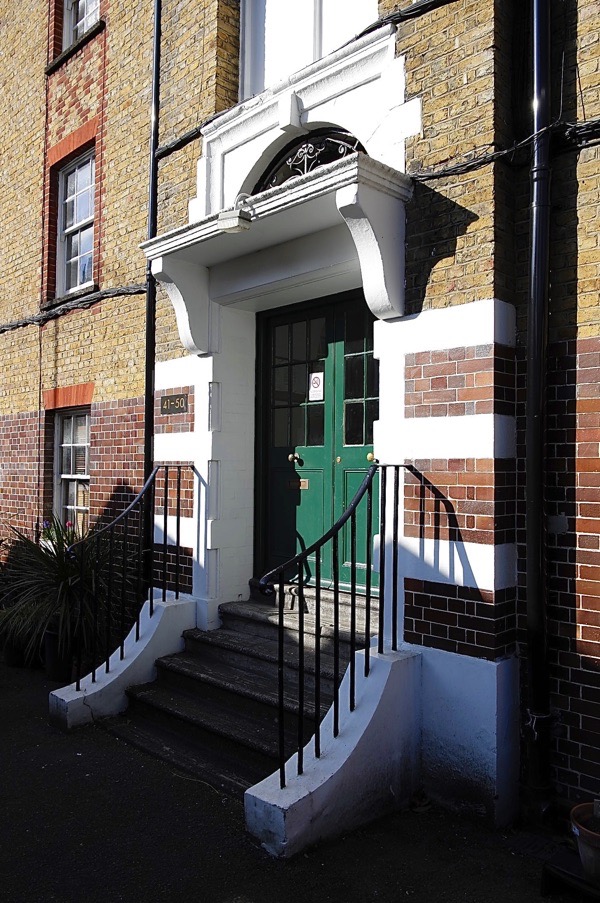
‘projecting bays for staircases that were originally open to the elements under pointed gables’
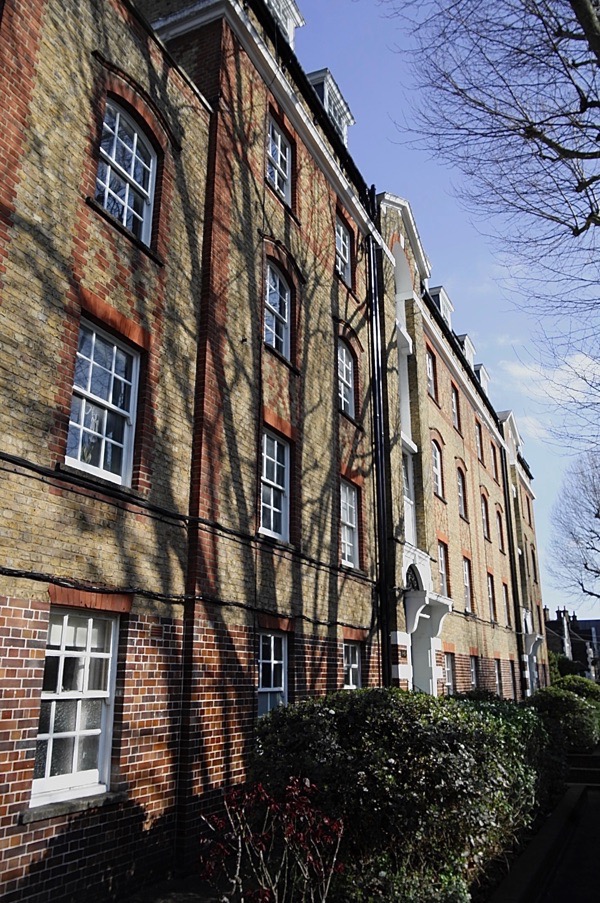
’embellished with glazed Doulton bricks at ground level, and red bricks at corners and in the window surrounds’
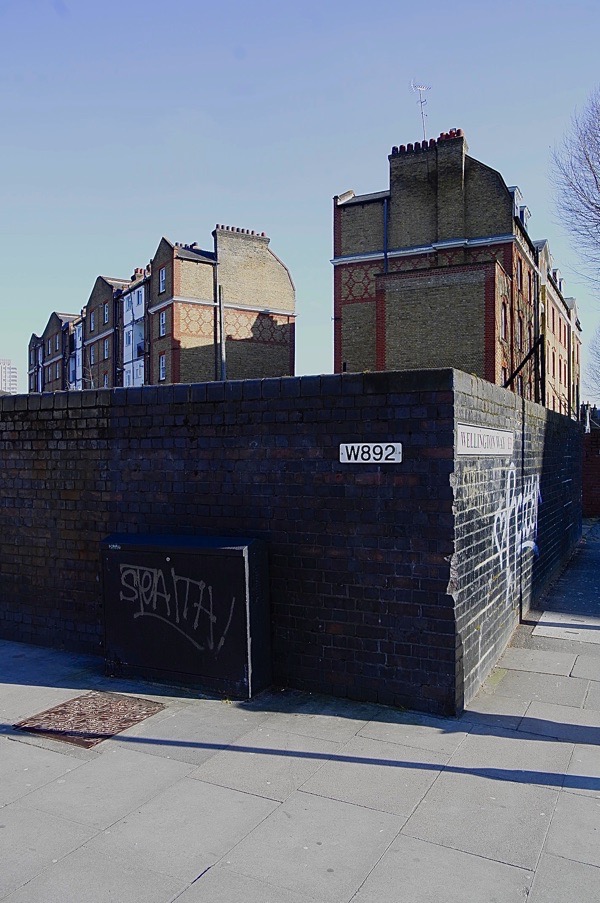
‘a little discreet lattice work in the manner of William Butterfield’s ecclesiastical and collegiate buildings high upon the wall, just to give them distinction’
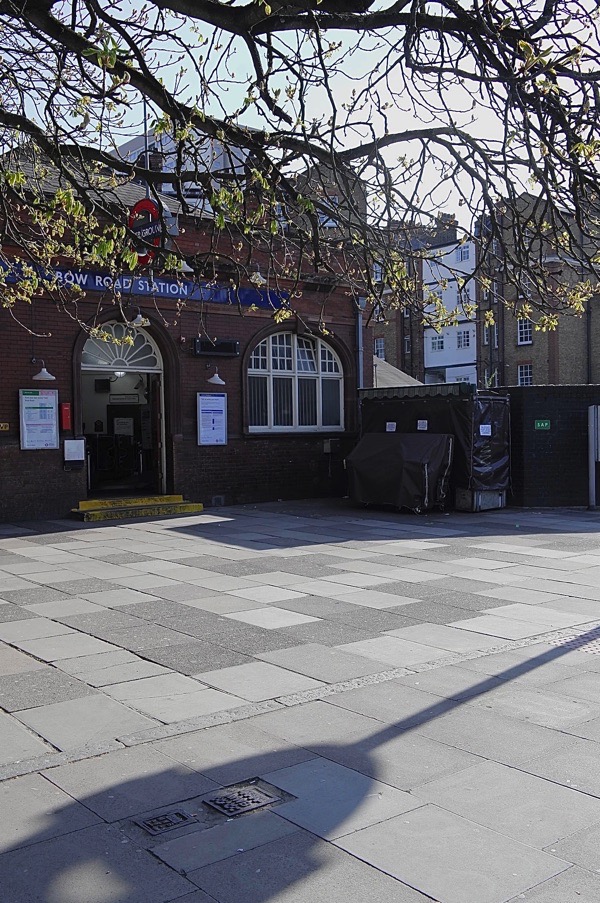
Bow Rd Station
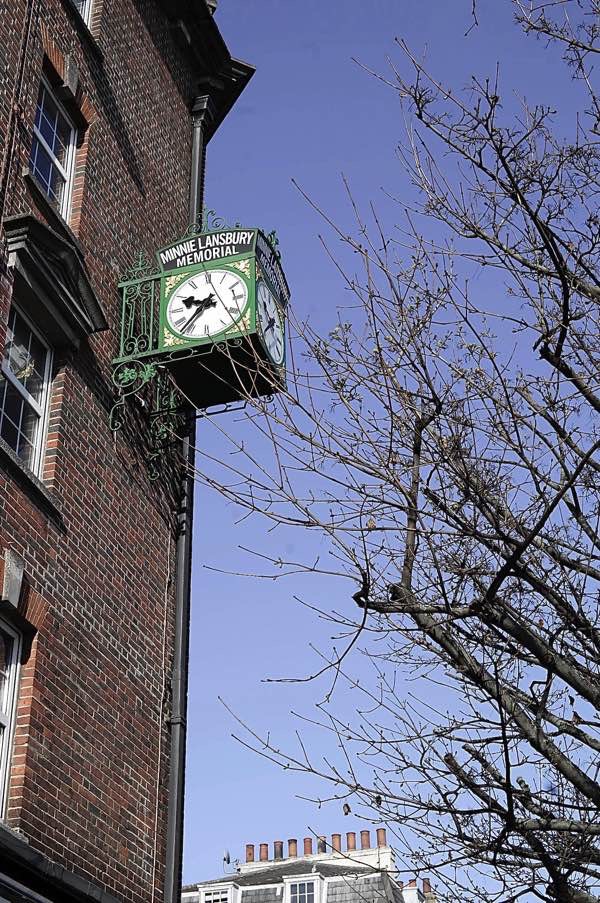
Minnie Lansbury clock in Bow Rd opposite Wellington Buildings
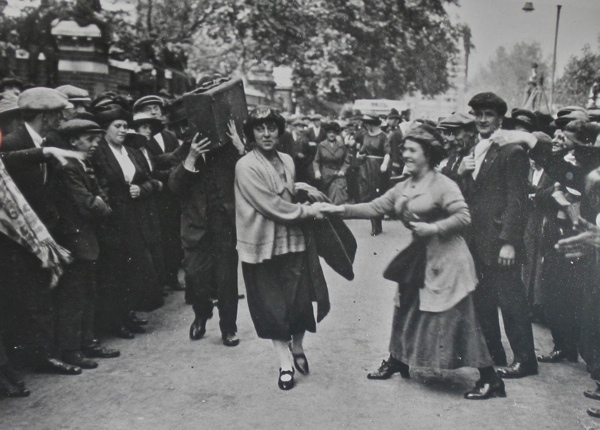
Suffragette Minnie Lansbury on her way to be arrested at Poplar Town Hall
You may also like to take a look at
David Hoffman At St Botolph’s
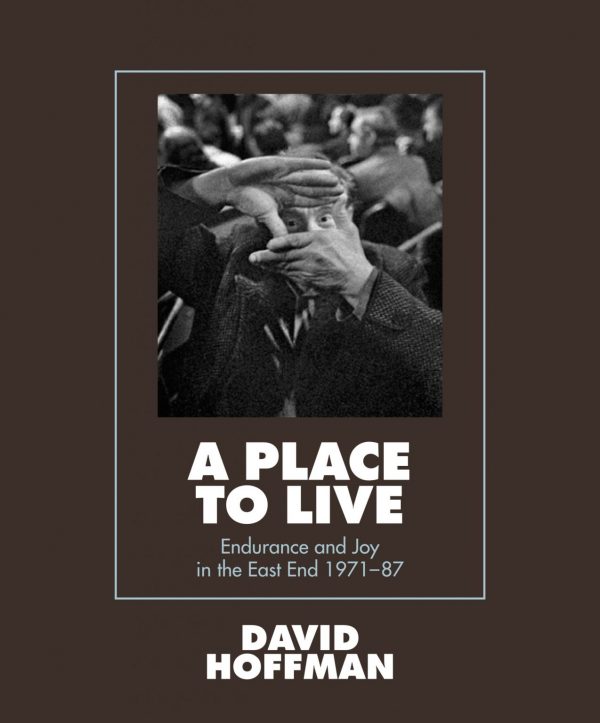
David Hoffman undertook a significant body of photography documenting the East End in the seventies and eighties that I plan to publish this year as a book entitled, A PLACE TO LIVE, Endurance & Joy in Whitechapel, accompanied by a major photographic exhibition at House of Annetta in Spitalfields.
I believe David’s work is such an important social document, distinguished by its generous humanity and aesthetic flair, that I must publish a collected volume. I have a growing list of supporters for this project, so if you share my appreciation of David’s photography and might consider supporting this endeavour, please drop me a line at spitalfieldslife@gmail.com
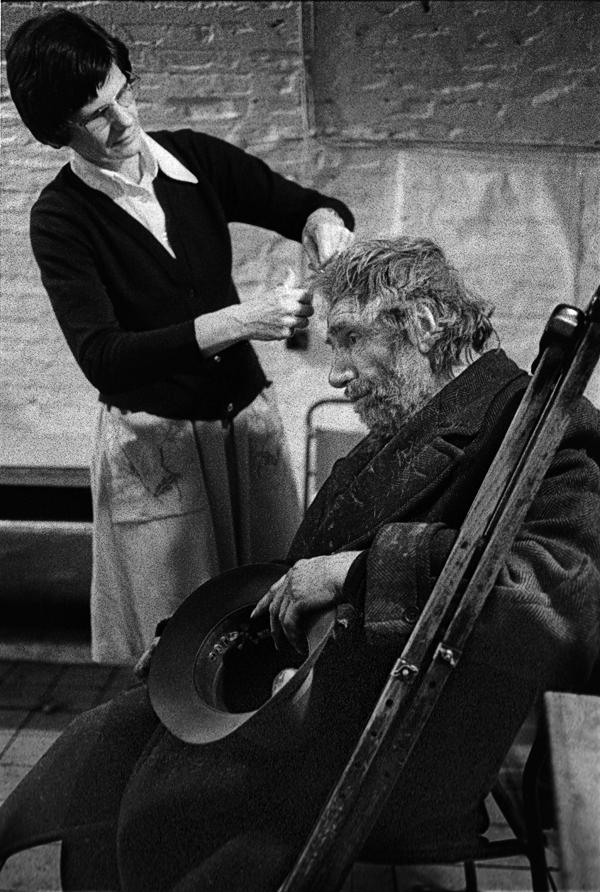
Bobbie Beecroft cuts Mr Sheridan’s hair, 1976
When photographer David Hoffman was squatting in Fieldgate Mansions in Whitechapel in the seventies, he was asked to do fund-raising shots for the shelter in the crypt of St Botolph’s in Aldgate which offered refuge to all homeless people without distinction. Yet this commission turned into a photographic project that extended over many years and resulted in a distinguished body of work documenting the lives of the dispossessed in hundreds of intimate and unsentimental images.
Initially, David found the volatile conditions of the crypt challenging but, over months and years, he became accepted by those at the shelter who adopted him as their own photographer. Rev Malcolm Johnson was the enlightened priest responsible for opening the crypt but, once he moved on, his brave endeavour was closed down. More than thirty years later, most of the people in David’s pictures are dead and forgotten, and his soulful photographs are now the only record of their existence and of the strange camaraderie they discovered in the crypt at St Botolph’s.
“St Botolph’s in Aldgate had a ‘wet shelter,’ an evening shelter for damaged or lost souls where alcohol and drugs were permitted. It was run by Rev Malcolm Johnson and Terry Drummond, who were very generous and accepting, and the purpose was a Christian one, based on the notion that you are accepted whoever you are. I’m not keen on organised religion, but here they were doing something that needed to be done.
I was asked if I could do some photographs to raise funds for the work and I remember arriving at the top of the steps outside the crypt and standing there for five minutes because I didn’t dare to go down. The noise was deafening and it really stank of piss and unwashed bodies. I was frightened I’d get attacked and my camera smashed but, equally, I thought it needed documenting, it was a part of life I’d never seen before. It was very noisy, very smelly, chaotic, and there was a lot of violence.
It was a place to get something to eat, get washed and get clean clothing. Not everybody was on drink or drugs but ninety per cent were. A lot were ex-servicemen who had travelled the world and would reminisce about bars in Cairo or Baghdad. It was amazing what they would talk about.
When I returned, I gave them eighth-size A4 prints so they could put them in their pockets. They gave me permission to take their pictures and, on each visit, I’d bring them prints from the previous evening. So I became their photographer.
Over six or seven years, I’d go every night for two or three months at a stretch. It was important to be regular while you were doing it. You needed to come frequently, so people relaxed and accepted you as part of the scene. I’d go every night for a couple of months. It was a place where nobody else goes, it was a humble part of life.”
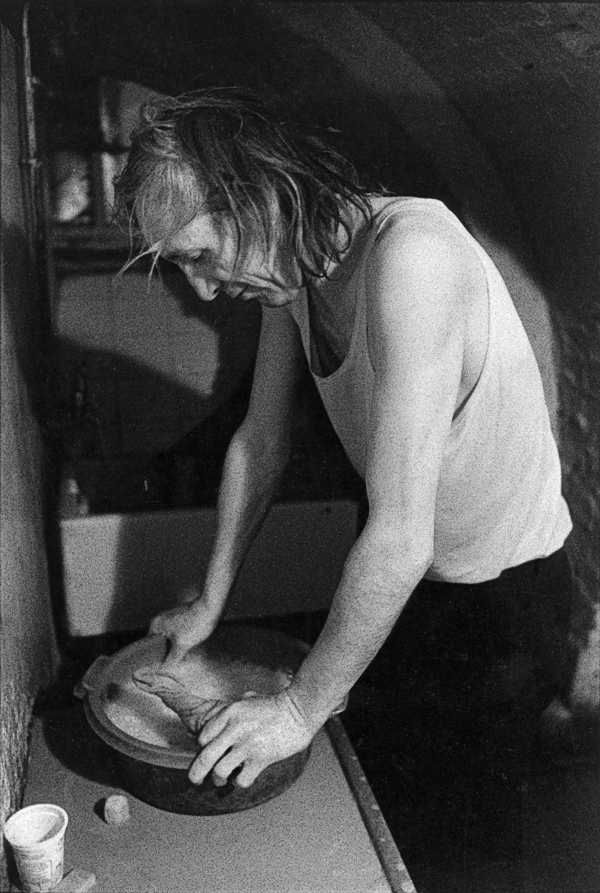
Washing a shirt at St Botolph’s, 1978
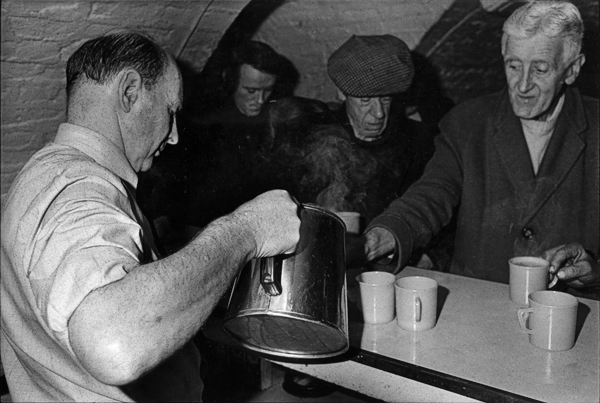
A volunteer serves tea and sandwiches
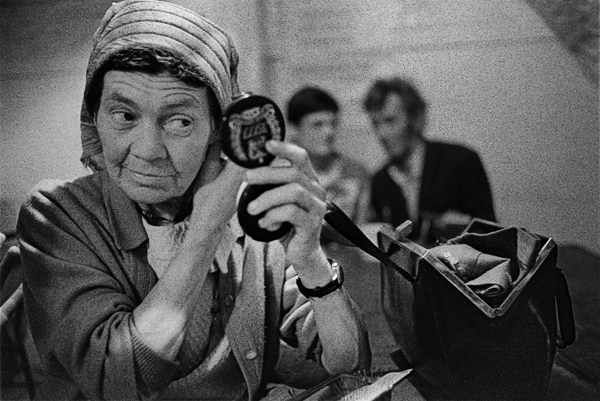
Azella, a regular at St Botolph’s, makes herself up before heading to the pub with a pal in 1977. Later that year, Azella was killed when a lorry drove over the cardboard box where she slept in Spitalfields Market.
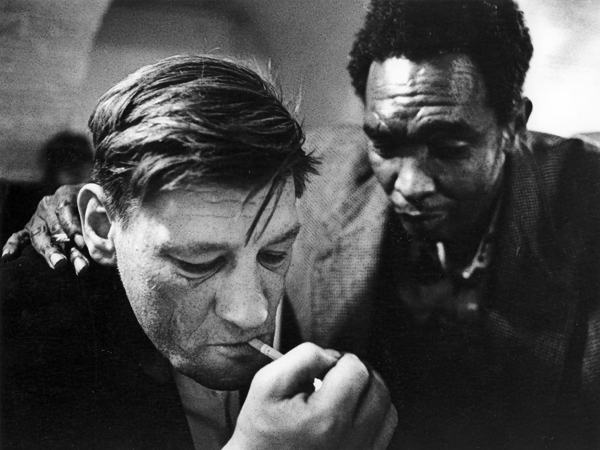
At St Botolph’s, 1978
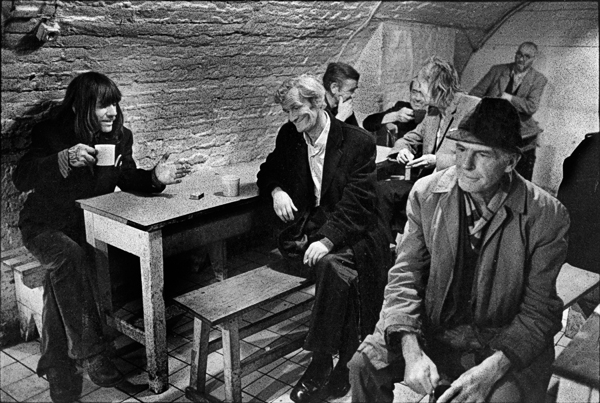
At St Botolph’s, 1976
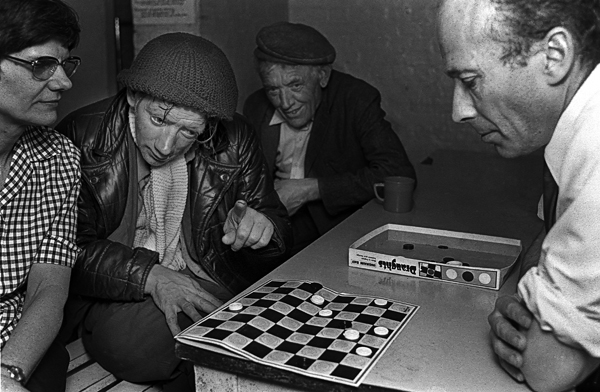
At St Botolph’s, 1978
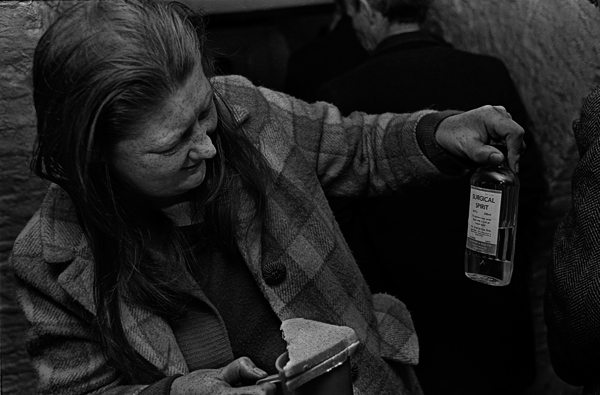
At St Botolph’s, 1978
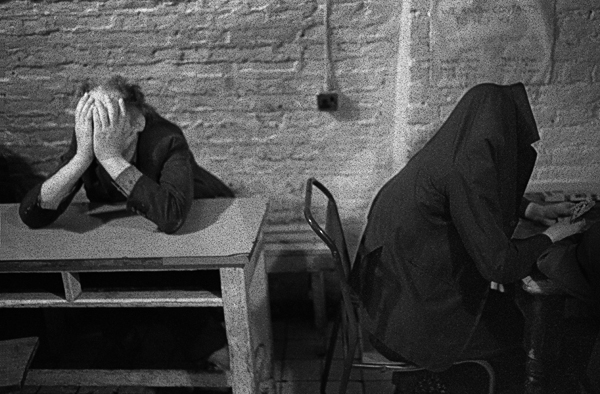
At St Botolph’s, 1978
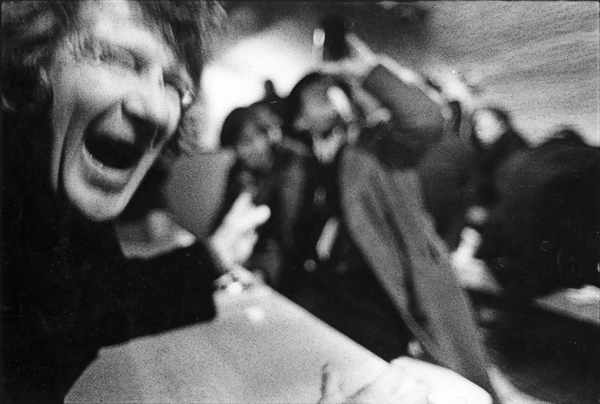
At St Botolph’s, 1978
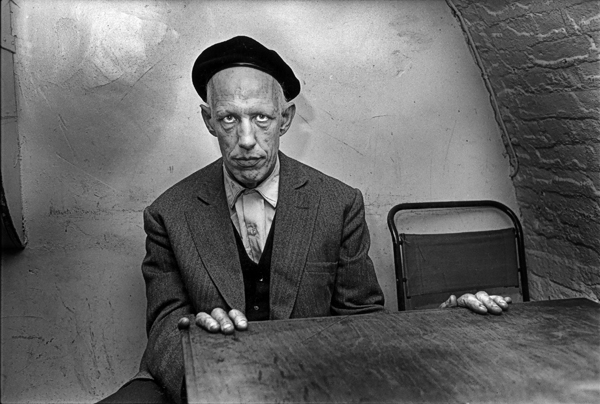
Leo, eighty-two years old and a non-drinker at St Botolph’s, 1976
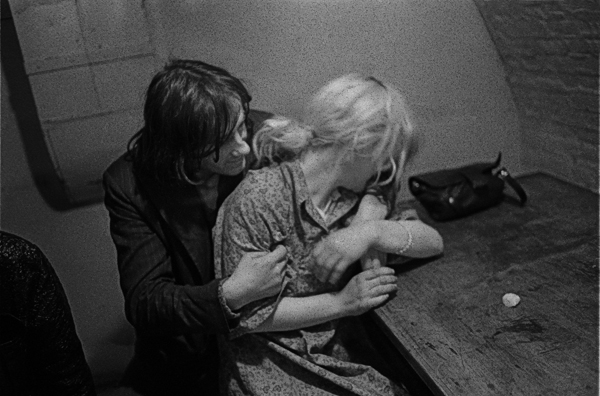
At St Botolph’s, 1978
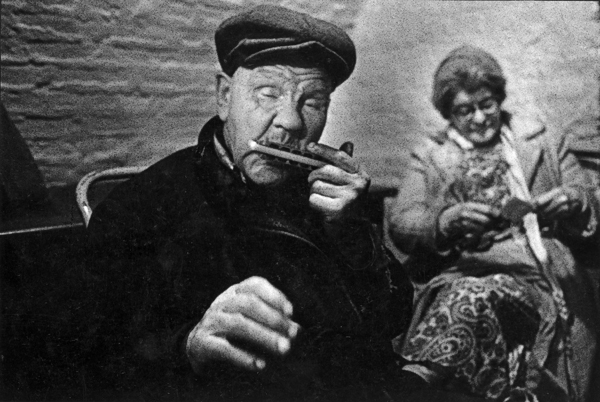
Percy & Jane, non-drinkers, at St Botolph’s, 1978
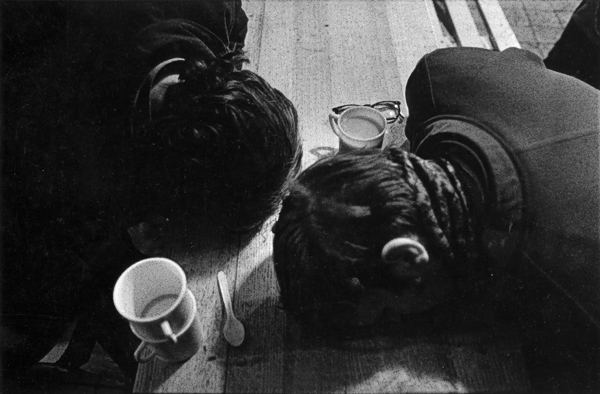
At St Botolph’s, 1978
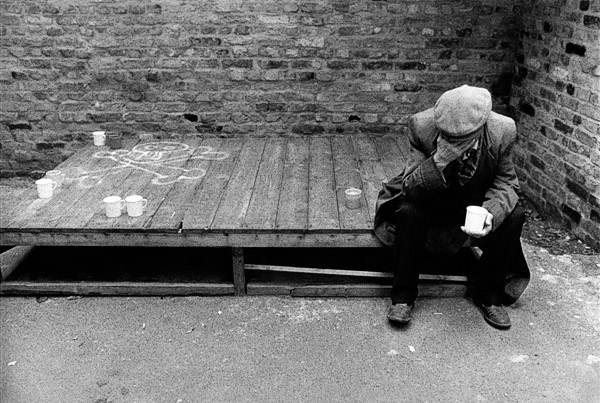
At St Botolph’s, 1977
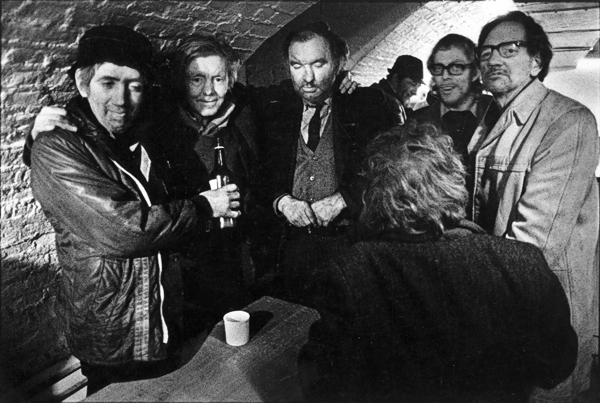
At St Botolph’s, 1978
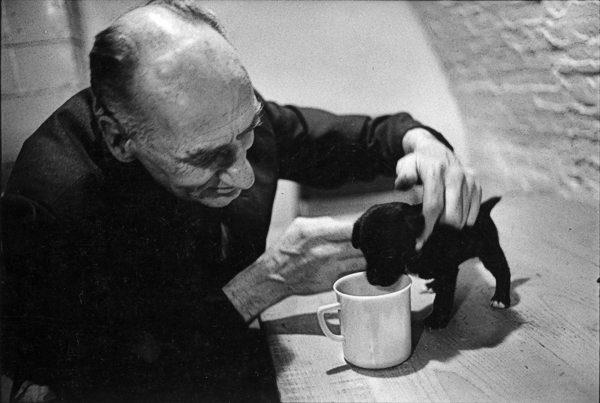
At St Botolph’s, 1978
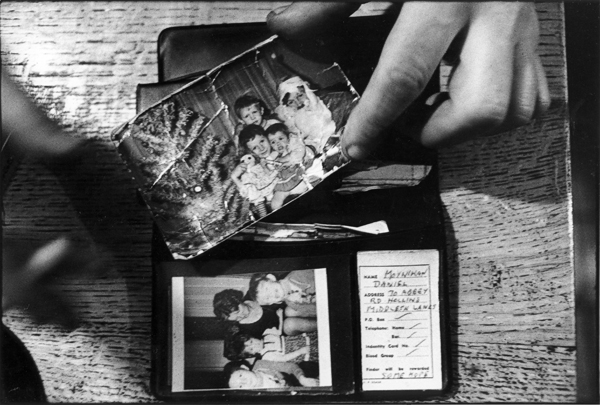
At St Botolph’s, 1978
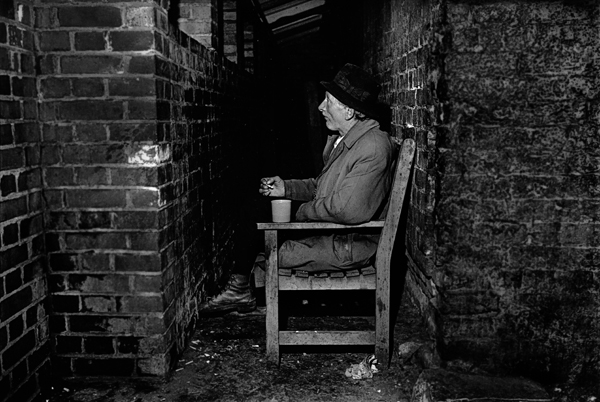
At St Botolph’s, 1978
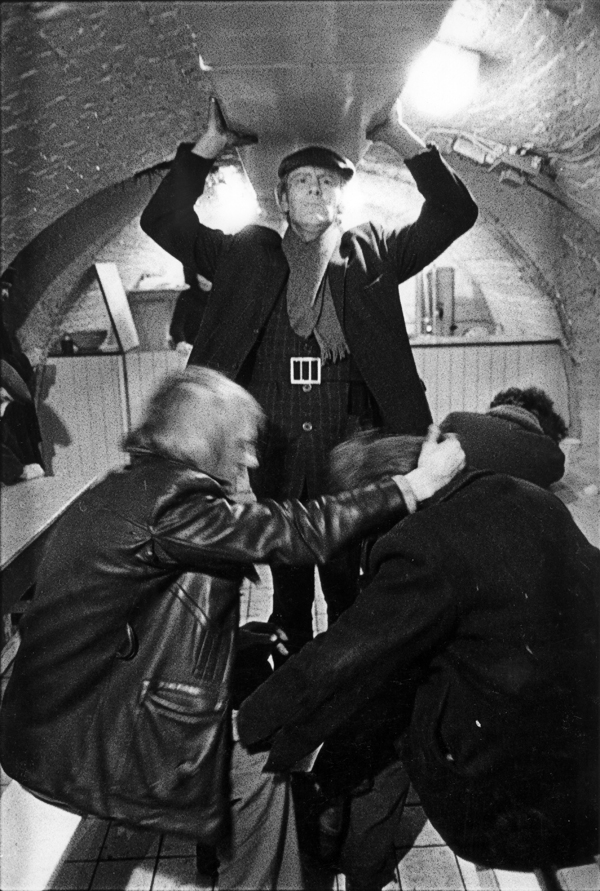
At St Botolph’s, 1978
Photographs copyright © David Hoffman
You may also like to take a look at
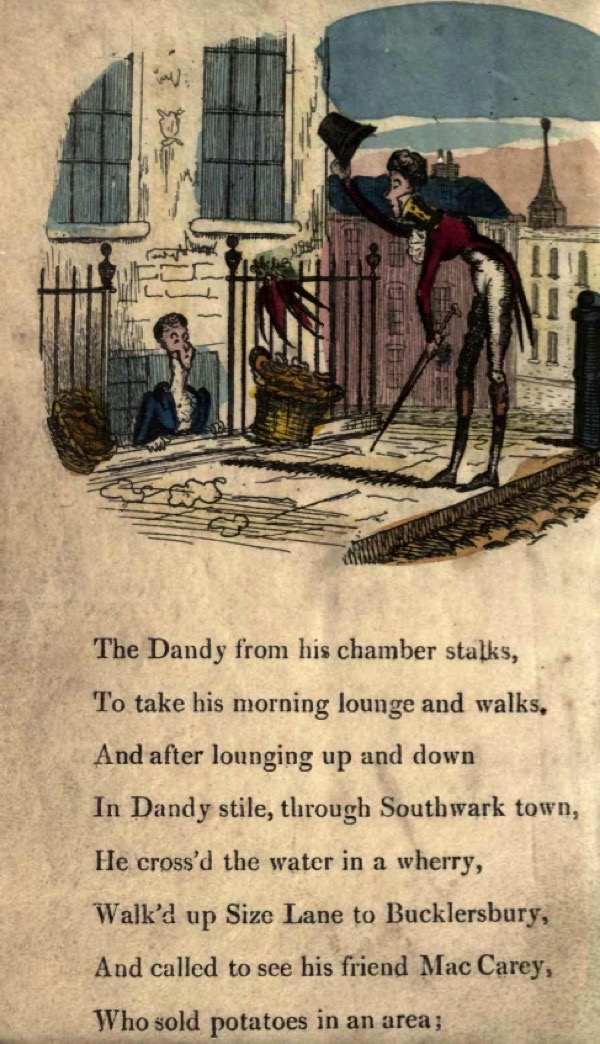
The Dandy’s Perambulations
I am grateful to Sian Rees for kindly drawing my attention to The Dandy’s Perambulations by Robert Cruickshank, being an account of a trip to Kew Gardens in 1819




You may also like to take a look at
Dilruba Khanam, Photographer

This photograph by Dilruba Khanam of a Bengali bride in East London fascinates me with its unlikely combination of lyrical and urban realist elements. The bride in her luxuriant wedding clothes sitting beneath a tree might be an image from a classical miniature painting, if it were not for the satellite dish and the car – which place the picture precisely in the here and now. And when Dilruba told me her principal subjects were fashion and politics, it confirmed the source of the dynamic tension that enlivens this extraordinary image. Yet when Dilruba told me her story, I realised that as much as it reflects aesthetic choices, her remarkable sensibility is the outcome of her own struggle to wrestle freedom from the tyranny of circumstance.
Growing up in a high-ranking Muslim family in Bangladesh, Dilruba acquired a vivid knowledge of politics through personal experience. “The head of my family had supreme authority, and women were not even allowed to go out.” she admitted to me when I visited her in Mile End,”There was a separate conference room for the men where the newspapers were kept and females were not allowed to enter, but I would secretly go there and read them. I was the first female to break the rules, because I could not tolerate any injustice to women and I wanted to fight against it. As a young girl, I knew many politicians closely and I had seen their dirty politics and corruption, and I did not like it.”
At sixteen years old, Dilruba left home and went to live in the YWCA. “It was difficult for me to survive without family support,” she revealed in unsentimental reminiscence, “I was desperate to find a job, and I went from office to office asking. At that time, I had long hair and I was good looking, and I saw their dirty thinking about me, so I realised I had to protect myself. I cut my hair short and me and my best friend Javine – who was the first professional female magician in Bangladesh – we got training in judo, karate and shooting guns.”
At first, Dilruba pursued athletics but it was photography that became her career. Once she had some training, Dilruba won freelance commissions from newspapers in Dhaka and became Bangladesh’s first professional female photographer, covering politics and fashion. One day, when Audrey Hepburn came to Bangladesh, Dilruba went along to take photographs of a star who herself once portrayed a certain youthful independence. But events took an ironic twist when the other photojournalists, who were all male, took pictures of Dilruba with her short hair and Western casual clothes, making her first prominent public appearance as a professional photographer – which ended upon the front pages of the national newspapers next day instead of Audrey Hepburn. An unexpected turn of events, but one – I like to think – that Audrey would have savoured with amusement.
Thus, Dilruba came to the attention of Rowshan Ershad, First Lady of Bangladesh and wife of President Ershad, who extended her personal support, appointing Dilruba as her official photographer upon all engagements for the next two years. And, almost like fairy tale, a whole new world of success opened up in which Dilruba was invited to Bollywood to photograph the stars, becoming accepted into the world of celebrities, singers, dancers, actors and models who took her as an equal and in many cases as a friend. Yet Dilruba could never forget the wider political picture, and when students at Dhaka University protesting against the ruling party were beaten up, she found that as a woman photographer she alone was able to get into the hospital to photograph their injuries.
Through her own courage and talent, Dilruba had achieved what no woman had done before in Bangladesh, forging a career as a photographer, but she realised that she could never be at peace there. Using the mobility that her professional status gave her she came to London. “First of all, I came to see the difference, and I found this is the place I want to live – because this is a free country.” she explained with a smile of quiet relief, ” I brought my camera with me and I started working with a Bengali newspaper here. Then I published my own glossy magazine ‘Elegant,’ and I stated my own modelling agency with a mixture of Asian and European models.”
“My family apologised to me,” she confided frankly, “when they realised I had done well and the newspapers wrote good things about me, but it was too late. I went through a lot of pain and hardship, and when I needed them most, I was all alone. So I can’t forgive and forget.”
Dilruba Khanam is happy to live a relatively low-profile life in the East End, concentrating on the subjects of her photography rather than becoming a subject herself – but there is an intensity in her portraits of women, a detachment in her pictures of politicians, and a frequent use of passionate flaming reds, that – in different ways – all speak of the challenges she overcame on her journey to get here.
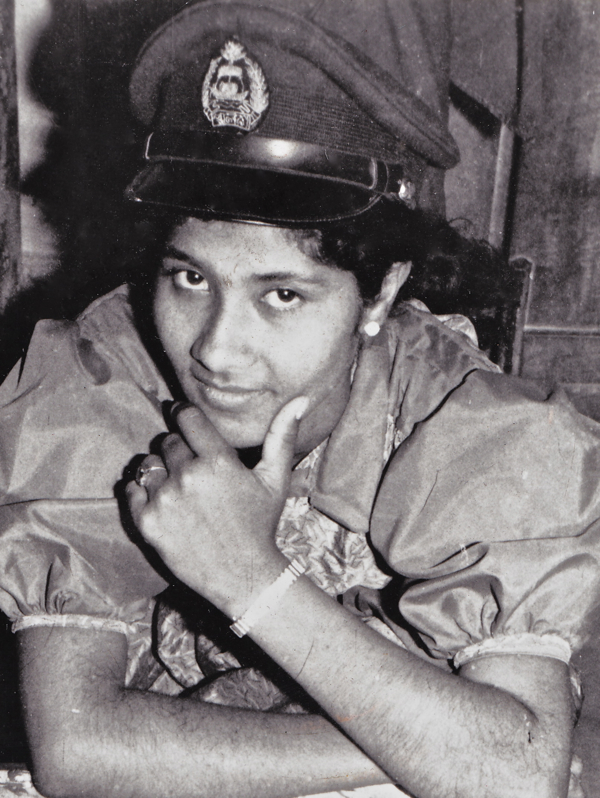
Dilruba as a teenage rebel in a Bangladeshi policeman’s hat
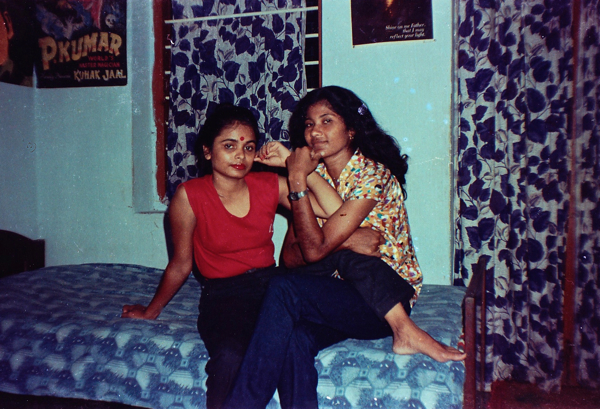
Azra Javine, the first female magician in Bangladesh with Dilruba the first female photographer in Bangladesh, 1987
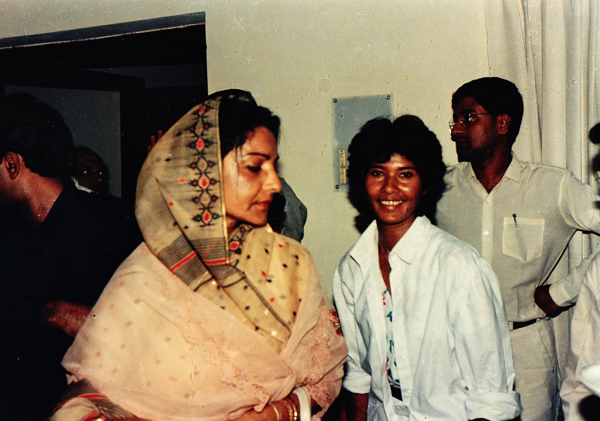
Dilruba with her patron Rowshan Ershad, First Lady of Bangladesh
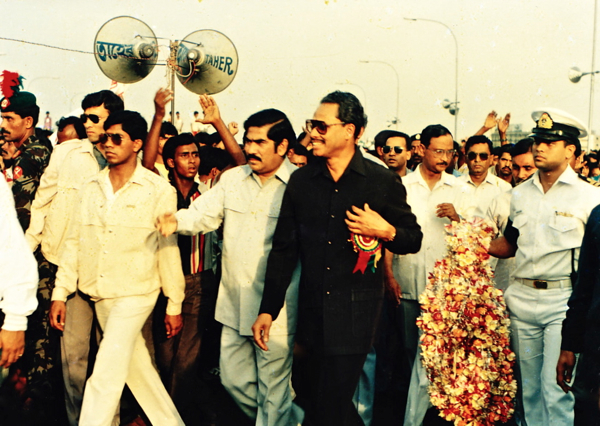
President Ershad of Bangladesh
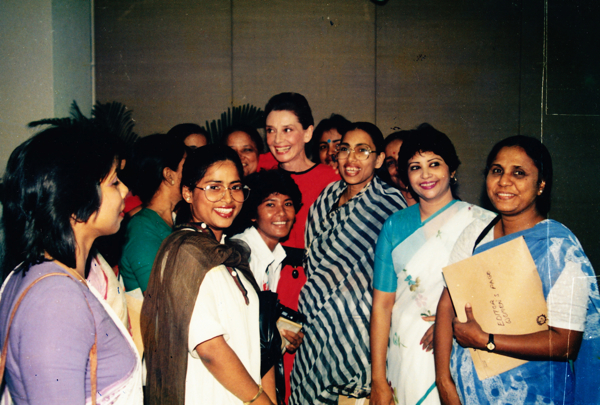
Dilruba with Audrey Hepburn in Bangladesh, 1989
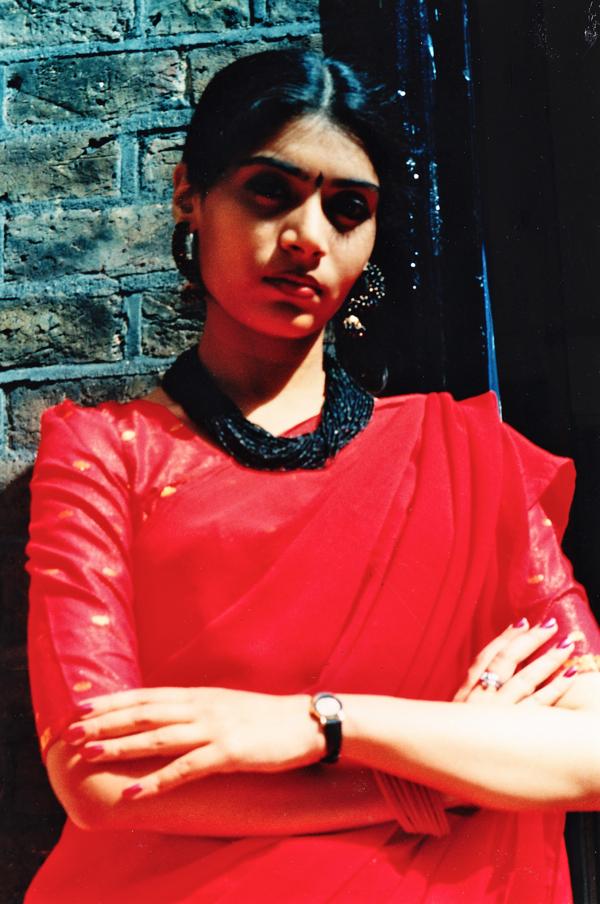
A famous dancer from Bangladesh
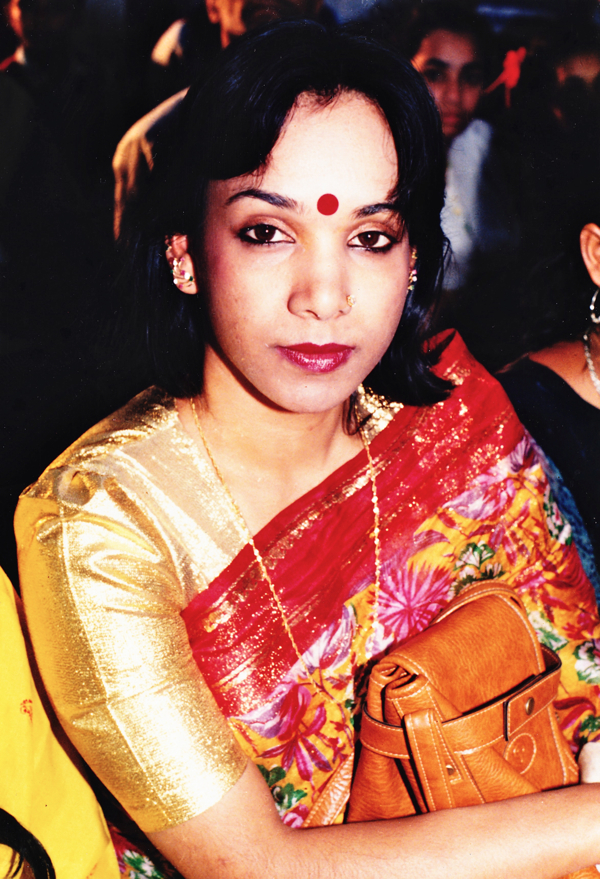
Lata, TV Star
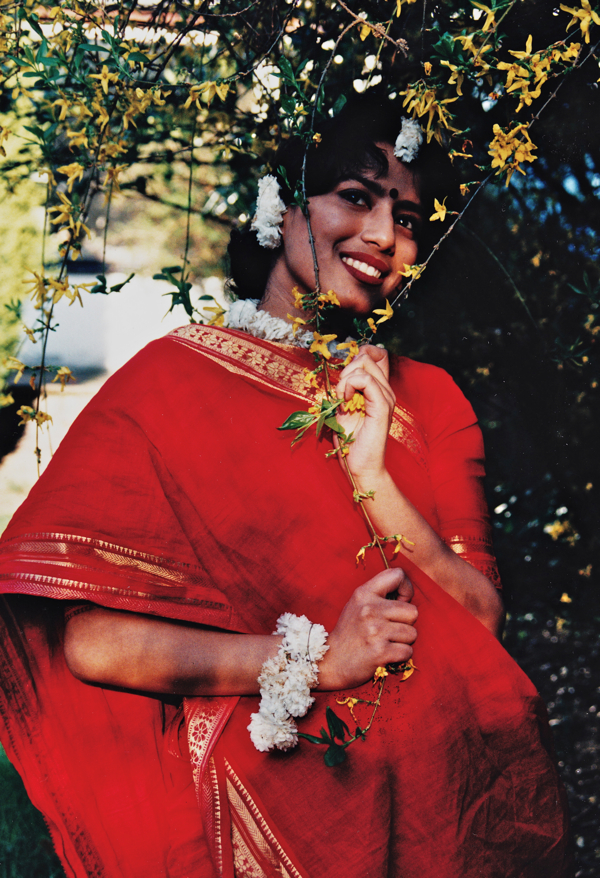
Nasrin Hussain Hema, choreographer

Shabnoor, Film Star

Chatna, Model

Celebrating Boishakhi, 2000
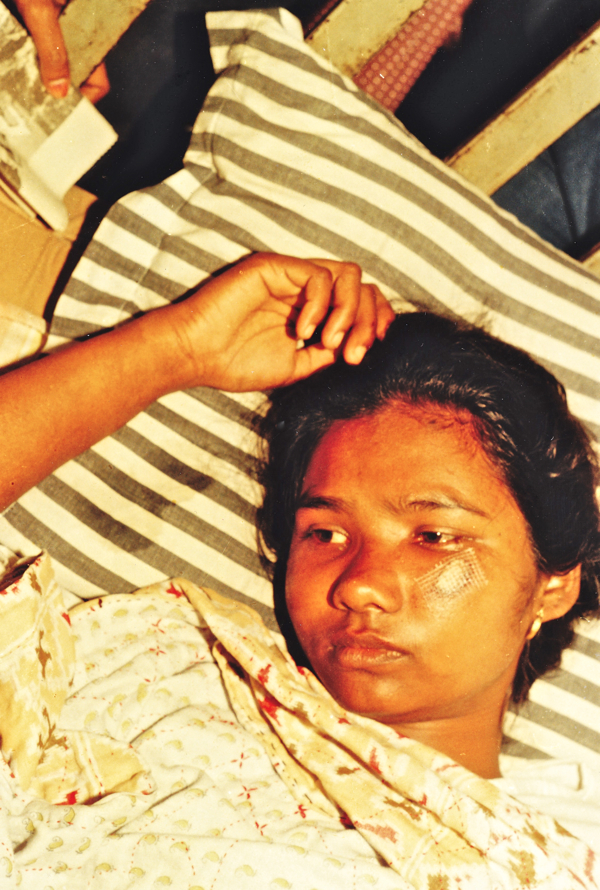
A student of Dhaka University beaten with chains by the Jatiotabadi Chattra Dal (the student front of the Bangladeshi National Party), 1988
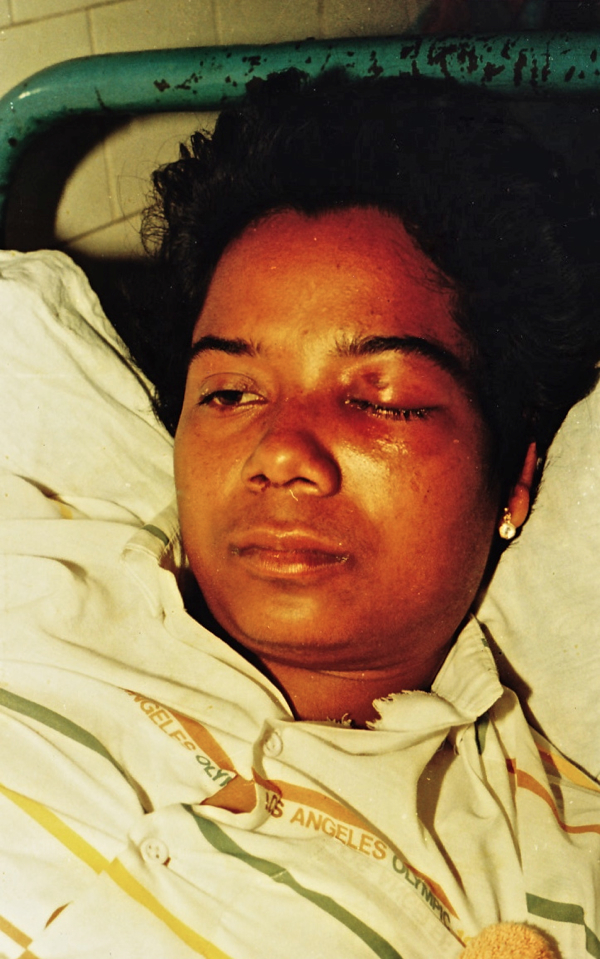
Yet another bruised girl of Dhaka University, 1988
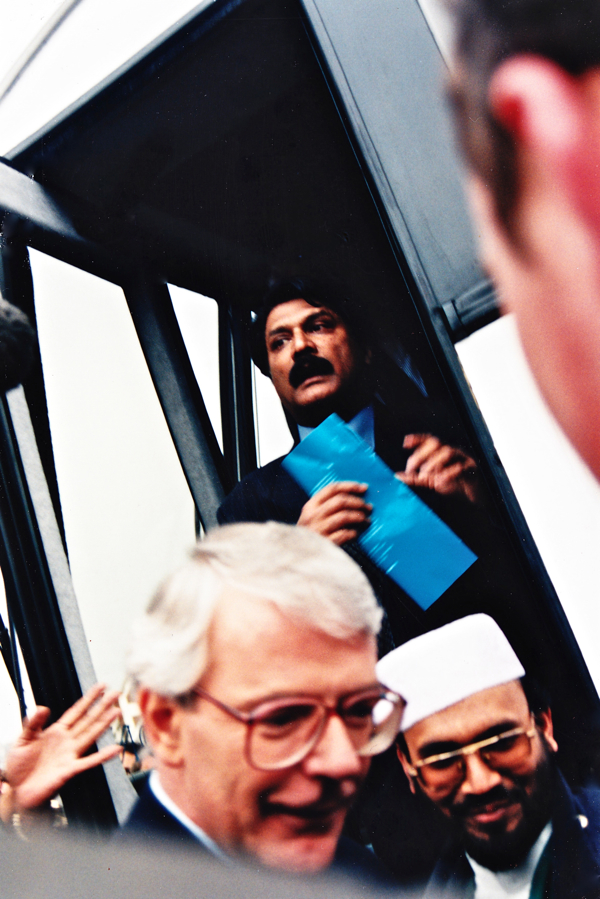
John Major in Brick Lane, 1995
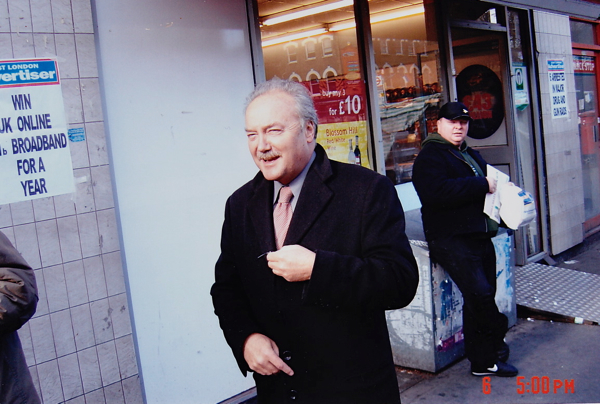
George Galloway in Whitechapel, 2009
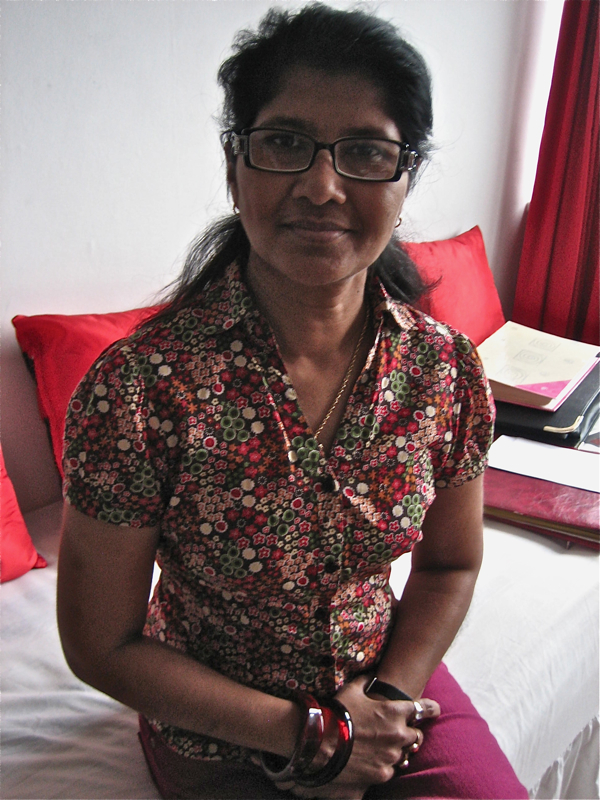
Dilruba Khanam
Photographs copyright © Dilruba Khanam
East End Toy Manufacturers of 1917
Seeking lost East End toy manufacturers by studying copies of GAMES & TOYS, a trade publication from 1917, in the Young V & A Archive in Bethnal Green, I was struck by the irony of the tragic contrasts in this magazine – where celebratory warlike advertisements selling toy guns and tanks to boys sit alongside features promoting ‘patriotic’ companies employing wounded soldiers in toy manufacture.
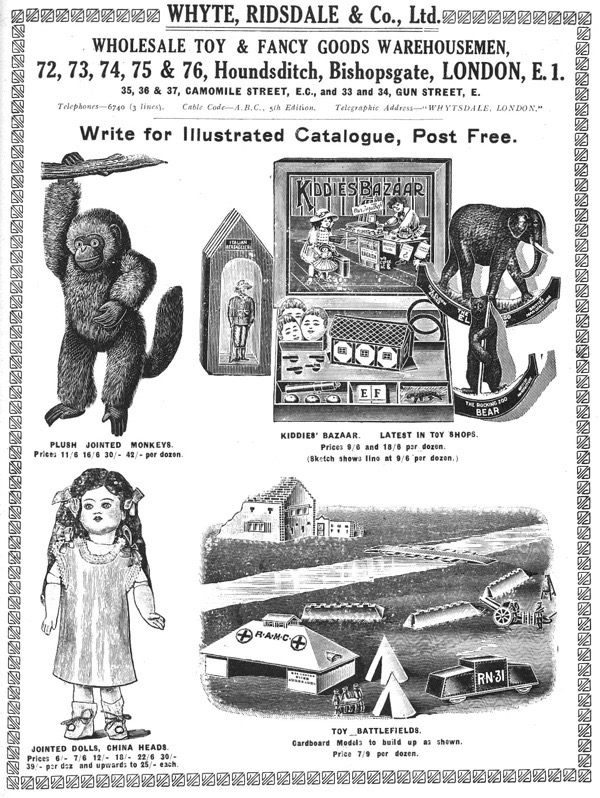

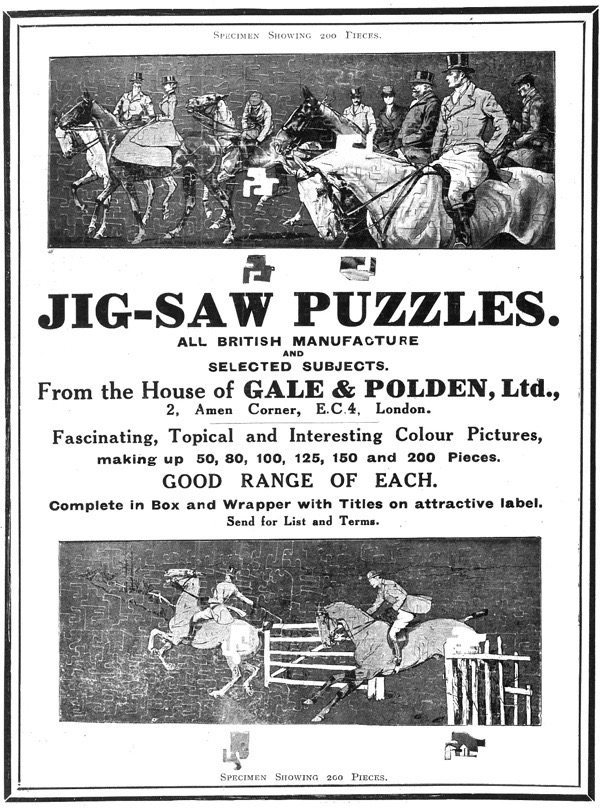
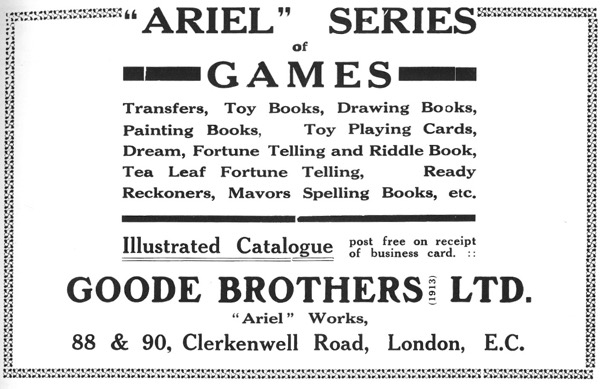





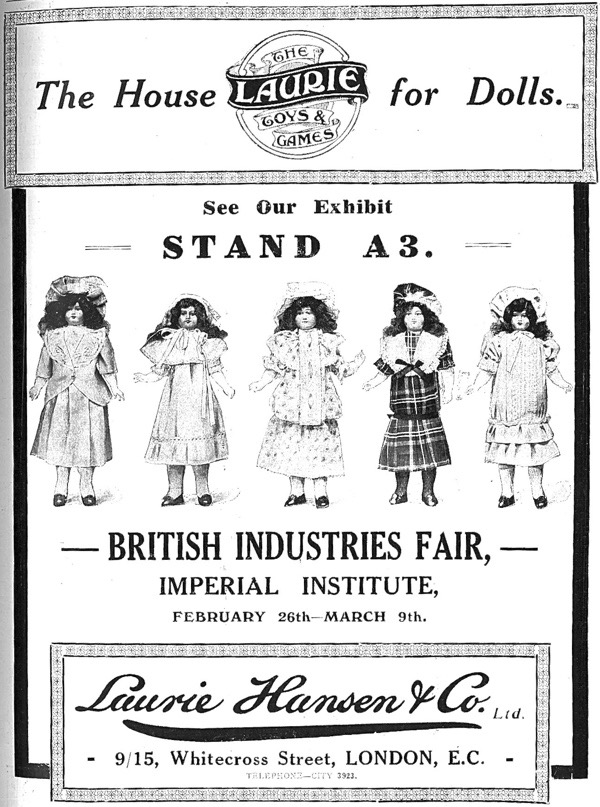

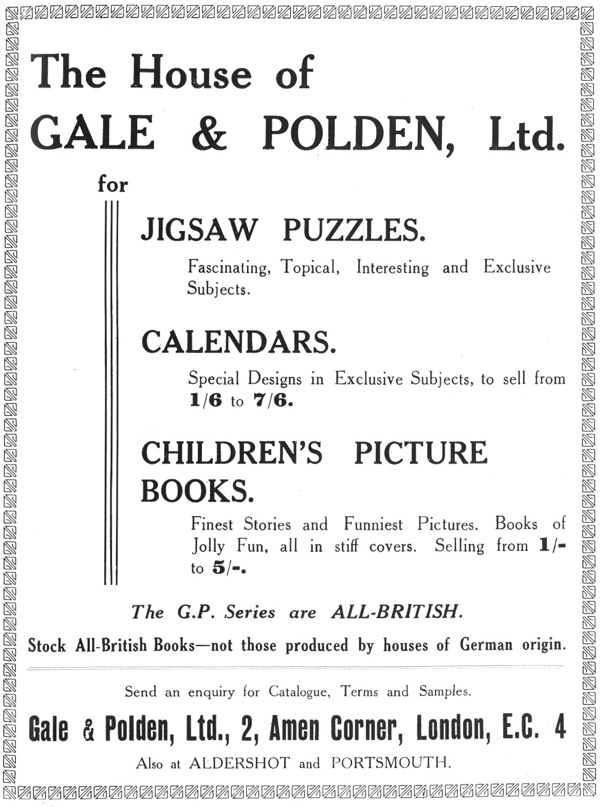



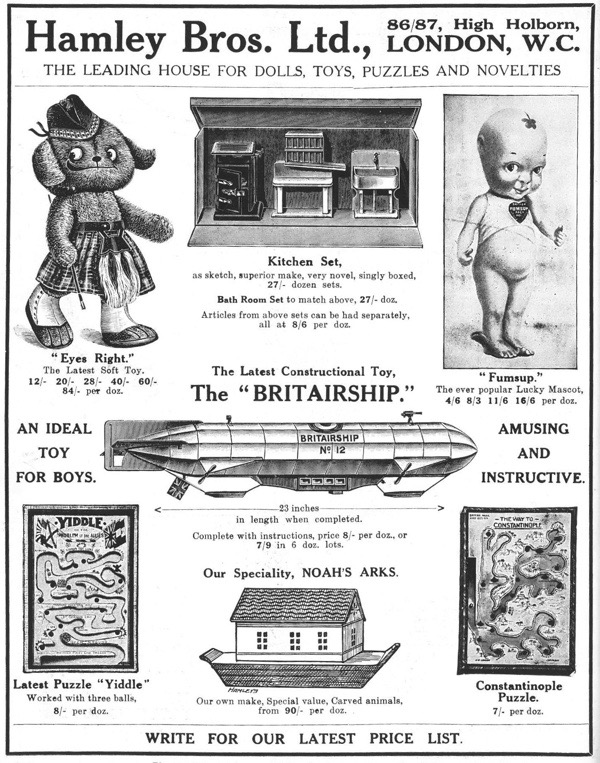


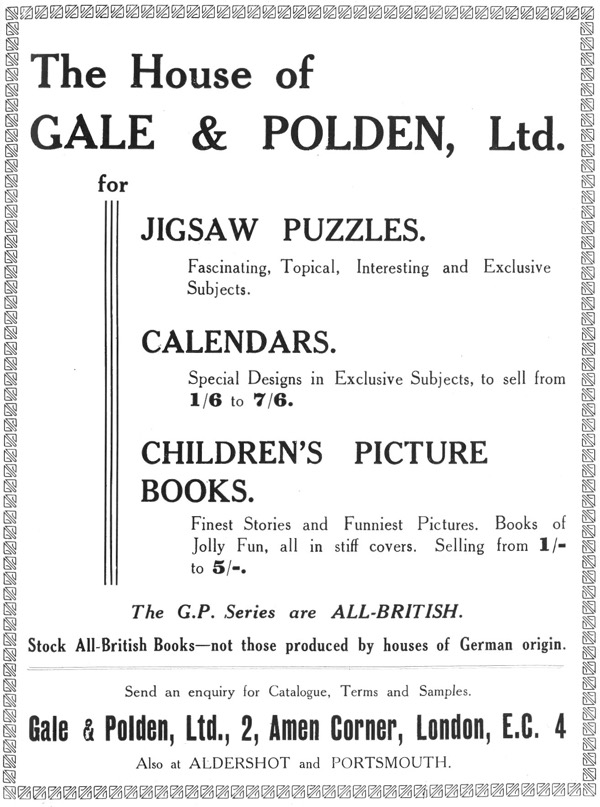


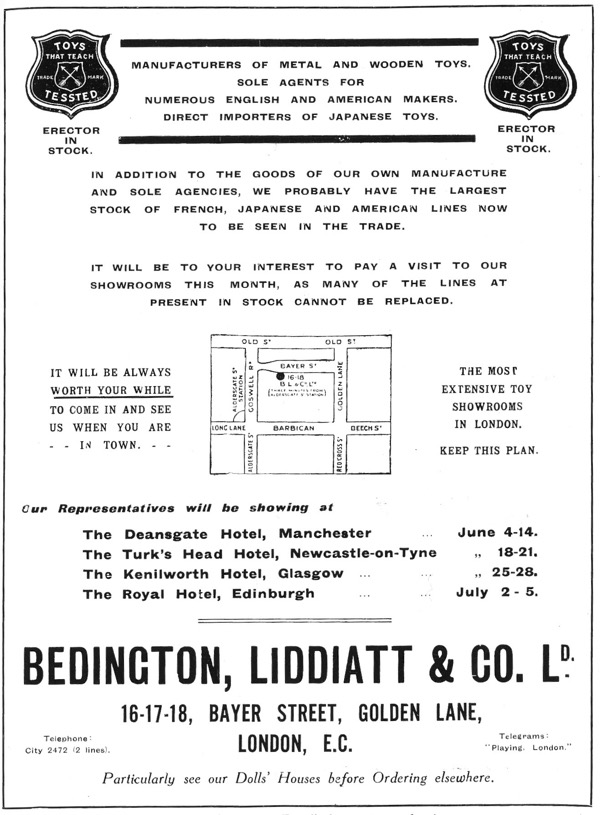


Images courtesy Young V & A Archive
You may also like to take a look at
An Astonishing Photographic Discovery
Back in 2014, Spitalfields Life Books published Horace Warner’s SPITALFIELDS NIPPERS. Now there are only a few copies left and I am giving my final lecture on this subject at 6pm next Tuesday 7th February at the beautiful Hanbury Hall in Spitalfields, explaining how we discovered the photographs, who Horace Warner was and why he took his pictures, and revealing what we discovered about the lives of the Nippers.
CLICK HERE TO BOOK A TICKET FOR THE LECTURE FOR £6
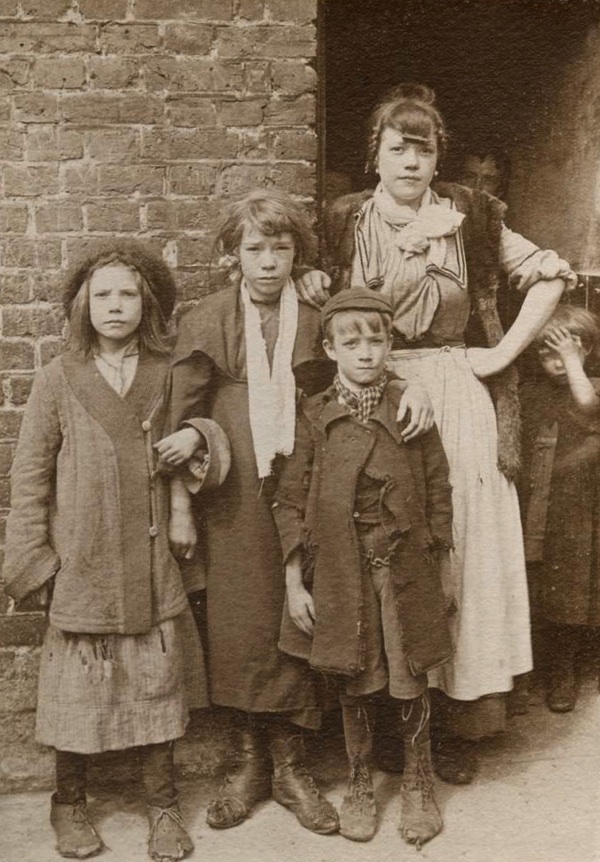
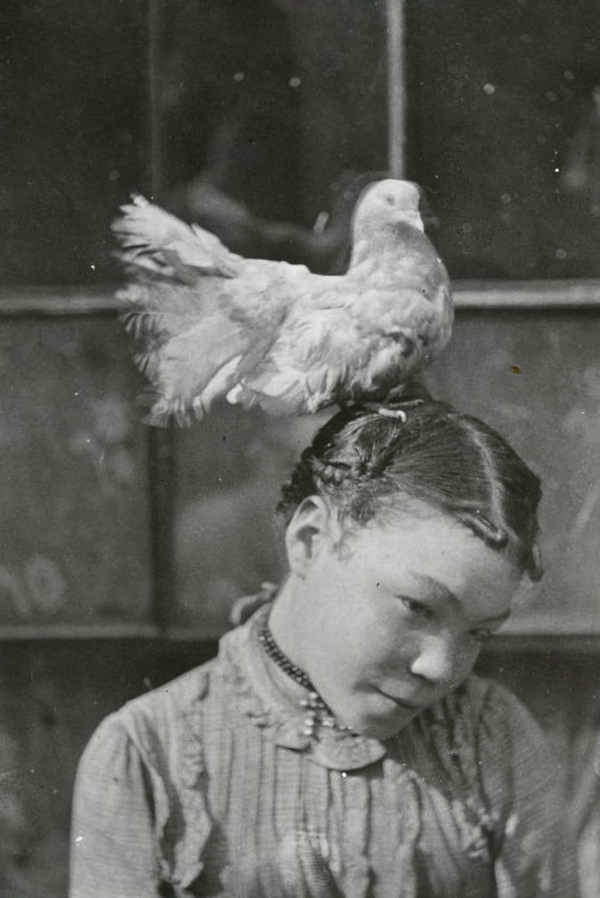
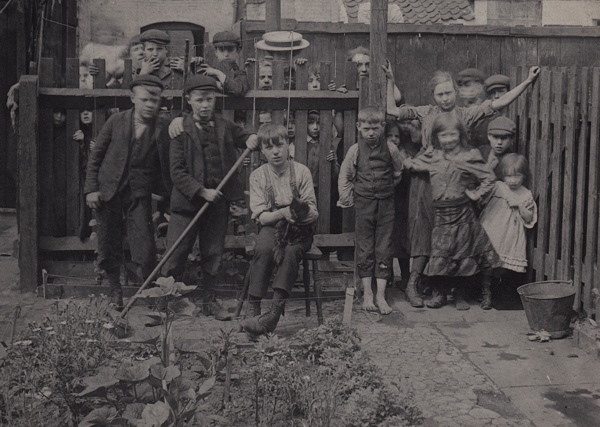
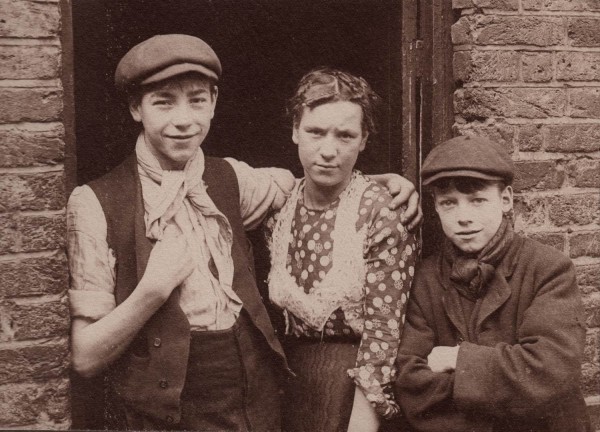
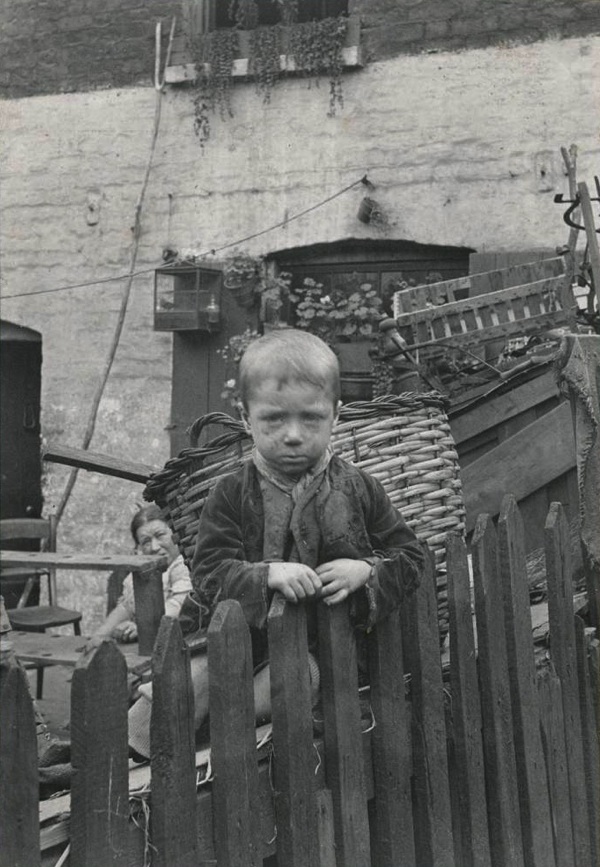
These breathtaking photographs were taken by Horace Warner in Spitalfields at the turn of the nineteenth and twentieth centuries. Before I published them on Spitalfields Life, they had hardly been seen by anyone outside his immediate family. We were granted permission personally by Horace Warner’s grandson, Ian McGilvray.
Previously, only a handful of Warner’s sympathetic portraits of the children who lived in the courtyards off Quaker St – known as the Spitalfields Nippers – were believed to exist, but through some assiduous detective work by researcher Vicky Stewart and a stroke of good luck upon my part, we were able to make contact with his grandson who keeps two albums comprising more than one hundred of his grandfather’s pictures of Spitalfields, from which the photographs published here are selected.
Many of the pictures in these albums are photographic masterpieces and, after I published the book, David Bailey contacted me to say he believed they are the most significant set of portraits ever taken in the East End.
There is a rare clarity of vision in the tender photography of Horace Warner that brings us startling close to the Londoners of 1900 and permits us to look them in the eye for the first time. You can imagine my excitement when I met Ian McGilvray and opened Horace Warner’s albums to discover so many astonishing pictures. I experienced a sensation almost of vertigo, like looking down the dark well of time and being surprised by these faces in sharp focus, looking back at me.
It was no straightforward journey to get there. I first published a series of Horace Warner’s Spitalfields Nippers in these pages in 2011, reproduced from a booklet accompanying a 1975 exhibition of the handful of pictures once published in fund-raising leaflets by the Bedford Institute in 1912. When I sought to reproduce these pictures in The Gentle Author’s London Album, Vicky Stewart established that the photographic prints were held in the Quaker archive at Friends House in the Euston Rd.
This discovery which permitted me to include those pictures in my Album was reward enough for our labours. The story might easily have ended there, if we had not been shown a 1988 letter from Horace Warner’s daughter Gwen McGilvray that accompanied the prints. In this letter, Gwen mentions the ‘albums’ – this was the first tantalising evidence of the existence of more of Horace Warner’s Spitalfields photographs.
Even as our hopes of finding these other pictures were raised, we were disappointed to realise that Gwen was unlikely to be still alive. Yet through online research and thanks to his unusual surname, Vicky was able to find an address for one of Gwen’s four children, her son Ian, in Norfolk. It was a few years out of date but there was a chance he was still there, so we sent off a copy of The Gentle Author’s London Album to Ian McGilvray.
Within weeks, Ian wrote back to ask if I would like to visit him and see the ‘albums.’ It was my good fortune that the one of Horace Warner’s grandchildren we had been able to reach was also the guardian of the photographic legacy. And so it was that on a bright winter’s day I made a journey to Norfolk to meet Ian and see the complete set of Horace Warner’s Spitalfields Nippers for the first time. My fear was that I had seen the most important images among those already known, but my shock was to recognise that the best pictures have not yet been seen.
These wonderful photographs revolutionise how we think about East Enders at the end of the nineteenth century since, in spite of their poverty, these are undeniably proud people who claim a right to existence which transcends their economic status. Unlike the degraded photographic images created by charitable campaigners or the familiar middle-class studio portraits, Horace Warner’s relaxed intimate pictures draw us into a personal relationship with his subjects whom we meet as our equals. The Spitalfields Nippers are a unique set of photographs, that witness a particular time, a specific place, a discrete society, and an entire lost world.
As a designer managing the family wallpaper-printing business, Horace Warner had the income and resources to explore photography in his spare time and produce images of the highest standard technically. As superintendent of the charitable Bedford Institute, he was brought into close contact over many years with the families who lived nearby in the yards and courts south of Quaker St. As a Quaker, he believed in the equality of all and he was disturbed by the poverty he witnessed in the East End. In the Spitalfields Nippers these things came together for Horace Warner, creating compassionate images that gave dignity to his subjects and producing great photography that is without parallel in his time.
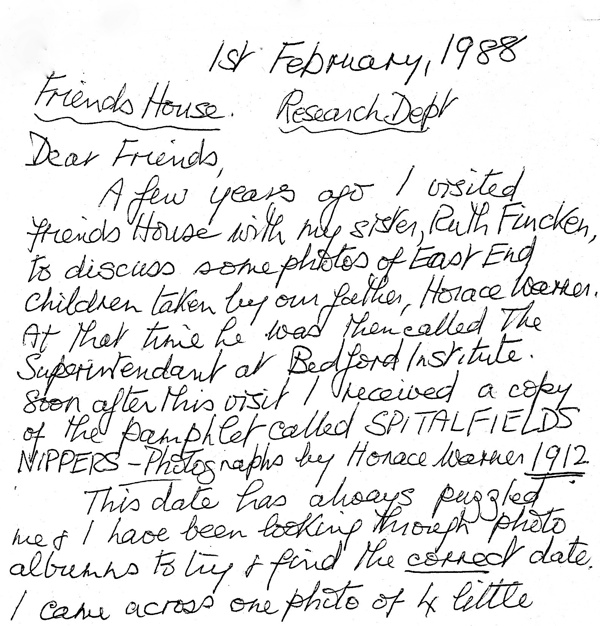
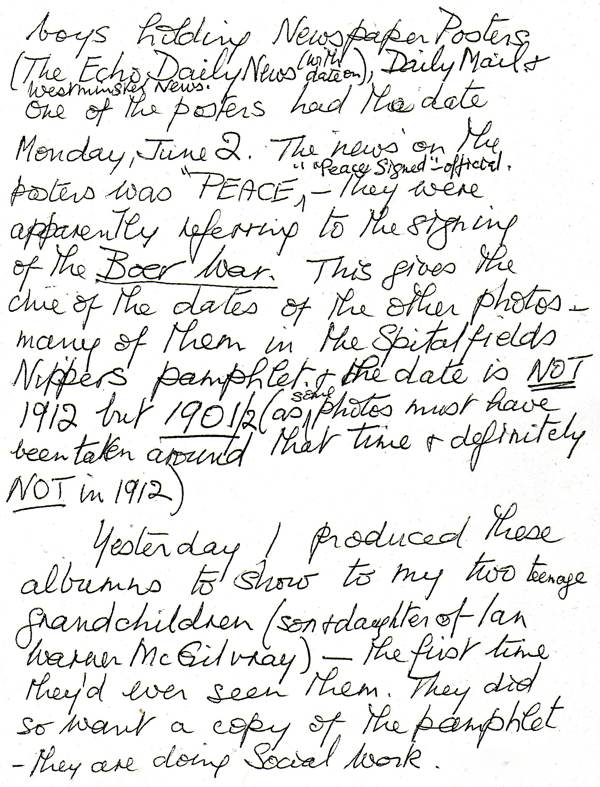 Excerpt of 1988 letter from Horace Warner’s daughter Gwen McGilvray referring to the ‘albums’ and giving the name of his grandson, Ian McGilvray. (Reproduced courtesy of Friends House)

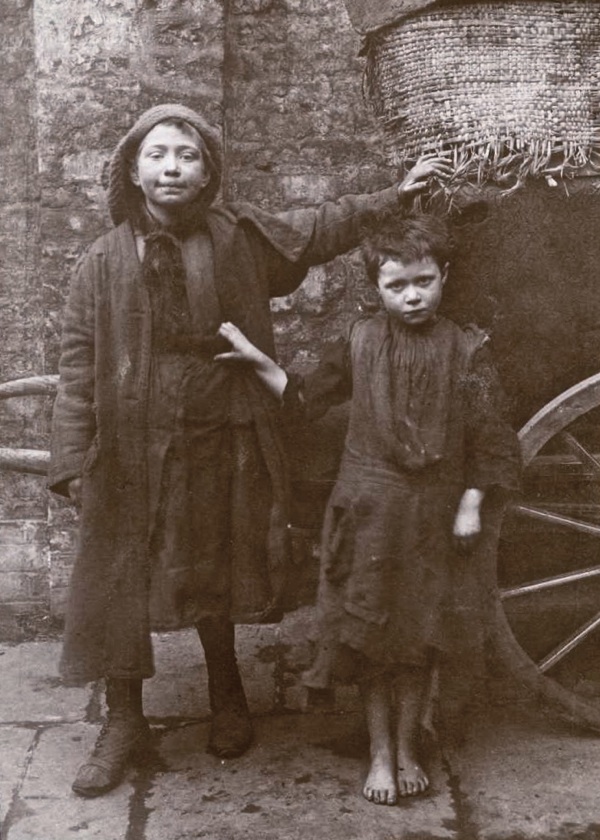
Sisters Wakefield
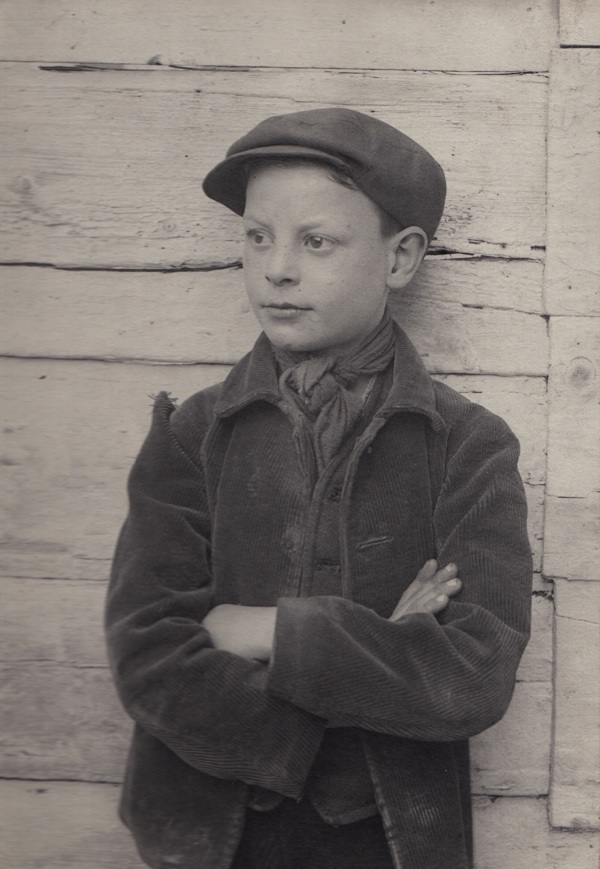
Walter Seabrook
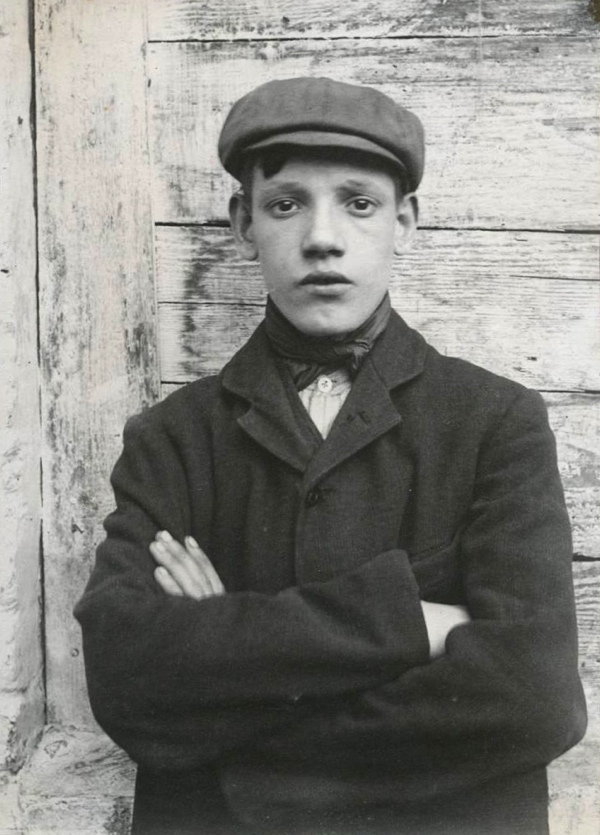
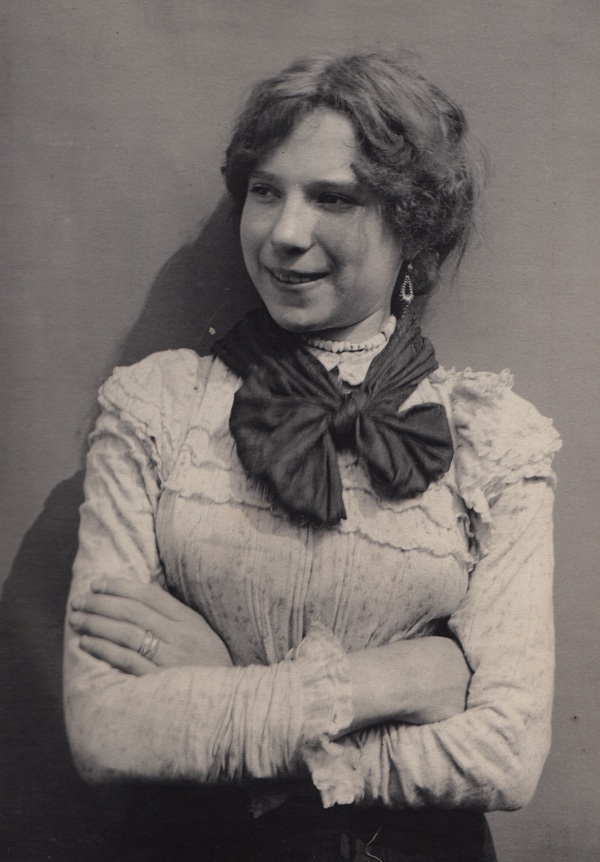
Celia Compton
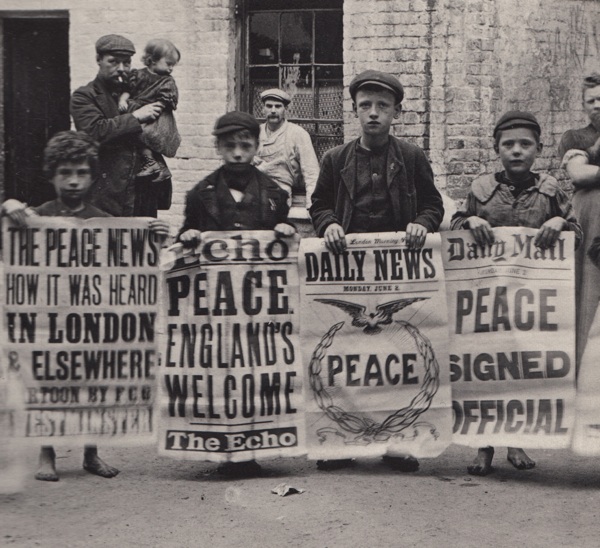
Photo referred to by Gwen McGilvray with headlines at the end of the Boer War, dating it to 1902
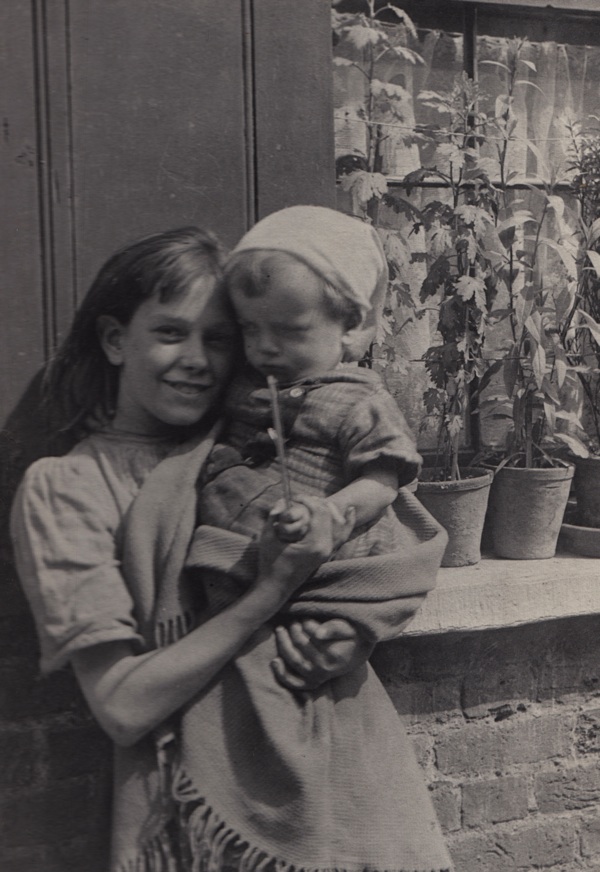
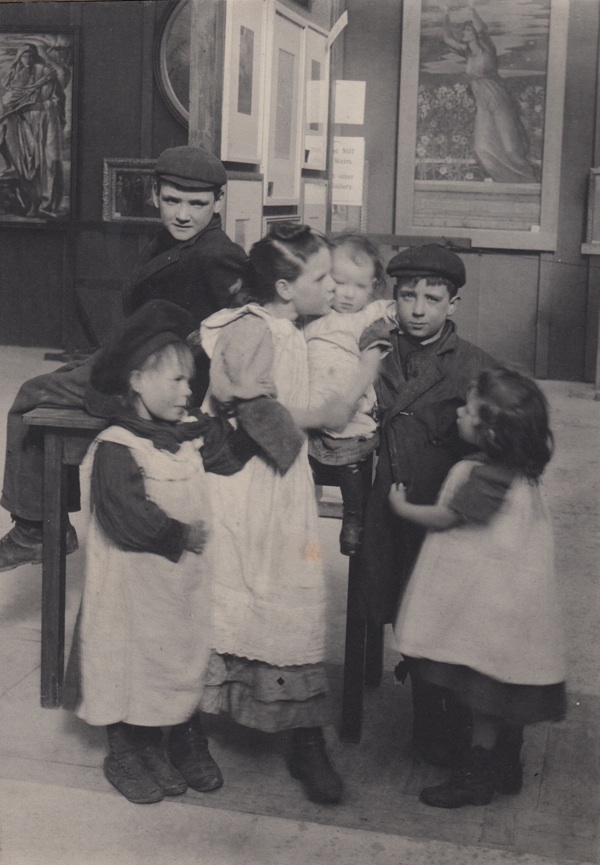
At the Whitechapel Gallery to see the Burne Jones exhibition 1901
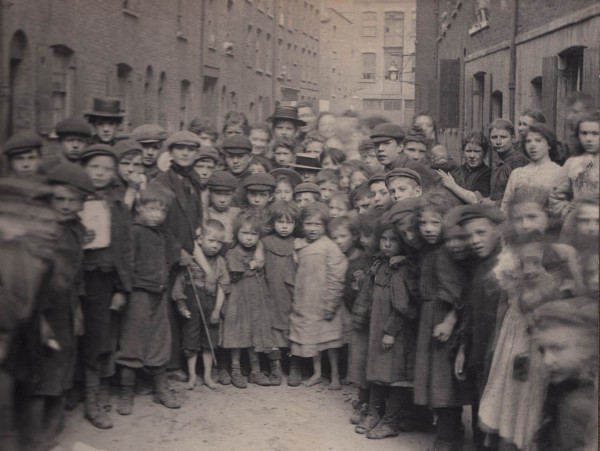
In Pearl St (now Calvin St)
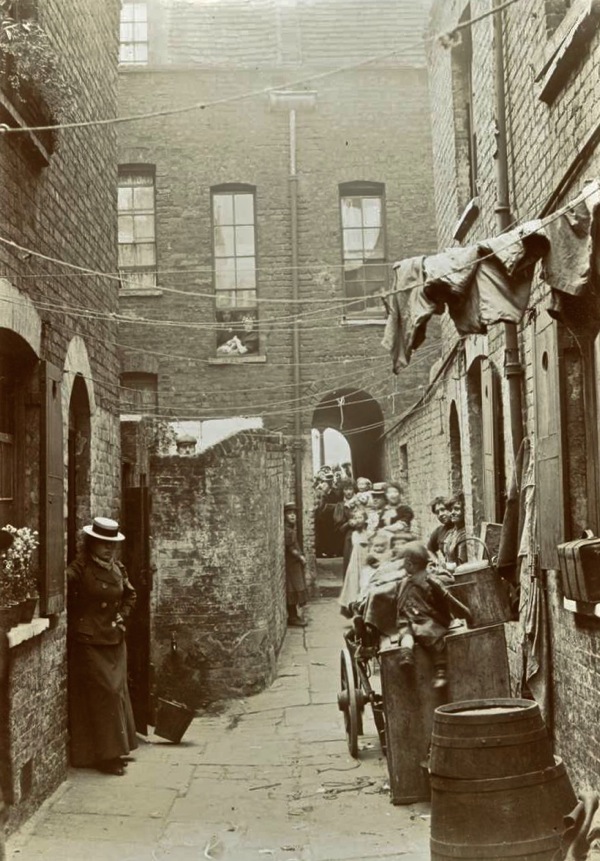
See the man looking over the wall in Union Place













