The First Hundred Penguin Books
Meet me next Sunday on the steps of St Paul’s Cathedral and we will spend the afternoon walking eastward together through the square mile to explore the wonders and the wickedness of the ancient City of London.

Click here to book for my next City of London walk on Sunday 4th June


I came across this set of the first hundred Penguin books in my attic when I was unpacking a box that has been sealed since I moved in. With their faded orange, indigo, green, violet and pink spines they make a fine display and I am fond of this collection that took me so many years to amass.
When I left college, I wrote to companies all over the country seeking work and asking if they would give me an interview if I came to see them. Then I travelled around on the cheap, through a combination of buses, trains and hitchhiking, to visit all these places – the industrial towns of the North and the Cathedral cities of the South – staying in bus stations, youth hostels and seedy B&Bs, and going along filled with hope to interviews that were almost all fruitless. It was the first time I encountered the distinctive regional qualities of Britain and in each city, to ameliorate the day of my interview, I took the opportunity to visit the museums, civic art galleries, cathedrals and castles that distinguish these places. Arriving at each destination, I would consult the directory and make a list of the second-hand booksellers, then mark them on a tourist map and, after the job interview, I would visit every one. There were hundreds of these scruffy dusty old shops with proprietors who were commonly more interested in the book they were reading behind the counter than in any customer. Many were simply junk shops with a few books piled in disorder on some shelves in the back or stacked in cardboard boxes on the pavement outside.
In these shabby old shops, I sometimes came upon Penguin books with a podgy penguin on the cover, quite in contrast to the streamlined bird familiar from modern editions. These early titles, dating from 1935 had a clean bold typography using Eric Gill’s classic sans typeface and could be bought for just twenty or thirty pence. So, in the manner of those cards you get in bubblegum packets, I began to collect any with numbers up to one hundred. In doing so, I discovered a whole library of novelists from the nineteen thirties and reading these copies passed the time pleasantly on my endless journeys. In particular, I liked the work of Eric Linklater whose playful novel “Poet’s Pub” was number two, Compton Mackenzie whose novel of the Edwardian vaudeville “Carnival” was ten, Vita Sackville-West whose novel “The Edwardians” was sixteen, T.F.Powys whose “Mr Weston’s Good Wine” was seventy-three and Sylvia Townsend Warner whose novel “Lolly Willowes” was eighty-four. After these, I read all the other works of these skillful and unjustly neglected novelists.
Eventually I found a job in Perthshire and then subsequently in Inverness, and from here I made frequent trips to Glasgow, which has the best second-hand bookshops in Scotland, to continue my collection. And whenever I made the long rail journey down South, I commonly stopped off to spend a day wandering round Liverpool or Durham or any of the places I had never been, all for the purpose of seeking old Penguins.
The collection was finally completed when I moved back to London and discovered that my next door neighbour Christine was the daughter of Allen Lane who founded Penguin books. She was astonished to see my collection and I was amazed to see the same editions scattered around her house. From Christine, I learnt how her father Allen was bored one day on Exeter St David’s Station (a place familiar to me), changing trains on the way to visit his godmother Agatha Christie. When he searched the bookstall, he could not find anything to read and decided to start his own company publishing cheap editions of good quality books. I presume he did not know that, if he had been there half a century earlier, he could have bought a copy of Thomas Hardy’s first published novel “Desperate Remedies”, because Exeter St David’s was where Hardy experienced that moment no writer can ever forget, of first seeing their book on sale.
I do not think my collection of Penguins is of any great value because they are of highly variable condition and not all are first editions, though every one predates World War II and they are of the uniform early design before the bird slimmed down. While I was collecting these, I thought that I was on a quest to build my career – a fancy that I walked away from, years later. Now these hundred Penguin books are the only evidence of my innocent tenacity to create a life for myself at that time.
Allen Lane’s idealistic conception, to use the mass market to promulgate good writing to the widest readership in cheap editions that anyone could afford, is one that I admire. And these first hundred are a fascinating range of titles, a snapshot of the British public’s reading tastes in the late thirties. Looking back, the search for all these books led me on a wonderful journey through Britain. If you bear in mind that I only found a couple in each city, then you will realise that my complete collection represents a ridiculously large number of failed job interviews in every corner of these islands. It was a job search than became a cultural tour and resulted in a stack of lovely old paperbacks. Now they sit on my shelf here in Spitalfields as souvenirs of all the curious places I never would have visited if it were not my wayward notion to scour the entire country to collect all the first hundred Penguins.


The Trade Cards Of Old London
Meet me on the steps of St Paul’s Cathedral and we will spend an afternoon walking eastward together through the square mile to explore the wonders and the wickedness of the ancient City of London.

Click here to book for my next City of London walk on Sunday 4th June

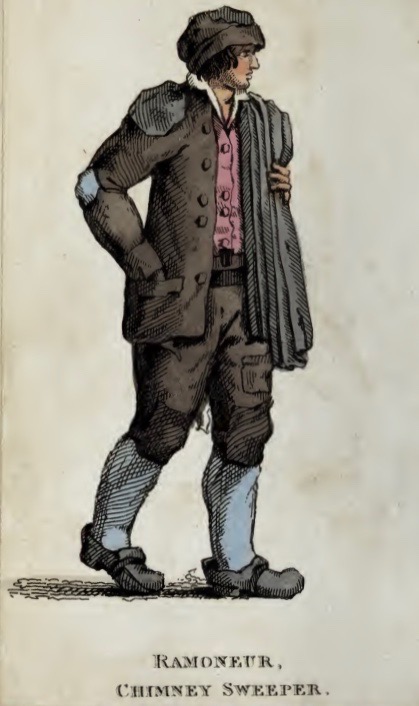
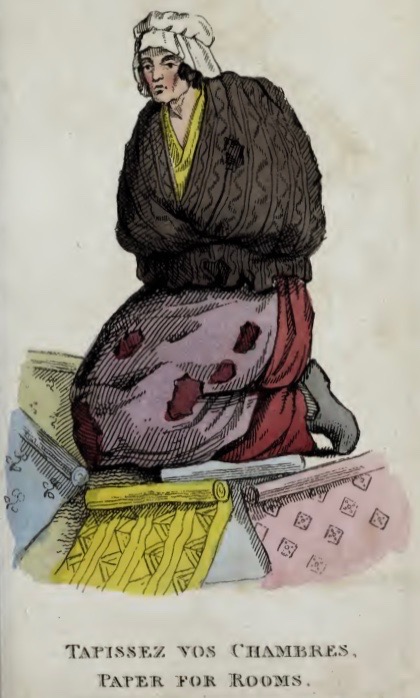
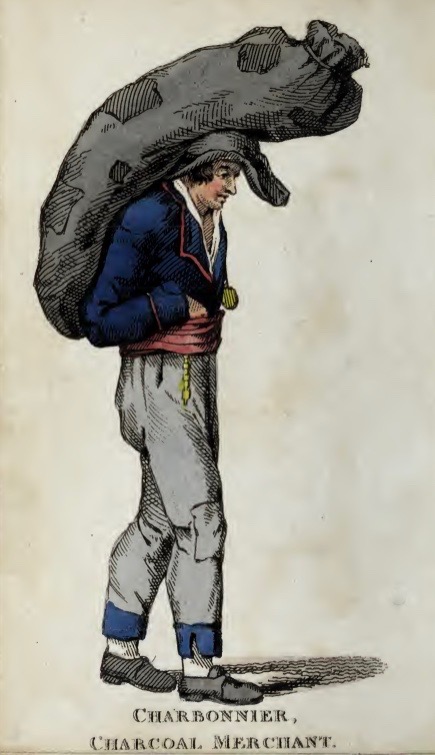
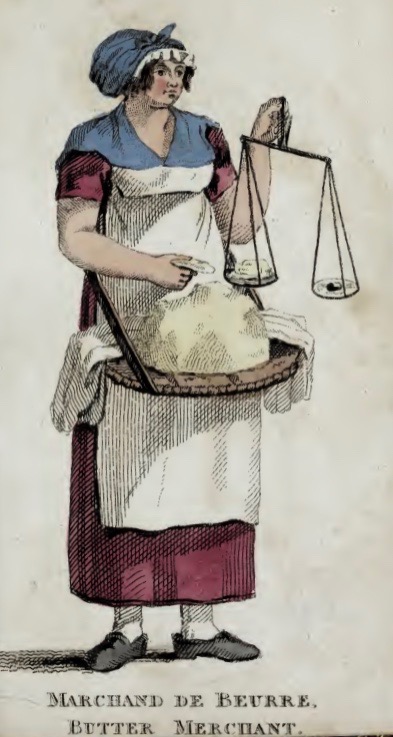
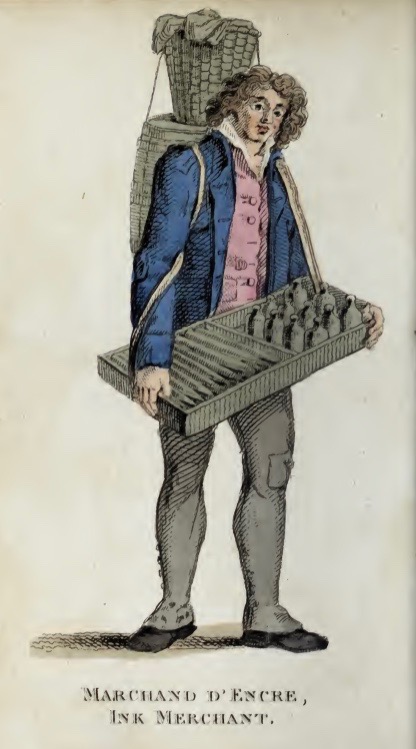
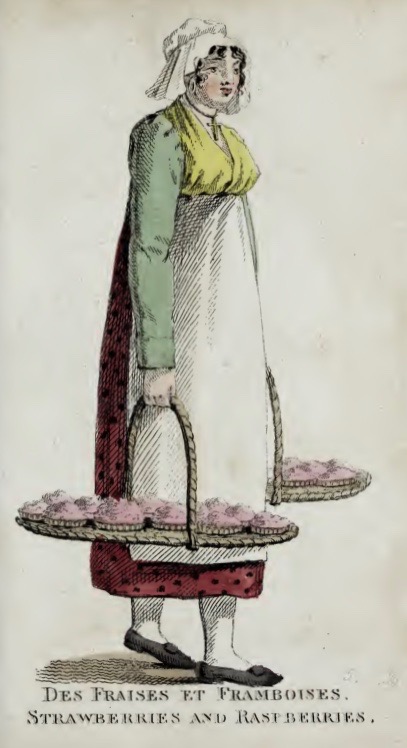
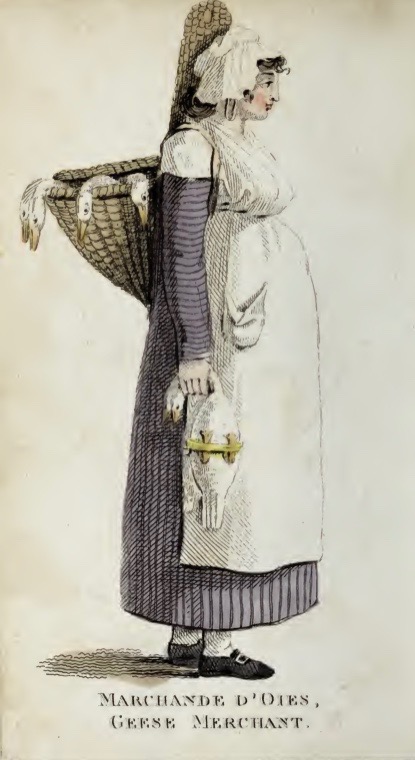
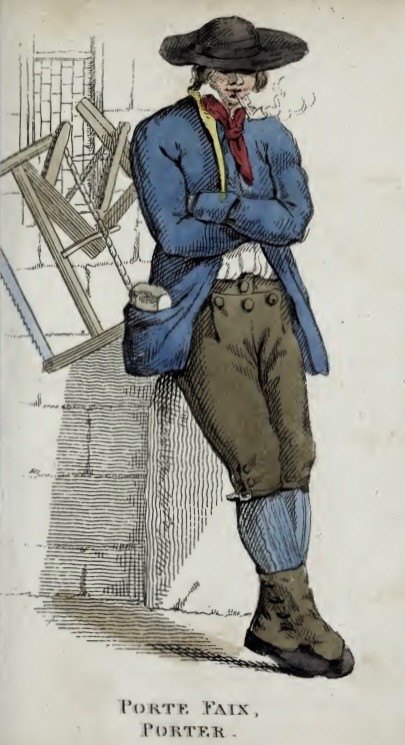
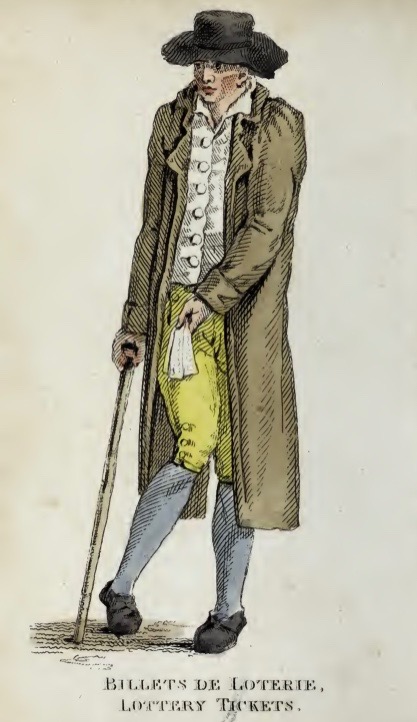
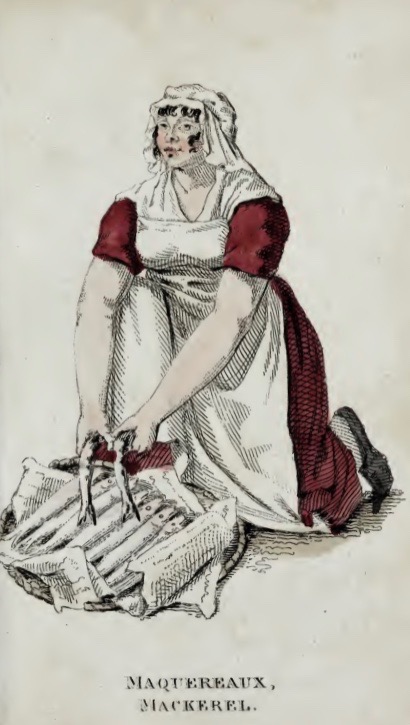
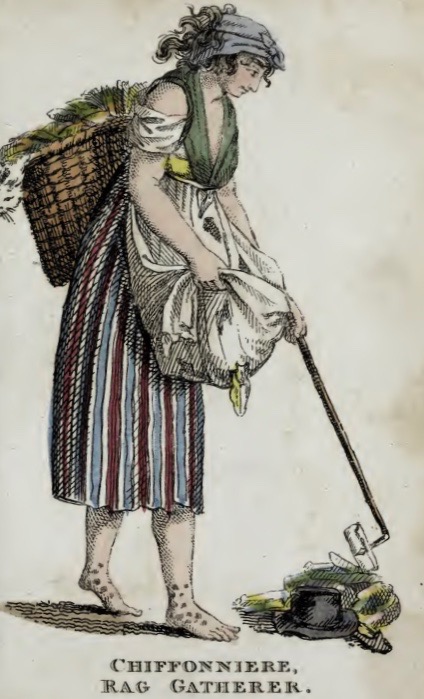
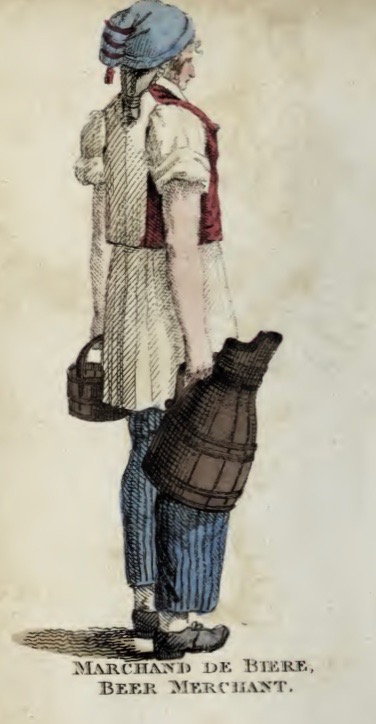
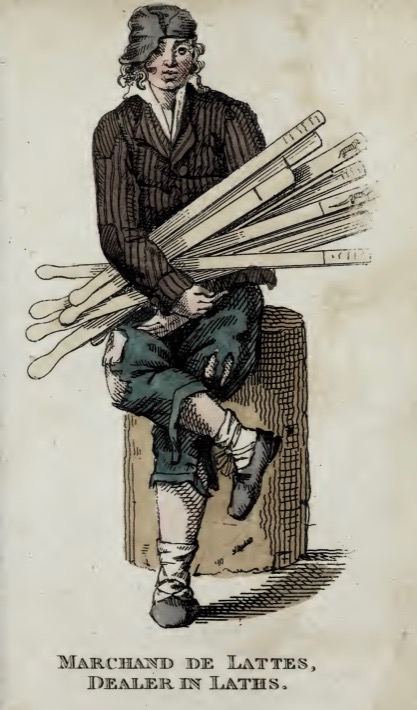
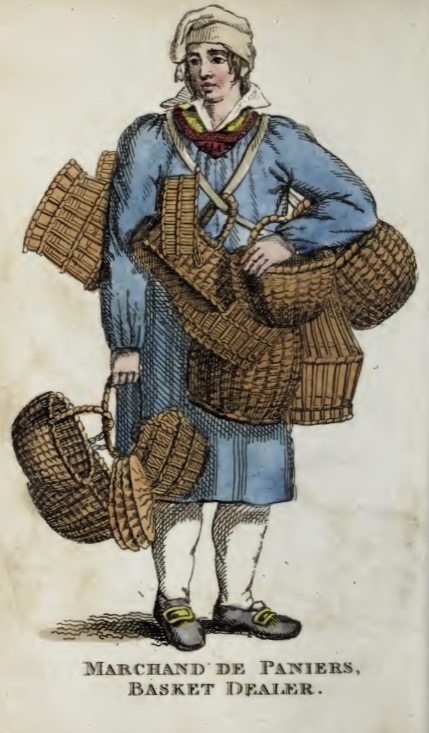
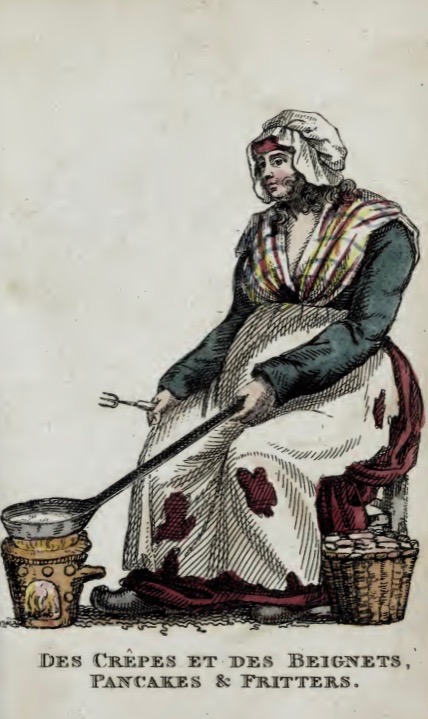
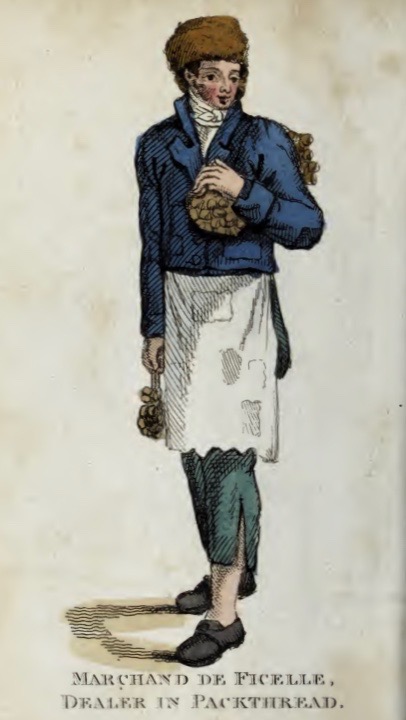
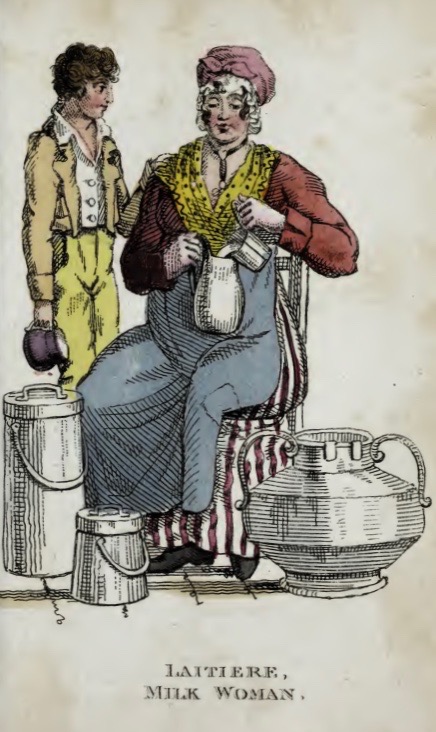
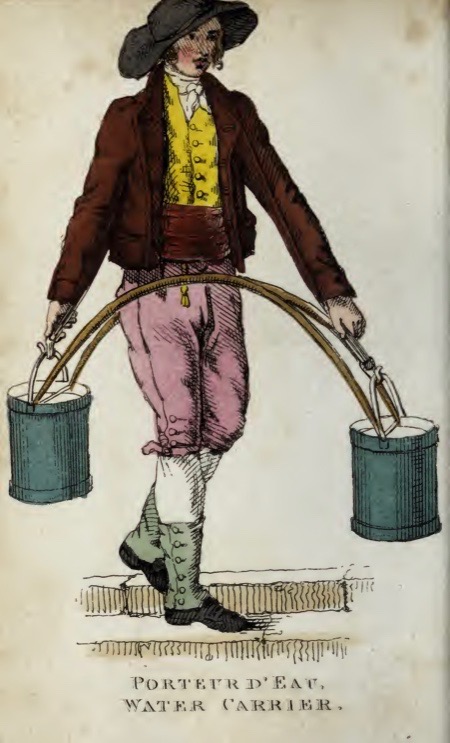
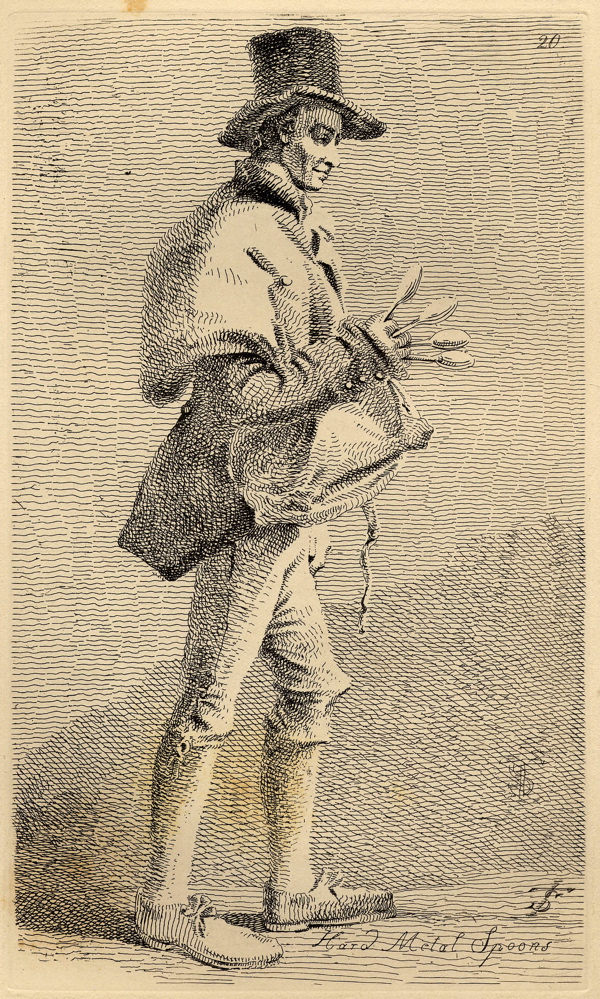
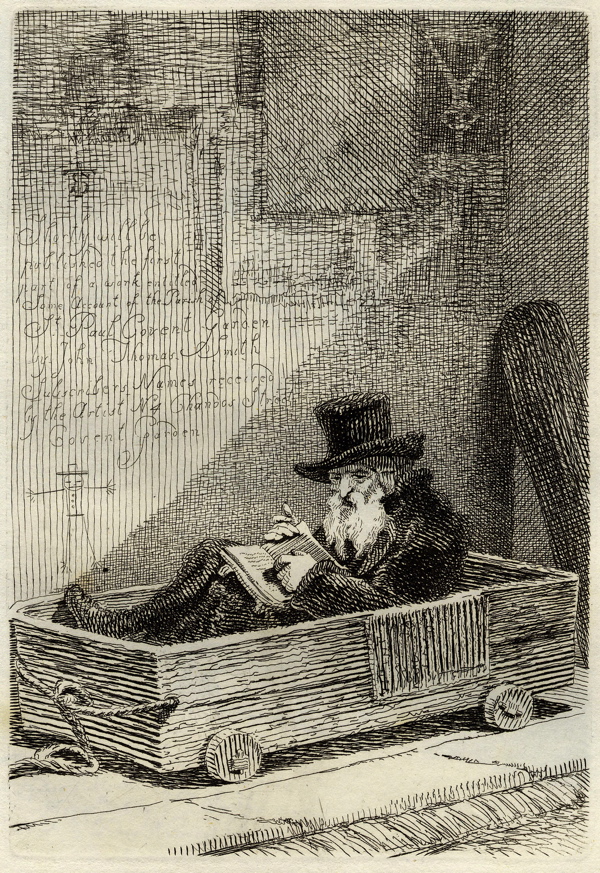
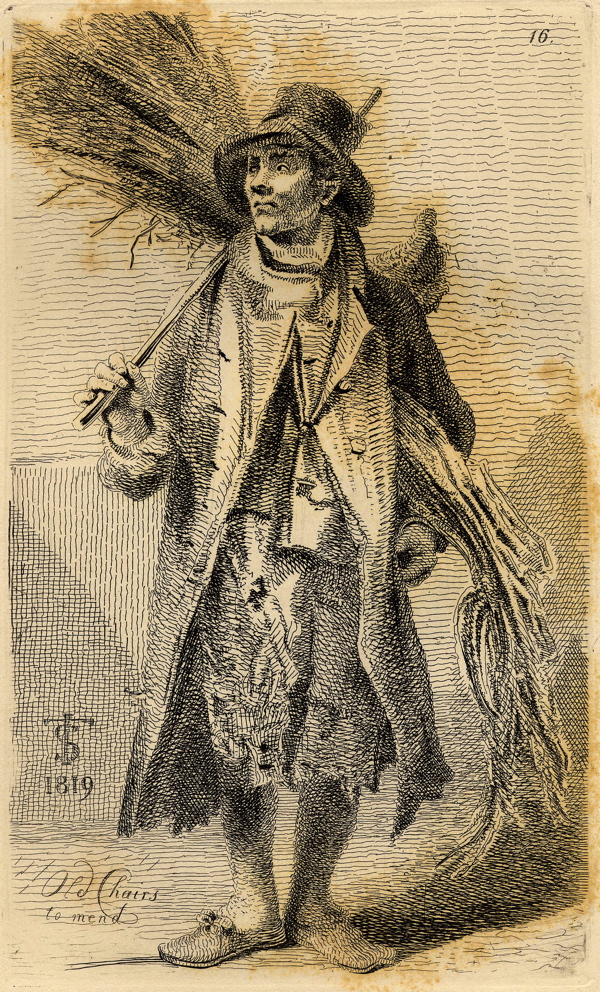
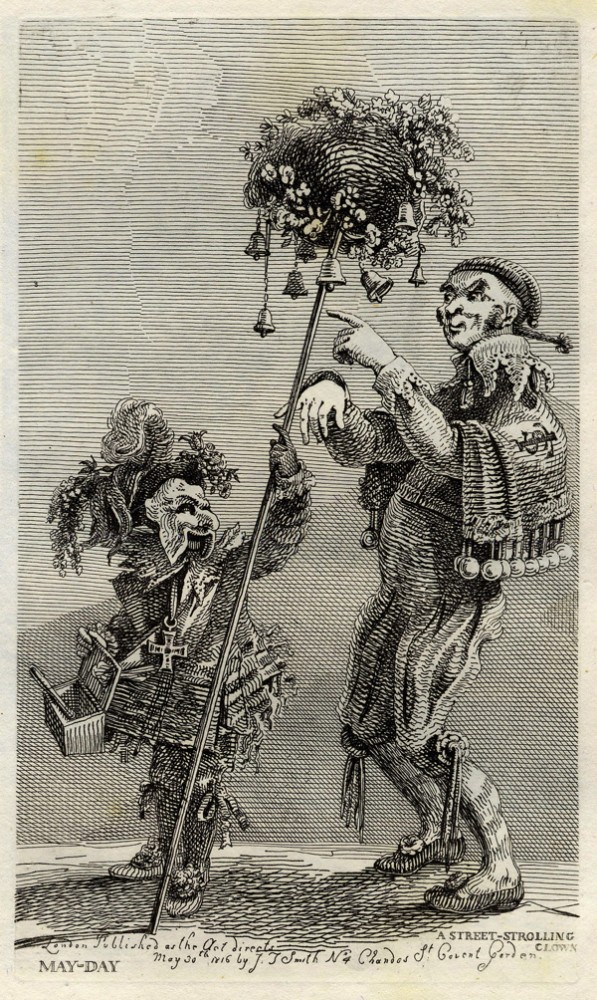
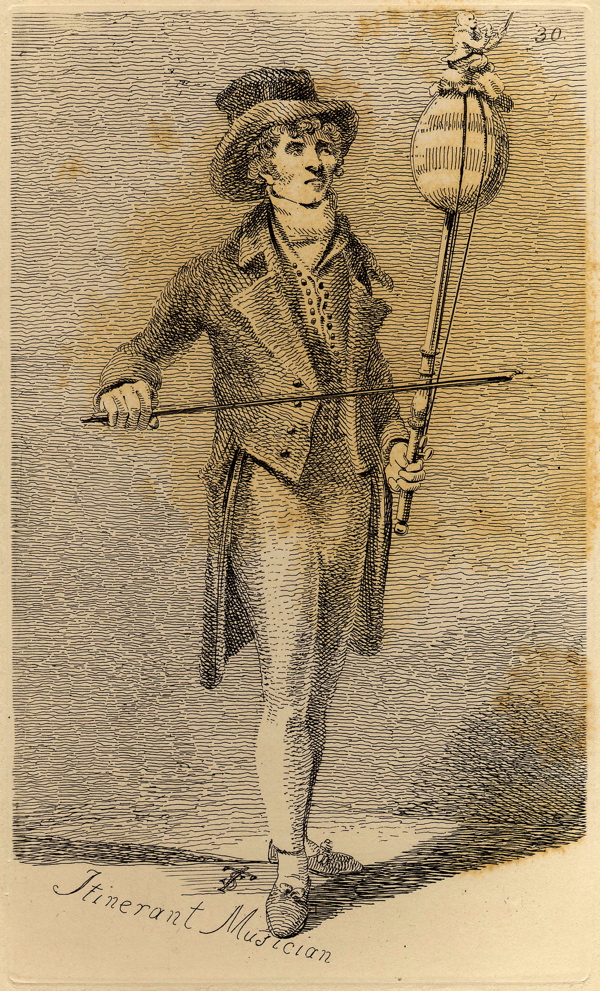
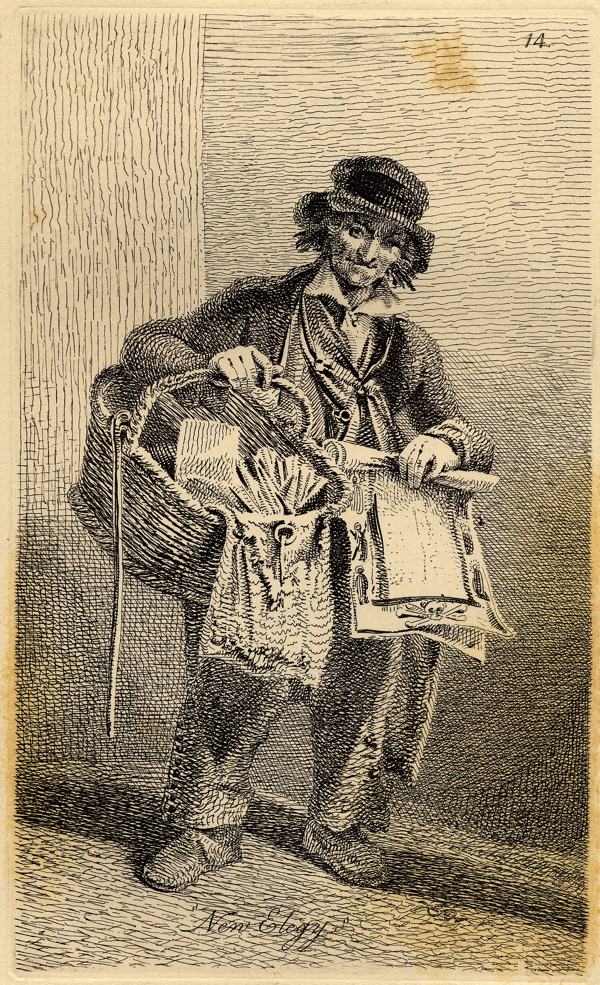
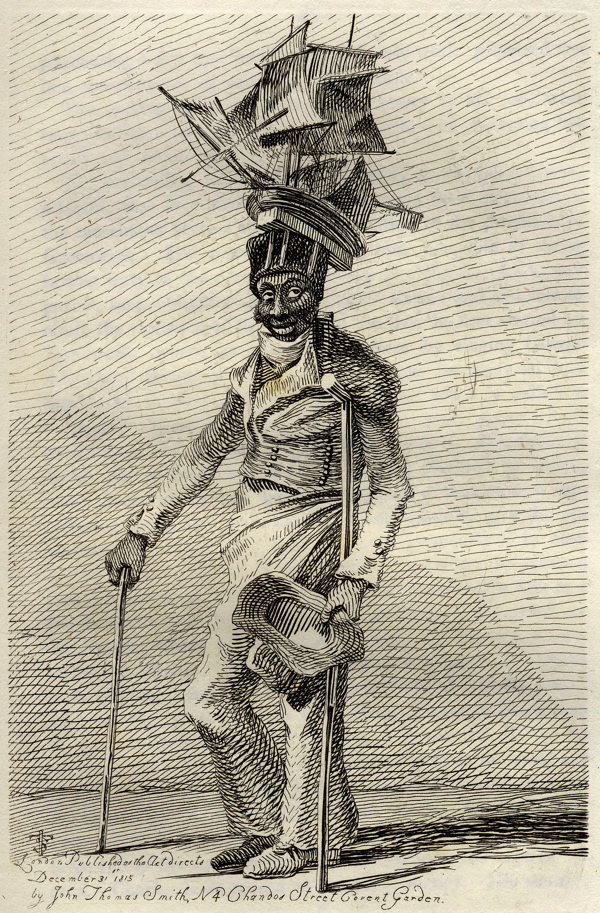
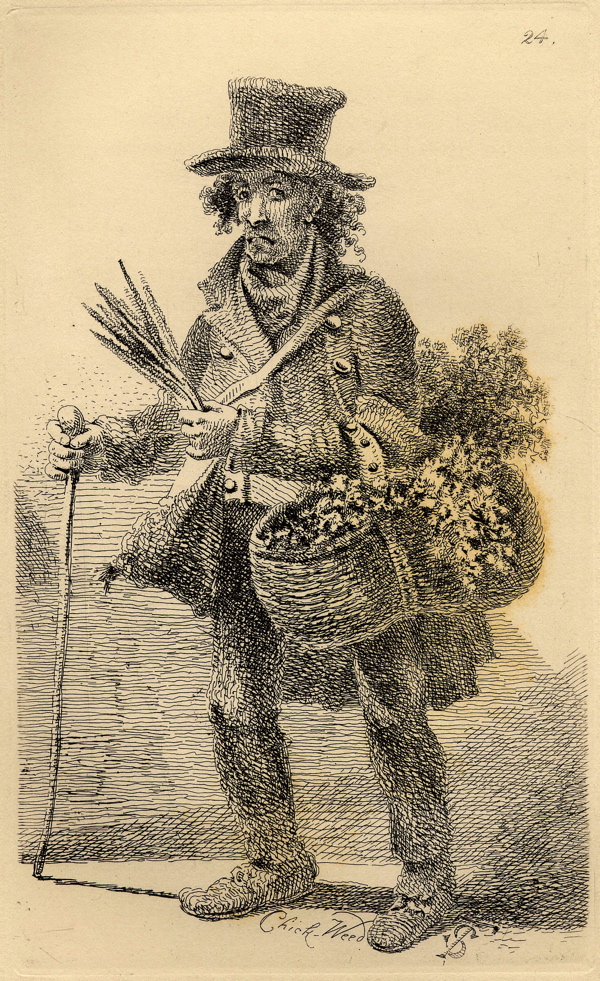
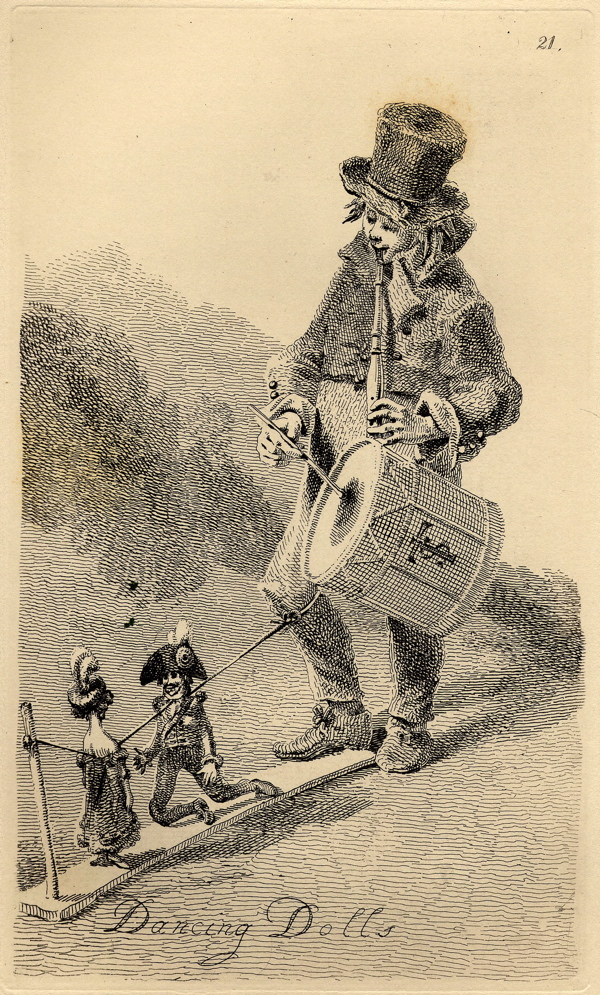
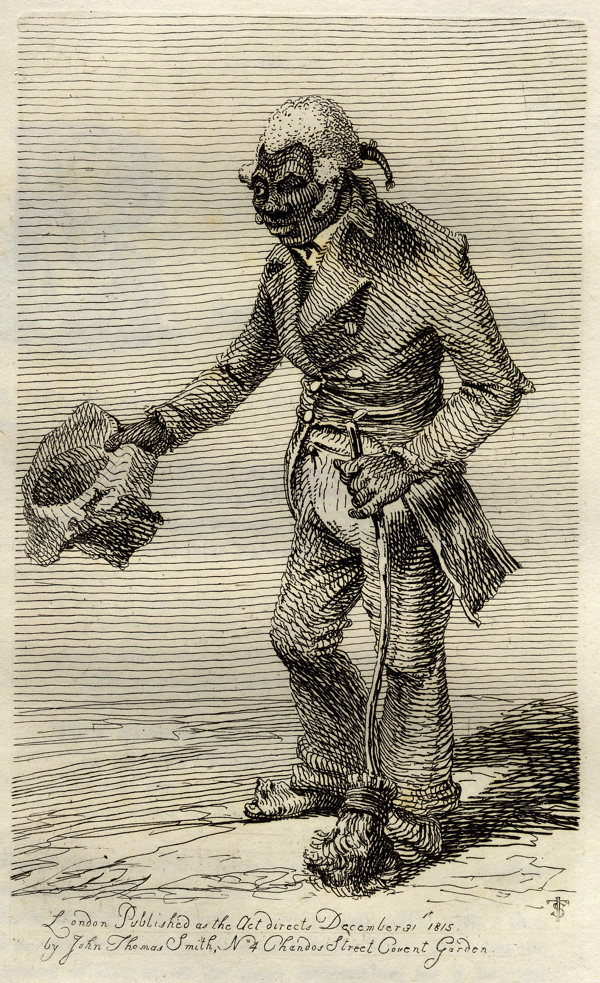
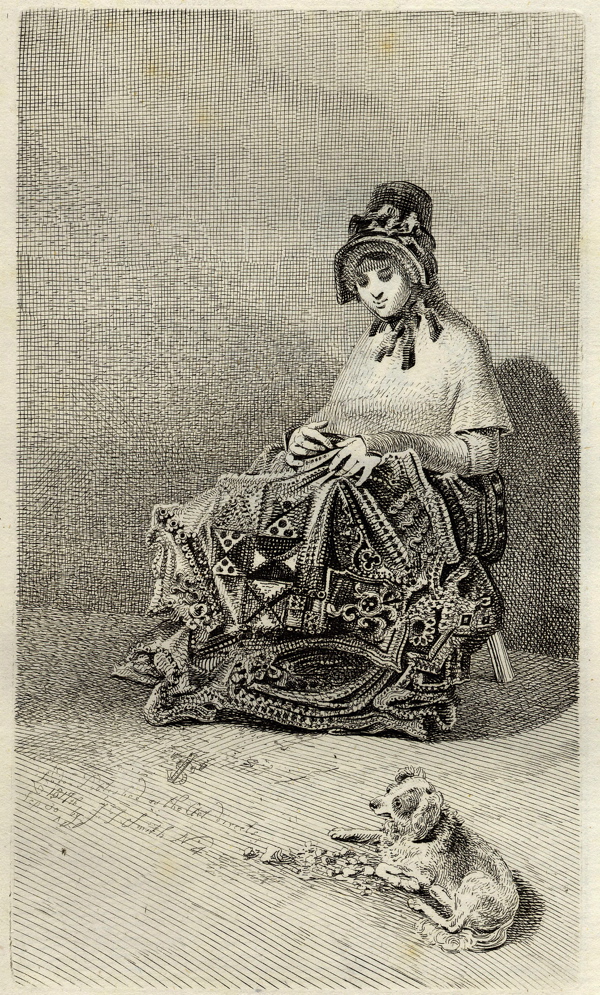
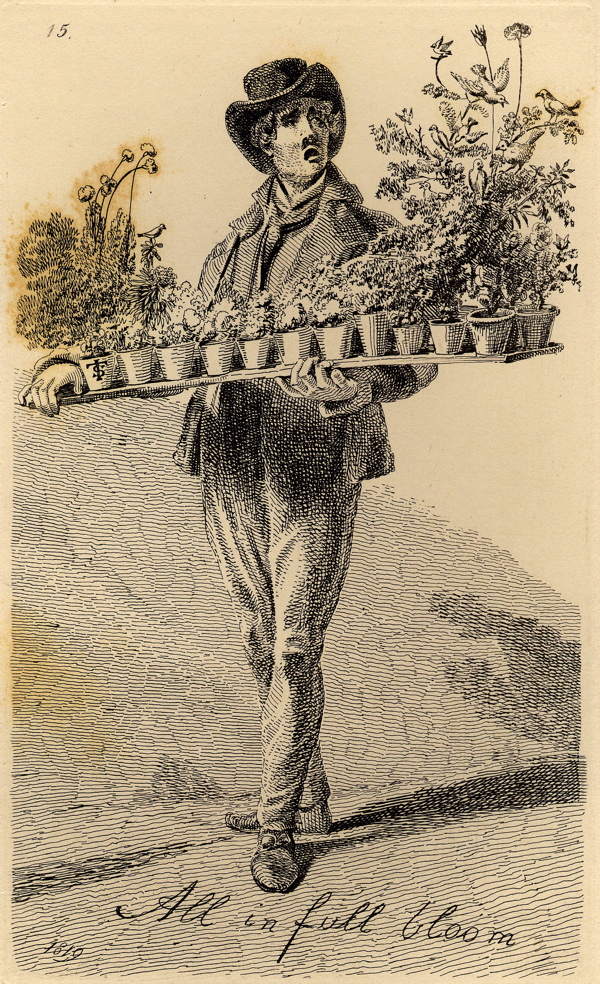
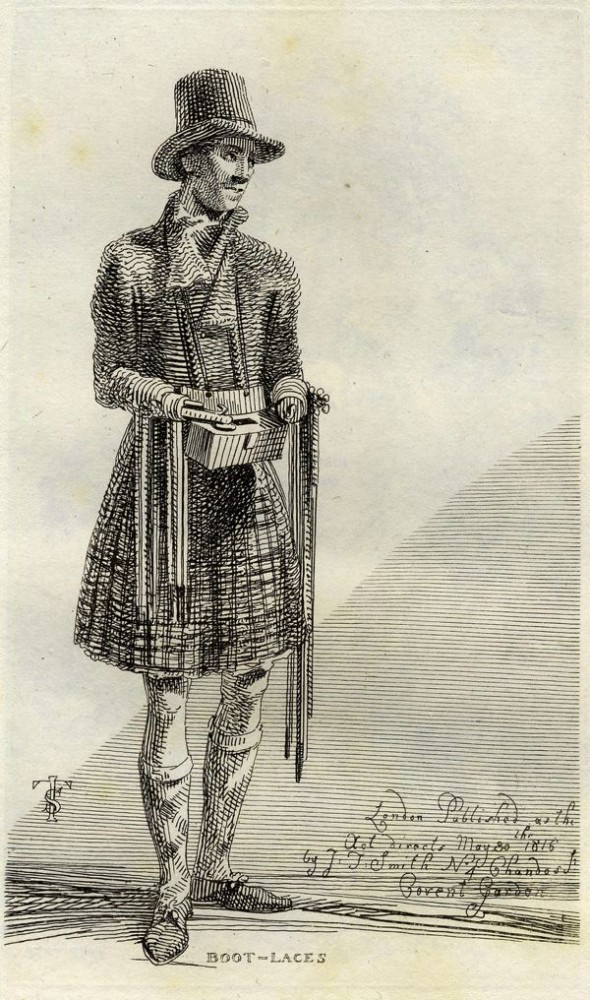
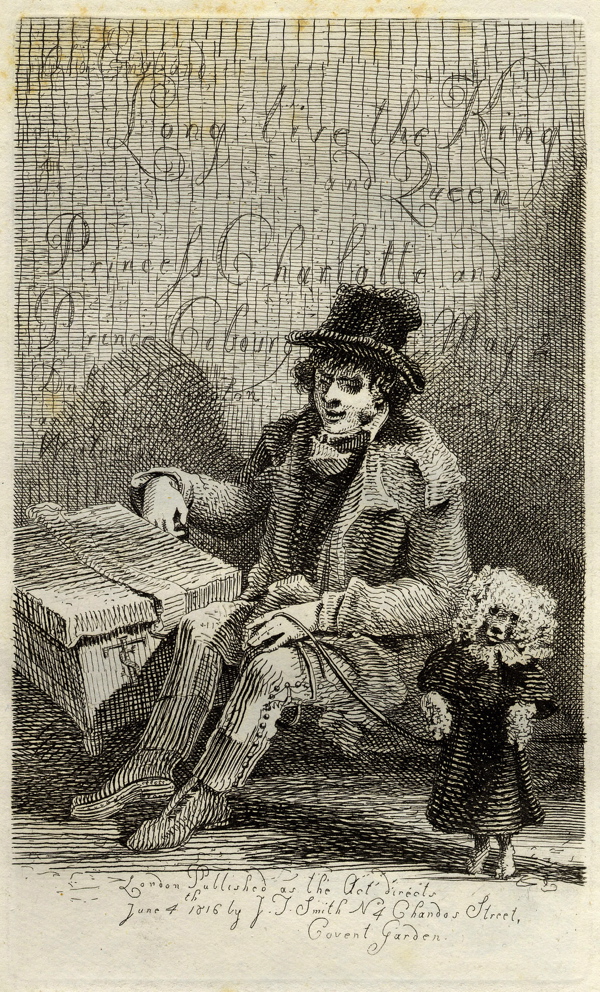
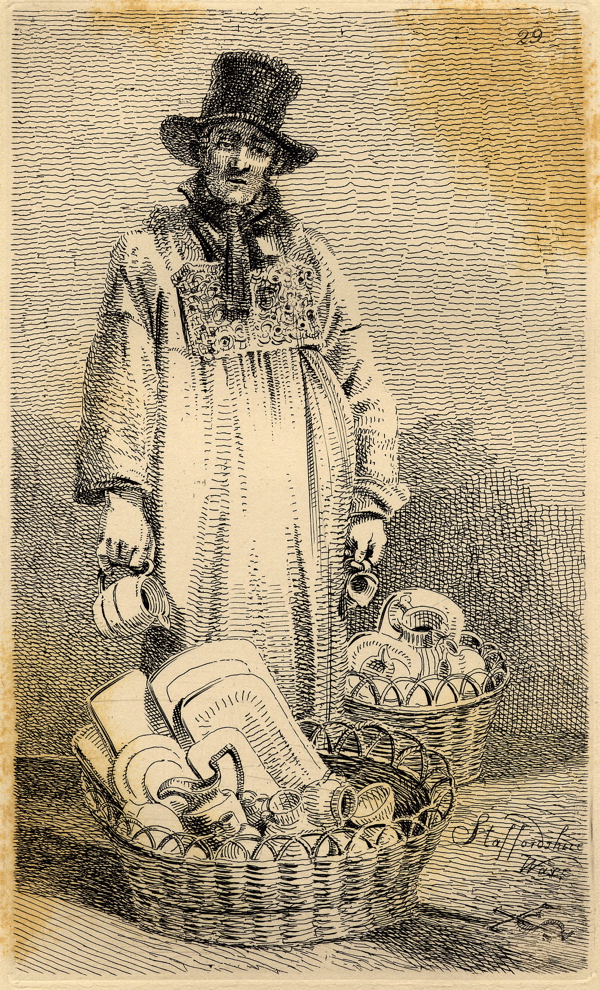
Was your purse or wallet like mine, bulging with old trade cards? Did you always take a card from people handing them out in the street, just to be friendly? Did you pick up interesting cards in idle moments, intending to look at them later, and find them months afterwards in your pocket and wonder how they got there? So it has been for over three hundred years in London, since the beginning of the seventeenth century when trade cards began to be produced as the first advertising. Here is a selection of cards you might find, rummaging through a drawer in the eighteenth century.


Images courtesy Bishopsgate Institute

You might also like to take a look at
Homer Sykes’ Spitalfields
Meet me on the steps of St Paul’s Cathedral and we shall spend an afternoon walking eastward together through the square mile to explore the wonders and the wickedness of the ancient City of London.

Click here to book for my next City of London walk on Sunday 4th June
At the Queen’s Silver Jubilee in Brick Lane
From the moment he first came to London as a student until the present day, Homer Sykes has been coming regularly to Spitalfields and taking photographs. “It was very different from suburban West London where I lived, in just a few tube stops the contrast was extraordinary,” he recalled, contemplating the dislocated world of slum clearance and racial conflict he encountered in the East End during the nineteen seventies when these eloquent pictures were taken.
Yet, within this fractured social landscape, Homer made a heartening discovery that resulted in one of the photographs below. “The National Front were demonstrating as usual on a Sunday at the top of Brick Lane.” he told me, “I was wandering around and I crossed the Bethnal Green Rd, and I looked into this minicab office where I saw this Asian boy and this Caucasian girl sitting happily together, just fifty yards from the demonstration. And I thought, ‘That’s the way it should be.'”
“I walked in like I was waiting for a taxi and made myself inconspicuous in order to take the photograph. It seemed to sum up what should be happening – they were in love, and in a taxi office.”
In Princelet St
In Durward St
Great Eastern Buildings
In a minicab office, Bethnal Green Rd
Selling the National Front News on the corner of Bacon St
Photographs copyright © Homer Sykes
You may also like to take a look at
Homer Sykes, Photographer
At Taylor’s Buttons & Belts

Click here to book for my next City of London walk on 4th June
‘Every button tells a story’
On the ground floor of the house where Charles Dickens grew up at 22 Cleveland St in Fitzrovia is a wonderful button shop that might easily be found within the pages of a Dickens novel. Boxes of buttons line the walls from floor to ceiling, some more than a hundred years old, and at the centre sits Maureen Rose, presiding regally over her charges like the queen of the buttons.
“A very nice gentleman – well turned out – stood in my doorway and asked, ‘Charles Dickens doesn’t live here anymore, does he?'” Maureen admitted to me with a sly grin. “I said, ‘No, he doesn’t.’ And he said, ‘Would you have his forwarding address?’ So I said, ‘No, but should I get it, I’ll put a note in the window.'”
Taylor’s Buttons & Belts is the only independent button shop in the West End, where proprietor Maureen sits making buttons every day. It is a cabinet of wonders where buttons and haberdashery of a century ago may still be found. “These came with the shop,” explained Maureen proudly, displaying a handful of Edwardian oyster and sky blue crochetted silk buttons.
“Every button tells a story,” she informed me, casting her eyes affectionately around her exquisite trove. “I have no idea how many there are!” she declared, rolling her eyes dramatically and anticipating my next question. “I like those Italian buttons with cherries on them, they are my favourites,” she added as I stood speechless in wonder.
“Let me show you how it works,” she continued, swiftly cutting circles of satin, placing them in her button-making press with nimble fingers, adding tiny metal discs and then pressing the handle to compress the pieces, before lifting a perfect satin covered button with an expert flourish.
It was a great delight to sit at Maureen’s side as she worked, producing an apparently endless flow of beautiful cloth-covered buttons. Customers came and went, passers-by stopped in their tracks to peer in amazement through the open door, and Maureen told me her story.
“My late husband, Leon Rose, first involved me in this business. He bought it from the original Mr Taylor when it was in Brewer St. The business is over a hundred years old with only two owners in that time. It was founded by the original Mr Taylor and then there was Mr Taylor’s son, who retired in his late eighties when he sold it to my husband.
My husband was already in the button business, he started his career in a button factory learning how to make buttons. His uncle had a factory in Birmingham – it was an old family business – and he got in touch with Leon to say, ‘There’s a gentleman in town who is retiring and you should think about taking over his business.’
Leon inherited an elderly employee who did not like the fact that the business had been sold. She had been sitting making buttons for quite some time and she said she would like to retire. So at first my mother went in to help, when he needed someone for a couple of hours a day, and then – of course – there was me!
I was a war baby and my mother had a millinery business in Fulham. She was from Cannon St in Whitechapel and she opened her business at nineteen years old. She got married when she was twenty-one and she ran her business all through the war. As a child, I used to sit in the corner and watch her make hats. She used to say very regularly to me, ‘Watch me Maureen, otherwise one day you’ll be sorry.’ But I did not take up millinery. I did not have an interest in it and I regret that now. She was very talented and she could have taught me. She had done an apprenticeship and she knew how to make hats from scratch. She made all her own buckram shapes.
I helped her for while, I did a lot of buying for her from West End suppliers in Great Marlborough St where there were a lot of millinery wholesalers. It was huge then but today I do not think there is anything left. There was big fashion industry in the West End and it has all gone. It was beautiful. We used to deal with lovely couture houses like Hardy Amies and Norman Hartnell. I used to go to see their collections, it was glamorous.
I only make buttons to order, you send me the fabric – velvet, leather or whatever – and I will make you whatever you want. We used to do only small orders for tailors for suits, two fronts and eight cuff buttons. Nowadays I do them by the hundred. I do not think Leon ever believed that was possible.
Anybody can walk into my shop and order buttons. I also make buttons for theatre, television, film and fashion houses. I do a lot of bridal work. I am the only independent button shop in the West End. I get gentleman who buy expensive suits that come with cheap buttons and they arrive here to buy proper horn buttons to replace them.
My friends ask me why I have not retired, but I enjoy it. What would I do at home? I have seen what happens to my friends who have retired. They lose the plot. I meet nice people and it is interesting. I will keep going as long as I can and I would like my son Mark to take it over. He is in IT but this is much more interesting. People only come to me to buy buttons for something nice, although I rarely get to see the whole garment.
I had a customer who was getting married and she loved Pooh bear. She wanted buttons with Pooh on them. She embroidered them herself with a beaded nose for the bear and sent the material to me. I made the buttons, which were going down the back of the dress. I said, ‘Please send me a picture of your wedding dress when it is finished.’ She sent me a picture of the front. So I never saw Pooh bear.
A lady stood in the doorway recently and asked me, ‘Do you sell the buttons?’ I replied, ‘No, it’s a museum.’ She walked away, I think she believed me.”
‘Presiding regally over her charges like the queen of the buttons’
Cutting a disc of satin
Placing it in the mould
Putting the mould into the press
Edwardian crochetted silk buttons
“I like those Italian buttons with cherries on them, they are my favourites”

Dickens’ card while resident, when Cleveland St was known as Norfolk St (reproduced courtesy of Dan Calinescu)
You may also like to read about
Masterplan For The Truman Brewery

Click here to book for my tour of Spitalfields this Saturday and beyond

Click here to book for my next City of London walk on 4th June

For over three years, the battle for Brick Lane has been raging. The conflict has focussed upon the future of the Truman Brewery which is central to the identity of Spitalfields.
The owners want to construct a shopping mall of mostly chain stores with offices on top as – it is believed – a precursor to the redevelopment of the entire site as a corporate-style plaza in the manner of Broadgate and Spitalfields Market.
Rejecting this notion, local residents and businesses seek mixed use for the site that reflects the needs of the community for social housing and affordable workspaces. This summer the conflict approaches resolution and I have strong hopes for a positive outcome.
In response to the strength of public opinion in the borough, Tower Hamlets Council have already launched a consultation to create a planning brief for the area that can be legally enforced. Meanwhile, in June, the Save Brick Lane campaign’s legal action at the High Court to quash the shopping mall planning permission – granted by the previous regime at the council – reaches a final verdict which I believe will be in our favour.
Stopping the shopping mall is crucial to enable the community-led masterplan for the Truman Brewery to proceed to fulfilment.
SAVE BRICK LANE
Last year, Save Brick Lane challenged Tower Hamlets Council’s approval of the Truman Brewery shopping mall application in the High Court. Although the Judicial Review was initially unsuccessful, they have now been granted permission to appeal and have a real chance to win.
They are challenging Tower Hamlets Council’s act of removing an elected councillor’s statutory right to vote at the meeting deciding the Truman Brewery planning application simply because they were not present at an earlier meeting that had considered the application.
A fundamental component of our democracy – the right of elected representatives to make decisions – is at stake here. In granting permission for appeal, the judge commented:
“…the issue raised by the proposed appeal is a novel one which is arguable with a real as opposed to fanciful prospect of success. It also seems to me to have some real general importance.”
The hearing will be held in front of three judges at the Court of Appeal on 20th or 21st June. In order to proceed, Save Brick Lane needs to raise £10,000 in the next month for legal costs.
CLICK HERE TO SUPPORT SAVE BRICK LANE IN THE HIGH COURT
MASTERPLAN
Tower Hamlets Council have appointed MUF architectural practice led by architect Shahed Saleem to oversee the masterplan and supervise the community consultation. For several years, Shahed Saleem worked on Survey of London’s recent Whitechapel volume which makes him ideally placed to undertake this task, possessing a deep knowledge of both the history and the current social complexity of the place.
All readers are encouraged to participate in this project.
Click here to fill in the online consultation
Click here to join a webinar on Thursday 1st June at 6pm
Visit the stall on Saturday 3rd June from 10am to 1pm at the corner of Hanbury St and Spital St, E1 5JF.
Below are some early possibilties for the Truman Brewery site originated by Save Brick Lane

OPEN SPACE
The two large courtyards within the brewery complex to the east and west of Brick Lane could become designated public squares.

ROADS & PATHWAYS
The neighbourhood could benefit from opening up the roads and paths through the brewery site for public use.
A Open up large courtyard to Buxton St and Allen Gardens.
B Open up passageways between Brick Lane and eastern yard.
C Open up entrance between western yard and Grey Eagle St to improve access from Commercial St.
D Fully reopen the extension of Wilkes St, connecting Hanbury St and Quaker St.

USES
The brewery site offers the potential for new housing and other uses that would benefit the community.
A Housing at the corner of Buxton St and Spital St overlooking Allen Gardens.
B A terrace of live/work dwellings on Woodseer St each with a family-sized back garden. These should match the height of the existing nineteenth century terrace on the facing side of Woodseer St.
C Rebuild the pub on the corner of Brick Lane and Woodseer St.
D There is the potential for housing and small workshops with an independent corner shop replacing the vacant lots and derelict properties in Grey Eagle St and Calvin St.
Go to WWW.BATTLEFORBRICKLANE.COM for more information about the campaign
You may also like to read about
Sebastian Harding At Paul Pindar’s House

Click here to book for my tour of Spitalfields this Saturday and beyond

Click here to book for my next City of London walk on 4th June
Today, writer and model maker Sebastian Harding begins an occasional series exploring the forgotten histories of lost buildings


Model by Sebastian Harding
Which singular building links James I, the twilight days of the Ottoman Empire and the Great Eastern Railway? The answer is – or was – Sir Paul Pindar’s house.
At the time of writing, a fierce debate rages over the future of Liverpool Street Station. The station is a monument to the wealth and power of the Great Eastern Railway and it is not the first time that preservationists have fought to conserve this corner of the ancient ward of Bishopsgate, upon which it stands.
In the eighteen-nineties, remarkably similar arguments were undertaken over the fate of the magnificent sixteenth century townhouse that once stood on this site. At that time, the façade of Paul Pindar’s home had been witness to the traffic of Norton Folgate flowing along this great arterial road for almost three centuries. This was not just any old merchants’ house, Sir Paul Pindar’s remarkably fine house was in a league of its own and as fascinating as the man himself.
First let us pause to consider the building. The slender facade was not vast but what it lacked in size it made up in style. Each element of the façade was designed to convey the wealth and social stature of its owner.
Let us begin with the windows. Created at a time when glass was still a luxury, the double-height casements spanning the full width of the façade must have stopped rich and poor alike in their tracks. These tall windows were set within a complex piece of joinery, featuring a rounded central bay and with each jettied storey projecting a little further out. It meant that the building, and specifically the expanse of glass in the windows, would have been visible from a hundred feet in either direction. What a sight it must have been to see all that glass shimmering in the sunlight. Not dissimilar to the effect of witnessing the Gherkin at sunset in the City today.
The ostentation did not stop there. Decoration extended from the carved wooden window panels complete with a unicorn, James I’s own symbol, to the sculpted posts of mythic beasts supporting the upper storeys.
So who was Paul Pindar and how did he amass the fortune to build this highly embellished, well-located home? Perhaps this is where my own affinity for this enigmatic figure begins. Like me, Pindar was a Midlands boy who left his birthplace in his teens to seek opportunity in the capital.
Hailing from the small Northamptonshire village of Wellingborough, he was thrust into the melting pot of Elizabethan London. Pindar arrived in the mid-fifteen-eighties and he soon found employment as apprentice to John Powish, a merchant with Italian connections. Over the proceeding fifteen years, Pindar succeeded in gathering wealth and connections through trade in Italy and southern Europe.
By the age of thirty-four he was prosperous enough to build the house that would bear his name but his success did not stop there. Twelve years later, Pindar’s skill as a merchant and his political wit rewarded him with a position as James I’s ambassador to the Sultan of Turkey in Constantinople.
Since the late fifteen hundreds, Britain and the Ottoman Empire had been equally concerned about the strength of Spain. By joining forces, they hoped to be able to defend their interests against Spanish aggression.
Here we spy another tantalising glimpse of the personality of our Midlands-born merchant ambassador. As ambassador, Pindar became a great favourite of Mehmed III’s mother, the Safiye Sultan. It was even recorded that “the sultana did take a great liking to Mr. Pindar, and afterward, she sent for him to have his private company” By this point Safiye was sixty-one, so we may speculate the connection was platonic. Yet, whatever the basis of their kinship, this Northampton lad had certainly come a long way.
After his time in the east, Pindar returned home and appears to have passed the remainder of his days in peace and comfort, living to his eighty-fifth year. A significant lifespan when the average life expectancy was just thirty-five years.
After his death, the house became synonymous with his name, clinging on to its faded grandeur even as the city expanded eastwards – Pindar had built the house on fields – and the building changed use. By the eighteenth century, it was known as a popular tavern with a prime location at the foot of the Old North Road that made it the perfect watering hole for travellers from Essex and Cambridge.
A century later, the pub was the subject of a dystopian scene by Gustav Doré, who depicted the bustling thronged masses of the East End swarming around the building. In Doré’s engraving, a sign gives the name of the establishment as “SIR PAUL PINDAR STOUT HOUSE’. A woman sells food from a basket in the doorway. Weary figures push wheelbarrows piled with vegetables whilst lithe and ill-kempt men huddle together. A more miserable vision could not be depicted and anyone might think twice about visiting the scene. Given this context, perhaps it was no surprise that the Great Eastern Railway sought to sweep it away with their new railway station.
The house withstood the first phase of the Liverpool Street Station development in the eighteen-seventies but, with the expansion of the platforms, it was only a matter of time before it was demolished. Thankfully the house survived long enough to be documented in etchings, paintings and photographs.
Today you will look in vain for any trace of Paul Pindar’s house in Bishopsgate, though if you travel to Kensington one fragment of the structure survives. The Great Eastern Railway donated the wooden façade of the building to the Victoria & Albert Museum where it is displayed to this day. It stands as a tantalising reminder of what once was and a solemn reminder of the importance of preserving our built heritage.

Sir Paul Pindar (1565–1650)

House of Sir Paul Pindar by J.W. Amber

Paul Pindar’s House by F.Shepherd

View of Paul Pindar’s House, 1812

Street view, 1838

Paul Pindar’s House by Gustave Doré, 1872

The Sir Paul Pindar by Theo Moore, 1890

The Sir Paul Pindar photographed by Henry Dixon, 1890

Paul Pindar’s House as it appeared before demolition by J.Appleton, 1890

Facade of Paul Pindar’s House at the Victoria & Albert Museum

Bracket from Paul Pindar’s House at the Victoria & Albert Museum

Paul Pindar’s Summer House, Half Moon Alley, drawn by John Thomas Smith, c. 1800

Panelled room in Paul Pindar’s House
Archive images courtesy Bishopsgate Institute

You may also like to take a look at
Anthony Eyton, Centenarian Artist

Click here to book for my tour of Spitalfields this Saturday and beyond

Click here to book for my next City of London walk on 4th June
Today we are celebrating artist Anthony Eyton who reached his centenary last week on 17th May
I took the 133 bus from Liverpool St Station, travelling down south of the river to visit painter Anthony Eyton at the elegant terrace in the Brixton Rd where has lived since 1960 – apart from a creative sojourn in Spitalfields, where he kept a studio from 1968 until 1982.
It was the 133 bus that stops outside his house which brought Anthony to Spitalfields, and at first he took it every day to get to his studio. But then later, he forsook home comforts to live a bohemian existence in his garret in Hanbury St and the result was an inspired collection of paintings which exist today as testament to the particular vision Anthony found in Spitalfields.
A tall man with of mane of wiry white hair and gentle curious eyes, possessing a benign manner and natural lightness of tone, Anthony still carries a buoyant energy and enthusiasm for painting. I found him working to finish a new picture for submission to the Royal Academy before five o’clock that afternoon. Yet once I arrived off the 133, he took little persuasion to lay aside his preoccupation of the moment and talk to me about that significant destination at the other end of the bus route.
“That biggest strangest world, that whirlpool at Spitalfields, and all the several colours of the sweatshops, and the other colours of the degradation and of the beautiful antique houses derelict – I think the quality of colour was what struck me most,” replied Anthony almost in a whisper, when I asked him what drew him to Spitalfields, before he launched into a spontaneous flowing monologue evoking the imaginative universe that he found so magnetically appealing.
“From Brick Lane to Wilkes St and in between was special because it’s a kind of sanctuary,” he continued, “and looking down Wilkes St, Piero della Francesca would have liked it because it has a kind of perfection. The people going about their business are perfectly in size to the buildings. You see people carrying ladders and City girls and Jack the Ripper tours, and actors in costume outside that house in Princelet St where they make those period films, and they are all in proportion. And the market was still in use then which gave it a rough quality before the City came spilling over and building its new buildings. Always a Mecca on a Sunday. I used to think they were all coming for a religious ceremony, but it’s pure commerce, and it’s still there and it’s so large. It’s very strange to me that people give up Sunday to do that… – It’s a very vibrant area , and when Christ Church opens up for singing, the theatre of it is wonderful.”
Many years before he took a studio in Spitalfields, Anthony came to the Whitechapel Gallery to visit the memorial exhibition for Mark Gertler in 1949, another artist who also once had a studio in an old house in one of the streets leading off the market place. “Synagogues, warehouses, and Hawksmoor’s huge Christ Church, locked but standing out mightily in Commercial St, tramps eating by the gravestones in the damp church yard. “Touch” was the word that recurred,” wrote Anthony in his diary at that time, revealing the early fascination that was eventually to lead him back, to rent a loft in an eighteenth century house in Wilkes St and then subsequently to a weavers’ attic round the corner in Hanbury St where the paintings you see below were painted.
Each of these modest spaces were built as workplaces with lines of casements on either side to permit maximum light, required for weaving. Affording vertiginous views down into the quiet haven of yards between the streets where daylight bounces and reflects among high walls, these unique circumstances create the unmistakable quality of light that both infuses and characterises Anthony Eyton’s pictures which he painted in his years there. But while the light articulates the visual vocabulary of these paintings, in their subtle tones drawn from the buildings, they record elusive moments of change within a mutable space, whether the instant when a model warms herself at the fire or workmen swarm onto the roof, or simply the pregnant moment incarnated by so many open windows beneath an English sky.
Anthony’s youngest daughter, Sarah, remembers coming to visit her father as a child. “It was a bit like camping, visiting daddy’s studio,” she recalled fondly, “There were no amenities and you had to go all the way downstairs, past the door of the man below who always left a rotten fish outside, to visit the privy in the yard that was full of spiders which were so large they had faces. But it was exciting, an adventure, and I used to love drawing and doing sketches on scraps of paper that I found in his studio.”
For a few years in the midst of his long career, Spitalfields gave Anthony Eyton a refuge where he could find peace and a place packed with visual stimuli – and then a quarter of a century after he left, Anthony returned. Frances Milat who was born and lived in the house in Hanbury St came back from Australia to stage a reunion of all the tenants from long ago. It was the catalyst for a set of circumstances which prompted Anthony to revisit and do new drawings in these narrow streets which, over all this time, have become inextricable with his identity as an artist.

Christine, 1976/8 – “She was very keen that the cigarette smoke and grotty ashtray should be in the picture to bring me down to earth.”
Liverpool St Station, mid-seventies
Studio interior, 1977

Back of Princelet St, 1980
Girl by the fire, 1978

Workers on the roof, 1980

Open window, Spitalfields, 1976-81 (Courtesy of Tate Gallery)
Open window, Spitalfields, 1976
Anthony Eyton working in his Hanbury St studio, a still from a television documentary of 1980
Pictures copyright © Anthony Eyton
You may also like to read about