
On The Semiquincentennial
Click here to book for the Gentle Author’s Tours
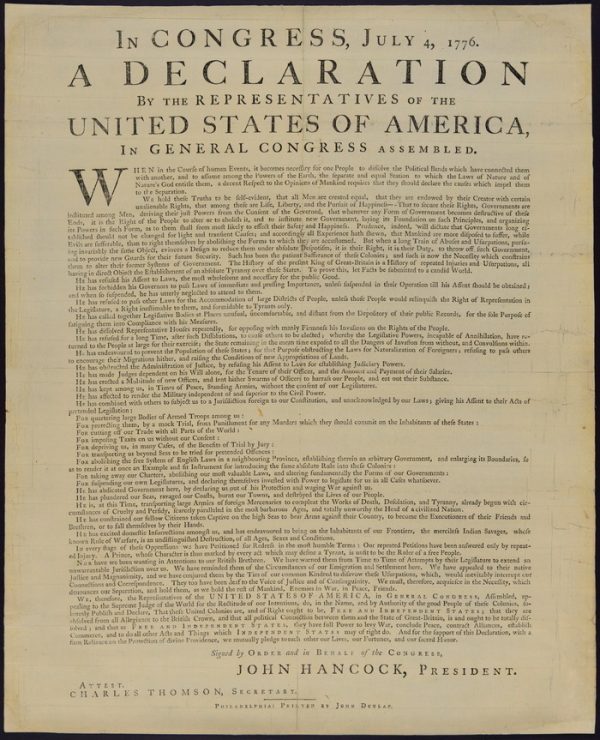
On the semiquincentennial, as we contemplate the disturbing irony of the signing of the Declaration of Independence in which the American colonies set out to rid themselves of the tyranny of monarchs, readers may be curious to know that the Declaration in it’s first printed form (known as the Dunlap Broadside) was set in type imported from the Caslon letter foundry in Chiswell St in the City of London.
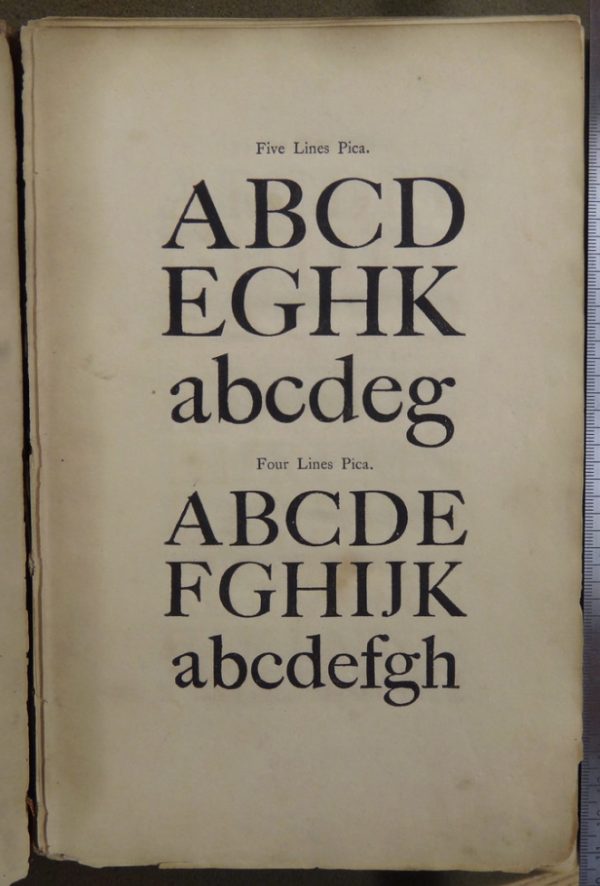
Caslon’s four lines pica of 1766 was used for the word ‘DECLARATION’
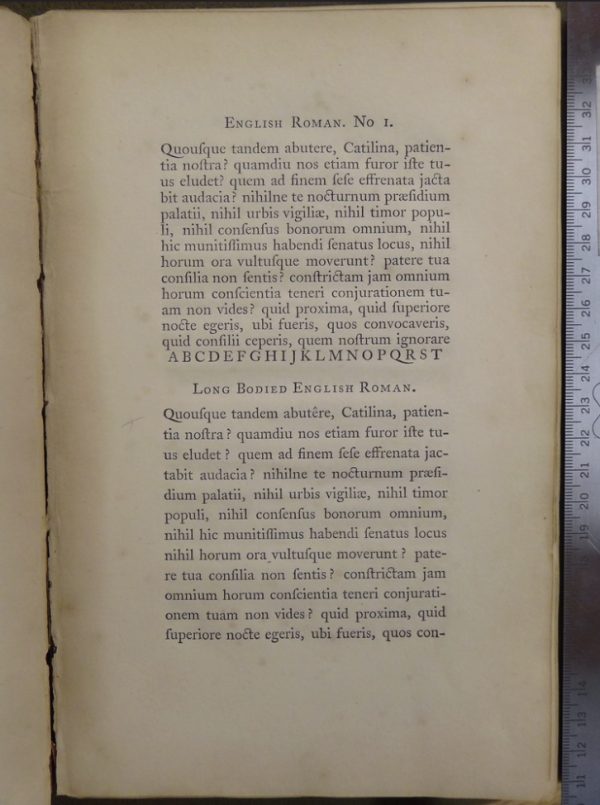
Caslon’s English Roman was used for the body type
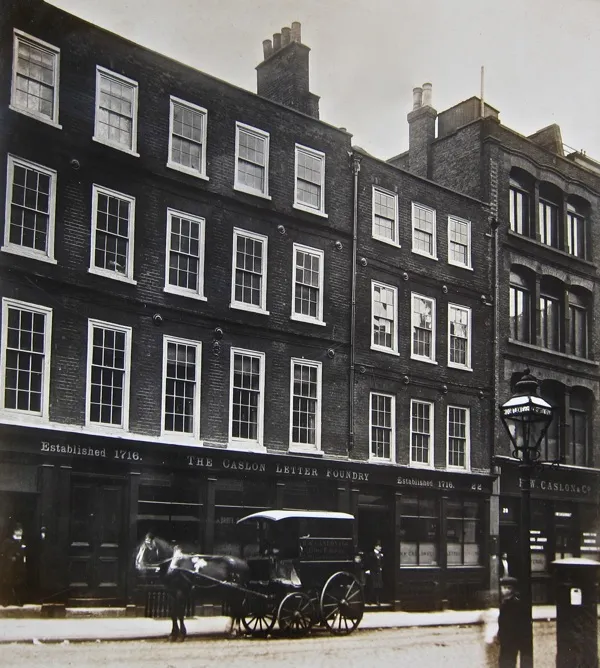
The Caslon letter foundry in Chiswell St
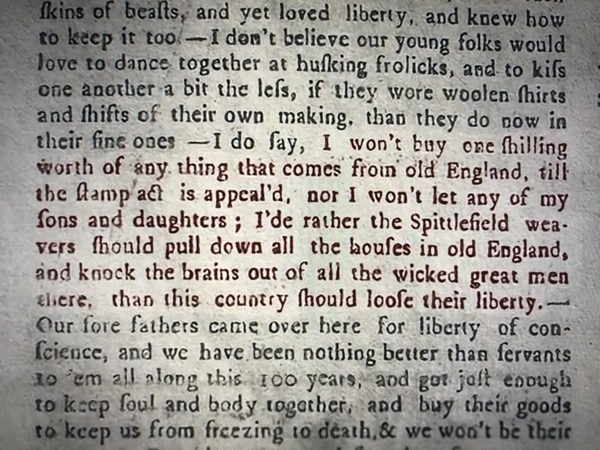
Let us also remember the words of John Adams, writing against the injustice of punitive taxes imposed by the British government upon the American colonies. Such was the reputation of Spitalfields for Radicalism at that time.
“I won’t buy one shilling worth of anything that comes from Old England, till the Stamp Act is appealed, nor shall my sons and daughters; I’d rather the Spittlefield weavers should pull down all the houses in Old England, and knock the brains out of all the wicked great men there, than this country should lose their liberty.”
You may also like to read about













“Disturbing irony.” Well, that’s one way of putting it. I think I’d just call it hypocrisy. But you’re probably more tactful than I, G.A.
A classic typeface and worthy of such a significant document.
Thank you for your interesting post. The man who printed the document under consideration, whose Caslon we read today, labored, as so many artisans in colonial America (indeed, as did so many artisans throughout the global colonies of Great Britain) under restrictive mercantile legislation.
The Iron Act of 1750 was designed to discourage manufacturing in the colonies while encouraging it in Great Britain itself. The colonies could produce as much pig iron and iron bar as they wanted, but they were prohibited from turning it into the useful items needed to support industry. All pig iron and iron bar had to be exported to England; no other exportation was allowed. There, it was all transformed into those items useful to promoting a more ease full life. Then, some of it was allowed to be exported back to the colonies. If the colonies wished to have these products, they had to buy from England. Importation from other nations was prohibited.
Everything, everything in John Dunlap’s shop was manufactured in England. Including his Caslon type.