Microcosm Of London, 1809

Billingsgate Market
(click on this plate or any of the others to enlarge and examine the details)
In 1897, Charles Gosse, Archivist at the Bishopsgate Institute, was lucky enough to buy a handsome 1809 edition of Thomas Rowlandson & Augustus Pugin’s ‘Microcosm of London’ from Quaritch booksellers in Piccadilly with just one plate missing, yet it took him until 1939 to track down a replacement to fill the gap and complete his copy – and the single plate cost him more in 1939 than the entire three volumes in 1897. Then the volumes were stolen in the nineteen-eighties but, thankfully, returned to the Bishopsgate years later as part of Operation Bumblebee, tracking art thefts back to their owners – and just waiting on the shelf there for me to come upon them.
Augustus Charles Pugin, the architectural draftsman (and father of Augustus Welby Pugin who designed the Palace of Westminster) had the idea to create a lavish compendium of views of London life but it was the contribution of his collaborator Thomas Rowlandson who brought another dimension, elevating these images above the commonplace. While Pugin created expansive and refined architectural views, Rowlandson peopled them with an idiosyncratic bunch of Londoners who take possession of these spaces and who, in many cases, exist in pitifully unsentimental contrast to the refinement of their architectural surroundings.
How very pleasant it is to be a tourist in the metropolis of 1809, thanks to the magnificent plates of the ‘Microcosm of London.’ Here are the wonders of the capital, so appealingly coloured and so satisfyingly organised within the elegant classical architecture that frames most social activity, while also conveniently ignoring the domestic reality of the greater majority of the populace.
In only a few plates – such as Carlton House and the House of Commons – does Thomas Rowlandson submit to the requirement of peopling these spaces with slim well-dressed aspirational types that we recognise today from those familiar mock-ups used to sell bad architecture to the gullible. Yet the most fascinating plates are those where he has peopled these rationally conceived public spaces with the more characterful and less willowy individuals who illustrate the true diversity of the human form, and he satisfies our voyeuristic tendencies by celebrating the grotesque and the theatrical. In Billingsgate Market, Rowlandson takes a composition worthy of Claude and peoples it with fishwives fighting, revealing affectionate delight in the all-too familiar contrast exemplified by aspirational architecture and the fallibility which makes us human.
While the first impression is of harmony and everyone in their place – whether it be church, masquerade, asylum, theatre, prison or lecture hall – examining these pictures close-up reveals the genius of Thomas Rowlandson which is unable to resist introducing grotesque human drama or adding comic specimens of humanity to these idealised urban visions. Just like an early nineteenth century version of ‘Where’s Wally?’, Rowlandson implicitly invites us to seek the clowns.
Even if in some plates, such as the Drawing Room in St James, he appears to acquiesce to a notion of mannequin-like debutantes, Rowlandson more than makes up for it at the Bank of England where – surprise, surprise – the buffoons take centre stage. Spot the duffer in a stripy waistcoat with a girl on each arm in Vauxhall Gardens, or the dolts all robed up in coats of arms at Herald’s College, or the Masquerade where – as characters from Commedia dell’Arte – the funsters seem most in their element.
Meanwhile at the Post Office, in cubicles not so different from those in call centres of our own day, clerks are at work in identical red uniforms which deny them the individuality that is the vain prerogative of the rich in this vision of London. Equally, at the asylum nobody gets to assert themselves, while the prison inmates are diminished both in size and colour by their environment.
In the ‘Microcosm of London,’ Augustus Pugin portrayed an architect’s fantasy vision of a city of business, of politics, of religion, of education, of entertainment, of punishment and reward, but – thankfully – Thomas Rowlandson populated it with life.

Fire in London – the dreadful fire which took place on 3rd March 1791 at the Albion Mills on the Surrey side of Blackfriars Bridge. We have selected this from many objects of a similar nature which frequently occur in this great metropolis, because the representation afforded an opportunity of a more picturesque effect, the termination of the bridge in front and St Paul’s in the background contribute interesting parts to a representation which is altogether great and awful.

Pillory, Charing Cross. A place chosen very frequently for this kind of punishment, probably on account of its being so public a situation. An offender thus exposed to public view is thereafter considered infamous. There are certain offences which are supposed to irritate the feelings of the lower classes more than others, in which case a punishment by Pillory becomes very serious.

Guildhall. Examination of a bankrupt before his creditors, Court of King’s Bench Walk. The laws of England, cautious of encouraging prodigality and extravagance allow the benefits of the bankruptcy laws to none but the traders. If a trader is unable to pay his debts it is misfortune and not a fault.

Leaden Hall Market is a large and extensive building of considerable antiquity, purchased by the great Whittington in 1408 and by him presented to the City.

Astley’s Amphitheatre. Mr Rowlandson’s figures are here, as indeed they invariably are, exact delineations of the sort of company who frequent public spectacles of this description. With respect to teaching horses to perform country dances, how far thus accomplishing such an animal renders him more happy or a more valuable member of the horse community is a question I leave to be discussed by the sapient philosophers.

Bartholomew Fair, a spirited representation of this British Saturnalia. To be pleased in their own way, is the object of all. Some hugging, some fighting, others dancing, while many are enjoying the felicity of being borne along with the full stream of the mob.

Bow St Office, giving an accurate representation of this celebrated office at the time of an examination. The police of this country has hitherto been very imperfect, until Henry Fielding, by his abilities, contributed the security of the public, by the detection and prevention of crimes.

Covent Garden Market. The plate represents the bustle of an election for Westminster. The fruit and vegetable market certainly diminishes the beauty and effect of this place as a square, but perhaps the world does not furnish another instance of another metropolis supplied with these articles in equal goodness and profusion.

Christie’s Auction Room. The various effect which the lot – A Venus – has on the company is delineated with great ability and humour. The auctioneer, animated by his subject, seems to be rapidly pouring forth such a string of eloquence as cannot fail to operate on the feelings of his auditors.

The House of Commons is plainly and neatly fitted up, and accommodated with galleries, supported by slender iron capitals adorned with Corinthian capitals, from the ceiling hangs a handsome branch.

Drawing from life at the Royal Academy, Somerset House

The College of Physicians. There is nothing remarkable in the interior of the building except the library and the great hall – which is handsomely represented in this print is a handsome well-proportioned room. The eager disputatious attitude of the figure which is represented as leaning forward in the act of interrogating the candidate, is finely contrasted with two figures on the right hand, one of whom seems to have gathered up his features in supercilious indifference.

Exhibition Room, Somerset House. It would not be easy to find ay other artist, except Mr Rowlandson who was capable of displaying so much separate manner in the delineations placed upon the walls and such an infinite variety of small figures, contrasted with each other in a way so peculiarly happy. To point out any number of figures as peculiarly entitled to attention, would be an insult to the spectator, as very many would necessarily be left out of the catalogue, and everyone of taste will discern them at a glance.

Pass-Room, Bridewell. An interesting and accurate view of this abode of wretchedness. It was provided that paupers, claiming settlement in distant parts of the kingdom should be confined for seven days, prior to being sent of their respective parishes. This is the room apportioned by the magistrate for one class of miserable females.

Royal Cock Pit. It is impossible to examine this picture with any degree of attention, and not enjoy the highest degree of satisfaction at this successful exertion of the artists’ abilities. The regular confusion which this picture exhibits, tells a tale that no combination of words could possibly have done so well.

The Hall, Carlton House. Conceived with classic elegance that does honour to the genius of the late Mr Holland who as the architect, the tout-ensemble is striking and impressive.

The Custom House, in the uppermost of which is a magnificent room running the whole length of the building. On this spot is a busy concourse of nations who pay their tribute towards the support of Great Britain. In front of this building, ships of three hundred and fifty tons burthen can lie and discharge their cargoes.

The Post Office

The Royal Circus

The Great Hall, Bank of England

Dining Room, Asylum

Royal Geographic Society

Drawing Room, St James

St Martin in the Fields

Pantheon Masquerade

King’s Bench Prison

Sadler’s Wells Theatre

Coal Exchange

Herald’s College

Surrey Institution

Fleet Prison

Watercolour Exhibition, Old Bond St

Drury Lane Theatre

Coldbath Prison

Hall and Staircase, British Museum

Common Council Chamber, Guildhall

Vauxhall Gardens
Images courtesy Bishopsgate Institute
A Night On Liverpool St Station

When I was callow and new to London, I once arrived back on a train into Liverpool St Station after the last tube had gone and spent the night there waiting for the first tube next morning. With little money and unaware of the existence of night buses, I passed the long hours possessed by alternating fears of being abducted by a stranger or being arrested by the police for loitering. Liverpool St was quite a different place then, dark and sooty and diabolical – before it was rebuilt in 1990 to become the expansive glasshouse that we all know today – and I had such an intensely terrifying and exciting night then that I can remember it fondly now.
Old Liverpool St Station was both a labyrinth and the beast in the labyrinth too. There were so many tunnels twisting and turning that you felt you were entering the entrails of a monster and when you emerged onto the concourse it was as if you had arrived, like Jonah or Pinocchio, at the enormous ribbed belly.
I was travelling back from spending Saturday night in Cromer and stopped off at Norwich to explore, visiting the castle and studying its collection of watercolours by John Sell Cotman. It was only on the slow stopping-train between Norwich and London on Sunday evening that I realised my mistake and sat anxiously checking my wristwatch at each station, hoping that I would make it back in time. When the train pulled in to Liverpool St, I ran down the platform to the tube entrance only to discover the gates shut, closed early on Sunday night.
I was dressed for summer, and although it had been warm that day, the night was cold and I was ill-equipped for it. If there was a waiting room, in my shameful fear I was too intimidated to enter. Instead, I sat shivering on a bench in my thin white clothes clutching my bag, wide-eyed and timid as a mouse – alone in the centre of the empty dark station and with a wide berth of vacant space around me, so that I could, at least, see any potential threat approaching.
Dividing the station in two were huge ramps where postal lorries rattled up and down all night at great speed, driving right onto the platforms to deliver sacks of mail to the awaiting trains. In spite of the overarching vaulted roof, there was no sense of a single space as there is today, but rather a chaotic railway station criss-crossed by footbridges, extending beyond the corner of visibility with black arches receding indefinitely in the manner of Piranesi.
The night passed without any threat, although when the dawn came I felt as relieved as if I had experienced a spiritual ordeal, comparable to a night in a haunted house in the scary films that I loved so much at that time. It was my own vulnerability as an out-of-towner versus the terror of the unknowable Babylonian city, yet – if I had known then what I knew now – I could simply have walked down to the Spitalfields Fruit & Vegetable Market and passed the night in one of the cafes there, safe in the nocturnal cocoon of market life.
Guilty, and eager to preserve the secret of my foolish vigil, I took the first tube to the office in West London where I worked then and changed my clothes in a toilet cubicle, arriving at my desk hours before anyone else.
Only the vaulted roof and the Great Eastern Hotel were kept in the dramatic transformation that created the modern station, sandwiched between new developments, and the dark cathedral where I spent the night is gone. Yet a magnetism constantly draws me back to Liverpool St, not simply to walk through, but to spend time wondering at the epic drama of life in this vast terminus where a flooding current of humanity courses through twice a day – one of the great spectacles of our extraordinary metropolis.
Shortly after my night on the station experience, I got a job at the Bishopsgate Institute – and Liverpool St and Spitalfields became familiar, accessed through the tunnels that extended beyond the station under the road, delivering me directly to my workplace. I noticed the other day that the entrance to the tunnel remains on the Spitalfields side of Bishopsgate, though bricked up now. And I wondered sentimentally, almost longingly, if I could get into it, could I emerge into the old Liverpool St Station, and visit the haunted memory of my own past?


A brick relief of a steam train upon the rear of the Great Eastern Hotel.


Liverpool St Station is built on the site of the Bethlehem Hospital, commonly known as “Bedlam.”
Archive images copyright © Bishopsgate Institute
Punch & Judy In Covent Garden
One of my favourite annual events in London is the Punch & Judy Festival which is always held on the second Sunday in May at the churchyard of St Paul’s Covent Garden. Here I have supplemented my account with Henry Mayhew’s interview with a Punch & Judy man from the nineteenth century.

Carmen Baggs with figures made by her father
On 9th May 1662, Samuel Pepys wrote in his diary “Thence to Covent Garden… to see an Italian puppet play that is within the rayles there, which is very pretty, the best that ever I saw, and a great resort of gallants …” It was the first record of a Punch & Judy show in London and, as a consequence, May 9th has become celebrated as Mr Punch’s birthday – when the all Punch & Judy “professors” gather each year upon the leafy green behind the church.
After an early morning shower on the day of my visit, the sun broke through to impart a lustre to the branches of may blossom growing in the churchyard, which create an elegant foliate surround to the freshly sprouting lawn, where the Punch & Judy booths were being assembled as the centrepiece of the Covent Garden May Fayre. As they set up their booths, the professors were constantly interrupted by the arrival of yet another member of their clan, and emotional greetings were exchanged as they reunited after another year on the road. Yet before long, a whole line of booths encircled the lawn and vibrant red stripes filled my vision whichever direction I chose to turn.
Peter Batty, a Punch & Judy professor of forty years, who has been coming here for thirty years, could not help feeling a touch of melancholy in the churchyard in spite of the beauty of the morn. “We go from one box to another,” he said, reaching up with the hand that was not holding Mr Punch to touch his booth protectively, and recalling those professors who will not be seen upon this green again. “I think of Joe Beeby, Percy Press – the first and the second, Hugh Cecil and Smoky the Clown,” he confided to me regretfully – “People keep getting old.”
Yet Peter works in partnership with his youthful wife, Mariake, and their fourteen year old son, Martin, who is just starting out with his own shows. “It’s such a lovely way of life, we’re really lucky when so many people have to do proper jobs, and it’s a brilliant way to bring up children.” she assured me, cradling Judy, while Martin nodded in agreement, holding the Policeman. “We play together and have a fantastic time – it suits us very well and it’s completely stress free.” she declared. They were an appealing paradox, this contented family who had found happiness in performing Mr Punch and his bizarre drama of domestic violence.
“I was just a bored housewife,” recalled Mrs Back to Front, a lively Punch & Judy professor with her brightly coloured clothes reversed, “twenty-nine years ago, I had a six month old baby and a three year old son, and I was asked to do a puppet show for a fete at his school and I was converted to it. I came here to Covent Garden and I bought a set of Punch & Judy puppets, and I got a swozzle too and found I could use it straightaway.” Then, with a chuckle of satisfaction at the exuberant life she has invented for herself and batting her glittery eyelashes in pleasure, she announced – “My six month old baby is now Dizzy Lolly – she does magic and she’s very good with a monkey puppet too.”
My next encounter was with Geoff Felix, an experienced puppeteer with a background in film, television and theatre who has been doing Punch & Judy since 1982.“I was influenced by Joe Beeby,” he explained, revealing his source of inspiration, “he saw a show in 1926, which the player learnt from someone in the nineteenth century, and Joe kept it going. And that’s how the oral tradition has been preserved.” Geoff explained that the Punch & Judy characters we recognise today, both in appearance and in the story, are based upon those of Giovanni Piccini whose play was transcribed by John Payne Collier in 1828 and illustrated by George Cruikshank. Casting his eyes around at his peers, “It is the swozzle that unites us,” he whispered to me, as if it were a sacred bond, when referring to the metal instrument in the mouth used to make the shrill voice of Mr Punch – “it forces us to create shows based in action.”
Then, Alix Booth, a feisty Scotswoman in a top hat, who has been a Punch & Judy professor for thirty-seven years, told me, “When I was eleven, I inherited a set of paper mache figures. I started working with them and in the end I was doing small shows in Lanark. I still have the figures, over a hundred years old, and although I had to replace Mr Punch’s coat, his waistcoat and trousers are perfect. My figures are based on the Piccini book of 1828, they have their mouths turned down at the ends and huge staring eyes – nowadays Mr Punch is sometimes given a smile, but I prefer him with his mouth turned down, it’s more realistic.”
“I have learnt my craft, and I can keep a children’s party happy for an hour and a half without any trouble at all.” she informed me plainly. “But it was very much for adults originally – entertainment for the Georgian man in the street and it’s full of laughs – it’s all in the timing.”
After my conversations with the professors, I was delighted to stand and enjoy the surreal quality of all the booths lined up like buses at a terminus when I have only ever seen them alone before – yet what was fascinating were the differences in spite of the common qualities. There were short fat ones and tall skinny ones, plain and fancy, with the height defined by the reach of each individual puppeteer. And while the red and white theatres standing under the great chestnut tree awaited their audiences, the professors enjoyed the quiet of the morning to catch up and swap stories.
“It has established a club, brought us all together and kept the tradition alive,” Alix asserted, turning impassioned in her enthusiasm, “And that’s so important, because every year new young performers come along and join us.” But then we were interrupted by the brass band heralding the arrival of Mr Punch and we realised that, as we had been talking, crowds of people had gathered. It was a perfect moment of early Summer in London, but for Punch & Judy professors it was the highlight of the year.


Professor David Wilde has the largest collection of Punch & Judy puppets – over six hundred.

Professor Geoffrey Felix, scenery based upon a design by Jesson and Mr Punch in the style of Piccini.


Professor James Arnott restores and repaints old figures.


Mrs Back To Front


Professor Alix Booth, thirty-seven years doing Punch & Judy professionally.


The Batty Family of Puppeteers, Mariake, Martin and Peter.


Professor Brian Baggs, also known as “Bagsie.”


Professor Paul Tuck – “I’ve only been let out for today – I’m really a ladies’ hairdresser.”

Parade to celebrate the arrival of Mr Punch in Covent Garden.

“Ladies & Gentlemen, I’m now going to exhibit a performance worthy of your notice, and far superior to anythink you hever had an hopportunity of witnessing before”
HENRY MAYHEW’S PUNCH & JUDY MAN
Henry Mayhew set out to find a Punch & Judy man in Spitalfields for his interviews that were first published – appropriately enough – in Punch magazine before they were collected in three volumes as “London Labour & the London Poor” in 1851. As the Punchman that Mayhew spoke with explained, “The boys is the greatest nuisance we have to contend with, and many parts is swarming with boys, such as Vitechapel. Spitalfields, that’s the worst place for boys I ever come a-near, they’re like flies in Summer there, only much more thicker. They’ll throw one another’s caps into the frame and, do what we will, we can’t keep ’em from poking their fingers through the baize and making holes to peep through. But the worst of all is, most of ’em ain’t got a farthing to bless themselves with.”
Yet the City of London was not much better for Punch & Judy either -“People ‘as their heads all full of business there and them as is greedy arter the money ain’t no friend of Punch’s.” Then, as now, it was the West End that was the preferred location for street performers. “The best pitch of all in London is Leicester Sq, there’s all sorts of classes you see passing there.” confirmed the Punchman, “Then comes Regent St, the corner of Burlington St is uncommon good and there is a good publican there besides.” And I have no doubt that he was grateful of refreshment because, as this engaging testimony reveals, the life of a Punchman constituted thirsty and demanding work.
“The performer of Punch that I saw was a short, dark, pleasant looking man, dressed in a very greasy and very shiny green shooting jacket. He was very communicative and took great delight in talking like Punch, with his call in his mouth, while some children were in the room, and who, hearing the well-known sound of Punch’s voice, looked all about for the figure.
“I am the proprietor of a Punch’s show,” he said. “I goes about with it myself, and performs inside the frame behind the green baize. I have a pardner what plays the music – the pipes and drum, him as you see’d with me. I have been five-and-twenty year now at the business. I wish I’d never seen it, though it’s been a money-making business – indeed the best of all, street hexibitions I may say. I am fifty years old. It’s a business that once you’ve got into it you can never get out. It’s a great annoyance being a public kerrackter, I can assure you, sir. Go where you will, it’s, ‘Punchy, Punchy!’ Something else might turn up, to be sure. We can’t say what the luck of the world is. I’m obliged to strive very hard – very hard indeed, sir, now, to get a living and at times, compelled to go short often. It’s the march of hintellect wot’s a doing all this, sir.
But I was a going to tell you about my first jining the business. The first time I ever went out with Punch was in the beginning of August, 1825. My dignity was being hurt at being hobligated to take to the streets for a living. I used to stand outside and patter to the figures. There was not much talk, to be sure, required then, and what little there was consisted merely in calling out the names of the figures as they came up and these my master prompted me from inside the frame. I know I could never have done it, if it hadn’t been for the spirits (a little drop of gin), as my master guv me in the morning. Yet the first time I ever made my appearance in public I collected as much as eight shillings, and my master said after the performance was over, ‘You’ll do!’
I kept on going with my master for two years and at the end of that time I had saved enough to start a show of my own. I bought the show off old Porsini, the man who first brought Punch into the streets of England. I’ve heard tell that old Porsini used to take very often as much as ten pounds a-day, and he used to sit down to his fowls and wine, and the very best of everything. But he never took care of a halfpenny he got. He didn’t study the world nor himself neither. At last, he reduced himself to want, and died in the St Giles’s Workhouse. He was past performing when I bought my show of him and werry poor. I gave him thirty-five shillings for the stand, figures and all. I bought it cheap, you see, for it was thrown on one side and of no use but such as myself.
The great difficulty in performing Punch consists in the speaking, which is done by a call or whistle in the mouth. Porsini brought the calls into this country with him from Italy and I larnt the use of mine from Porsini himself. I was six months in perfecting the use of it and now I’m reckoned one of the best speakers in the whole purfession. When I made my first appearance as a regular performer of Punch on my own account, I did feel uncommon narvous, to be sure, though I know’d the people couldn’t see me behind the baize, still I felt as if the eyes of the country were upon me. It was as much as ever I could do to get the words out, and keep the figures from shaking. The fust person who went out with me was my wife. She used to stand outside and keep the boys from peeping through the baize and she used to collect the money afterwards as well. She’s been dead these five years now.
Take one week or another, throughout the year, I should say I made then five pounds regular. You can see Punch has been good work, a money making business. Twenty years ago, I have often got eight shillings for one hexhibition in the streets, and many times I’d perform eight or ten times in a day. We didn’t care much about work then, for we could get money fast enough. Arter performing in the streets of a day we used to attend private parties in the hevening. I have performed afore almost all the nobility.
There are altogether as many as sixteen Punch & Judy frames in England, and to each of these frames there are two men. We are all acquainted with one another, are all sociable together. If two of us happen to meet in one town, we jine and share the money. We all know one another, and can tell in what part of the country the others are. We have intelligence by letters from all parts. There’s a Punch I knows is either in the Isle of Man or on his way to it.”

Punch: What Toby, are you cross this morning?

Scaramouch: You have been beating and ill-using my poor dog, Mr Punch!

Judy: Here’s the child. Pretty dear! It knows its Papa. Take the child.

Punch: What is the matter with it? Poor thing! It has got the stomach ache, I dare say.

Punch: Get away, nasty baby.

Judy: I’ll teach you to drop my baby out the window!

Punch: How do you like my teaching, Judy, my pretty dear?

Punch: Stand still, can’t you, and let me get my foot up to the stirrup.

Punch: Oh Doctor! Doctor! I have been thrown, I have been killed.

Punch: Now Doctor, your turn to be physicked!

Blind Man: Pray Mr Punch, bestow your charity upon a blind man.

Jack Ketch: Mr Punch, you’re a very bad man.

Jack Ketch: Come out and be hanged!

Punch: Only shew me how and I will do it directly.

Punch: Here’s a stick to thump Old Nick!

Punch: Pray Mr Devil, let us be friends.

Punch: Huzza, huzza! The Devil’s dead!
Drawings by George Cruikshank, 1827, illustrating Giovanni Piccini’s “The Tragical Comedy or Comical Tragedy of Punch & Judy.”
You may also like to read about
At the Pearly Kings & Queens Harvest Festival
At the 65thAnnual Grimaldi Service
Beating the Bounds in the City of London
Spinach & Eggs From The City Farm

The May blossom at the Spitalfields City Farm was still in bloom under a blue sky to welcome me when I arrived in search of spinach & eggs, in anticipation of one of my all-time favourite lunches. At the far end of the farmyard, I was greeted by Helen Galland, the animals’ manager, whom I interrupted from her mucking-out duties to sell me half a dozen freshly laid eggs. I deliberated between hens’ and ducks’ eggs so Helen kindly gave me three of each, £1 for the lot.
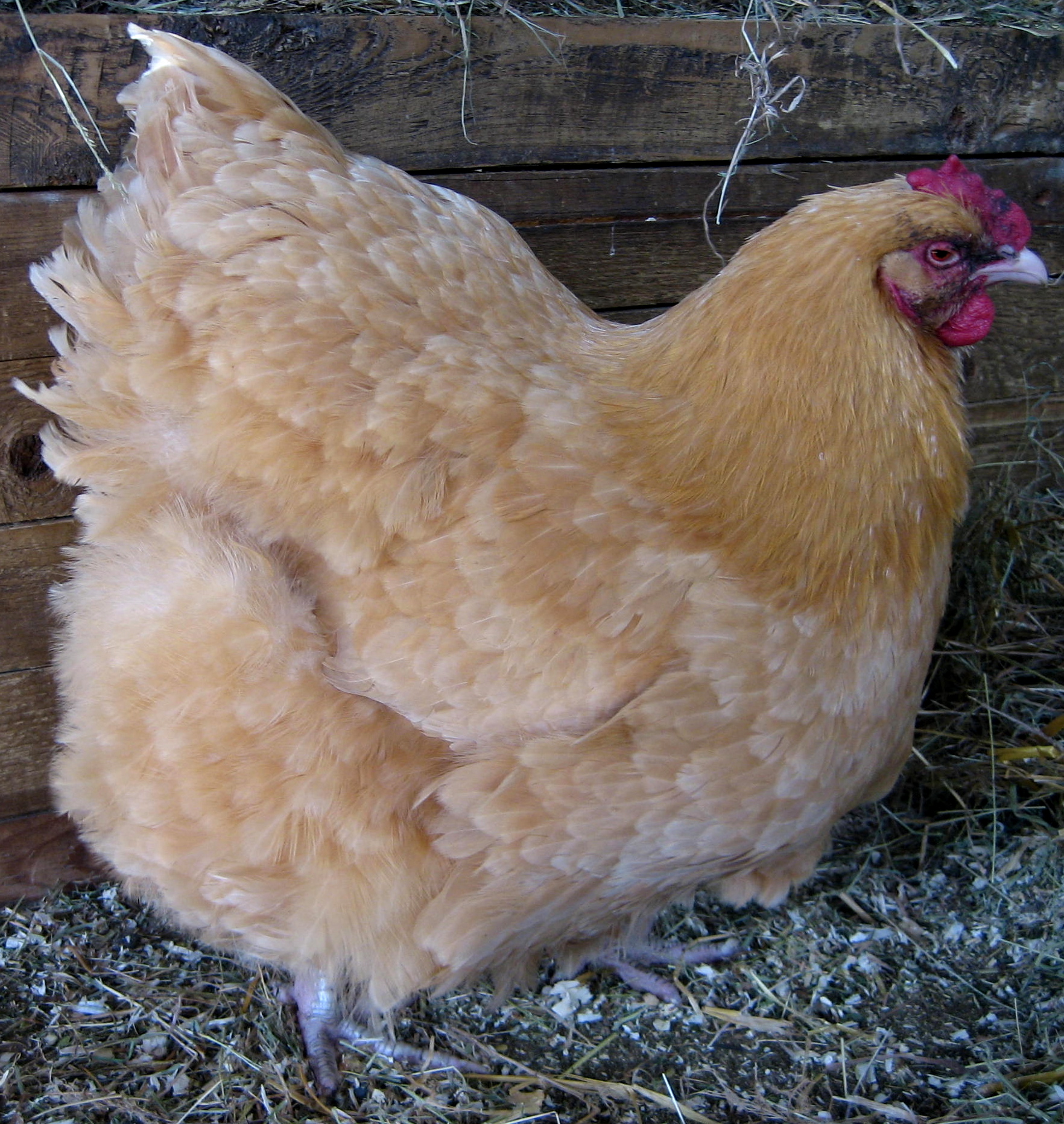
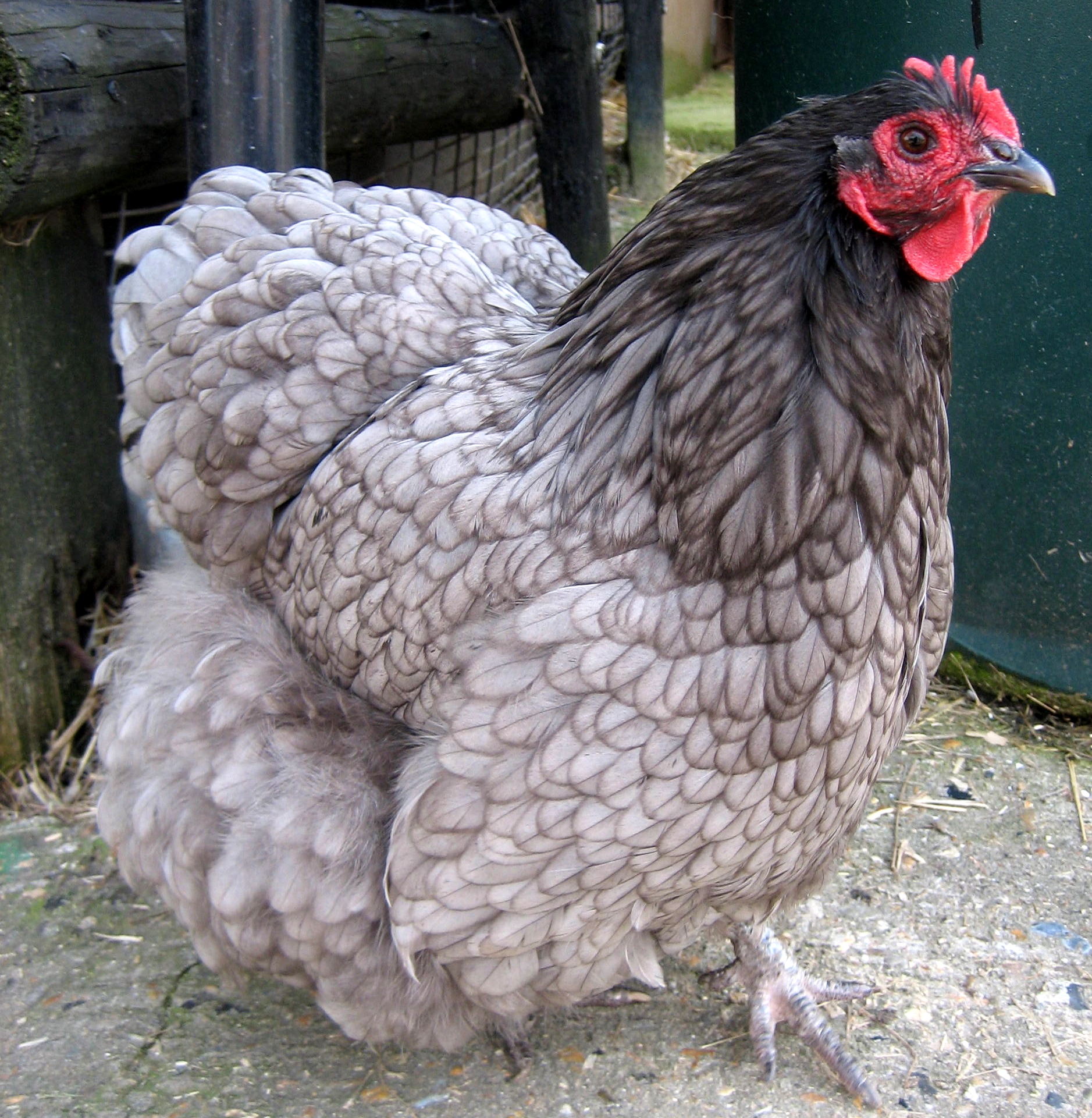
The Spitalfields flock is a mixture of rare breeds (Marsh Daisies and Buff Orpingtons) and rescued chickens, bought by a charity from battery farms that would otherwise destroy the hens after a year’s life of producing an egg a day, when they still have another four to five years of life left laying eggs. “When they arrive they have to learn to be chickens because they have never seen anything but the inside of a cage before, so the first thing they do when they arrive is lie in the sun.” explained Helen with maternal sympathy, as the flock ran around our ankles pecking in the yard, “In factory farms, they have no nesting materials but they soon get the hang of it here.”
I stowed the half-dozen eggs in my bag and walked over to the other end of the farm where the vegetables are grown. Here, Chris Kyei-Balffour, a community gardener, led me into the humid atmosphere of one of the polytunnels to admire a fine patch of spinach that he grew, glowing fresh and green with new leaves in the filtered sunlight. To my delight, Chris picked me a basket of the most beautiful fresh spinach I ever saw and presented it to me. We shook hands and it was my privilege to buy this spinach for £1. Thanks to Helen and Chris, I carried my ingredients of spinach & eggs away for a mere £2. Anyone can buy produce at the city farm, you just have to go and ask. Let me admit, I was pulling out spinach leaves from the bag and eating them in the street, unable to resist their tangy sweet flavour, as I walked home, hungry to cook lunch.
Although spinach & eggs is one of the simplest of meals, careful judgement is required to ensure both ingredients are cooked just enough. It is a question of precise timing to ensure the perfect balance of the constituents. I steamed the spinach lightly while I poached the eggs in salted water. The leaves need to be blanched but must not become slushy because texture is everything with spinach, it needs to be gelatinous yet chewy.
Once the spinach was on, I broke three hens’ eggs, slipping them gently into a pan of simmering water and poached them until the white of the egg was cooked but the yolk remained runny. Be aware, you have to be careful not to break the yolks when you drop the eggs into the water and some concentration is required to master the knack of scooping then out intact too. I have ruined the aesthetics of my spinach & eggs on innumerable occasions with a casual blunder at this stage, though I can assure you the meal still remains acceptable to the taste buds even if you top your spinach with pitiful fragments of poached egg.
I served a generous portion of my delicious spinach in an old soup dish and – blessed with good luck – I balanced all three eggs on top, perfectly intact and wobbling like jellies. With eggs freshly laid that morning and spinach picked half an hour before I ate it, the ingredients could not have been fresher. No vocabulary exists to explain fully why I like this combination so much, it is something about what happens when you recklessly slice through the egg and the hot golden yolk runs down into the slippery seaweed green spinach. You have to try it for yourself because the combination of the sweet yolk and almost-bitter spinach is astounding.
With the addition of a little ground black pepper and grated parmesan on the top, I carried the spinach & eggs outside into the garden triumphantly, enjoying my lunch in the sunshine for the first time this year. The anachronism of eating my meal of ingredients fresh from the local farm, here in the secret green enclave of my garden in the heart of Spitalfields only served to amplify the pleasure. It was an unforgettable moment of Spring.


Chris Kyei-Balffour and his fine crop of spinach

A Buff Orpington

Kellogg the cockerell and a Marsh Daisy hen

A refugee from a factory farm

A Buff Orpington Bantam



My lunch
Strange And Terrible News!


Boiling Eels At Barney’s Seafood

On most mornings throughout the year, just a stone’s throw from the Tower of London, you will find them boiling the eels at Barney’s Seafood, under an old railway arch in Chambers St. For the past thirty-three years Mark Button has presided there over the business that his father Eddie Button took over in 1970 from Barnet Gritzman (brother of Solomon Gritzman, the owner of Tubby Isaac’s), who was here boiling eels since before World War II. Thus you will know that this is an established location for the pursuit of one of the East End’s most traditional culinary tasks, the preparation of jellied eels.
I joined Stuart – a blocksman of twenty-seven years’ experience – with a firm jaw and resolute eyes, at the rear of the arch in a room awash in pools of water, where he brandishes a fearsome curved blade with striking accomplishment, making short work of gutting and chopping great gleaming piles of eels. Arriving fresh from the tanks in Canning Town, Stuart tipped the morning’s eels out onto the bench where at first they slithered and slid in a shining mass. Then, gripping each one firmly by the head, Stuart decapitated it in the manner of those traitors of old across the road at Tower Hill, before slicing it open with a flick of the knife and disposing of both the head and the gut into the bin. It is a neat series of honed gestures that require both skill and years of practice, and you can be assured, Stuart has got the knack.
Interspersed with constant sharpening, since the eels’ back bone quickly blunts the long blade, Stuart likes to keep his knife razor sharp. “I’d rather cut my finger with a sharp blade than a blunt one!” he joked with enthusiastic grim humour as another eel’s head plopped into the bin. Yet make no mistake, Stuart has the greatest respect for eels. “Eels are very mysterious,” he said, turning philosophical and standing in absent-minded contemplation, with an eel and a blade in each hand, “There’s not a lot people know about eels. It’s funny how they know how to go to the Sargasso Sea, they’ve got a homing instinct.”
Once Stuart had chopped them up neatly, Paul the personable cook of fifteen years experience cooking eels, came from next door to collect the baskets of sliced fish and carry them through to the pots for boiling. Four tall steel cooking pots stood in a line on gas rings, each with filled with salt water and a bundle of parsley, some with eels already cooking and others just bubbling up to the boil, creating a wonderfully pungent sweet salty warm atmosphere. Paul tipped the eels straight into the hot water to cook, a process that can take between forty-five minutes to an hour and a half, depending on the type of eel, and he turned to lay out the bowls in neat lines upon shelves on the other side of the room, all ready for the eels when they are cooked. “Today we’ve got fresh Dutch eels and some frozen Chinese eels,” he explained helpfully, “Yesterday we had New Zealand eels and in a couple of weeks we’ll have the native Irish eels – they are best, seasonal, grown in the wild, nice texture and nice to eat.” Adding politely, “Have you ever thought of working in the fish industry?” he enquired – eager to make me feel included in such an enthralling process and flattering me with the question.
“You need to get them just before they’re cooked, when they’re as soft as possible” he continued, “because they harden afterwards,” – educating me, as he lifted a spoonful from the water and tasted one critically, before switching off the flames below and performing the delicate manoeuvre of sliding the pot off the cooking ring and onto a trolley. Catching me unawares so early in the morning, “Would you like to try one?” he asked – sensing my fascination – and naturally I assented. He passed me the morsel of pale eel flesh and I put it in my mouth. It was sweet and warm and it crumbled when I sank my teeth into it, releasing a delicate salty tangy flavour. In that instant, I wanted a plate of hot mashed potato to go with it, and I wanted more eels too. Paul did not know it was my first time, yet although I will have to wait until my next visit to a pie and mash shop to eat a plate of hot eels, I was converted.
Then Paul set about methodically distributing the eels equally into bowls, letting them cool and set in the jelly that is their natural preservative. And by then it was time for him to collect more baskets of sliced eels from Stuart and tip them into the cooking pot. Meanwhile, a stream of customers were pulling up outside and coming in excitedly to shake hands with Mark Button and carry away their bowls of fresh jellied eels for the weekend, as a tasty treat to restore their spirits. No other food excites such passion in the East End as the eel, and that is why East Enders delight to make the pilgrimage to Barney’s – they come to claim the dish that is their right.


“Eels are very mysterious, there’s not a lot people know about them”


Stuart, a blocksman of twenty-seven years experience who learnt the trade from Eddie Button.


Eels simmering with parsley in cooking pots of salt water.


Paul the cook – “Have you ever thought of working in the fish industry?”


Mark Button, proprietor of Barney’s Seafoods
You may also like to read about
So Long, Tubby Isaac’s Jellied Eels Stall
Favourite Pie & Mash Shops (Part One)
Favourite Pie & Mash Shops (Part Two)
Jeffrey Johnson’s Favourite Spots
Enigmatic Photographer Jeffrey Johnson deposited a stack of his appealing pictures from the seventies and eighties with Archivist Stefan Dickers at the Bishopsgate Institute recently, including these photos of favourite spots in London. I cannot resist the feeling that Jeffrey is one after my own heart when I examine these characterful pictures of the capital’s forgotten corners – a few are familiar places but I am reliant upon my readers to identify the rest.


Apostals

Buitifull Buttons

Arlington Way, N1


Broadway Market

Commercial Rd

Royal Exchange, City of London

Royal Exchange, City of London


King’s Cross

King’s Cross

King’s Cross

King’s Cross

King’s Cross


Teeth bought


Brick Lane

Barter St, Holborn

Great Ormond St, Bloomsbury

Little Montague Court, City of London

St Bartholomew’s Close, Smithfield

Albion Buildings


Photographs copyright © Jeffrey Johnson
You may also like to take a look at
The Forgotten Corners of Old London
Mystery Pictures of Brick Lane