James Hadfield’s Pistol
Julian Woodford outlines the tale of James Hadfield, mysterious would-be assassin of George III, revealing how his pistol found its way into the hands of Joseph Merceron, East End gangster & corrupt magistrate, known as The Boss of Bethnal Green – and where it is today.
Next Wednesday 30th November at 7pm at The Society Club in Cheshire St, Julian will be telling the story of Joseph Merceron’s reign of crime, controlling Bethnal Green & Spitalfields for half a century from his base in Brick Lane. CLICK HERE TO BOOK A TICKET

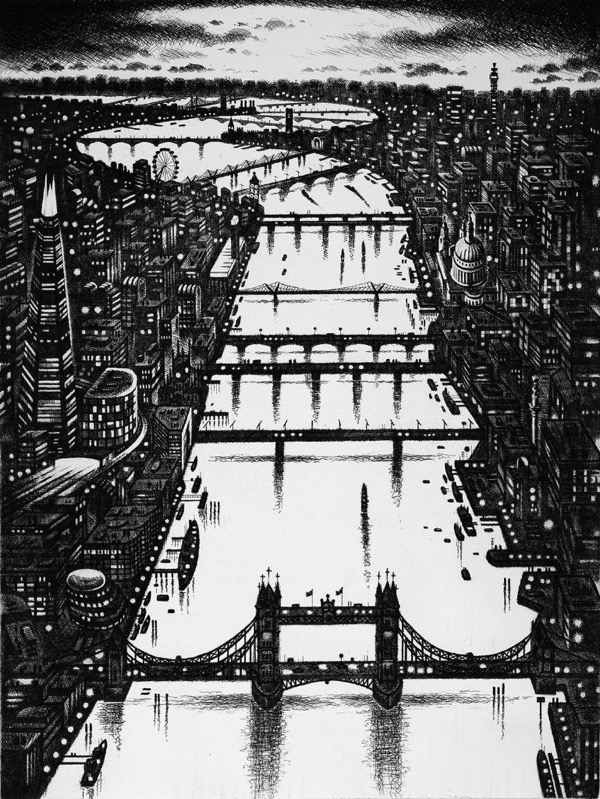
Click to enlarge this print, reproduced courtesy of V&A Museum
When I talk about how Joseph Merceron ruled the East End for half a century, I am often asked ‘How did he get away with it?’ It is a question I could not answer until I discovered that he owned a gun which almost changed English history.
In 1795, Merceron used his position of influence in Bethnal Green to become a magistrate. Just weeks afterwards, King George III’s carriage windows were shattered by an angry mob as he travelled to open Parliament and Prime Minister William Pitt the Younger launched a ‘reign of terror’ with laws forbidding public assembly or publication of ‘seditious writings.’ Secretly, the Home Office also set up an extensive spy network in the East End administered by the local magistrates and their clerks.
During the early seventeen-nineties, in the wake of the French Revolution, radical societies sprang up across London – especially in the East End. Their members agitated for universal suffrage or, in more extreme, cases a revolution of their own. Over the next few years, Pitt’s ‘Gagging Acts’ were applied with increasing severity and the Home Office spies busied themselves in infiltrating radical societies. Democratic activists and mutineering sailors were rounded up and incarcerated without trial at Coldbath Fields Prison in Clerkenwell.
The ritual abuse they suffered at the hands of the Prison Governor, Thomas Aris, was ignored or even encouraged by Merceron and his fellow magistrates. But when the prisoners’ plight was raised in Parliament by the radical MP Sir Francis Burdett, it became the subject of a national scandal that rocked the Pitt government and damaged the credibility of the Middlesex magistrates.
Then, in the spring of 1800, came an act of terror that appeared to justify Pitt’s harsh conservatism. James Hadfield was a British soldier who had suffered horrendous head wounds in the Napoleonic Wars, and been captured and tortured by the French. Released in a prisoner exchange but traumatised to the point of insanity and unfit for further service, Hadfield was simply turned onto the London streets. Here he encountered an itinerant preacher named Bannister Truelock, who persuaded Hadfield he could trigger the Second Coming of Christ – he just needed to shoot the King and die in the attempt.
On 15th May 1800, Hadfield bought an old flintlock pistol from a pawnbroker and made his way to Drury Lane Theatre, where George III was due to attend a Royal Command Performance. As the King took a bow from the Royal Box, Hadfield pulled out his pistol and fired, narrowly missing his Majesty. Despite a lengthy investigation and an apparemt attempt by the government to rig the jury, Hadfield was acquitted of murder on the grounds of insanity, setting an important legal precedent. Instead of being executed, he was committed to the Bethlehem hospital in Moorfields where he spent the next forty-one years writing poems to his pet squirrels.
You might wonder what the connection is to The Boss of Bethnal Green? In 2006, when I started researching my book, I traced Joseph Merceron’s descendants and met his great-great-great grandson Daniel, who showed me an ancient tin box full of Merceron’s papers. This was enough to make my journey worthwhile, but I was dumbstruck when Daniel walked back into the room brandishing an old flintlock pistol and casually announced that – according to family lore – it had once belonged to The Boss and was used in an assassination attempt on George III at Drury Lane in 1800.
That was all Daniel knew and, although I remembered James Hadfield’s story, I could not think how Joseph Merceron could possibly have been involved. Just an hour’s research on the internet uncovered the answer. The transcript of Hadfield’s trial revealed the key prosecution witness was Major Wright, a solicitor of Wellclose Sq and clerk to the Tower Hamlets magistrates. He was a significant figure in Merceron’s circle and closely linked to the Home Office spy network. At Drury Lane, the Major had been sitting within arm’s reach of Hadfield and collared him with his weapon after the event. Among the trial papers are letters from Home Office spies claiming that Hadfield and Truelock were members of the London Corresponding Society which had infiltrated army regiments, including Hadfield’s 15th Light Dragoons.
Remarkably, Major Wright was allowed to keep the pistol as a souvenir. Yet his will lists a print of the assassination attempt among his effects not the gun, which had given to his master – Joseph Merceron. Based on the evidence, I believe Major Wright was secretly tailing James Hadfield on behalf of the Home Office, but it did not suit the government to blow his cover at Hadfield’s trial.
This anecdote offers the explanation for the astonishing longevity of Joseph Merceron’s career as the Godfather of Regency London. Despite being responsible for appalling corruption on a vast scale, he was the devil-the-government-knew, manning the front line in the East End for William Pitt’s ‘war on sedition.’ Merceron owned and licensed many of the pubs where the radical societies met. Merceron’s clerks were actively involved in running spies and, despite repeated attempts to prosecute him during his first three decades in power, the government repeatedly refused to do so and it was only in 1818 – well after the end of the Napoleonic Wars – that he was finally brought to trial and jailed briefly.

James Hadfield’s pistol – the gun that nearly changed history
[youtube iznWirIaqB0 nolink]
Follow @JosephMerceron on twitter
You may also like to read about
At Syd’s Coffee Stall

This is Sydney Edward Tothill pictured in 1920, proprietor of the Coffee Stall that still operates, open for business five days a week at the corner of Calvert Avenue and Shoreditch High St, where this photo survives, screwed to the counter of the East End landmark that carries his name. “Ev’rybody knows Syd’s. Git a bus dahn Shoreditch Church and you can’t miss it. Sticks aht like a sixpence in a sweep’s ear,” reported the Evening Telegraph in 1959.
This is a story that began in the trenches of World War I when Syd was gassed. On his return to civilian life in 1919, Syd used his invalidity pension to pay £117 for the construction of a top quality mahogany tea stall with fine etched glass and gleaming brass fittings. And the rest is history, because it was of such sturdy manufacture that it remains in service over ninety years later.
Jane Tothill, Syd’s granddaughter who upholds the proud family tradition today, told me that Syd’s Coffee Stall was the first to have mains electricity, when in 1922 it was hooked up to the adjoining lamppost. Even though the lamppost in question has been supplanted by a modern replacement, it still stands beside the stall to provide the power supply. Similarly, as the century progressed, mains water replaced the old churn that once stood at the rear of the stall and mains gas replaced the brazier of coals. In the nineteen sixties, when Calvert Avenue was resurfaced, Syd’s stall could not be moved on account of his mains connections and so kerbstones were placed around it instead. As a consequence, if you look underneath the stall today, the cobbles are still there.
Throughout the nineteenth century, there was a widespread culture of Coffee Stalls in London, but, in spite of the name – which was considered a classy description for a barrow serving refreshments – they mostly sold tea and cocoa, and in Syd’s case “Bovex”, the “poor man’s Bovril.” The most popular snack was Saveloy, a sausage supplied by Wilsons’ the German butchers in Hoxton, as promoted by the widespread exhortation to “A Sav and a Slice at Syd’s.” Even Prince Edward stopped by for a cup of tea from Syd’s while on his frequent nocturnal escapades in the East End.
With his wife May, Syd ran an empire of seven coffee stalls and two cafes in Rivington St and Worship St. The apogee of this early period of the history of Syd’s Coffee Stall arrived when it featured in a silent film Ebb Tide, shot in 1931, starring the glamorous Chili Bouchier and praised for its realistic portrayal of life in East London. The stall was transported to Elstree for the filming, the only time it has ever moved from its site. While Chili acted up a storm in the foreground, as a fallen woman in tormented emotion upon the floor, you can just see Syd discharging his cameo as the proprietor of an East End Coffee Stall with impressive authenticity, in the background of the still photograph below.
In spite of Syd’s success, Jane revealed that her grandfather was “a bit of a drinker and gambler” who gambled away both his cafes and all his stalls, except the one at the corner of Calvert Avenue. When Syd junior, Jane’s father was born, finances were rocky, and he recalled moving from a big house in Palmer’s Green to a room over a laundry, the very next week. May carried Syd junior while she was serving at the stall and it was pre-ordained that he would continue the family business, which he joined in 1935.
In World War II, Syd’s Coffee Stall served the ambulance and fire services during the London blitz. Syd and May never closed, they simply ran to take shelter in the vaults of Barclays Bank next door whenever the air raid sounded. When a flying bomb detonated in Calvert Avenue, Syd’s stall might have been destroyed, if a couple of buses had not been parked beside it, fortuitously sheltering the stall from the explosion. In the blast, poor May was injured by shrapnel and Syd suffered a mental breakdown, leaving their young daughter Peggy struggling to keep the stall open.
The resultant crisis at Syd’s Coffee Stall was of such magnitude that the Mayor of Shoreditch and other leading dignitaries appealed to the War Office to have Syd junior brought home from a secret mission he was undertaking for the RAF in the Middle East, in order to run the stall for the ARP wardens. It was a remarkable moment that revealed the essential nature of the service provided by Syd’s Coffee Stall to the war effort on the home front in East London, and I can only admire the Mayor’s clear-sighted sense of priority in using his authority to demand the return of Syd from a secret mission because he was required to serve tea in Shoreditch. As he wrote to May in January 1945, “I do sincerely hope that you are recovering from your injuries and that your son will remain with you for a long time.”
Syd junior was determined to show he was more responsible than his father and, after the war, he bravely expanded the business into catering weddings and events along with this wife Iris, adopting the name “Hillary Caterers” as a patriotic tribute to Sir Edmund Hillary who scaled Everest at the time of the coronation of Elizabeth II. No doubt you will agree that as a caterer for a weddings, “Hillary Caterers” sounds preferable to “Syd’s Coffee Stall.” In fact, Syd junior’s ambition led him to become the youngest ever president of the Hotel & Caterer’s Federation and the only caterer ever to cater on the steps of St Paul’s Cathedral, topping it off by becoming a Freeman of the City of London.
Jane Tothill began working at the stall in 1987 with her brothers Stephen and Edward, and the redoubtable Clarrie who came for a week “to see if she liked it” and stayed thirty -two years. Jane manages the stall today with the loyal assistance of Francis, who has been serving behind the counter these last twenty years. Nowadays the challenges are parking restrictions that make it problematic for customers to stop, hit and run drivers who frequently cause damage which requires costly repair to the mahogany structure and graffiti artists whose tags have to be constantly erased from the venerable stall. Yet after ninety years and three generations of Tothills, during which Syd’s Coffee Stall has survived against the odds to serve the working people of Shoreditch without interruption, it has become a symbol of the enduring human spirit of the populace here.
Syd’s Coffee Stall is a piece of our social history that does not draw attention to itself, yet deserves to be celebrated. Syd senior might not have survived the trenches in 1919, or he might have gambled away this stall as he did the others, or the bomb might have fallen differently in 1944. Any number of permutations of fate could have led to Syd’s Coffee Stall not being here today. Yet by a miracle of fortune, and thanks to the hard work of the Tothill family we can enjoy London’s oldest Coffee Stall here in our neighbourhood. We must cherish it now, because the story of Syd’s Coffee Stall teaches us that there is a point at which serving a humble cup of tea transcends catering and approaches heroism.

May Tothill, Syd’s wife, behind the counter in the nineteen thirties

Jane Tothill, Syd and May’s granddaughter, behind the counter today

Syd junior and his mother May, behind the counter in the nineteen fifties

A still from the silent film “Ebb Tide” starring Chili Bouchier with Syd in a cameo as himself

In 1937 with electricity hooked up to the lamppost


Jane Tothill

Portraits of Jane Tothill © Sarah Ainslie
Tony Jack, Truman’s Chauffeur
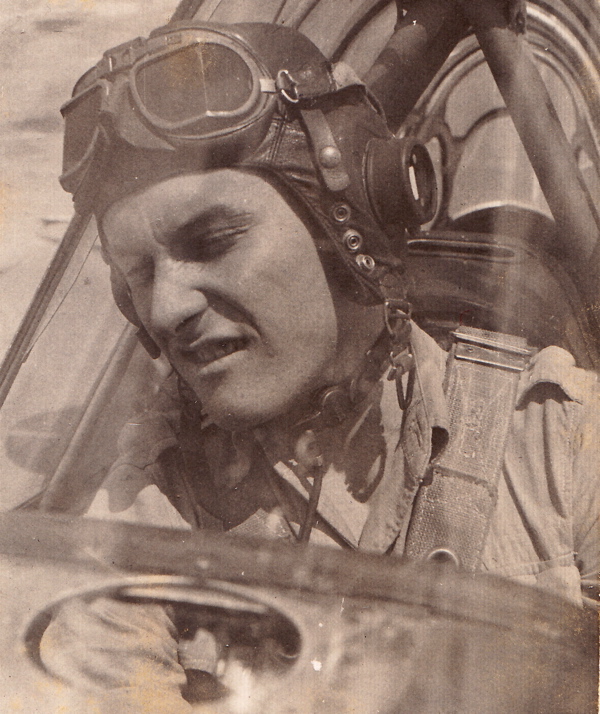
“I was born in Balmoral Castle and I grew up in Windsor Castle …” Tony Jack told me proudly without bragging, “… they were both pubs in Canning Town.” It was a suitably auspicious beginning for an East End hero who was barely out of his teens before he joined the RAF and sent this picture home inscribed, “To Mother, Myself in a rear cockpit of a Harvard with the sun in my eyes. Love Tony.” Yet destiny had greater things in store for Tony, he was appointed to secret government work in Princes Risborough, where his sharp young eyes qualified him as an expert in photographic interpretation of aerial surveys, snooping on Jerry. If Tony spotted activity behind enemy lines, the information was relayed to our spies in the field who went to make a reconnaissance.
From there, young Tony was transferred to work in the Cabinet War Rooms deep beneath Whitehall where he barely saw daylight for weeks on end, taking solace in rooms lit with ultraviolet to induce the sensation of sunlight. Tony was involved in developing photographs of the blitz and making maps, but at the culmination of hostilities he was brought the document that ended the war, to photograph it and make fifty copies. With his outstanding eye for detail, Tony noticed that the date had been altered in ink from 7th May to 8th May 1945, and, with the innocent audacity of youth, Tony tentatively asked Winston Churchill if he would prefer this aberration photographically removed. “The Americans wanted the war to end on one date and the Russians wanted it to end on another,” growled the great man to the impertinent young whippersnapper in triumph, “But I got my way, May 8th!” And thus the correction duly remained in place upon the historic document.
When Tony told me these stories, as we sat drinking tea in a cafe in Spitalfields, I did wonder how he could possibly follow these astounding life experiences when the war ended, but the answer was simple. Tony got a job as a chaffeur driving a Rolls Royce for the Truman Brewery in Brick Lane.
“There were seven of us and we were nicknamed the Black Crows on account of our black uniforms. We used to kick off the day by picking up the directors from railway stations and driving them to the brewery. During the day we used to drive them to and fro visiting pubs and there also was a certain private aspect, which we kept quiet about, taking their wives shopping. Most of the other chauffeurs had once driven delivery trucks for the brewery. They couldn’t tell you the names of the streets but they knew where all the pubs were, that’s how they navigated around London!”
“You couldn’t wish to work in a better environment than a brewery,” admitted Tony in rhapsodic tones, as he opened a worn plastic bag to show us his cherished cap badge and buttons that he keeps to this day. Then, caught in the emotion of the moment and experiencing a great flood of memories, Tony launched into a spontaneous eulogy about the brewery, which gained an elegaic lustre in the description.
He told me the name of the head brewer was Gun Boat Smith. He told me the brewery had two black London taxis for visiting pubs incognito, registration numbers HYL55353 & 4. He told me there were two chefs in the canteen, one named Harry was a woodcarver who carved fancy work for churches and the other was a glass engraver who could put a painting into a glass and copy it onto the surface. He told me that John Henry Buxton asked “What regiment were you in?” and when Tony revealed he was in the RAF, declared, “Well, never mind!” He told me that a man called Cyclops was responsible for the “finings” which filtered the beer, as well as repairing the bottling girls’ clogs and distributing pints of beer to the delivery men in the mornings. He told me that the phone number of John Henry Buxton’s country home was Ware 2, a source of endless amusement when you asked the operator to connect you. He told me that the brewery staff manned the roof with buckets of water when the great Bishopsgate Goods Yard fire of 1964 sent burning cinders drifting into the sky. He told me that the brewery had its own customs officer because beer was taxed as it was brewed in those days. He told me that there was always a cooper on call night and day to make repairs, in case a barrel of beer split in a pub. He told me that the dray horses sometimes got out at night and wandered around which terrified him because they were magnificent creatures. He told me that there was priest who worked in the electrical shop who would marry employees. He told me that there was a man who was solely responsible for all the uniform badges and buttons, who was TGWU representative and also the Mayor of Bethnal Green. He told me that there was a rifle range below Brick Lane which still exists today and the cleaners refused to go there alone because there were so many rats. He told me that the shire horses were all sent to a retirement home in Long Melford. He told me that the brewery organised Sports Days and Beanos on alternating Summers. He told me that the Sports Days were held at Higham Park, Chingford, where they brought in circus acts to entertain the children. He told me that the Beanos were at Margate. He told me that they hired two trains from Liverpool St to get them there, and a paddle steamer to take them on a trip over to Folkestone and back for a sit down dinner at Dreamland. He told me that there was always plenty of beer on the train coming back. He told me that they were wonderful days out. He told me that Truman’s were unique in the sense that they were self-sufficient, you had no need to go outside.
One day, Tony was candidly given advance notice by the chairman, while driving him the Rolls Royce, that the brewery was being sold to Grand Metropolitan and chauffeurs would no longer be required. So Tony switched to working as a security guard for many years. “I know every inch of the brewery,” he assured me authoritatively. Then in 1969, Tony became a cab driver which he continued to do until 2007. “I retired just before I was eighty. I was happy because I was driving around and it was all I wanted to do in life,” he confided to me with a lightness of tone, revealing endearing modesty and impressive stamina.
All the astonishing details of Tony Jack’s vibrant description of life at the brewery were whirling in my mind as we crossed Commercial St and walked down Brushfield St together in the Autumn sunlight, before shaking hands in Bishopsgate. And then he hopped on a bus to Clerkenwell, where he lives, quite the most sprightly octogenarian I have met. It must be something in the beer.
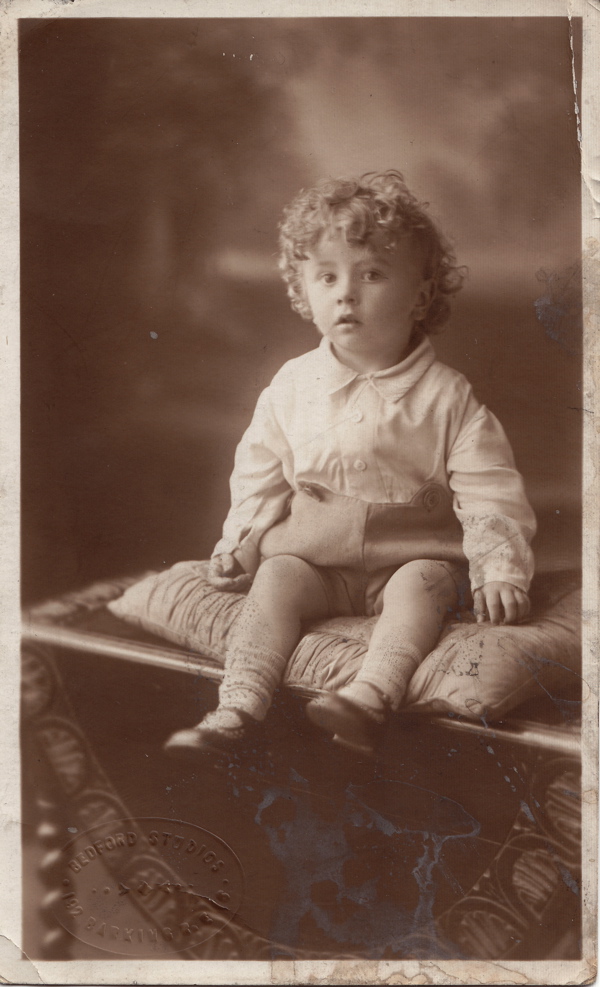
A studio portrait of Tony from the nineteen twenties.
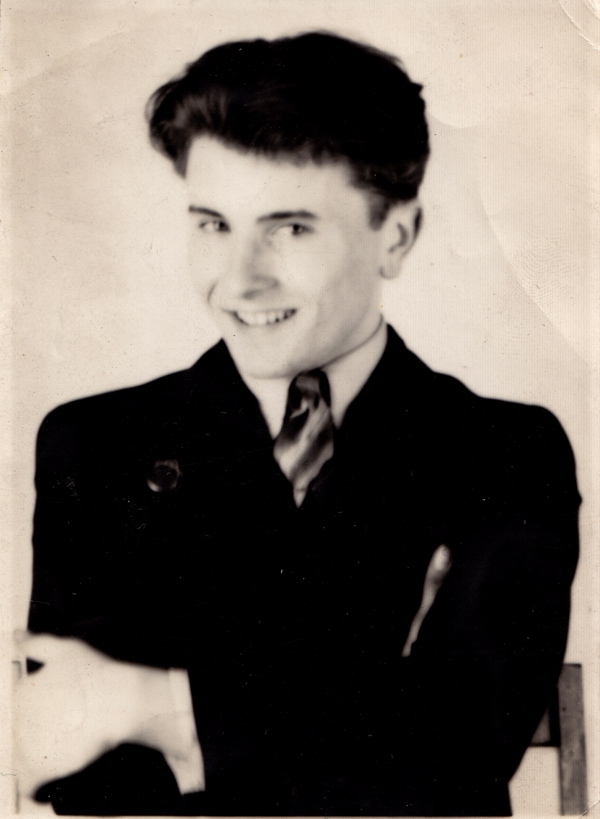
As a young man Tony acquired the nickname “Thumbs up!”
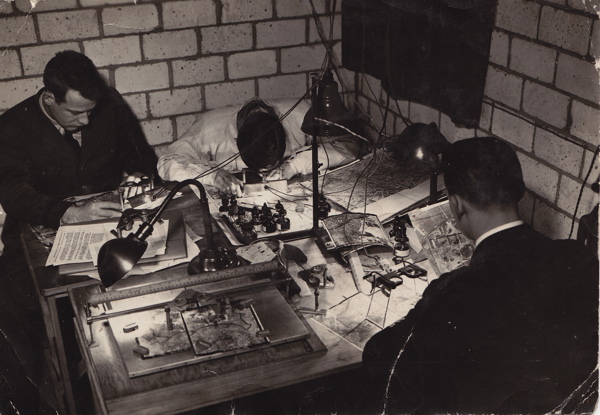
Tony is in the centre with his head down, working on a photographic interpretation of aerial surveys of enemy territory, as part of secret government programme in Princes Risborough during World War II.
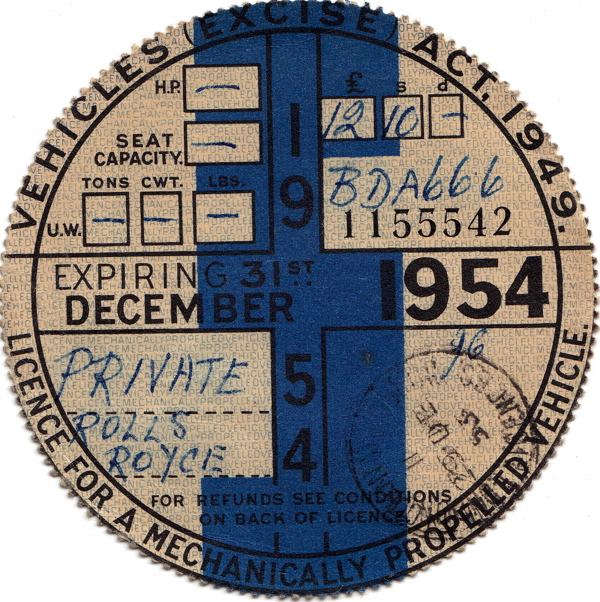
The tax disc of the Rolls Royce that Tony drove for the Truman Brewery in the nineteen fifties.
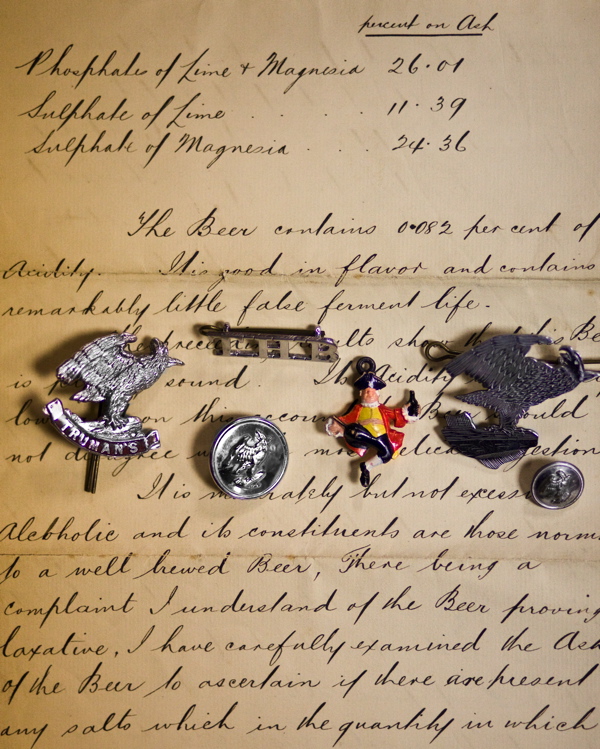
The eagle on the left was Tony’s cap badge, the THB his lapel badge, along with two sizes of buttons, all from his chauffeur’s uniform. The eagle on the right was a truck driver’s cap badge and the key fob was from an ad campaign, “Ben Truman has more hops!” They are all laid upon a letter dated 29th June 1889, analysing the chemical constituents of the beer, that Tony salvaged from a skip when Truman’s were throwing out their archive. It concludes, “I do not think the beer is at all more laxative than any Burton beer would be in this weather.”
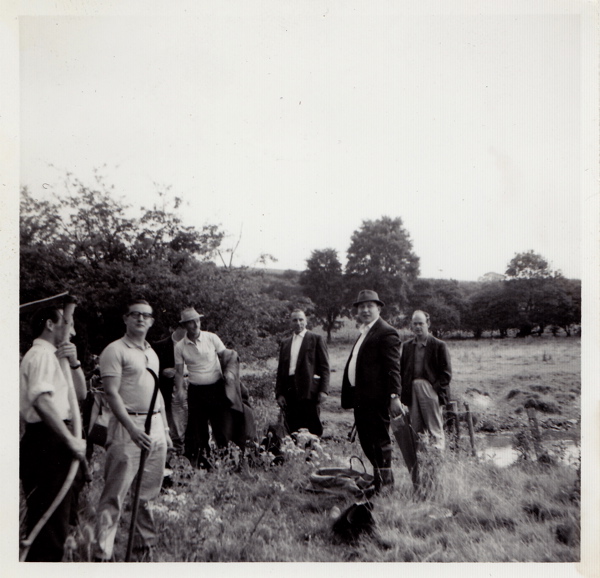
John Henry Buxton invited the members of the Brewery Angling Club to clear the weed out of the river at his estate at Wareside, Hertfordshire, in return for letting them fish in it.
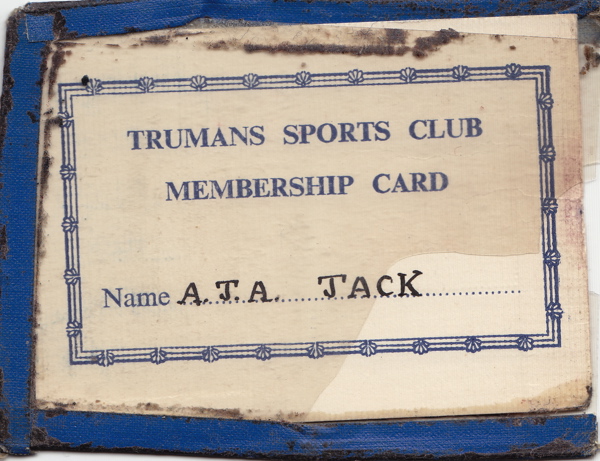
Tony’s membership card for the Truman Brewery Sports Club dated 1st March 1959.
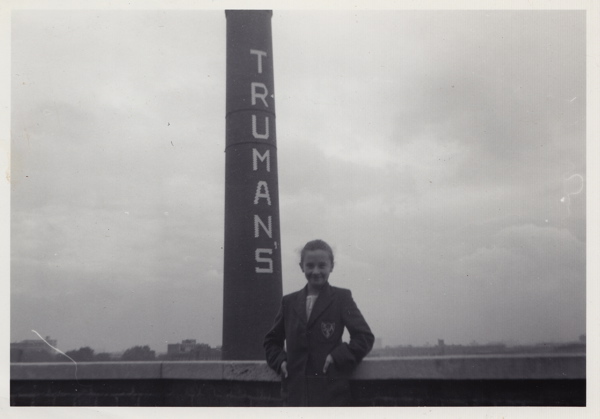
Tony photographed his daughter Janet on the roof after a Christmas party in the nineteen fifties.
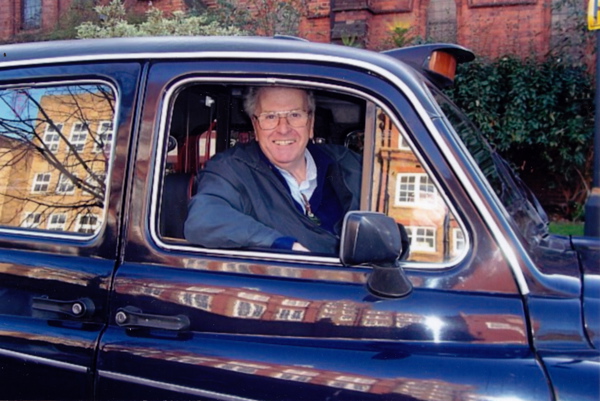
Tony’s last day as cab driver in 2007, he drove Janet up to the West End for a shopping trip.

Tony Jack
New portrait copyright © Jeremy Freedman
Raphael Samuel’s Farewell To Spitalfields

In 1988, the Bishopsgate Institute staged an exhibition entitled A Farewell to Spitalfields curated by John Shaw and Raphael Samuel, the distinguished historian of the East End. The purpose was to assess the history of Spitalfields in the light of the changes that were forthcoming, as a result of the closure of the Truman Brewery and the Fruit & Vegetable Market – and it is my pleasure to publish these excerpts from Raphael Samuel’s introductory essay accompanied by David Bateman’s photographs of the Spitalfields Market, commissioned as part of this exhibition.
A quarter of a century later, it is sobering to recognise the prescience of Raphael Samuel’s words. He was a historian with strong opinions who, on the basis of this article alone, demonstrated an ability to write about the future as clearly as he wrote the past. The Spitalfields portrayed in these pictures has gone and now – for better or worse – we live in the Spitalfields that Raphael Samuel, who died in 1996, wrote of yet did not live to see.
Spitalfields is the oldest industrial suburb in London. It was already densely peopled and “almost entirely built over,” in 1701 when Lambeth was still a marsh, Fulham a market garden and Tottenham Court Rd a green. It owes its origins to those refugee traditions which, in defiance of the Elizabethan building regulations, and to escape the restrictions of the City Guilds, settled in Bishopsgate Without and the Liberty of Norton Folgate.
Spitalfields is a junction between, on the one hand, a settled, indigenous population, and on the other, wave upon wave of newcomer. Even when it was known as ‘The Weavers’ Parish,’ it was still hospitable to many others – poor artisans, street sellers, labourers among them. In the late nineteenth century Spitalfields was one of the great receiving points for Jewish immigration and the northern end of the parish provided a smilar point of entry for country labourers. There was a whole colony of them at Great Eastern Buildings in the eighteen eighties, working as draymen at the brewery, and another at the Bishopsgate Goods Station. This ‘mixed’ character of the neighbourhood is very much in evidence today.
Spitalfields Market – threatened with imminent destruction by a coalition of property developers, City Fathers, and conservationists – is almost as old as Spitalfields. It was already in existence when the area was still an artillery range. In John Stow’s ‘Survey of London’ (1601) it appears a trading point “for fruit, fowl and root.” A market sign was incorporated in the coat of arms for the Liberty of Norton Folgate in Restoration times, and the market’s Royal Charter dates from 1682. The market, in short, preceded the arrival of the Hugeunots and has some claim to being Spitalfields’ original core. The market continued as a collection of ramshackle sheds and stalls until it was transformed, in the 1870s, by Robert Horner, who bought the lease of the land from the Goldsmid family in 1875. Horner was a crow scarer from Essex who, according to market myth, walked to London, became a porter in the market and eventually got a share in a firm. Ambitiously, he set about both securing monopoly rights for the existing traders, and replacing the impromptu buildings with a purpose built market hall – the “Horner” buildings which today is the oldest part of the market complex.
The older, eastern portion of the market is the direct product of Robert Horner’s vision of his own situation. It is built in the manner of the English Arts & Crafts movement. On its own terms, the old market is a pleasing piece and a worthy addition to the diversity of Spitalfields. Its rusticated archways on the Commercial St facade and the repeated peaks of the roof with their smallish sash windows lend a clearly Victorian flavour to Commercial St, which was largely a Victorian venture anyway. Inside the market it is a vintagely Victorian hall of glass and iron of unassuming beauty, even more so when at work, then its true worth as a genuinely functioning piece of Victorian space is revealed. Like St. Pancras in a different way, it has an element of the museum and an aesthetic that overlays the original construction upon utilitarian principles. Most of all the old market appears as a peculiarly English space. An effect that is heightened by the lavish use of ‘Wimbledon’ green. It is that deep traditional green that characterises English municipal space and that, in this case helps to marry the market to the discordant additions of the late 1920’s and to give distinction to the territorial boundaries of the market that have been historically more fluid.
The old market is a celebration of trade, a great piece of Victorian working space, not only of great historical value itself, but contributing to the visual manifestation of the historical development of the whole of Spitalfields. It is a worthy layer in an area that grew by a sort of architectural sedimentation. Hawksmoor’s Christ Church, the Huguenot fronts of Artillery Passage, the Georgian elegance of Elder St and the smaller houses of Wilkes St and Princelet St, the mid-Victorian utility of the Peabody Buildings, the rustic character of the old market, the twentieth century neo-classicism of the Fruit Exchange and several examples of a more unspeakable modernity are some among many accretions which contribute to make Spitalfields what it is. The most perfect example of a palimpsest in which diversity rather than Georgiana or Victoriana represent the true nature of the area.
The character of a district is determined not by its buildings, but by the ensemble of different uses to which they are put, and, above all, by the character of the users. It should be obvious to all but the self-deceived, that to stick an international banking centre in the heart of an old artisan and market quarter, a huge complex with some six thousand executives and subalterns, is, to put it gently, a rupture from tradition. The whole industrial economy of Spitalfields rests on cheap work rooms: rentals in the new office complex are some eight times greater than they are in the purlieus of Brick Lane, and with the dizzy rise in property values which will follow the new development, accommodation of all kinds, whether for working space or home, will be beyond local people. The market scheme will mean a social revolution, the inversion of what Spitalfields has stood for during four centuries of metropolitan development.
The fate of Spitalfields market illustrates in stark form some of the paradoxes of contemporary metropolitan development: on the one hand, the preservation of ‘historic’ houses; on the other, the wholesale destruction of London’s hereditary occupations and trades and the dispersal of its settled communities. The viewer is thus confronted with two versions of ‘enterprise’ culture: the one that of family business and small scale firms, the other that of international high finance with computer screens linking the City of London to the money markets of the world.
This set of photographs by David Bateman show something of the activity of the market today in what – if the Second Reading of the Market Bill continues its progress through Parliament – are likely to be its closing months.
Raphael Samuel 22nd July 1988
I was fascinated to read Raphael Samuel’s words, because through my own work I am aware of the resilient culture of artisans and small tradesmen that persists in Spitalfields, against all the odds, carrying the history of the neighbourhood just as much those historic houses.




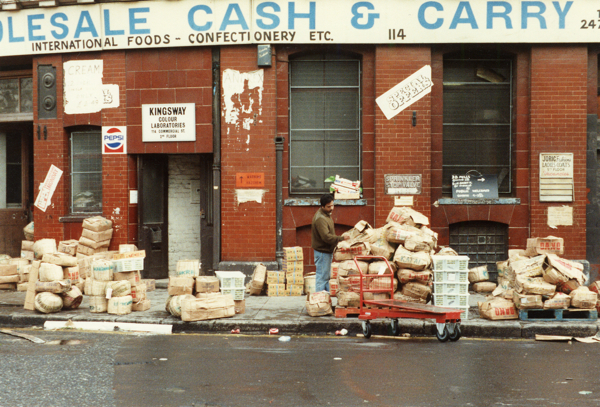


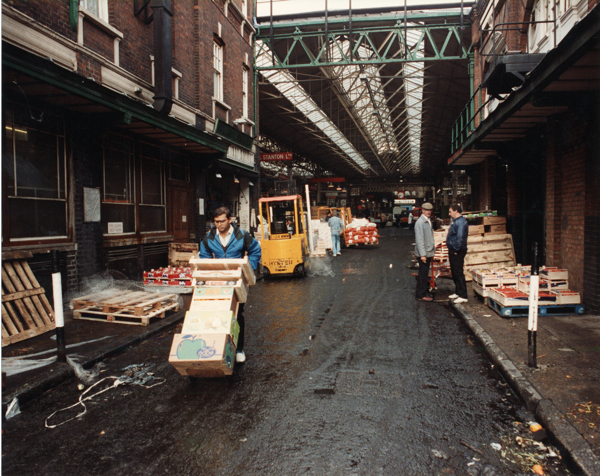


Photographs copyright © David Bateman

Raphael Samuel
Portrait copyright © Lucinda Douglas-Menzies
Alison Light will be delivering the Raphael Samuel Memorial Lecture 2016, entitled Between Private and Public: Writing a Memoir about Raphael & Myself on Wednesday 7th December at 7pm at Arts 2. Lecture Theatre, Queen Mary University, Mile End Rd, E1 4NS CLICK HERE TO BOOK
Kevin Boys, Blacksmith

Kevin Boys, Blacksmith
At the eastern extent of Rotherhithe, there is a tumbledown shack open to the elements where blacksmith Kevin Boys works at his anvil each day from seven every morning. A century ago, this was a receiving station where smallpox victims were wheeled in from ambulances before embarking onto quarantine vessels, but today it is the only old building amongst a sea of recent construction and sits in the midst of an overgrown city farm.
Yet this rural anachronism reminds us of Rotherhithe’s agricultural past, while the ringing of Kevin’s hammer would once have been a familiar sound in the shipyards that superseded it which have, in turn, been supplanted in the last generation by new housing.
There was soft rain falling on the cold November morning I paid my visit to Kevin’s magnificent shed with a forge of hot coals at the centre, illuminating the interior with a golden flickering light and drawing my attention to the vast array of different varieties of rusty tongs and other iron-working tools acquired in the twenty-five years he has been working here. In his battered hat and old leather waistcoat, Kevin worked with relaxed concentration to shape a piece of hot iron with his hammer, sending a loud clanging resounding around the damp farmyard.
“Beware of sparks!” he warned me as I leaned over with my camera.
“I learnt blacksmithing off my grandfather Edwin Thurston, he worked as a blacksmith on the railways in Kent during the thirties and it was his brother Leopold who came up to London. When I was younger, I was interested in sculpture and printing, so when I left school in Bournemouth I did a foundation course followed by a degree in Fine Art & Sculpture at Canterbury. That was where I started blacksmithing and, from there, I came up to London to work with Jeff Love & John Gibbons at their studio in Woolwich, making sculptures in steel. But, after a year, I got the opportunity to do post-graduate study in Baltimore.
I returned to London 1984 and set up my first forge off the Old Kent Rd in 1985, where I started working as blacksmith, making things like candlesticks and furniture. I did commissions for Paul Smith and Joseph Ettedgui, and sold my work through the Fiell Gallery in the King’s Rd. Then I moved to Deptford to one of the railway arches next to station – my lighting and furniture business was kicking off and I did a lot for the South Bank Centre.
In 1991, I came to Rotherhithe. The whole area was desolate then but the farm had already been here a few years. Since then, I have been making gates, doing interior design, manufacturing furniture and sculpture – I did the angel at the Angel Tube Station. All this time, I have been working continuously, it has been non-stop.
It was my job to recreate the torture equipment from about 1580 for the Tower of London. I made the stretching rack, ‘the scavenger’s daughter’ and some manacles. It was an amazing job to get. Although I did a lot of research, the only image of a rack I found from this era was a decoration on the inside of an edition of Shakespeare but from this engraving we were able to reconstruct it. We got the oak rollers made down in Dorset and the rope was manufactured at Chatham Dockyard.
The Constable of the Tower asked me to make a speech, so I had to think on my feet and stand up in front of three hundred people at the unveiling. It turned out to be quite a macabre speech, not because of what I said but because, when we started ratcheting up the rack, it made a rather horrible clanking sound, which had an hypnotic impact upon the crowd.
I especially like the design side of things, but blacksmithing involves a huge range of activities from blade-smithing to historical restoration and recreation. Doing all these different jobs allows you to become very experienced.
The future of blacksmithing lies in sculptural design for interior and exterior projects, and in historical recreation. There are blacksmithing courses available and the level of skill is fantastic now. I have three apprentices today. The difficulty lies in making things that people want to buy. We do mostly commissions and we go into schools with a mobile forge doing demonstrations. All the kids do hot metal work and we often make something for the school, at St Luke’s in the East End we made a sculpture of Christian from Pilgrim’s Progess.”

Kevin Boys’ forge was originally constructed in 1884 as a receiving shelter for ambulances delivering smallpox patients to quarantine ships moored off Rotherhithe

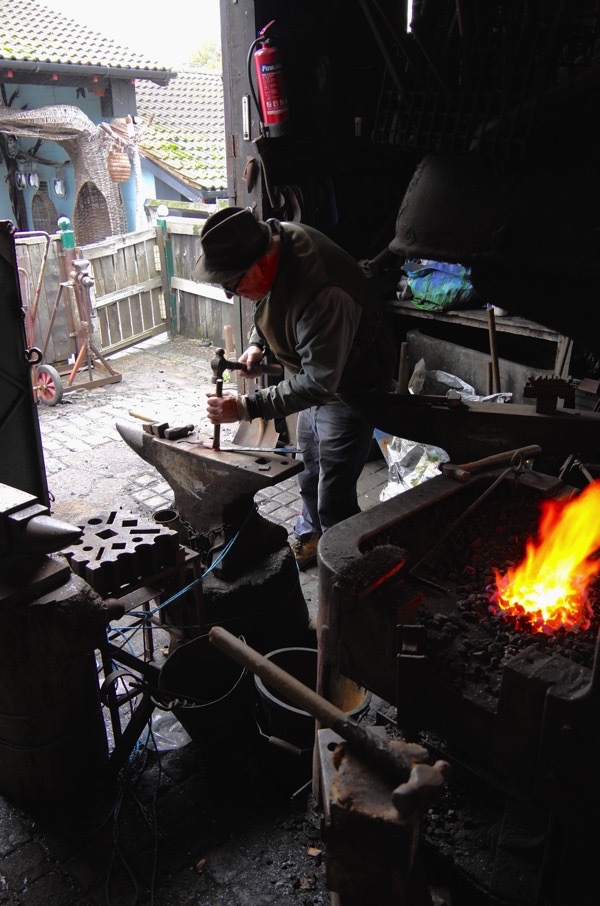
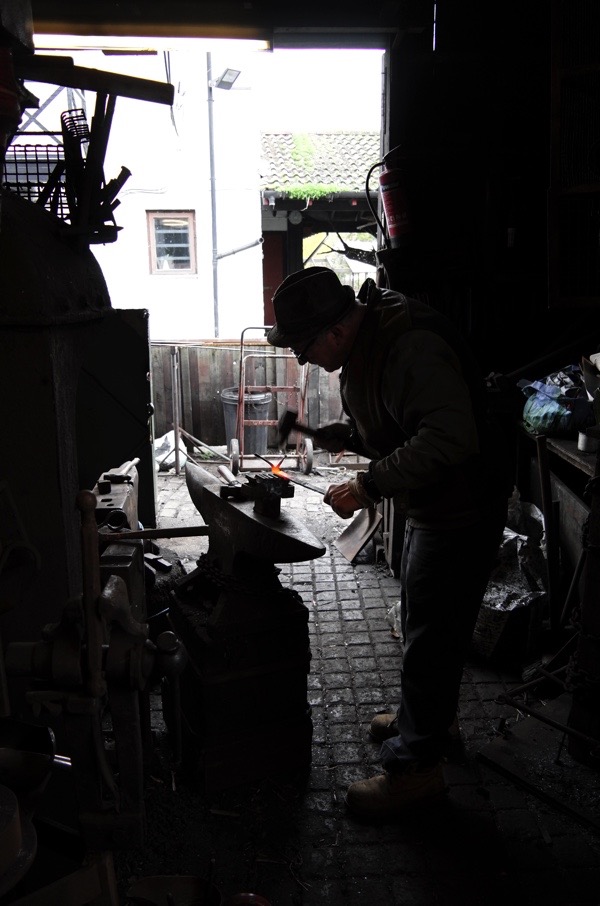
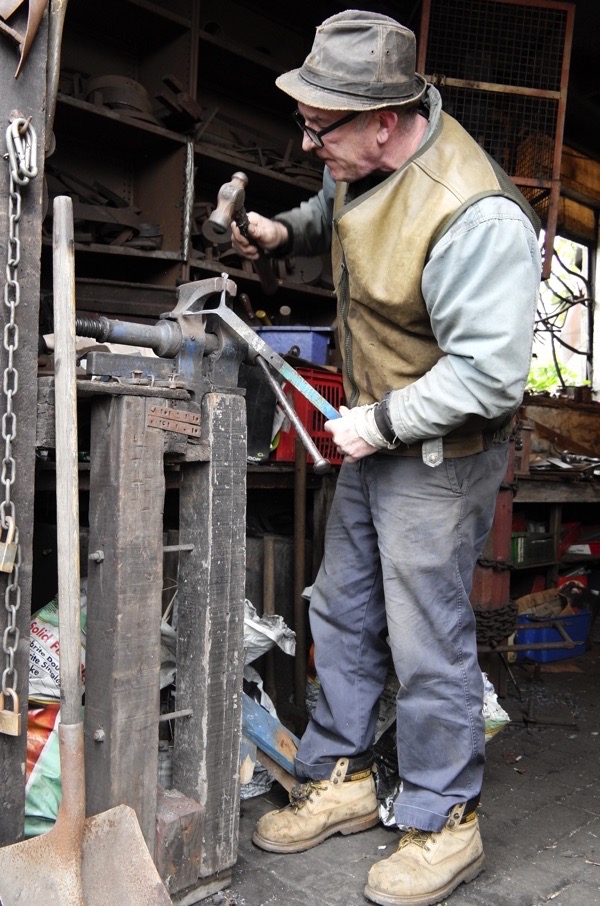
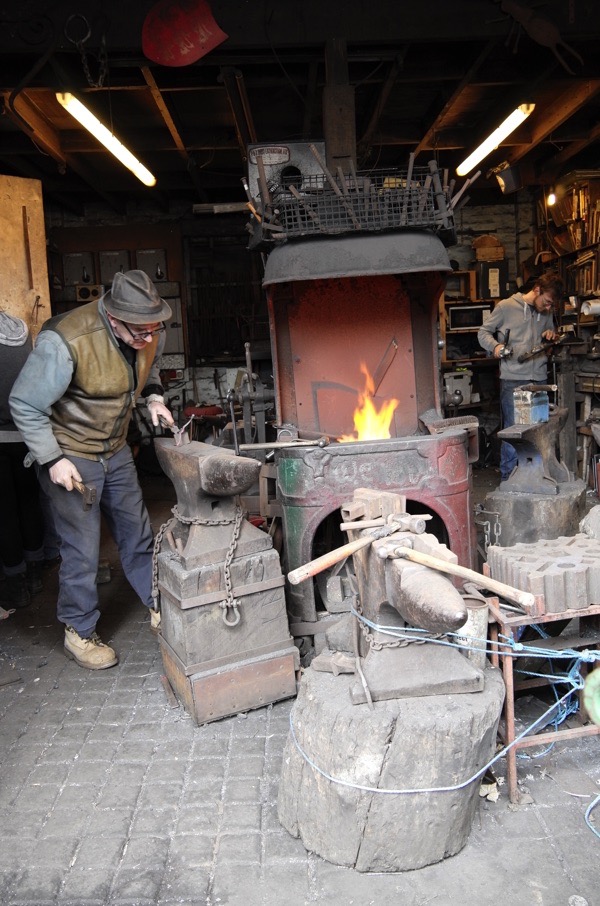
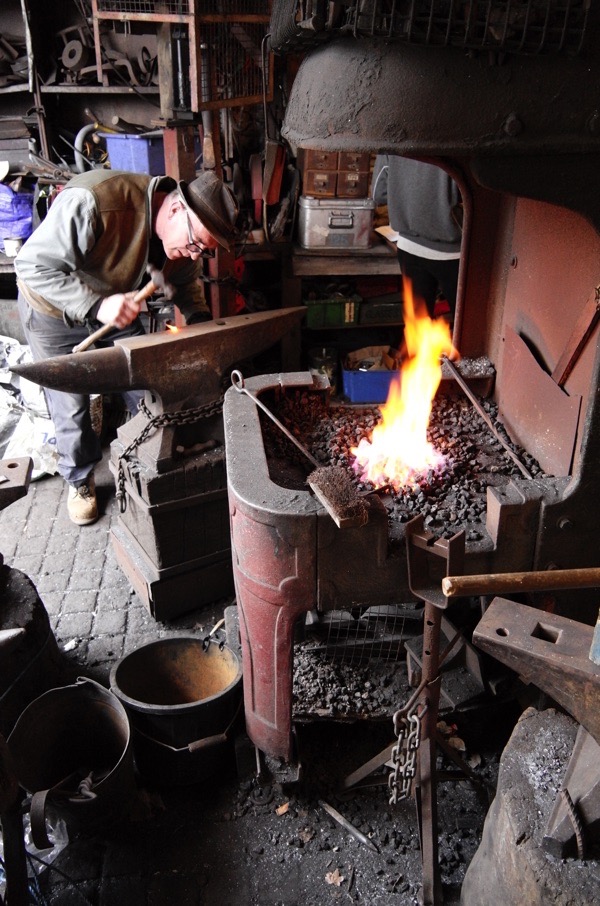
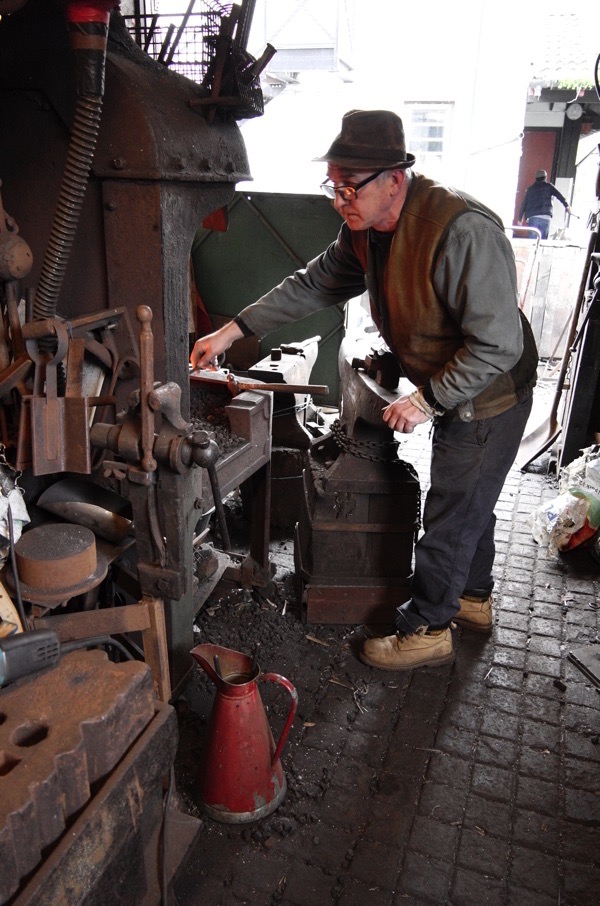
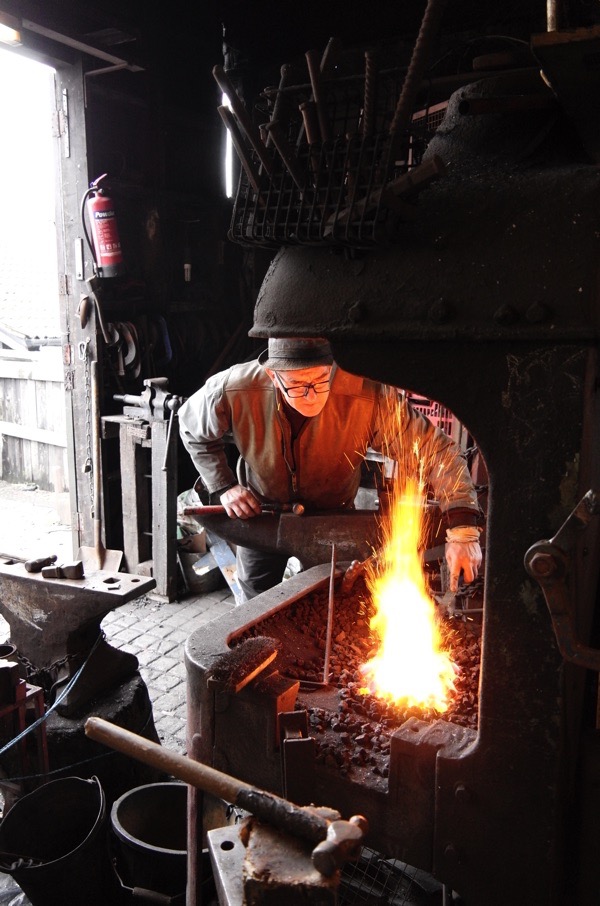
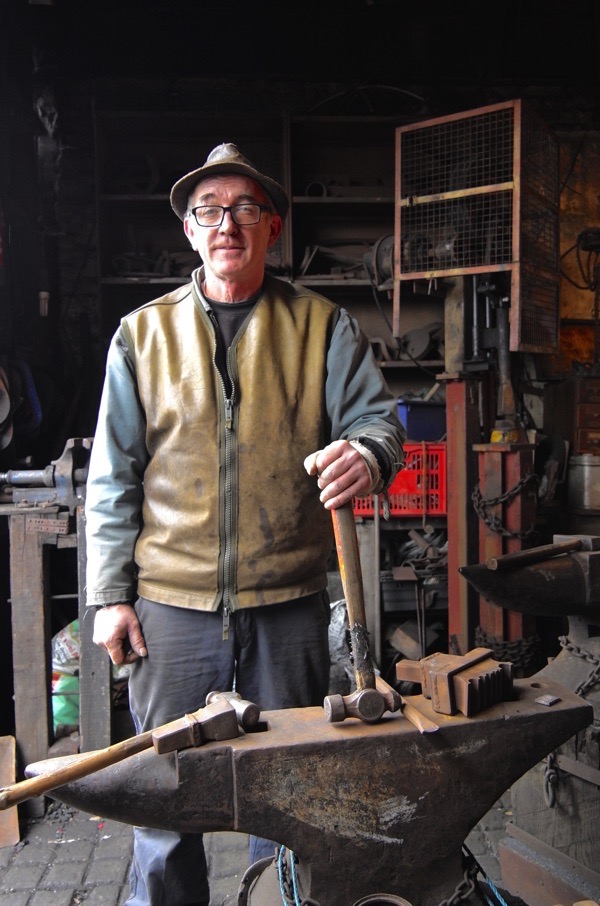
Kevin Boys, Blacksmith
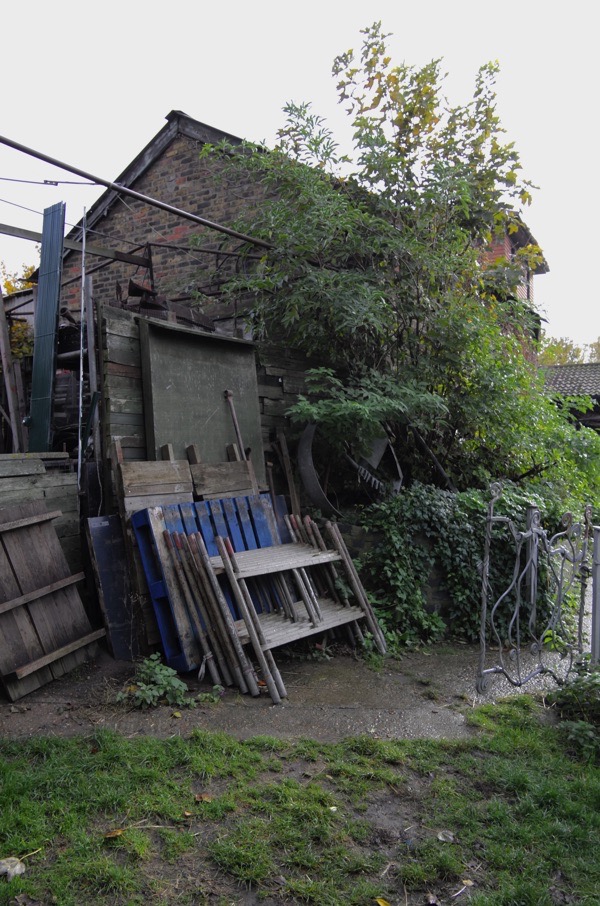
Kevin’s forge
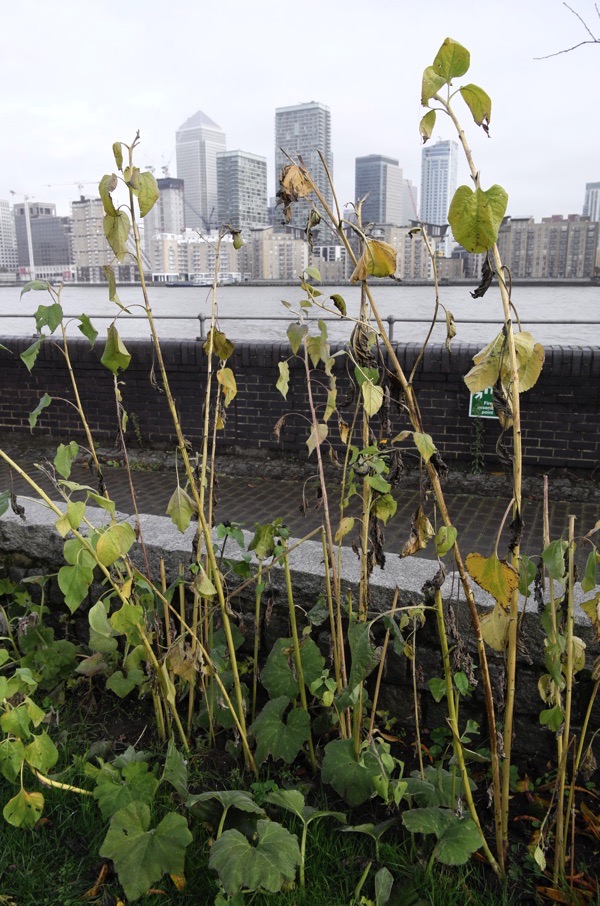
Looking east from the Surrey Docks City Farm towards the Isle of Dogs and Canary Wharf
You may also like to read about
St Jude’s In The City
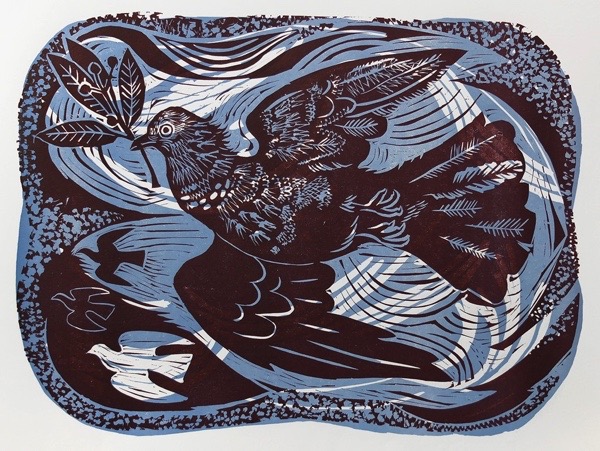
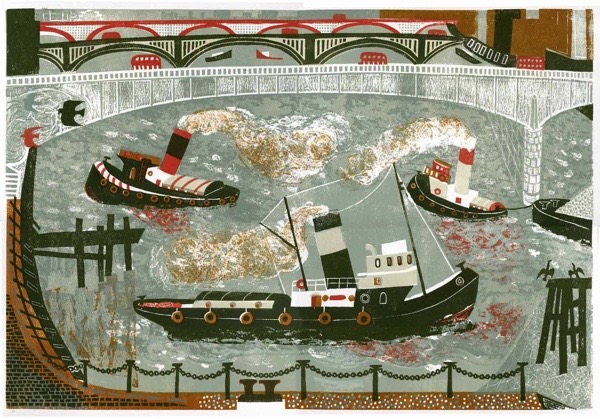
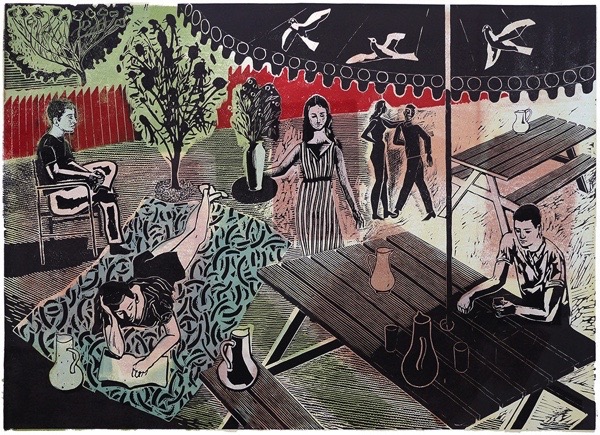
Our friends at St Jude’s, dealers in contemporary British prints, are staging an exhibition of some favourite printmakers – including Mark Hearld, who illustrated the first Spitalfields Life book – opening this Wednesday 23rd November at Bankside Gallery next to Tate Modern
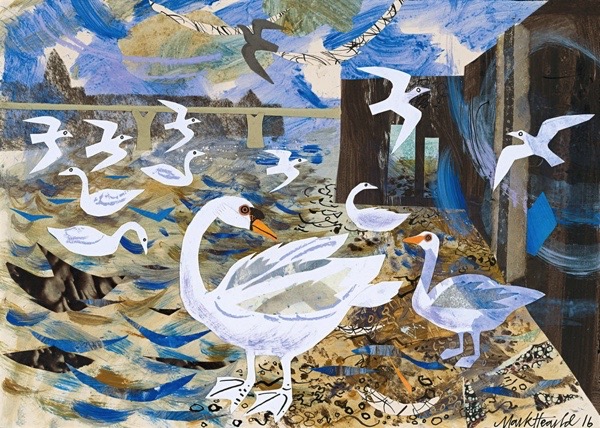
Swans on the Thames by Mark Hearld
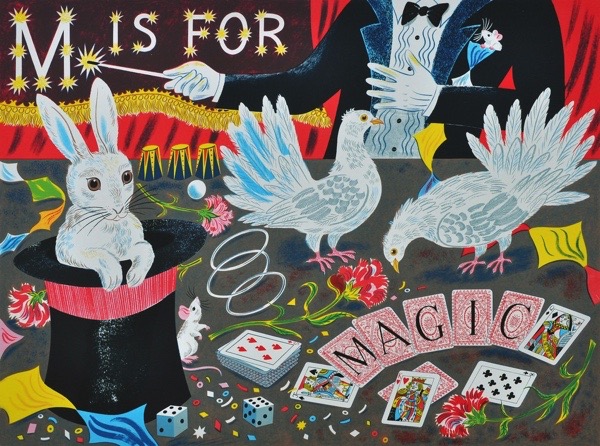
Magic by Emily Sutton
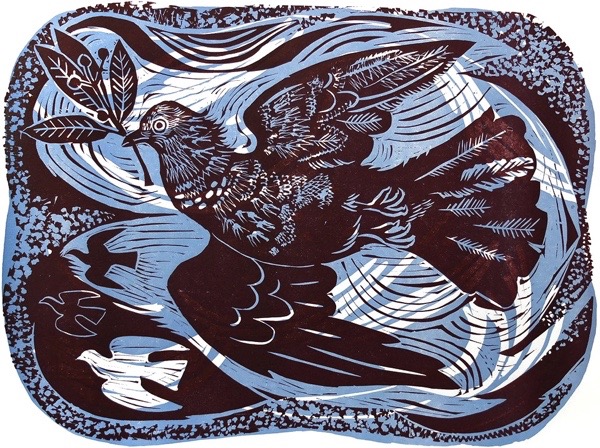
Pigeon by Mark Hearld
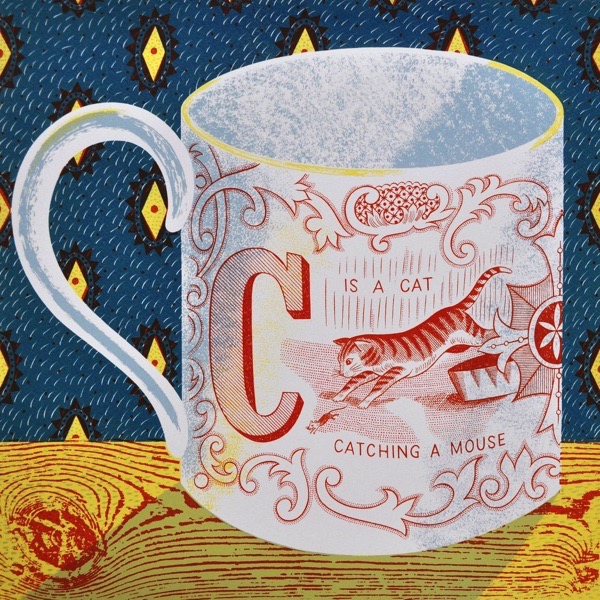
Catching a Mouse by Emily Sutton

Goat’s Beard & Grasses by Angie Lewin
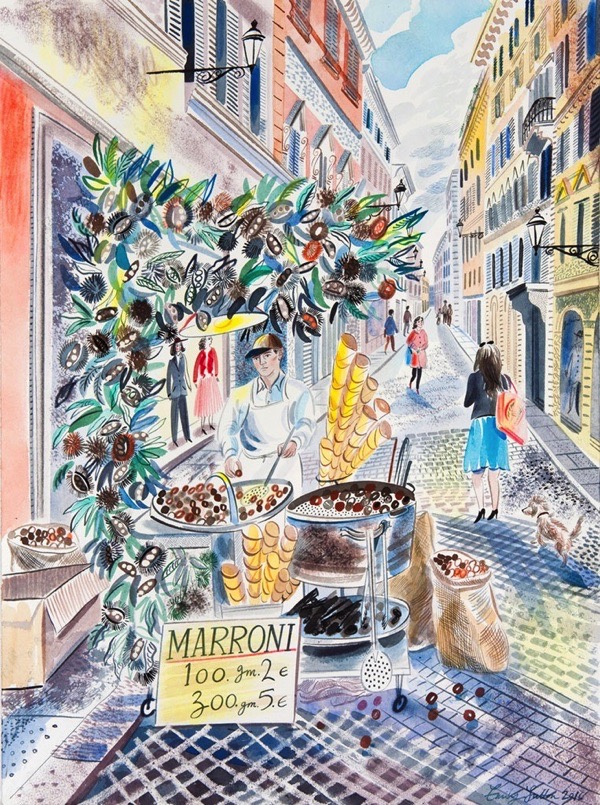
Chestnut Seller, Rome by Emily Sutton
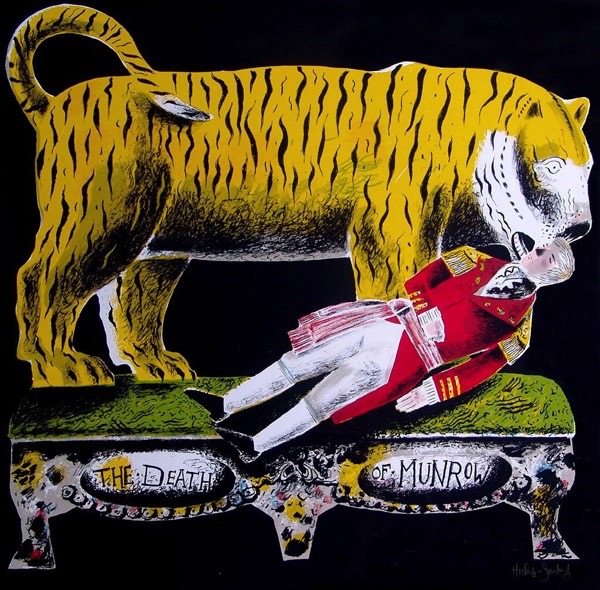
The Death of Munro by Clive Hicks-Jenkins

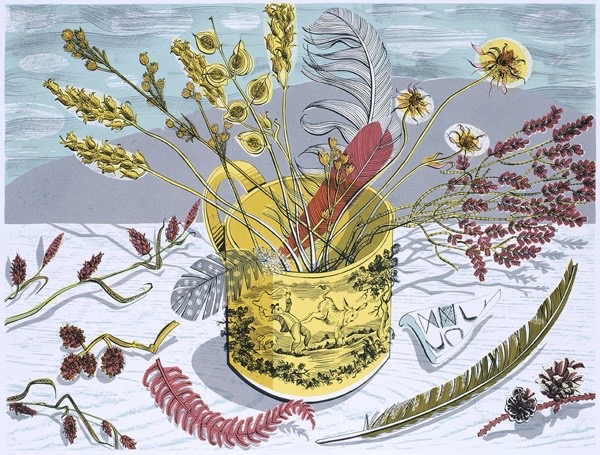
The Yellow Cup by Angie Lewin
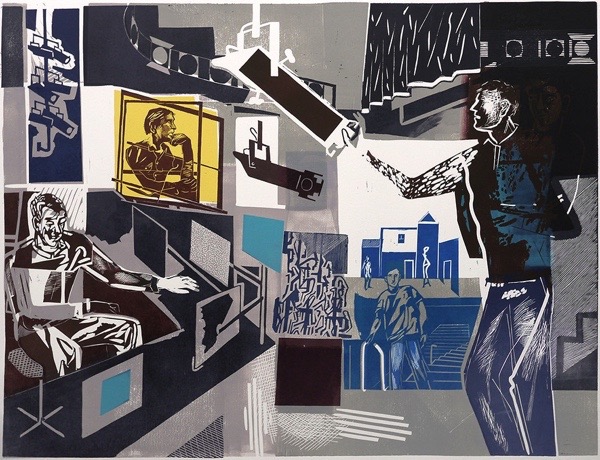
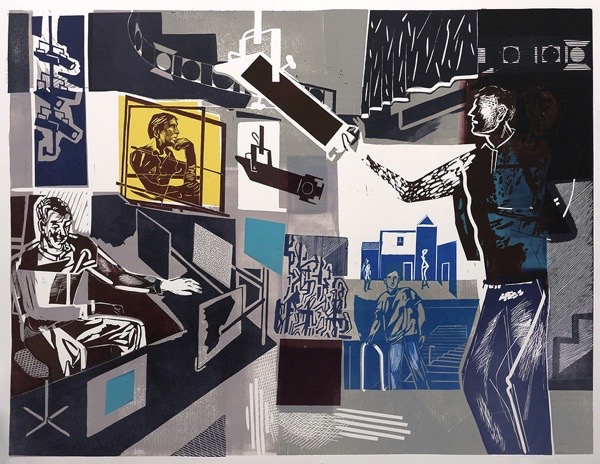
Theatre by Michael Kirkman
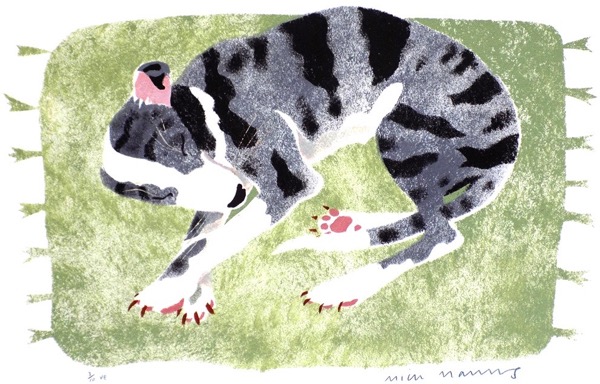
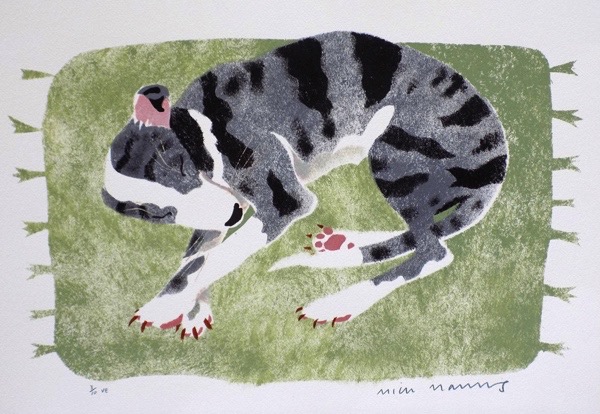
Blue Merle Lurcher Pup by Mick Manning
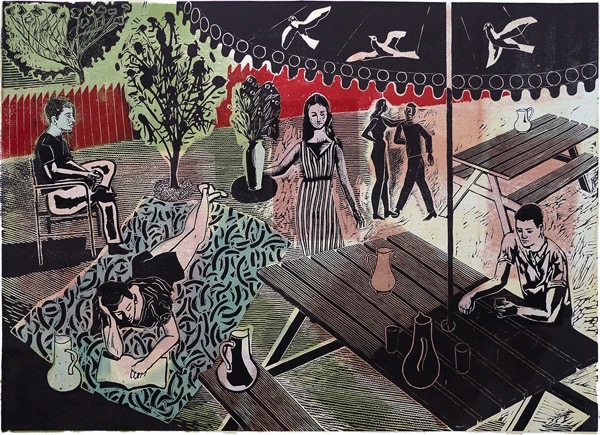
Waiting in the Afternoon by Michael Kirkman
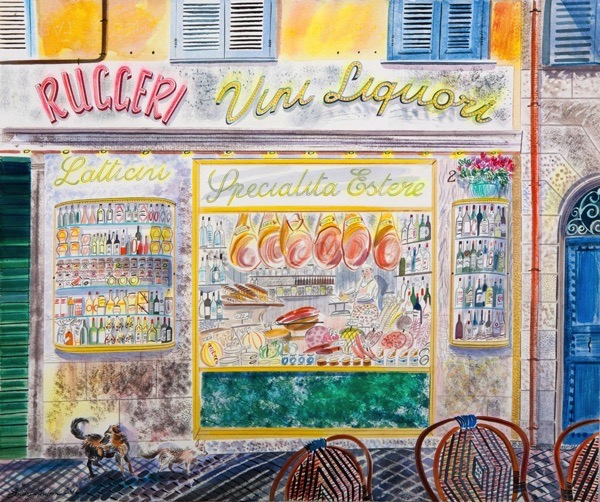
Specialita Estere by Emily Sutton
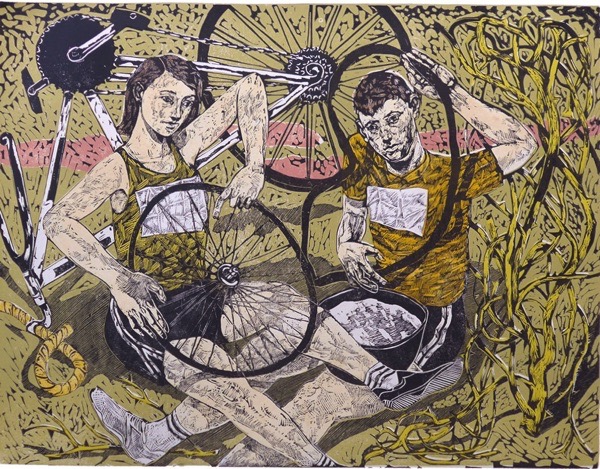
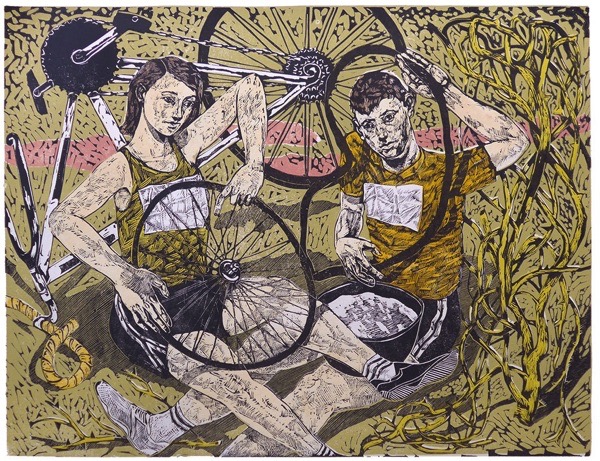
Puncture by Michael Kirkman
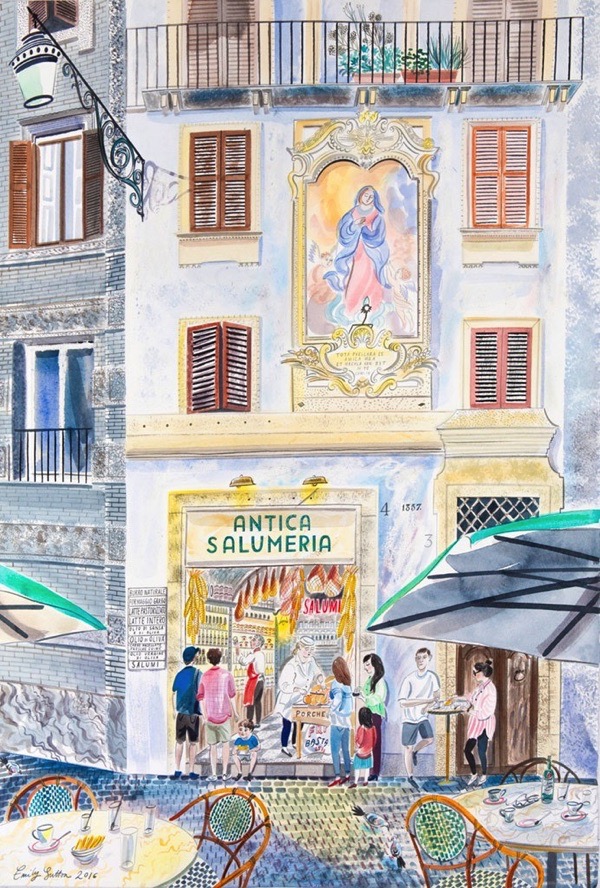
Antica Salumeria, Rome by Emily Sutton
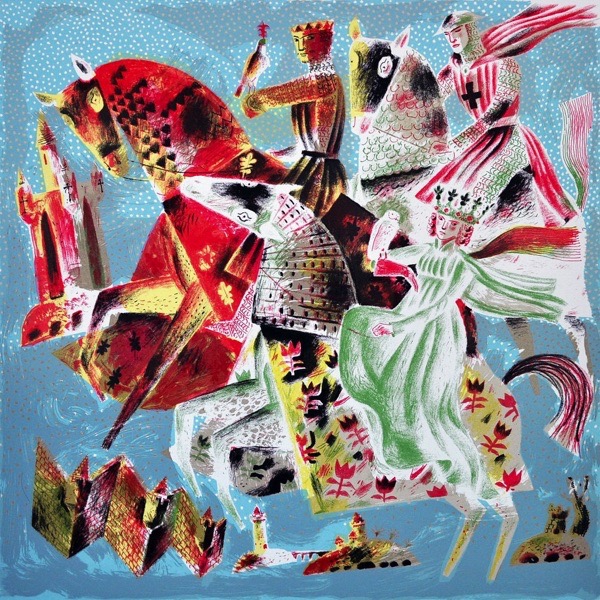
Christmas at Camelot by Clive Hicks-Jenkins
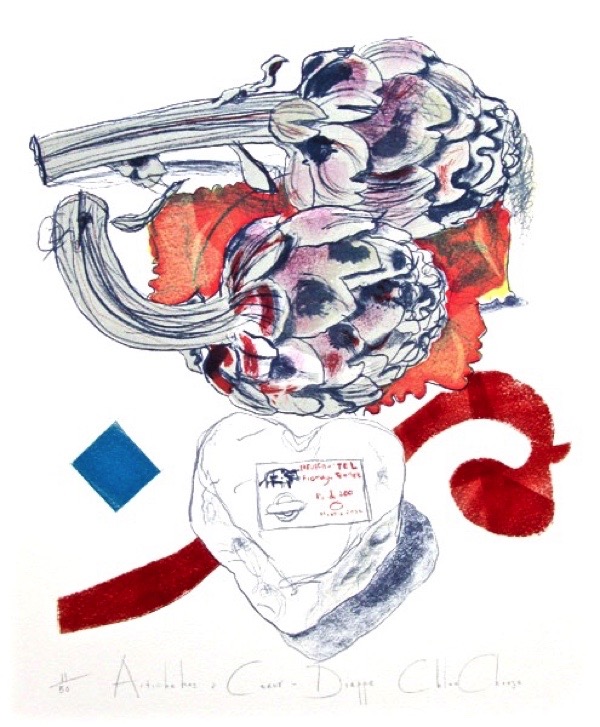
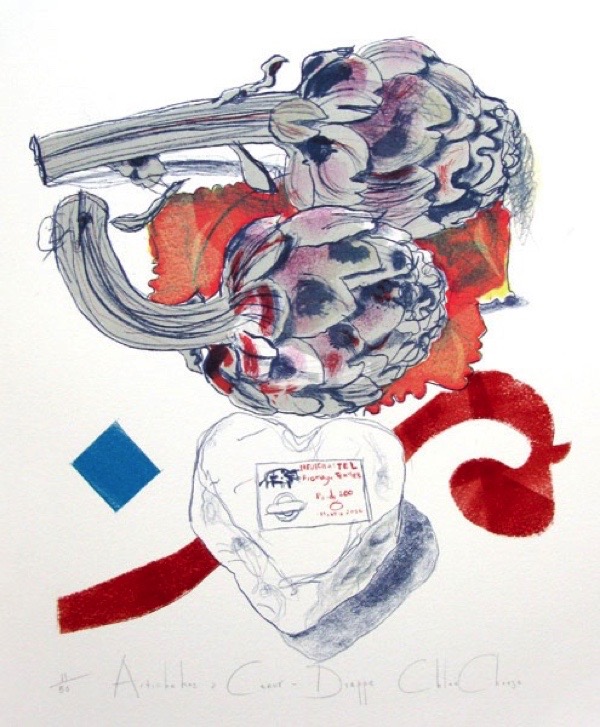
Artichokes & Cheese at Dieppe by Chloe Cheese
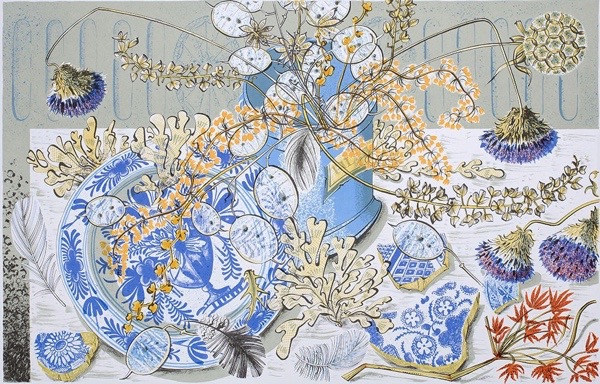
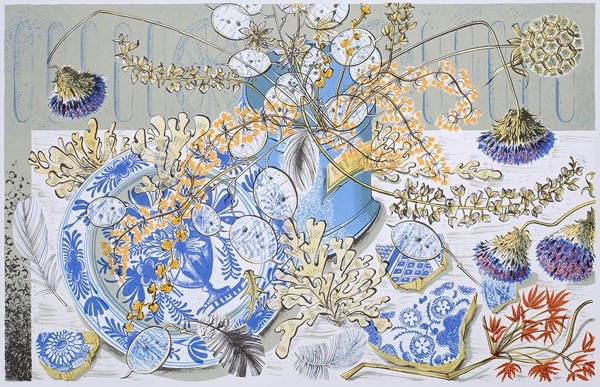
Honesty Blue by Angie Lewin
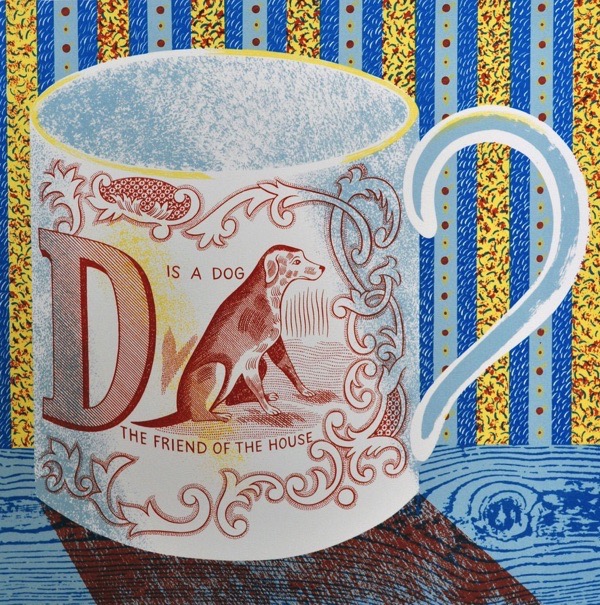
D is a Dog by Emily Sutton
St Jude’s in the City runs from 23rd November until 4th December at Bankside Gallery, 48 Hopton Street, SE1 9JH (next to Tate Modern)
A Big Send-Off For Colin O’Brien
Several hundred turned up for our Celebration of the Life & Work of Colin O’Brien at St James Clerkenwell on Thursday night but, for all of you who were unable to make it, Sebastian Sharples has made this short film to give a flavour of this memorable occasion
[youtube 0-nCQ50U98w nolink]
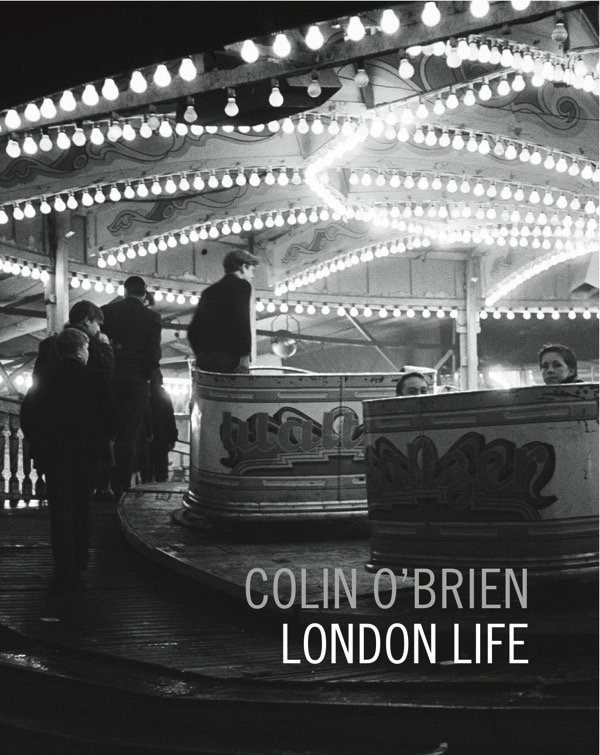
Thanks are due (in alphabetical order) to Baddeley Brothers for printing the cards, David Gill for operating the audiovisuals, Friederike Huber for devising the photographic sequence, Lucy Kerr for organising the event, Leila McAlister for catering the reception, and musicians Dan Mayfield and the Symposia String Quartet.
You may also like to read about