Doreen Fletcher’s New Exhibition
Readers will be familiar with the work of Doreen Fletcher whom I met in 2015, when she had hidden twenty years worth of paintings away in an attic, after giving up her work as an artist ten years earlier due to the lack of any interest in her pictures.
Subsequently, Doreen and her paintings have become acclaimed and this Friday 13th October, following the success of her debut show in 2016, she opens her second exhibition at Townhouse, 5 Fournier St, Spitalfields, which runs until 29th October.
Most excitingly, inspired by the immense positive response to her work, Doreen has started painting again and her exhibition, entitled IN BETWEEN, ALMOST GONE, is a mixture of old and new pictures.
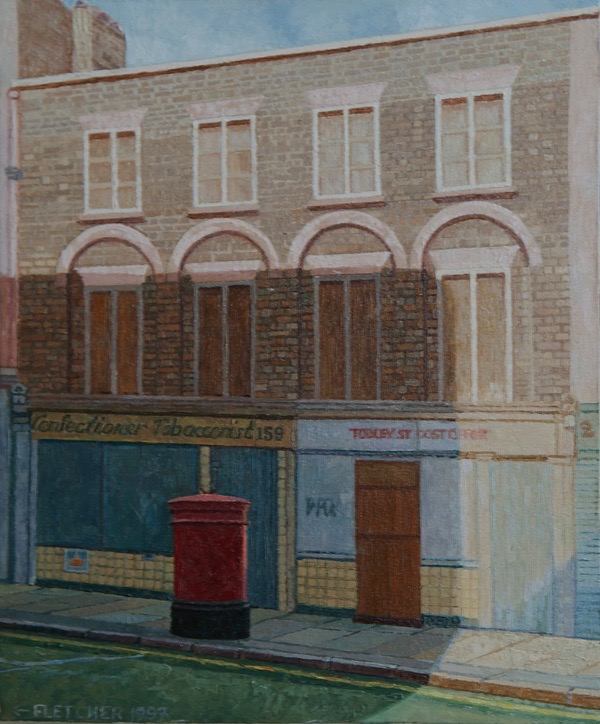
Postbox in Tooley St, 1997
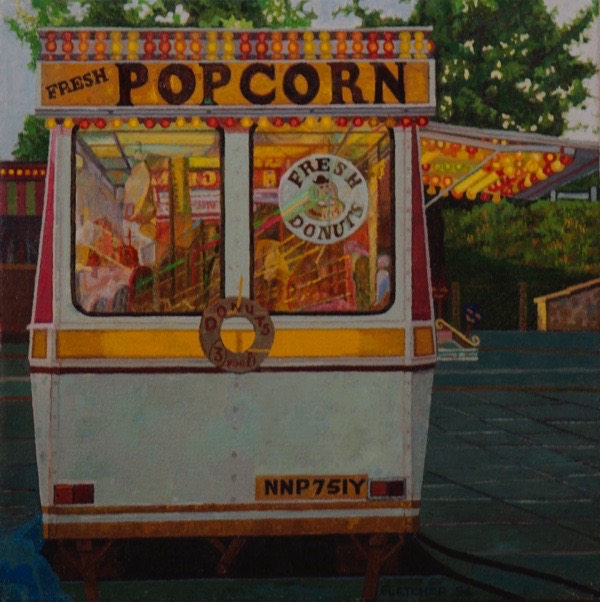
Popcorn Stand at the Wakes, 1994
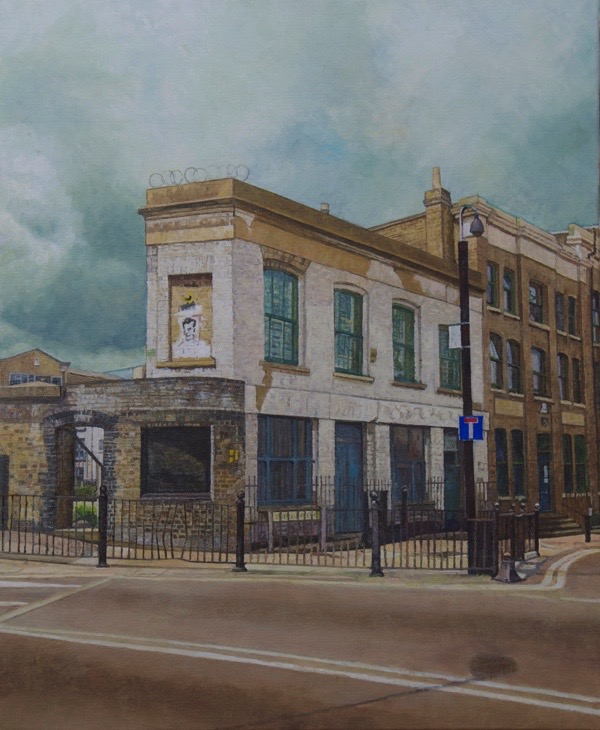
The Ragged School Museum, Copperfield Rd 2017
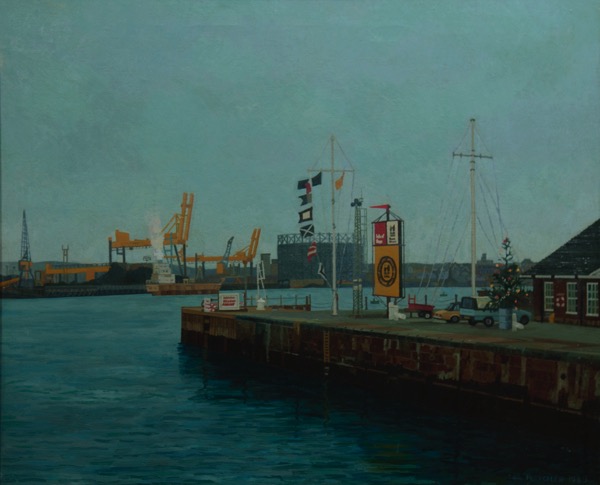
Thames Pier, Isle of Dogs, Boxing Day 1988
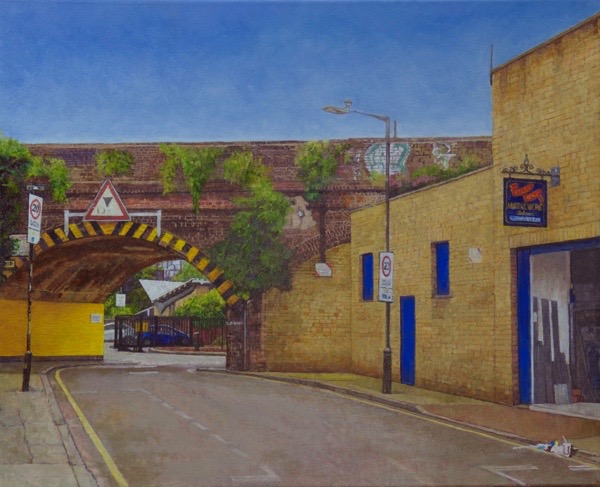
Metalworks, Chasely St, 2017

East End Dentist, 2017
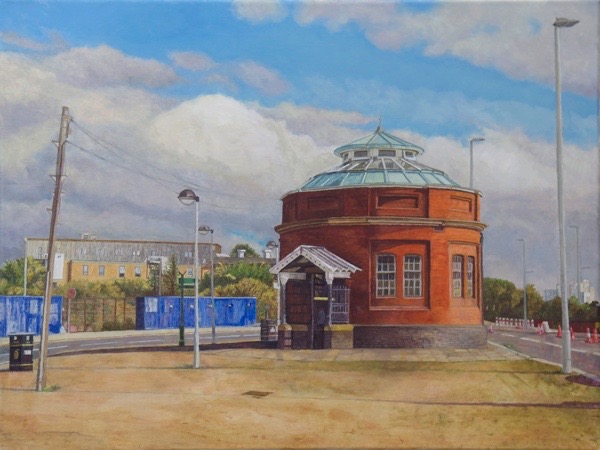
Foot Tunnel, Silvertown, 2017
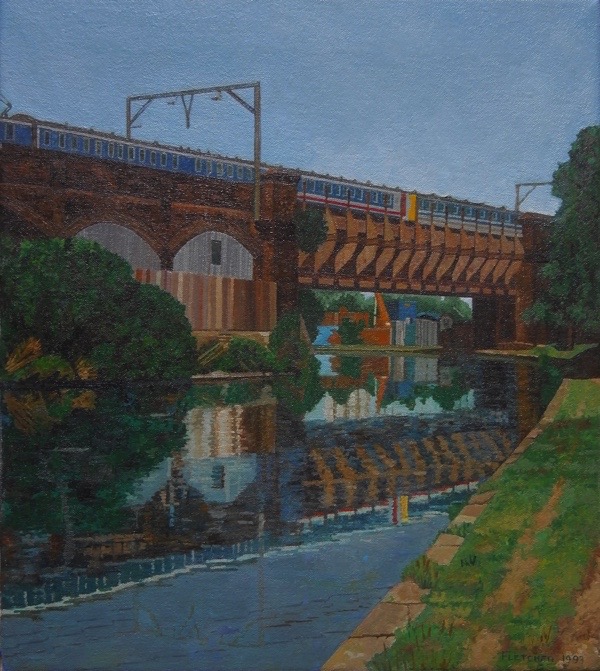
Train Over Canal, 1993
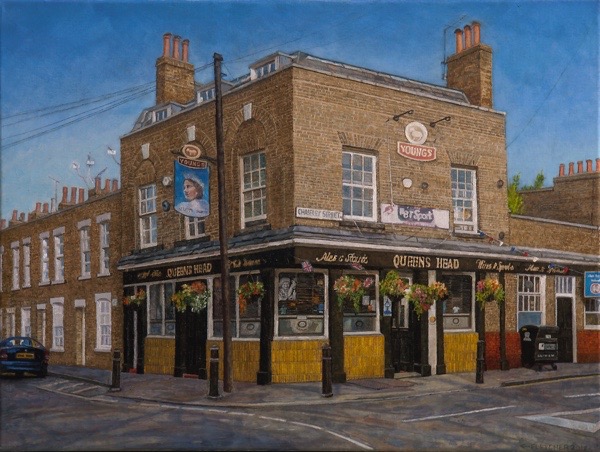
The Queen’s Head, York Sq, 2017
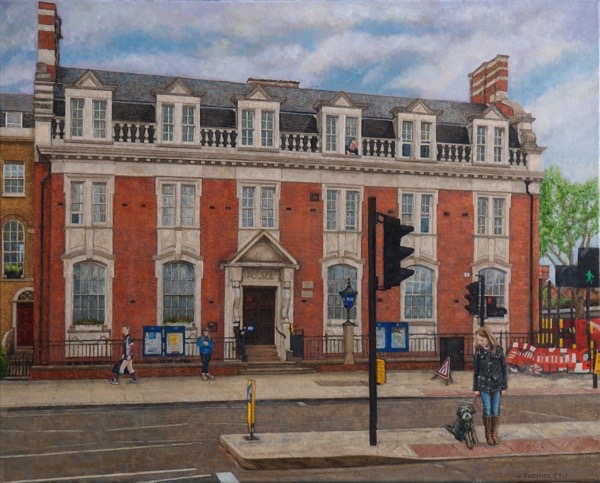
Bow Police Station, 2017

Road To Nowhere, 2013
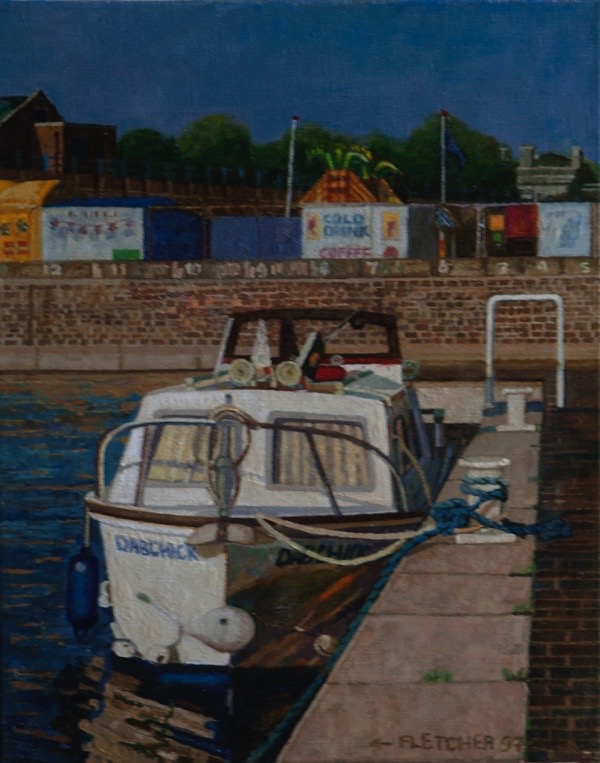
Summer in Limehouse, 1997
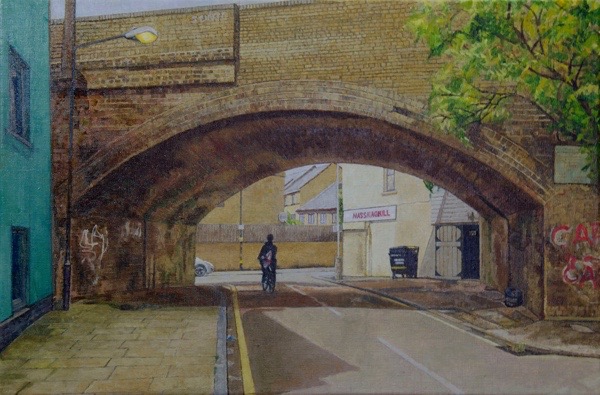
Massala Cafe, E14, 2017
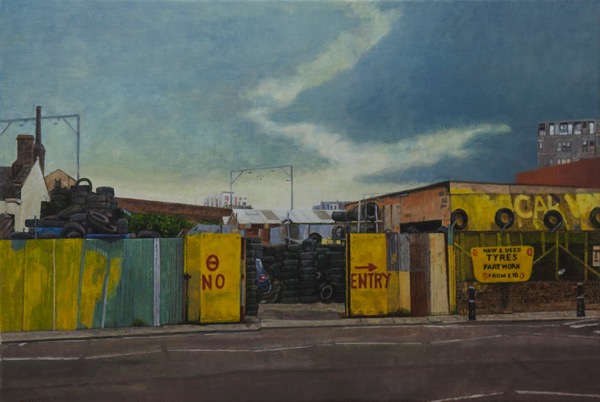
Carwash, Salmon Lane, 2017
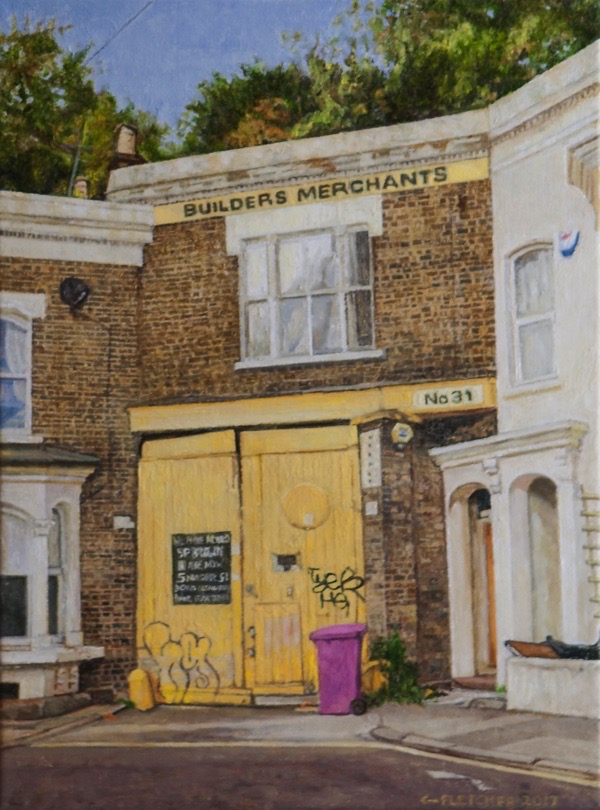
Browns, We Have Moved, 2017
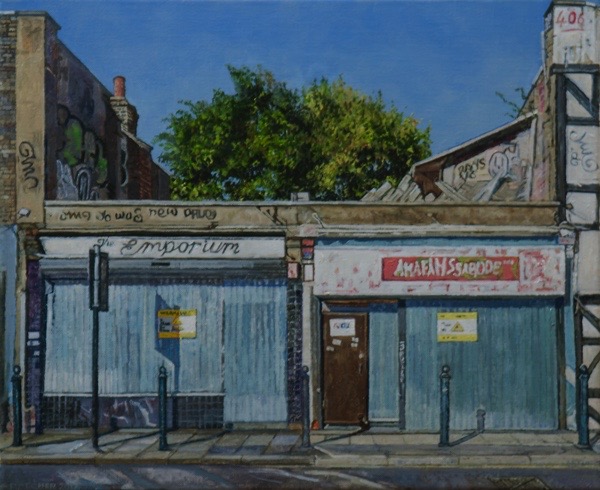
Emporium, Commercial Rd, 2017
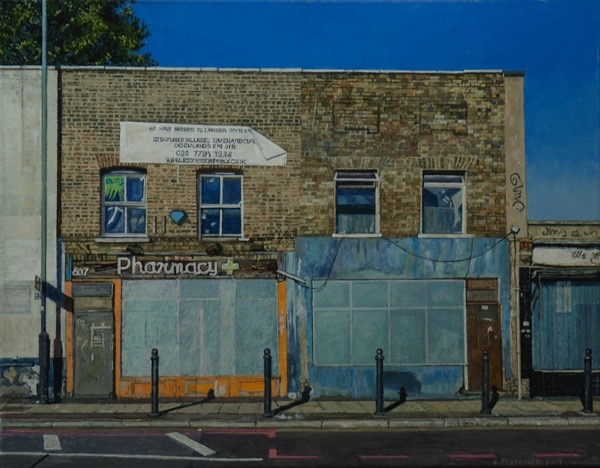
Pharmacy, Commercial Rd, 2017
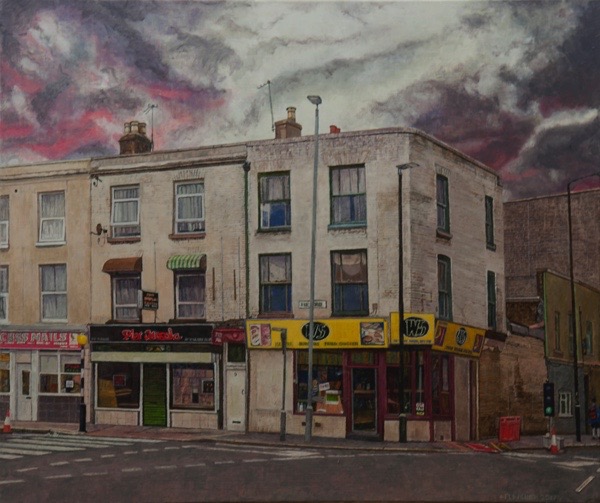
Fried Chicken Shop, 2017
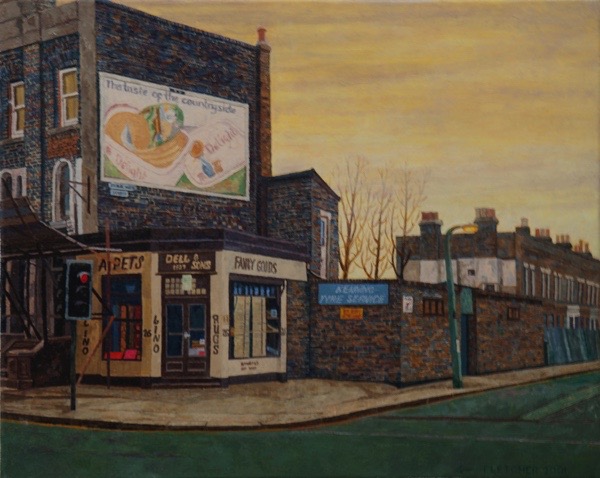
Lino Shop, 2017
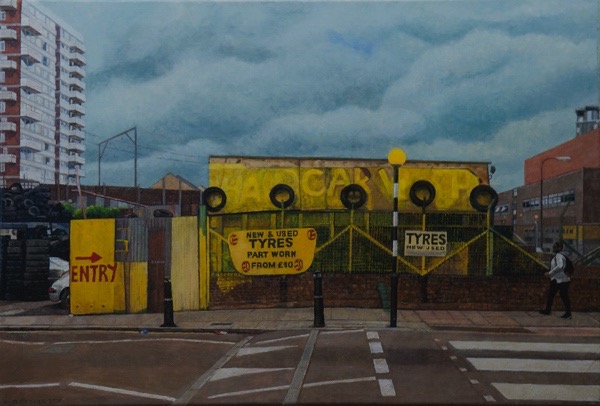
Tyre Shop, Salmon Lane, 2017
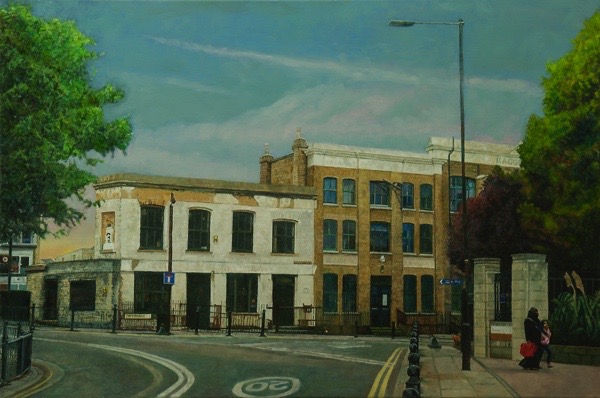
Dr Barnardo’s, Copperfield Rd 2017
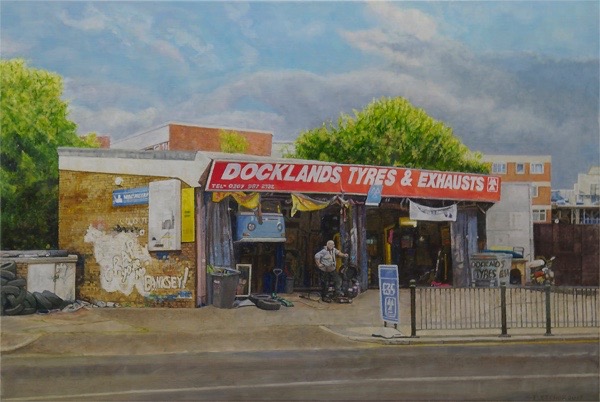
‘Your no Bansky!’ Docklands Tyres & Exhausts, Commercial Rd, 2017
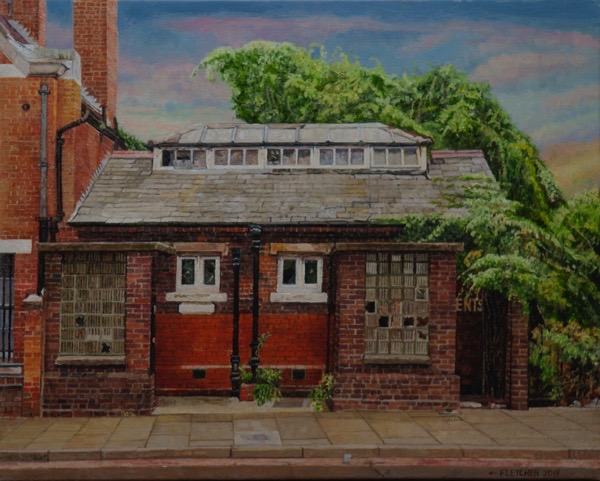
The Little Cottage, Silvertown, 2017
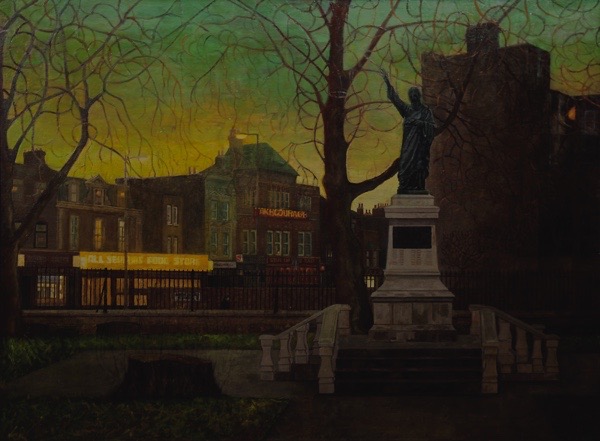
Twilight, St Anne’s Churchyard, 1998
Paintings copyright © Doreen Fletcher
Doreen Fletcher’s work is featured in EAST END VERNACULAR, Artists who painted London’s East End streets in the 20th century
You may also like to read about
Bert Hardy, Photographer
Continuing his series of profiles of photographers who pictured the East End in the twentieth century, Contributing Writer Mark Richards explores the photography of Bert Hardy

Father Joe Williamson, Cable St, 1940
Bert Hardy is the quintessential London photo journalist – confident, skilled and fearless. He was the lead photographer for Picture Post for nearly two decades until it closed in 1957 and won numerous awards. His series ‘Fire Fighters!’ won him his first named credit in Picture Post and he followed this up with a number of equally celebrated series such as ‘East End at War’ and ‘Life in the Elephant.’
When Stefan Lorant came to London and established Picture Post, he revolutionised photo journalism in this country, establishing a format that endured long after he stopped being editor in 1940. The unique character of Picture Post was its ability to tell stories through a balance of photography, captions and text which was immediately accessible to all readers. It reached a circulation of nearly two million and, at the peak, it was estimated that it was read by nearly half of the adult population of Britain.
Lorant’s publications (Weekly Illustrated, Lilliput, Picture Post) gave exposure to many well-known photographers including Brassaï, Bill Brandt and Henry Cartier-Bresson, as well as less well-known but equally accomplished photographers such as Kurt Hutton, Wolfgang Suschitzky and Thurston Hopkins. However, if one photographer encapsulated the spirit of Picture Post it was Bert Hardy.
Hardy was a firmly grounded and talented documentary photographer. The strength of his work lay in his ability to capture a moment, put people at their ease, marshal a crowd, and get in there and take the photographs that others would miss. By all accounts, he was a photographer who would run toward danger rather than from it if that was needed to get the photograph.
Born in May 1913 in Priory Buildings, Webber St just off the Blackfriars Rd, Bert Hardy’s personal confidence and courage was legendary, which perhaps came from being the eldest of seven children and growing up as a Cockney in early twentieth century London. He left school at the age of fourteen and worked for a developing and printing company. This was the start of a long and remarkable career working with film, first as a developer and printer and then as a self-taught freelance photo journalist.
Shortly after beginning work at the Central Photographic Service, he decided to do his own work on the side and set up a processing unit at home. Then he decided to try his hand at photography, having heard that it could be quite lucrative. He purchased an old plate camera from a pawnbroker and that was the beginning of his photographic career.
His first commercial photograph was of the King and Queen on Blackfriars Rd, where he famously used his sister’s head as a rest for the heavy plate camera. After selling two hundred copies of the picture as a postcard, Hardy decided that photography was for him and began photographing people in pubs, on outings and on the street, then selling them the pictures as a way of making money.
As his career developed, it became clear that Bert Hardy was a natural with a camera and this was complemented by his easy way with people and his bold approach to getting a photograph. In 1936, he began working as a freelance photographer with the General Photographic Agency and his photographs began to appear in the Daily Mirror, Weekly Illustrated, and the Illustrated London News among others. Many of the photos were unattributed with the photographer simply being recorded as a ‘stringer,’ yet his reputation began to be established quite early on as someone who enjoyed working under pressure and could produce quality photographs quickly and at a high volume. By 1940, Bert had become a rising star at Picture Post and a whole series of commissions followed, leading to him becoming their top photographer.
He risked his life regularly when photographing the Blitz in London and captured a whole series of photographs of the city burning and of the heroic firefighters dealing with the aftermath. It was an approach that defined him as a photographer both in London and when covering the Second World War in Europe (he was a sergeant in the British Army Film Unit from 1942 to 1946) as well as wars in Korea and elsewhere.
In retrospect, his work now provides us with a unique record of everyday life in London and elsewhere. In particular, his series Life in the Elephant has a quality reminiscent of the work by John Thomson in Street Life in London some seventy years earlier. Bert Hardy had an empathy with his subjects that draws out their humanity and you feel as though you could step through his photographs into the scene.
Bert Hardy’s photographs of the Gorbals in Glasgow in 1948 were one of his most striking series. He was sent there by the Picture Post along with Bert Lloyd to do a follow-up of the commission that was originally given to Bill Brandt. Brandt’s photos were considered too abstract and did not show to the genuine poverty of the area. Picture Post needed someone with a different approach to bring out the essence of the Gorbals. In typical daring fashion, Bert Hardy persuaded the locals to let him photograph some of their living conditions directly. As always, he had his camera pre-set to middle-distance focus – just in case he spotted a potential photograph – when he suddenly came across two urchins in the street. This became the defining image of that series and won a prize from the Encyclopaedia Britannica.
One of Bert Hardy’s most famous photographs was a racy picture of two young women sitting on the railings at Blackpool – the Blackpool Belles. It is instantly recognisable as one of the most loved images of that era and many believe it was spontaneous. Like most similar images, it was staged. Yet the surprising thing about this photograph is not the set-up but the fact that he took it using a Box Brownie camera rather than his usual Leica. He did this to illustrate that it is not the camera that makes a great photograph but the photographer. In his account of this in ‘My Life’ Bert Hardy said:
“With a standard-issue Box Brownie and a close-up lens plus yellow filter and an improvised cardboard viewfinder, I roamed the Golden Mile looking for suitable subjects. In the end, I got a couple of showgirls from the pier theatre to help me. The picture I eventually took of the two girls sitting on the railings with their skirts blowing up has been one of my most popular photographs.”
The woman in the spotted dress was a ‘Tiller Girl’ called Pat Stewart who was wearing a bathing costume under the dress. The striped costume was prominent in the original photograph and was airbrushed away in the darkroom leading to much speculation as to what she was wearing under the dress, if anything at all! The picture has become one of those that is often reproduced without being attributed to the photographer.
When Edward Hulton took over as Editor in 1953 it was the beginning of the end for Picture Post which went into terminal decline, closing in 1957. It was the close of an era for photo journalism in Britain. Hulton blamed its failure on the arrival of television but poor editorial decisions by him and a change of focus in 1953 were significant factors. Although he was kept on doing other work for Hulton publications, Hardy moved into photography for advertising where he had great success and work flowed in.
Then, in 1964, Bert Hardy chose a complete change of direction and bought a farm in Oxted, Surrey. He still kept his printing business going but became a farmer and lived on the farm for the rest of his life. Even as a farmer, he still lectured on photography and was also made a Fellow of the Royal Photographic Society. By all accounts, these were happy times but London had lost one of its most influential photographers. In 1995, he suffered a heart attack which proved fatal but his spirit lives on through his work which has stood the test of time.
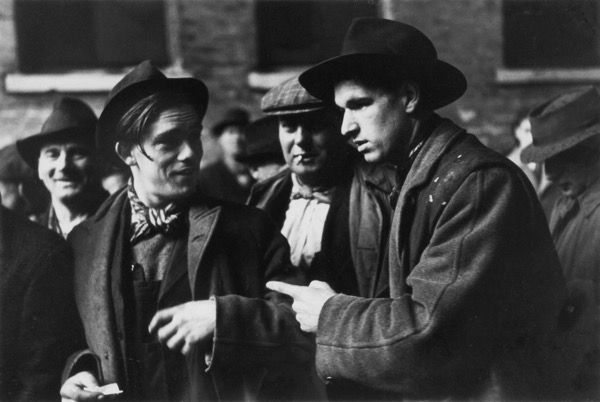
Cockney Life in the Elephant & Castle, 1948
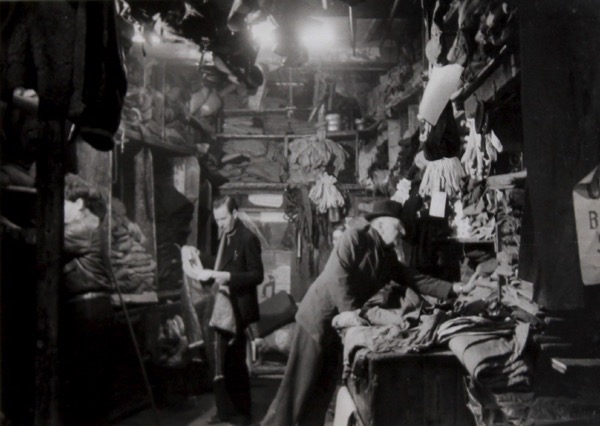
Fabric shop at the Elephant & Castle, 1948
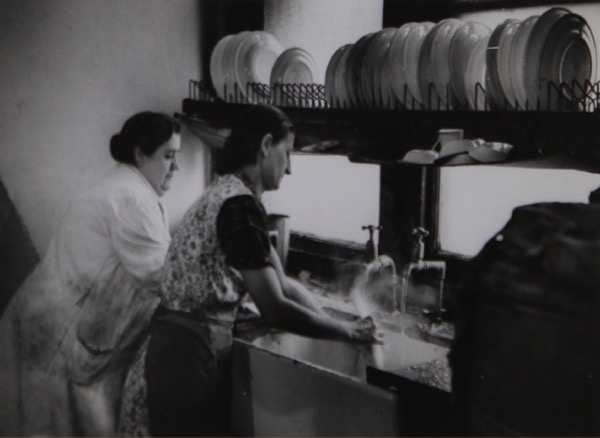
Dishwashers, Life in the Elephant, 1948
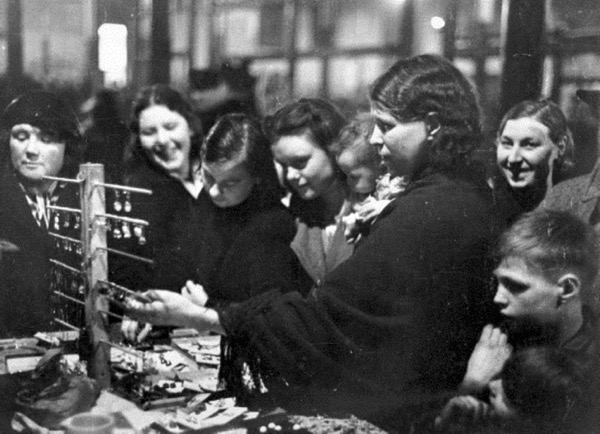
Shopping for jewellery, Life in the Elephant, 1948
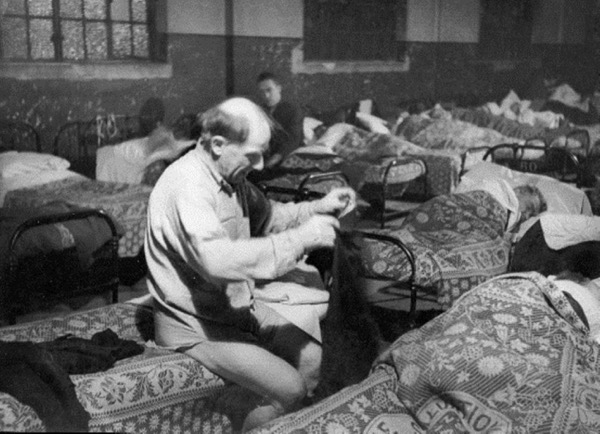
Homeless shelter, Life in the Elephant, 1948
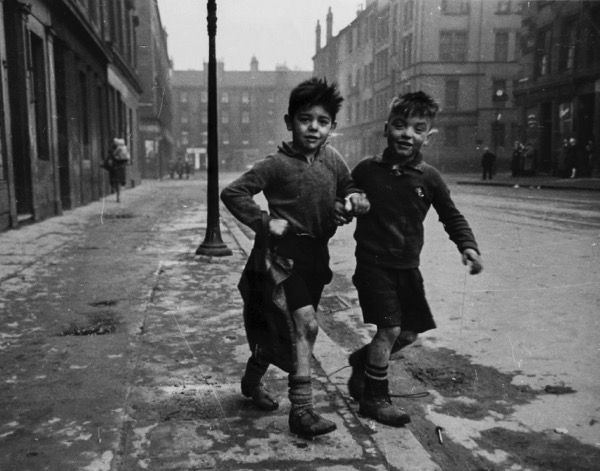
Gorbals boys, Glasgow, 1948
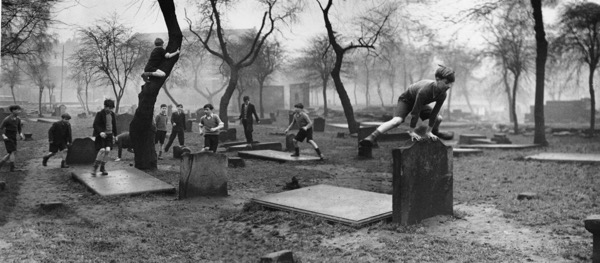
Game of Stones, Gorbals, Glasgow, 1948
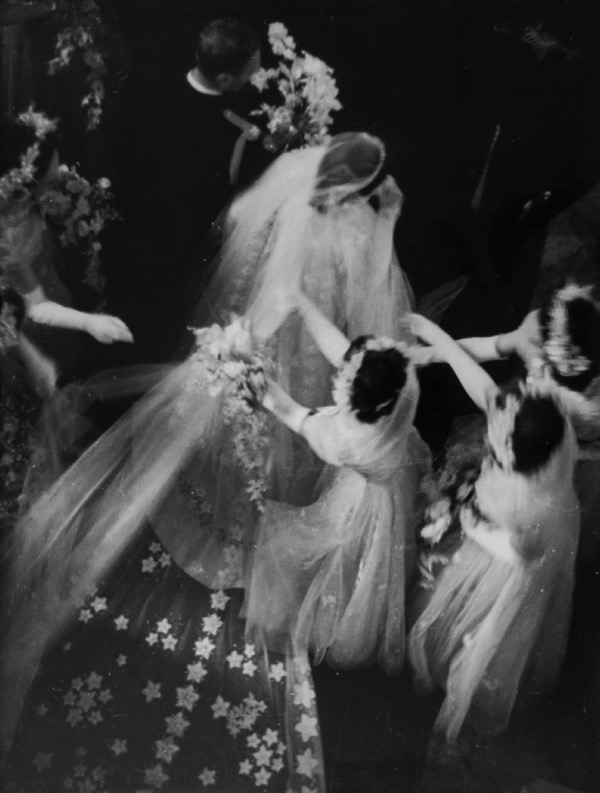
Royal Wedding – King George VI with the bride, Princess Elizabeth 1947
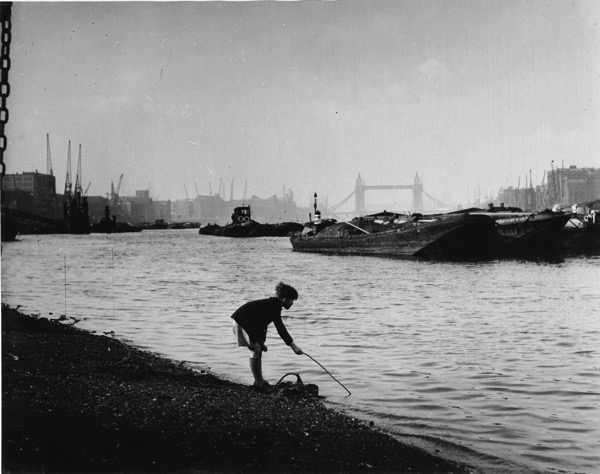
The Pool of London, 1949
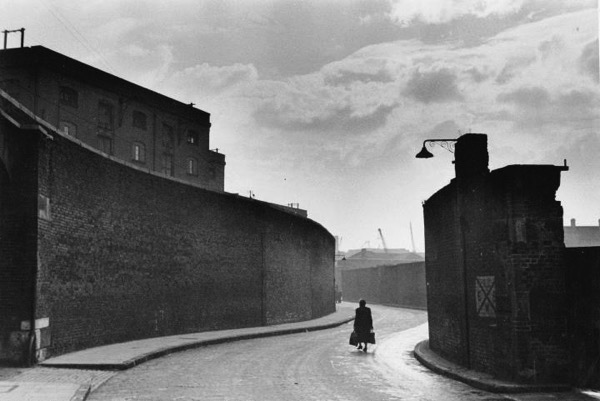
Docks near the Pool of London, 1949
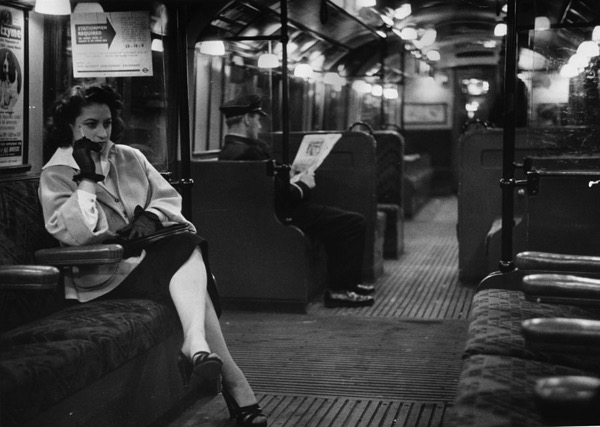
Woman on the London Underground, 1952
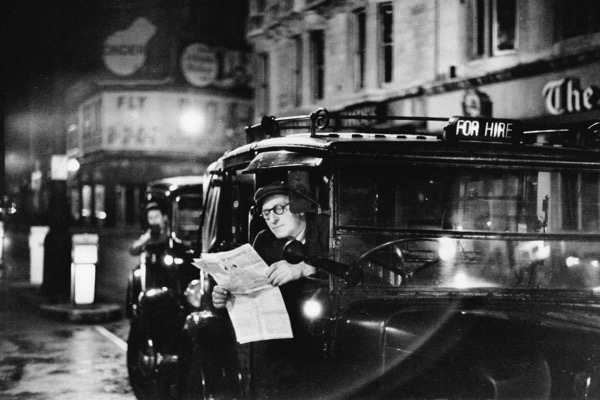
Piccadilly, 1953
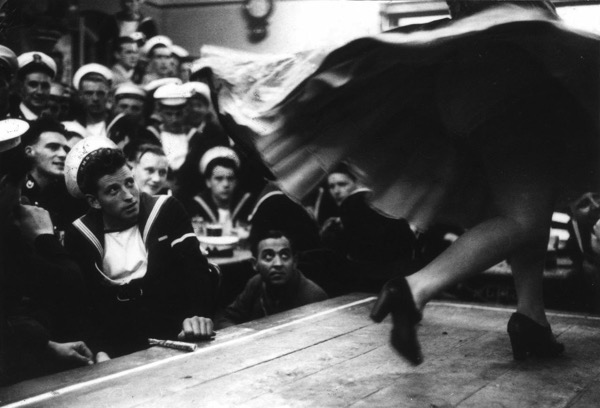
The combined fleets ashore, Gibraltar, 1954
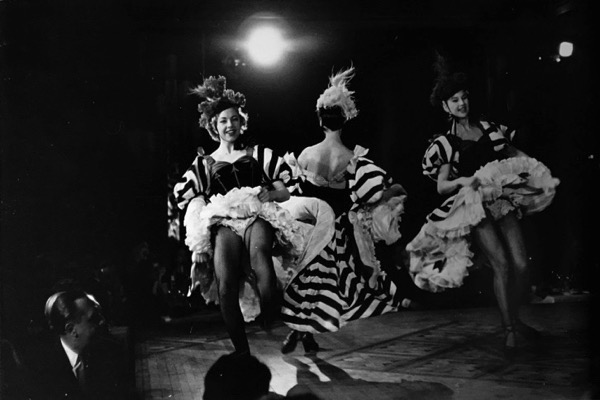
The Bluebell Girls on stage, 1954
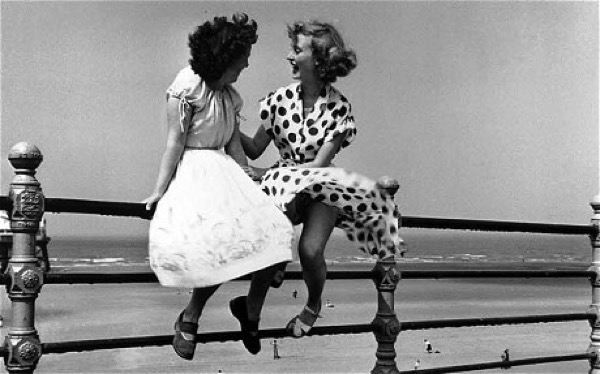
Blackpool belles, 1951
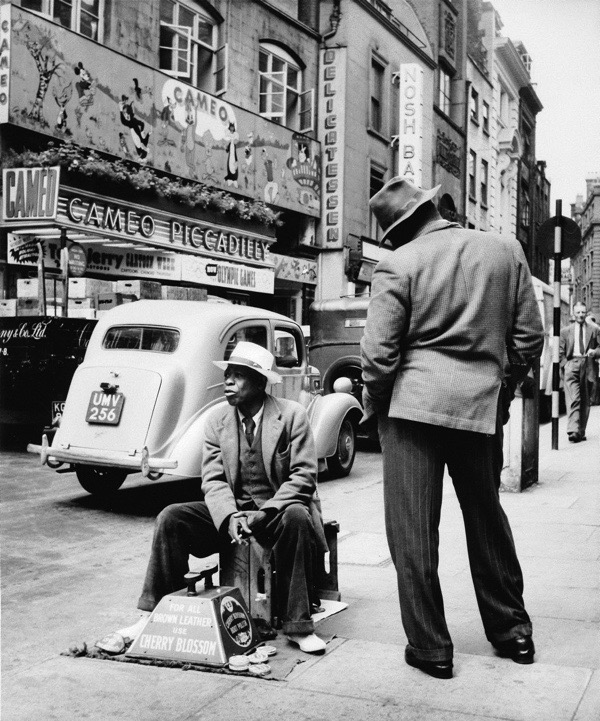
Shoe shiner, Piccadilly, 1953
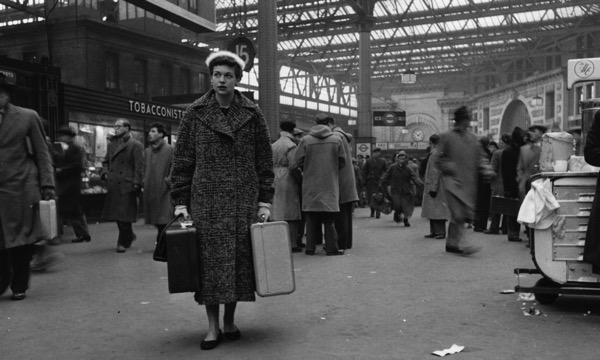
Loneliness in London, Katherine Whitehorn as a new arrival at Waterloo, 1956
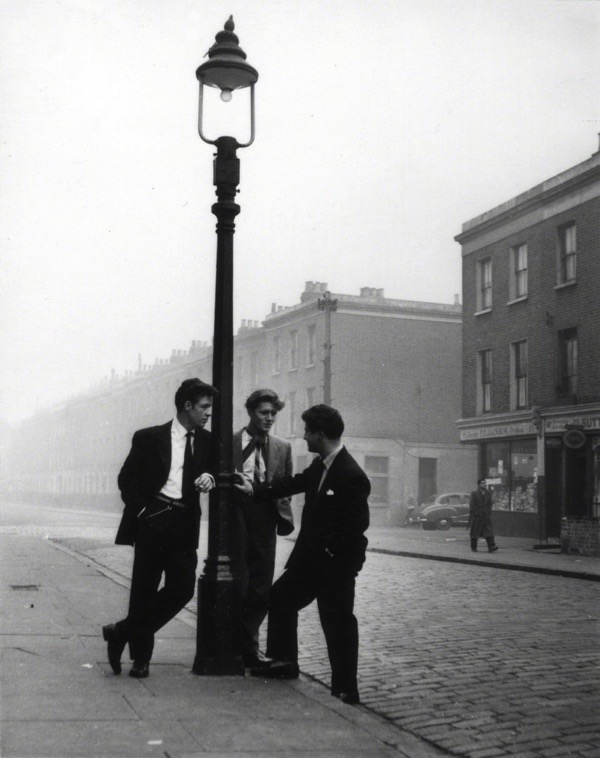
Too Many Spivs, Notting Hill, 1954
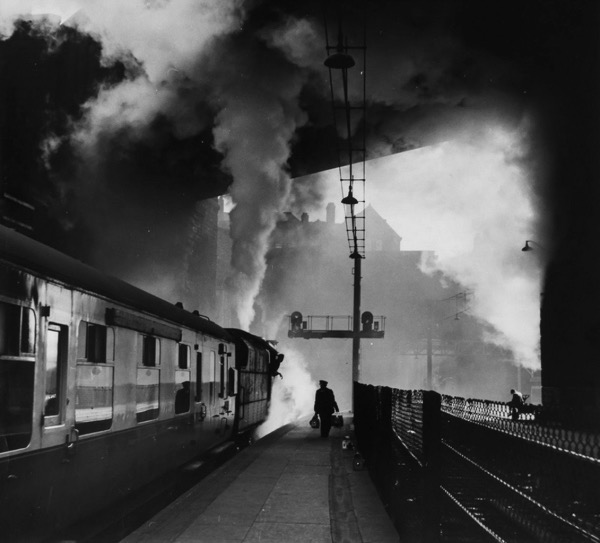
Liverpool, 1950
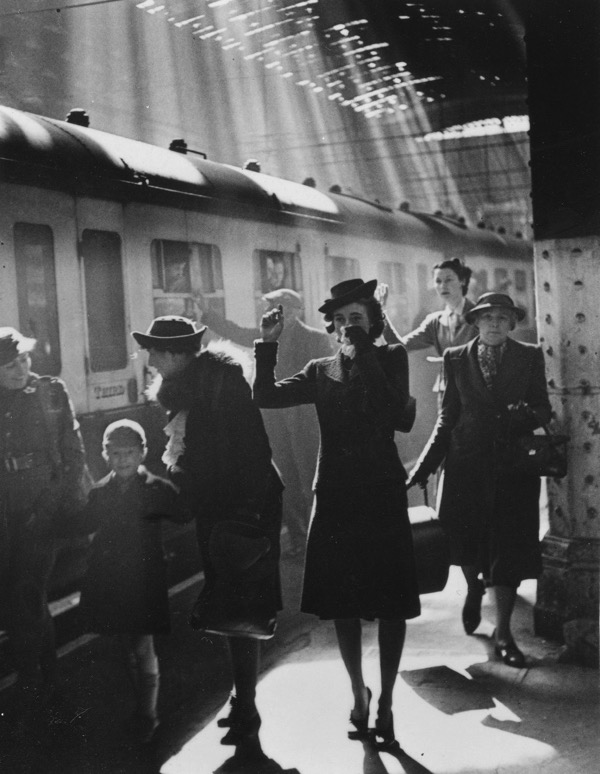
Saying goodbye to a loved one, Paddington Station, 1940
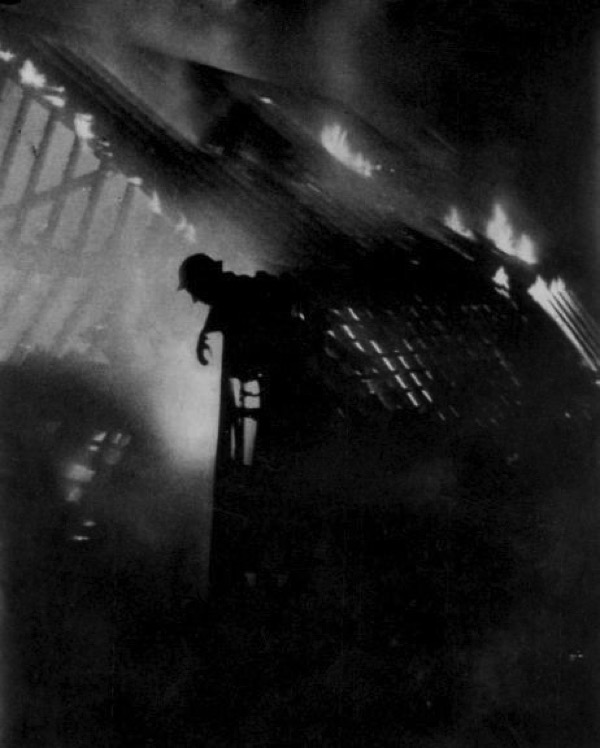
Firefighters during the London Blitz, 1941
Photographs copyright © Estate of Bert Hardy
You may also like to read about
Edith Tudor-Hart, Photographer
Dan Jones’ East End Portraits
In recent years, Dan Jones has painted a magnificent series of portraits from different eras for East End Tales by the Speed History Writers Group. Many of these are well known but others less familiar, so you can click on any of the names below to learn more about the subjects. Click here to book for SPEED HISTORIES at Bishopsgate Institute this Wednesday 11th October
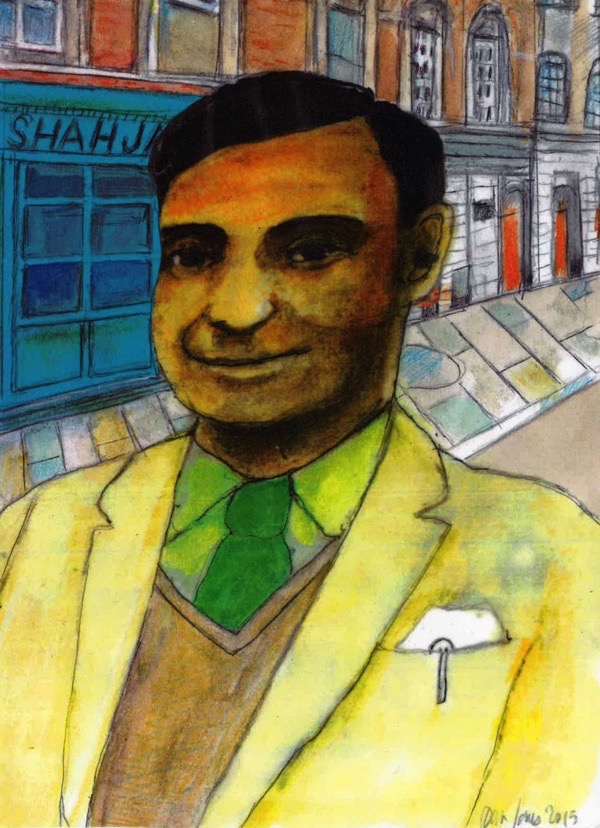
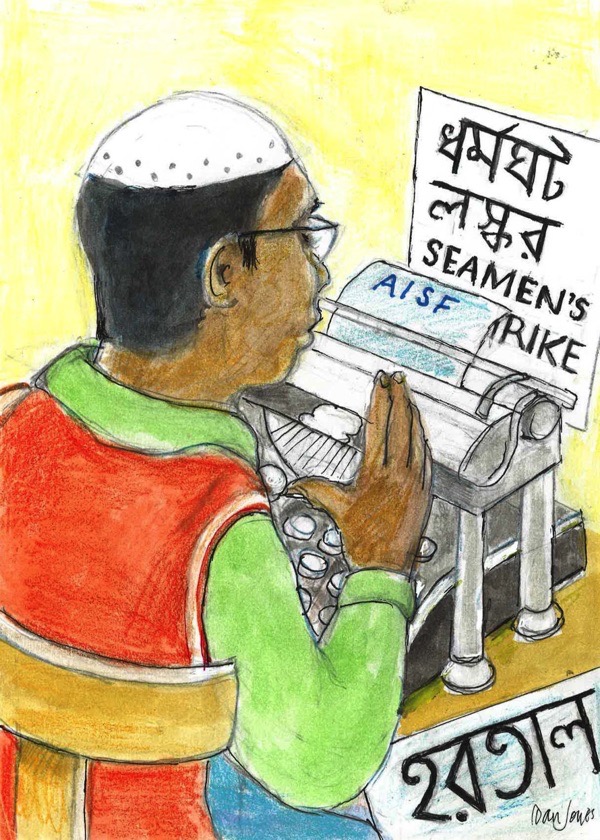
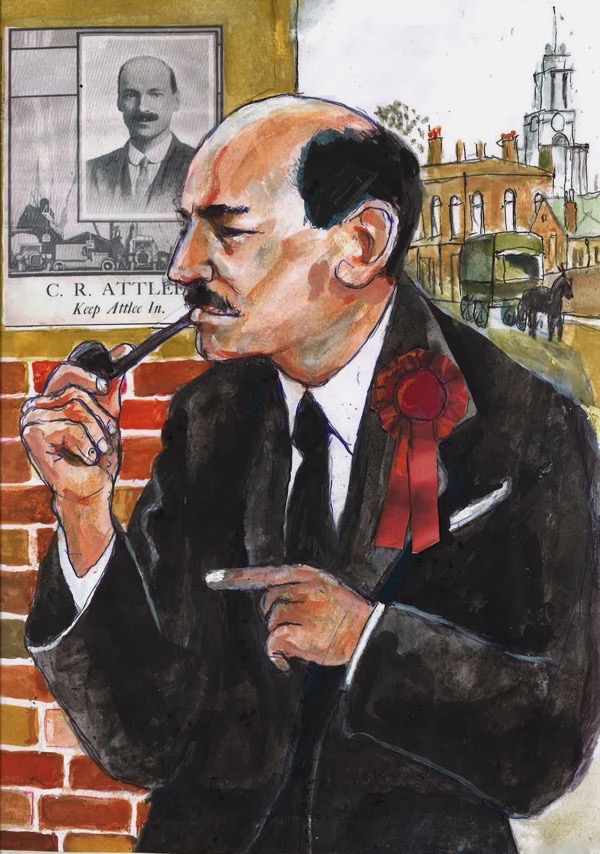
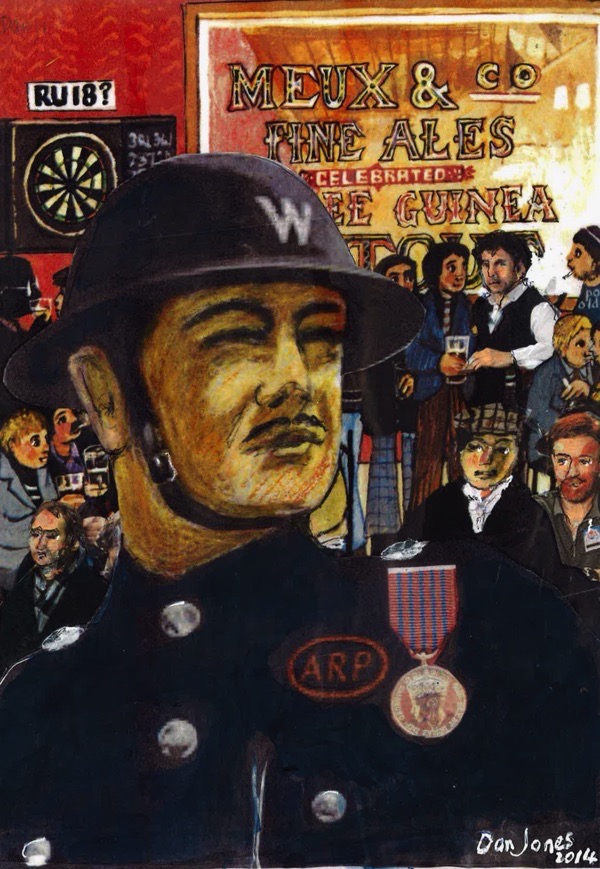
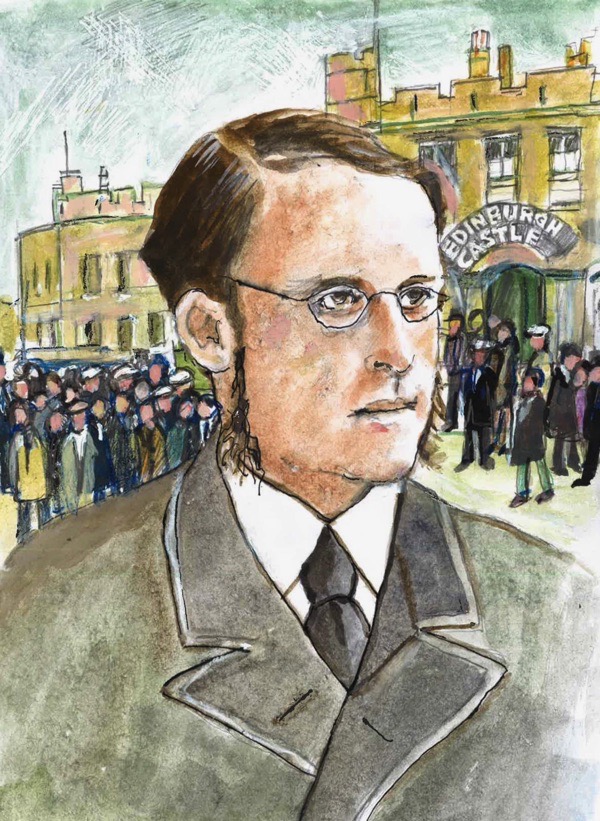
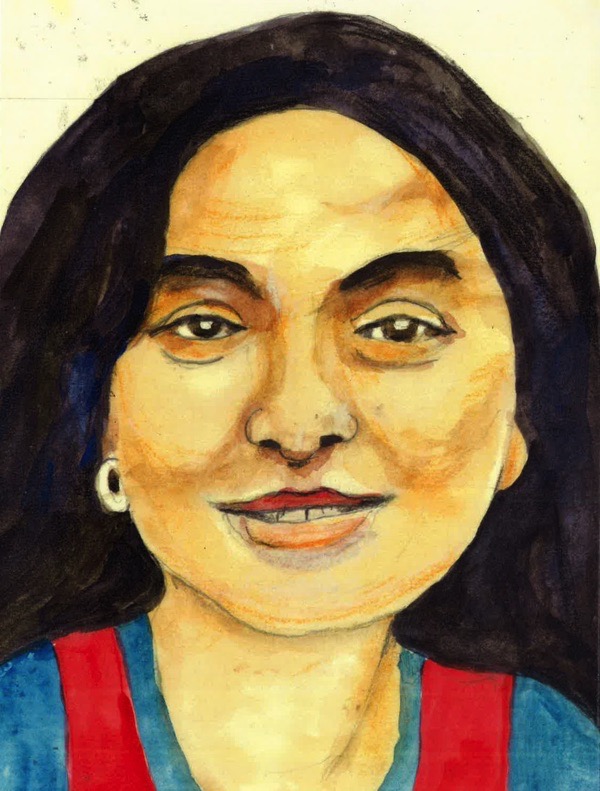
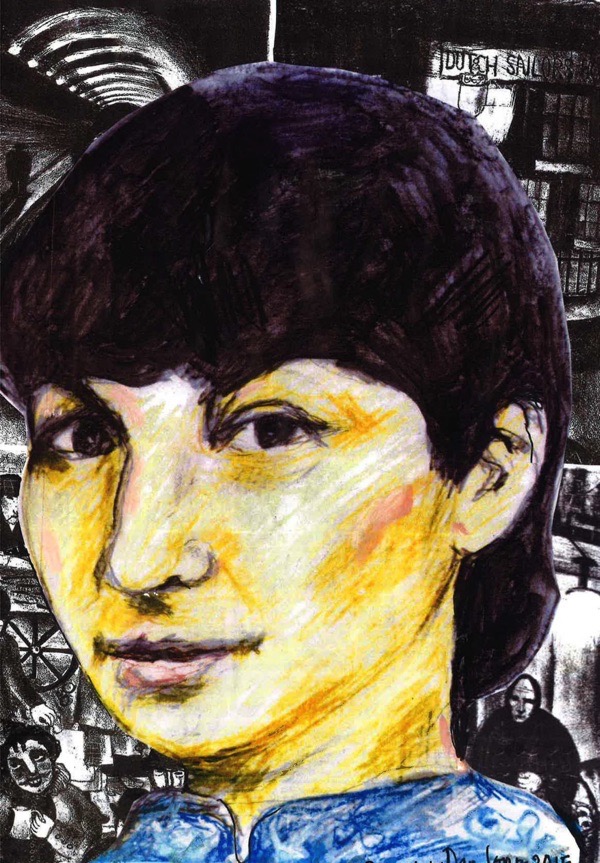
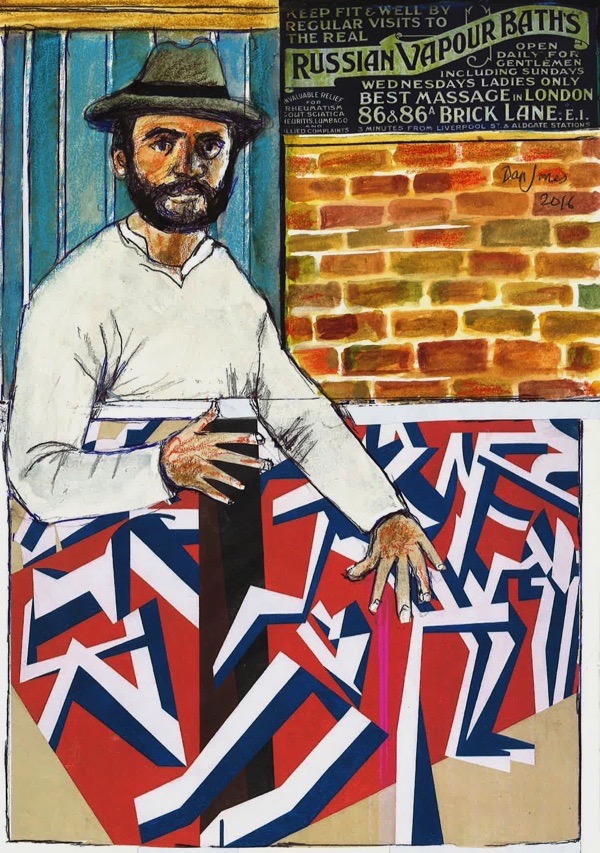
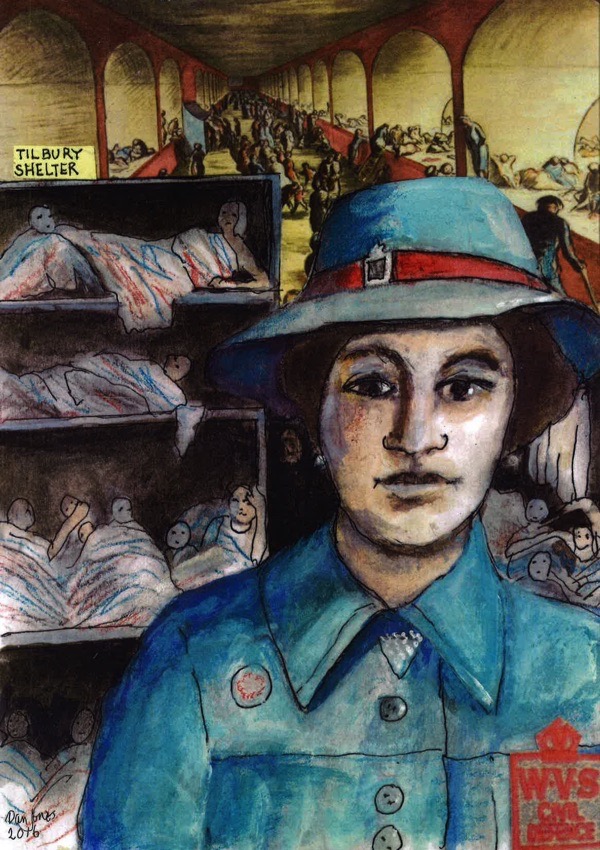
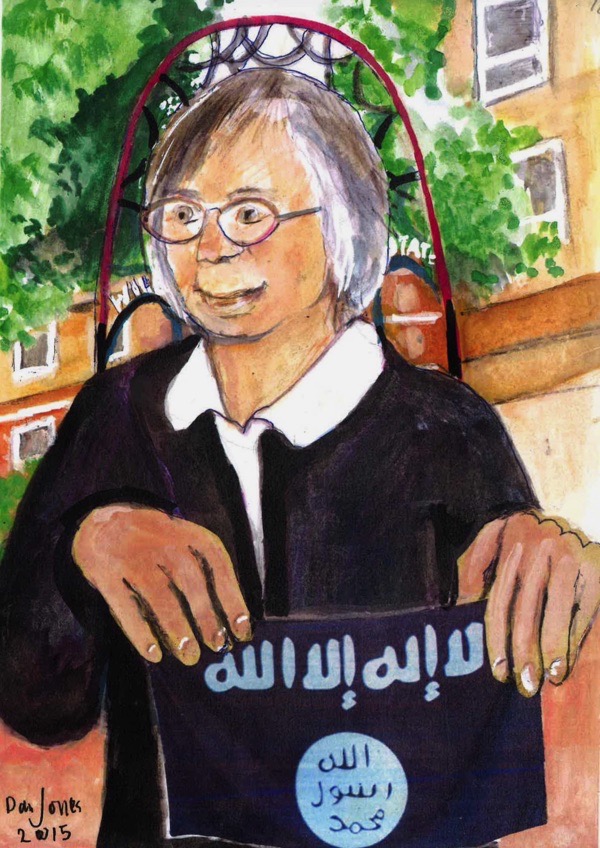
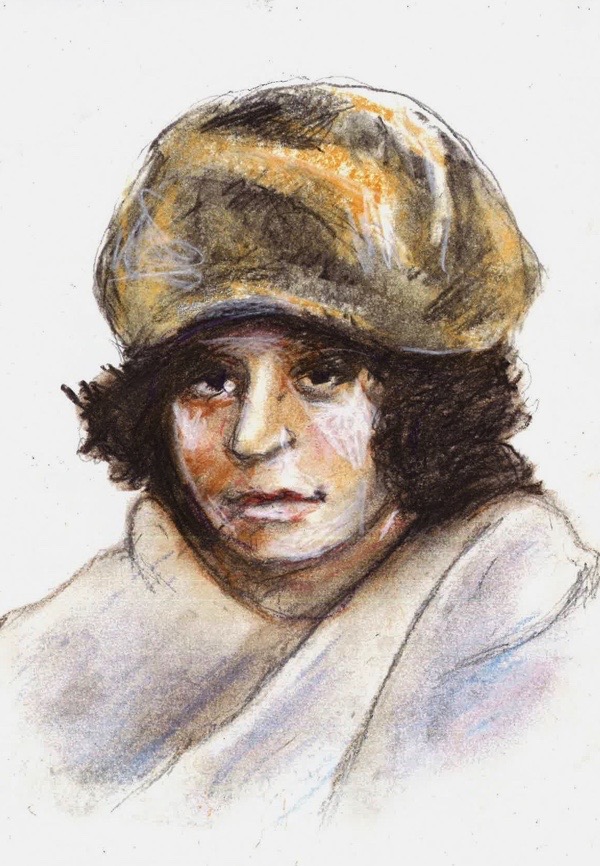
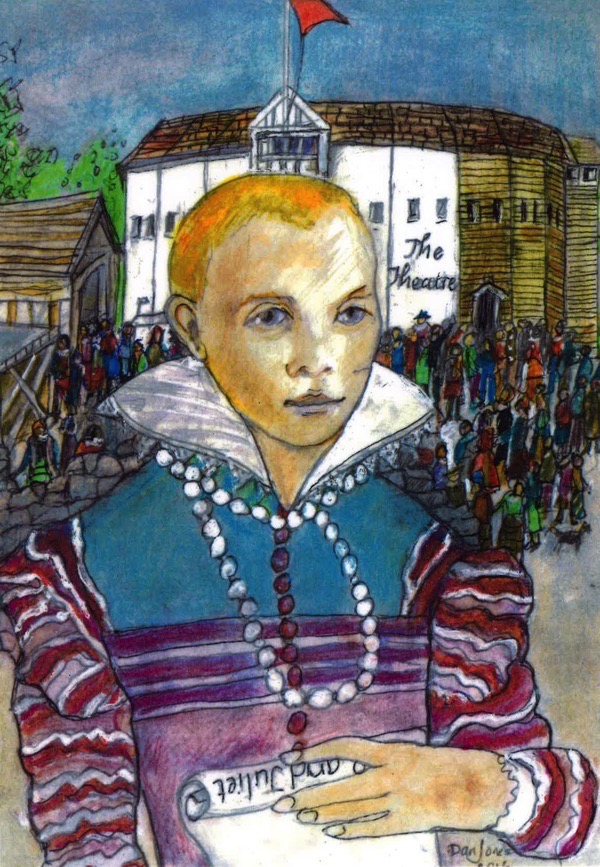
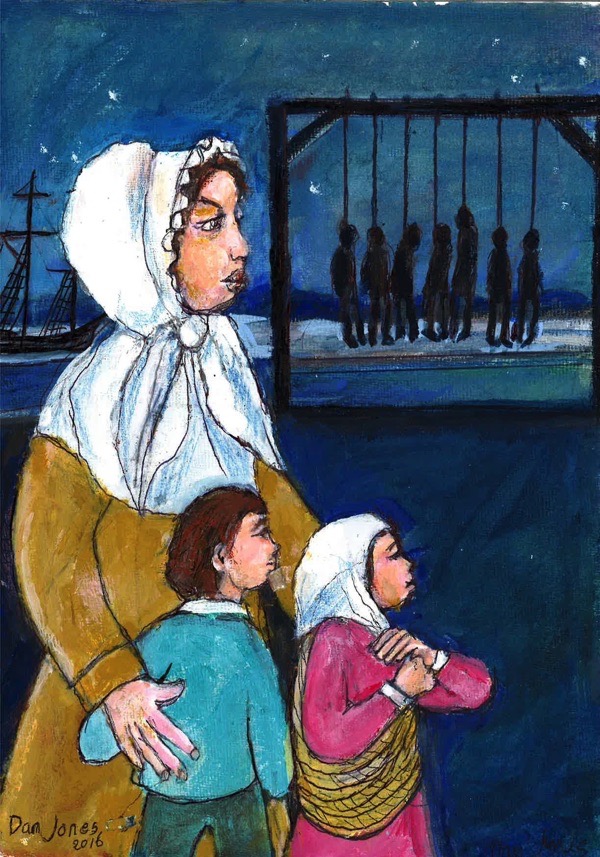
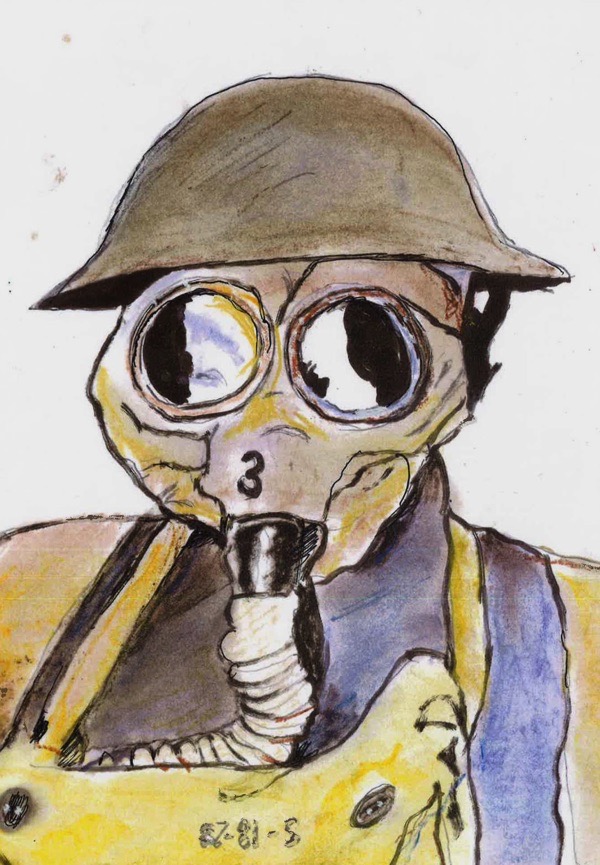
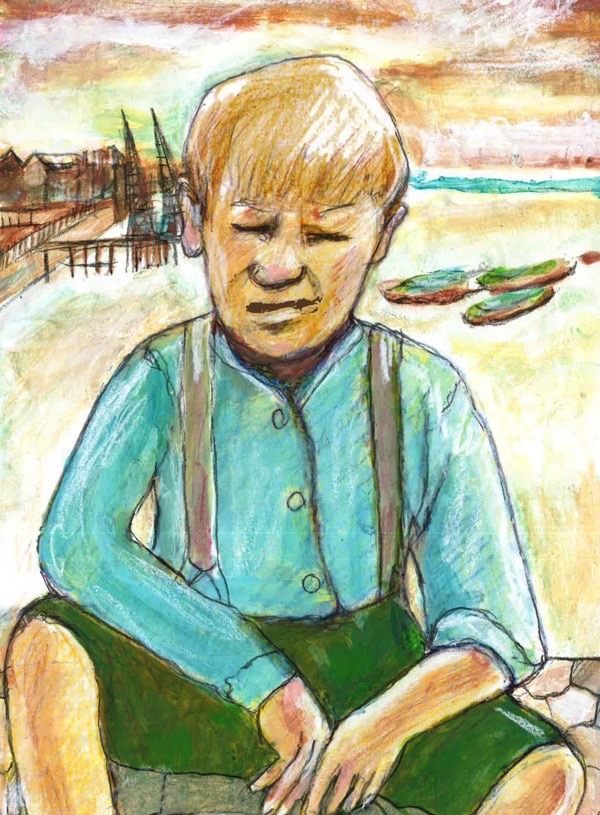
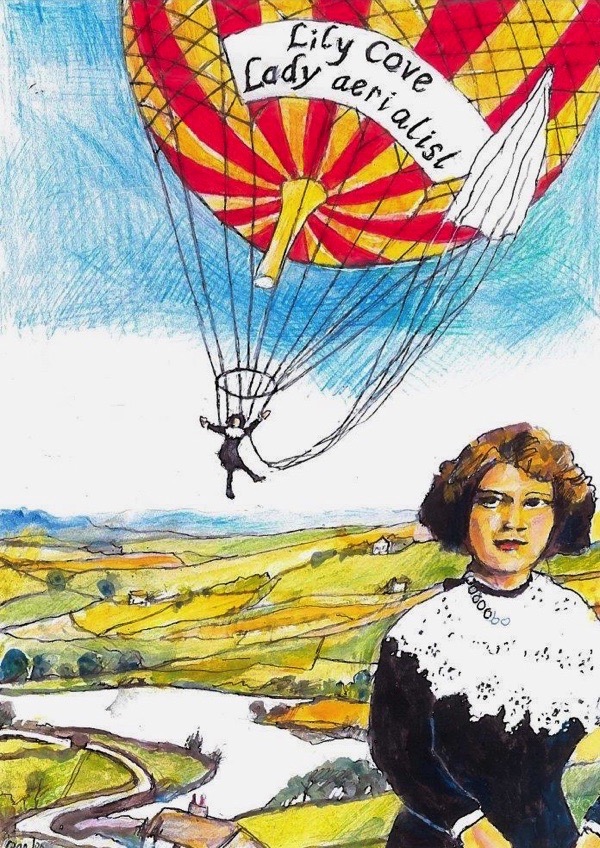
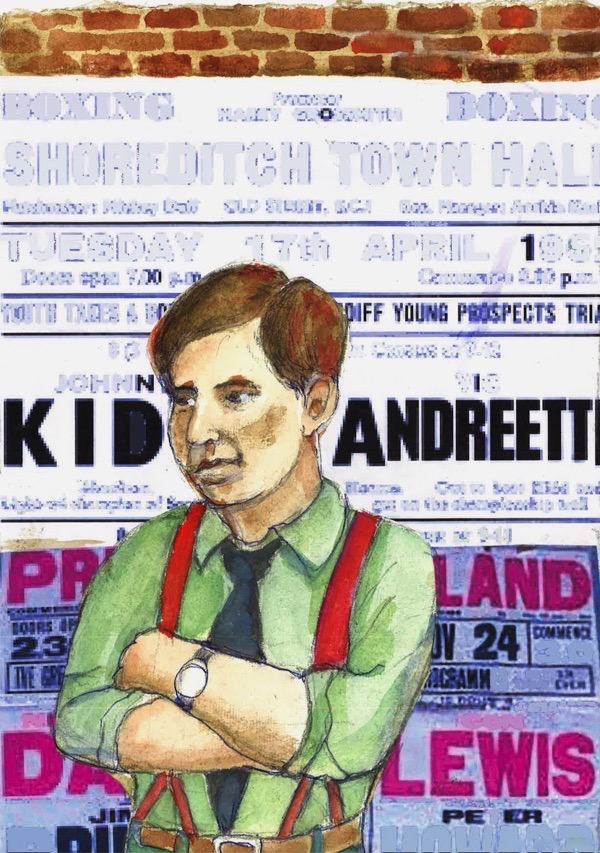
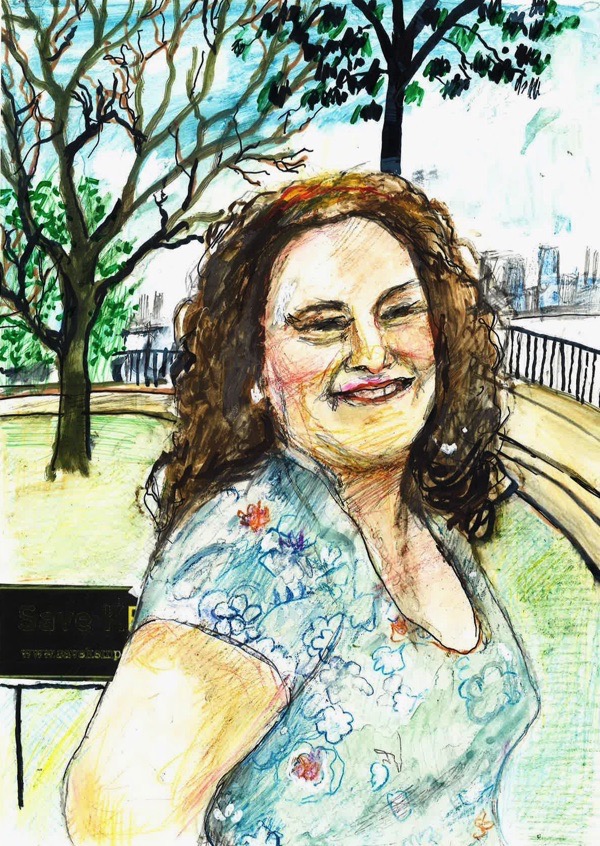
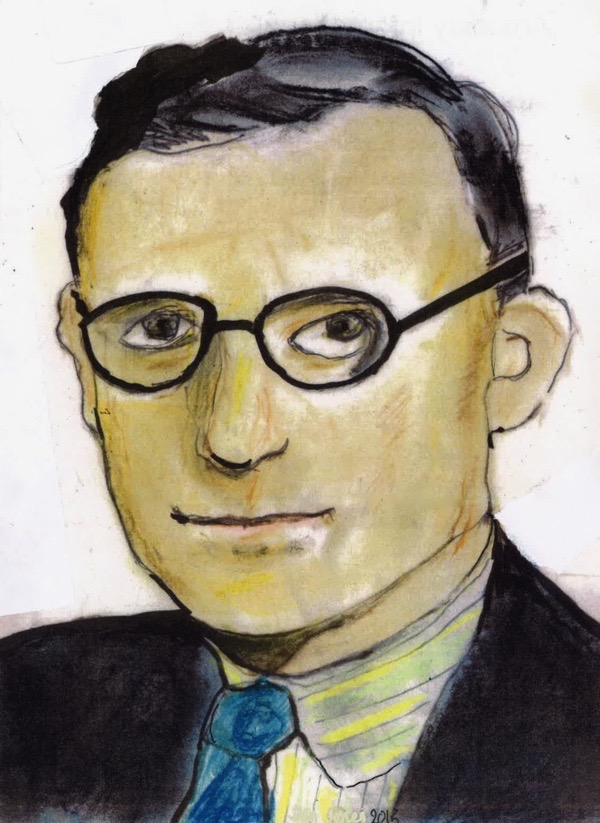
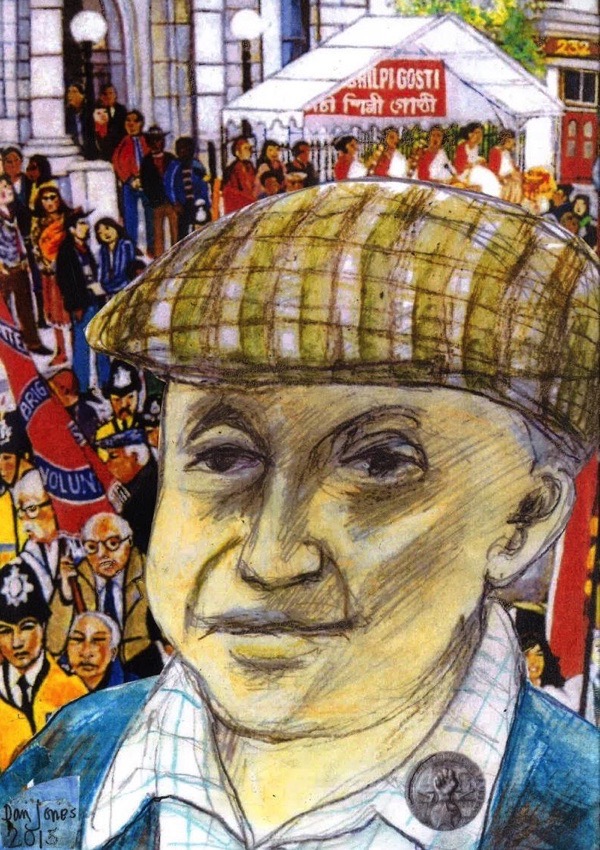
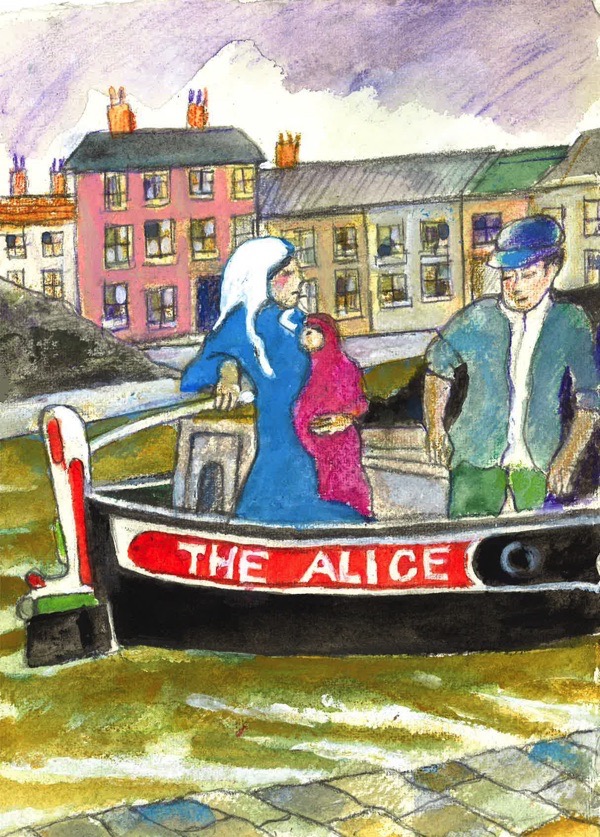
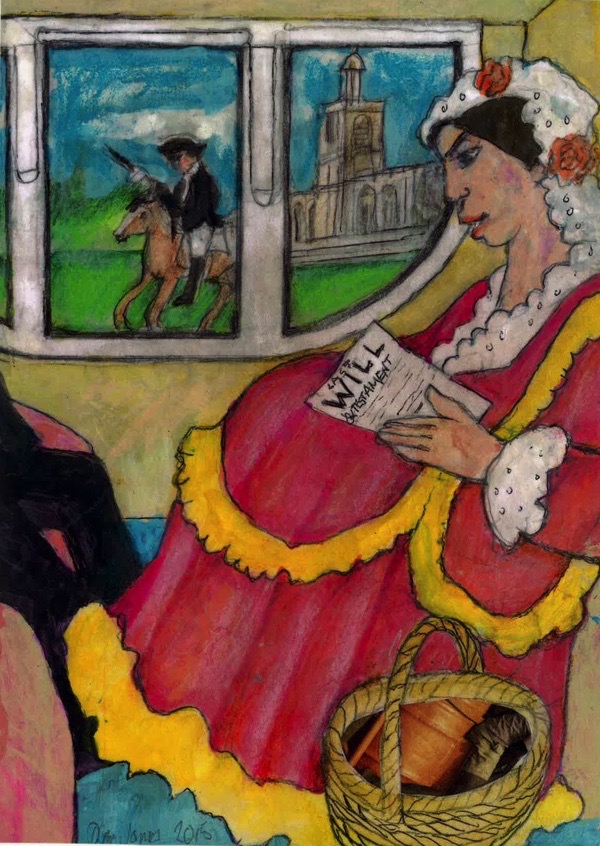
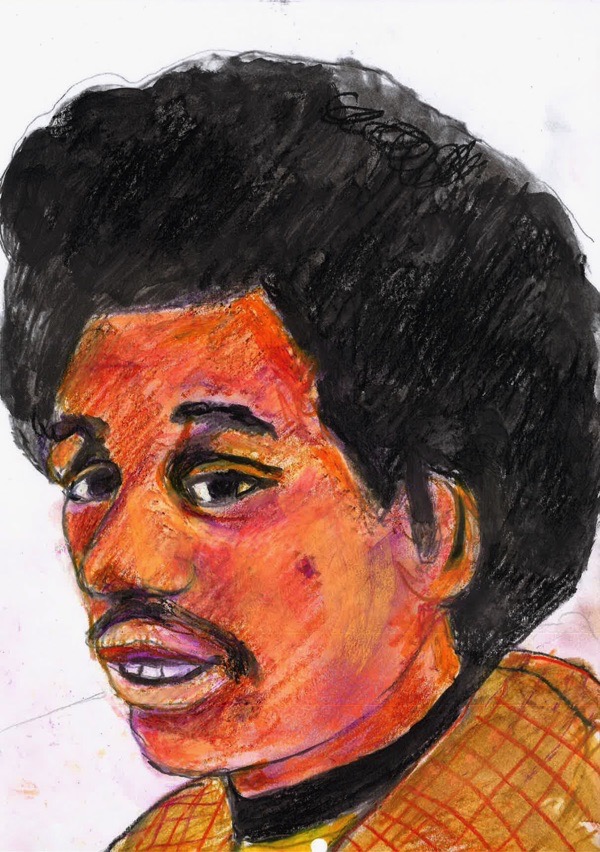
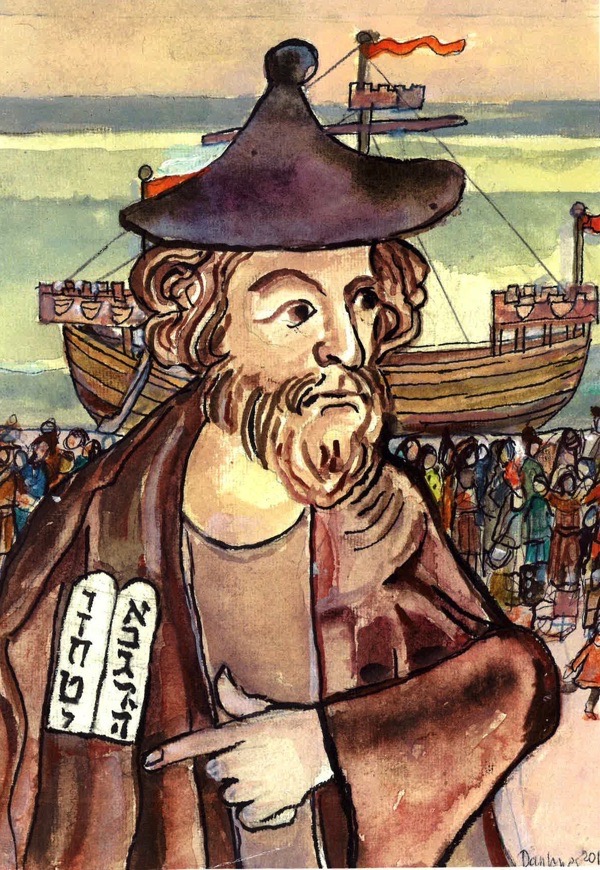
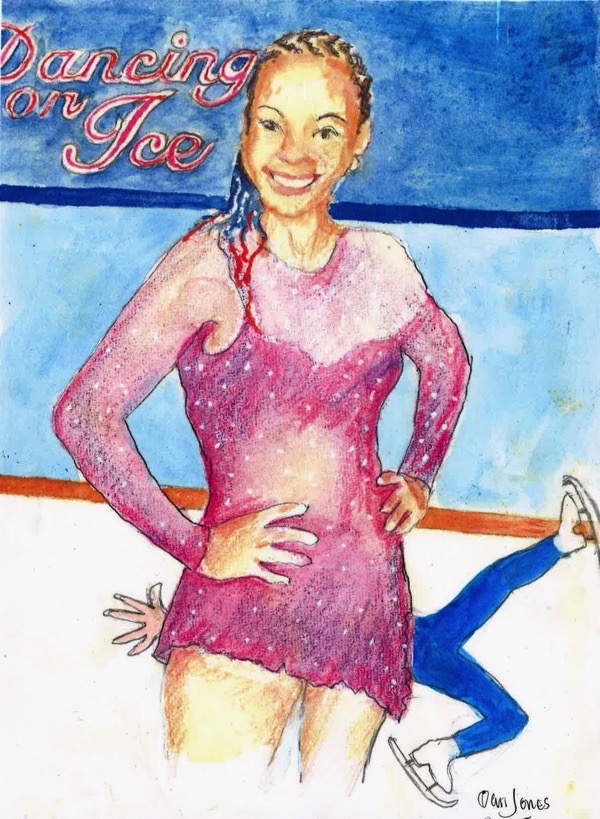
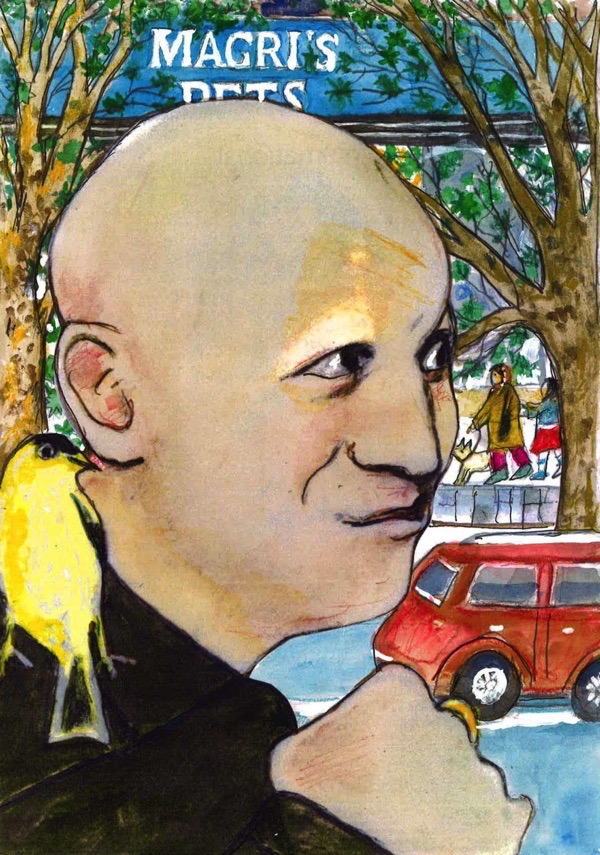
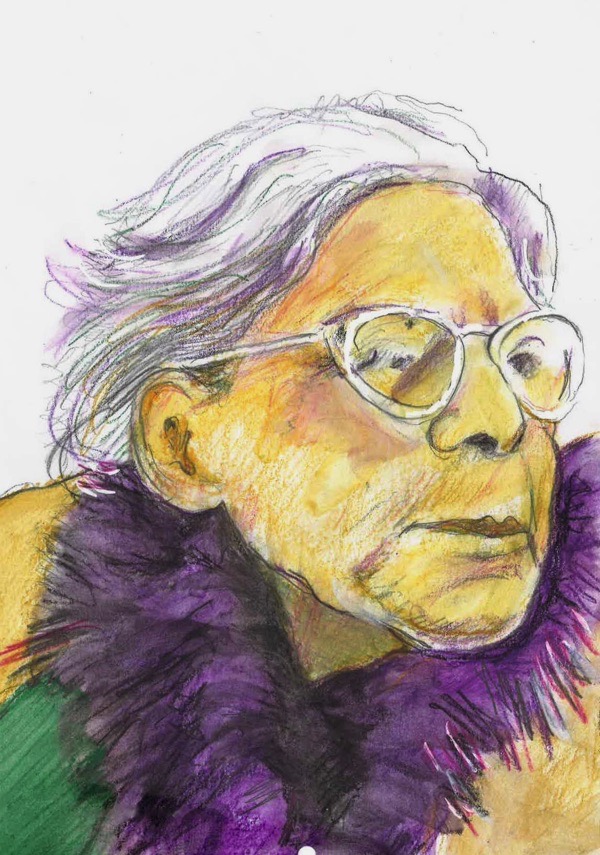
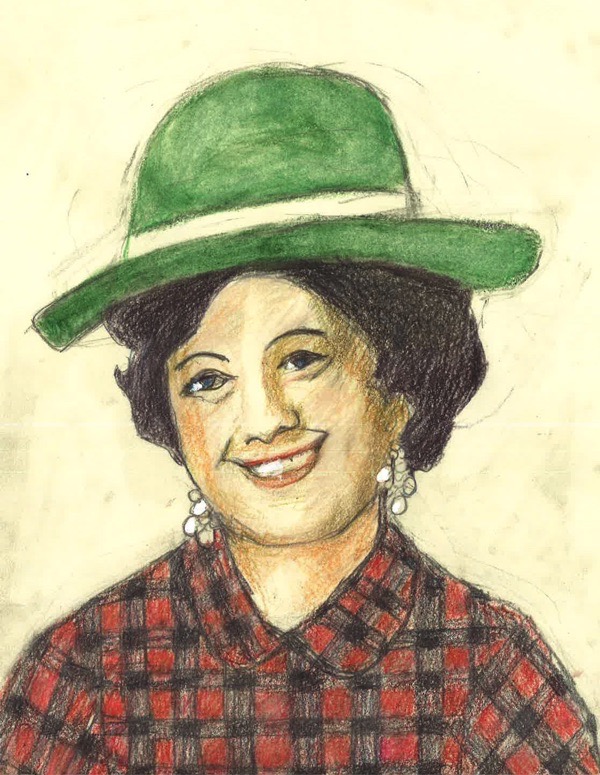
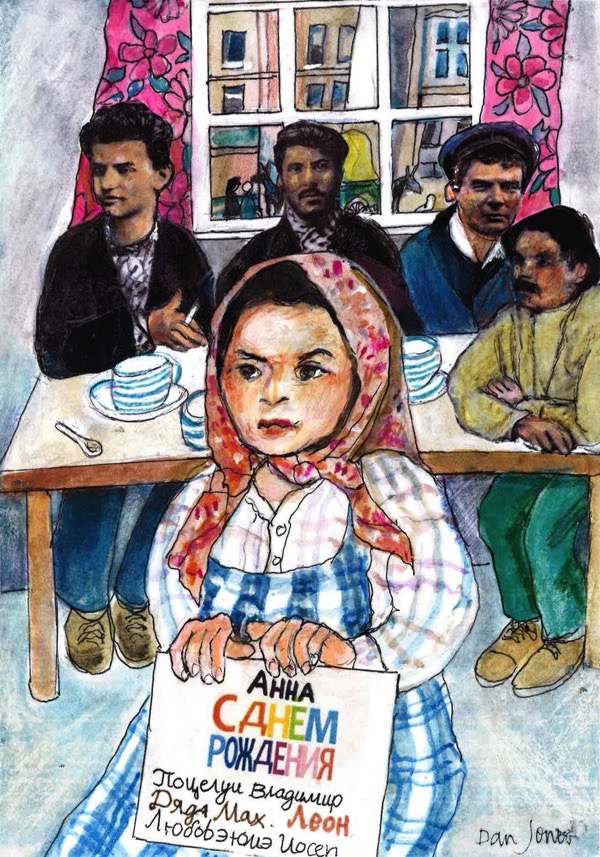
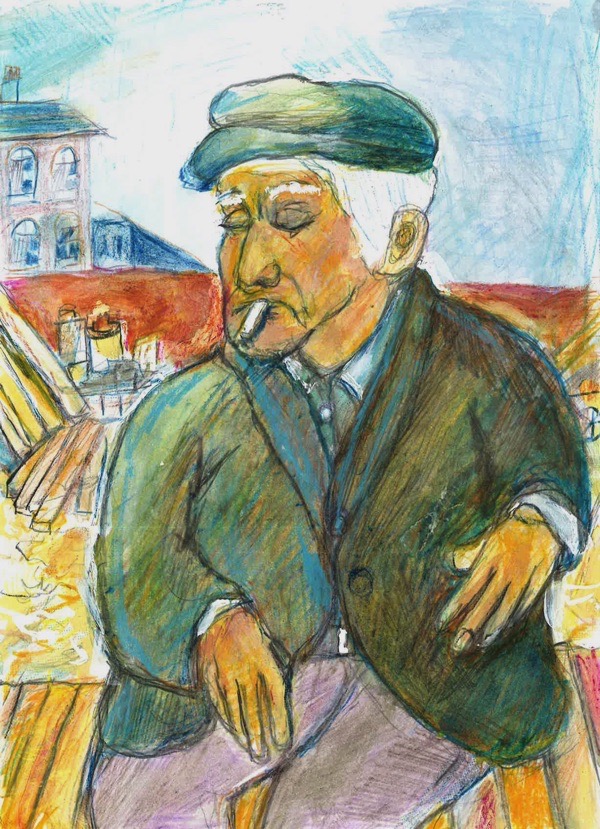
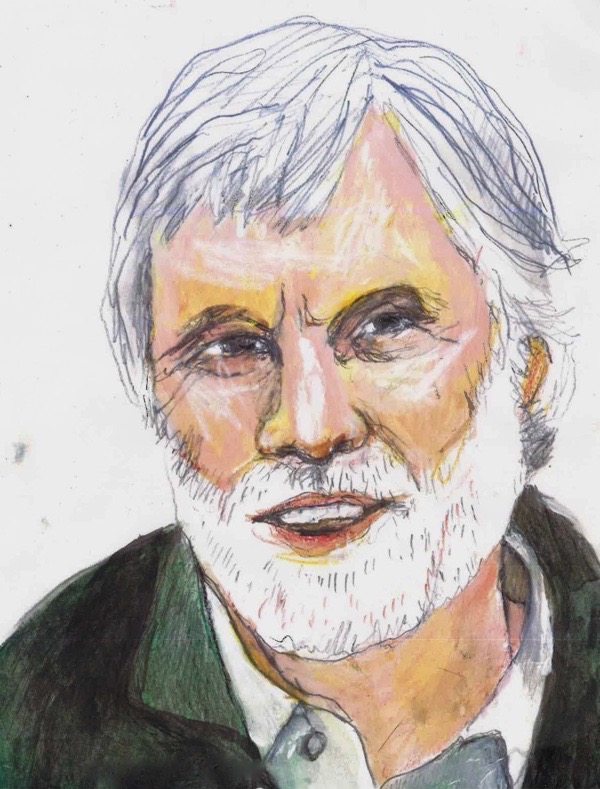
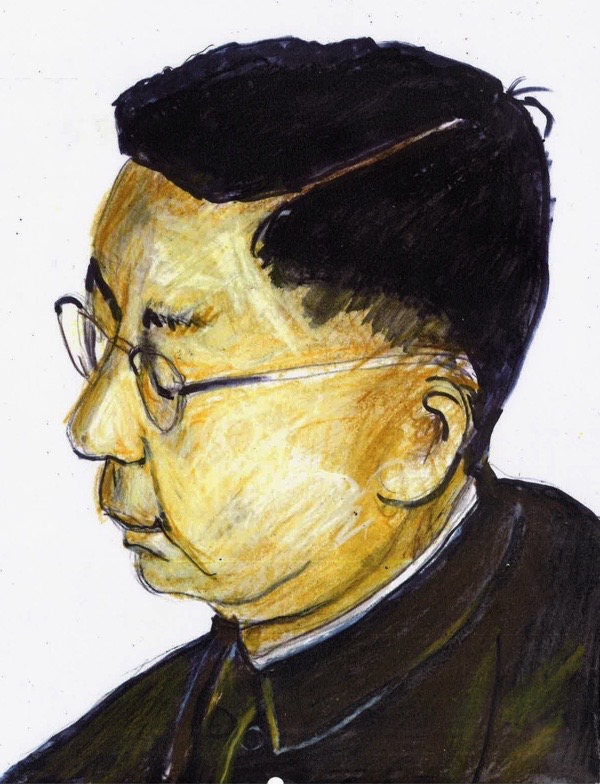
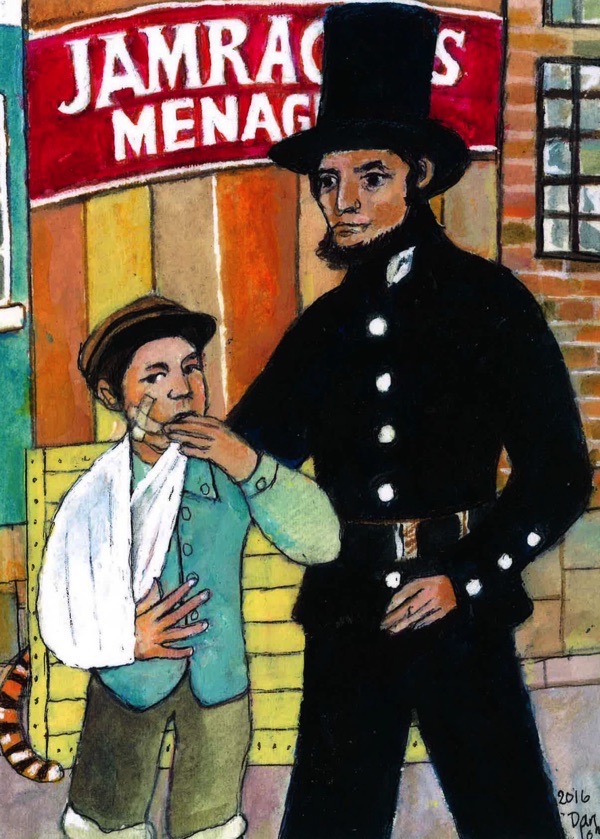
Police Constable James Stewart
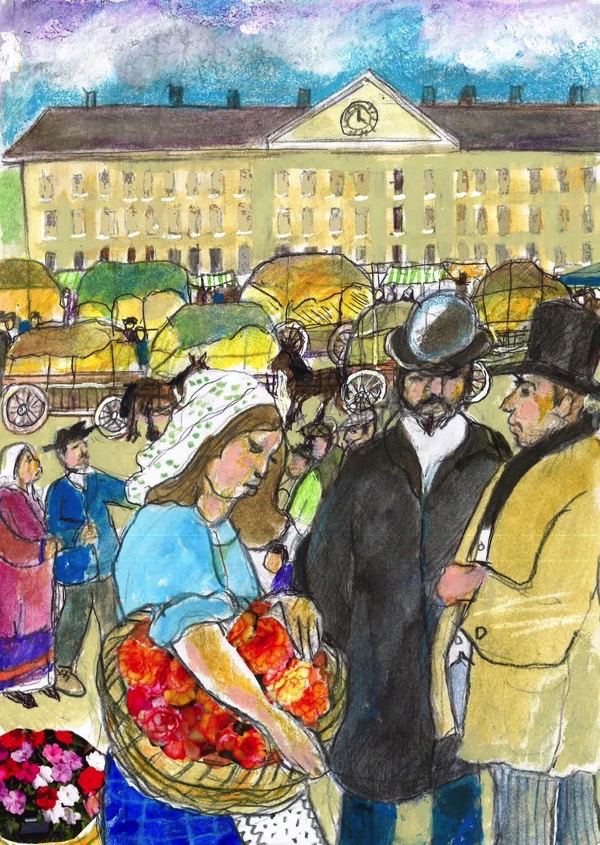
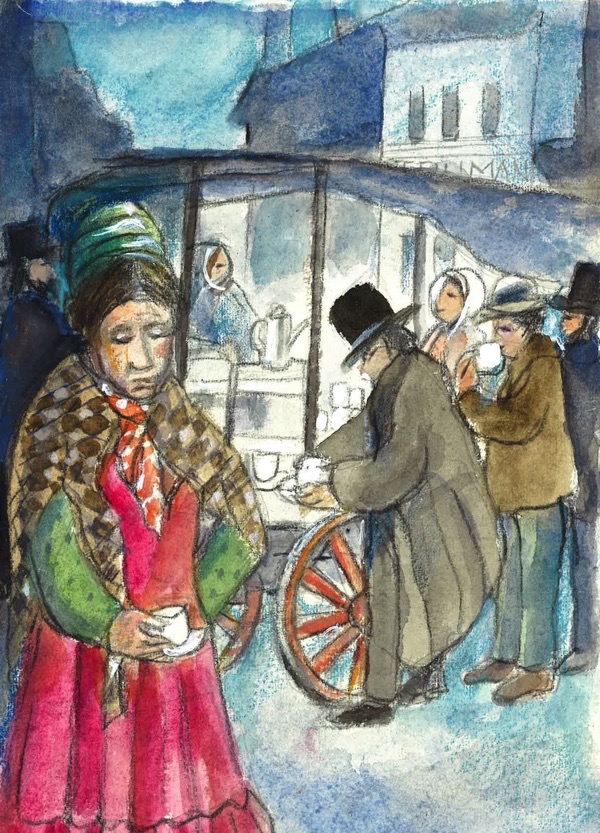
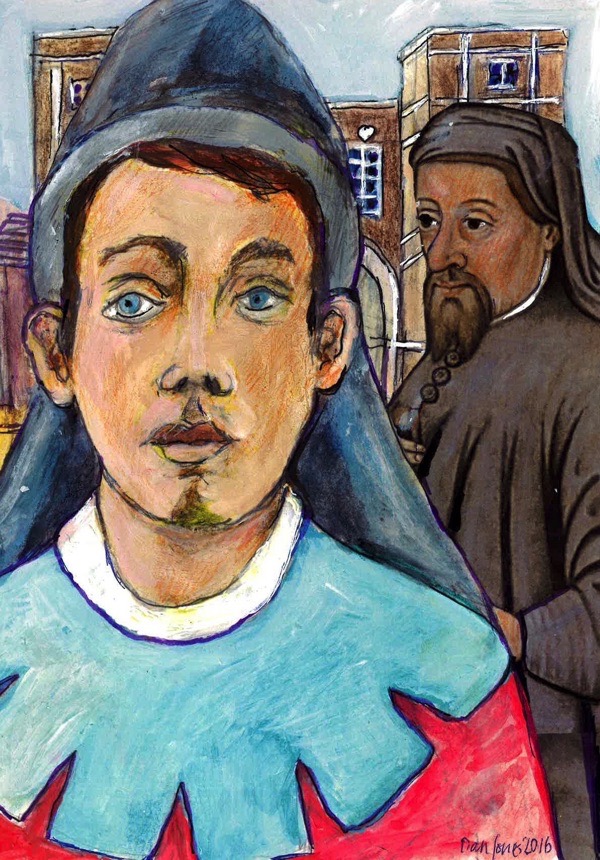
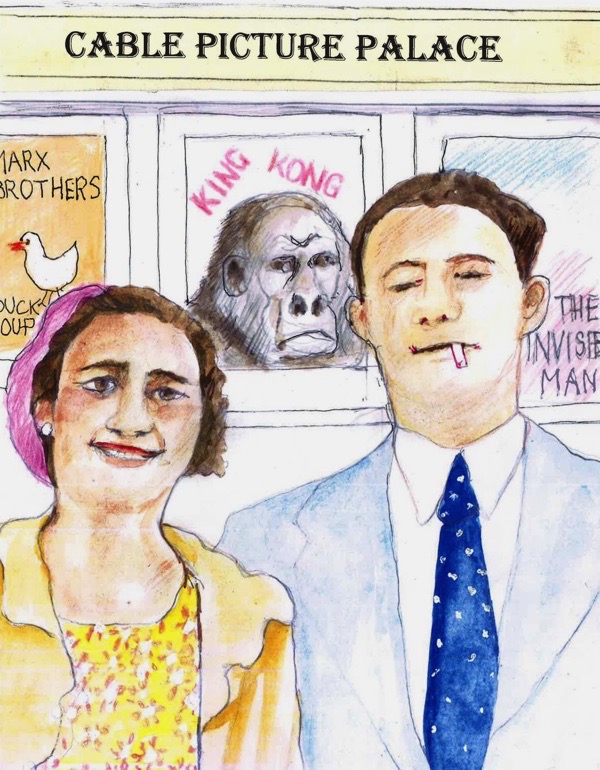
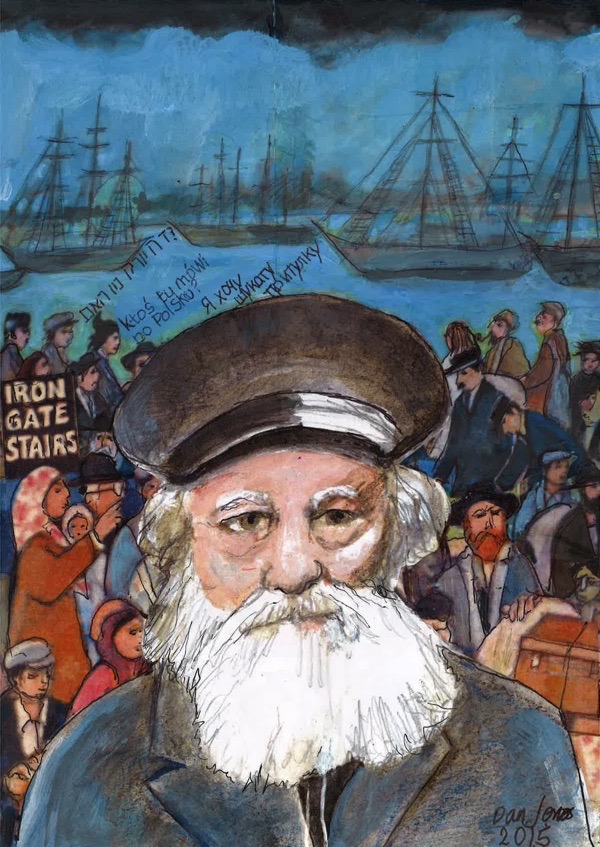
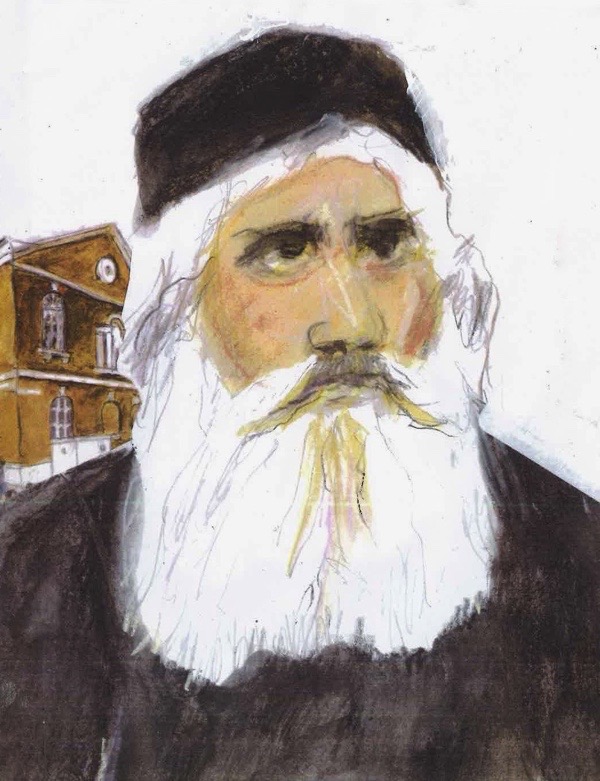
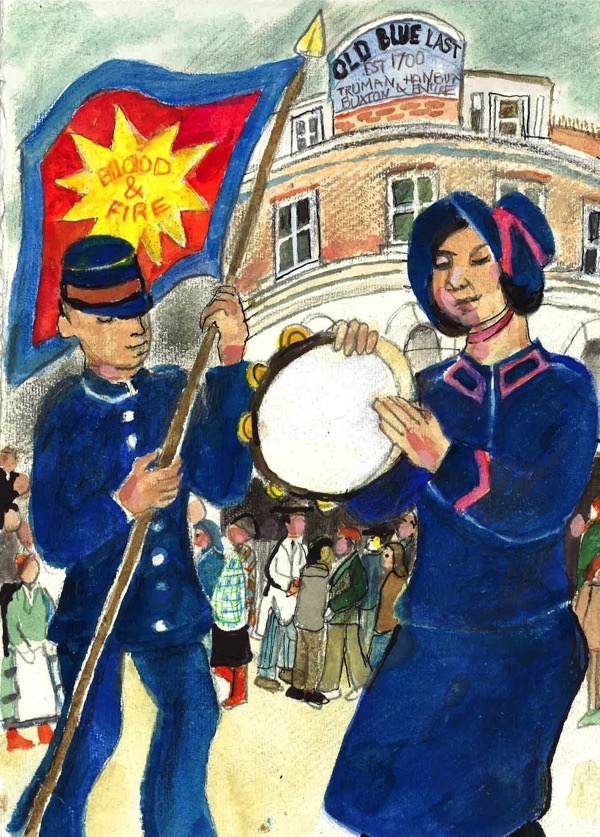
Portraits copyright © Dan Jones
You may also like to take a look at
Postcards From Petticoat Lane

Today I am sending you postcards from Petticoat Lane. Here are the eager crowds of a century ago, surging down Middlesex St and through Wentworth St, everyone hopeful for a bargain and hungry for wonders, dressed in their Sunday best and out to see the sights. Yet this parade of humanity is itself the spectacle, making its way from Spitalfields through Petticoat Lane Market and up to Aldgate, before disappearing into the hazy distance. There is an epic quality to these teeming processions which, a hundred years later, appear emblematic of the immigrants’ passage through this once densely populated neighbourhood, where so many came in search of a better life.
At a casual glance, these old postcards are so similar as to be indistinguishable – but it is the differences that are interesting. On closer examination, the landmarks and geography of the streets become apparent and then, as you scrutinise the details of these crowded compositions, individual faces and figures stand out from the multitude. Some are preoccupied with their Sunday morning, while others raise their gaze in vain curiosity – like those gentlemen above, comfortable at being snapped for perpetuity whilst all togged up in their finery.
When the rest of London was in church, these people congregated to assuage their Sunday yearning in a market instead, where all temporal requirements might be sought and a necessary sense of collective human presence appreciated within the excited throng. At the time these pictures were taken, there was almost nowhere else in London where Sunday trading was permitted and, since people got paid in cash on Friday, if you wanted to buy things cheap at the weekend, Petticoat Lane was the only place to go. It was a dramatic arena of infinite possibility where you could get anything you needed, and see life too.

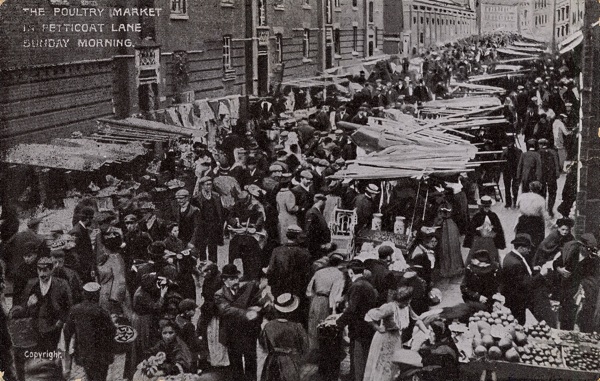


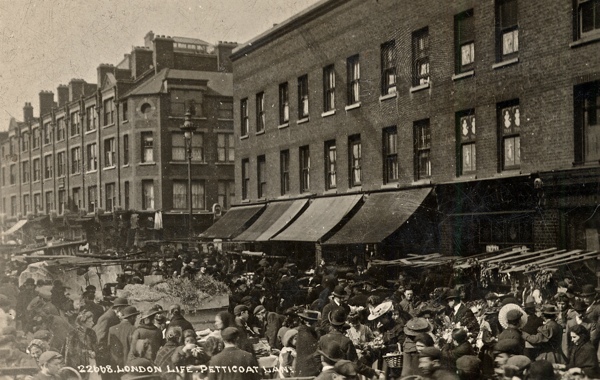


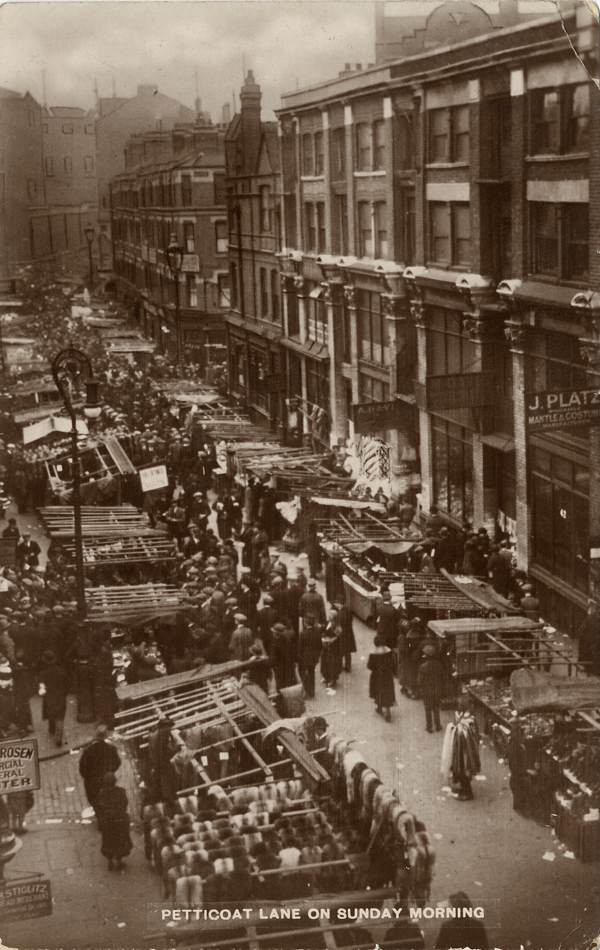


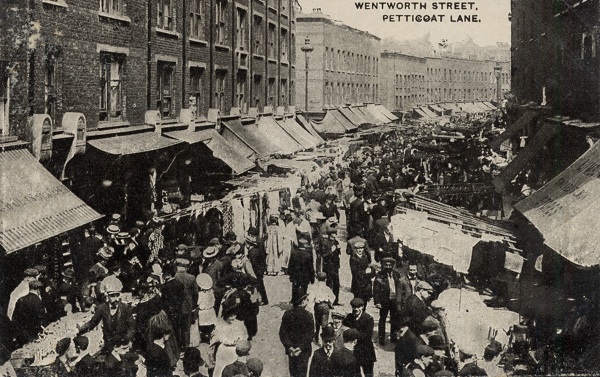
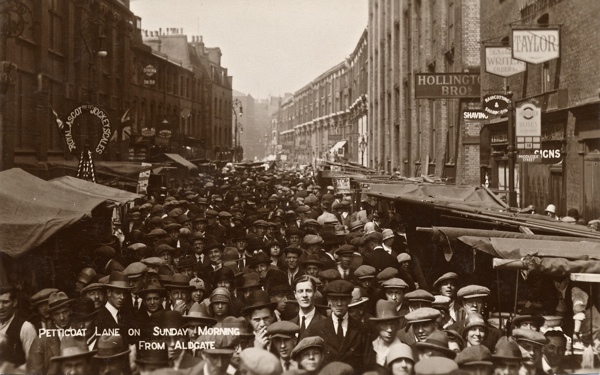

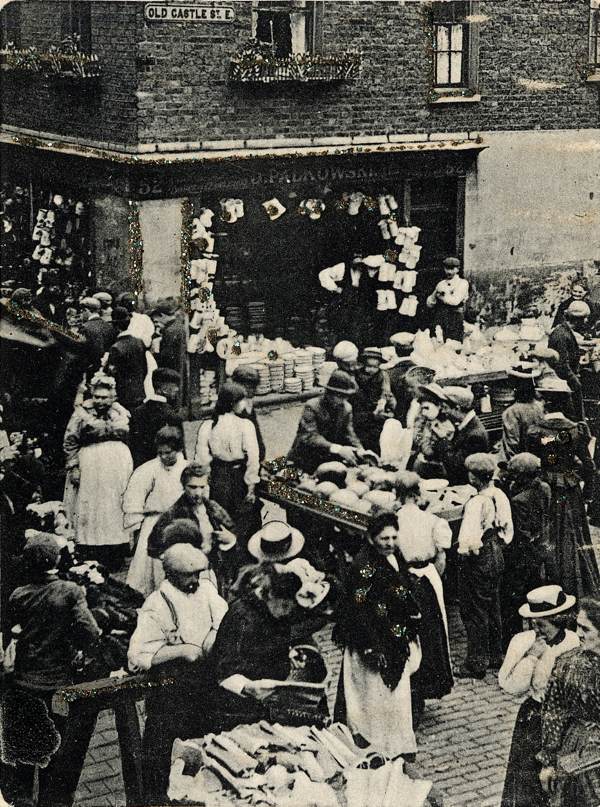
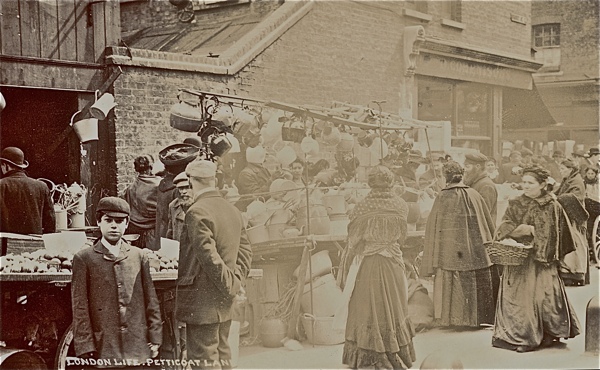


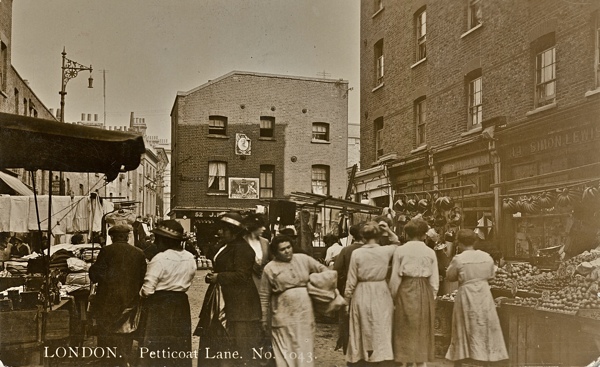

Images courtesy Bishopsgate Institute
You might also like to read about
Laurie Allen of Petticoat Lane
The Wax Sellers of Wentworth St
Larry Goldstein, Toyseller & Taxi Driver
Val Perrin’s Brick Lane

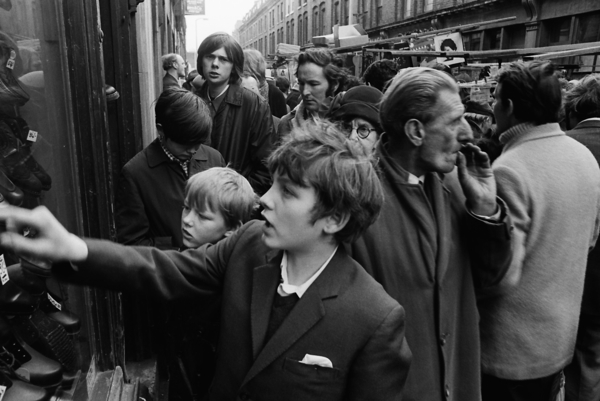
Photography has been a lifetime’s hobby for Val Perrin. Yet it is apparent from this selection of his pictures of Brick Lane Market, taken between 1970-72, that he possesses a vision and ability which bears comparison with the Magnum photographers whose work he admired at that time.
While studying Medicine at University College, London, Val visited East End markets with members of the University Photographic Club, but Brick Lane drew his attention. Over the next two years, he returned alone and with fellow students, with whom he shared a flat in West Dulwich, to document the vibrant market life and surroundings of Brick Lane.
Born in Edgware, Val moved to live near Cambridge in 1976 and now photographs mainly wildlife and landscapes, but the eloquent collection of around a hundred photographs he took of Brick Lane in the early seventies comprises a significant and distinctive record of a lost era.


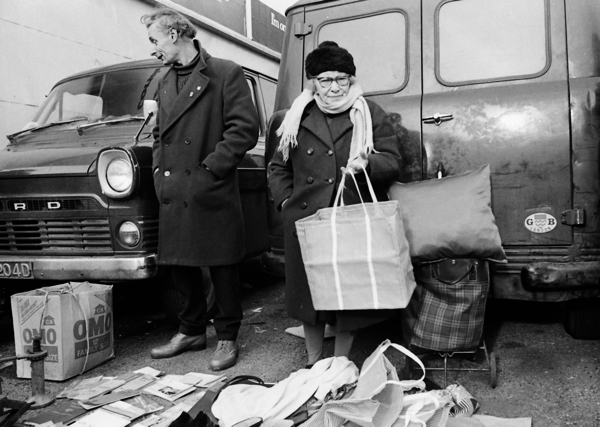


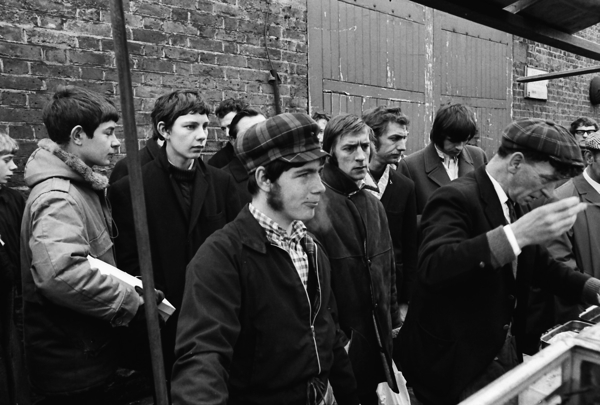




Photographs copyright © Val Perrin
You also might like to take a look at
The Last Gasometer In Poplar
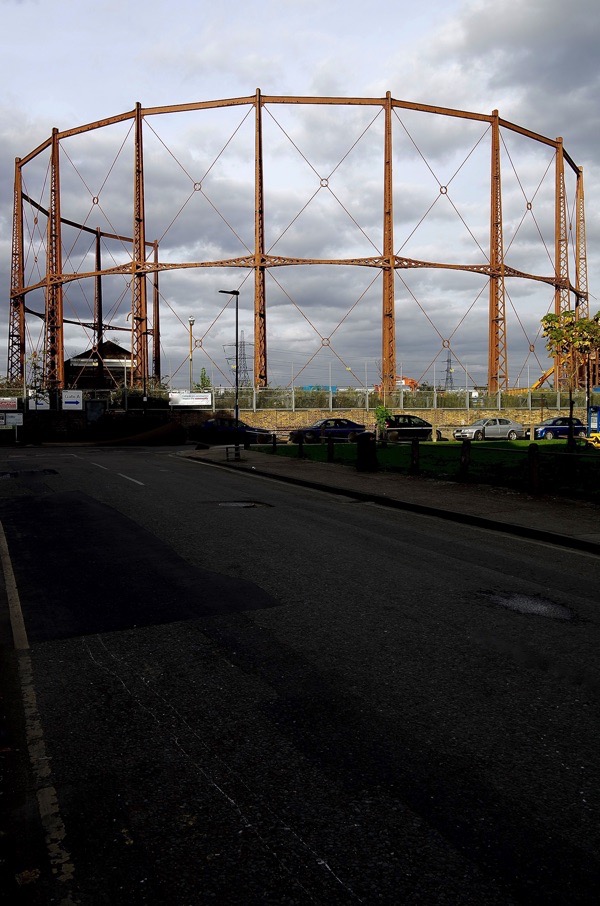
This is the last gasometer in Poplar and, as you can see, it is not all there. Already parts have gone and quite soon it will vanish entirely. The pleasing circularity that once enclosed the sky diminishes with the loss of each segment. They are disappearing like slices of a cake devoured by a hungry ogre and, shortly, nothing will remain.
To visit now – and come upon it, as I did, lit by the last rays of the setting sun – is to be like one of those travellers of old who undertook the Grand Tour and saw the Coliseum for the first time, marvelling upon it as an heroic example of an earlier age of handmade engineering upon an epic scale. Designed in 1876 by Robert & Henry Edward Jones, father and son engineers of the Commercial Gas Company, the iron structure was manufactured nearby between 1876-78 by Samuel Cutler & Sons of Millwall on the Isle of Dogs, constructional engineers who specialised in the erection of gasometers.
Once you understand that this gasometer has dominated the skyline in this corner of Poplar for nearly a hundred and fifty years, and your eye attunes to the elegant proportion of its criss-cross braced structure, you recognise its similarity to the rope work on a regimental drum or that button-back, deep upholstery of which the Victorians were so fond. It is the oldest example of a lattice-work framed gasometer in this country. Look more closely and admire the nineteen elegant tee-sections which brace the frame with their intricate ironwork consisting of a vertical tapering lattice girder at right angles to a vertical tapering plate girder. They are the first and only examples of this type.
To the left, you can see the march of generic new-London ugly flats which will become slums within a generation. This last gasometer was one of three that formerly comprised Poplar Gas Works here beside the cut, but there will be no preservation and reuse, such as we have seen at Kings Cross where gasometers have been integrated into a new housing scheme to enliven the architecture and maintain a sense of place.
Demolition was granted in September last year with the approval of Historic England, although this was not made public until last December when it was revealed that a public consultation had only been advertised by an obscure notice at the site in Leven Rd. In July this year, a local councillor asked the Mayor to save the gasometer and received the following response.
“The Council recognises this significant local historical asset and there is a case that it should be preserved as part of redevelopment. In planning policy, this is specifically reflected in the adopted and emerging Local Plan, where in the site allocation, it states that development should aim to ‘…retain and integrate the gas holders as part of the provision of green open space…’ The council plans to strengthen the design principle within the site allocation and seek to further acknowledge the gasholders significant local historical merit.”
Yet the gasometer is in the midst of demolition and, despite a petition by several thousand local people, no proposal has been put forward to integrate it into future plans. Long-time local heritage campaigner Tom Ridge is currently fighting for the preservation of the relics on site, so that future generations may marvel, as we do today, at piles of ancient carved stones from antiquity, and wonder at past glories which are lost.
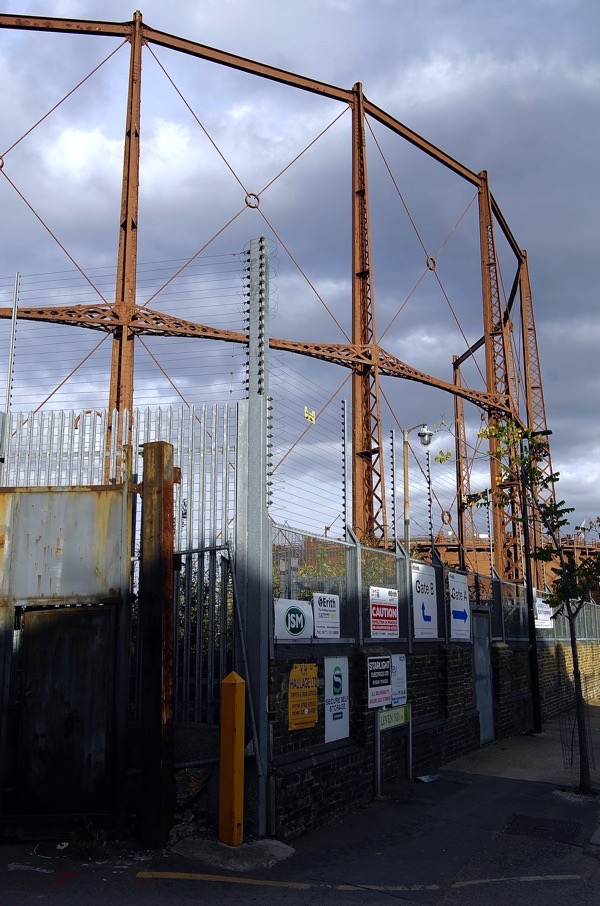
Gasholder Number One is partially dismantled
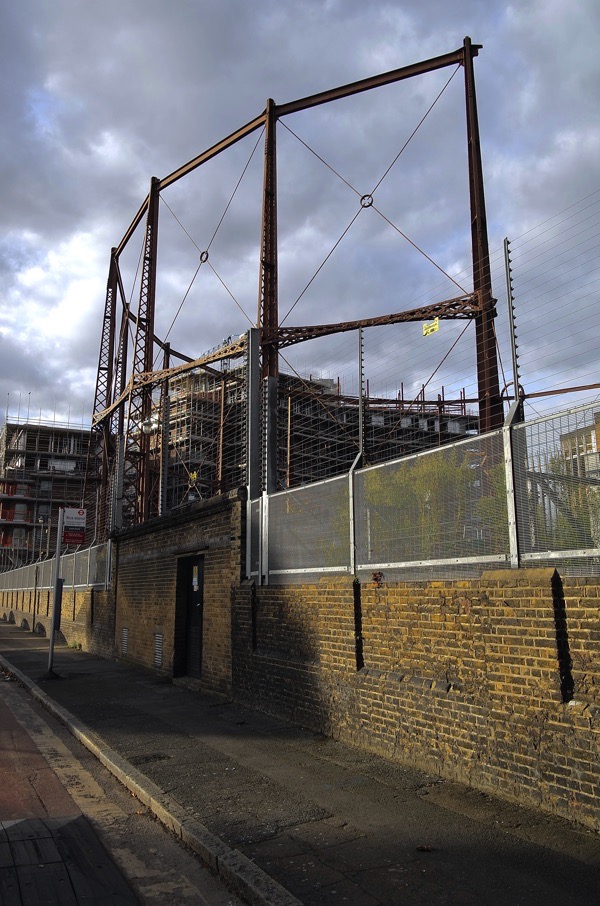
The tee-sections which brace the frame with their intricate ironwork, consisting of a vertical tapering lattice girder at right angles to a vertical tapering plate girder, are the first and only examples of their type
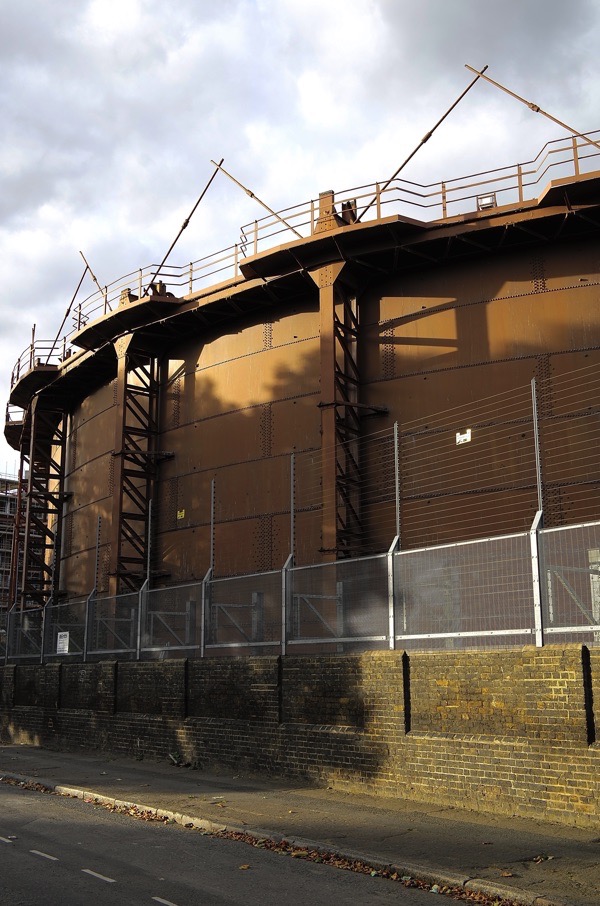
Gasholder Number Two is already lopped off
You may also like to read about
Introducing EAST END VERNACULAR
Thanks to the support from you, the readers of Spitalfields Life, I have been able to produce EAST END VERNACULAR, Artists who painted London’s East End streets in the 20th century and today is publication day. Below you can read an extract from my introduction to the book.
Join me for the launch at the Nunnery Gallery in Bow, E3 2SJ, on Tuesday 10th October from 6pm. Courtesy of Bow Arts, there will be a special opening of their new exhibition THE WORKING ARTIST, The East London Group for Spitalfields Life readers.
At 6:30pm, I will be introducing my new book and then signing copies in the gallery where some of the paintings by Albert Turpin, Elwin Hawthorne, Harold Steggles, Walter Steggles and other East London Group artists featured in EAST END VERNACULAR will be on display. There will be drinks and live music.
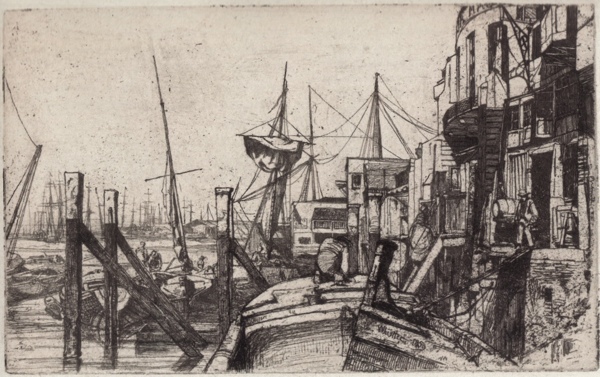
William Jones, Limeburner, Wapping High St by James McNeill Whistler
Is the East End a place or a culture? The endless and unresolved debate over its precise location reveals that this is more than a question of mere topography. There is a consensus that the East End begins at Aldgate Pump, while its southern border is defined by the River Thames and its eastern boundary by the River Lea, yet the northerly edge of its territory remains ambiguous and ill-defined in Hackney. This confusion is compounded by those who say that Hornchurch or Leyton is the East End now, acknowledging its elusive and fugitive nature while simultaneously admitting the existence of a collective understanding among those who know they are in the East End, even if they cannot agree upon its geography.
In the spirit of Humpty Dumpty, who told Alice that when he used a word it meant whatever he chose it to mean, I have coined East End Vernacular to describe those artists who set out to portray the East End in ways that appreciate both the human and the utilitarian nature of its environment. Many originated in the East End and were self-taught, which gave them an innate personal understanding of this cultural world. Yet their work is complemented by those that came from outside who were drawn by the distinctive quality of the place.
Unsurprisingly, the human catastrophe of deprivation, disease and poor housing in the nineteenth-century East End did not attract painters as pictorial subject matter. Yet we have the engravings of Gustave Doré published in London, A Pilgrimage in 1890, dramatising the darkness and want so persuasively that his images persist in the popular consciousness to this day. Too often, the history of the East End is still restricted to a history of poverty, whereas I choose to explore a parallel history of resourcefulness, highlighting the persistent and dignified creativity of people who have forged their own ways of living in spite of widespread economic disadvantage.
By contrast to Doré’s grim gothic visions, perhaps James McNeill Whistler was the first artist to appreciate the utilitarian environment of the East End on its own terms, seeing the beauty in it and recognising the intimate relationship of the working people to the urban landscape they had constructed. Crowded housing in the East End encouraged people to lead their lives in public, either on the street or in ‘public’ houses, creating a unique society premised upon an integral relationship with the built environment, which functioned as an exterior theatre for the congress of life. Many artists fascinated by Whistler’s vision came in his footsteps, some embracing his medium of etching, like Joseph Pennell, while others like Frank Brangwyn and Christopher Richard Wynne Nevinson were attracted by the spectacle of the docks and the life of the river.
In contradiction to the widespread belief that artists only arrived in the East End towards the close of the twentieth century, I can report that when Charles Dickens came to Spitalfields in 1851, he visited a young artist in his studio.
“As yet machinery has not been invented to turn artist, or to guide the shuttle through the intricate niceties of the Jacquard loom, so as to execute designs. Figured and brocaded silks must still be done by hands, and those hands must be skilful. We knock at the door of a cheerful little house, extremely clean. We are introduced into a little parlour, where a young artist sits at work with crayons and watercolours. He is a student of the School of Design. He is at work on a new pattern for a table-cover. He has learnt to paint in oil … He shows us one that was in last year’s Exhibition at the Royal Academy, he shows us another that he means to finish in good time to send to the next Exhibition. He does these things over and above his regular work.”
Dickens foresaw the end of manufacturing in the East End, while recognising the possibility for artists and designers to win esteem, and perhaps even a living, by creating and selling their work.
In compiling East End Vernacular, I make no claim to present an exhaustive or definitive survey, merely to choosing those artists whose work appeals to me as revealing the most sympathy with and understanding of the subject matter. Neither can I assert the existence of an East End School of painting spanning the twentieth century, although I discovered that most of the artists featured knew of the work of several others and, in arranging the sequence, I was struck by the common qualities shared by many of these paintings. For these are personal pictures and, beyond that, many reveal an overt affection for the East End streets that inspired them.
Ultimately, this is an heroic story of the triumph of artists with the talent and moral courage to pursue truthful images of the environment and society they knew intimately, defying adverse circumstances, including poverty and prejudice, through sheer force of creativity. The best of these paintings are by those who were at one with the world they represented, manifesting a vision that is both visceral and poetic.
Throughout the nineteenth and for much of the twentieth century, the East End was considered to be the least cultured part of London by comparison with the more affluent areas, yet I have been able to assemble this magnificent selection of pictures representing the East End, many painted by artists from the East End, and I challenge anyone to uncover a comparable selection of twentieth century works as vital as these, entitled South, West or North London Vernacular.

In Wentworth St, Spitalfields, by Gustave Doré
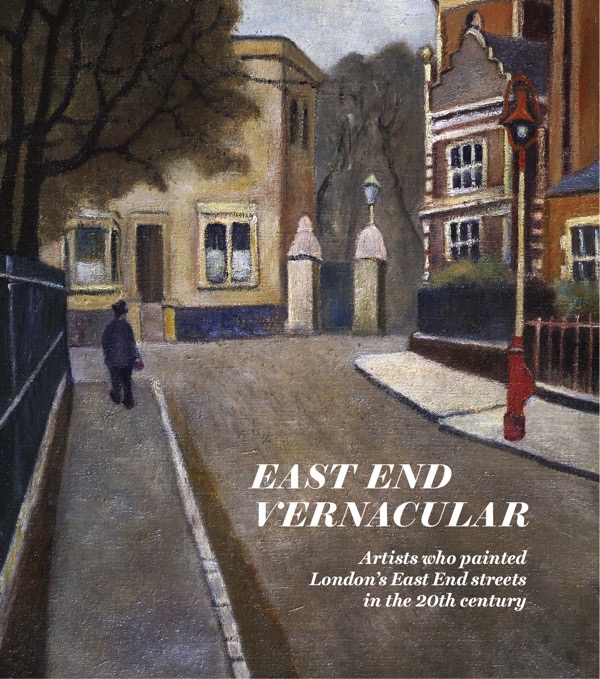
Click here to order a copy of EAST END END VERNACULAR for £25

Take a look at some of the artists featured in East End Vernacular