
Four Centuries At Whitechapel Bell Foundry
Stefan Dickers, Archivist at Bishopsgate Institute discovered this modest pamphlet from the fifties in his collection recently and I have yet to find a better account the historic significance of the Whitechapel Bell Foundry. If you ever wondered what the difference was between a chime and a carillon, today you can learn the precise nature of this distinction.


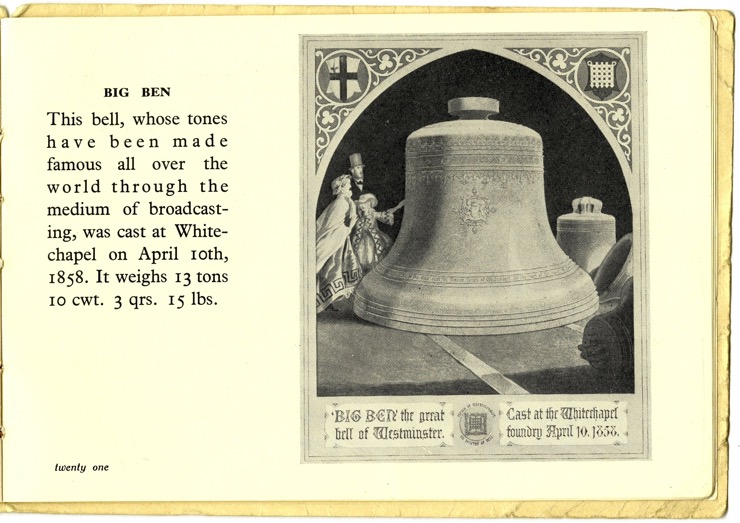


Images courtesy Bishopsgate Institute
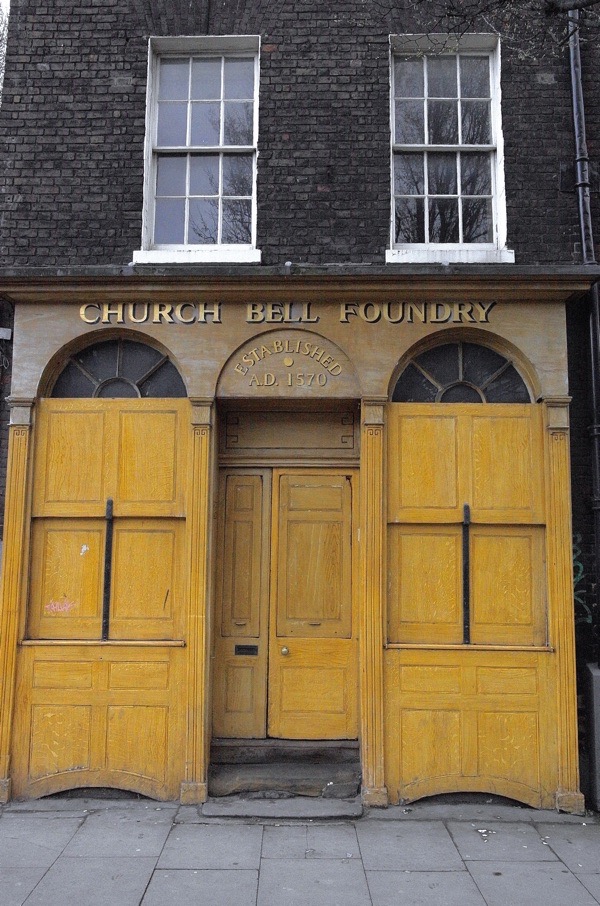
You can help save the Whitechapel Bell Foundry as a living foundry by submitting an objection to the boutique hotel proposal to Tower Hamlets council. Already we have lodged over six hundred letters of objection but we aim to deliver over a thousand. If you have not already done so, please take a moment this weekend to write your letter of objection. The more objections we can lodge the better, so please spread the word to your family and friends.
HOW TO OBJECT EFFECTIVELY
Use your own words and add your own personal reasons for opposing the development. Any letters which simply duplicate the same wording will count only as one objection.
1. Quote the application reference: PA/19/00008/A1
2. Give your full name and postal address. You do not need to be a resident of Tower Hamlets or of the United Kingdom to register a comment but unless you give your postal address your objection will be discounted.
3. Be sure to state clearly that you are OBJECTING to Raycliff Capital’s application.
4. Point out the ‘OPTIMUM VIABLE USE’ for the Whitechapel Bell Foundry is as a foundry not a boutique hotel.
5. Emphasise that you want it to continue as a foundry and there is a viable proposal to deliver this.
6. Request the council refuse Raycliff Capital’s application for change of use from foundry to hotel.
WHERE TO SEND YOUR OBJECTION
You can write an email to
planningandbuilding@towerhamlets.gov.uk
or
you can send a letter to
Town Planning, Town Hall, Mulberry Place, 5 Clove Crescent, London, E14 2BG

You may also like to read about
Nigel Taylor, Tower Bell Manager
Pearl Binder at Whitechapel Bell Foundry
Dorothy Rendell at Whitechapel Bell Foundry
Hope for The Whitechapel Bell Foundry
A Petition to Save the Bell Foundry
Save the Whitechapel Bell Foundry
Where Hendrix & Handel Were Neighbours
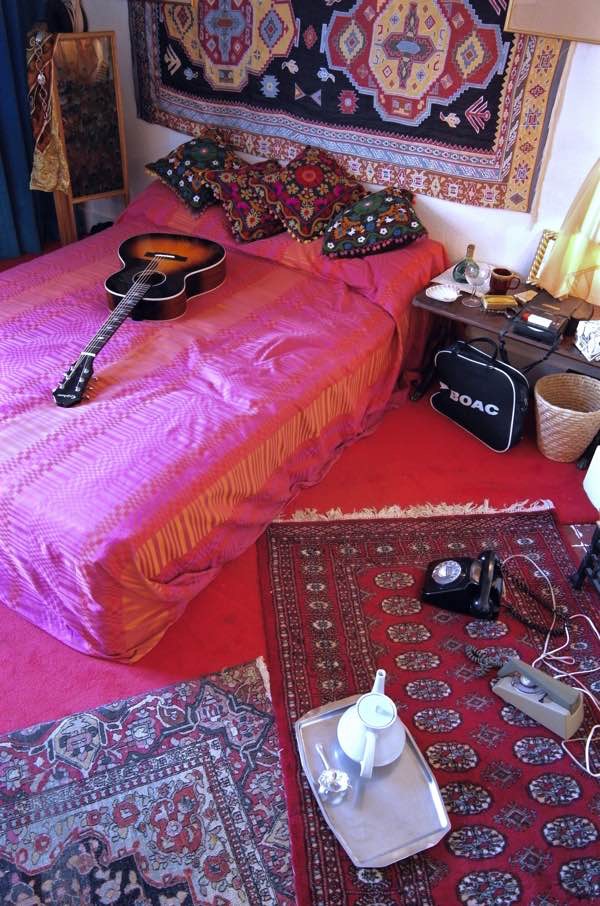
Jimi Hendrix’ bedroom in Brook St
Did you know that George Frideric Handel once lived at 25 Brook St in Mayfair and James Marshall (Jimi) Hendrix lived next door at number 23? – thus rendering it irresistible not to speculate how these two musical legends might have co-existed.
On moving into a new home, no-one can know if it will be their ultimate address – as Brook St was for both Handel & Hendrix. Handel was thirty-eight years old when he moved into number 25 in 1723, the same year that he was appointed Composer of Music to the Chapel Royal. He visited London twice in his twenties, but it was when his patron Queen Anne died and George I became King of Great Britain that Handel came to London for good.
Hendrix was twenty-six years old in January 1969 when he moved into the top flat at number 23 rented by his girlfriend Kathy Etchingham, at the time he was giving his final performances with The Jimi Hendrix Experience. Seeing the blue plaque for Handel encouraging Hendrix to go out and buy ‘Music for the Royal Fireworks’ and ‘Messiah’ on LP.
Handel lived thirty-six years in his house, growing in success and producing an entire repertoire of opera and oratorio, but Hendrix died within two years of moving in. In what proved to be his final months, the flat at number 23 offered Hendrix a peaceful enclave to socialise in private and focus on his songwriting.
Those of a literal-minded disposition might assume Handel was much tidier that Hendrix, preferring an austere minimalist interior by contrast to the lush textiles chosen by Hendrix & Etchingham, and purchased nearby at John Lewis in Oxford St. Yet the truth is that Hendrix’ flat has been reconstructed from photographs while very little is known of Handel’s domestic arrangements. We may observe that Handel & Hendrix shared a foppish love of long velvet coats and big curly hair.
It is too obvious to imagine Handel taking a sturdy broom handle to clout his bedroom ceiling when he grew sick of the sound of Hendrix’s record player in the early hours, although it is equally conceivable to envisage Handel waking from his slumbers in delighted surprise to hear his own music emanating – as if by magic – from above, when Hendrix gave his copy of ‘Messiah’ a night-time spin upon the turntable.
Handel & Hendrix both presented large public personalities, but their neighbouring residences in Brook St offered them the opportunity to retreat and pursue their devotion to the craft and struggle of innovative musical composition in private in the middle of London. On the eve of his death on 18th September 1970 at the Samarkand Hotel in Notting Hill, Jimi Hendrix wrote a lyric entitled ‘The Story of Life’ – ‘The story of life is quicker than the wink of an eye. The story of love is hello and goodbye. Until we meet again.’
Disregarding the two hundred years which separate them, I shall now cherish the fancy of old Handel paying a visit upon young Hendrix and the two pals sitting crossed-legged together upon scatter cushions in their curls and velvet finery, while alternating puffs upon a shared roll-up and quaffing red wine as Hendrix extemporises on his guitar and blind Handel conducts in approval by twirling a drunken finger in the smoke that curls in the air.
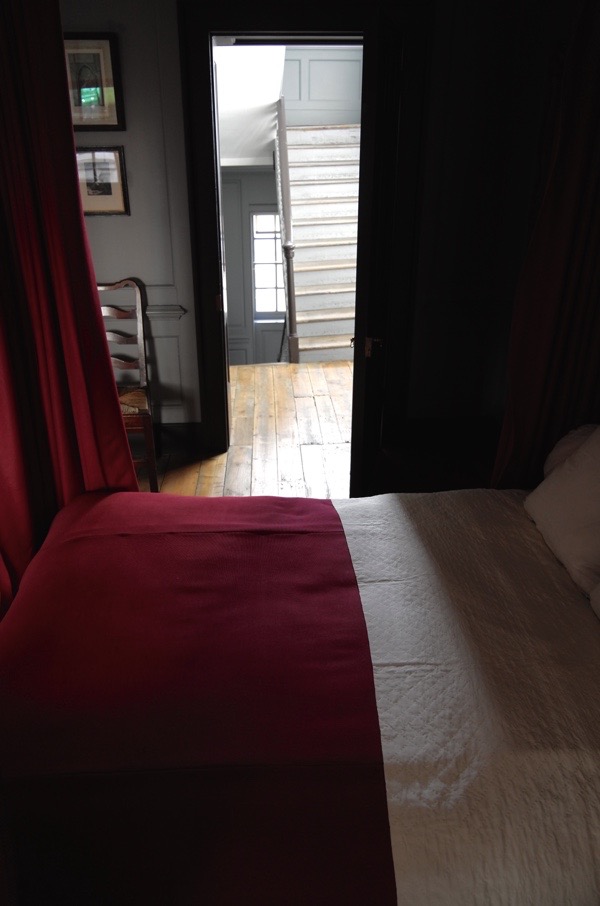
In George Frideric Handel’s bedroom at 25 Brook St

Hendrix in his bedroom at 23 Brook St, 1969 © Barrie Wentzell
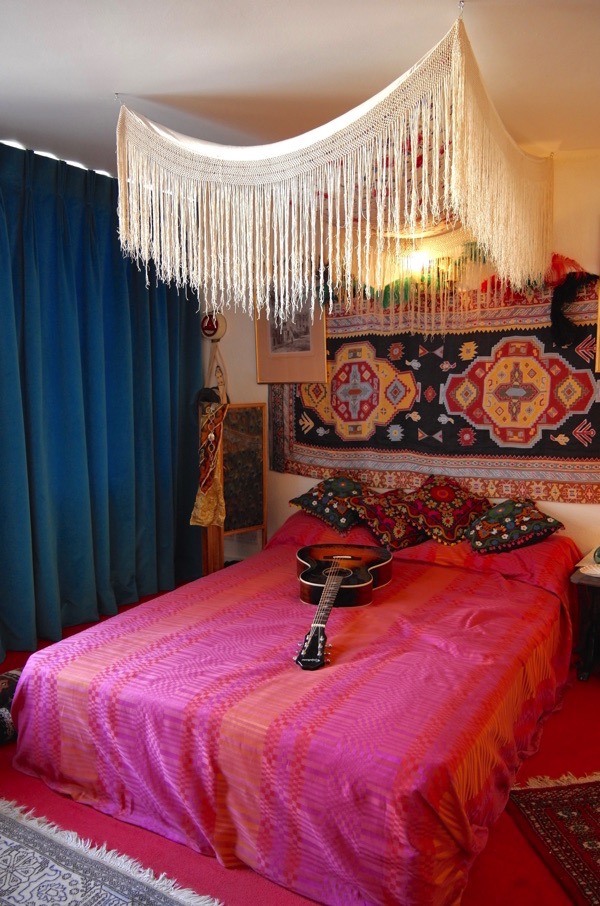
In Hendrix’ bedroom
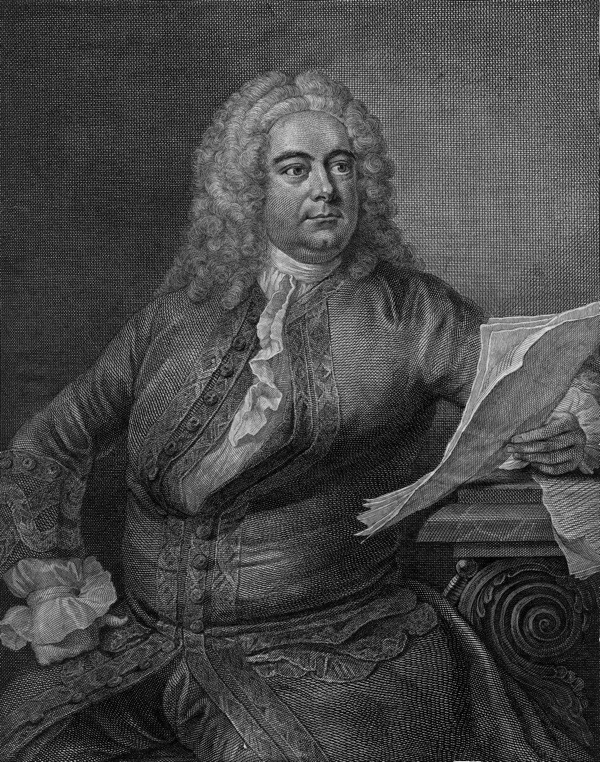
Handel – ‘Handel & Hendrix shared a foppish love of long velvet coats and big curly hair’
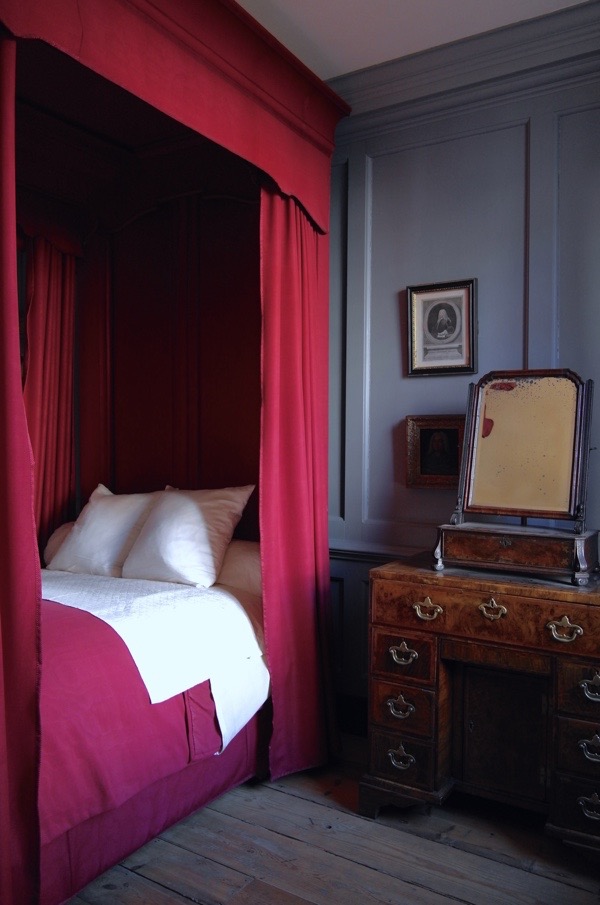
In Handel’s bedroom
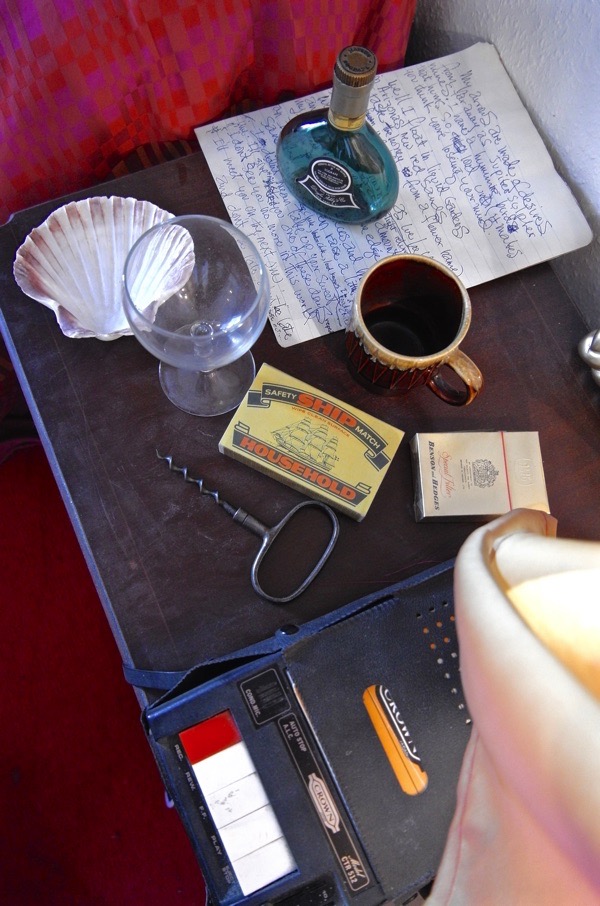
In Hendrix’ bedroom
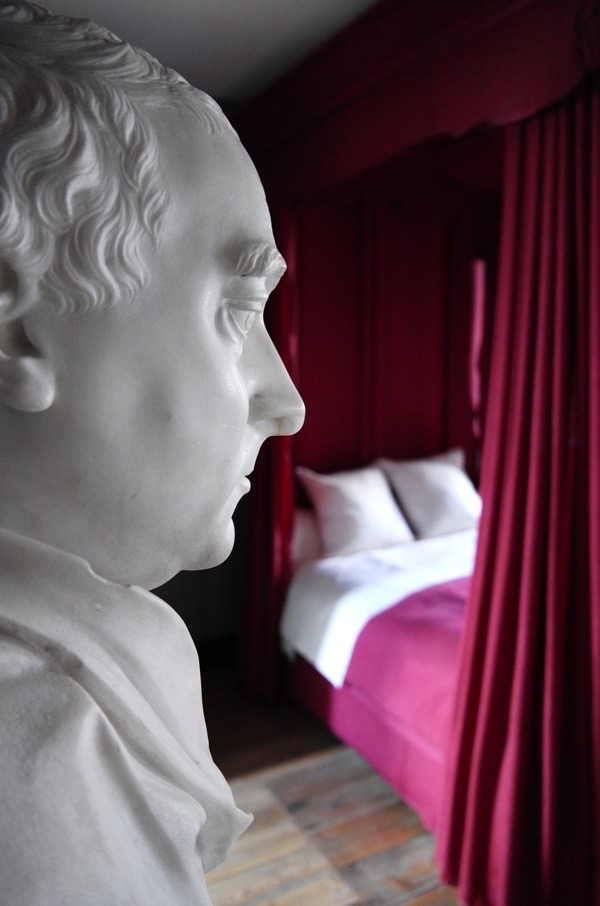
In Handel’s bedroom (Portrait bust courtesy of The Royal Collection)
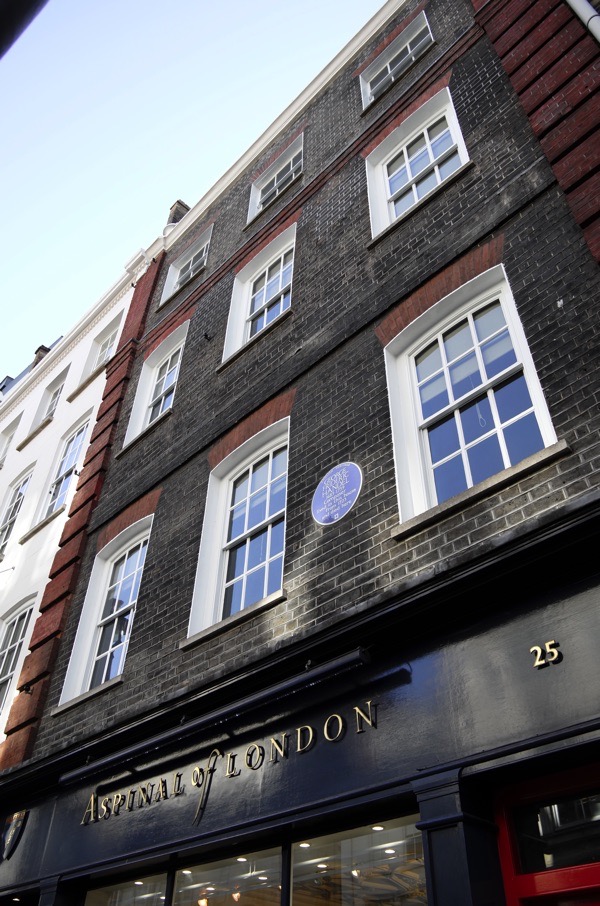
Jimi Hendrix’ windows were on the top floor at the left and Handel’s were on the first floor at the right
Visit Handel & Hendrix in London, 25 Brook St, Mayfair, W1K 4HB
You might also like to read about
East End Shopfronts
These splendid shopfronts from the beginning of the last century are published courtesy of Philip Mernick who has been collecting postcards of the East End for more than thirty years. In spite of their age, the photographs are of such high quality that they capture every detail and I could not resist enlarging parts of them so you can peer closer at the displays.
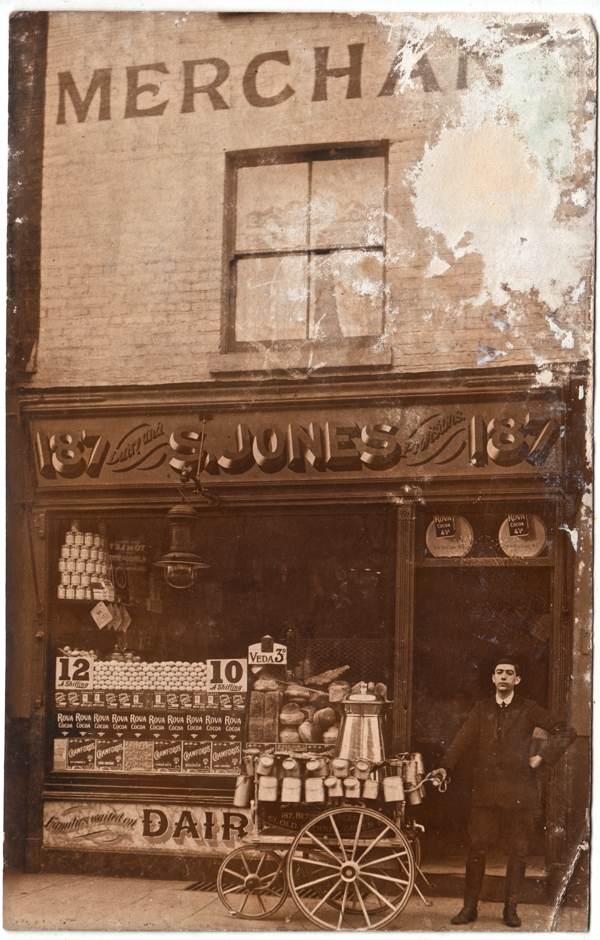
S.Jones, Dairy, 187 Bethnal Green Rd
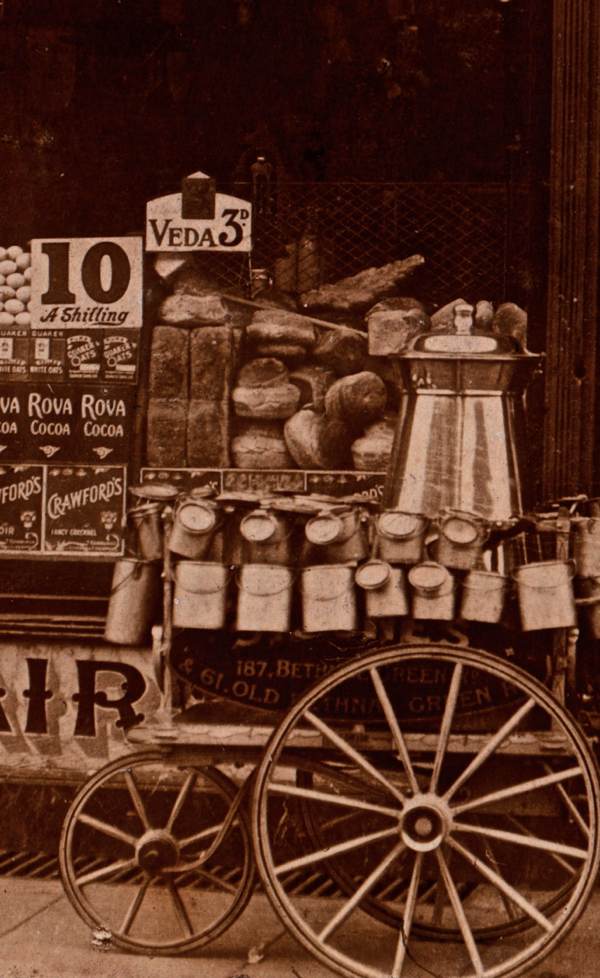

J.F. List, Baker, 418 Bethnal Green Rd


A.L.Barry, Chandlers & Seed Merchants, 246 Roman Rd


Direct Supply Stores Ltd, Butcher, Seven Sisters Rd


Vanhear’s Coffee Rooms, 564 Commercial Rd


Williams Bros, Ironmonger, 418 Caledonian Rd
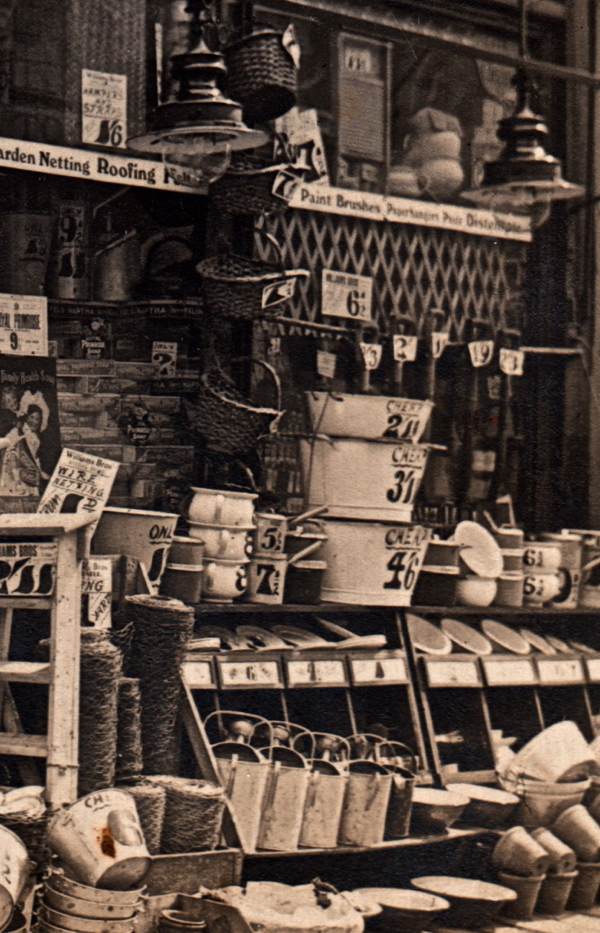

Francis J. Walters, Undertakers, 811 Commercial Rd


Pearks Stores, Grocer, High St, East Ham


A. Rickards, Umbrella Manufacturer, 30 Barking Rd, East Ham

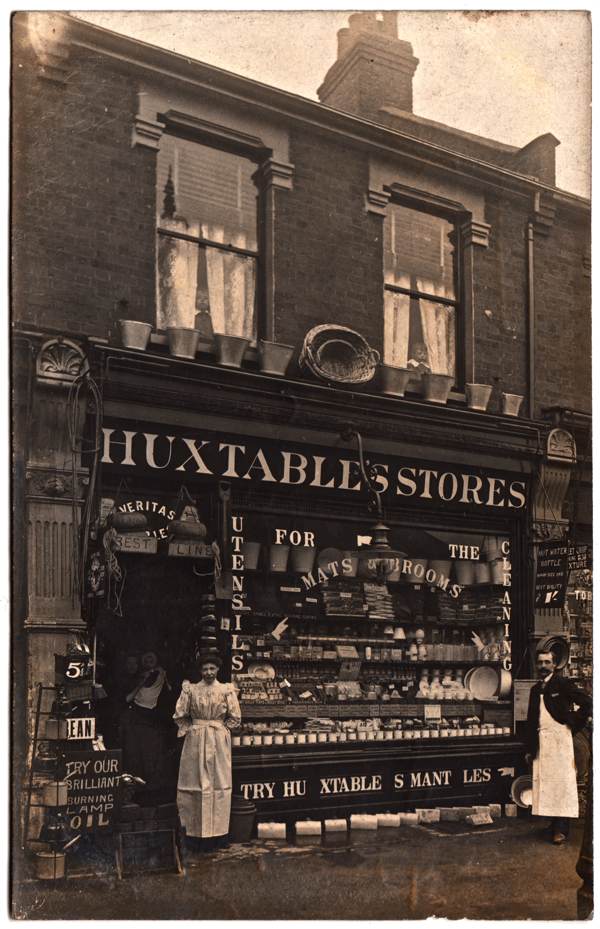
Huxtables Stores, Ironmonger, Broadway, Plaistow


E.J Palfreyman, Printer, Bookbinder & Stationer, High Rd, Leytonstone


J.Garwood, Greengrocer, Bow Rd

“The banana is the safest and most wholesome fruit there is”
You may also like to take a look at
Alan Dein’s East End Shopfronts
Emily Webber’s East End Shopfronts
Eleanor Crow’s East End Shopfronts
Jim Howett’s Spitalfields Shopfronts
Hope For The Bethnal Green Mulberry
In the week of the anniversary of a bomb hitting the London Chest Hospital on 19th March 1941 and narrowly missing the historic Bethnal Green Mulberry which flourishes to this day, we launch our funding campaign for a legal challenge to save it from the developers who want to dig it up.
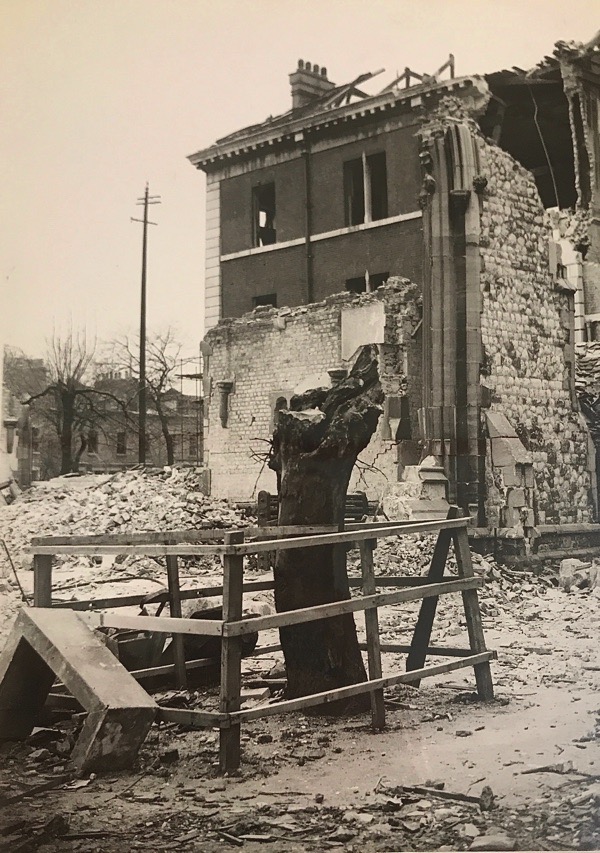
This tree survived a bomb in 1941, but will it survive developers in 2019?
Readers will recall the callous decision of Tower Hamlets Development Committee last September when they gave permission for developers Crest Nicholson to dig up the historic Bethnal Green Mulberry in the grounds of the former London Chest Hospital. A Mulberry believed to have been planted by Bishop Bonner in 1540 and understood to be the oldest tree in the East End.
The developer’s hubris was such that they refused to move their proposed block of luxury flats to avoid the tree and the council’s decision was taken in spite of the Mulberry’s status as a Protected Tree, its classification as a Veteran Tree, and the additional protection extended to such trees in the Planning Guidelines revised by the government last July.
Over the winter, the planning application has been with the Greater London Authority while they tried to persuade Crest Nicholson to increase the pitifully low level of social housing in the development, but now the application has been returned to Tower Hamlets Council, we are able to make a legal challenge.
We cannot stand by and permit the destruction of the Bethnal Green Mulberry and, WITH YOUR SUPPORT, we are launching action to prevent this. We have taken specialist legal advice and are confident that there are grounds for a successful legal challenge.
Crest Nicholson’s redevelopment of the former London Chest Hospital is an exploitative development that destroys too much of the listed Victorian Chest Hospital building, damages the Victoria Park Conservation Area and sacrifices too many mature trees while offering too little social housing in return. We understand the social accommodation and luxury flats will have separate entrances and there will be no public access to walk through the site if Crest Nicholson get their way.
Please spread the word to your friends and family and contribute what you can to help us fight to save the Bethnal Green Mulberry.
CLICK TO CONTRIBUTE TO OUR FUND TO SAVE THE BETHNAL GREEN MULBERRY

Nurses examine the new growth of the Bethnal Green Mulberry in 1944 (Courtesy of the Royal London Hospital Archives)
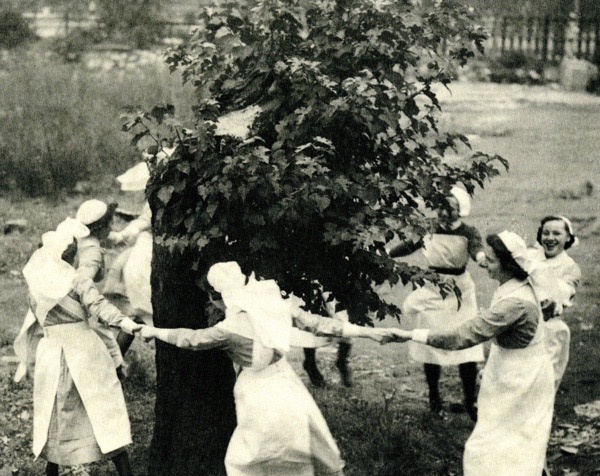
Nurses dance round the Bethnal Green Mulberry in celebration of its regrowth after the bomb (Courtesy of the Royal London Hospital Archives)

The survival of the Bethnal Green Mulberry tree serves as a living memorial to those who died in the bombing of the Chest Hospital (Courtesy of the Royal London Hospital Archives)
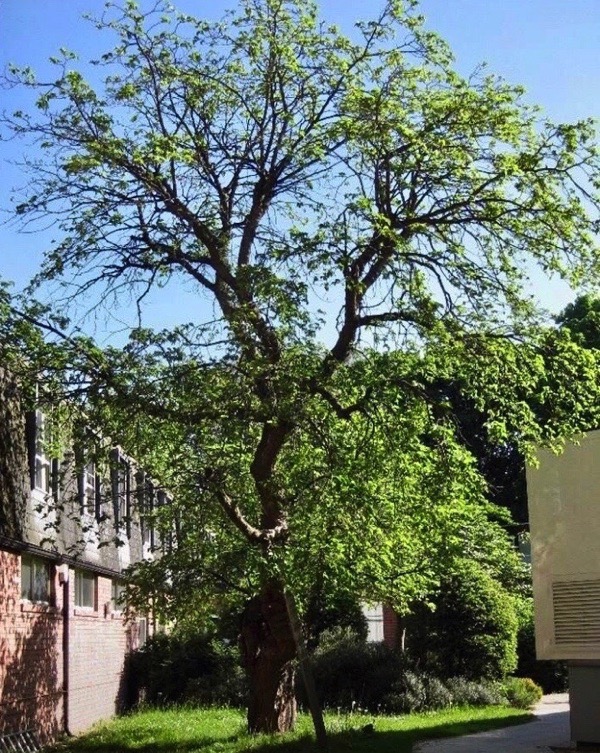
The Bethnal Green Mulberry today (Photograph by Bob Philpots)

Graphic by Paul Bommer
Click here to read my feature in The Daily Telegraph about the scandal of the Bethnal Green Mulberry
Read more here about the Bethnal Green Mulberry
The Fate of the Bethnal Green Mulberry
How Old is the Bethnal Green Mulberry?
Here We Go Round The Bethnal Green Mulberry
A Plea For The Bethnal Green Mulberry
The Reckoning With Crest Nicholson
Tamara Stoll’s Ridley Rd Market
Photographer Tamara Stoll has been recording Ridley Rd Market – the people, places and stories – since 2011. In January, I published a series of Tamara’s portraits of the traders and their customers, and today I publish her atmospheric still lifes of the empty market.


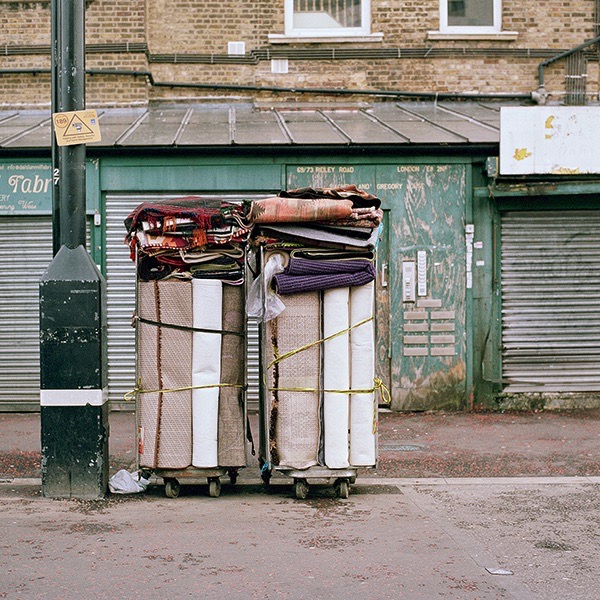


Photographs copyright © Tamara Stoll
You may also like to take a look at
Tamara Stoll’s Ridley Rd Portraits
Lucinda Rogers at Ridley Rd Market
Jeffrey Johnson’s Favourite Signs
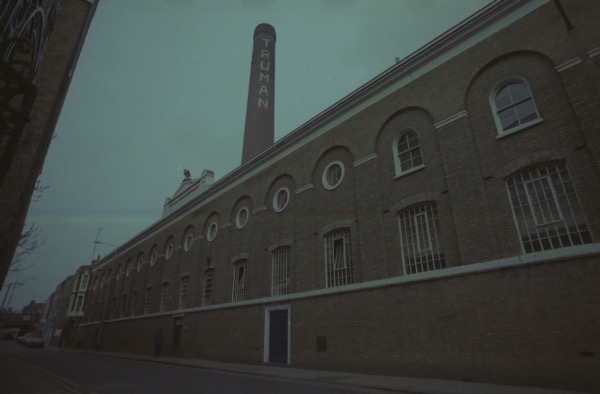
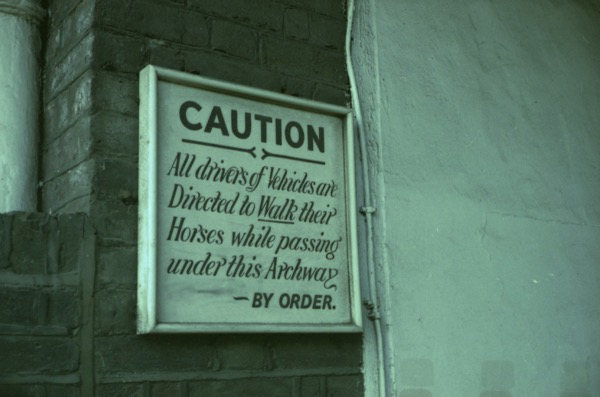
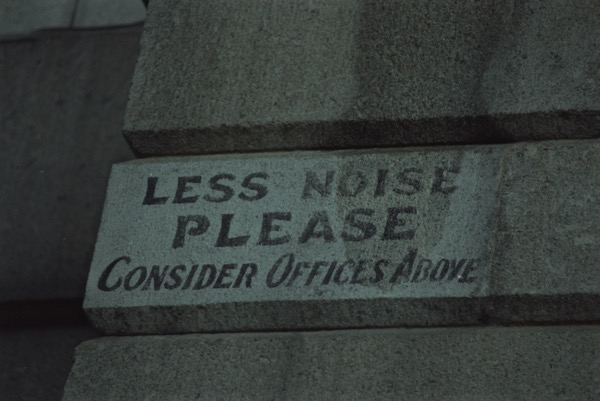
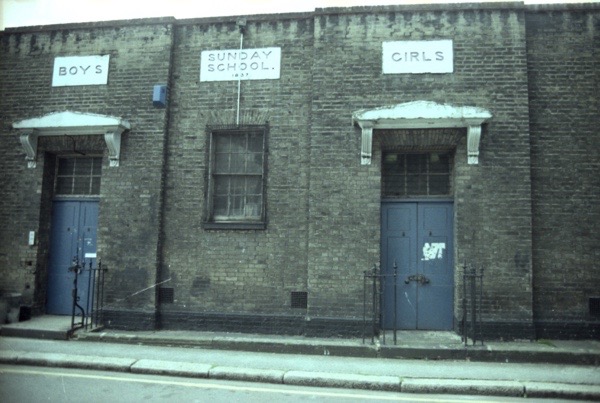
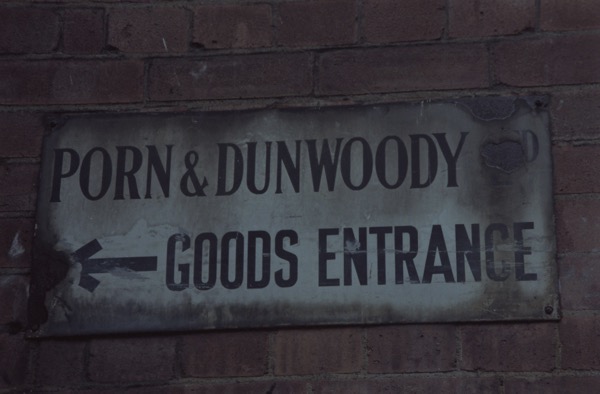
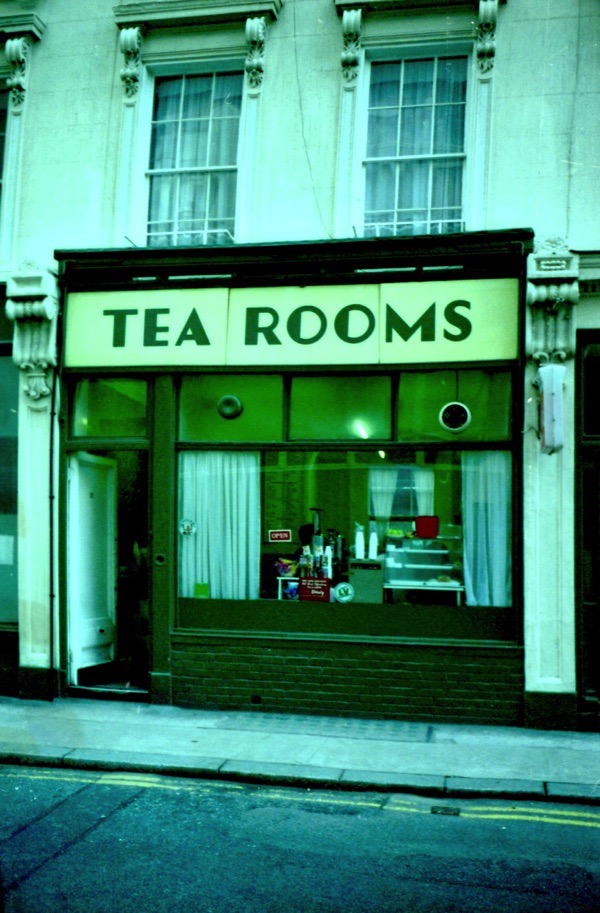
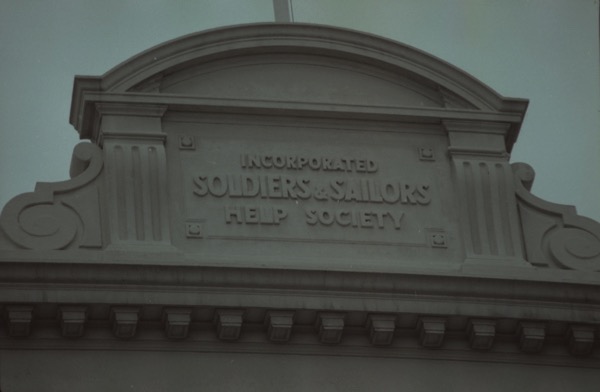
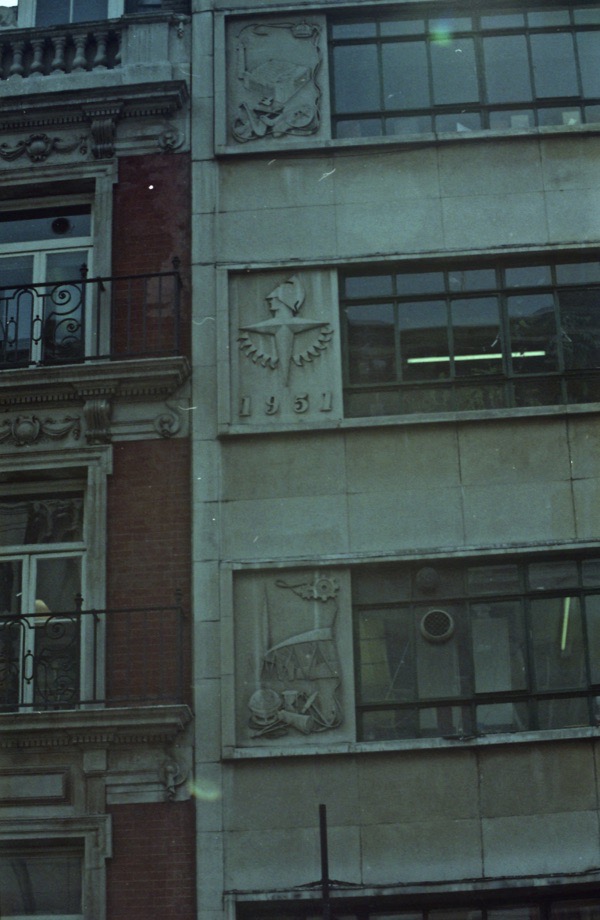
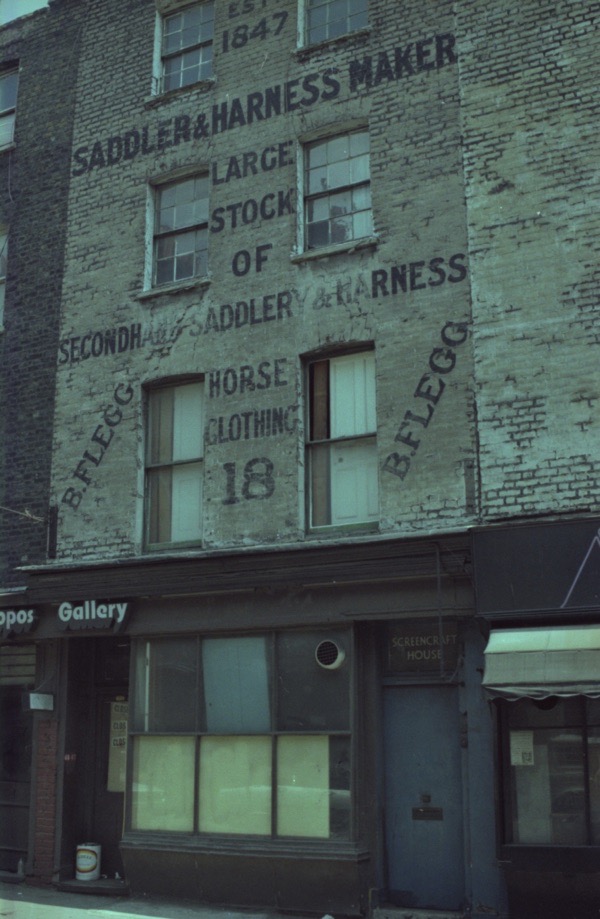
Enigmatic Photographer Jeffrey Johnson deposited a stack of his pictures from the seventies and eighties with Archivist Stefan Dickers at the Bishopsgate Institute, including these photos of signs and ghost signs. Sharing Jeffrey’s relish at this magnificent array, I cannot resist the feeling that he is one after my own heart in savouring both the poetry and aesthetics of London’s old signage.
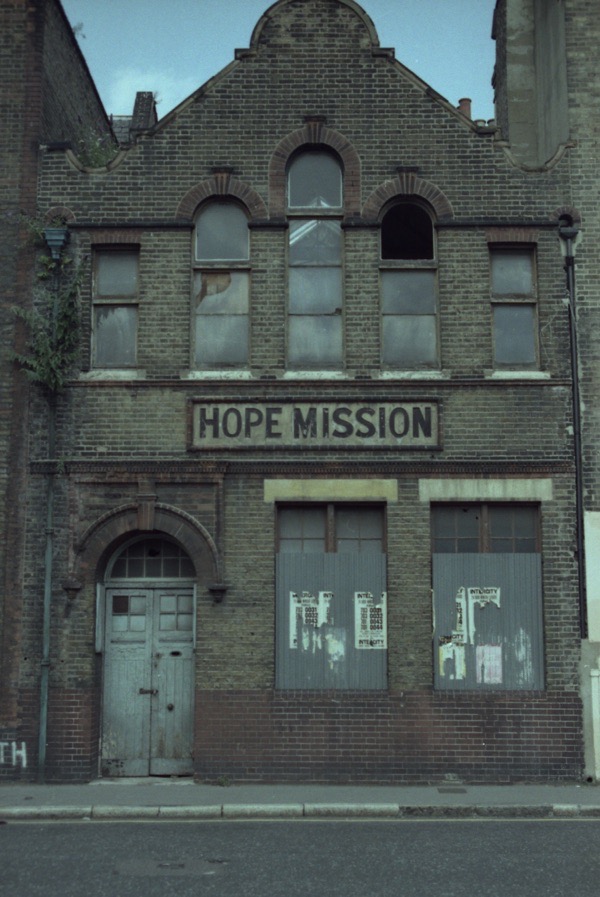
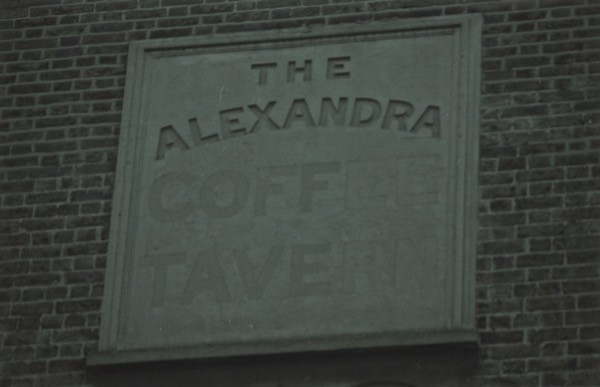
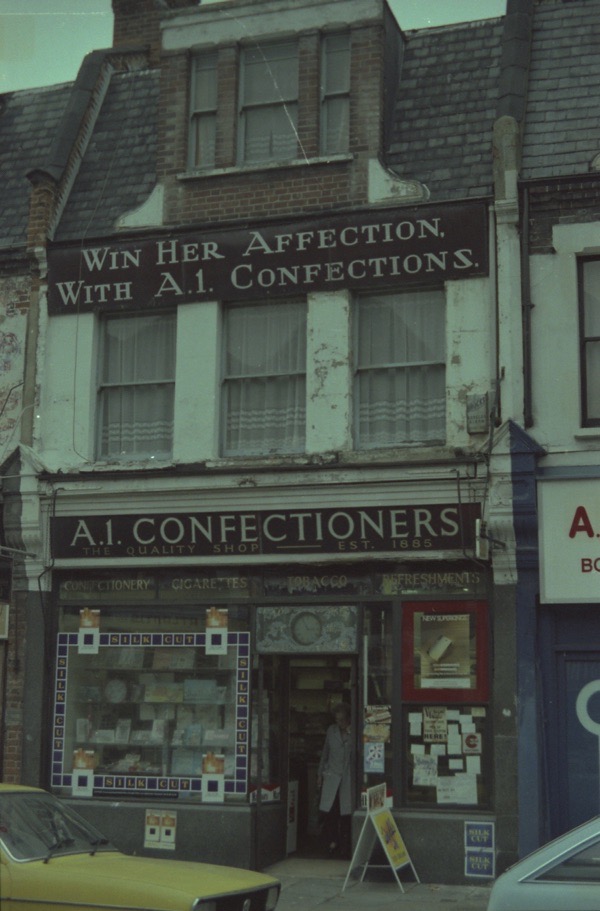
Win her affections with A1 Confections
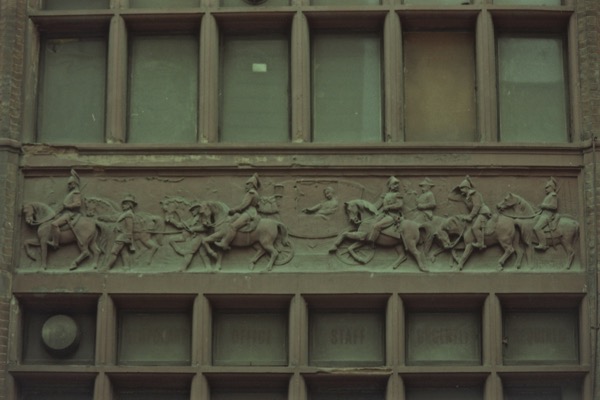
Temporary office staff urgently required
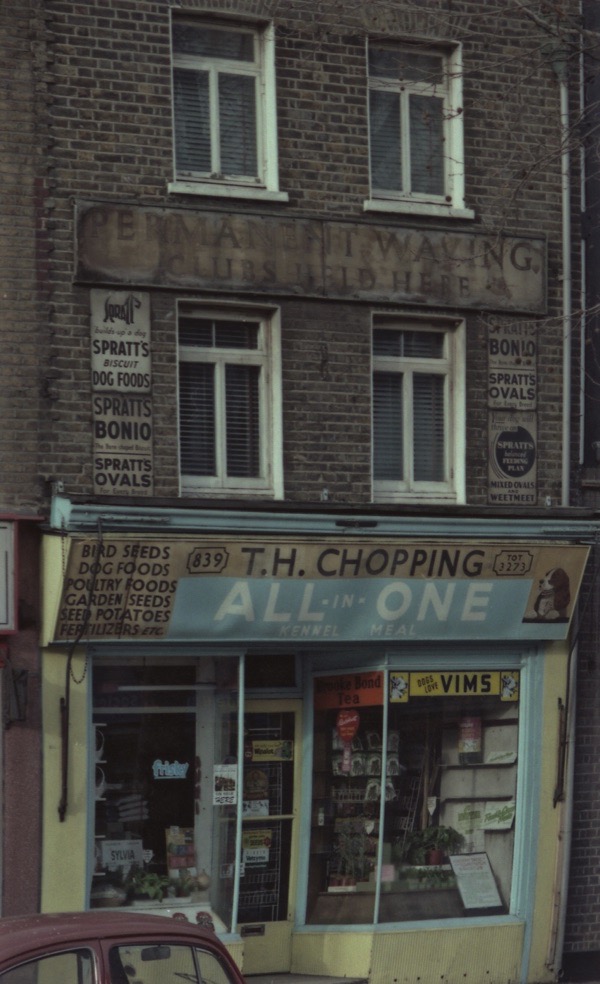
Permanent waving clubs held here
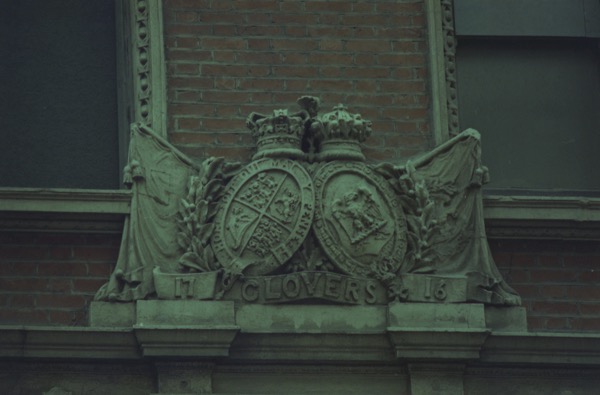
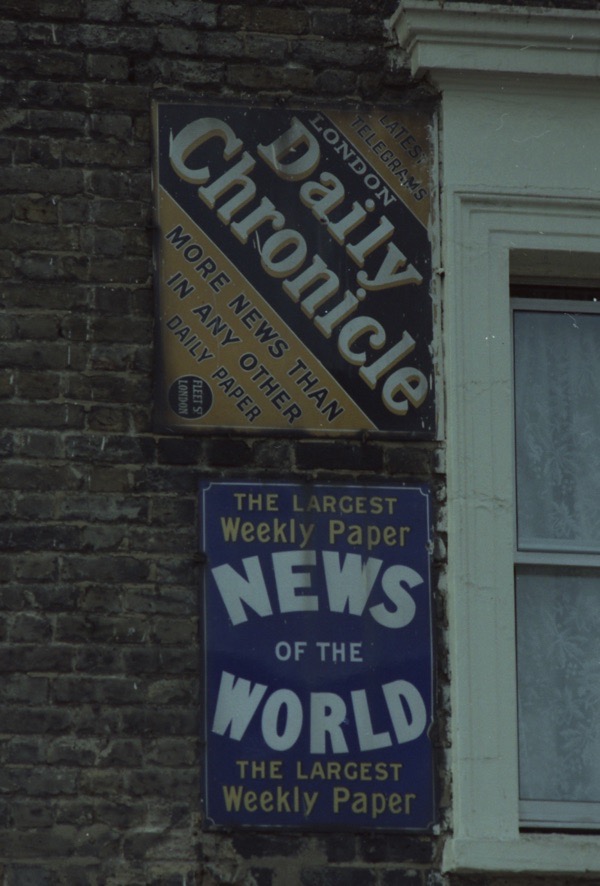
More news than in any other daily paper
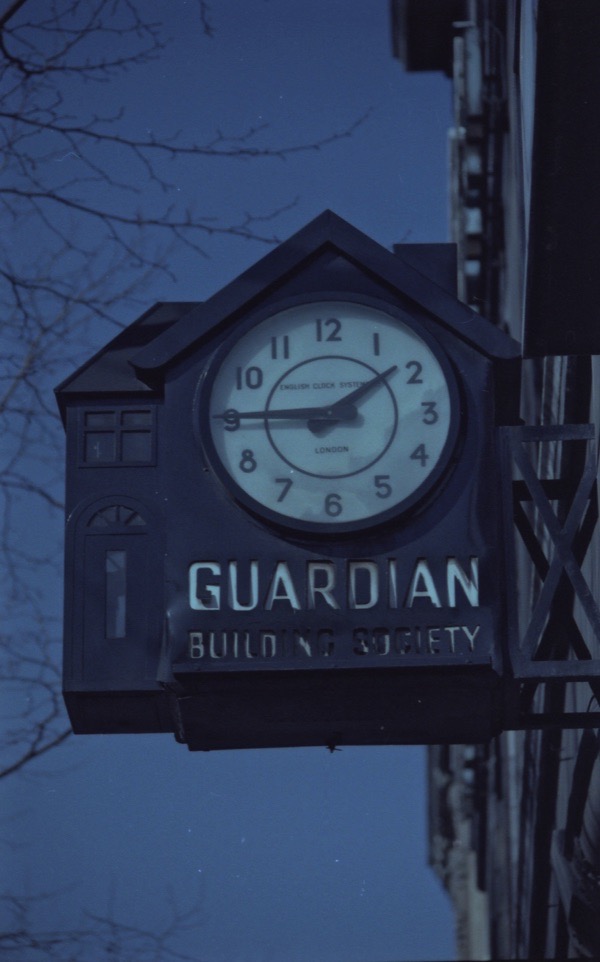
English clock system
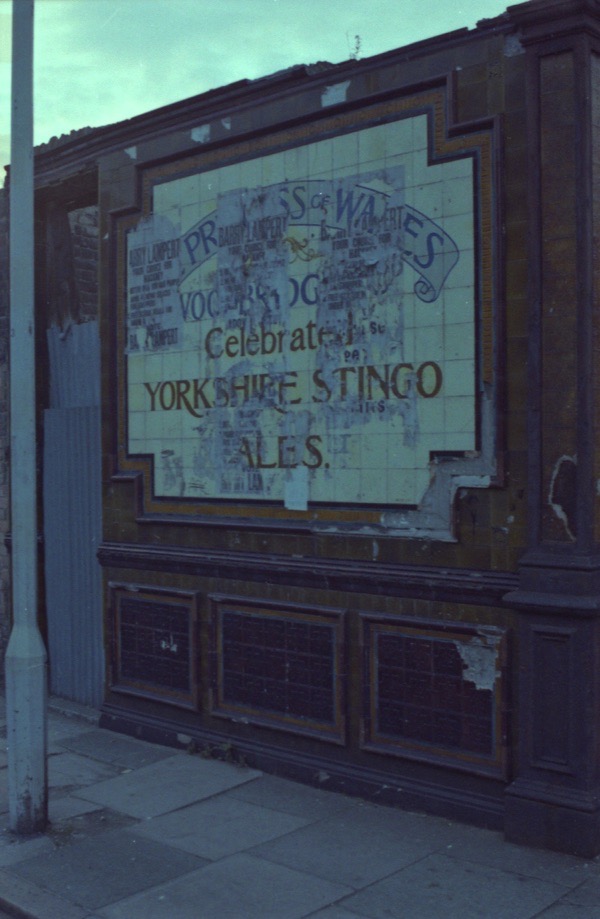
Barry Lampert – Your choice for Hackney
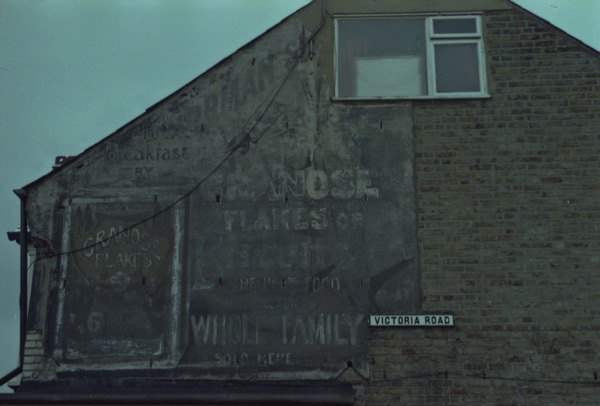
The best food for the whole family sold here
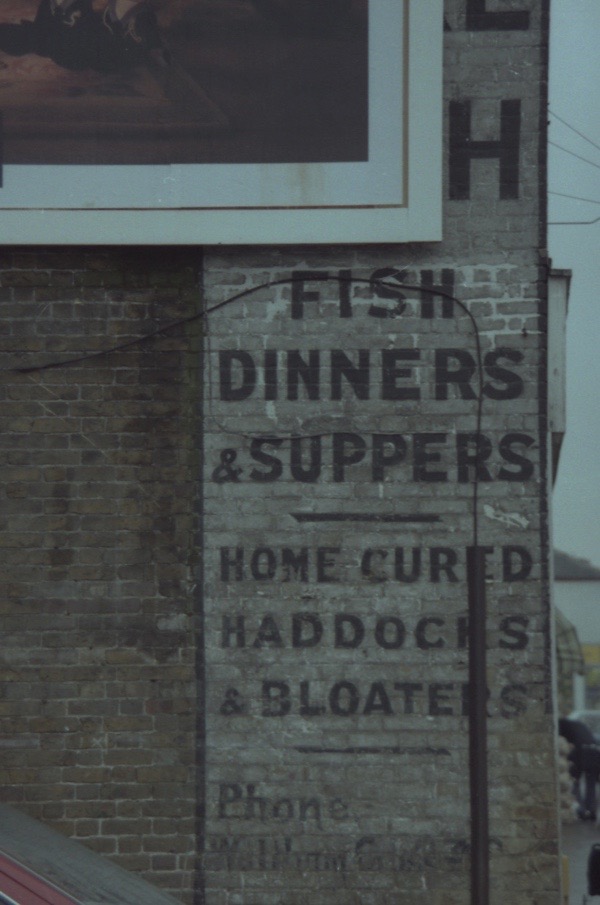
Home cured haddocks & bloaters
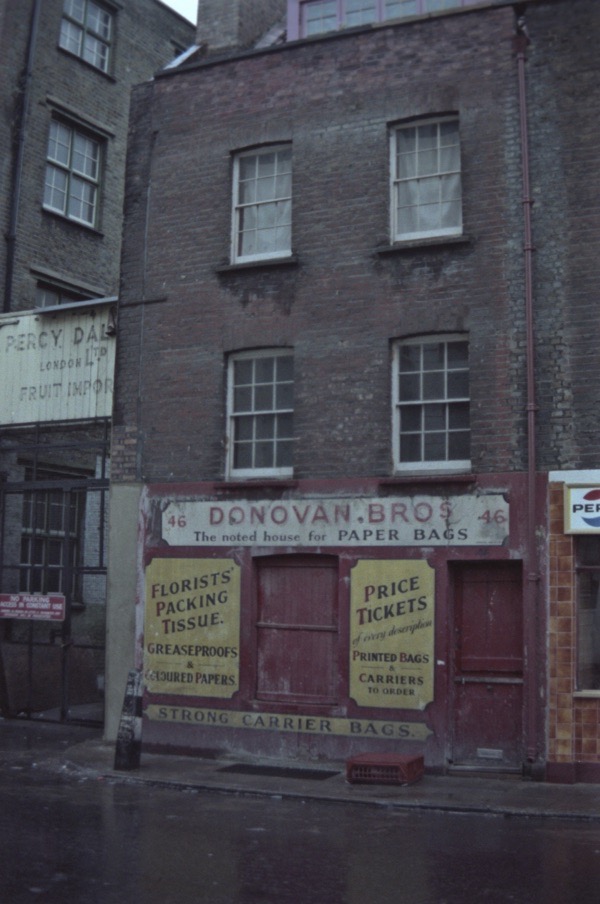
The noted house for paper bags
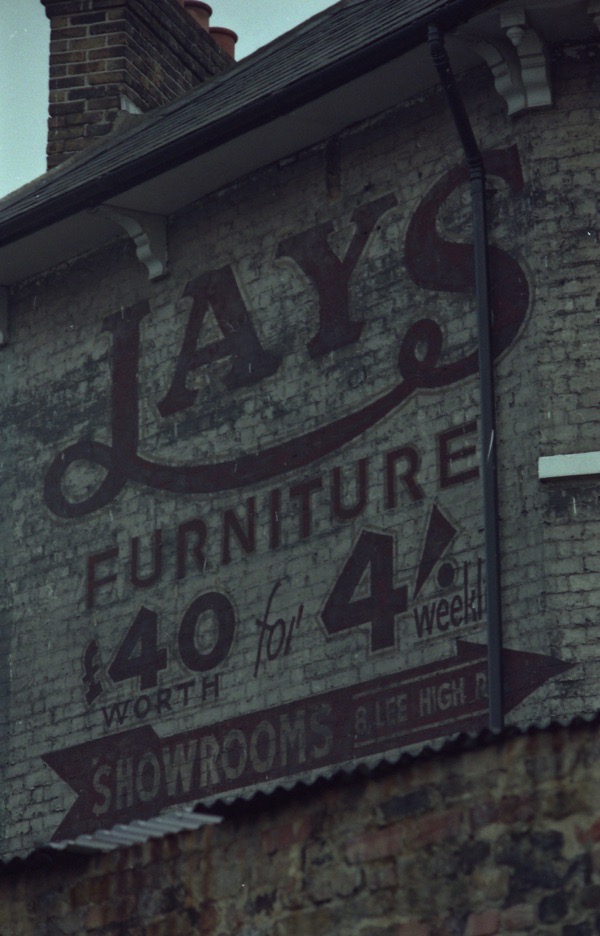
£40 worth for four shillings weekly
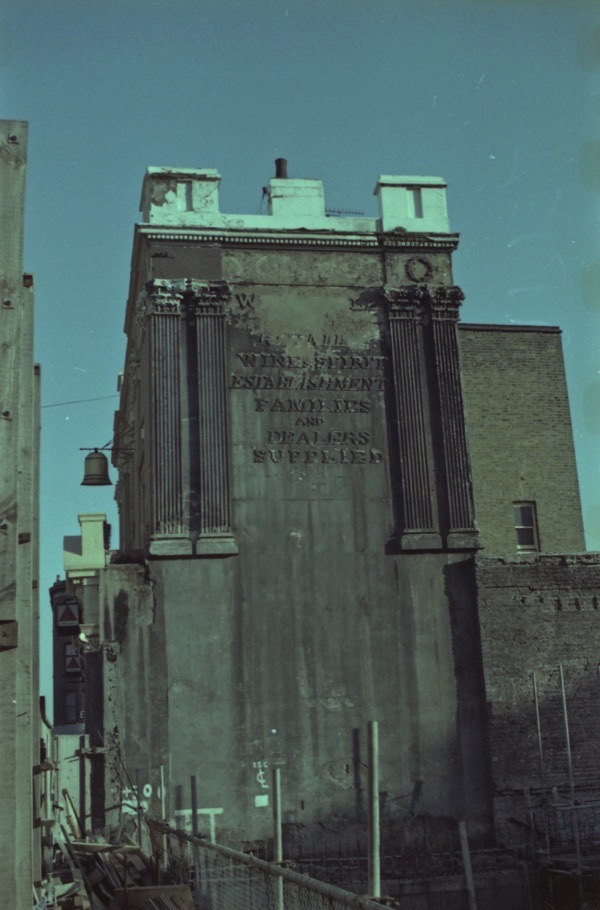
Families and dealers supplied
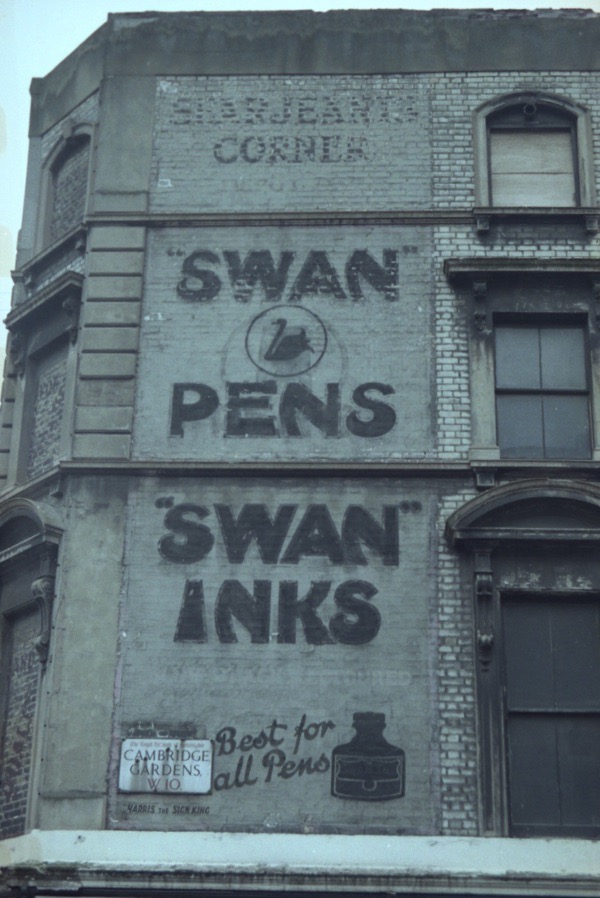
Harris the sign king
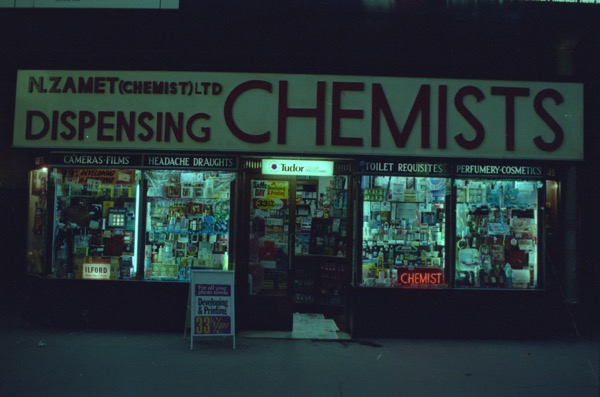
Headache draughts
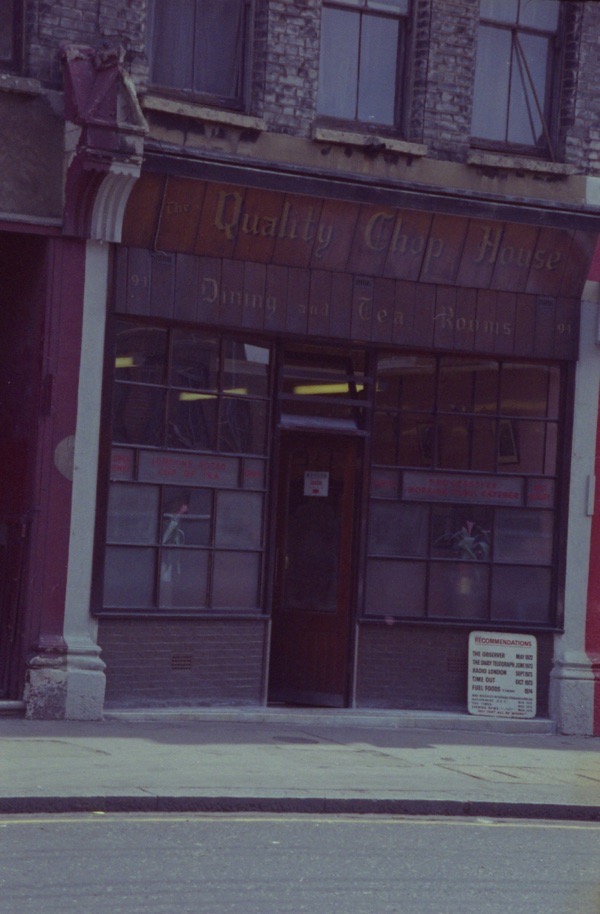
Progressive working class catering

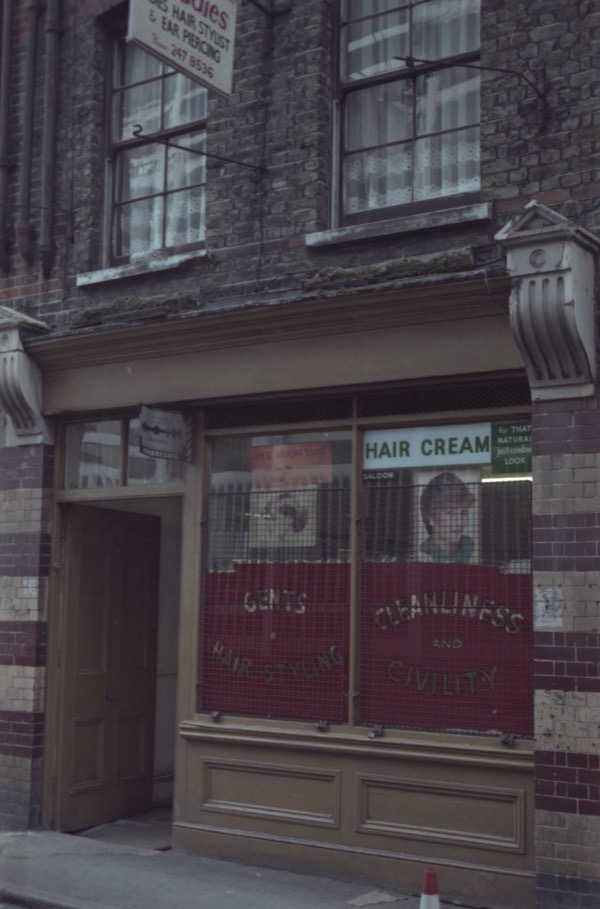
For that natural just combed look
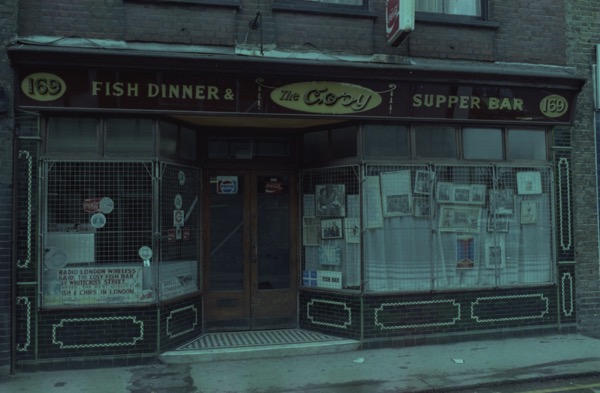
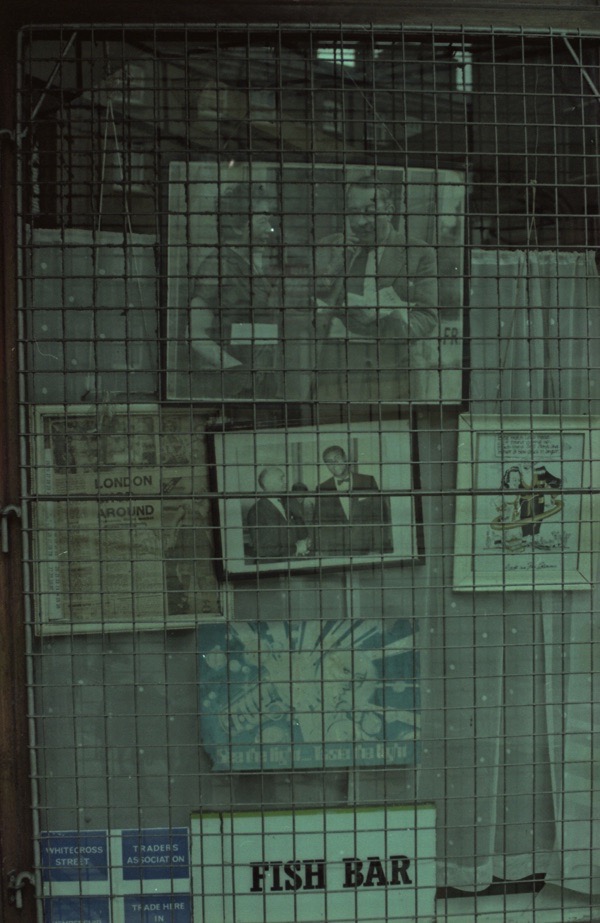
Radio London wireless said ‘The cosy fish bar in Whitecross St serves the best quality fish & chips in London.’
See the light…taste the light
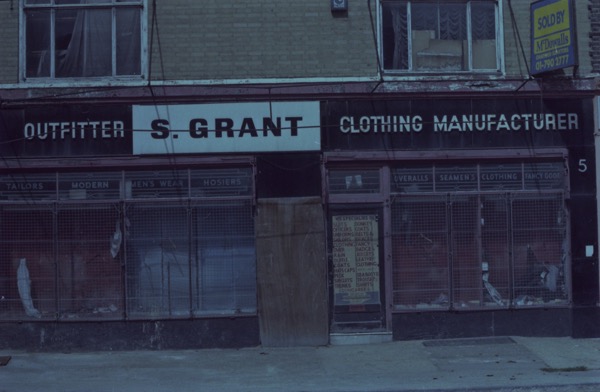
We specialies in suits, donkey coats, officers uniforms, belts & braces, sailors clothing…
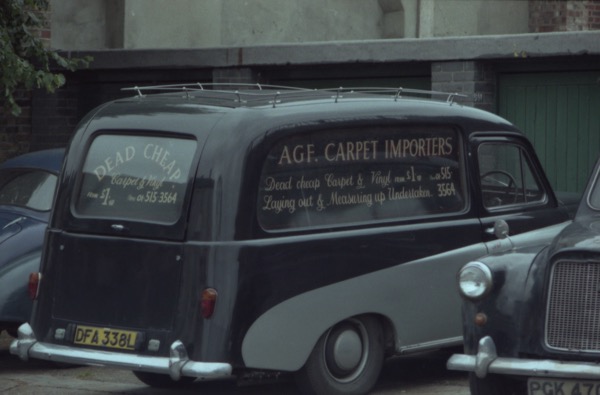
Laying out & measuring up undertaken
Photographs copyright © Jeffrey Johnson
You may also like to took at
Jacqueline Billings Of Wellclose Square

Jacqueline Billings
On a particularly bleak day in early spring, when the snow still lay upon the ground, it was my delight to take the train down to Farnborough to meet Jacqueline Billings. She is one of the few people left to recall the fabled beauty of Wellclose Sq in Wapping which was demolished in the last century as part of ‘slum clearance.’
‘I can’t remember anything because I am so old and very little has registered,’ she declared to me, shaking her head in feigned disappointment, before regaling me with the tales of her formative years in Wellclose Sq which you can read below.
In the East End, Jacqueline discovered two prevailing passions which remain with her to this day. She began her career as a teacher in Poplar in her twenties and, seventy years later, still tutors children at home. She remembers visiting the Whitechapel Bell Foundry over half a century ago and has been an enthusiastic handbell ringer for more than forty years, still practising several nights a week.
With high cheek bones, classical features and with her long white hair pulled back, Jacqueline possesses a commanding yet magnanimous spirit. She is well spoken, with precise diction and elegant consonants, and it was my privilege to listen as she told me her story in her own words.
“I was born in 1926 which makes me ninety-two years old. I was born in Ilford and my father, George Thompson, was an analytical chemist and worked for the Gas Light & Coke Company. My mother Elise was French, from Saint Omer in Normandy, she was a hairdresser and people came round to our house to get their hair done. She was coming over to England one day and he had been to France, and they met on the ferry.
My grandfather lived at 7 Campbell Rd in Bow and was a ship’s carpenter in the London Docks. At some point, they asked for a halfpenny an hour wage increase and it was refused. After nine months of stalemate, the company closed and he was out of a job. We used to visit my grandparents in Bow, they had a tiny front room, a backroom and scullery with a tin bath.
The Gas Light & Coke Company had a gas substation in a house in Wellclose Sq in Wapping and we moved there in 1937, when I was ten years old. The first floor rooms were kept locked and my father had to check instruments through a glass panel in the wall. In the kitchen, during the war, there was a disc on the wall and it had a pen attached which we had to fill with ink. It drew a line that recorded the gas pressure. Sometimes the gas pipes were hit by bombs and the line dropped – there was no gas at all.
It was a lovely house with sixty-seven stairs from the bottom to the very top. The bathroom was at the top of the house but at some point somebody had built a lavatory in the yard. It was not very large but it was fascinating because it was castellated. You had to climb thirteen steps from the kitchen to get outside and then walk down this little yard to reach the castle at the bottom. Looking out from the front of the house into Wellclose Square, you could see the church and St Paul’s School and trees. It was very peaceful and I am sorry it has gone.
When we came to the East End from Ilford, it seemed a dirty and noisy place. In those days, it was mainly a Jewish quarter. Old ladies would be sitting outside their front doors after they had whitened the step, which they did every day. I can remember a lot of live chickens being sold.
At school, the East End children thought we spoke funny. We did not know how else to speak. We spoke as we had been brought up. I was never more than an average pupil and I do not remember having school friends. I was only there about a year before I was evacuated although, towards the end of the war, I came back every weekend. St Paul’s School was closed because all the children were evacuated and it never reopened in my time there. Consequently, the square was empty and always very quiet.
I had a brother George and a sister, Andrée. Our bedroom was at the top of the house and my sister did something frightening. The window opened onto a sloping roof, where there there was a gully and parapet. Lo and behold, if she did not get out of the window – which we had done several times – and stood in the gully. She walked along the top of the parapet and she survived. I was something I was never temped to do.
It was always frightening to me because my sister and I, we had to go down North East Passage to get to Cable St and then walk along Cable St. I do not know why it was frightening but I was always frightened in Cable St. People spoke about the blackshirts but not in any detail. We felt there might always be somebody there ready to jump out at us and in fact my sister was attacked one night. In the other direction, we would go down Cable St and walk up Leman St to Aldgate East underground station. On my way back down Leman St, even when I was twenty, I used to go into the Police Station and ask, ‘Please could a policeman accompany me back to the house.’
Sometimes we could hear ships sounding in the docks. Wellclose Square was very big and there was the Highway beyond and the docks were over a wall on the other side of the Highway. It was not traffic we heard, it was the sound of the ships. We never visited the docks. We were well insulated inside our house, I do not think we opened the windows very much. Certainly not at the front. We were never cold, we had gas lights and gas fires. You could go in the front door, walk down the passage and switch on the gaslight, which we thought was very advanced. You had to handle the gas mantle very carefully when you replaced it. I do not know when we got electricity.
We used to swim in the Thames by Tower Bridge. You could go down the steps and when the tide was out there was a gravelly beach. Lots of people went. We were always on our own but we did not come to any harm.
My father was only forty-eight when he died. He was still young but he had been ill all his life. He had a damaged kidney from a fall in the school gymnasium. It atrophied and finally he had it removed. He was born in 1900, so he was too young to serve in the First World War. During the Second World War, he was issued with a gun and he had to be able to shoot at a packet of cigarettes at twenty metres.
I remember hearing the sirens one Sunday morning and I said to my sister, ‘You know that means we’re at war.’ George, Andrée and I were evacuated to Egham in Surrey for four years, next door to where aircraft were being built. It was quite a dangerous spot. Once I looked up and I could see a dogfight overhead. My brother was sent to Virginia Water, and me and my sister were sent to Thorpe Lea. Our school was in a large house in Englefield Green. The lady who took us in was the widow of a Methodist minister and life was very quiet. There was no radio and we were not even allowed to knit on a Sunday. It was a strict life but we survived it.
We came back whenever we could and I remember being in London when the doodlebugs came over. We would come back to London on the Friday night and leave again on Saturday afternoon. There was not a lot of bomb damage around Wellclose Square. Although the eighteenth century houses were jerry built, when bombs came down, the houses blew out and lurched back again. The only shelter we had was a wine cellar underneath the pavement with an iron door. It was the best we could do, but we did not feel vulnerable.
Gradually, people drifted back to London. When I returned to live in Wellclose Sq, I was approaching eighteen and I went off again to college to train as a teacher in Southampton. My brother and my sister moved to Bethnal Green. He had cerebral palsy, so walking was difficult for him but he got around and he became a proofreader for a newspaper.
Once I became a teacher, I taught back in the East End in Poplar. In those days, we had classes of at least thirty and they spoke cockney. I had a pile of comics and I would make the children go to the cloakroom and wash their hands before I handed out the comics, because they were precious. We had to store them and bring them out again and again as a special treat for the children. We wanted to teach respect for the written word.
I enjoyed teaching so much that I have not stopped. I shall be teaching this afternoon. The pupils come to my home in Camberley, they are all Bangladeshi and Pakistani children. The parents are keen for them all to do well and so many of them want to be doctors. I was pleased to leave the East End because I like all the green here in Surrey.”
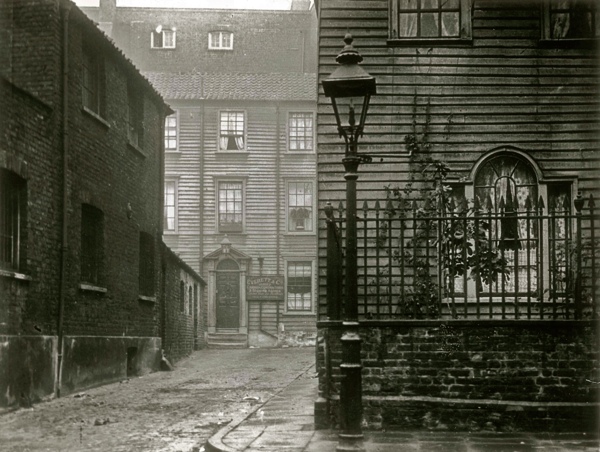
Stable Yard, Wellclose Sq (London & Middlesex Archaeological Society, Bishopsgate Institute)
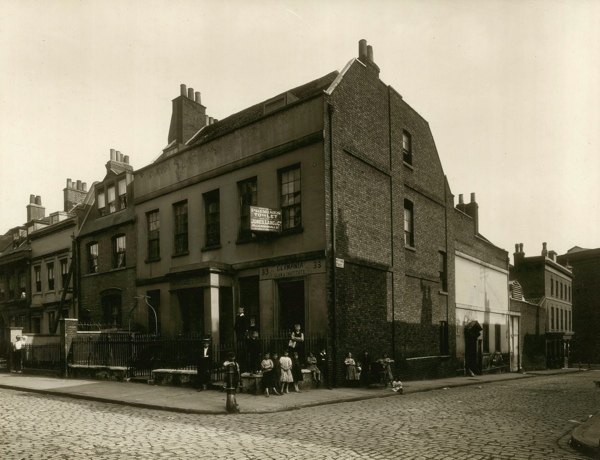
The Old Court House, Wellclose Sq (City of London, London Metropolitan Archives)
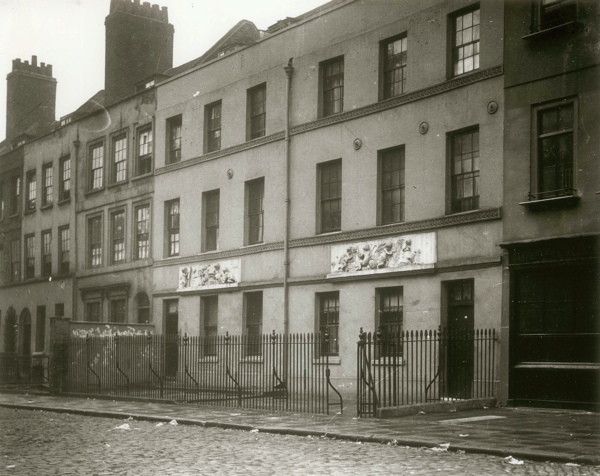
The former Danish Embassy, c.1930. (City of London, London Metropolitan Archives)

At the corner of Stable Yard, Wellclose Sq. (London & Middlesex Archaeological Society, Bishopsgate Institute)
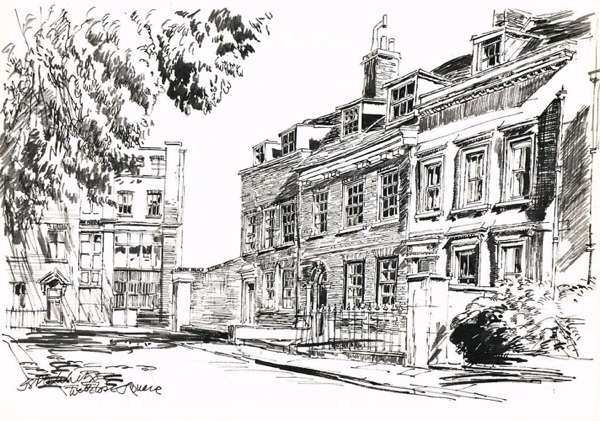
Geoffrey Fletcher’s drawing of Wellclose Sq, 1968.
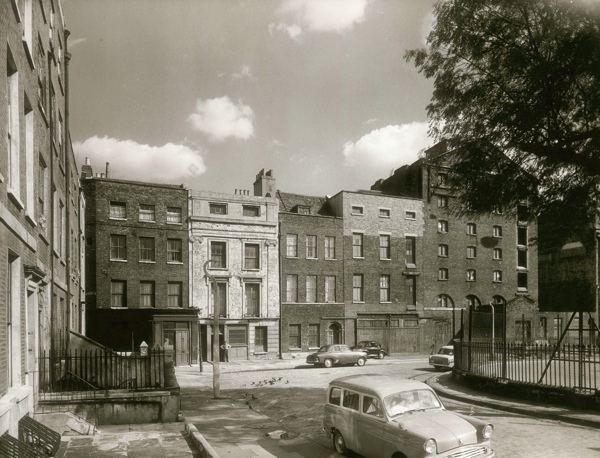
Wellclose Sq looking east from the steps of No.5 (City of London, London Metropolitan Archives)
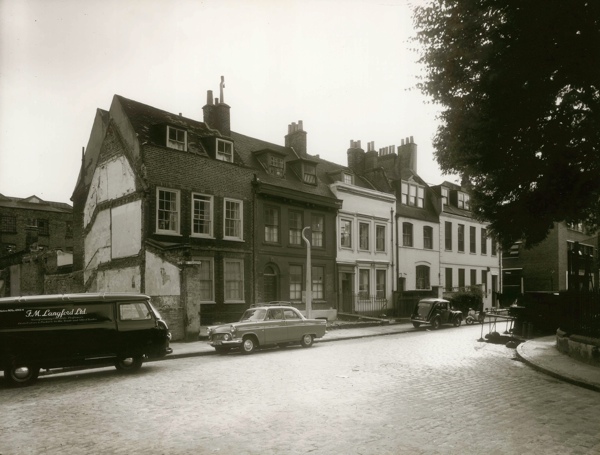
Wellclose Sq, south side, 1961. (City of London, London Metropolitan Archives)
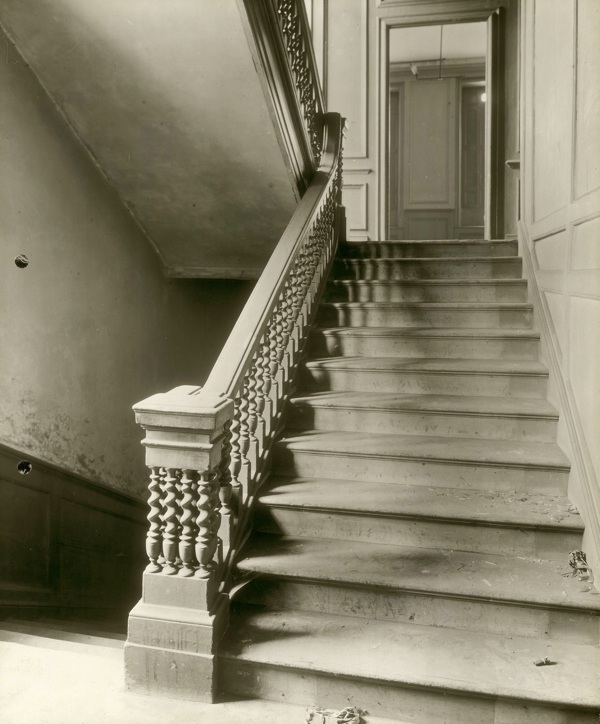
Old Court House, view to first floor landing showing the fine Barbon staircase, 1911 (City of London, London Metropolitan Archives)
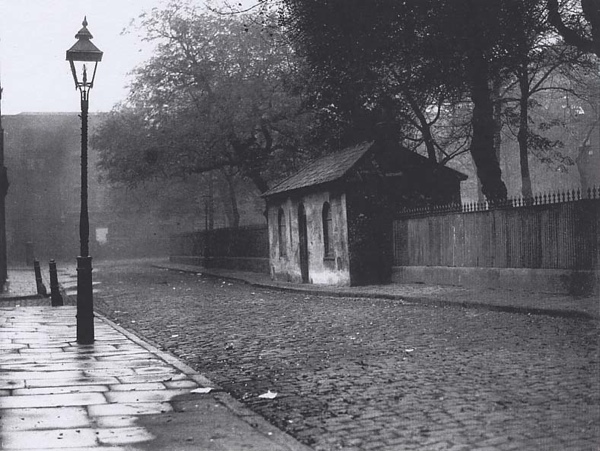
Watch House, Wellclose Sq, 1935. (City of London, London Metropolitan Archives)
You may also like to read about












