Audrey Kneller Of Elder St
Audrey Kneller sent me this evocative memoir of her years in Spitalfields which is it is my pleasure to publish for the first time here today. In this first of two extracts, Audrey describes her life in Elder St.
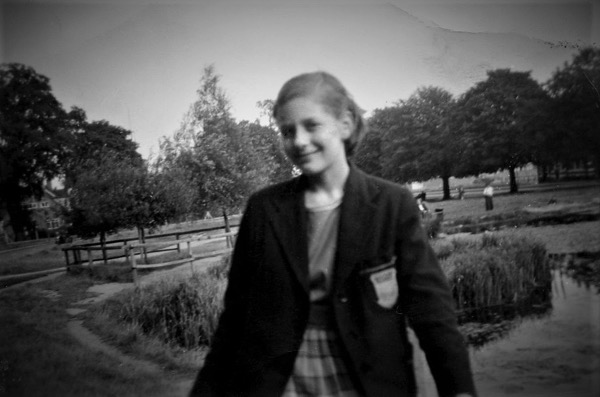
Audrey on trip to Epping Forest, aged twelve in 1957
Elder St was not a pretty place in spite of its name. No buds burst forth each spring to awaken our spirits and no birds sang merrily to remind us of the wonders of nature. Instead soot lay unmolested in every crevice of the ancient brickwork, while the clanking and hissing of steam trains shunting reminded us of the presence of the large London terminus. Poverty was a mantle we refused to wear, but it lurked menacingly on every street corner.
Early in 1953, my Auntie Sophie happened to bump into Millie Berman, an old school friend of my mother’s. This chance meeting was to bring great changes. Millie lived with her daughter on the upper floors of a rented house in Elder St and was looking for someone to take over the tenancy as she was intending to move. Clearly this was an opportunity not be missed.
Shortly after the Coronation in June 1953, we left the comfort of our temporary home in Edgware and moved into the four-storey terraced house at 20 Elder St, Norton Folgate, E1. Our first impressions were far from favourable. The tallness of the houses and total absence of trees or even a blade of grass was very forbidding. However we gradually settled and discovered the bizarre fascinations of an urban existence.
At the back, towards Bishopsgate, there was a large bomb site where I joined some boys playing cowboys and indians, and had a lovely time amid the dirt and rubble. My mother, being a genteel person, was quite horrified when I returned home looking the worse for wear. Thereafter I played more civilised games with my sister and the other refined children of the neighbourhood inside the safe confines of the street. The bomb site, however, came into its own on Guy Fawkes Night when the sky was lit up with the flames of a huge bonfire and accompanying fireworks, watched by us from a third floor bedroom window.
Our part of Elder St was an ideal playground, not only because it sheltered us from traffic but also because of the numbers of children living in the surrounding houses and tenements, so we were seldom short of playmates. In those days, the threat of the motor car was almost non-existent, leaving us to play unrestricted and unhampered, a freedom children cannot enjoy today.
In fact, I cannot remember ever, in the early days of our life in Elder St, seeing a car impinge on our games of higher and higher, piggy in the middle and others too numerous to mention. We played in the road outside our door and no-one ever prevented us from chalking out our squares on the pavement for hopscotch. The black-painted iron bars above the basement in front of the some of the houses could easily be squeezed behind, if a side bar was missing, in order to retrieve a lost ball. These hump-shaped grills were nicknamed “airies,” and a cry would often go up, “It’s gone down the airy!” It was up to the smallest and bravest of us to crawl down into the tiny space below, and once down there you had an awful feeling of being trapped in a cage until you emerged triumphant with the lost ball.
I remember long summer evenings spent playing in the street and the man who came along on his three-wheeler, peddling ices. “Yum Yum” was the brand name and yum yum his ice lollies were, delicious and creamy. A good selling point was that every so often one of the lolly sticks would have the name “YUM YUM” printed on it and whoever had such a stick could have another lolly free on presenting it to the ice cream man. Once this fact became known, some of us sat in the gutter scratching the words “YUM YUM” on our spare sticks. But the ice cream man was not fooled and, some time later, when he came round again after an unexpectedly long interval, the name of the product had been changed to “WHIM”. The lollies were the same but somehow the gilt had gone from the gingerbread.
I recall with affection the Josephs family. Simon Josephs was my age and lived with his parents, two maiden aunts and an elderly grandmother around the corner in Fleur-de-Lis St. Their house was much smaller than ours and poorly built but they were a happy family. They even had a television set, which we did not have, and we lost no opportunity when invited to view. We also spent happy hours playing with Simon and his games, especially my favourite one of Monopoly.
Next door to the Josephs lived an elderly spinster and her bachelor brother who was disabled, having been afflicted with shell shock in the First World War, and I remember sitting with them one Yom Kippur evening waiting for the fast to end. One by one, the tiny houses and the dark overcrowded tenements in Fleur-de-Lis St became empty and boarded up awaiting demolition. The Josephs, we heard later, were re-housed in a new flat on the Ocean Estate in Mile End.
Number 26 Elder St was a tall narrow house accommodating two families, one Jewish and the one Gentile. My sister Yvonne and I would sometimes sit on the steps of the house playing gobs or five stones with the daughters of the respective families. Avril Levy from the Jewish family had a famous auntie, Adele Leigh a renowned opera singer, who would often call round, leaving her sporty two-seater Sunbeam Rapier outside the house.
In Blossom St lived a family that to me epitomised poverty both materially and spiritually. The children were neglected and ran around with bare feet and bare bottoms. I was very shocked because they were so different from us yet lived almost on our doorstep. One day, Christine, a little girl who lived at 16 Elder St, decided that we should venture into the house in Blossom St. We peered inside what seemed to be a dark hole with no semblance of what I considered to be the trappings of a home. Dirt and decay lay all around and I caught a glimpse of a man lying asleep on an old armchair which, instead of cushions, was covered with sacks filled with horse hair. Overcome by feelings of horror, disbelief and the foul stench that pervaded the building, we stepped backwards into the street, and quickly walked back to the welcome ‘civilisation’ of Elder St, never to set foot again in Blossom St.
As to the past history of our house, we were led to believe that it was built in the early eighteen-hundreds. I cannot support the validity of this but the house certainly contained some unusual features.
Looking through the windows at the back, high walls surrounded the yard which was no more than ten feet in depth, just enough space for a coal storage area and a washing line to be strung across. Our convenient position near Liverpool St Station could also be a disadvantage, if the wind was blowing in the wrong direction our clean laundry would be showered with a fine layer of soot.
Ours was the only house in Elder St – and for all we knew anywhere else in Norton Folgate – to have a bathroom. The fittings were brass and, instead of having a normal plughole, there was a tall brass post affair which had to be lifted up to let the water run away. Hot water came from an ancient geyser on the wall above the bath but woe betides anyone who fell foul of the delicate lighting-up procedure. I did once and was greeted with a loud bang. The secret was to run the water first and then ignite the gas. Henceforth, unless my mother or sister were there to do the honours, I felt it safer to spend my bath times in an old zinc tub in front of the fireplace in the living room.
Nevertheless, it was handy to have a bathroom, especially as a connecting door led into the back bedroom thereby giving us a bathroom en suite! The toilet was situated next to the bathroom on the first floor landing. To have an inside toilet was again untypical of the area, most toilets being situated outside in the backyard, as I found at our cousin’s house in Buxton St.
A house of this size required regular maintenance and my mother employed a spare-time handyman to keep the interior in a good state of repair. He came and went for six years, painting, papering, plumbing and fixing, and no sooner had he finished on the top floor than it was time to start again at the bottom, rather like the Forth Bridge.
An interesting feature of the house was a long speaking tube with a whistle at one end, extending from the top floor right down to the basement. Presumably a device once used by servants, this was a source of amusement. Another source of great amusement to us, as well as to other children in our street, was the wall panelling. We succeeded in convincing them that one on the first floor landing slid back to reveal a secret passageway, such as the ones used by Cavaliers to escape the Roundheads during the Civil War.
One day, my sister told some children playing in the street that there was something strange in our basement and they immediately came to investigate. Meanwhile, I had dressed up a tailor’s dummy in an old red frock and hid behind it. As the children descended the basement stairs, I slowly moved the dummy forward, calling out in an eerie voice. The inquisitive children scattered in haste, believing me to be a headless ghost!
Not long after we moved into Elder St, we discovered the presence of unwelcome lodgers lurking behind the skirting boards. After mousetraps failed to catch them, we acquired the services of a cat. One day, one of our cousins from Buxton St called round with a tabby who had the perfect markings of a tiger, so the name stuck. Tiger was a wonderfully docile pet but he lived up this name in keeping the rodent community at bay.
One day I found him sitting on the landing and tried to pick him to carry him downstairs but he would not budge. I could not understand it until my mother pointed out that he was standing guard over a small hole in the skirting board. We left him there all that day and eventually he returned to us of his own accord, presumably having accomplished his mission.
As to the other houses in Elder St, I am sure that none of us children had any idea of their historic value. As far as I could see, we were surrounded by decaying walls and we had to make the best of the situation until circumstances improved.
Although we may have been devoid of pastoral pleasures in Spitalfields, life was far from dull. We were living on the fringes of a great nucleus of Jewish enterprise and culture – consisting of delicatessens, bakeries, butcher shops and kosher restaurants, intermingled with other Jewish-owned businesses in the garment, jewellery and shoe trades, bookshops, a Yiddish theatre and numerous synagogues – stretching from Brick Lane southward to Houndsditch and eastward as far as Bow. This was our heritage, we had returned to the roots set down by our grandparents and thousands of other immigrants fifty years earlier.
A second instalment of Audrey Kneller’s memoir follows tomorrow
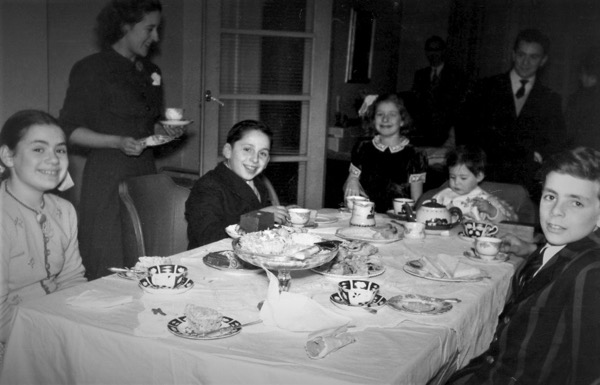
Audrey’s tenth birthday tea in 1955
You may also like to read about
Dragan Novakovic’s Club Row
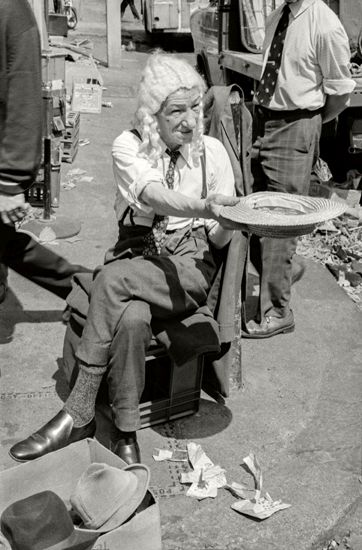
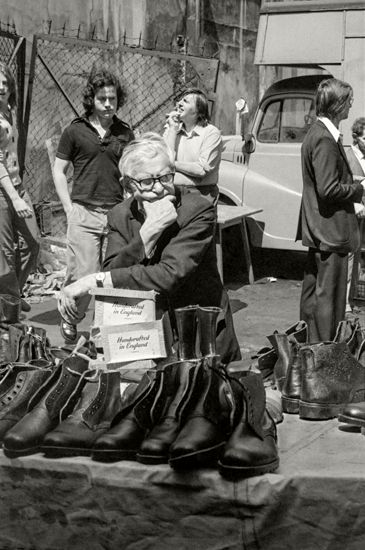
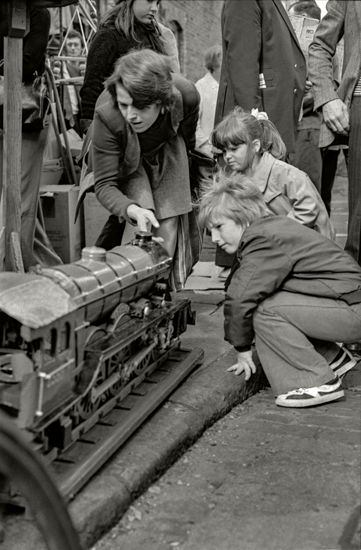
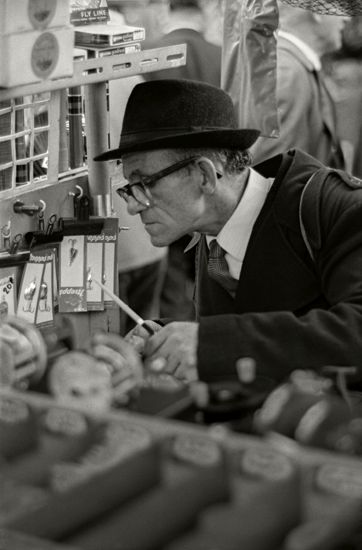
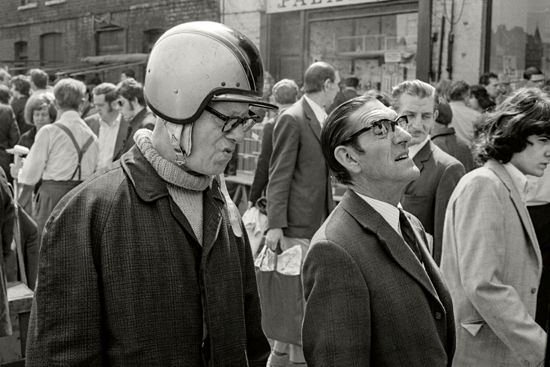
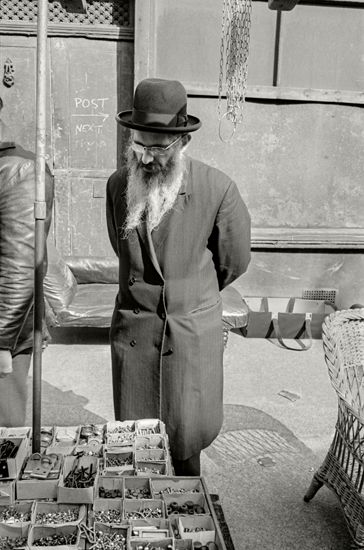
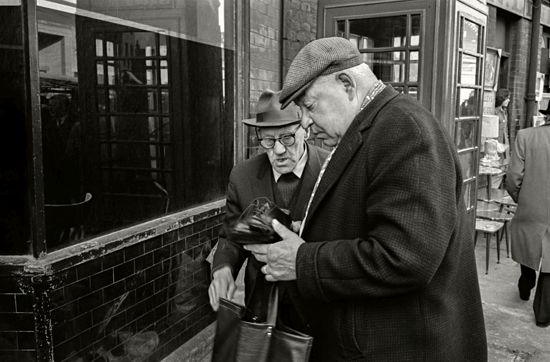
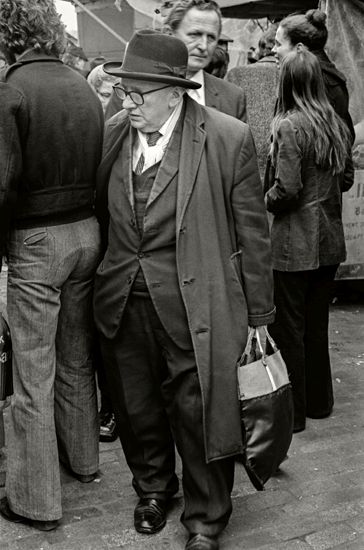
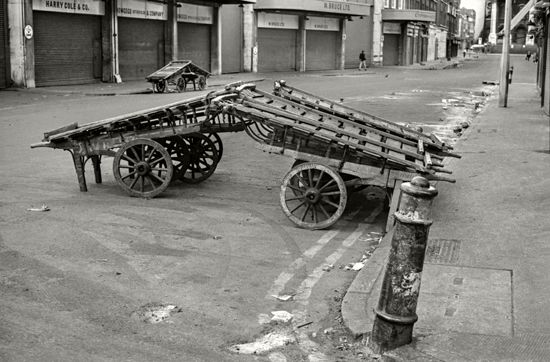
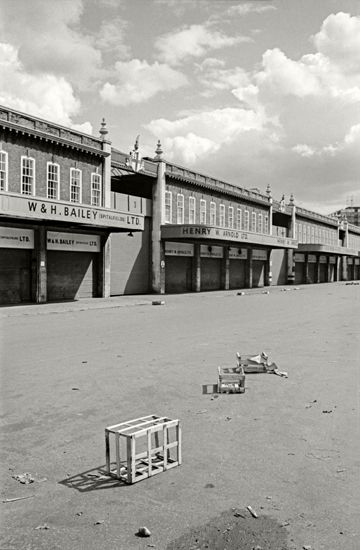
In this second selection of East End market photography by Dragan Novaković from the late seventies, we include rare pictures of the ancient Club Row animal and bird market which closed in 1983 when street trading in live animals became outlawed
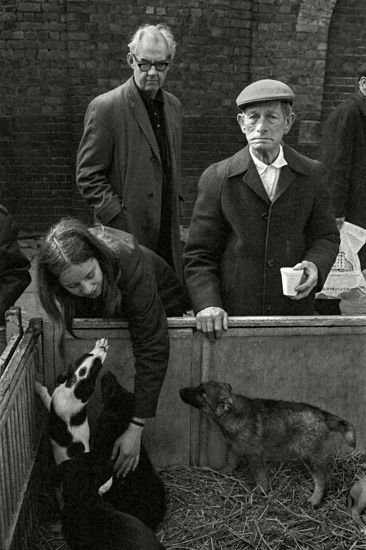
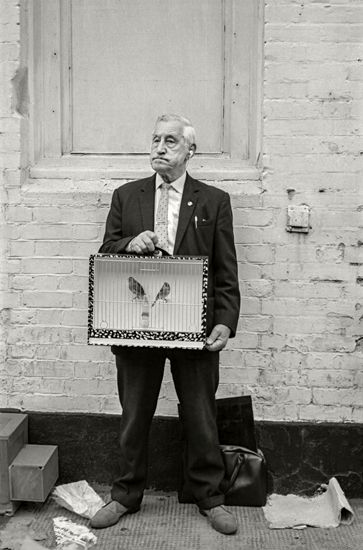
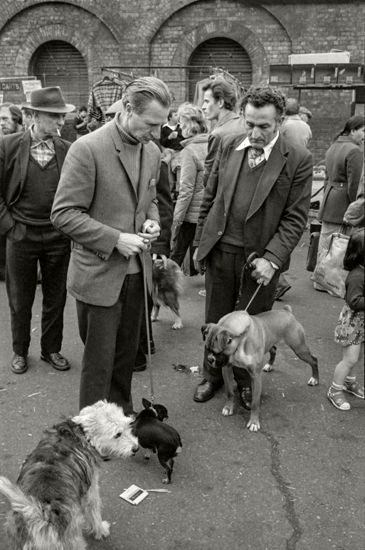
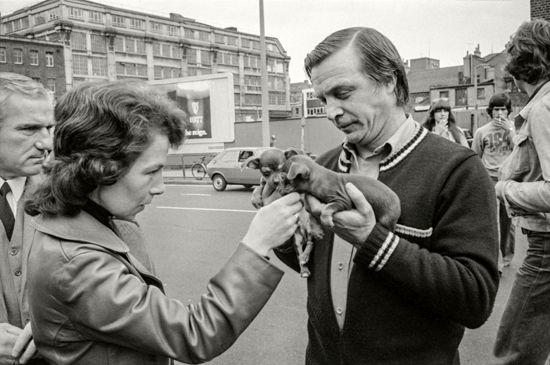
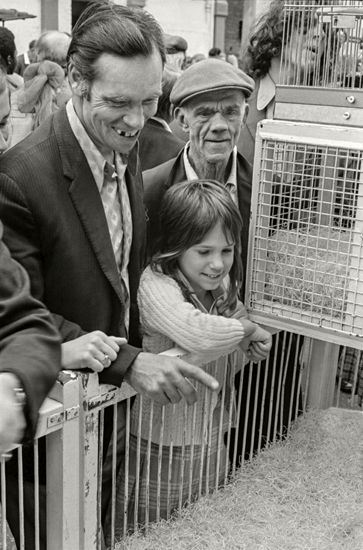
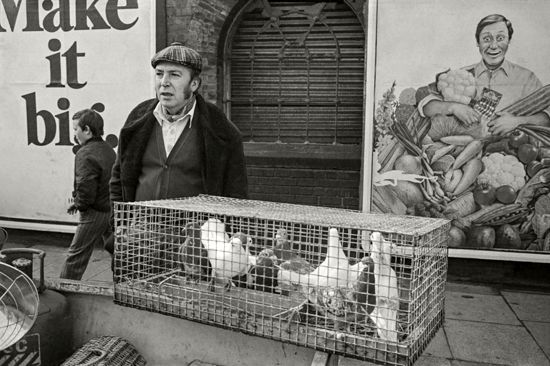
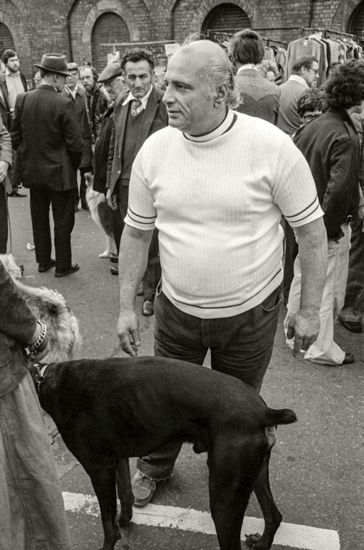
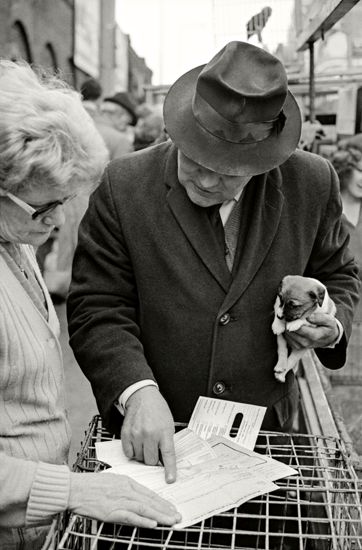
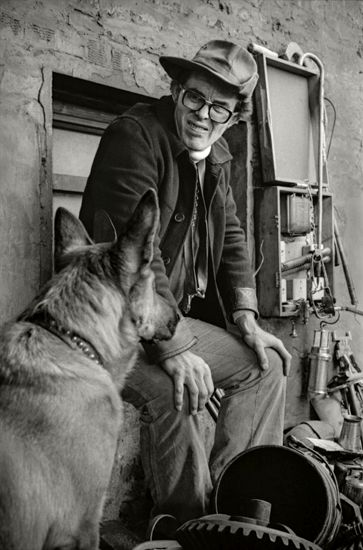
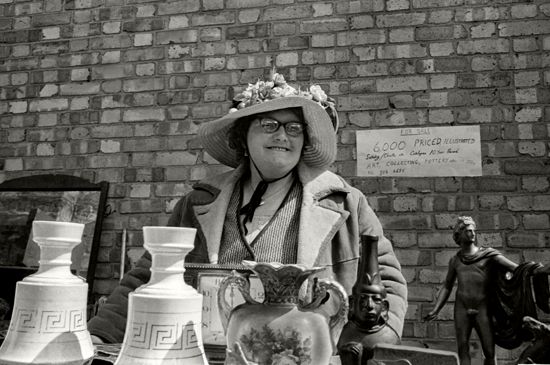
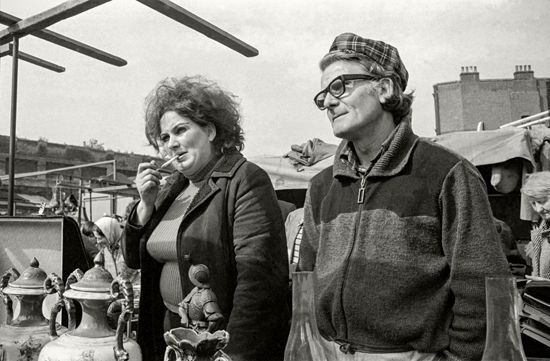
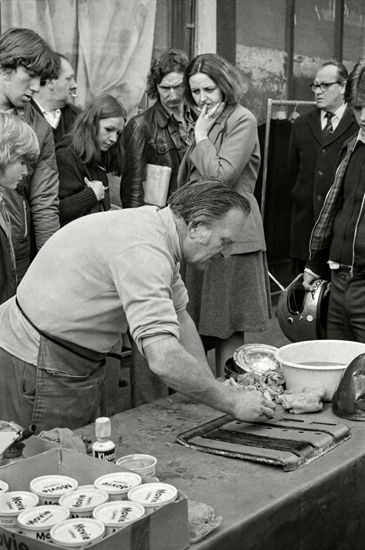
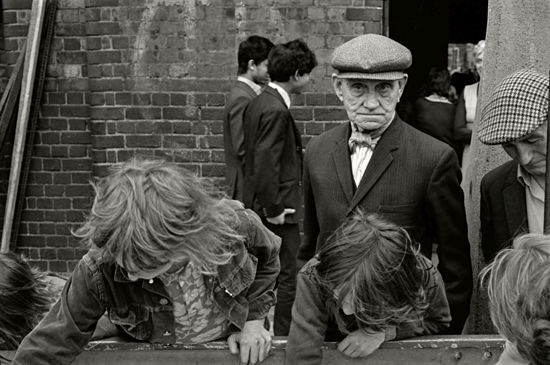
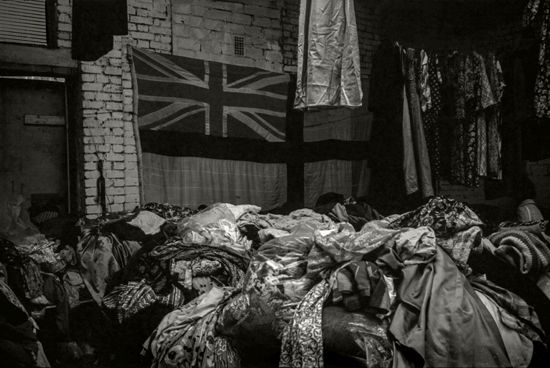
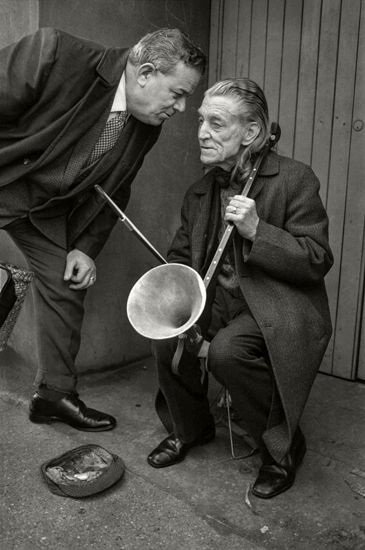
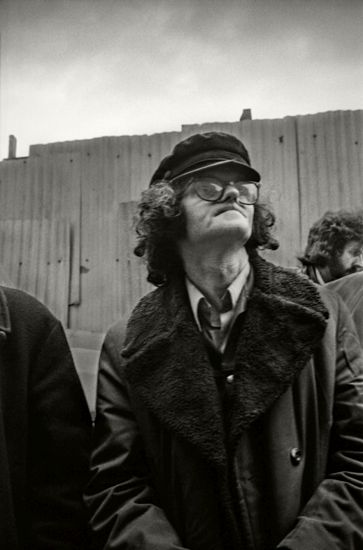
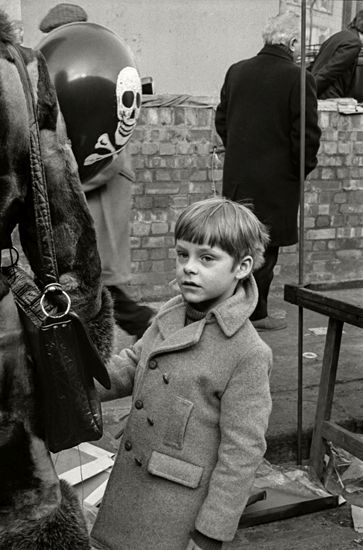
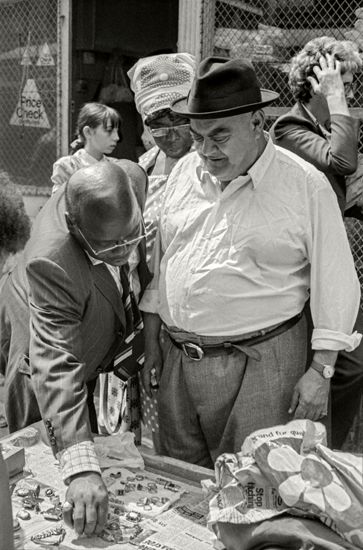
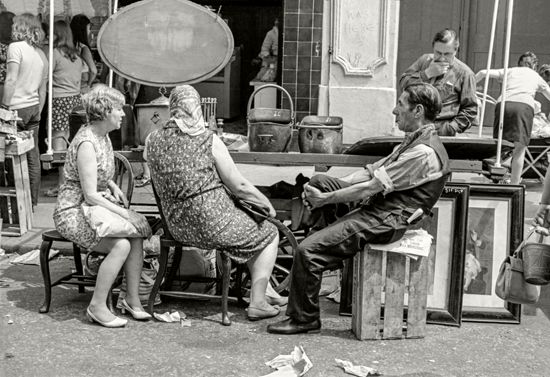
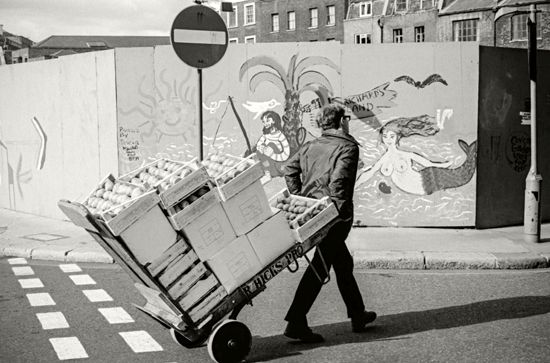
Photographs copyright © Dragan Novaković
You also might like to take a look
At Emery Walker’s House
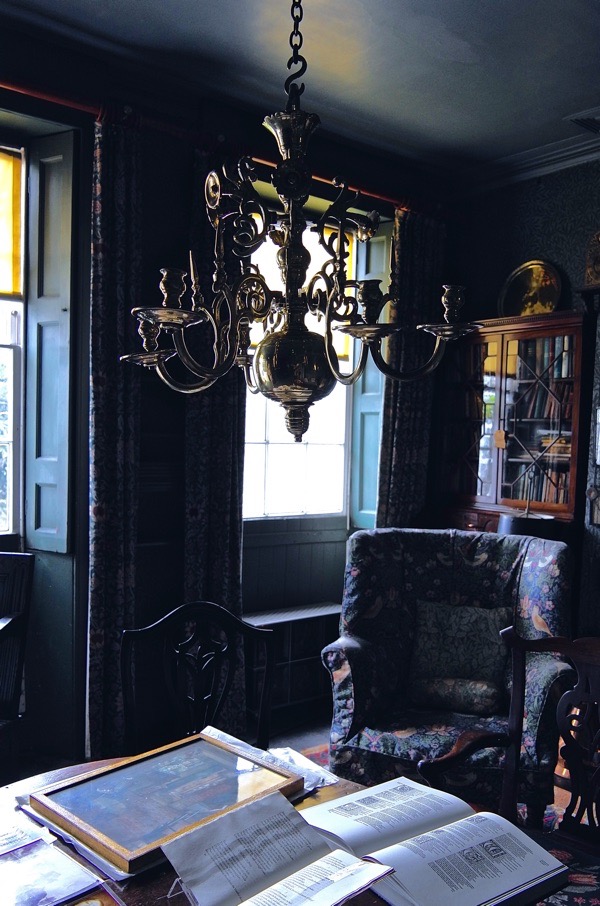
Kelmscott Press & Doves Press editions at Emery Walker’s House
Typographer and Printer, Emery Walker and Designer and Poet, William Morris both lived in houses on the Thames in Hammersmith, but they first met at a Socialist meeting in Bethnal Green and travelled home together on the train to West London.
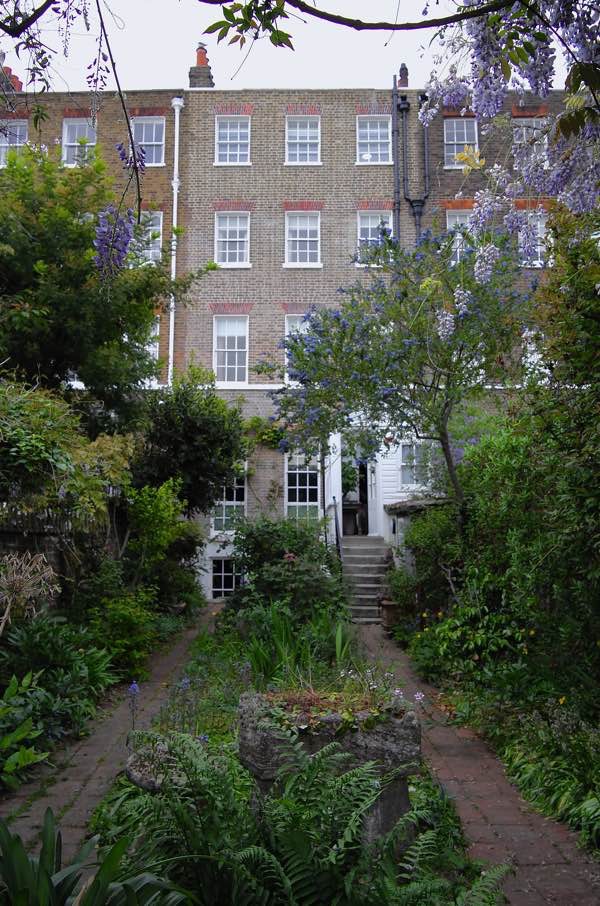
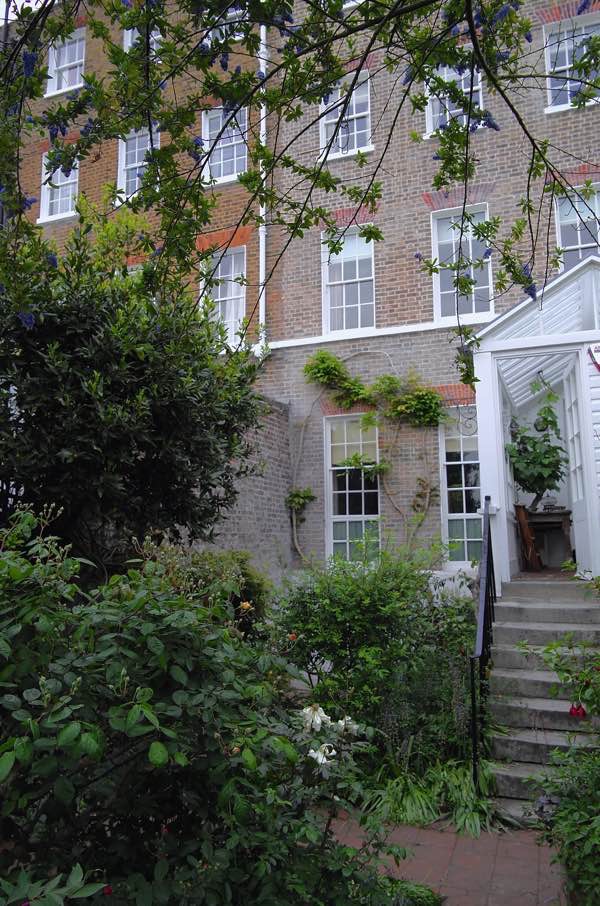
Both houses are adorned with plaques commemorating their illustrious former residents, and remarkably Emery Walker’s House in Hammersmith Terrace has survived almost as he left it, thanks to the benign auspices of his daughter, Dorothy, and her companion Elizabeth de Haas. Today it boasts one of London’s best preserved Arts & Crafts interiors and stepping through the threshold is to step back in time and encounter the dramas that were played out here over a century ago.
After their first meeting, Emery Walker and William Morris met each other regularly walking on the riverside path and soon became firm friends. Morris once commented that his day was not complete without a sight of Walker and the outcome of their friendship was that Emery Walker took responsibility for the technical side of Morris’ printing endeavours at the Kelmscott Press – designing the Kelmscott typeface – and then subsequently nursing Morris through his final illness.
The previous resident of Emery Walker’s house was Thomas Cobden-Sanderson, who is credited with coining the phrase ‘arts and crafts.’ After Morris’ death, he and Emery Walker established the Doves Press in 1900, for which Walker designed the celebrated Doves typeface. Although this highly successful creative partnership set the precedent for the private press movement of the twentieth century and they employed typographer Edward Johnston, who also lived in Hammersmith Terrace, it came to grief due to Cobden-Sanderson’s volatile emotional behaviour. The nadir arrived when Cobden-Sanderson dumped more than a ton of Doves type off Hammersmith Bridge to prevent Emery Walker having any further use of it. Only in own time have specimens been retrieved from the Thames and the font recreated digitally.
Meanwhile, William Morris’ daughter May and her husband, Henry Halliday Sparling, who was Secretary of the Socialist League moved in next door to Emery Walker – until May’s lover, George Bernard Shaw, moved in with them too and Henry Halliday Sparling moved out.
As with many old houses, you wish the walls could speak to you of the former residents and at Emery Walker’s house they do, because they are all papered with designs by William Morris. Within these richly patterned walls are rare pieces of furniture by Philip Webb, hangings and carpets by Morris & Co, photographs of William Morris by Emery Walker, a drawing of May Morris by Edward Burne Jones, needlework by May Morris and more. Most of the clutter and paraphernalia gathered by Emery Walker remains, including a lock of William Morris’ hair and several pairs of his spectacles.
Yet in spite of these treasures, it is the unselfconsciously shabby, lived-in quality of the house which is most appealing, mixing as many as five different William Morris textile and wallpaper designs in one room. Elsewhere, a Philip Webb linen press has been moved, revealing an earlier Morris wallpaper behind it and a more recent Morris paper applied only on the walls surrounding it.
Thus, the ghosts of the long-gone linger in this shadowy old riverside house in Hammersmith.
Click here to enjoy a virtual tour of Emery Walker’s House
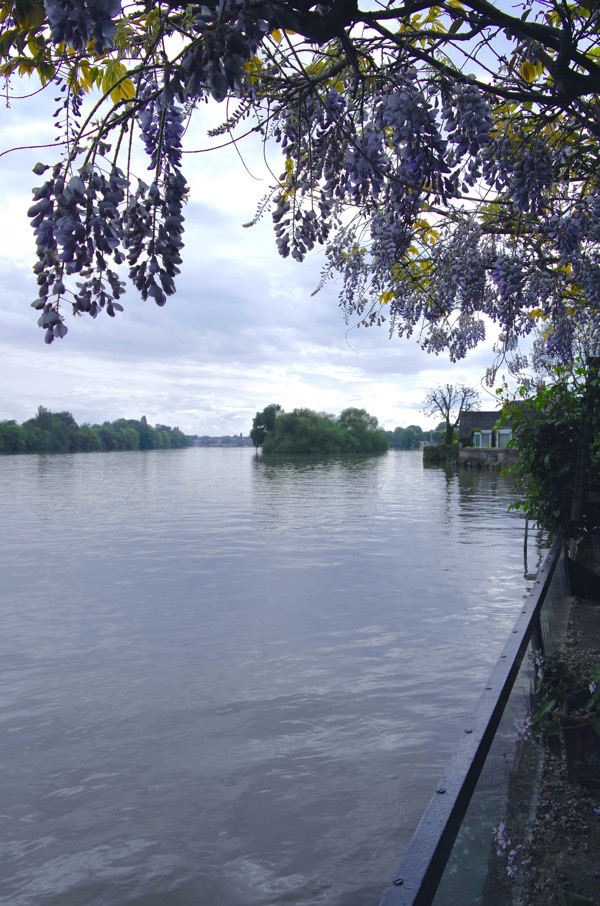
Looking upriver
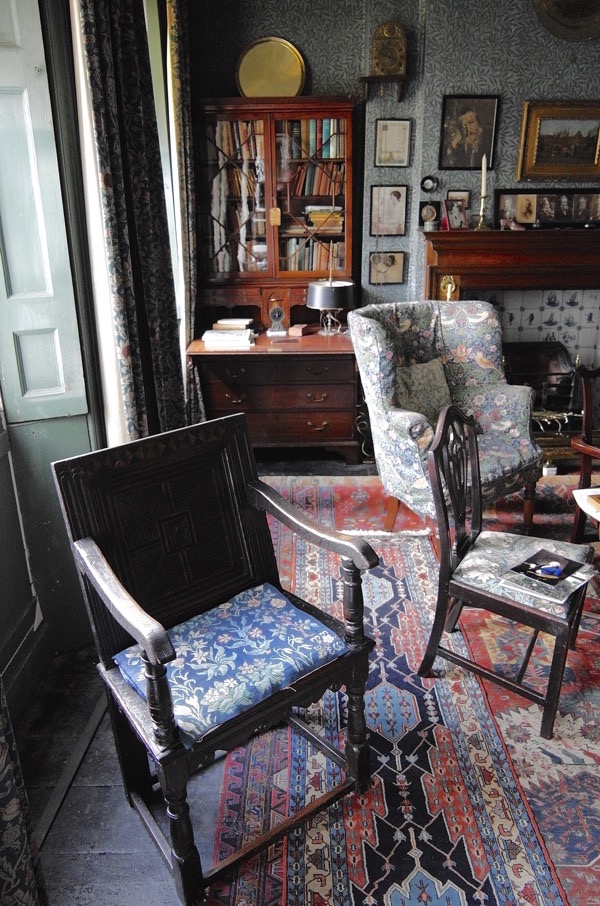
This seventeenth century chair belonged to William Morris and was given to Emery Walker by May Morris after her father’s death with addition of the tapestry cushion designed and worked by May
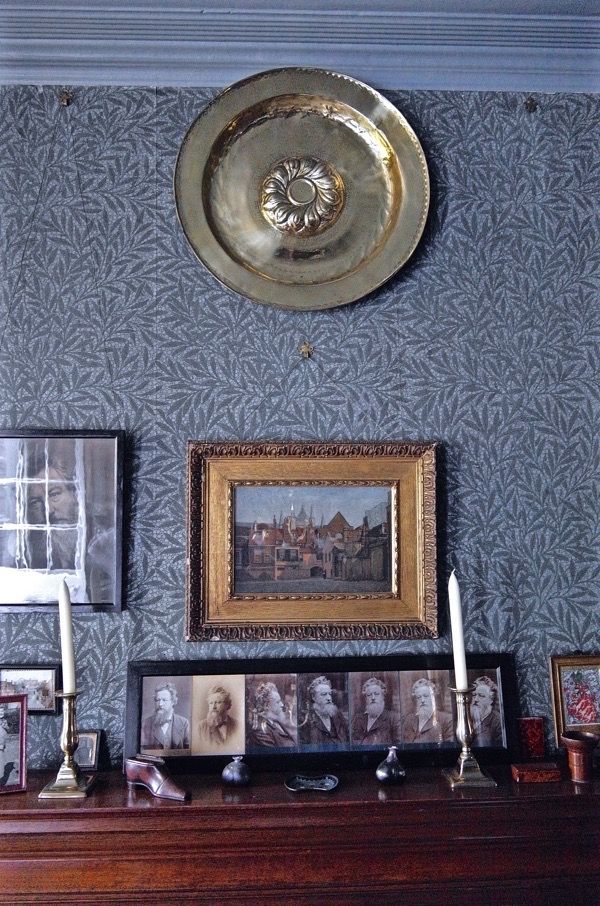
Portraits of William Morris taken by Emery Walker
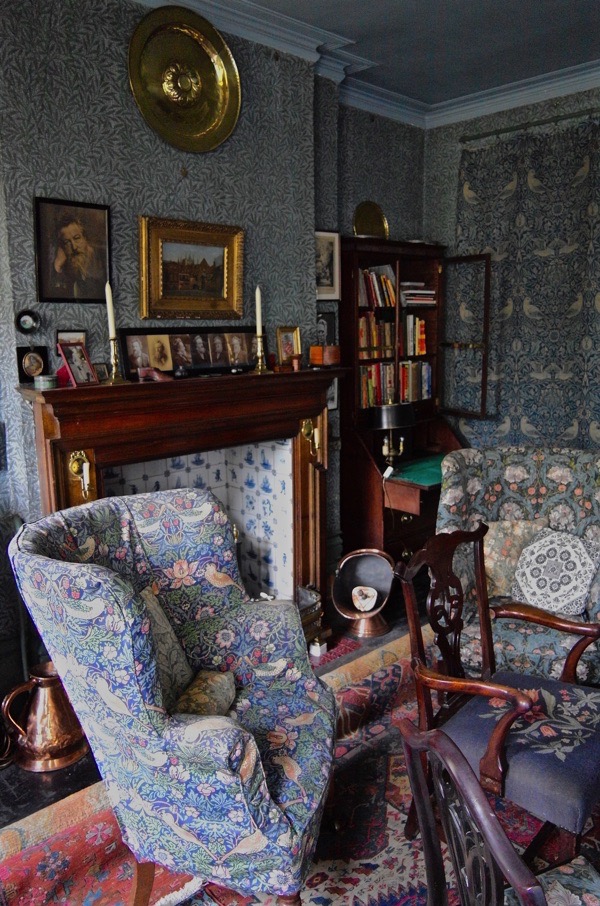
Four different designs by William Morris for Morris & Co combined in the same room

Emory Walker looks down from the chimney breast in his drawing room. The teapot and salts once belonged to Dante Gabriel Rossetti
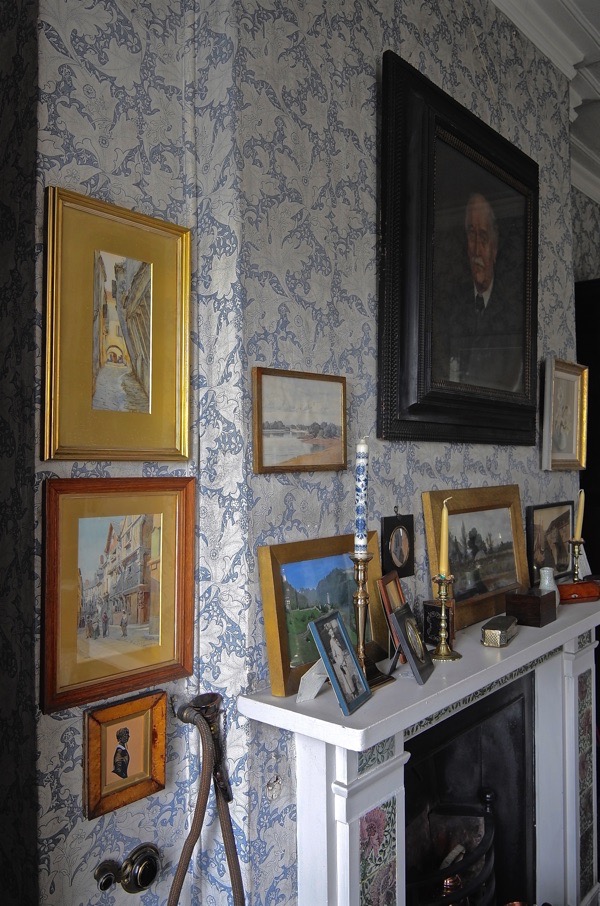
Fireplace with tiles by William de Morgan
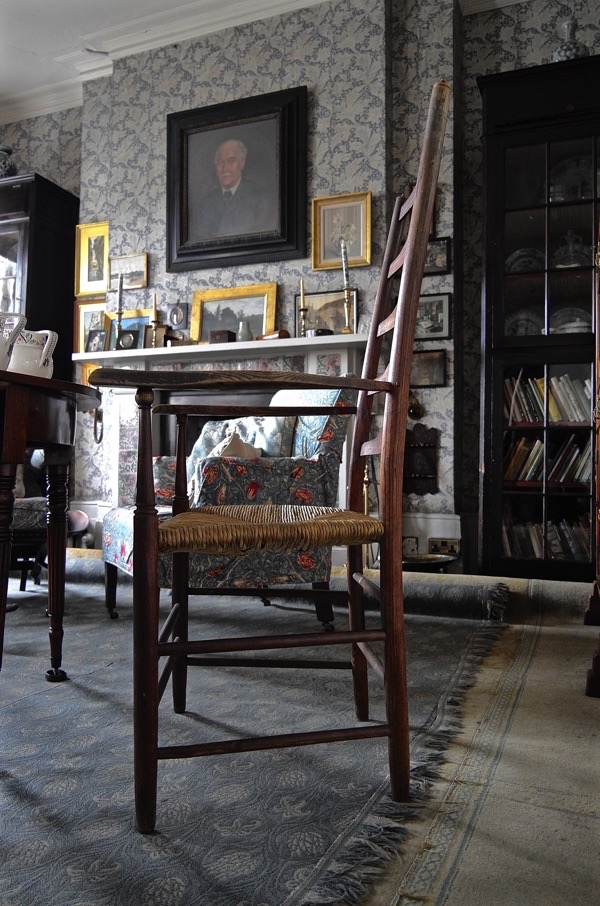
Traditional English rush-seated ladder back chair by Ernest Barnsley and Morris & Co carpet bearing the tulip and lily design which is believed to have belonged to Morris, acquired from the sale at Kelmscott Manor in Oxfordshire
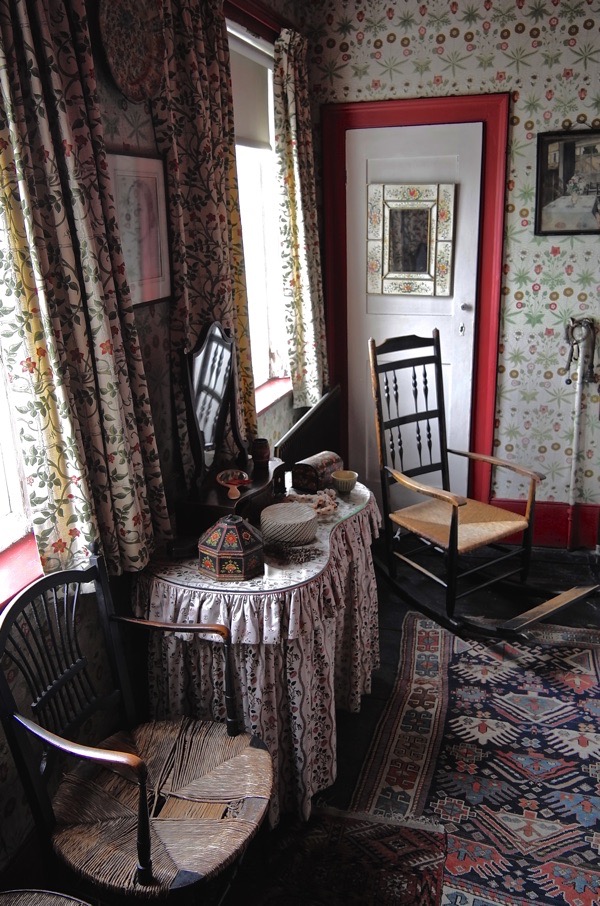
William Morris’ daisy wallpaper and Sussex chairs in the bedroom overlooking the river
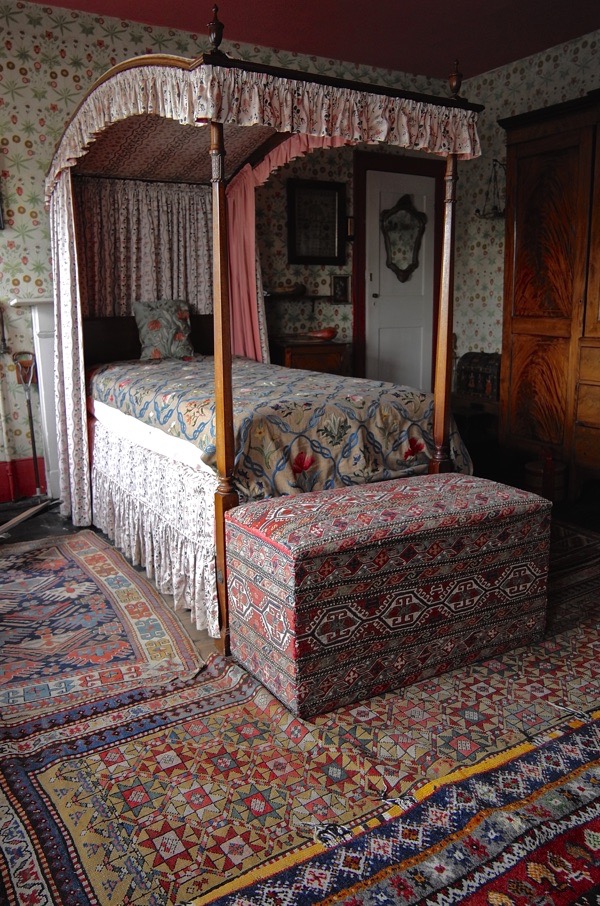
Woollen bedcover embroidered by May Morris
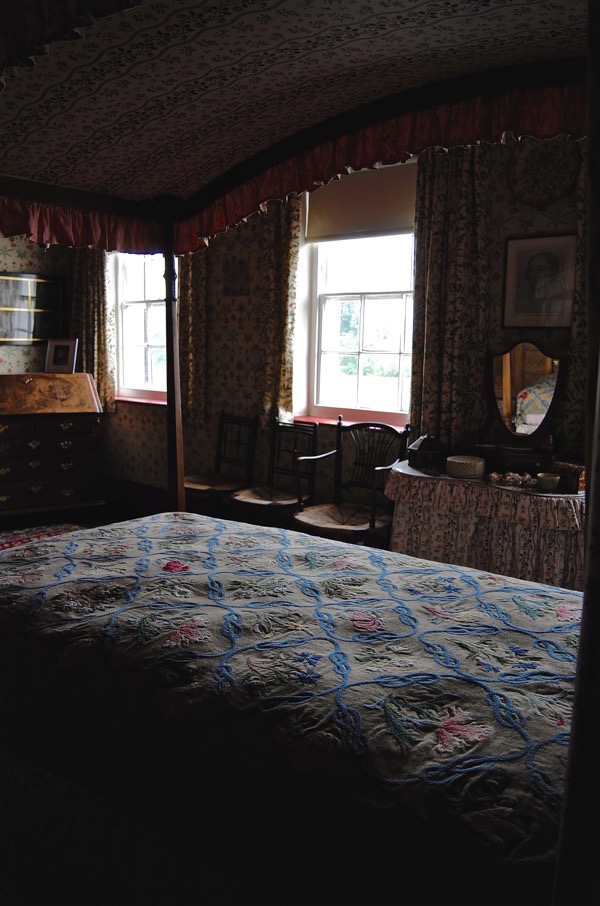
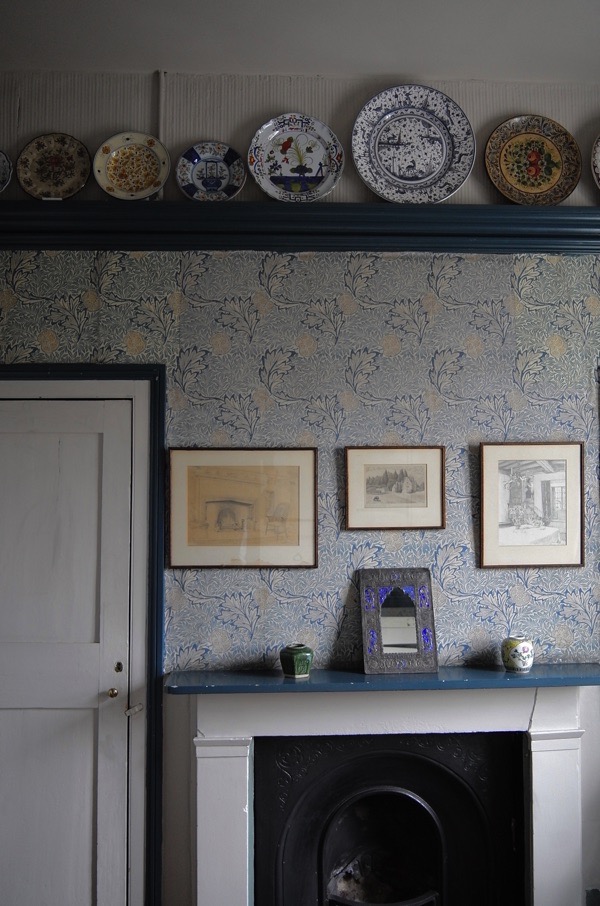
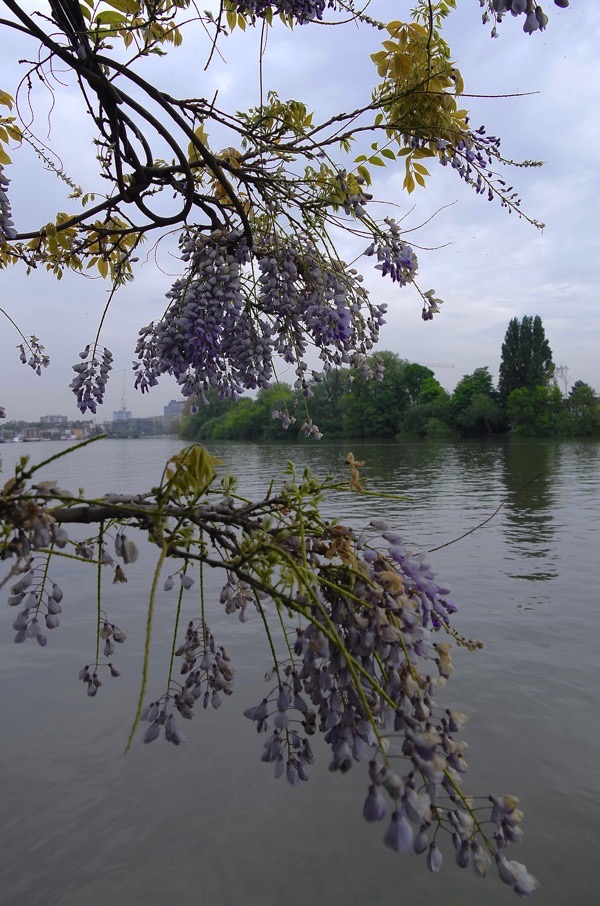
Looking downstream
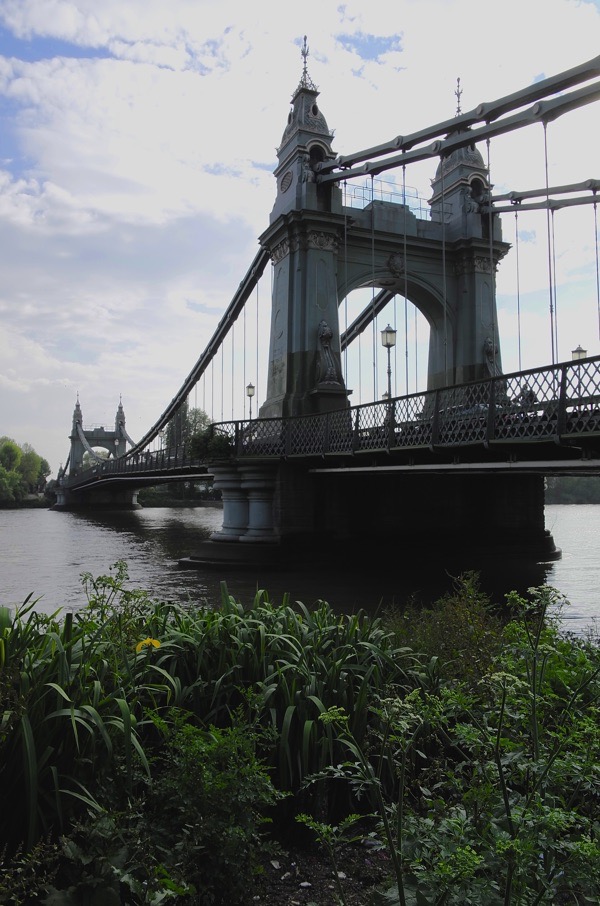
A yellow flag iris at Hammersmith Bridge where Emery Walker’s Doves typeface was dumped in to the Thames by Thomas Cobden-Sanderson
You may also like to take a look at
Dragan Novakovic’s Brick Lane
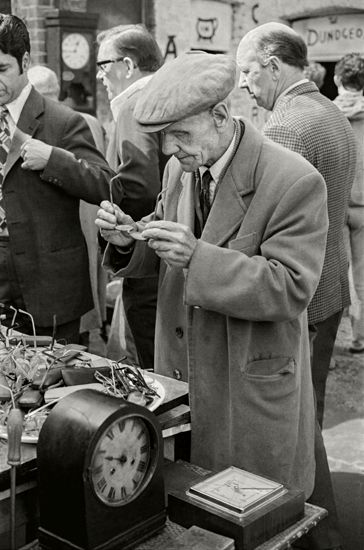
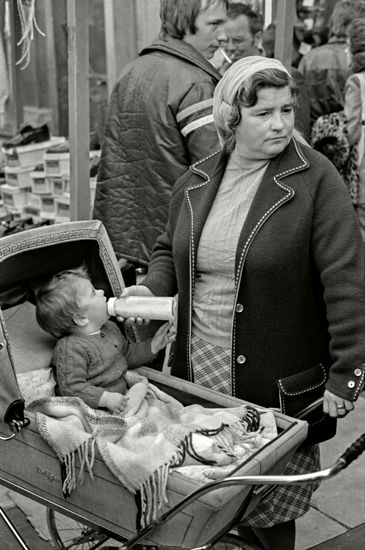
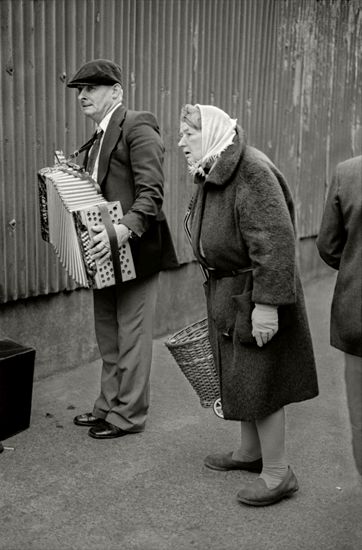
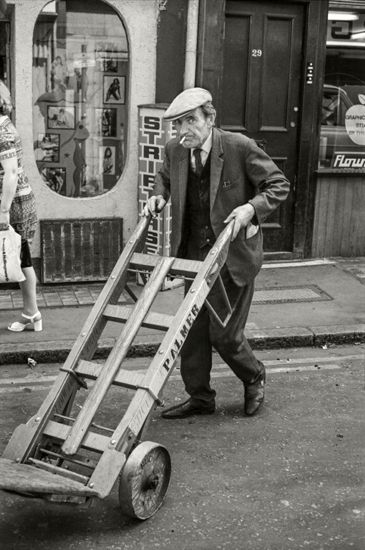
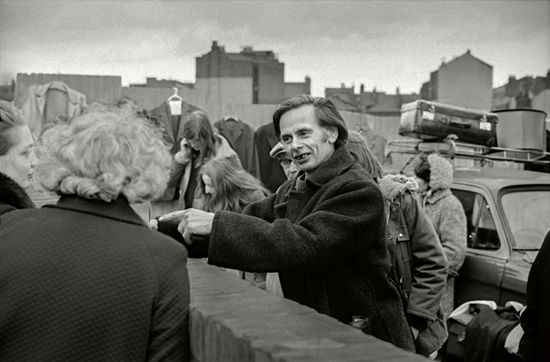
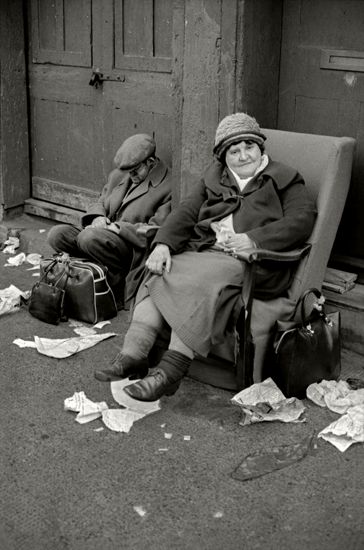
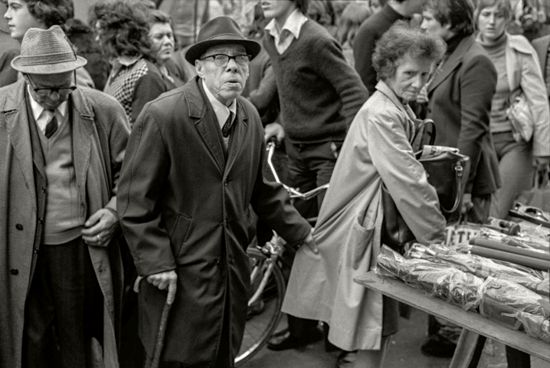
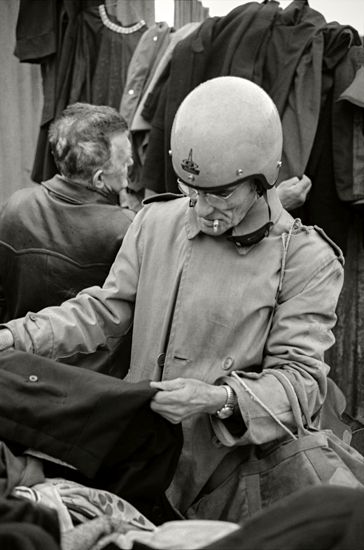
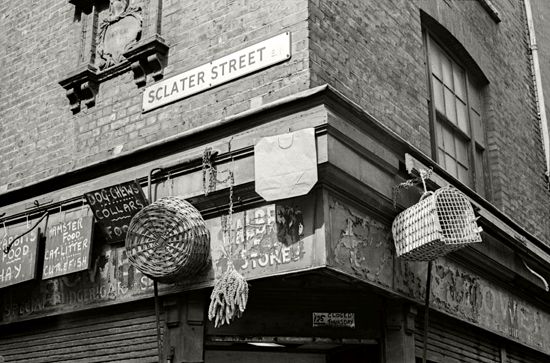
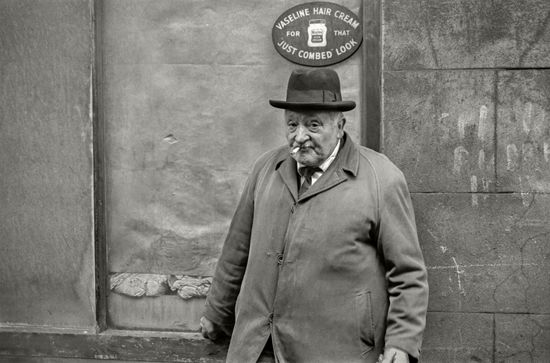
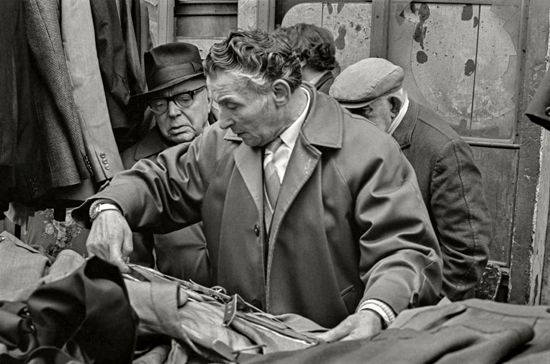
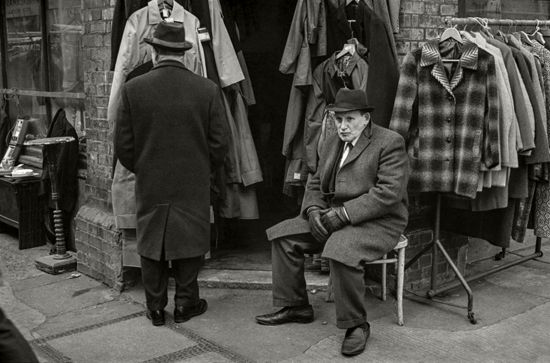
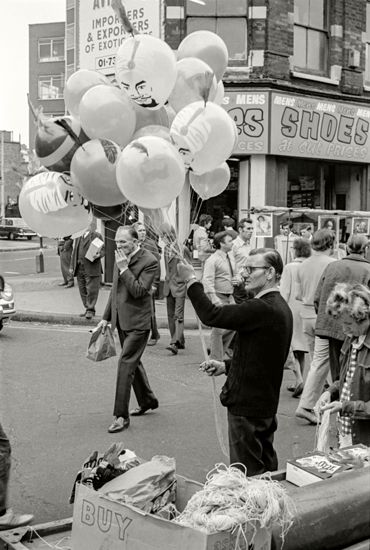
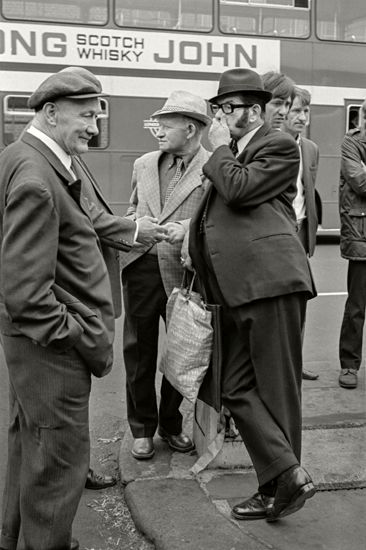
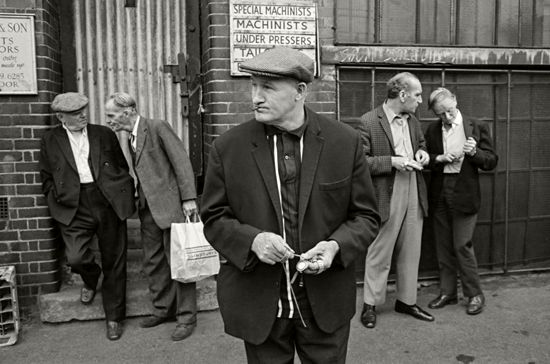
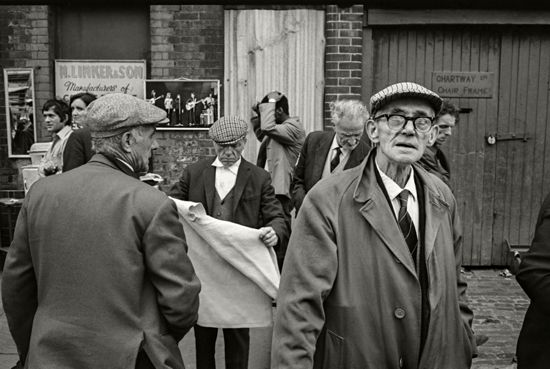
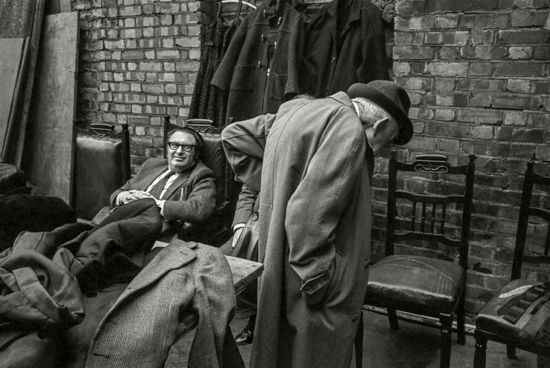
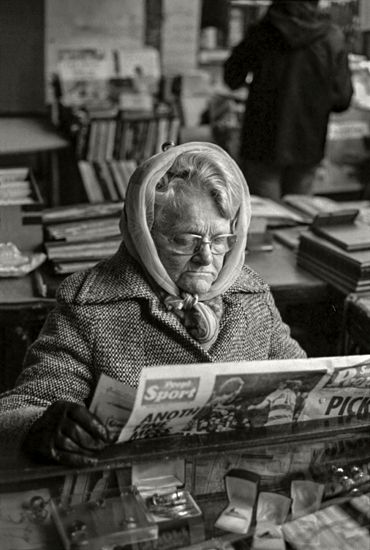
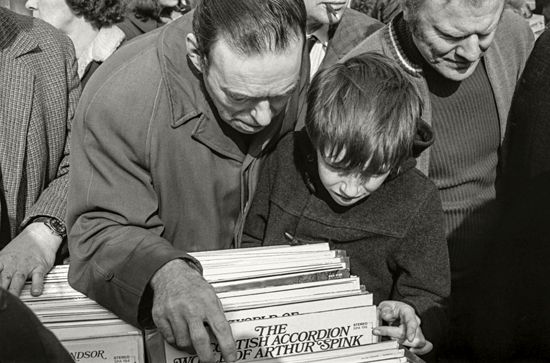
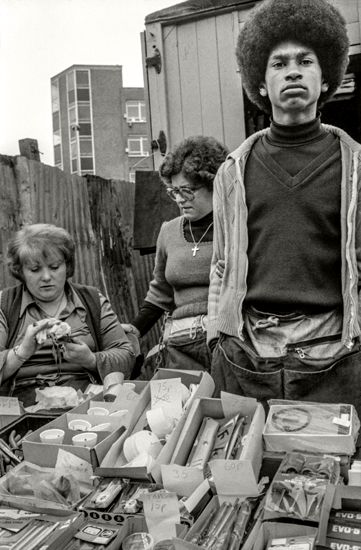
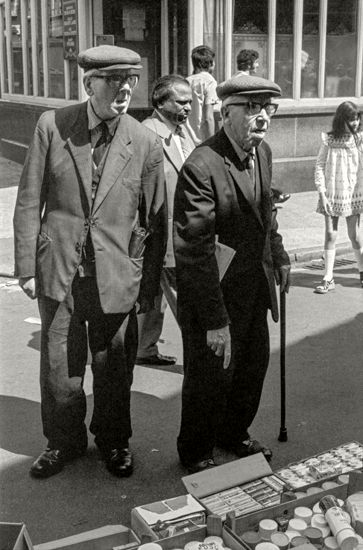
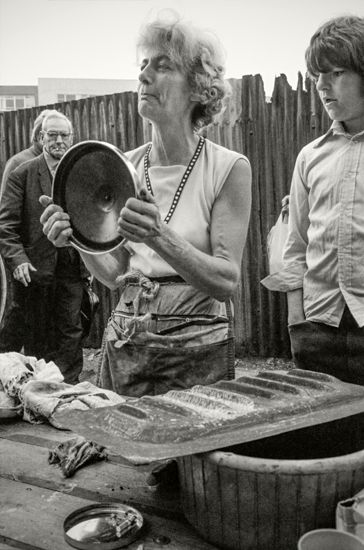
These Brick Lane photographs by Dragan Novaković are from the late seventies. Dragan came to London from Belgrade in 1968 and returned home in 1977, working for the state news agency Tanjug and then Reuters before his retirement in 2011.
‘I printed very rarely and very little, and for the next forty-odd years had these photographs only as contact sheets.’ explains Dragan, ‘I saw them properly as ‘enlargements’ for the first time in 2012, after I had scanned the negatives and post-processed the files.’
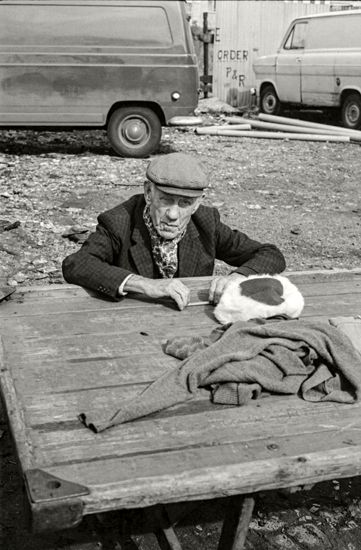
“I was introduced to London’s street markets by my friend and fellow countryman Mario who had a stall in Portobello Market specializing in post office clocks and bric-a-brac. I enjoyed sitting there with him amid the hustle and bustle, with people stopping by for a chat or to strike a bargain.
One early winter morning Mario picked me up in his old mini van and told me we were going to Bermondsey Market in search of clocks. It was still dark and foggy when we arrived and what met my eye made me gaze around in wonder – the scene looked to me as something out of Dickens!
The second time we went looking for clocks Mario took me to Brick Lane. Though there were plenty of open-air markets where I came from, I had seen nothing of the kind and size of Brick Lane and was fascinated by the crowds, the street musicians, the wares, the whole atmosphere. I sensed a strong community spirit and togetherness. I was hooked and I knew that I would have to come again in my spare time and take pictures.
Over the years I visited Brick Lane and other East End markets whenever I could spare the time and afford a few rolls of film. Living first in Earl’s Court and then behind Olympia, I would mount my old bicycle, bought in Brick Lane (of course!), and pedal hard across the West End in order to be there where life overflowed with activity.
I took what I consider snapshots without any plan or project in mind but simply because the challenge was too strong and I could not help it. I developed the films and made contact prints regularly but, never having a proper darkroom, made no enlargements to help me evaluate properly what I had done. Now I wish I had taken many more pictures at these locations.” – Dragan Novaković
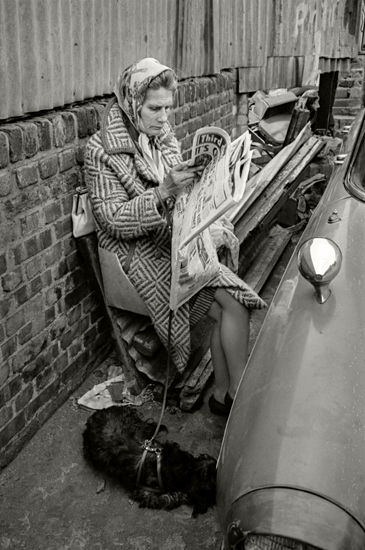
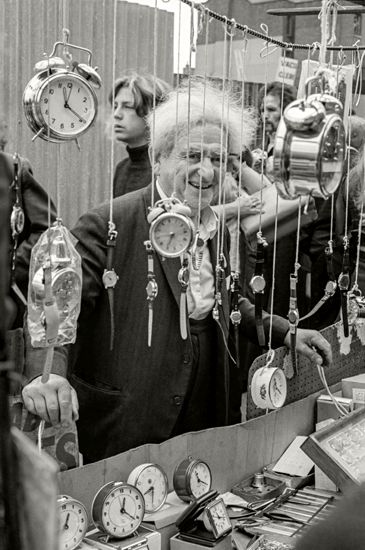
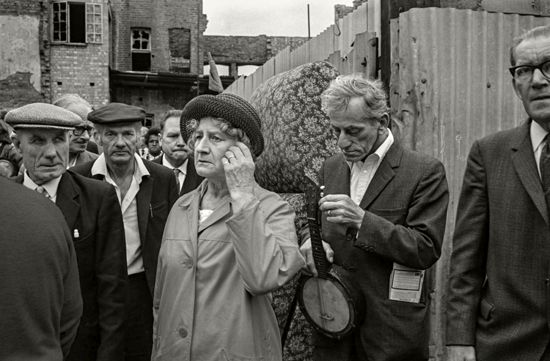
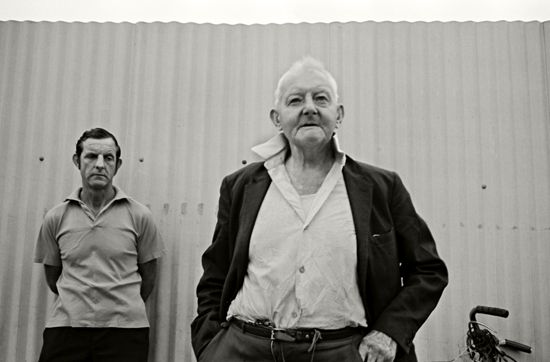
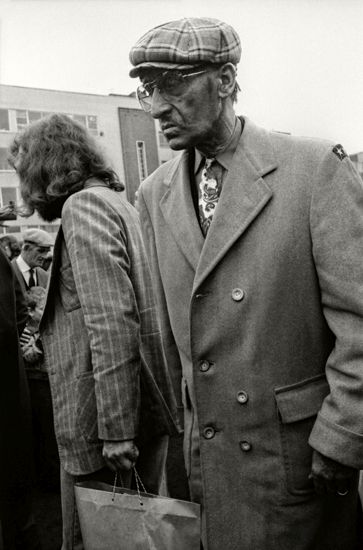
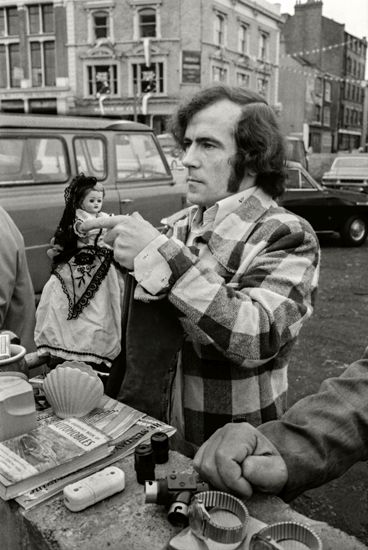
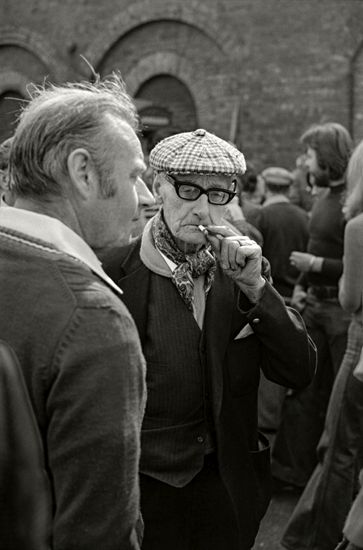
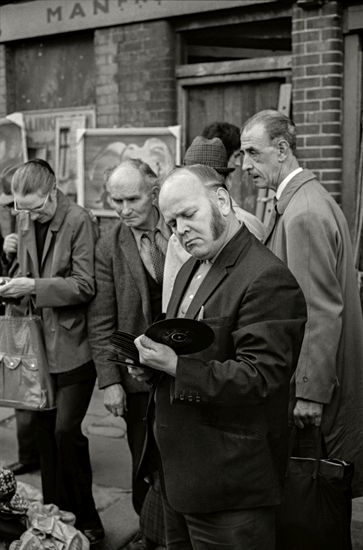
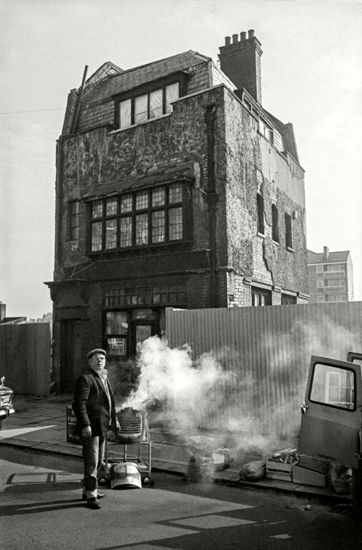
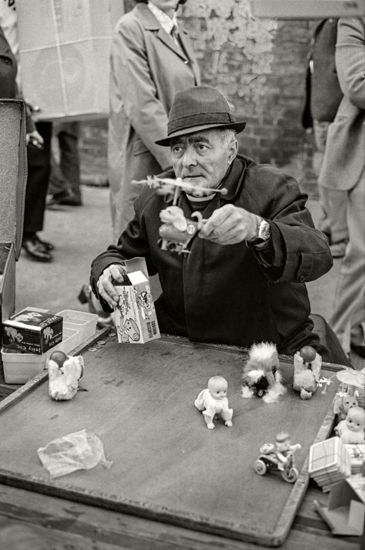
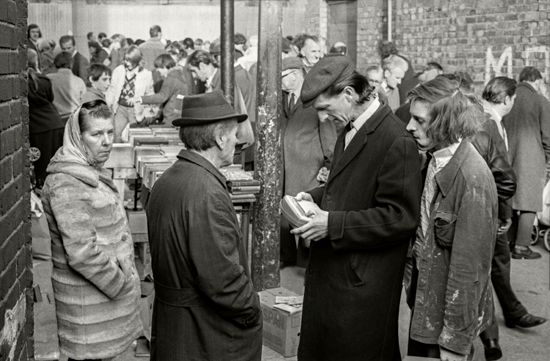
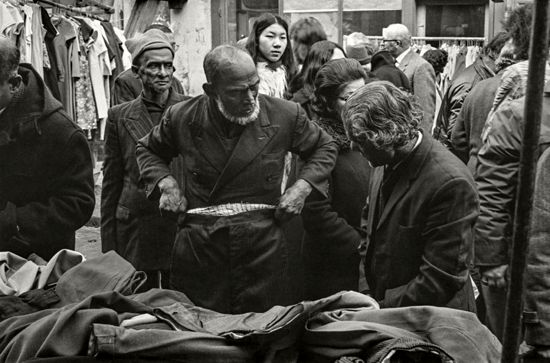
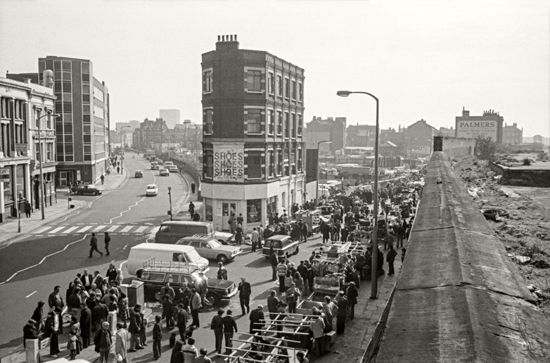
Photographs copyright © Dragan Novaković
You also might like to take a look at
Watermen’s Stairs In Wapping

Wapping Old Stairs
I need to keep reminding myself of the river. Rarely a week goes by without some purpose to go down there but, if no such reason occurs, I often take a walk simply to pay my respects to the Thames. Even as you descend from the Highway into Wapping, you sense a change of atmosphere when you enter the former marshlands that remain susceptible to fog and mist on winter mornings. Yet the river does not declare itself at first, on account of the long wall of old warehouses that line the shore, blocking the view of the water from Wapping High St.
The feeling here is like being offstage in a great theatre and walking in the shadowy wing space while the bright lights and main events take place nearby. Fortunately, there are alleys leading between the tall warehouses which deliver you to the waterfront staircases where you may gaze upon the vast spectacle of the Thames, like an interloper in the backstage peeping round the scenery at the action. There is a compelling magnetism drawing you down these dark passages, without ever knowing precisely what you will find, since the water level rises and falls by seven metres every day – you may equally discover waves lapping at the foot of the stairs or you may descend onto an expansive beach.
These were once Watermen’s Stairs, where passengers might get picked up or dropped off, seeking transport across or along the Thames. Just as taxi drivers of contemporary London learn the Knowledge, Watermen once knew the all the names and order of the hundreds of stairs that lined the banks of the Thames, of which only a handful survive today.
Arriving in Wapping by crossing the bridge in Old Gravel Lane, a short detour to the east would take me to Shadwell Stairs but instead I go straight to the Prospect of Whitby where a narrow passage to the right leads to Pelican Stairs. Centuries ago, the Prospect was known as the Pelican, giving its name to the stairs which have retained their name irrespective of the changing identity of the pub. These worn stone steps connect to a slippery wooden stair leading to wide beach at low tide where you may enjoy impressive views towards the Isle of Dogs.
West of here is New Crane Stairs and then, at the side of Wapping Station, another passage leads you to Wapping Dock Stairs. Further down the High St, opposite the entrance to Brewhouse Lane, is a passageway leading to a fiercely-guarded pier, known as King Henry’s Stairs – though John Roque’s map of 1746 labels this as the notorious Execution Dock Stairs. Continue west and round the side of the river police station, you discover Wapping Police Stairs in a strategic state of disrepair and beyond, in the park, is Wapping New Stairs.
It is a curious pilgrimage, but when you visit each of these stairs you are visiting another time – when these were the main entry and exit points into Wapping. The highlight is undoubtedly Wapping Old Stairs with its magnificently weathered stone staircase abutting the Town of Ramsgate and offering magnificent views to Tower Bridge from the beach. If you are walking further towards the Tower, Aldermans’ Stairs is worth venturing at low tide when a fragment of ancient stone causeway is revealed, permitting passengers to embark and disembark from vessels without wading through Thames mud.
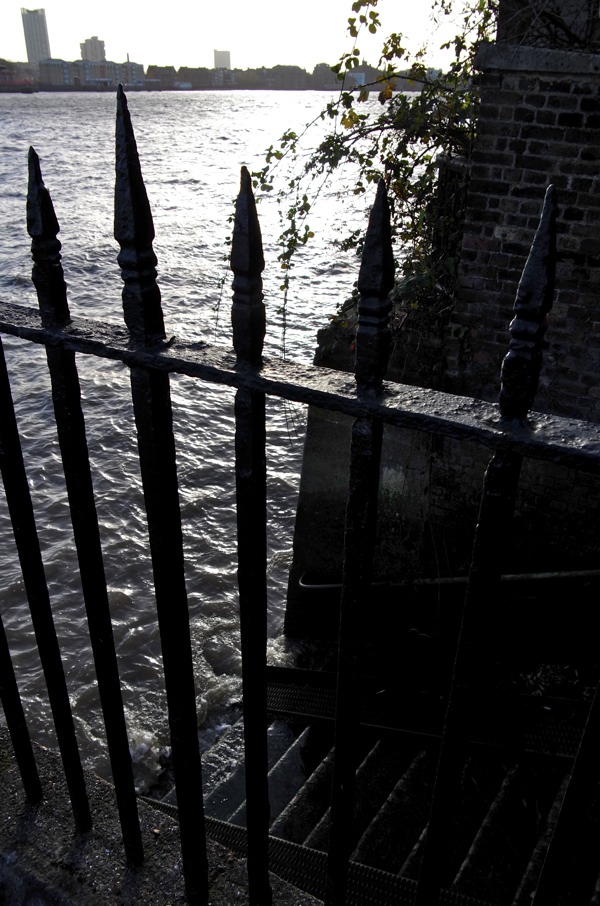
Shadwell Stairs

Pelican Stairs

Pelican Stairs at night

View into the Prospect of Whitby from Pelican Stairs

New Crane Stairs

Wapping Dock Stairs

Execution Dock Stairs, now known as King Henry’s Stairs

Entrance to Wapping Police Stairs

Wapping Police Stairs

Metropolitan Police Service Warning: These stairs are unsafe!

Wapping New Stairs with Rotherithe Church in the distance

Light in Wapping High St

Wapping Pier Head
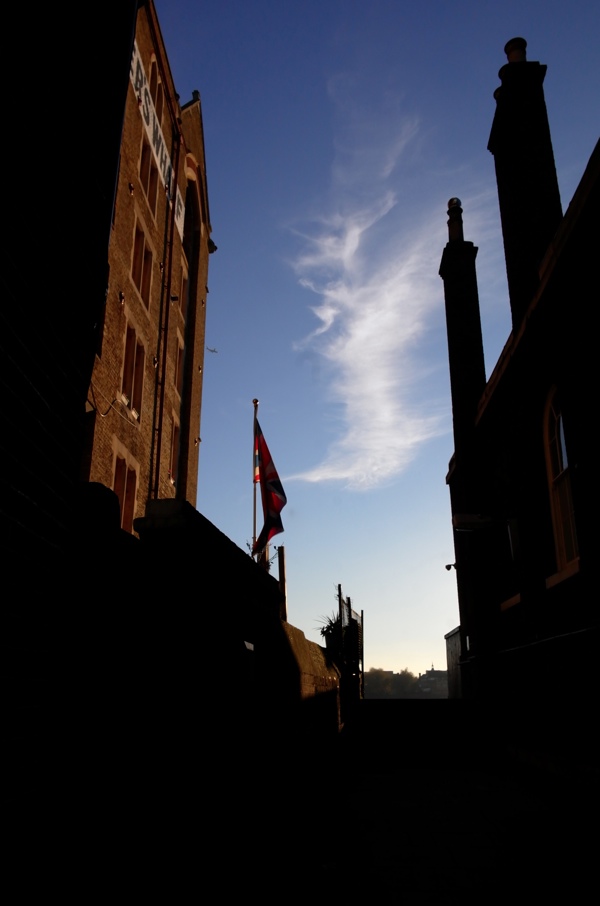
Entrance to Wapping Old Stairs

Wapping Old Stairs

Passageway to Wapping Old Stairs at night

Aldermans’ Stairs, St Katharine’s Way
You may also like to read about
Madge Darby, Historian of Wapping
Whistler in Wapping & Limehouse
In Search Of Shakespeare’s London
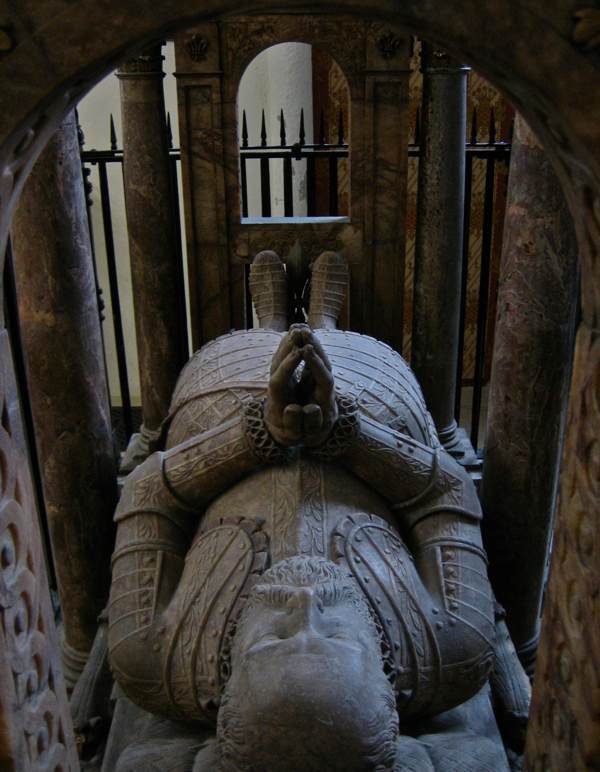
Sir William Pickering, St Helen’s, Bishopsgate, 1574.
Ever since the discovery of the site of William Shakespeare’s first theatre in Shoreditch, I have found myself thinking about where else in London I could locate Shakespeare. The city has changed so much that very little remains from his time and even though I might discover his whereabouts – such as his lodging in Silver St in 1612 – usually the terrain is unrecognisable. Silver St is lost beneath the Barbican now.
Yet, in spite of everything, there are buildings in London that Shakespeare would have known, and, in each case, there are greater or lesser reasons to believe he was there. As the mental list of places where I could enter the same air space as Shakespeare grew, so did my desire to visit them all and discover what remains to meet my eyes that he would also have seen.
Thus it was that I set out under a moody sky in search of Shakespeare’s London – walking first over to St Helen’s Bishopsgate where Shakespeare was a parishioner, according to the parish tax inspector who recorded his failure to pay tax on 15th November 1597. This ancient church is a miraculous survivor of the Fire of London, the Blitz and the terrorist bombings of the nineteen nineties, and contains spectacular monuments that Shakespeare could have seen if he came here, including the eerie somnolent figure of Sir William Pickering of 1574 illustrated above. There is great charm in the diverse collection of melancholic Elizabethan statuary residing here in this quaint medieval church with two naves, now surrounded by modernist towers upon all sides, and there is a colourful Shakespeare window of 1884, the first of several images of him that I encountered upon my walk.
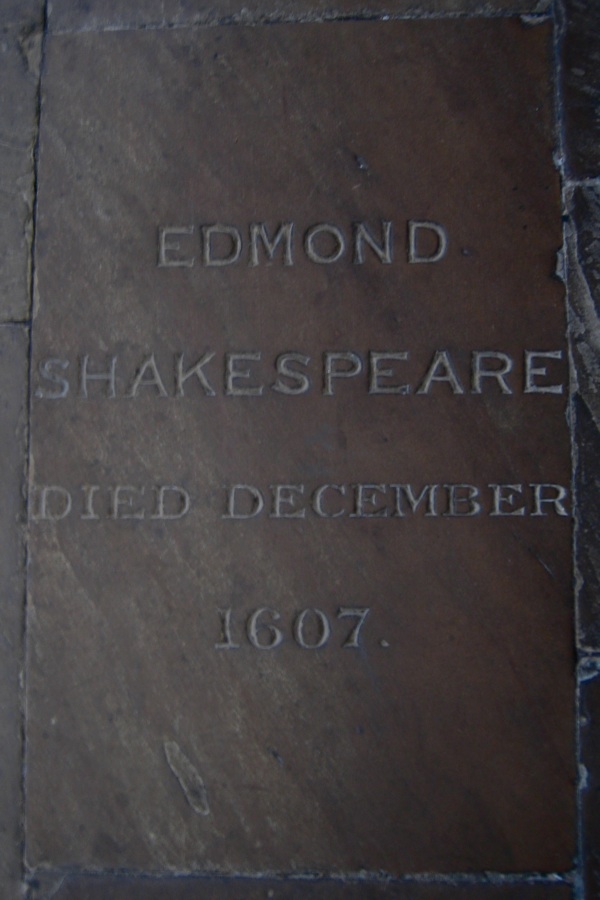
From here, I followed the route that Shakespeare would have known, walking directly South over London Bridge to Southwark Cathedral, where he buried his younger brother Edmund, an actor aged just twenty-seven in 1607, at the cost of twenty shillings “with a forenoone knell of the great bell.” Again there is a Shakespeare window, with scenes from the plays, put up in 1964, and a memorial with an alabaster figure from 1912, yet neither is as touching as the simple stone to poor Edmund in the floor of the choir. I was fascinated by the medieval roof bosses, preserved at the rear of the nave since the Victorians replaced the wooden roof with stone. If Shakespeare had raised his bald pate during a service here, his eye might have caught sight of the appealingly grotesque imagery of these spirited medieval carvings. Most striking is Judas being devoured by Satan, with only a pair of legs protruding from the Devil’s hungry mouth, though I also like the sad face of the old king with icicles for a beard.
Crossing the river again, I looked out for the Cormorants that I delight to see as one of the living remnants of Shakespeare’s London, which he saw when he walked out from the theatre onto the river bank, and wrote of so often, employing these agile creatures that can swallow fish whole as as eloquent metaphors of all-consuming Time. My destination was St Giles Cripplegate, where Edmund’s sons who did not live beyond infancy were baptised and William Shakespeare was the witness. Marooned at the centre of the Barbican today like a galleon shipwrecked upon a beach, I did not linger long here because most of the cargo of history this church carried was swept overboard in a fire storm in nineteen forty, when it was bombed and then later rebuilt from a shell. Just as in that searching game where someone advises you if you are getting warmer, I began to feel my trail had started warm but was turning cold.
Yet, resolutely, I walked on through St John’s Gate in Clerkenwell where Shakespeare once brought the manuscripts of his plays for the approval by the Lord Chamberlain before they could be performed. And, from there, I directed my feet along the Strand to the Middle Temple, where, in one of my favourite corners of the city, there is a sense – as you step through the gates – of entering an earlier London, comprised of small squares and alleys arched over by old buildings. Here in Fountain Court, where venerable Mulberry trees supported by iron props surround the pool, stands the magnificent Middle Temple Hall where the first performance of “Twelfth Night” took place in 1602, with Shakespeare playing in the acting company. At last, I had a building where I could be certain that Shakespeare had been present – but it was closed.
I sat in the shade by the fountain and took stock, and questioned my own sentiment now my feet were weary. Yet I could not leave, my curiosity would not let me. Summoning my courage, I walked past all the signs, until I came to the porter’s lodge and asked the gentleman politely if I might see the hall. He stood up, introducing himself as John and assented with a smile, graciously leading me from the sunlight into the cavernous hundred-foot-long hall, with its great black double hammer-beam roof, like the hand of God with its fingers outstretched or the darkest stormcloud lowering overhead. It was overwhelming.
“You see this table,” said John, pointing to an old dining table at the centre of the hall, “We call this the ‘cup board’ and the top of it is made of the hatch from Sir Francis Drake’s ship ‘The Golden Hind’ that circumnavigated the globe” And then, before I could venture a comment, he continued, “You see that long table at the end – the one that’s the width of the room, twenty-nine feet long – that’s made from a single oak tree which was a gift from Elizabeth I, it was cut at Windsor Great Park, floated down the Thames and constructed in this hall while it was being built. It has never left this room.”
And then John left me alone in the finest Elizabethan hall in Britain. Looking back at the great carved screen, I realised this had served as the backdrop to the performance of ‘”Twelfth Night” and the gallery above was where the musicians played at the opening when Orsino says, “If music be the food of love, play on.” The hall was charged and resonant. Occasioned by the clouds outside, sunlight moved in dappled patterns across the floor from the tall windows above.
I walked back behind the screen where the actors, including Shakespeare, waited, and I walked again into the hall, absorbing the wonder of the scene, emphasised by the extraordinary intricate roof that appeared to defy gravity. It was a place for public display and the show of power, but its elegant proportion and fine detail also permitted it to be a place for quiet focus and poetry. I sat on my own at the head of the twenty-nine foot long table in the only surviving building where one of William Shakespeare’s plays was done in his lifetime, and it was a marvel. I could imagine him there.
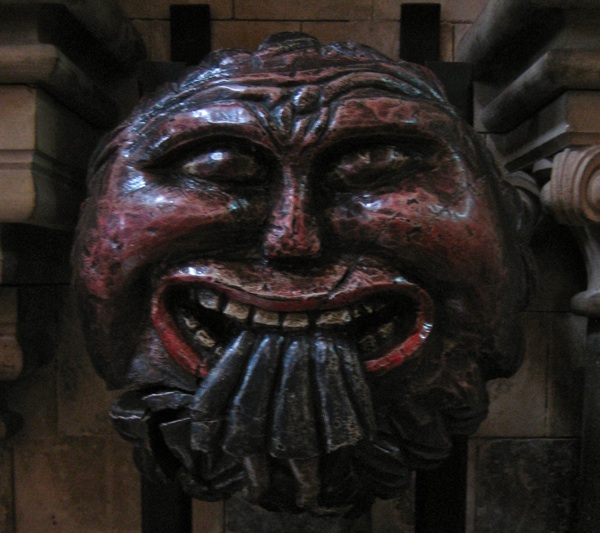
Judas swallowed by Satan
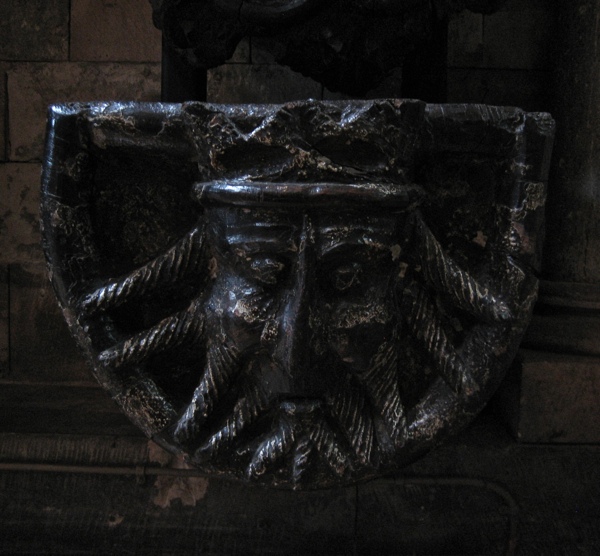
An old king at Southwark
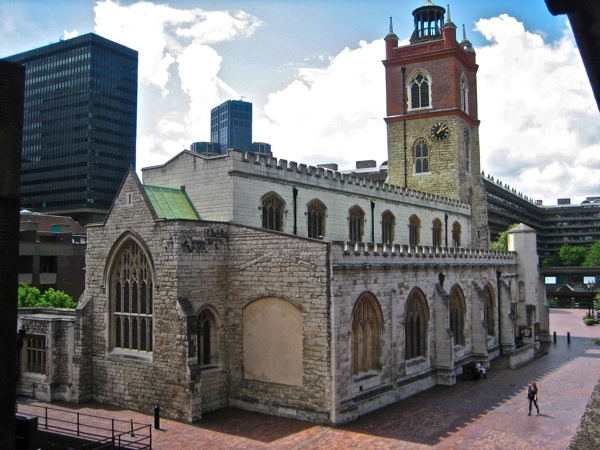
St Giles Cripplegate where Edmund’s sons were baptised and William Shakespeare was the witness.
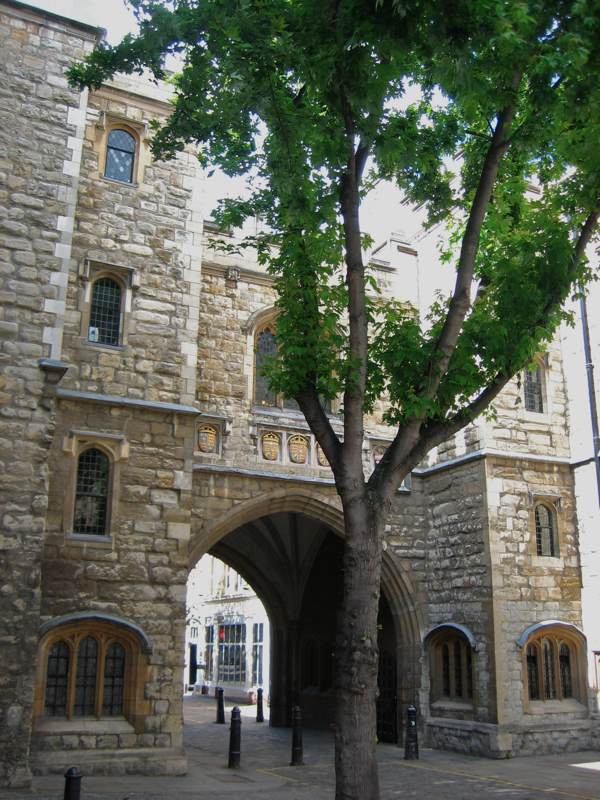
St John’s Gate where William Shakespeare brought the manuscripts of his plays to the Lord Chamberlain’s office to seek approval.
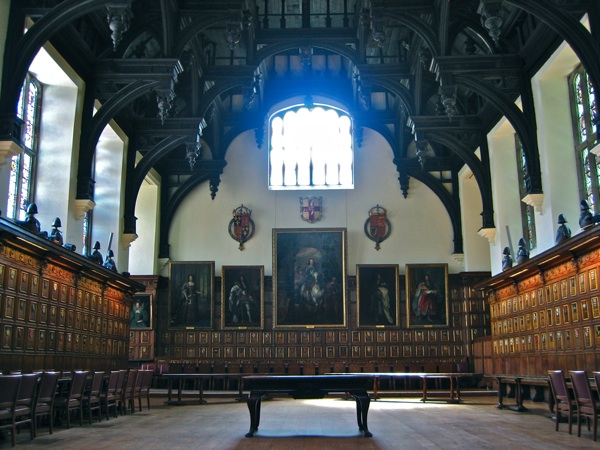
The Middle Temple Hall where “Twelfth Night” was first performed in 1602.
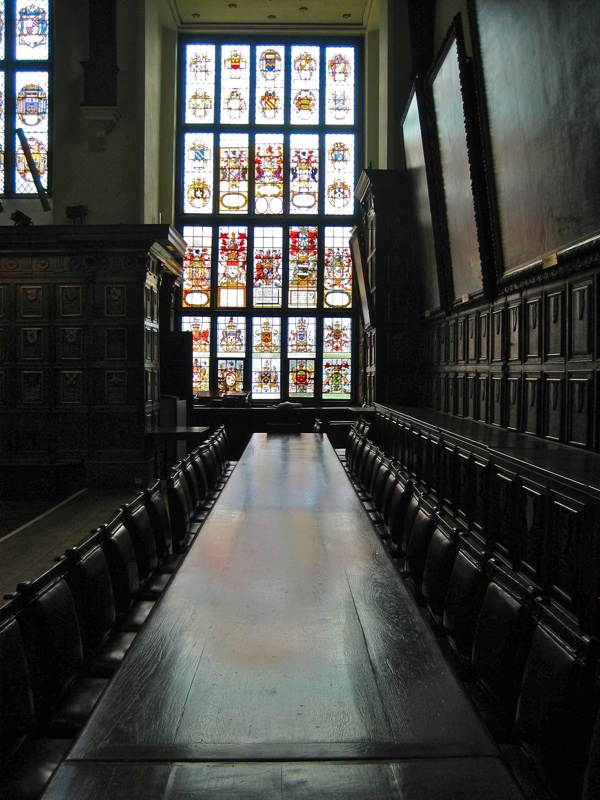
The twenty-nine foot long table made from a single oak from Windsor Great Park.
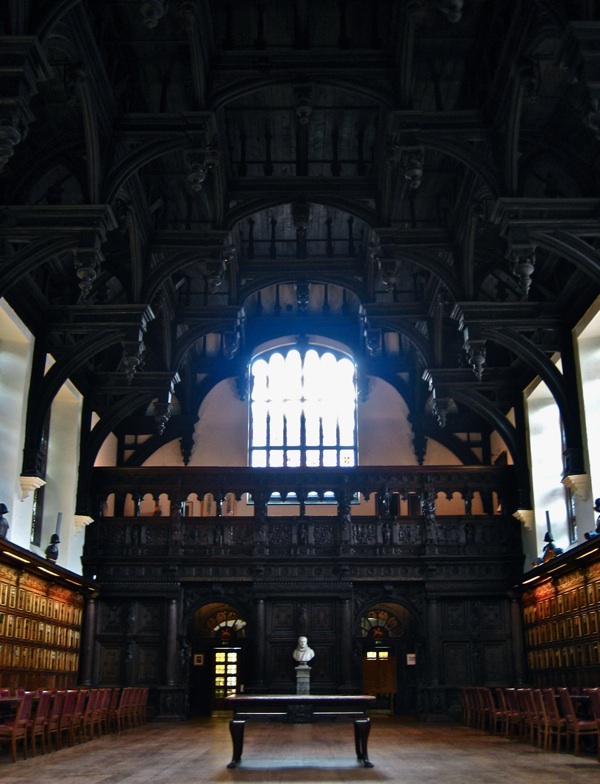
The wooden screen that served as the backdrop to the first production of” Twelfth Night.”
You may like to read these:
At Shakespeare’s First Theatre
The Door to Shakespeare’s London
In Search Of Roman London

Roman London is still under construction
From Spitalfields, you have only to walk down Bishopsgate to find yourself in Londinium, since the line of Bishopsgate St follows that of Ermine St which was the major Roman road north from London Bridge. Tombs once lined the path as it approached the City, just as they did along the Appian Way in Rome.
The essential plan of the City of London was laid out by the Romans when they built their wall around Londinium at the end of the second century, after Boudica and her tribes burnt the settlement. Eighty years earlier, the Romans had constructed a fort where the Barbican stands today and, in their defensive plan, they extended its walls south to the Thames and in an easterly arc that met the river where the Tower of London stands now.
A fine eighteenth century statue of the Emperor Trajan touts to the tourists at Tower Hill, drawing their attention to the impressive stretch of wall that survives there, striped by the characteristic Roman feature of courses of red clay tiles, inserted between layers of shaped Kentish Ragstone to ensure that the wall would be consistently level.
Just fifty yards from here at Cooper’s Row, round the back of the Grange City Hotel, is an equally spectacular stretch of wall that is off the tourist trail. Here you can see the marks of former staircases and medieval windows cut through to create a rugged monument of significant height.
Yet, in the mile between here and the Barbican, very little has survived from the centuries in which stone from the wall was pillaged for other buildings. It is possible to seek access to some corporate premises with lone fragments marooned in the basement, but instead I decided to walk over to All Hallows by the Tower which has a little museum of great charisma in its crypt. Here is part of the tessellated floor of a Roman dwelling of the second century and Captain Lowther’s splendid model of Roman London from 1928.
At the Barbican, a stretch of wall that was once part of the Roman fort is visible, punctuated by a string of monumental bastions which are currently under restoration. Walking up from St Paul’s, you come across the wall in Noble St first, still encrusted with the bricks of the buildings within which it was once embedded. Then you arrive at London Wall, an avenue of gleaming towers lining a windy boulevard of fast-moving traffic, which takes it name from the ancient edifice.
I was lucky enough to be permitted access to a secret concrete bunker, beneath the road surface yet above the level of the underground car park. Here was one of the gateways of Roman London and I saw where the wooden gate posts had worn grooves into the stone that supported them. At last, I could enter Roman London. In that underground room, I walked across the few metres of gravel chips that now cover the ground level of the former roadway between the gate posts, where the chariots passed through. Long ago, I should have been trampled by the traffic if I had stood there, just as I should be mown down if I stood in London Wall today. We switched out the light and locked the door on Roman London to emerge into the daylight again.
In the gardens of the Barbican, the presence of foliage and grass permits the bastions of the City wall to assert themselves, standing apart from the contemporary built environment that surrounds them. From here, I turned west to visit the cloister of St Vedast in Foster Lane, which has an intriguing panel of a tessellated floor mounted in a frame, and St Bride’s in Fleet St, where deep in the crypt, you can lean over a wall to see the floor of the Roman dwelling that once stood there, reflected in a mirror. The reality of these items stirs the imagination just as their fragmentary nature challenges it to envisage such a remote world.
By now, it was late afternoon. I was weary and the sunshine had faded, and it was time to make tracks quickly back to Spitalfields as the sky clouded over – yet I was inspired by my brief Roman holiday in London.

Eighteenth century bronze statue of Trajan at Tower Hill

Model of Roman London in the crypt of All Hallows by the Tower. Made by Captain Lowther in 1928, it shows London Bridge AD 400 – Spitalfields appears as a settlement of Britons beyond the wall.

Roman City Wall at Tower Hill

At Tower Hill

At Cooper’s Row

Lines of red clay tiles were inserted between the blocks of stone to keep the wall level


Tessellated floor in the crypt of All Hallows by the Tower

Timber from a Roman wharf preserved in the porch of St Magnus the Martyr

In the cloister of St Vedast Alias Foster

In the crypt of St Bride’s, Fleet St

Foundation of a Roman Guard Tower in Noble St

Outside 1 London Wall
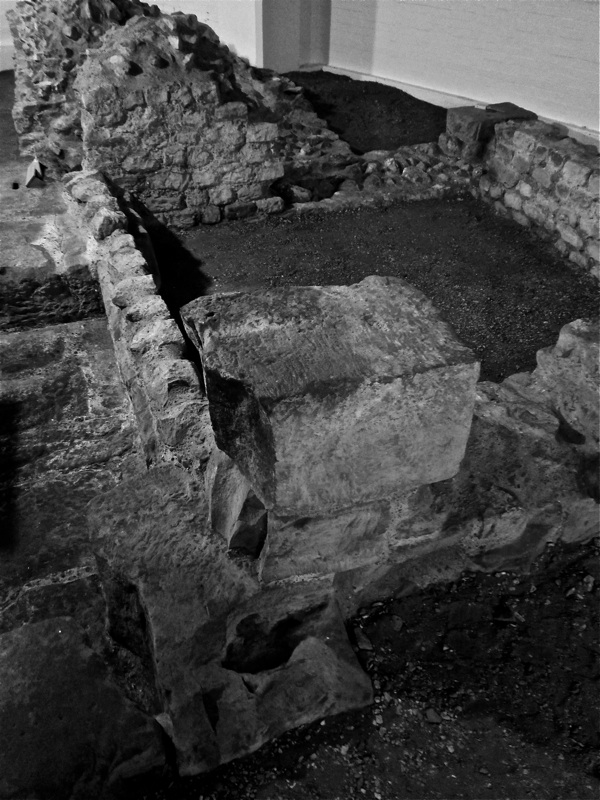
Part of the entrance gate to Roman London in the underground chamber

Model of the north west entrance to Roman London
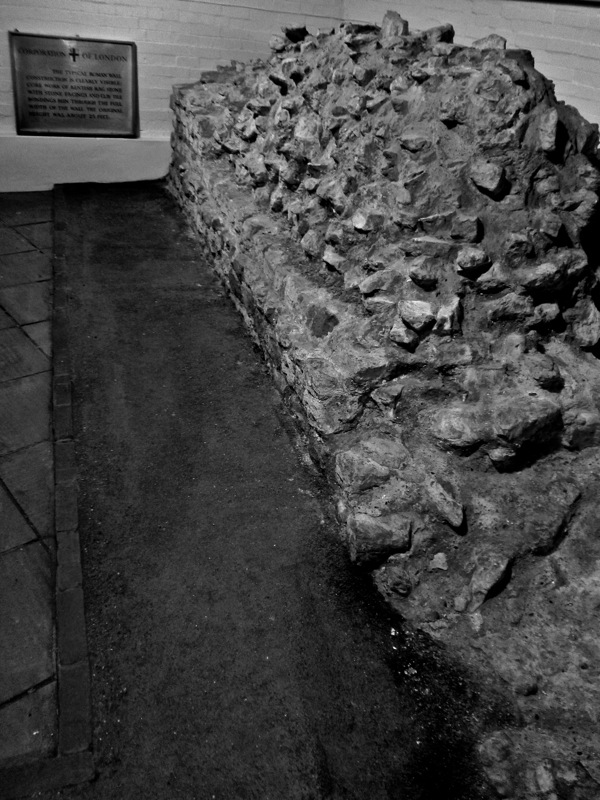
A fragment of wall in the underground chamber
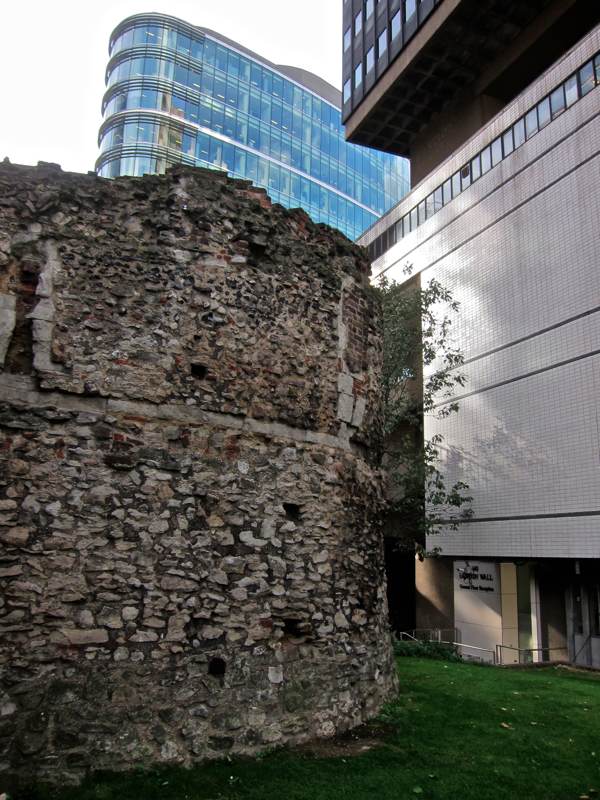
Bastion at London Wall

You might also like to read