
More Spires Of City Churches

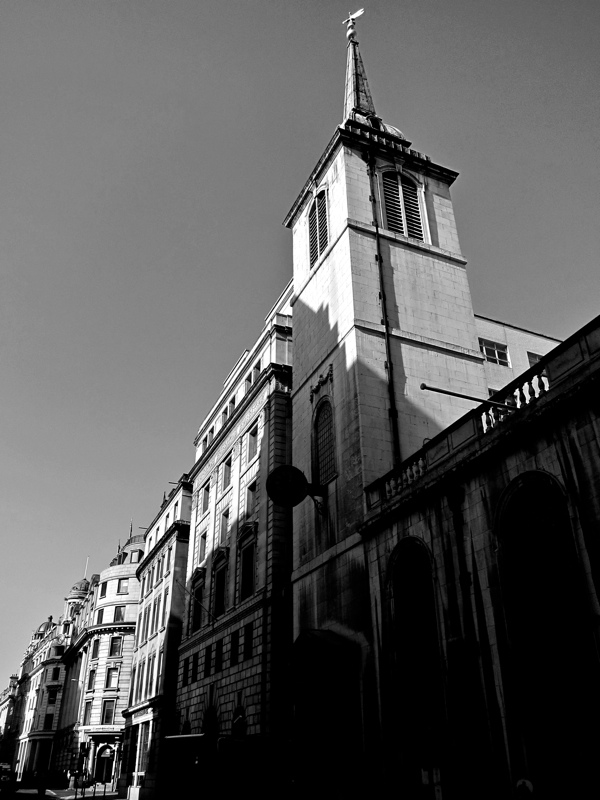
St Lawrence Jewry, Gresham St
This January, I waited so long for a clear day to take pictures of spires in the City of London that, when we were blessed with one, I could not resist taking as many photographs as possible. Such has been my preoccupation that, in future, I shall always be inclined now to think of clear days early in the year as “ideal weather to photograph church spires in the City.”
Yet there were other obstacles beyond the meteorological that I had to contend with in my quest for spires, not just delivery vans parked in the wrong places and people standing in front of churches making long mobile phone calls, but the over-zealous guard who challenged my motives as I stood with my camera upon the public footpath, suspiciously implying I might have sinister intent in photographing church spires – which could have grave implications for national security. “You realise this is the City of London,” he informed me in explanation of his impertinence, as if I could be unaware.
Fortunately, it is in the nature of photographing church spires that I had no choice but to lift up my eyes above these trifles of life and I was rewarded for my tenacity in the pursuit with all the wonders that you see here. In Rome or any other European capital, such a close gathering of architectural masterpieces would be venerated among the finest treasures of the city. In London, our overfamiliarity with these epic churches means they have become invisible and hardly anyone looks at them. Commonly, the ancient spires are overshadowed by the modern buildings which surround them today, yet I found – in many cases – that the act of focusing attention upon these under-appreciated edifices revealed them newly to my eyes.

St Mary Le Bow, Cheapside
St Margaret’s, Lothbury

St Vedast, Foster Lane

Christchurch Greyfriars, Newgate St

Christchurch Greyfriars, Newgate St

St Mary Le Bow, Cheapside

St Mary Le Bow, Cheapside

St Stephen, Walbrook

Whittington’s Almshouses, College Hill

St James, Garlickhythe

St Michael Paternoster Royal, College Hill

1 & 2 Lawrence Pountney Hill – Built in 1703, these are the finest surviving merchants’ houses in the City.
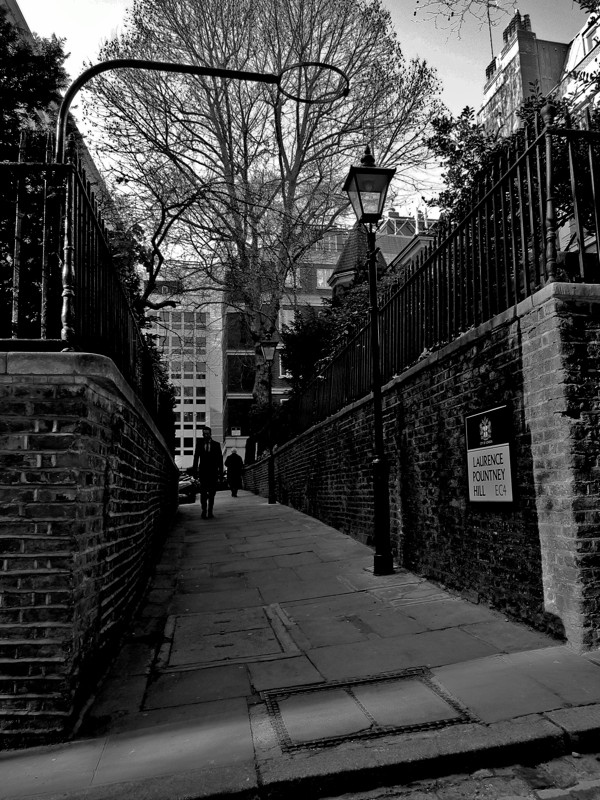
Churchyard of St Laurence Pountney

St Magnus the Martyr, Lower Thames St

St Dunstan in the East, Idol Lane

All Hallows Staining, Mark Lane

St Botolph’s, Aldgate
You may also like to take a look at
Signs Of New Life
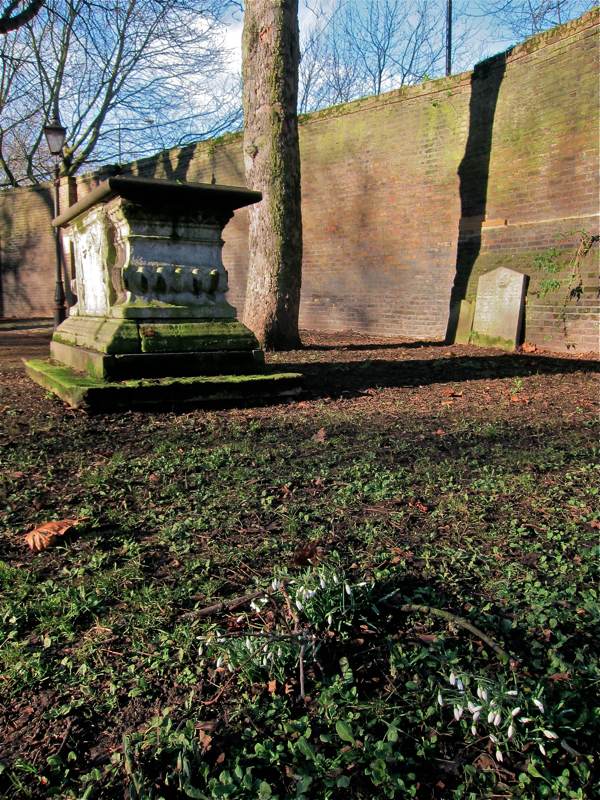
First Snowdrops in Wapping
Even now, in the depths of Winter, there is plant life stirring. As I travelled around the East End over the past week in the wet and cold, I kept my eyes open for new life and was rewarded for my quest by the precious discoveries that you see here. Fulfilling my need for assurance that we are advancing in our passage through the year, each plant offers undeniable evidence that, although there may be months of Winter yet to come, I can look forward to the spring that will arrive before too long.
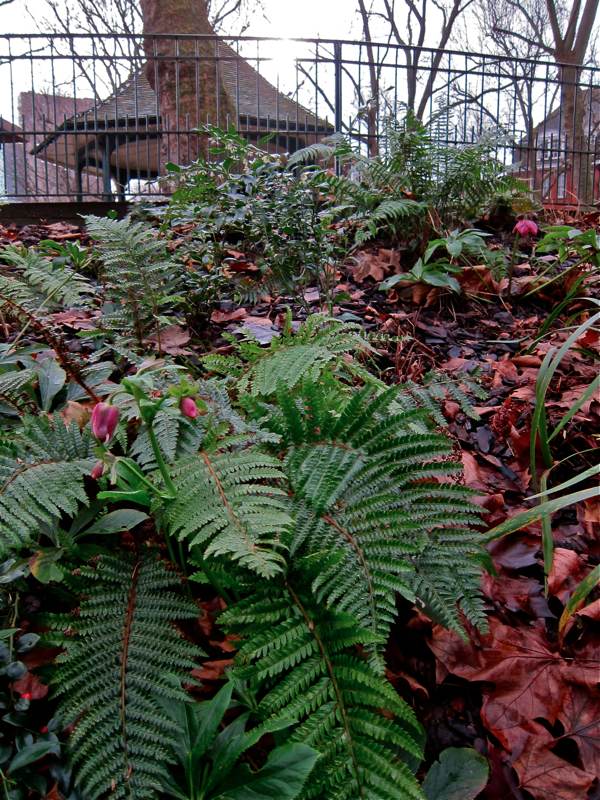
Hellebores in Shoreditch
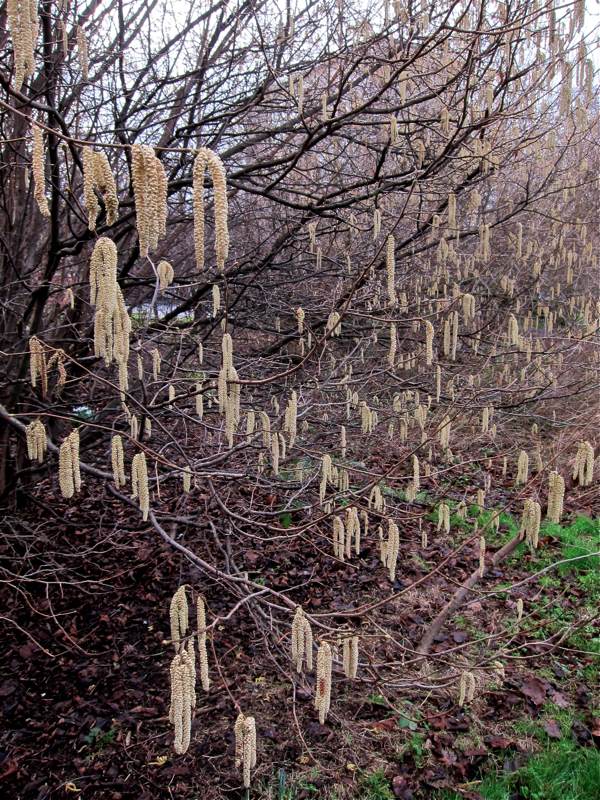
Catkins in Bethnal Green
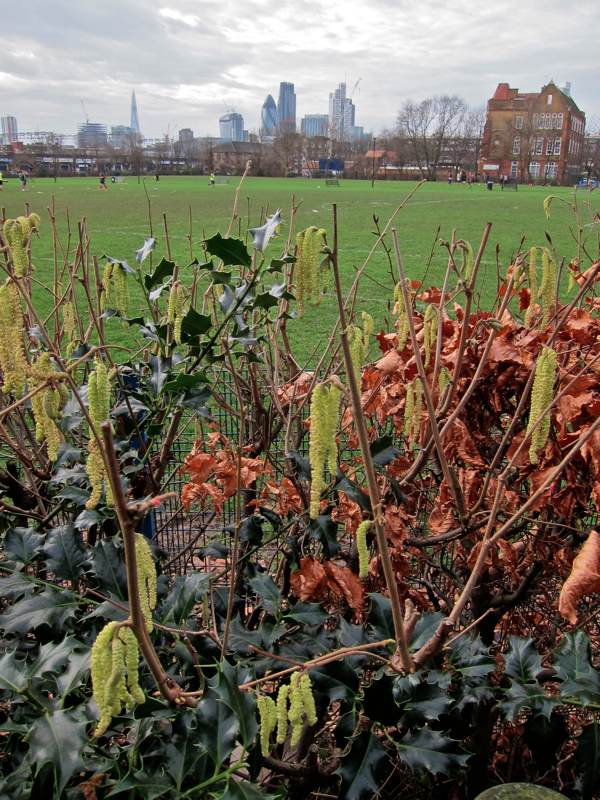
Catkins in Weavers’ Fields
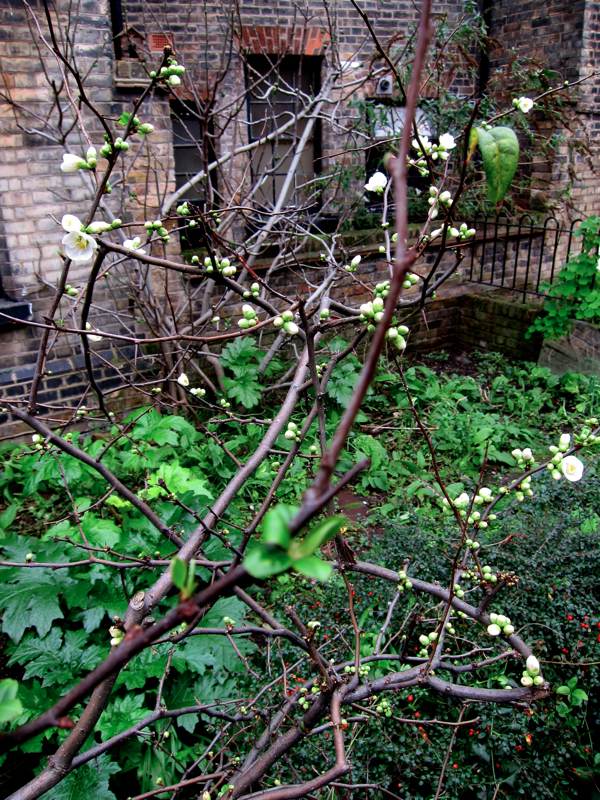
Quince flowers in Spitalfields
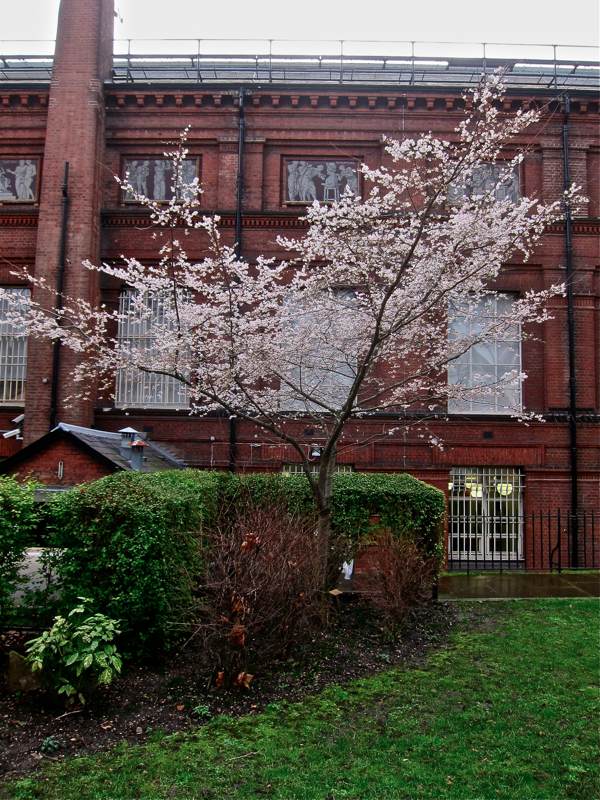
Cherry blossom in Museum Gardens
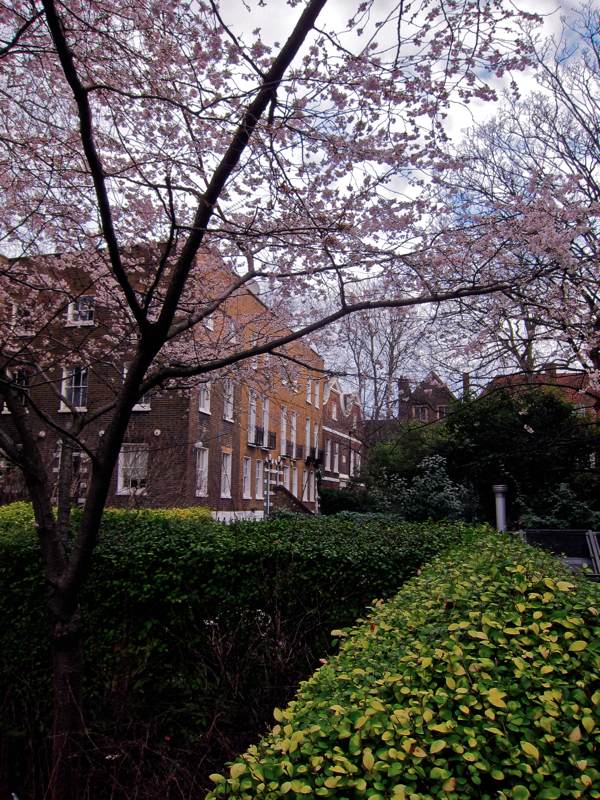
Netteswell House is the oldest dwelling in Bethnal Green
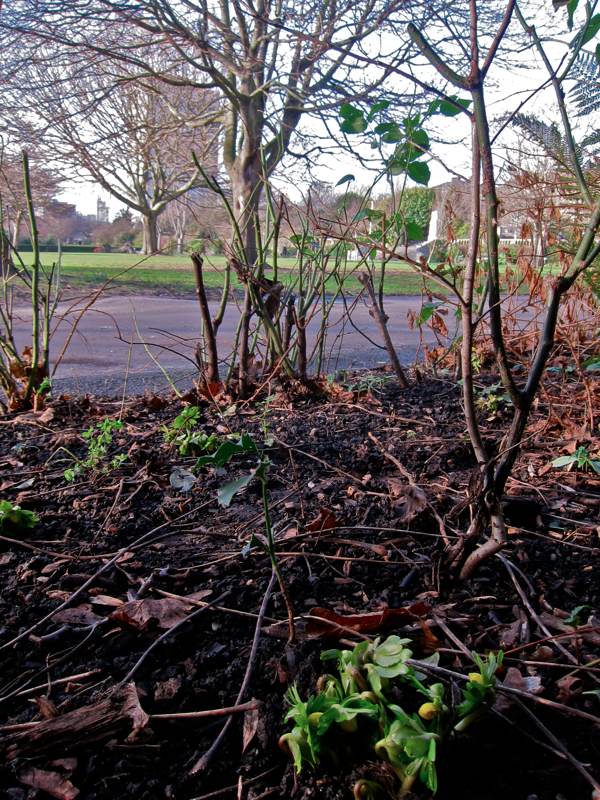
Aconites in King Edward VII Memorial Park in Limehouse
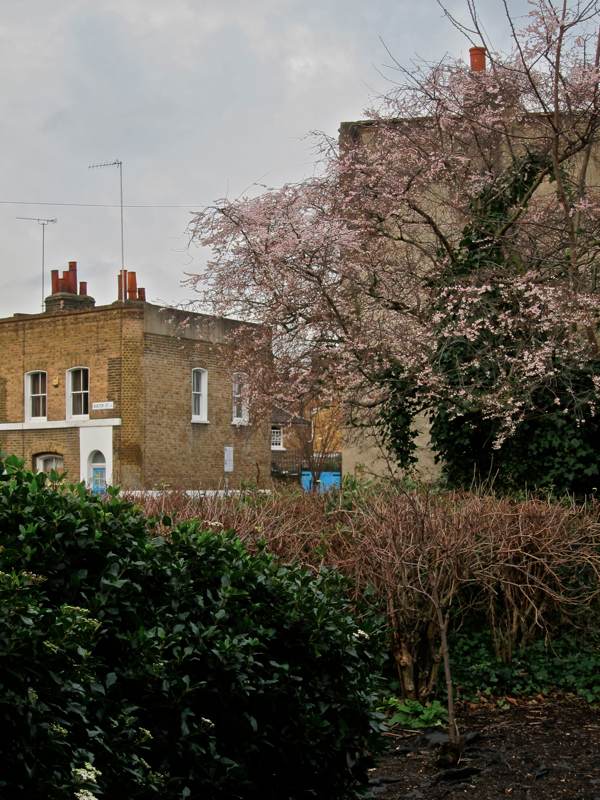
Cherry Blossom near Columbia Rd
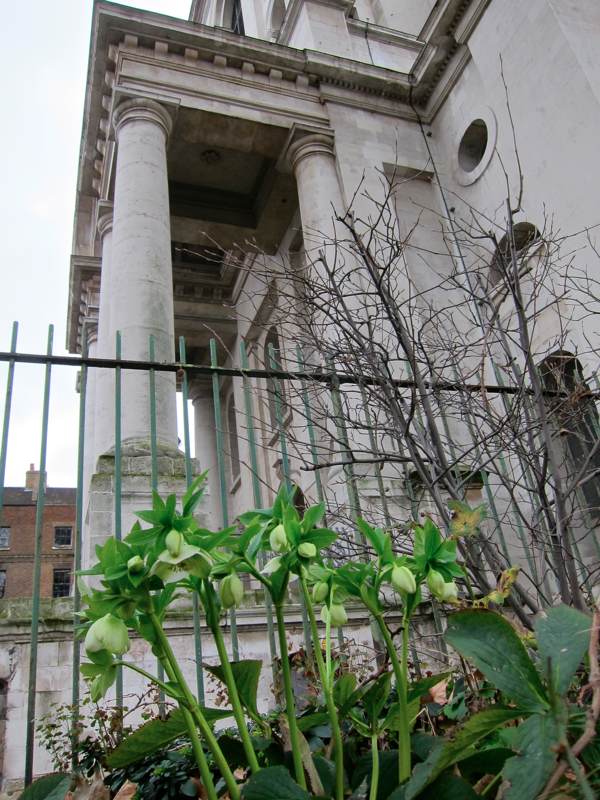
Hellebores in Spitalfields
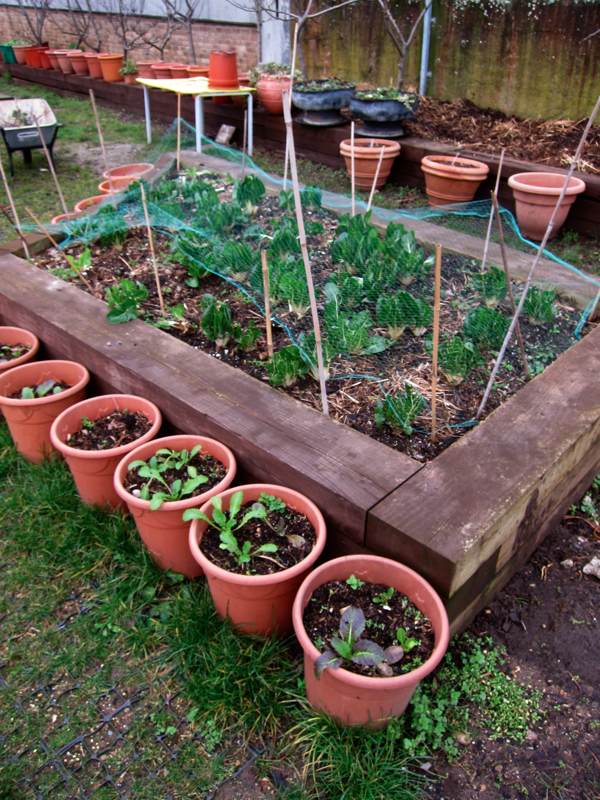
Spring greens at Spitalfields City Farm
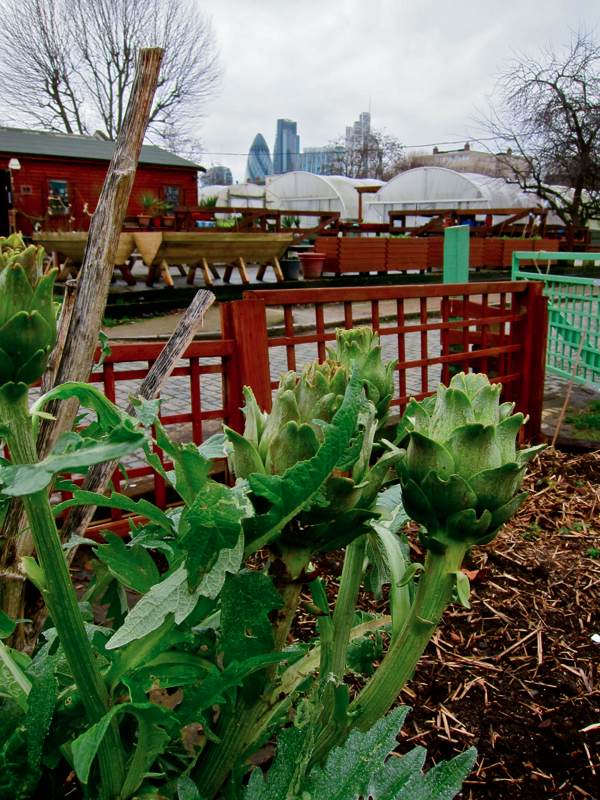
The gherkin and the artichoke
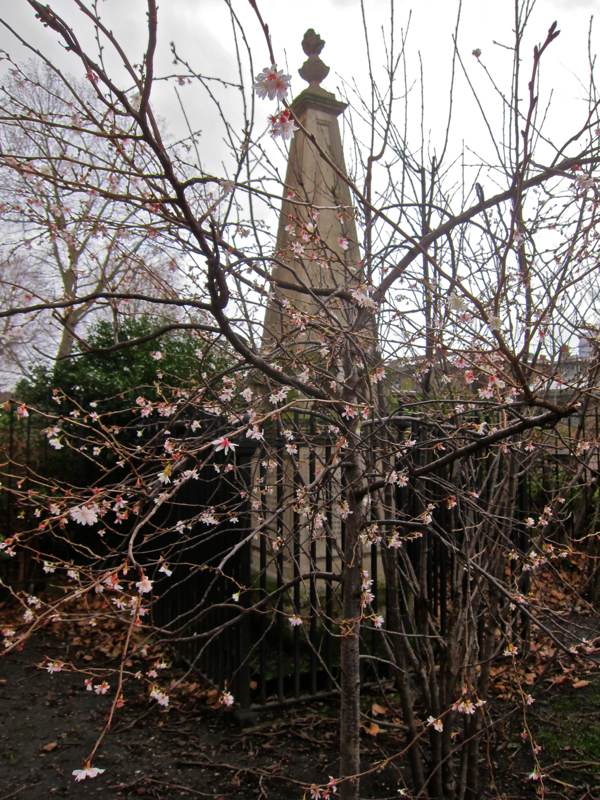
Cherry blossom in Itchy Park
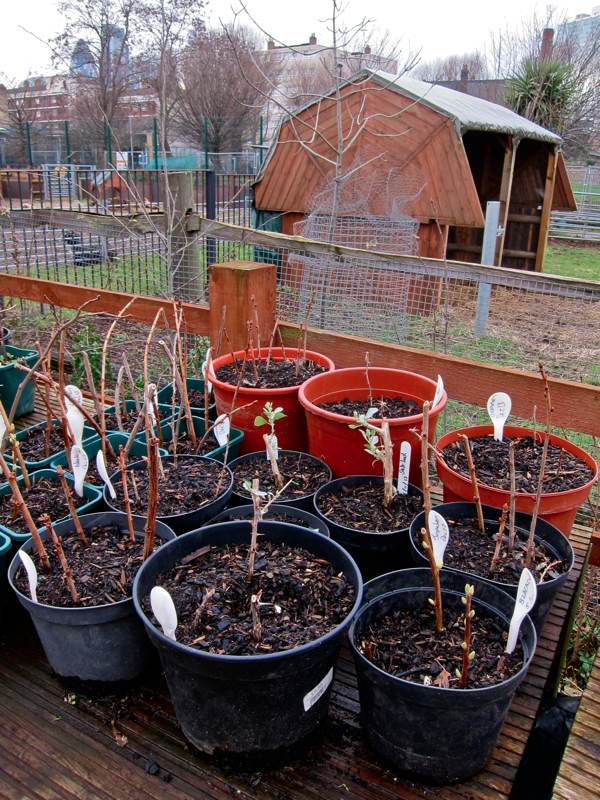
Soft fruit cuttings at Spitalfields City Farm
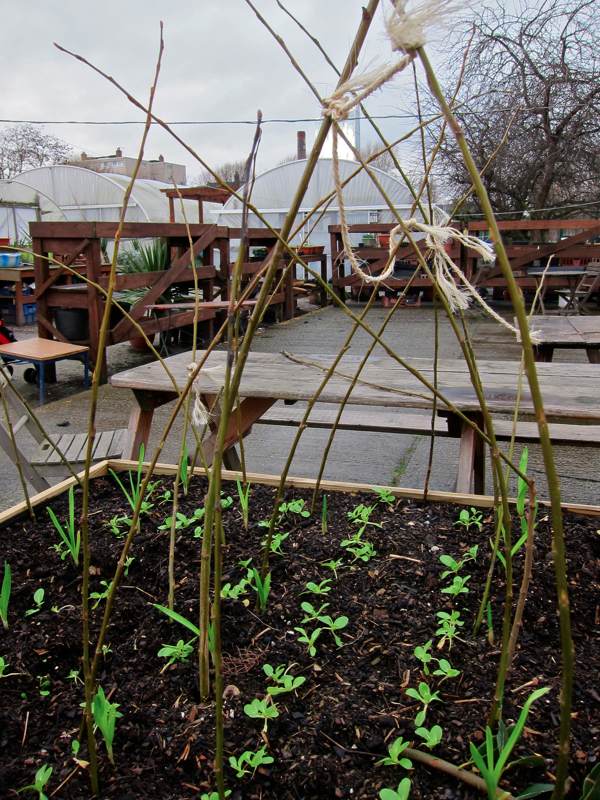
Seedlings at Spitalfields City Farm
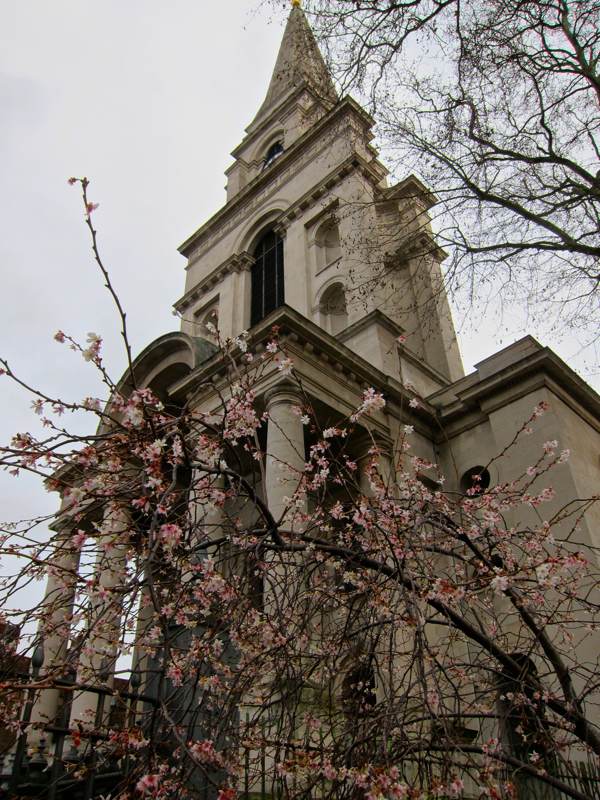
Cherry blossom at Christ Church
You may also like to read
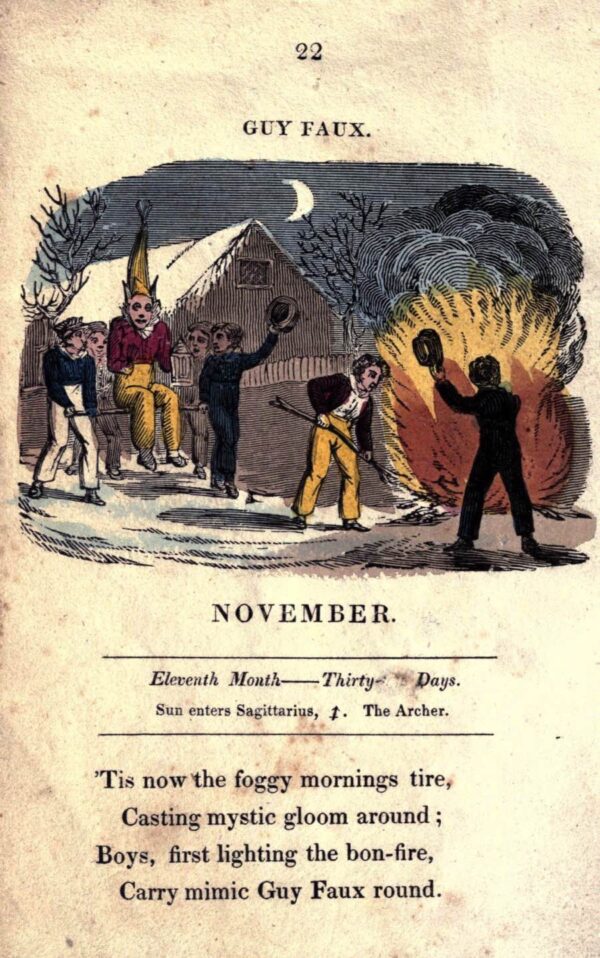
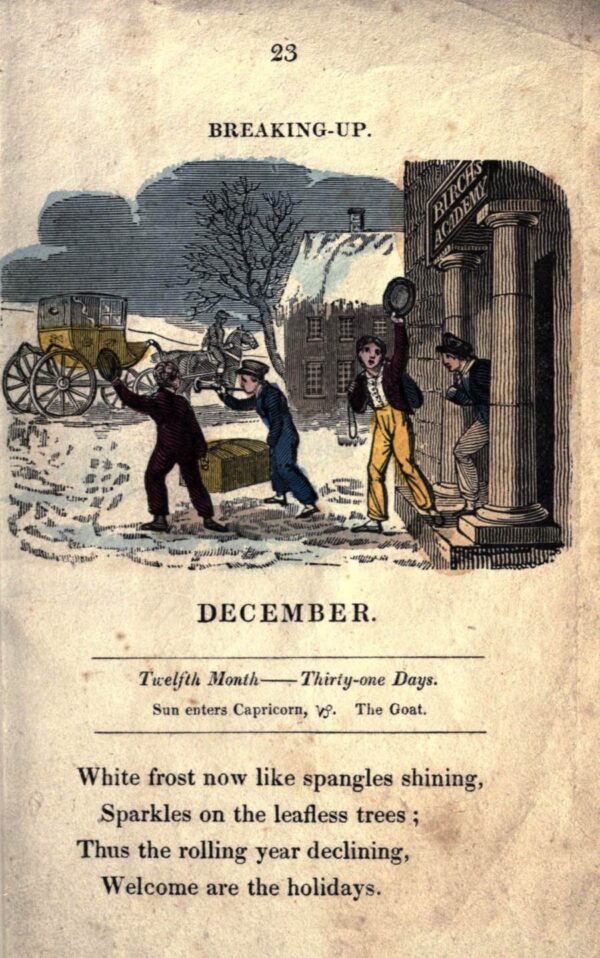
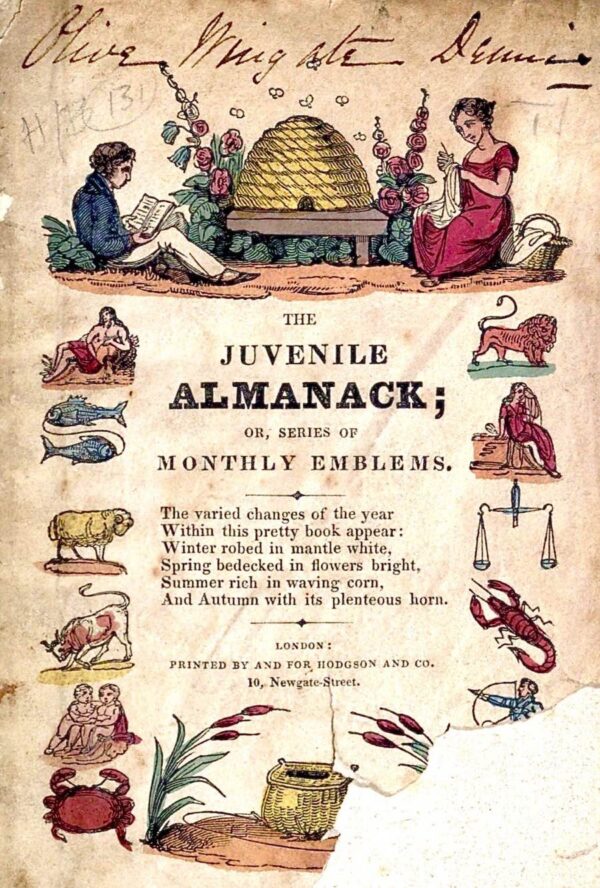
The Juvenile Almanack
On this frosty day in mid-January, I thought this might be a good moment to look forward through the year with this almanac from the eighteen-twenties, published by Hodgson & Co, 10 Newgate St. I am grateful to Sian Rees for drawing my attention to these wonderful images.
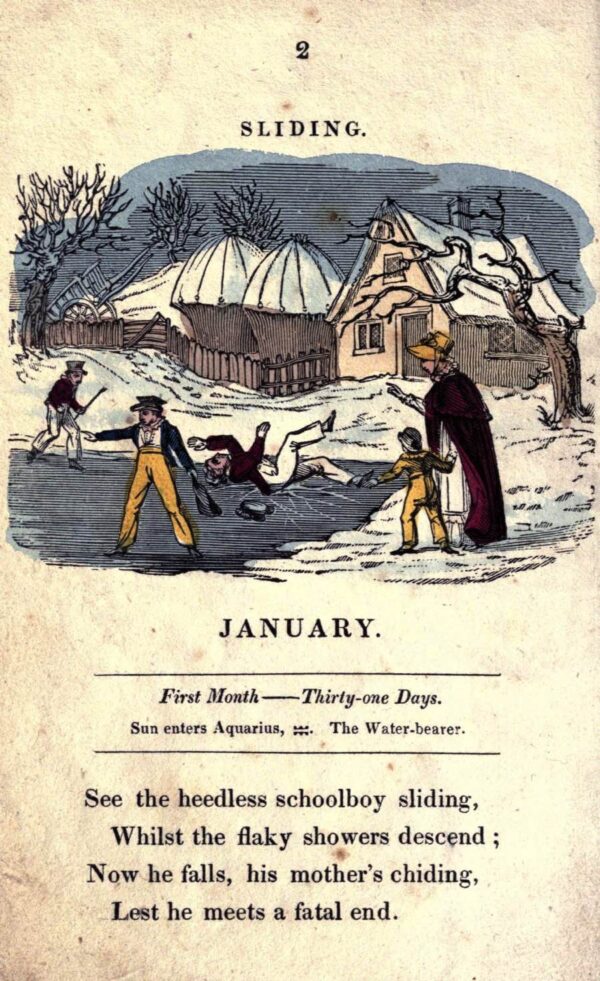
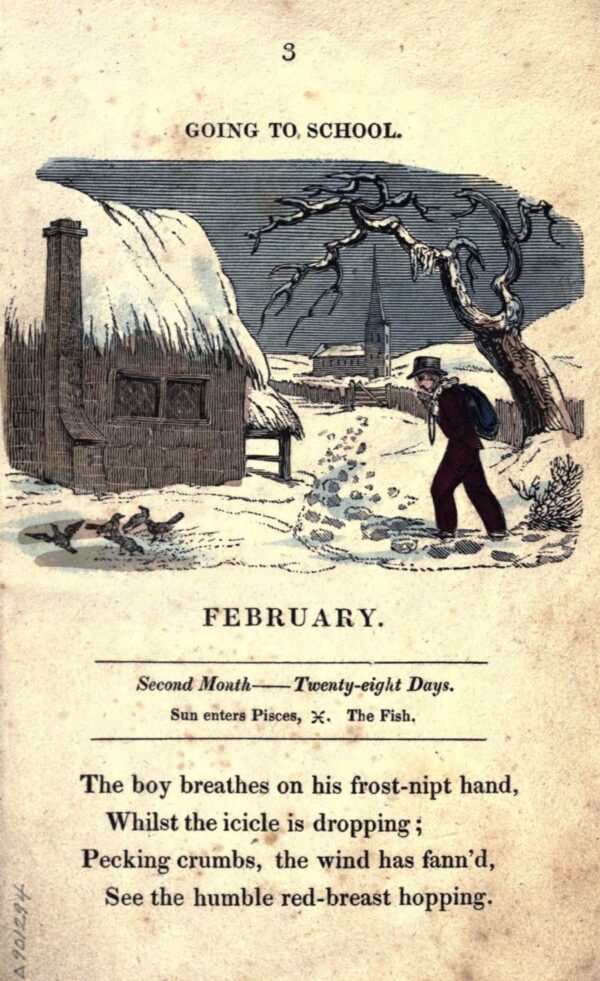
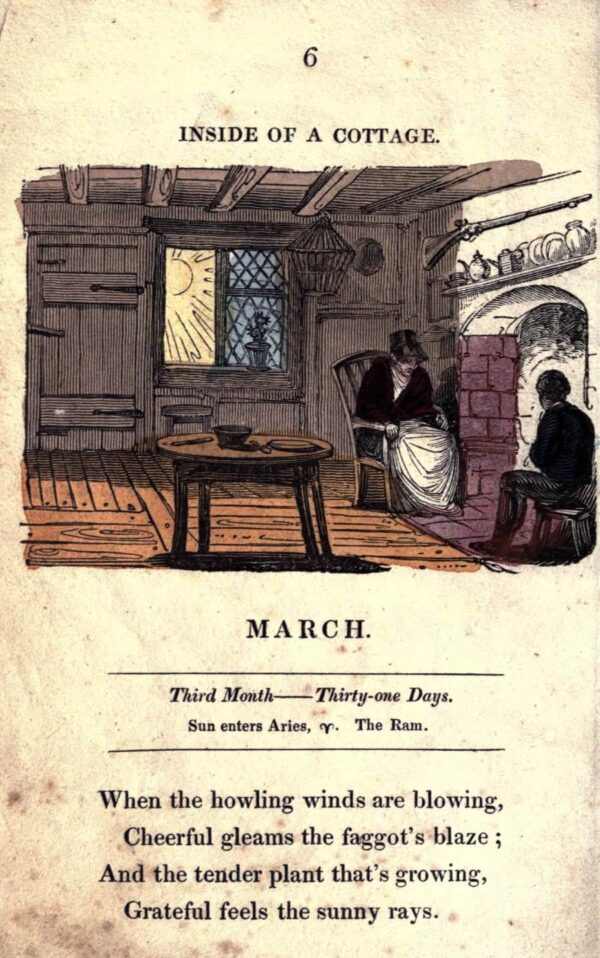
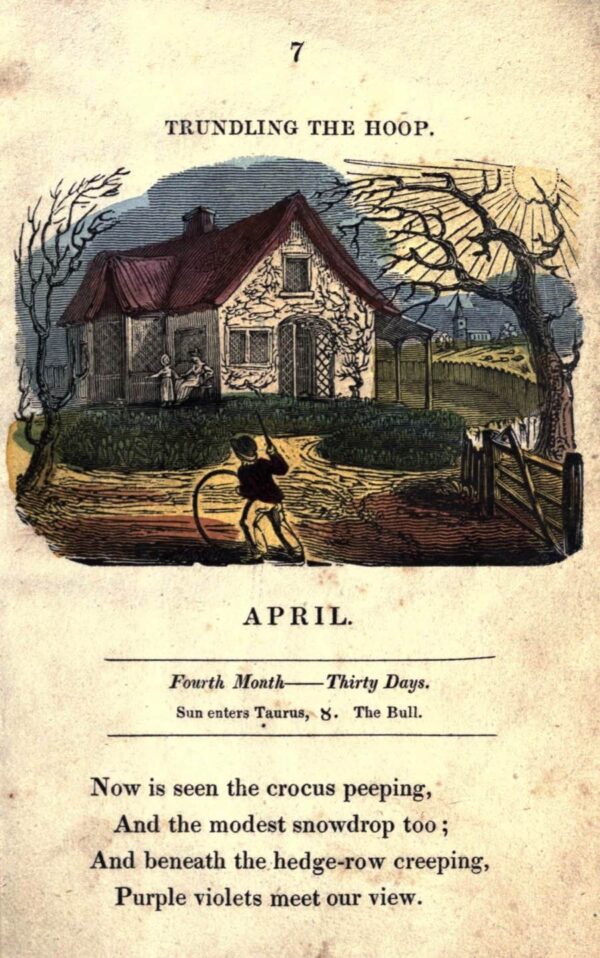
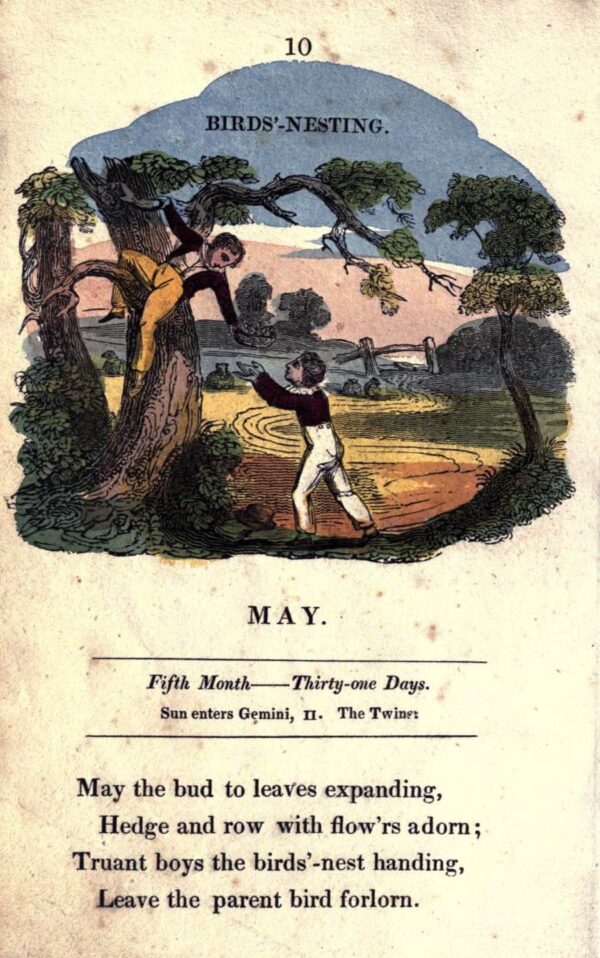
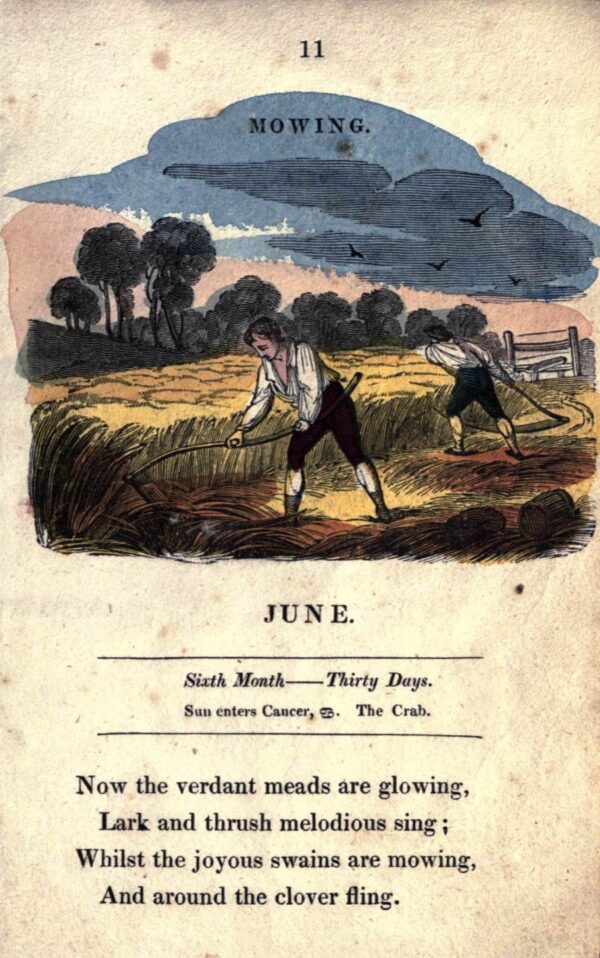
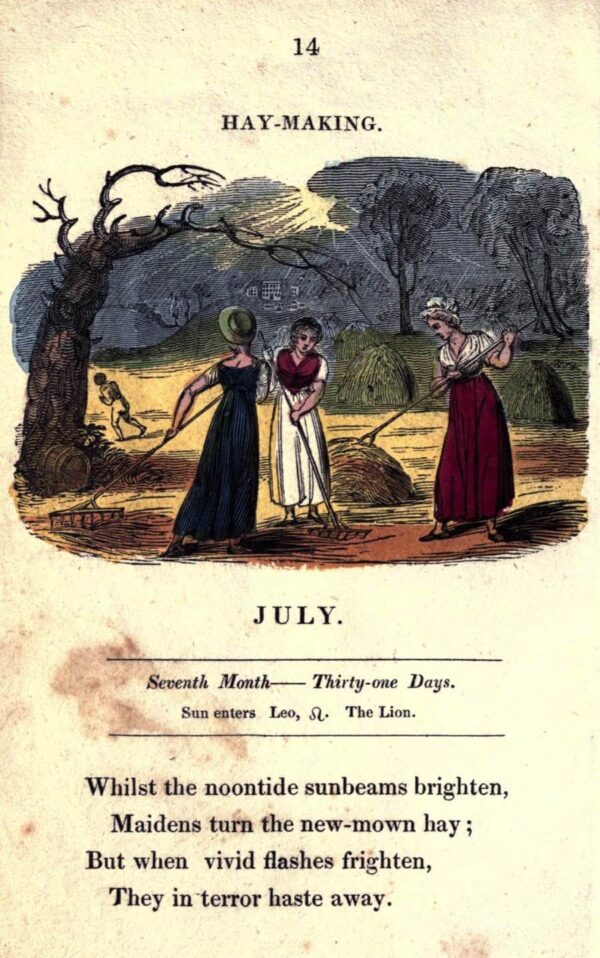
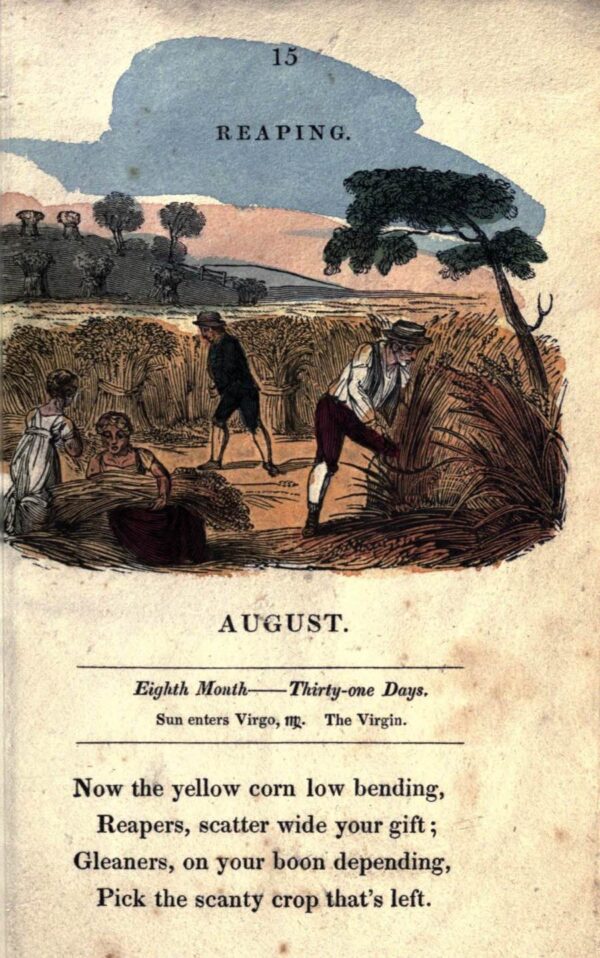
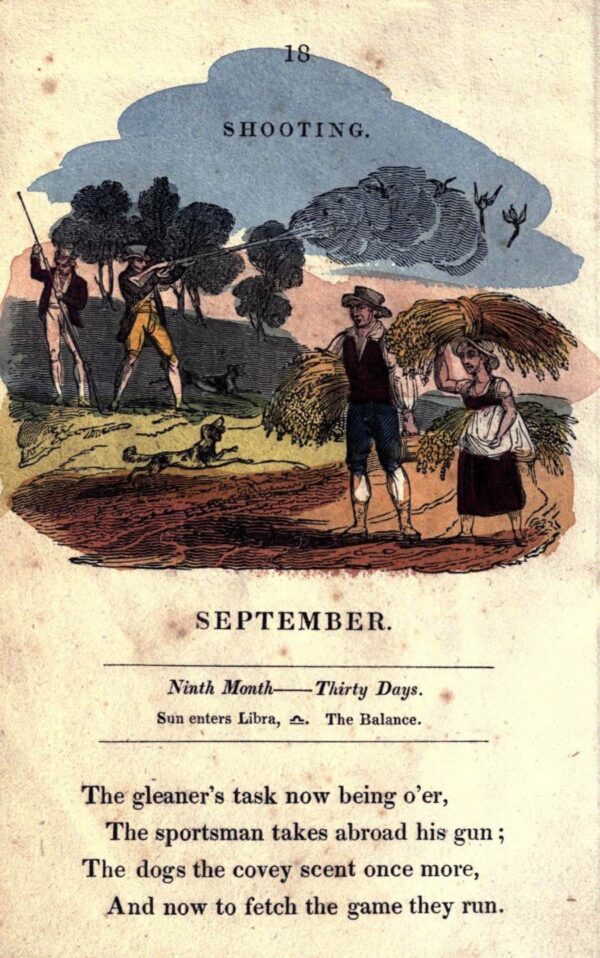
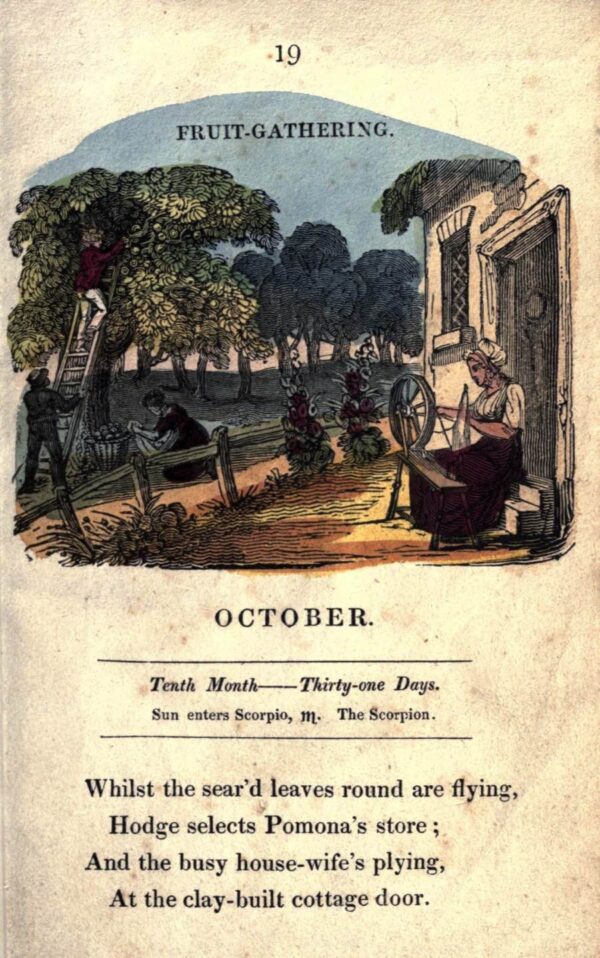
Images courtesy University of California Libraries
You may also like to take a look at
Tony Hall’s East End Panoramas

In the sixties, Tony Hall bought a Horizont camera of Russian manufacture that was designed for taking panoramic photographs and he used it to take these magnificent pictures of East End streets. Originally trained as a painter, Tony Hall became a newspaper artist in Fleet St and pursued photography in the afternoons between shifts.
“He’d always been passionate about wide-angle lenses, it was his landscape painter’s background – he had a painter’s eye,” Libby Hall, Tony’s wife revealed to me, “When he was sixteen, his paintings were accepted for the Royal Academy but he wanted to do something different, so he gave it up in favour of commercial art and photography.”
The Horizont camera had a lens that rotated in sync with the shutter to create a panoramic view, but they were unreliable and, when the lens became out of sync with the shutter, patches of light and dark appeared on the image. Tony bought three cameras in the hope of getting one to work consistently and in the end he gave up, yet by then he had achieved this bravura series of pictures which emphasise the linear qualities of the cityscape to dramatic effect.
“Tony loved tools of all sorts and he always said that if you had the tool you could work out how to use it,” Libby recalled, “He was very frustrated by the Horizont, but he was very pleased when it worked.”
It is the special nature of Tony Hall’s photographic vision that he saw the human beauty within an architectural environment which others sought to condemn and, half a century later, his epic panoramas show us the East End of the nineteen sixties as we never saw it before.
Click on any of the photographs below to enlarge and enjoy the full panoramic effect.
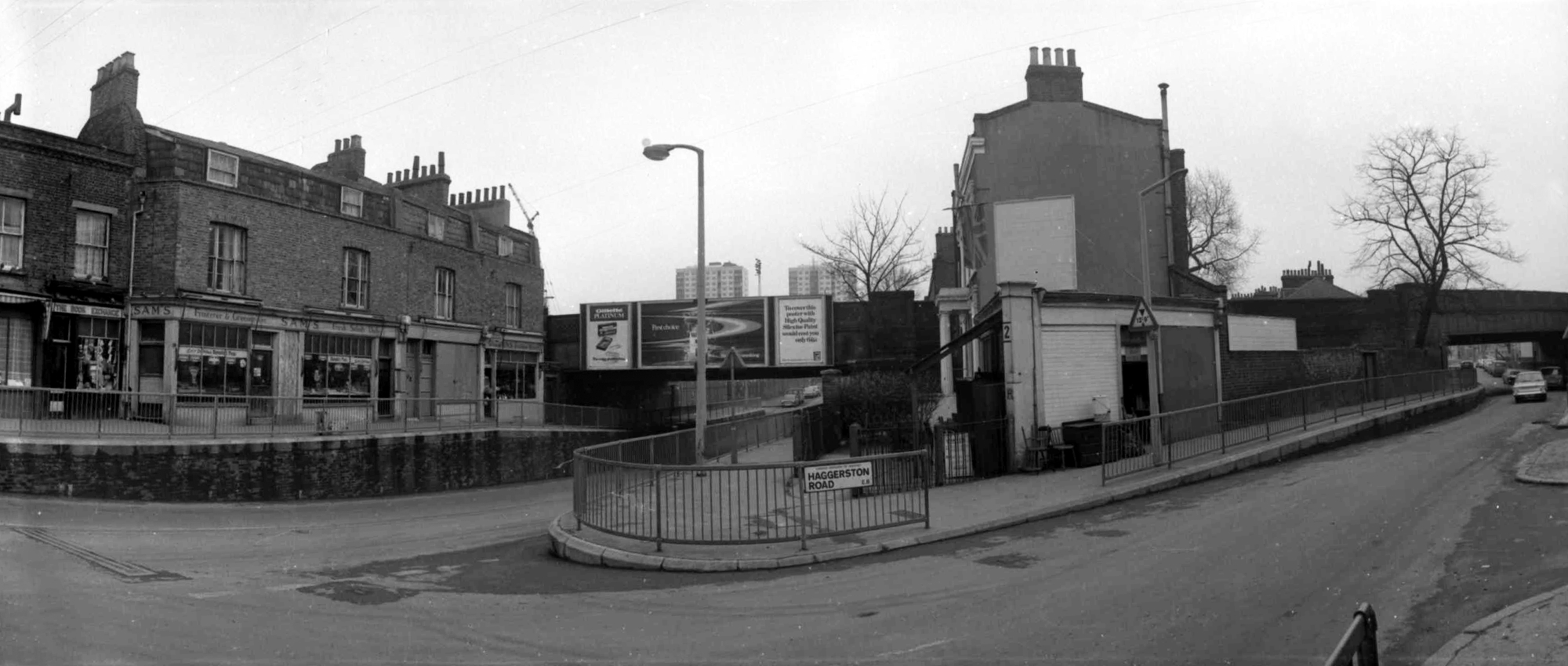
Corner of Middleton Rd & Haggerston Rd
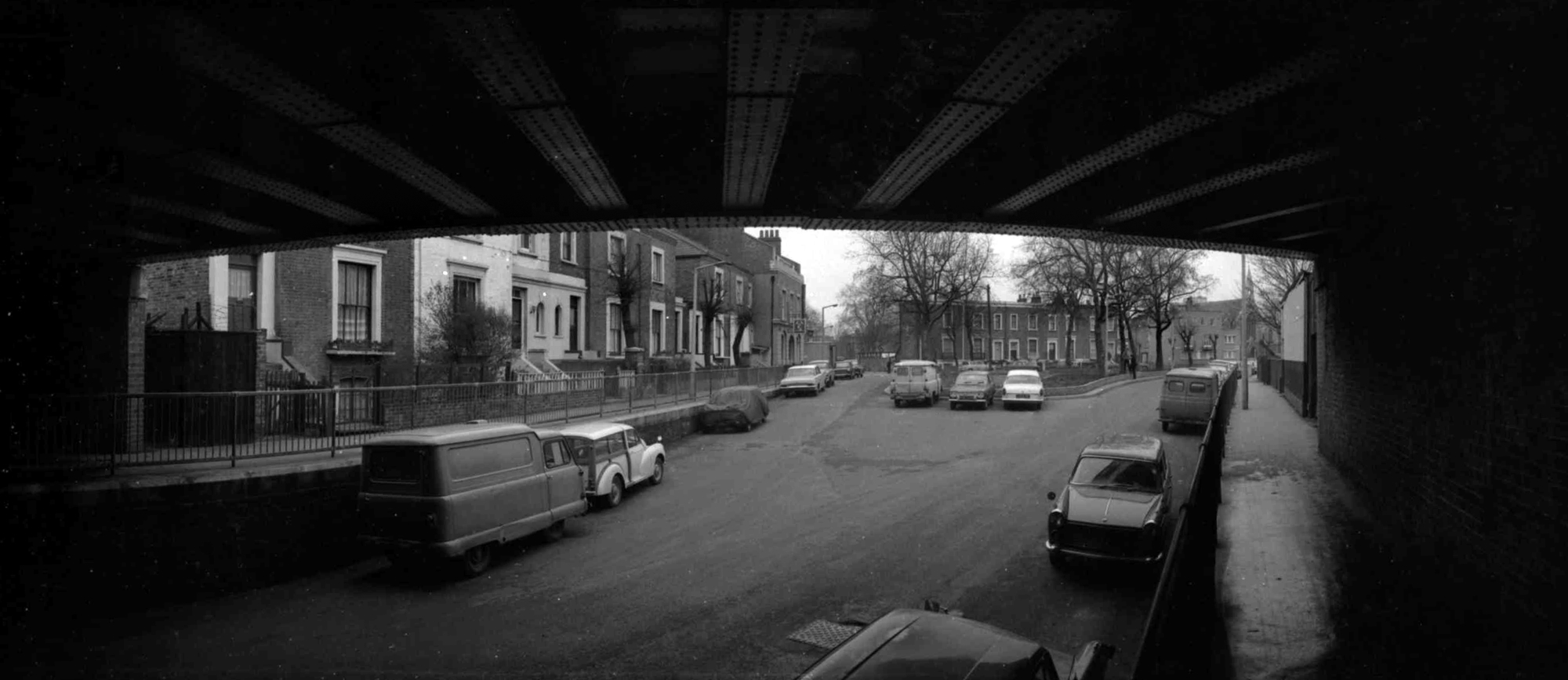
Haggerston Rd

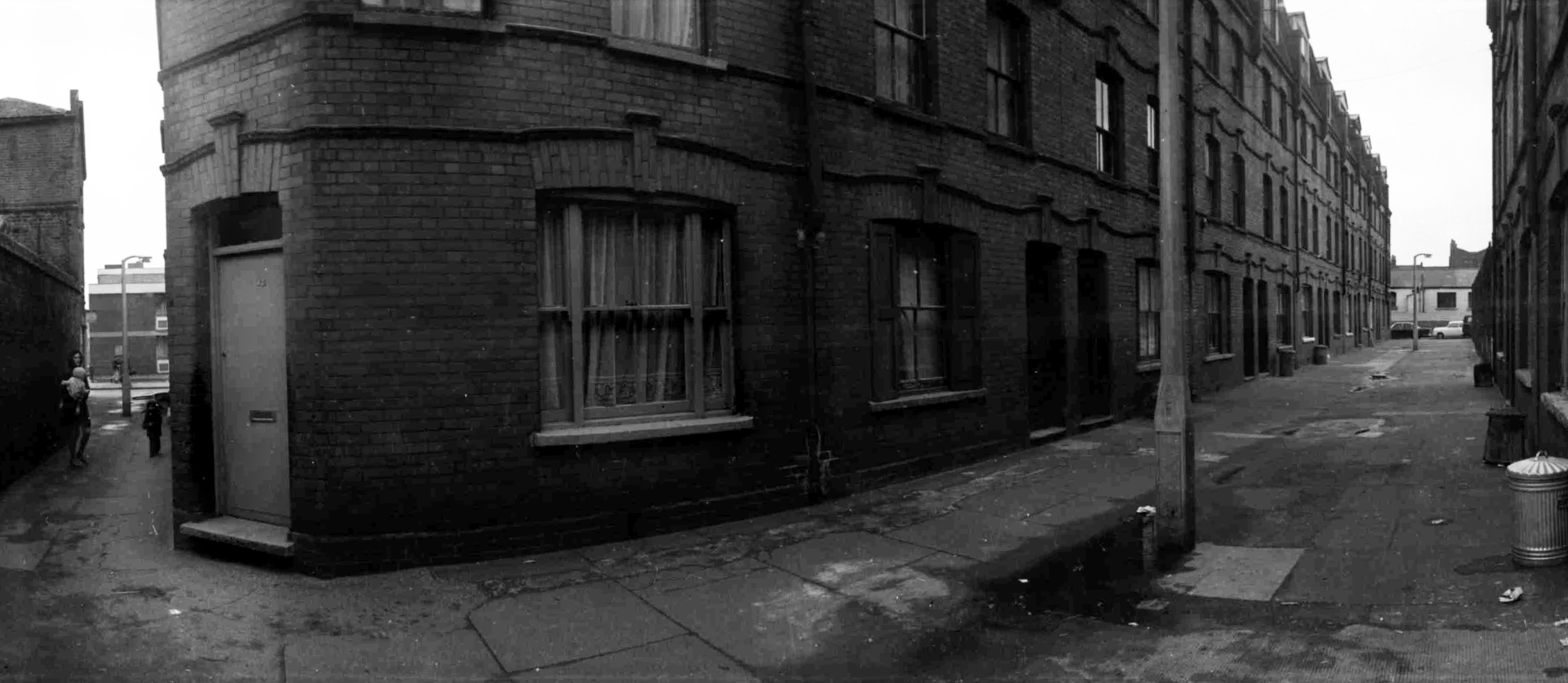


Old Montague St & Black Lion Yard

Old Montague St

Hessel St


Corner of Lyal Rd & Stanfield Rd

Corner of Lyal Rd & Stanfield Rd


Bridge House, Tredegar Rd

Sclater St

Leopold Buildings, Columbia Rd

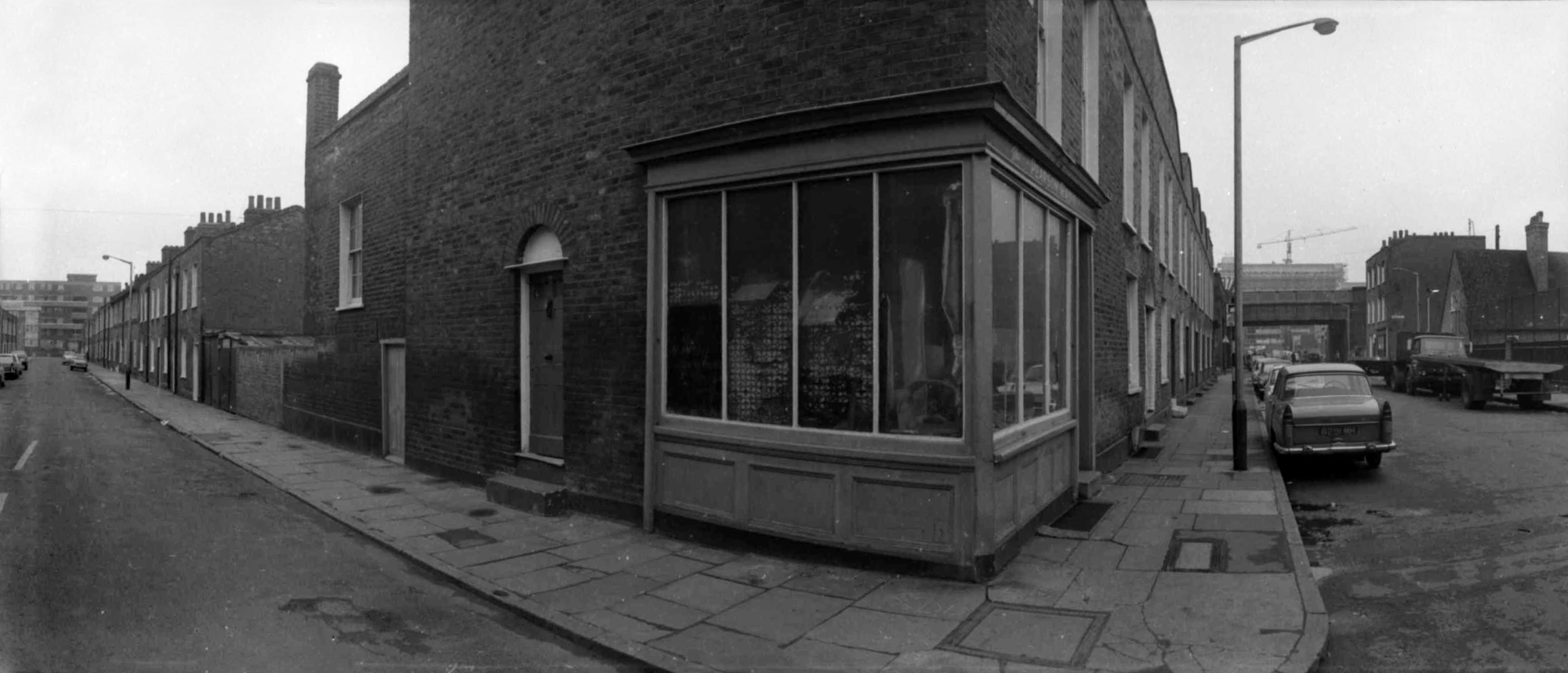

Pearson St & Appleby St

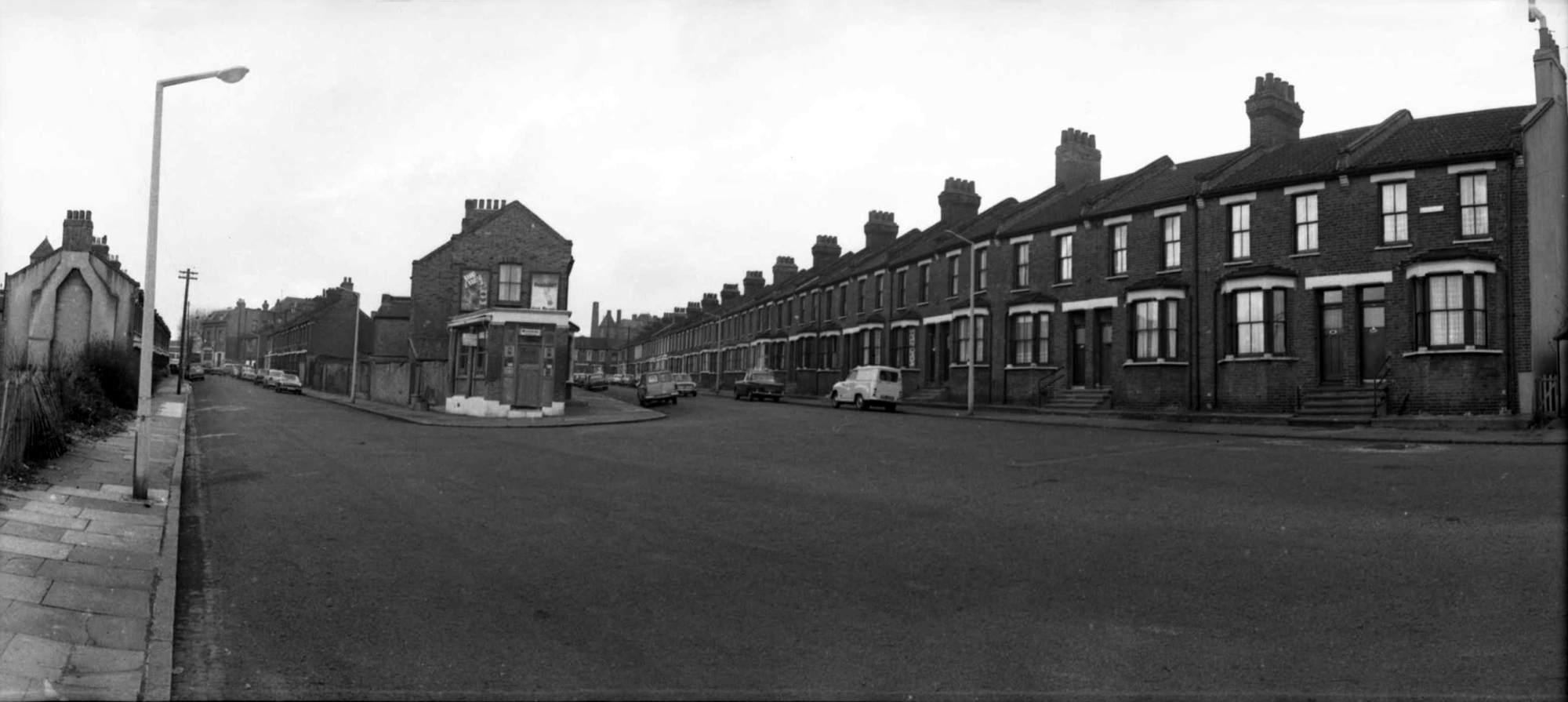

Corner of Well St & Holcroft Rd

Hackney Rd

St Leonards Rd


St Leonards Rd


Photographs copyright © Libby Hall
Images Courtesy of the Tony Hall Archive at the Bishopsgate Institute
Libby Hall & I would be delighted if any readers can assist in identifying the locations and subjects of Tony Hall’s photographs.
You may also like to read
The Gentle Author’s Indoor Garden
As the temperatures plunge, I contemplate my indoor garden

‘No enemy but winter and rough weather…’ As You Like It
Every year at this low ebb of the season, I cultivate bulbs and winter-flowering plants in my collection of old pots from the market and arrange them upon the oak dresser, to observe their growth at close quarters and thereby gain solace and inspiration until the garden outside shows any convincing signs of new life.
Each morning, I drag myself from bed – coughing and wheezing from winter chills – and stumble to the dresser in my pyjamas like one in a holy order paying due reverence to an altar. When the grey gloom of morning feels unremitting, the musky scent of hyacinth or the delicate fragrance of the cyclamen is a tonic to my system, tangible evidence that the season of green leaves and abundant flowers will return. When plant life is scarce, my flowers in pots acquire a magical allure for me, an enchanted quality confirmed by the speed of their growth in the warmth of the house, and I delight to have this collection of diverse varieties in dishes to wonder at, as if each one were a unique specimen from an exotic land.
And once they have flowered, I place these plants in a cold corner of the house until I can replant them in the garden. As a consequence, my clumps of Hellebores and Snowdrops are expanding every year and thus I get to enjoy my plants at least twice over – at first on the dresser and in subsequent years growing in my garden.


Staffordshire figure of Orlando from As You Like It
William Whiffin, Photographer
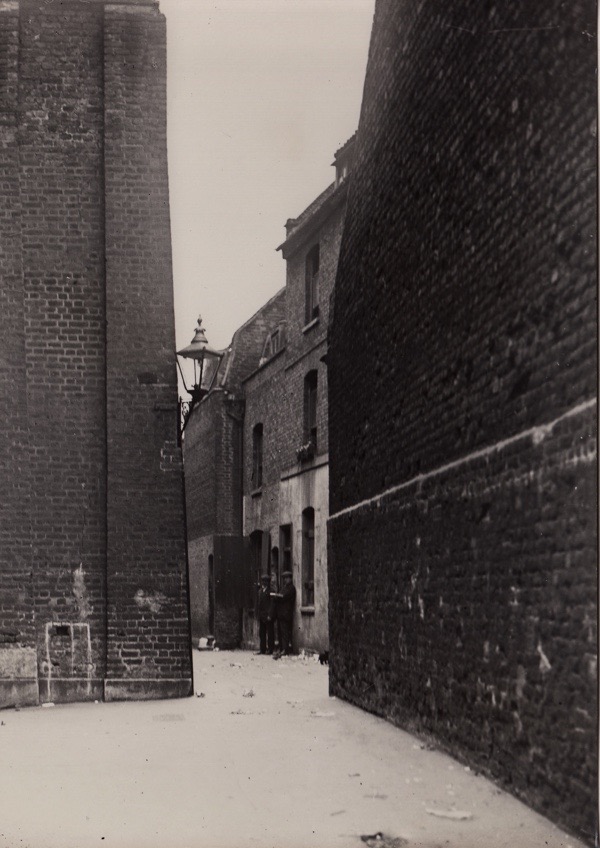
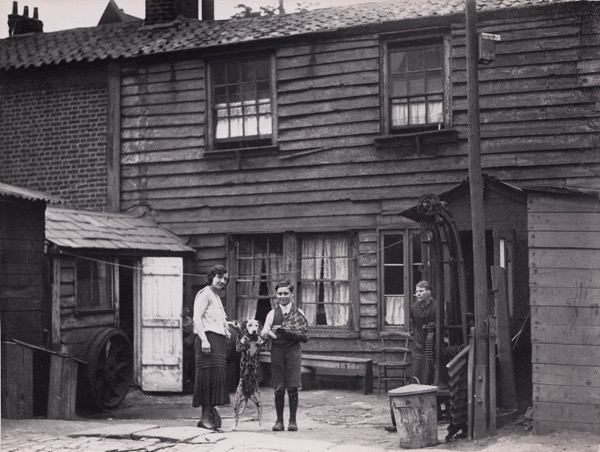
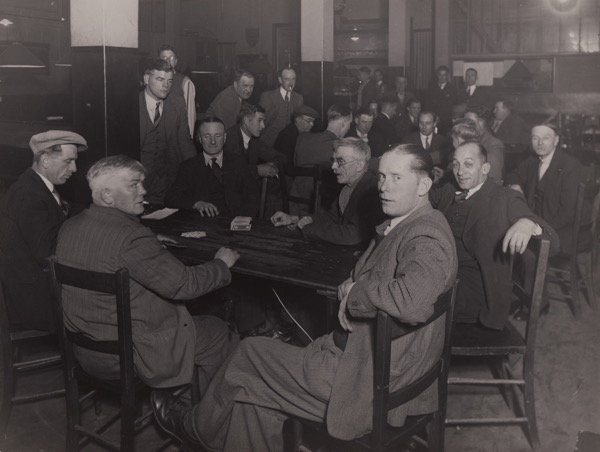
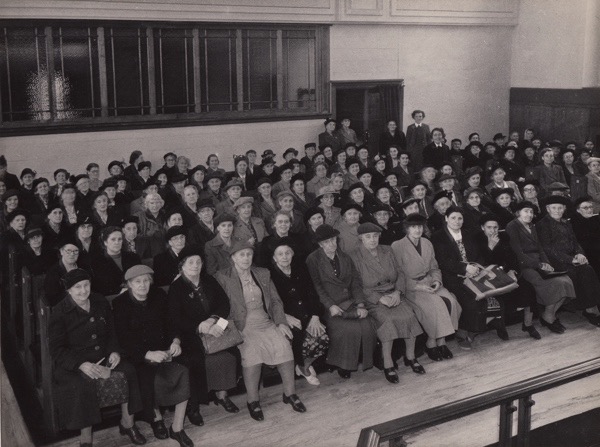
William Whiffin (1878-1957) is one of the great unsung London photographers, which makes it a rare pleasure to present this gallery of his pictures from the collection of his granddaughter Hellen Martin. Born into a family of photographers in the East End, Whiffin made his living with studio portraits and commercial commissions, yet he strove to be recognised for his more artistic photography.
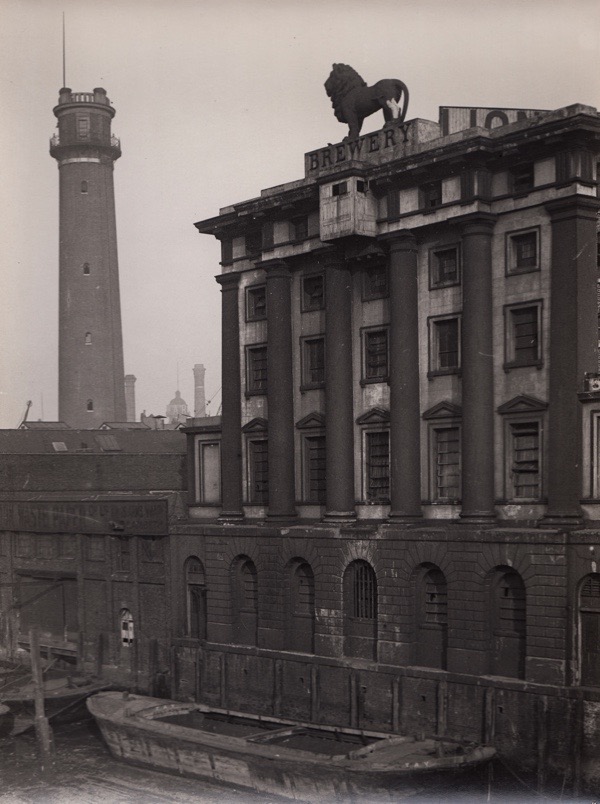
Lion Brewery and the Shot Tower, South Bank
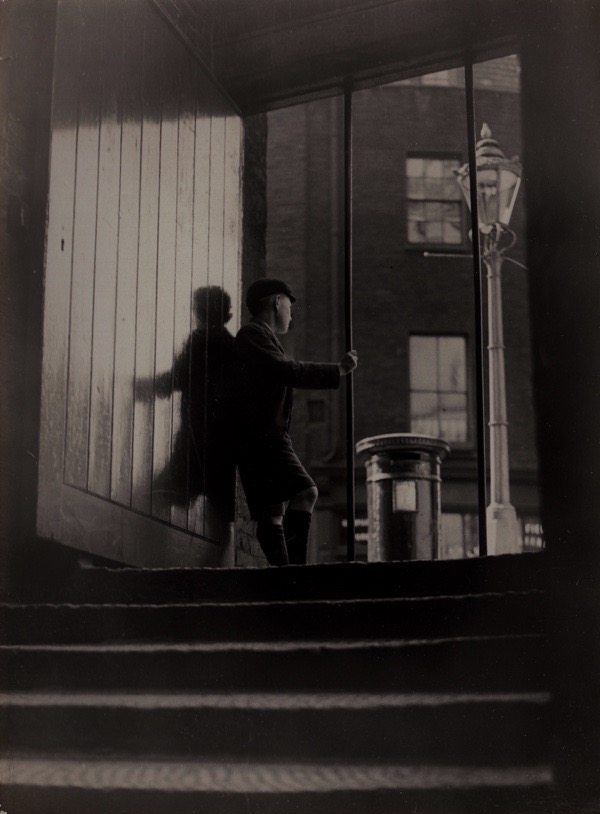
The photographer’s son Sid Whiffin at Cooper’s Stairs, Old Queen St
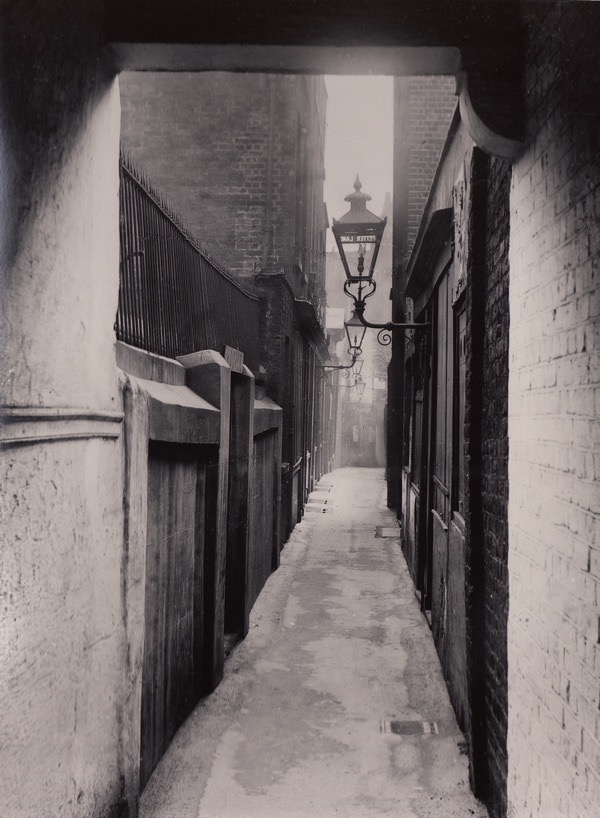
Off Fetter Lane
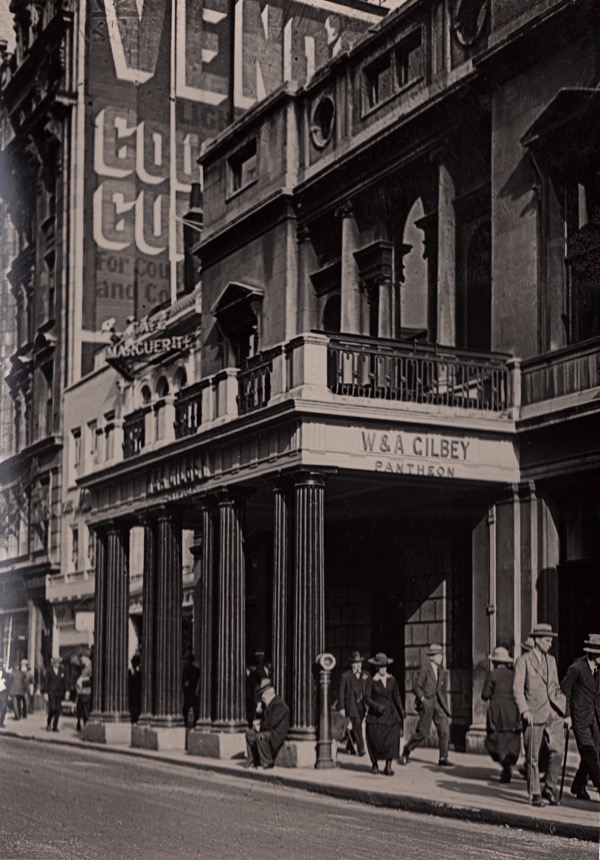
The Pantheon, Oxford St
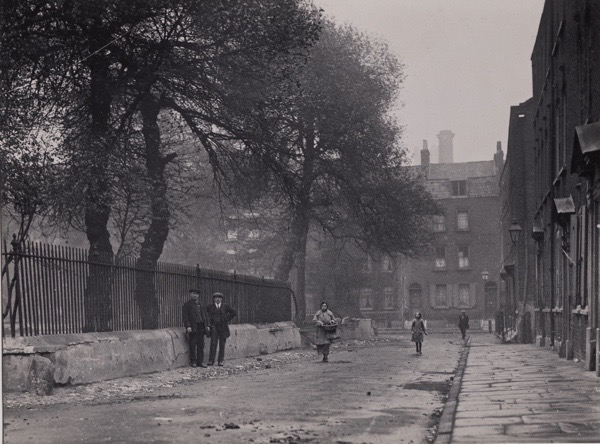
In Princes Sq, Stepney
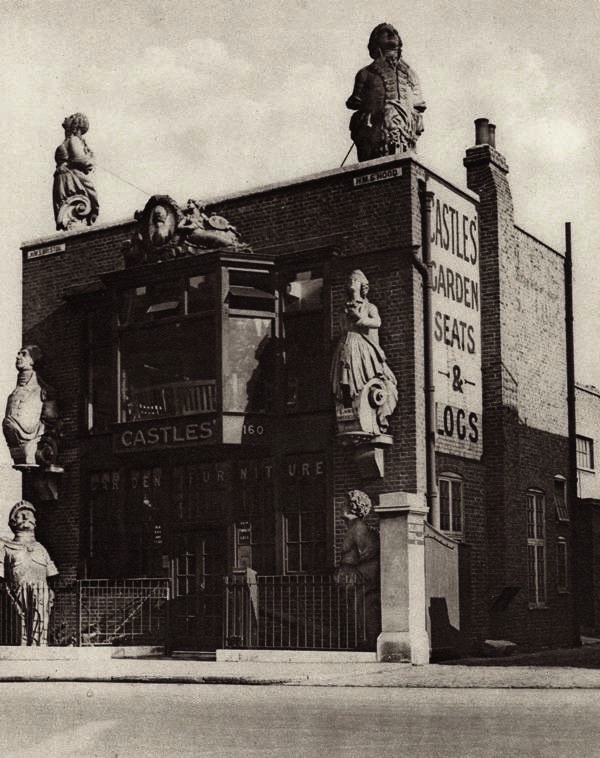
Figureheads of fighting ships in Grosvenor Rd
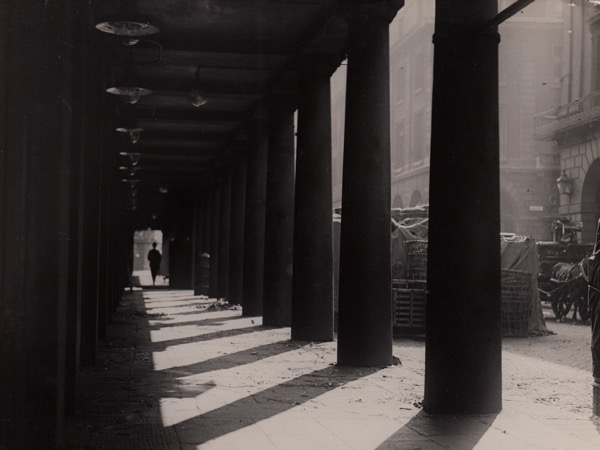
At Covent Garden Market
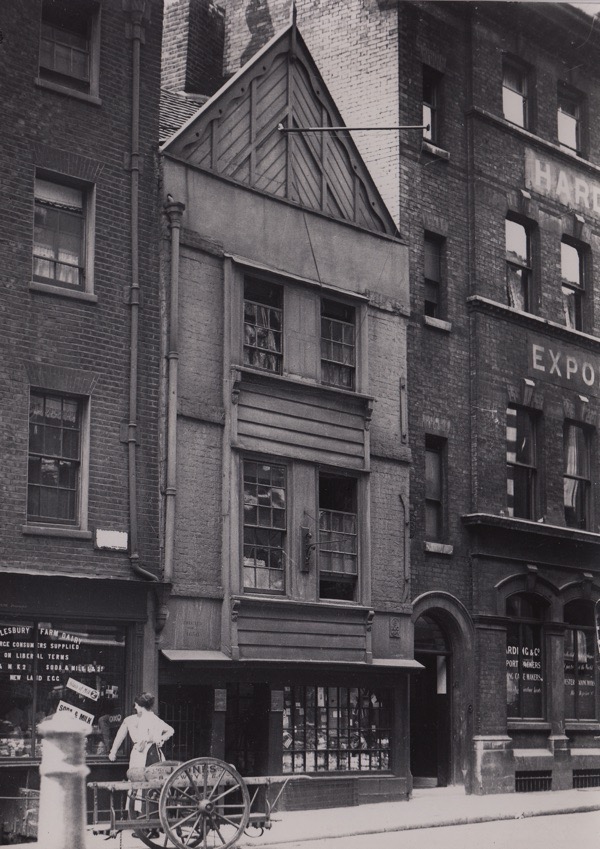
Jewry Street, off Aldgate High St
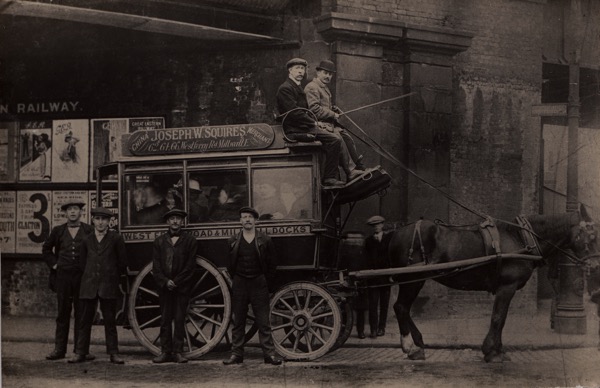
Milwall & the Island Horse Omnibus, c.1910
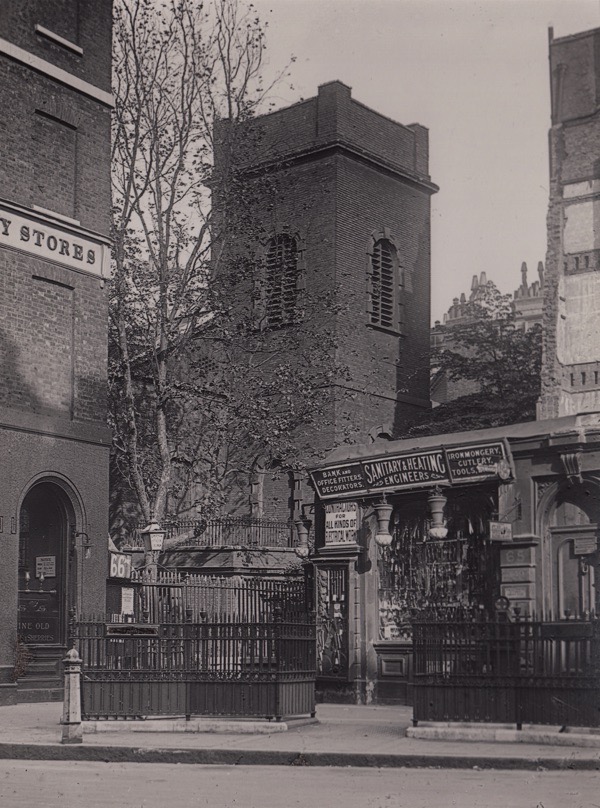
St Catherine Coleman next to Fenchurch St Station
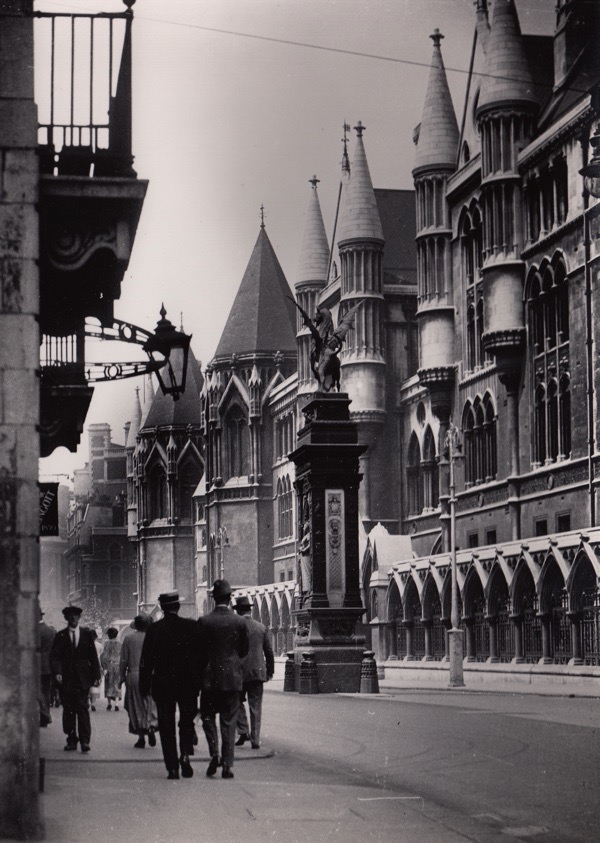
In Fleet St
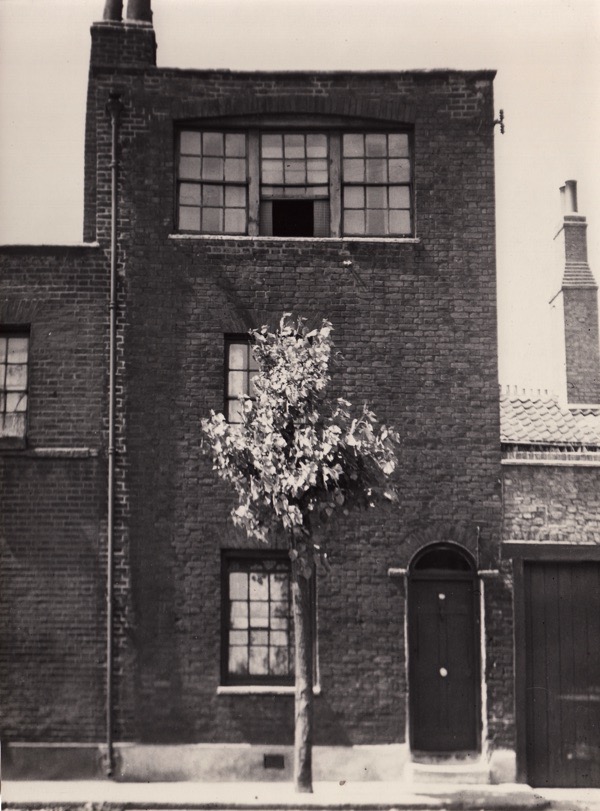
In Buckfast St, Bethnal Green
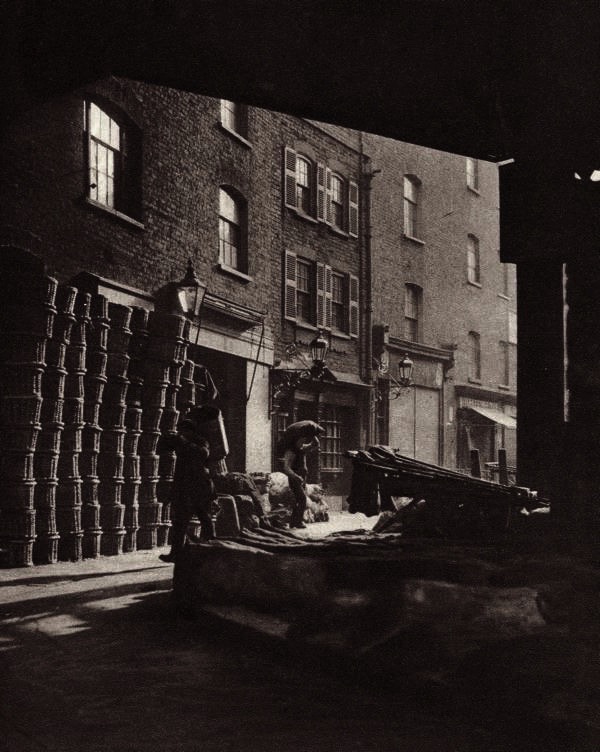
At Borough Market
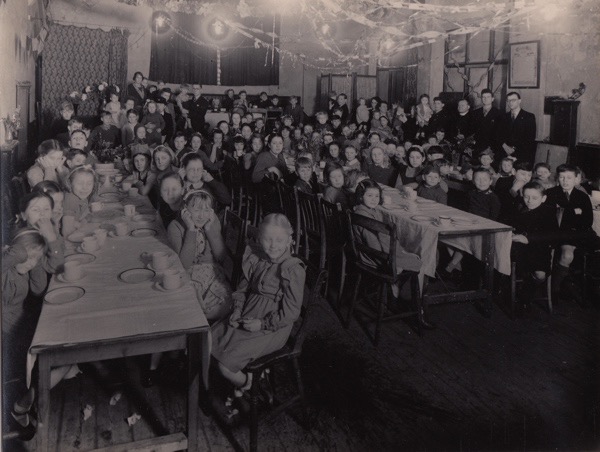

In Lombard St
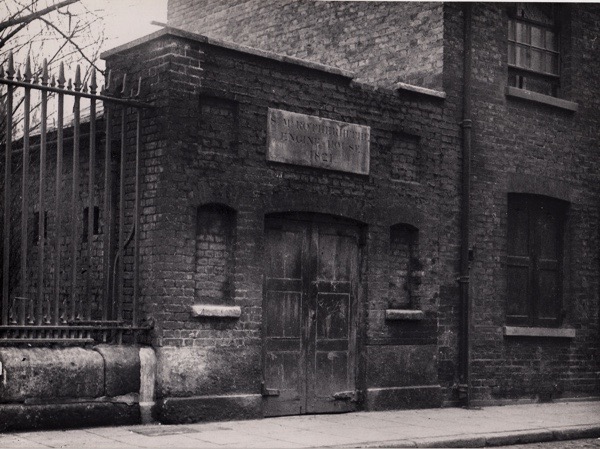
Rotherhithe Watch House
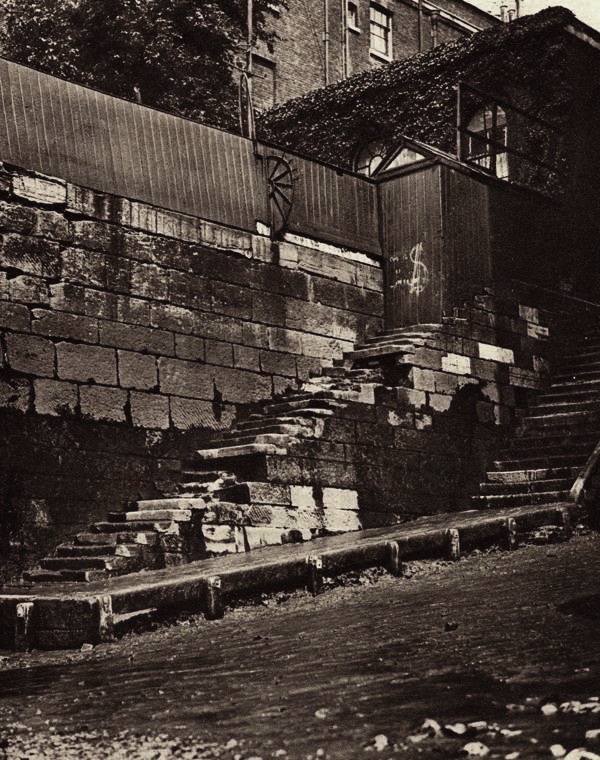
Wapping Old Stairs
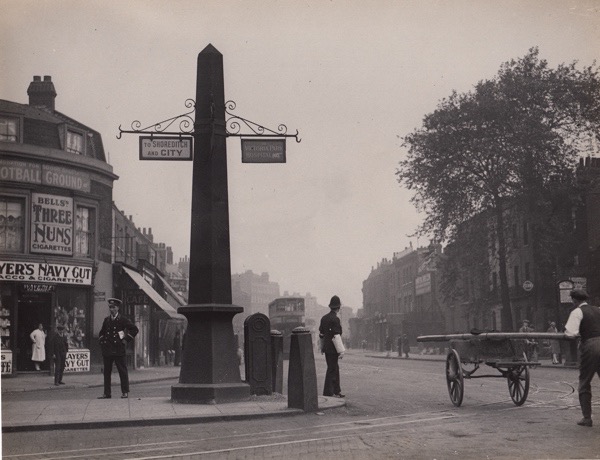
Junction of Cambridge Heath Rd & Hackney Rd
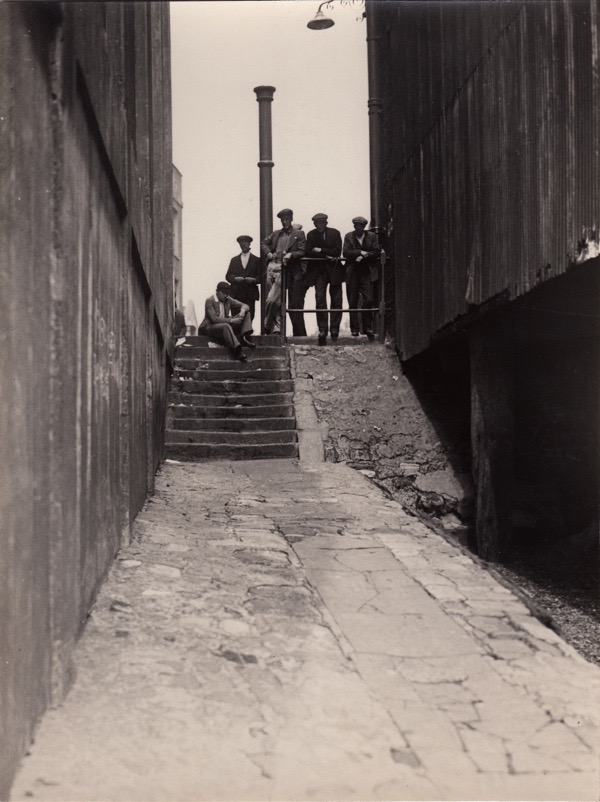
Ratcliff Stairs, Limehouse
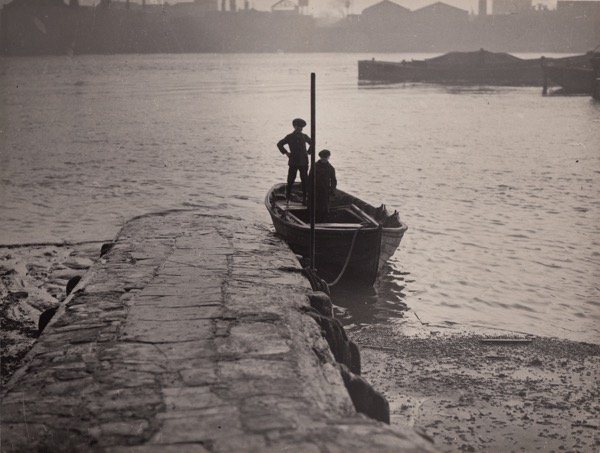
Ratcliff Causeway, Limehouse
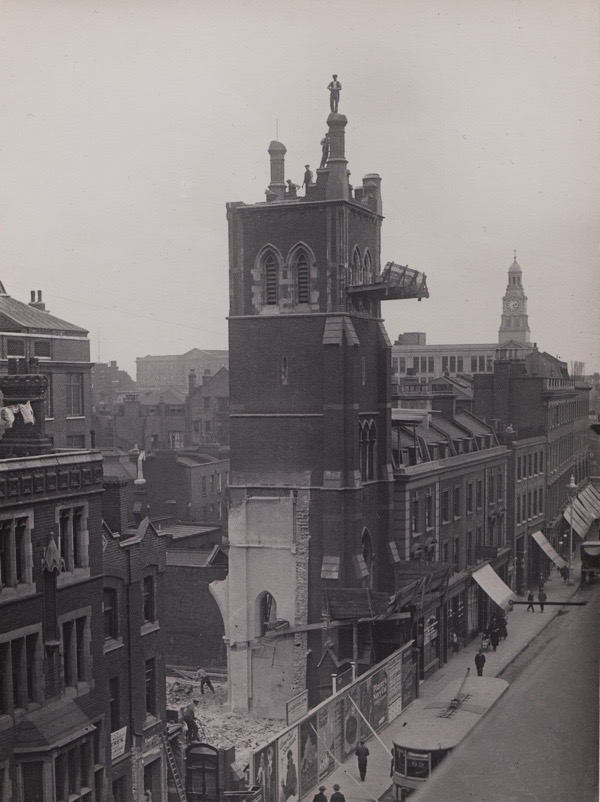
St Jude’s, Commercial St
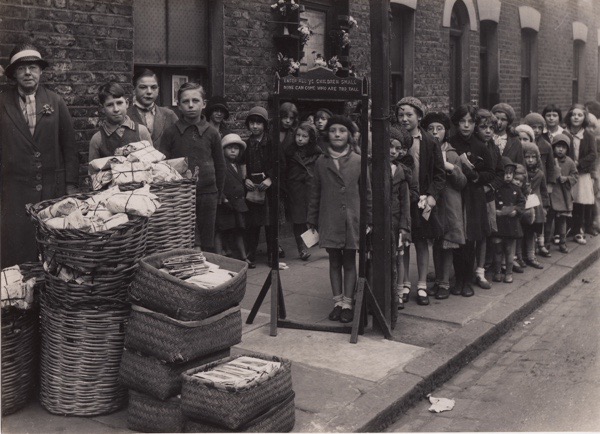
Farthing Bundles at the Fern St Settlement, Bow
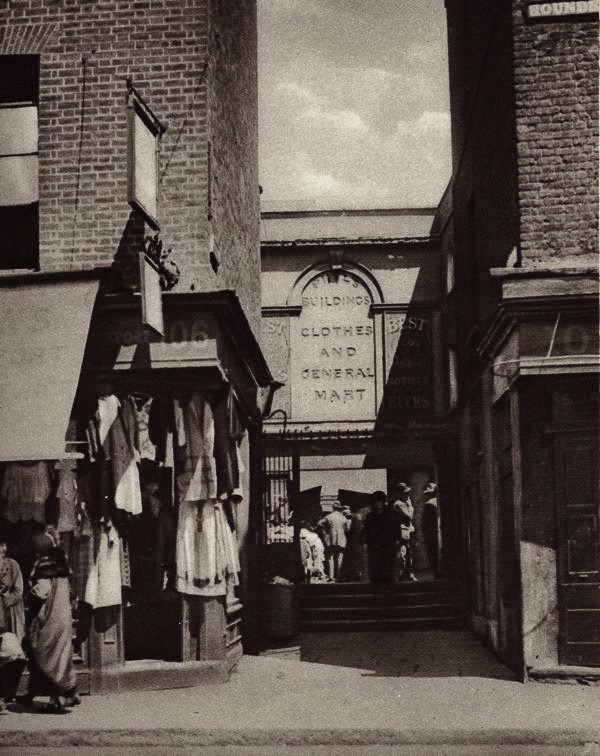
Houndsditch Rag Fair
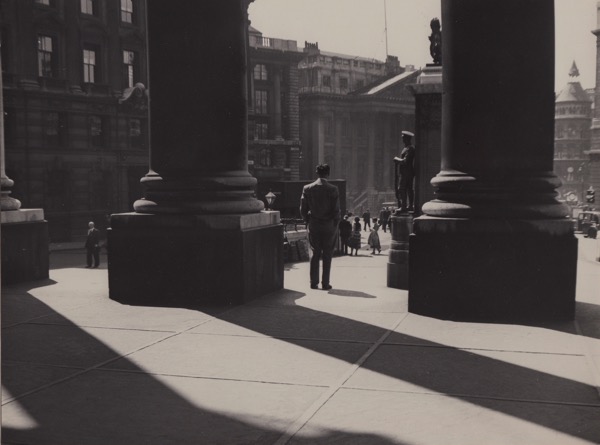
At the Royal Exchange, City of London
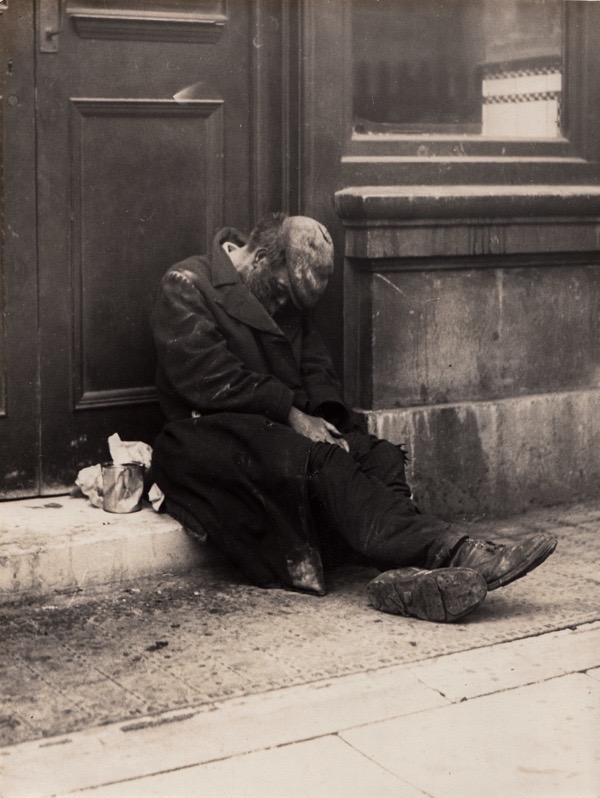
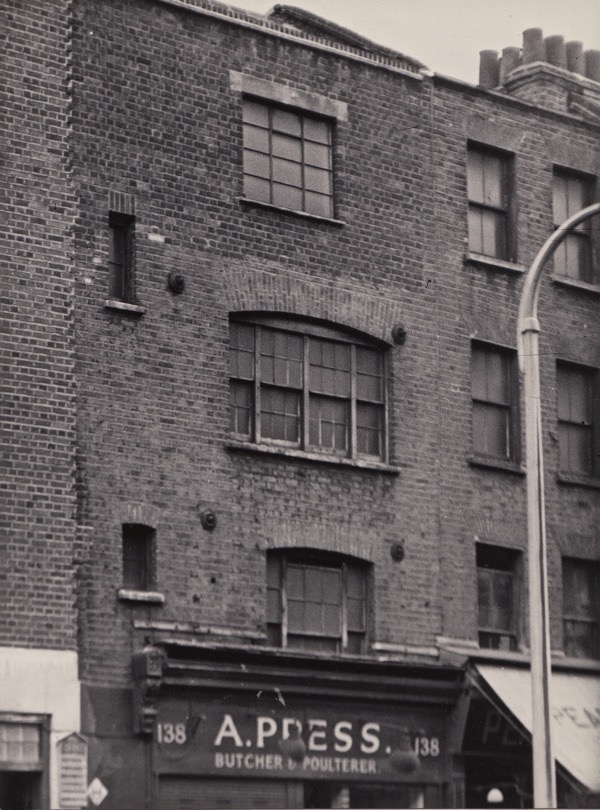
Weavers’ House, Bethnal Green Rd
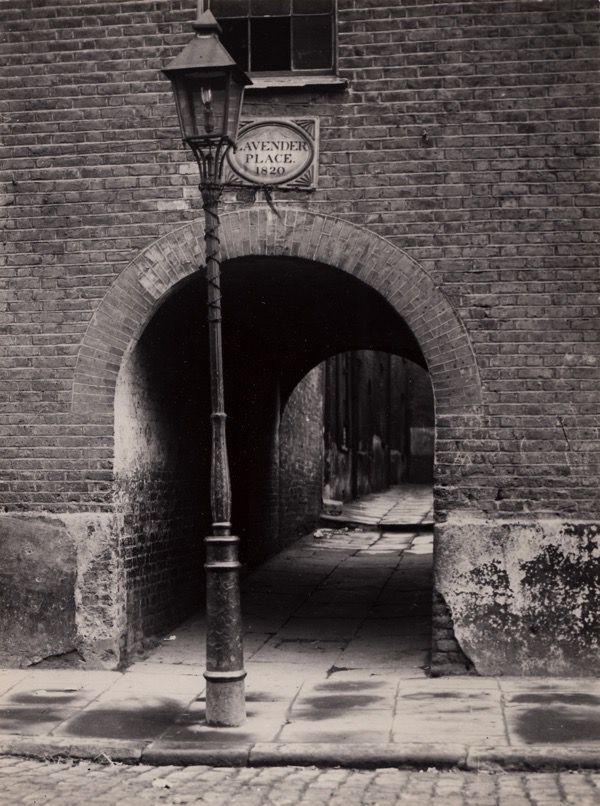
Off Pennington St, Wapping
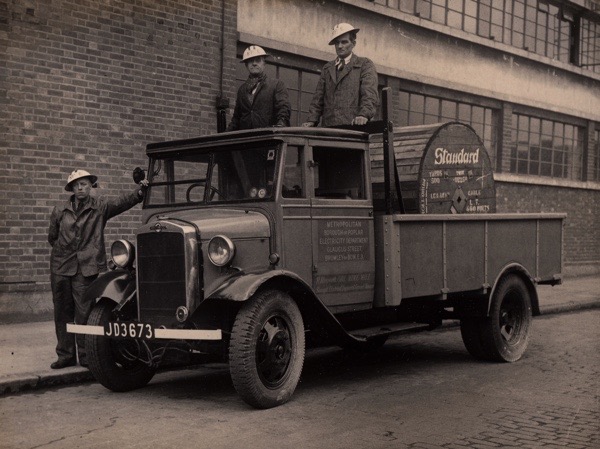
Borough of Poplar Electricity Dept
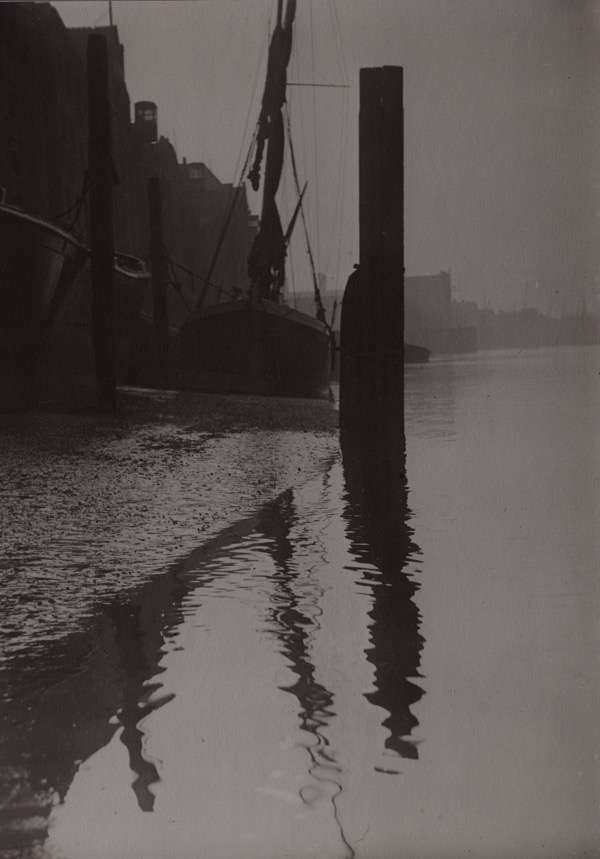
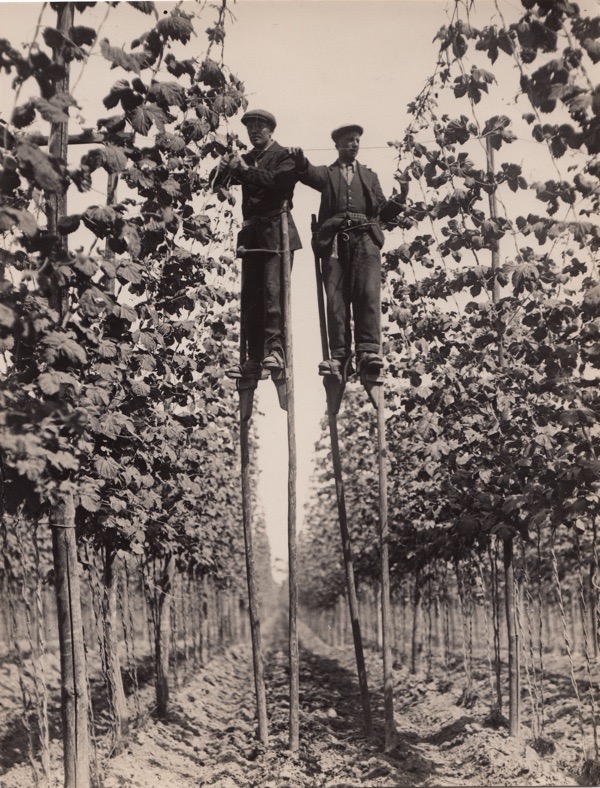
Pruning in the hop gardens of Faversham
Photographs copyright © Estate of William Whiffin
Hellen Martin & I should be very grateful if readers can identify any of the uncaptioned photographs
You may also like to read about
Down Among The Meths Men

The work of Geoffrey Fletcher (1923–2004) is an inspiration to me, and today I am publishing these fascinating drawings he made in Spitalfields in the nineteen sixties accompanied by an excerpt from his 1967 book Down Among the Meths Men.
If you want to know who they are, the meths men of Skid Row, then I will introduce them as the alcoholic dependents of the East End. They are to be found primarily in an area of of a couple of square miles known as Skid Row. It is a Rotten Row and only beginning to attract the attention of the trend setters.
Skid Row was originally a place of fields. Bodies were tipped there in the plague, their remains turn up occasionally. The most architecturally interesting part of Skid Row are the streets built by the Huguenots, who settled there after the St Bartholomew massacre. A century and a half ago, the rest of the East End surrounded the Huguenot quarter and brought it low. Ultimately the area will be rebuilt. No plans have been made to preserve the houses of Queen Anne’s time, as far as I am informed. I should like to see the whole of Skid Row preserved intact, with its inhabitants, though I recognise this is not a conventional view.
It is necessary, therefore, to contemplate it before it disappears, street by street. Without a doubt, reformers will eventually overtake these suburbs of Hell. They will tear down the fine, rotten houses, build over the bombed site and cart off the wet rags, old mattresses, waste paper and vegetable refuse that makes the quarter so attractive. In that event, London will have lost one of its major advantages, for there is nothing to be gained from well swept streets and office blocks.
Stand in Artillery Lane, watch a meths man rubbing his itchy sores and then eye the stream of commuters pouring into Liverpool St Station intent on the suburbs. Now and again, a meths man will appear among them, a goblin in rags. In their haste for home and respectability, they have nothing to say to him. Nor he to them. He is the inarticulate voice crying from the wilderness of old bricks, bug-ridden rags, cinders and sickly grass. His bloated, alchohol-distorted face is something from an uneasy dream, he sways in front of you in tipsy despair, blurred, disgusting, shaking like an Autumn leaf, the apotheosis of the antihero, a Prophet without a message.
There is a curious camaraderie among the meths men, perhaps the only attractive quality a conventional observer would allow them. It is a ghostly solidarity, the fag end of what is called co-operation, citizenship, the team spirit or any other of those names used commonly to cover up the true nature of the forms of society.
When I got to the Synagogue, I found them on the steps, eight men and a woman. One of the school was in the cooler. A negro roadsweeper languished over his muck wagon at the corner and a few young prostitutes, on the job, hung about in Brick Lane. Brick Lane is marvellous, a melting pot of all the nationalities that grew from the loins of Adam, greasy, feverish Brick Lane, the Bond St for the people of the abyss. Fournier St was a perspective of houses, once the homes of silk merchants and Huguenot weavers, over-used and neglected till the very imposts of the carved doors had become faint and bent with dejection. From the over-tenanted houses, the signs of fruit merchants and Jewish tailors creaked in the wind. The rain had given way to the thin mist of a Winter day.
The Chicksand group sat in a row, staring at nothing. Absolutely nothing. It reminded me of the brass monkeys. I knew the woman. The Chicksand men called her Beth, referring to her native quarter of Bethnal Green. Beth showed signs of recognition, lifted up her weary red eye-lids and stretched out a hand for a fag. I distributed Woodbines. Meths women are heavy drinkers, and can get through three or four wine bottles full in a morning, but they tend to begin slowly and build up as the day wears on. Next to her was Liverpool Jack, an ex-merchant seaman whose nerves had gone West on the convoys, and a man called Pee. He had no other name, nor could any other have done him credit. He was the most abject of the meths men. He had made two or three attempts at suicide, and his last one nearly rang the bell. I thought, sometimes I overdo my relish for offbeat experiences.

In Itchy Park, beside Christ Church, Spitalfields

Meths woman, 1965

Meths men on the prowl in Artillery Passage, 1965

Meths people in Artillery Passage, 1966

Meths men gather round the fire outside the Spitalfields Market
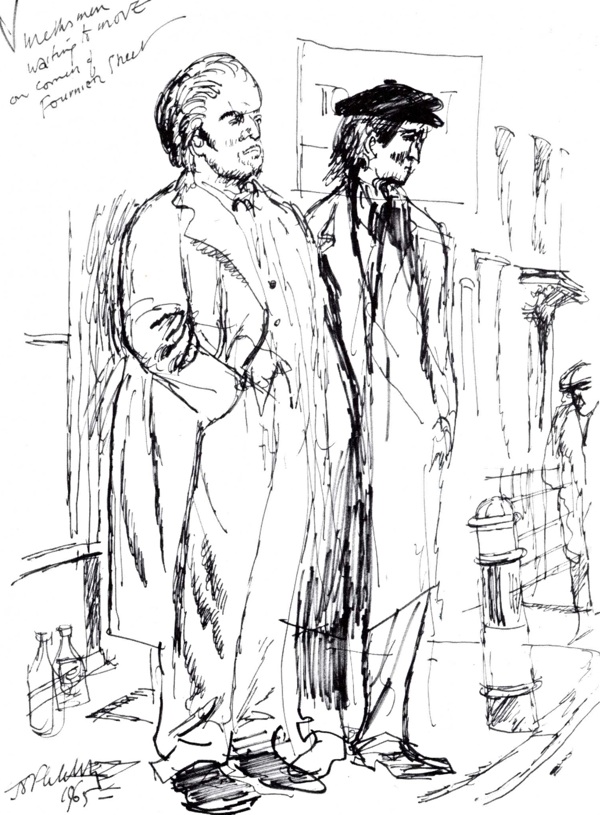
Meths men waiting to move on the corner of Fournier St, 1965

The old meths site in Fieldgate St, Whitechapel

Spitalfields Market scavengers

Meths man asleep in Widegate St, 1965
You may also like to read












