
Join The Bottletop Royalty!
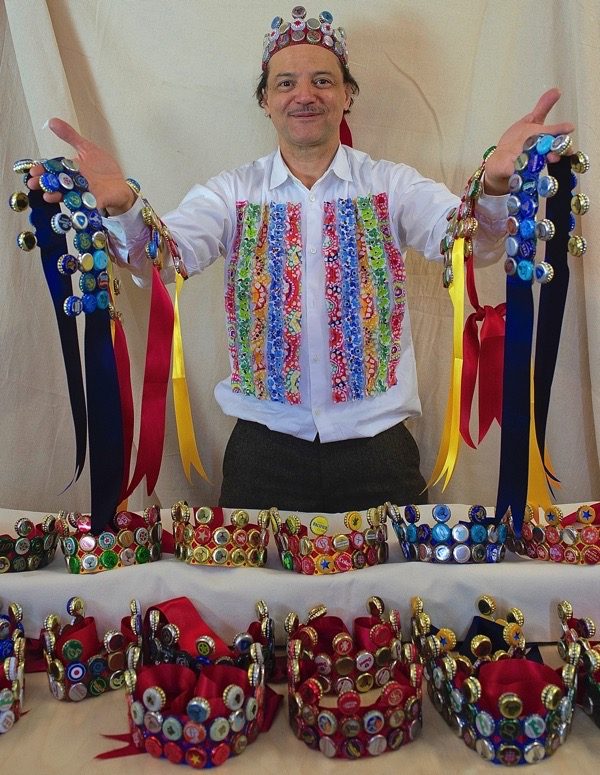
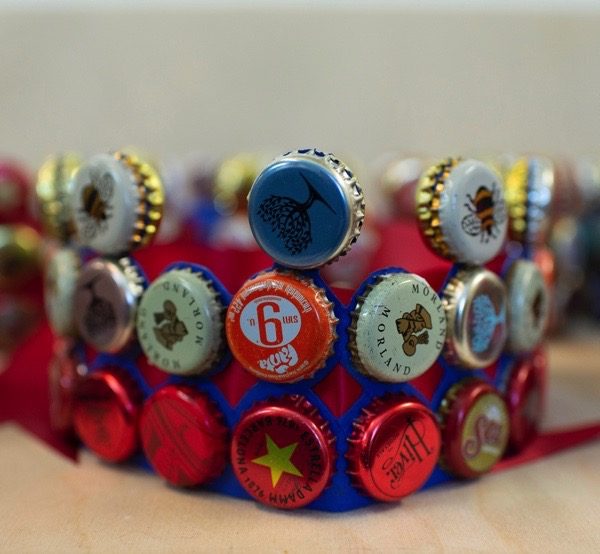
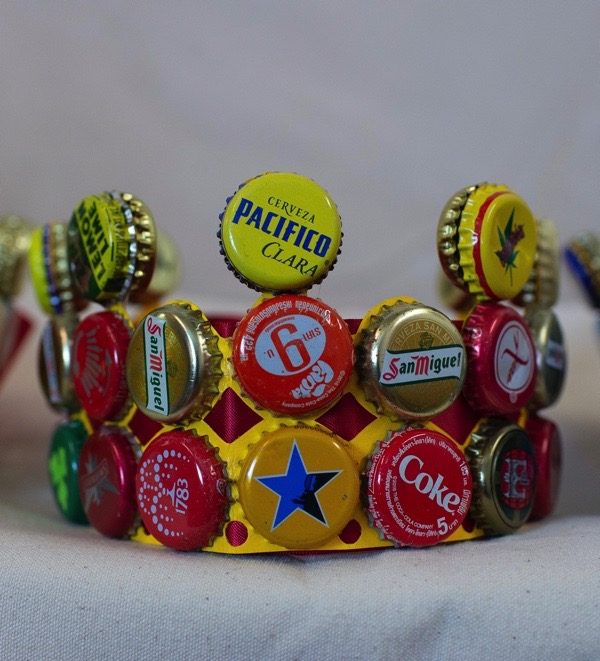
Robson Cezar, the King of the Bottletops has been making these ingenious bottletop crowns for the forthcoming coronation celebrations, permitting everyone to be crowned his weekend.
They are suitable for men and woman who aspire to become bottletop kings and queens, and for younger folk who wish to be bottletop princes and princesses.
A satin ribbon tied at the back of the head means one size fits all.
CLICK HERE to order your bottletop crown and face the coronation with confidence!
CROWNS ORDERED TODAY WILL BE POSTED FIRST CLASS TODAY
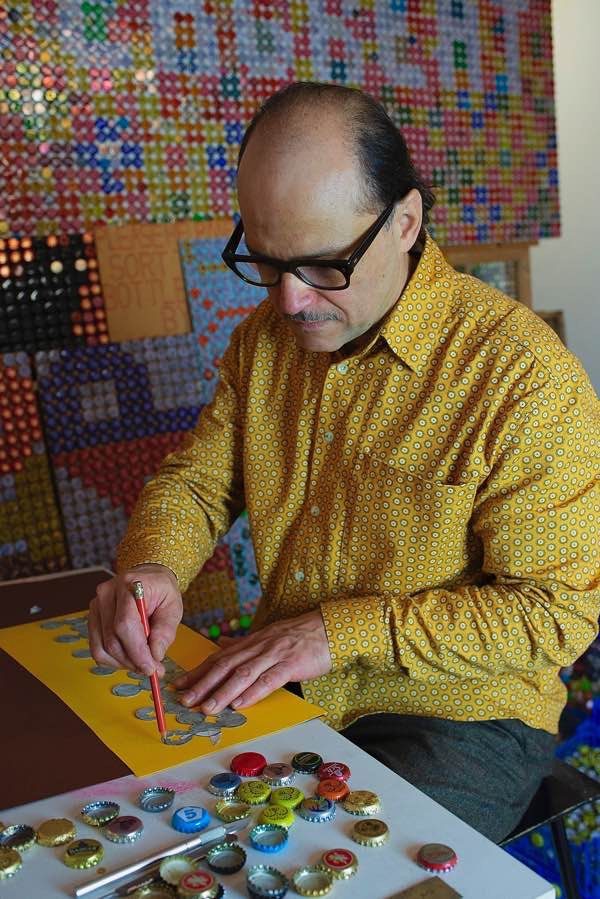
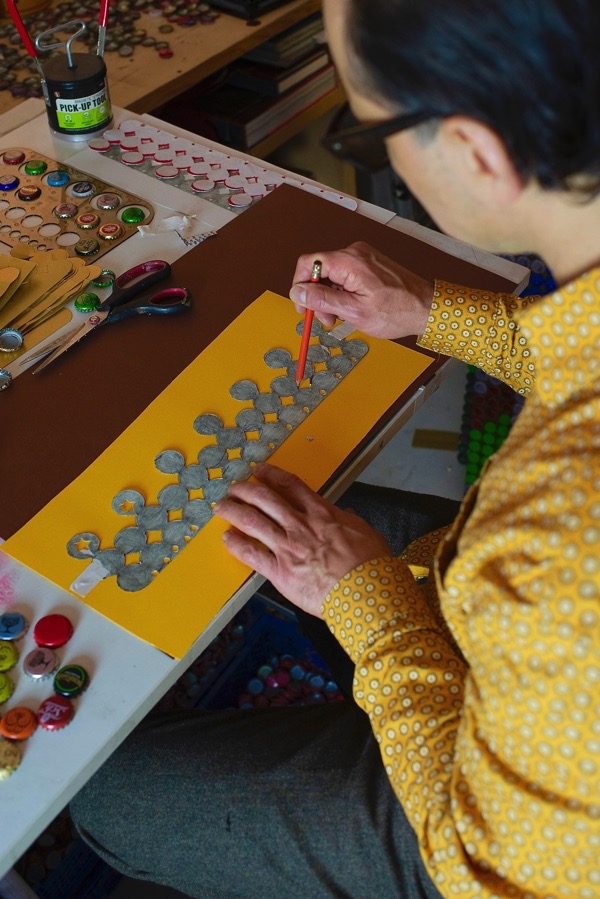
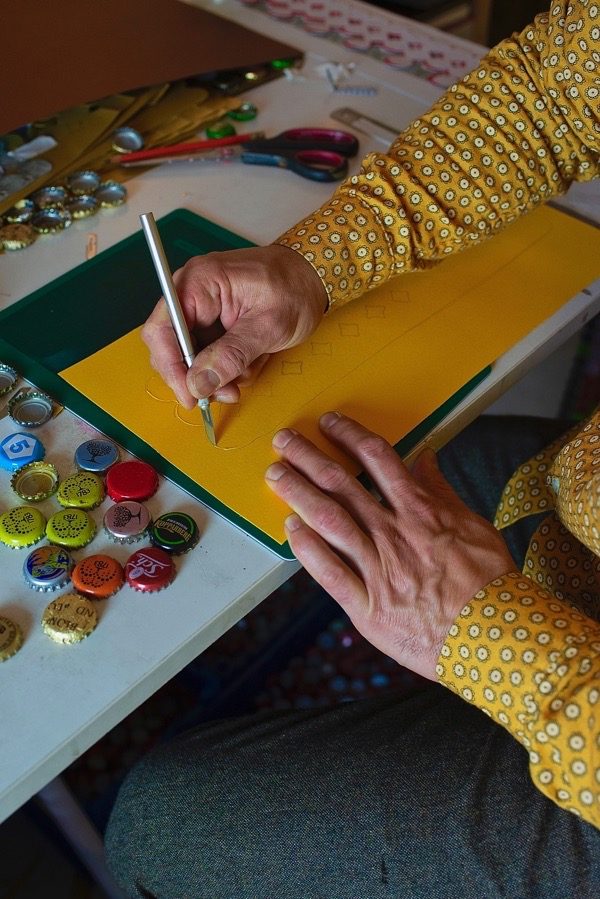
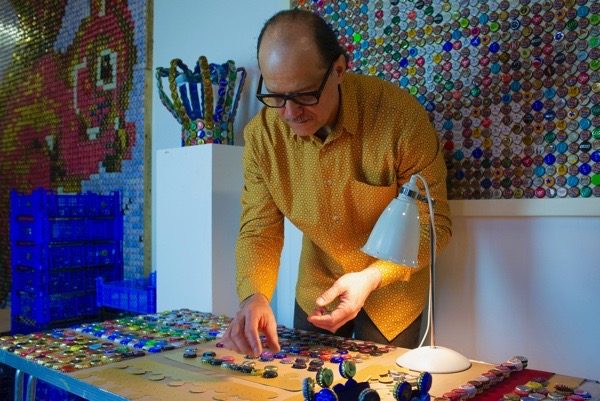
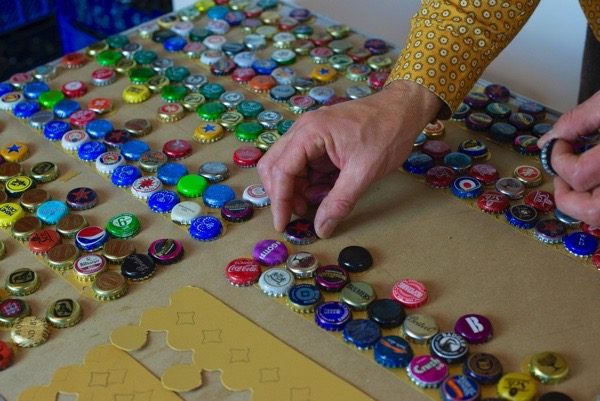
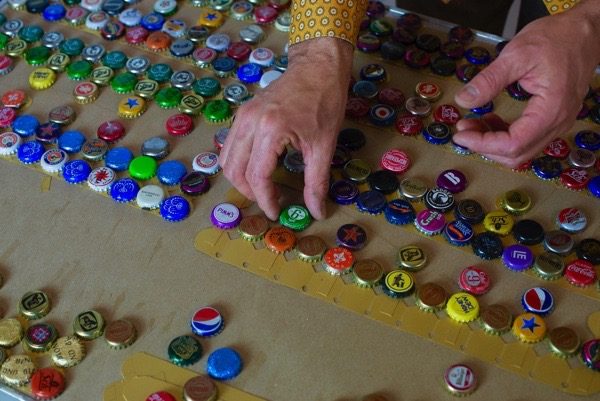
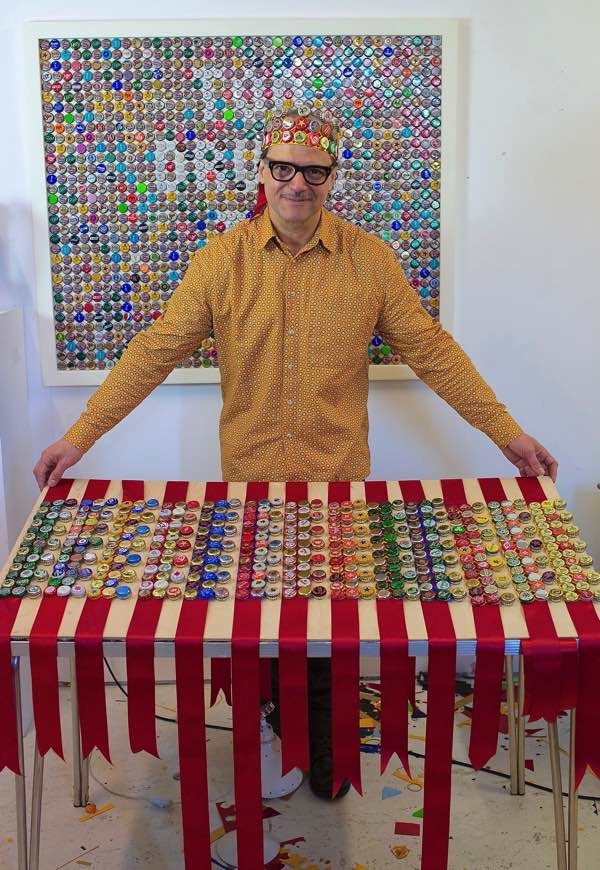

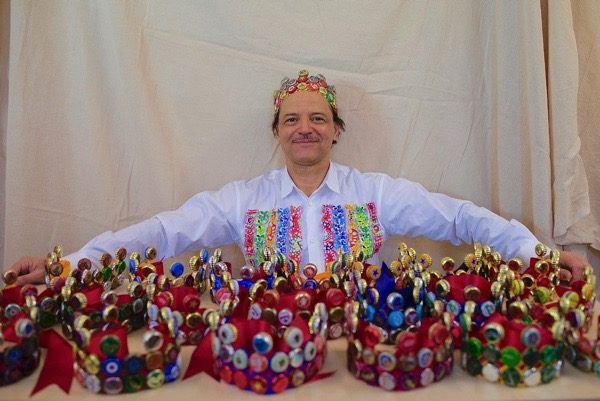
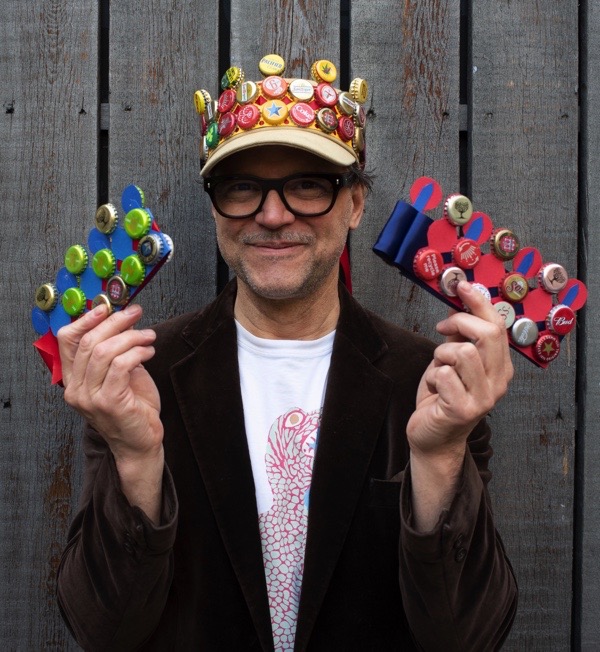
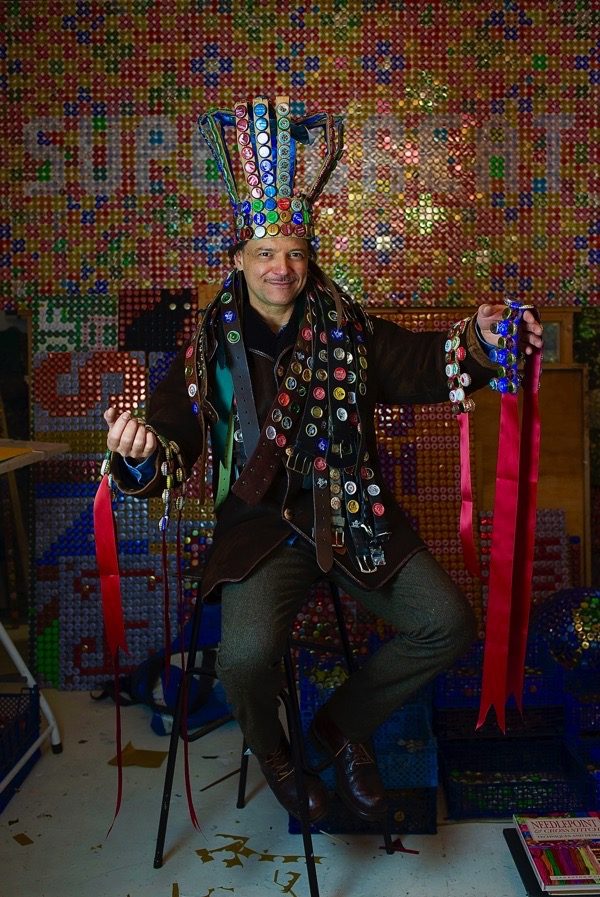
Robson Cezar, The King of the Bottletops
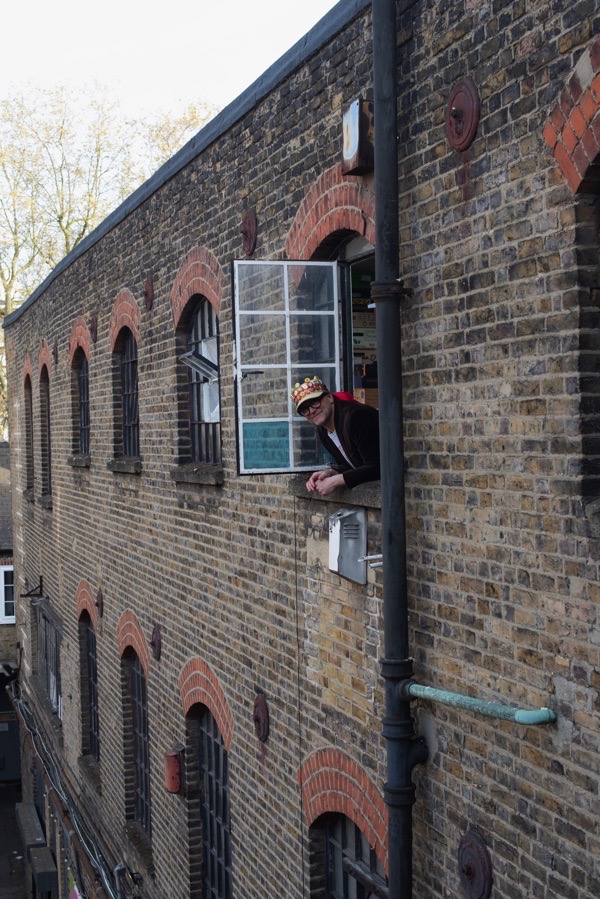
Photographs copyright © Sarah Ainslie

A pair of bottletop princesses model Robson Cezar’s crowns
You may also like to read about
Robson Cezar, King of the Bottletops
King of the Bottletops at St Katharine’s Precinct
William Oglethorpe, Cheese Maker
CLICK HERE TO BOOK FOR MY SPITALFIELDS WALKS FROM 13TH MAY
CLICK HERE TO BOOK FOR MY CITY OF LONDON WALKS FROM 4TH JUNE
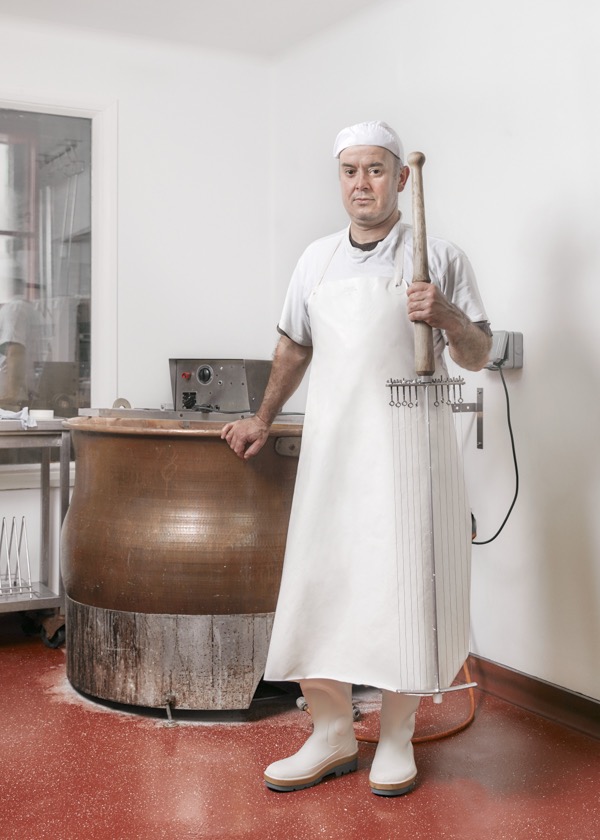
William Oglethorpe, Cheese Maker of Bermondsey
Everyone knows Cheddar, Stilton, Wensleydale and Caerphilly, but there is an unexpected new location on the cheese map of Great Britain. It is Bermondsey and the man responsible is William Oglethorpe – seen here bearing his curd cutter as a proud symbol of his domain, like a medieval king wielding a mace of divine authority.
When photographer Tom Bunning & I went along to Kappacasein Dairy under the railway arches beneath the main line out of London Bridge in the early morning to investigate this astonishing phenomenon, we entered the humid warmth of the dairy in eager anticipation and encountered an expectant line of empty milk churns.
Already Bill had been awake since quarter to four. He had woken in Streatham then driven to Chiddingstone in Kent and collected six hundred litres of milk. Beyond us, in a separate room with a red floor and a large glass window sat a hundred-year-old copper vat containing that morning’s delivery of milk, which was still warm. Bill with his fellow cheesemakers Jem and Agustin, dressed all in white, worked purposefully in this chamber, officiating like priests over the holy process of conjuring cheese into existence. I stood mesmerised by the sight of the pale buttery liquid swirling against the gleaming copper as Bill employed his curd cutter, manoeuvring it through the milk as you might turn an oar in a river.
Taking a narrow flexible strip of metal, he wrapped a cloth around it so that the rest extended behind like a flag. Holding each end of the strip and grasping the corners of the cloth, Bill leaned over the vat plunging his arms deep down into the whey. When he lifted the cloth again, Agustin reached over with practised ease to take two corners of the cloth as Bill removed the sliver of metal and – hey presto! – they were holding a bundle of cheese, dredged from the mysterious depth of the vat. It was as spellbinding as any piece of magic I have ever seen.
“Cheesemaking is easy, it’s life that is hard,” Bill admitted to me with a disarming grin, when I joined the cheesemakers for their breakfast at a long table and he revealed the long journey he had travelled to arrive in Bermondsey. “I grew up in Zambia,” he explained, “And one day a Swiss missionary came to see my father and asked if I’d like to go to agricultural school in Switzerland.”
“I earned a certificate of competence,” he added proudly, assuring me with a wink, “I’m a qualified peasant.” Bill learnt to make cheese while working on a farm in Provence with a friend from agricultural college. “It was simply a way to sell all the milk from the goats, we made a cheese the same way the other farmers did,” he informed me, “We didn’t know what we were doing.”
Bill took me through to the next railway arch where his cheeses are stored while they mature for up to a year. He cast his eyes lovingly over the neat flat cylinders each impressed with word ‘Bermondsey’ on the side. Every Wednesday, the cheeses are attended to. According to their type, they are either washed or stroked, to spread the mould evenly, and they are all turned before being left to slumber in the chilly darkness for another week.
It was while working for Neals Yard Dairy that Bill decided to set up on his own as cheese maker. Today, Kappacasein is one of handful of newly-established dairies in London producing distinctive cheeses and bypassing the chain of mass production and supermarkets to distribute on their own terms and sell direct to customers. Yet Bill chooses to be self-deprecating in his explanation of why he is making cheese in London. “It’s just because I can’t buy a farm,” he claims, shrugging in enactment of his role of the peasant in exile, cast out from the rural into the urban environment.
“I’m interested in transformation,” Bill confided to me, turning serious as he reached his hand gently down into the vat and lifted up a handful of curds, squeezing out the whey. These would form the second cheese to come from the vat that morning, a ricotta. All across the surface, nodules of cheese were forming, coming into existence as if from primordial matter. “I don’t want to interfere,” Bill continued, thinking out loud and growing philosophical as he became absorbed in observing the cheese form, “Nature’s that much more complicated – if you let it do its own thing that’s much interesting to me than trying to impose anything. It’s about finding an equilibrium with Nature.”
Let me confess I had an ulterior motive for being there. One day, I ate a slice of Bill’s Bermondsey cheese and became hooked. It was a flavour that was tangy and complex. One piece was not enough for me. Two pieces were not enough for me. Eventually, I had to seek the source of this wonder and there it was in front of me at last – the Holy Grail of London cheese in Bermondsey.
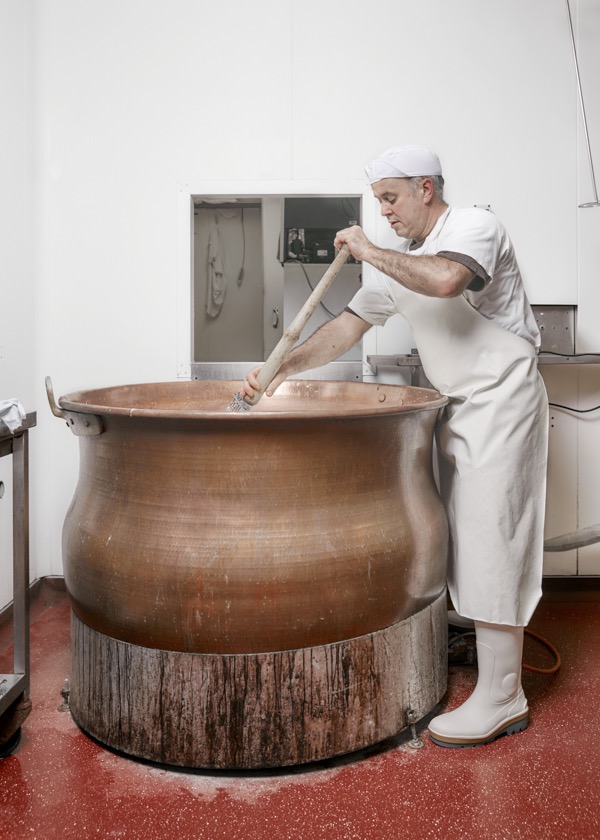
Cutting the curd
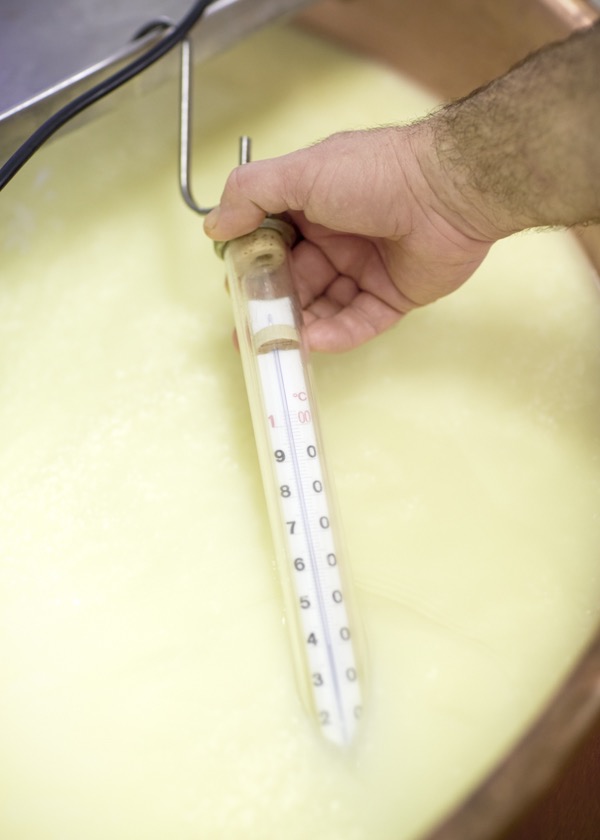
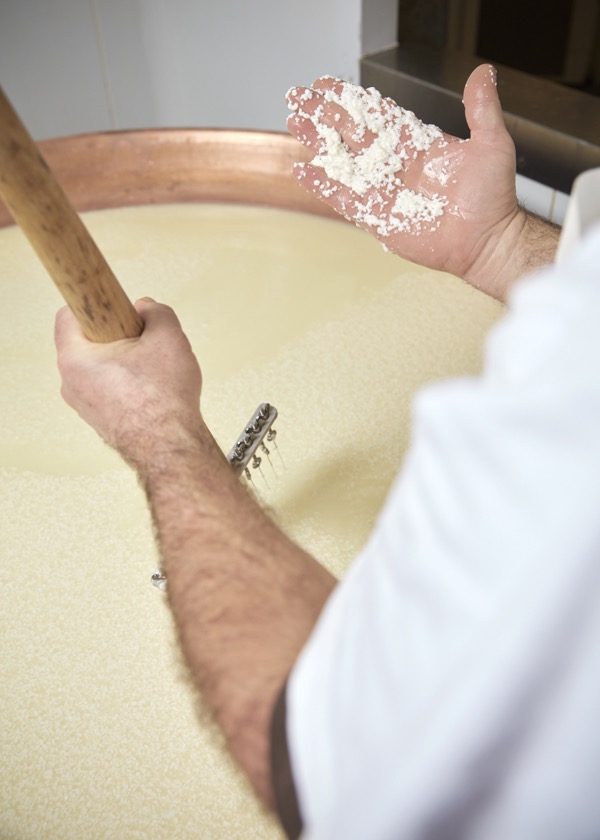
The curds
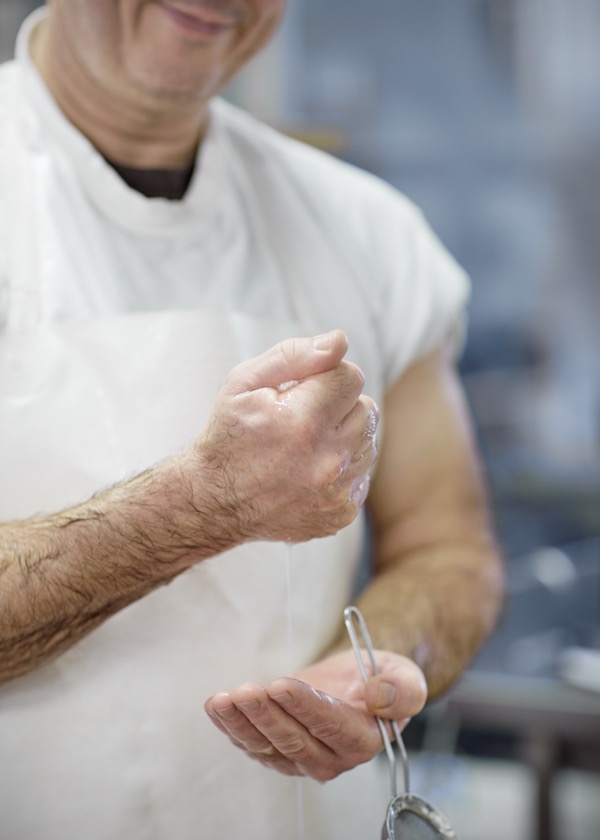
Squeezing the curds
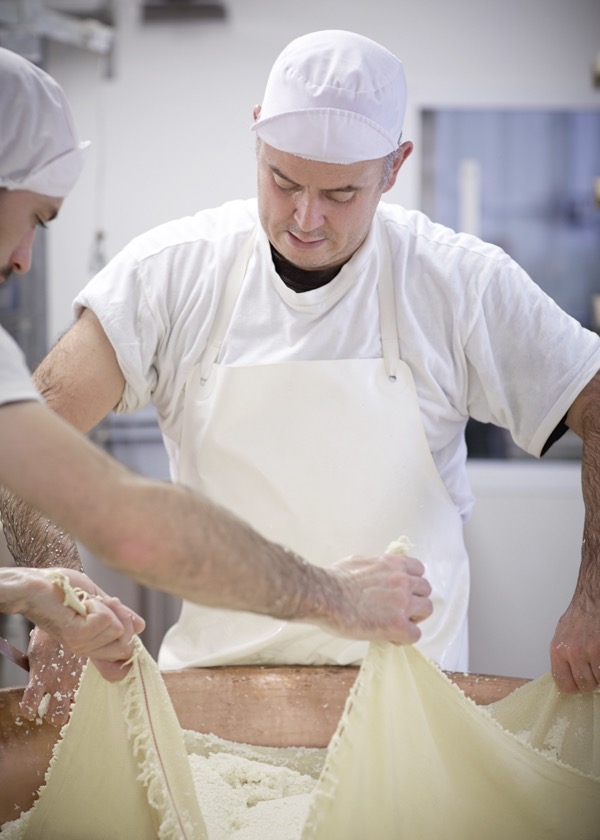
Scooping out the cheese
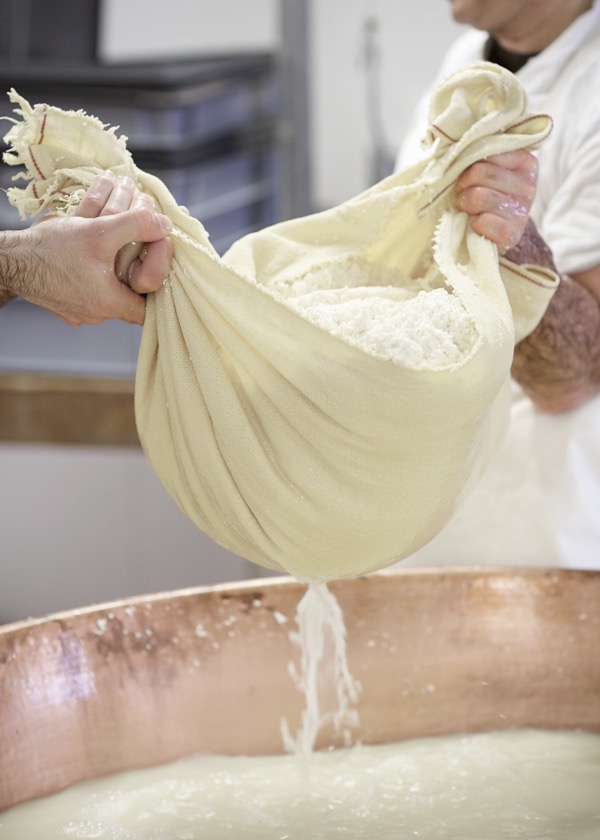
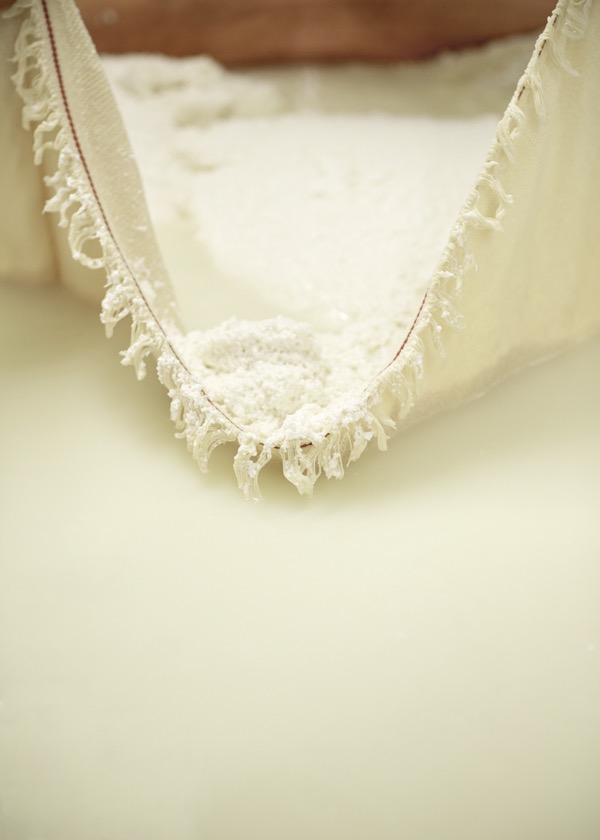
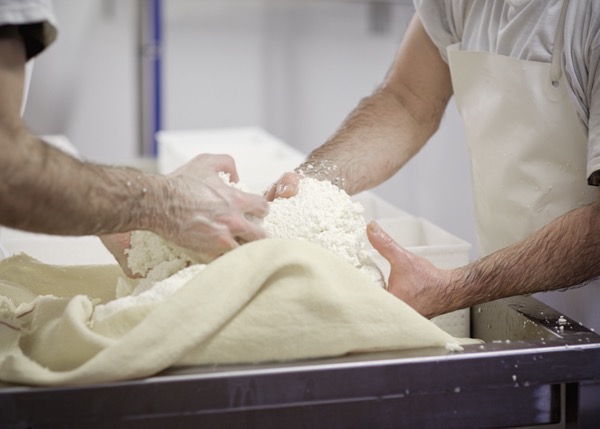
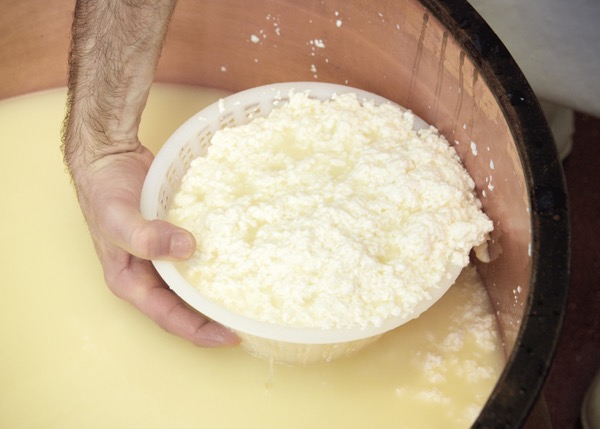
The second batch of cheese from the whey is ricotta
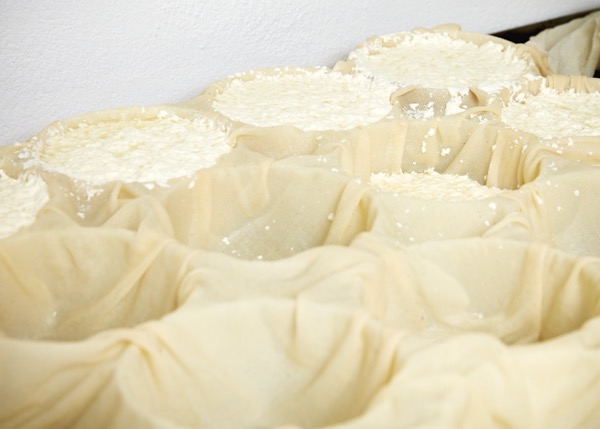
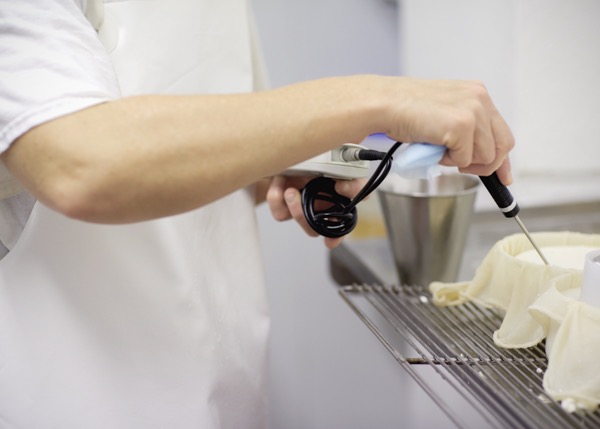
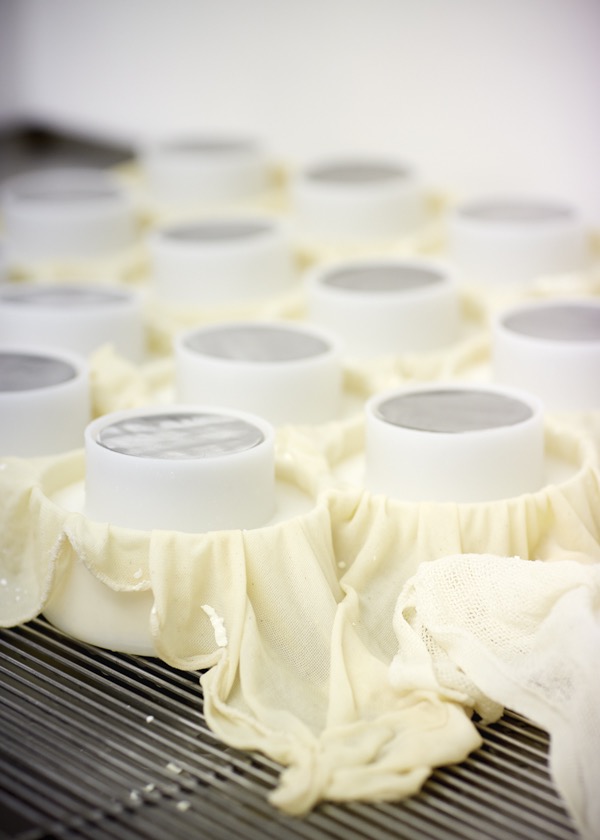

Jem Kast, Cheese Maker

Ana Rojas, Yoghurt Maker
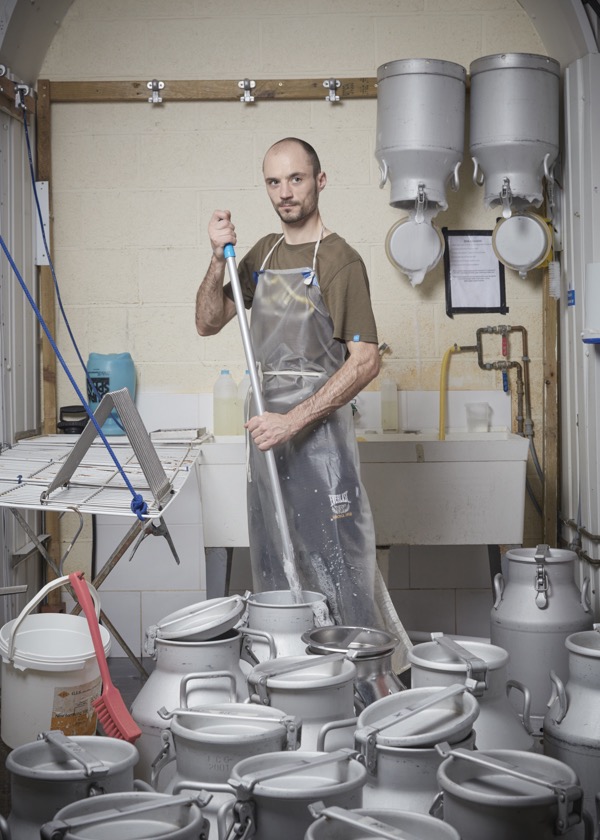
Agustin Cobo, Cheese Maker
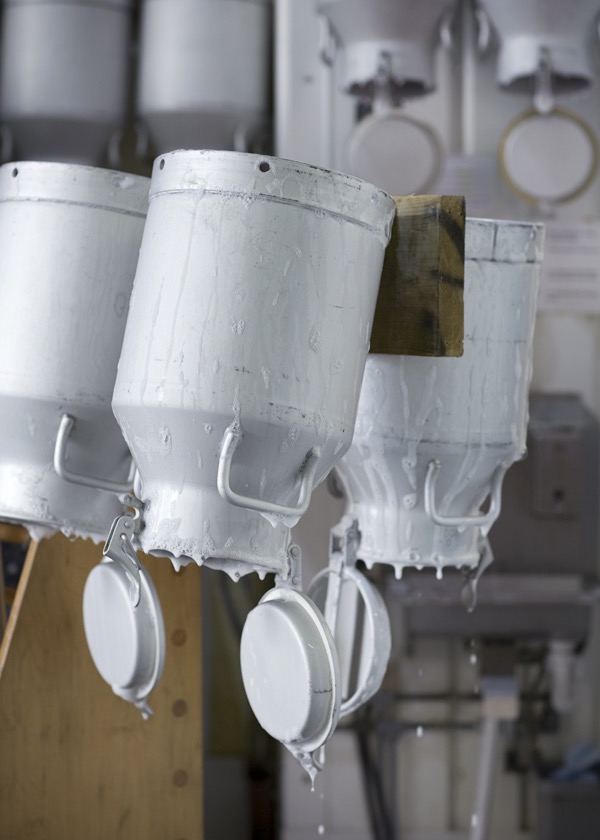
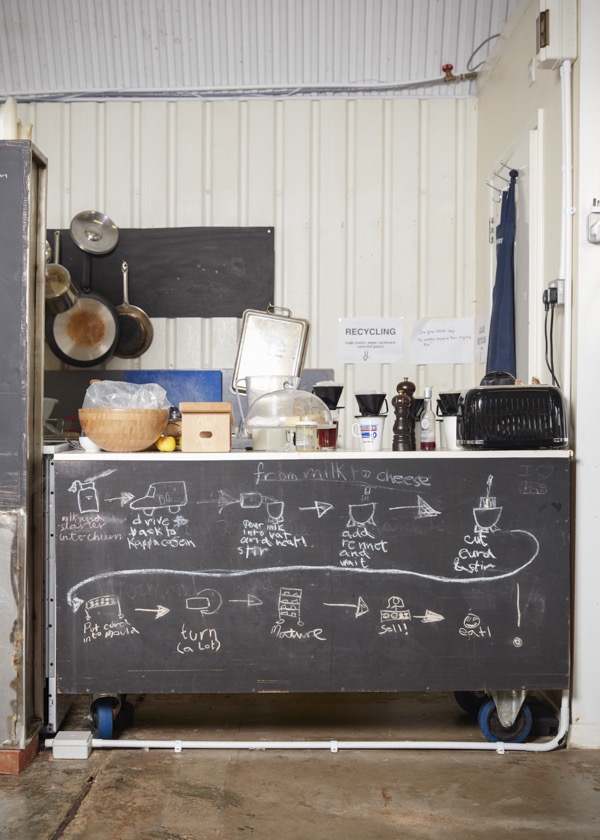
The story of cheese
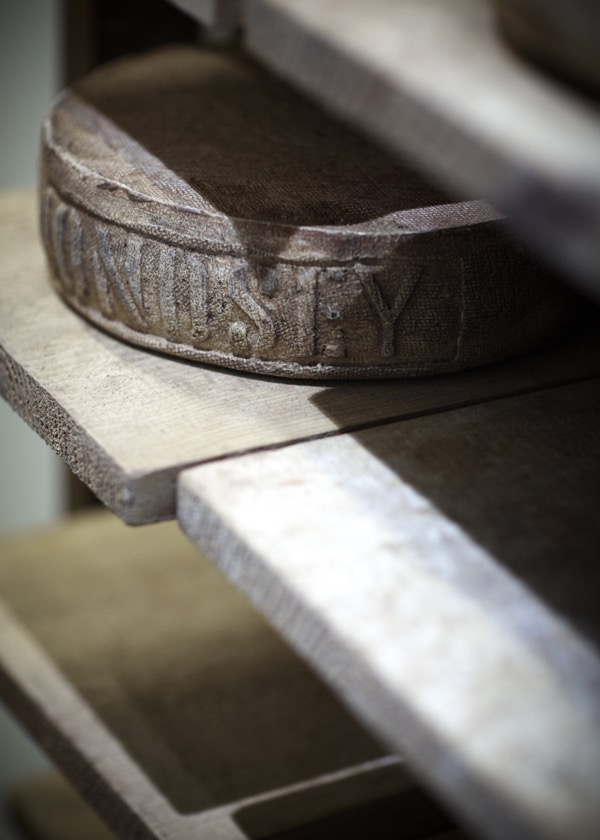
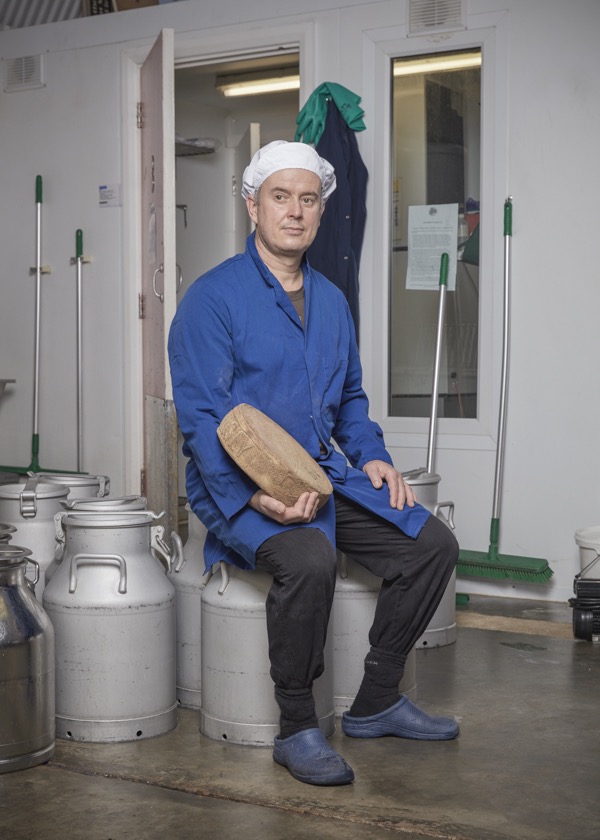
William Oglethorpe, Cheese Maker of Bermondsey
Photographs copyright © Tom Bunning
Visit KAPPACASEIN DAIRY, 1 Voyager Industrial Estate, Bermondsey, SE16 4RP
In The Empty City Of London
CLICK HERE TO JOIN ME FOR A WALK AROUND SPITALFIELDS THIS SPRING
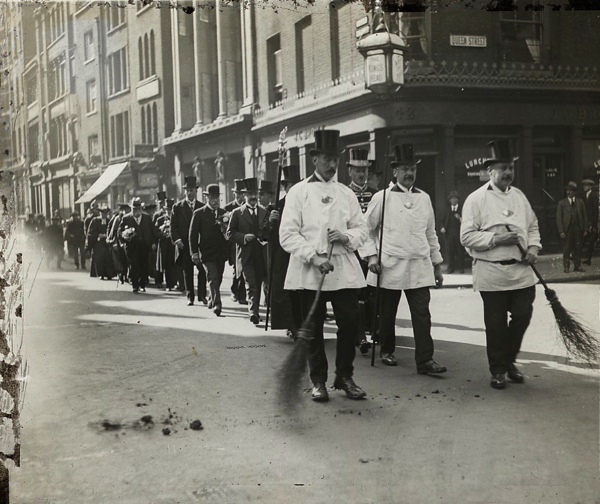
Sweeps process through the City of London on May Day (photo courtesy Bishopsgate Institute)
NEW FOR 2023: CLICK HERE TO JOIN ME FOR A TOUR OF THE CITY OF LONDON
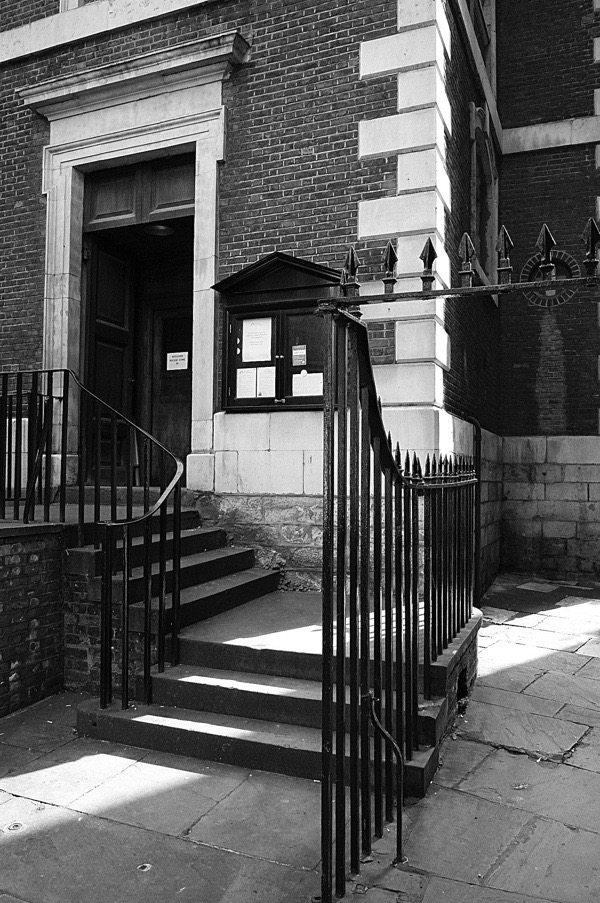
St Andrew by the Wardrobe
The dust is gathering in the City of London today. I used to visit at weekends and holidays to seek solitude in the empty streets but now the streets are always empty. I read a report that office occupancy has plateaued at 22%. Three years ago, pavements were widened to permit more space when office workers returned. Yet they are never coming back like they did before. Corporations have learned they can function with smaller offices in this new age of flexible working, and save a lot of money too. No-one knows quite what happens next. If this is the slow death of the City of London, what will become of all the office towers? And of those still being built? Meanwhile I walk the streets of the City and photograph my favourite dusty corners as the tumbleweed blows down Cheapside.
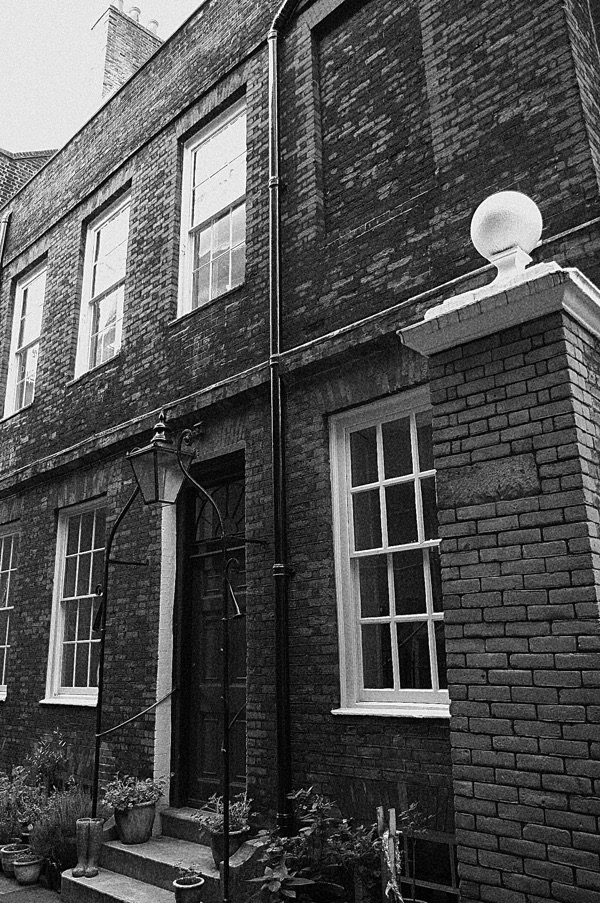
Amen Corner
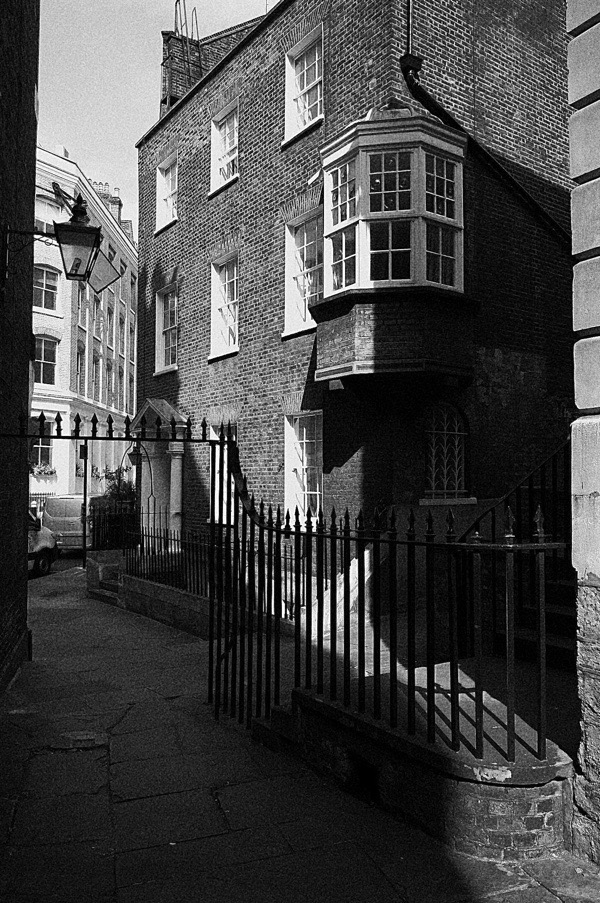
St Andrew’s Hill
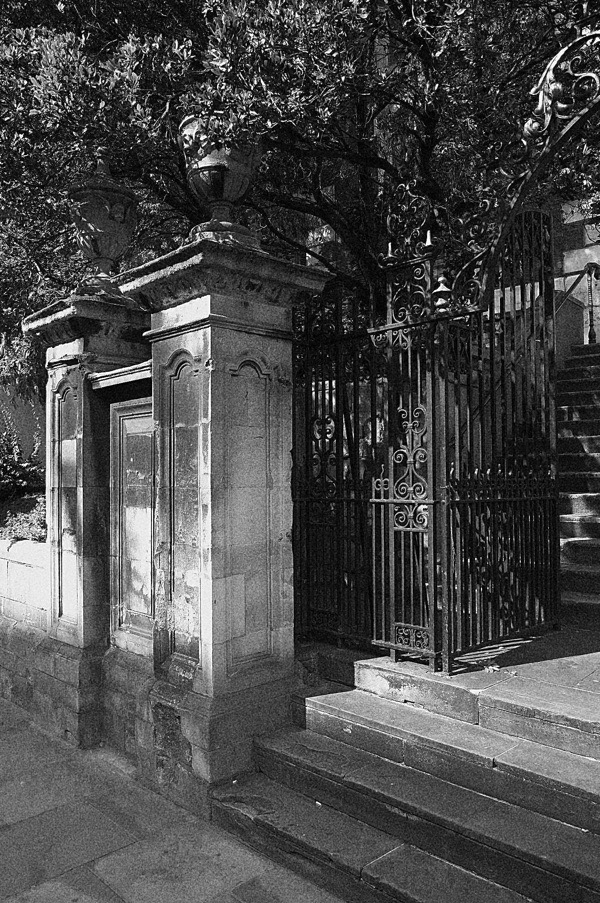
St Andrew by the Wardrobe
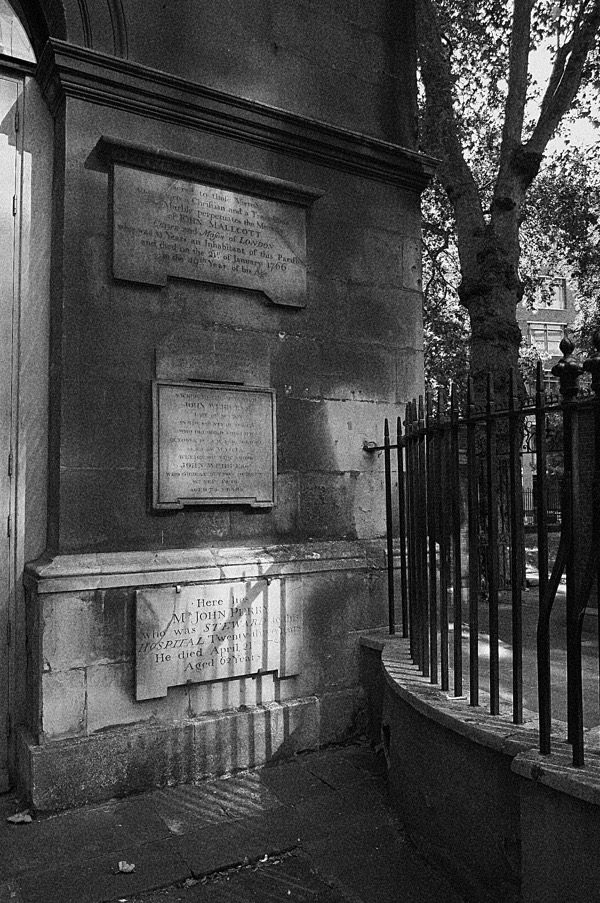
Greyfriars Garden
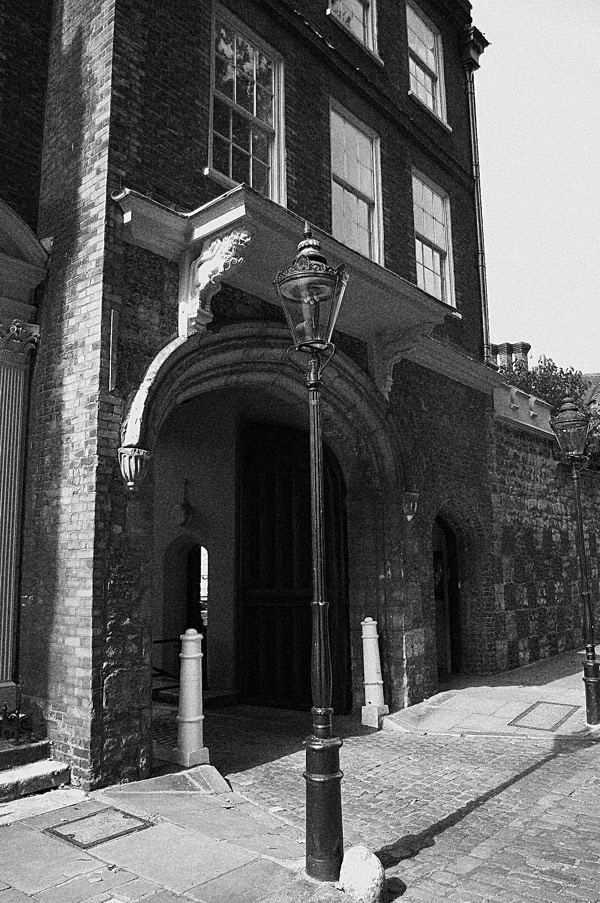
Charterhouse
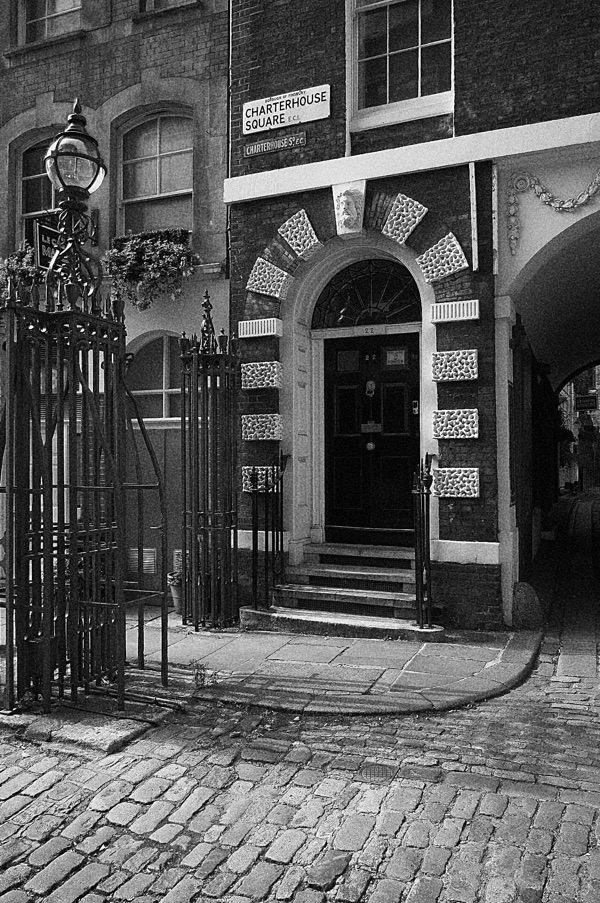
Charterhouse Sq
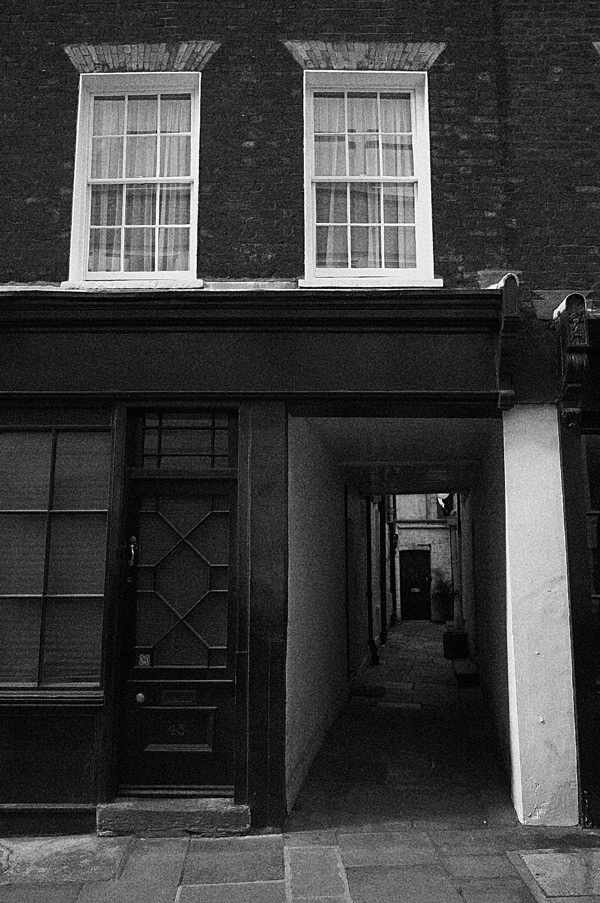
Cloth Fair
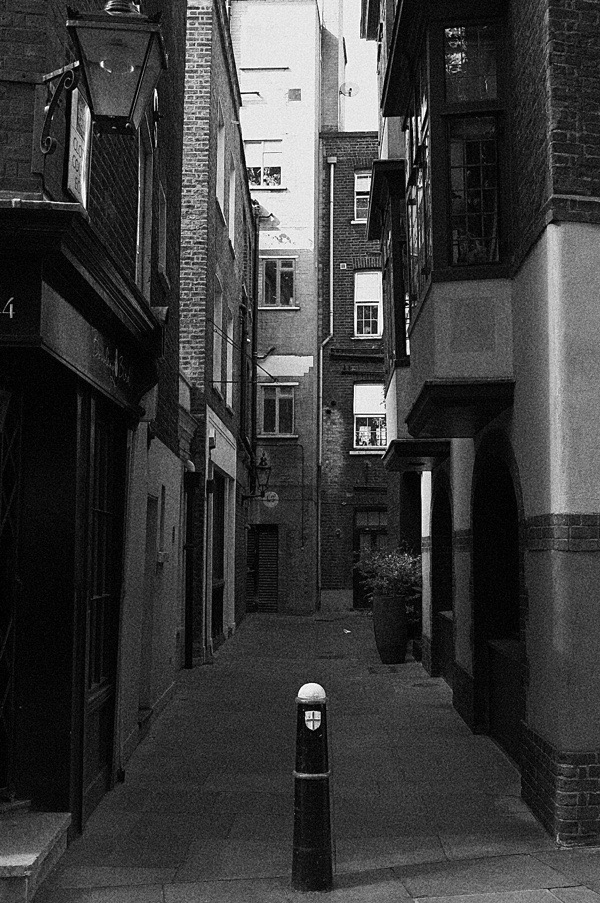
Cloth Fair
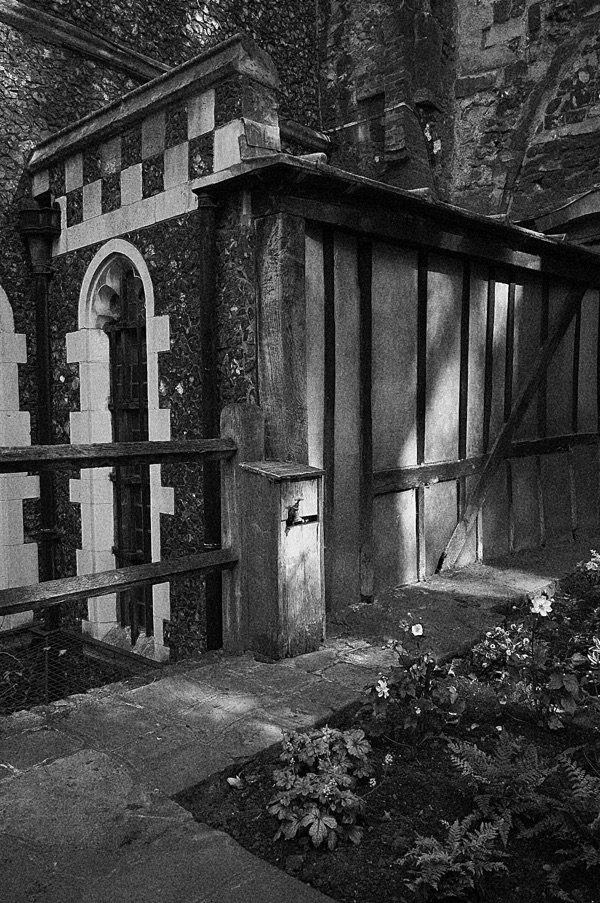
St Bartholomew’s
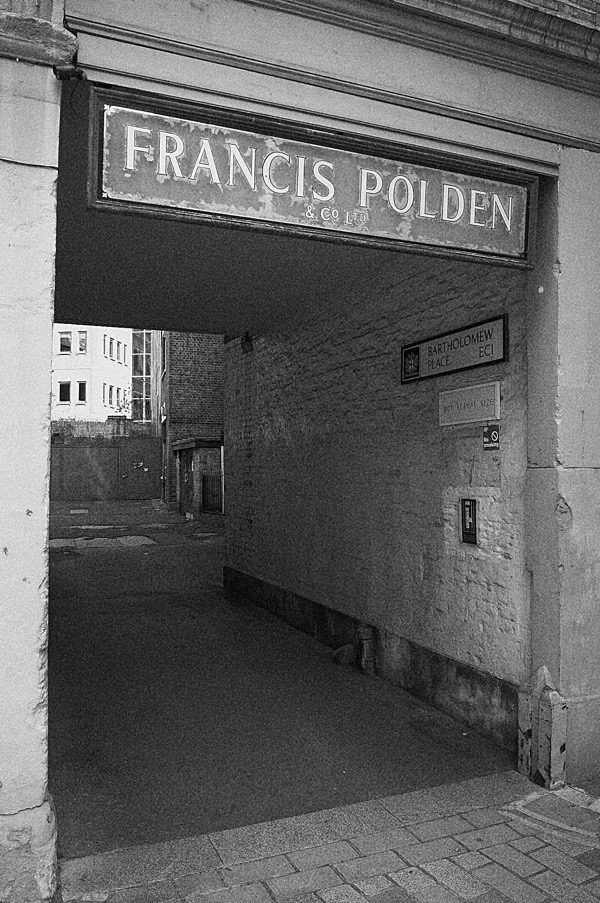
Bartholomew Close
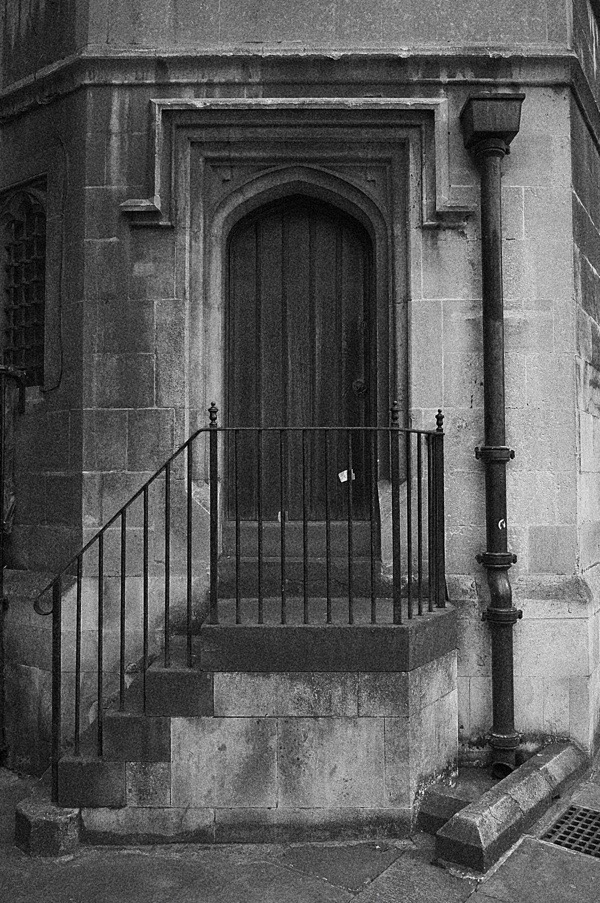
Watling St
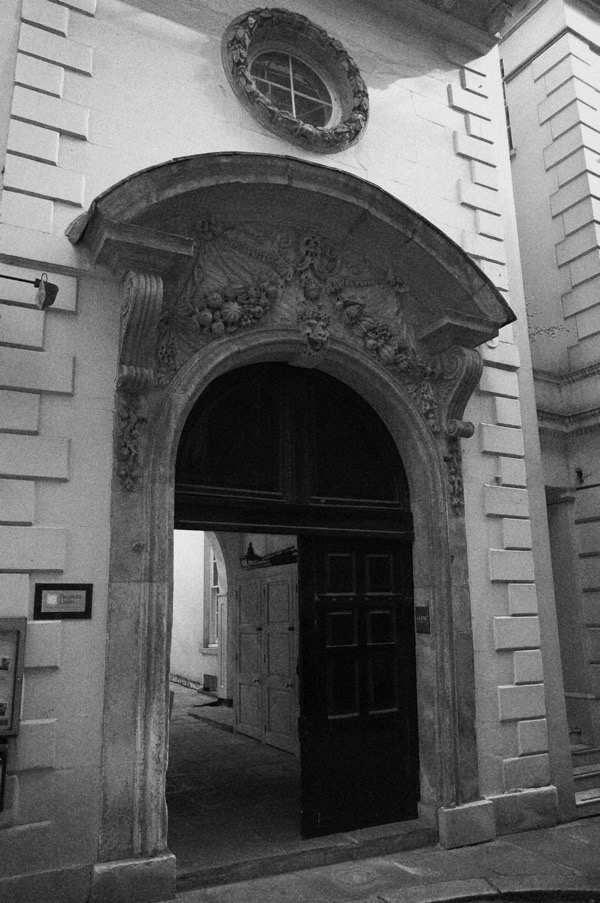
College Hill
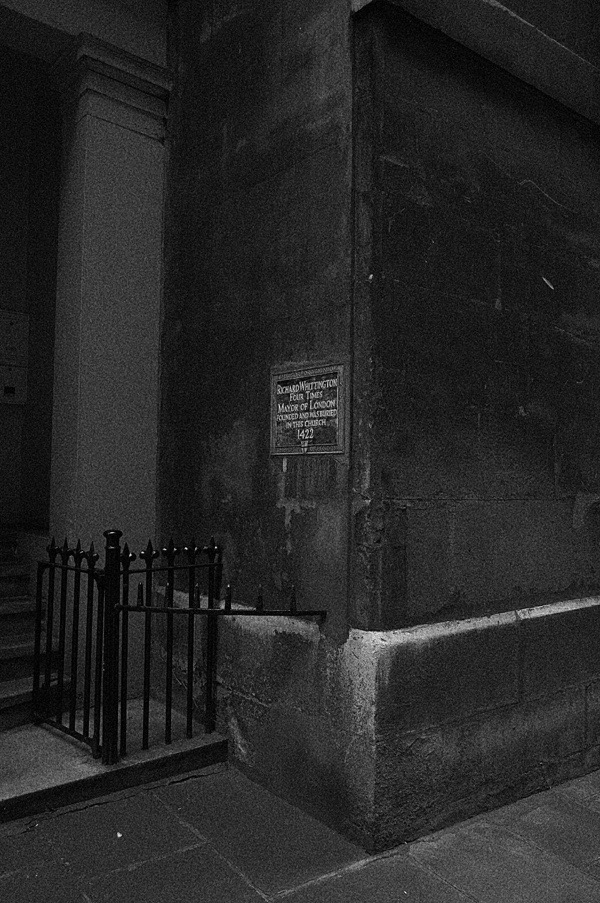
College Hill
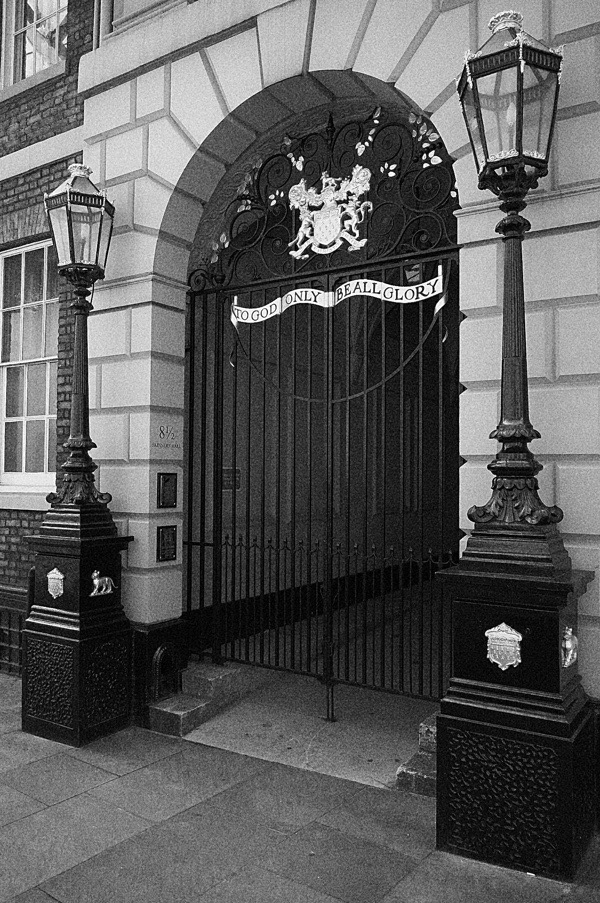
Dowgate Hill
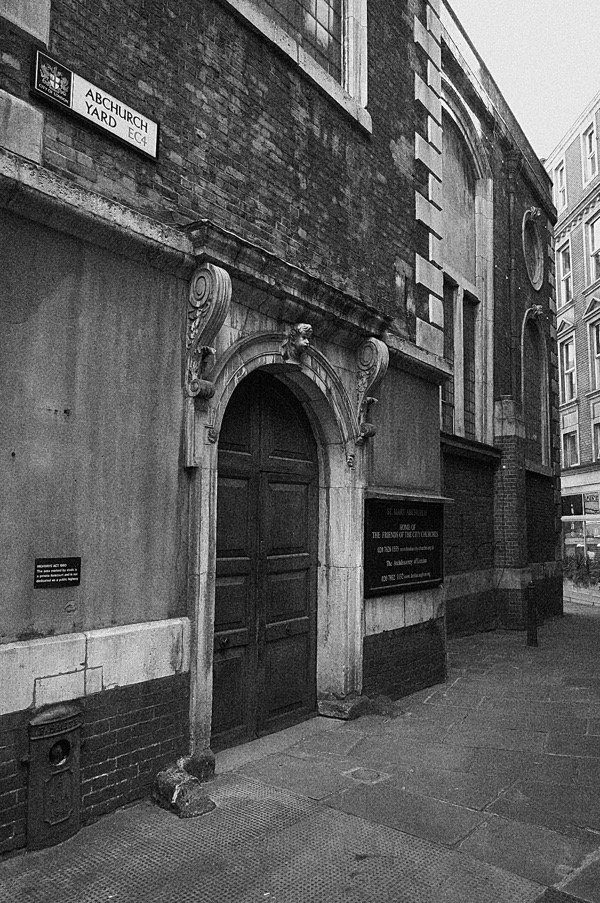
Abchurch Yard
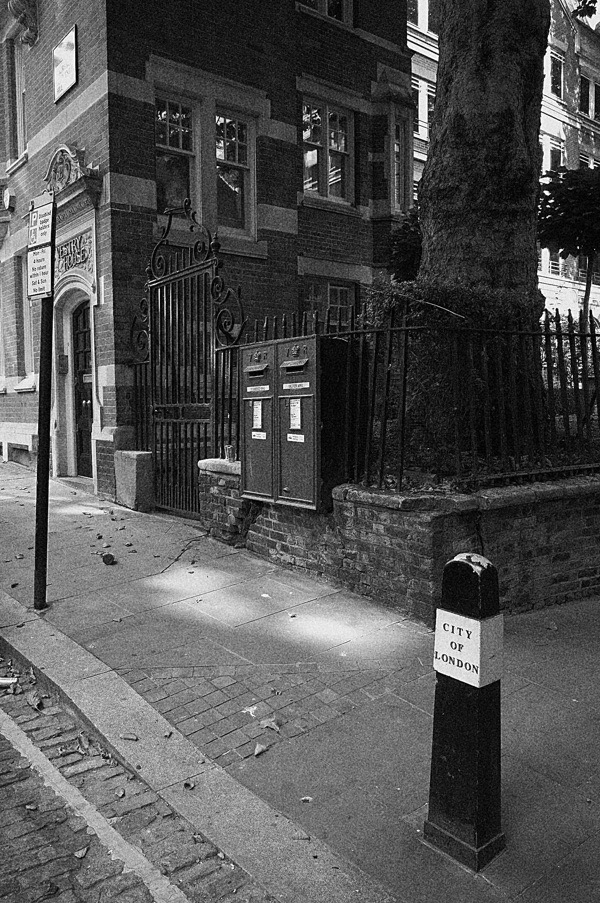
Lawrence Pountney Hill
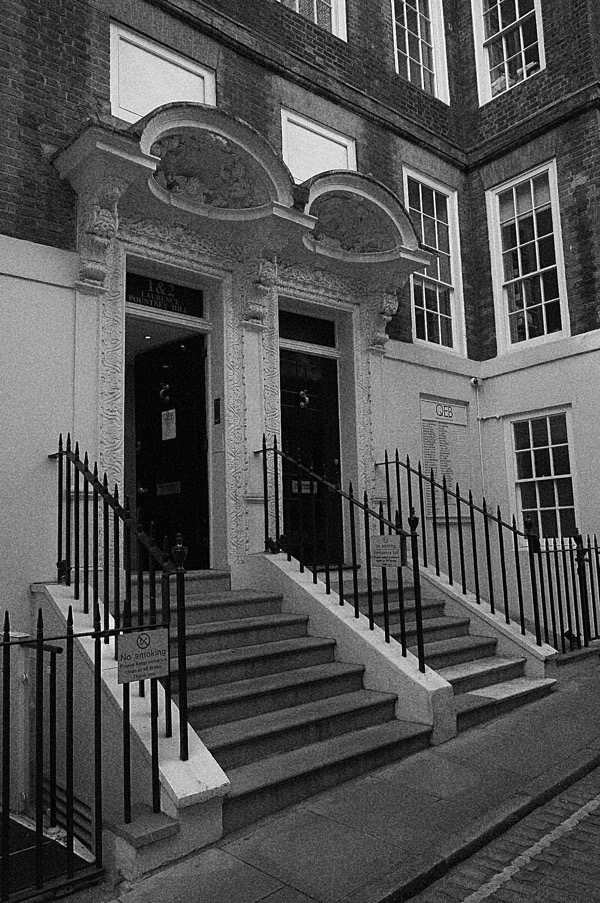
Lawrence Pountney Hill
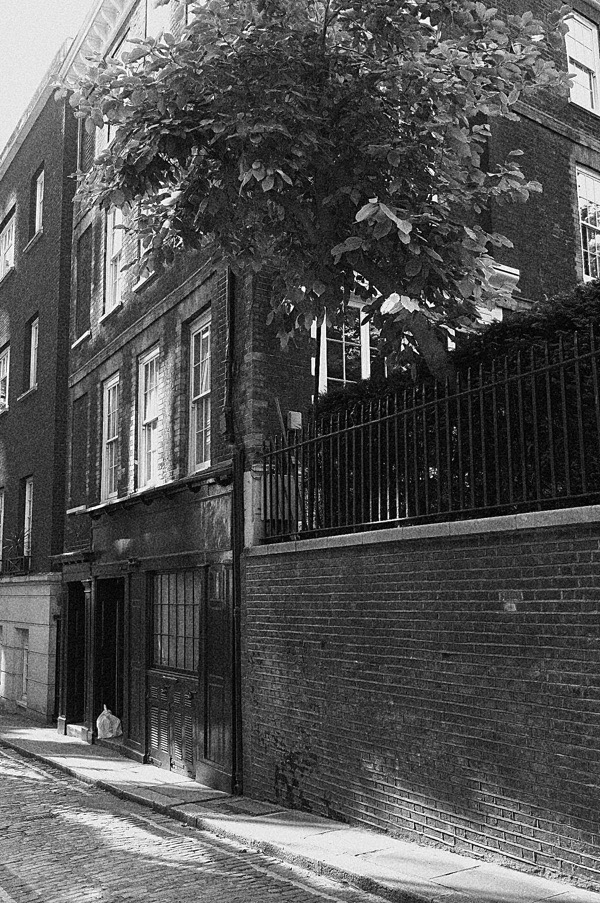
Lawrence Pountney Lane
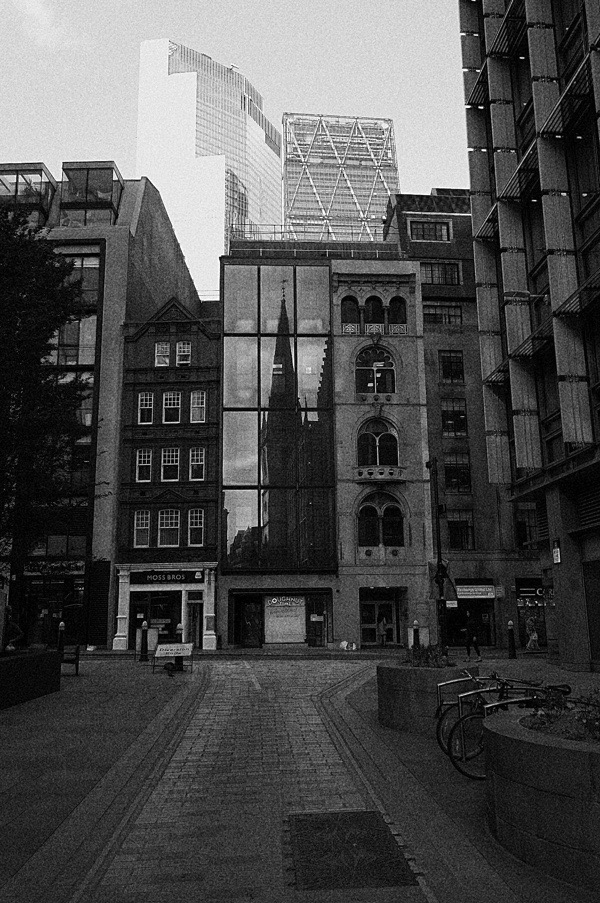
Reflection of St Margaret Pattern
You may also like to take a look at
A Brief Horticultural History Of The East End
CLICK HERE TO JOIN ME FOR A WALK AROUND SPITALFIELDS THIS SPRING
NEW FOR 2023: CLICK HERE TO JOIN ME FOR A TOUR OF THE CITY OF LONDON
Plantswoman Margaret Willes sent me this brief horticultural history of the East End

Early twentieth century garden at the rear of WF Arber & C0 Ltd, Printing Works
Today Spitalfields and Shoreditch are intensely urban areas but, four centuries ago, the scene was very different. Maps of this era show that behind the main roads flanked by houses and cottages, there were fields of cattle and, close by the city walls, laundrywomen laying out their washing to dry.
Many craftsmen who needed to be near to the City of London, yet who did not wish to be liable to its trading restrictions, found a home here. At the end of the sixteenth century, Huguenot silk weavers fleeing from religious persecution in the Spanish Netherlands and France, and landing at ports such as Yarmouth, Colchester and Sandwich, made their way to the capital. Records of this first wave of Huguenots and their arrival in Spitalfields are sparse, but there are references to them in the rural village of Hackney for instance.
Just as these ‘strangers’ took up residence east of London, so too did actors and their theatres. William Shakespeare lodged just within the City walls in Silver St, in the fifteen-nineties, in the home of an immigrant family from Picardie, the Mountjoys, who were involved in silk and wire-twisting.
Tradition tells us that these refugees brought with them their love of flowers. Bulbs and seeds may easily be transported, so they could have brought their floral treasures in their pockets. The term ‘florist’ first appears in English in 1623 when Sir Henry Wotton, scholar, diplomat and observer of gardens wrote about them to an acquaintance. He was not using ‘florist’ in its modern sense as a retailer of cut flowers, but rather as a description of an enthusiast who nurtured and exhibited pot-grown flowers such as tulips and carnations. One flower that has been traditionally associated with the Spitalfields silk weavers is the auricula, with its clear-cut colours. Auricalas do not like rain, so those who worked at home were in an ideal position to be able to bring them under cover when inclement weather threatened.
Another ‘outsider’ living in Spitalfields in the mid-seventeenth century was the radical apothecary, Nicholas Culpeper. He set up home in the precincts of the former Priory of St Mary Spital with his wife Alice Ford in 1640, probably choosing to be outside the City in order to able to practise without a licence. A Nonconformist in every sense, he disliked the elitism of the medical profession and in his writings threw down a challenge by offering help to all, however poor they were. He develop his knowledge by gathering wild flowers and herbs, but it is likely he also cultivated them in his own garden. His English Physitian, later known as the Complete Herbal, is one of the most successful books published in the English language and is still available today.
Culpeper’s books are a reminder that the garden has been for centuries the vital source of all medicines and poultices in this country. As London expanded, and private gardens within the City walls were built over, so the supply of medicinal herbs for apothecaries and housewives became of vital importance. Some of the market herbwomen are mentioned by name in the records of 1739-40 of the Fleet Market along with their places of residence. Hannah Smith, for example, came from Grub Sin in Finsbury, but others from further afield, such as Bethnal Green and Stepney Green. The remedies of the period required large quantities of certain herbs, such as wormwood and pennyroyal, and these women cultivated these as market gardeners.
With the Revocation of the Edict of Nantes in 1685 by Louis XIV, a fresh wave of Huguenot refugees arrived, this time from France rather than the Lowlands. We know much more about these people, including their love of flowers, along with singing birds and linnets, which until quite recently could still be bought from Club Row Market. The French king made a mistake in divesting his realm of some of the most talented craftsmen: gunsmiths and silversmiths as well as silk weavers. The skill of the weavers was matched by their love of flowers in the exquisite silks they produced for court mantuas, the ornate dresses made for aristocratic ladies attending the court of St James. In these designs, a genuine attempt was made to produce botanical naturalism rather than purely conventional floral motifs and although today the most famous designer was Anna-Maria Garthwaite, there were others working alongside her in these streets.
As Spitalfields grew more developed in the eighteenth century, so the pressure on land increased and many of the gardens were built over with new houses. Some residents appear to have taken to their rooftops, creating gardens and building aviaries for their birds up there. Thomas Fairchild, who cultivated a famous nursery in Hoxton, recommended the kind of plants that could survive at this height, including currant trees. Others created gardens upon grounds along the Hackney and Mile End roads. A commissioner reporting on the conditions of the handloom weavers in the early nineteenth century described one such area, Saunderson’s Gardens in Bethnal Green.
“They may cover about six acres of ground. There is one general enclosure round the whole, and each separate garden is divided from the rest by small palings. The number of gardens was stated to be about one hundred and seventy: some are much larger than the rest. In almost every garden is a neat summer-house, where the weaver and his family may enjoy themselves on Sundays and holidays …. There are walks through the ground by which access is easy to the gardens.
The commissioner found that vegetables such as cabbages, lettuces and peas were cultivated, but pride of place was given to flowers. “There had been a contest for a silver medal amongst the tulip proprietors. There were many other flowers of a high order, and it was expected that in due time the show of dahlias for that season would not fail to bring glory to Spitalfields. In this neighbourhood are several dealers in dahlias.”
The competitions held for the finest florists’ flowers were fiercely fought. The Old Bailey sessions records include cases where thieves had broken into gardens not only to steal from the summer houses, but to take prize bulbs too. The Lord Mayor’s Day, 9th November, was traditionally the time to plant the bulbs and, in the spring, judges visited the gardens to make their decisions.
But these gardens were doomed, for the eastern parts of London – Bethnal Green, Stepney Green and Hackney – were being overwhelmed by street after street of new terraced houses. The handloom weavers of the area were likewise doomed, as the silk industry was threatened by competition from overseas and by looms powered by machinery in this country. Their love of flowers, however, was not to be dimmed, and a picture of a Spitalfields weaver in 1860 working alongside his daughters in a garret shows plants on the windowsill, while a contemporary account describes a fuchsia in pride of place near a loom, with its crimson pendants swinging to the motion of the treadles.
Root plants could be bought from sellers, especially along the Mile End Rd, and cut flowers from Spitalfields Market. At the beginning of the twentieth century, a market specifically for flowers and plants was established in Columbia Rd in Shoreditch. This followed the failure of an elaborate food market built by the philanthropist, Angela Burdett-Coutts in the nineteenth century. Her project had been based on a prospective railway line to deliver fish, which never materialised, while the traders preferred to sell outdoors and their customers, many of whom were Jewish immigrants, wanted to buy on Sunday. Originally, Columbia Market traded on Saturday but a parliamentary act moved it to Sunday, enabling Covent Garden and Spitalfields traders to sell their leftover stock, and this market thrived, attesting to the persistent love of flowers in the East End of London.
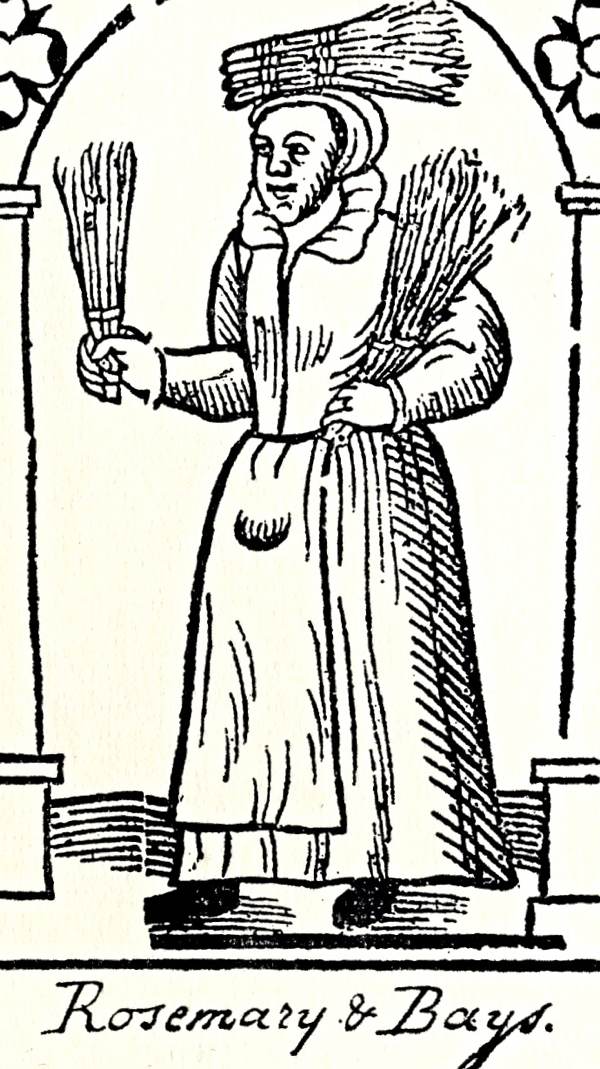
London Herb Woman, late sixteenth century from Samuel Pepys collection of Cries of London
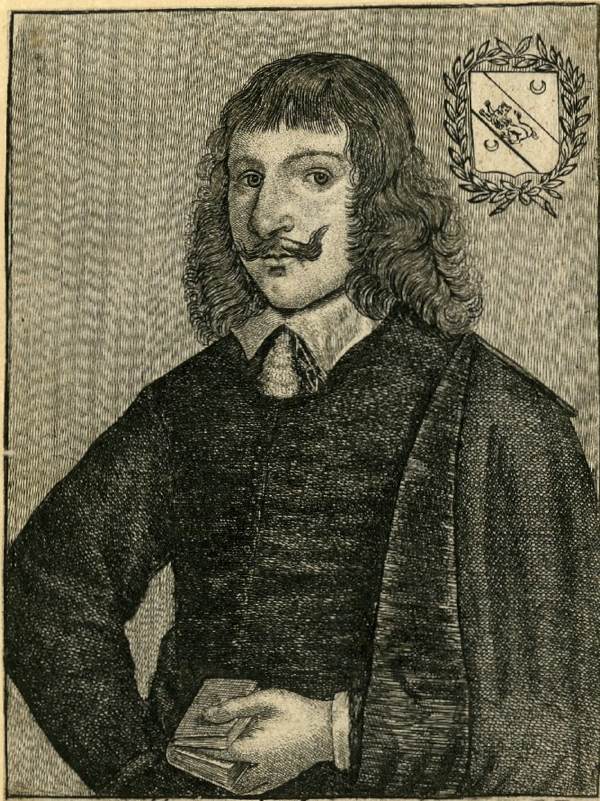
Nicholas Culpeper (1616-1654), the Spitalfields Herbalist

An auricula theatre

The tomb of Thomas Fairchild (1667-1729) the Hoxton gardener
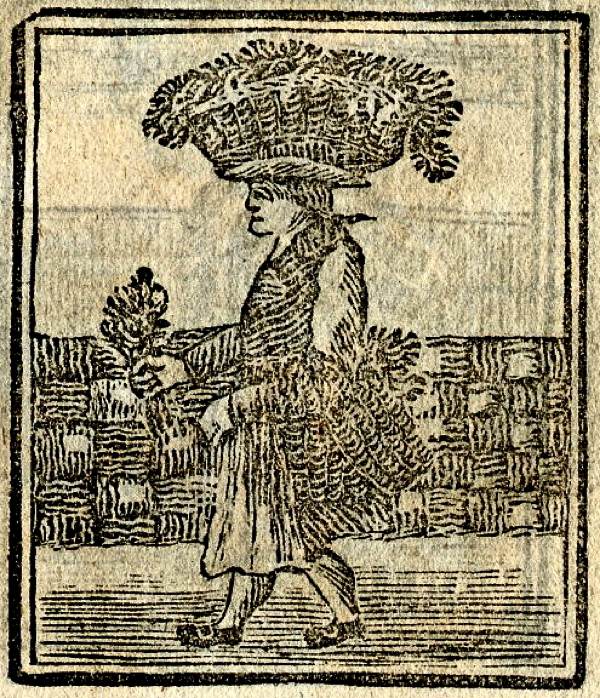
Rue, Sage & Mint – a penny a bunch! Kendrew’s Cries of London
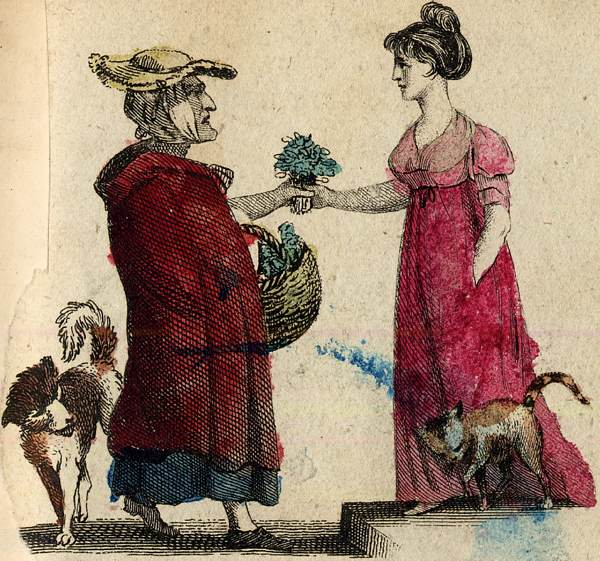
Buy my watercress, 1803
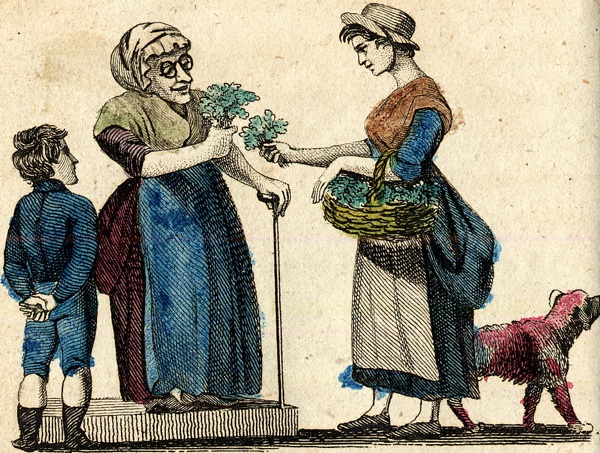
Buy my Ground Ivy, 1803
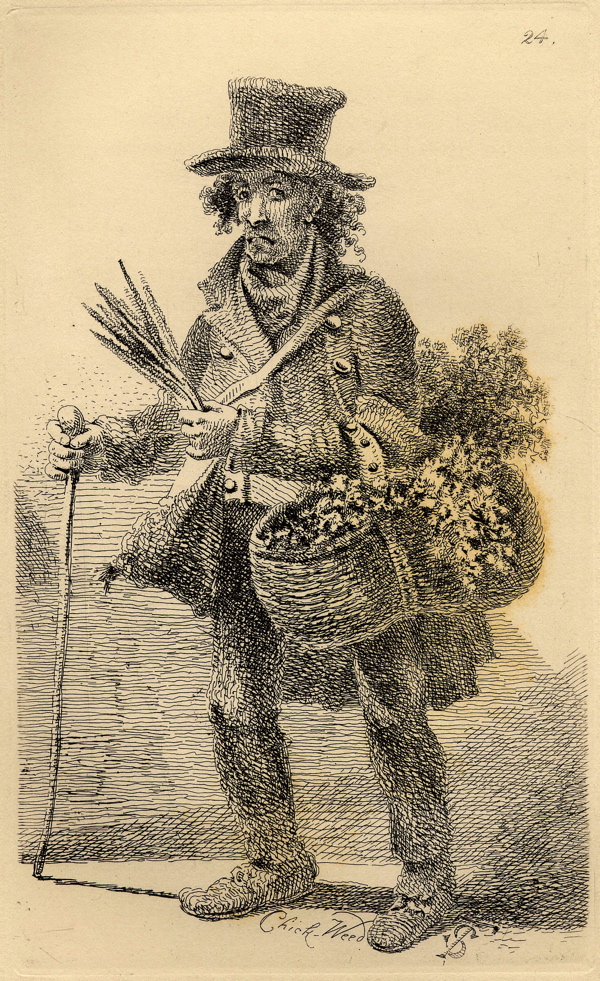
Chickweed seller of 1817 by John Thomas Smith
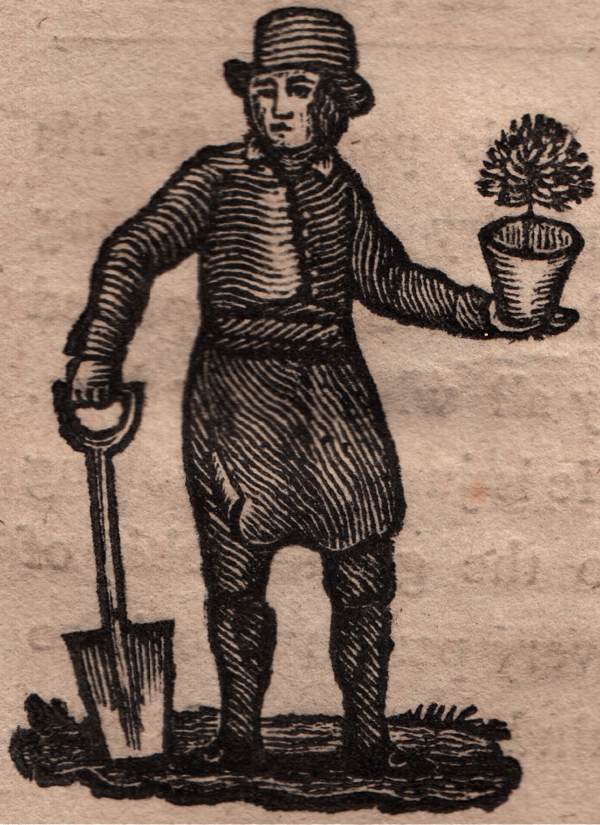
This is John Honeysuckle, the industrious gardener, with a myrtle in his hand, the produce of his garden. He is justly celebrated for his beautiful bowpots and nosegays, 1819

Here’s all a Blowing, Alive and Growing – Choice Shrubs and Plants, Alive and Growing, eighteen-twenties

Selling flowers on Columbia Rd in the nineteen seventies Photo by George Gladwell

Mick & Sylvia Grover, Herb Sellers in Columbia Rd – Portrait by Jeremy Freedman

Margaret Willes in her garden – Portrait by Sarah Ainslie
The Gardens of the British Working Class by Margaret Willes is published by Yale University Press
You may also like to read about
Nicholas Culpeper, Herbalist of Spitalfields
Thomas Fairchild, Gardener of Hoxton
The Tale Of James Hadfield’s Pistol
CLICK HERE TO JOIN ME FOR A WALK AROUND SPITALFIELDS THIS SPRING
NEW FOR 2023: CLICK HERE TO JOIN ME FOR A TOUR OF THE CITY OF LONDON

Click to enlarge this print, reproduced courtesy of V&A Museum
Biographer Julian Woodford, author of ‘The Boss of Bethnal Green’, will be telling the breathtakingly appalling story of Joseph Merceron on Tuesday 2nd May 6pm at the Hanbury Hall in Hanbury St where Merceron was baptised in 1764.
CLICK HERE TO BOOK A TICKET FOR £6
Merceron was the East End’s first corrupt politician and also the East End’s first gangster, ruling Spitalfields and Bethnal Green for fifty years through the end of the eighteenth century and the early nineteenth century.
Today Julian Woodford outlines the tale of James Hadfield, mysterious would-be assassin of George III, revealing how his pistol found its way into the hands of Merceron and where it is today.
When I talk about how Joseph Merceron ruled the East End for half a century, I am often asked ‘How did he get away with it?’ It is a question I could not answer until I discovered that he owned a gun which almost changed English history.
In 1795, Merceron used his position of influence in Bethnal Green to become a magistrate. Just weeks afterwards, King George III’s carriage windows were shattered by an angry mob as he travelled to open Parliament and Prime Minister William Pitt the Younger launched a ‘reign of terror’ with laws forbidding public assembly or publication of ‘seditious writings.’ Secretly, the Home Office also set up an extensive spy network in the East End administered by the local magistrates and their clerks.
During the early seventeen-nineties, in the wake of the French Revolution, radical societies sprang up across London – especially in the East End. Their members agitated for universal suffrage or, in more extreme, cases a revolution of their own. Over the next few years, Pitt’s ‘Gagging Acts’ were applied with increasing severity and the Home Office spies busied themselves in infiltrating radical societies. Democratic activists and mutineering sailors were rounded up and incarcerated without trial at Coldbath Fields Prison in Clerkenwell.
The ritual abuse they suffered at the hands of the Prison Governor, Thomas Aris, was ignored or even encouraged by Merceron and his fellow magistrates. But when the prisoners’ plight was raised in Parliament by the radical MP Sir Francis Burdett, it became the subject of a national scandal that rocked the Pitt government and damaged the credibility of the Middlesex magistrates.
Then, in the spring of 1800, came an act of terror that appeared to justify Pitt’s harsh conservatism. James Hadfield was a British soldier who had suffered horrendous head wounds in the Napoleonic Wars, and been captured and tortured by the French. Released in a prisoner exchange but traumatised to the point of insanity and unfit for further service, Hadfield was simply turned onto the London streets. Here he encountered an itinerant preacher named Bannister Truelock, who persuaded Hadfield he could trigger the Second Coming of Christ – he just needed to shoot the King and die in the attempt.
On 15th May 1800, Hadfield bought an old flintlock pistol from a pawnbroker and made his way to Drury Lane Theatre, where George III was due to attend a Royal Command Performance. As the King took a bow from the Royal Box, Hadfield pulled out his pistol and fired, narrowly missing his Majesty. Despite a lengthy investigation and an apparemt attempt by the government to rig the jury, Hadfield was acquitted of murder on the grounds of insanity, setting an important legal precedent. Instead of being executed, he was committed to the Bethlehem hospital in Moorfields where he spent the next forty-one years writing poems to his pet squirrels.
You might wonder what the connection is to The Boss of Bethnal Green? In 2006, when I started researching my book, I traced Joseph Merceron’s descendants and met his great-great-great grandson Daniel, who showed me an ancient tin box full of Merceron’s papers. This was enough to make my journey worthwhile, but I was dumbstruck when Daniel walked back into the room brandishing an old flintlock pistol and casually announced that – according to family lore – it had once belonged to The Boss and was used in an assassination attempt on George III at Drury Lane in 1800.
That was all Daniel knew and, although I remembered James Hadfield’s story, I could not think how Joseph Merceron could possibly have been involved. Just an hour’s research on the internet uncovered the answer. The transcript of Hadfield’s trial revealed the key prosecution witness was Major Wright, a solicitor of Wellclose Sq and clerk to the Tower Hamlets magistrates. He was a significant figure in Merceron’s circle and closely linked to the Home Office spy network. At Drury Lane, the Major had been sitting within arm’s reach of Hadfield and collared him with his weapon after the event. Among the trial papers are letters from Home Office spies claiming that Hadfield and Truelock were members of the London Corresponding Society which had infiltrated army regiments, including Hadfield’s 15th Light Dragoons.
Remarkably, Major Wright was allowed to keep the pistol as a souvenir. Yet his will lists a print of the assassination attempt among his effects not the gun, which had given to his master – Joseph Merceron. Based on the evidence, I believe Major Wright was secretly tailing James Hadfield on behalf of the Home Office, but it did not suit the government to blow his cover at Hadfield’s trial.
This anecdote offers the explanation for the astonishing longevity of Joseph Merceron’s career as the Godfather of Regency London. Despite being responsible for appalling corruption on a vast scale, he was the devil-the-government-knew, manning the front line in the East End for William Pitt’s ‘war on sedition.’ Merceron owned and licensed many of the pubs where the radical societies met. Merceron’s clerks were actively involved in running spies and, despite repeated attempts to prosecute him during his first three decades in power, the government repeatedly refused to do so and it was only in 1818 – well after the end of the Napoleonic Wars – that he was finally brought to trial and jailed briefly.

James Hadfield’s pistol – the gun that nearly changed history
You may also like to read about
Among The Pagans At Beltane
CLICK HERE TO JOIN ME FOR A WALK AROUND SPITALFIELDS THIS SPRING
NEW FOR 2023: CLICK HERE TO JOIN ME FOR A TOUR OF THE CITY OF LONDON

When my friend Geraldine Beskin, the witch, who runs the Altlantis Bookshop invited me to attend the Pagan Pride Parade, I knew it was too good an opportunity to miss. From far and wide, emerging from their secret groves and leafy bowers, the pagans converged upon Red Lion Square. They dusted off their antlers, wove their garlands of green and desported themselves in floaty dresses to meet the morn. Many were old friends who have gathered here annually in this quiet corner of the old square in Holborn for years to celebrate pagan rites, and they were eager to embrace the spirit of the occasion, joining hands and frolicking mischievously in a long line weaving in and out of the crowd to the rhythm of the tabor.
On my arrival, I had the honour of shaking hands with the druid of Wormwood Scrubs, attired in an elegant white robe adorned with a fabulous green beetle. “I studied theology but I lost my faith,” he confessed, raising his eyebrows for dramatic effect, “but in 1997, I was rehoused next to Wormwood Scrubs and there was a crescent-shaped line of trees outside my house and – for some reason I don’t understand – I went out to greet the dawn and discovered I had Druidic tendencies.” Next I met Carol, an ethereal soul with ivy woven in her long flowing hair, in an ankle length emerald crushed velvet dress and eau de nil cape. “I feel so tremendously privileged to know that I am not on my own, that I am loved and protected.” she said, clasping her hands, casting her eyes towards the great trees overarching the square and smiling affectionately. Leaning against the railings nearby was Vaughan – naked from the waist and swaggering a pair of horns at a jaunty angle, he was eager to show me his panpipes. “I love Nature,” he declared, beaming, “I keep my bees and chickens and I grow herbs. I love collecting my eggs and I make my own remedies – it’s such a natural way of life…”
The cheery atmosphere was pervasive, though I was a little alarmed by the police van and officers placed strategically around the square, conjuring visions of all the pagans getting arrested for misrule and ending up in a cell. But Geraldine Beskin reassured me the police were there to stop the traffic to allow the pagans’ free passage through Holborn and up Southampton Row to Russell Square. “Once upon a time we wouldn’t be allowed to appear in public, but these days we are more accepted.” she revealed, flashing her sparkling eyes,“The council have given us their approval, now they realise we are not devil worshippers.” Geraldine Beskin led the Pagan Pride Parade in partnership with Jeanette Ellis who started it many years ago, the first of its kind in the world. And when the heavenly orb reached its zenith these twin goddesses gave the nod to the officers, stepping forth regally as the police motorbikes roared into life to escort the procession of ladies in flowing gowns and gentlemen with horns protuberant.
They were a joyous sight with their coloured robes and long hair drifting on the breeze, as they advanced up Southampton Row and streamed into the gardens of Russell Square where they circled the fountains. Before long, an audacious red-haired maiden in a blue satin gown was prancing barefoot in the water to the beat of a drum, then a dog and other pagans followed to enjoy a good humoured splashing match. “We’re celebrating male energy and the sap rising at this time of the year,” Geraldine explained to me in delight, as we surveyed the watery mayhem erupting before our eyes.

Geraldine Beskin – “the council have given us their approval, now they realise we are not devil worshippers.”

J.T.Morgan, the Druid of Wormwood Scrubs – “for reasons I don’t understand I went out to greet the dawn.”

Jeanette Ellis started the Pagan Pride Parade fourteen years ago.

Vaughan Wingham -“I’m proud to be pagan”

Carol Mulcahy – “I feel tremendously privileged…”


Pagans celebrate in Russell Square.
You may also like to read about
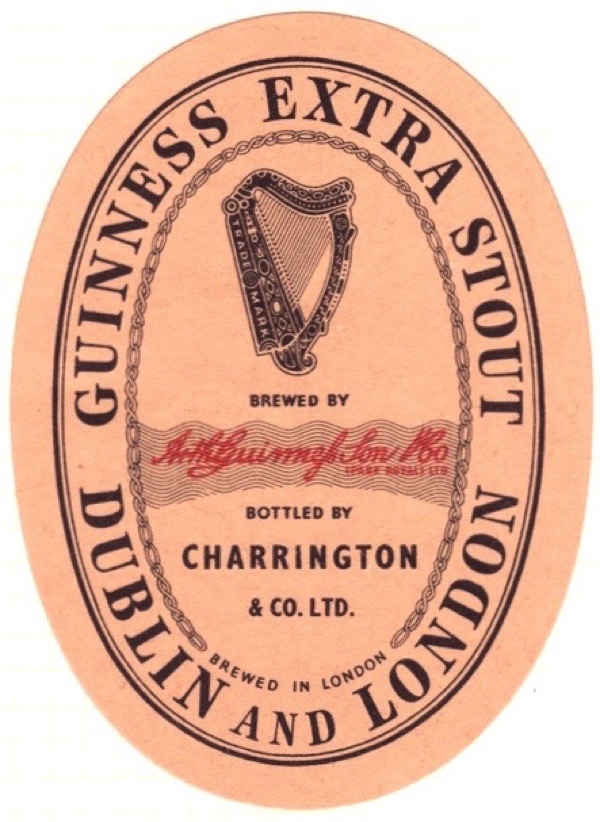
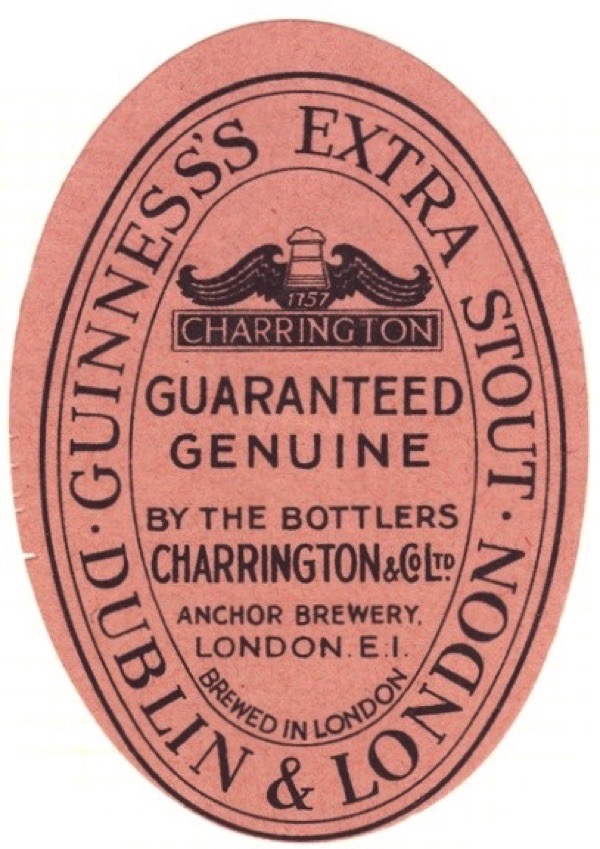
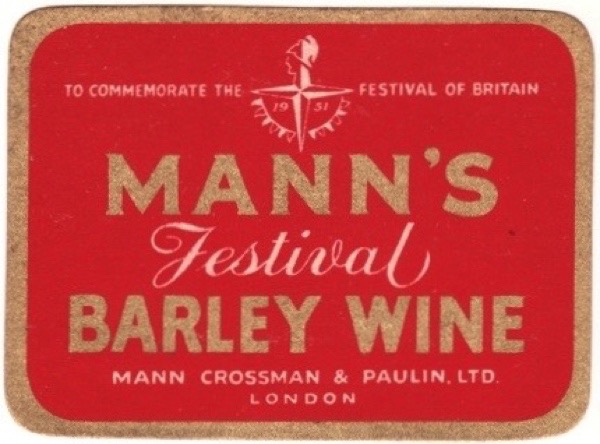
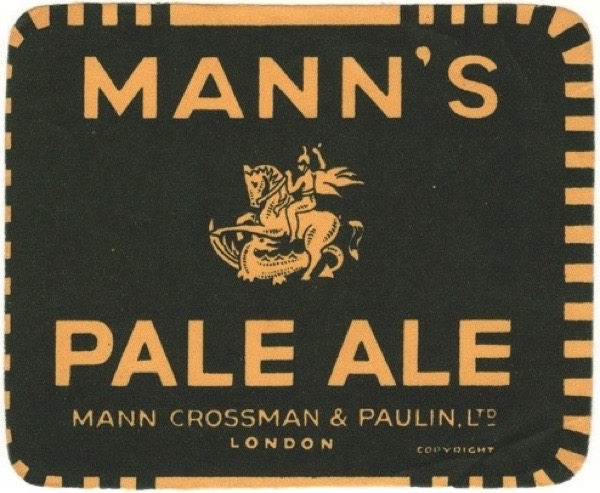
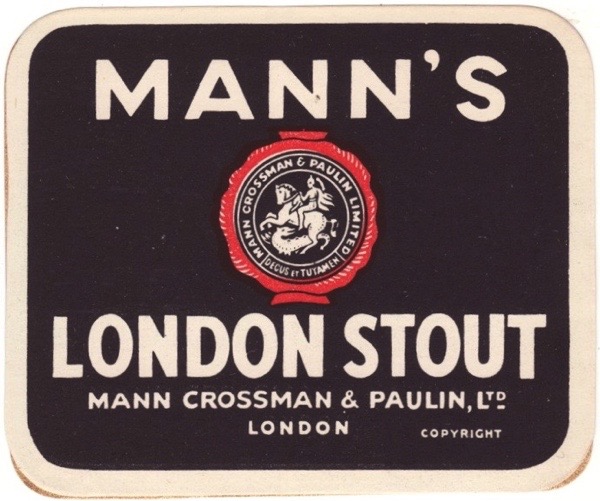
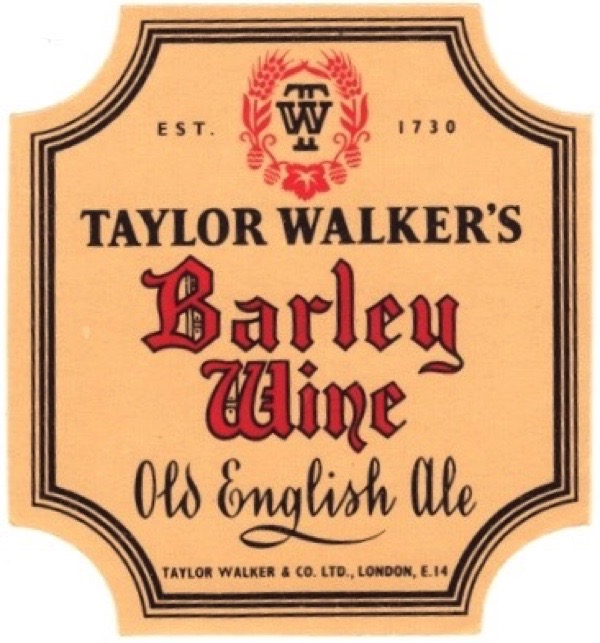
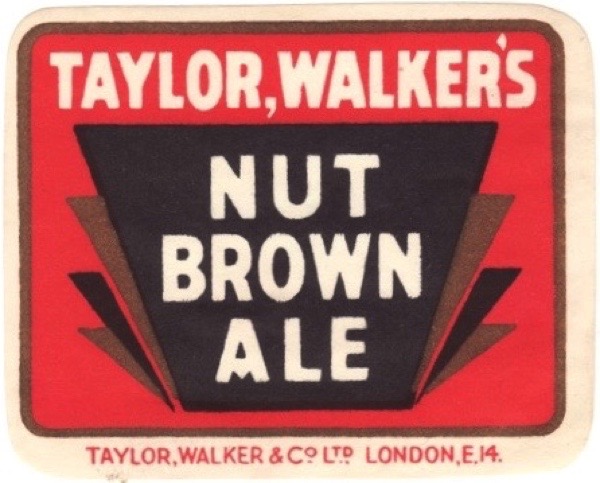
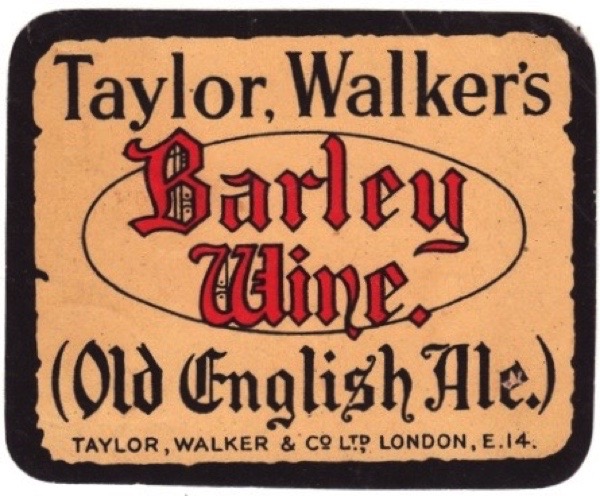
East End Beer Bottle Labels
CLICK HERE TO JOIN ME FOR A WALK AROUND SPITALFIELDS THIS SPRING
NEW FOR 2023: CLICK HERE TO JOIN ME FOR A TOUR OF THE CITY OF LONDON
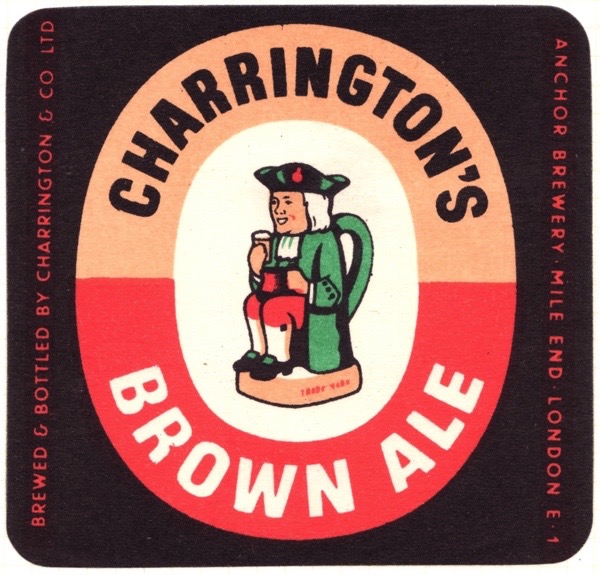
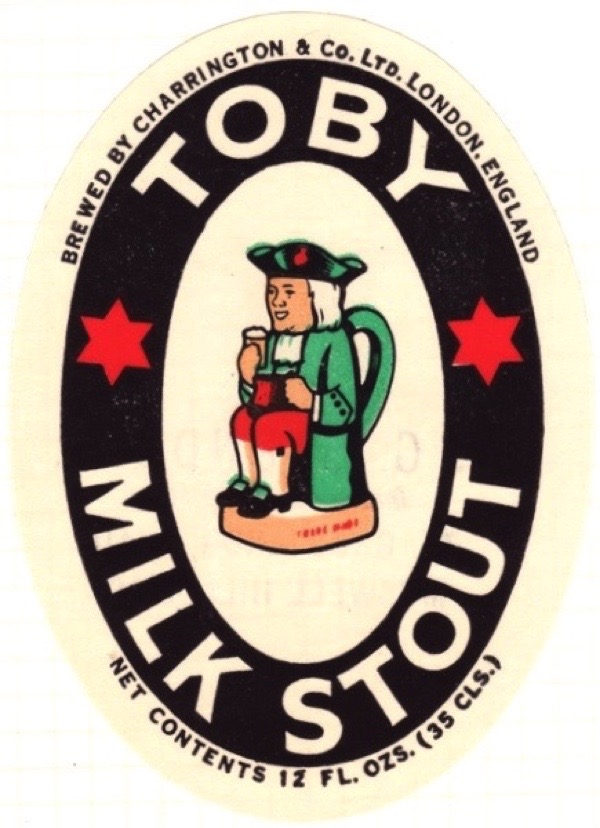
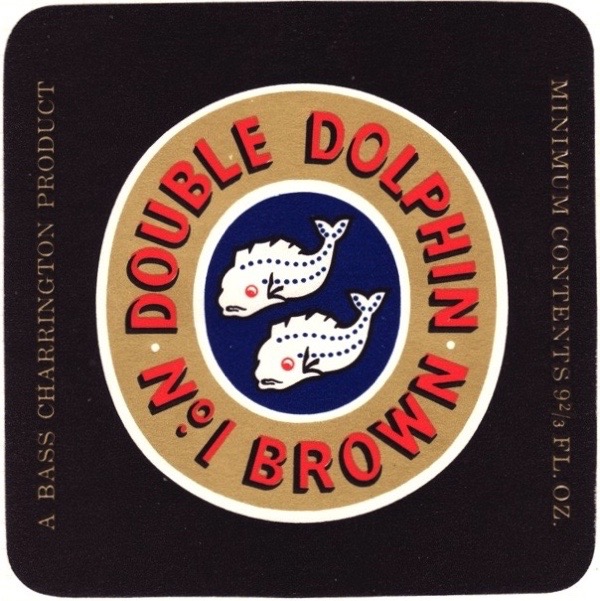
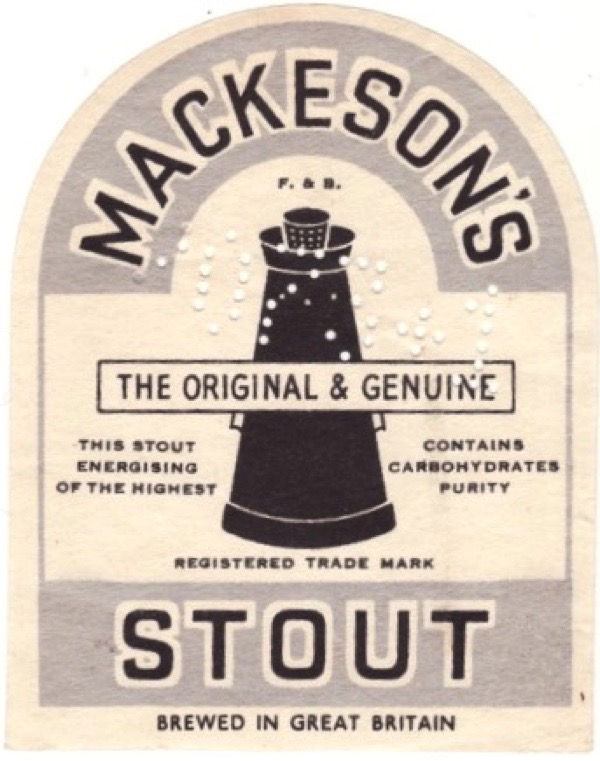
Paul Shearsmith kindly sent me these splendid mid-twentieth century labels from Charrington’s at the Anchor Brewery in Mile End and Mann Crossman & Paulin at the Albion Brewery in Whitechapel. It makes me thirsty just contemplating their bold designs, strong typefaces and vibrant warm colours. Anyone fancy joining me for a pint of Toby Brown Ale or a glass of Mann’s Barley Wine? Cheers!













You may also like to take a look at












