The Tombs Of Old London
Click here to book for The Gentle Author’s Tours

Monument to Lady Elizabeth Nightingale, Westminster Abbey, c.1910
What could be more appropriate to the season of spooks and spirits than a virtual tour of the tombs of old London, courtesy of these glass slides once used by the London & Middlesex Archaeological Society for magic lantern shows at the Bishopsgate Institute?
We can admire the aesthetic wonders of statuary and architecture in these magnificent designs, and receive an education in the history and achievements of our illustrious forbears as a bonus.
In my childhood, no festival or national occasion was complete without a visit to some ancient abbey or cathedral. Yet while ostensibly we went to pay our respects, my interest was always drawn by the stone tombs and ancient monuments.
It is a human impulse to challenge the ephemeral nature of existence by striving to create monuments, even if the paradox is that these attempts to render tenderness in granite will always be poignant failures, reminding us of death rather than life. Yet there is soulful beauty in these overwrought confections and a certain liberating consolation to be drawn, setting our personal grief against the wider perspective of history.
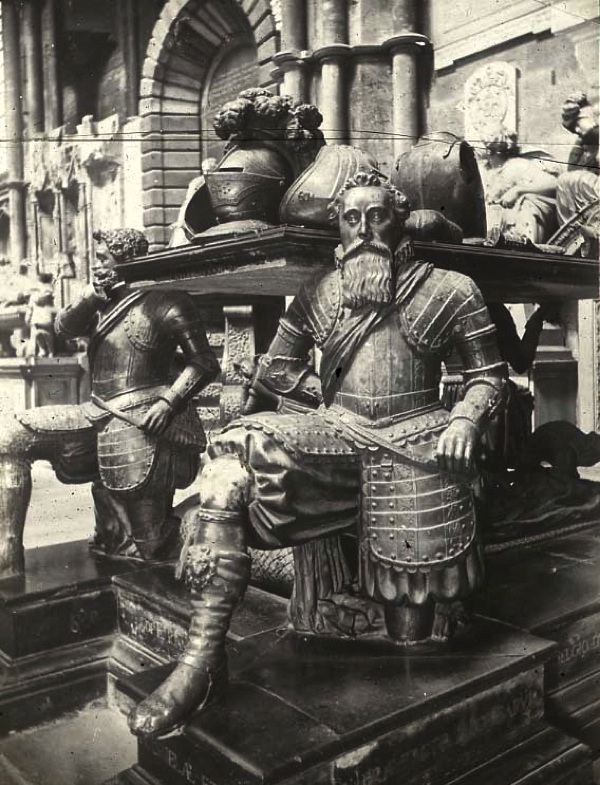
Tomb of Sir Francis Vere, Westminster Abbey, c. 1910
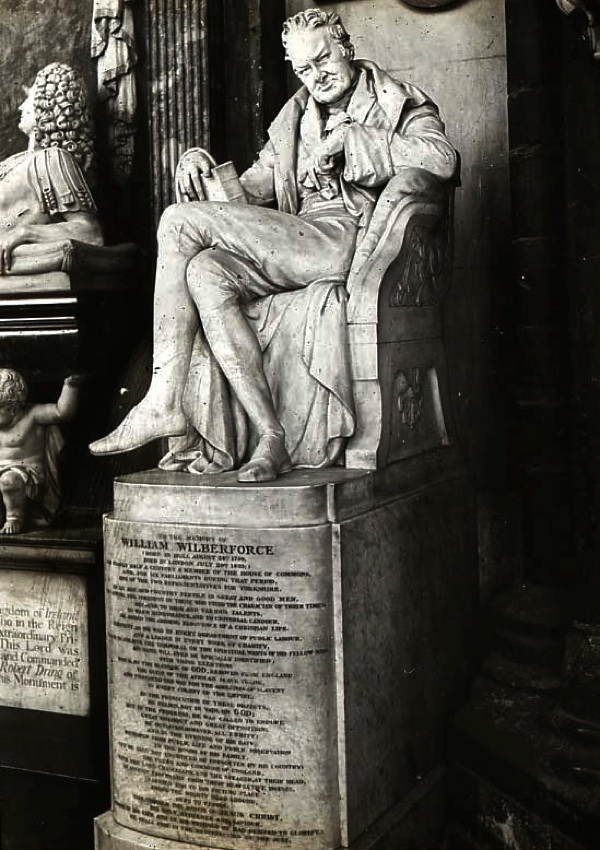
Monument to William Wilberforce, Westminster Abbey, c.1910
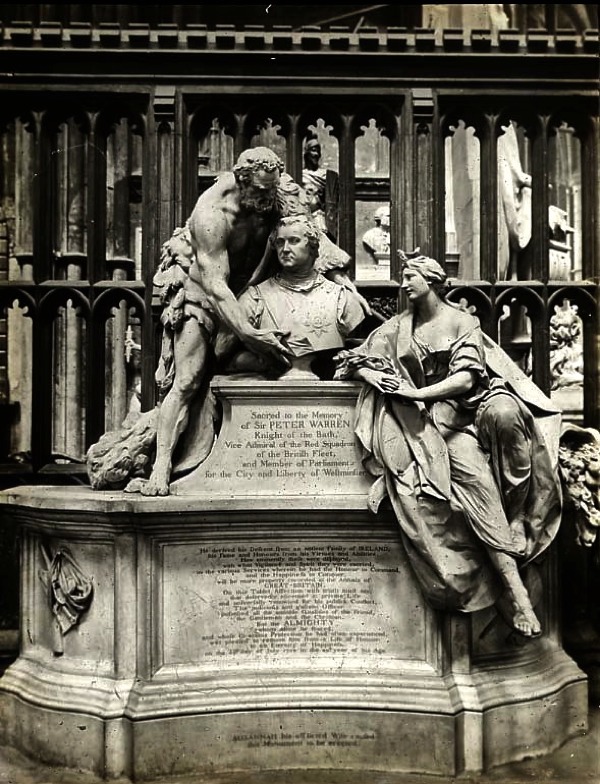
Memorial to Admiral Sir Peter Warren, Westminster Abbey, c.1910
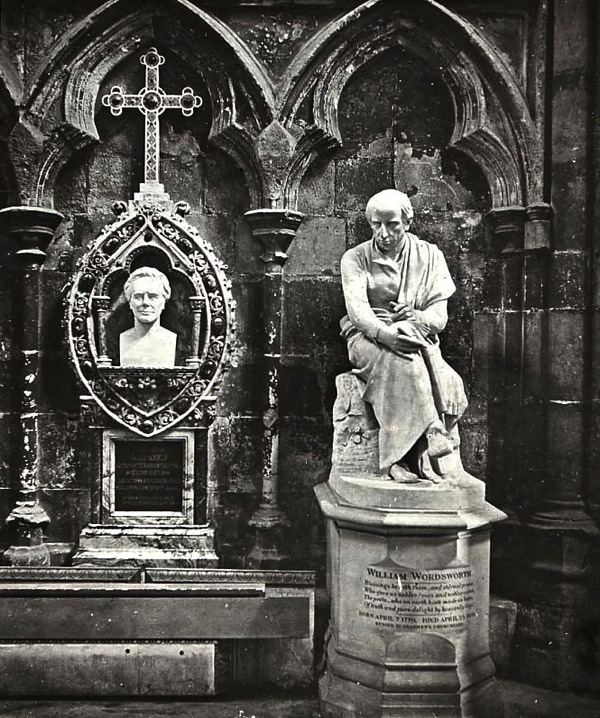
Monument to William Wordsworth in Baptistery, Westminster Abbey, c.1910

St Benedict’s Chapel, Westminster Abbey, c.1910
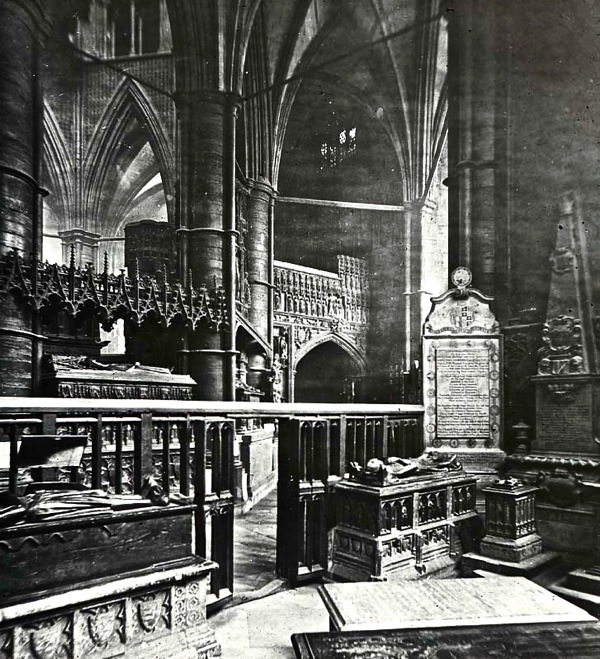
Chapel of St Edmund, Westminster Abbey, c.1910

Tombstone of Laurence Sterne, St George’s Hanover Sq, c.1910 – Buried, grave-robbed and reburied in 1768, subsequently removed to Coxwold in 1969 due to redevelopment of the churchyard.
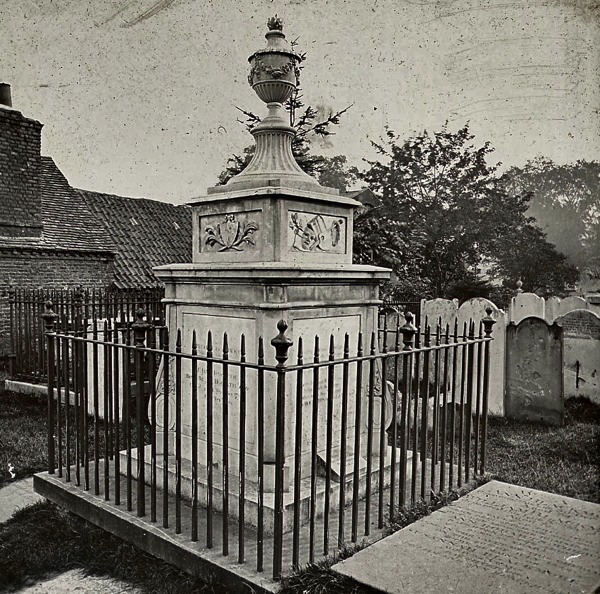
Hogarth’s tomb, St Nicholas’ Churchyard, Chiswick, c.1910

Sir Hans Sloane and Miller Monuments in Old Chelsea Churchyard, c. 1910
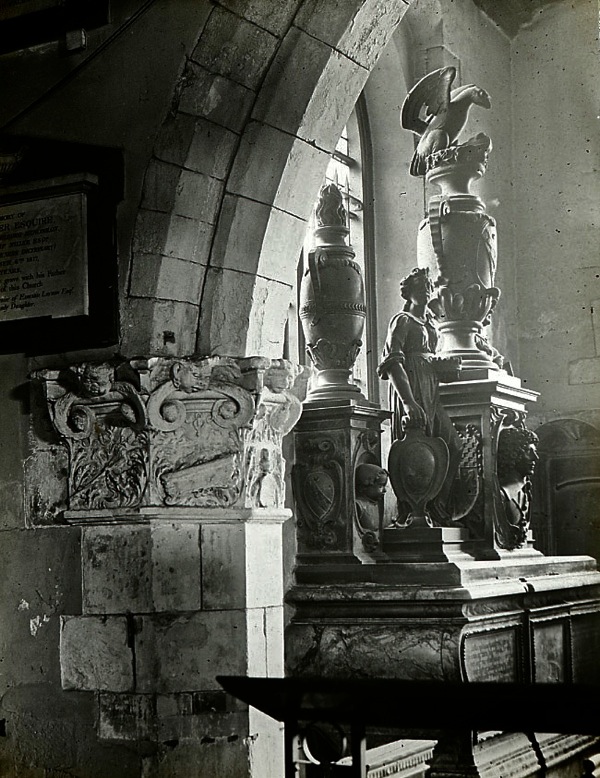
Stanley’s Monument in Chelsea Church, c. 1910
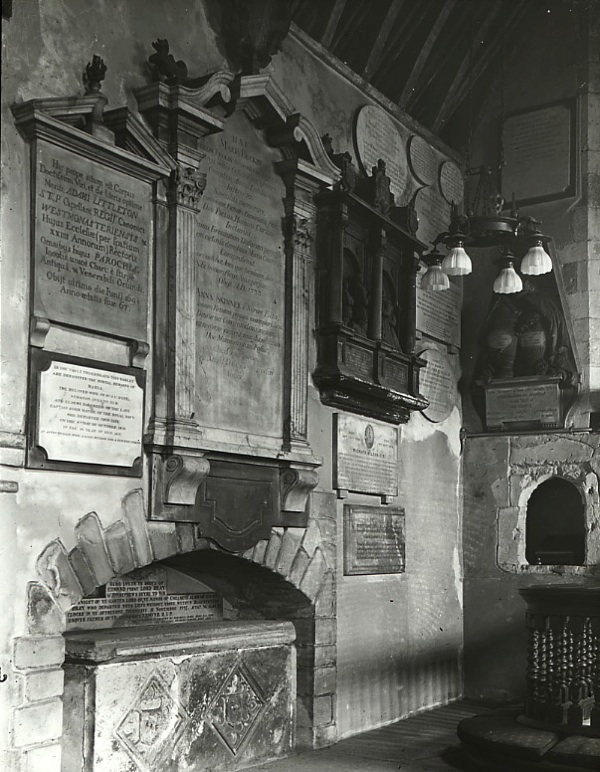
Sanctuary at All Saint’s Church, Chelsea, c. 1910
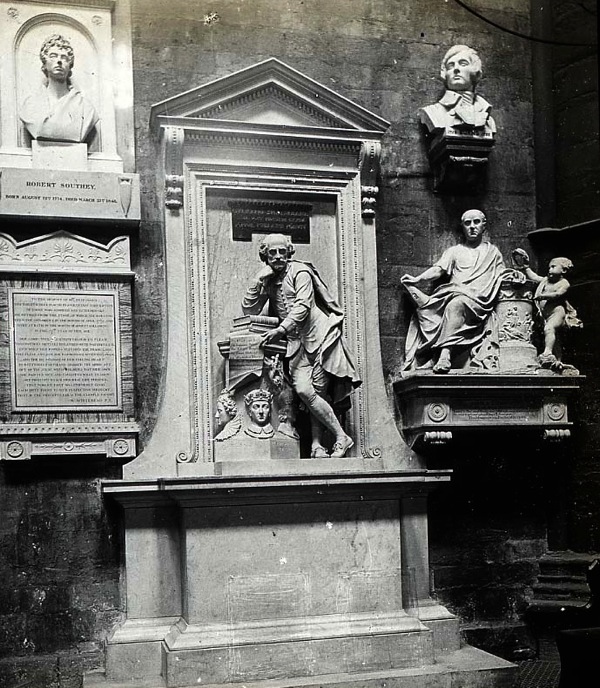
Shakespeare’s memorial, Westminster Abbey, c. 1910
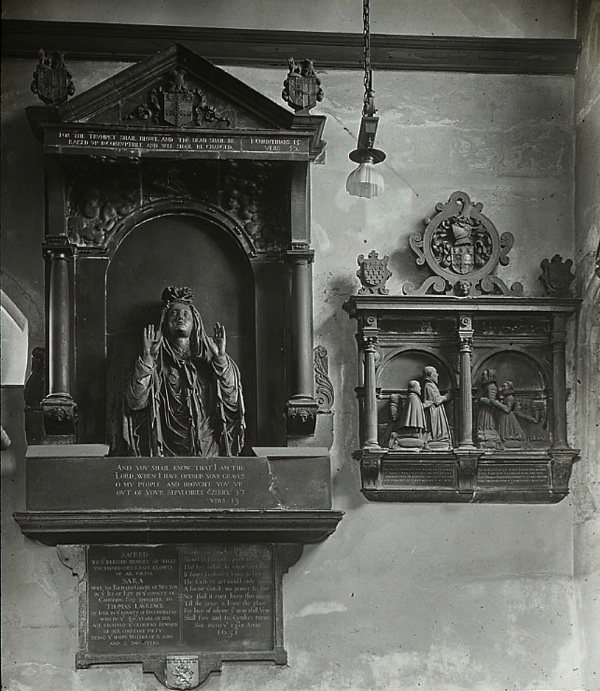
Colville Monument in All Saint’s Church, Chelsea, c. 1910
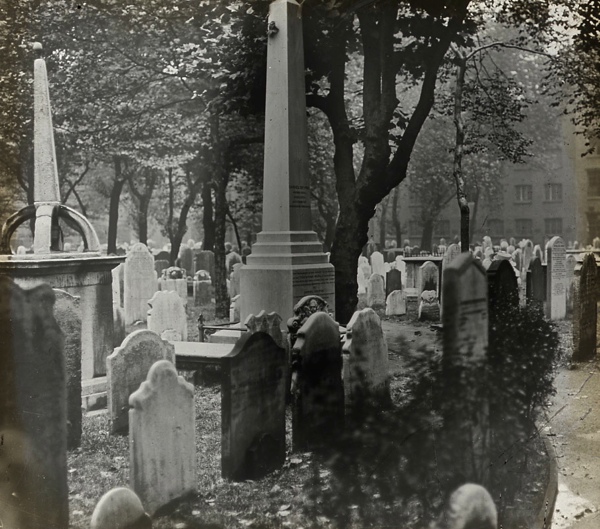
Tomb of Daniel Defoe at Bunhill Fields Burial Ground, c. 1910
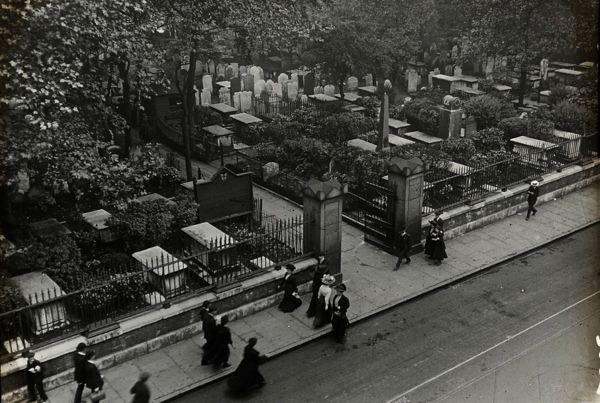
At the gates of Bunhill Fields, c. 1910
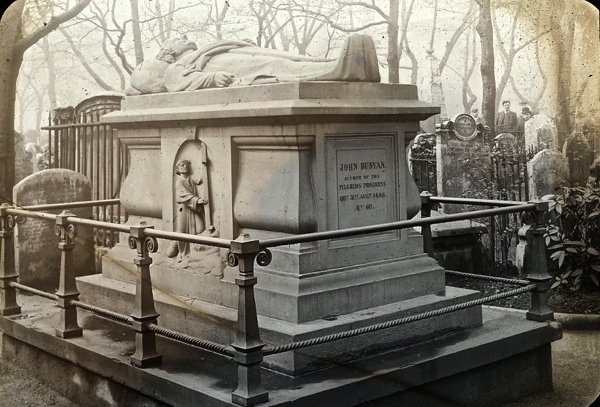
Tomb of John Bunyan, Bunhill Fields Burial Ground, c. 1910
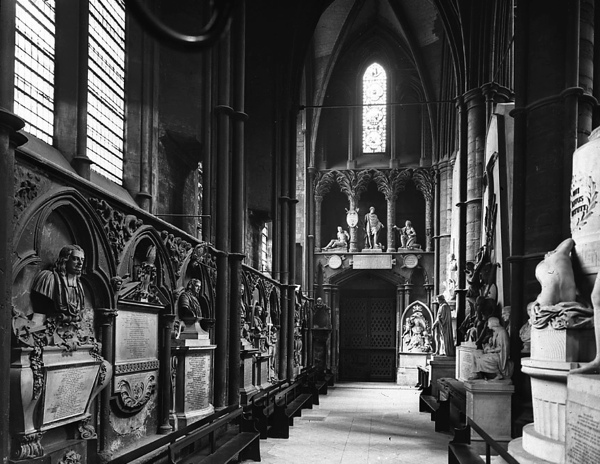
North Transept of Westminster Abbey, c. 1910
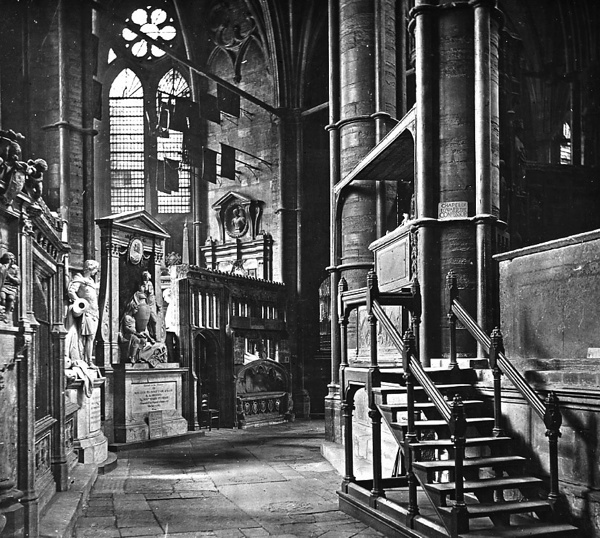
North Ambulatory, Westminster Abbey, c. 1910
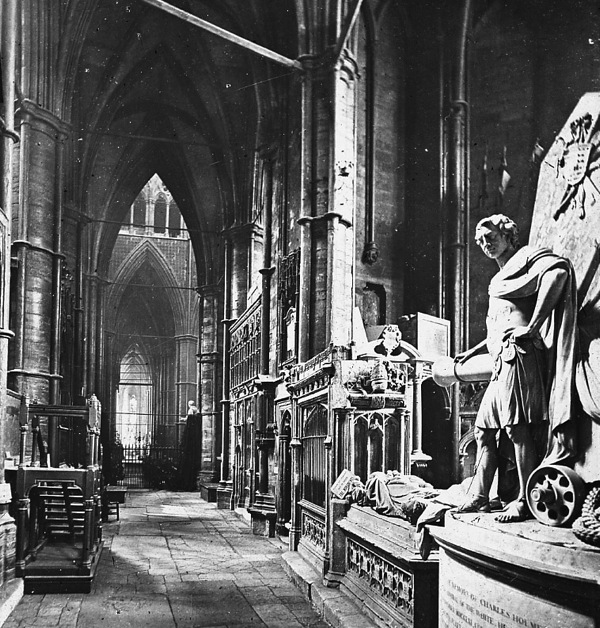
Ambulatory, Westminster Abbey, c. 1910
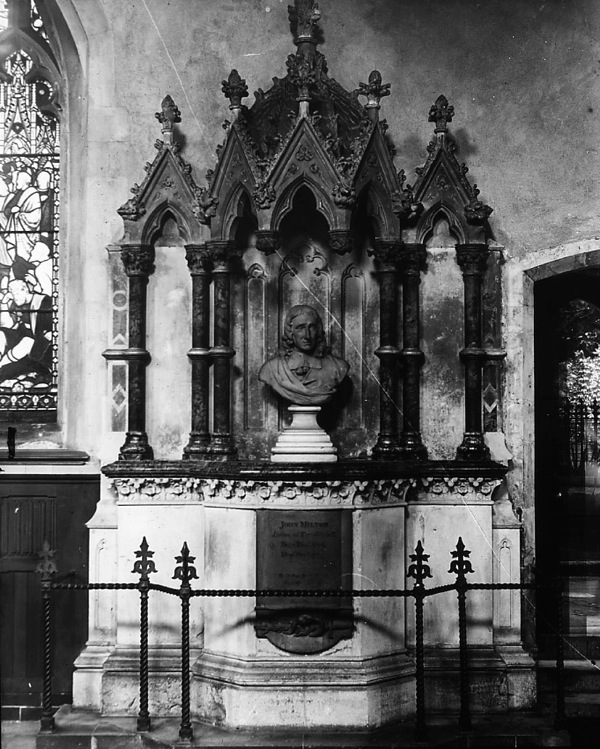
Monument to John Milton, St Giles, Cripplegate, c. 1910
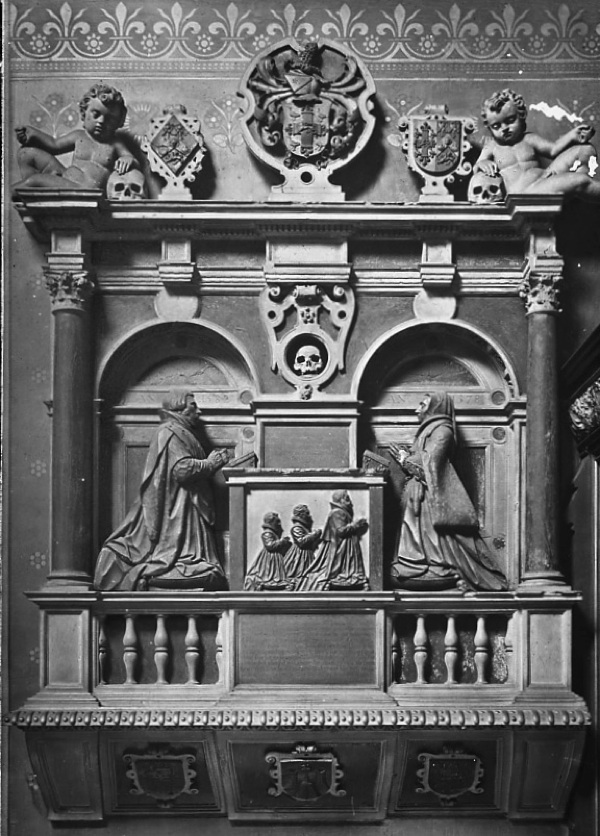
Offley Monument, St Andrew Undershaft, c. 1910
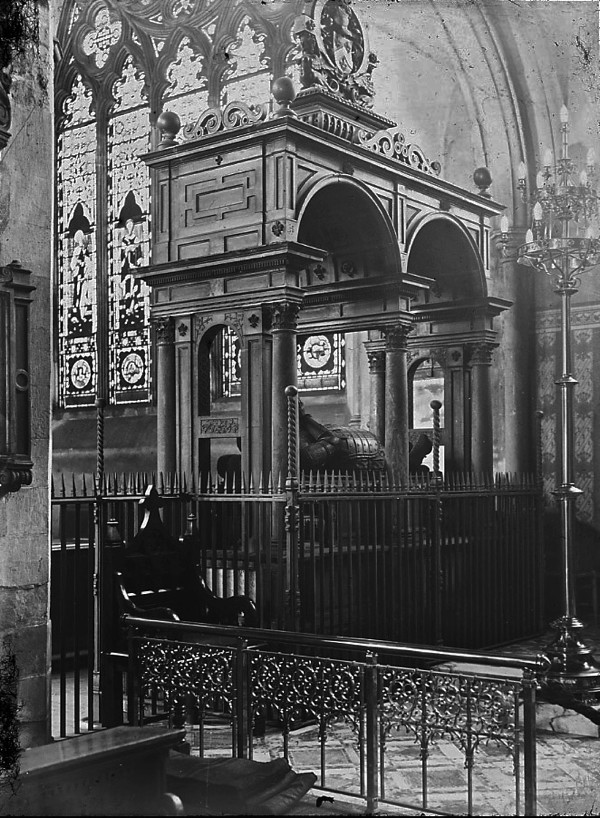
Pickering Monument, St Helen’s Bishopsgate, c. 1920
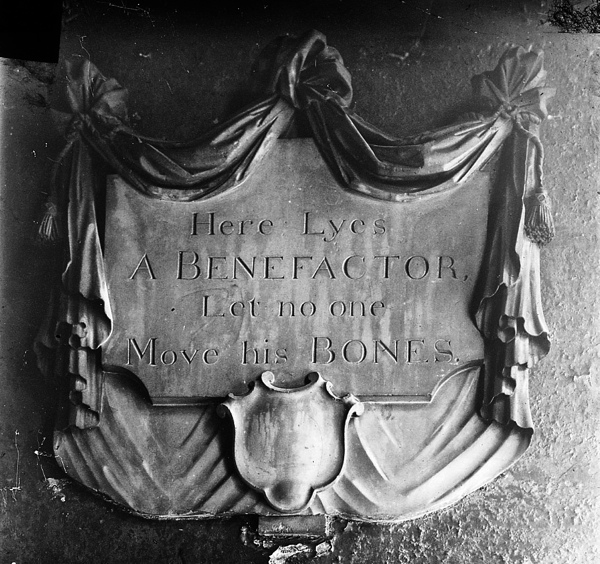
Plaque, Christ Church, Newgate, 1921
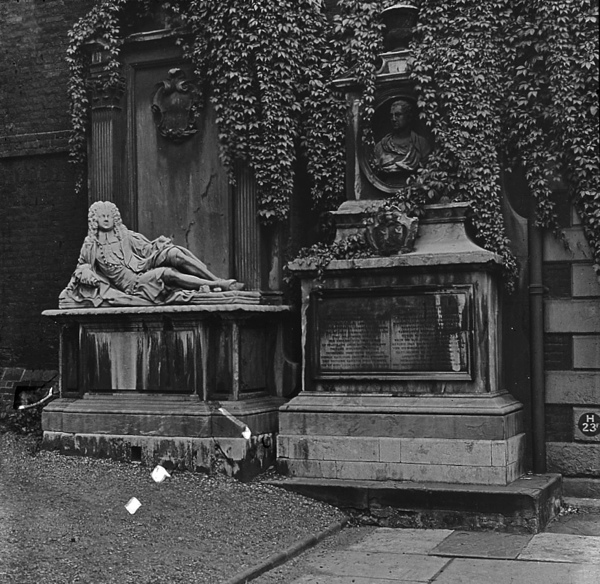
Tombs in Temple churchyard, c. 1910
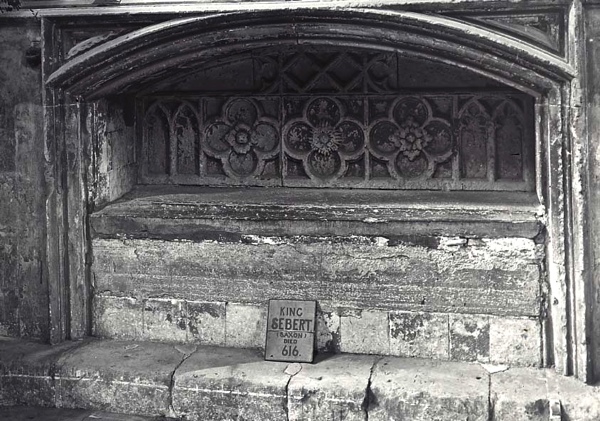
King Sebert’s Tomb, Westminster Abbey, c. 1910
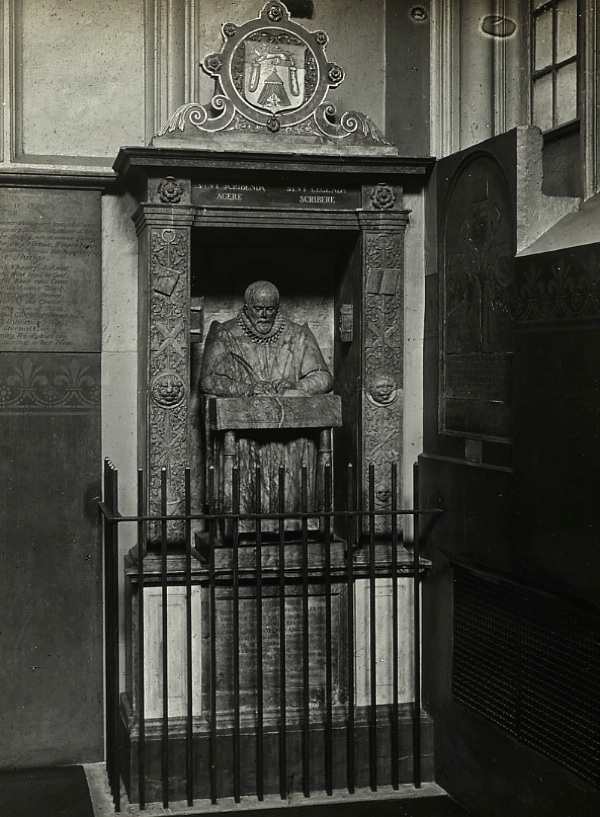
Monument to Historian John Stow in St.Andrew Undershaft, c. 1910
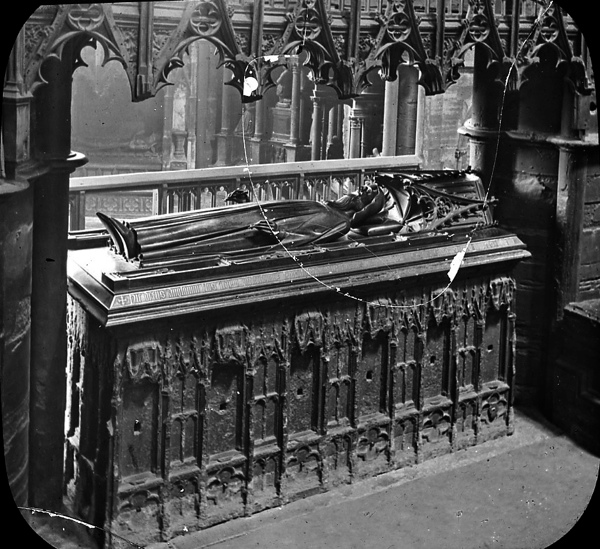
Tomb of Edward III, Westminster Abbey, c. 1910
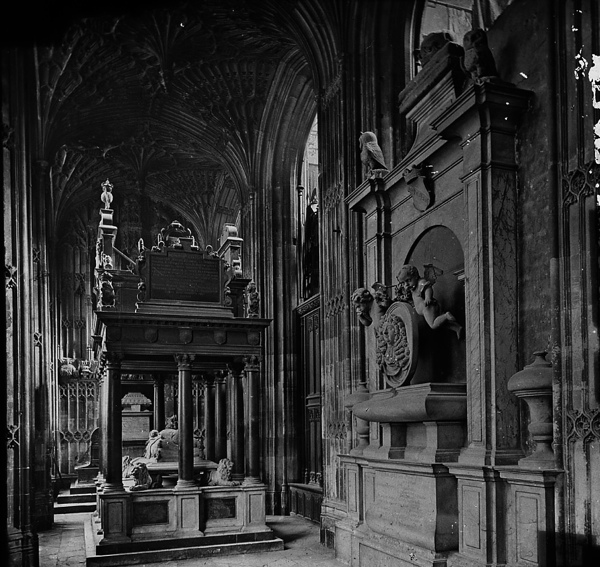
Queen Elizabeth I’s Tomb, Westminster Abbey, c. 1910

Tomb of Henry VII and Elizabeth of York, Westminster Abbey, c. 1910
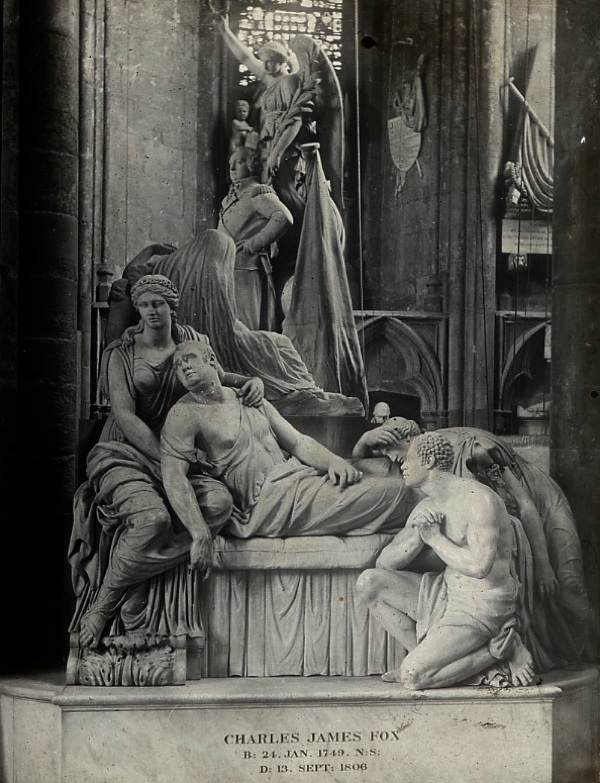
Monument to Charles James Fox, Westminster Abbey, c. 1910
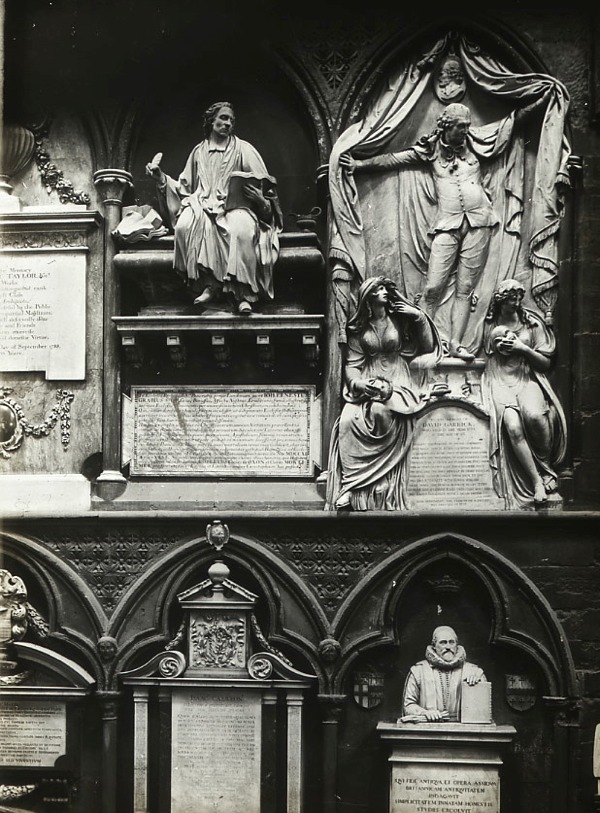
Poets’ Corner with David Garrick’s Memorial, Westminster Abbey, c. 1910
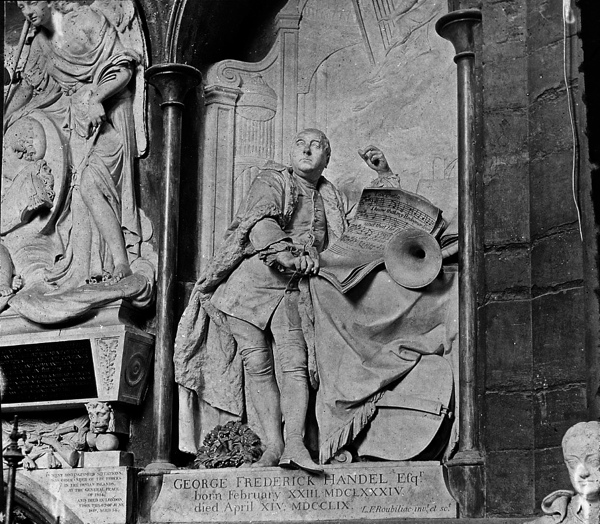
Memorial to George Frederick Handel, Westminster Abbey, c. 1910
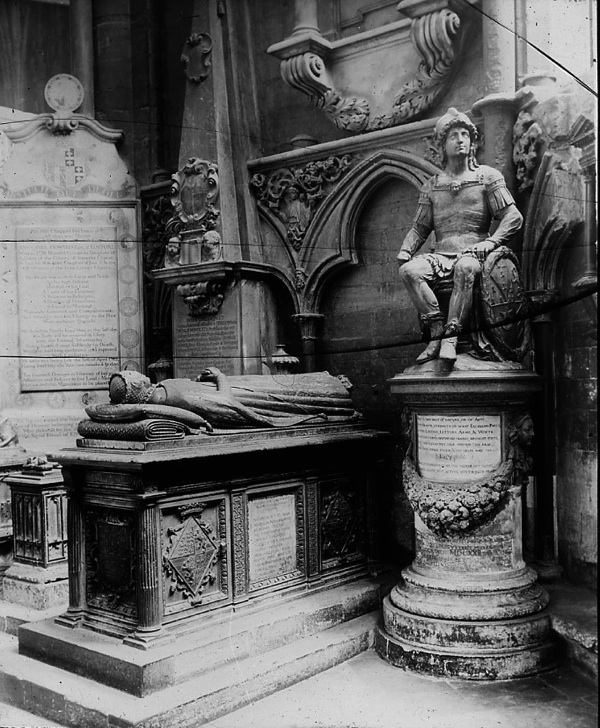
Monument to Francis Holles, Westminster Abbey, c. 1910
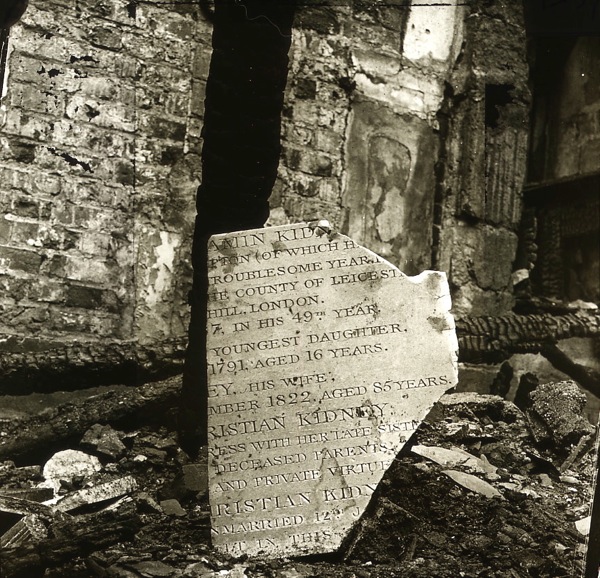
Tombstone of the Kidney family, c. 1910
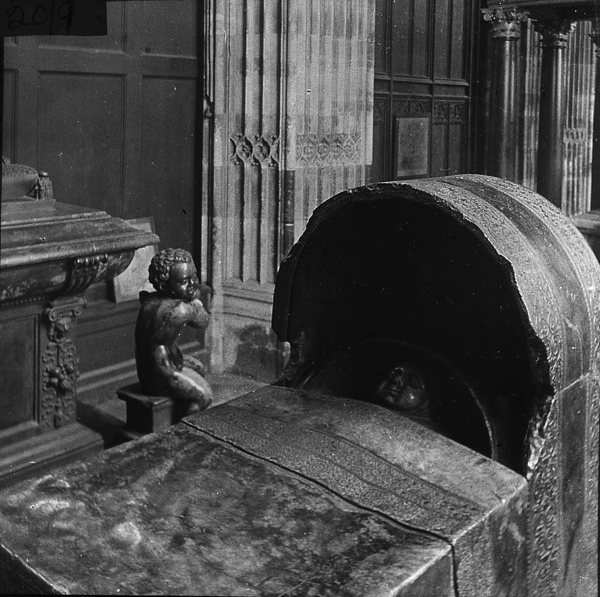
Cradle monument to Sophia, Daughter of James I, Henry VII’s Lady Chapel, Westminster Abbey, c. 1910
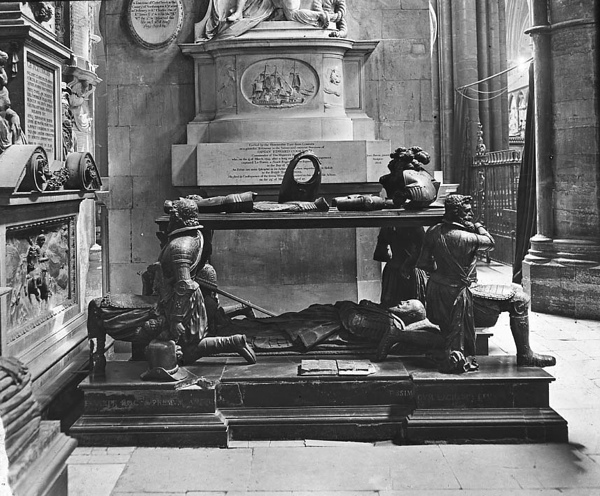
Tomb of Sir Francis Vere, Chapel of St John the Evangelist, Westminster Abbey, c. 1910
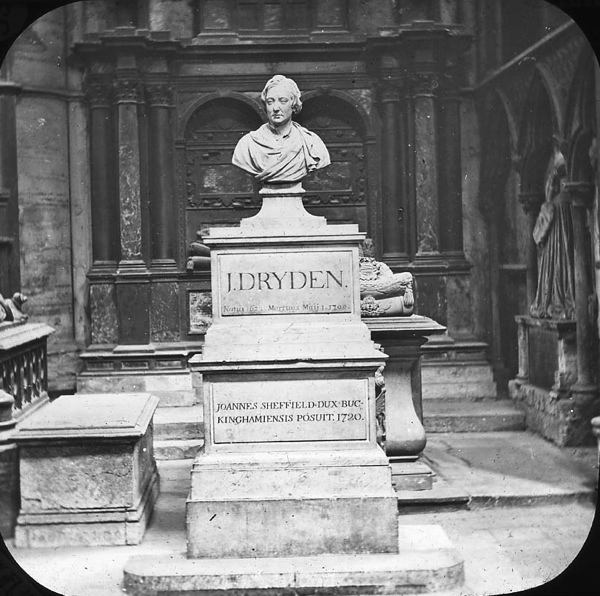
Tomb of John Dryden, Westminster Abbey, c. 1910
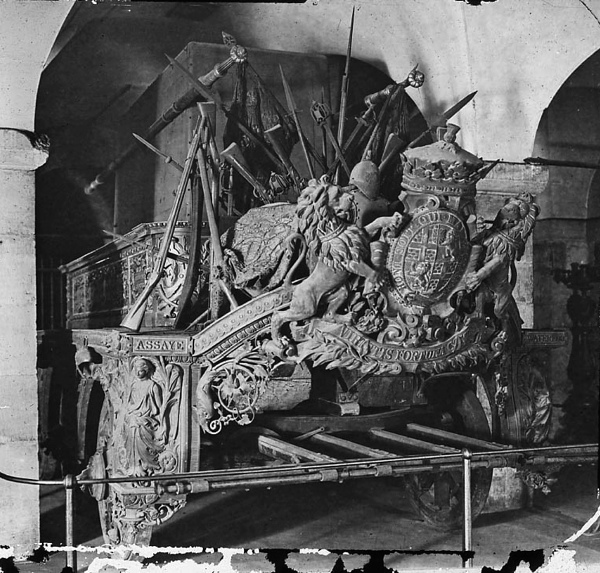
Wellington’s Funeral Carriage, St Paul’s Cathedral,c. 1910
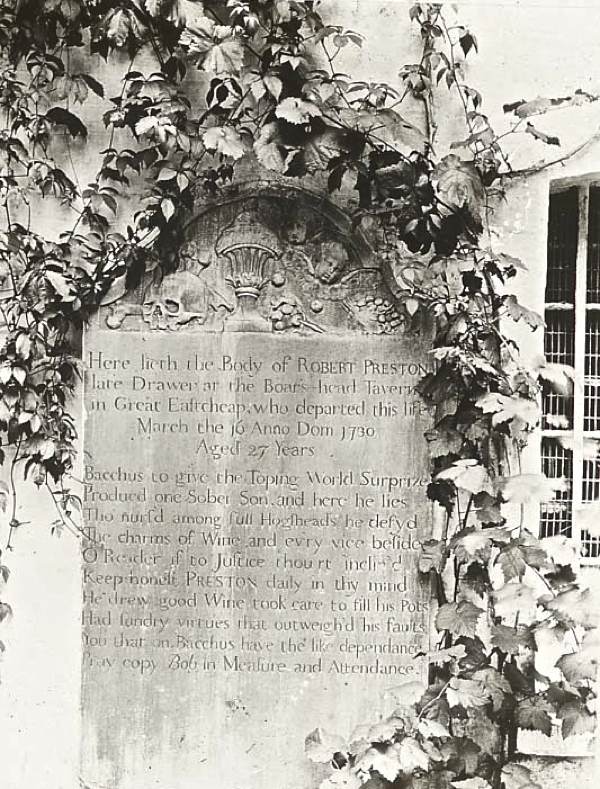
Robert Preston’s grave stone, St Magnus, c. 1910

Tomb of Henry VII, Westminster Abbey, c. 1910
Glass slides courtesy Bishopsgate Institute
You may also like to take a look at












I find old tombs fascinating, although occasionally get ‘spooked’ and feel the need to quickly get back outside into sunshine, but had no idea Laurence Sterne was first laid to rest at St George’s Hanover Sq. I grew up in Chelsea, so recognise pics of Chelsea Old Church and of course the statue of Thomas More above. However, I now live in the North East and have visited the lovely village of Coxwold many times, including Shandy Hall which was the home of Laurence Sterne, and looked after by Curator Patrick Wildgust. I don’t recall however ever learning of any connection to William Wilberforce, although I did once know a cheeky little ditty about him and Slaves. The Old Grammar School at Coxwold is a lovely building, but now a private residence and Grade II listed. I have also explored both the Church and the churchyard etc. There are some wonderful Almshouses in Coxwold too, and The Fauconberg pub there does a great lunch!
My, William Wilberforce had long, long legs.
So very long!
When I went to work in the City back in 1984 I remember there being tombs in a little square off Fenchurch Street. It also had some benches, on sunny days people from the offices would sit with sandwiches. You’d also see work colleagues using the tombs as picnic tables which I found a bit disrespectful!
Perhaps this may amuse you:
Decades ago, when commuting to my college via the bus, I ran into an old high school acquaintance. She recalled wandering into the art room. She found me industriously bent over a sheet of manila paper, charcoal in hand.
“What are you doing, Bill?” she asked.
Looking up, I replied, “Designing my tomb!”
We laughed. I told her I remembered that exchange. I used to have a very good memory.
As I recall, I placed my effigy on a massive chevron, supported by three kneeling mourners. Butch fellows, large shoulders.
Nothing ever came of the design.
I still love tombs. So lovely. Loved visiting the Abbey. A real fun fest!