
Phillip Lucas, Collector
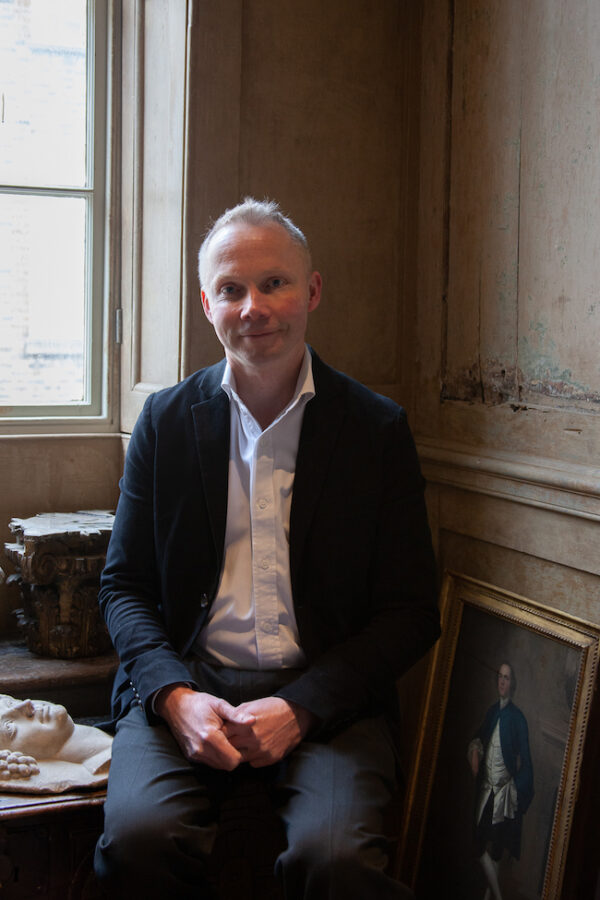
‘I think I have a pronounced hunter-gatherer instinct’
portrait by Lucinda Douglas Menzies
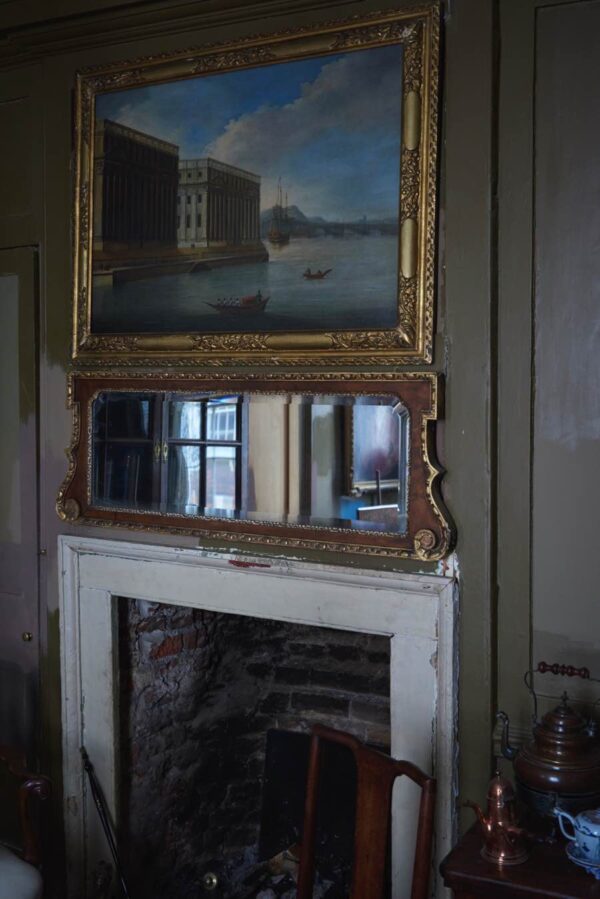
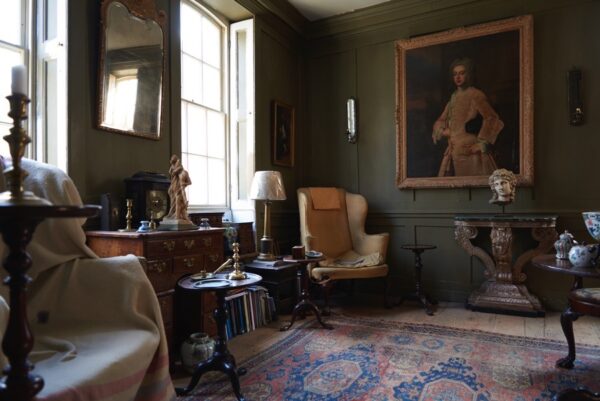
When I visited Phillip Lucas in his 1725 house in Spitalfields that he has been renovating for more than a decade, we sat on two threadbare wing chairs, conversing over a sea of objects and piles of books which filled the room. In its profusion, the scene rivalled the opening sequence of Citizen Kane. Imagine my incredulity when Phillip confessed that he had just sent off most of the contents of his house to the sale room, testing my imagination to conceive how it had been before.
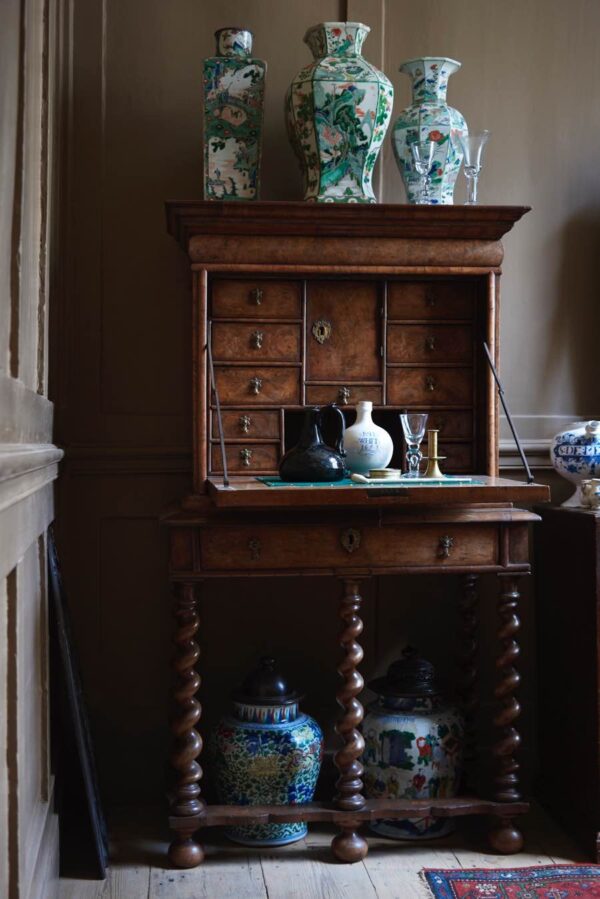
By profession, Phillip is a barrister but in his soul he is a collector. He bought his house to hold his collection of 1680-1730 furniture which he put in store ten years ago while he repaired the building, only to fill it from floor to ceiling with a whole new collection. I was quite overwhelmed when I considered that as well as the three hundred items Phillip sent for auction, he had enough the fill the house all over again in storage on top of what he already has in the house, which seemed more than sufficiently furnished to me.
Such is the true nature of a consummate collector like Phillip, who credibly rationalised his situation to me as an opportunity to edit and select his favourite items. While the afternoon flew away, I nodded my head in a mixture of sympathy, wonder and bewilderment as Phillip explained how it all came about.
“The first consciousness I had of the eighteenth century was through a school trip to 1 Royal Crescent in Bath and Wookey Hole Caves. The caves made no impression on me whatsoever but the drawing room at the Royal Crescent made a big impact and I bought a postcard of it which I still have.
I spent my teenage years going to antique fairs, buying eighteenth century tea caddies, and fell in with some antique dealers in Winchester. My parents were concerned that this might have an adverse effect. I spent my time hanging onto the coattails of these dealers, trying to sell them things and going around with them when they were buying.
At the age of five I had decided I wanted to be a lawyer and I could not be deflected from it, but the antique dealing side did not arise until the age of twelve. I realised then that the Law would have to take priority.
Around the age of sixteen, I grew very concerned about old buildings and I had a book of derelict houses in Scotland. So I spent a couple of summers going round these places, studying them and despairing for their future. Then I spent a summer visiting derelict buildings in Wales. It is disheartening to see what has happened to some of those places now. At this time, the idea crystallised that I what wanted to do was to save a Georgian house, restore it and formulate a collection as an experience for me, both to gather it and also live in those surroundings.
When I went to university, I had a modest grant which I spent on eighteenth century furniture and a blue sherpa van. While other students were going clubbing, I was driving to Shepton Mallet Fair and standing in the rain at five in the morning, buying and selling from the back of my van – at the same time as studying for a Law degree.
When I moved to London, I had a bedsit in Shepherds Bush and I started going to the big auctions and the antique shops. I was escorted around some of the most glamorous shops because I think they thought I was going to steal something. I must have looked about twelve even though I was in my early twenties.
I was seeing better quality objects in the London sale rooms. I ran out of space in my bedsit and the van became an overshoot for storage. I had a Georgian pianoforte in my bedsit at one point that took up most of the room. At Christies, South Kensington, I had a choice of either a painting by Wright of Derby or a portrait by Arthur Devis. So that was quite an exciting time.
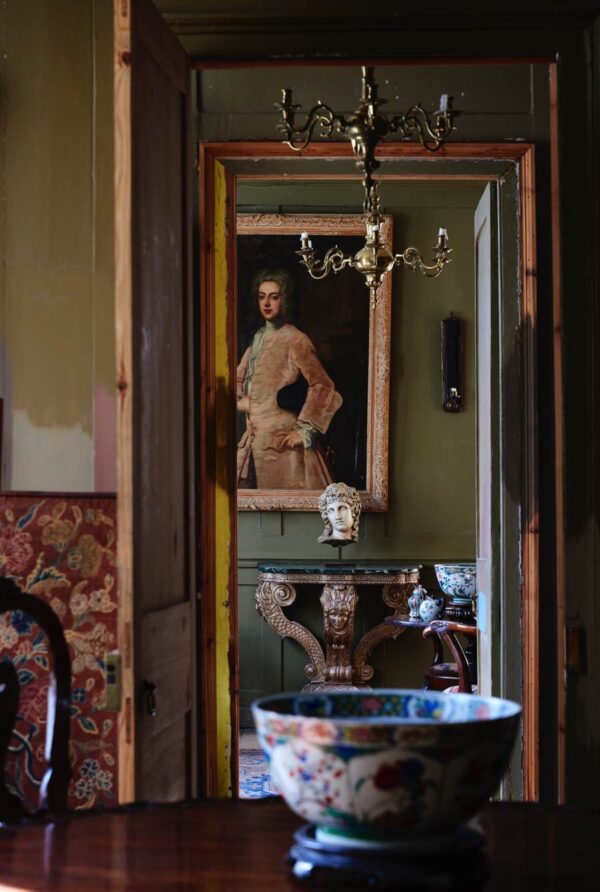
My collecting started in the eighties with Neo-Classicism, inspired by the postcard of 1 Royal Crescent. I began with late eighteenth century tea caddies and I progressed to the early nineteenth century and Regency, which was very hot in the eighties. Then I discovered oak furniture and jumped back to early oak before moving through mahogany to walnut, where I settled. My current speciality is furniture between 1680 and 1730, the golden age of walnut. But I am still buying Regency things because I cannot resist them. I have had a recent revelation with Renaissance bronzes and I also collect early Georgian portraiture, particularly conversation pieces.
I am especially interested in domestic items that tell a story about an individual. I love personal inscriptions and things that might not have been intended to survive. Dennis Severs House is an inspiration to me and David Milne, the curator, introduced me to English Delft -which was an expensive day.
My collection pulls me in different directions and I can unexpectedly discover a new area t any point. For years I have been trying to understand early bronzes but you generally look at them behind glass in poorly-lit museum cabinets. I always wondered what all the fuss was about and it was only when I stumbled across two early bronzes recently that I could handle them and look at properly. It was a light bulb moment and now I am reading as many books as I can on the subject.
I think I have a pronounced hunter-gatherer instinct. As well as enjoying these objects themselves, understanding and handling them, I love the excitement of the chase and a new discovery. A lot of it is the thrill of finding things. That is enough. It does not matter to me, if after a while, I sell them on.”
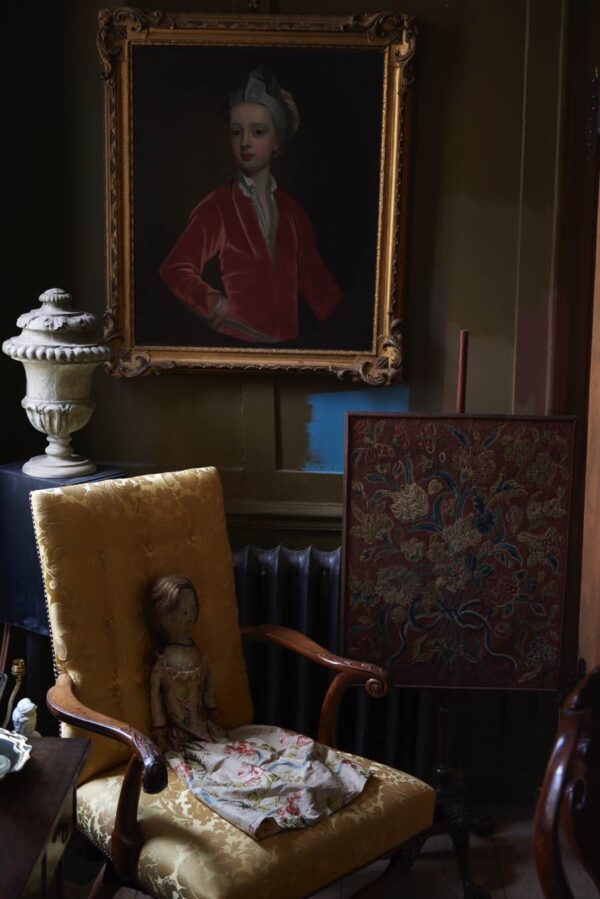
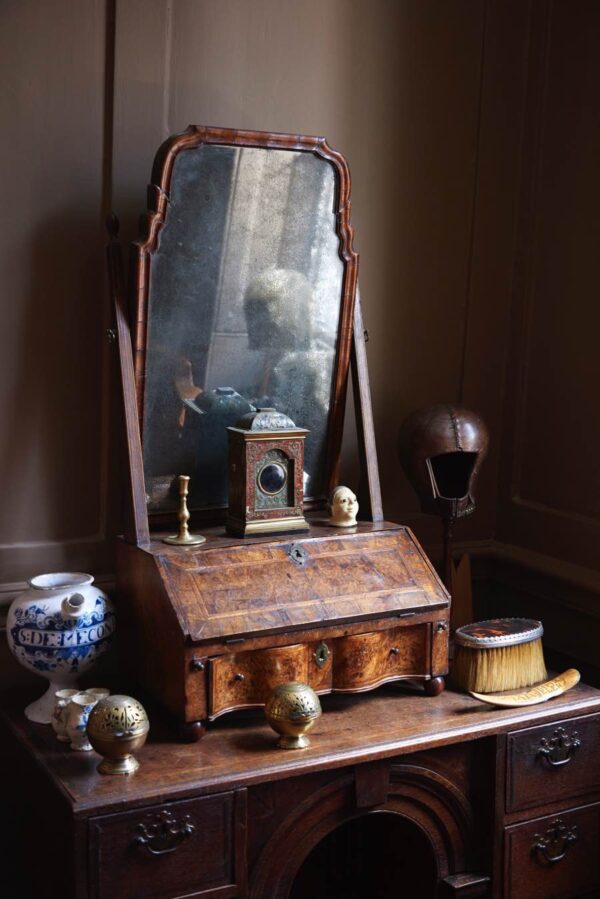
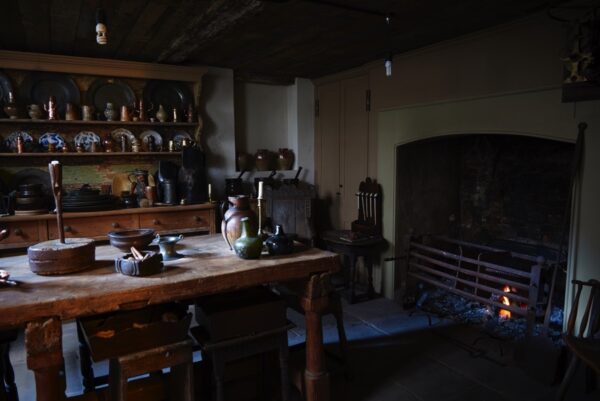
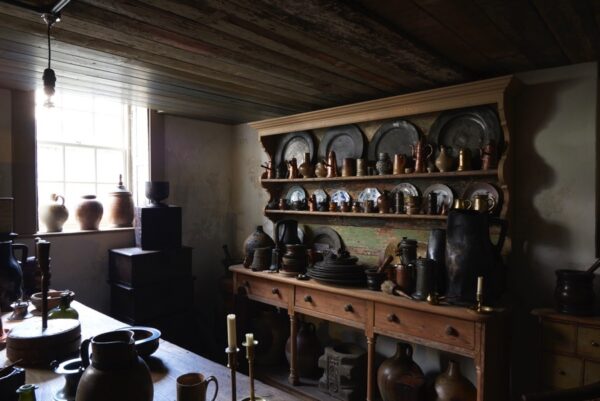
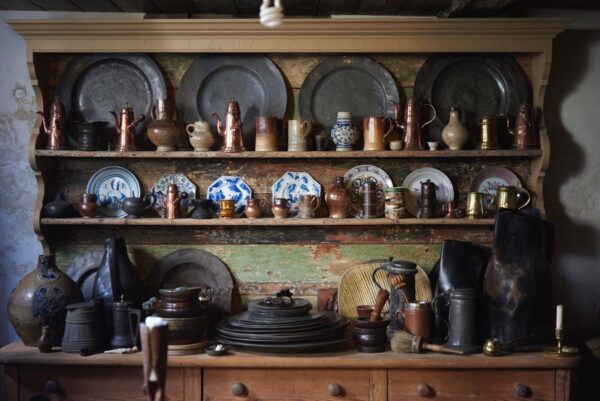
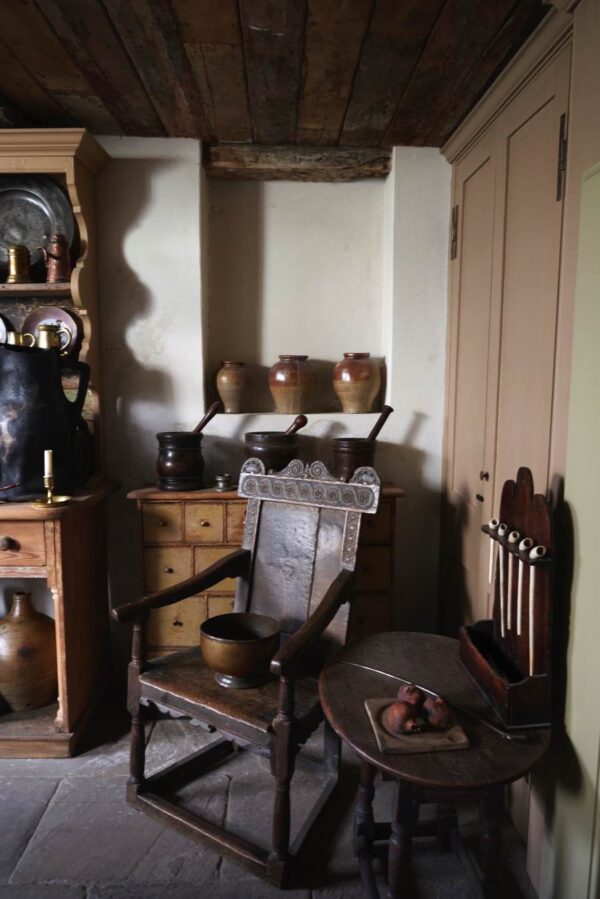
Interior photographs copyright © Charlie Hopkinson
You may also like to take a look at











How fascinating! I love beautiful things but have no desire to own them. How interesting to read about how Philip has been avidly collecting since a young age. I have a vivid image of his former bedsit filled with antique treasures.
Wow!
Phillip Lucas is a very likeable nerd, and I can really relate to him. What the 18th century did to him, the 1950s did to me. When I came to Kassel to study product design, I began to take an interest in post-war modernism. The city had been destroyed and was therefore rebuilt in many places in the style of the 1950s. — Back in 1982, you could find glassware, ceramics and furniture from that era at bargain prices at the flea markets. Today, these items are simply priceless.
Unfortunately, I don’t have enough space to display my collection. Much of it is in storage. Nevertheless, I live in my surroundings, which are a mix of IKEA and mid-century modern.
Love & Peace
ACHIM
So few photographs! Alas! Oh, why didn’t I become a lawyer! Perhaps I too would have had a life thoroughly strewn with such treasure!
Is this man planning a book? Does he have a website?
I love it all! The house and the late 17th C and early 18thC contents display the delicious freedom of the English Barocque at its best ,which becomes lost in the tightness and deliberation later in the 18 th century and early 19 th century
We are very lucky to live in a similar period house in Bury St Edmunds with bolection mouldings everywhere and barley sugar staircase newels . And with
oak and walnut furniture.
It has been a joy Philip to share your house . Thank you
Thank god for people like him!!
How gorgeous!