
At Sutton House
This Sunday 10th May, you can visit Sutton House as part of Hackney History Festival. There is a whole day of lectures on subjects of local interest including a talk by Tessa Hunkin about Hackney Mosaic Project at 4pm. Click here for all tickets
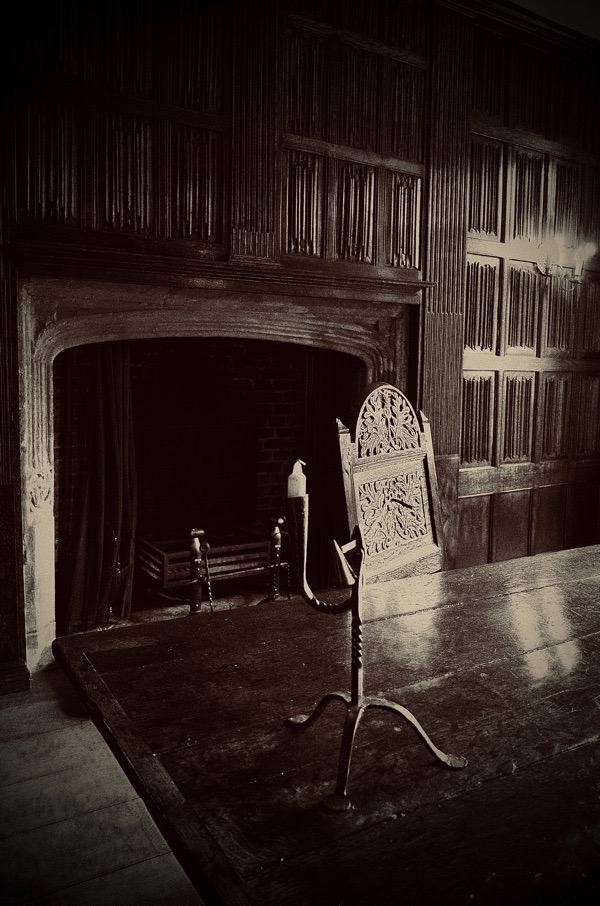
I love to visit dark old houses on bright sunny days. There is something delicious about stepping from the light of the day into the dark of the interior, almost as if the transition from one zone to another was that of time travel, from the present into another era.
I wonder if this notion is a residue of my childhood, when my parents took me on holiday trips to visit stately homes, so that now I associate these charismatically crumbling old piles of architecture with bright English afternoons.
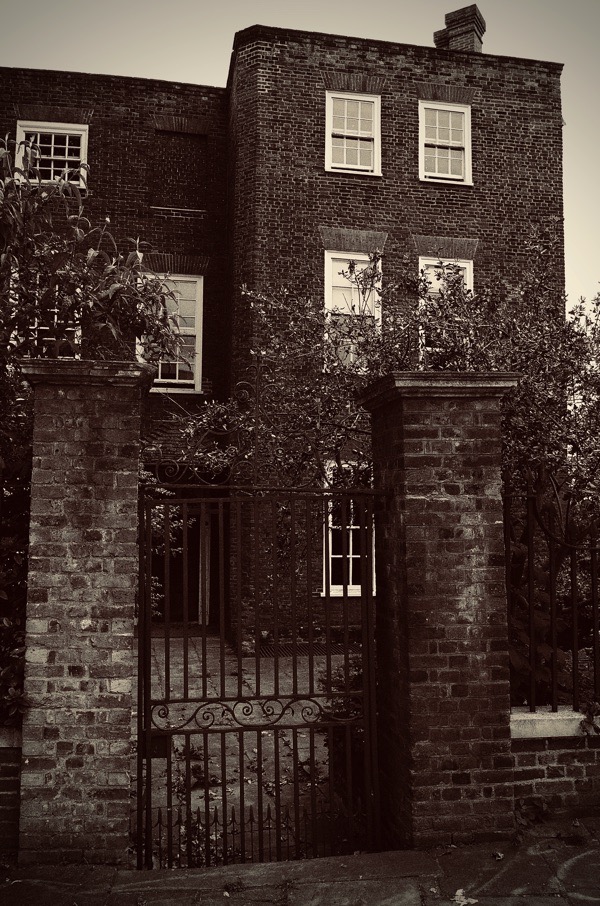
Such were my feelings when visiting Sutton House, the oldest house in the East End, recently. It made me think of the country mansions of city burghers that once filled Spitalfields before the streets were laid out and the terraces built up.
Built between 1534-5 by Ralph Sadleir, an associate of Thomas Cromwell, Sutton House employed oak beams from the royal forest of Enfield given to Cromwell by Henry VIII. In 1550, Sadleir sold his house to John Machell who became Sheriff Of London, acquiring wealth as a City merchant. Overreaching himself in debt, the house was repossessed by Sir James Deane, a money-lender.
By 1627, it was in the ownership of Captain John Milward, a silk merchant and member of the East India Company, who furnished it with oriental carpets and commissioned elaborate strapwork murals upon the staircase that survive in fragments to this day.
Sarah Freeman leased the house in 1657 for a girls’ school which ran for nearly a century until it was divided into two dwellings in the mid-eighteenth century, Ivy House and Milford House. Only at the end of the nineteenth century were the two halves reunited when Canon Evelyn Gardner created St John’s Institute as a recreational club for ‘men of all classes.’ Within ten years the building was condemned as unsafe, but thanks to a public appeal which raised £3000 it was extensively renovated with additions in the Arts & Crafts style.
After the Institute left, a failed attempt was made to buy Sutton House for the nation before the National Trust stepped in to save it in 1938. For decades, rooms were let as offices to voluntary organisations until squatters occupied the house in the eighties. Then developers were prevented from converting it into luxury flats by a successful local campaign to Save Sutton House which eventually opened to the public in 1991.
Thus history passed through Sutton House like a whirlwind yet, despite all the changes, the atmosphere of past ages still lingers, especially in the shadowy panelled rooms that enfold the overwhelming mystery of numberless untold stories.
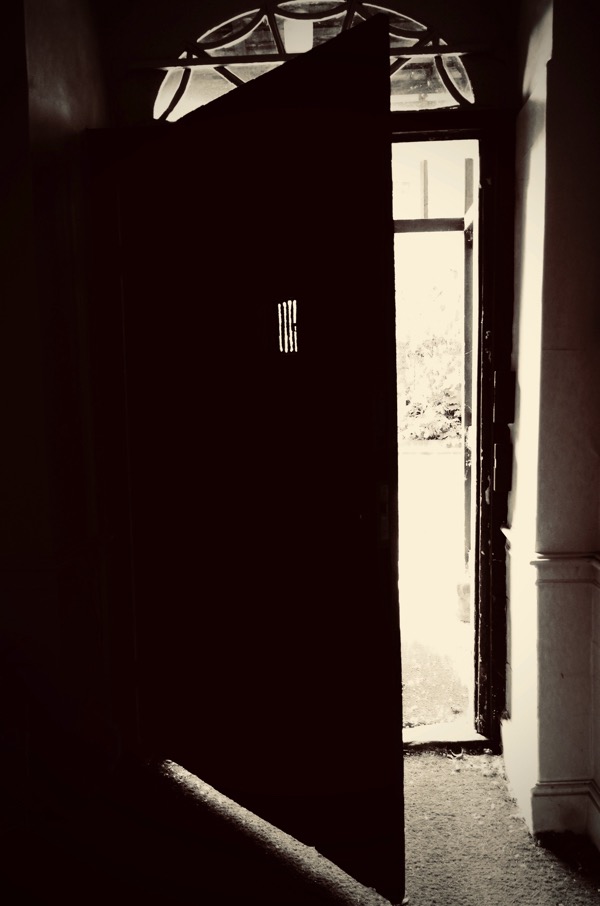
Tudor door and Georgian fanlight
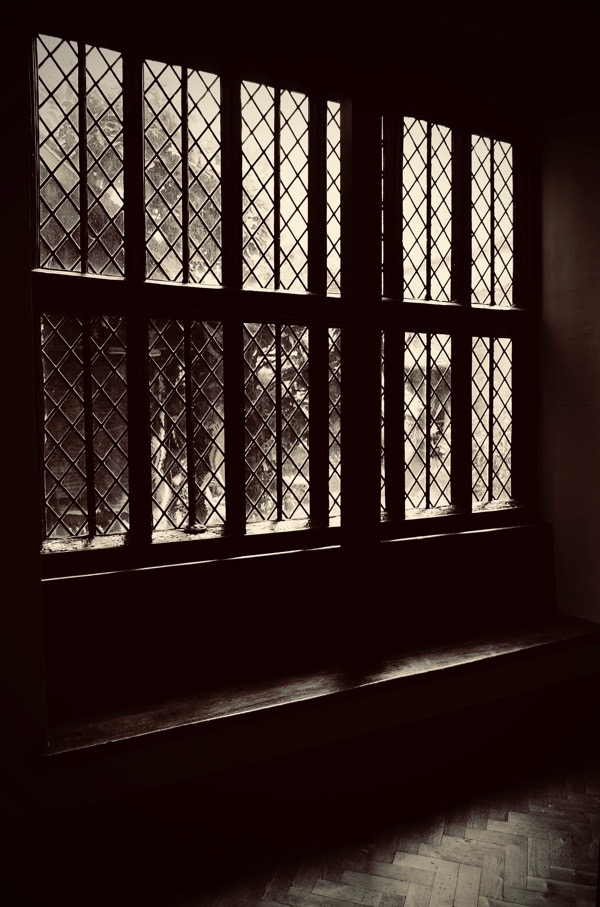
Original transom window dating from the Tudor era
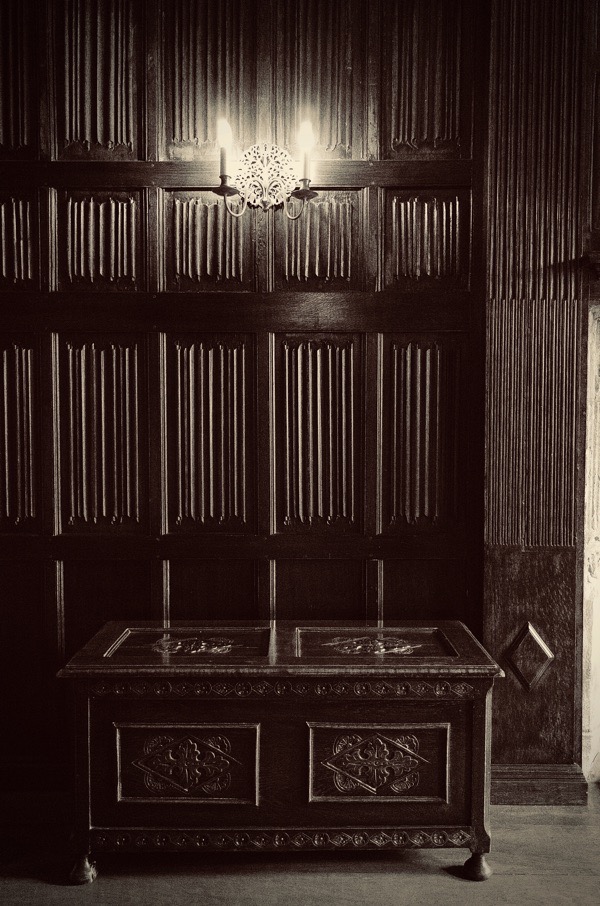
In the Linenfold Parlour
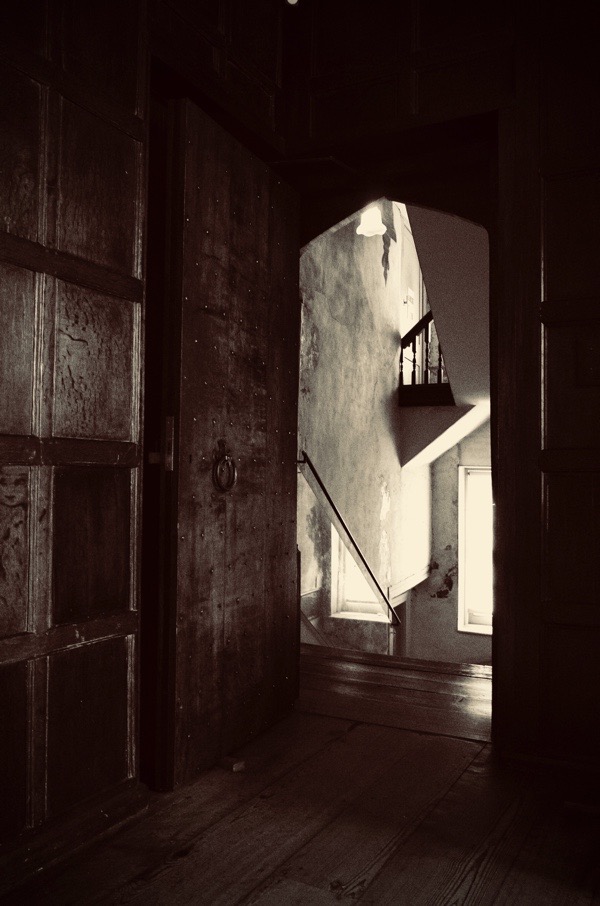
Looking downstairs from the Great Chamber
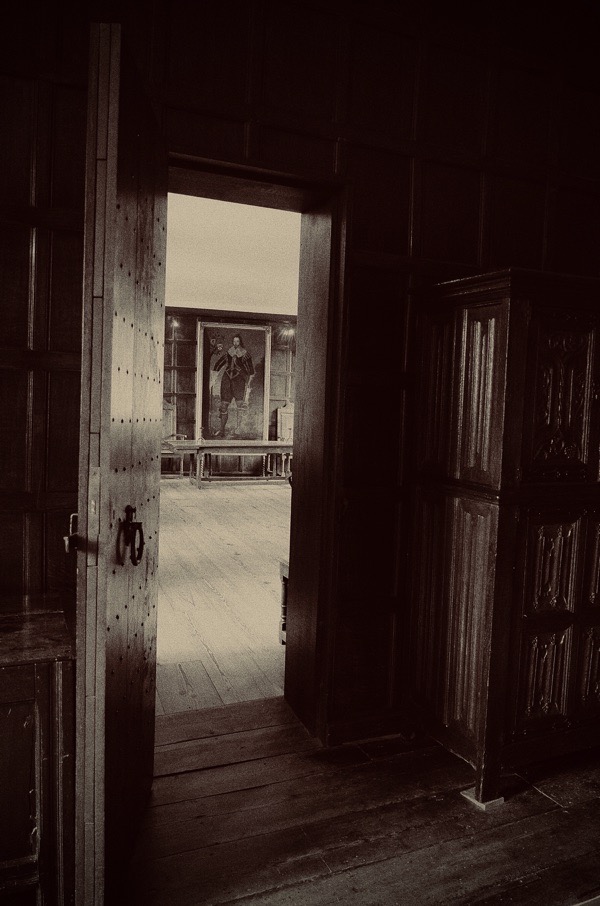
Looking from the Little Chamber into the Great Chamber
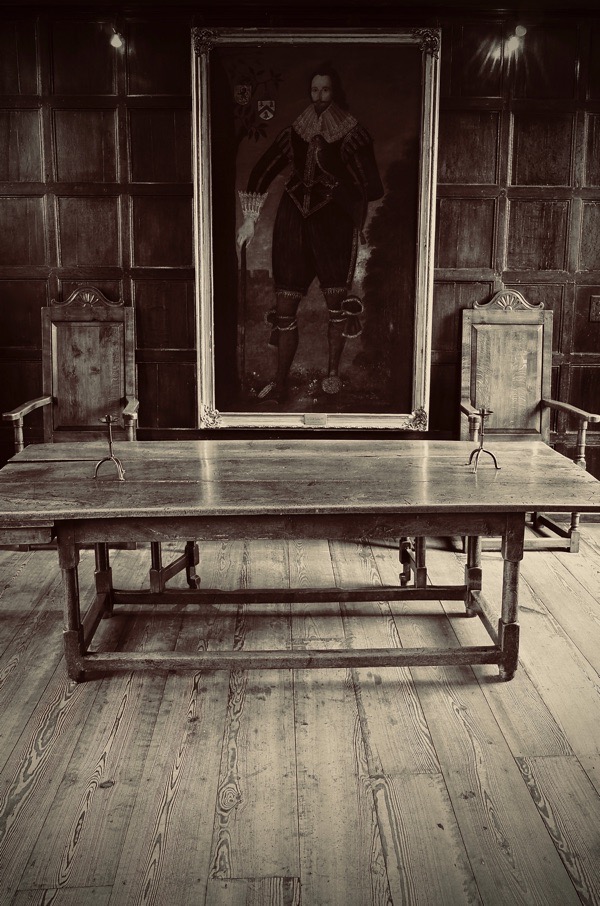
The Great Chamber
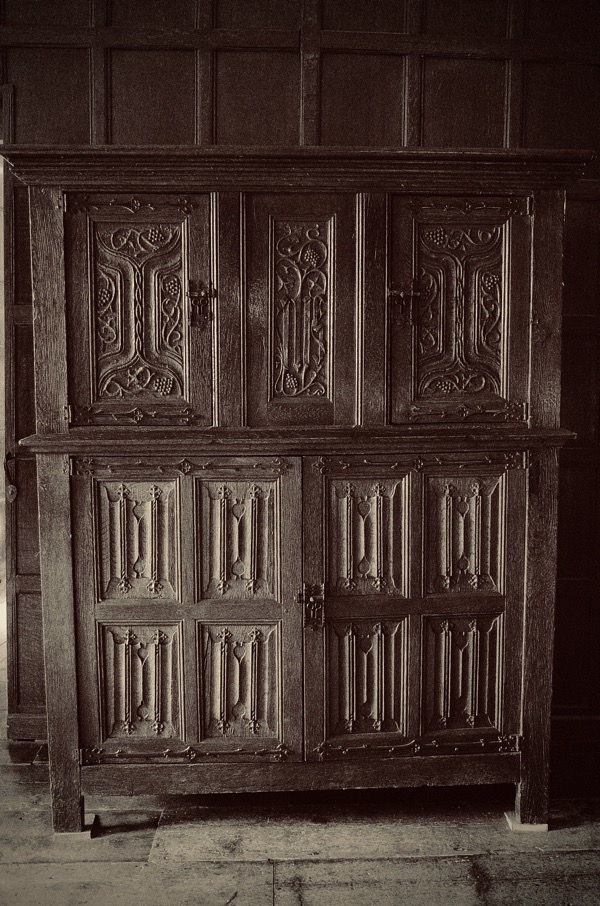
Cabinet in the Little Chamber
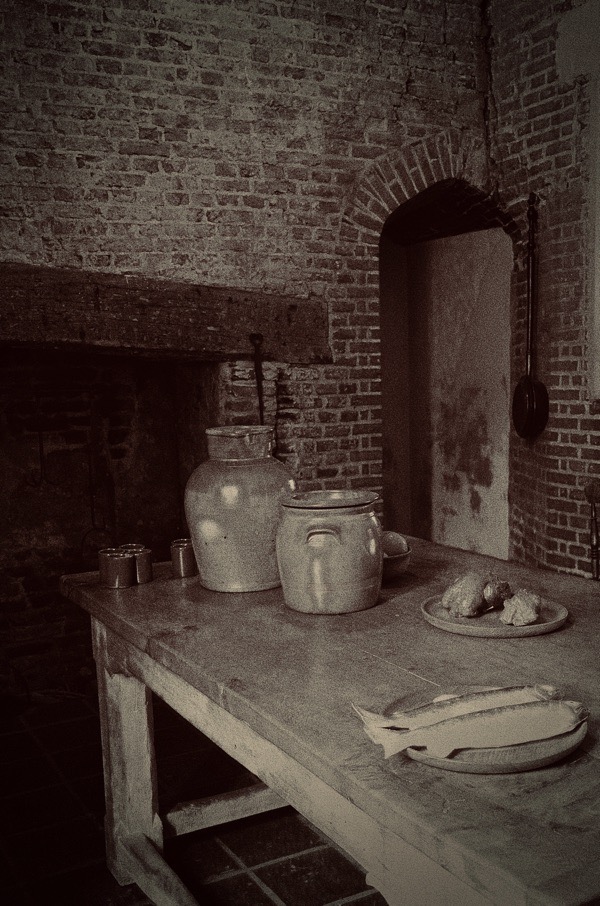
Tudor kitchen
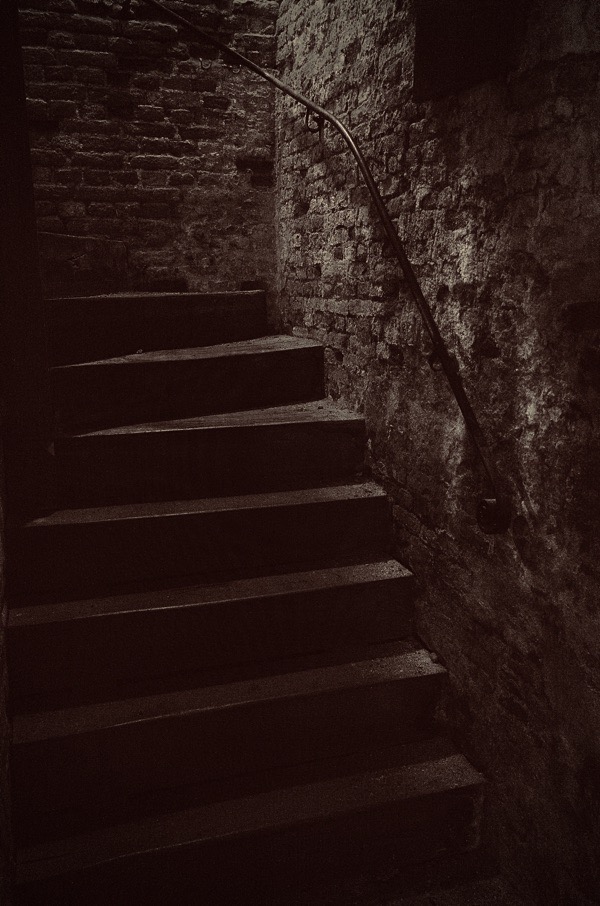
Cellar stairs
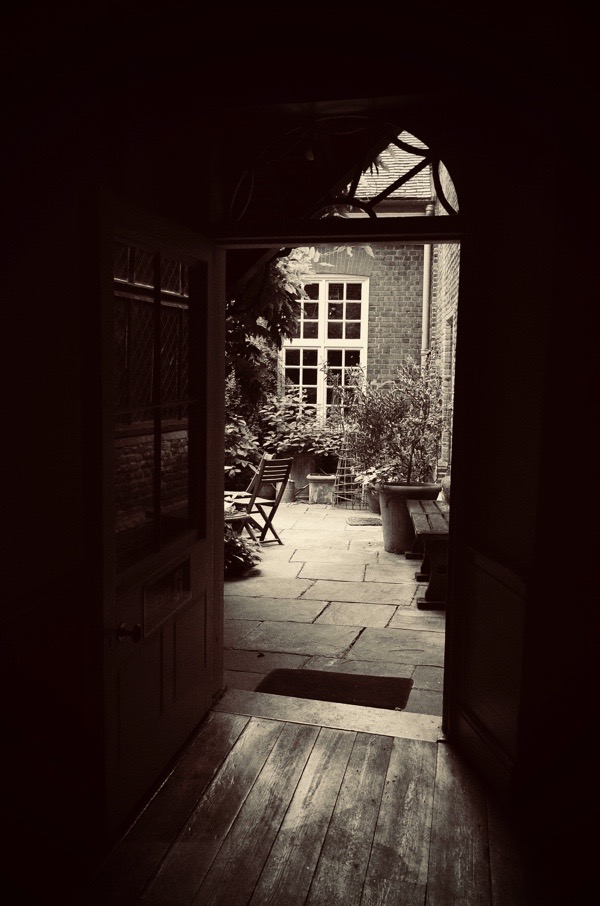
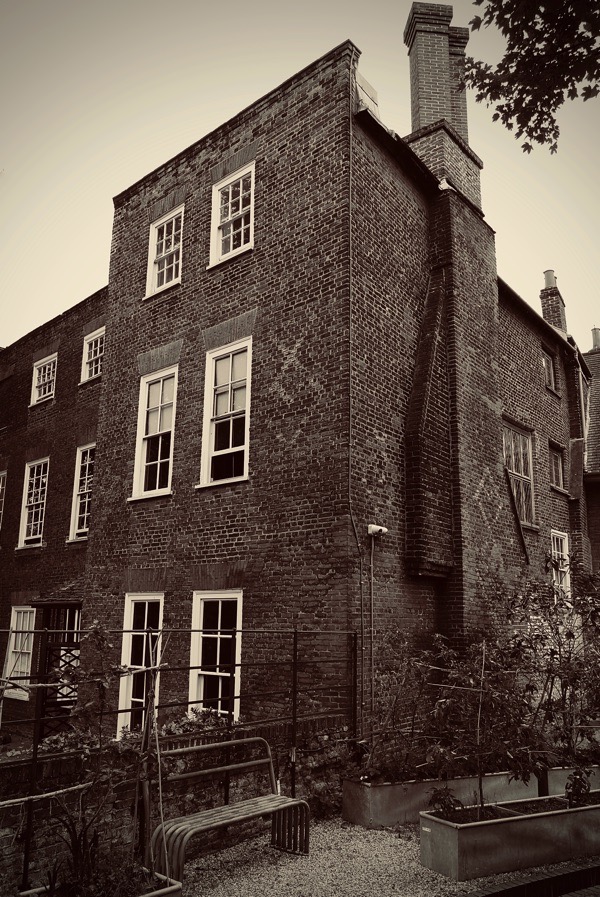
Looking through the courtyard
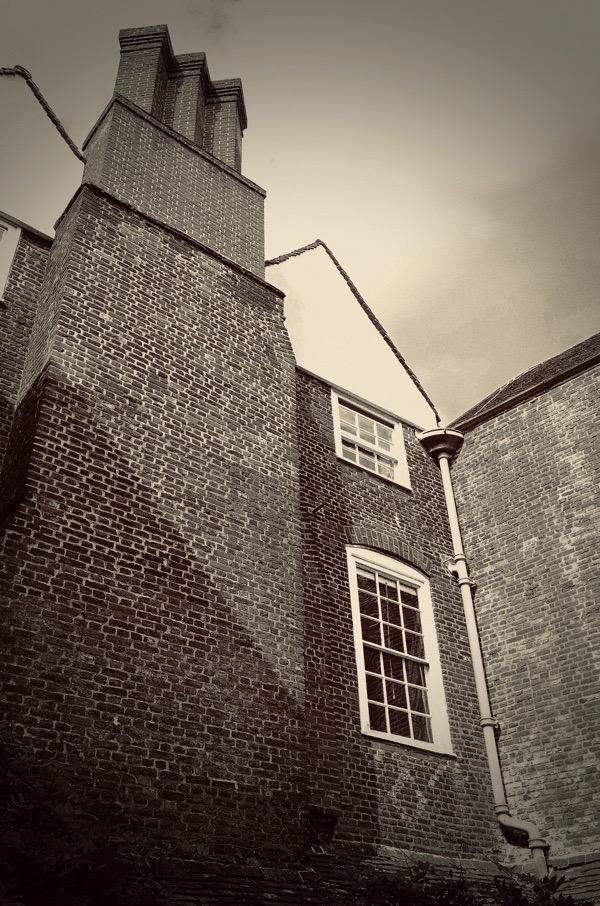
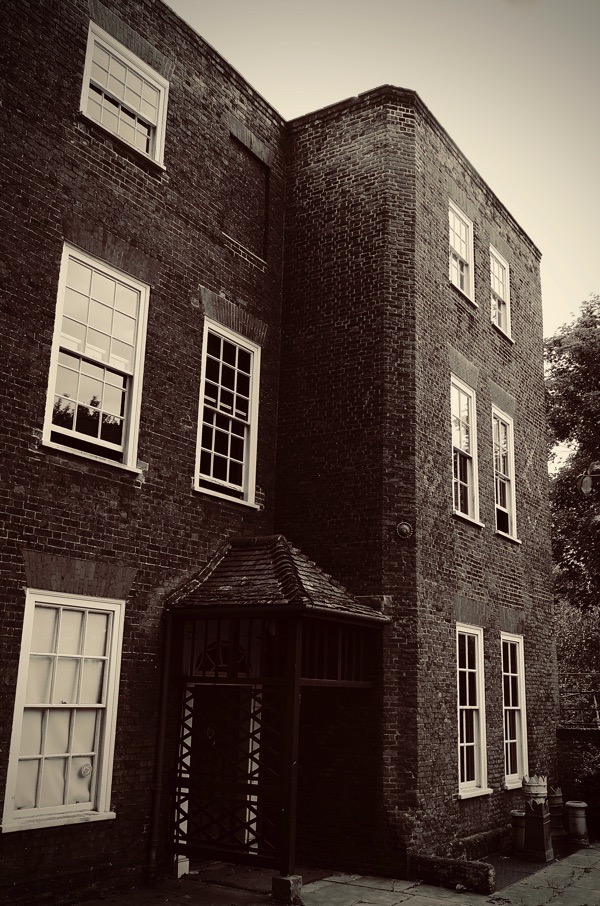
Looking up from the courtyard
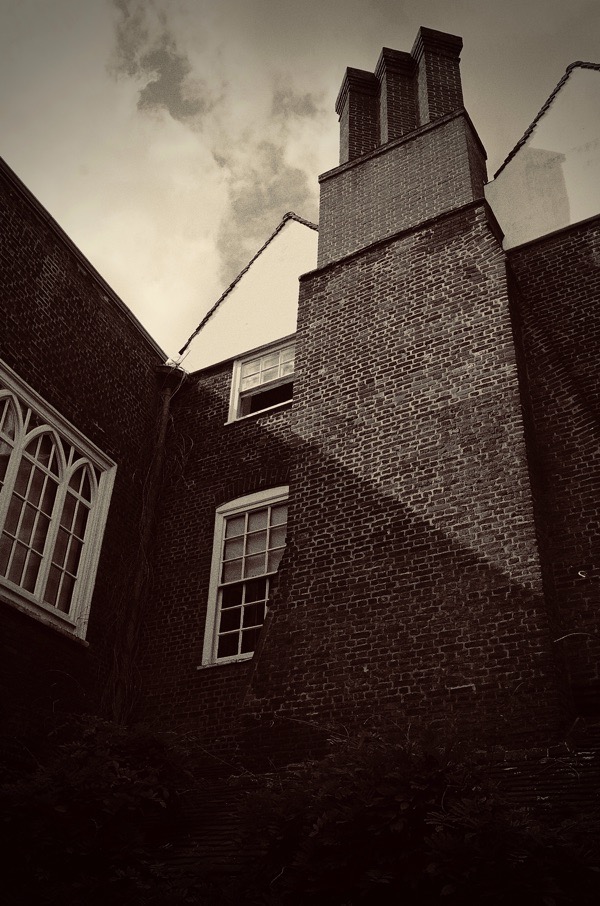
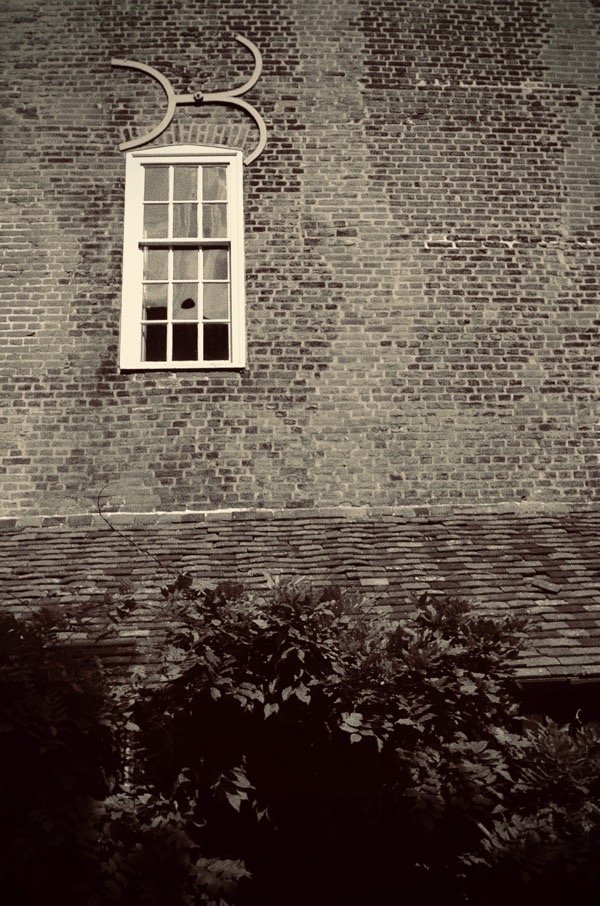
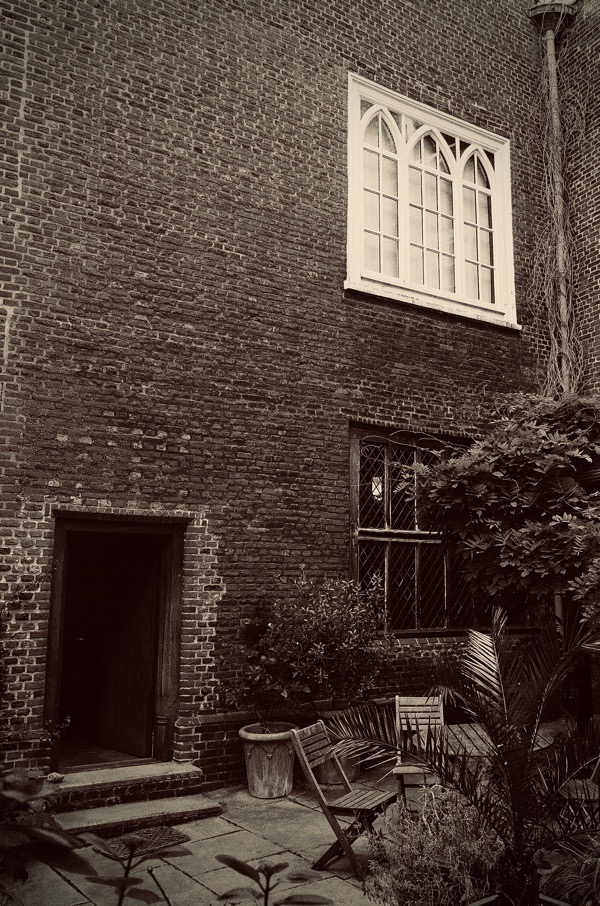
Known as the ‘Armada Window,’ this is the oldest window in the East End
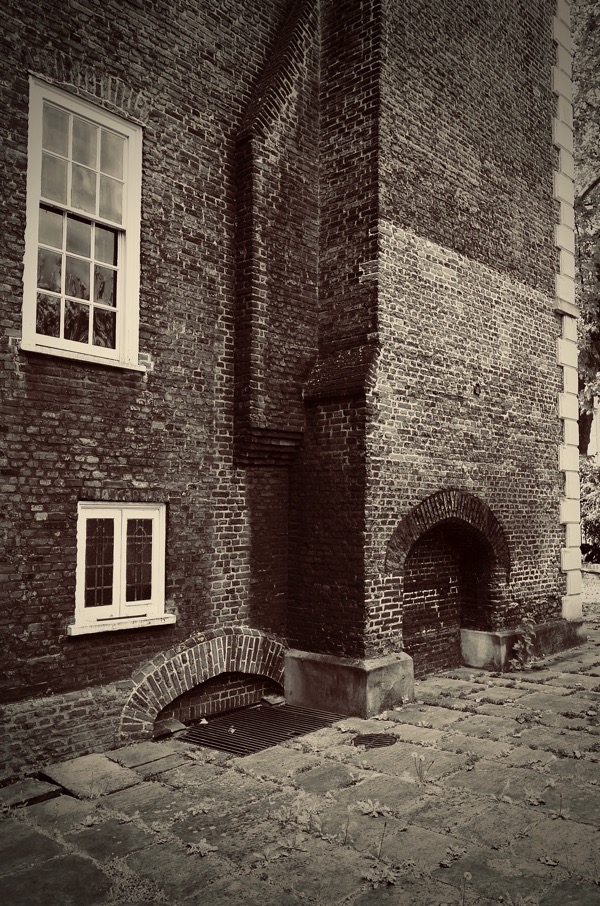
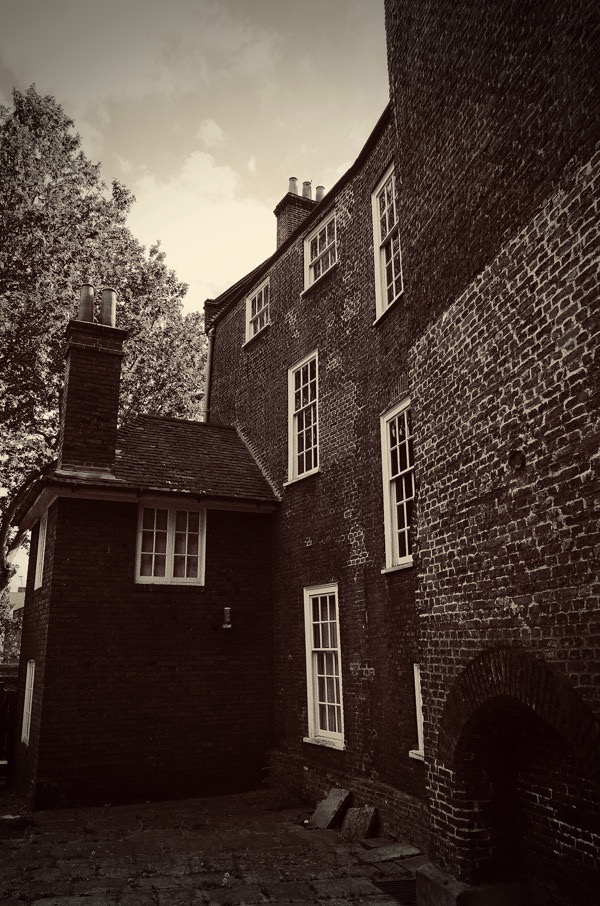
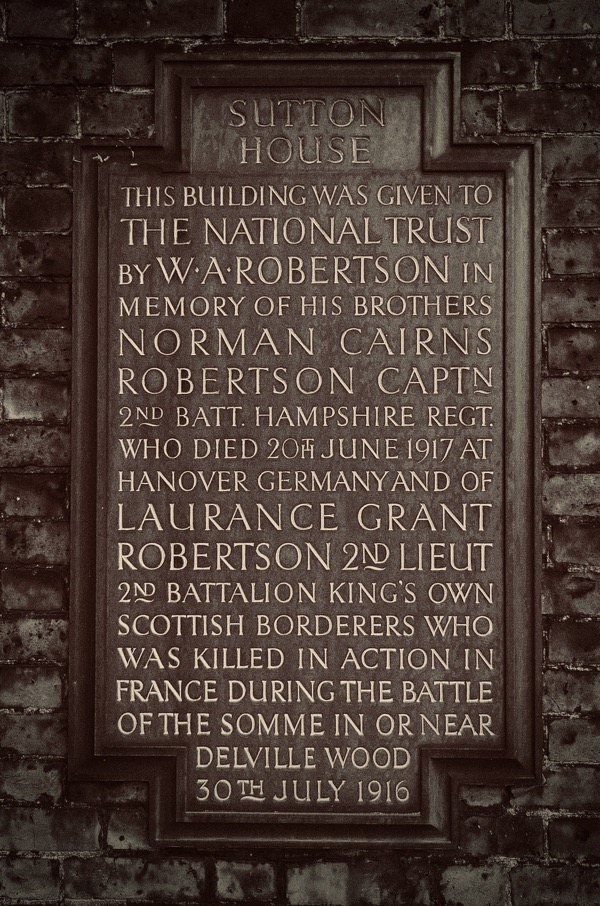
Sutton House can be visited as part of a guided tour. Tickets go on sale every Friday for tours on the following Wednesday, Friday & Sunday.
You may also like to read about













We lived around the corner in Mehetabel Rd in the 80s when there were squatters in Sutton House. And then it was saved as you said. Mehetabel and Isabella roads were named after the daughters of the builder who constructed the houses here below the railway viaduct.
I returned to Sutton House only recently and experienced exactly as you describe. They also do very good tea and cakes.
Superb pictures of a most beautiful and unexpected house that has survived since 1535. Hilary Mantel visited the house and was allowed to see the cellars. The bricks were made on site,and she remarked on seeing a dogs paw print on a newly made brick..a poignant visual link that takes us direct to a sunny day when the house was being built. In her incomparable trilogy Ralph Sadler plays a major role in Cromwell service. It’s her take on that story,but the commitment ,loyalty – and love that could exist between a man and his master are beautifully evoked.
I remember being told once, that the period of greatest danger for a building is when it is between 80 and 120 years old. Once it reaches that age, it is generally felt to be worth preserving.
Poor Sutton House on the other hand, seems to have come under attack regularly, throughout its long life! I am grateful that it has always been saved. It is a fine building.
I am assuming that the Armada window is the lower of the two in the photograph?