
Alie Touw’s Life In Britain
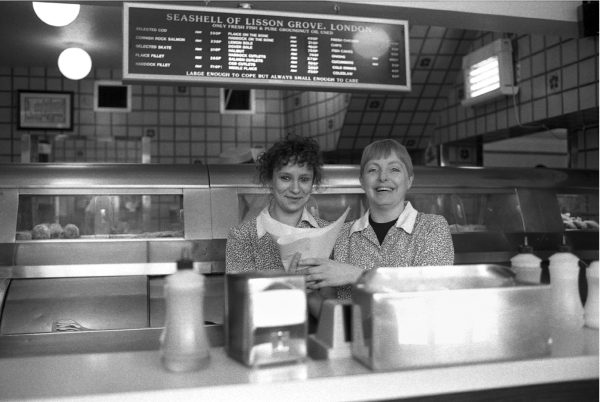
Click here to support publication of Sarah Ainslie’s WOMEN AT WORK

Centenarian Alie Touw has lived in this country for over half a century and made Spitalfields her home in recent decades. Yet if circumstances had been different, or if Alie had followed her father’s advice, she never would have left Holland at all – as she confessed to me. ”Please don’t go to England,’ my father said, ‘The people there, they look down on small countries.'”
The story of the Dutch in London is rarely told but just a few minutes walk east from Alie’s home is a street once known as ‘Dutch Tenterground,’ with reference to the community of diamond cutters and cigar makers who came here from the Netherlands in the sixteenth century. And just a hundred yards west from Alie’s home, a Dutch Church has stood in Austin Friars in the City of London since 1550. Today Alie is one of the longest serving of its congregation. It was this church that brought Alie to her current home, when Alie’s husband became caretaker there in the eighties
Such is Alie’s moral stature and seniority within the Dutch community in London, whenever a new ambassador is appointed from the Netherlands, I am told it is an accepted protocol that they invite Alie to dinner at the embassy.
At one hundred years old, Alie remains in robust spirits and reassures me when – in order to arrange a photographer to take her portrait – I enquire of her future plans. ‘Don’t worry,’ she jokes, ‘I am not going to die.’ Mystified by her longevity, Alie is regretful that she has outlived all her siblings, her husband and her eldest son.
Yet she is fascinated and engaged with the lives of the young women who visit as carers, permitting her to live independently. Most are immigrants who are overqualified but accept menial work as a necessary sacrifice towards building a new life in Britain. Alie appreciates their fortitude because theirs is a struggle that she understands keenly.
“I came over from Holland with my husband and two sons in 1956.
My brother-in-law had a factor in Arnhem, manufacturing car radiators, which was destroyed in the war. Opposite was a school where the English were treating their wounded, so he went across to talk with the officers who were staying there. ‘What are you missing?’ he asked, ‘Do you need anything?’ They replied, ‘We would love to have a bath,’ so he said, ‘You can come over to my house and have a bath.’ He made friends with the English officers and they said, ‘Why don’t you start again in England?’ He left in 1947. He took some of his employees and started up his business again in the Midlands and he did very well.
When he came back to visit us after a couple of years, he said, ‘You’re still struggling.’ If you lose everything, it takes so long to recover. If you have children, they always come first. I could sleep on the floor but I wanted a bed for my child. I had lost my sewing machine which I used to make all the clothes for my family. He said, ‘Why don’t you come to England as well?’ He talked us into it.
My husband was a chocolatier and came to London to look for a job and, eventually, he found one at a factory in Finsbury Park. In Holland, there was no chocolate and he had been working in a bakery. We were still struggling in 1956, so we left for England with our two little boys. My younger son had been born in July 1945.
England had suffered as well, but they had more than we had. We shared a house with the manager of the chocolate factory and his wife, they lived downstairs and we lived upstairs. While we were there my sons went to the local school. I said, ‘If you make a friend, you can always bring him home.’ My younger son brought home a black boy who was his friend. The wife of the factory manager saw him come into the house. I thought it was normal, I never taught my children that you could not do that – all are welcome. He was a nice boy and I went to meet his mother who lived alone, supporting herself with her sewing machine.
A couple of days later, I had a knock at my door and the manager’s wife said, ‘Your son brought a black boy here.’ I said, ‘Yeah, so what?’ I did not see anything wrong in it. She said, ‘You cannot do that, it brings the whole neighbourhood down.’ Some time later, my husband said, ‘I have to leave.’ He got the sack from the chocolate factory and had to find another job.
He found a job in Winchester and we bought a house because there was nowhere available to rent. The factory belonged to an English woman whose husband was Dutch but after a couple of years they had a row and she said, ‘Out you go, and all the Dutch go too!’ My husband was out of a job again until he found one making chocolate in a big hotel at Marylebone, but then he had to stay in lodgings. I had a third baby by then and he came home on Friday night and left again on Sunday.
My brother-in-law said, ‘This is no good, I am going to look for a shop so you can all be together,’ and he found one with a three bedroom council flat above for us in Redditch, near Birmingham. It was a confectionery shop and we sold sweets, bread and cakes. It was in a run of ten shops and we spent twenty years working there from eight until six, Monday until Saturday. We worked so hard and we did survive, but then my husband had enough of it.
We heard that they were looking for a caretaker for the Dutch Church in the City of London. So my husband said, ‘I’m going to pack in, we’re going to sell this shop.’
We had several bakers working for us and about fifteen reps coming to the shop from different factories, and we had to buy stock and pay for it every month. We always needed the bank to help us out. We did well but the shop did not. Sainsburys opened and some of the other ten shops lost everything. I asked my husband, ‘Tell me exactly what you owe,’ and I sold the shop. I was not going to go and live in London if we still owed money to people in Redditch. We had to pay our debts off and then we could leave – and that was what we did.”


Photographs copyright © Sarah Ainslie
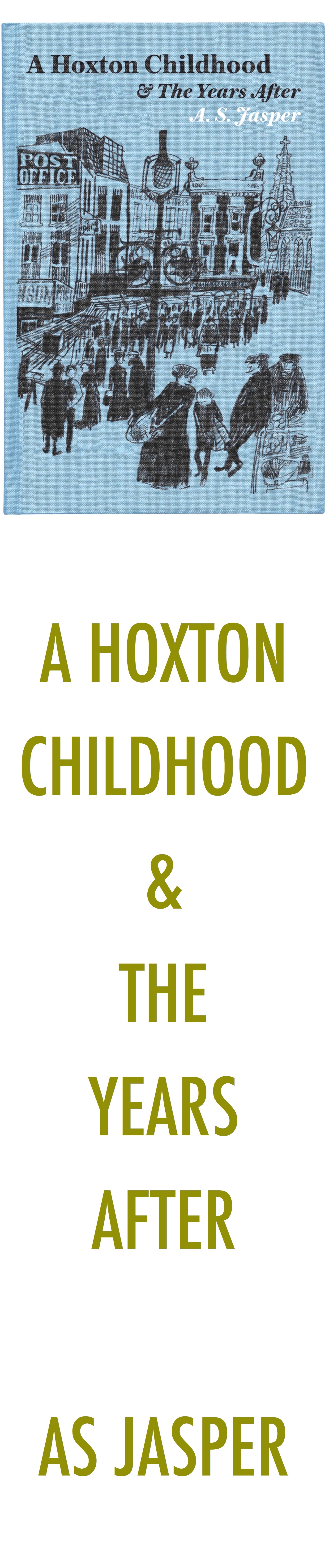
You may also like to read about











A fascinating read. What an interesting life.
A wonderful and inspirational life story. So many lessons contained in it.
Inspiring stuff .. I believe Alie is still alive, and now one of the oldest people of Britain at 107. It would be lovely to have another episode, bringing her remarkable story right up to date.
All the best for a brave woman
Would be fascinating to hear about her and her family‘s life when they moved to London
As someone who lives in the Netherlands but loves London very much, this is a great story to read! Thanks for that! I didn’t know the Dutch Church excisted in London, and that there was a Dutch community. And Alie, nice to see such an optimistic person with an interesting, partly difficult life. Greetings,Roel van der List
What a tough life this amazing lady has had, yet continues to remain positive and smiling, with strong morals. One never really knows what struggles other people go through, ourselves included at times. Kindness goes a long way, so please, always try to be kind.