
My Night Out With The Bunny Girls
Today is the day the Bunny Girls have their annual reunion and I publish my account of joining them at the Grapes in Limehouse. To my astonishment, I find myself a guest of honour at this year’s reunion which is at the Hippodrome, Leicester Sq, and you may expect a further report next week.

One Sunday night, I attended the most glamorous party of my life. It was a Bunny Girls & Playboy Models’ reunion hosted by ex-Bunny Barbara Haigh, esteemed landlady of The Grapes in Limehouse. Never have I encountered more voluptuous charismatic ladies per square metre than were crammed joyfully together in the tiny bar-rooms of this historic riverside pub that night. With Sarah Ainslie, Spitalfields Life contributing photographer, as my chaperone, I was thrilled to join this exuberant sisterhood of more than a hundred garrulous alpha females for a knees-up. Squeezing my way through the curvy bodies – fine specimens of their sex who have all got what it takes to succeed in life – I arrived on the river frontage where waves were crashing theatrically over the verandah as if, in reenactment of Botticelli’s Venus, each of these goddesses had just emerged triumphant from the Thames’ spray to delight the souls of mere mortals like myself.
The first Aphrodite to catch my eye was cheeky Bunny Sandie (pictured above), the seventh Bunny to join the newly opened Playboy Club in Park Lane in 1966, who is more formally known these days as Lady Sandra Bates. Within seconds of our introduction, Sandie gleefully revealed she had bedded Sean Connery, Frank Sinatra, Warren Beatty and Telly Savalas, emphasising that her most important conquest was Sir Charles Clore, owner of Selfridges and Mappin & Webb. “I was living in a house in Mayfair at the time, but the owner put it up for sale and wanted to throw me out, so I told Charles and he bought it for me!” she declared with a glittering smile, rolling her chestnut eyes, batting her eyelashes and clutching her hands in girlish pleasure. “You should see my art collection!” she proposed recklessly now that her husband Sir Charles is no more, as we shared a glass of wine on the verandah and the setting sun lit up the clouds, turning the river livid pink.
It was a remarkable overture to an unforgettable evening, because these girls all know how to party. Bunnies had flown in from all over the world, Tasmania, Las Vegas, the Bahamas, Egypt and as far away as Australia to celebrate the glory days of the British Playboy Club that ran from 1966 until 1980. As Marilyn Cole (the first full frontal nude in the history of Playboy in 1972) put it so elegantly in her speech of welcome, “When people ask ‘Where did you go to school?’ I say, ‘Fuck that, I went to the University of Playboy! You learn much more about life.’” An astute comment that drew roars of approval from the assembled Bunnies.
Marilyn, resplendent in a quilted leather miniskirt and thigh length high-heeled boots, ushered me over to meet her famously reclusive husband Victor Lownes, who opened the London Playboy Club. Formerly in charge of all Playboy’s gaming operations, Victor Lownes is a bon-viveur who was once Britain’s highest paid executive, counted Francis Bacon and Roman Polanski as friends and reputedly had five girls a day, sometimes two at once. He looked at me benignly from under a mop of white hair across the chasm of our different experiences of life. “Do you miss it?” I enquired tentatively, and Victor rolled his twinkly eyes in good-humoured irony. “What do you think? I am eighty-two years old!” he replied with dignified restraint.
There was a giddy atmosphere in the Grapes that night and so I chose to embrace the spirit of the occasion and mingle with as many Bunnies as possible. “I was a young girl from a very religious strict background in Birmingham who ran away from home.”admitted Bobbie, one of first black Bunnies, who worked at the Playboy Club from 1975-80, “I was shopping one day and I went along to ‘a cattle drive’ and out of fifty girls was one of a handful accepted to be a Bunny. I had four wonderful years that totally changed my life. It was a terrific experience. I have run my own business for the past twenty years and the things I learnt at Playboy set me on the road to be able to do that.”
“There was only one rule,’Don’t touch the Bunnies!’”explained Bunny Erica, raising a finger of authority,“Membership of the Playboy Club came with a key, which members handed in when they arrived and collected when they left. If somebody went too far the management took away their key. So the men always behaved respectfully. You were never forced to do anything. It’s made to seem cheap now – but we wore two pair of tights, our costumes were fitted and stiffened with whalebone, we even put toilet rolls down the front as padding – it was an illusion. We were supposed to share tips, but I put mine down my costume and when I took it off all the banknotes would fall out. The money was fabulous. Playboy gave us the most amazing part of our lives. It gave us freedom. It gave us a love of humanity. It enlightened us.”
“I was the very first UK Bunny to be hired in 1966,” declared Bunny Alexis, still glowing with pride over forty years later, “I was a dancer at the Talk of the Town in Leicester Sq on £12 a week, but at Playboy I earned £200. I was already married with a child and on the strength of my two years as a Bunny I was able to buy our first house in Wood Green. It was the hardest work, eight hours a day on five-inch heels with just one half hour break. But it was good fun and we met all the most amazing people. 1966 was a very good year!”
People often ask what happened to the nineteen sixties, yet here the evidence was all around me. It was a buzz to be in a room full of such self-confident women who knew who they were and were supremely comfortable with it too, women with their wits about them, who counted brains amongst other natural assets when it came to interactions with the opposite sex. Women who knew how to make the best of the situation they found themselves in at the Playboy Club – unashamedly constructed as an arena of male fantasy yet, paradoxically, as all these women testify thirty years on, provided opportunities for them to take control of their lives.
Undoubtably there were those that, as Bunny Serena put it succinctly, “screwed their way to the top,” but equally there were many who, as Bunny Lara confirmed, found it, “An empowering experience. They sent us on management training courses, and I learnt how to handle people and manage staff. All of which has come in useful ever since in everything I have done.” She now runs a young offenders’ programme, training staff in conflict management. Many women I spoke with occupy senior management roles in the gaming and entertainment industry today – including one who manages a chain of casinos – in jobs that would have been closed to them previously.
Above all, these were women who were full of life, they had seen so much life and had so many stories to tell, that it was wonderful simply to be amongst them, confirming Bunny Lara’s fond verdict on her experience working at the Playboy Club, “The camaraderie was phenomenal.”

Bunny Cleo, with evidence of her encounter with Sid James at The Playboy Club.

Marilyn Cole, “Whatever else happens in life, good, bad or indifferent, we can always say we had this!”

Bunny Maretta & Bunny friend

Bunny Marisa is now an artist painting in oils.

Bunny Dilys & Bunny friend.

Bunny Alexis, ex-Windmill Girl was the very first UK Bunny to be recruited in 1966.

Bunny Serena & Bunny Jane.

Bunny Bobbie

Bunny Brenda, Bunny Nancy & Bunny Marion

Victor Lownes, “What is a playboy? It is someone who is getting more sex than you are.”
Photographs copyright © Sarah Ainslie
You may also like to read about
Tom Fellows, London’s Oldest Cabby
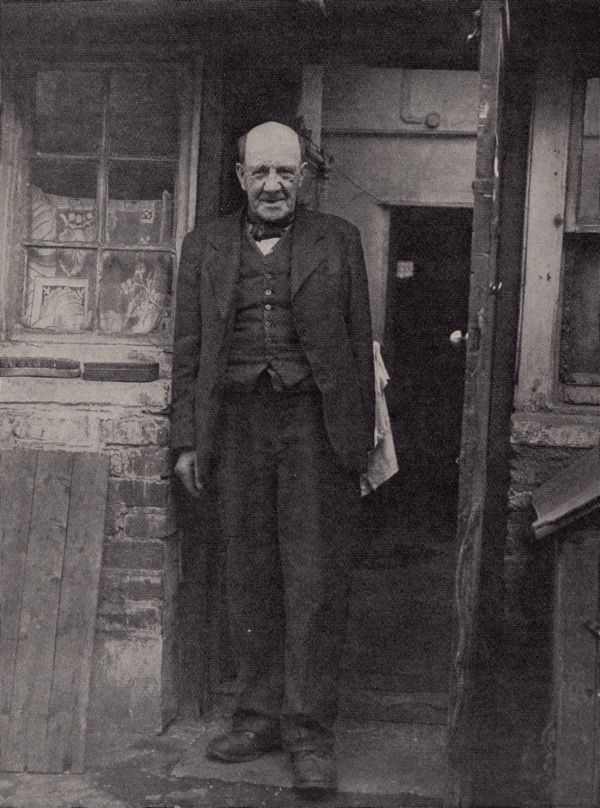
Here is Tom Fellows at eighty-six years old, squinting into the light with a half-smile that betrays a circumspect nature honed by a lifetime driving a cab around London. Tom has seen all that existence has to show and he presents himself to the camera with a diplomatic restraint that could equally be deference or suspicion. Tom is looking out at us and making his own assessment of the situation.
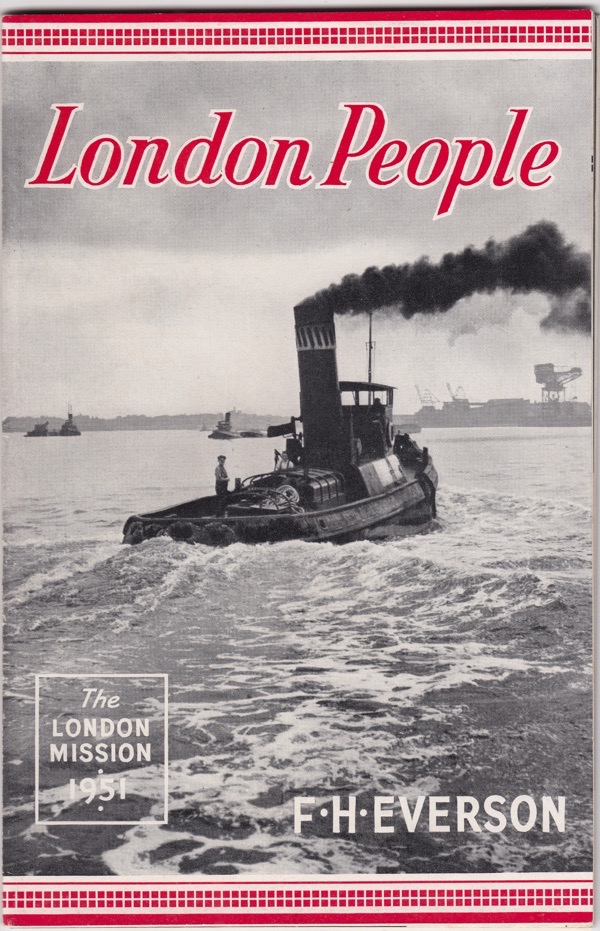
I came upon ‘Old Tom’ in the pages of ‘London People’ by Rev F Howell Everson with photographs by William Whiffin among others, published in 1951 and, although this picture is uncredited, it makes sense that it is by Whiffin, the East End’s pre-eminent photographer of the first half of the twentieth century.
“Hidden away in the vast anonymity of the little streets of the East End there are many interesting characters,” wrote the Rev, making a bold foray beyond his usual stomping ground of New Barnet Methodist Church, “including the oldest surviving horse-cab driver in London.”
Directed to Old Tom’s house near the People’s Palace by a woman with a pram, as being the one with “the little dawg in front,” the Rev knocked but received no response. “Knock ‘ard,” insisted the woman.
“I do so – and presently the door opened and there stood Old Tom who, when I had explained my errand, invited me in. It was, to tell you the truth a rather shabby little dwelling, but when you are eighty-six and living by yourself with only a shaggy dog named Mick as your companion, the niceties of domestic life probably lose their importance,” wrote the Rev, already missing his cosy rectory in New Barnet.
“Tom Fellows took out a flat tin and rolled a cigarette of Royal Tartan Shag which he lit, and I noticed that his hand was steady,” noted the Rev, relieved that the old codger was not half-cut.
“He told me that his father, a navvy, had been a pugilist in the bad old days of the Birmingham Bull Ring, but had come to London before Tom was born” reported the Rev, “As a young man, Tom had ‘taken up with the ‘orses,’ and drove cabs – growlers and hansoms – as long as he could.”
“What do you do with yourself nowadays?” ventured the Rev with an empathetic smile.
“Old Tom looked out of the window at the high brick wall above which a patch of blue sky could just be seen and shook the ash off his cigarette,” observed the Rev, his thoughts turning towards his Sunday sermon.
“There’s not much you can do when you’re my age except wait. Me and Mick, we sort of look after each other, don’t we, Mick?” admitted Old Tom with dignified resignation.
“The canine hearthrug promptly sat up and begged, and looked through that curtain of untidy hair at his old master with eyes of melting innocence,” registered the Rev, recognising the work of the Almighty in the agency of the scruffy mutt.
“‘But there’s one thing, sir, I do like,” said Old Tom, a thought striking him spontaneously, “I like to go round to the Mission in Bow Rd. Been going a long time, I have, ever since a friend who was a publican took me along. The Mission people have been very good to me, and it’s nice when you’re my age to ‘ave a few friends like that.”
The heart of the Rev almost burst with joy at Old Tom’s statement and he knew that this was what he had come to hear.
“Thank God I’ve got the Mission, and old Mick – and me brains!” added Old Tom for good measure,”Yes sir, I’ve always kept me brains and that’s something to be thankful for isn’t it?”
After more than sixty years as a cabby, Old Tom knew instinctively how to find the right words to say to each of his customers – and the Rev J Howell Everson left the East End with his soul gladdened, eager to share this heart-warming experience with the congregation in New Barnet.
You may also like to read about
Jack Corbett, London’s Oldest Fireman
Aaron Biber, London’s Oldest Barber
Some Recent Blogs
One of the delights of teaching courses encouraging others to write blogs is that – without exception – the participants always come up with interesting stories and here are just a few recent examples. The next course HOW TO WRITE A BLOG THAT PEOPLE WILL WANT TO READ will be held in Spitalfields on 7th & 8th November. Email spitalfieldslife@gmail.com to book your place.
A LONDON FAMILY
The Search For My Lost Ancestors
by The Incidental Genealogist
https://alondonfamily.wordpress.com
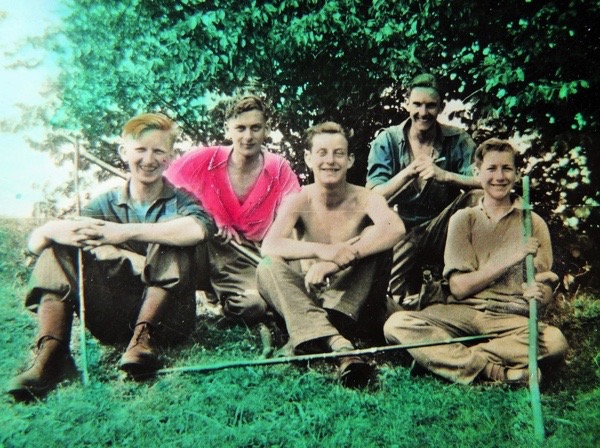
Some years after my father died, my mother came across a handful of old snapshots in a battered leather wallet. One of the pictures fascinated me in particular. It was the only hand-coloured image in the collection and showed five boys under a tree, relaxed and grinning at an unknown photographer with long, pointed sticks in their hands. On the reverse was written in faded blue ink, “Expedition to East Coker Woods, Whit Monday 1944.” It was not difficult to locate my father (on the far right) and my future uncle through marriage behind him.
The boys were teenagers, but their old-fashioned clothes and obvious delight in their holiday outing made them seem much younger. “That must have been taken when Dad was an evacuee,” my mother explained, “He was sent to Somerset. I think his mother’s family originally came from somewhere near there.”
“But wasn’t the place he went to called Yeovil – not East Coker?” I asked.
When I was a child, my father occasionally told me stories about the time he had spent in Somerset during the war. He told me about collecting newts in jam jars, about raiding birds’ nests for eggs and hunting for shrapnel in the lanes. When I grew older, he added other tales to his repertoire – the dances in the village hall, drinking scrumpy straight from the barrel and shooting rabbits. When I asked my father where this village was, all he said was that it was called ‘Yeovil.’ The place sounded exactly the mythic English village of perpetual idyllic summers, where hollyhocks and sunflowers towered high, and children were free to run through woods and fields.
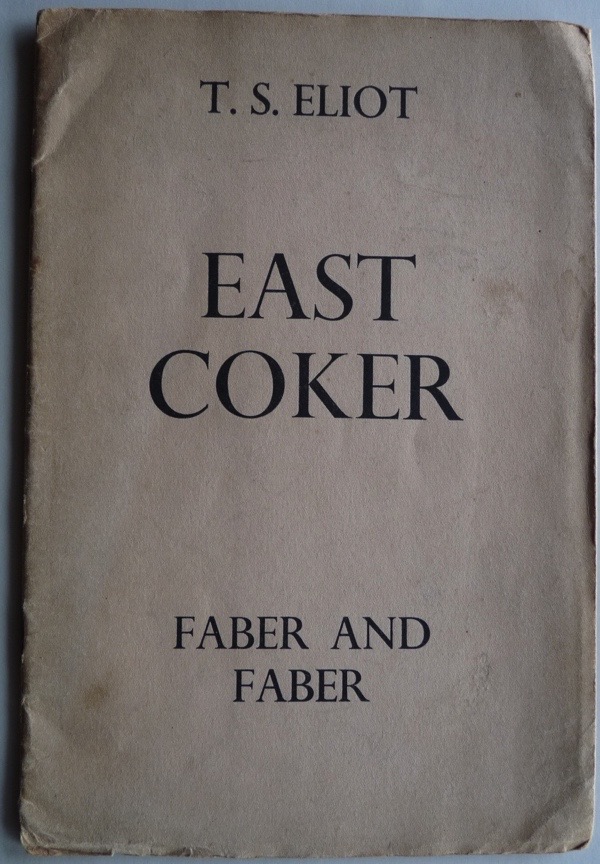
I pulled out an old AA drivers’ map and once I located Yeovil it was easy to find East, West and North Coker. I thought it strange that my father, who loved poetry, had never bothered to tell me about the village and the connection to TS Eliot and his Four Quartets, particularly when I had studied the writer so intensively for my exams.
As we were growing up, my father had given my sister and me an eclectic mix of poetry books and he must have been aware of the connection Eliot had with East Coker. It was as if he had never wanted us to know the exact location of the village which had taken away so much with one hand – his home in London and his coveted scholarship to the posh school in Dulwich – but which had bestowed gifts with the other – love and respect for nature, and an appreciation and understanding of the countryside.
A few weeks later I came across the East Coker Newsletter online, proclaiming that there would be special events to commemorate the anniversary of VE and VJ Day during the second weekend in July, and I knew I had to make the trip.
From Yeovil we caught a bus to East Coker, travelling the same route the evacuees came on September 1st, 1939. Before long, a cast-iron signpost pointed us in the direction of East Coker and the bus veered off down a narrow lane which sunk deeper as we travelled along it. Roots of ancient trees protruded from the sandy soil, while above us their canopy shut out the late afternoon sun. We rounded an unexpected corner and came into the centre of East Coker – a village that looked as if it should not belong in the twenty-first century. Walking across the damp fields at dusk towards the warm light of the pub on that first evening, it was almost possible to imagine that, in this place, the past might still exist in some ghostly form alongside the present.
In the heat of the following day, on a sunken footpath which led from the farm through the woods to the old priory, I lay down, head to the red soil, and heard the drum of distant hooves and the click of midsummer insects. For those few seconds, it felt as if the earth was struggling to gather up momentum to move backwards, to reveal something to me – until the shouts of children in the playing fields broke through the thick afternoon air.
The following day I met the boy who had taken the photograph in the woods on Whitsun Monday over sixty years previously. He was manning one of the stalls at the village hall war exhibition and his table was a jumble of World War II paraphernalia – old ration books, home guard uniforms and pieces of ammunition. One part of his collection was dedicated to the story of the friendship between local children and the evacuees.
And there I saw it – among the letters and diaries and printed memorabilia, was a copy of my own photograph in black and white, mounted in a crude wooden frame. Not trusting myself to speak, I reached into my bag and pulled out my hand-coloured version, and passed it across the table, watching the old man’s face as he struggled to work out the connection.
It was then I learnt about that day out in the woods. A moment of late childhood, hanging high and free above the dark shadow cast by the war, and caught on camera like a dragonfly in ether for future generations to see.

In my beginning is my end, in succession
Houses rise and fall, crumble, are extended
Are removed, destroyed, restored, or in their place
Is an open field, or a factory, or a by-pass
– TS Eliot, East Coker, 1940
A CELEBRATION OF ORDINARINESS
by Liam O’Farrell
http://www.liamofarrell.com/blog/
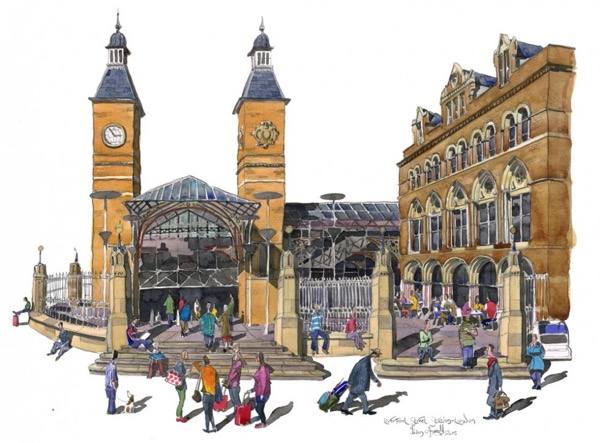
My painting of Liverpool St Station
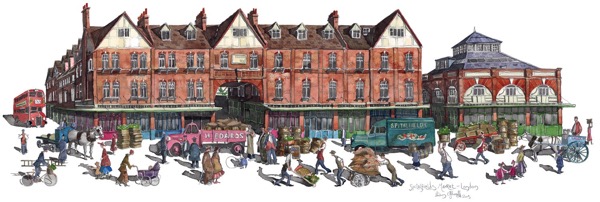
I love painting markets, so when I was commissioned by a couple to paint Spitalfields Market, I jumped at the chance. The clients’ family had worked in the market way back as far as the nineteenth century but they wanted the painting to be set in its heyday in the nineteen-thirties and include an old photo of his family at their market stall.
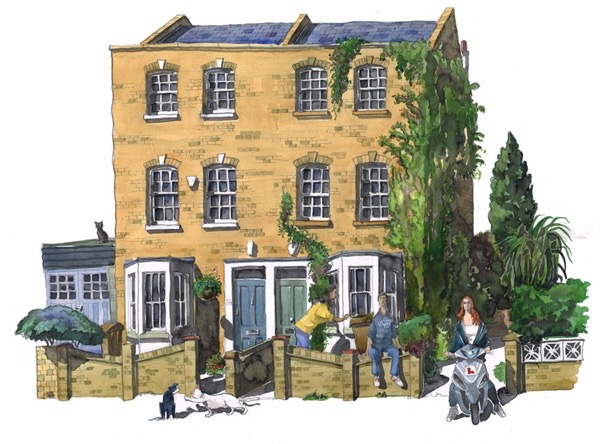
I lived in Hackney for a few years and enjoyed my time there, so I was delighted to revisit the borough to paint one of the typical terraced houses around London Fields. In my time, Hackney was viewed as run down and more than a little bit lawless.
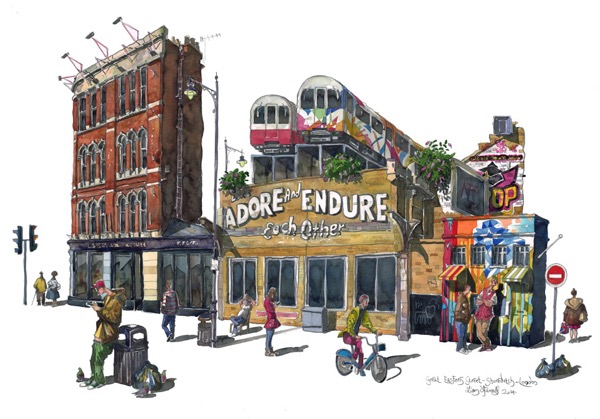 In Great Eastern St
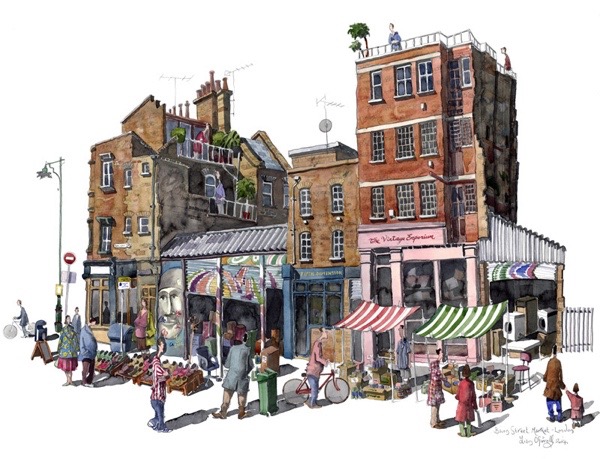
In Bacon St
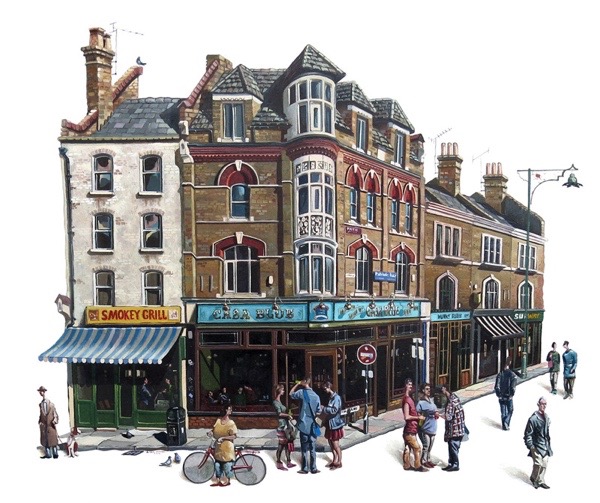
In Brick Lane
Paintings copyright © Liam O’Farrell
SPIDERS IN AUTUMN
by The Bug Woman
Dear Readers, at this time of year a walk through my garden involves pushing through at least one spider’s web strung at head height. I feel bad as the remains float off the breeze like so many silk curtains, but what can I do? The spiders are everywhere.
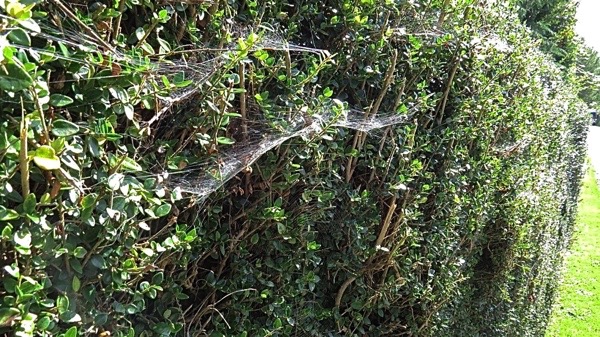
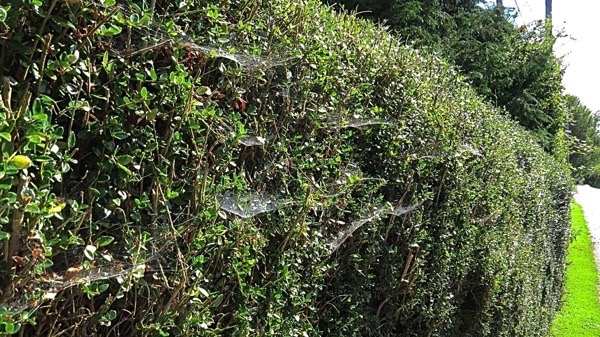
They have been here since spring but they have been tiny. Most European spiders moult their skins five to ten times in their lives, growing larger after each episode, and in these late golden days, we start to notice the creatures for the first time. On a misty October morning, it may feel as if a hedge is more web than foliage.
Webs will vary according to the age and experience of the spider. With practice, you can determine the style of an individual spider. It is too easy to think of small creatures as identical automata but there is great variation in ‘character’ even among animals that we have been taught to consider almost brainless.
Silk is not just for webs, however. Spiders use it in almost every aspect of their lives. Spiderlings use an especially fine kind of silk known as gossamer in order to disperse. Once launched, the little spiders have no control over where they go. They may get eaten by swallows, fall into water or become food for other spiders. Nonetheless, this literal leap into the unknown resembles what many young humans have been doing at this season, as they start school or leave home to go to college.
Spiders’ silk is a form of protein, which is produced within the spiders’ body in the form of strands and exuded by the spinnerets, two glands at the base of the abdomen. Whilst many invertebrates produce silk, it has reached its highest form in the spider and one can produce up to seven kinds of silk.
We often hear that spider silk is as strong as steel, but what is truly remarkable is its toughness. Toughness is the measure of how hard it is to break a filament and silk used for supporting a web is tougher than any man-made substance. Darwin’s Bark Spider produces the toughest silk of all, which has been estimated to be ten times as tough as kevlar. It can build webs with strands of up to twenty-five metres across rivers. I imagine walking into a web like this would be like walking into a cheese wire.
The thing that I love about spiders’ webs is their combination of strength and delicacy, yet they often go unnoticed until a foggy morning reveals that every inch of a box hedge is connected with a lace-like lattice of silk, as beautiful and tattered as Miss Haversham’s wedding dress.
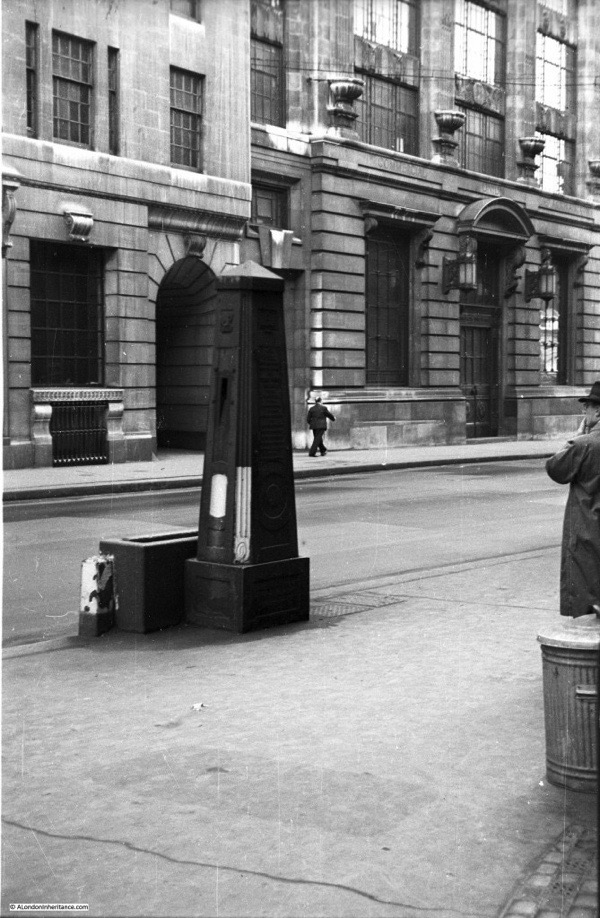
The Cornhill Water Pump, 1948
A LONDON INHERITANCE
The Cornhill Water Pump
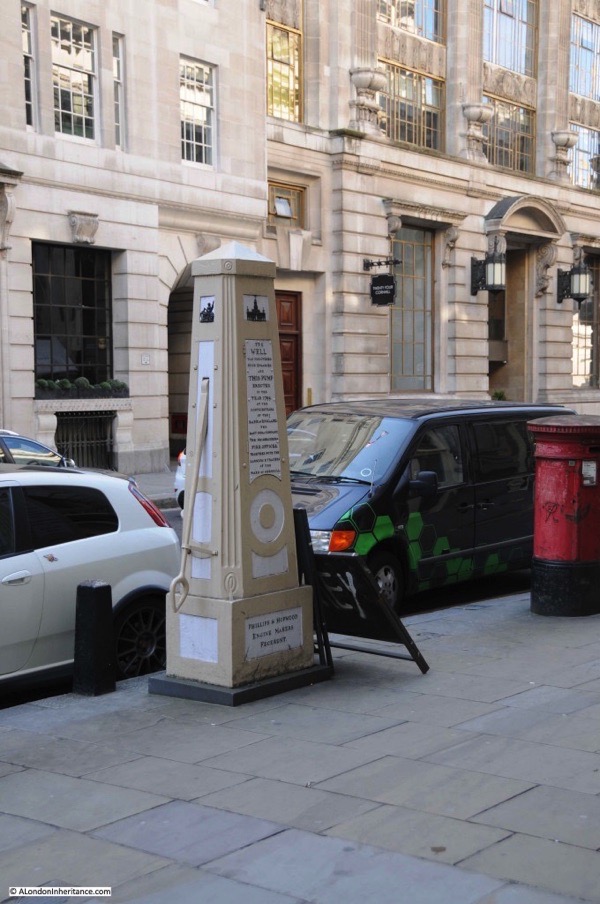
My father took the photo of the Cornhill Water Pump in 1948 and what surprised me as I was taking the photo of it today is how little has changed. Not just the stonework of the buildings opposite which have been cleaned in the intervening years, but also the windows, the large lamps either side of the door on the right and the stone decoration on both buildings are the same. Apart from the traffic and the post box, I see little change.
During construction of Lloyds Bank there in 1927, the roadway and several buildings in Cornhill collapsed. The damage was so bad that the Commercial Union building had to be rebuilt and it is that building we see today on the right of the photograph. The collapse was put down to loose soil where the Walbrook once flowed beneath this part of the City at the approximate position of the water pump.
Writing in 1910, Sir Walter Besant refers to the origin of the pump in ‘London, The City’- “A conduit built by Henry le Waleys in 1282, and there was a standard for Thames water brought their by the contrivance of one Peter Morris, a Dutchman.” Besant also mentions several other conduits and a spring in the area of Cornhill, so it is not clear whether he is referring to the location of the pump.
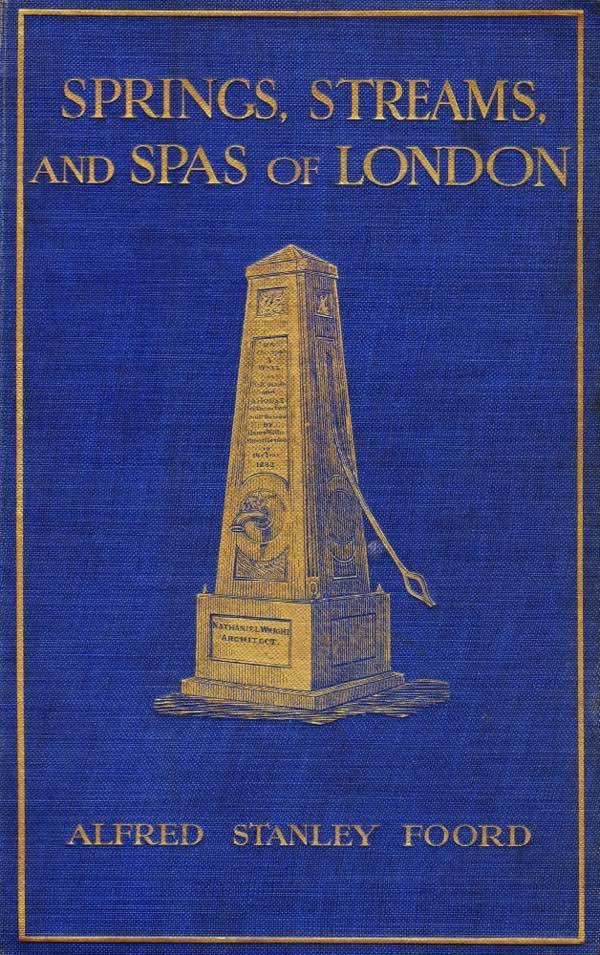
The well was covered and rediscovered in 1799 due to “a sinking of the pavement in front of the Royal Exchange, March 16, 1799″ according to ‘Springs, Streams and Spas of London’ by Alfred Foord in 1910.
“The well and pump have been disused for some years past – the iron case of the pump remains, but deprived of handle and spout. The whole structure would be much better for a coat of paint, which would not only improve its appearance, but would also tend to arrest decay.” One hundred and five years later, Foord would be very pleased with the condition of the pump today.
HOW TO WRITE A BLOG THAT PEOPLE WILL WANT TO READ, 5 Fournier St, Spitalfields, 7th & 8th November
Spend a weekend in an eighteenth century weaver’s house in Spitalfields and learn how to write a blog with The Gentle Author.
This course will examine the essential questions which need to be addressed if you wish to write a blog that people will want to read.
“Like those writers in fourteenth century Florence who discovered the sonnet but did not quite know what to do with it, we are presented with the new literary medium of the blog – which has quickly become omnipresent, with many millions writing online. For my own part, I respect this nascent literary form by seeking to explore its own unique qualities and potential.” – The Gentle Author
COURSE STRUCTURE
1. How to find a voice – When you write, who are you writing to and what is your relationship with the reader?
2. How to find a subject – Why is it necessary to write and what do you have to tell?
3. How to find the form – What is the ideal manifestation of your material and how can a good structure give you momentum?
4. The relationship of pictures and words – Which comes first, the pictures or the words? Creating a dynamic relationship between your text and images.
5. How to write a pen portrait – Drawing on The Gentle Author’s experience, different strategies in transforming a conversation into an effective written evocation of a personality.
6. What a blog can do – A consideration of how telling stories on the internet can affect the temporal world.
SALIENT DETAILS
The course will be held at 5 Fournier St, Spitalfields on 7th & 8th November from 10am -5pm on Saturday and 11am-5pm on Sunday. Lunches cooked by Oliver Rowe and tea, coffee and cakes by the Townhouse.
Email spitalfieldslife@gmail.com to book a place on the course.
On The SS Robin
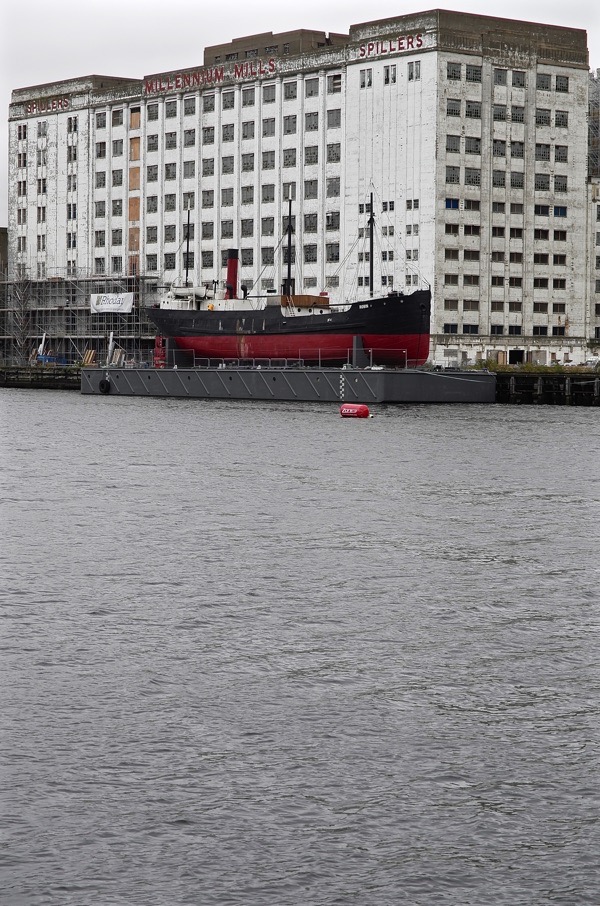
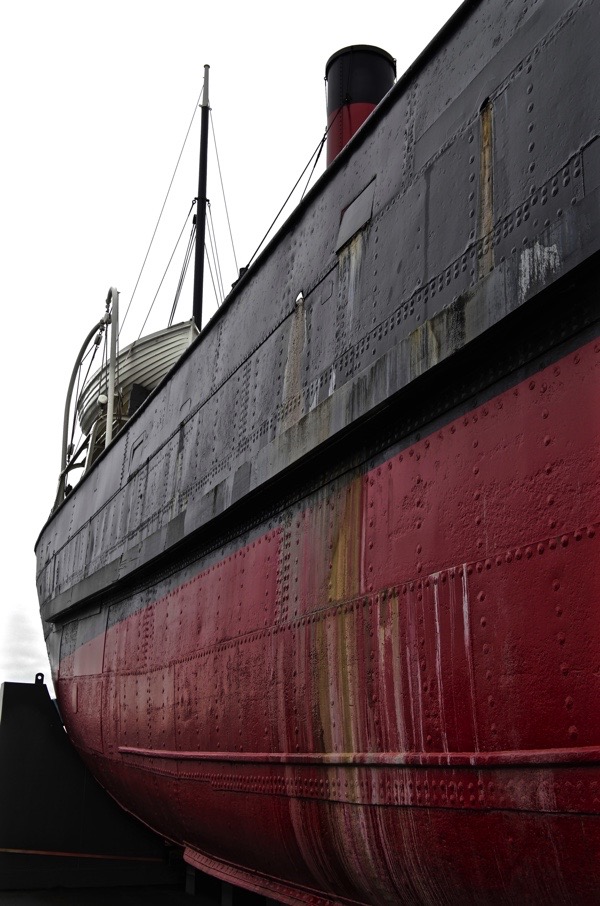
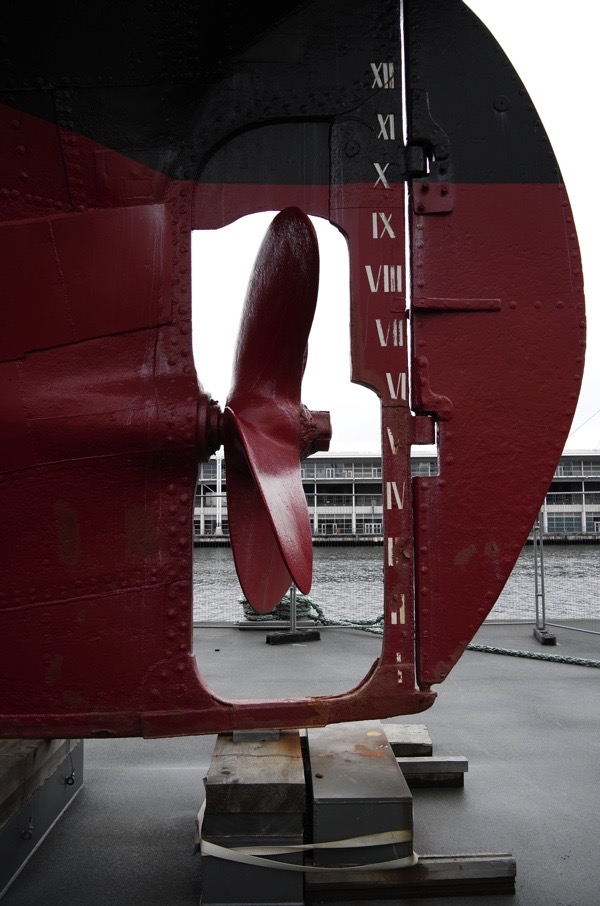
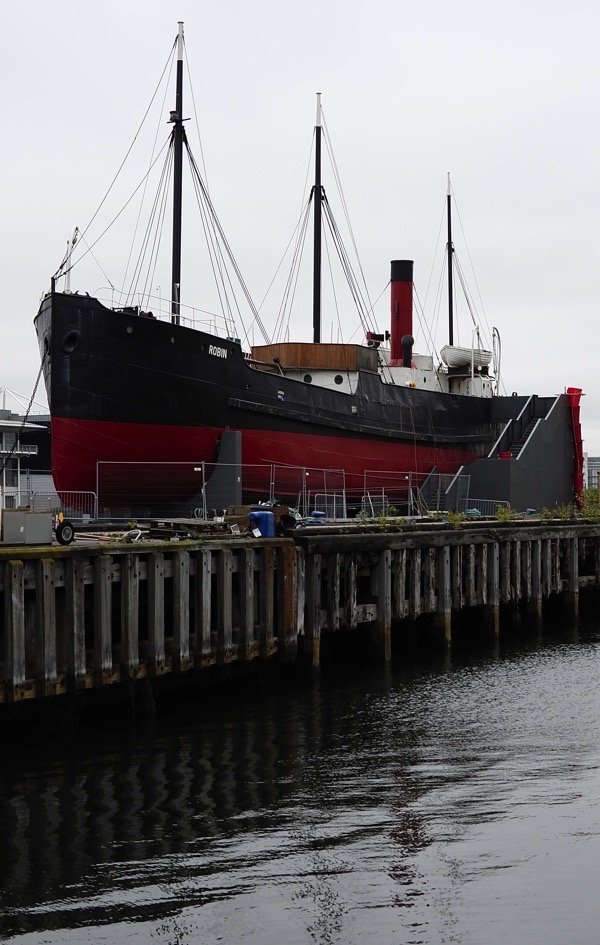
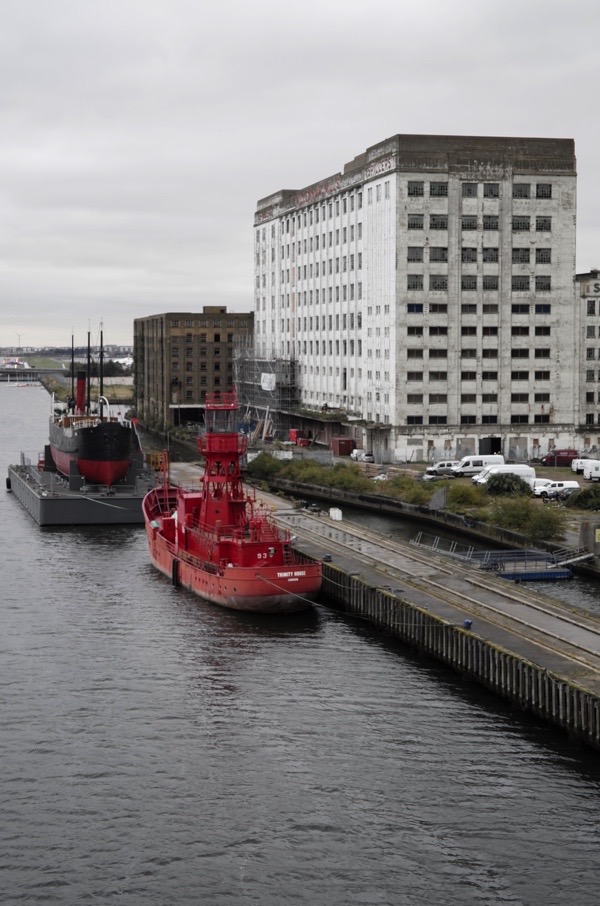
Sitting on a pontoon before the Millennium Mills in Royal Victoria Dock, with her proud crimson breast evoking the bird that is her namesake, SS Robin is the oldest complete steam coaster in the world. Constructed just a few miles away by Mackenzie, MacAlpine & Co at Orchard Yard, Bow, in 1890 alongside her sister ship SS Rook, she was fitted out in East India Dock and equipped with an engine in Dundee. There were once fifteen hundred of these vessels chugging up and down the coastline of the British Isles, competing with the railway to deliver bulk cargoes such as grain, coal, iron ore and china clay – but today only SS Robin survives to tell the story of this lost maritime endeavour.
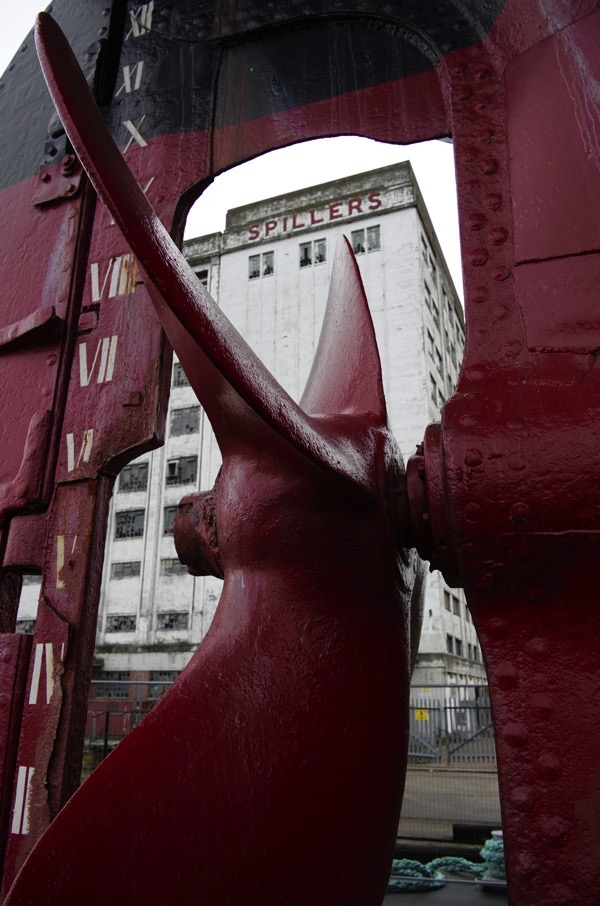
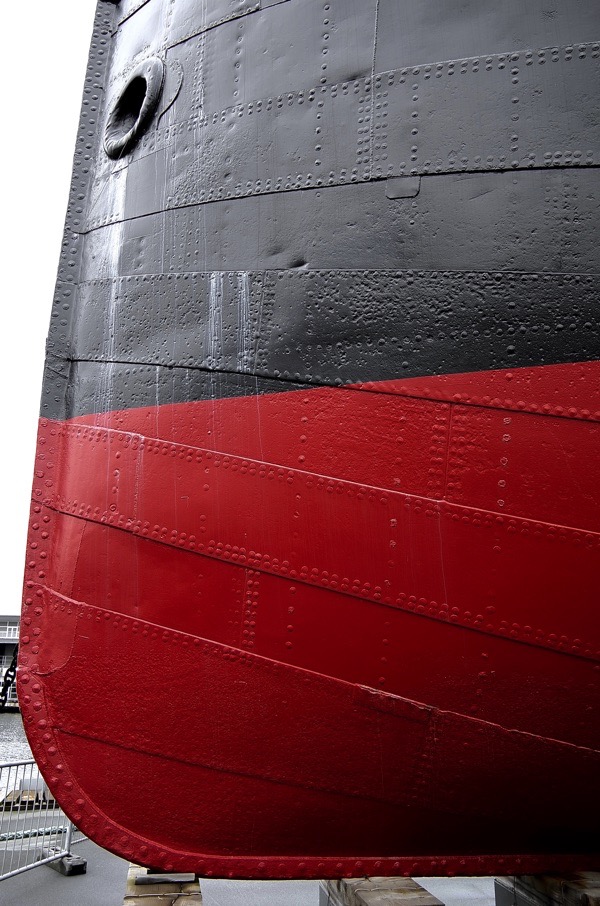
Beneath an occluded sky with rain blowing in the wind, I visited SS Robin yesterday within the shadow of Spiler’s derelict Millennium Mills, like some great cliff looming overhead. Repair to the hull of the steam coaster reveals the damage that time has wrought, yet lines of sturdy nineteenth century rivets, once heated and thrown by children, remain visible alongside modern repairs. Of squat design and robust workmanship, these ships were only designed to withstand ten years of use, and SS Robin was sold off to a Spanish owner in 1900 but continued to work the Altantic coastal route from Bilbao for a further seventy-four years, under the guise of ‘Maria.’
“She is as significant a vessel as Cutty Sark,” Matt Friday, who works for the trust set up to care for SS Robin, assured me, “She is just twenty years younger and the last of her class.” SS Robin was due to be broken up in September 1974 but instead, once her final cargo was unloaded in Bilbao in May of that year, she was purchased by the Maritime Trust and steamed back up the English Channel and the Thames to London in June, where she was moored at St Katharine Dock.
In spite of major restoration, SS Robin fell into neglect and, by 1991, had been moved down river to East India Dock. Sold for the sum of just one pound, she was used as a floating gallery for several years until, as this century dawned, it became clear more restoration work was required and the old vessel was no longer seaworthy. 80% of her steelwork would need to be replaced to make her shipshape again and so SS Robin was transferred permanently to a pontoon which permits retention of the original fabric.
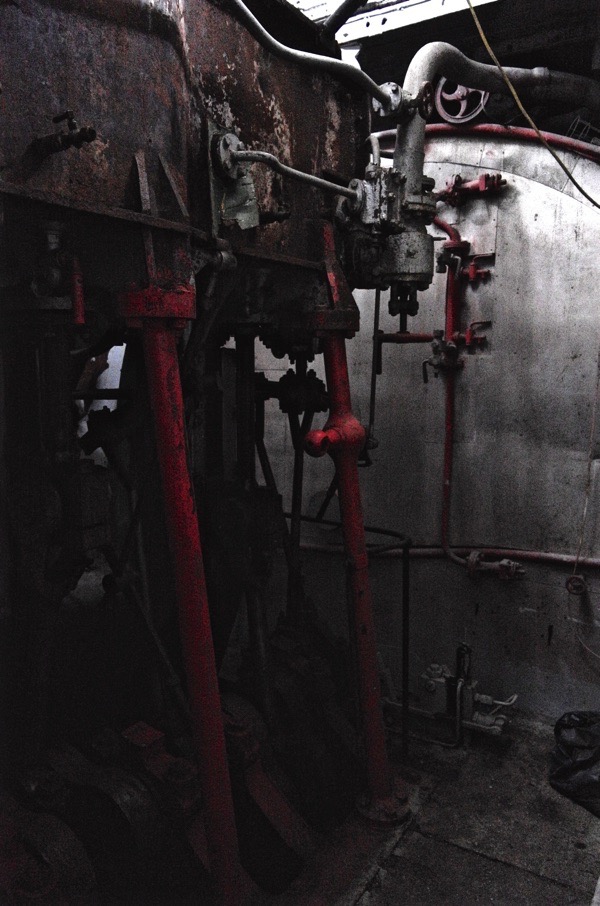
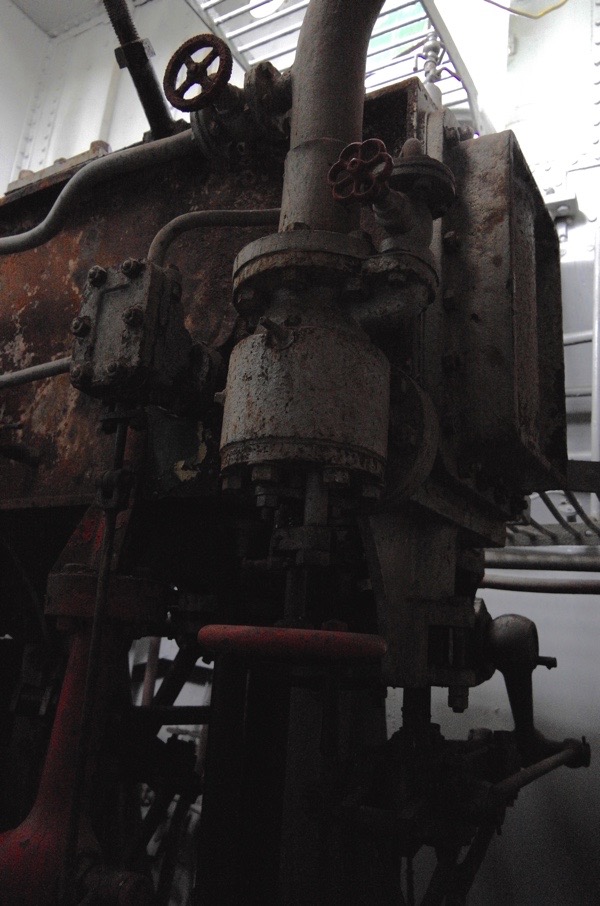
When I visited yesterday, a thick layer of asphalt was being removed from the deck – formerly installed as a waterproofing agent, it had become a medium for water to enter the structure. Walking around the pontoon, the elegant sculptural form of the hull was magnificent to behold, while down below, the original cylinders and pistons of the triple expansion engine remain. In spite of its modest origin, this is a vessel of distinguished design and sitting in the vast emptiness of Royal Victoria Dock, once the largest working dock in the world, SS Robin – the last of the ‘dirty British coasters’ – provides the necessary catalyst to evoke the history and meaning of this extraordinary place.
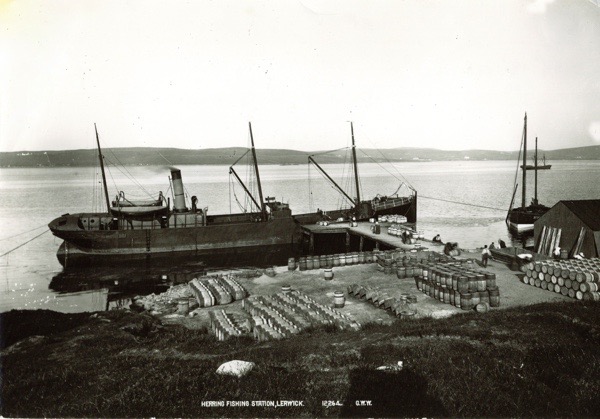
SS Robin in Lerwick (Courtesy of SS Robin Trust)
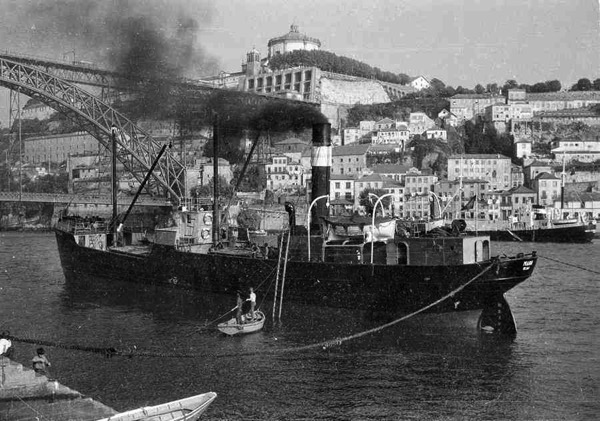
SS Robin in River Douro, Porto, under the guise of ‘Maria’ (Courtesy of SS Robin Trust)
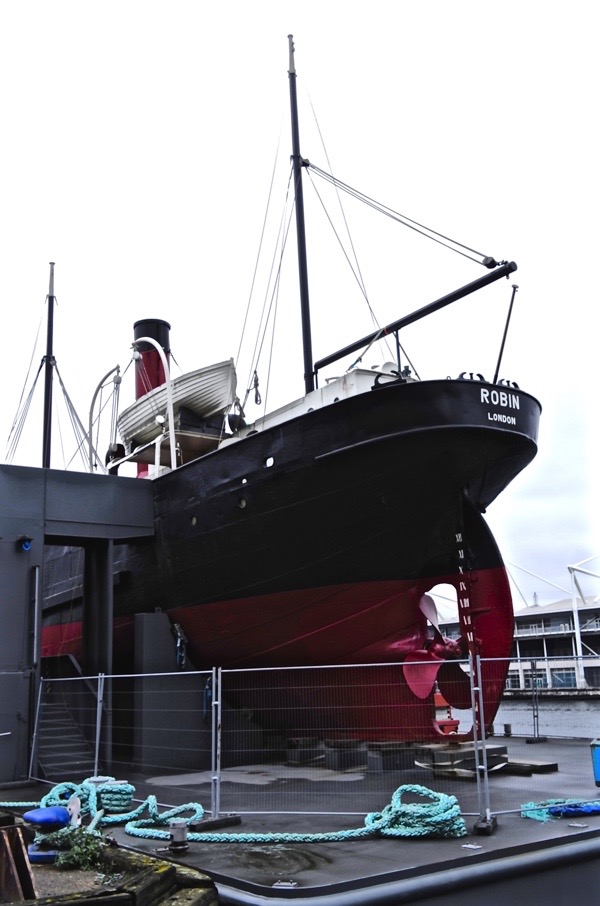
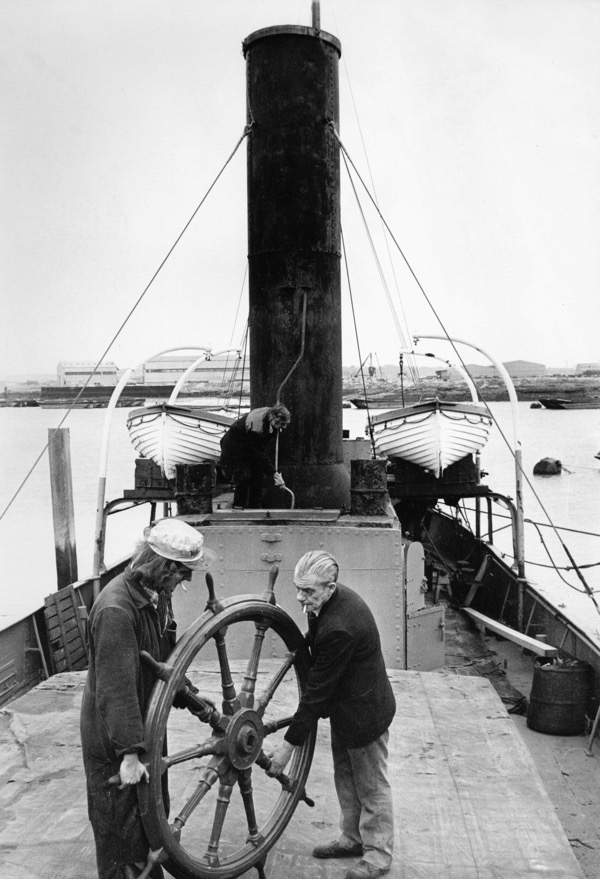
Undergoing restoration in the seventies (Courtesy of SS Robin Trust)
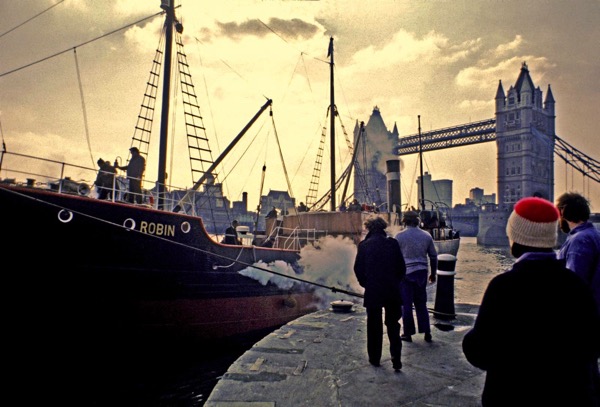
At St Katharine Docks in the eighties (Courtesy of Ambrose Greenway)
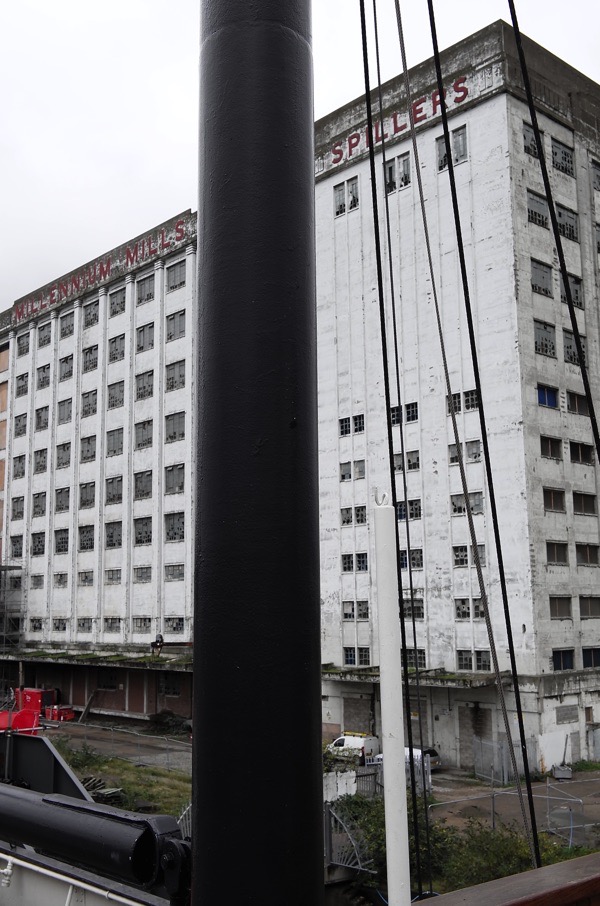
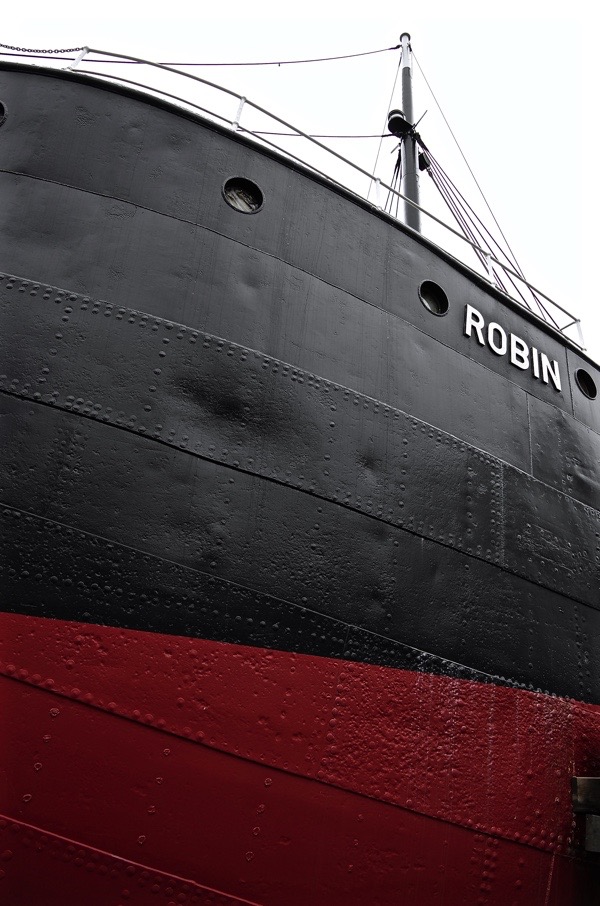
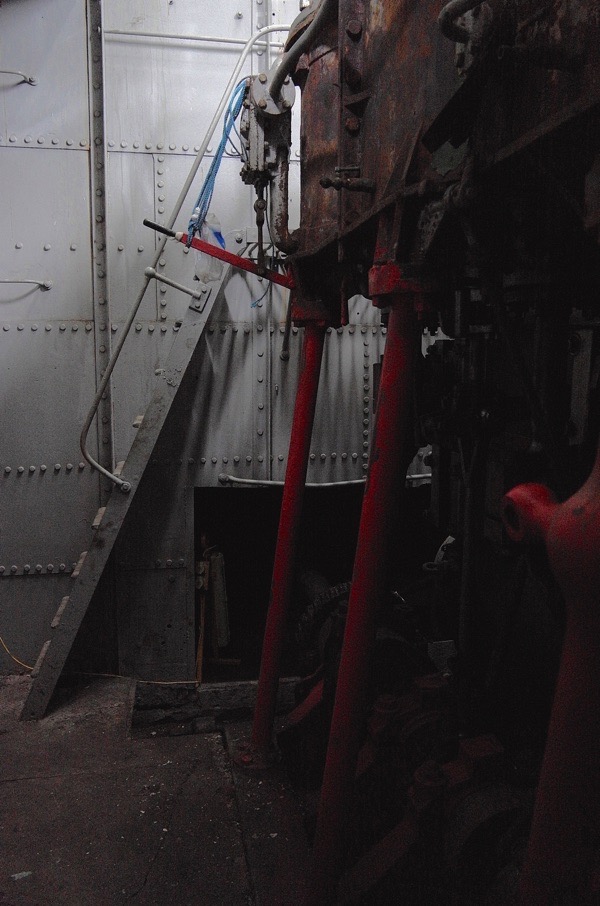
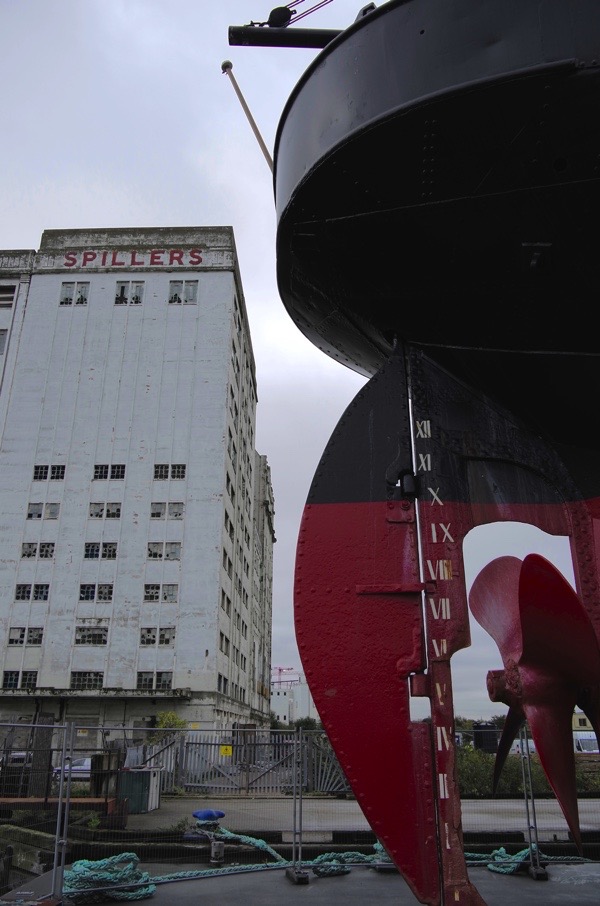
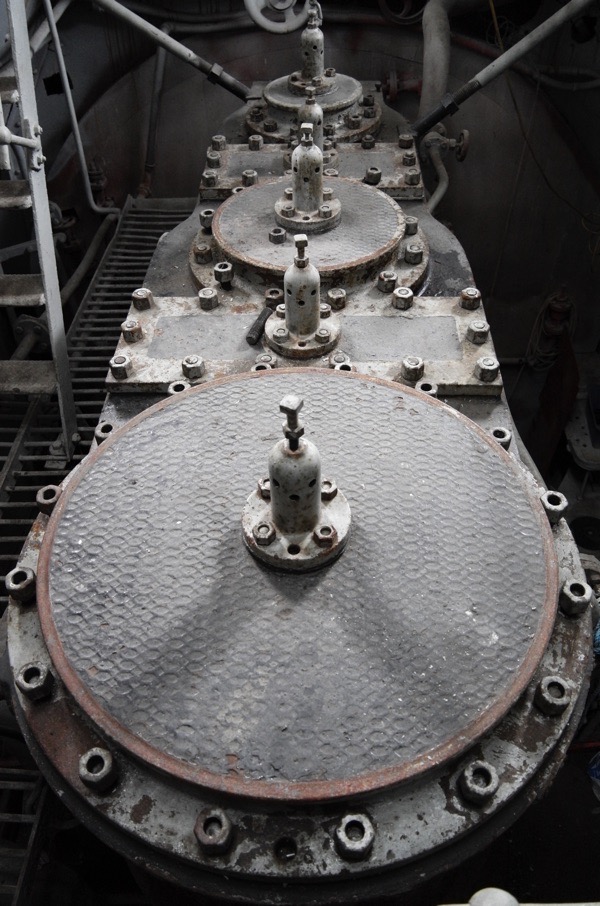
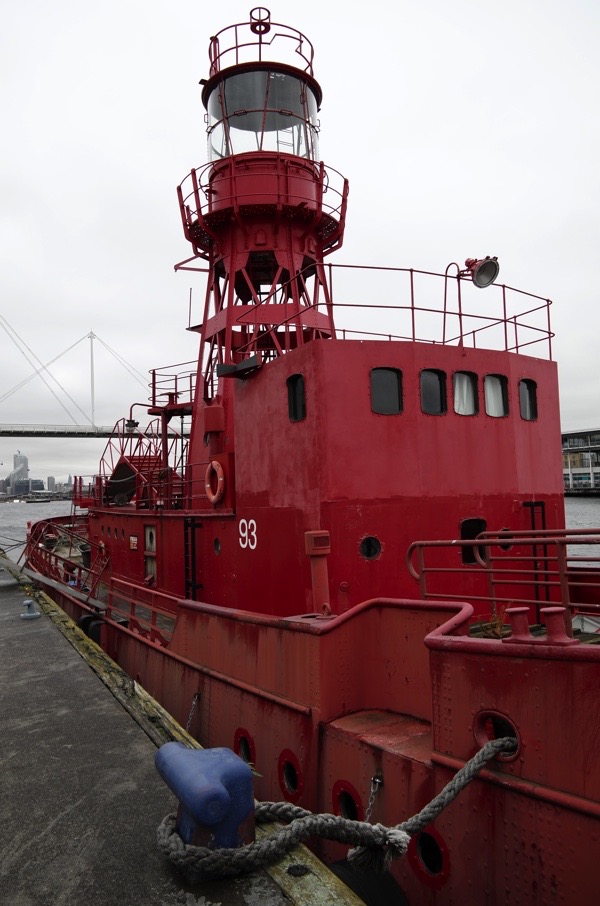
SS Robin’s neighbour in Royal Victoria Dock is a lightship
Dirty British coaster with a salt-caked smoke stack,
Butting through the Channel in the mad March days,
With a cargo of Tyne coal,
Road-rails, pig-lead,
Firewood, iron-ware, and cheap tin trays.
from Cargoes by John Masefield
Learn more from SS Robin Trust
You also like to read about
The Lexicography Of Cockney Slang
As part of the CRIES OF LONDON season I have devised for Bishopsgate Institute, the foremost lexicographer of slang Jonathon Green is giving a lecture about Cockney rhyming slang entitled Slingin’ the Old Jack Lang: London’s Coster Language on October 22nd at 7:30pm. Click here for tickets
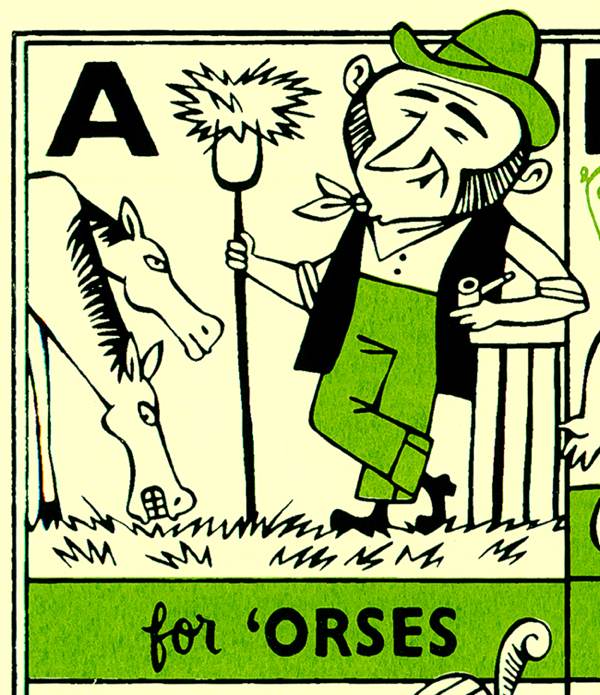


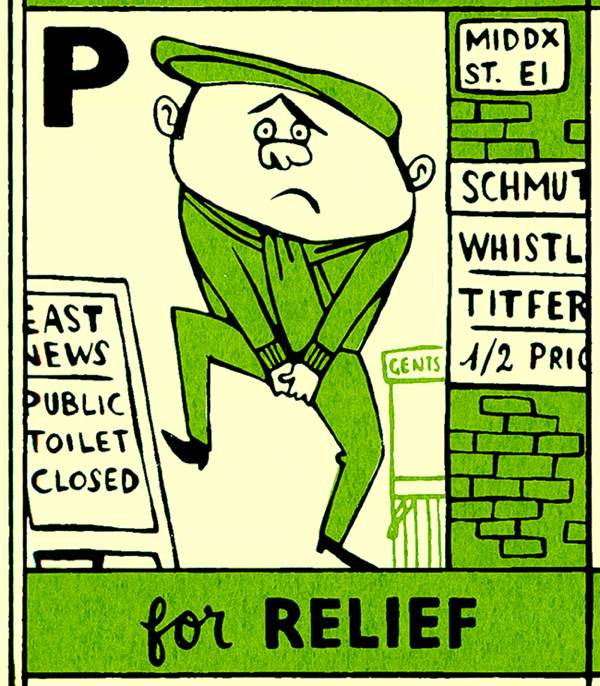


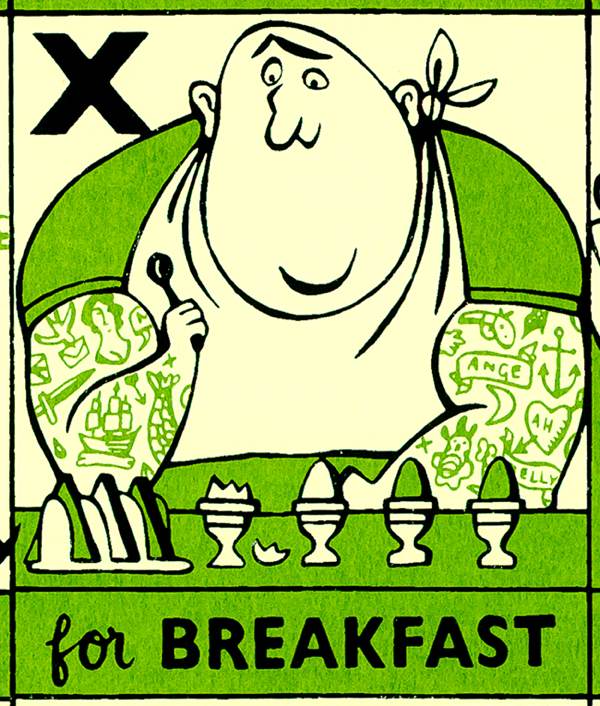

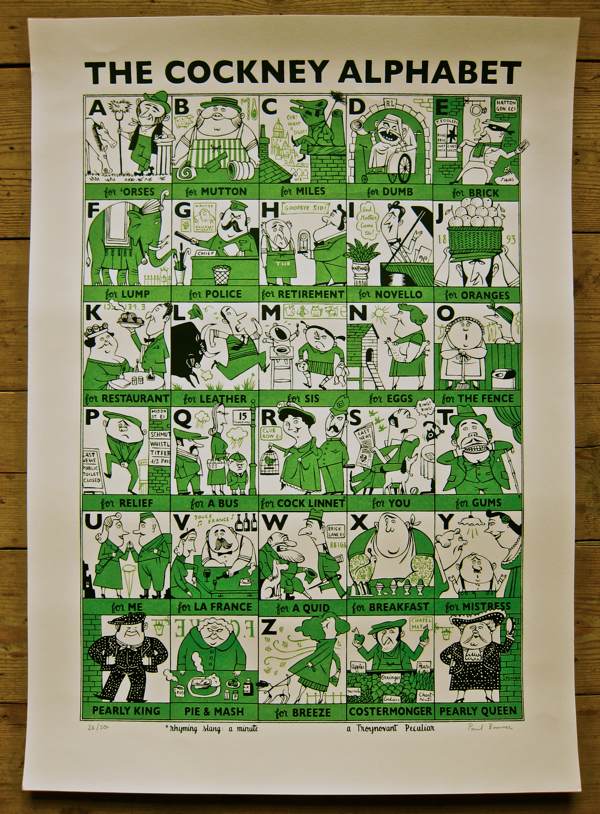
Copies of Paul Bommer’s print ‘The Cockney Alphabet’ are available from the online shop
You may like to read my original profile
William Whiffin’s London
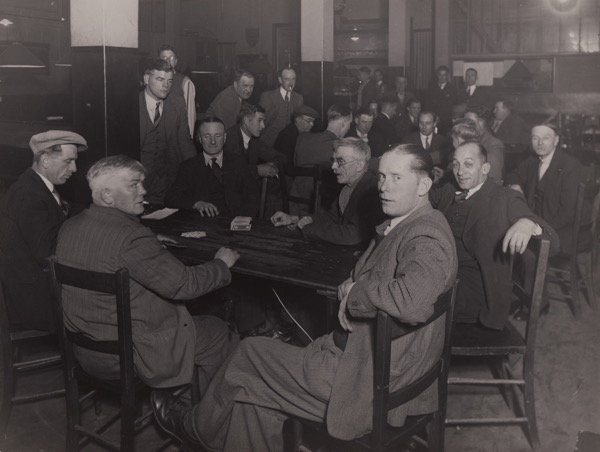
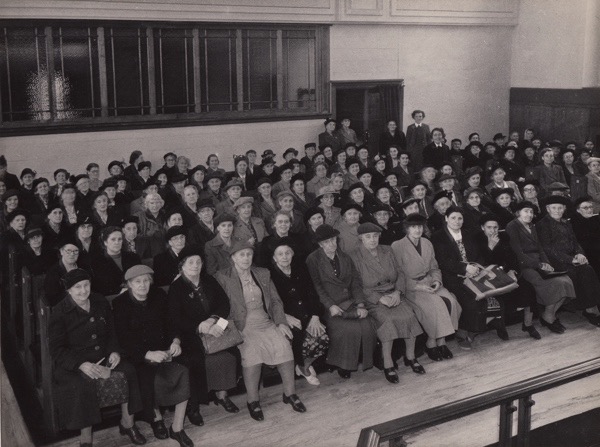
William Whiffin (1878-1957) is one of the great unsung London photographers, which makes it a rare pleasure to present this gallery of his pictures from the collection of his granddaughter Hellen Martin, many of which have never been published before. Born into a family of photographers in the East End, Whiffin made his living with studio portraits and commercial commissions, yet he strove to be recognised for his more artistic photography. I recommend you visit the exhibition of William Whiffin’s East End at Tower Hamlets Local History Library & Archives until November 19th.
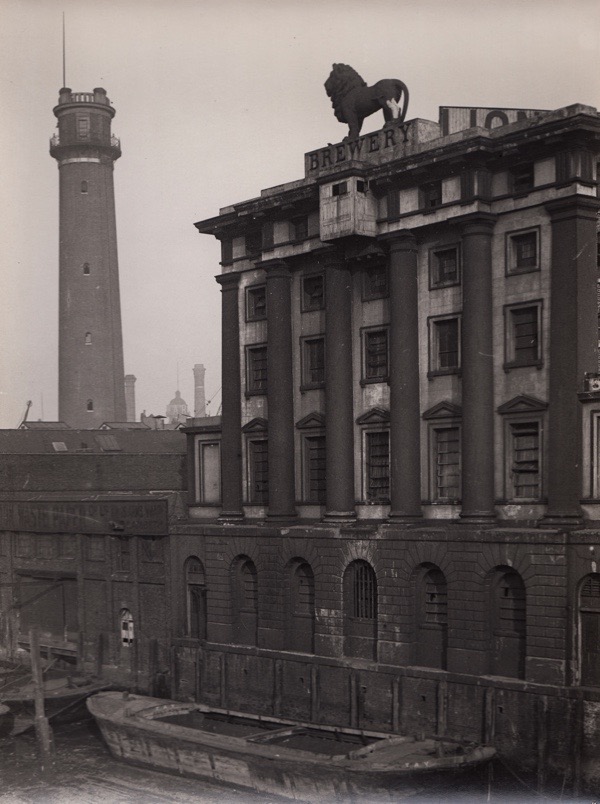
Lion Brewery and the Shot Tower, South Bank
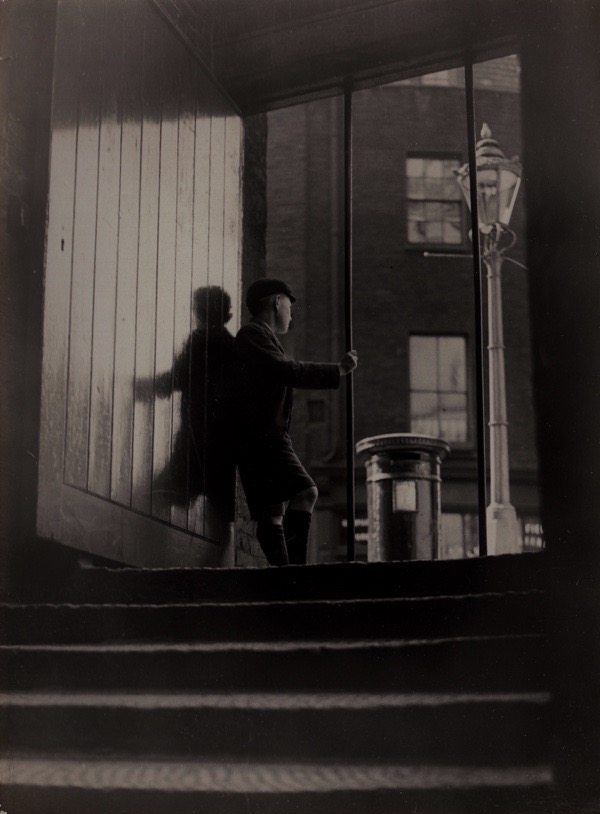
The photographer’s son Sid Whiffin at Cooper’s Stairs, Old Queen St
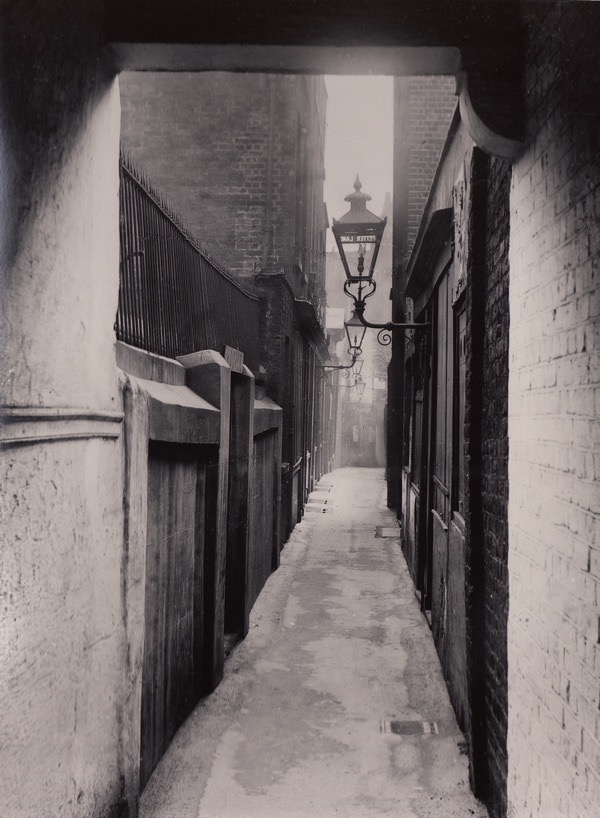
Off Fetter Lane
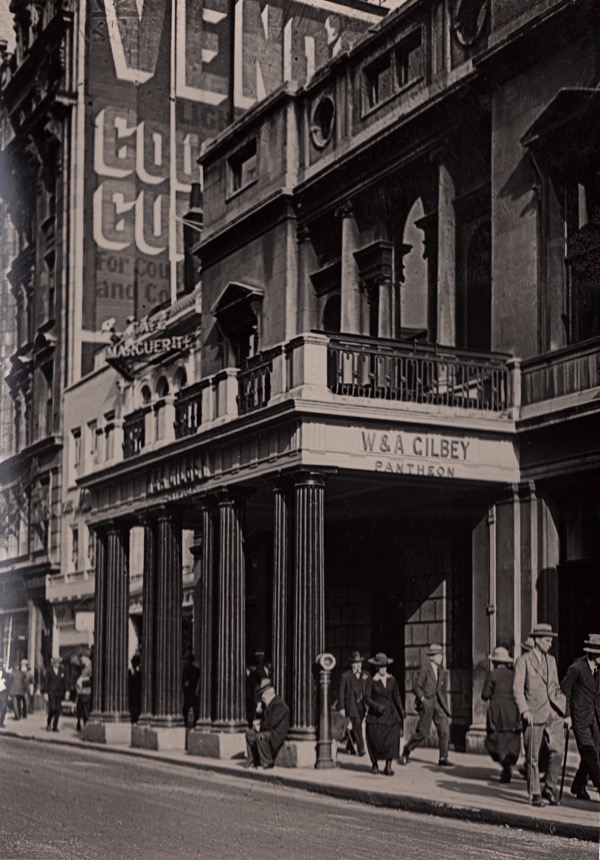
The Pantheon, Oxford St
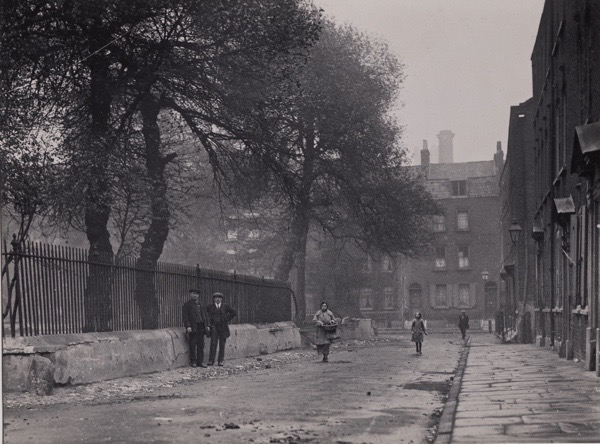
In Princes Sq, Stepney
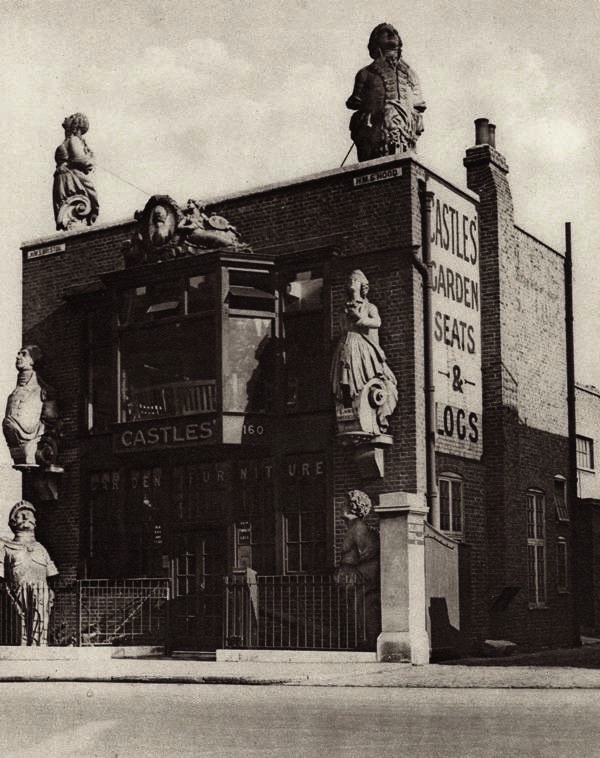
Figureheads of fighting ships in Grosvenor Rd
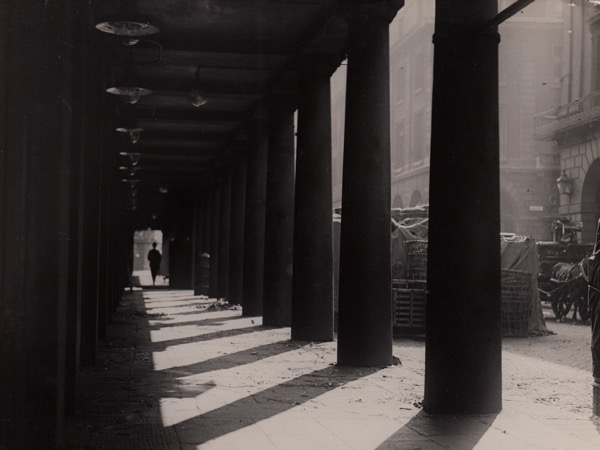
At Covent Garden Market
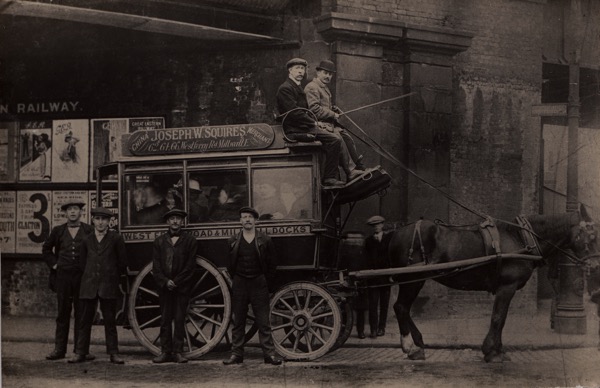
Milwall & the Island Horse Omnibus, c.1910
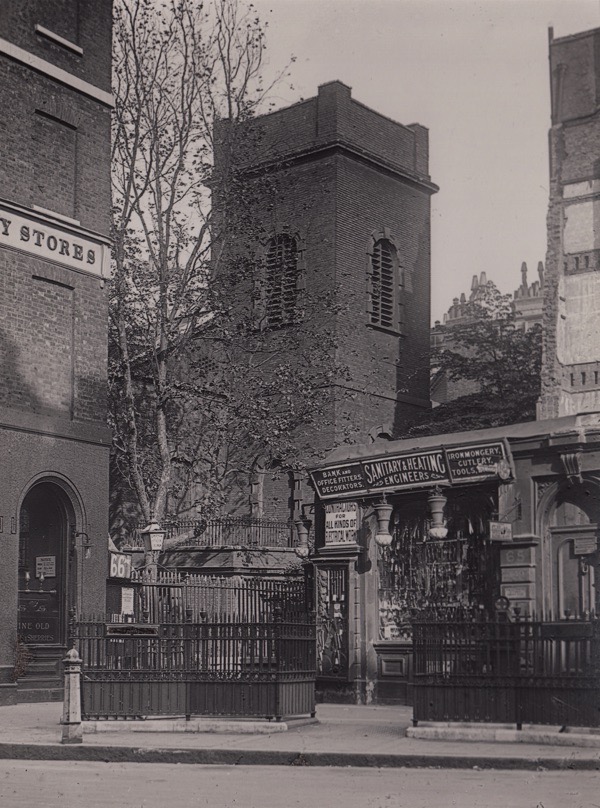
St Catherine Coleman next to Fenchurch St Station
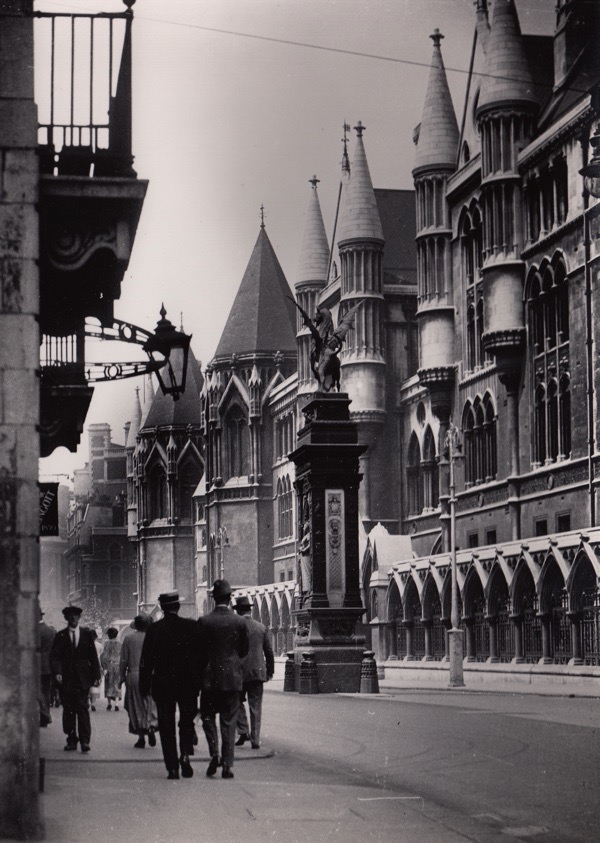
In Fleet St
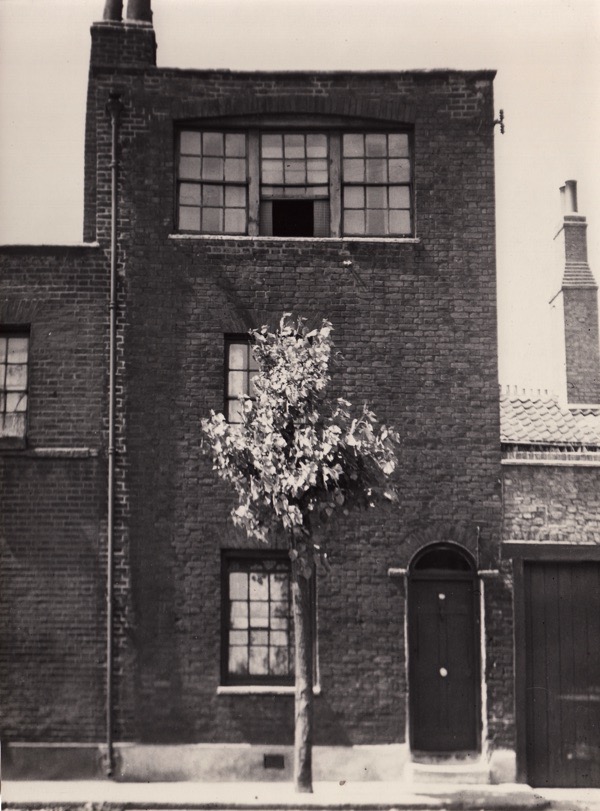
In Buckfast St, Bethnal Green
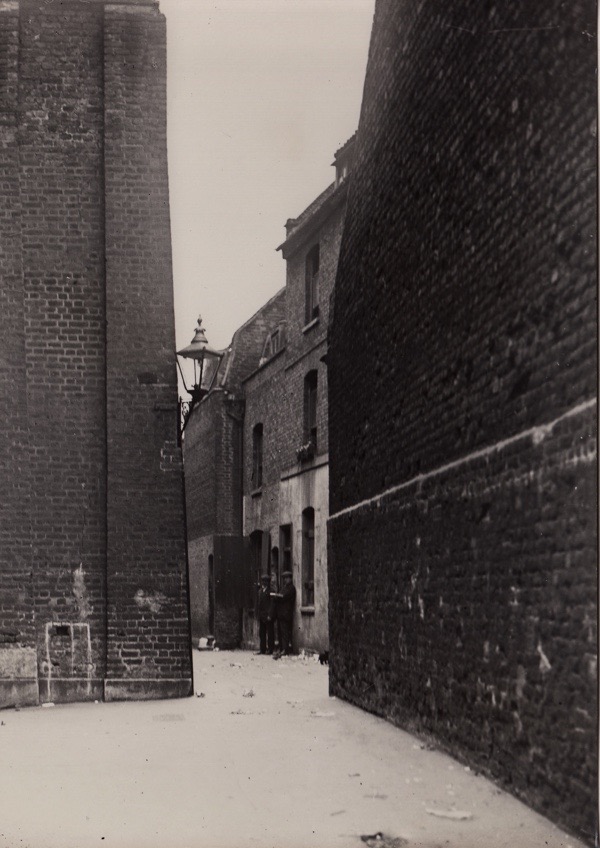
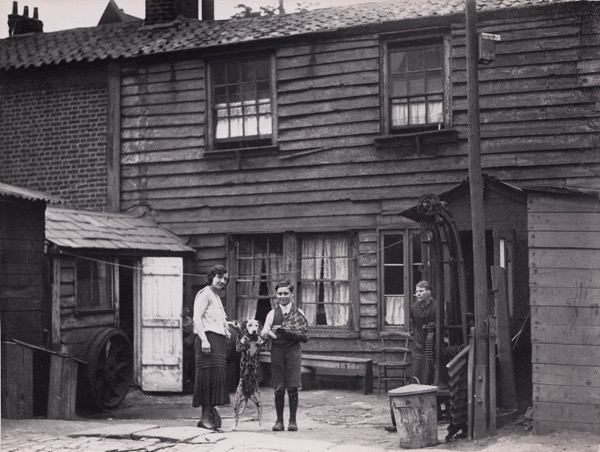
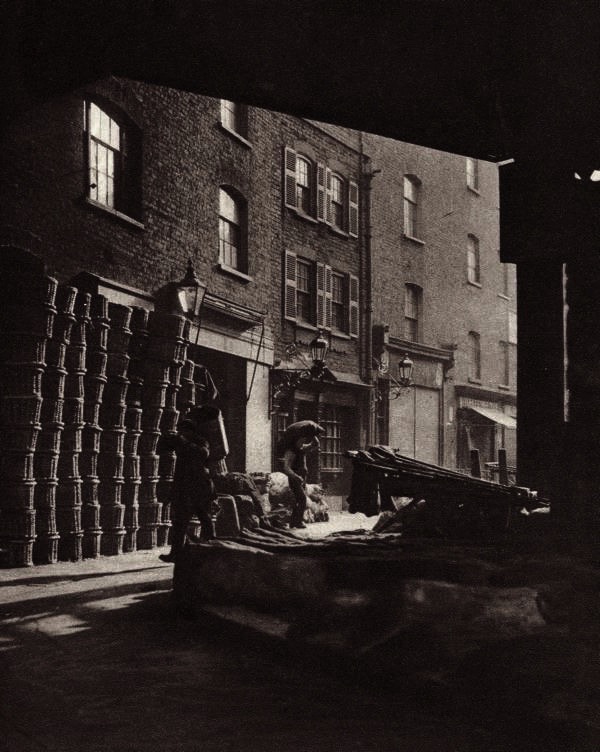
At Borough Market
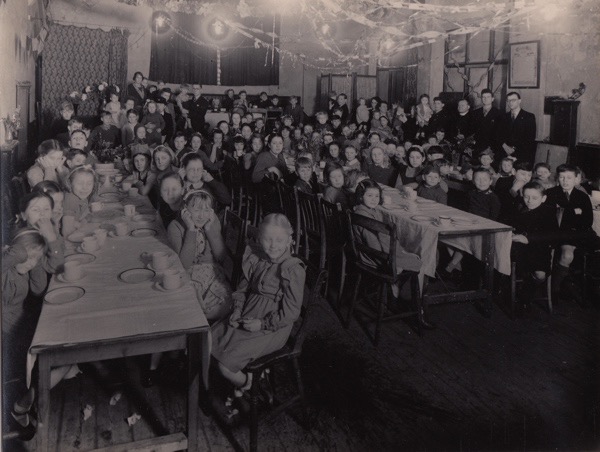

In Lombard St
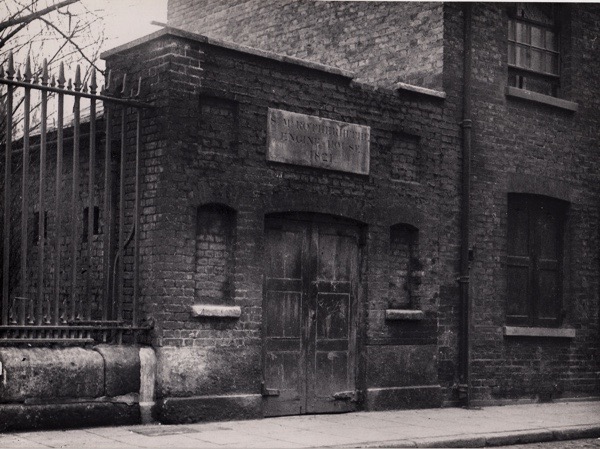
Rotherhithe Watch House
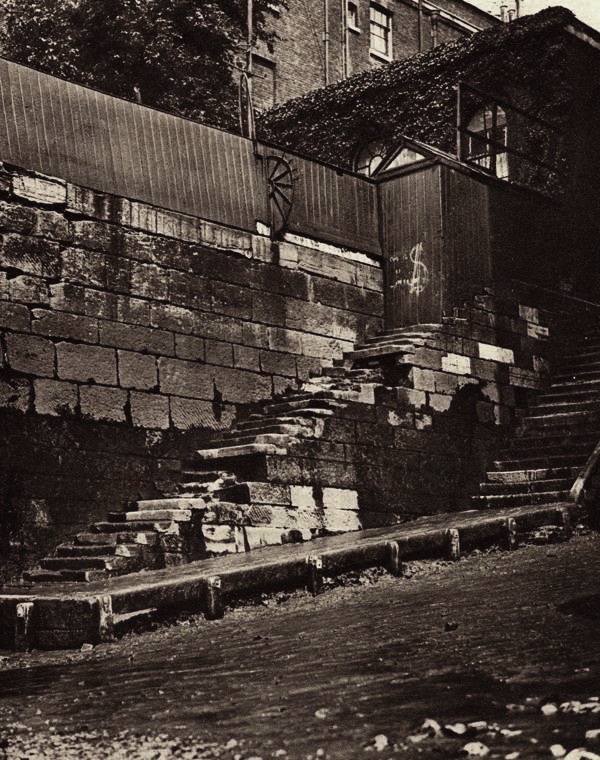
Wapping Old Stairs
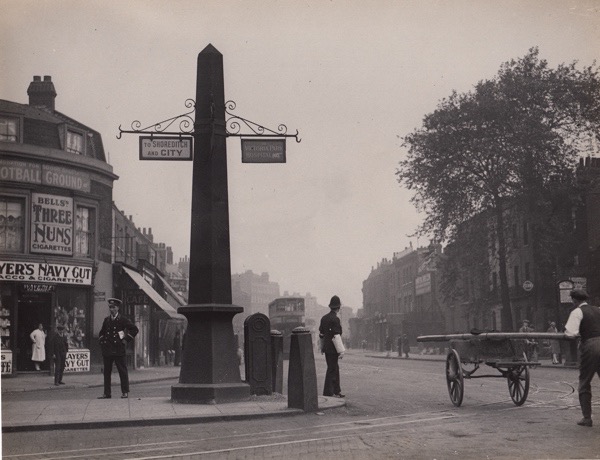
Junction of Cambridge Heath Rd & Hackney Rd
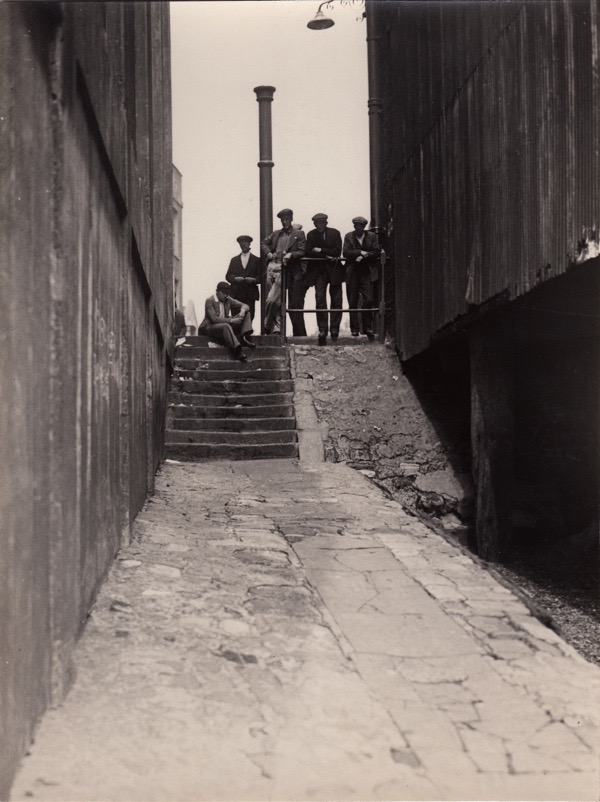
Ratcliff Stairs, Limehouse
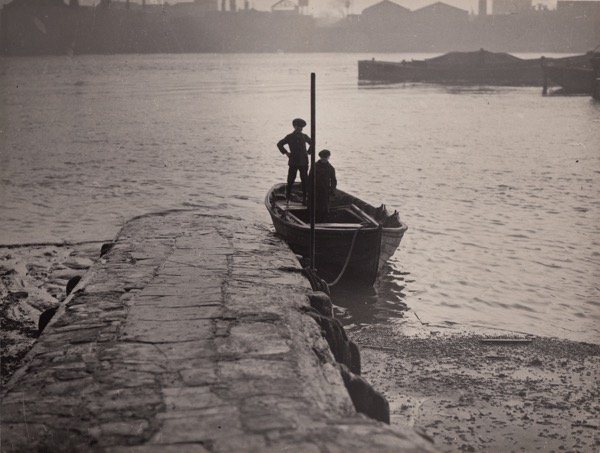
Ratcliff Causeway, Limehouse
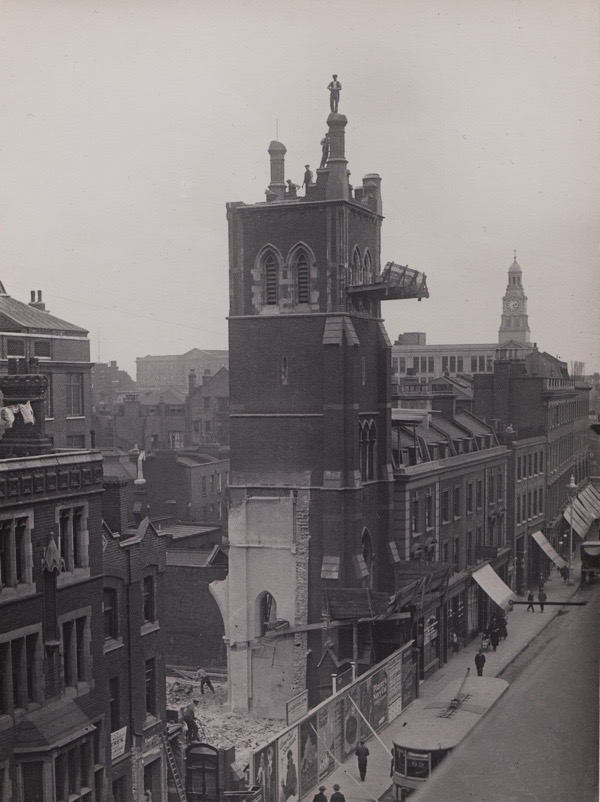
St Jude’s, Commercial St
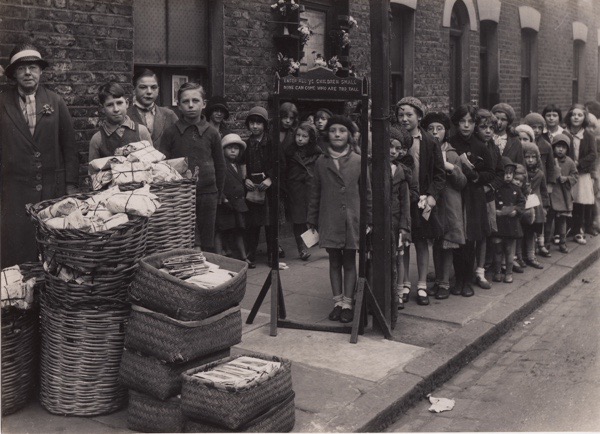
Farthing Bundles at the Fern St Settlement, Bow
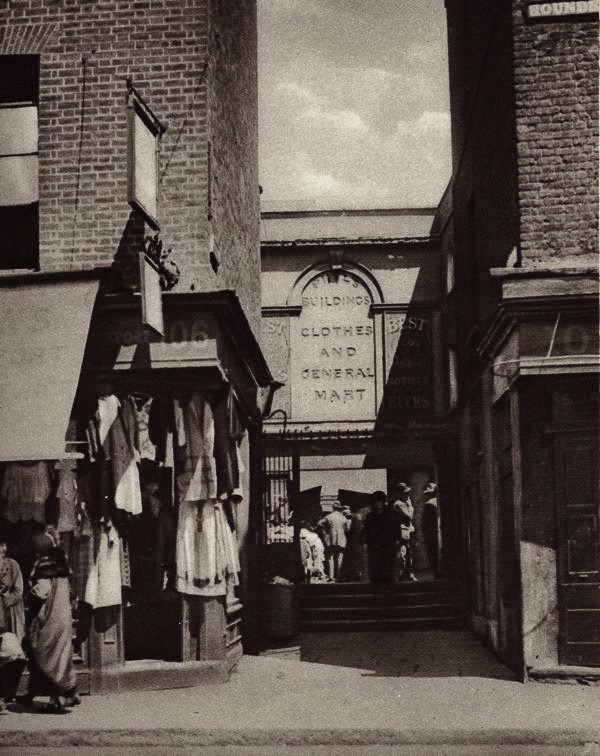
Houndsditch Rag Fair
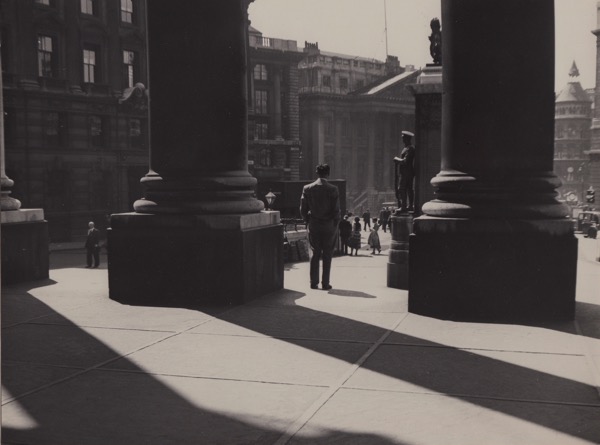
At the Royal Exchange, City of London
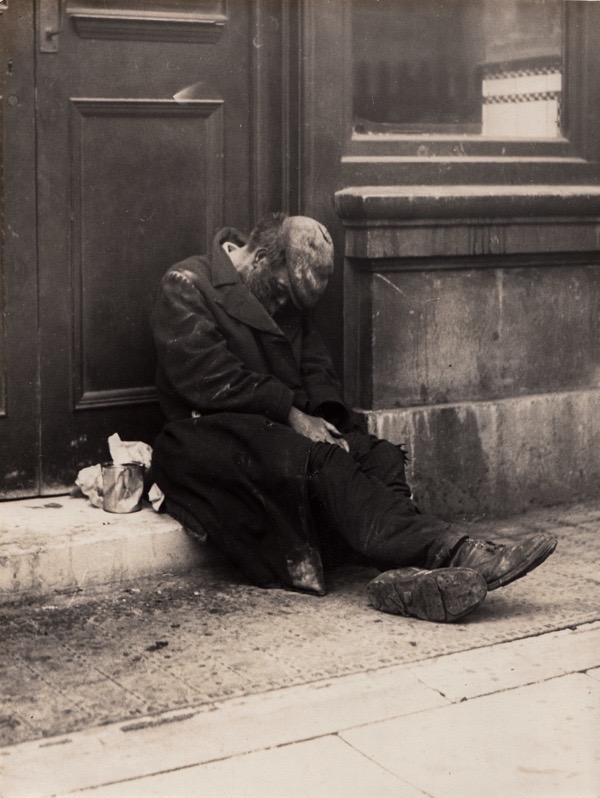
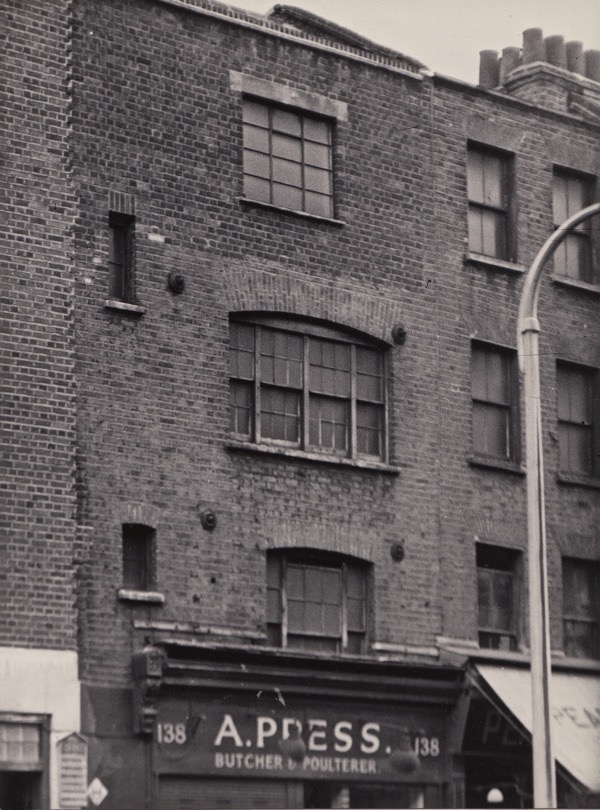
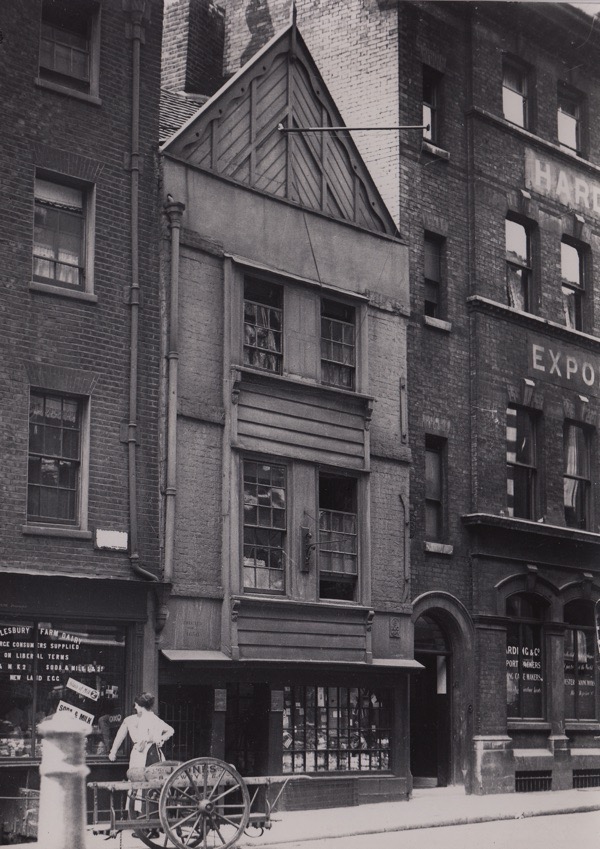
Weavers’ House, Bethnal Green Rd
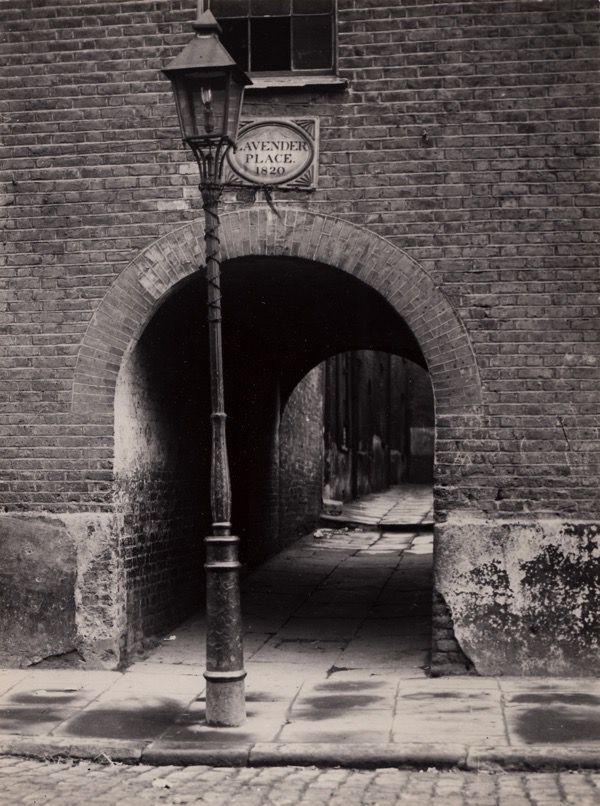
Off Pennington St, Wapping
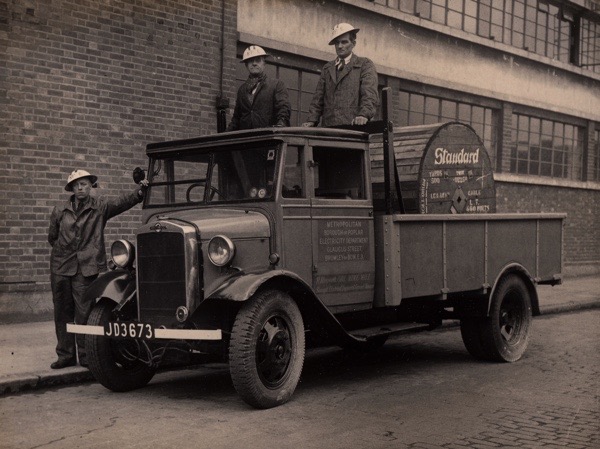
Borough of Poplar Electricity Dept
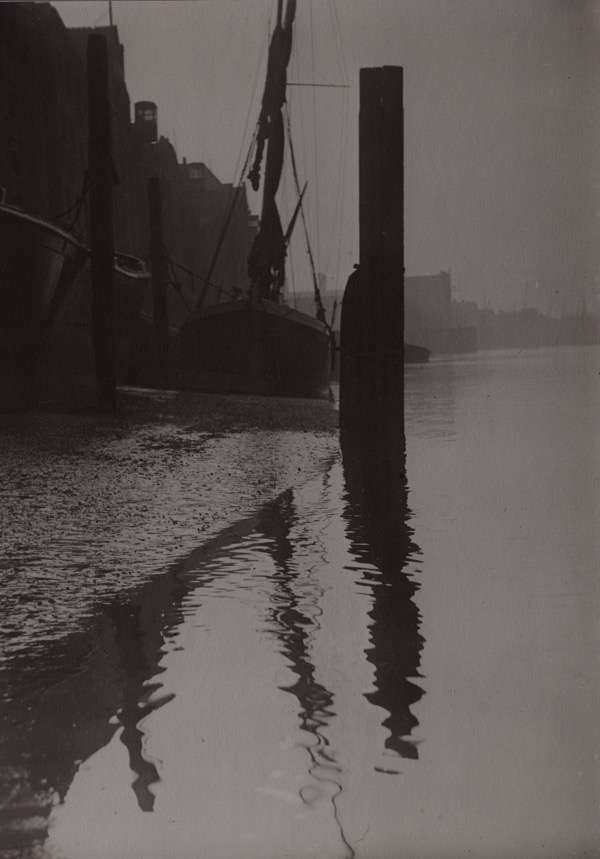
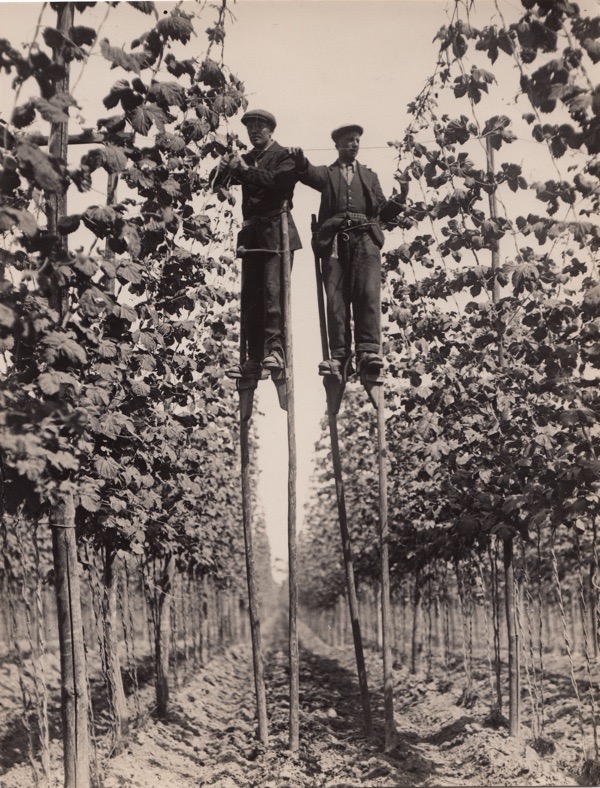
Pruning in the hop gardens of Faversham
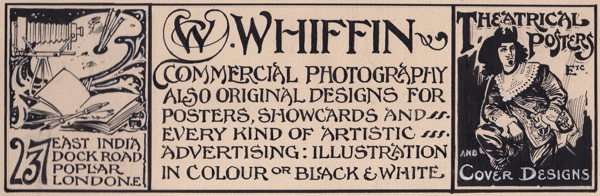
Photographs copyright © Estate of William Whiffin
Hellen Martin & I should be very grateful if readers can identify any of the uncaptioned photographs
You may also like to read about
At Queens Market
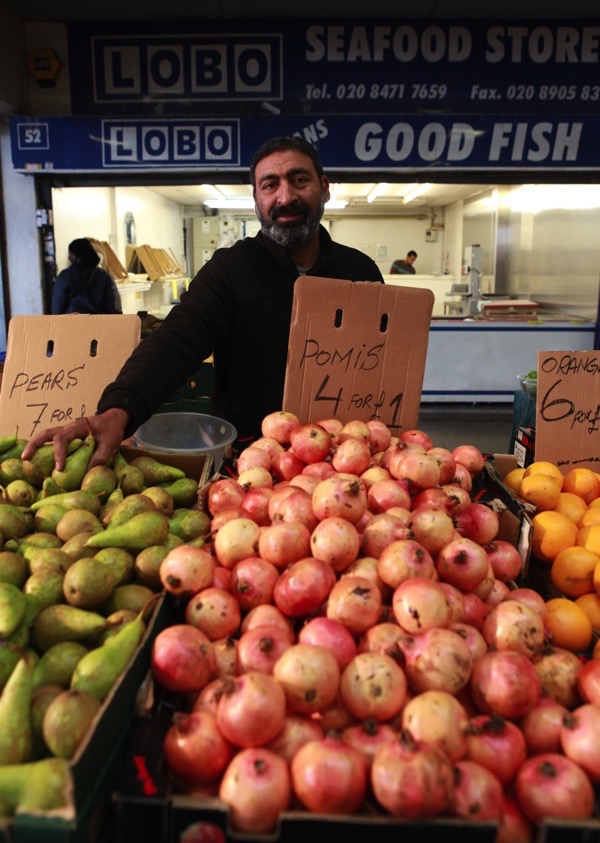
Asif Sheikh
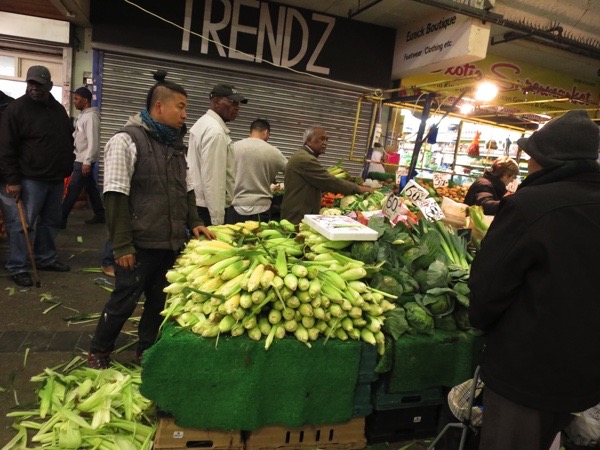
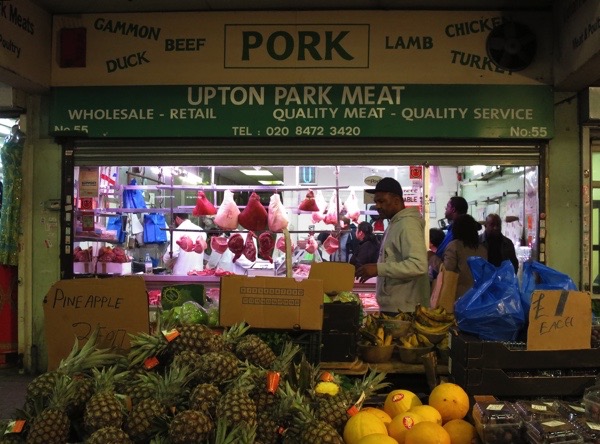
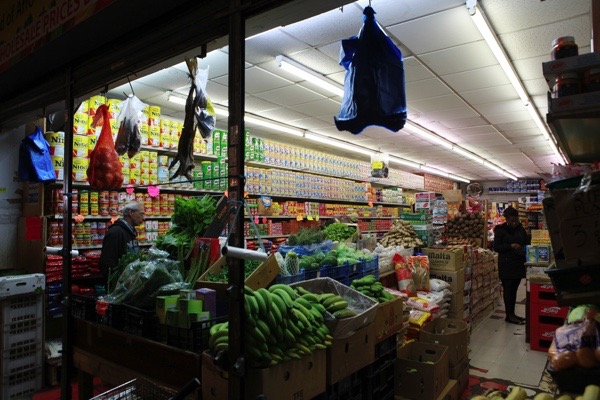
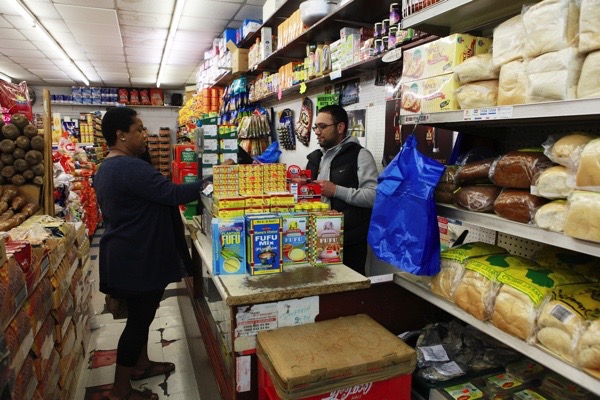
Contributing Photographer Colin O’Brien & I spent our Saturday morning at Queen’s Market in Upton Park and we were inspired by the vitality of the place and the infinite variety of cheap goods on sale. Brightly-lit stalls gleam beneath a cavernous dark roof that seems to recede forever, sheltering an intricate labyrinth of booths, kiosks and shops offering some new wonder at every corner. It is one of those places where you can buy everything you need and want for nothing in life.
Like the porter at the gate, Neil Stockwell greeted us from the very first stall in the front of the market where he sells fruit and vegetables at bargain prices. “My grandfather was here before me in 1955,” he informed me, “As a child I worked with him, and when he retired in 1979 I took over his hawker’s licence and I’ve been here ever since.”
Understandably, Neil is very protective of his beloved market. “This is the jewel of the East End,” he assured me authoritatively, “Its survival has been very much to do with all the different people who have come here – once upon a time, we only sold apples, oranges and veg but now we sell everything. There’s no divisions in this market, it is a community within a community.”
With this in mind, Colin & I set off through the market and – even at that busy time – we received a welcome from the traders, graciously permitting us to take their portraits. We met Zulaikha, Qasim & Aisha Tasawer on their first day of trading and David Martin who has been selling fish for twenty-seven years, and it became evident that this is a prospering market.
Astonishingly, it might have closed forever if not for the tenacious campaign by Friends of Queens Market who fought for ten years to see off a high-rise development plan and get the market designated as an asset of community value. Now the future is secure, yet the level of maintenance has been pitiful and – as traders face another winter with leaks in the roof – a protest took place on Saturday in an attempt to underline the importance of this basic provision.
If you have not yet made the pilgrimage to Queens Market, then I encourage you to do so. Once you have been there, you will want to go back regularly. You can see life, get all your weekly supplies fresh and cheap, and never go near a supermarket again.
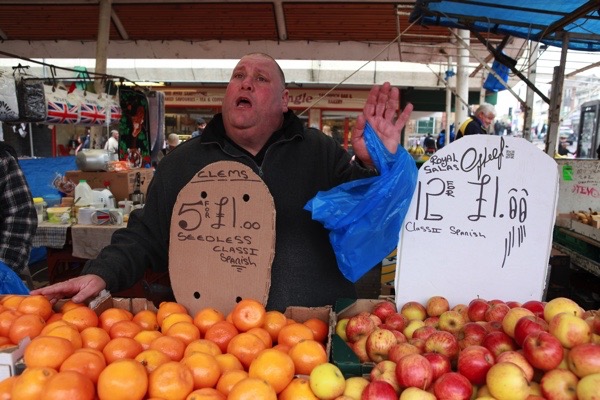
Neil Stockwell ‘This is the jewel of the East End”
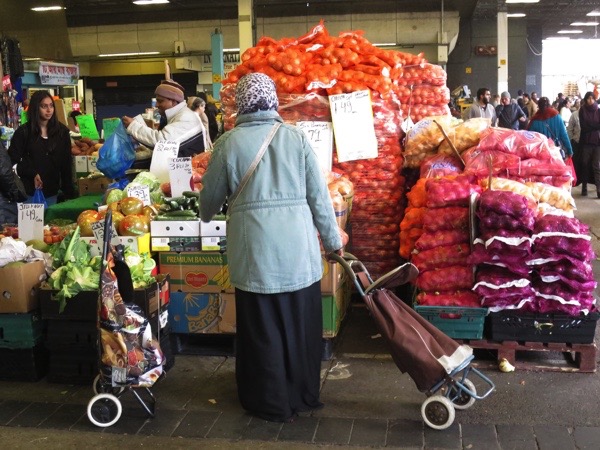
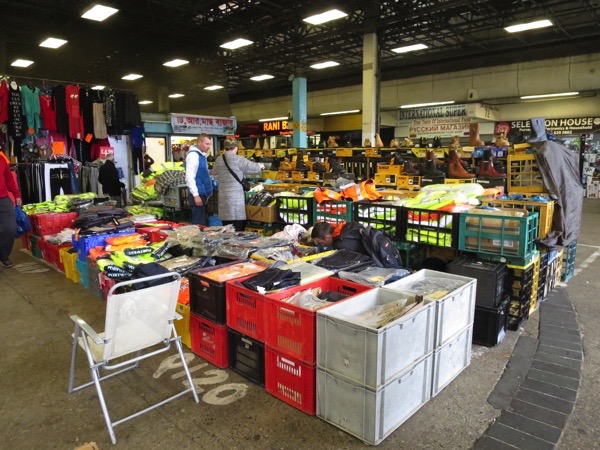
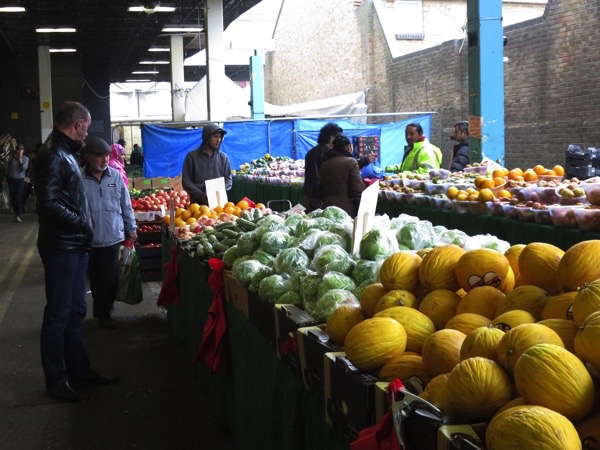
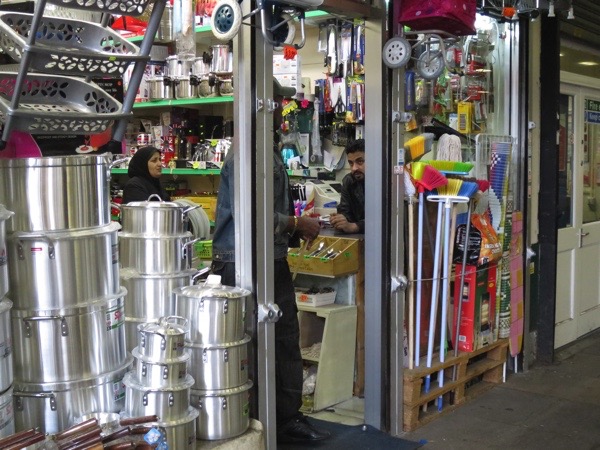
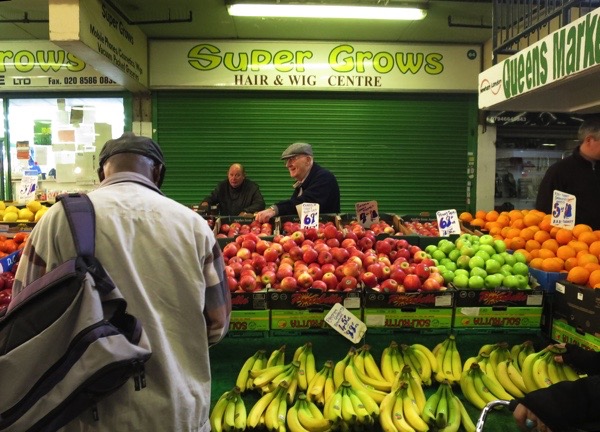
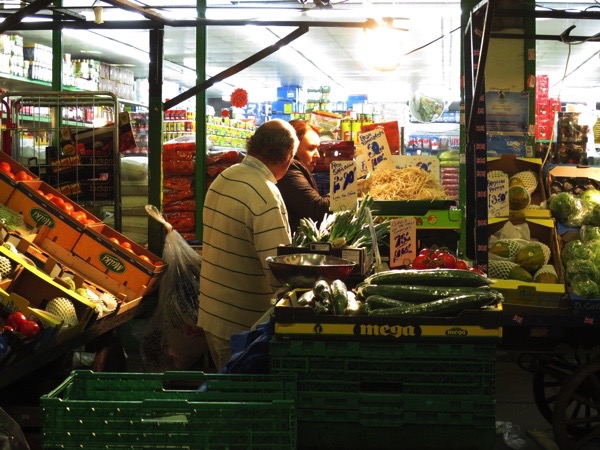
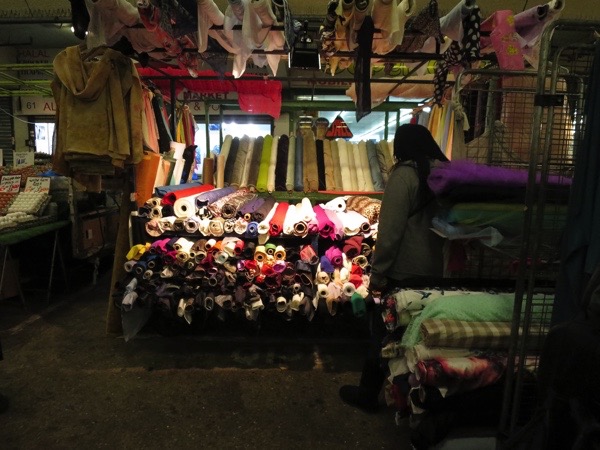
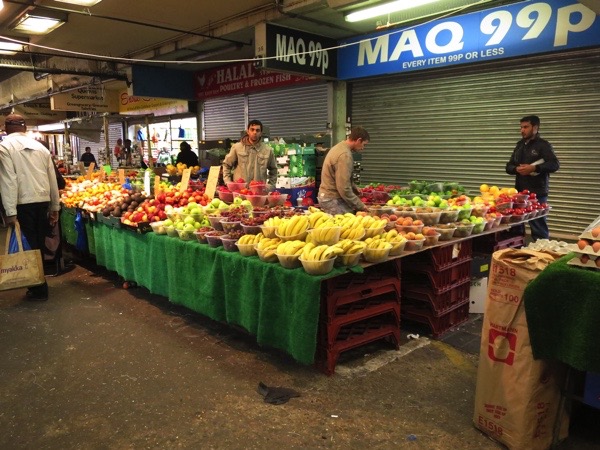
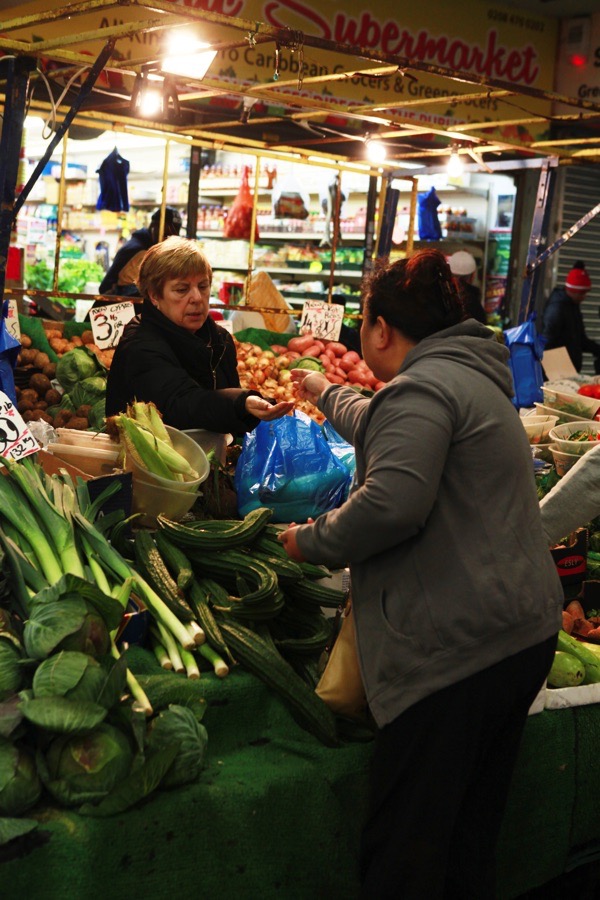
Carol Porter has been selling fruit & veg for nineteen years in Queens Market
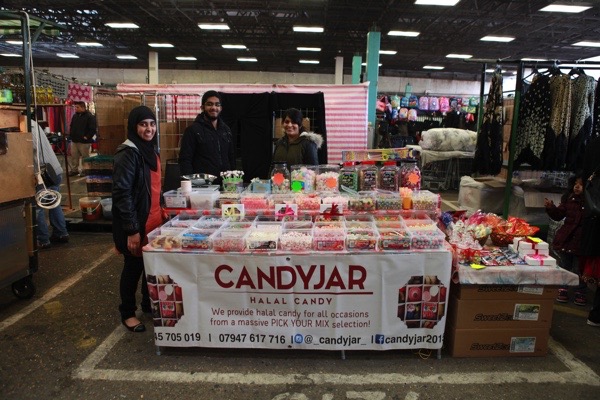
Zulaikha, Qasim & Aisha Tasawer on their first day as stallholders
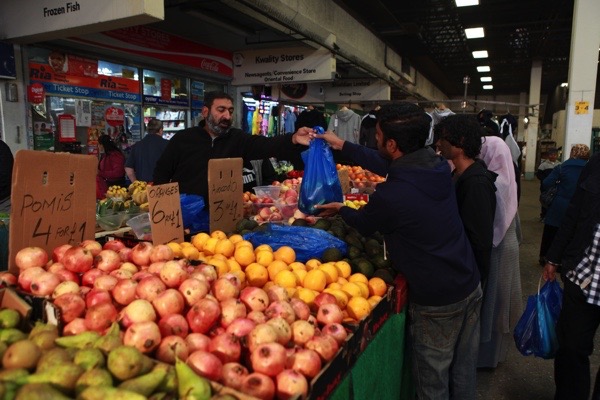
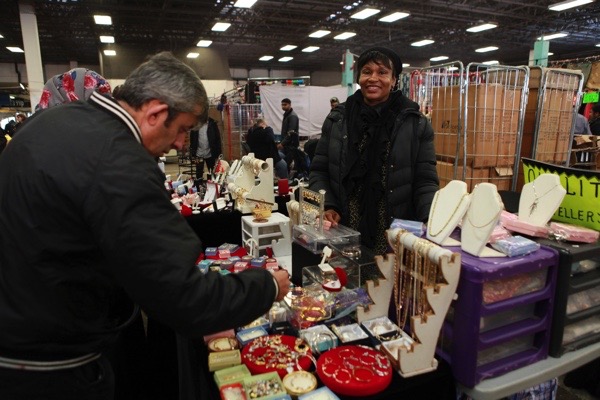
Joan Thompson has been selling jewellery here for seven years and was in Brixton before
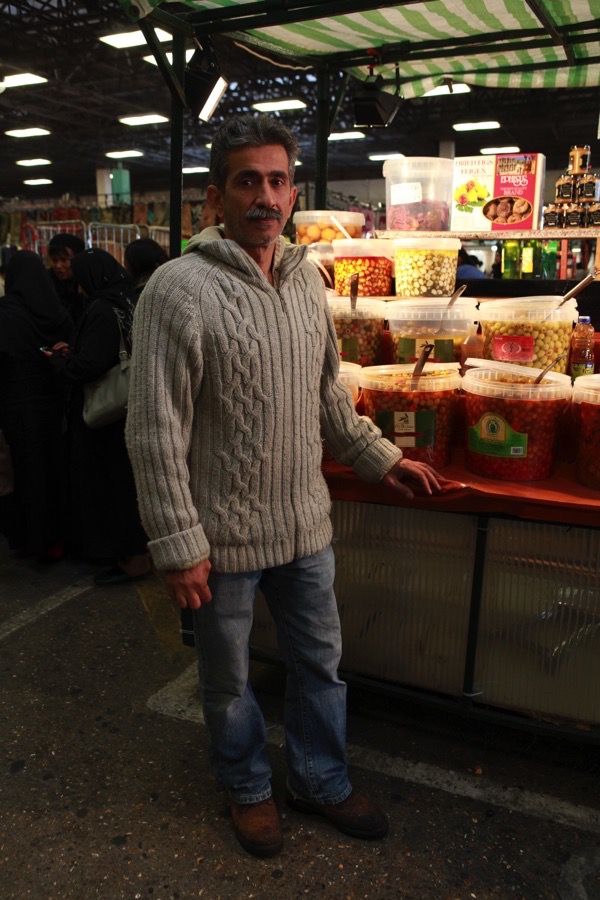
Ahmed Nassr has been selling olives and honey for just two months in Queens Market
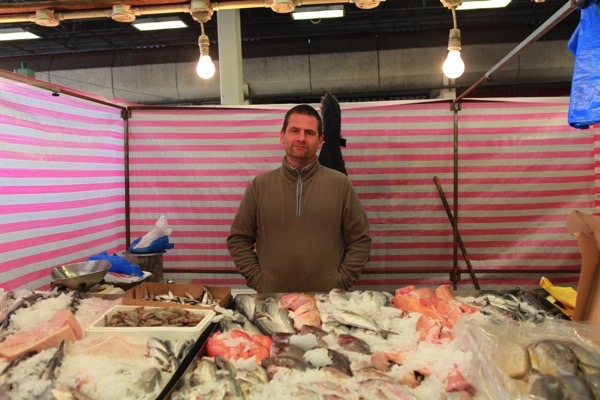
David Martin has been selling fish in this market for twenty-seven years
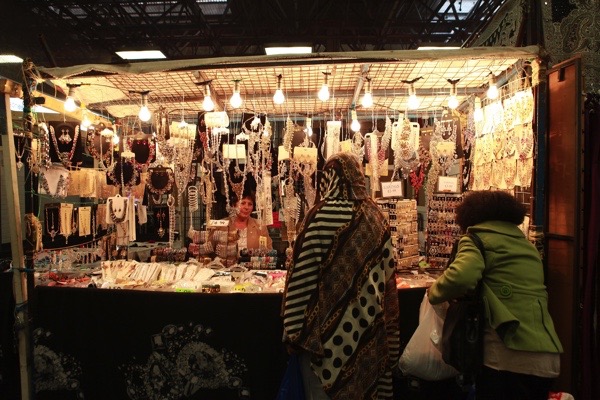
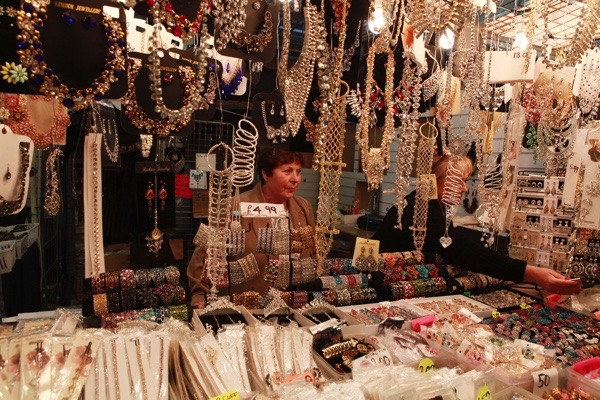
Mrs Wheatley has been selling jewellery at Queens Market for thirty-two years
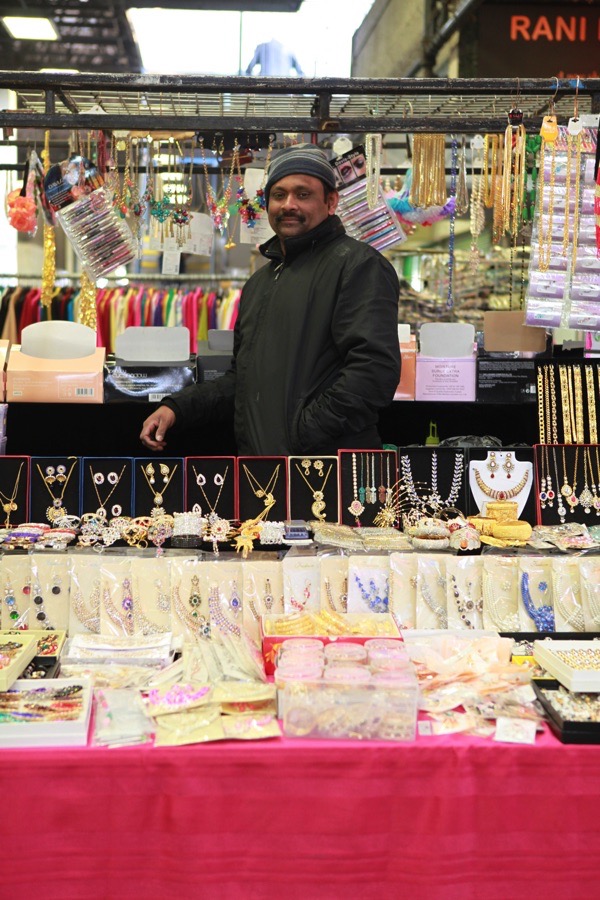
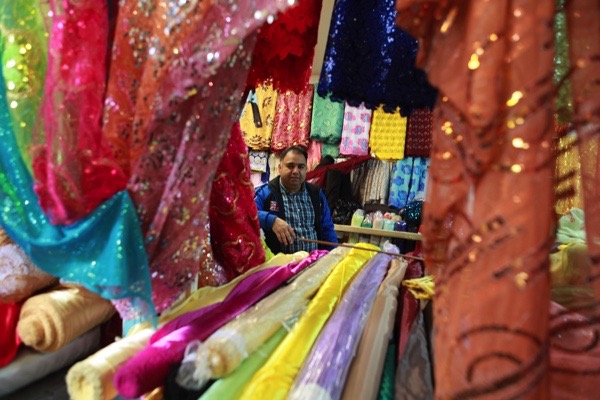
Mr Baig has been trading in textiles here for four years
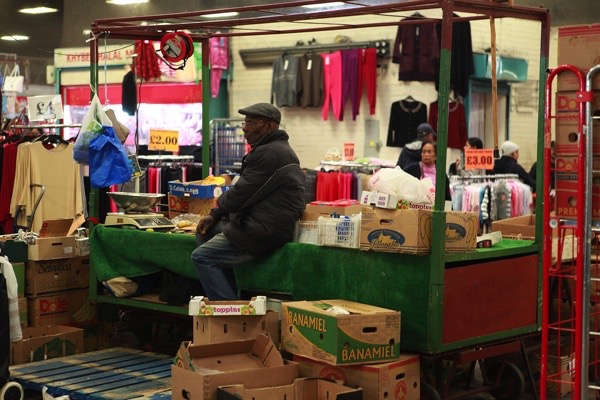
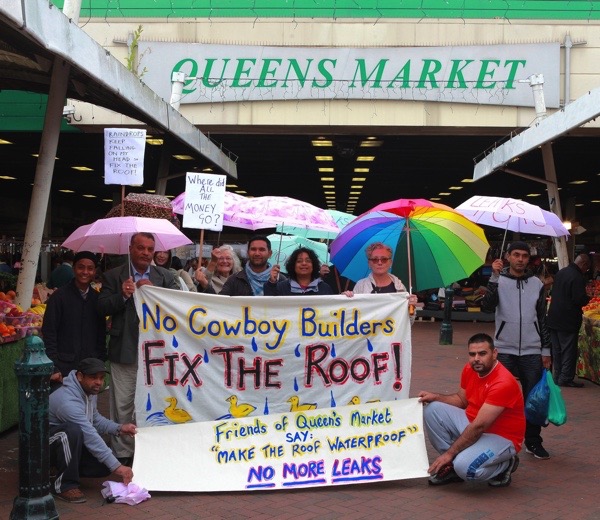
Friends of Queens Market protest about the lack of repairs to the leaky roof
Photographs copyright © Colin O’Brien
Read about how Queens Market was saved on the Friends of Queens Market website












