
David Prescott Of Commercial St

Book now for my tours of Spitalfields in August, September & October
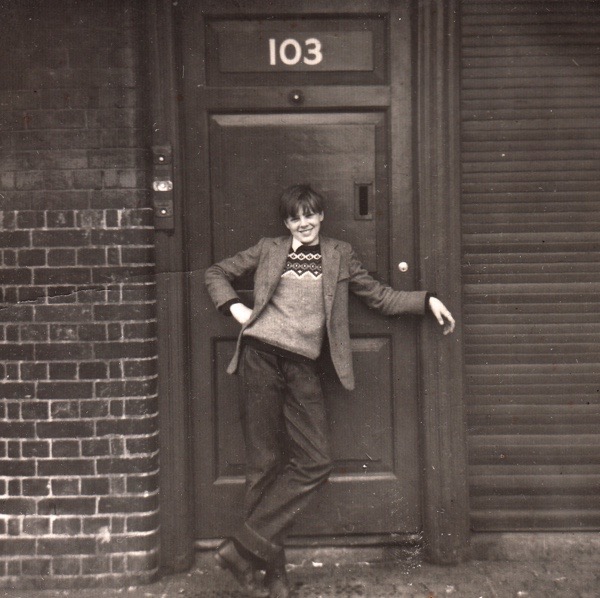
David standing outside 103 Commercial St in the mid-sixties
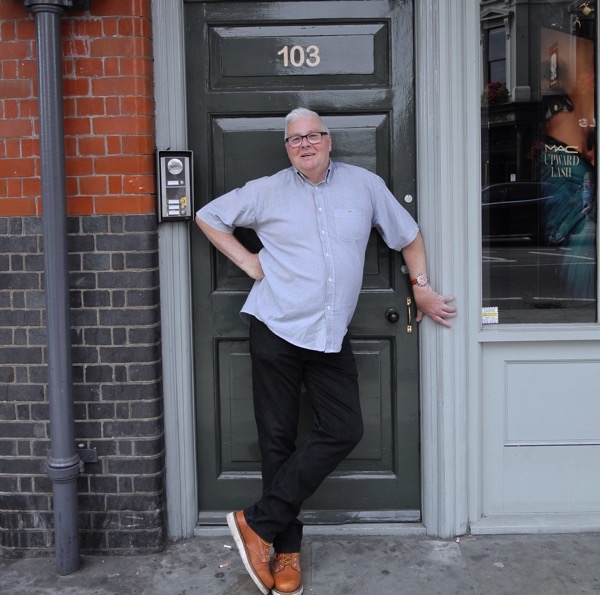
Growing up in the large flat above the Spitalfields Fruit & Vegetable Market at 103 Commercial St, with school and the family business nearby, David Prescott had the run of the neighbourhood and he found it offered an ideal playground.
One day in the sixties, David leaned out of the window and made his mark by spraying painting onto a flower in the terracotta frieze upon the front of the nineteenth century market building. Astonishingly, the white-painted flower is still clearly discernible in Commercial St half a century later, indicating the centre of David’s childhood world.
No wonder then that David chose to keep returning to his home territory, working in the Spitalfields Market until it closed in 1991. These days, he is amazed at the changes since he lived and worked here but – as long as the white-painted flower remains on Commercial St – for David, Spitalfields remains the location of his personal childhood landscape.
“Albert, my grandfather, ran fruit & vegetable shops down in Belvedere, and he used to come up to Spitalfields Market with his horse and cart to buy produce. So my father ‘Bert and his brother Reg decided to start a business in a little warehouse in Tenterground. Upstairs, there were prostitutes and men in bowler hats would come over from the City and look around, circumspect, before going upstairs.
They traded as R A Prescott, which was the initials of the two brothers, Reginald & Albert, but also my grandfather’s initials – which meant they could say they had been going over a hundred years already. They started in Spitalfields in 1952 but, when I was born in 1954, my father took the flat over the market at 103 Commercial St opposite the Ten Bells. Mickey Davis, who ran the shelter at the Fruit & Wool Exchange during the war lived in the flat below, but he had died in 1953 so we just knew his wife and two daughters.
I went to St Joseph’s School in Gun St and I loved it because all my friends lived nearby, in Gun St and Flower & Dean St, and I went to the youth club at Toynbee Hall. I used to walk through the market and everyone knew me – and since my sister, Sylvia, was six years older, they always teased – asking, ‘Where’s your sister?’
We never locked the doors except when we went to bed at night. One day, we came home and found a woman asleep in the living room and my dad sent her on her way. I used to climb up out from our flat and take my dog for a walk across the roof of the market, until the market police shouted at me and put up barbed wire to stop me doing it. Our mums and dads didn’t know what we were up to half the time. We made castles inside the stacks of empty wooden boxes that had been returned to the market.
I remember there was was a guy with a large bump on his head who used to shout and chase us. It would start on Brick Lane and end up in Whitechapel. There was another guy with a tap on his head and one who was shell-shocked. These poor guys, it was only later we realised that they had mental problems.We threw tomatoes, and we put potatoes on wires and spun them fast to let them fly.
In 1966, me and my pal Alan Crockett were in ‘The London Nobody Knows.’ They said, ‘Do you want to be in a film? We want you to run down the street and pile into a fight.’
My dad died of lung cancer when I was fifteen in 1969, but my mum was able to stay on in the flat. He got ill in April and died in August in St Joseph’s Hospice in Mare St. I left school and went to work with my uncle. By then, Prescotts had moved over to 38 Spital Sq. They weren’t part of the market, they supplied catering companies with peeled potatoes and they bought a machine to shell peas and were the first to offer them already podded. I worked with my elder brother Michael too, he set up on his own at 57 Brushfield St, but then he moved to Barnhurst in Kent and bought a three bedroom house. I became a van boy at Telfers, I used to leave home at half past two in the morning to get to Greenwich where they had a yard, by three to start work.
In 1972, we left the flat in Spitalfields and moved to a house in Kingston, and I worked for Hawker Siddley – they trained me as an engineer. But I missed the market so much, I had to come back. I got a job with Chiswick Fruits in the Fruit & Wool Exchange and then I went back to Prescotts. I was working at the Spitalfields Market in 1991 when they moved out to Leyton, but it was’t the same there and, by 2000, I’d had enough of the market. In those days, you could walk out of one job and straight into another. I must have had thirty to forty jobs.“
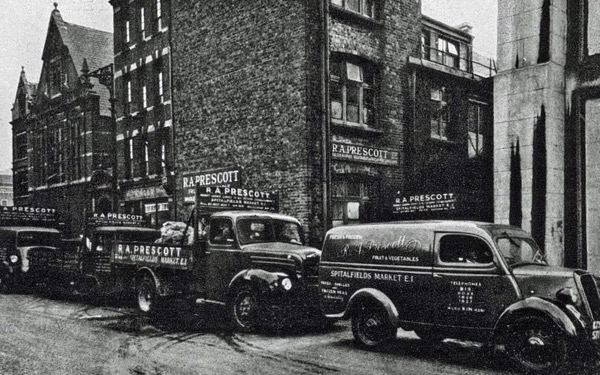
R A Prescott of 38 Spital Sq
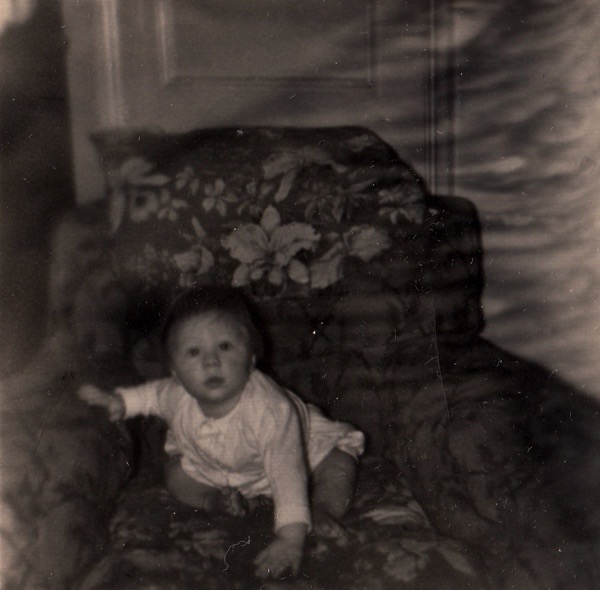
David as a baby at 103 Commercial St in 1955
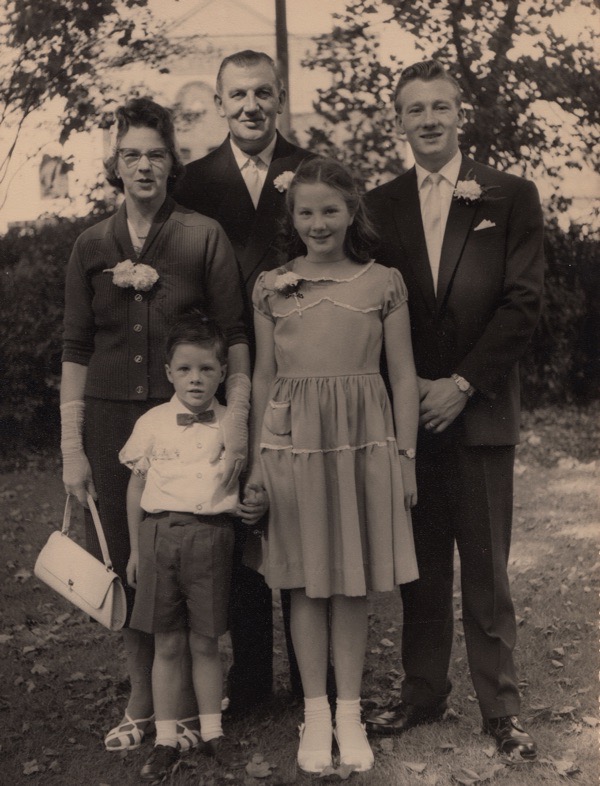
David at five years old at his brother Michael’s wedding in Poplar in 1959
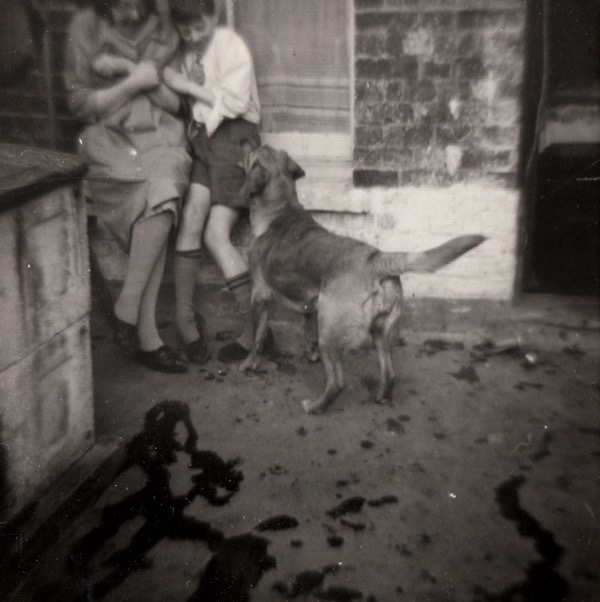
David with his mum, Kathleen, playing with the dog in the yard at the back of the market flat
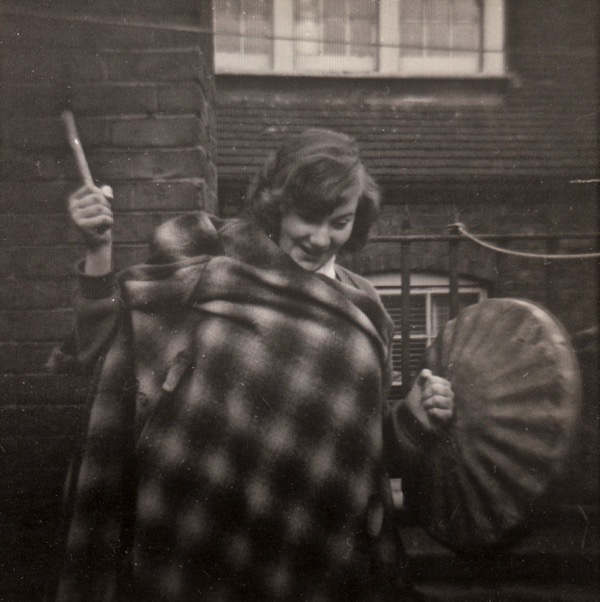
David’s sister Sylvia, who went to St Victoire’s Grammar School in Victoria Park
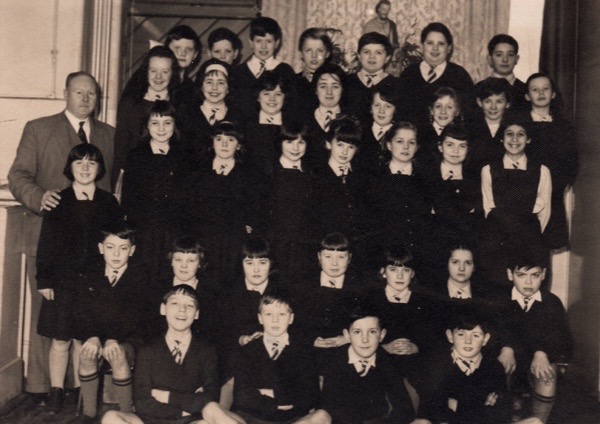
David is centre right in the front row at St Joseph’s School, Gun St
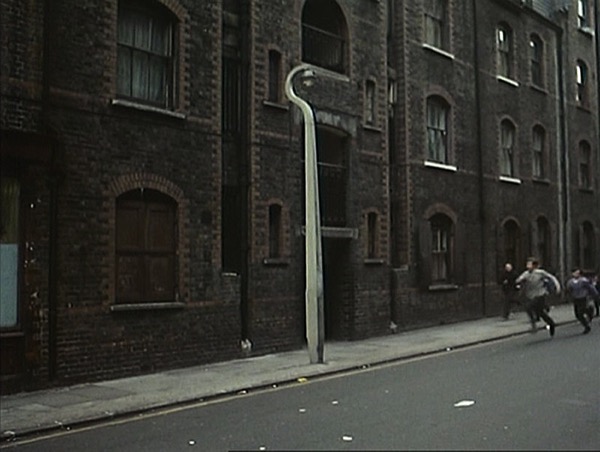
In 1966, David and his pal Alan Crockett were in ‘The London Nobody Knows.’ This shot shows Alan (leading) and David (behind) running down Lolesworth St.
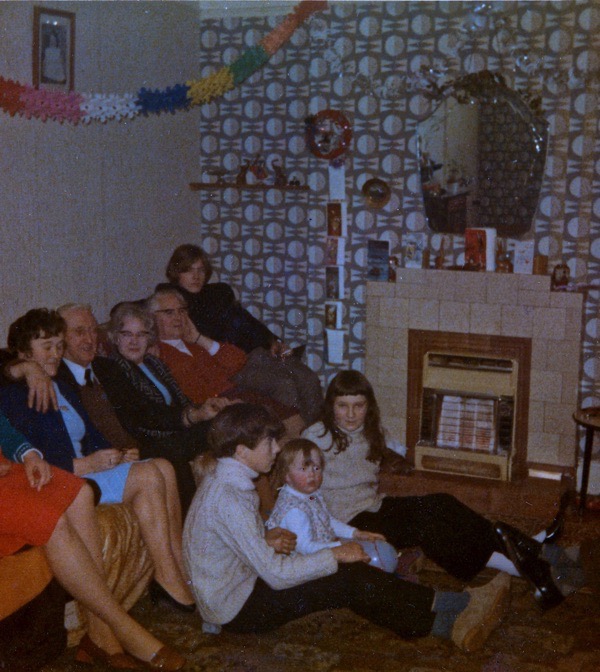
Christmas at 103 Commercial St in 1967
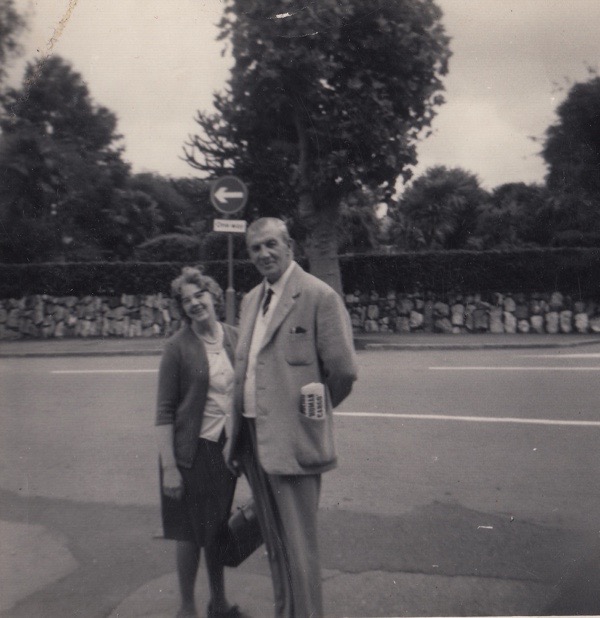
David’s mother Kathleen and his father ‘Bert on holiday in 1968
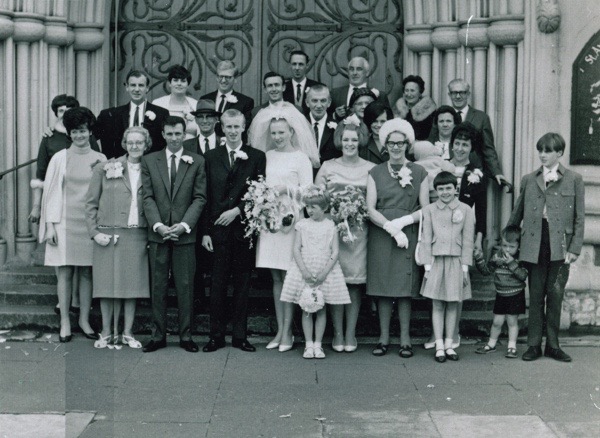
David stands on the far right at his sister Sylvia’s wedding at St Anne’s, Underwood Rd, in 1964
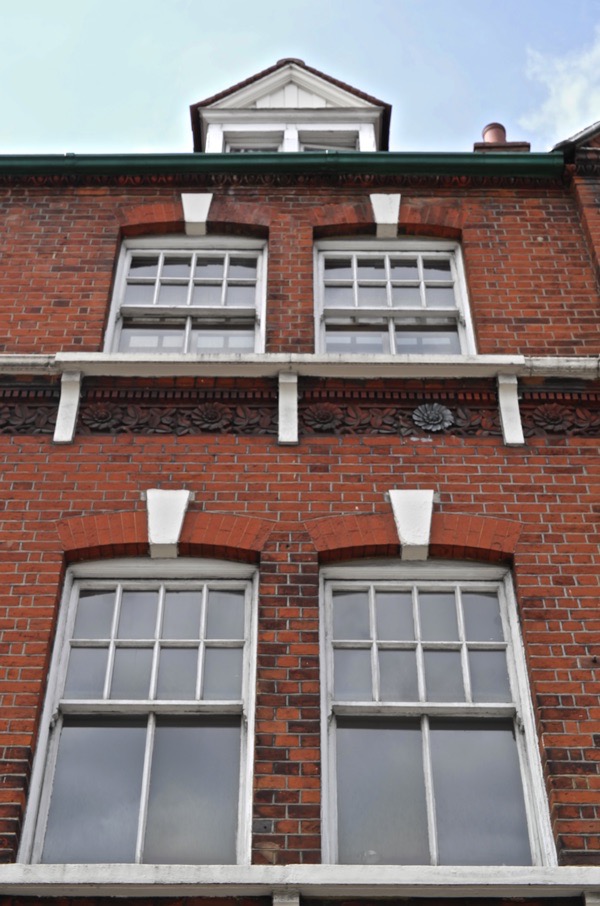
David leaned out of his window and sprayed paint onto this flower in 1964
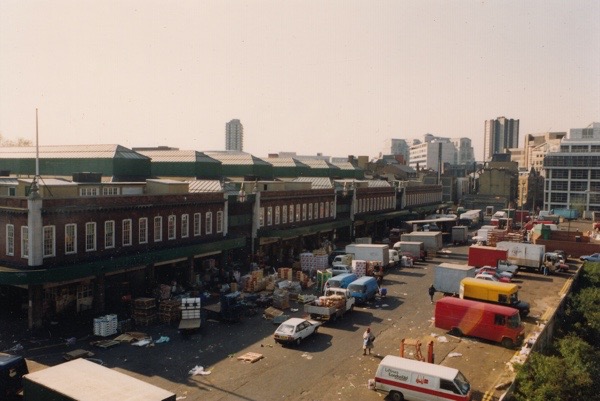
Looking south across the Spitalfields Market
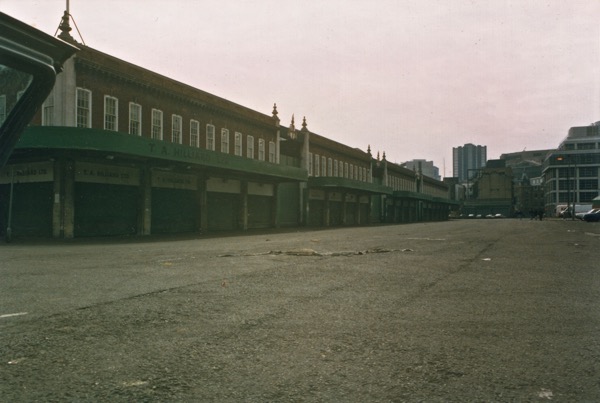
Spitalfields Market empty at the weekend
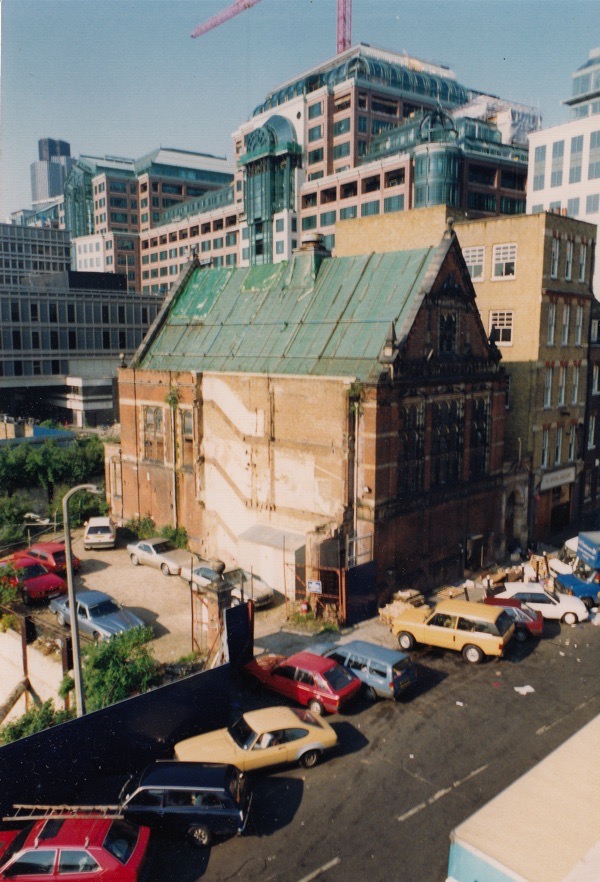
Spital Sq after the demolition of Central Foundation School
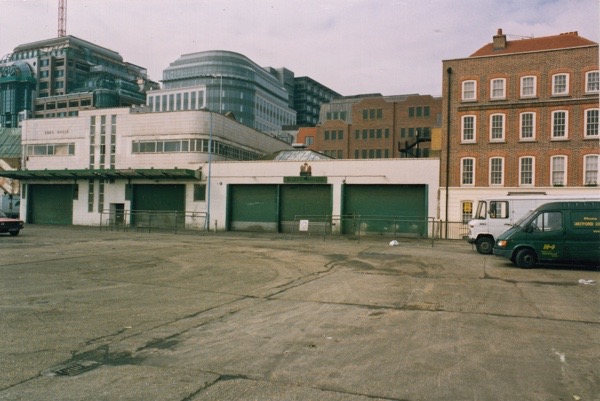
The Flower Market at Spitalfields Market
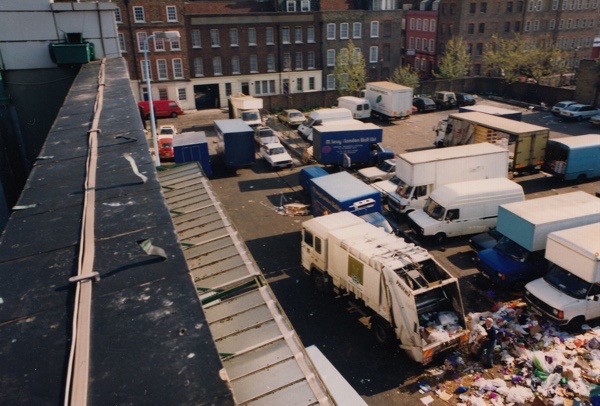
From the roof of Spitlafields Flower Market looking towards Folgate St
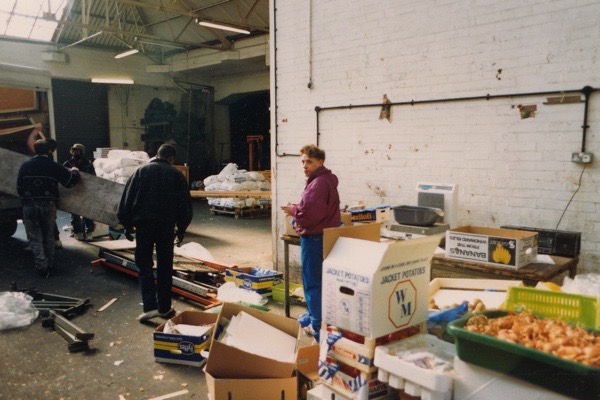
Clearing out on the last day of the Spitalfields Fruit & Vegetable Market in 1991
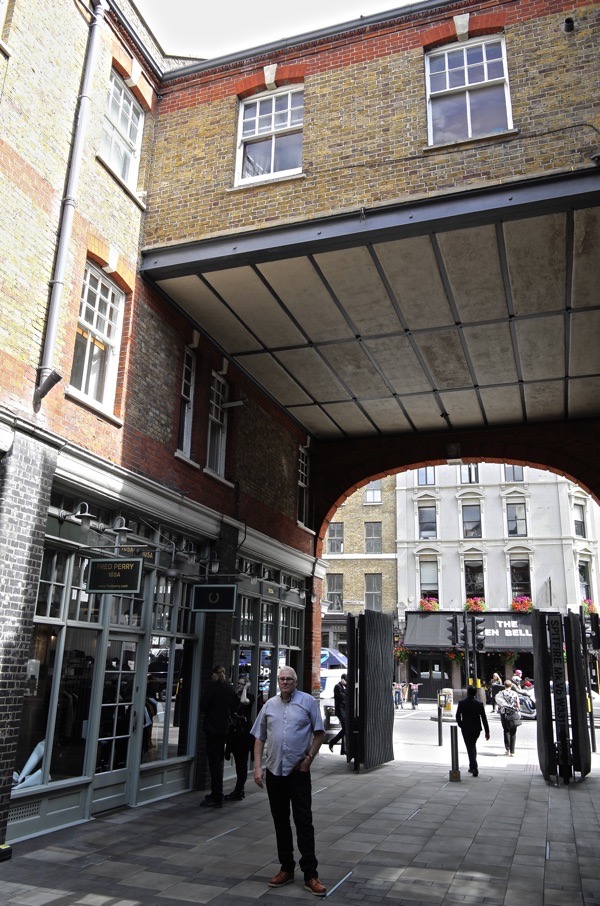
David stands in the Spitalfields Market today beneath the window that was once his childhood bedroom
You may also like to read about
So Long, Paddy Handscombe
Patrick Handscombe, born 16th March 1950, died aged 75 on 30th July 2025
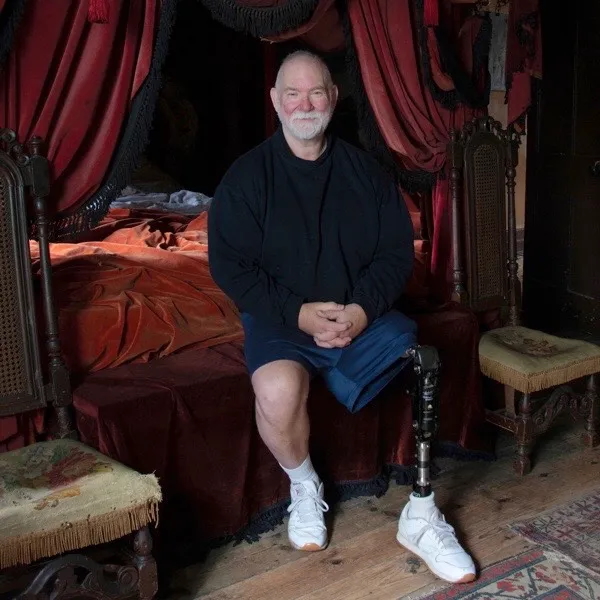
Paddy Handscombe (1950-2025)
I met Paddy when he returned to Dennis Severs’ House to have his portrait taken by Lucinda Douglas Menzies in 2022. In her portrait above you see him seated in the Dickens’ attic at the house.
When Rupert Thomas curated an exhibition of Simon Pettet’s ceramics the next year, I visited Paddy at his house in Wivenhoe several times for lunch to interview him about his relationship with Simon in the eighties and nineties, during the years that he lived in Spitalfields.
Paddy was ebullient and unsentimental about his missing leg and revealed himself to be an astonishing polymath with extensive eclectic knowledge in many fields derived from his time at Sotheby’s, as a deep sea diver, and subsequently as licensee of Europe’s largest sex club. He insisted that lunches were accompanied by several glasses of red wine and I often dozed off on the return journey to Liverpool St Station, my mind reeling with his breathtaking tales.
These interviews formed the basis of ‘Simon’s Story’, a play that I wrote and directed at Dennis Severs’ House in 2023, exploring the relationship of Paddy and Simon at the time they both lived there. Below I have edited together some excerpts of Paddy telling this story in his own words.
“I met Dennis Severs first in the seventies when he was tousle-haired Californian surfing boy.
In 1989 at The Market Tavern, a gay pub at Nine Elms, I met Simon Pettet who came to stand beside me, eating cheese and onion crisps. ‘They smell dreadful,’ I said and he replied, ‘I’m only eating them to stand next to you. Do you want to come back to my place in Spitalfields?’ So we go out to my Rolls Royce and he said, ‘Is this your car?’ and I said, ‘It’s not the most usual car!’ and he said, ‘I live in a very unusual house.’ I replied, ‘I guess you live in Dennis Severs’ House?’
We spent a night of passion, it was wonderful. Dennis was in America but when he returned Simon rang and asked me to dinner. Dennis was delighted Simon had found someone he already knew and Simon was pleased that Dennis approved. I spent a lot of nights here and then I lived here for about nine months, until Simon switched me off. I was floored.
Dennis put me onto Rodney Archer so I lived at 31 Fournier St for four years. Then one morning the phone rang and it was Simon. He said, ‘Don’t panic, I’m in hospital.’ He had pneumonia and the question was where would he live. He knew already that he had HIV but now he had AIDS.
Dennis said Simon could not live in his house any more. He had HIV himself. Deep down, I think he was frightened. Dennis was the love of Simon’s life but, in the end, Dennis was a loner and one of the most promiscuous men in London.
Marianna Kennedy arranged for Simon to live at 27 Fournier St and he lasted a couple of years there until he died at twenty-eight years old. He opened up to me again and I looked after him. There was no treatment then and Simon got ill with different things, but he was terrifically brave.
Late one night, I lost my leg driving Simon’s motorbike – I left it in Lewisham High St. I swerved and caught my leg on an unlit skip, and it ripped my leg off. The bike was undamaged but I lay with my leg hanging off.
I got out of hospital and went back to Simon. The doctor said, ‘If you had not had Simon to look after, you would have wallowed.’’
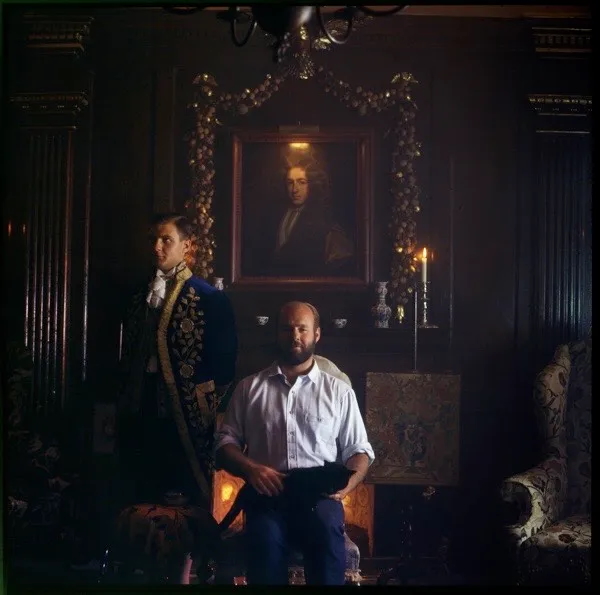
Simon Pettet and Dennis Severs at 18 Folgate St in the eighties
Portrait of Patrick Handscombe copyright © Lucinda Douglas-Menzies
The Language Of Printing
Book now for tours of Spitalfields in August, September and October
Charles Pertwee of Baddeley Brothers, the longest established engravers in the City of London & the East End, lent me his copy of John Southward’s ‘Dictionary of Typography’ from 1875, which lists all the relevant terminology. Today, I have selected some of my favourite entries – as much for their arcane poetry as for the education of my readers.
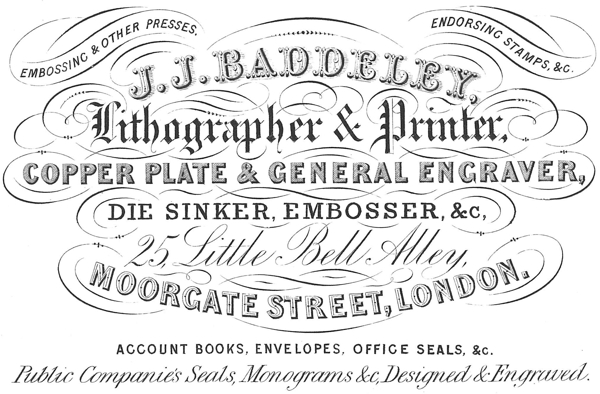
ABRIDGEMENT – An epitome of a book, made by omitting the less important matter.
ADVERSARIA – Commonplace books: a miscellaneous collection of notes remarks and extracts.
APPRENTICE – An apprentice is a person described in law books as a species of servant, and so called from the French verb apprendre – to learn – because he is bound by indenture to serve a master for a certain term, receiving in return for his services instruction in his masters’s trade, profession or art.
BASTARD TITLE – The short or condensed title preceding full title of the work.
BATTER – Any injury to the face of the type sufficient to prevent it showing clearly in printing.
BEARD OF A LETTER – The outer-angle of the square shoulder of the shank, which reaches almost to the face of the letter, and is commonly scraped off by the Founders, serving to leave a white square between the lower face of the type and the top part of any ascending letter which happen to come in the line following.
BIENVENUE – An obsolete term by which was meant formerly the fee paid on admittance to a ‘Chapel.’
BODKIN – A pointing steel instrument used in correcting, to pick wrong or imperfect letters out of a page.
BOTCHED – Carelessly or badly-done work.
BOTTLE-ARSED – Type that is wider at the bottom than the top.
BOTTLE-NECKED – Type that is thicker at the top than the bottom.
CANDLESTICK – In former times, when Compositors worked at night by the light of candles, they used a candlestick loaded at the base to keep it steady. A few offices use candlesticks at the present day.
CASSIE-PAPER – Imperfect paper, the outside quires of a ream.
CHAFF – Too frequently heard in the printing office, when one Compositor teases another, as regards his work, habits, disposition etc
CHOKED – Type filled up with dirt.
COVENTRY – When a workman does not conform to the rules of the ‘Chapel,’ he is sent to Coventry. That is, on no consideration, is any person allowed to speak with him, apart from business matters, until he pays his dues.
DEAD HORSE – When a Compositor has drawn more money on account than he has actually earned, he is said to be ‘horsing it’ and until he has done enough work in the next week to cover the amount withdrawn, he is said to be working a ‘dead horse.’
DEVIL – is the term applied to the printer’s boy who does the drudgery work of a print office.
DONKEY – Compositors were at one period thus styled by Pressmen in retaliation for being called pigs by them.
EIGHTEENMO – A sheet of paper folded into eighteen leaves, making thirty-six pages.
FAT-FACE LETTER – Letter with a broad face and thick stem.
FLOOR PIE – Type that has been dropped upon the floor during the operations of composition or distribution.
FLY – The man or boy who takes off the sheet from the tympan as the Pressman turns it up.
FORTY-EIGHTMO – A sheet of paper folded into forty-eight leaves or ninety-six pages.
FUDGE – To execute work without the proper materials, or finish it in a bungling or unworkmanlike manner.
GOOD COLOUR – When a sheet is printed neither too dark or too light.
GULL – To tear the point holes in a sheet of paper while printing.
HELL – The place where the broken and battered type goes to.
JERRY – A peculiar noise rendered by Compositors and Pressmen when one of their companions renders themselves ridiculous in any way.
LAYING-ON-BOY – The boy who feeds the sheets into the machine.
LEAN-FACE – A letter of slender proportions, compared with its height.
LIGHT-FACES – Varieties of face in which the lines are unusually thin.
LUG – When the roller adheres closely to the inking table and the type, through its being green and soft, it is said to ‘lug.’
MACKLE – An imperfection in the printed sheets, part of the impression appears double.
MONK – A botch of ink on a printed sheet, arising from insufficient distribution of the ink over the rollers.
MULLER – A sort of pestle, used for spreading ink on the ink table.
NEWS-HOUSE – A printing office in which newspapers only are printed. This term is used to distinguish from book and job houses.
OCTAVO – A sheet of paper folded so as to make eight leaves or sixteen pages.
ON ITS FEET – When a letter stands perfectly upright, it is said to be ‘on its feet.’
PEEL – A wooden instrument shaped like a letter ‘T’ used for hanging up sheets on the poles.
PENNY-A-LINER – A reporter for the Press who is not engaged on the staff, but sends in his matter upon approbation.
PIE – A mass of letters disarranged and in confusion.
PIG – A Pressman was formerly called so by Compositors.
PIGEON HOLES – Unusually wide spaces between words, caused by the carelessness or want of taste of the workman.
PRESS GOES EASY – When the run of the press is light and the pull is easy.
QUIRE – A quire of paper for all usual purposes consists of twenty-four sheets.
RAT-HOUSE – A printing office where the rules of the printers’ trade unions are not conformed to.
SCORPERS – Instruments used by Engravers to clear away the larger portions of wood not drawn upon.
SHEEP’S FOOT – An iron hammer with a claw end, used by Pressmen.
‘SHIP – A colloquial abbreviation of companionship.
SHOE – An old slipper is hung at the end of the frame so that the Compositor, when he comes across a broken or battered letter, may put it there.
SLUG – An American name for what we call a ‘clump.’
SQUABBLE – Lines of matter twisted out of their proper positions with letters running into wrong lines etc.
STIGMATYPY – Printing with points, the arrangement of points of various thicknesses to create a picture.
WAYZGOOSE – An annual festivity celebrated in most large offices.
You may also like to read about
Sally Flood, Poet
CLICK HERE TO BOOK FOR FOR AUGUST, SEPTEMBER & OCTOBER

“I had always written, as a child,” admitted Sally Flood with a shrug, “but it wasn’t stuff you showed.” For years, when her thoughts wandered whilst working in the factory in Princelet St, Sally wrote poems on the paper that backed the embroidery in the machine she operated – but she always tore up her compositions when her boss appeared.
Then, when she was fifty years old, Sally took some of her poems along to the Basement Writers in Cable St and achieved unexpected recognition, giving her the confidence to call herself a poet for the first time. Since then, Sally’s verse has been widely published, studied in schools and universities, and she has become an experienced performer of her own poetry. “At work, I used to write things to make people laugh,” she explained, “I used to say, ‘Embroidery is my trade, but writing is my hobby.'”
“I’ve got draws full of poems,” she confided to me with a blush, unable to keep track of her prolific writing, now that poetry is her primary occupation and she no longer tears up her compositions. “I’ve got so much here, I don’t know what I’ve got.” she said, rolling her eyes at the craziness of it.
Ambulance helicopters whirl over Sally’s house, night and day, the last in a Georgian terrace which is so close to the hospital in Whitechapel that if you got out of bed on the wrong side you might find yourself in surgery. Sally moved there nearly fifty years ago with her young family, and now she has three grandchildren and five great grandchildren. Framed pictures attest to the family life which filled this house for so many years, while today boxes of toys lie around awaiting visits by the youngest members of her clan.
“In 1975, when my children were growing up and the youngest was fifteen, I decided that I need to do something else, because I didn’t want to be one of those mothers who held onto her children too much.” Sally recalled, “So I joined the Bethnal Green Institute, and it was all ballroom dancing and keep fit, but I found a leaflet Chris Searle had put there for the Basement Writers, so I decided to write a poem and send it along to them. Then I got a letter back asking me to send more – and I was amazed because the poem I sent was one I would otherwise have torn up. Of your own work, you’ve got no real opinion.”
“On my first visit, I went along with my daughter, but there were children of school age and I was turning fifty. I wasn’t sure if I should be there until I met Gladys McGee who was ten years older than me. She was so funny, I learnt so much from her – she had been an unmarried mother in the Land Army. I started going regular, and the first poem I read was published.”
“I think my life is more in poetry than anything else. I sometimes think my writing is like a diary. Chris Searle of the basement writers made such an impression on my life, he gave me the confidence to do this. And when I did my writing, my life took off in a certain direction and I met so many fantastic people.”
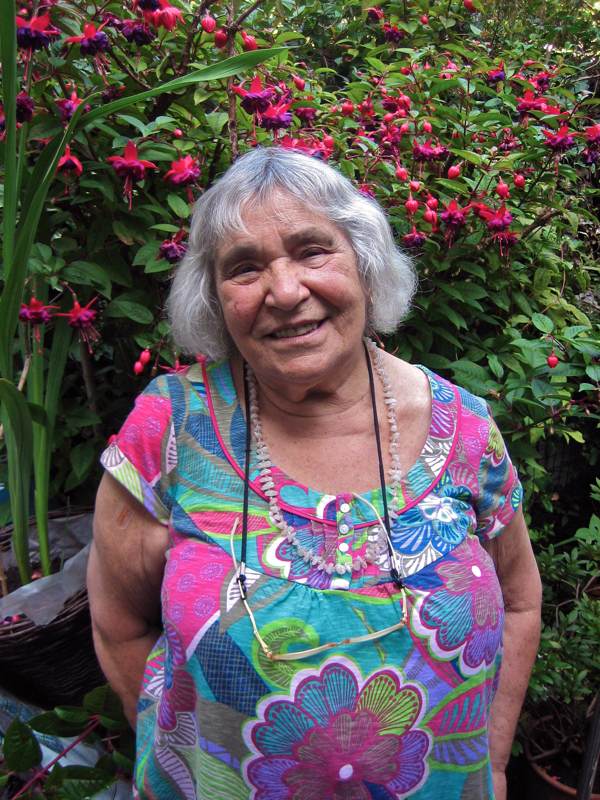
Sally’s house is full of cupboards and cabinets filled of files of poems and pictures and embroidery, and the former yard at the back has become a garden with luscious fuchias that are Sally’s favourites. After all these years of activity, it has become her private space for reflection. Sally can now get up when she pleases and enjoy a jam sandwich for breakfast. She can make paintings and tend her garden, and write more poems. The house is full with her thoughts and her memories.
“My grandparents were from Russia and they brought my father over when he was four years old.” Sally told me, taking down the photograph to remind herself,“He became cabinet maker and he was one of the best. In those days, they used to work from six until ten at night, so they knew what work was. I was born in Chambord St, Brick Lane, in 1925, and I grew up there. From there we moved to a two-up two-down in Chicksand St and from there to Bethnal Green, just before the war broke out. We had a bath in the kitchen with a tabletop. It was the first time we had a bath, before that we went to bathhouse. I’m telling you the history of the East End here!
I was evacuated to Norfolk at first. We took the surname Morris from father’s first name, so that people wouldn’t know we were Jewish. The people up there had a suspicion against Londoners and they thought we were all the same. But I was lucky, we ended up in a hotel on the river in Torbay in Devon. Life was fantastic, we used to go fishing. It was a different experience from my life in London. I joined the girl guides, I could never have done that otherwise. Where I was evacuated, they wanted to train me to be a teacher, but my mother came and took me back and said, “They’re going to exploit you, you’re going to be a machinist.”
“Being evacuated meant I went outside my culture, and I saw that English people were nice. I think that’s why I married outside my religion. We were together fifty-five years and I always say it wasn’t enough. If I hadn’t been evacuated I wouldn’t have done that.”
Sally put the photograph of her parents back on the shelf carefully, and turned her head to the pictures of her husband, her children, her grandchildren and great-grandchildren, on different sides of the room. I watched her looking back and forth through time, and the room she inhabited became a charged space in between the past and the future. This is the space where she does her writing. And then Sally brought out a book to show me, opening it to reveal it short poems in her handwriting accompanied by lively drawings of people, reminiscent of the sketches of L. S. Lowry or the doodles of Stevie Smith.
Sally is a paradoxical person to meet. A natural writer who resists complacency, she continues to be surprised by her own work, yet she is knowledgeable of literature and an experienced teacher of writing. Appearing at the door in her apron and talking in her tender sing-song voice, Sally wears her erudition lightly, but it does not mean that she is not serious. With innate dignity and a vast repertoire of stories to tell, Sally Flood is a writer who always speaks from the truth of her own experience.
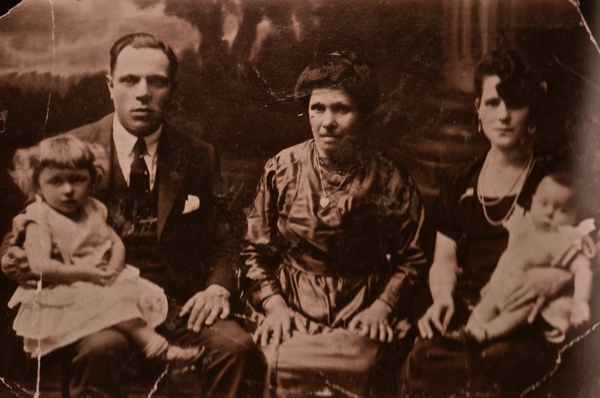
Maurice Grodinsky, Sally’s father is on the left with Sally’s mother, Annie Grodinsky, on the right, and Freda, Maurice’s mother, in between. At four years old, Maurice was brought to Spitalfields from Bessarabia at the end of the nineteenth century. The two children are Marie and Joey – when this picture was taken in 1925, Sally was yet to be born.
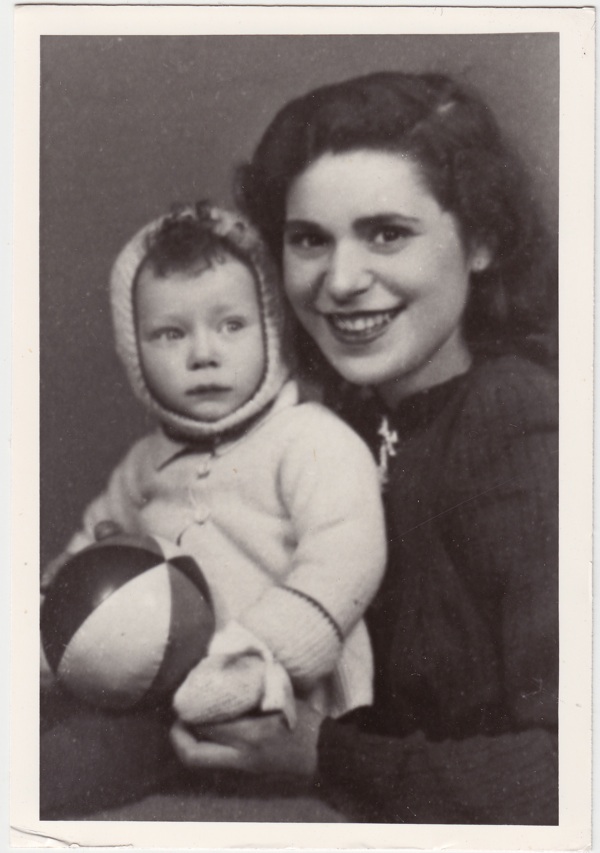
Sally with her first child Danny in the early nineteen fifties.

Sally’s children, Maureen, Jimmy, Pat and Theresa in the yard in Whitechapel in 1962.
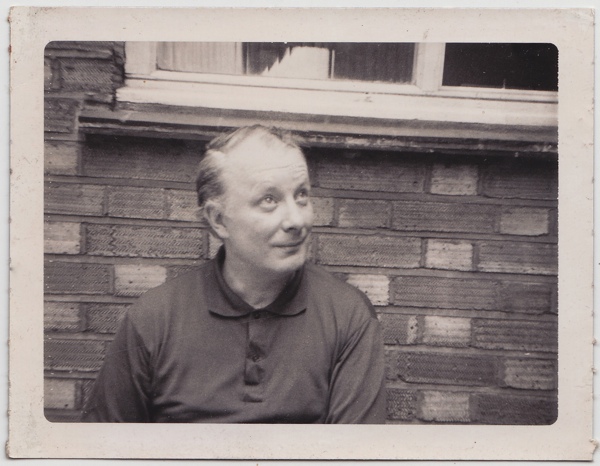
Sally’s husband, Joseph Flood.
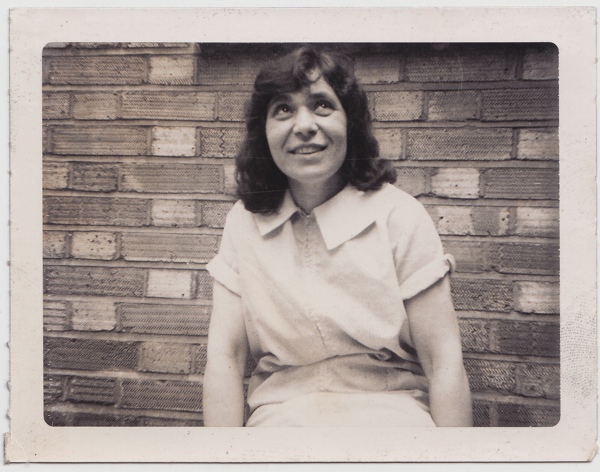
Sally in Whitechapel, early sixties.
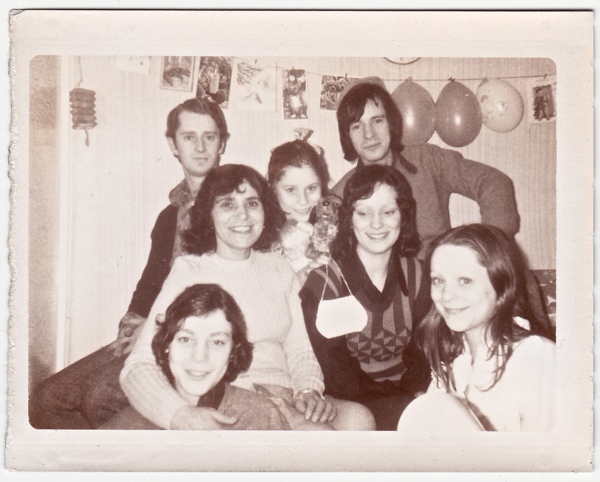
Sally with her children, Danny, Theresa, Jimmy, Maureen, Pat and Michael.
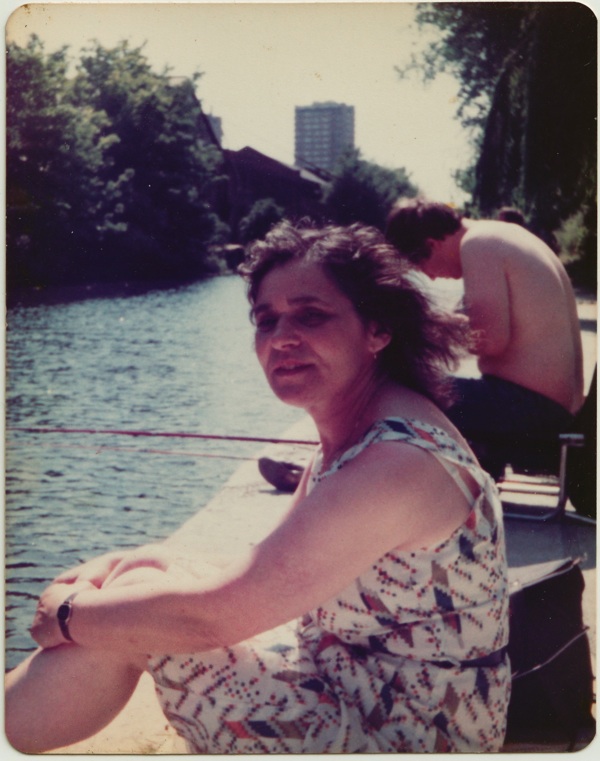
Sitting by the canal in the nineteen seventies.
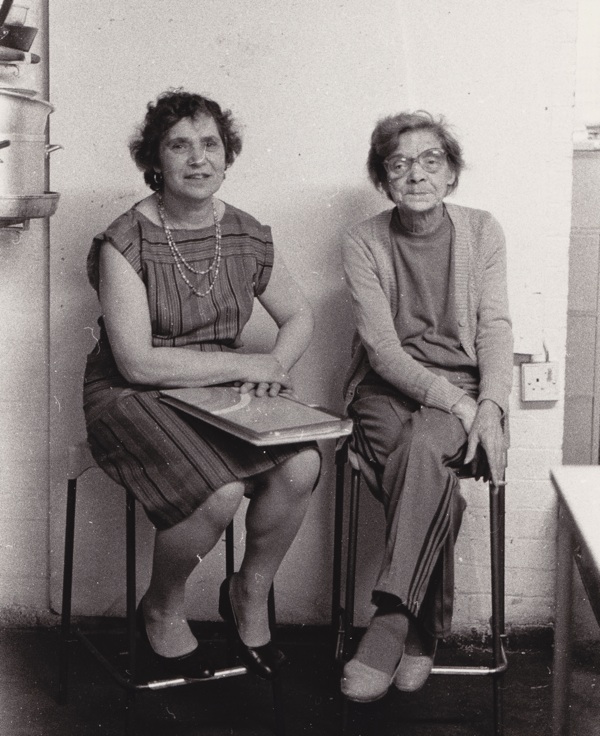
Sally with Gladys McGee at the Basement Writers.
You may also like to read about
Chris Searle & the Stepney School Strike
or
Charles Booth’s Spitalfields
CLICK HERE TO BOOK FOR FOR AUGUST, SEPTEMBER & OCTOBER
In the East London volume of Charles Booth’s notebooks of research for his Survey into Life & Labour of the People of London (1886-1903), I came upon an account of a visit to Spitalfields in spring 1898, when he walked through many of the streets and locations around the same time Horace Warner took his Spitalfields Nippers photographs. So I thought I would select descriptions from Booth’s notebooks and place Warner’s pictures alongside, comparing their views of the same subject.

March 18th Friday 1898 – Walk with Sergeant French
Walked round a district bounded to the North by Quaker St, on the East by Brick Lane and on the West by Commercial St, being part of the parish of Christ Church, Spitalfields.

Back of big house, Quaker St
Starting at the Police Station in Commercial St, East past St Stephen’s Church into Quaker St. Rough, Irish. Brothels on the south side of the street past the Court called New Square. Also a Salvation Army ‘Lighthouse’ which encourages the disreputable to come this way. The railway has now absorbed all the houses on the North side as far as opposite Pool Square. Wheler St also Rough Irish, does not look bad, shops underneath.

Courts South of Quaker St – Pope’s Head Court, lately done up and repaired, and a new class in them since the repairs, poor not rough. One or two old houses remaining with long weavers’ windows in the higher storeys.

New Square, Rough, one one storey house, dogs chained in back garden…

Pool Sq
Pool Square, three storeyed houses, rough women about, Irish. One house with a wooden top storey, windows broken. This is the last of an Irish colony, the Jews begin to predominate when Grey Eagle St is reached. These courts belong to small owners who generally themselves occupy one of the houses in the courts themselves.

Isaac Levy
Grey Eagle St Jews on East side, poor. Gentiles, rough on West side, mixture of criminal men in street. Looks very poor, even the Jewish side but children booted, fairly clean, well clothed and well fed. Truman’s Brewery to the East side. To Corbet’s Court, storeyed rough Irish, brothels on either side of North end.

Washing Day
Children booted but with some very bad boots, by no means respectable….

Pearl St
Great Pearl St Common lodging houses with double beds – thieves and prostitutes.

South into Little Pearl St and Vine Court, old houses with long small-paned weavers windows to top storeys, some boarded up in the middle. On the West side, lives T Grainger ‘Barrows to Let’

Parsley Season in Crown Court
Crown Court, two strong men packing up sacks of parsley…

Carriage Folk of Crown Court – Tommy Nail & Willie Dellow
The Great Pearl St District remains as black as it was ten years ago, common lodging houses for men, women and doubles which are little better than brothels. Thieves, bullies and prostitutes are their inhabitants. A thoroughly vicious quarter – the presence of the Cambridge Music Hall in Commercial St makes it a focussing point for prostitutes

Detail of Charles Booth’s Descriptive Map of London Poverty 1889
At Abbey Wood
CLICK HERE TO BOOK FOR MY TOURS FOR AUGUST, SEPTEMBER & OCTOBER
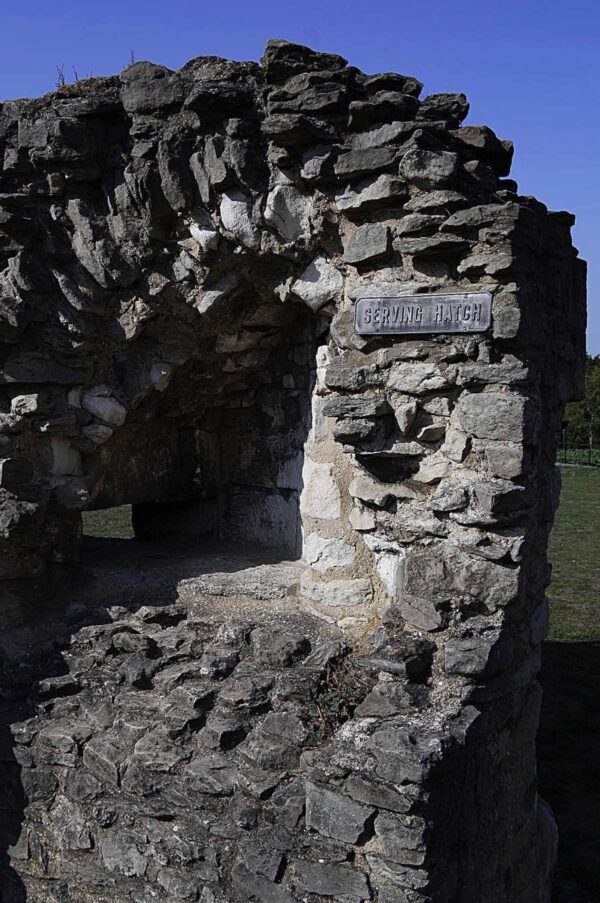
Serving Hatch
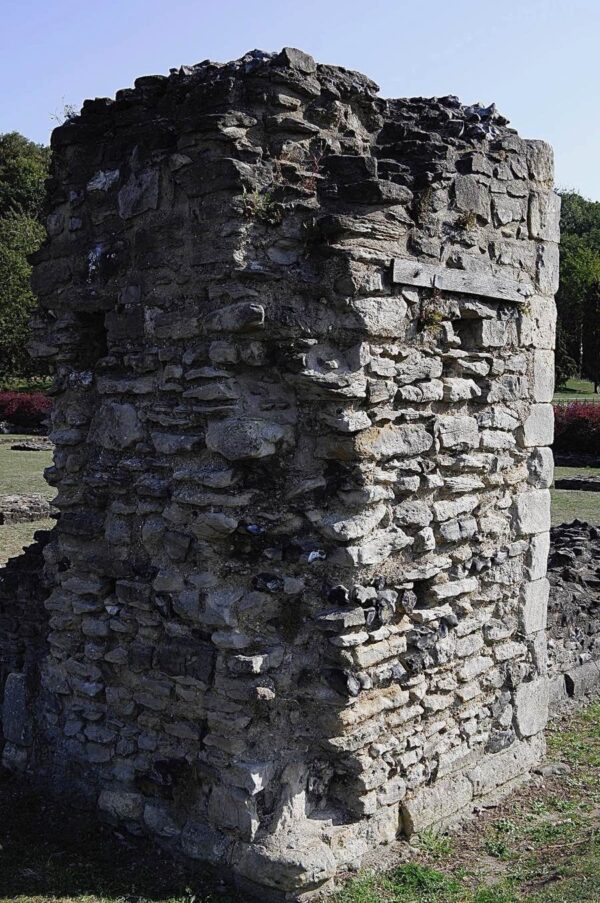
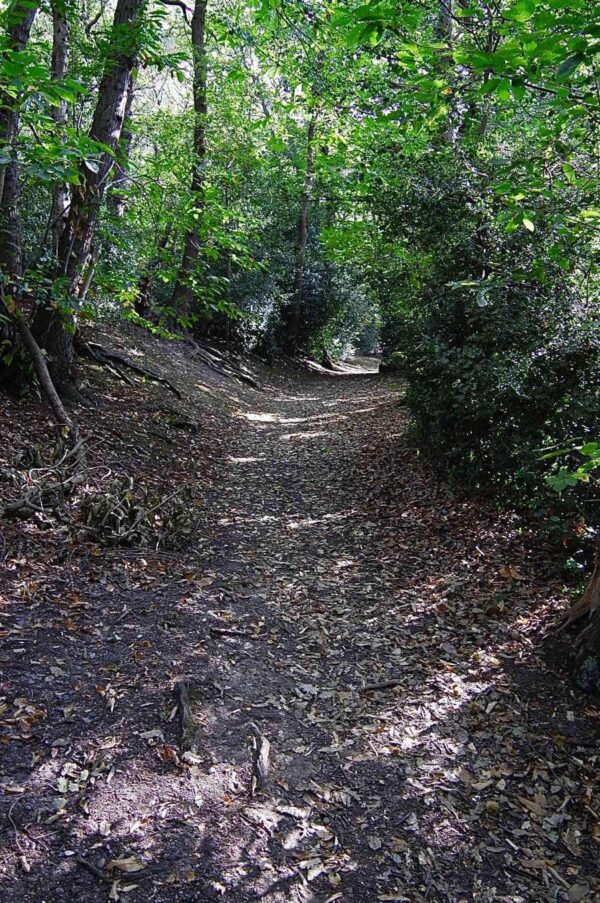
Only recently did I learn that there is an abbey and a wood at Abbey Wood. Stunned by my own obtuseness, I set out to discover what I have been missing all these years. Visiting ruins was a memorable feature of childhood holidays, leaving a residual affection for architectural dereliction that has persisted throughout my life.
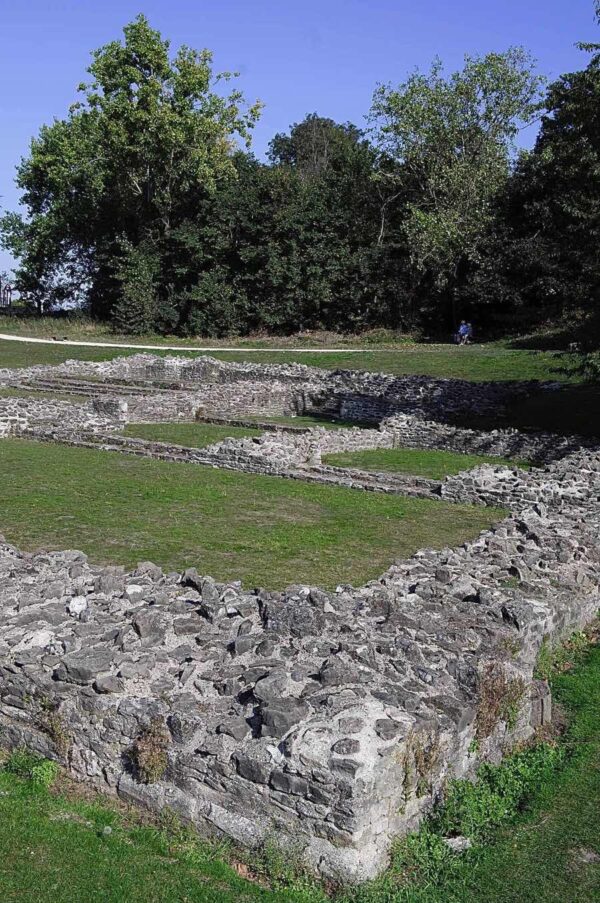
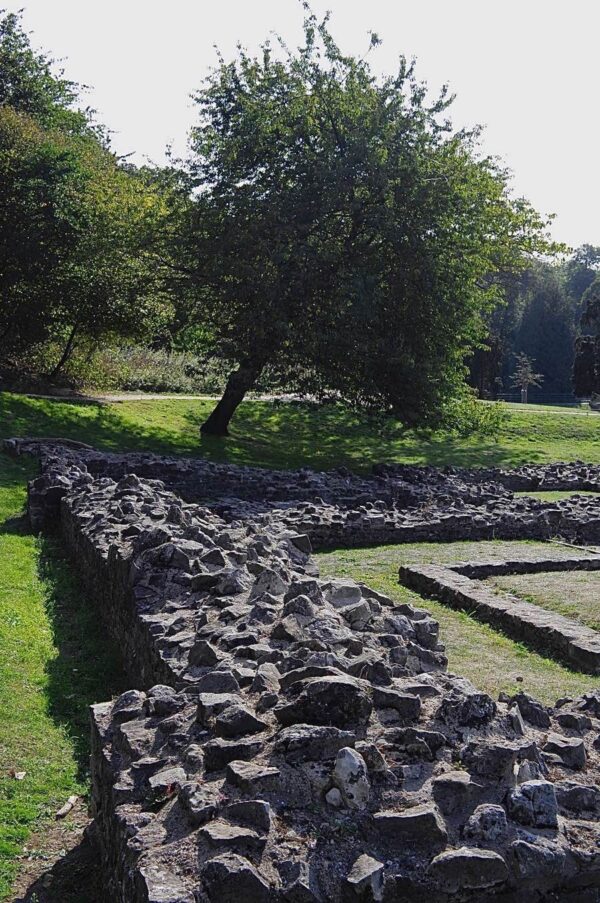
There is a familiar style of presentation in which the broken fragments of wall are neatly cemented in place while the former internal spaces are replaced by manicured lawns. This is the case at Lesnes Abbey in Abbey Wood, augmented with simple metal signs indicating ‘kitchen’ or ‘garderobe’ which set the imagination racing.
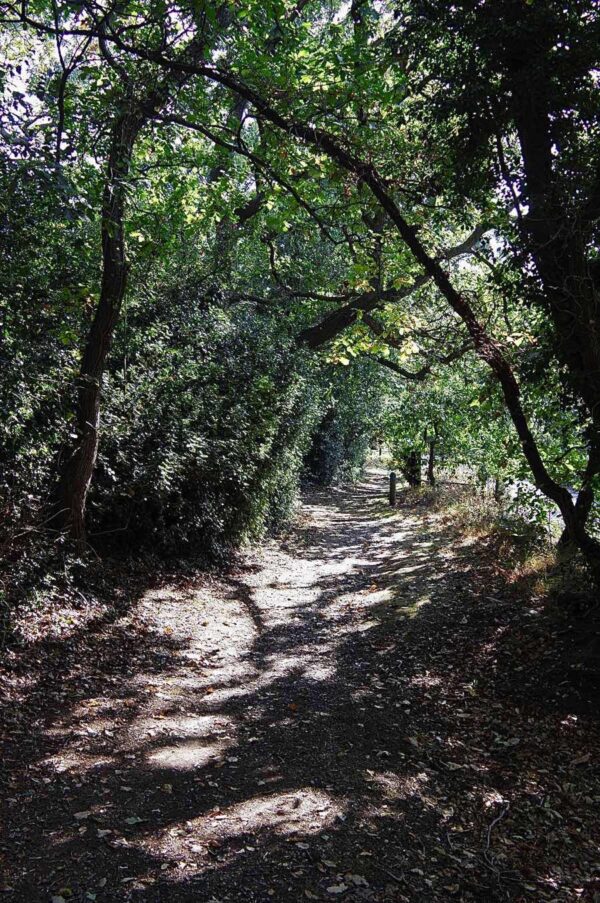
On leaving Abbey Wood station, my enthusiasm was such that I headed straight up the hill into the woods where I was overjoyed to discover myself entirely alone in an ancient forest of chestnut trees, filled with squirrels busily harvesting the chestnuts and burying them in anticipation of winter. Descending by a woodland path was perhaps the best way to discover the old abbey, situated upon a sheltered plateau beneath the hills yet raised up from the Thames and commanding a splendid view towards London.
Lesnes Abbey of St Mary & St Thomas the Martyr was founded in 1178 by Richard de Lucy, Chief Justice of England, as penance for the murder of Thomas A Becket. Richard retired here once the abbey was complete but died within three months. For centuries, the abbey struggled with the cost of maintaining the river banks and maintaining the marshlands productively. As a measure of how far it declined, it was closed by Cardinal Wolsey in 1525 as part of programme of shutting monasteries of less than seven residents, before the abbey was eventually destroyed in 1542 as one of the first to be subjected to the Dissolution of the Monasteries.
After demolition, the building materials were salvaged and the abbey was forgotten until Woolwich & District Antiquarian Society rediscovered it, excavated the ruins in 1909 and the site became a park in 1930.
I stood to gaze upon the ancient ruins and lifted my eyes in contemplation of the distant towers of contemporary London, wondering where the events of our time will lead. Then I walked back up into the forest and it crossed my mind that I if I followed the woodland paths long enough and far enough, maybe I could come back down the hill and enter the time when the abbey flourished and witness it as it was once, full of life.
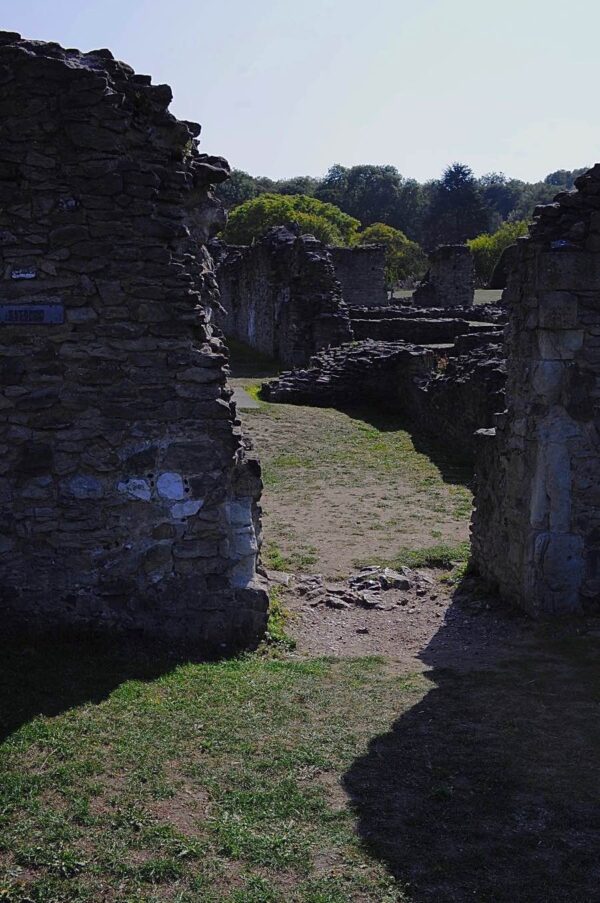
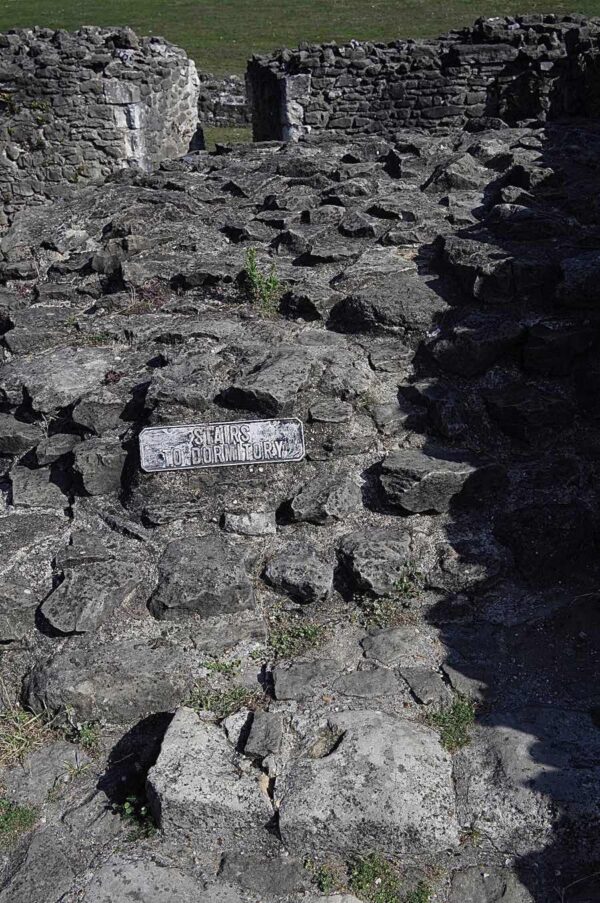
Stairs to dormitory
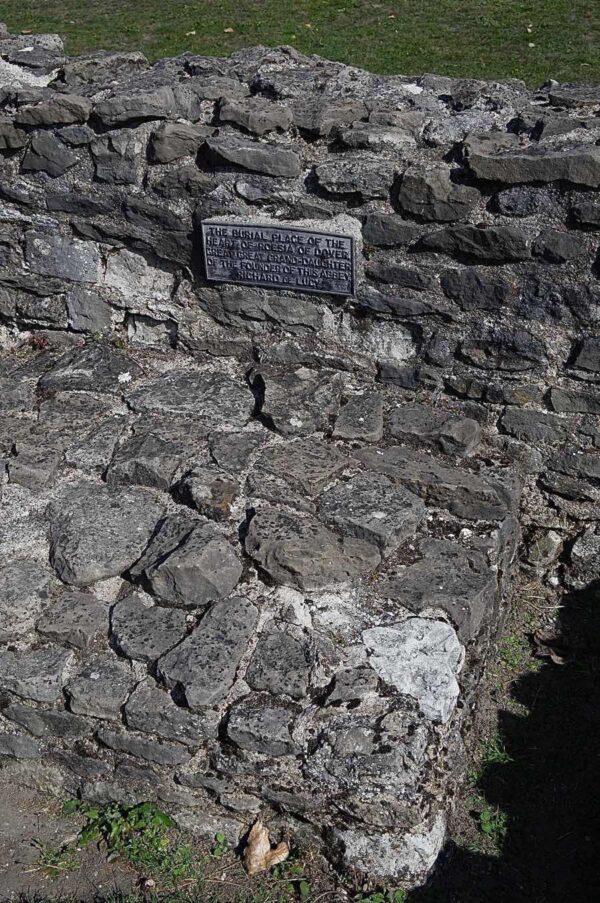
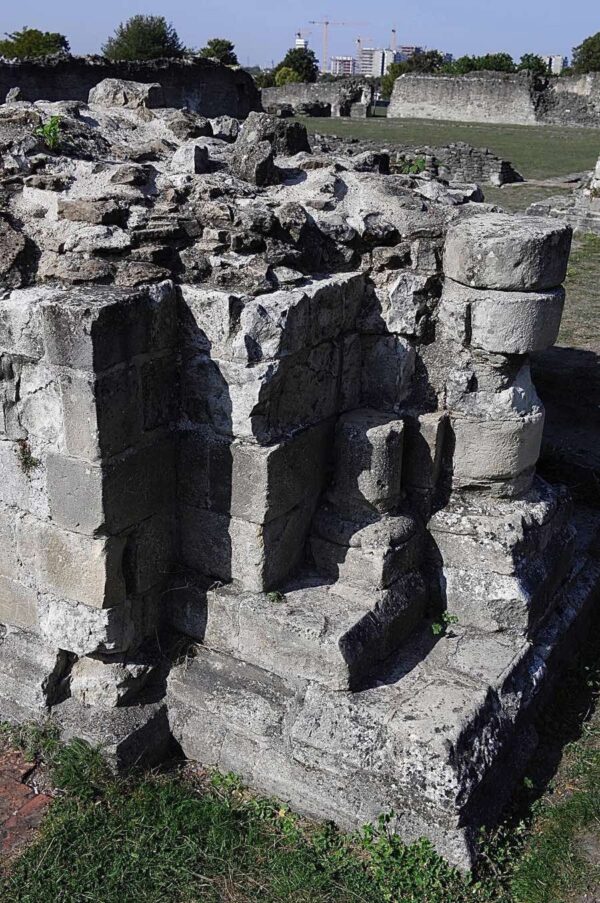
The burial place of the heart of Roesia of Dover, great great granddaughter of the founder of this abbey, Richard de Lucy
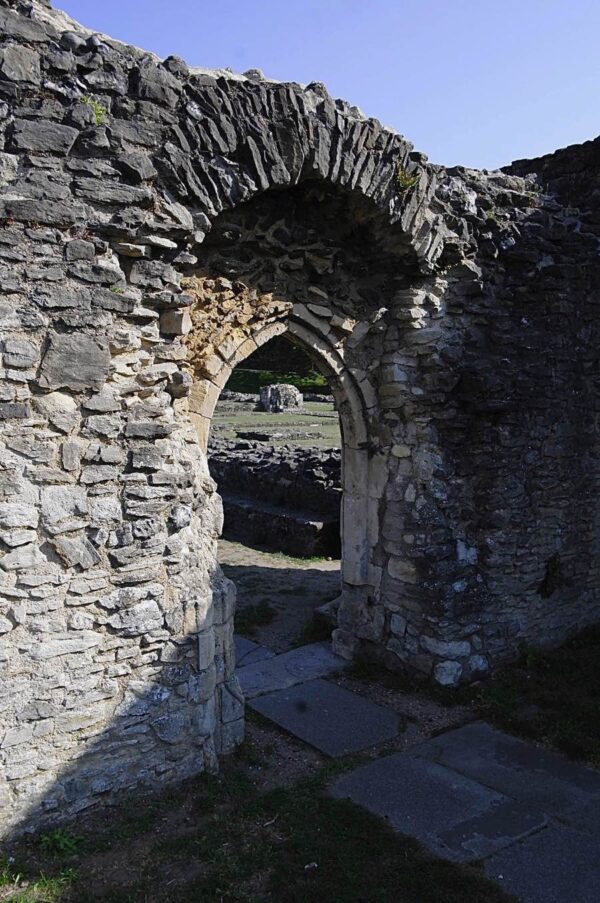
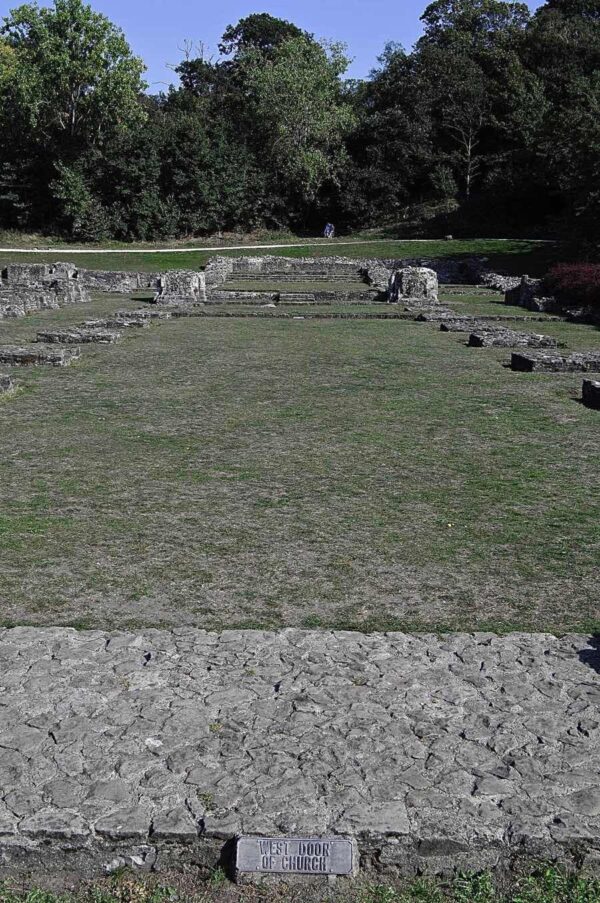
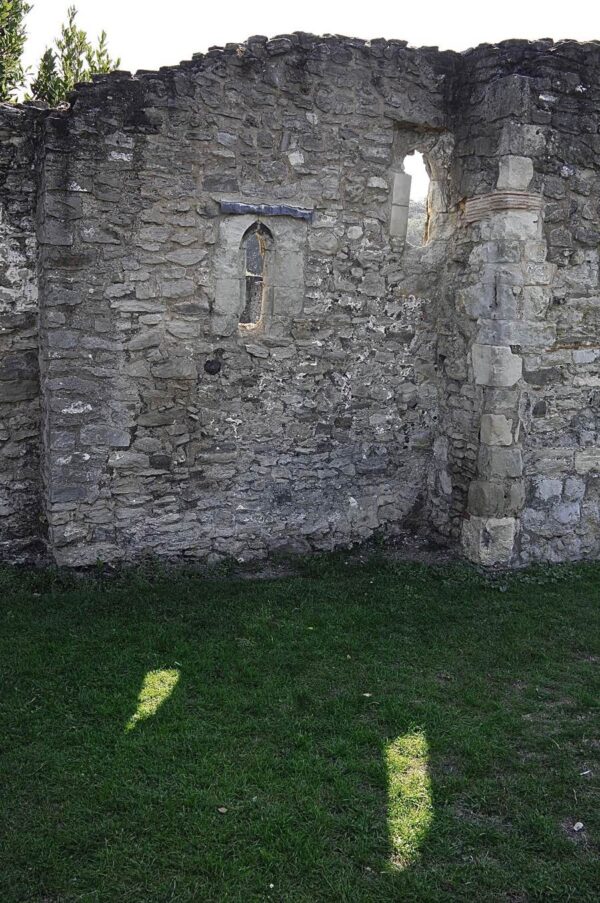
West door of the church
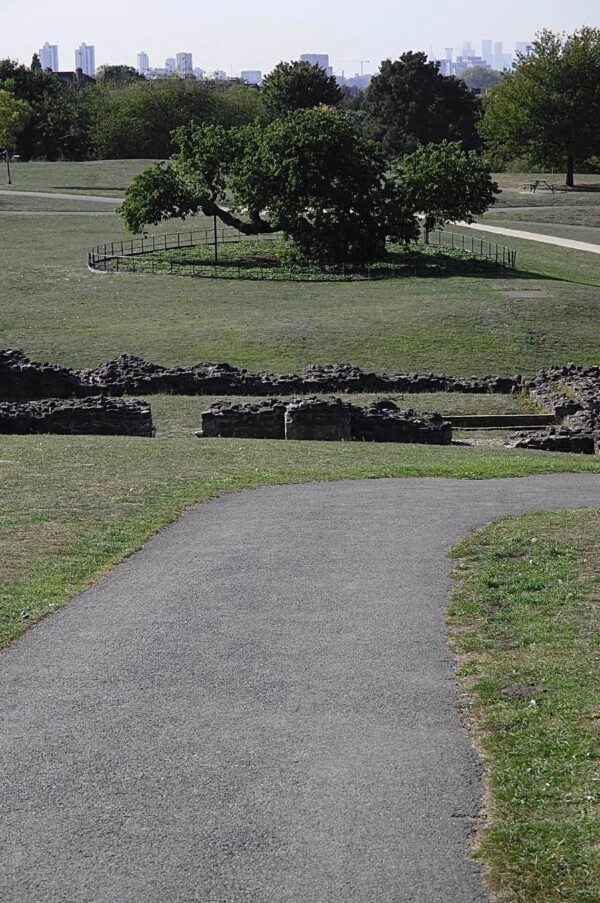
Four hundred year old Mulberry tree, dating from the reign of James I
You may also like to read about
A Couple Of Pints With Tony Hall
CLICK HERE TO BOOK FOR MY TOURS & BUY GIFT VOUCHERS
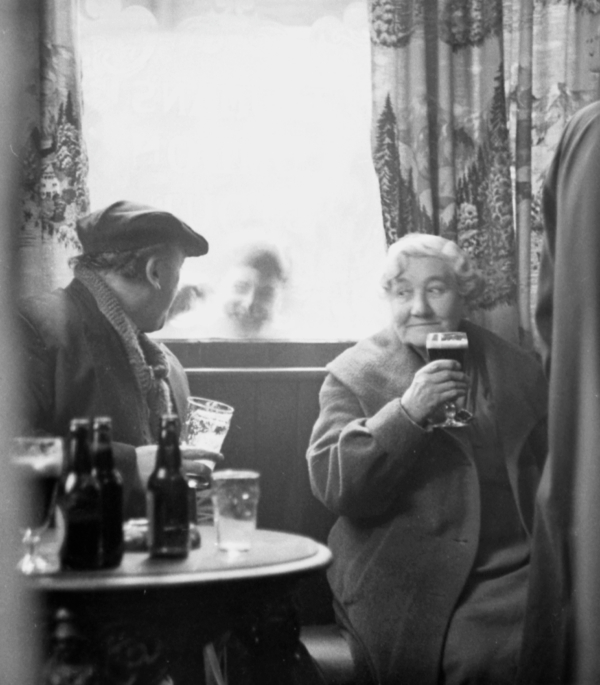
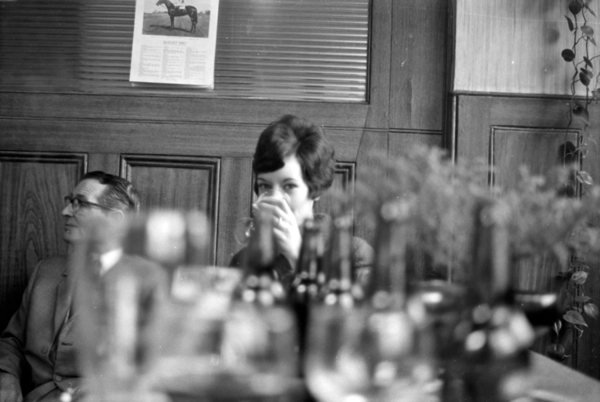
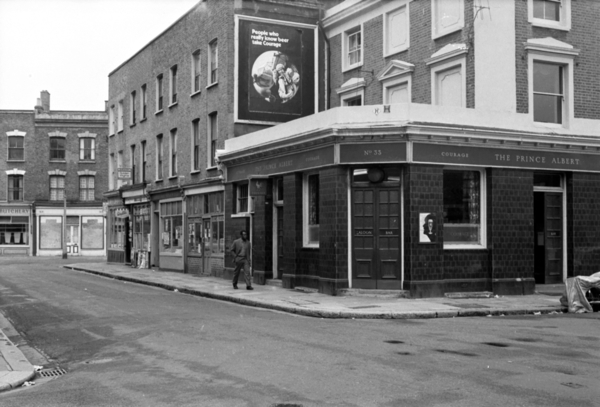
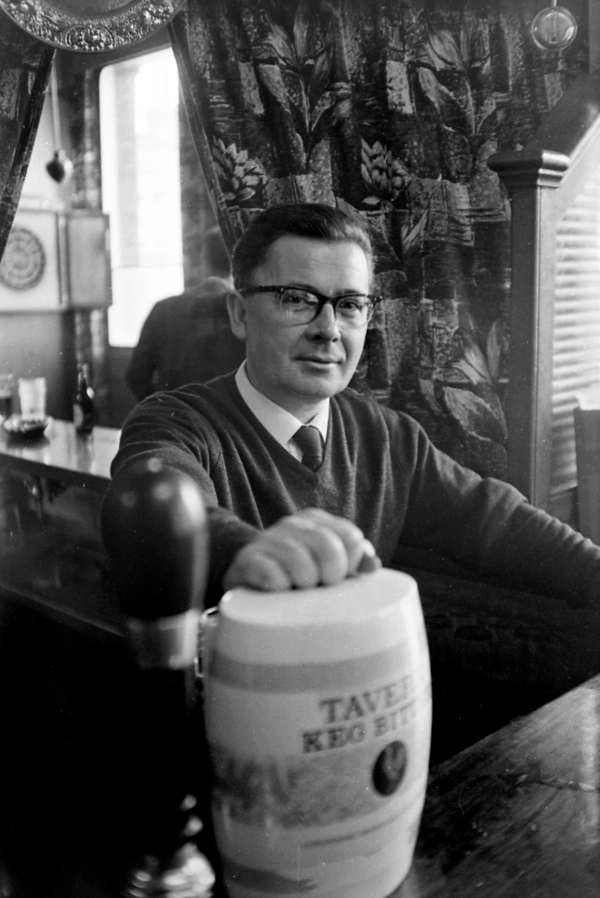
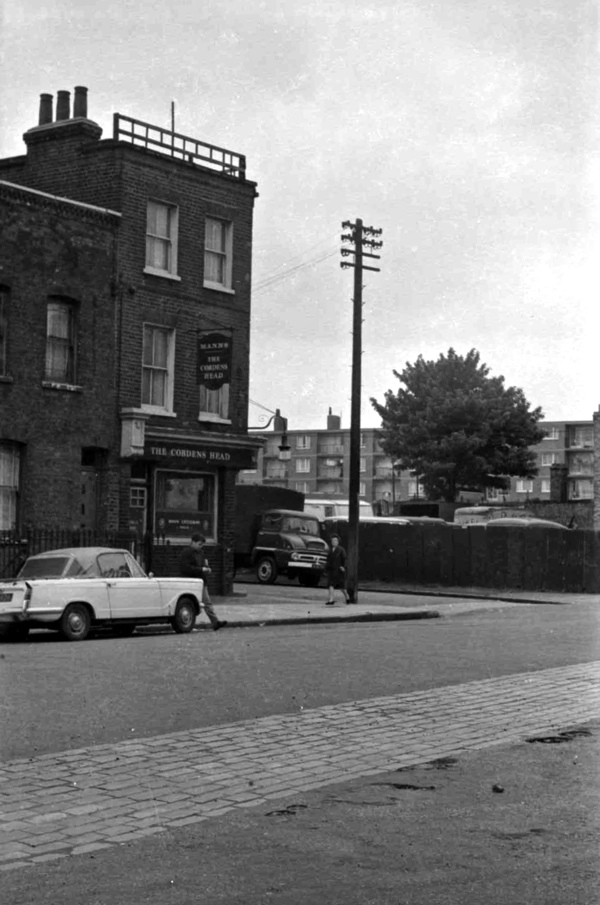
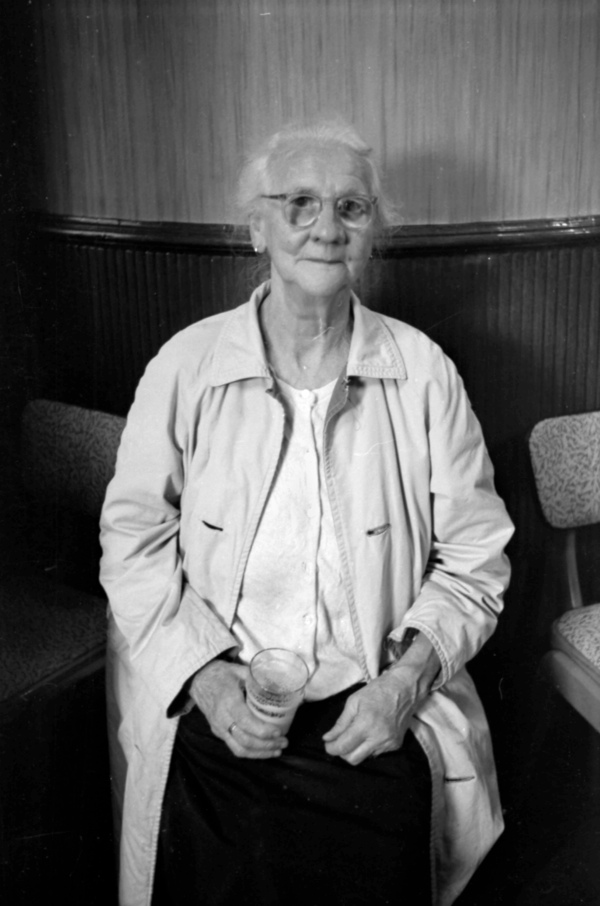
Libby Hall remembered the first time she visited a pub with Tony Hall in the nineteen sixties – because it signalled the beginning of their relationship which lasted until his death in 2008. “We’d been working together at a printer in Cowcross St, Clerkenwell, but our romance began in the pub on the night I was leaving,” Libby confided to me, “It was my going-away drinks and I put my arms around Tony in the pub.”
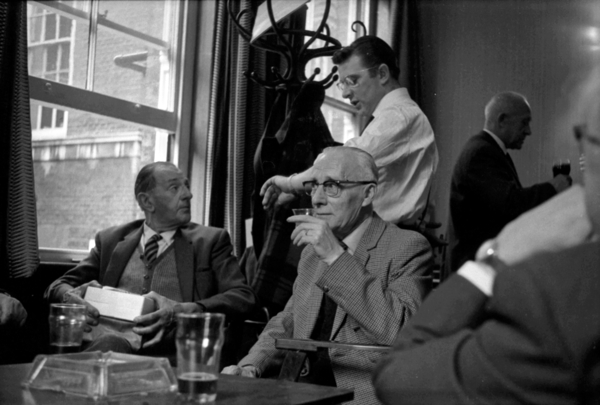
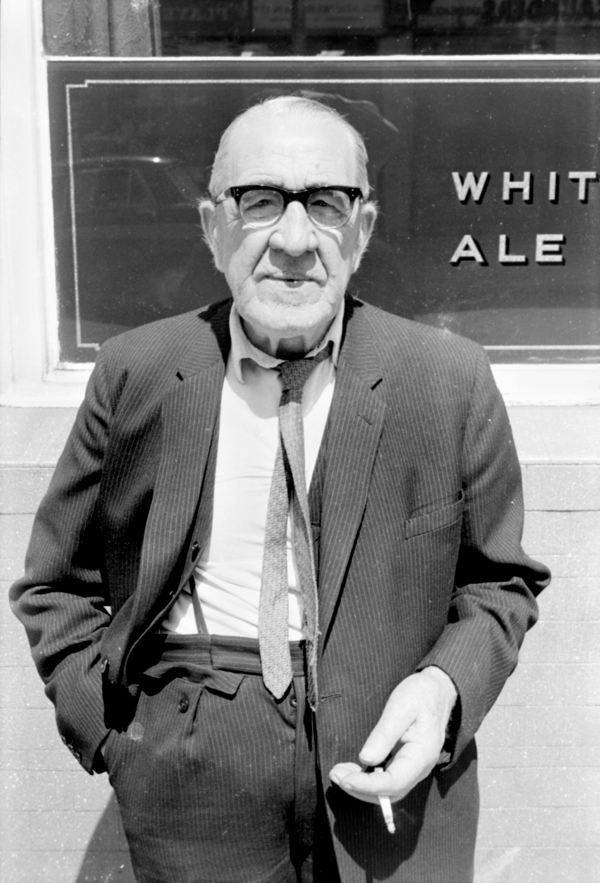
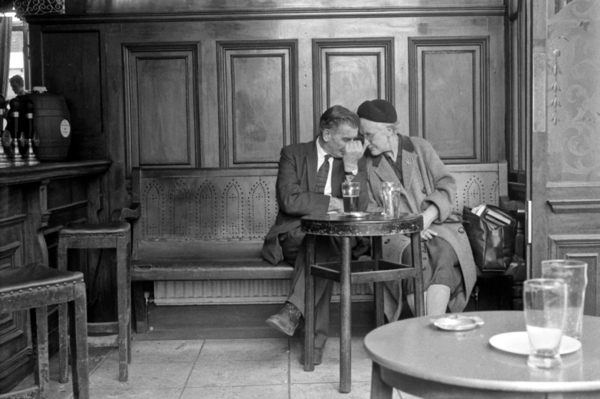
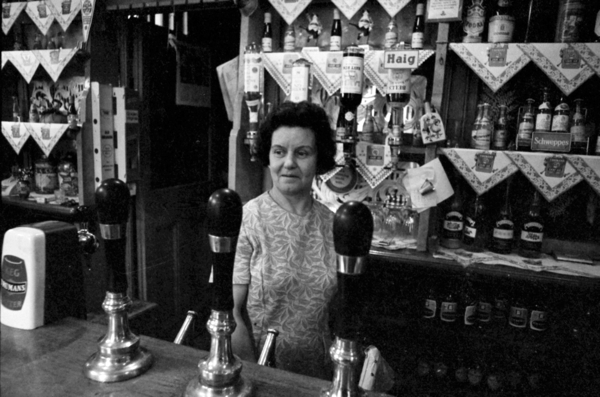
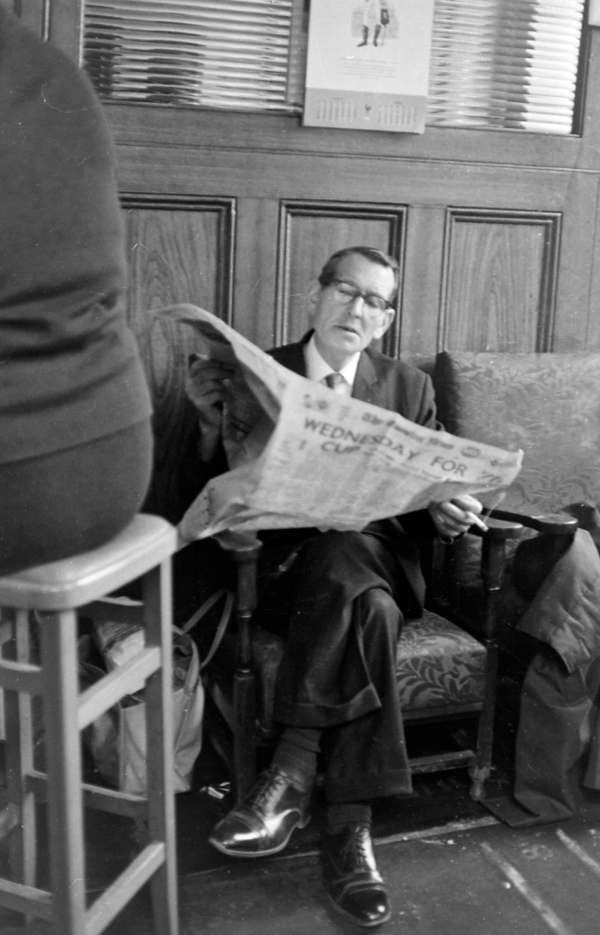
During the late sixties, Tony Hall worked as a newspaper artist in Fleet St for The Evening News and then for The Sun, using his spare time to draw weekly cartoons for The Labour Herald. Yet although he did not see himself as a photographer, Tony took over a thousand photographs that survive as a distinctive testament to his personal vision of life in the East End.
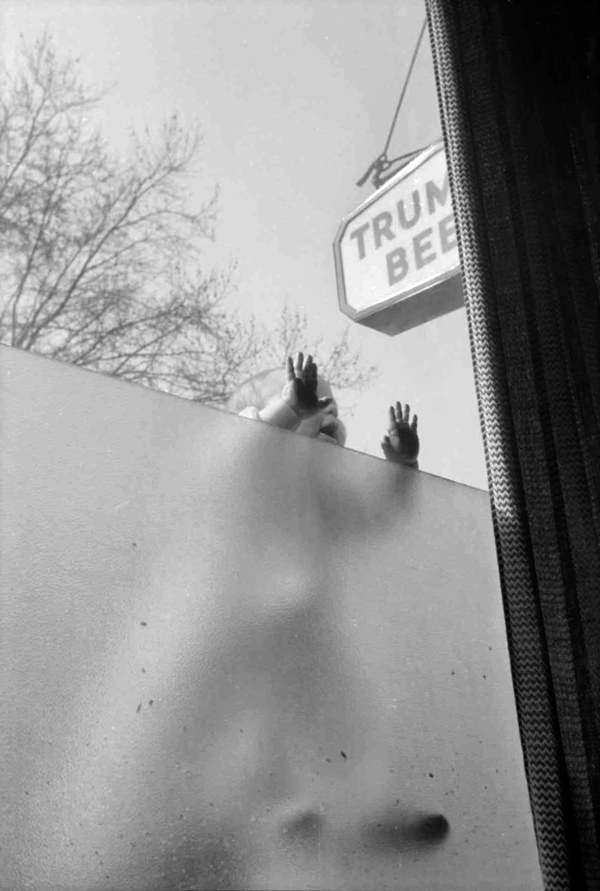
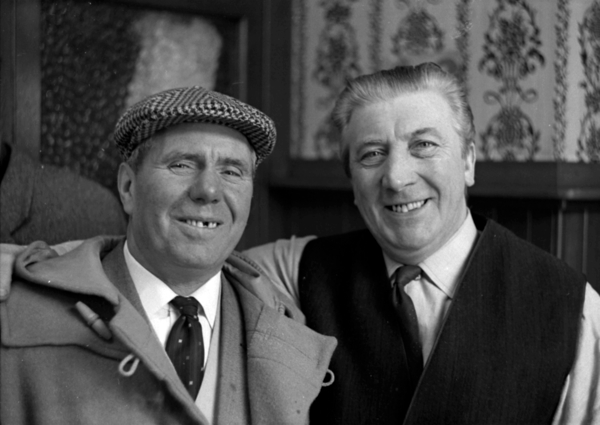
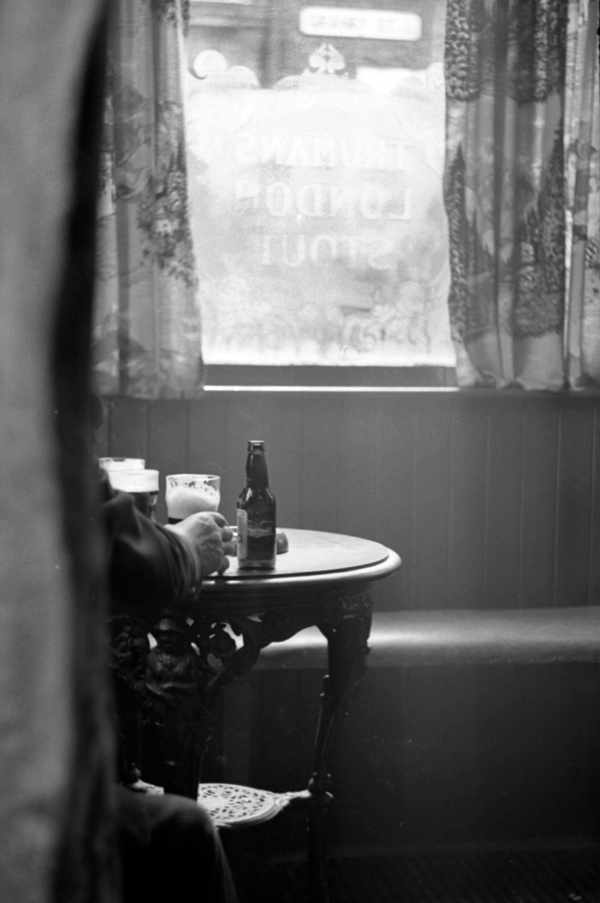
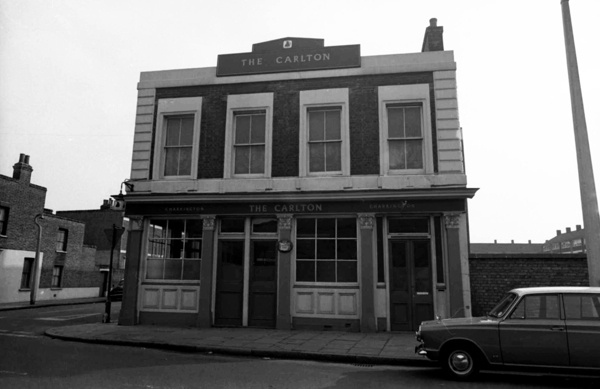
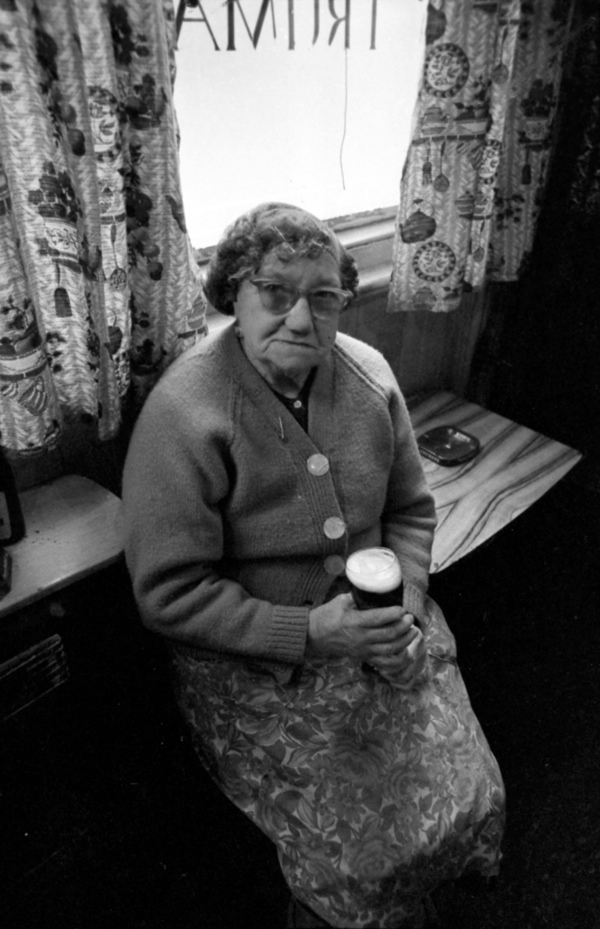
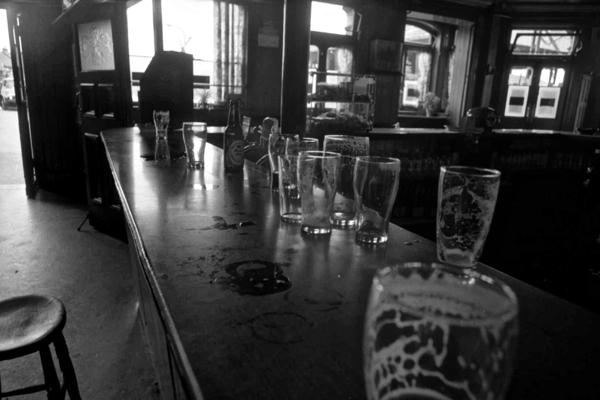
Shift work on Fleet St gave Tony free time in the afternoon that he spent in the pub which was when these photographs, published here for the first time, were taken. “Tony loved East End pubs,” Libby recalled fondly, “He loved the atmosphere. He loved the relationships with the regular customers. If a regular didn’t turn up one night, someone would go round to see if they were alright.”
Tony Hall’s pub pictures record a lost world of the public house as the centre of the community in the nineteen sixties. “On Christmas 1967, I was working as a photographer at the Morning Star and on Christmas Eve I bought an oven-ready turkey at Smithfield Market.” Libby remembered, “After work, Tony and I went into the Metropolitan Tavern, and my turkey was stolen – but before I knew it there had been a whip round and a bigger and better one arrived!”
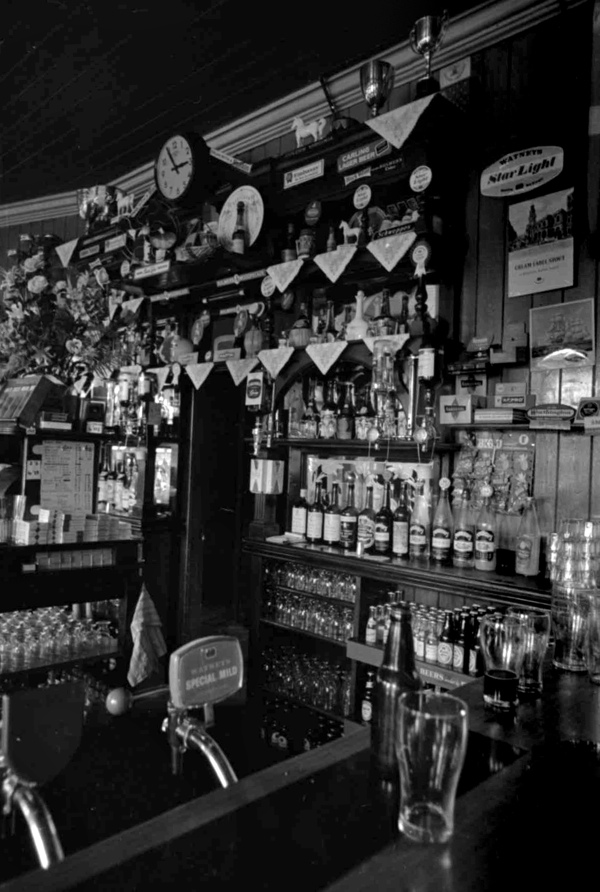
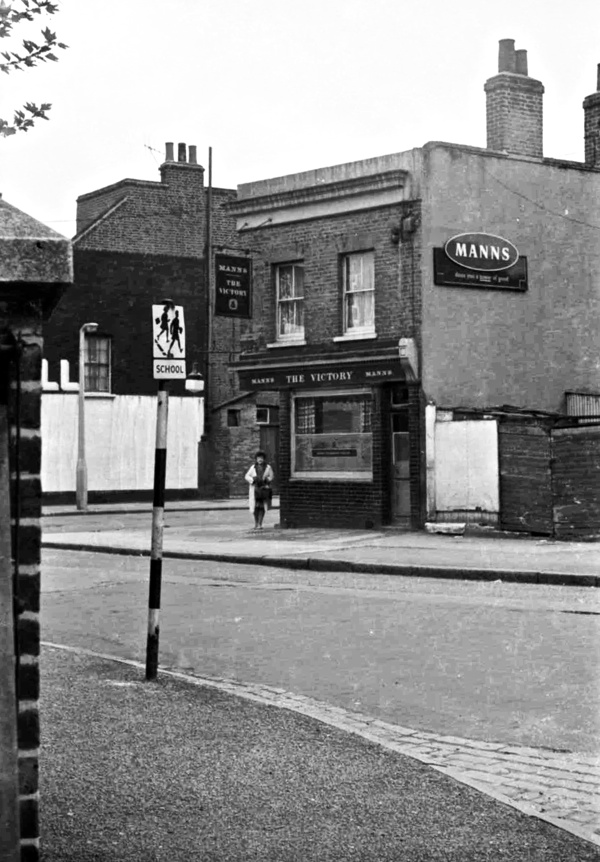
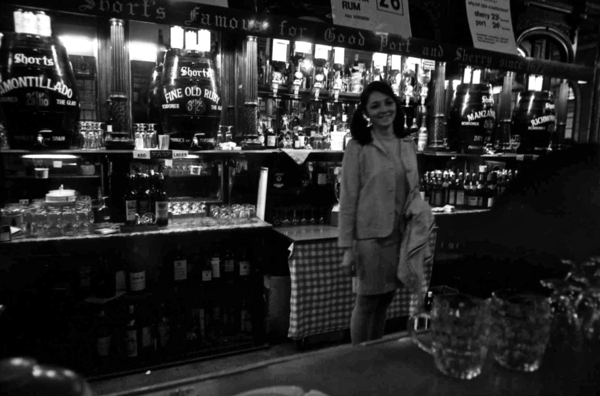
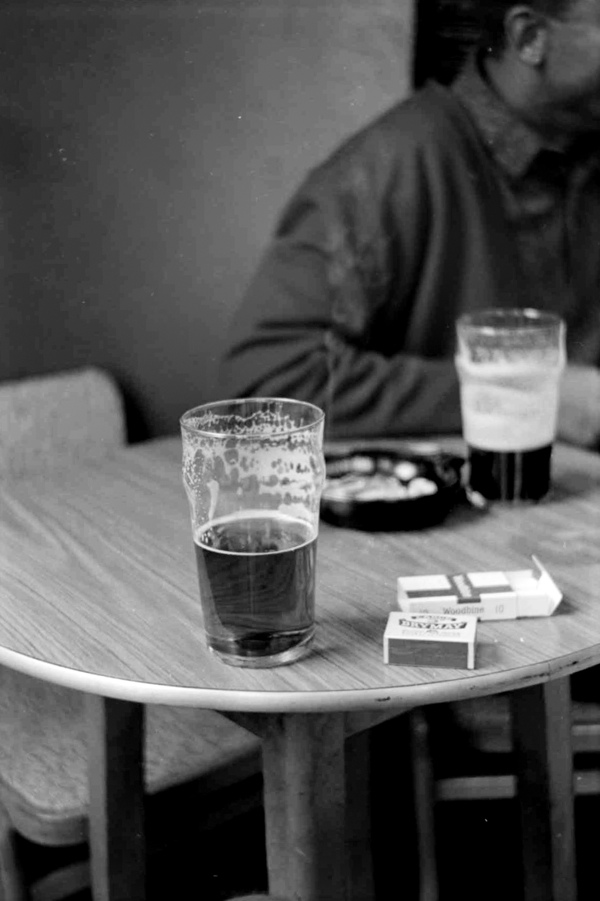
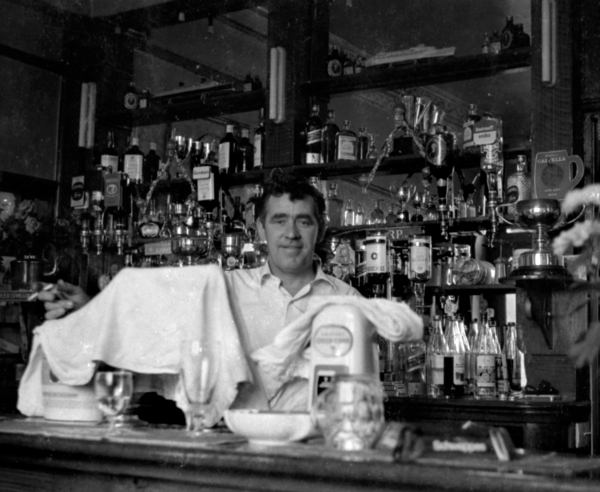
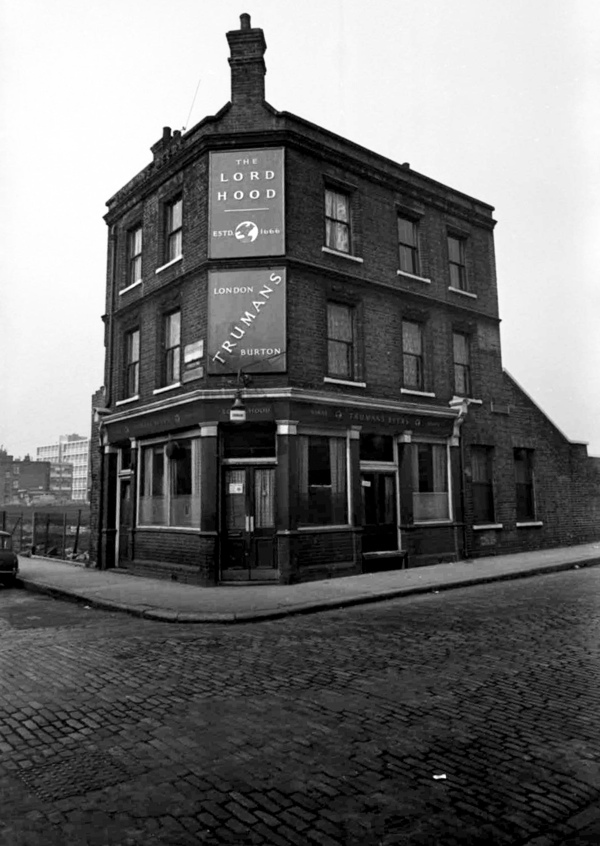
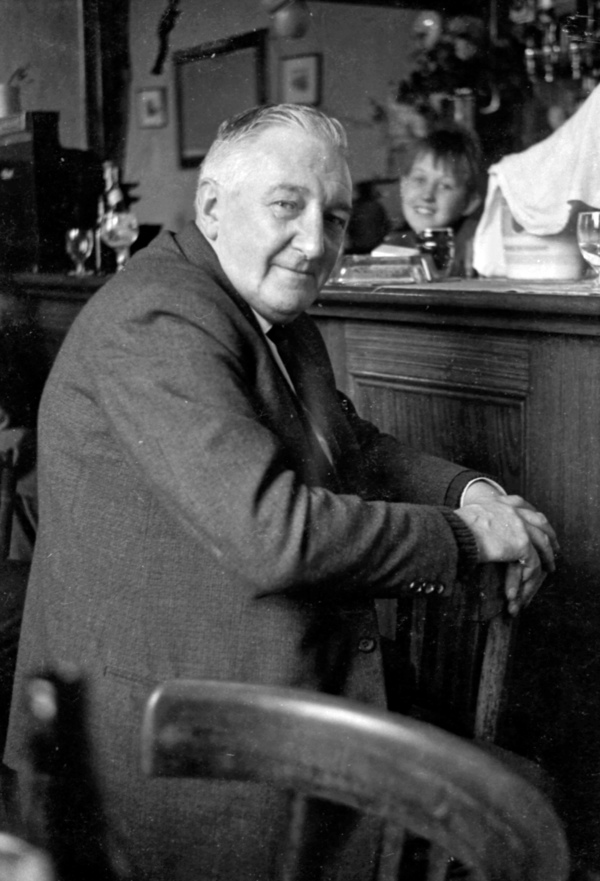
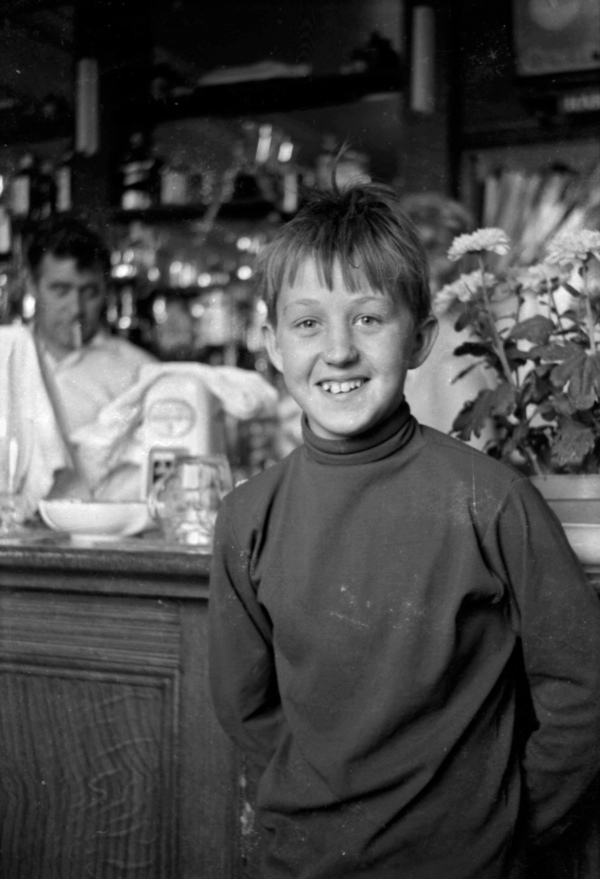
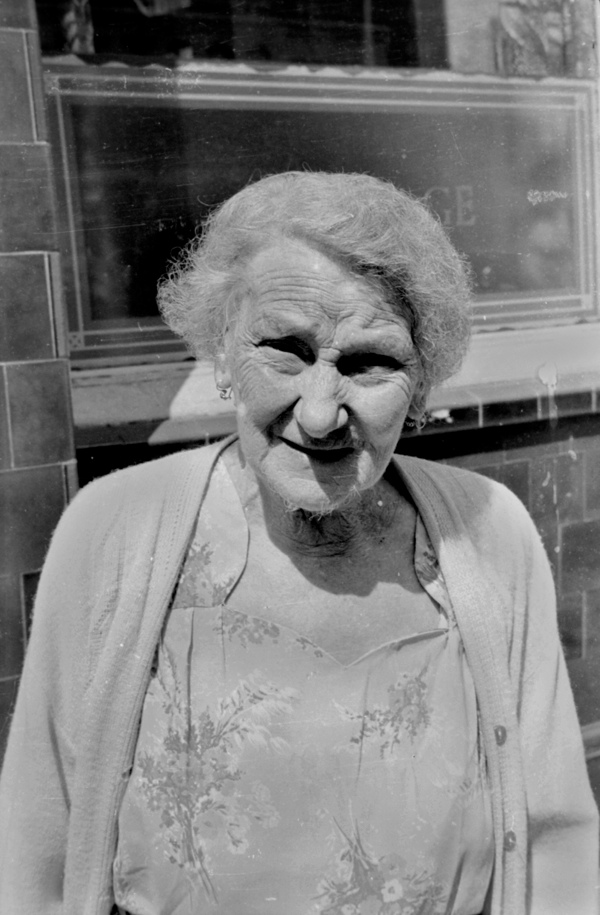
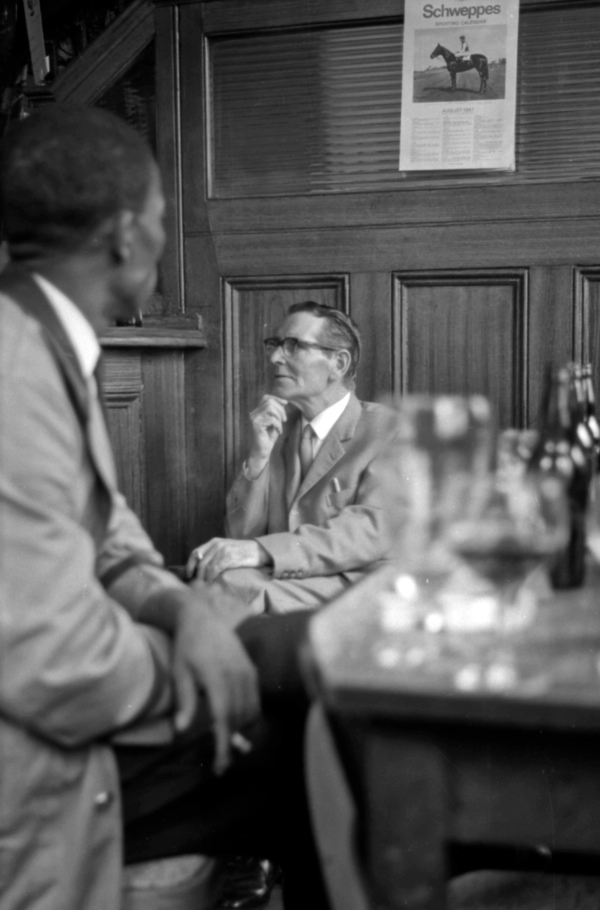

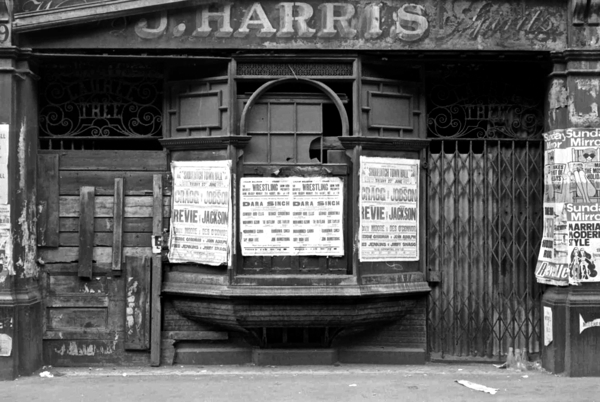
The former “Laurel Tree” on Brick Lane
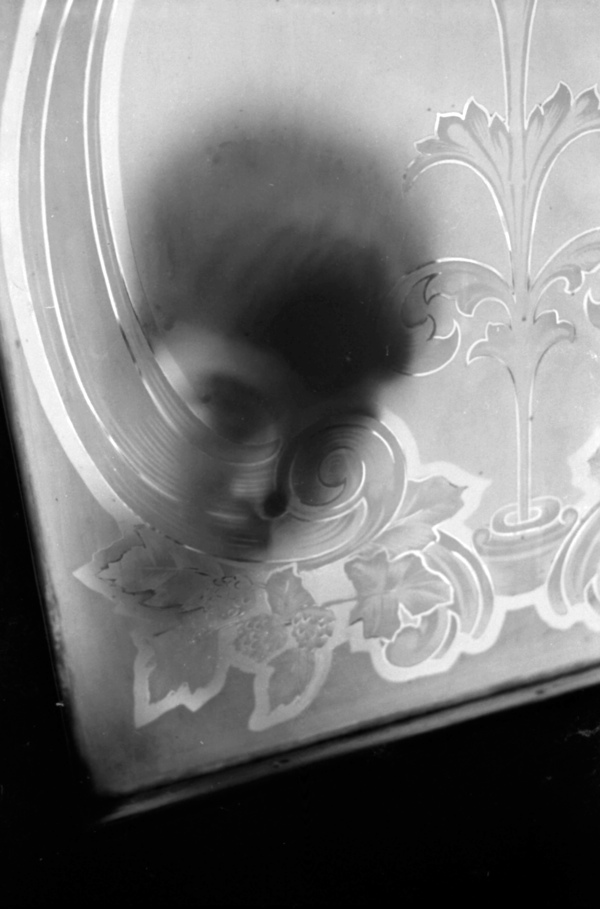
Photographs copyright © Estate of Libby Hall
Images Courtesy of the Tony Hall Archive at the Bishopsgate Institute
You may also like to read












