Spinach & Eggs From The City Farm

The May blossom at the Spitalfields City Farm was still in bloom under a blue sky to welcome me when I arrived in search of spinach & eggs, in anticipation of one of my all-time favourite lunches. At the far end of the farmyard, I was greeted by Helen Galland, the animals’ manager, whom I interrupted from her mucking-out duties to sell me half a dozen freshly laid eggs. I deliberated between hens’ and ducks’ eggs so Helen kindly gave me three of each, £1 for the lot.
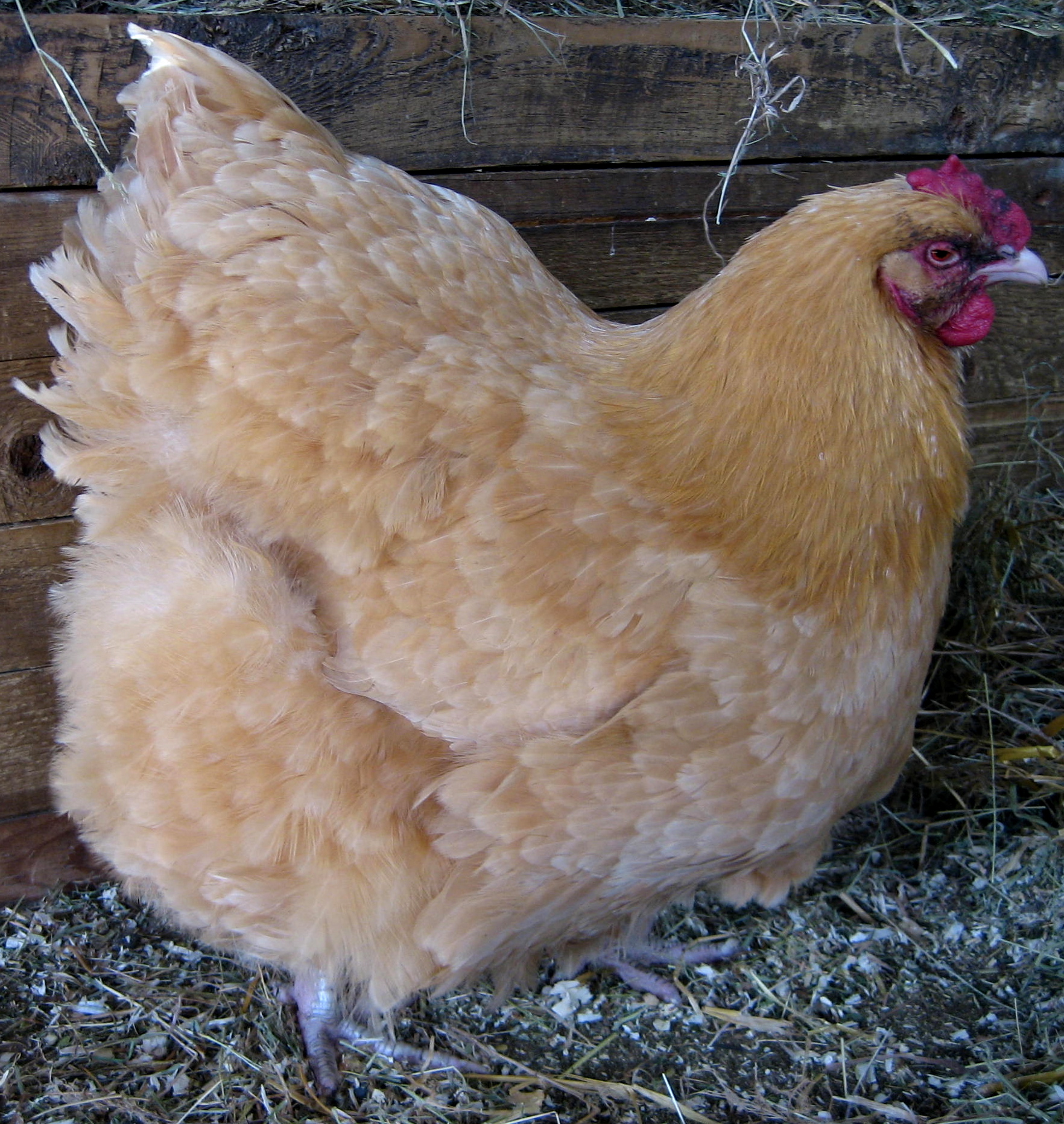
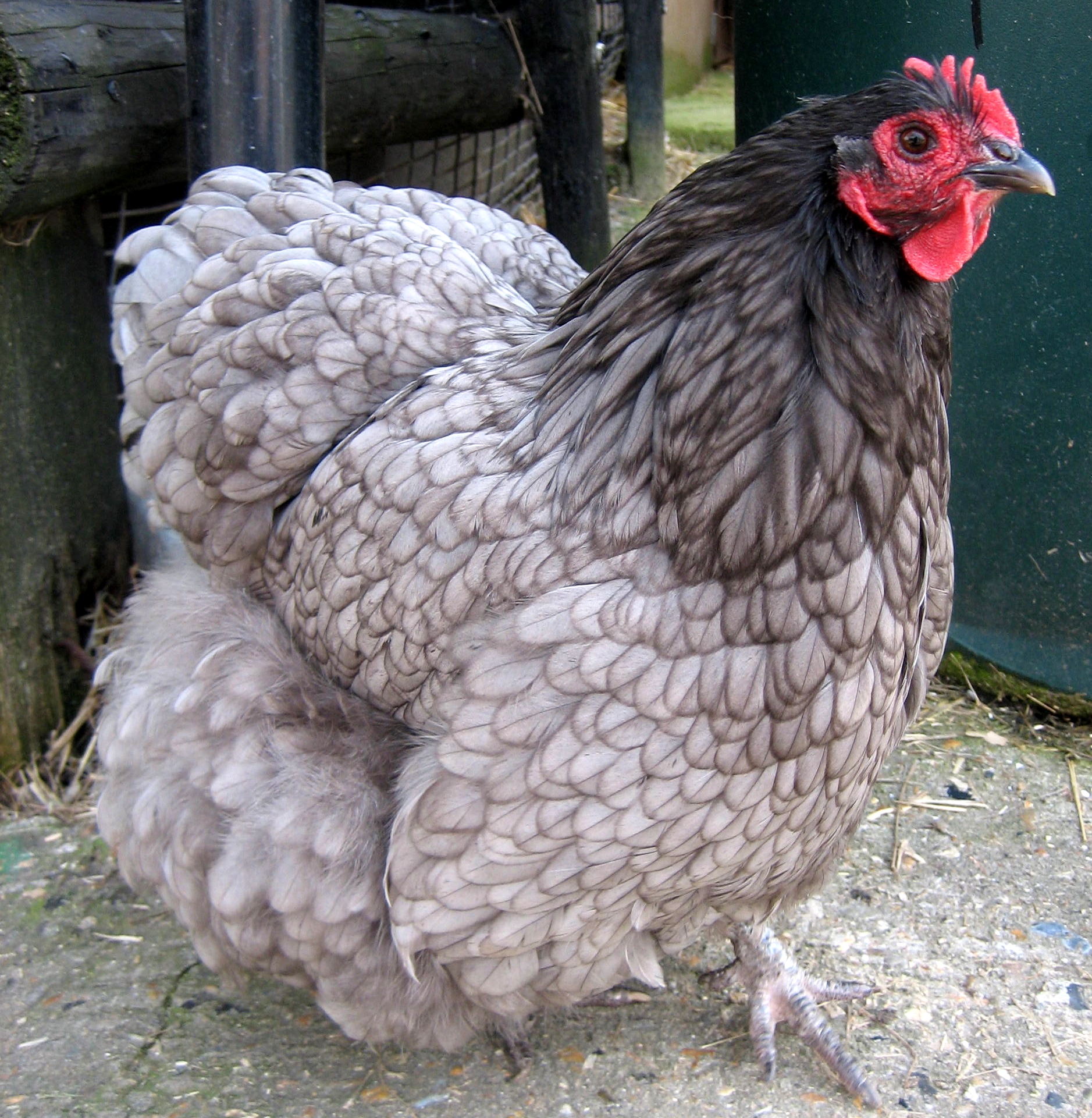
The Spitalfields flock is a mixture of rare breeds (Marsh Daisies and Buff Orpingtons) and rescued chickens, bought by a charity from battery farms that would otherwise destroy the hens after a year’s life of producing an egg a day, when they still have another four to five years of life left laying eggs. “When they arrive they have to learn to be chickens because they have never seen anything but the inside of a cage before, so the first thing they do when they arrive is lie in the sun.” explained Helen with maternal sympathy, as the flock ran around our ankles pecking in the yard, “In factory farms, they have no nesting materials but they soon get the hang of it here.”
I stowed the half-dozen eggs in my bag and walked over to the other end of the farm where the vegetables are grown. Here, Chris Kyei-Balffour, a community gardener, led me into the humid atmosphere of one of the polytunnels to admire a fine patch of spinach that he grew, glowing fresh and green with new leaves in the filtered sunlight. To my delight, Chris picked me a basket of the most beautiful fresh spinach I ever saw and presented it to me. We shook hands and it was my privilege to buy this spinach for £1. Thanks to Helen and Chris, I carried my ingredients of spinach & eggs away for a mere £2. Anyone can buy produce at the city farm, you just have to go and ask. Let me admit, I was pulling out spinach leaves from the bag and eating them in the street, unable to resist their tangy sweet flavour, as I walked home, hungry to cook lunch.
Although spinach & eggs is one of the simplest of meals, careful judgement is required to ensure both ingredients are cooked just enough. It is a question of precise timing to ensure the perfect balance of the constituents. I steamed the spinach lightly while I poached the eggs in salted water. The leaves need to be blanched but must not become slushy because texture is everything with spinach, it needs to be gelatinous yet chewy.
Once the spinach was on, I broke three hens’ eggs, slipping them gently into a pan of simmering water and poached them until the white of the egg was cooked but the yolk remained runny. Be aware, you have to be careful not to break the yolks when you drop the eggs into the water and some concentration is required to master the knack of scooping then out intact too. I have ruined the aesthetics of my spinach & eggs on innumerable occasions with a casual blunder at this stage, though I can assure you the meal still remains acceptable to the taste buds even if you top your spinach with pitiful fragments of poached egg.
I served a generous portion of my delicious spinach in an old soup dish and – blessed with good luck – I balanced all three eggs on top, perfectly intact and wobbling like jellies. With eggs freshly laid that morning and spinach picked half an hour before I ate it, the ingredients could not have been fresher. No vocabulary exists to explain fully why I like this combination so much, it is something about what happens when you recklessly slice through the egg and the hot golden yolk runs down into the slippery seaweed green spinach. You have to try it for yourself because the combination of the sweet yolk and almost-bitter spinach is astounding.
With the addition of a little ground black pepper and grated parmesan on the top, I carried the spinach & eggs outside into the garden triumphantly, enjoying my lunch in the sunshine for the first time this year. The anachronism of eating my meal of ingredients fresh from the local farm, here in the secret green enclave of my garden in the heart of Spitalfields only served to amplify the pleasure. It was an unforgettable moment of Spring.


Chris Kyei-Balffour and his fine crop of spinach

A Buff Orpington

Kellogg the cockerell and a Marsh Daisy hen

A refugee from a factory farm

A Buff Orpington Bantam
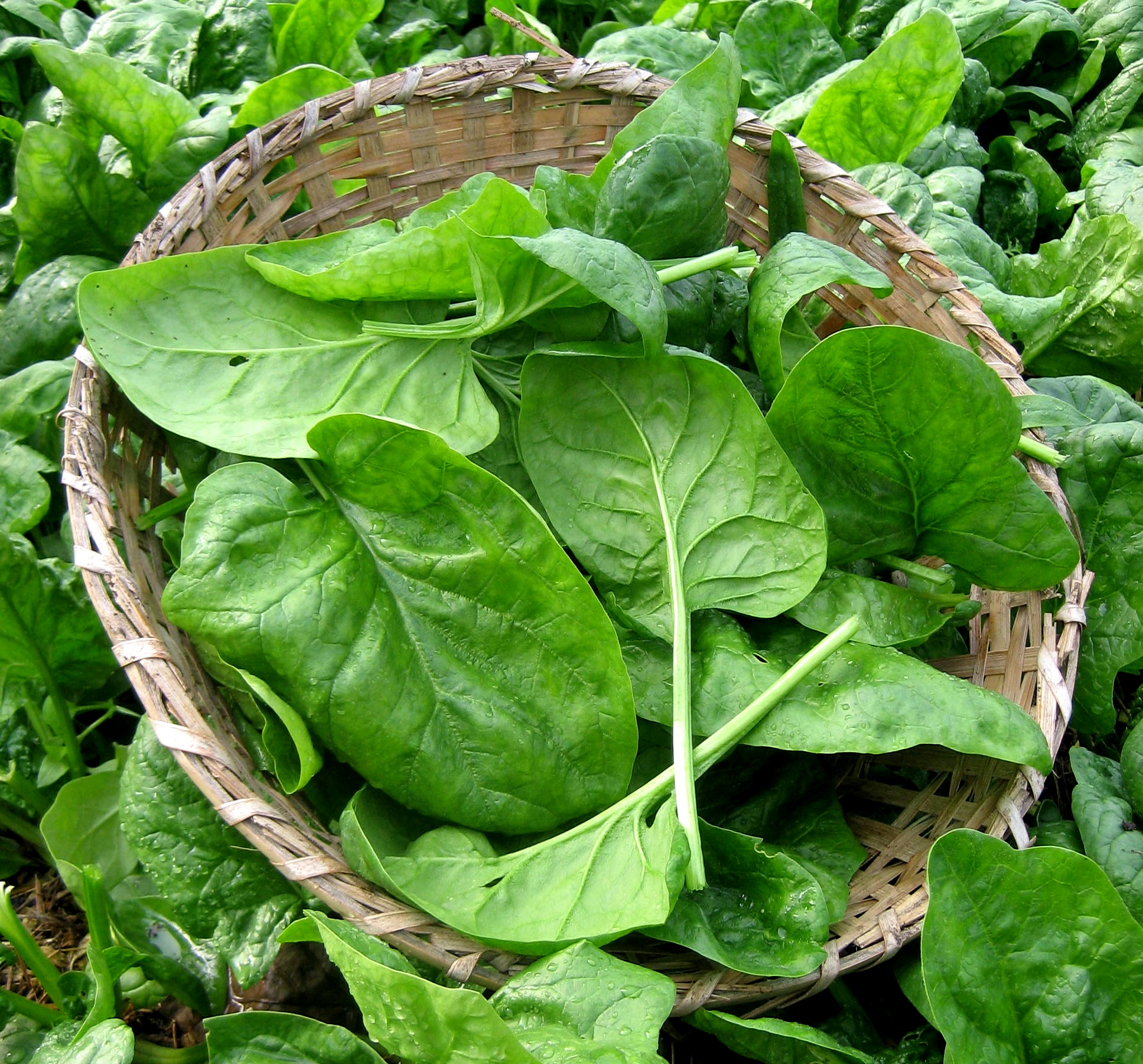


My lunch
Strange And Terrible News!


Boiling Eels At Barney’s Seafood

On most mornings throughout the year, just a stone’s throw from the Tower of London, you will find them boiling the eels at Barney’s Seafood, under an old railway arch in Chambers St. For the past thirty-three years Mark Button has presided there over the business that his father Eddie Button took over in 1970 from Barnet Gritzman (brother of Solomon Gritzman, the owner of Tubby Isaac’s), who was here boiling eels since before World War II. Thus you will know that this is an established location for the pursuit of one of the East End’s most traditional culinary tasks, the preparation of jellied eels.
I joined Stuart – a blocksman of twenty-seven years’ experience – with a firm jaw and resolute eyes, at the rear of the arch in a room awash in pools of water, where he brandishes a fearsome curved blade with striking accomplishment, making short work of gutting and chopping great gleaming piles of eels. Arriving fresh from the tanks in Canning Town, Stuart tipped the morning’s eels out onto the bench where at first they slithered and slid in a shining mass. Then, gripping each one firmly by the head, Stuart decapitated it in the manner of those traitors of old across the road at Tower Hill, before slicing it open with a flick of the knife and disposing of both the head and the gut into the bin. It is a neat series of honed gestures that require both skill and years of practice, and you can be assured, Stuart has got the knack.
Interspersed with constant sharpening, since the eels’ back bone quickly blunts the long blade, Stuart likes to keep his knife razor sharp. “I’d rather cut my finger with a sharp blade than a blunt one!” he joked with enthusiastic grim humour as another eel’s head plopped into the bin. Yet make no mistake, Stuart has the greatest respect for eels. “Eels are very mysterious,” he said, turning philosophical and standing in absent-minded contemplation, with an eel and a blade in each hand, “There’s not a lot people know about eels. It’s funny how they know how to go to the Sargasso Sea, they’ve got a homing instinct.”
Once Stuart had chopped them up neatly, Paul the personable cook of fifteen years experience cooking eels, came from next door to collect the baskets of sliced fish and carry them through to the pots for boiling. Four tall steel cooking pots stood in a line on gas rings, each with filled with salt water and a bundle of parsley, some with eels already cooking and others just bubbling up to the boil, creating a wonderfully pungent sweet salty warm atmosphere. Paul tipped the eels straight into the hot water to cook, a process that can take between forty-five minutes to an hour and a half, depending on the type of eel, and he turned to lay out the bowls in neat lines upon shelves on the other side of the room, all ready for the eels when they are cooked. “Today we’ve got fresh Dutch eels and some frozen Chinese eels,” he explained helpfully, “Yesterday we had New Zealand eels and in a couple of weeks we’ll have the native Irish eels – they are best, seasonal, grown in the wild, nice texture and nice to eat.” Adding politely, “Have you ever thought of working in the fish industry?” he enquired – eager to make me feel included in such an enthralling process and flattering me with the question.
“You need to get them just before they’re cooked, when they’re as soft as possible” he continued, “because they harden afterwards,” – educating me, as he lifted a spoonful from the water and tasted one critically, before switching off the flames below and performing the delicate manoeuvre of sliding the pot off the cooking ring and onto a trolley. Catching me unawares so early in the morning, “Would you like to try one?” he asked – sensing my fascination – and naturally I assented. He passed me the morsel of pale eel flesh and I put it in my mouth. It was sweet and warm and it crumbled when I sank my teeth into it, releasing a delicate salty tangy flavour. In that instant, I wanted a plate of hot mashed potato to go with it, and I wanted more eels too. Paul did not know it was my first time, yet although I will have to wait until my next visit to a pie and mash shop to eat a plate of hot eels, I was converted.
Then Paul set about methodically distributing the eels equally into bowls, letting them cool and set in the jelly that is their natural preservative. And by then it was time for him to collect more baskets of sliced eels from Stuart and tip them into the cooking pot. Meanwhile, a stream of customers were pulling up outside and coming in excitedly to shake hands with Mark Button and carry away their bowls of fresh jellied eels for the weekend, as a tasty treat to restore their spirits. No other food excites such passion in the East End as the eel, and that is why East Enders delight to make the pilgrimage to Barney’s – they come to claim the dish that is their right.


“Eels are very mysterious, there’s not a lot people know about them”


Stuart, a blocksman of twenty-seven years experience who learnt the trade from Eddie Button.


Eels simmering with parsley in cooking pots of salt water.


Paul the cook – “Have you ever thought of working in the fish industry?”


Mark Button, proprietor of Barney’s Seafoods
You may also like to read about
So Long, Tubby Isaac’s Jellied Eels Stall
Favourite Pie & Mash Shops (Part One)
Favourite Pie & Mash Shops (Part Two)
Jeffrey Johnson’s Favourite Spots
Enigmatic Photographer Jeffrey Johnson deposited a stack of his appealing pictures from the seventies and eighties with Archivist Stefan Dickers at the Bishopsgate Institute recently, including these photos of favourite spots in London. I cannot resist the feeling that Jeffrey is one after my own heart when I examine these characterful pictures of the capital’s forgotten corners – a few are familiar places but I am reliant upon my readers to identify the rest.


Apostals

Buitifull Buttons

Arlington Way, N1


Broadway Market

Commercial Rd

Royal Exchange, City of London

Royal Exchange, City of London


King’s Cross

King’s Cross

King’s Cross

King’s Cross

King’s Cross


Teeth bought


Brick Lane

Barter St, Holborn

Great Ormond St, Bloomsbury

Little Montague Court, City of London

St Bartholomew’s Close, Smithfield

Albion Buildings


Photographs copyright © Jeffrey Johnson
You may also like to take a look at
The Forgotten Corners of Old London
Mystery Pictures of Brick Lane
Jeffrey Johnson’s Favourite Pubs
One day Jeffrey Johnson walked into the Bishopsgate Institute, deposited a stack of his splendid photographs with Archivist Stefan Dickers and left without another word. We can only conclude that these fond pictures from the seventies and eighties record the enigmatic Jeffrey’s favourite pubs. Some are familiar, but for the locations of the others – some of which are long gone – I call upon the superior experience of my readers.

Hoop & Grapes, Aldgate (Dentures Repaired)

Sir Walter Scott, Broadway Market

Knave of Clubs, Bethnal Green Rd

Dericote St, Broadway Market

Crown & Woolpack, St John St, Clerkenwell

Horn Tavern, Knightrider St, City of London (now known as The Centrepage)

Unknown pub

The Queen’s Head, City of London

The Queen’s Head, City of London

Unknown pub

Unknown pub

Old Bell Tavern, St Pancras

Magpie & Stump, Old Bailey

The Mackworth Arms, Commercial Rd


Green Man

Green Man

Marquis of Anglesey, Ashmill St

The Crooked Billet

The Bull’s Head (Landlords fight to save City pub)

The White Horse

The Olde Wine Shades, City of London

The Crispin, Finsbury Avenue

The Blue Posts, West India Dock Rd, Limehouse (Plasterer’s Required – Call at Back Door)

The Ticket Porter, Arthur St, City of London

Weavers Arms
Photographs copyright © Jeffrey Johnson
You may also like to take a look at
The Taverns of Long Forgotten London
Alex Pink’s East End Pubs Then & Now
The Gentle Author’s Next Pub Crawl
The Gentle Author’s Spitalfields Pub Crawl
The Gentle Author’s Dead Pubs Crawl
The Gentle Author’s Next Dead Pubs Crawl
Day Of Reckoning For Norton Folgate
UPDATE: Proceedings are now concluded and the verdict will come next week

Readers are encouraged to attend the Judicial Review happening at 10:30am in Court 4 at the Royal Courts of Justice in the Strand today which will decide the future of Norton Folgate.
If the Spitalfields Trust win their case and Boris Johnson is judged to have erred in law to the degree that his decision granting British Land permission to obliterate Norton Folgate is invalidated, then the door is open for this historic district to be saved. If, on the contrary, British Land and the Greater London Authority win their case and Boris Johnson is judged to have acted within his powers as Mayor of London, then we can all wave goodbye to the neighbourhood. Click here to read the terms of the Judicial Review.
To commemorate today’s historic watershed, Adam Dant has produced a Limited Edition of 100 signed and numbered Irish linen tea towels of The Curse of Norton Folgate, illustrating the mystic retribution invited by anyone who chooses to despoil this cherished spot.
If Norton Folgate is saved, the tea towel will become a trophy you can frame and, if the outcome is otherwise, you can use it to dry your dishes – or wipe your tears. The tea towels are hand-printed in black and eau-de-nil by Brian Gurtler in Spitalfields.
TEA TOWELS ARE SOLD OUT!

To all those who seek to despoil Norton Folgate, the Beasts of Bishopsgate hearby curse you!
After more than a year, the long campaign to #SaveNortonFolgate reached its culmination last week in a triumphant concert for a packed audience at Shoreditch Church, and Photographer Sarah Ainslie and Artist Ken Sequin were there to capture the highlights.



Produce Frances Mayhew consults with Griff Rhys Jones


Tom Carradine


Griff Rhys Jones introduces the evening


Suggs reads from ‘The Liberty of Norton Folgate’


Debbie Chazen read from Pickwick Papers


Oliver Leigh-Wood of the Spitalfields Trust waves a big stick and talks about British Land


Katherine Rhodes performed magic


Jonathan Pryce gave his rendition of ‘If it wasn’t for the ‘ouses in between’


Drew Worthley sang his ‘Ode to Stepney’


Stick In The Wheel sang ‘Tom O’Bedlam’


Griff Rhys Jones wraps up the proceedings


Photographs copyright © Sarah Ainslie
Drawings copyright © Ken Sequin
More Phil Maxwell On Sclater St
Complementing yesterday’s collection of Phil Maxwell’s Photographs of Sclater St Market in black and white, here are more – including some colour images that tie this series to the present day


Photographs copyright © Phil Maxwell
You may also like to take a look at
Phil Maxwell’s Kids On The Street
Phil Maxwell’s East End Cyclists
Phil Maxwell in Bethnal Green Rd
Phil Maxwell & Sandra Esqulant