
Return To The Latin Market
Contributing Photographer Sarah Ainslie & I enjoyed our visit to the Latin Market in Seven Sisters so much that we returned to meet more of the traders. In spite of threats of closure, we were delighted to see that the market thrives as a teeming hive of small businesses and a vital focus for the Latin community in London. Next we are planning a Saturday night excursion to the market for salsa dancing.
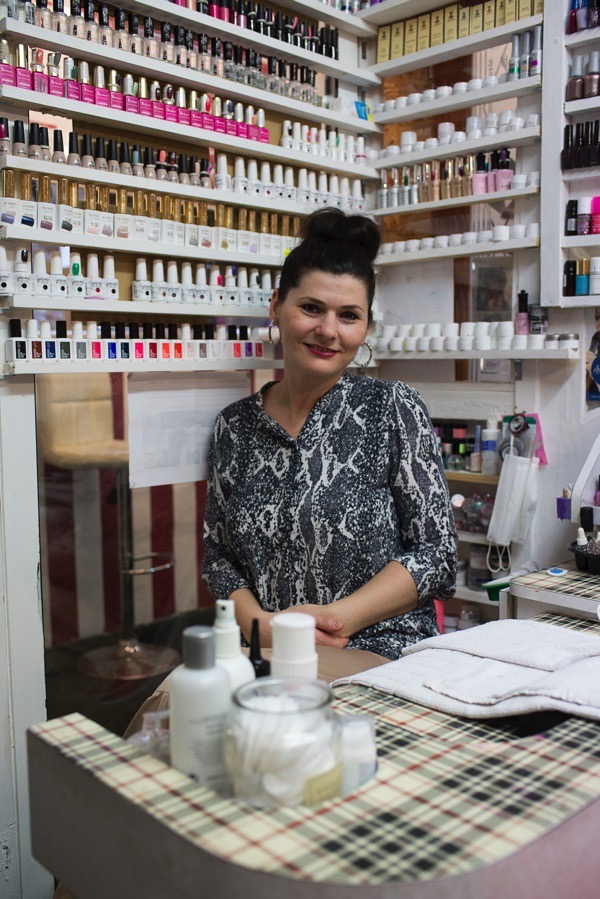
Corina – “I came to this market eleven and a half years ago, I had a friend who ran this shop before me, selling clothes. I started bringing her clothes from my country, Romania. I was a single mother with two children and no access to benefits, so I had to do something. My son was seven months and my daughter was three. I got a loan from the bank and imported clothes from Romania to sell in Finsbury Park. But then I met a girl who ran this shop and she brought me here. At first, I used to clean the shop and change the clothes on the mannequins. This way my English improved. Then I bought the business and took it over.
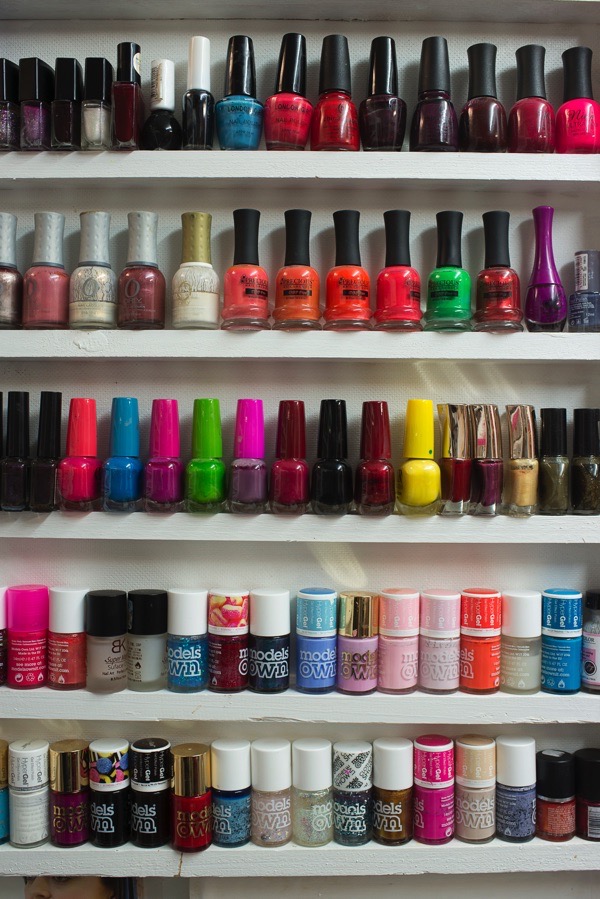
Now I run a beauty parlour and this is how I support myself and my children. I studied to be a beautician twenty-six years ago in Romania and five years ago I decided to change from doing something I did not like to this. The certificates I had from Romania were not recognised here because technology has changed the profession. So I started to study again. I thought, “I’m old, I have two children and I have to work, so I cannot study” – but I did, and I won an award for excellence in 2015.”
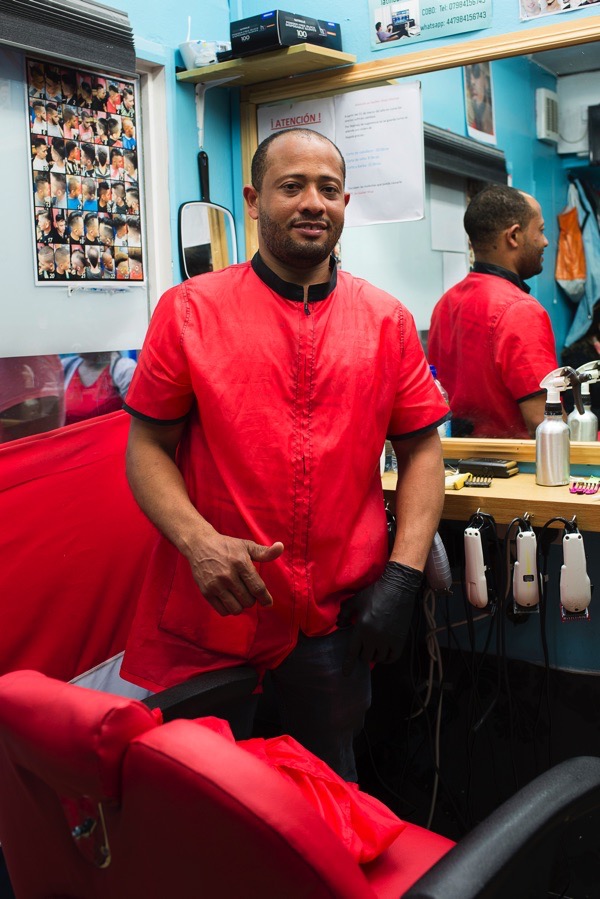
Ari – “I learnt to be a barber in the Dominican Republic and I came to London via Madrid. I have been cutting men’s hair in my sister’s shop in this market for three years and built the business up. I get on with my customers very well and I enjoy cutting hair and barbering. This market is an important meeting place for Latinos.

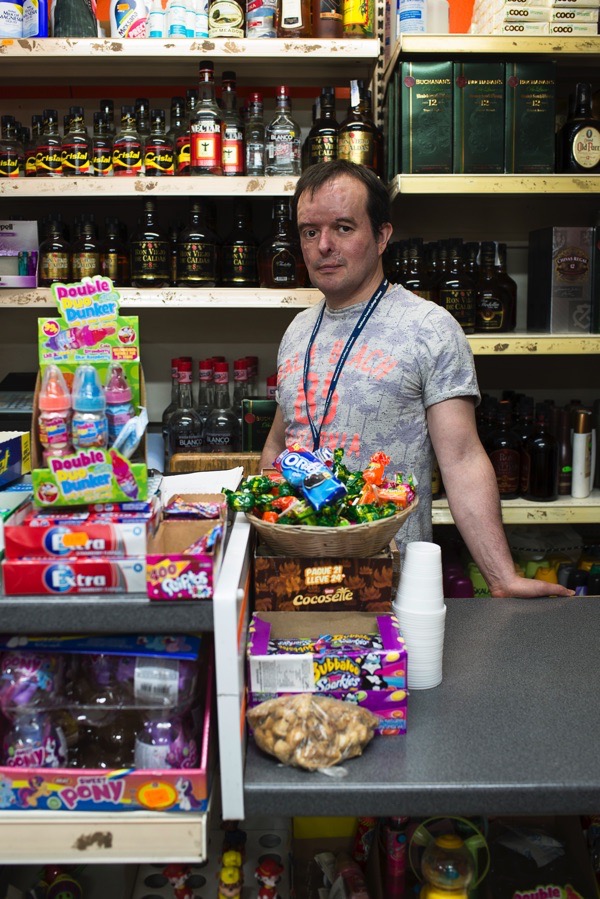
Fernando – “In 2004, I started here with a small grocery shop but now I have a butcher, a baker, a cafe and I sell Colombian spirits. We have special events at the weekend, people come to dance and sing. It is a family event, people bring their children and everybody dances. This market is very important for our community because it is the only one of its kind in this country. It is a meeting point for people from Latin America and Africa. I want to stay here but I do not know what will happen to us in the future, they are saying we may have to move to another location. Nothing is clear.”
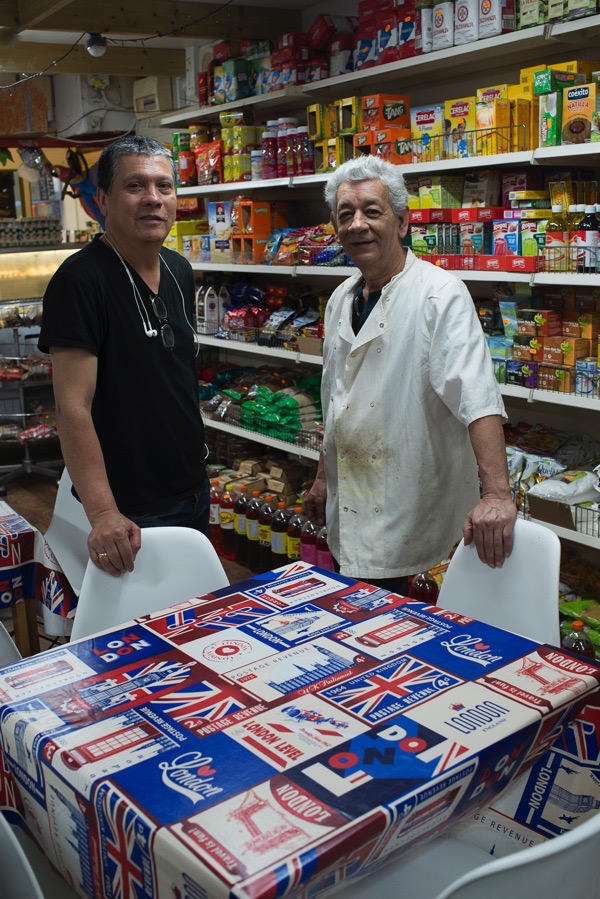
Nixon and Dago, baker and butcher
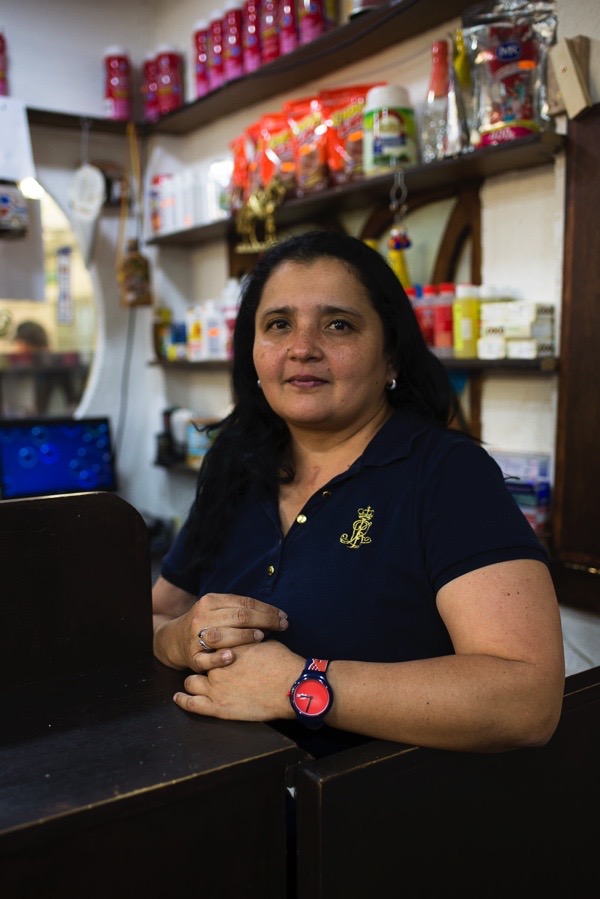
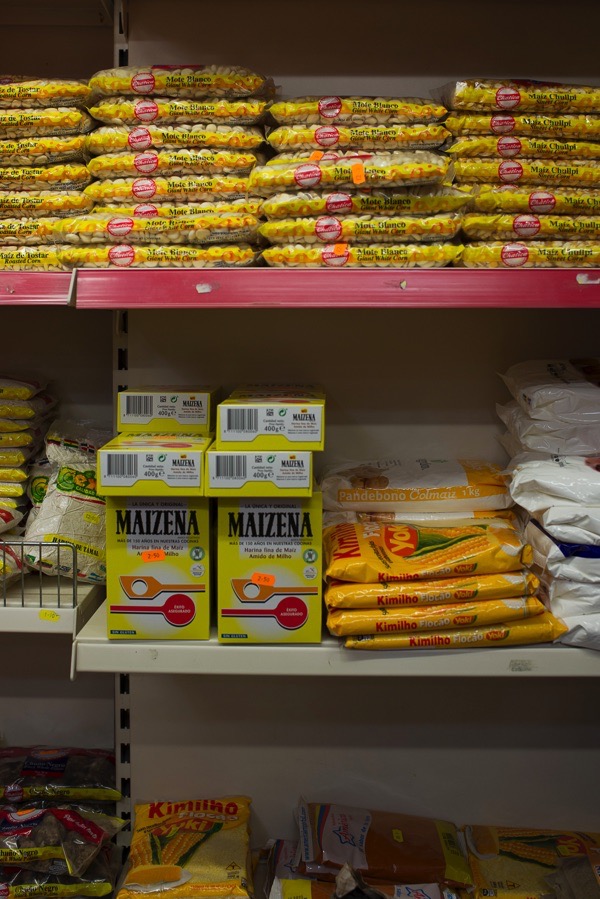
Catherine – “Me and my husband, we opened this shop here three years ago selling Colombian groceries. This is how we make our living. I run the business and order all the stock from a distributor in Spain. I want to extend the range of products that I sell and I hope to open a tapas bar one day.”
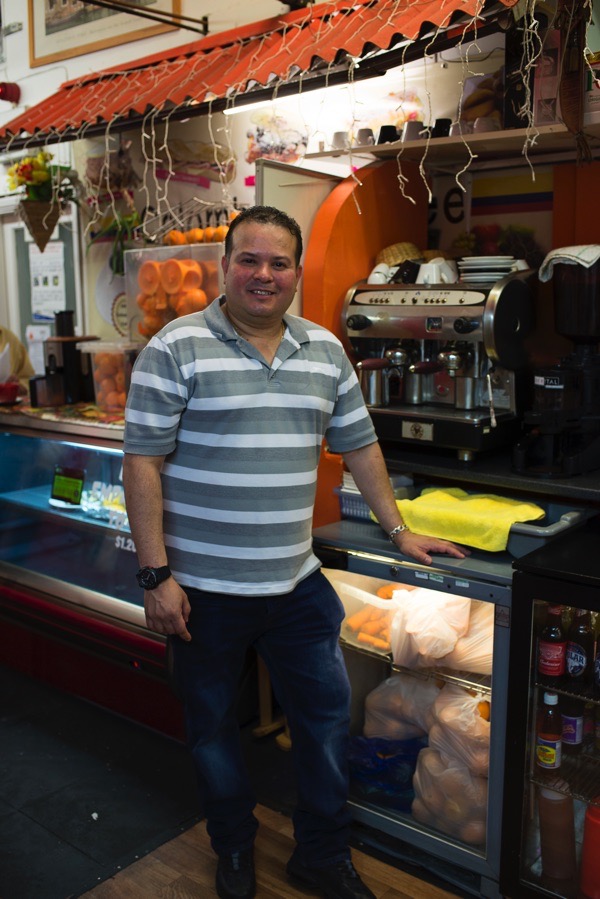
Pablo – “I came here five years ago when I had the opportunity to buy this cafe, before that I sublet half a unit from the Colombian bakery. I never had a mother to take care of me, I learnt to cook for myself out of necessity when I was eight years old. We were four brothers and sisters without a mother or a father, and I was working at nine years old shining shoes and selling cigarettes in the street in Colombia. At thirteen, I emigrated to Venezuela and then to Spain. Now I am here in London. The majority of my customers are Latin Americans, they work hard supporting their families by doing cleaning.”
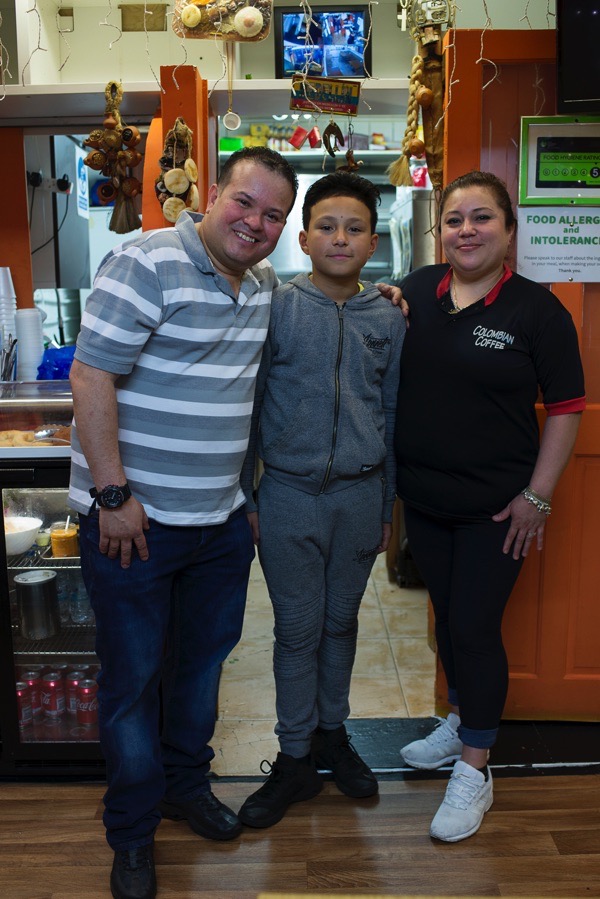
Pablo with his son Christopher and Ana
Photographs copyright © Sarah Ainslie
Support the Campaign to Save the Latin Market
You may like to read our earlier story
Society Of Sign Painters’ Grand Exhibition
Meredith Kasabian of the Pre-Vinylite Society introduces an exhibition of contemporary sign painting she has curated which opens at Oxo Tower Wharf on the South Bank
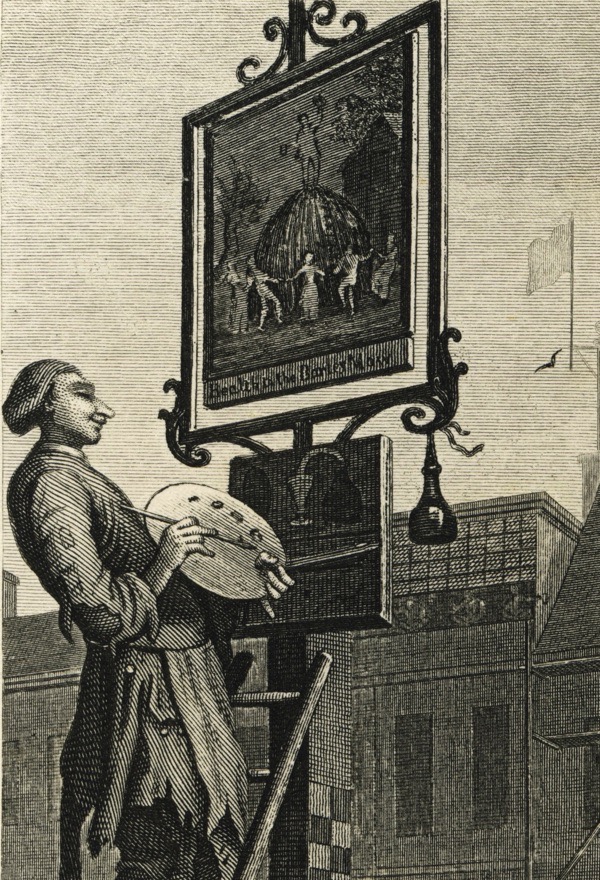
Sign painter in Beer St by William Hogarth, 1751
Next week, letter lovers from around the globe will descend on London for the city’s first international gathering of Letterheads, bringing together veterans and novices of the signwriting and lettering trades for workshops, lectures and exchange of ideas.
The centrepiece of this event is a contemporary interpretation of an exhibition of signs which took place in Covent Garden in the eighteenth century. The 1762 Grand Exhibition of the Society of Sign Painters was a satirical show, mocking an exhibition at the Society of Arts by placing signboards taken from the streets in an art gallery and titling them with playful and facetious descriptions. This show is the inspiration for the 2018 Grand Exhibition of the Pre-Vinylite Society at Oxo Tower Wharf from August 16th-19th, for which twenty-nine contemporary signwriters have painted signs in response to the eighteenth century exhibition.
The Society of Sign Painters’ Grand Exhibition was announced on May 21th, 1761 in the St James’s Chronicle, a tri-weekly newspaper owned in part by Bonnell Thornton, the mastermind behind the fictional Society of Sign Painters’ and their exhibition: “An Account of the Exhibition designed by the Brokers and Sign-Post Painters of Knaves-acre, Harp-Alley, etc. shall be in a future Paper.”
The next mention of the Grand Exhibition came on May 26th: “several ARTISTS (Natives of Great Britain) are invited to send to the printer of this paper, a list of those capital pieces, which they intend to submit to the public Judgment. N.B. No Foreigners, and Dutchmen in particular, will be allowed a Place in the Exhibition.” The nationalistic nature of this announcement, insisting that artists must be “Natives of Great Britain,” satirises the Society of Arts’ exhibition which championed native British artists over those from the continent.
In the months following the announcement, the St James’s Chronicle was flooded with accounts of the Grand Exhibition as well as objections to it. Coverage in other London periodicals – advertisements, announcements, descriptions, reviews, and satirical cartoons – ensured that the Grand Exhibition of the Society of Sign Painters became a media spectacle. By holding the “low” art of sign painting up to the “high” art exhibited at the Society of Arts, the Society of Sign Painters challenged the basis of an art exhibition and became – arguably – the first ‘anti-art’ installation of objets trouvés.
A year later the St James’s Chronicle announced another exhibition of signs, on 13th March 1762. This time, they asked for public assistance in locating signs to be removed from the streets. The announcement reports “that the majority of the signs displayed at the exhibition were authentic – that is, they were gathered from the town or countryside rather than painted especially for the occasion.” While some signs were supposed to have been painted by William Hogarth, most were taken from the streets, at the time of the Westminster Paving Act which required the removal of dangerous hanging signs.
Perhaps the idea of an exhibition of signs was a mere jeu d’esprit in 1761, conjured into existence for the amusement of the Nonsense Club. Yet by 1762 plans were well-advanced and since spoofed objections in the St James’s Chronicle could no longer be distinguished from real ones, the effect was both to generate publicity for the show and sell copies of Chronicle. The success of the Grand Exhibition, apparent in the number of reviews it received, is a testament to the ability of newspapers to fuel interest in any novel event of the time.
Yet the proliferation of coverage created a wave of suspicion surrounding the exhibition. Most of the announcements appeared in the St James’s Chronicle but the Society of Sign Painters attempted to advertise in other papers as well. The London Evening Post refused to run their advert, calling the organizers “a pretended Society of Sign-painters” and citing mockery of the Society of Arts as the justification.
While the Society of Sign Painters denied any implication that their exhibition was intended as a satire on the Society of Arts, we can agree that it was. Despite their insistence, the ironic tone of their rebuttals suggest otherwise, as is obvious in their explanation in their catalogue. The satirical basis of the 1762 exhibition was that the presentation of street signs in a gallery was laughable.
Even in our own century, sign painting is rarely hailed as an endeavour worthy of an exhibition. The Pre-Vinylite Society believes hand-painted signs should be considered art and our forthcoming Grand Exhibition is a rebuttal to the Society of Sign Painters’ implication that placing signs in a gallery is an act of absurdity. Rejecting the insularity of the Society of Sign Painters’ exhibition in 1762, we celebrate the global renaissance of sign painting by featuring artists from eight countries.
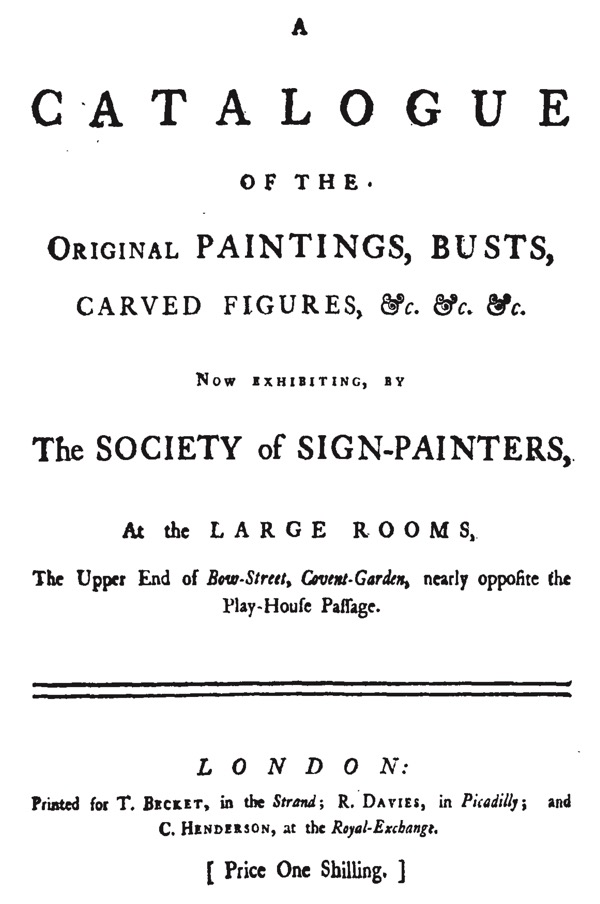
The Society of Sign Painters 1762 catalogue (Reproduced courtesy of the Trustees of the British Museum)
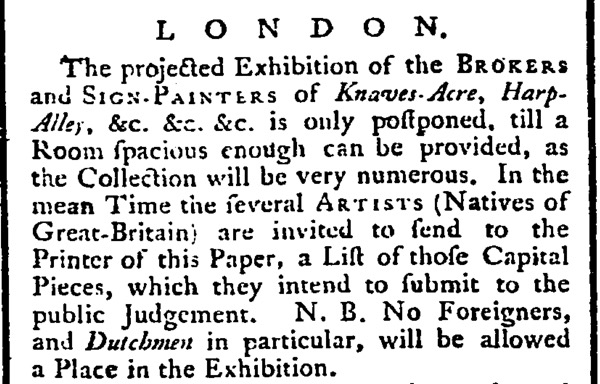
Excerpt from St James’s Chronicle, May 23rd, 1761 (Reproduced courtesy of the Burney Newspaper Collection)
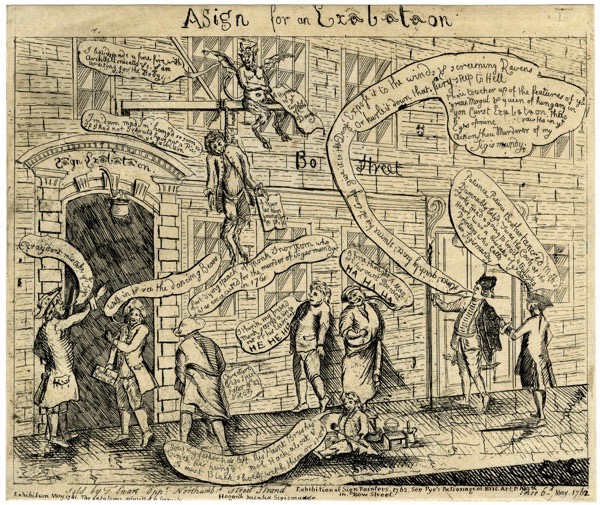
“A Sign for an Exh[i]b[i]t[i]on” 1762, uses a rebus for its title and references the “Ha! Ha! Ha!” and “He! He! He!” signs on view, among other satirical jabs at Hogarth and the Nonsense Club (Reproduced courtesy of the Trustees of the British Museum)
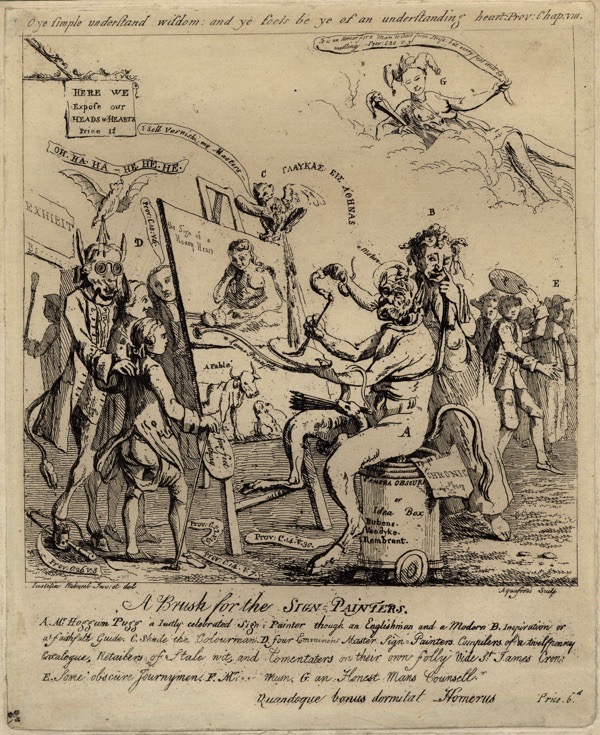
“A Brush for the Sign Painters” was circulated at the Society of Sign Painters’ exhibition, depicting Hogarth, Thornton and other members of the Nonsense Club, and references the Ha! Ha! and He! He! signs on view (Reproduced courtesy of the Trustees of the British Museum)
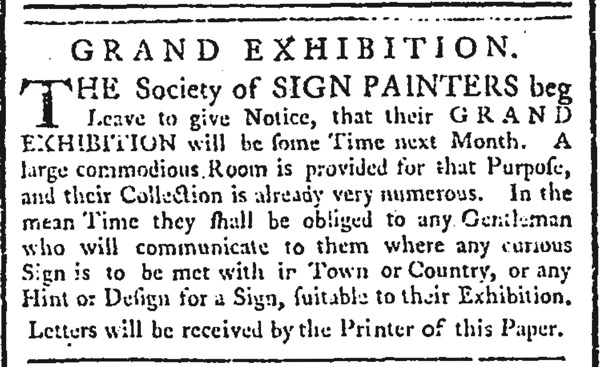
Announcement for a Grand Exhibition, St. James’s Chronicle, March 13th 1762 (Reproduced courtesy of the Burney Newspaper Collection)
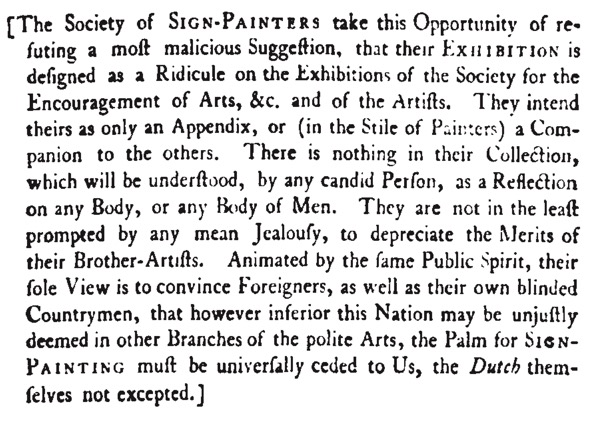
The rebuttal to “a most malicious suggestion,” excerpt from the 1762 Society of Sign Painters Catalogue (Reproduced courtesy of the British Library)
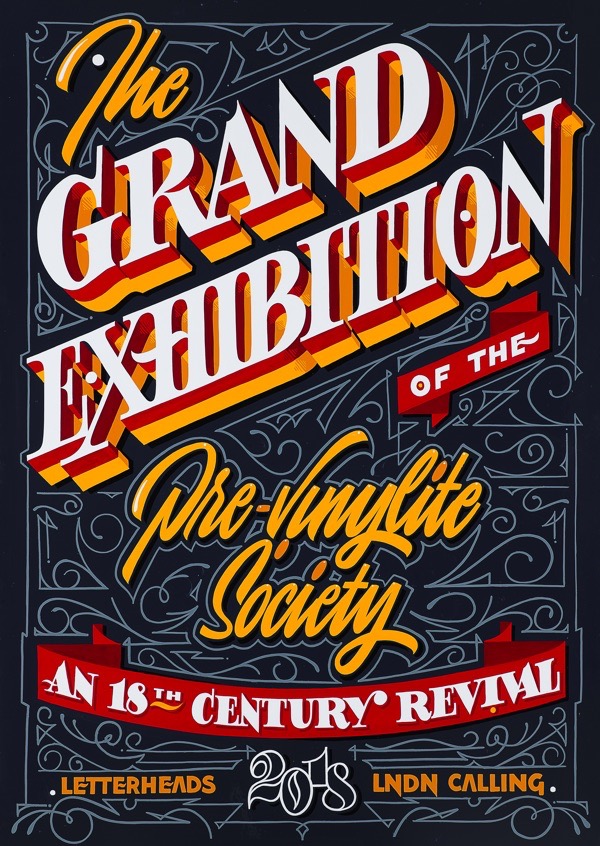
The Grand Exhibition of the Pre-Vinylite Society by Jakob Engberg of Copenhagen Signs
The Grand Exhibition of the Pre-Vinylite Society is at Oxo Tower Wharf, 16th-19th August. Curator Meredith Kasabian will talk at the gallery at 1pm, 16th-18th August. Admission Free.
You may also like to read about
At Waterbeach & Landbeach
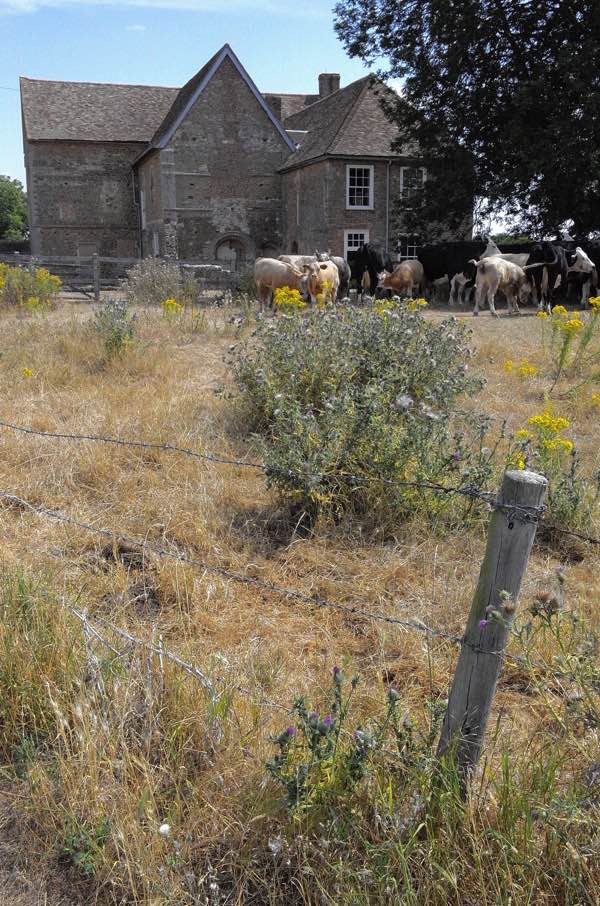
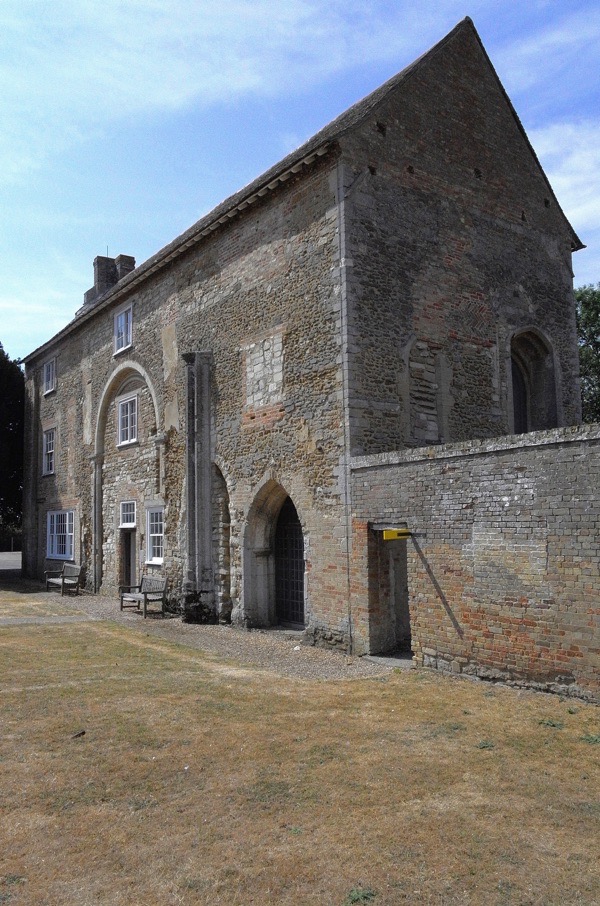
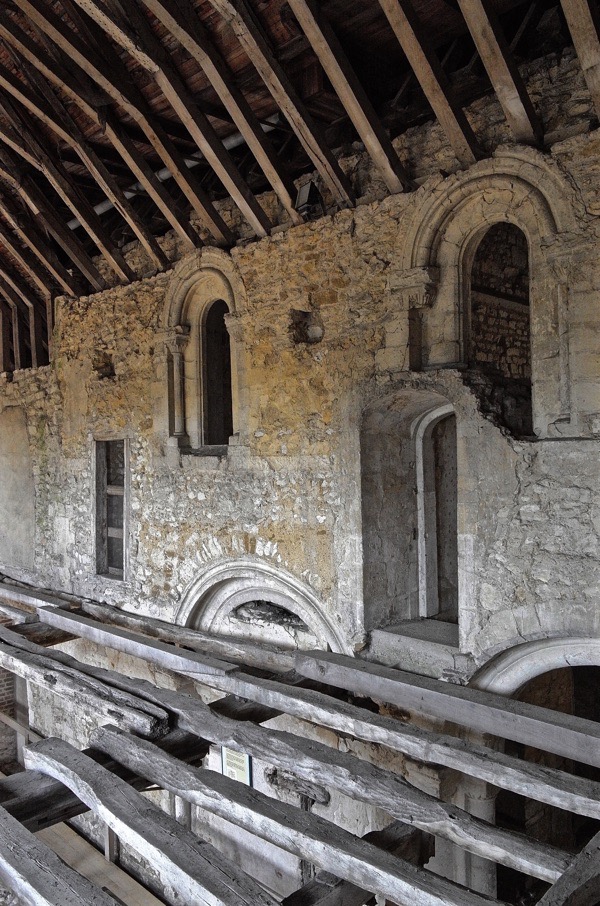
I set out to visit the intriguingly named Waterbeach and Landbeach in Cambridgeshire last week with the object of viewing Denny Abbey. Built in the twelfth century as an outpost of Ely Cathedral, it passed through the hands of the Benedictine Monks, the Knights Templar and a closed order of Franciscan nuns known as the ‘Poor Clares’ – all before being converted into a private home for the Countess of Pembroke in the fifteenth century. Viewed across the meadow filled with cattle, today the former abbey presents the appearance of an attractively ramshackle farmhouse.
A closer view reveals fragments of medieval stonework protruding from the walls, tell-tale signs of how this curious structure has been refashioned to suit the requirements of diverse owners through time. Yet the current mishmash delivers a charismatic architectural outcome, as a building rich in texture and idiosyncratic form. From every direction, it looks completely different and the sequence of internal spaces is as fascinating as the exterior.
In the second half of the twentieth century, the property came into the ownership of the Ministry of Works and archaeologists set to work deconstructing the structure to ascertain its history. Walking through Denny Abbey today is a vertiginous experience since the first floor spaces occupy the upper space of the nave with gothic arches thrusting towards the ceiling at unexpected angles. Most astonishing is to view successive phases of medieval remodelling, each cutting through the previous work without any of the reverence that we have for this architecture, centuries later.
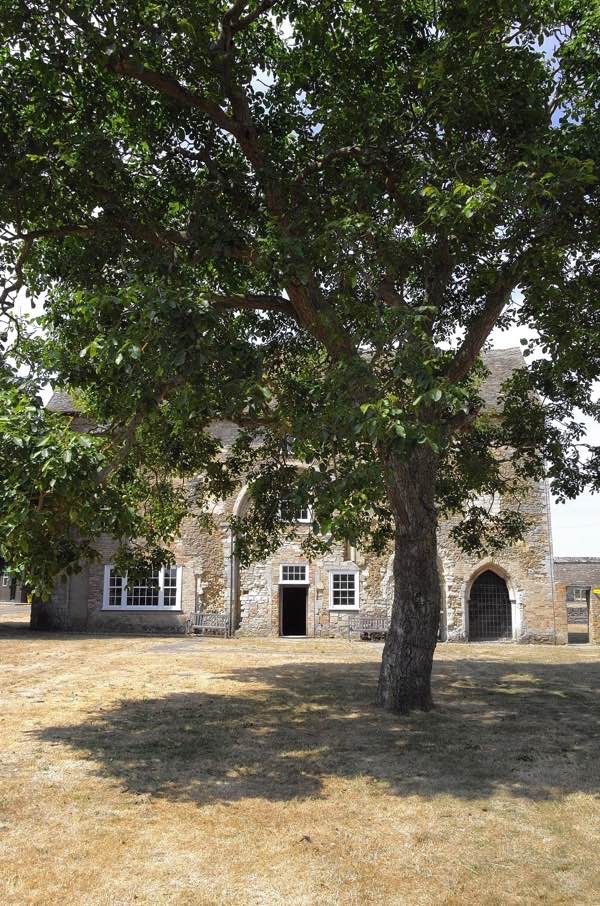
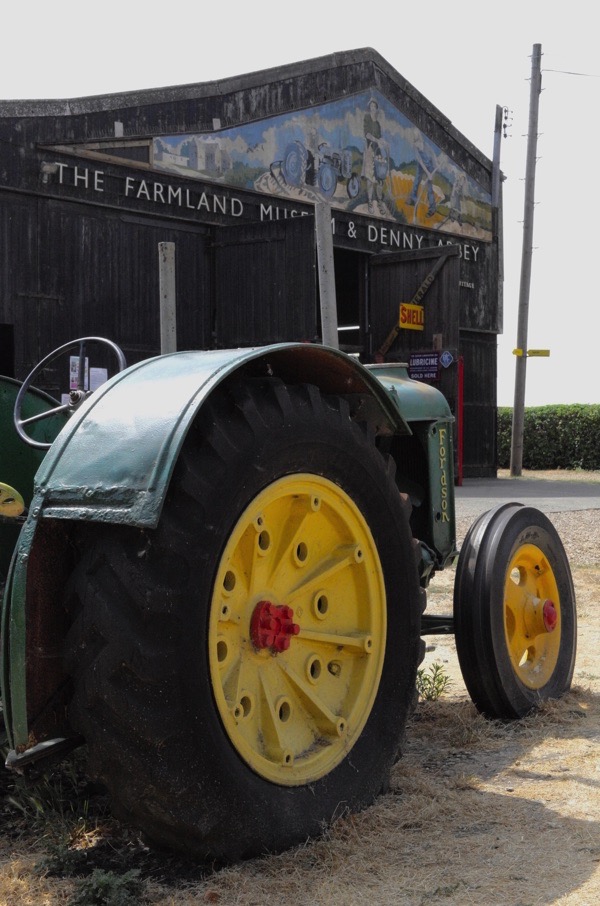
An old walnut tree presides over the bleached lawn at the rear of the abbey, where lines of stone indicate the former extent of the building. A magnificent long refectory stands to the east, complete with its floor of ancient ceramic tiles. While the Farmland Museum occupies a sequence of handsome barns surrounding the abbey, boasting a fine collection of old agricultural machinery and a series of tableaux illustrating rural trades.
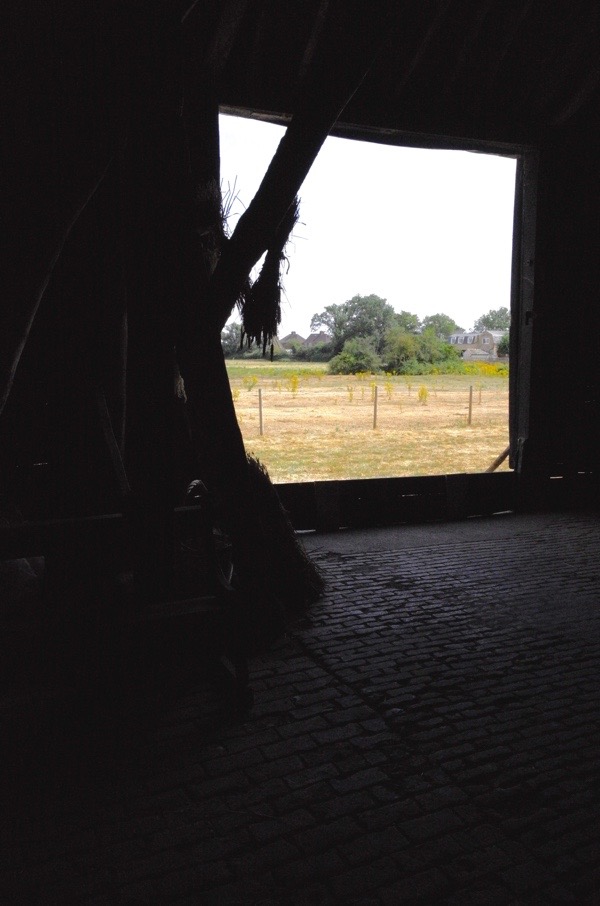
Nearby at Landbeach, I followed the path of a former Roman irrigation system that extends across this corner of the fen, arriving at the magnificent Tithe Barn. Stepping from the afternoon sunlight, the interior of the lofty barn appeared to recede into darkness. As my eyes adjusted, the substantial structure of purlins and rafters above became visible, arching over the worn brick threshing floor beneath. Standing in the cool shadow of a four hundred year old barn proved an ideal vantage point to view the meadow ablaze with sunlight in this exceptional summer of 2018.
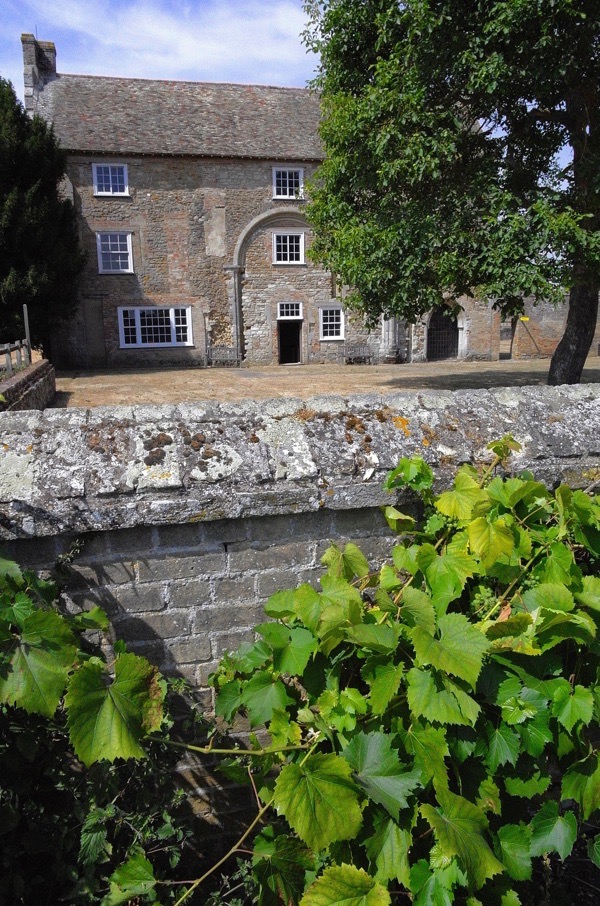
Denny Abbey, Waterbeach
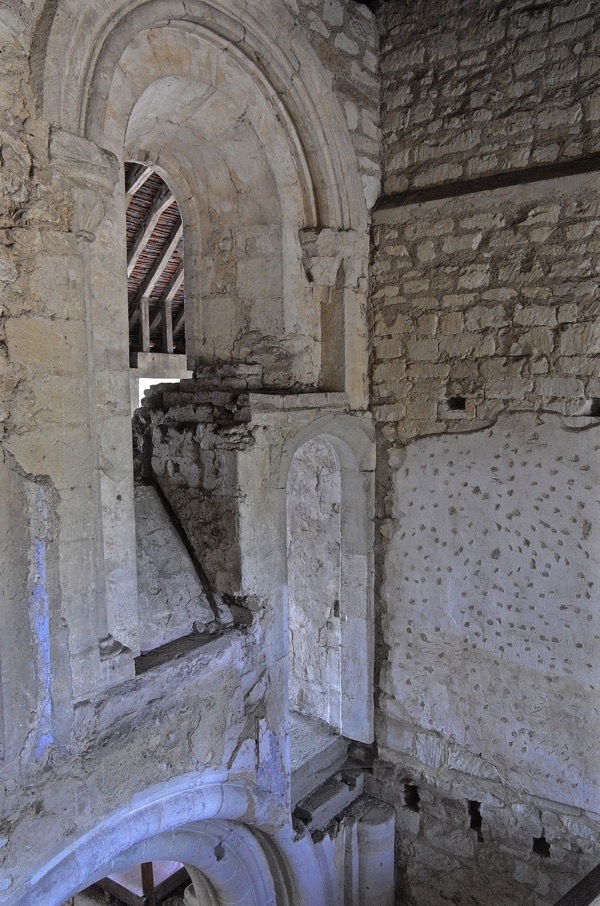
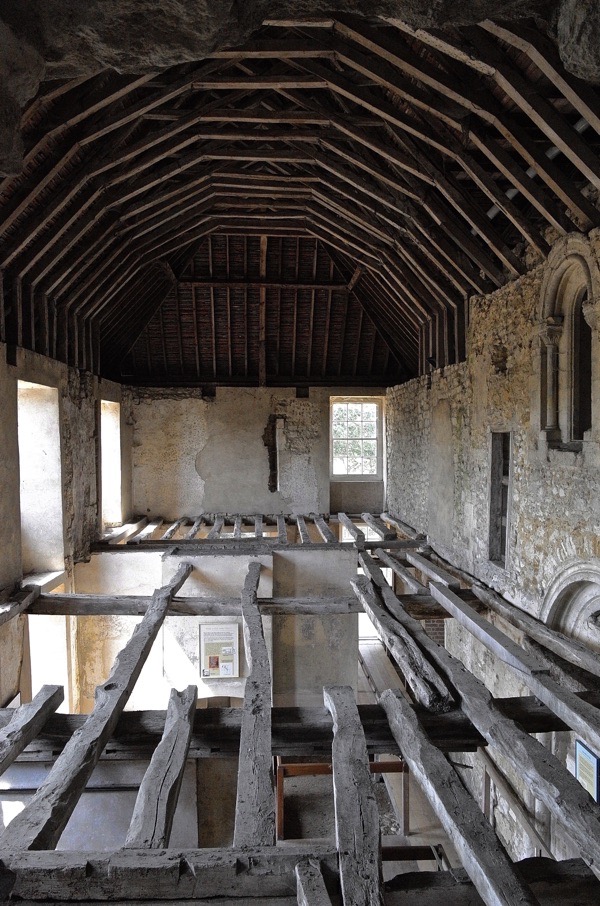
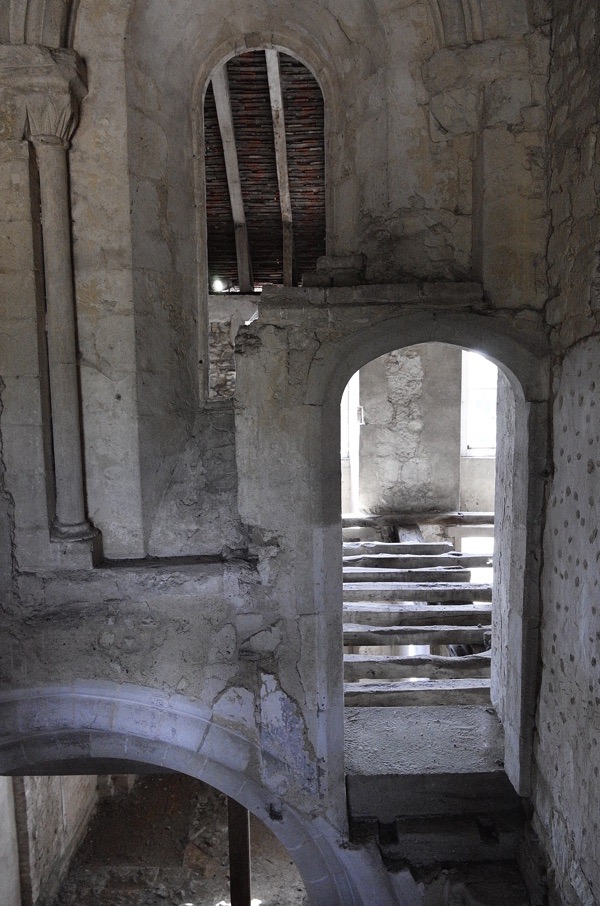
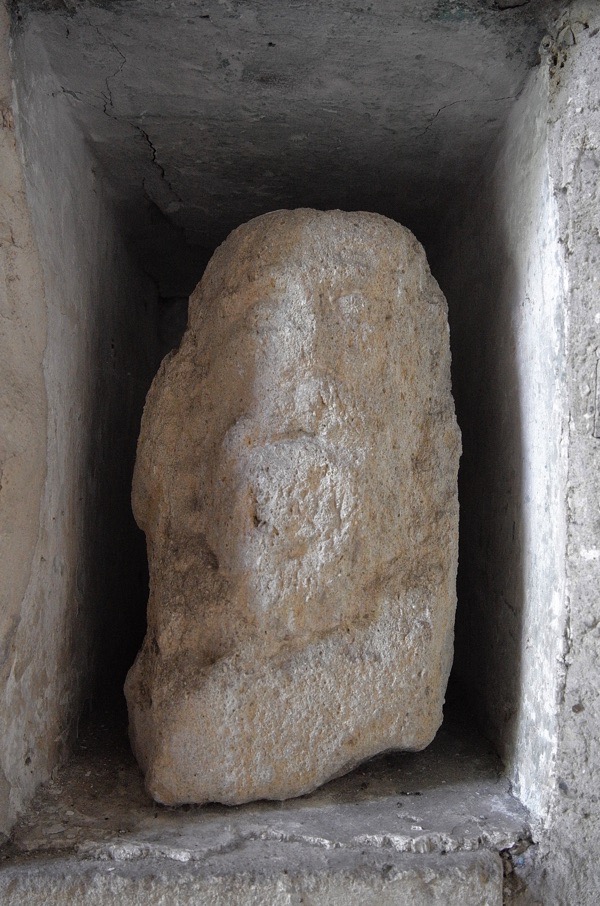
Mysterious stone head at Denny Abbey
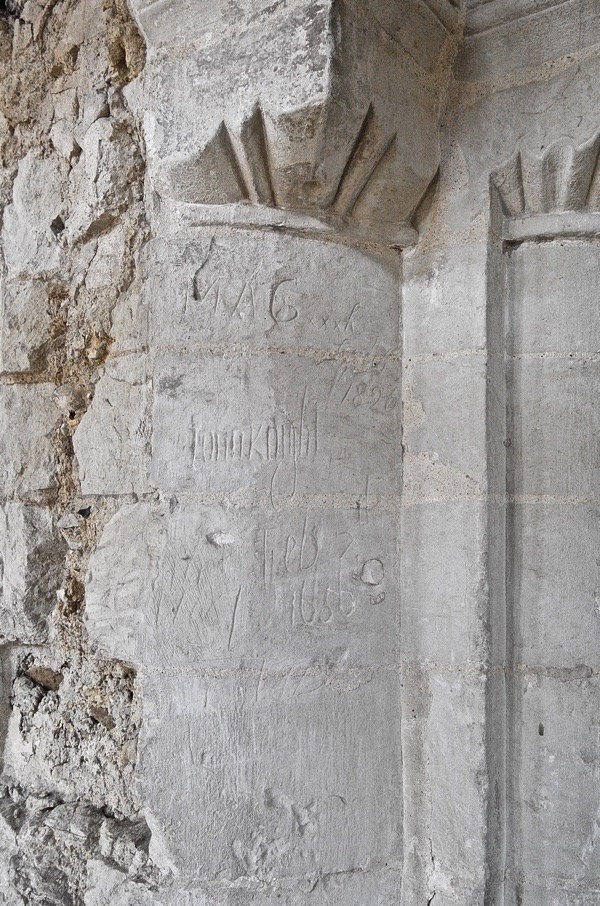
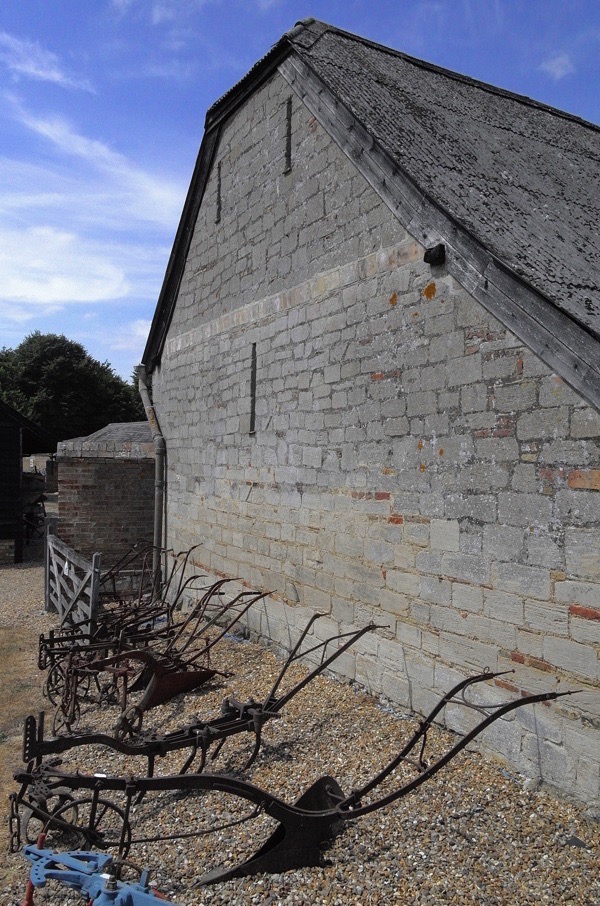
The Farmland Museum, Waterbeach
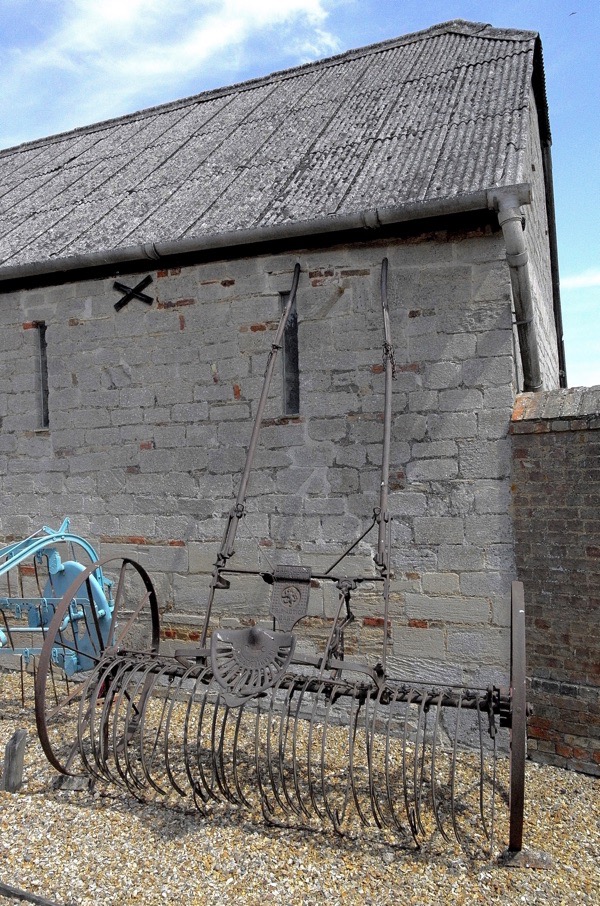
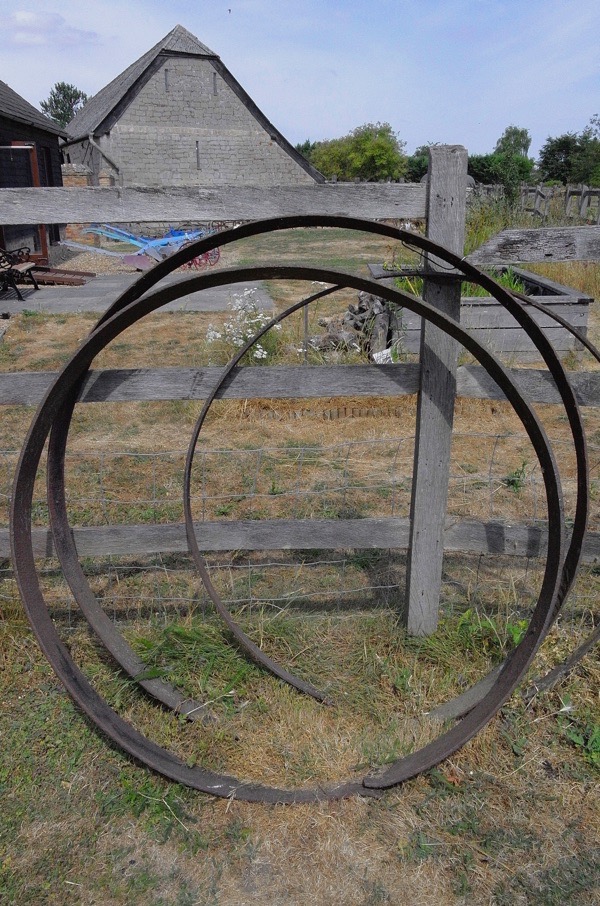
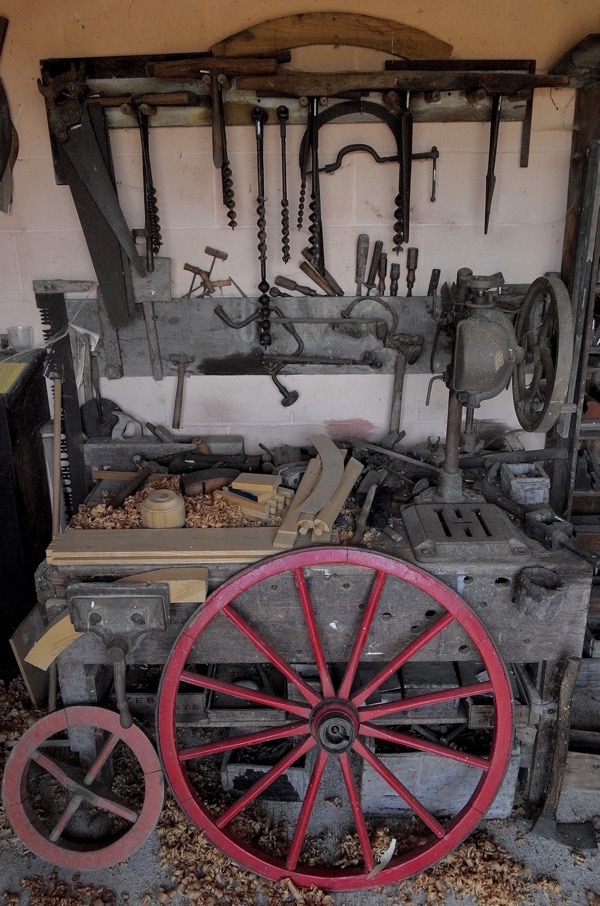
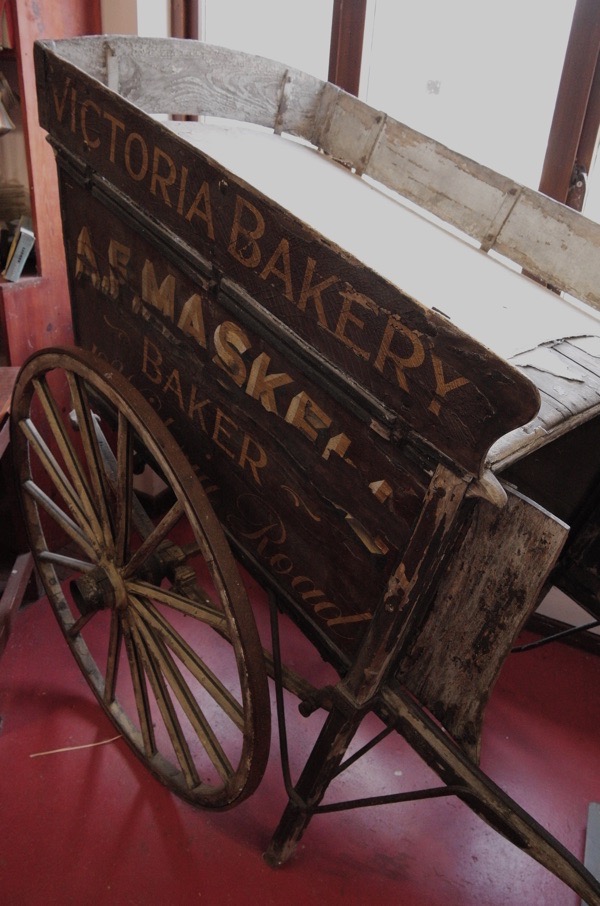
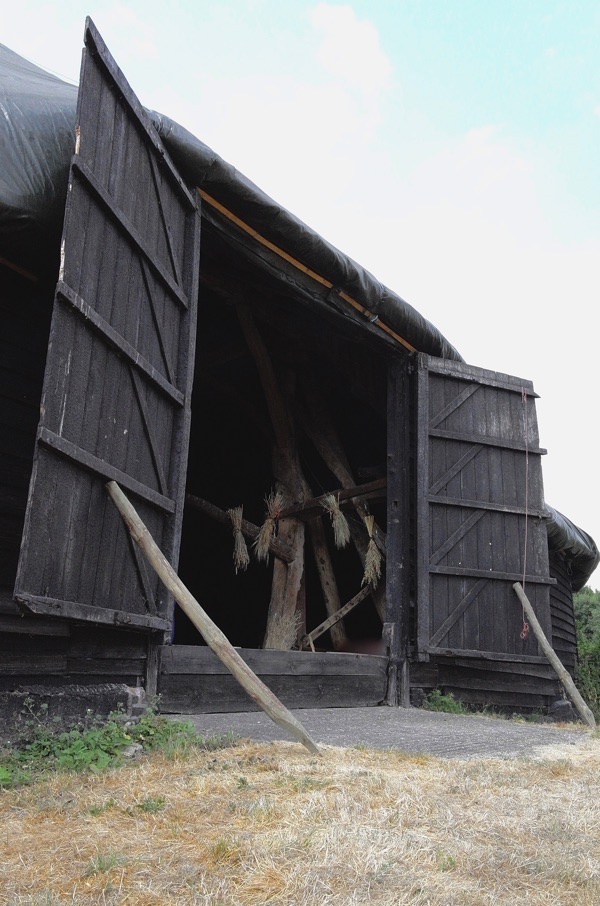
Tithe Barn, Landbeach
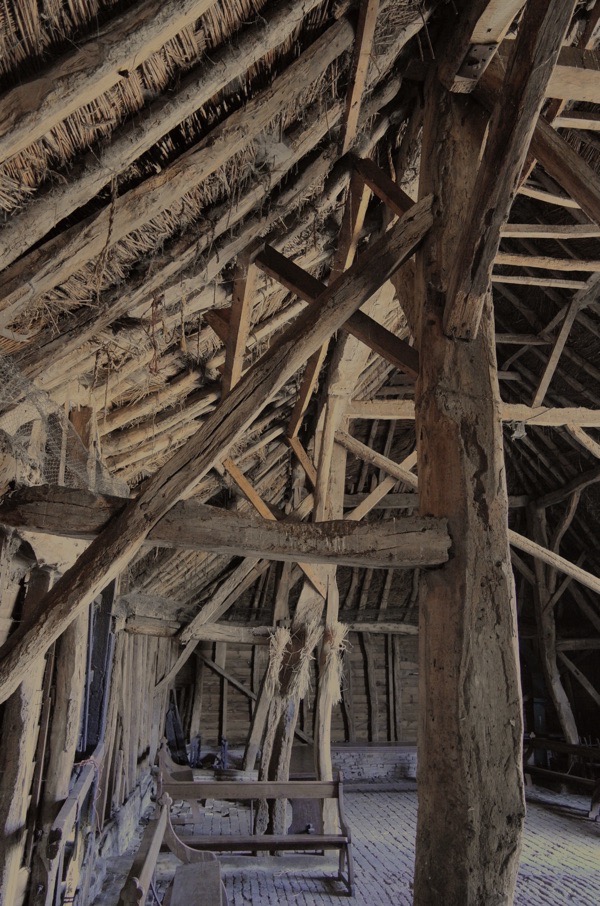
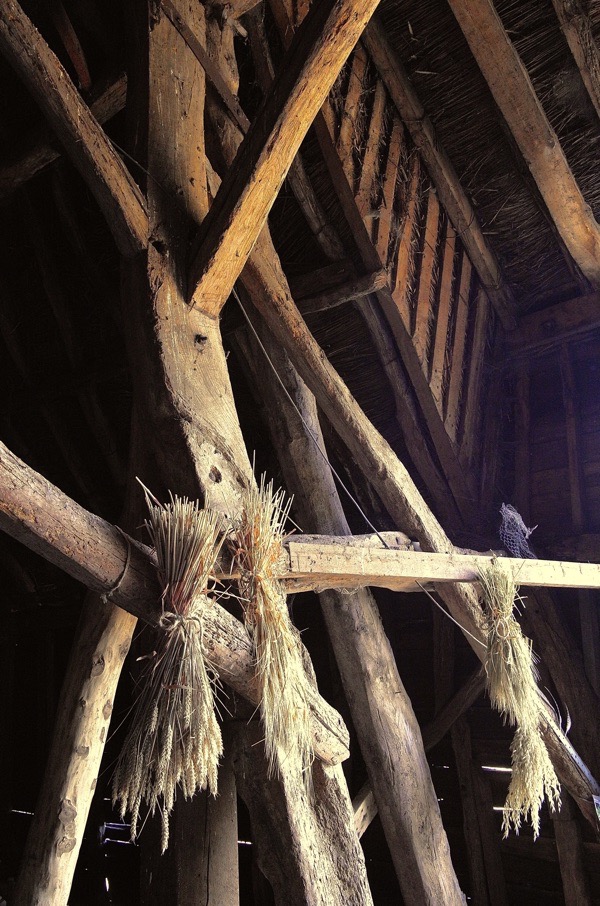
You may also like to read my other story about Waterbeach
At Odds With Mr Pussy
With your help, I am producing a handsome collection of stories of my old cat, THE LIFE & TIMES OF MR PUSSY, A Memoir Of A Favourite Cat to be published by Spitalfields Life Books on 20th September. Below you can read an excerpt.
Support publication by preordering THE LIFE & TIMES OF MR PUSSY and you will receive a signed copy when the book is published.
Click here to preorder your copy

Mr P
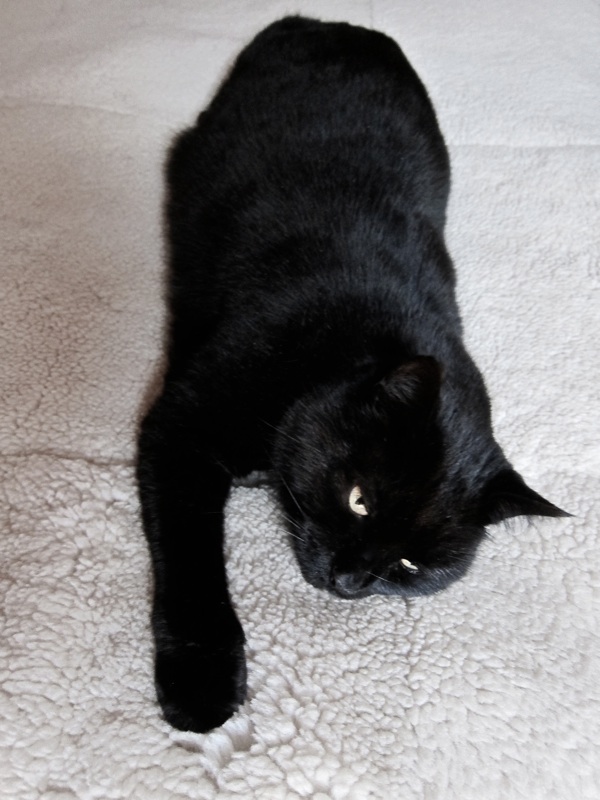
When my old black cat, Mr Pussy, woke me in the night by clawing at the bedclothes and crying out in the dark, I learnt to pick him up and settle him down upon the sheepskin covering the end of the bed, where he would rest peacefully until morning. It was my only option because turning over and going back to sleep would be an invitation to mayhem, with him pulling out the copy of King Lear from the bookshelf to send it crashing onto the floor or jumping on the dresser and knocking everything off. Similarly, shutting the bedroom door granted no peace either, drawing a litany of painful cries that would make sleep impossible.
Privately, I was relieved to have devised the solution to his nocturnal disturbances, calming his anxiety by exerting my authority as a human over an animal. Yet, over time, I found a new pattern had evolved in which he came to the bedside and waited in anticipation. No longer jumping onto the covers to sleep as he once did, now he expects me to lift him up and pet him before he settles down to sleep. Unwittingly, I had become part of a new ritual in which he played the part of the dependent child and I enacted the role of the devoted parent, tucking him up at night. This realisation neatly relieved me of my complacency, returning me to the subtly-troubling question of whether my cat or I have the upper hand.
I cannot resist indulging his favour, since his motive is not duplicity but devotion. As he ages, his need for human contact grows. He strays less from the house and he stays closer and he sleeps more, and with a deeper abandon in his slumber. He has acquired a new sound, an ecstatic cooing that rises from deep inside. I have woken to find him sitting upon my chest with his face inches from mine and he lets out this coo of delighted recognition. He looks at me with his deep golden eyes that are alert yet unknowing, seeking consolation.
These days, he stretches out his right arm when he sleeps as if to get a better purchase upon existence or to prevent it slipping away while he dozes. The external world means less to him and he prefers peace over excitement. He is withdrawing and yet seeking more ways to engage with me. Sometimes when he lies upon me, treating me as the human mattress, he reaches out his right arm in an unspecified exhortation.
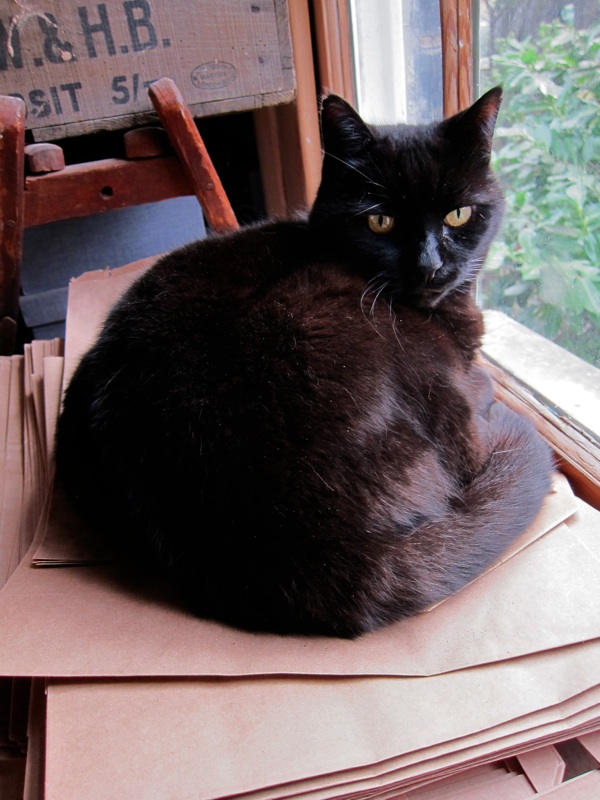
I recognise I am his home and my vicinity is his safe place. Thus he takes great pleasure in the things I do for him as my reciprocation of his adoration. After dinner or when he is satiated with heat from lying by the iron stove, he desires to be let out from the room, sitting patiently by the door as an indicator. Once in the stairwell, he will settle upon a pile of paper bags that are conveniently placed to permit him to peer through the uncurtained window and observe life in the street outside. As soon as he tires of this and feels the chill and longs for heat once more, he will cry for re-admittance and I open the door again. Yet within ten minutes, he may wish to go out again and then return five minutes later, entering the room with one of his ecstatic cooing sounds – provoking my realisation that more pleasurable to him than the change of rooms is the opening of the door by yours truly. His prime delight is that I am his flunkey.
Just as when I settle him to sleep, he has drawn reassurance from my action and sought its repetition as a means to engage. He wants something from me, beyond food and shelter, and this is how he expresses it. This is why he reaches out his arm to me. Yet I am caught on the literal surface of things, encouraging him to be quiet so I can sleep or playing the flunkey, letting him in or out of the door. I do my best to comply but I do not understand his language and so I cannot answer the question he is asking of me. This is how I am at odds with Mr Pussy.
With your help, I am producing a handsome collection of stories of my old cat, THE LIFE & TIMES OF MR PUSSY, A Memoir Of A Favourite Cat to be published by Spitalfields Life Books on 20th September.
Support publication by preordering THE LIFE & TIMES OF MR PUSSY and you will receive a signed and inscribed copy when the book is published.

Click here to preorder your copy
The Queenhithe Mosaic
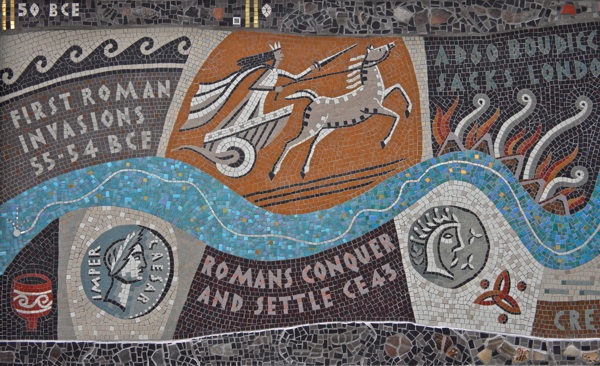
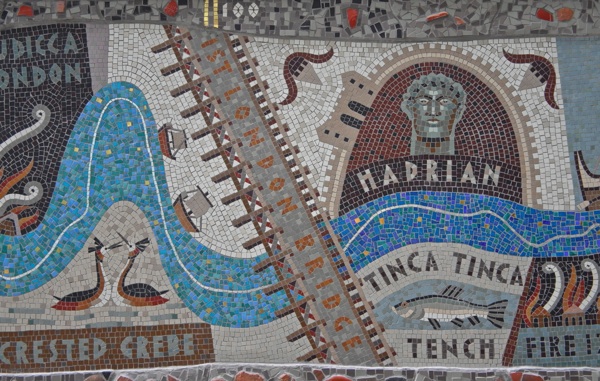
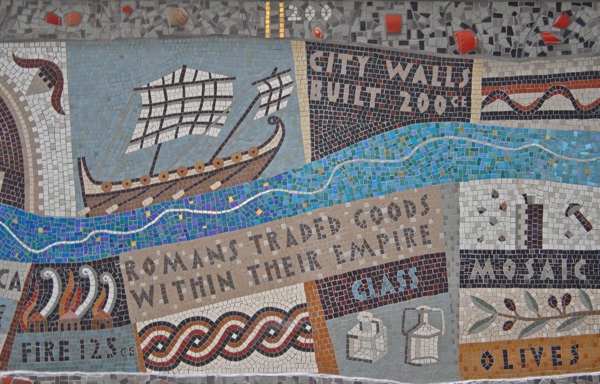
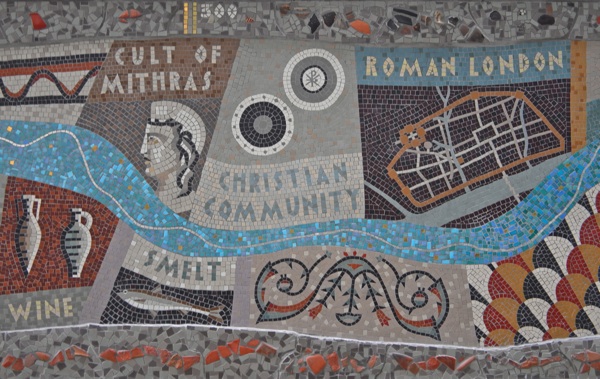
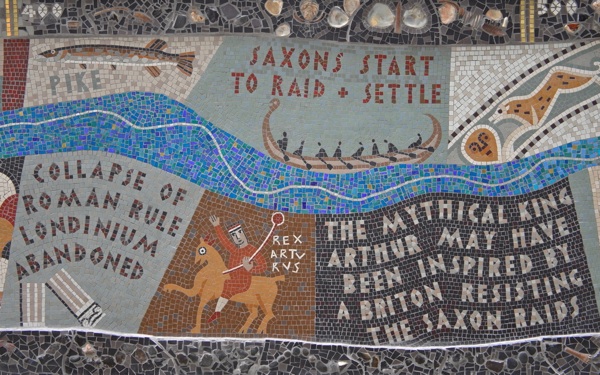
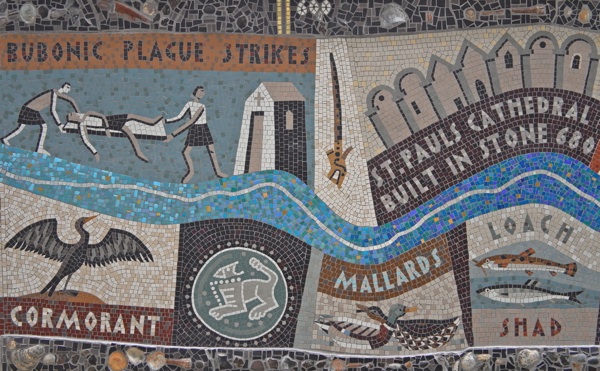
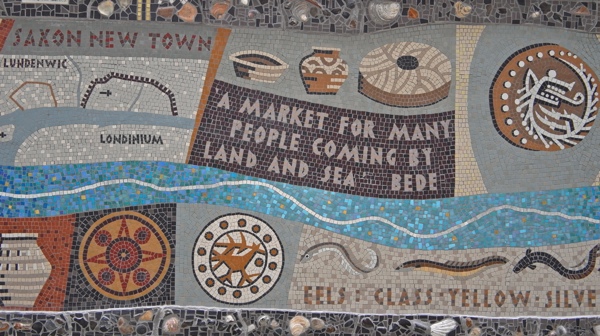
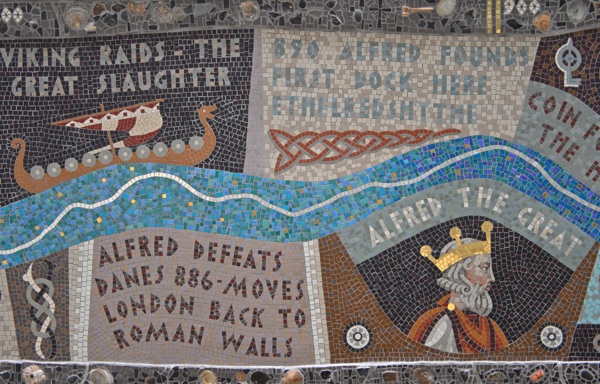
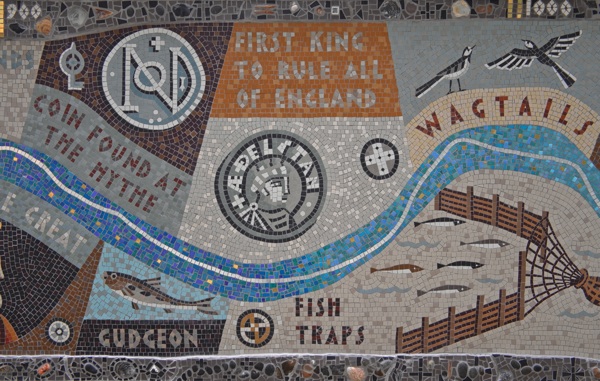
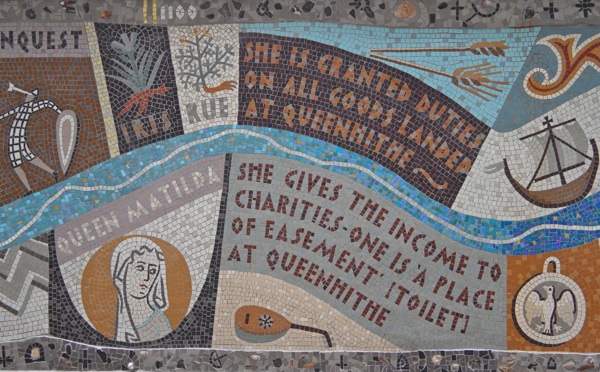
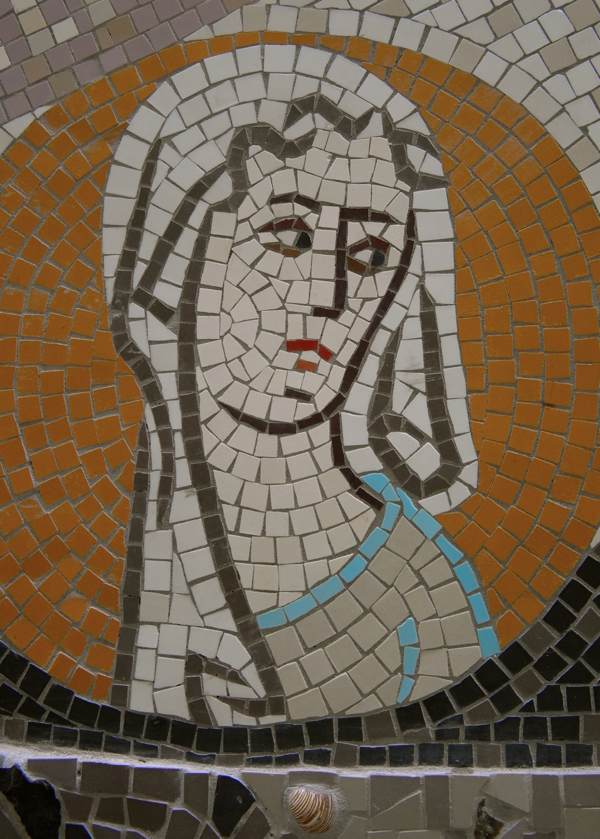
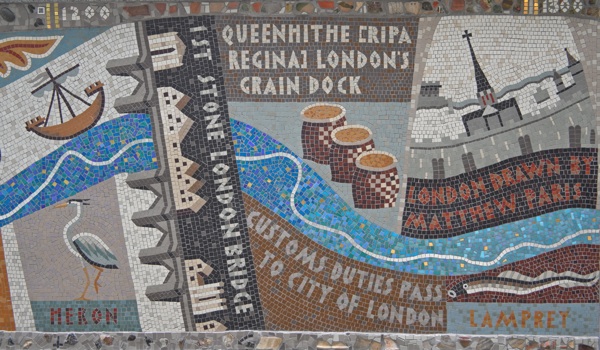
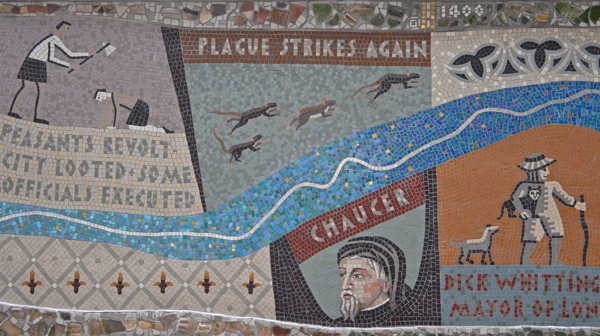
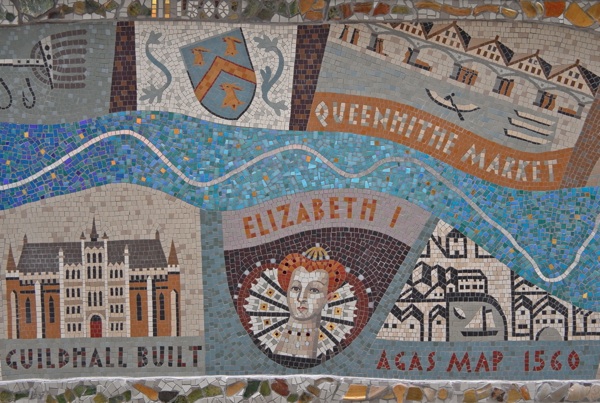
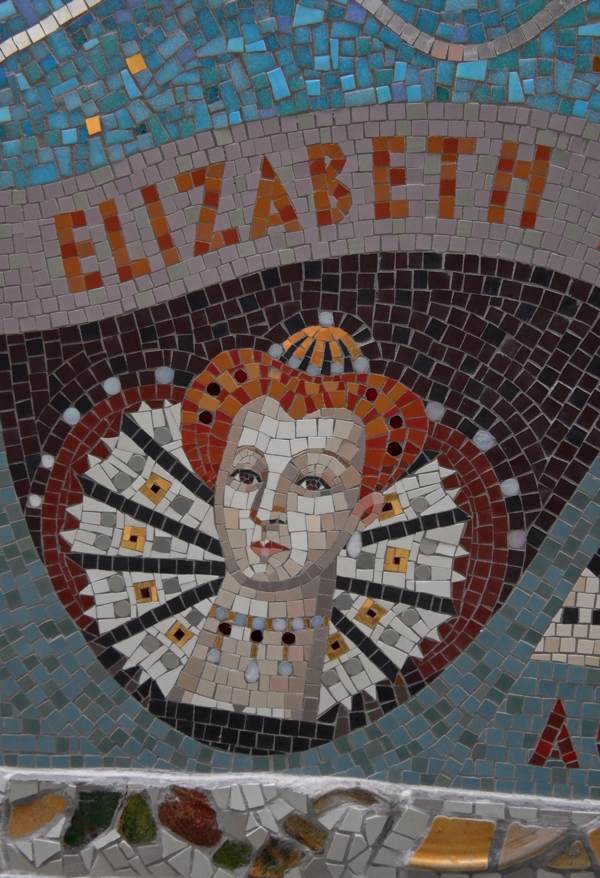
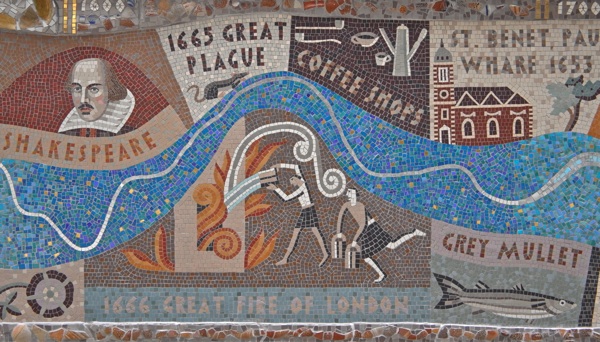
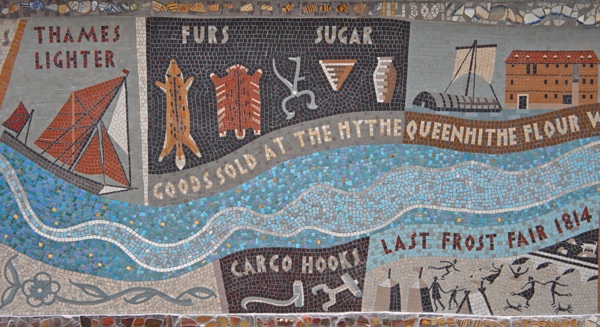
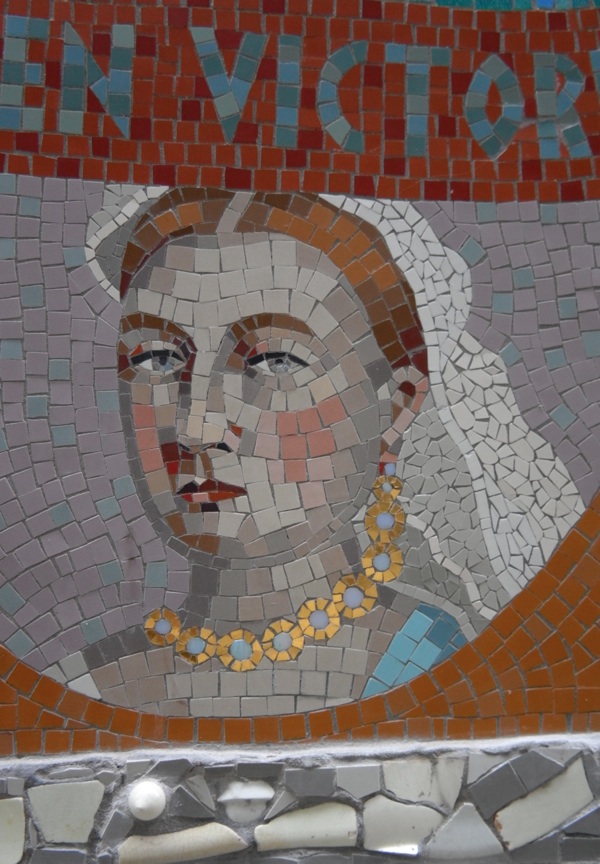
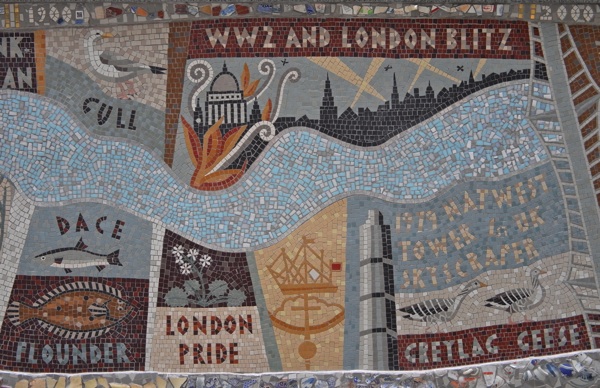
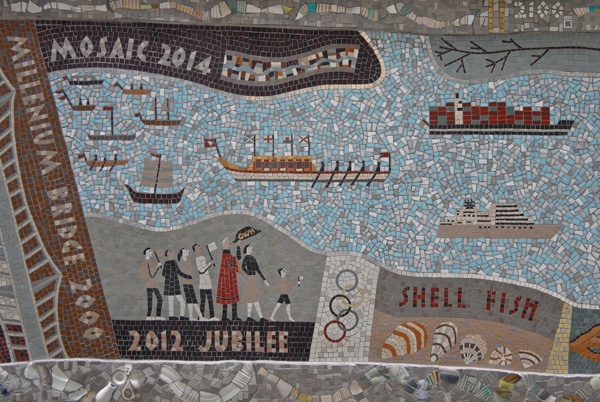
Queenhithe is a natural inlet of the Thames in the City of London, it means ‘Queen’s harbour’ and is named after Queen Matilda who granted a charter for the use of the dock at the beginning of the twelfth century. This is just one of two thousand years of historical events illustrated in a twenty metre mosaic installed upon the river wall at Queenhithe.
Commissioned by the City of London and paid for by 4C Hotel Group, who are constructing a new hotel on the waterfront, it was designed by Tessa Hunkin and executed by South Bank Mosaics under the supervision of Jo Thorpe – and I recommend you take a stroll down through the City to the river, and study the intricate and lively detail of this epic work for yourself.


You may also like to read about
At The Fan Museum In Greenwich
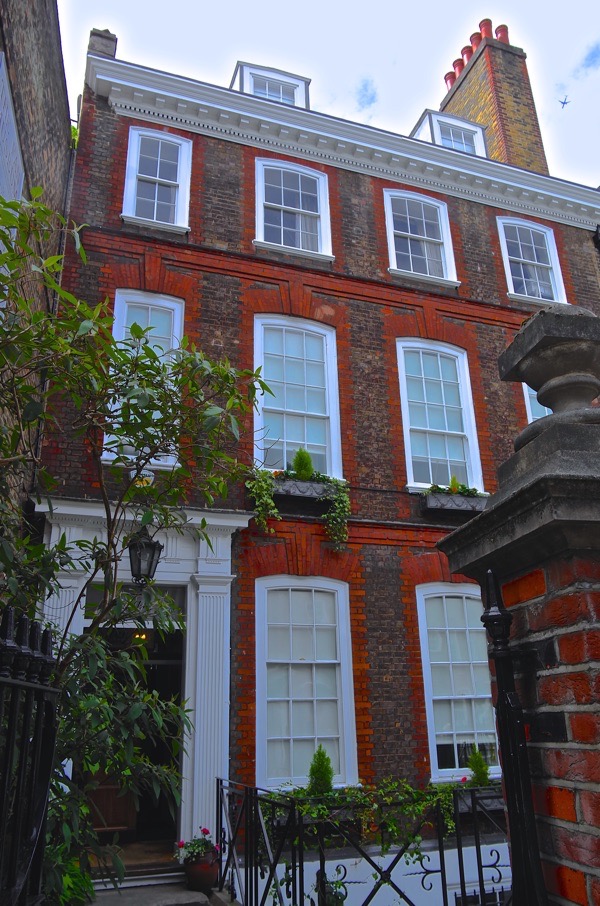
The Fan Museum in Greenwich is the brainchild of Helene Alexander who has devoted her life with an heroic passion to assembling the world’s greatest collection of fans – which currently stands at over five thousand, dating from the eleventh century to the present day.
In doing so, Mrs Alexander has demanded a reassessment of these fascinating objects that were once dismissed by historians as mere feminine frippery but are now rightly recognised as windows into the societies in which they were made and used, and upon the changing position of women through time.
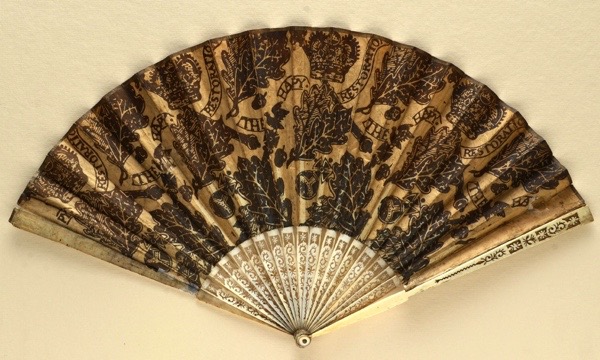
Folding fan with bone monture & woodblock printed leaf commemorating the Restoration of Charles II. English, c. 1660 (Helene Alexander Collection)
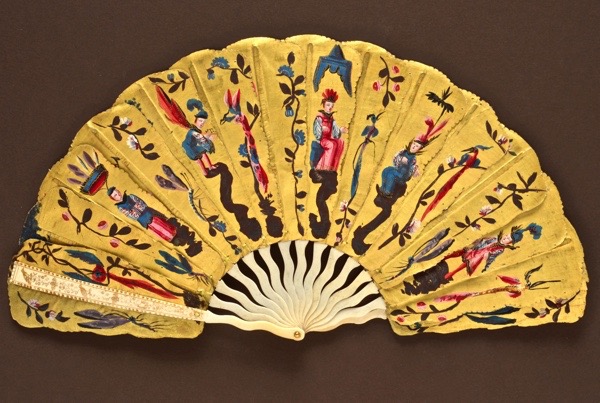
Folding fan (opens two ways) with ivory monture. Each stick is affixed to a painted palmette. European (probably French), c. 1670s (Helene Alexander Collection)
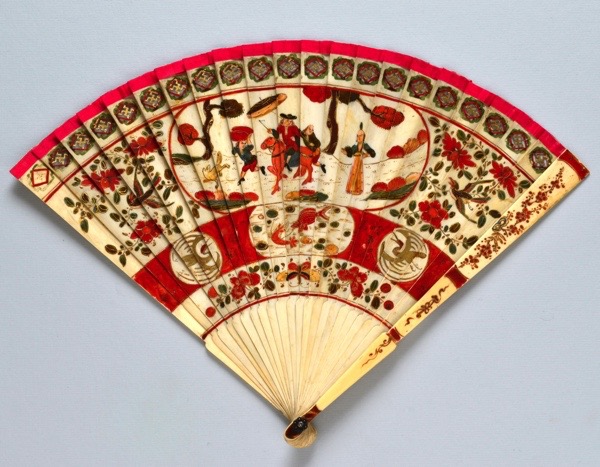
Ivory brisé fan painted with curious depictions of European figures. Chinese for export, c. 1700(Helene Alexander Collection)
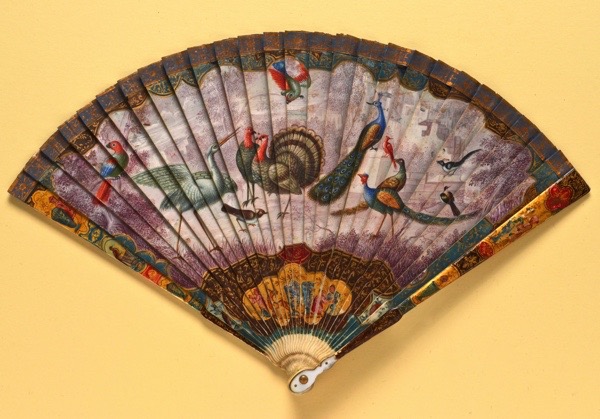
Ivory brisé fan painted in the style of Hondecoeter. Dutch, c. 1700 (Helene Alexander Collection)
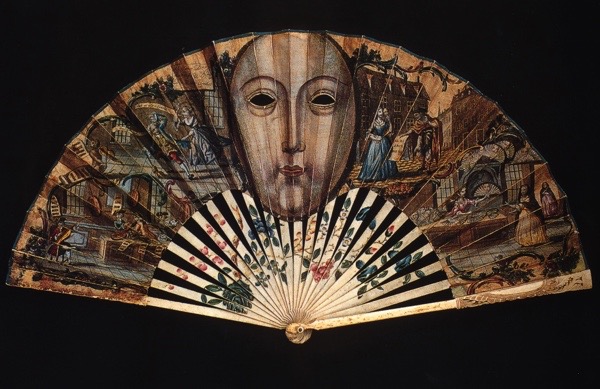
Folding fan with bone monture. The printed & hand-coloured leaf has a mask motif with peepholes. English, c. 1730
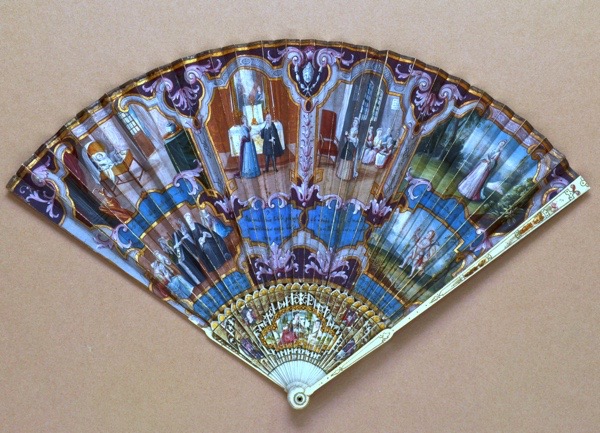
Folding fan with ivory monture, the guards with silver piqué work. The leaf is painted on the obverse with vignettes themed around the life cycle of one man. European (possibly German) c. 1730/40 (Helene Alexander Collection)
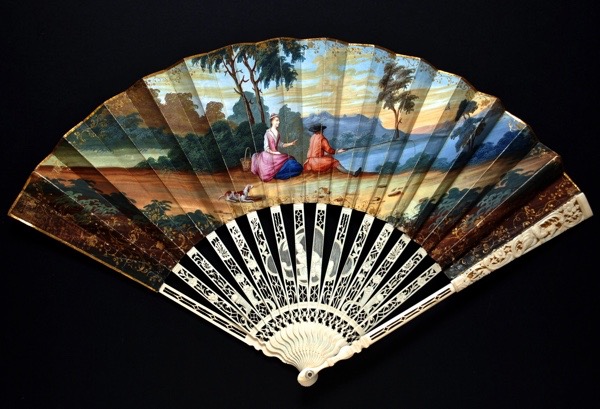
Folding fan with ivory monture & painted leaf. English, c. 1740s (Helene Alexander Collection)
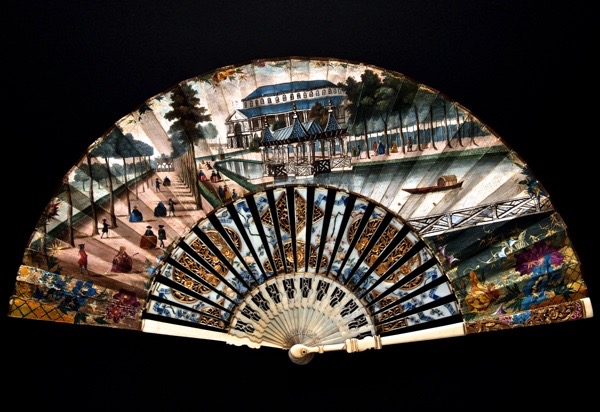
Folding fan with ivory monture & painted leaf, showing Ranelagh Pleasure Gardens. English, c. 1750s
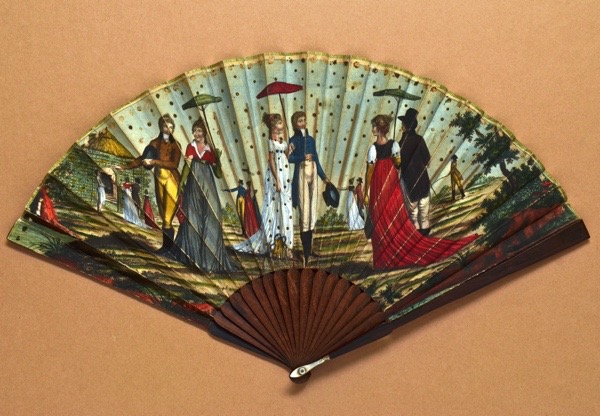
Folding fan with wooden monture & printed leaf, showing couples promenading. French, c. 1795-1800 (Helene Alexander Collection)
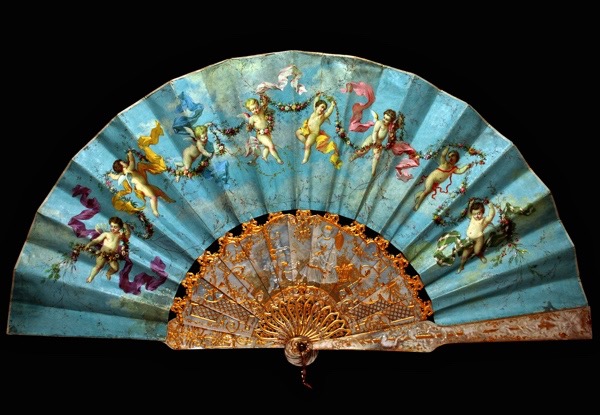
Folding fan with gilt mother of pearl monture & painted leaf, signed ‘E. Parmentier. ’ French, c. 1860s
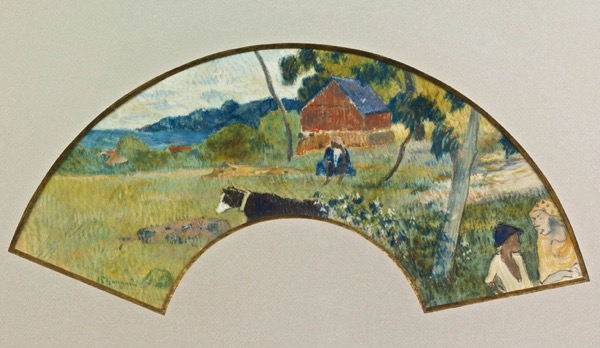
‘Landscape in Martinique’, design for a fan by Paul Gauguin. Watercolour & pastel on paper. French, c. 1887
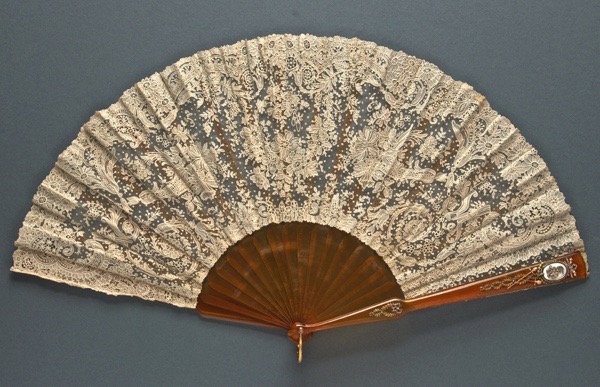
Folding fan with blonde tortoiseshell monture, one guard set with guioché enamelling, silver & gold work by Fabergé. Fine Brussels lace leaf. French/Russian, c. 1880s (Helene Alexander Collection)
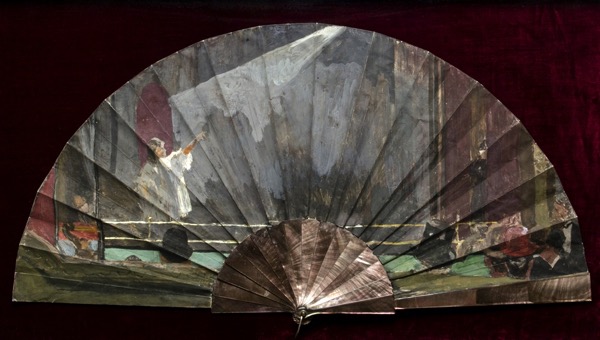
Folding fan with smoked mother of pearl monture, the leaf painted by Walter Sickert with a music hall scene showing Little Dot Hetherington at the Old Bedford Theatre. English, c. 1890
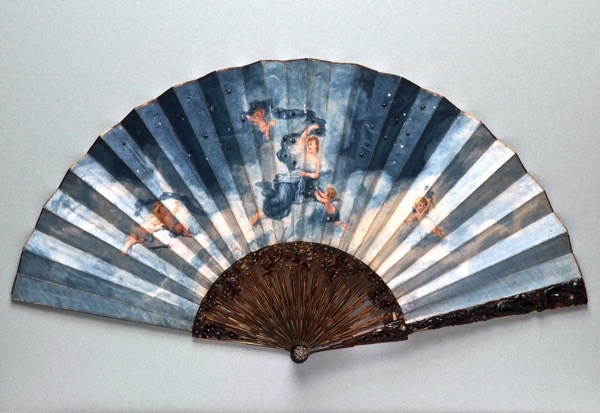
Folding fan with tortoiseshell monture carved to resemble sunrays. Canepin leaf studded with rose diamonds & rock crystal, & painted with a female figure & putti amidst clouds, signed ‘G. Lasellaz ’92’. French, c. 1892 (Helene Alexander Collection)
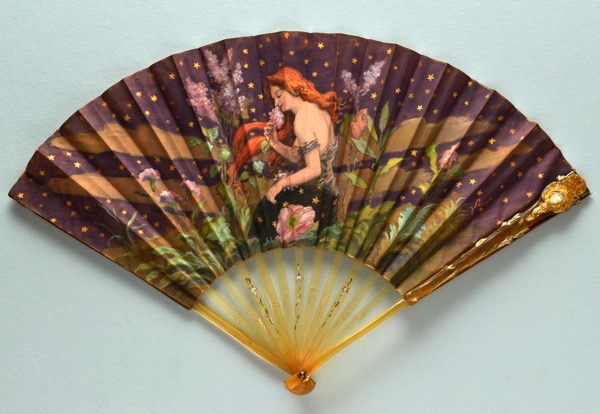
Folding fan with horn monture & painted leaf, signed ‘Luc. F.’ French, c. 1900
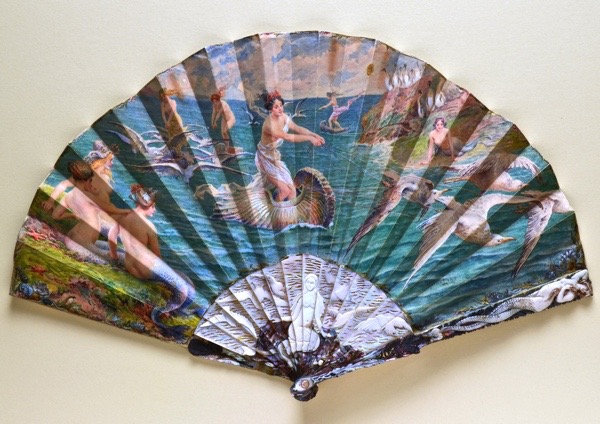
Folding fan with ivory & mother of pearl monture, the painted leaf, signed (Maurice) ‘Leloir.’ French, c. 1900 (Helene Alexander Collection)
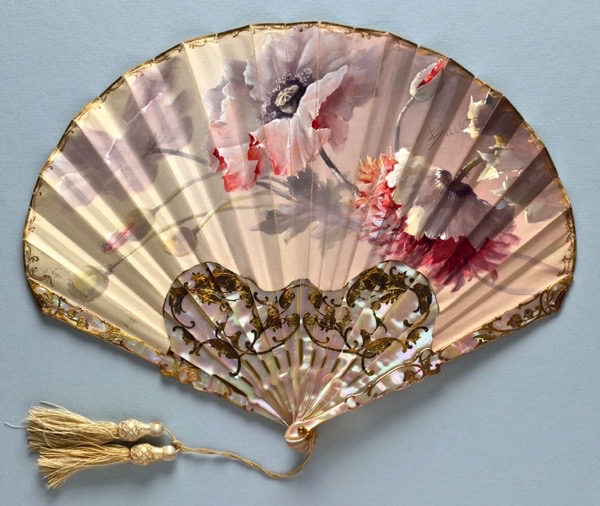
Folding fan with mother of pearl monture & painted leaf, signed ‘Billotey.’ French, c. 1905 (Helene Alexander Collection)
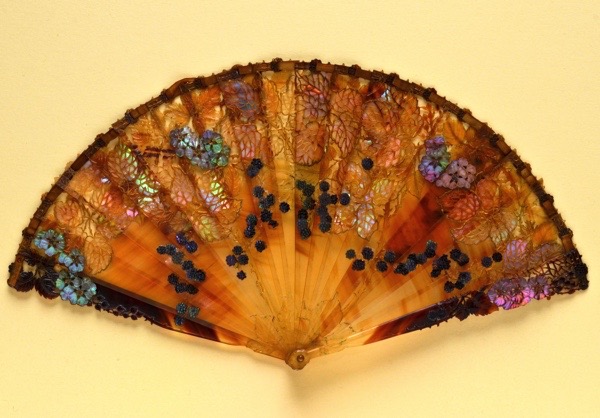
Horn brisé fan with design of brambles & insets of mother of pearl. French, c.1905 (Helene Alexander Collection)
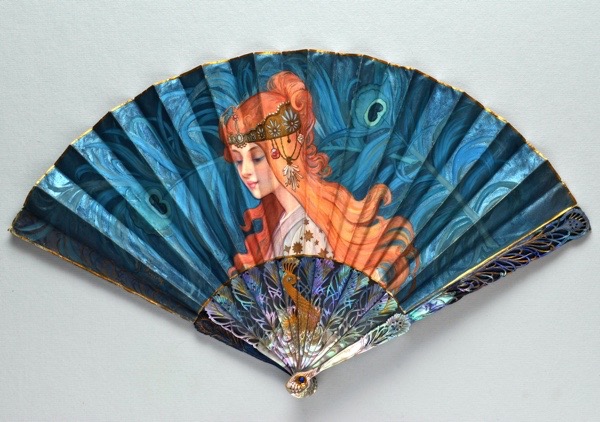
Folding fan with Art Nouveau style tinted mother of pearl monture & painted leaf, signed ‘G. Darcey.’ French, c. 1905 (Helene Alexander Collection)
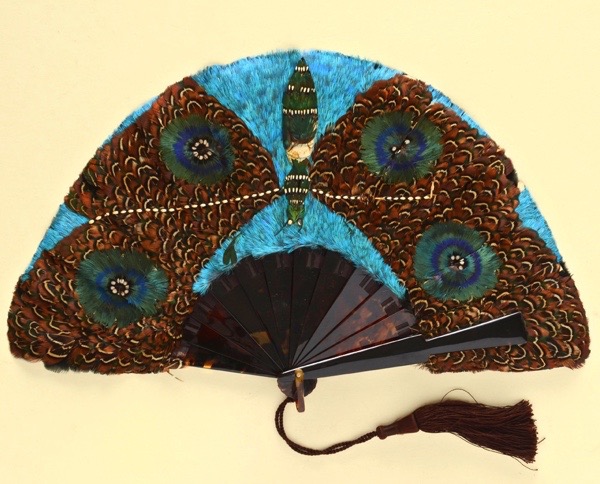
Folding fan with tortoiseshell monture & feather ‘marquetry’ leaf. French, c. 1920
Visit The Fan Museum, 12 Crooms Hill, Greenwich, SE10 8ER
At Tjaden’s Electrical Service Shop
Contributing Writer Rosie Dastgir celebrates a favourite electrical repair shop in Chatsworth Rd

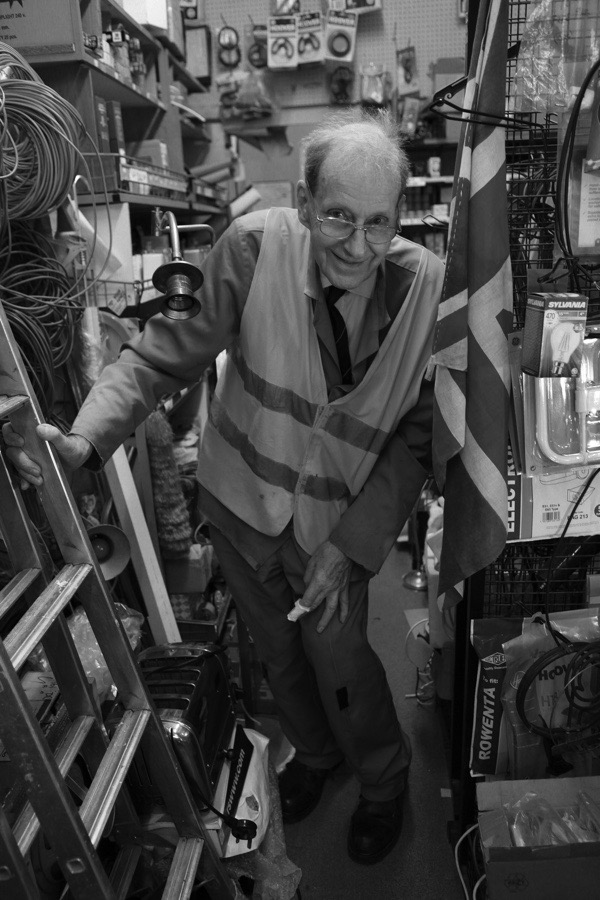
Keith Tjaden
It is easy to miss Tjaden’s Electrical Service Shop, sandwiched between a chic restaurant and the Star Discount Store on Chatsworth Rd in Clapton, but I am on a mission. These days it is hard to find anyone trained in the art and craft of lamp repair and restoration, so I was delighted to discover such a place existed. Keith Tjaden’s shop, like an infirmary for injured lamps, a safe haven for ones like mine that have suffered rough times abroad, was just what I had been seeking.
One evening last summer, I lugged in a batch of battered lamps that had travelled back and forth across the Atlantic with me, and were in need of conversion back to English ways and English voltage. Were they beyond hope of repair?
I return to collect them in early autumn. The radio chunters away in the background as I gingerly push open the shop door. Mr Tjaden himself emerges from the back of the shop with an air of quiet triumph. My pair of skittle shaped lamps, sky blue and pale cream, were damaged on the sea crossing to America and consequently left standing unused in a basement for seven years, half converted, half broken, with the wrong plugs and flimsy cardboard fittings. Designated PIA. by the shop technicians – Previous Inexperienced Attention – they had cut a tatty and sorry sight. Restored to gleaming perfection, Mr Tjaden’s fine workmanship is evident in their transformation. Even so, he is swift to credit the original design and craftsmanship of the lamps, Made in England, for Heal’s – they benefit from good bones, at least, in spite of suffering from PIA.
“The finish is so perfect,” he says, “that all I had to do was run the wax polish over the surface; they’ve not been sanded.” Apparently, it is all about the quality of the molding. The bases are made with powder-loaded resin, using an adhesive mixed with blue powder to get a solid base that won’t chip like a painted version.
Mr Tjaden brings out my beloved pair of thirties lamps that he has restored for me: stacked up glass baubles on chrome cigarette tray bases that I found in a vintage shop in New York’s East Village. The glass baubles are cast, and therefore display no joint lines whatsoever, not something that I’d clocked till he points it out to me. Polished and sparkling, they are even prettier than when I first acquired them. The smart new flex is black. “We use it on almost everything because it matches everything – brass, wood, ceramics.” I learn that electrical flex has a dogged memory, so it retains its kinks and curves. Which is why cable coiling is such an art, flex refuses to repress its memories without a struggle. “Make sure the wire comes out from the inverted cigarette tray, so it doesn’t tip over,” Mr Tjaden tells me.
Meticulous in his work, both aesthetically and technically, Mr Tjaden is very safety conscious and it dawns on me that I am lucky to have escaped with my life after seven years surrounded by such ill-converted lamp and light fittings while I lived in New York.
“Despite the life they’ve had and the travelling they’ve done, they’ve been restored to new,” he says. He shows me the safety label he’s stuck to the newly refurbished base. I feel a glow of pleasure and relief.
After doing national service in the RAF, working on navigational instruments, Mr Tjaden started the business in 1958 with his colleague and senior partner, Mervin, who had a background in TV and radio engineering. They took over the premises on Chatsworth Rd in 1990, moving here from Leystonstone High Rd, when the street was a still a bustling mix of greengrocers and washing machine repair shops, locksmiths and pet shops, carpet dealers and newsagents. Jim’s Café opposite has closed down now, after Dave the proprietor died. The place was a favourite lunch spot serving home made meat pies to all manner of people from the area. Road workers, who parked their barrows outside, sat beside men in suits and teachers who nipped out for a much needed break from Rushmore School up the road.
When families and young people started moving back into Clapton in the nineties, many of the old Victorian and Georgian houses had not been touched since the fifties. ‘They were literally in the dark ages,’ Mr Tjaden recalls, ‘requiring a huge amount of work rewiring from top to bottom. Of course, everyone wanted to be modernized in the fifties and sixties and seventies, but nowadays people want to hold onto their old light bulbs from the past.”
Part of the shop’s appeal and longevity lies in Mr Tjaden’s ability to fuse the old and the new – he enthusiastically embraces change and modern technology, yet clearly retains an affection for antiques and vintage pieces. There is a pre-Weimar lamp being restored for a young barrister couple. A leather box from the twenties, a family piece, used for storing white wing collars, is on display. An old British microphone from the thirtie’s stands in the shadows in the back of the shop, waiting to be hired for a film or photo shoot.
I spot a small gizmo I do not recognize sitting in a glass display cabinet. It is a 1945 radio valve, found inside old radios and radiograms, TVs and amplifiers. It has a heater that warms up the cathode which produces the electrons and comes out on the plate as a rectified signal. The radio valve, like the light bulb, is an endangered species.
Nowadays all lamps repaired in the shop are fitted with the latest incarnation of LED bulb, lighting semi-conducted diode devices. “Filament bulbs or incandescent bulbs are strictly speaking off the market,” says Mr Tjaden, “unless they are extra long life or decorative. They waste energy and don’t produce much light.” I cannot argue with that, though I feel a pang of nostalgia. A typical LED bulb of a mere 4 watts, or 470 lumens, to use the newfangled measure, is rated to last 15,000 hours and provides ample light. The old bulbs are scorching to the touch, and burn out their fixtures. Their days are numbered, and not just because of European Union directives.
There are some happy endings to the demise of the old bulbs. An elderly couple, barely able to discern the dimly-lit surroundings of their living room, were delighted when Mr Tjaden came to the rescue with a dazzling new LED bulb. A single pendant of 1,500 lumens. It did the trick. They will never have to mount a rickety chair to change a bulb again.
“A god send,” Mr Tjaden says. And for a brief flicker, I picture the old couple, instant converts to the new illumination, gathered in the bright circle of light thrown by their thoroughly modern bulb.
Photographs copyright © Estate of Colin O’Brien
TJADEN RETRO & VINTAGE ELECTRICAL REPAIRS, 62A Chatsworth Rd, E5 0LS. Vintage, Retro Electrical Light Fitting & Repairs
You may also like to read about












