The New Christmas Dinner Song
I am grateful to John Foreman, Folk Singer and Printer of the Catnap Press in Camden Town, also known as The Broadsheet King, who kindly sent me his reprint of The New Christmas Dinner Song as originally published by Taylor of Brick Lane in the nineteenth century
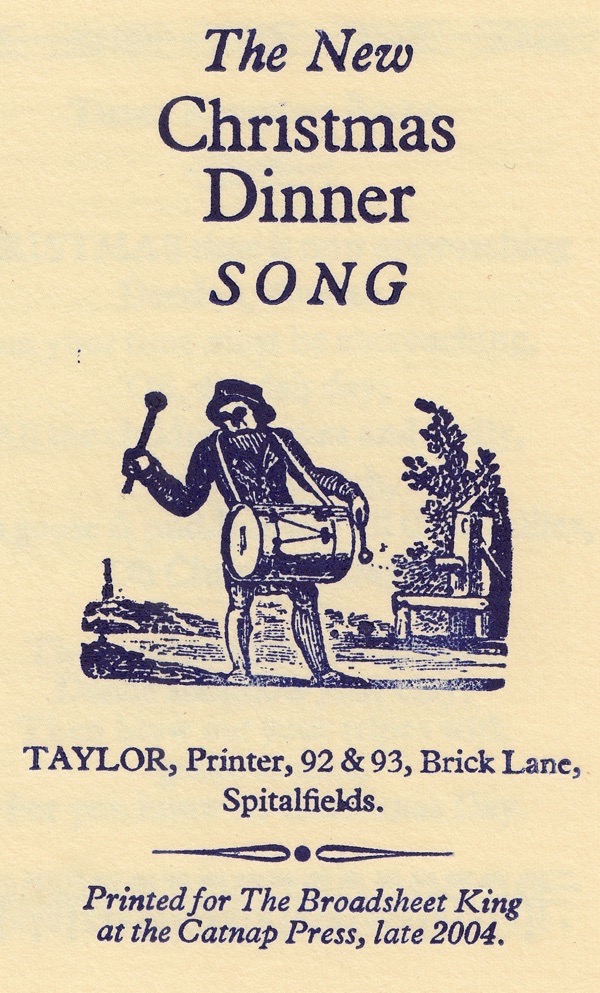
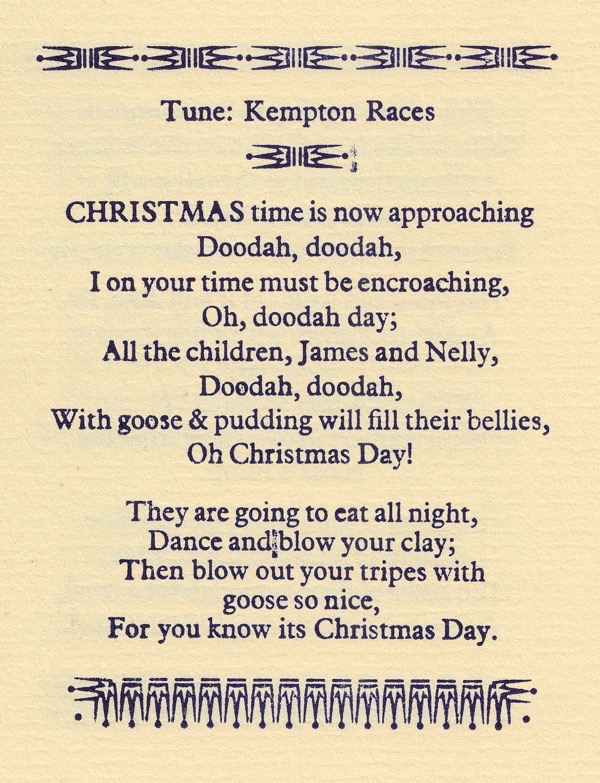
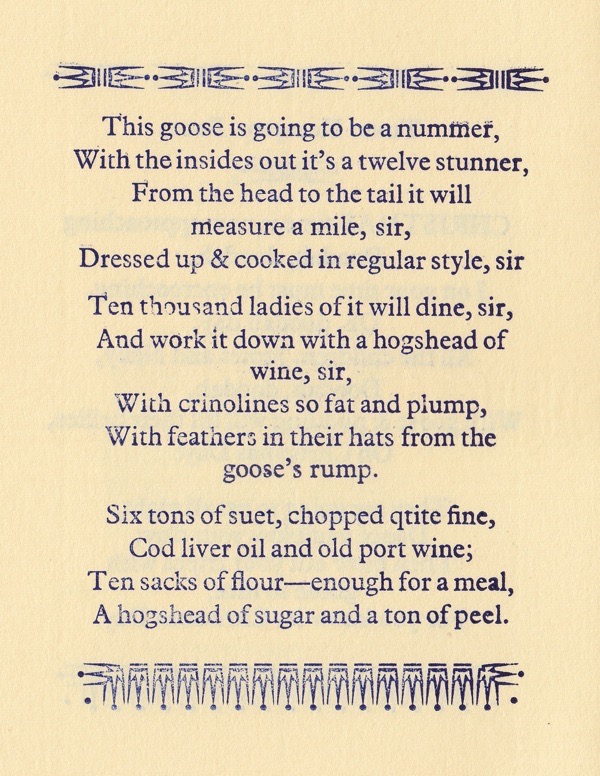
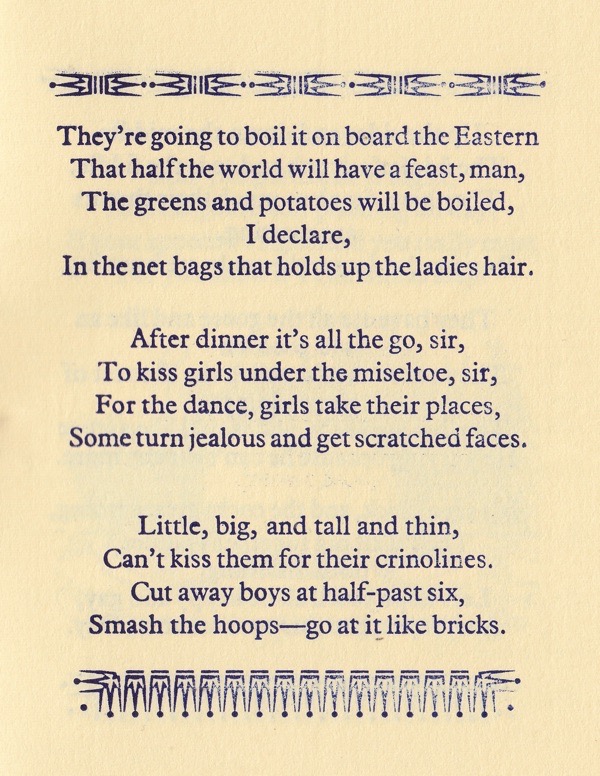
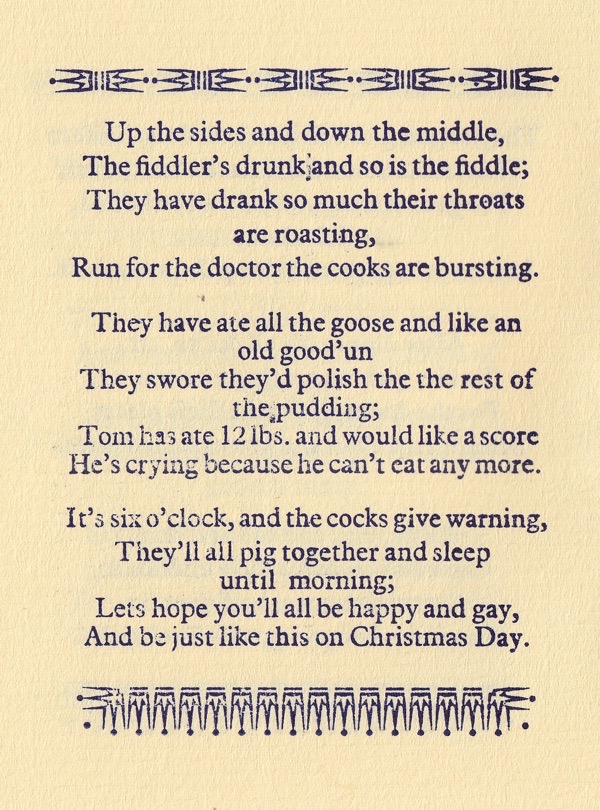
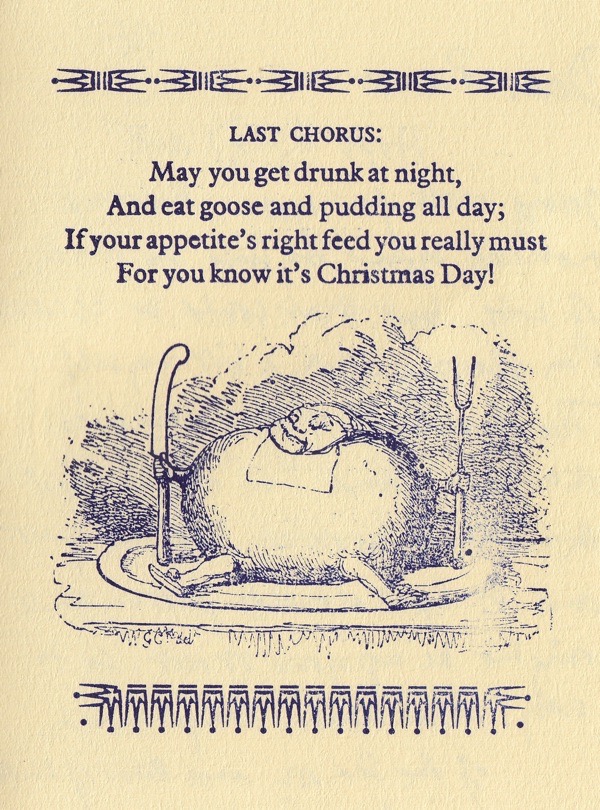
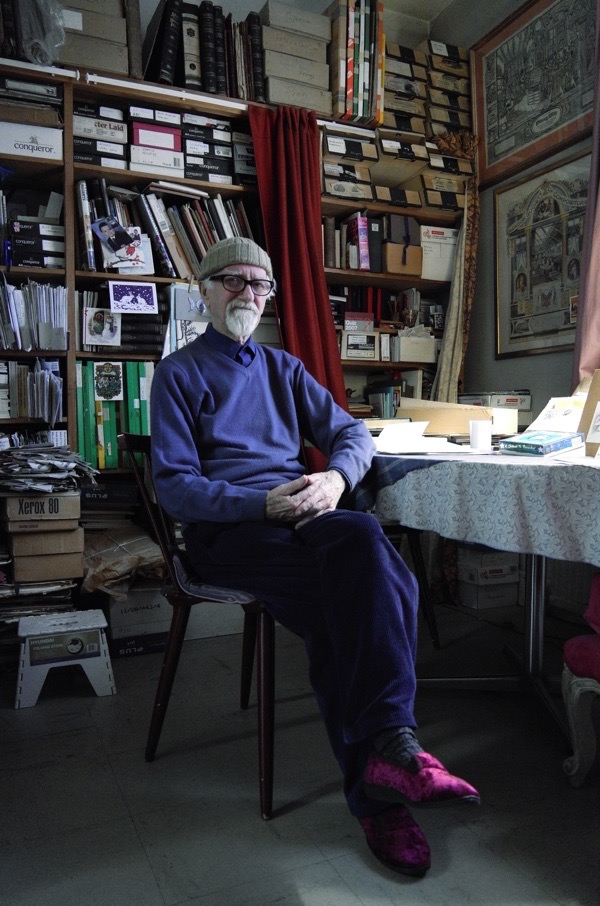
John Foreman, The Broadsheet King
You may also like to take a look at
Jake Green’s Pie & Mash Shops
It was my great privilege to write the forward to Jake Green‘s book of his photographs of East End PIE & MASH shops. It gave Jake an excuse to make a pilgrimage to every one and it would have been an insult to civility not to sample the fare in each shop. How many of these have you visited?

FOR THE LOVE OF PIE & MASH
In the depths of winter when I feel worn out, when I grow skinny and my clothes hang loose, when I am beaten and bowed, grey-faced and sneezing, coughing and shivering, I seek refuge in pie and mash shops. These cherished institutions have a special place in my affections because they are distinctive to East London and inextricably bound up with the cultural and historical identity of this place.They are destinations where people enjoy pilgrimages to seek sustenance for body and soul, by paying homage to the spirit of the old East End incarnated in these tiled, steamy temples dedicated to the worship of hot pies. Let me admit, it is a creed I can subscribe to wholeheartedly.
At the head of the lunch queue in G Kelly in Bethnal Green, I once met Julia Richards who bragged “I’m going to be ninety-eight” with a winsome grin, the picture of exuberance and vitality as she carried off her plate of pie and mash hungrily to her favourite corner table, pursued by her sprightly seventy-year-old daughter Patricia. Both women were superlative living exemplars for the sustaining qualities of traditional East End meat pies. “I’ve been coming here over fifty years,” revealed Patricia proudly. “I’ve been coming here since before it opened!” teased Julia, her eyes shining with excitement as she cut into her steaming meat pie.“They used to have live eels outside in a bucket,” she continued, enraptured by memory, “And you could pick which one you wanted to eat.” I left them absorbed in their pies, the very epitome of human contentment, beneath a hand-lettered advertising placard, proclaiming “Kelly for Jelly.”
When I am in London Fields, I like to enjoy a quiet cup of tea after lunch with Robert Cooke – “Cooke by name cook by nature” – whose great-grandfather Robert Cooke opened a Pie & Mash Shop at the corner of Brick Lane and Sclater Street in 1862. “My father taught me how to make pies and his father taught him. We haven’t changed the ingredients and they are made fresh every day,” explained Robert plainly, a fourth generation piemaker sitting proudly in his immaculately preserved cafe, that offers the rare chance to savour the food of more than century ago. “My grandfather Robert opened this shop in 1900, then he left to open another in the Kingsland Road, Dalston in 1910 and Aunty May ran this one until 1940, when they shut it after a doodlebug hit the canal bridge,” he recounted. “My mother Mary came over from Ireland in 1934 and worked with my grandfather in Dalston, alongside my father Robert and Uncle Fred. And after they got married in 1947, my grandfather said to my parents, ‘Here’s the keys, open it up,’ and they returned here to Broadway Market, where I was born in 1948.”
It was a tale as satisfying in its completeness as eating a pie, emphasising how this particular cuisine and these glorious shops are interwoven with the family histories of those who have run them and eaten at them for generations. Yet beyond the rich poetry of its cultural origin, this is good-value wholesome food for everyone, freshly cooked without additives, and meat pies, vegetable pies, fruit pies and jellied eels comprise a menu to suit all tastes.
East Enders love their Pie & Mash, because by enjoying this glorious meal they can participate in the endless banquet which has been going on for generations, longer than anyone can remember, and which includes all their family, relatives and loved ones, both living and departed. The world has changed and the East End has transformed, but the Pie & Mash shops are still here and the feast goes on.


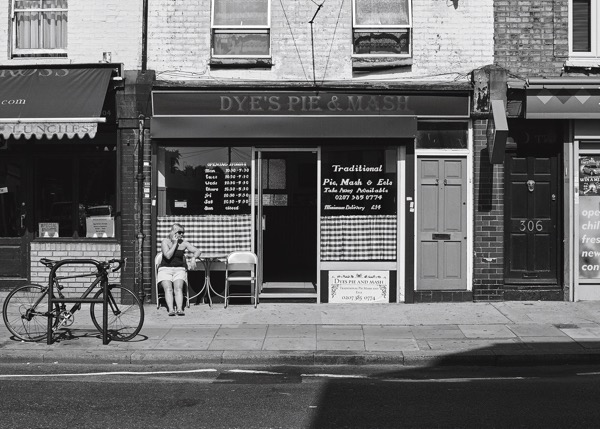


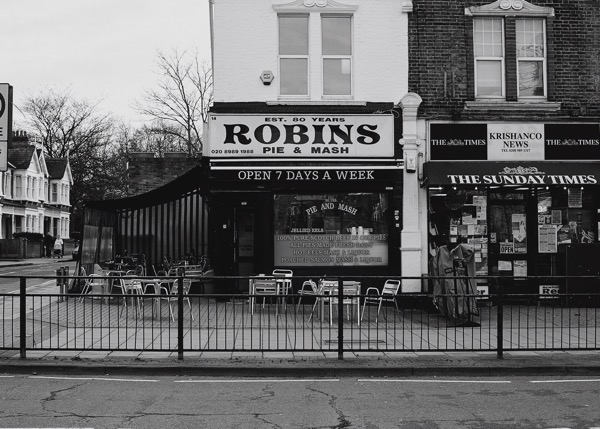


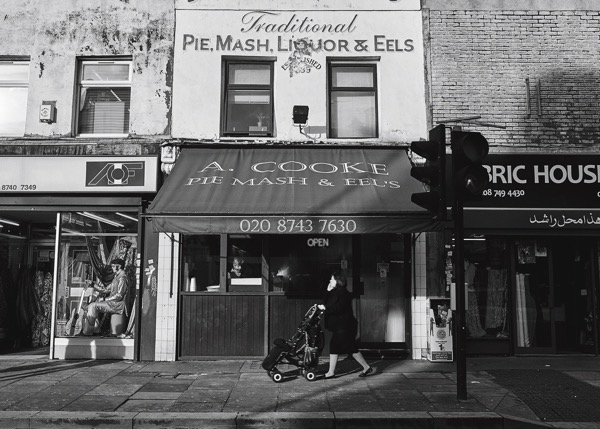


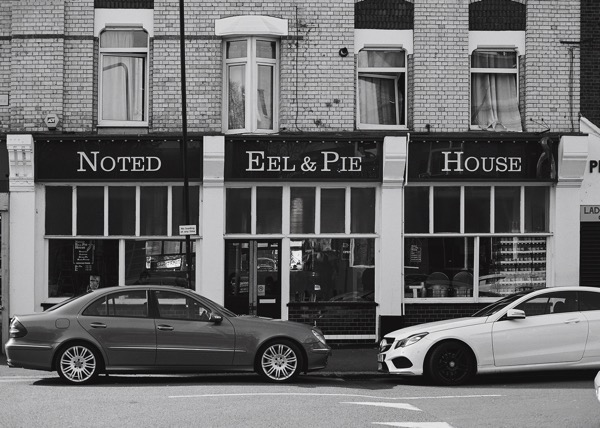
Photographs copyright © Jake Green
Click here to buy a copy of PIE & MASH direct from Jake Green
You may also like to read about
Christmas At The Salvation Army, 1975
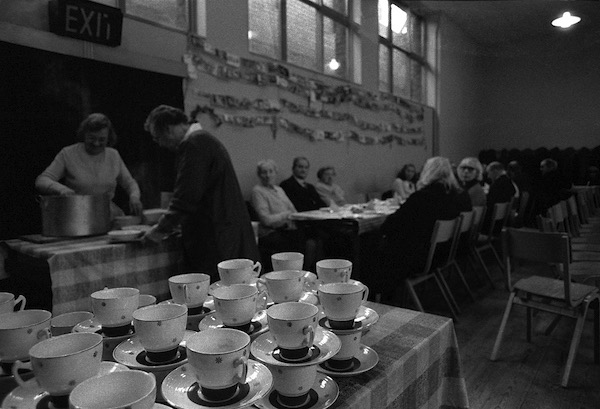
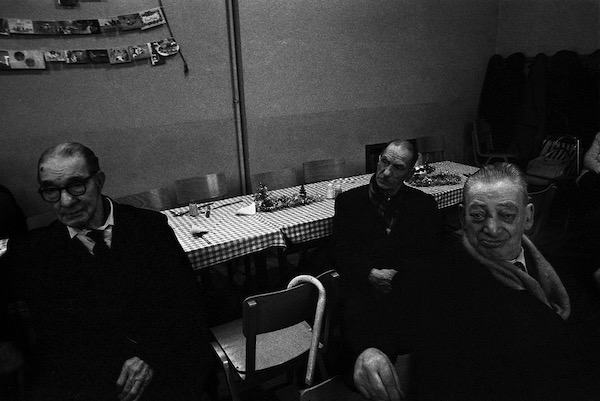
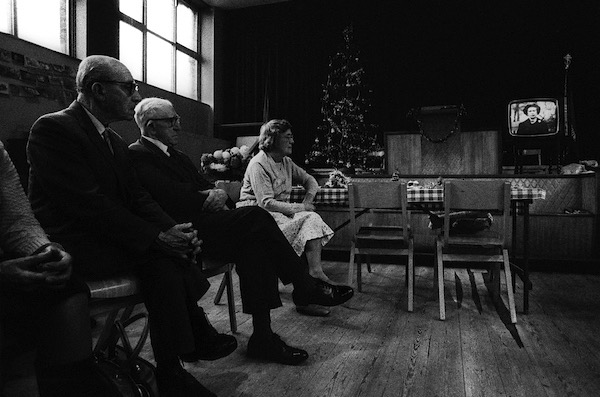
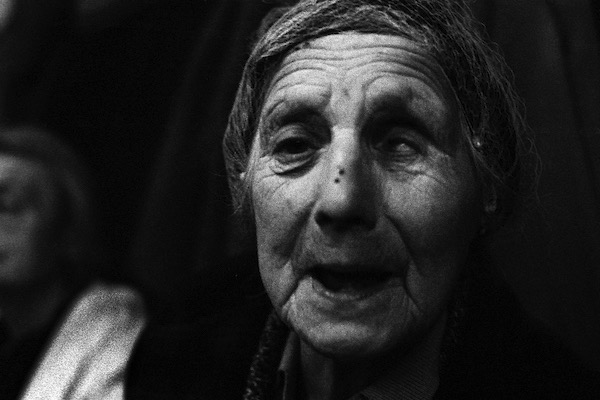
Photographer David Hoffman recently discovered these pictures he took at the Salvation Army Christmas Day lunch in Cambridge Heath Rd in 1975

“On Christmas Day 1975, I was squatting in Fieldgate Mansions in Whitechapel and it was a bit boring because all my friends were away for the holiday. The shops were shut and I was looking for something interesting to do with the day. I had seen that the Salvation Army were holding an open Christmas lunch at Sigsworth Hall in Globe Rd so I rocked up there with my camera and, without any formality, I just started to take photographs.
It was terribly dark. I had no flash and I had to work hard in the darkroom to coax these images from the horribly under-exposed and heavily over-developed film. The prints I made at the time were flat and grey but, now that I have been able to convert them to digital files, they do look a bit better and remind me of a very different era, now lost without trace.” – David Hoffman






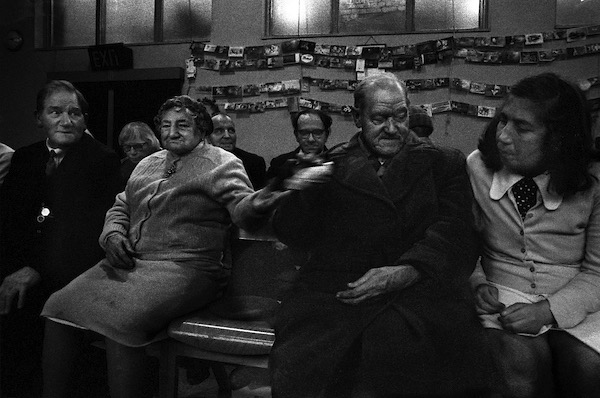


Photographs copyright © David Hoffman
You may also like to take a look at
David Hoffman at Fieldgate Mansions
David Hoffman at Crisis At Christmas
David Hoffman at Smithfield Market
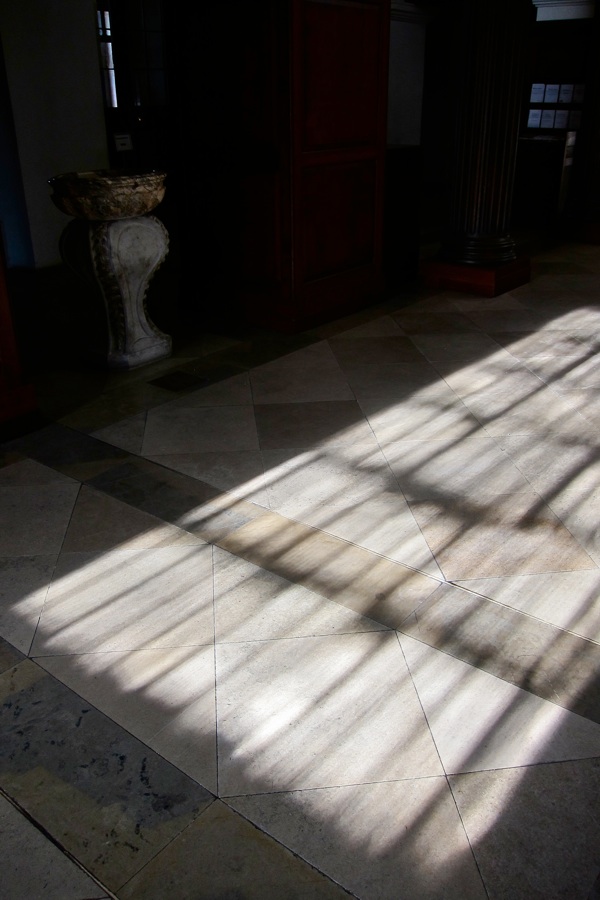
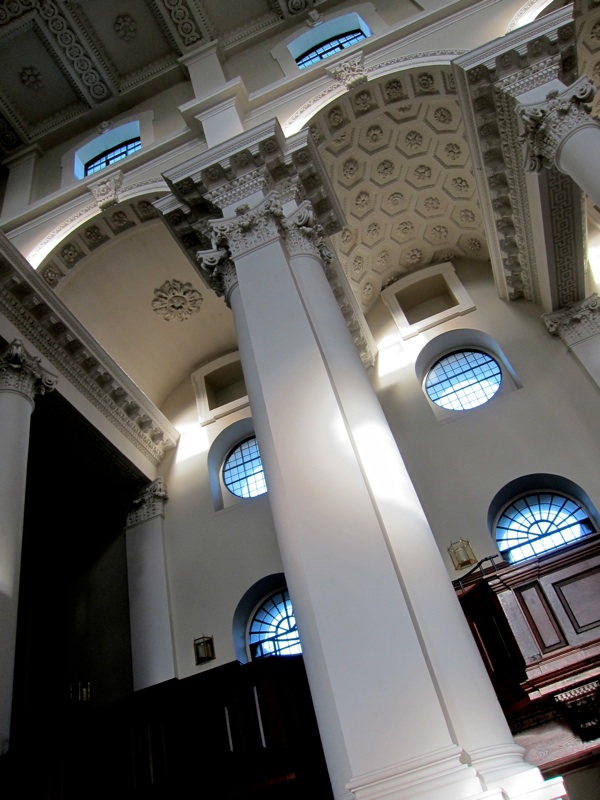
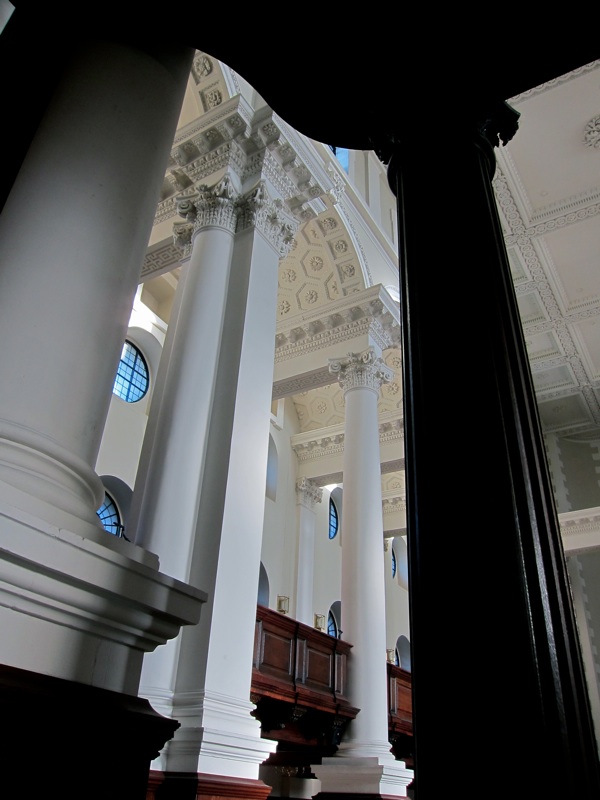
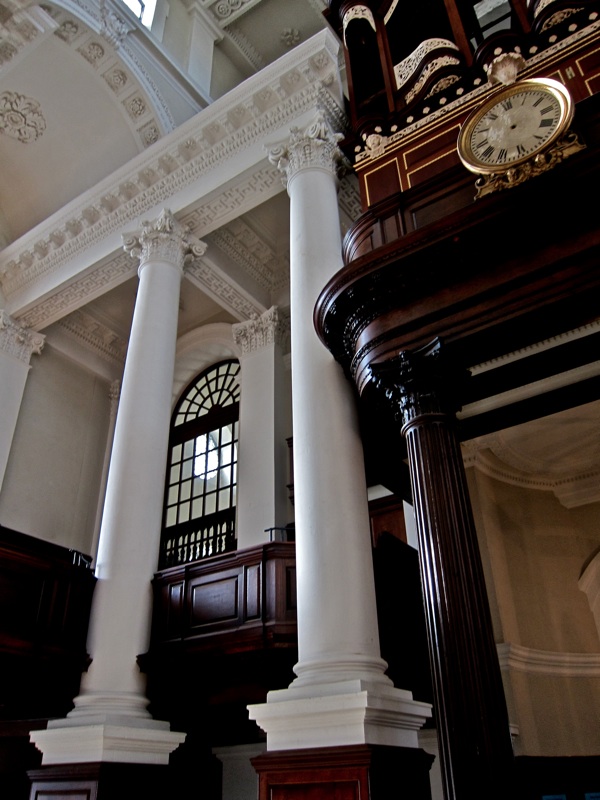
Midwinter Light At Christ Church
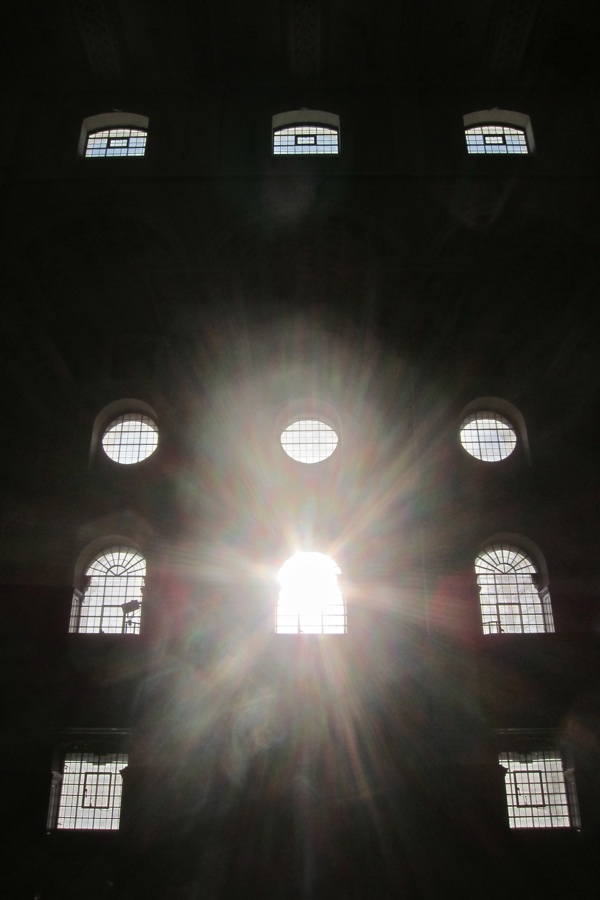
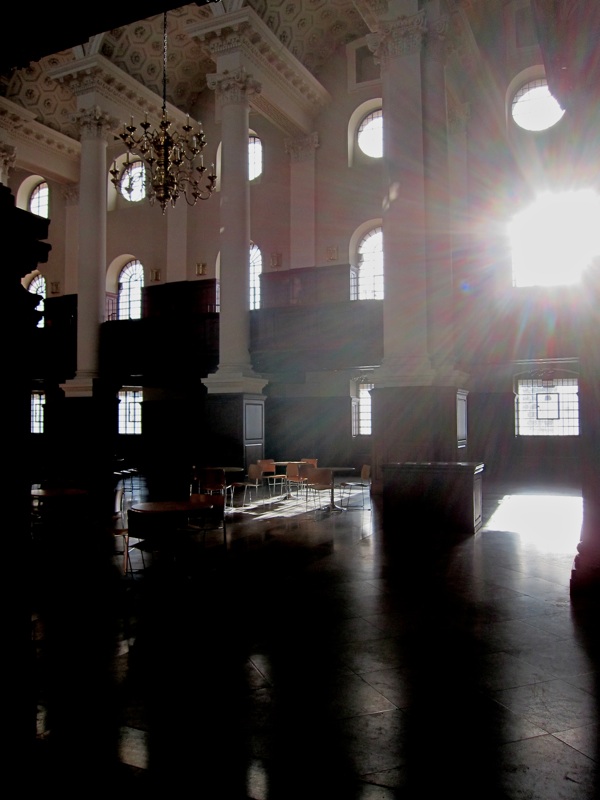
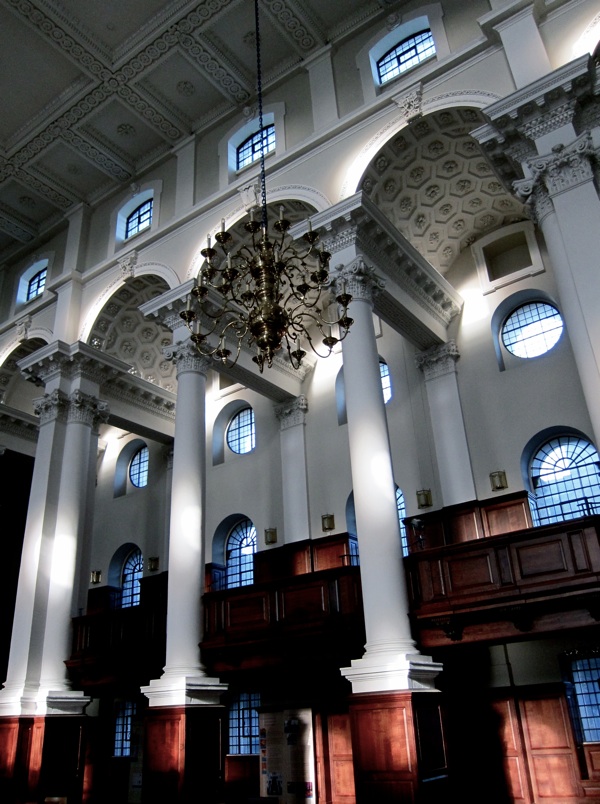
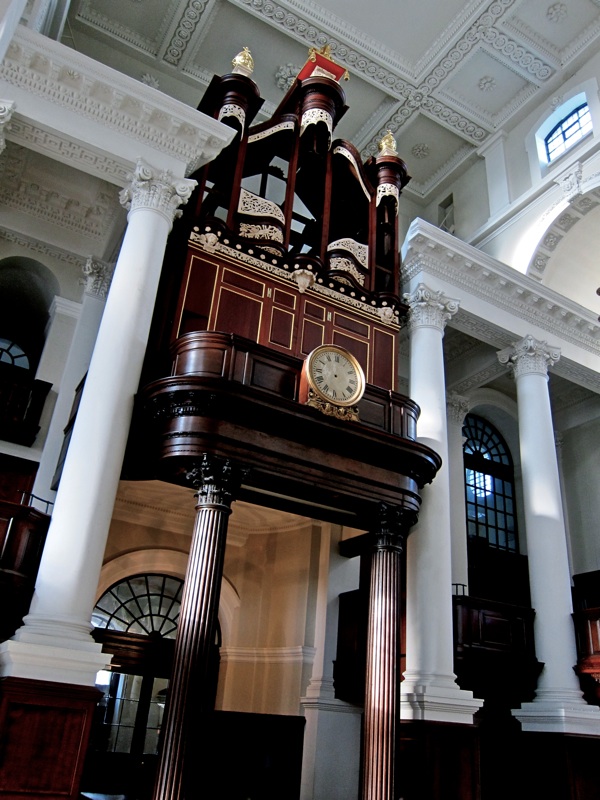
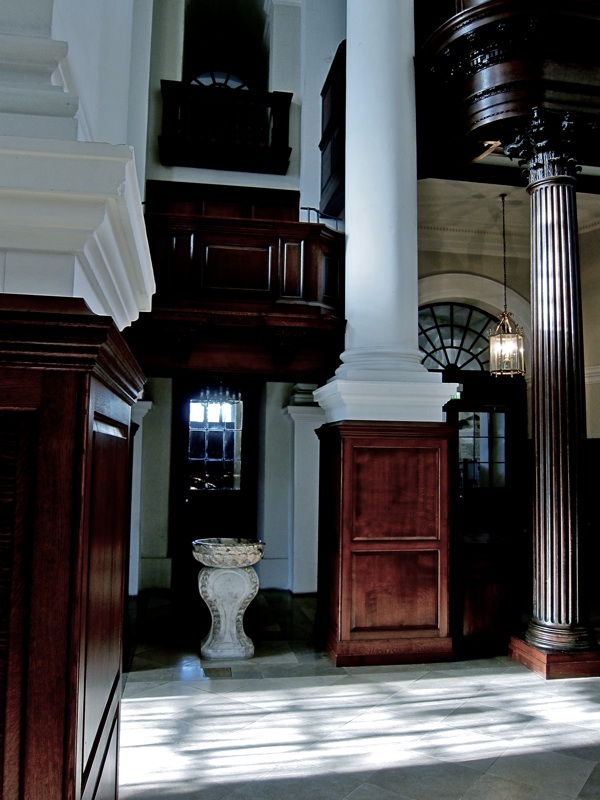
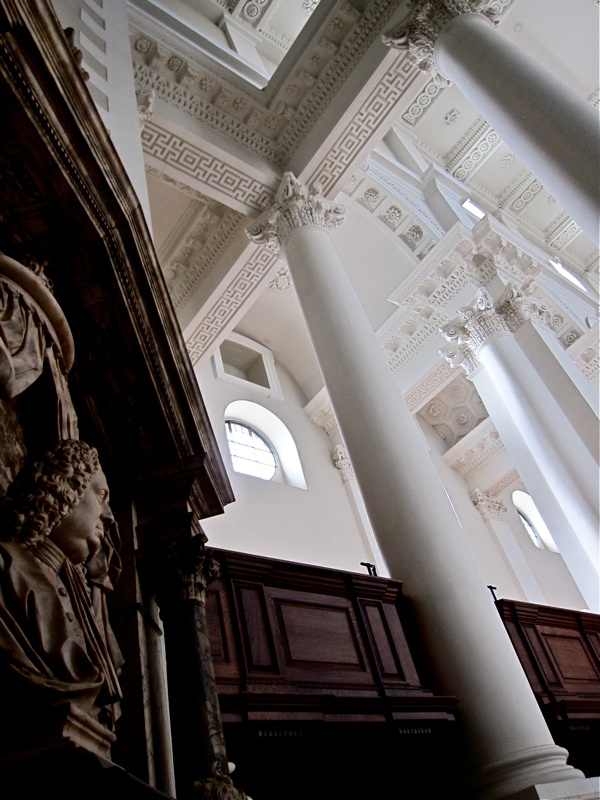
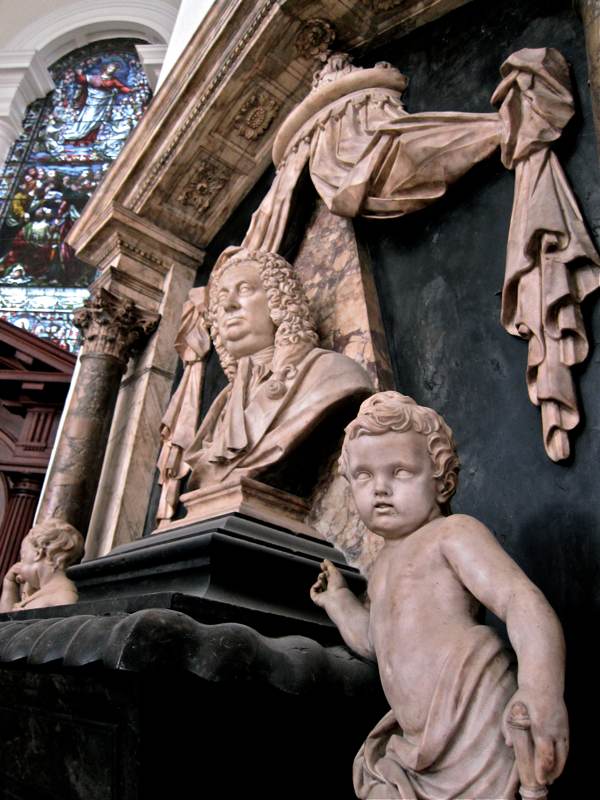
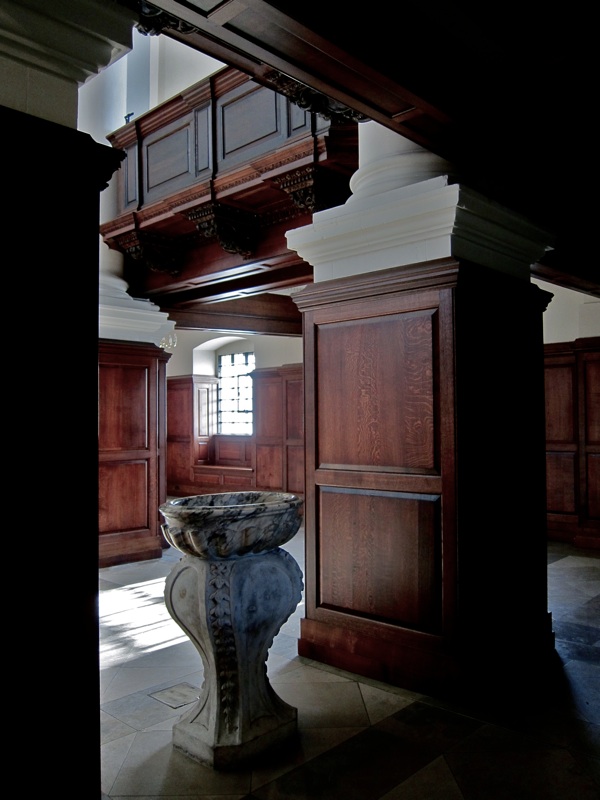
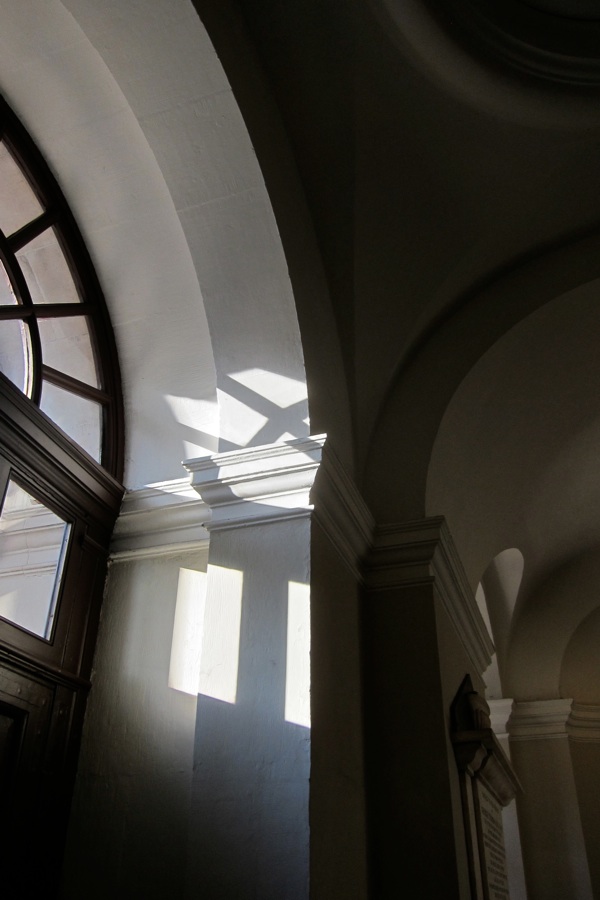
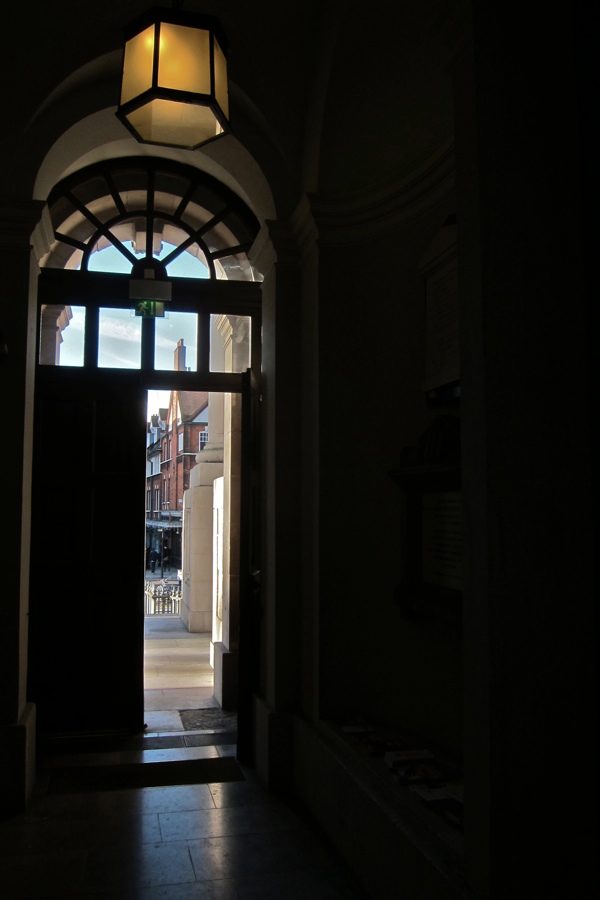
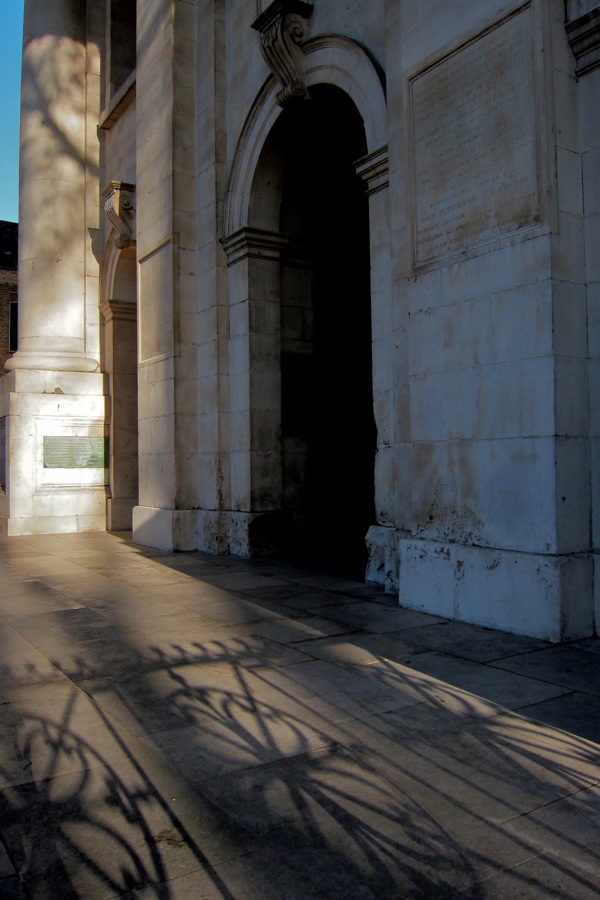
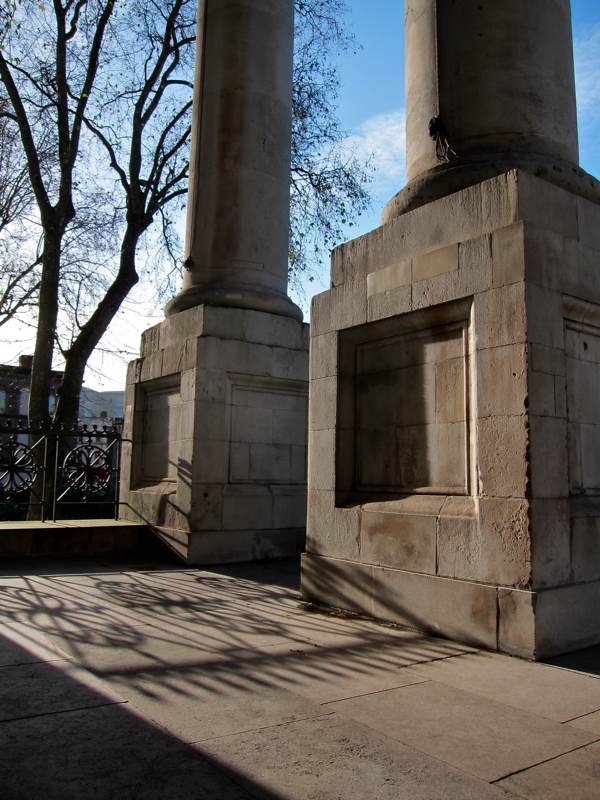
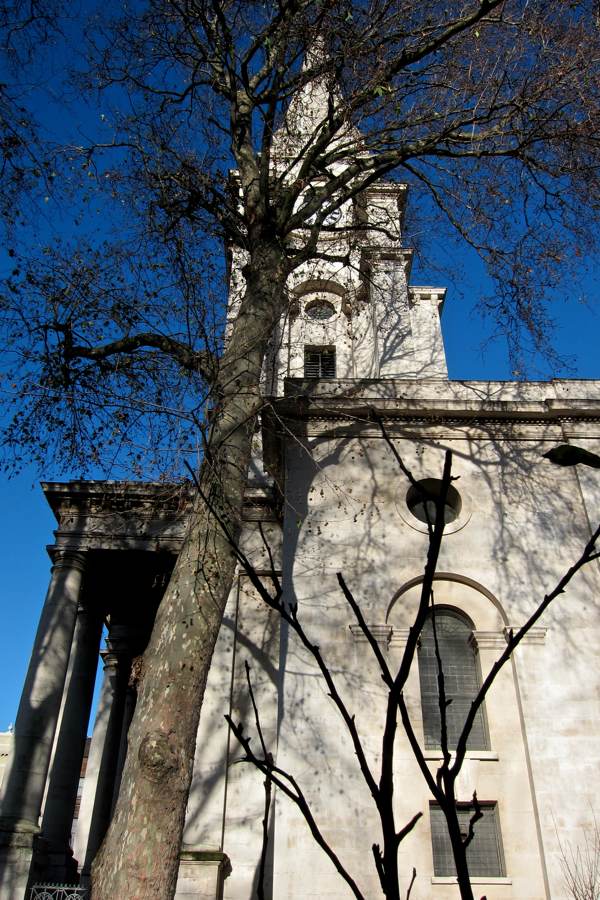
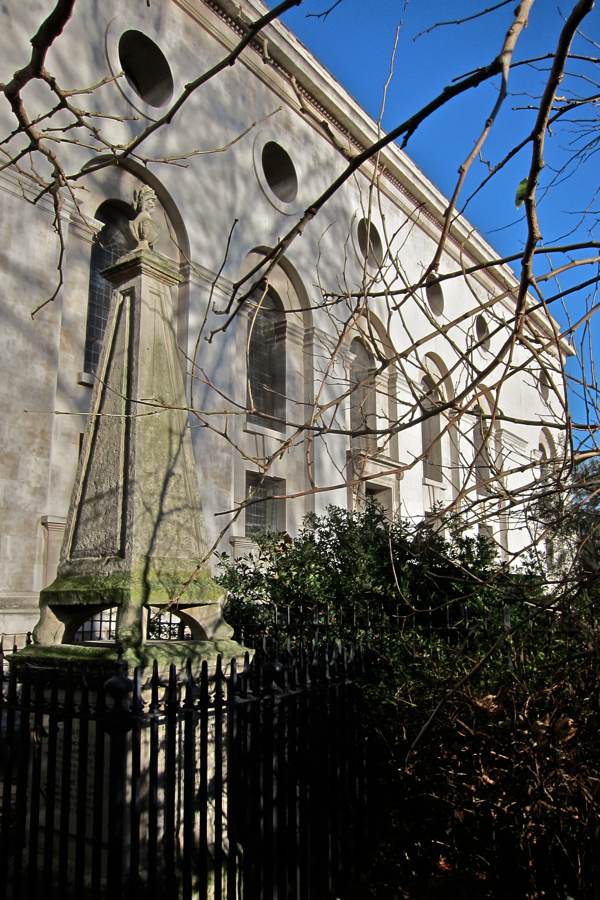
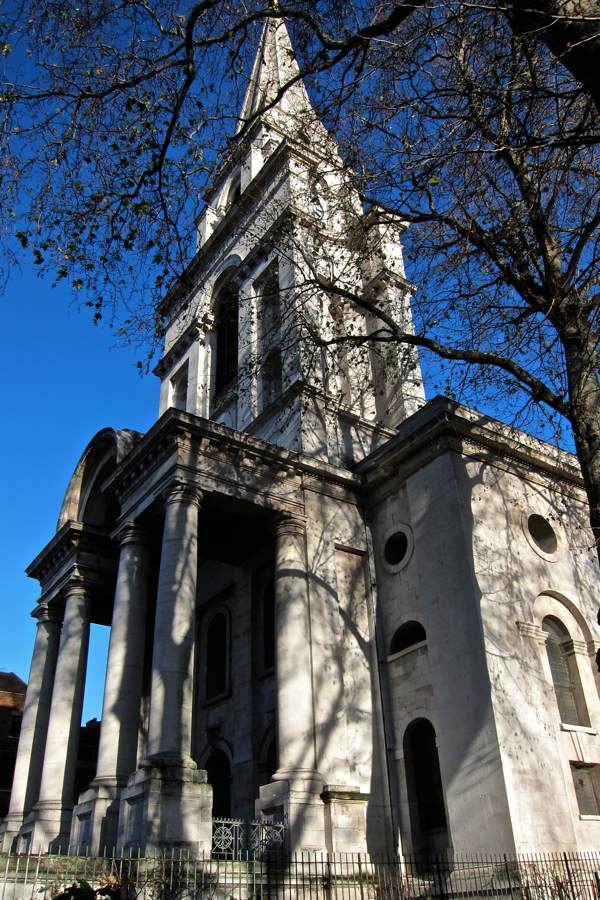
Today is the shortest day of the year and, at twenty-two minutes past ten this evening, we pass the solstice taking us back towards shorter nights and longer days. At this time when the sun is at its lowest angle, Christ Church Spitalfields can become an intricate light box with powerful rays of light entering almost horizontally from the south and illuminating Nicholas Hawksmoor’s baroque architecture in startling ways. Yesterday’s crystalline sunlight provided the ideal conditions for such phenomena and inspired me to attempt to capture of these fleeting effects of light.
You may also like to read about
Dennis & Christine Reeve, Walnut Farmers
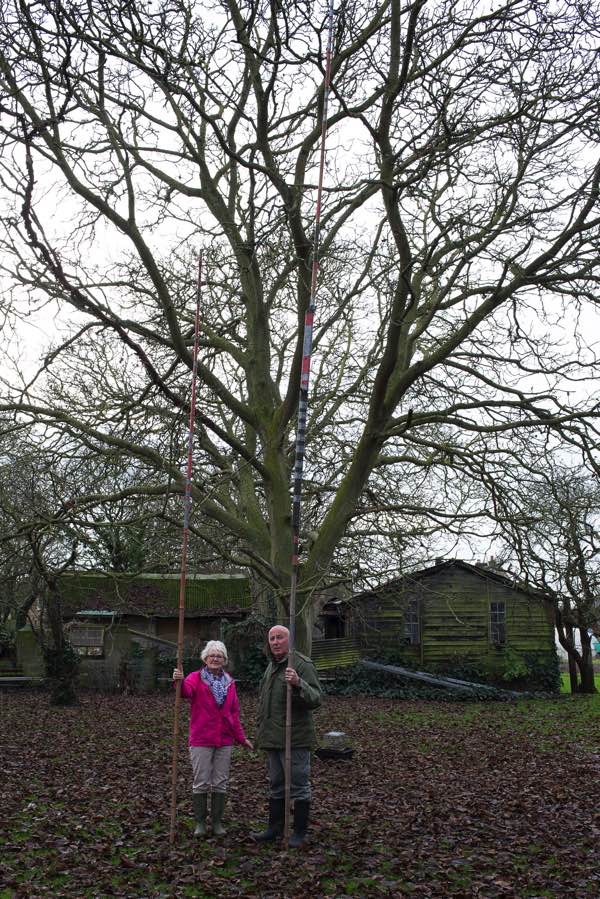
The Romans introduced walnut trees into this country and they have been cultivated here ever since, but you would have to go a long way these days to find anyone farming walnuts. Contributing Photographer Sarah Ainslie & I travelled to the tiny village of West Row in East Anglia – where walnuts have been grown as long as anyone can remember – to meet Dennis & Christine Reeve, the last walnut farmers in their neck of the woods.
Dennis’ grandfather Frank planted the trees a century ago which were passed into the care of his father Cecil, who supplemented the grove of around thirty, that today are managed by Dennis and his wife Christine – who originates from the next village and married into the walnut dynasty. Dennis has only planted one walnut tree himself, to commemorate the hundredth birthday of his mother Maggie Reeve who subsequently lived to one hundred and five, offering a shining example of the benefits to longevity which may be obtained by eating copious amounts of walnuts.
I was curious to understand the job of a walnut farmer beyond planting the trees and Dennis was candid in his admission that it was a two-months-a-year occupation. “You just wait until they fall off the trees and then go out and pick ’em up,” he confessed to me with a chuckle of alacrity that concealed three generations of experience in cultivating walnuts.
Perhaps no-one alive possesses greater eloquence upon the subject of walnuts than Dennis Reeve? He loves walnuts – as a delicacy, as a source of income and as a phenomenon – and he can tell you which of his thirty trees a walnut came from by its taste alone. He is in thrall to the mystery of this enigmatic species that originates far from these shores. Even after all these years, Dennis cannot explain why some trees give double walnuts when others give none, or why particular trees night be loaded one season and not the next. “There’s one tree that’s smaller than the rest yet always produces a lot of nuts while there’s nothing on the trees around it,” he confessed, his brow furrowed with incomprehension.
Yet these insoluble enigmas make the walnut compelling to Dennis. The possibility of ‘a sharp frost at the wrong time of the year’ is the enemy of the walnut but Dennis has an answer to this. “They say ‘keep your grass long in the orchard and the frost won’t affect them,'” he admitted to me, raising a sly finger to his nose in confidence.
“Walnuts are the last tree to come into leaf in the orchard, in Maytime, and you start to harvest them at the end of the September right through to November. I used to climb into the tree with a bamboo pole about twenty foot long and I thrashed them because walnuts are sold by weight and the longer you leave them the more they dry out. We call it ‘brushing.’ Nowadays, I am a bit long in the tooth to get up into the trees, so I have to wait until the walnuts drop and I walk round every day from the end of September picking them up. They get dirty when they fall on the ground so I put them in my old tin bath and clean them up with water and a broom, and then I put them on a run to dry.”
You would be mistaken if you assumed the life of a walnut farmer was one of rural obscurity, celebrity has intruded into Dennis & Christine’s existence with requests to supply their produce to the great and the good. “One year in the seventies, my father had a call in the summer from a salesman in London saying they needed about eight pounds of walnuts urgently,” Dennis revealed to me, arching his brows to illustrate the seriousness of the request as a matter of national importance.
“‘I don’t care how you get them here, but we’ve got to have them,’ they said. They were for Buckingham Palace, but the walnuts on the tree were still green with the green husk around them. We told them, ‘They’re not ready yet and there’s nothing we can do about it.’ They said, ‘We don’t care, we’ve got to have them.’ Now we kept pigs at the time and there was a muck dump where we put all the waste, so we put the walnuts in the muck dump for them to heat, just like in a cooker. After about two days the husks started to crack, and that’s how we ripened the nuts for the Queen, in our muck dump!'”
Christine recounted a comparable story about how their walnuts went to Westminster. “There was a dinner in the Houses of Parliament to celebrate British produce and our walnuts were served,” she explained to me with a thin smile, “and they sent us the printed menu which listed the provenance of all the ingredients, including ‘walnuts from Norfolk,’ which was a bit of a let down – because we are in Suffolk here.” Yet I did not feel Christine was unduly troubled by this careless error. Both stories served to confirm the delight that she and Dennis share – of living at the centre of their own world secluded from the urban madness, in a house they built on land bought by Dennis’ grandfather and surrounded by their beloved walnut trees.
Too few are aware of the special qualities of English walnuts, especially the distinctive flavour of wet walnuts early in the season when they possess an appealing sharpness that complements cheese well. “Sometimes people want them earlier before they are ripe if they are going to pickle them,” Dennis told me, “if you can stick a match right through from one side to the other, that is the ideal time to pickle walnuts.” Over the years, those who know about walnuts have sought out Dennis & Christine for their produce. “We have a regular customer in Kent who found our nuts in Harrods,” Christine informed me proudly, “she rang us and now we send her our wet walnuts every year. She peels them and eats them with a glass of sherry and that’s the highlight of her Christmas.”
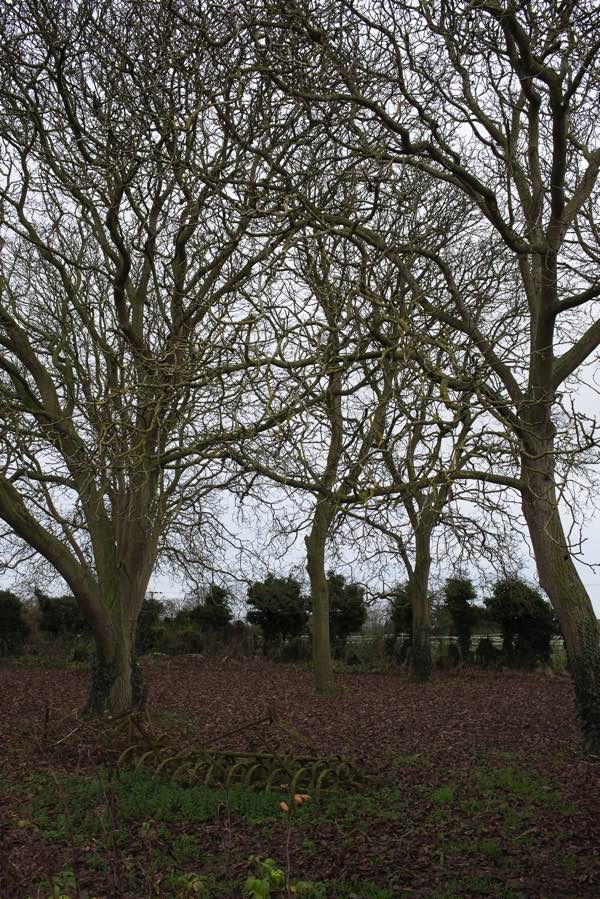
The walnut grove
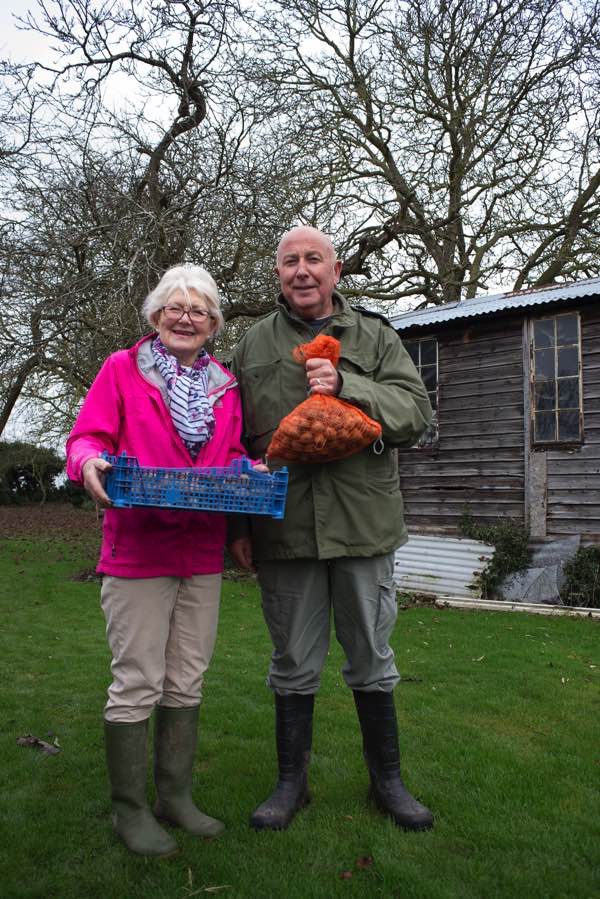
Dennis & Christine Reeve

Dennis with the tin bath and brush that he uses for washing his walnuts
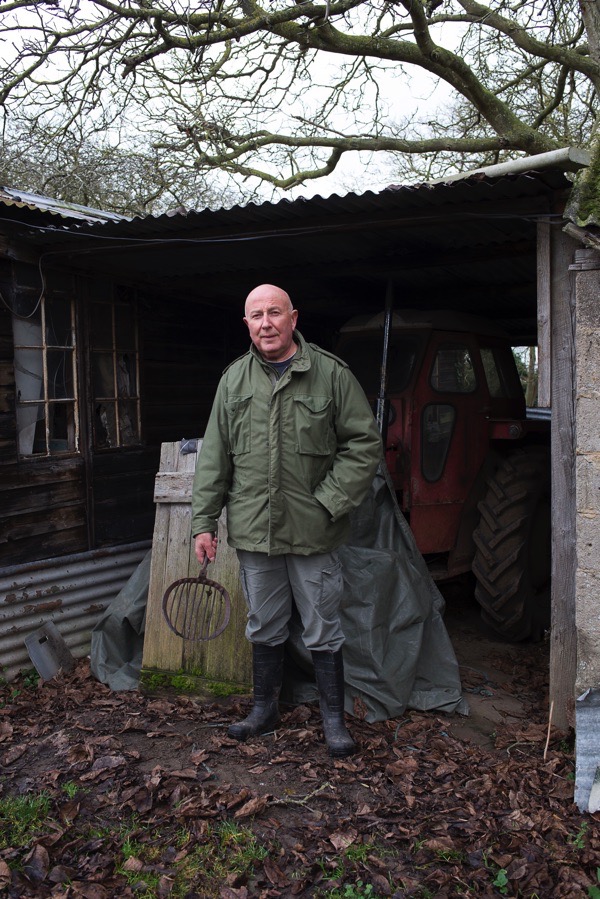
Dennis with his scoop for walnuts
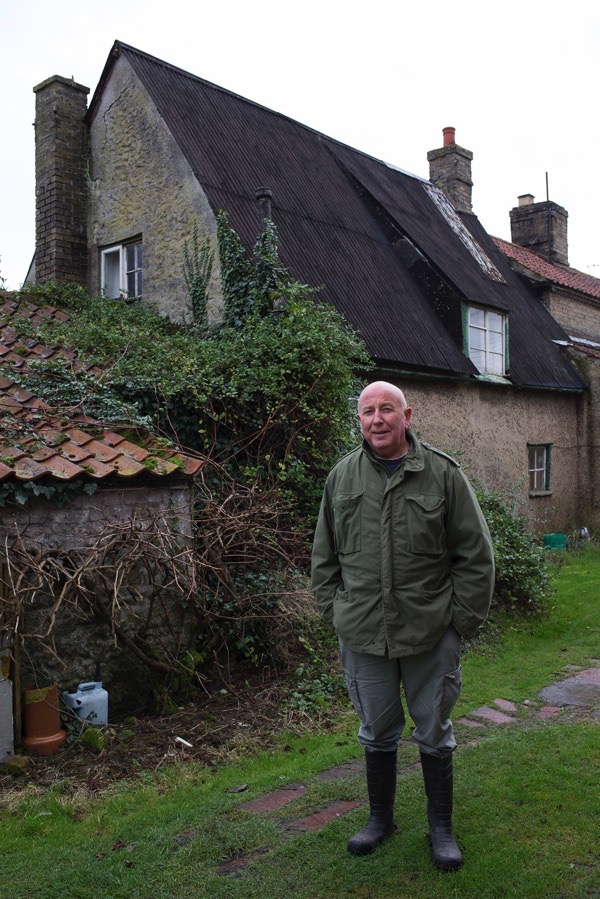
Dennis outside his father’s cottage
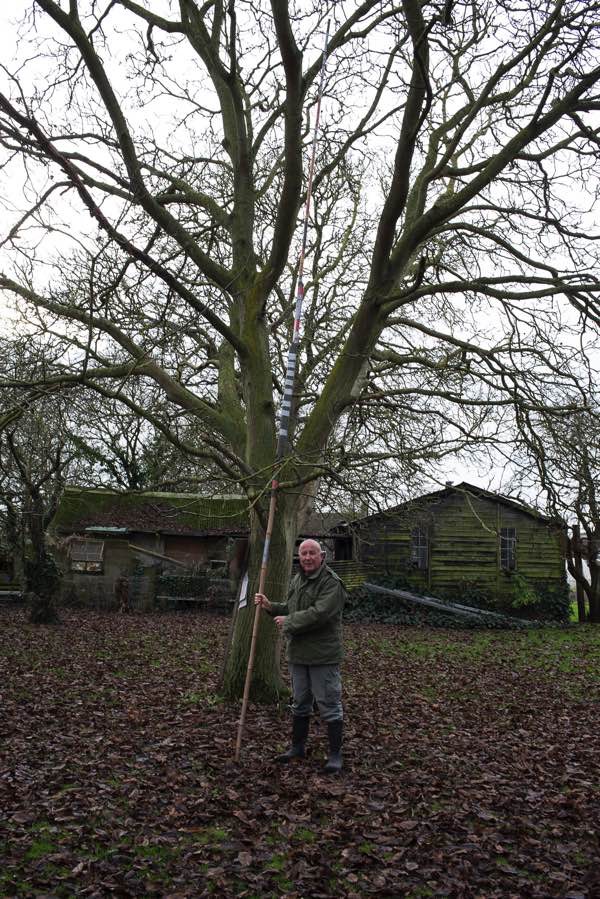
Dennis Reeve, third generation walnut farmer
Photographs copyright © Sarah Ainslie
Dennis & Christine Reeve’s walnuts are available each year from September until November and direct orders can be made by calling 01638 715959
The Spitalfields Nativity Parade
Today is the annual Spitalfields Nativity Parade down Brick Lane around 11:30am this morning
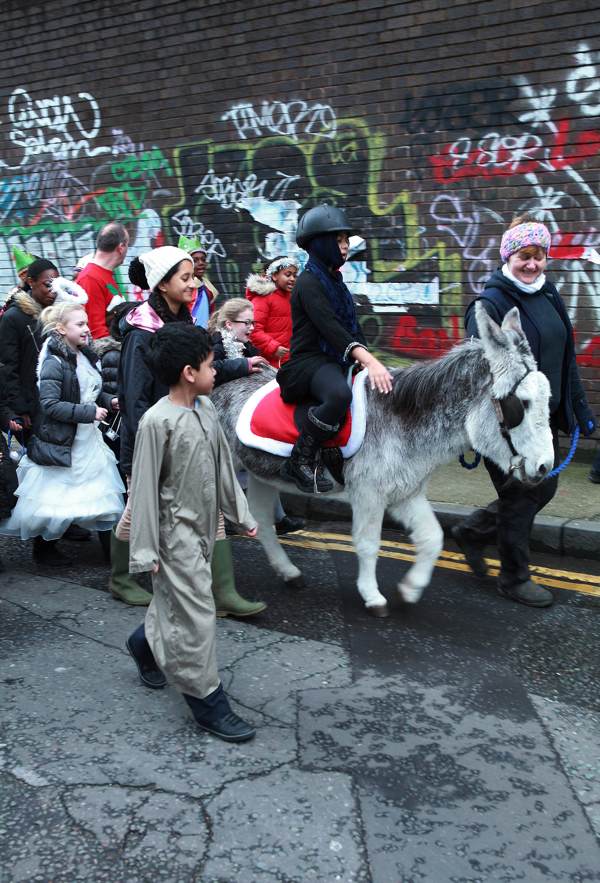
There is no doubt whatsoever that the Christmas season has arrived in Spitalfields when a procession of characters from the nativity story advances up Brick Lane accompanied by all the pupils of Christ Church School singing carols.
I arrived at the school just as the final preparations were taking place. In the hallway, school governors, members of the parent-teachers’ association and any other adults that could be recruited were changing into colourful biblical costumes. They were joined by the pupils, some of whom had been assigned specific roles in the drama and other who had opted for generic nativity outfits. Once we were all gathered in the yard at the front of the school, there was just time for a group photo before the unlikely procession set off up Brick Lane, singing carols enthusiastically to dispel the grim atmosphere of damp and cold.
The curry touts were astonished by this unexpected demonstration of seasonal goodwill and resisted their natural impulse to offer meal deals and free beers to Mary & Joseph, on the their way to Bethlehem via Brick Lane. In fact, the first destination was the Spitalfields City Farm where the holy couple were to acquire a donkey for Mary to ride on their journey. Although legend has it that farm animals gain the power of speech on Christmas Eve, the pig at the City Farm grew impatient and joined in loudly with the carol-singing, much to the delight of the school children.
After readings telling the nativity story and more carols, and once Mary had put on her safety helmet and was securely mounted upon Bayleaf the donkey, we were all set to continue on our Christmas pilgrimage around Spitalfields. The attenuated procession stretched the length of Allen Gardens, offering great amusement to passengers on the East London Line gawping in delight from the train windows as they sped by.
We crossed Brick Lane again and followed the perimeter wall of the Truman Brewery to emerge onto Commercial St. Passing along the side of Spitalfields Market down Lamb St, the procession entered Bishop’s Sq just as it was thronging with office workers at lunchtime. The line of singing children led by a donkey invaded the adult workaday world, as harbingers of the approaching festive season – they had come to remind everyone that very soon everything must stop for Christmas.

The procession assembles at Christ Church School
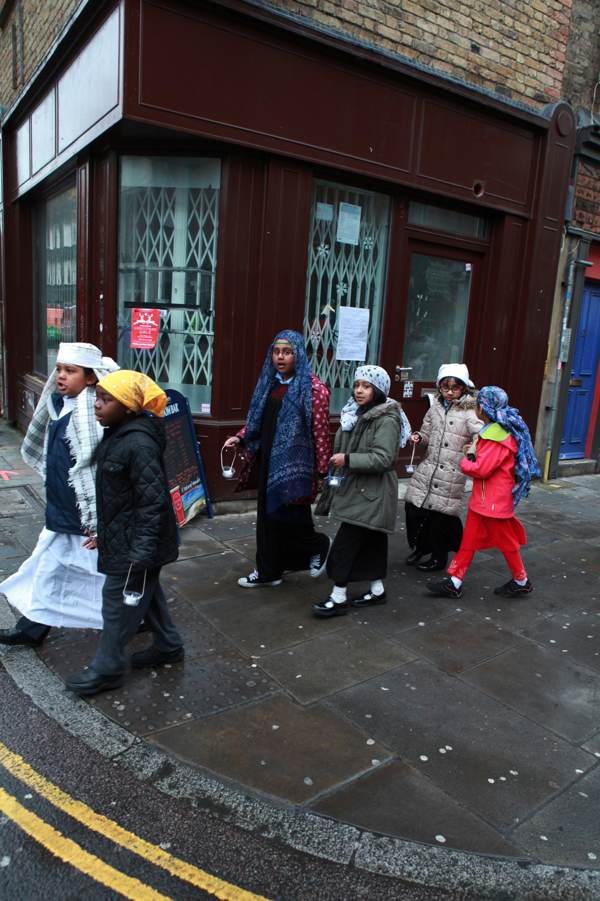
Advancing up Brick Lane

Arriving at the Spitalfields City Farm

Jasmin as Mary, with Mhairi from Spitalfields City Farm and Bayleaf the donkey

Mary-Jane played the drum with Eleanor on accordion
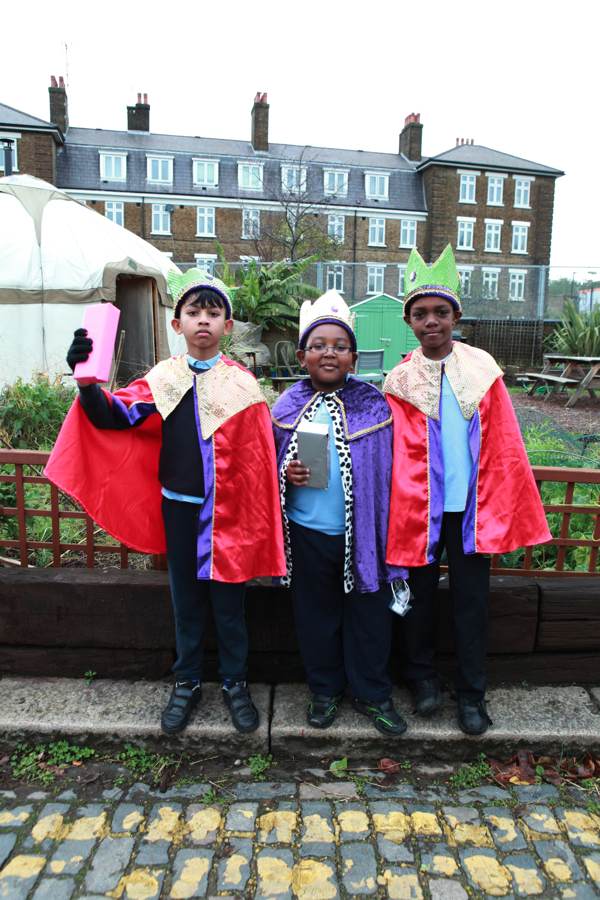
Hamza, Josh and Kevin as the three kings

Setting out from the farm


Joseph & Mary advancing along Buxton St


Janzaib as the angel
Photographs copyright © Estate of Colin O’Brien
You may also like to read about
At Mile End Place
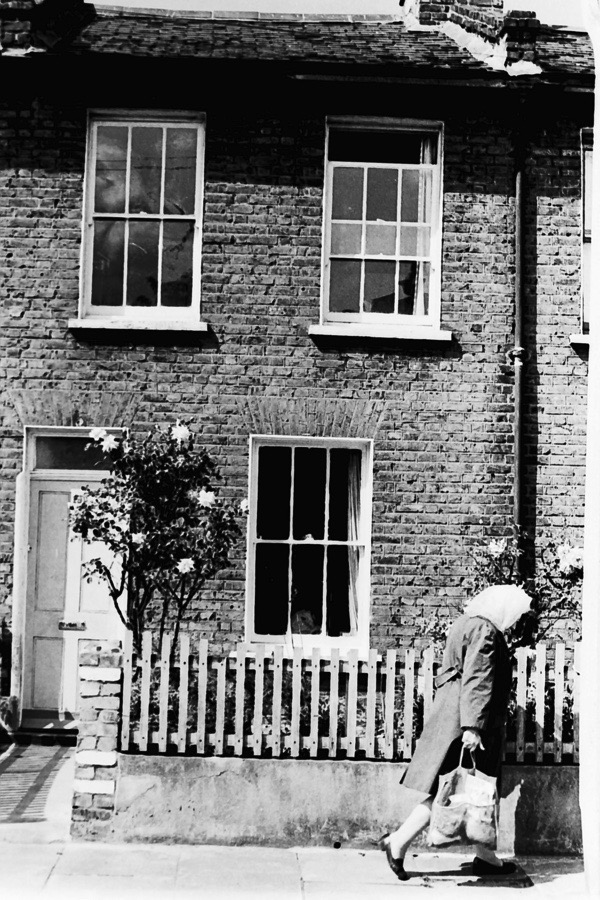
Mrs Johnson walks past 19 Mile End Place
Whenever I walk down the Mile End Rd, I always take a moment to step in through the archway and visit Mile End Place. This tiny enclave of early nineteenth century cottages sandwiched between the Velho and the Alderney Cemeteries harbours a quiet atmosphere that recalls an earlier, more rural East End and I have become intrigued to discover its history. So I was fascinated when Philip Cunningham sent me his pictures of Mile End Place from the seventies together with this poignant account of an unspoken grief from the First World War, still lingering more than fifty years later, which he encountered unexpectedly when he moved into his great-grandparents’ house.
“In 1971, my girlfriend – Sally – & I moved from East Dulwich to Mile End Place. It was number 19, the house where my maternal grandfather – Jack – had been born into a family of nine, and we purchased it from my grandfather’s nephew Denny Witt. The house was very cheap because it was on the slum clearance list but it was a lot better than the rooms we had been living in, even with an outside toilet and no bath.
There were just two small bedrooms upstairs and two small rooms downstairs. In my grandfather’s time, the front room was kept immaculate in case there might be a visitor and the sleeping was segregated, until Uncle Harry came back from the Boer War when he was not allowed to sleep with the other boys. For reasons left unexplained, he was banished to the front room and told he had better get married sharpish – which he did.
I first met my neighbour Mrs Johnson when gardening in the front of the house. I said ‘Morning,’ but there came no reply.‘What a nasty woman’ I thought, yet worse was to come. Mrs Johnson lived at the end of the street and two doors away lived a vague relative of hers who was married to an alcoholic. ‘She picked ‘im up in Jersey,’ I was told. He drank half bottles of whisky and rum, and threw the empties into the graveyard at the back of our houses – sometimes when they were half full.
I would often go to our outside toilet in socks and, on one occasion, nearly stepped upon pieces of broken glass that had been thrown into our backyard. At first, I assumed it was Paul – the graveyard keeper – and went straight round to his house in Alderney St. I nearly knocked his door down and was ready to flatten him, until he became very apologetic and explained that Mrs Johnson had told him we were students and always having parties. True in the first count, lies in the second. Mrs Johnson knew quite well who the culprit was, as did the everyone else in street. I was still angry, so I threw the glass back where it came from – which must have been a real chore to clear up on the other side
Sometime after all these events, Jane Plumtree – a barrister – moved into the street. She said ‘We must have street parties!’ and so we did. At the first of these, the longest established families in the street all had to sit together and – unfortunately – I was sat next to Mrs Johnson. She hissed and fumed, and turned her back on me as much as she could, until suddenly she turned to face me and said, ‘I knew your grandfather J-a–c—k, he came b-a–c—k!’ She spat the words out. I did not know what she was talking about so I just said, ‘Yes, he was a drayman.’
Later, I reported it over the phone to my Auntie Ethel. ‘Oh yes,’ she explained, ‘Mrs Johnson had three brothers and, when the First World War broke out, they thought it was going to be a splendid jolly. They signed up at once, even though two were under-age, and they were all dead in three months.’ Unlike my grandfather Jack, who came back.
Jack was married and living in Ewing St with his five children, but he was called up immediately war was declared because had been in the Territorial Army. He was present at almost every major piece of action throughout the First World War and, at some point, while driving an ammunition lorry, he got into the back and rolled a cigarette when there was no one around. He got caught and was sentenced to be shot, but – fortunately – someone piped up and declared they did not have enough drivers, so his punishment was reduced to six weeks loss of pay, which made my grandmother – to whom the money was due – furious!
When Jack and the other troops with him came under fire in a French village, he and an Irish soldier broke into a music shop for cover. On the wall was a silver trumpet which Jack grabbed at once, but his Irish companion grabbed the mouthpiece and would not let Jack have it unless he went into the street, amid the falling shells, to play. Reluctantly, Jack did this – playing extremely fast – and he brought the trumpet home with him to the East End.”
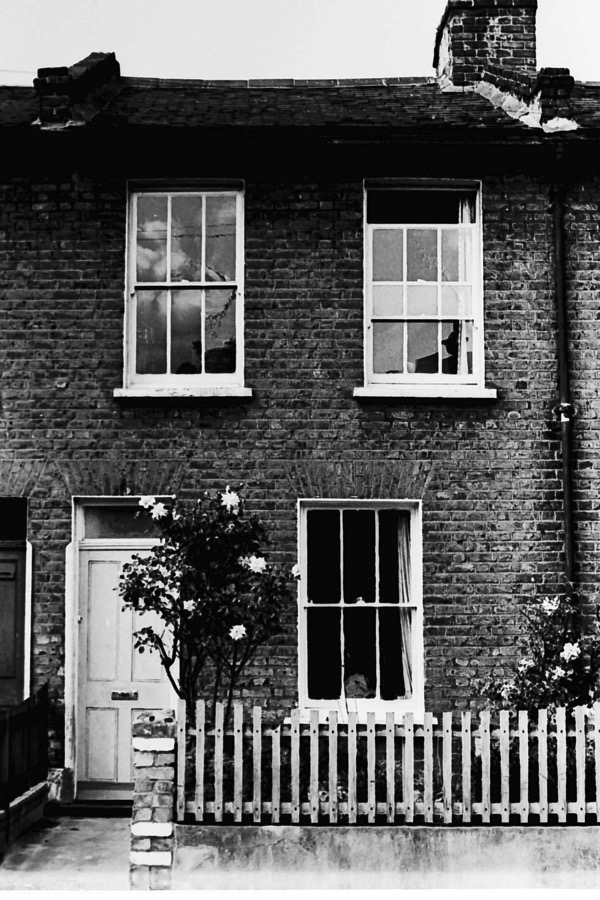 19 Mile End Place
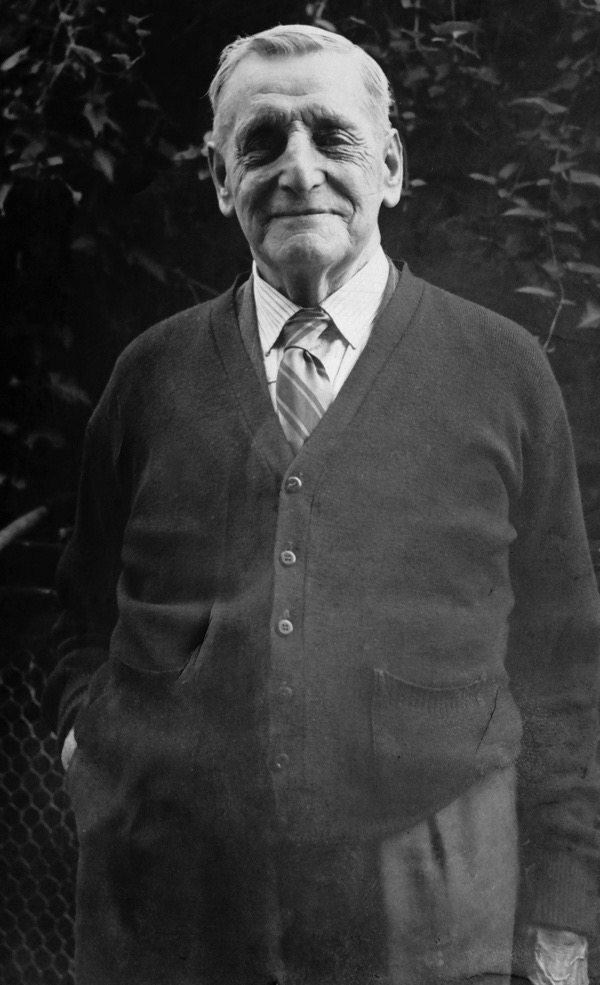
Philip’s grandfather Jack was born at 19 Mile End Place
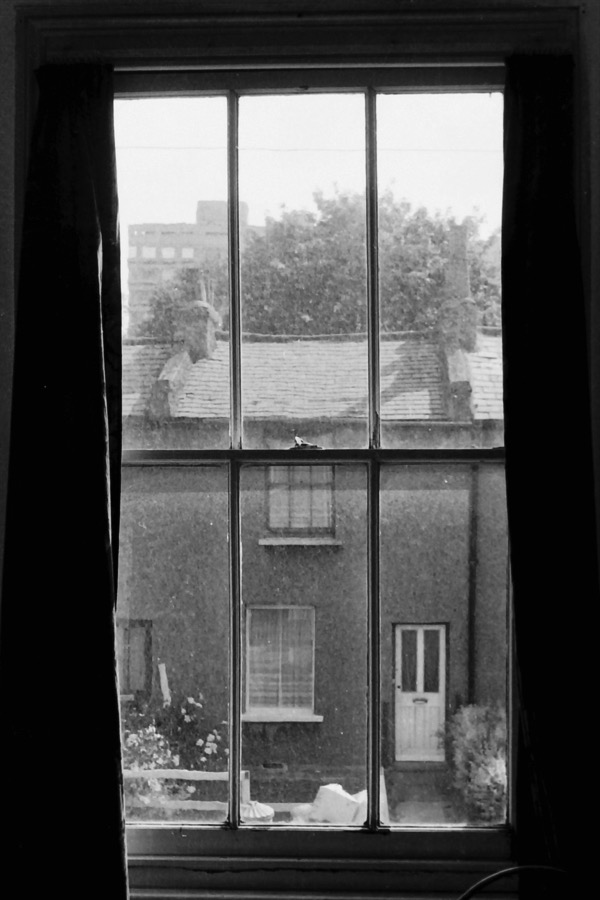
View from 19 Mile End Place
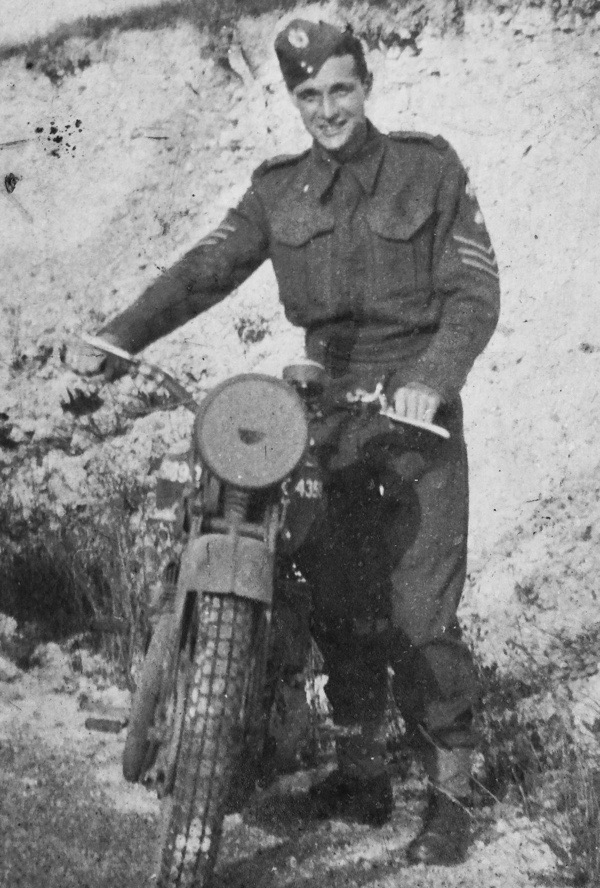
Philip purchased 19 Mile End Place from his cousin Danny Witt, photographed during World War II
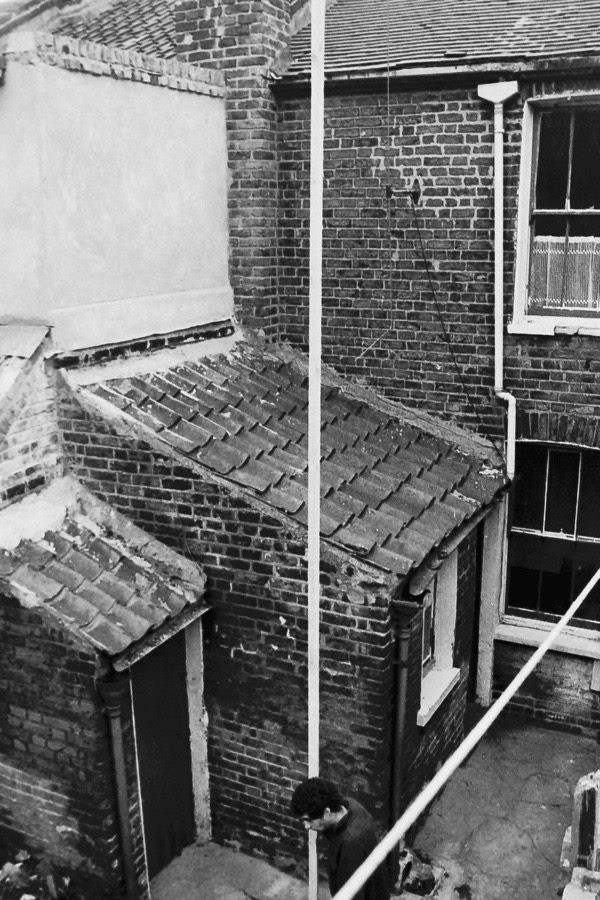
Outside toilet at 19 Mile End Place
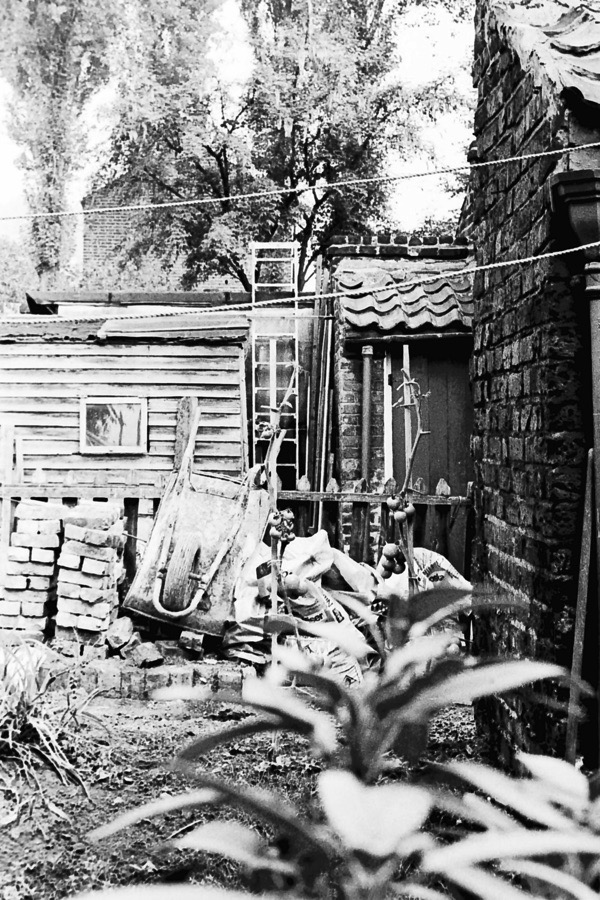
Backyard at 19 Mile End Place
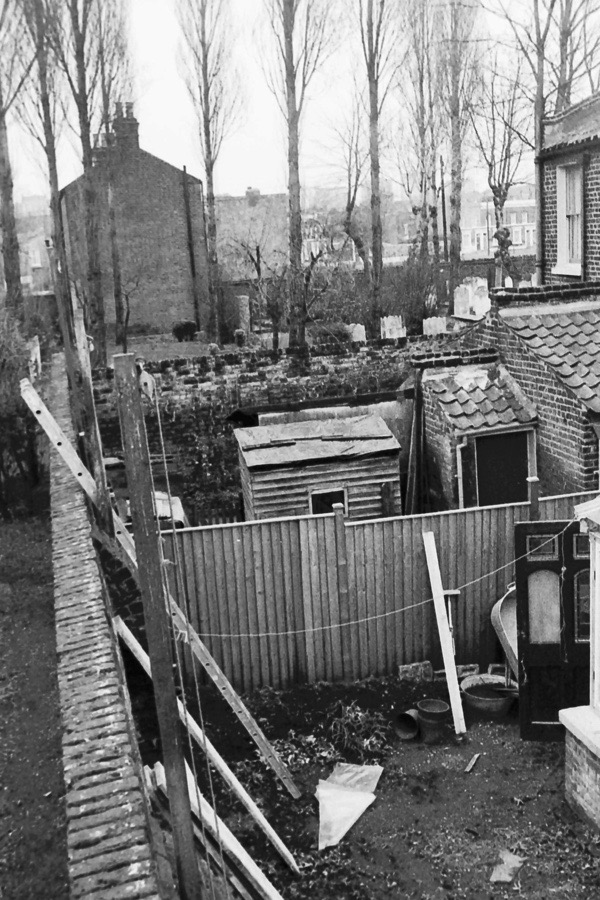
View towards the Alderney Cemetery with the keeper’s house in the distance
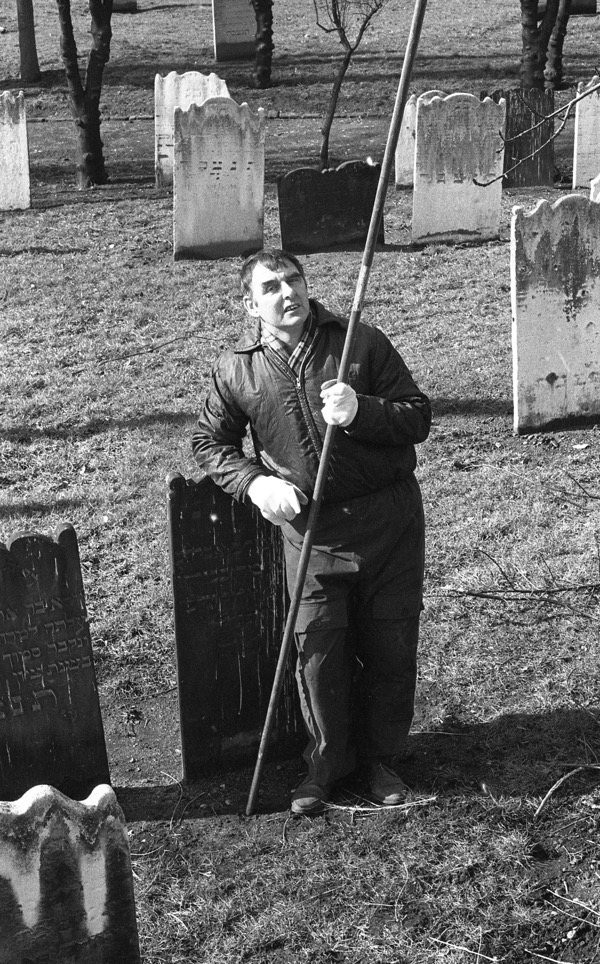
Paul Campkin, the Cemetery Keeper
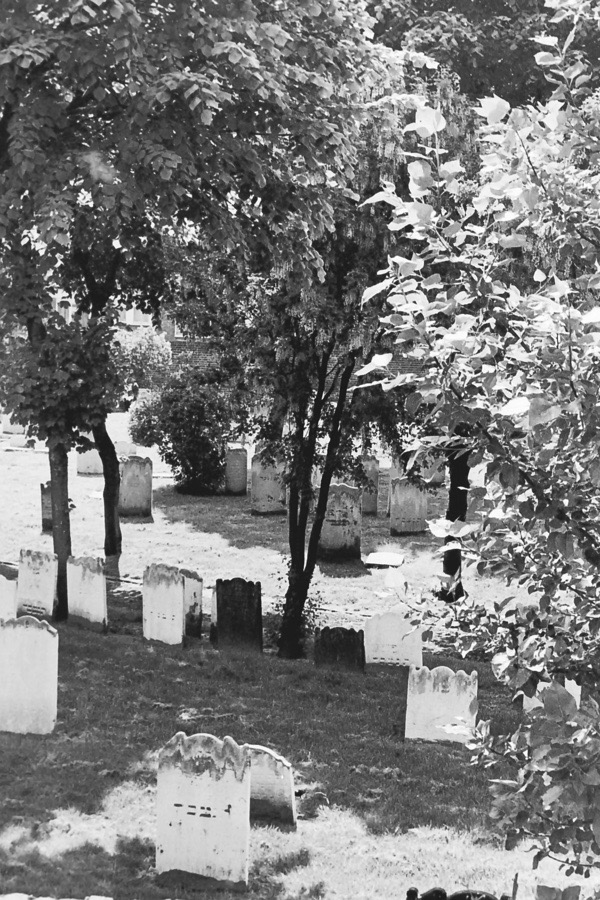
The Alderney Cemetery
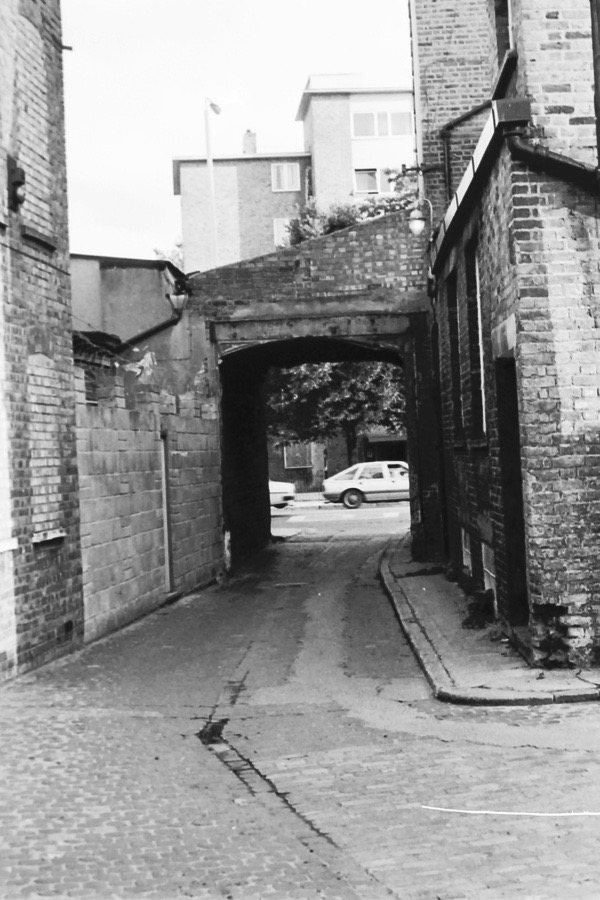
Looking out towards Mile End Rd
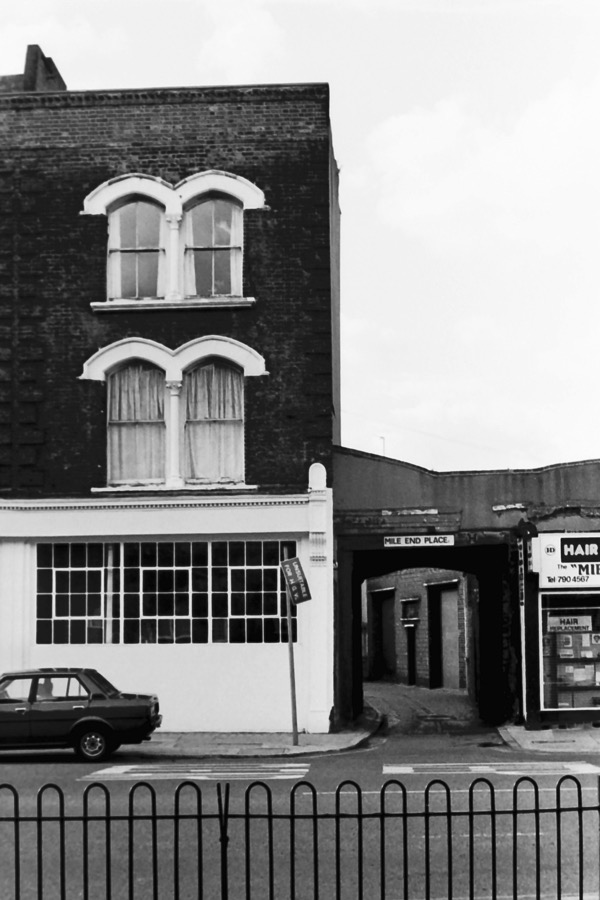
Entrance to Mile End Place from Mile End Rd
Photographs copyright © Philip Cunningham
You may also like to read about