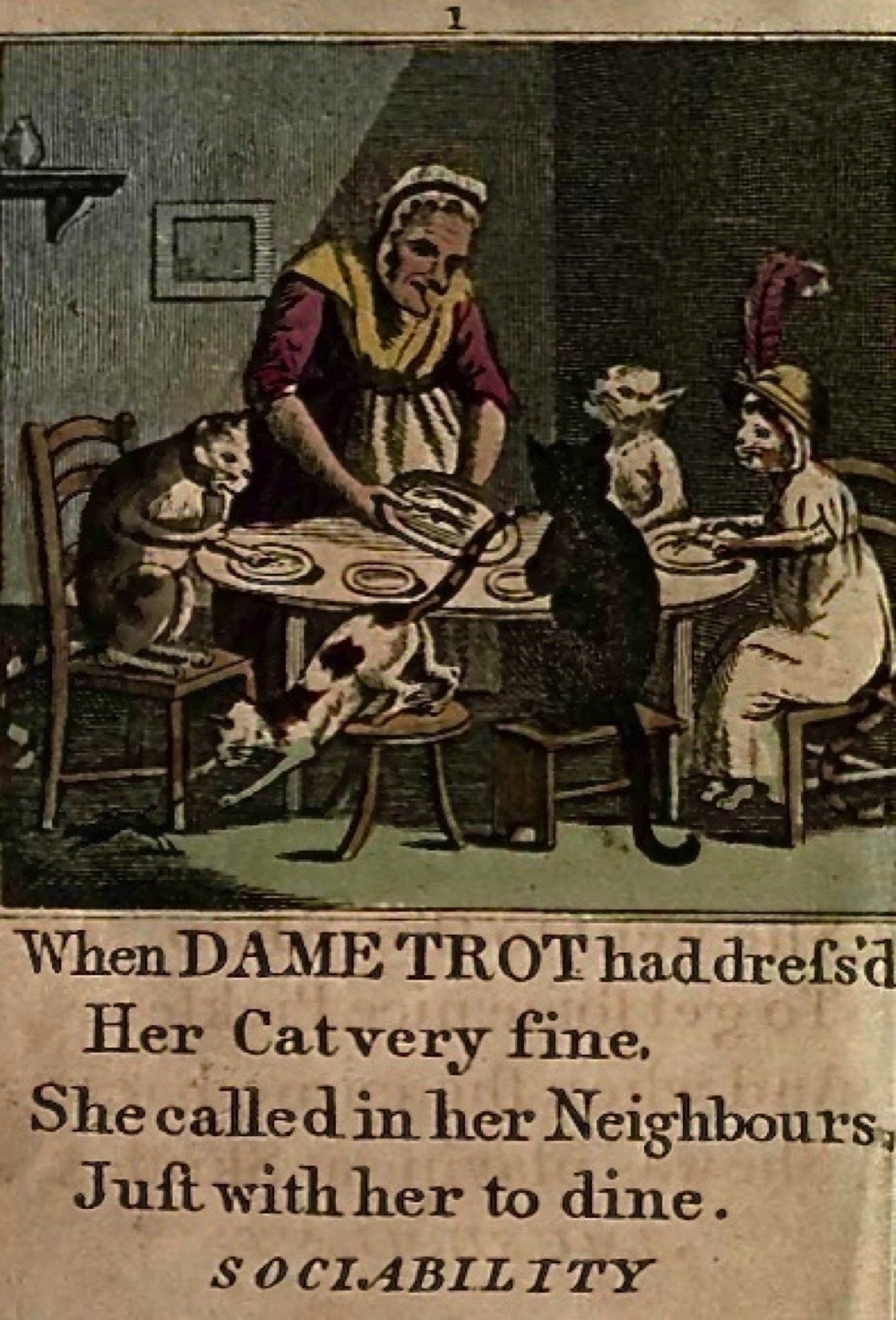
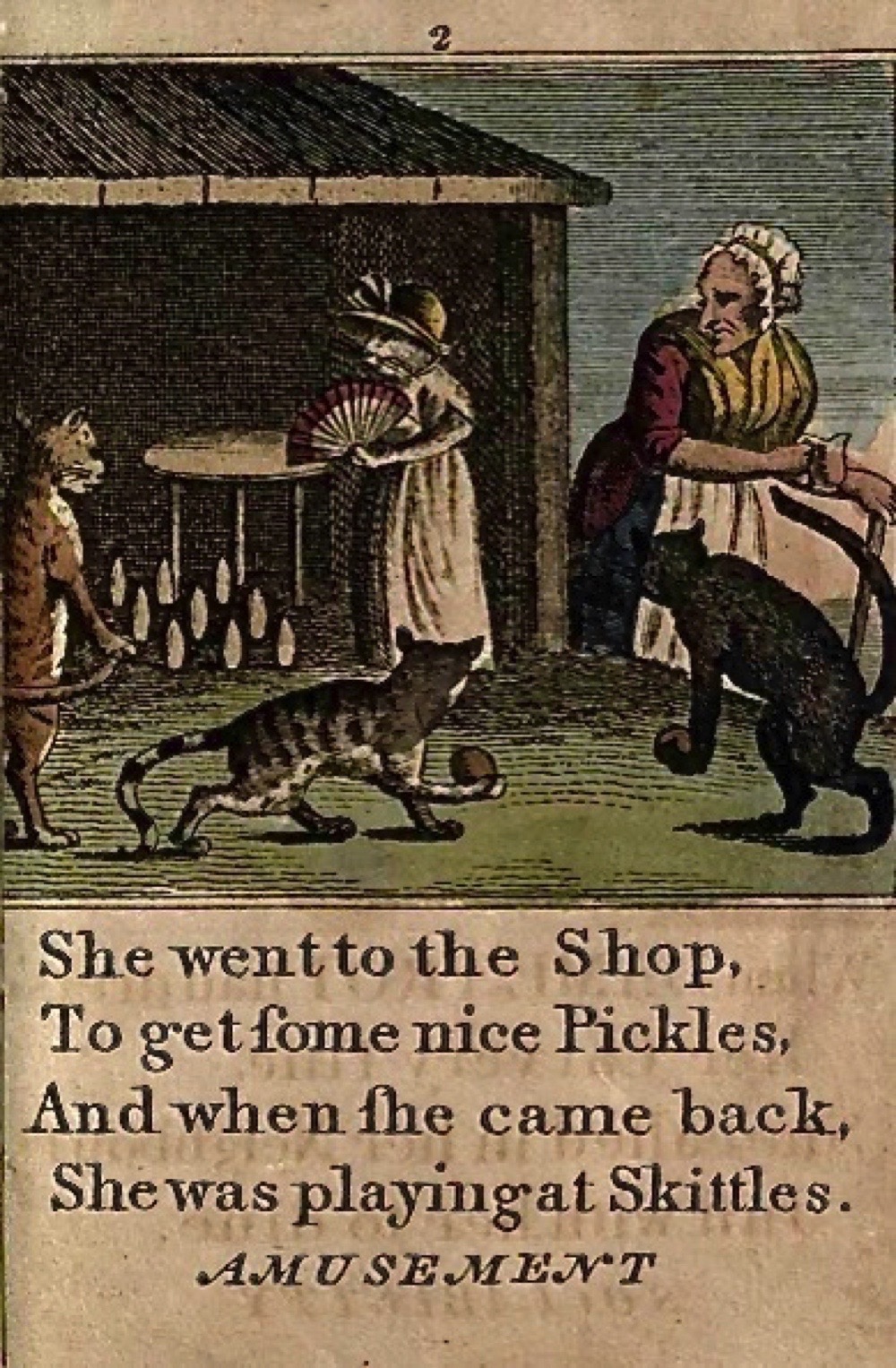
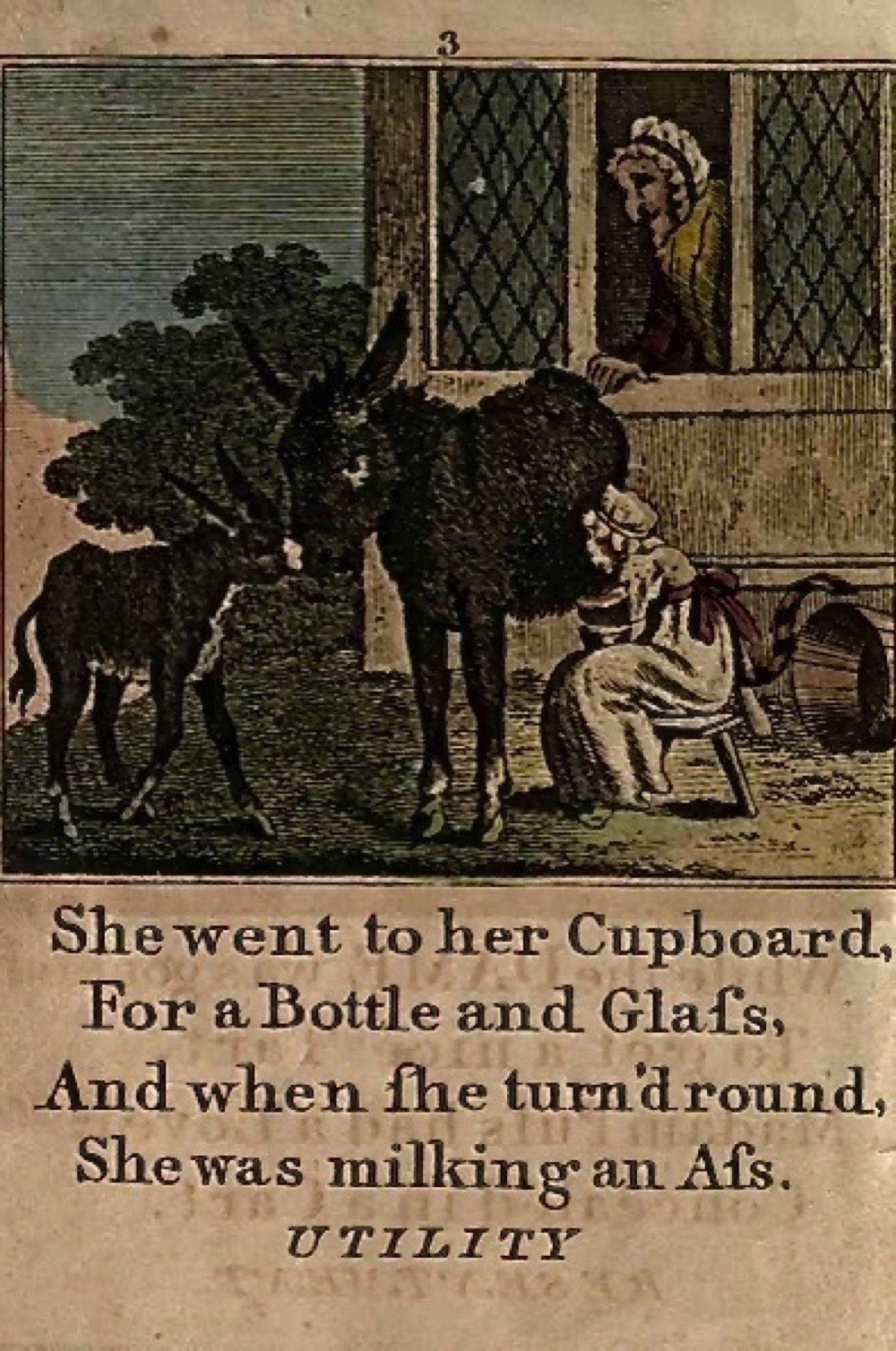
Old Dame Trot & Her Comical Cat
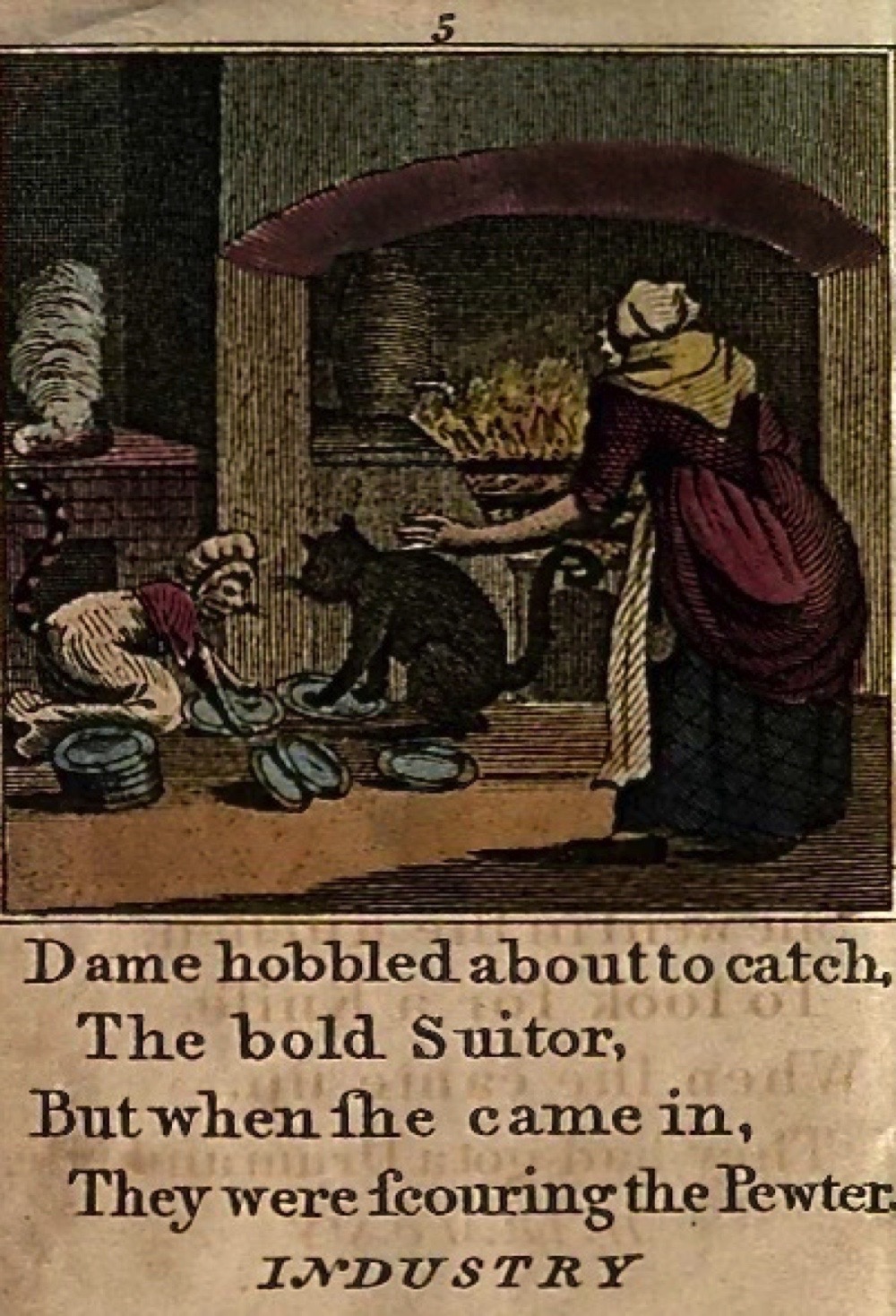
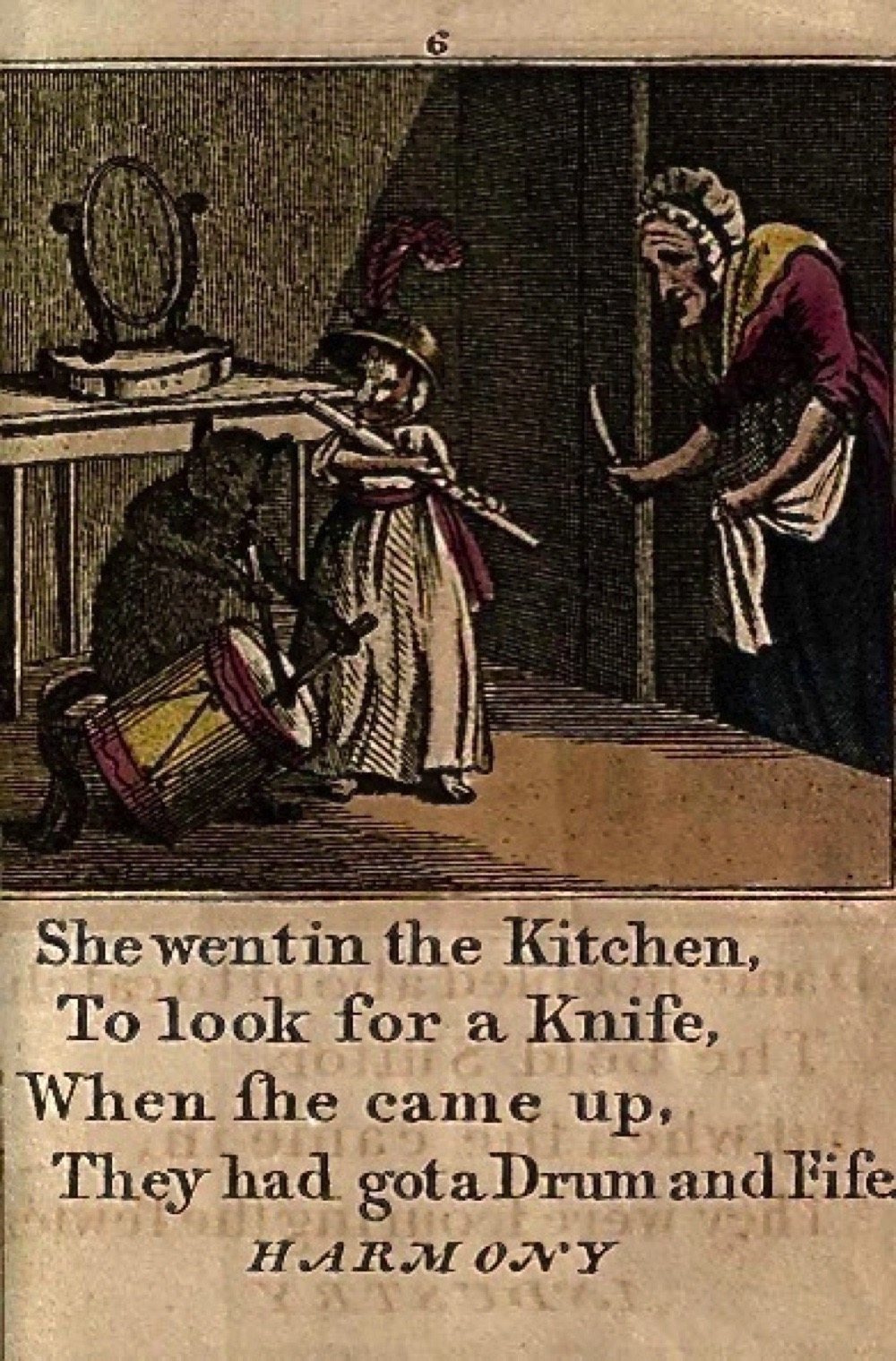
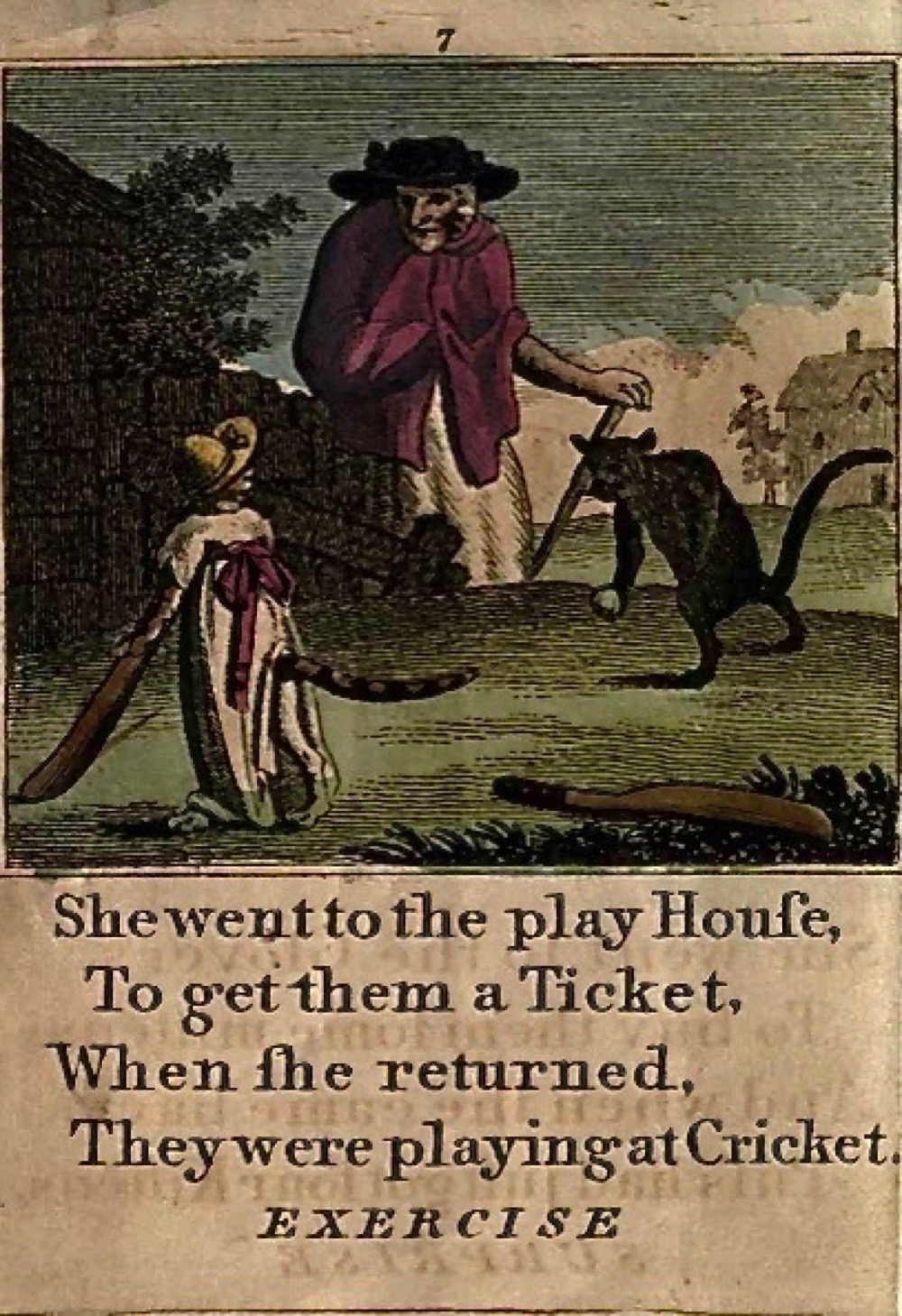
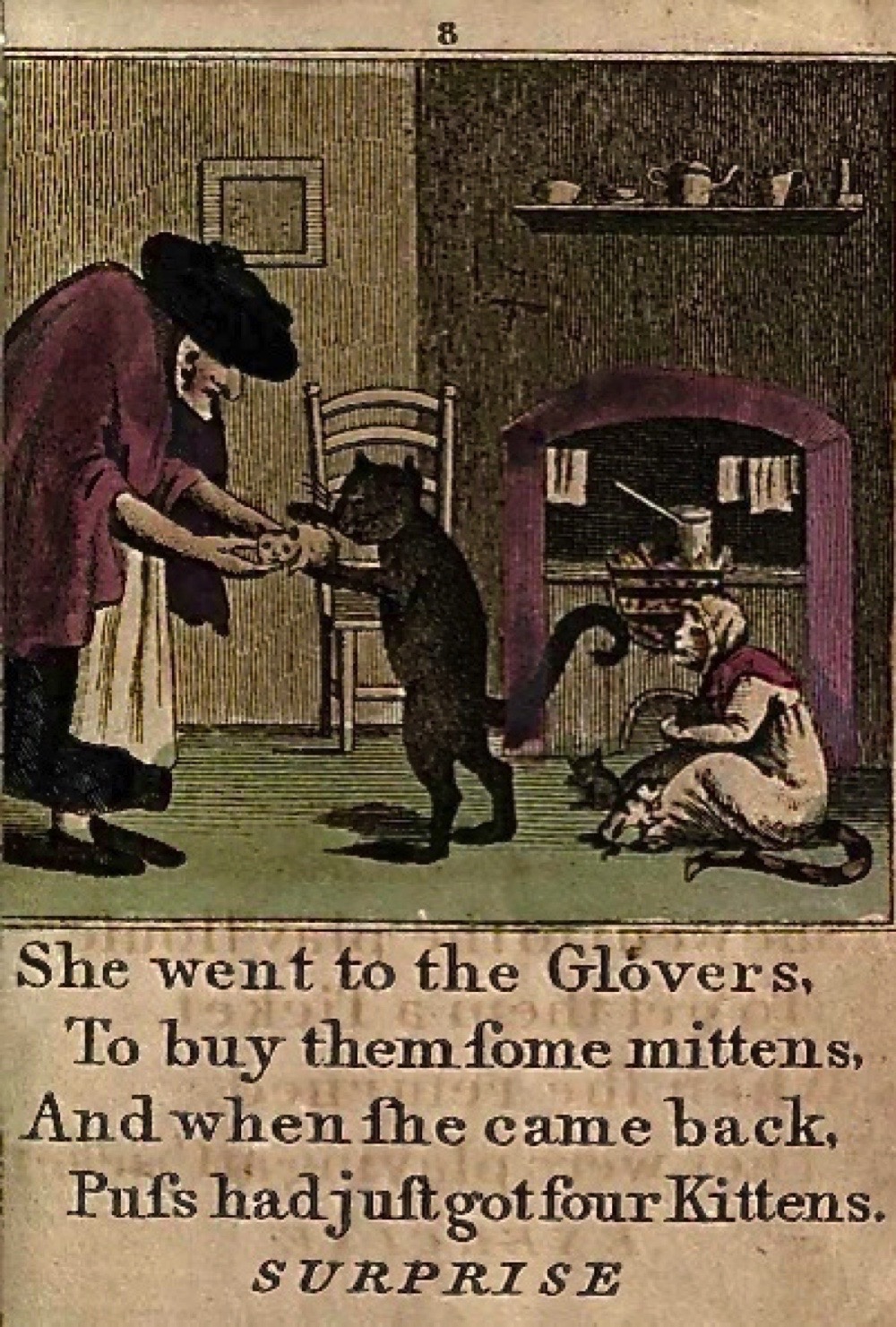
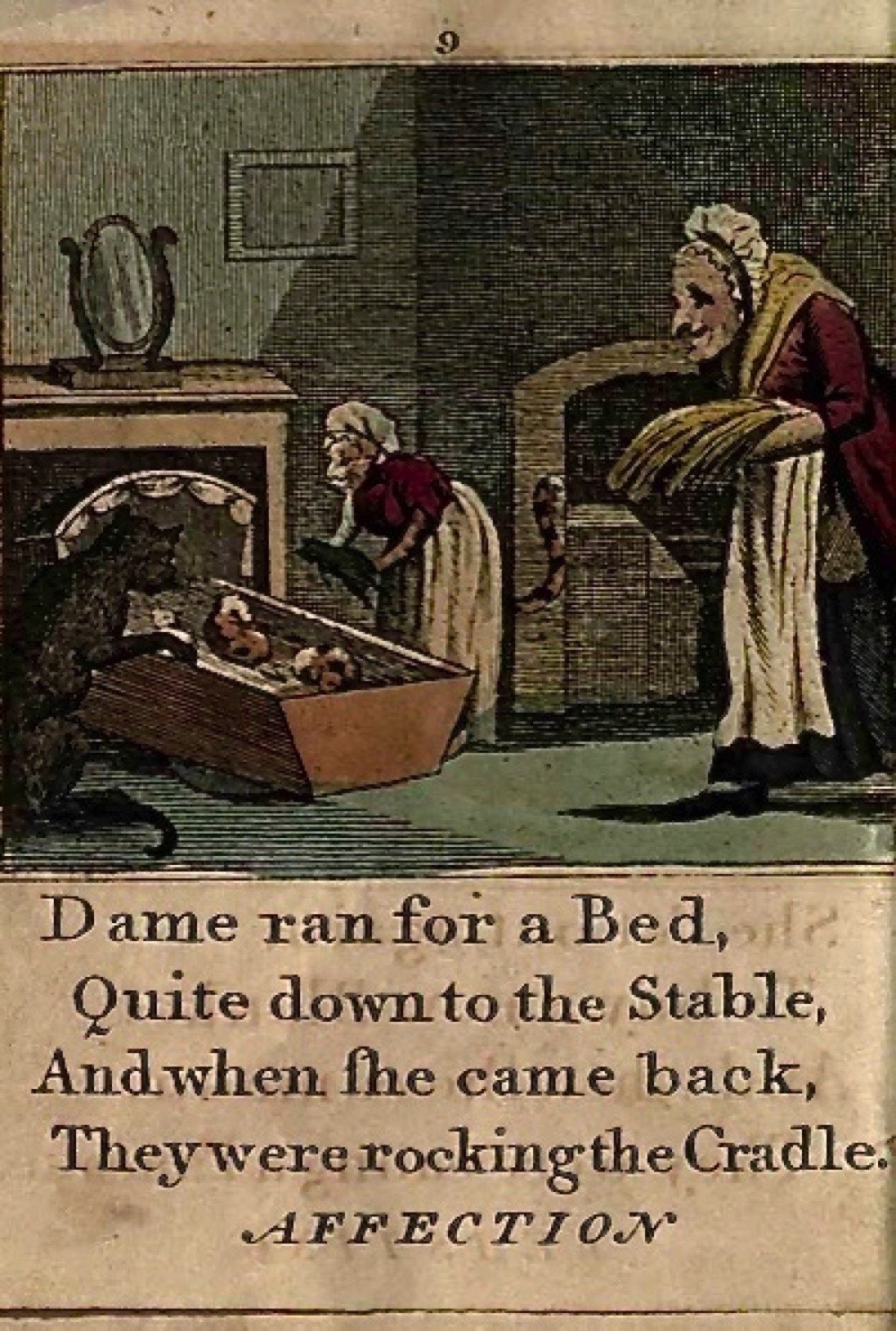
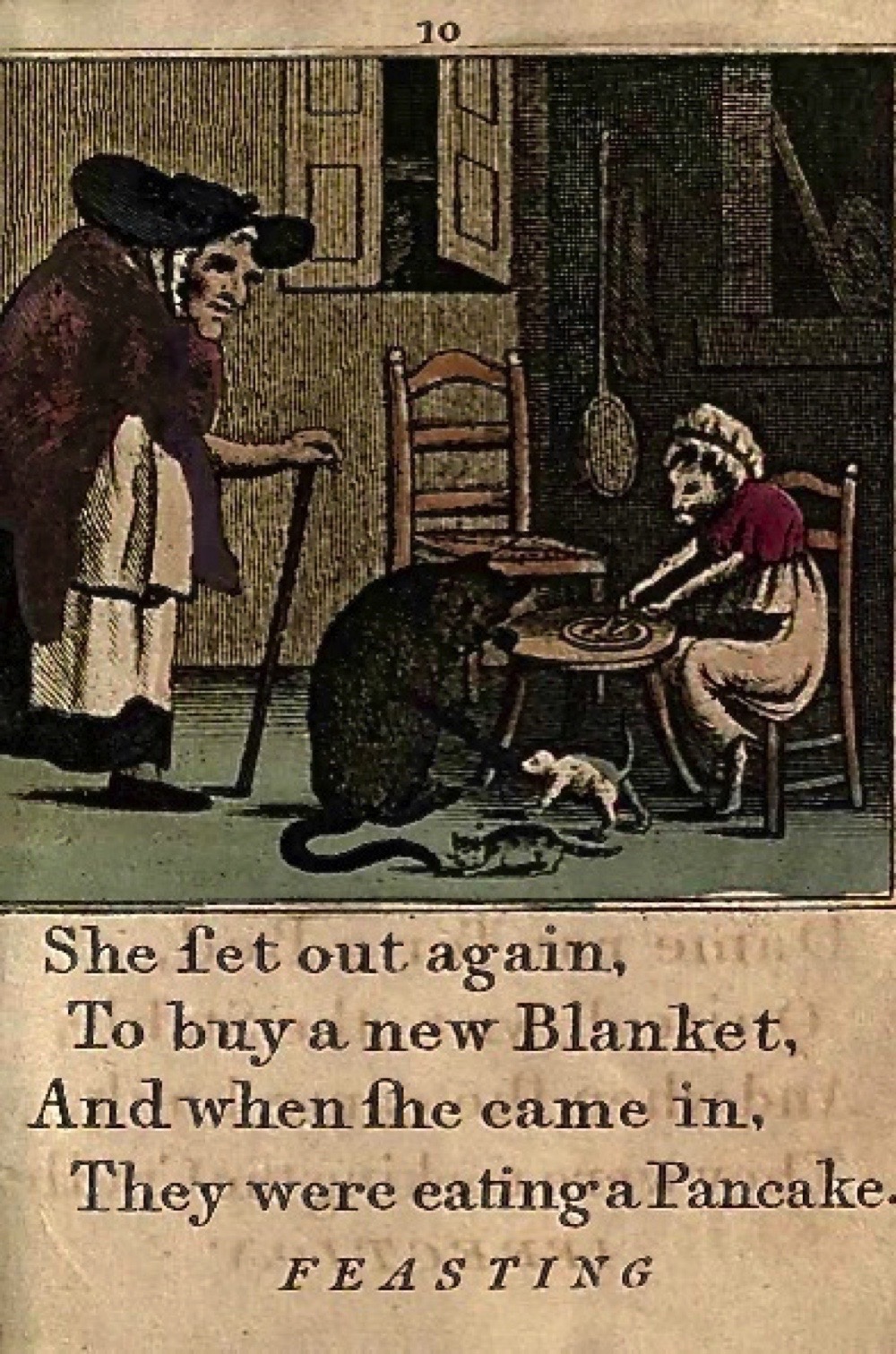
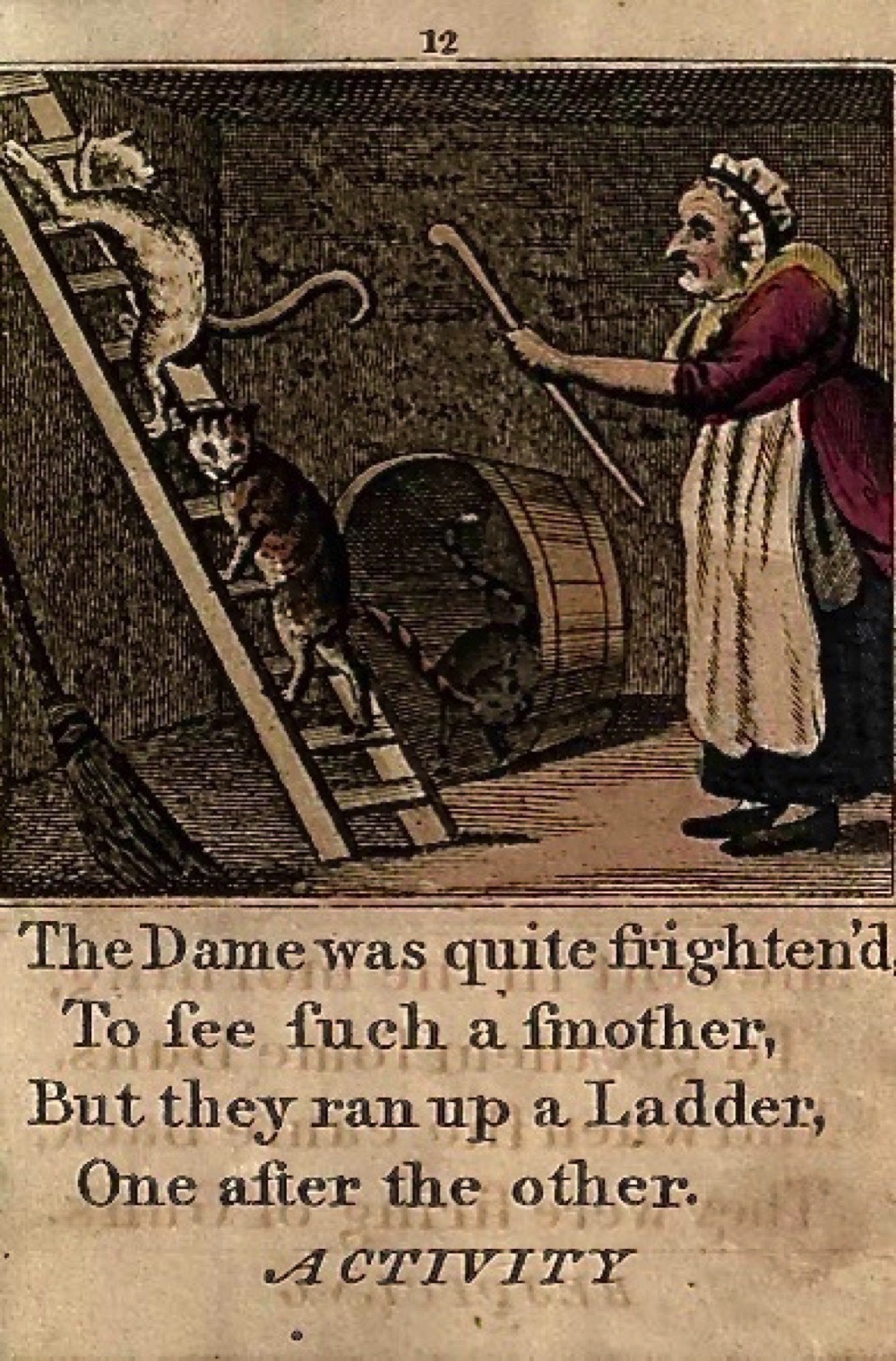
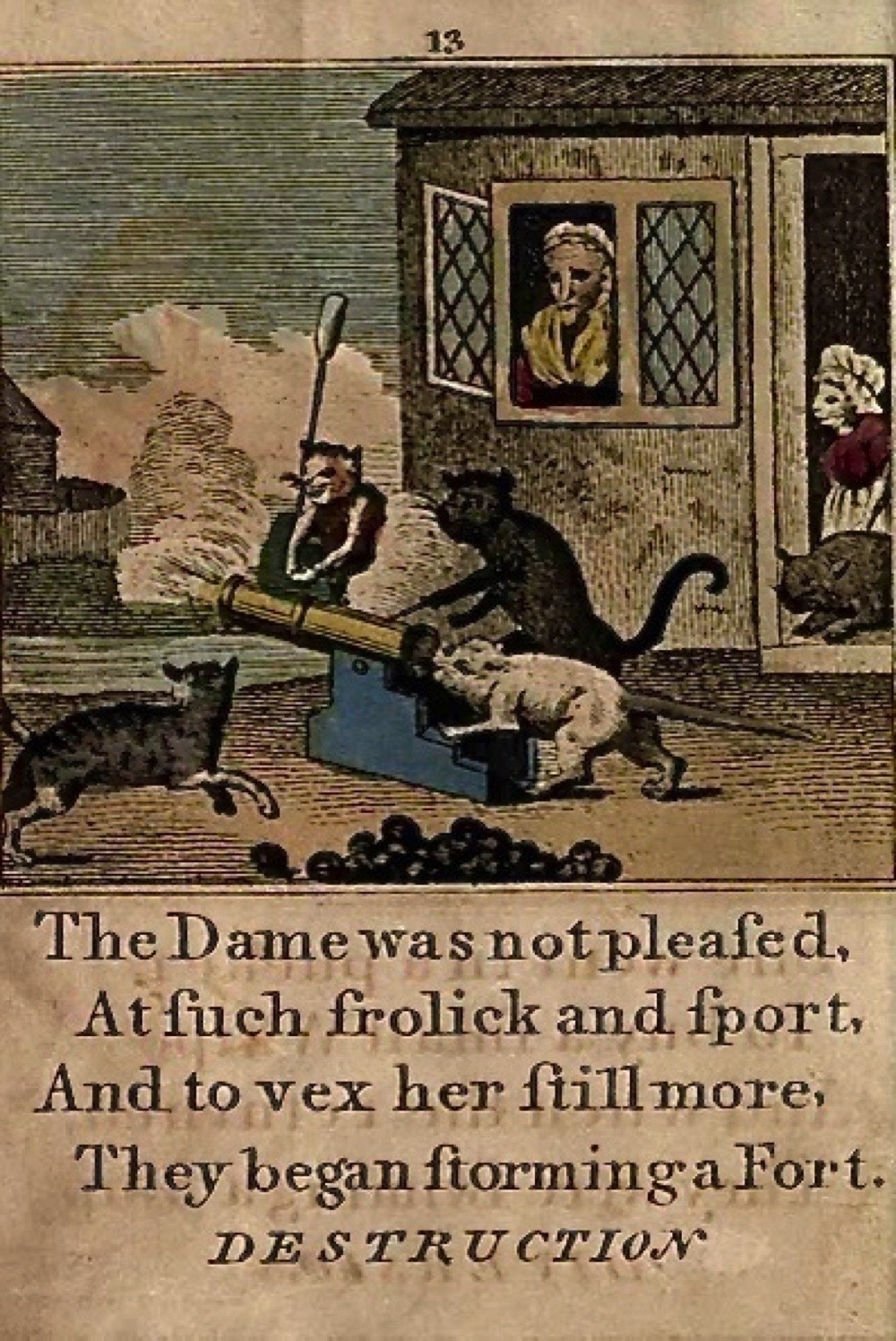
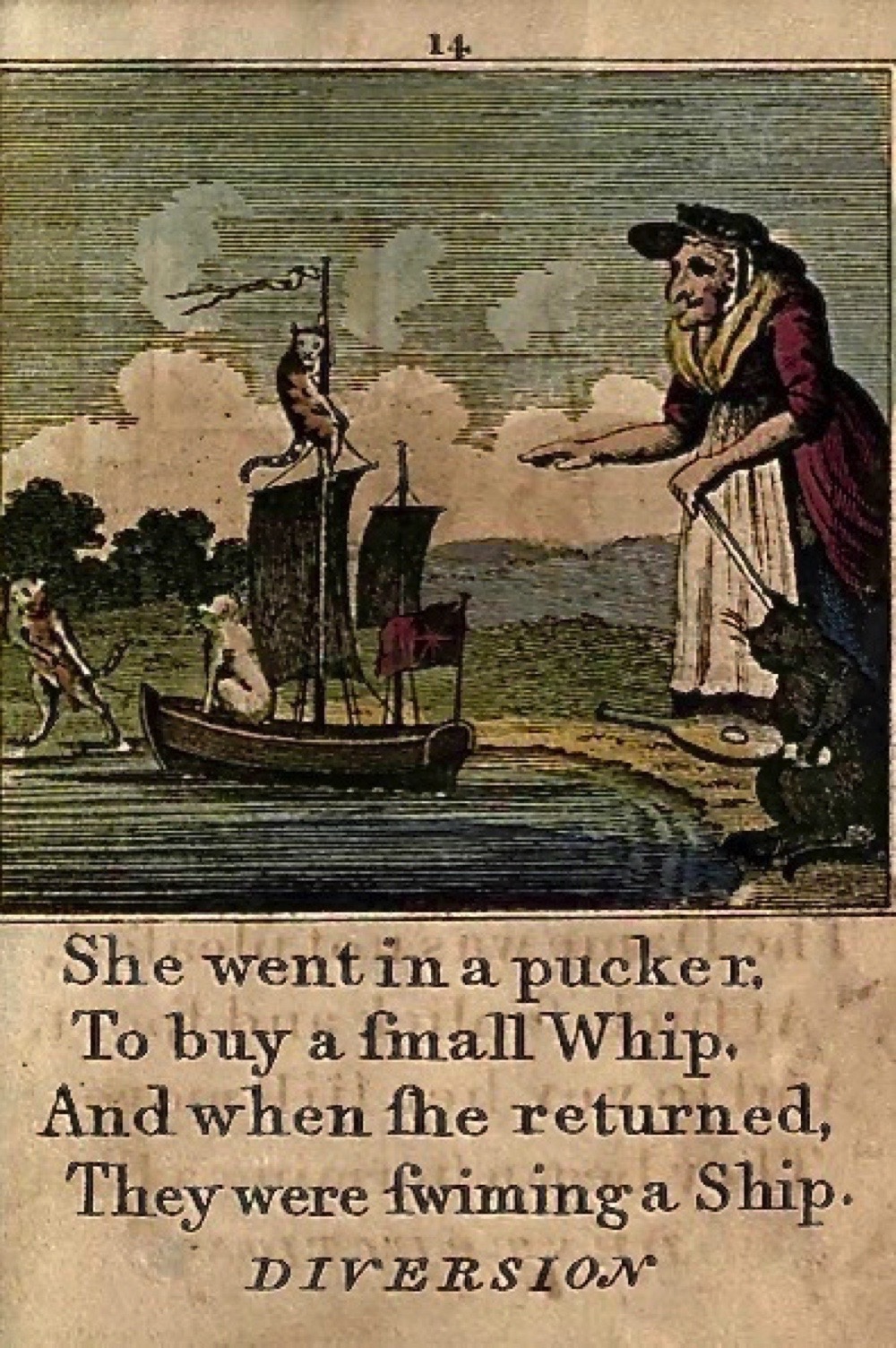
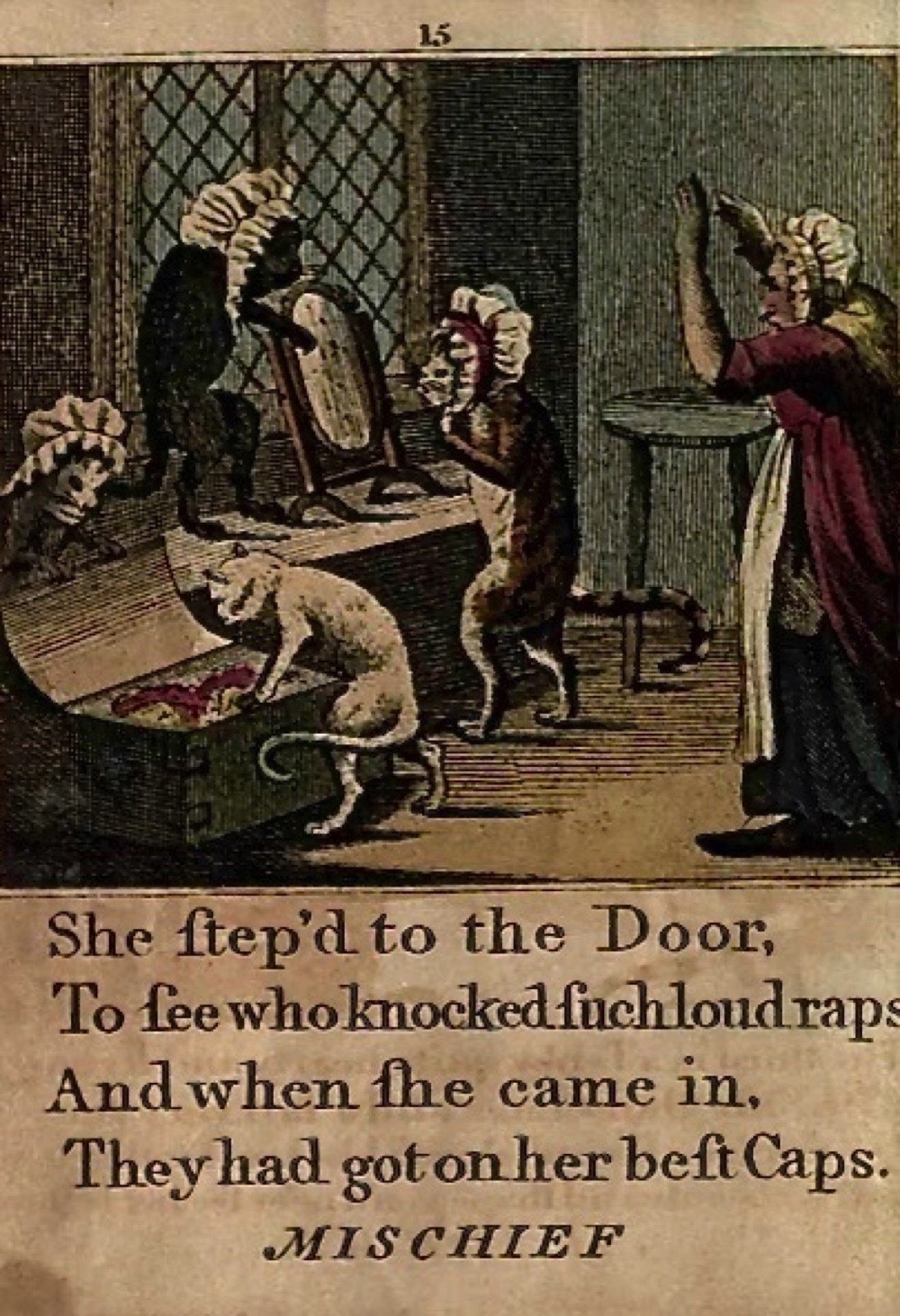
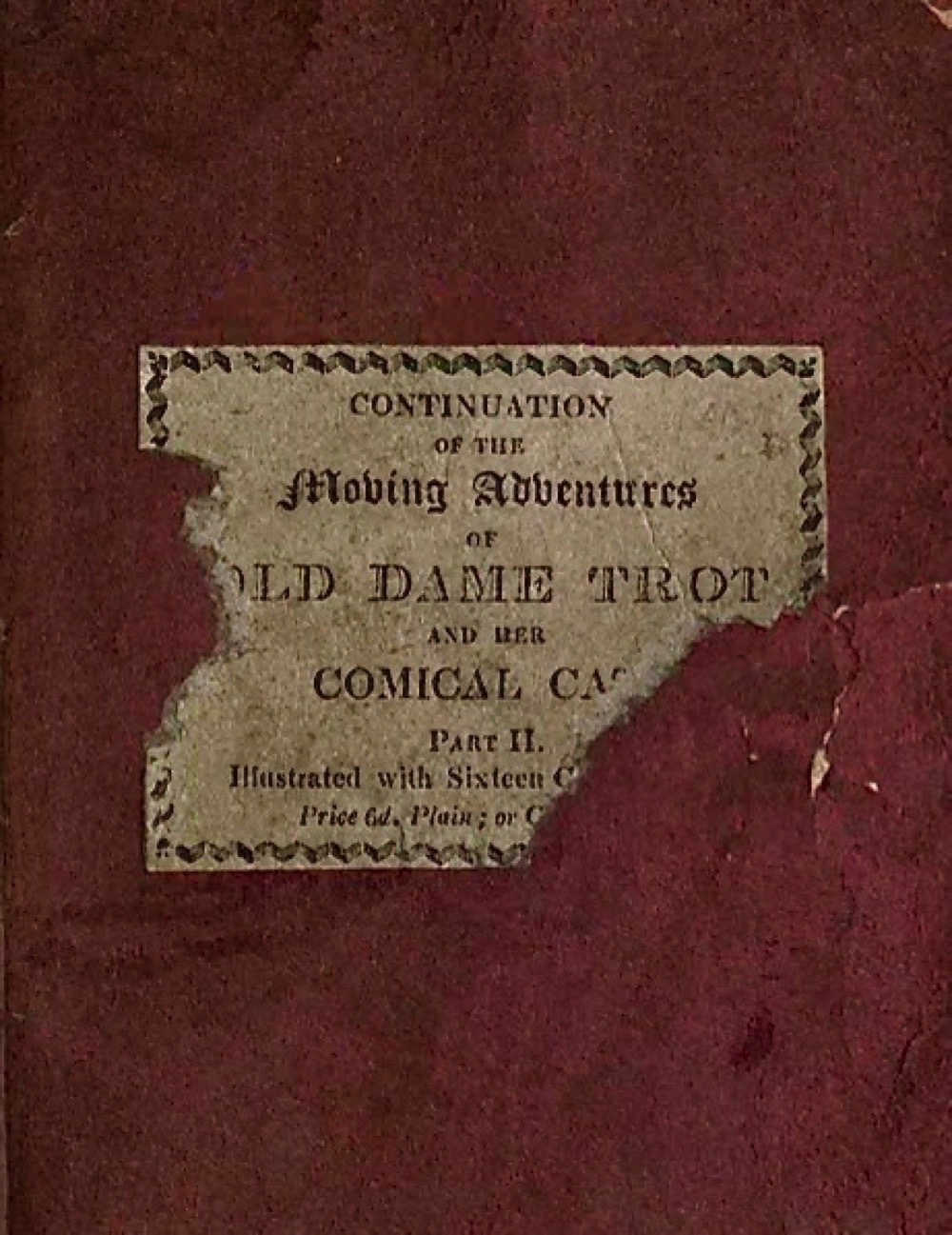
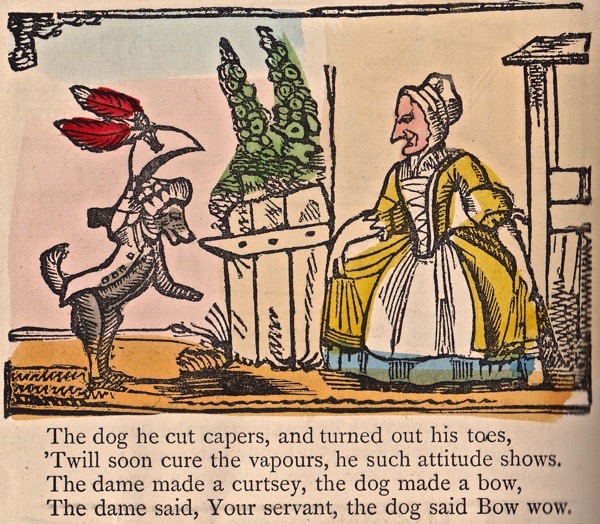
I must confess that I identify with Old Dame Trot – as illustrated in this early nineteenth century chapbook – knowing all too well how it is to share a home with a large feline personality…



You may also like to read about
Old Mother Hubbard & Her Wonderful Dog
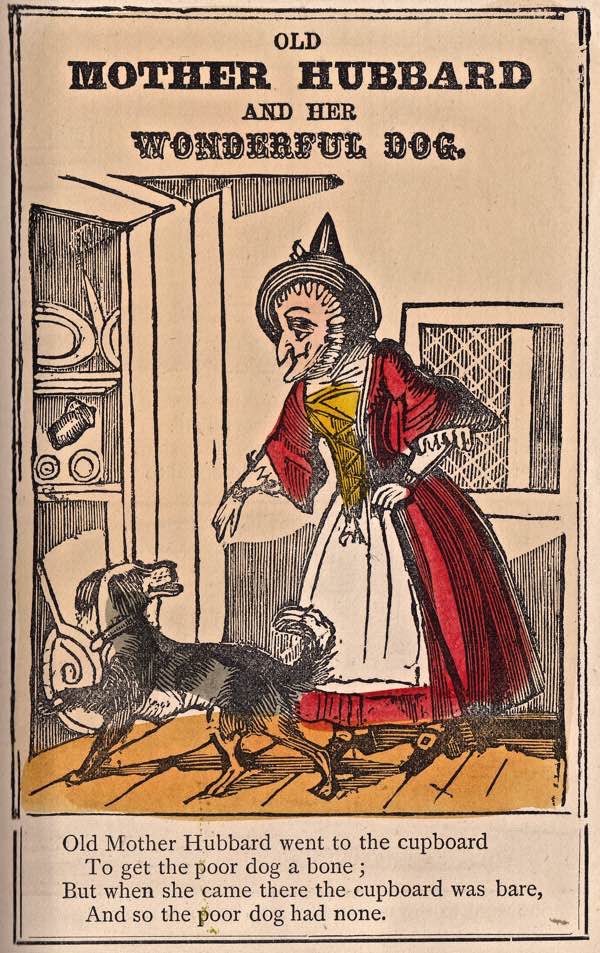
Courtesy of Jemmy Catnach of Catnach Press, it is my pleasure to publish this early nineteenth century shaggy dog tale of the devoted Mother Hubbard – believed to be by Sarah Catherine Martin
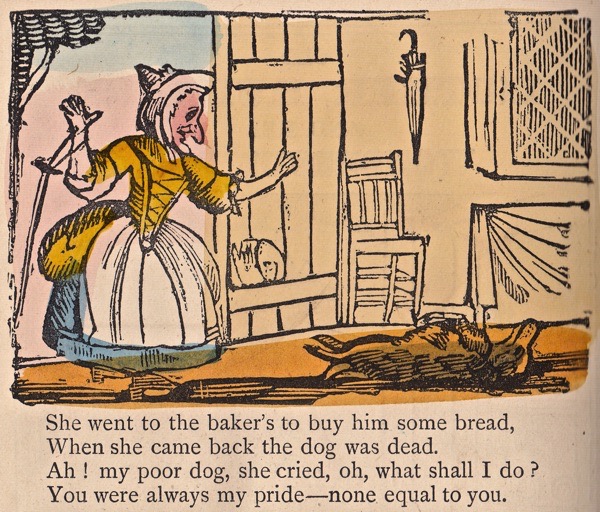
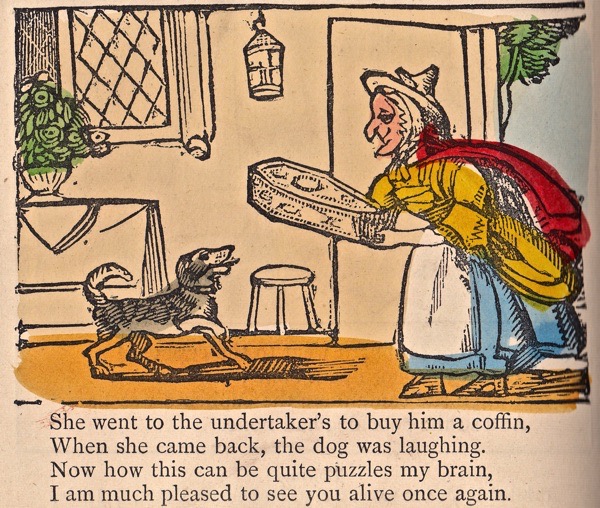
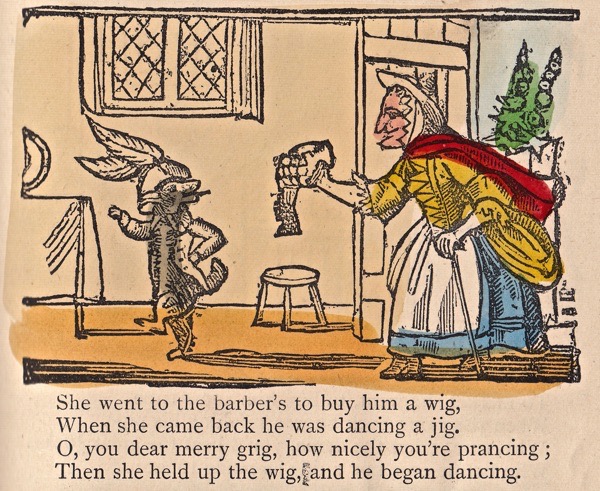
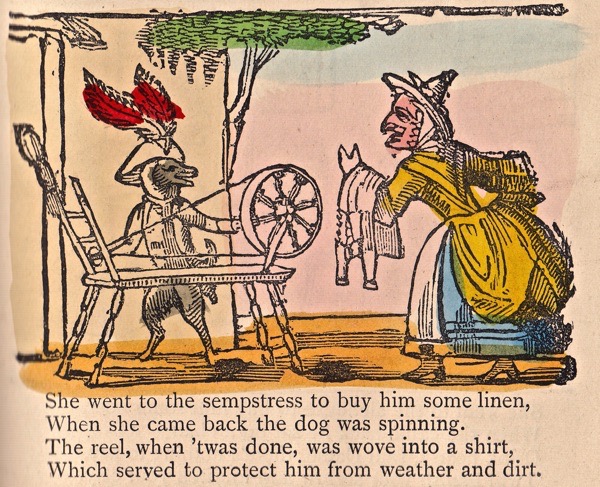
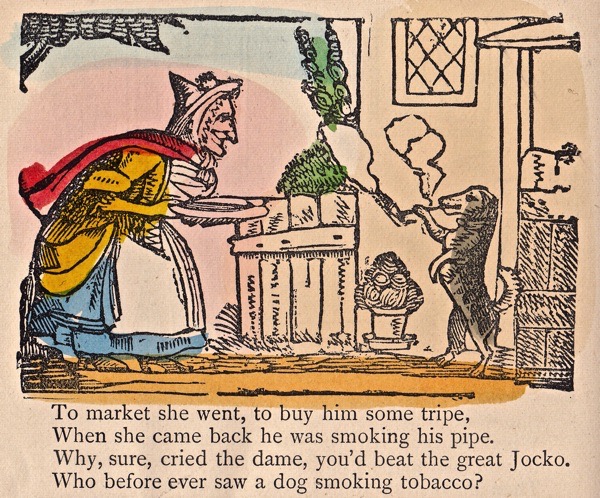
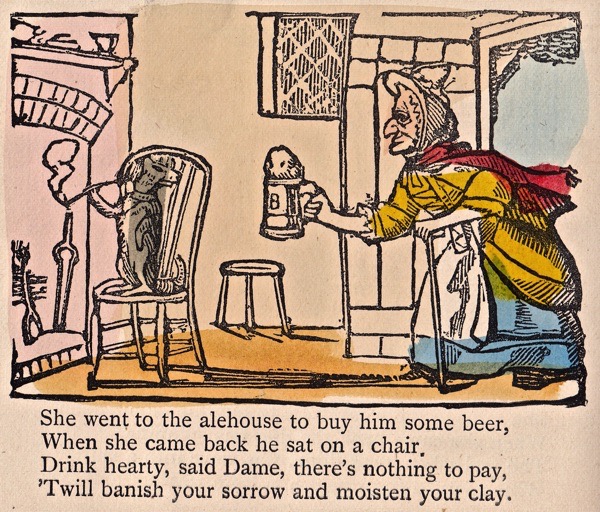
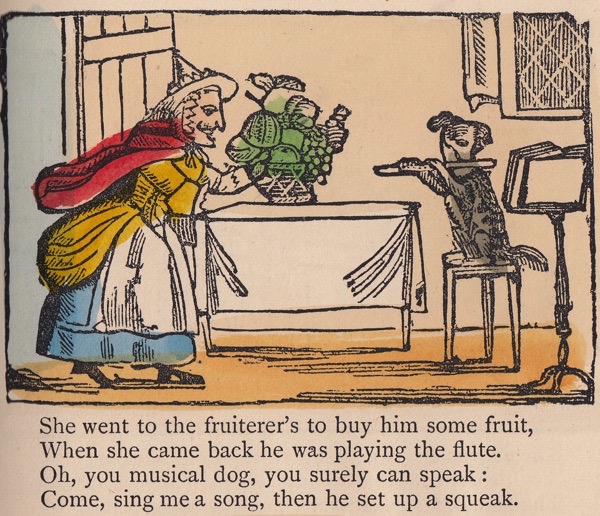
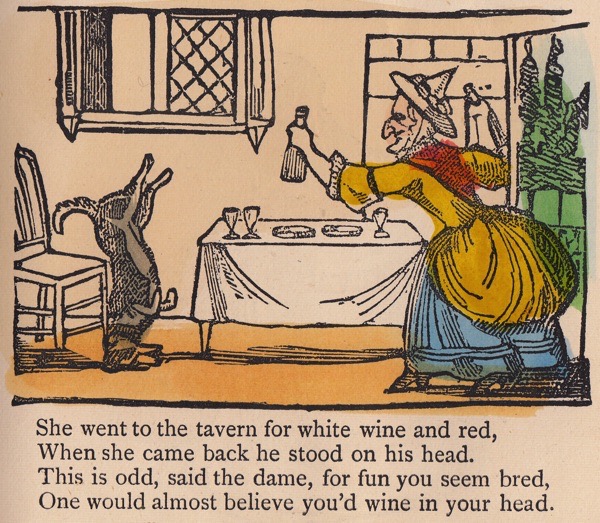
You may also like to read about
Libby Hall, Collector of Dog Photography
Gustave Doré’s East End
Gustave Doré signed a contract to spend three months in London each year for five years and the completed book of one hundred and eighty engravings with text by Blanchard Jerrold was published in 1872, entitled London – A Pilgrimage. Although he illustrated life in the West End and as well as in the East End, it is Doré’s images of the East End that have always drawn the most attention with their overwhelming sense of diabolic horror and epic drama, in which his figures drift like spectres coalesced from the ether.

In Bishopsgate

In Wentworth St, Spitalfields
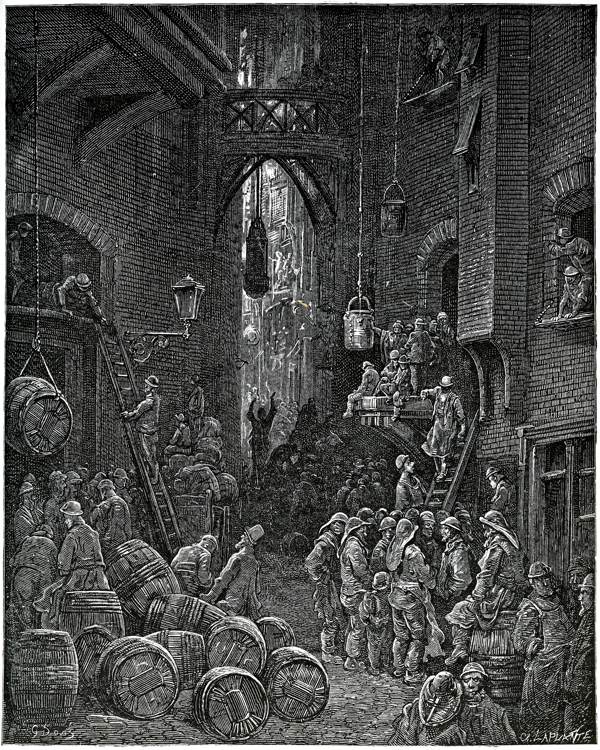
Riverside St
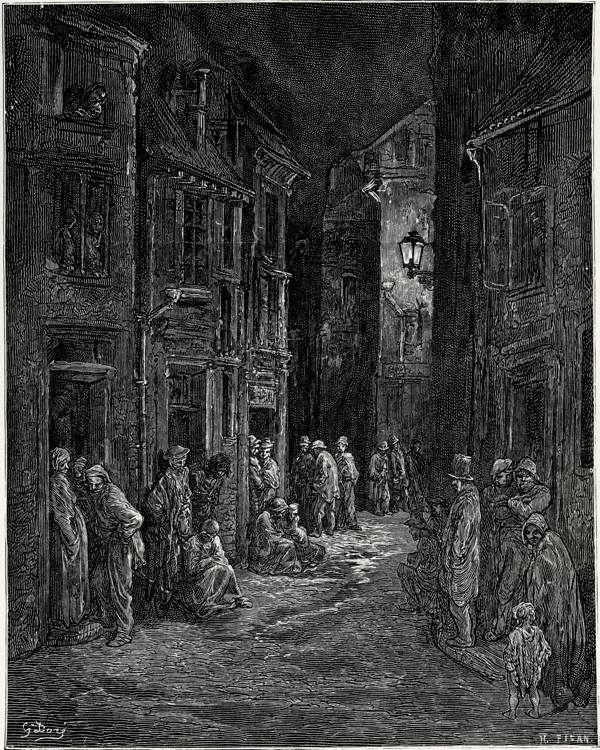
In Bluegate Fields

A City Thoroughfare

Inside the Docks

In Houndsditch

Turn Him Out, Ratcliff

Warehousing in the City

Billingsgate Early Morning
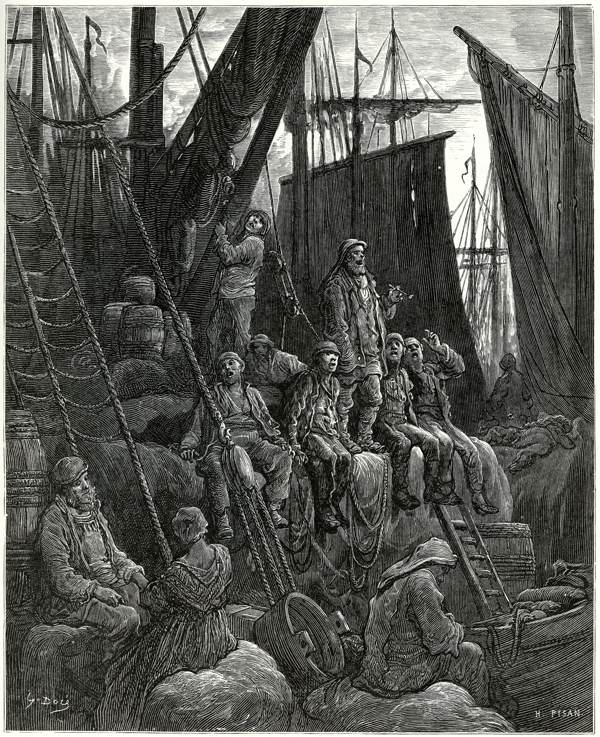
Off Billingsgate

Refuge – Applying For Admittance

Brewer’s Men

Hay Boats On The Thames

Images courtesy Bishopsgate Institute
You may also like to read about
Where Handel & Hendrix Were Neighbours
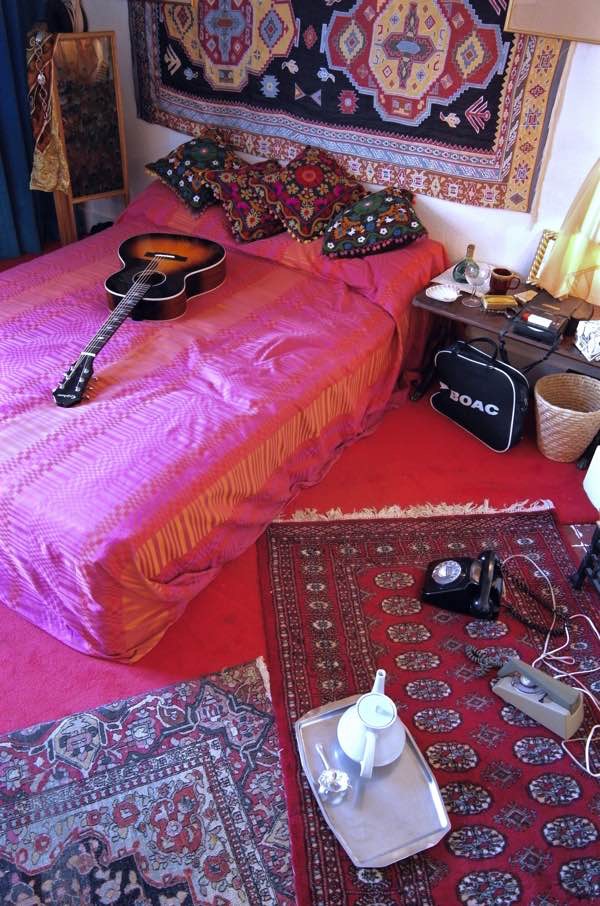
Jimi Hendrix’ bedroom in Brook St
Did you know that George Frideric Handel once lived at 25 Brook St in Mayfair and James Marshall (Jimi) Hendrix lived next door at number 23? – thus rendering it irresistible not to speculate how these two musical legends might have co-existed.
On moving into a new home, no-one can know if it will be their ultimate address – as Brook St was for both Handel & Hendrix. Handel was thirty-eight years old when he moved into number 25 in 1723, the same year that he was appointed Composer of Music to the Chapel Royal. He visited London twice in his twenties, but it was when his patron Queen Anne died and George I became King of Great Britain that Handel came to London for good.
Hendrix was twenty-six years old in January 1969 when he moved into the top flat at number 23 rented by his girlfriend Kathy Etchingham, at the time he was giving his final performances with The Jimi Hendrix Experience. Seeing the blue plaque for Handel encouraging Hendrix to go out and buy ‘Music for the Royal Fireworks’ and ‘Messiah’ on LP.
Handel lived thirty-six years in his house, growing in success and producing an entire repertoire of opera and oratorio, but Hendrix died within two years of moving in. In what proved to be his final months, the flat at number 23 offered Hendrix a peaceful enclave to socialise in private and focus on his songwriting.
Those of a literal-minded disposition might assume Handel was much tidier that Hendrix, preferring an austere minimalist interior by contrast to the lush textiles chosen by Hendrix & Etchingham, and purchased nearby at John Lewis in Oxford St. Yet the truth is that Hendrix’ flat has been reconstructed from photographs while very little is known of Handel’s domestic arrangements. We may observe that Handel & Hendrix shared a foppish love of long velvet coats and big curly hair.
It is too obvious to imagine Handel taking a sturdy broom handle to clout his bedroom ceiling when he grew sick of the sound of Hendrix’s record player in the early hours, although it is equally conceivable to envisage Handel waking from his slumbers in delighted surprise to hear his own music emanating – as if by magic – from above, when Hendrix gave his copy of ‘Messiah’ a night-time spin upon the turntable.
Handel & Hendrix both presented large public personalities, but their neighbouring residences in Brook St offered them the opportunity to retreat and pursue their devotion to the craft and struggle of innovative musical composition in private in the middle of London. On the eve of his death on 18th September 1970 at the Samarkand Hotel in Notting Hill, Jimi Hendrix wrote a lyric entitled ‘The Story of Life’ – ‘The story of life is quicker than the wink of an eye. The story of love is hello and goodbye. Until we meet again.’
Disregarding the two hundred years which separate them, I shall now cherish the fancy of old Handel paying a visit upon young Hendrix and the two pals sitting crossed-legged together upon scatter cushions in their curls and velvet finery, while alternating puffs upon a shared roll-up and quaffing red wine as Hendrix extemporises on his guitar and blind Handel conducts in approval by twirling a drunken finger in the smoke that curls in the air.
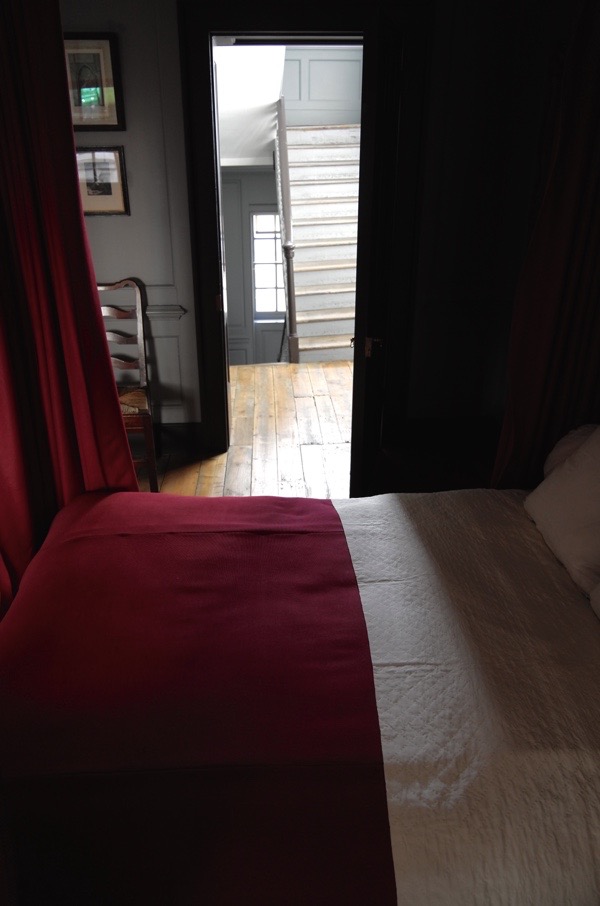
In George Frideric Handel’s bedroom at 25 Brook St

Hendrix in his bedroom at 23 Brook St, 1969 © Barrie Wentzell
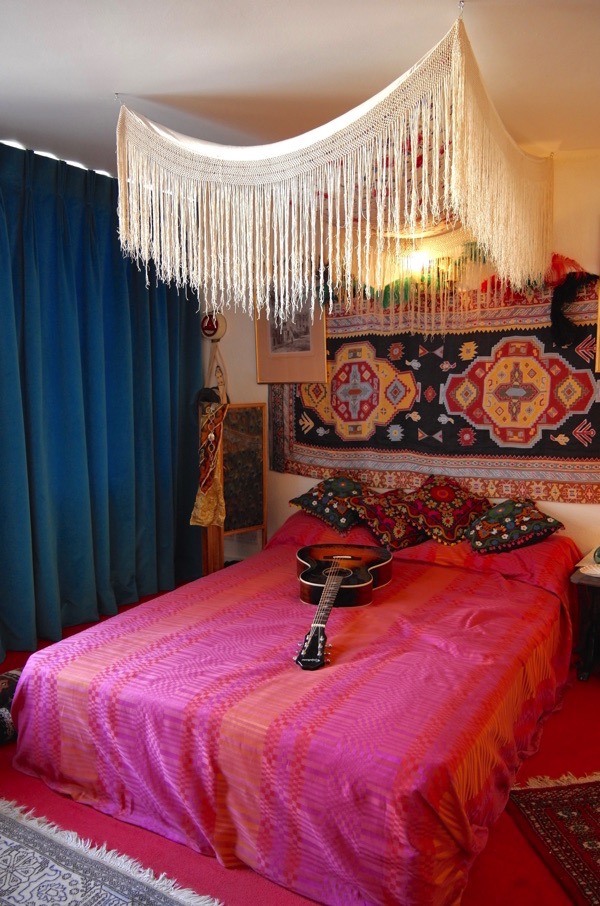
In Hendrix’ bedroom
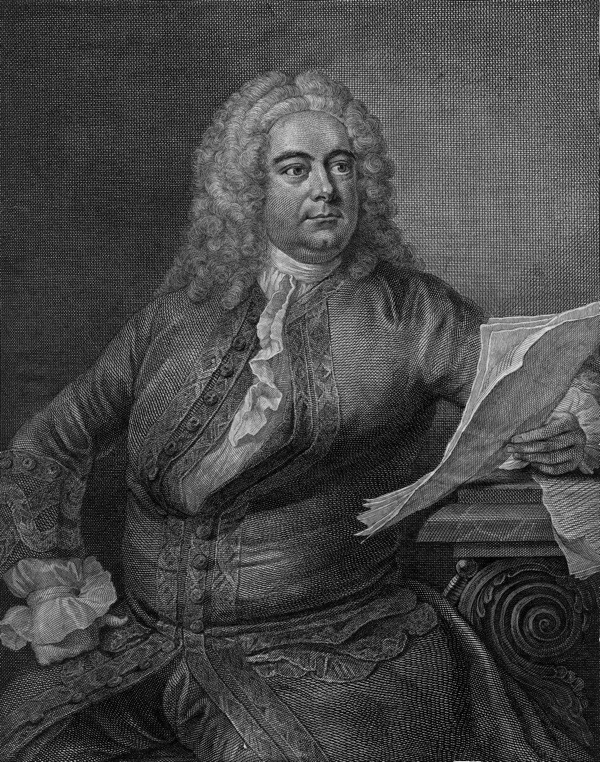
Handel – ‘Handel & Hendrix shared a foppish love of long velvet coats and big curly hair’
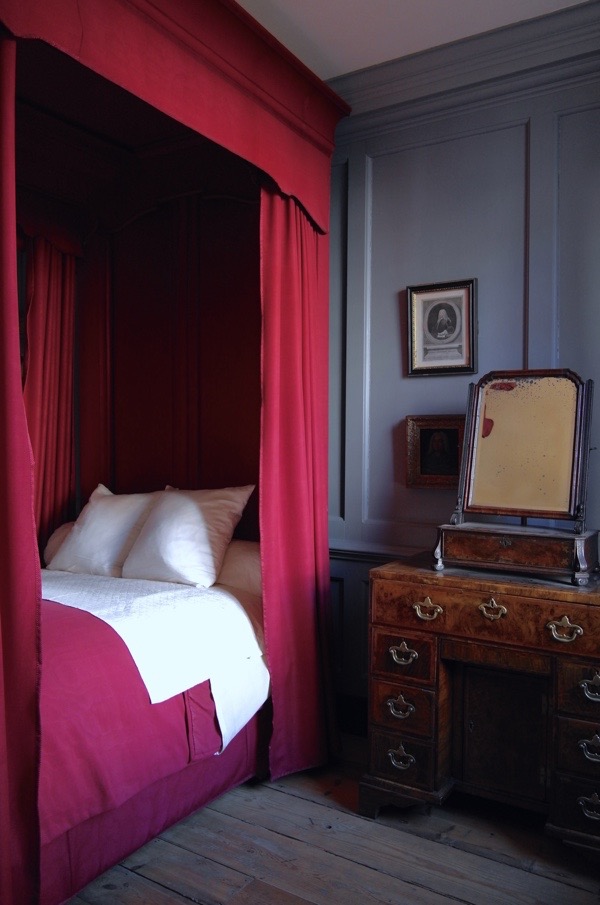
In Handel’s bedroom
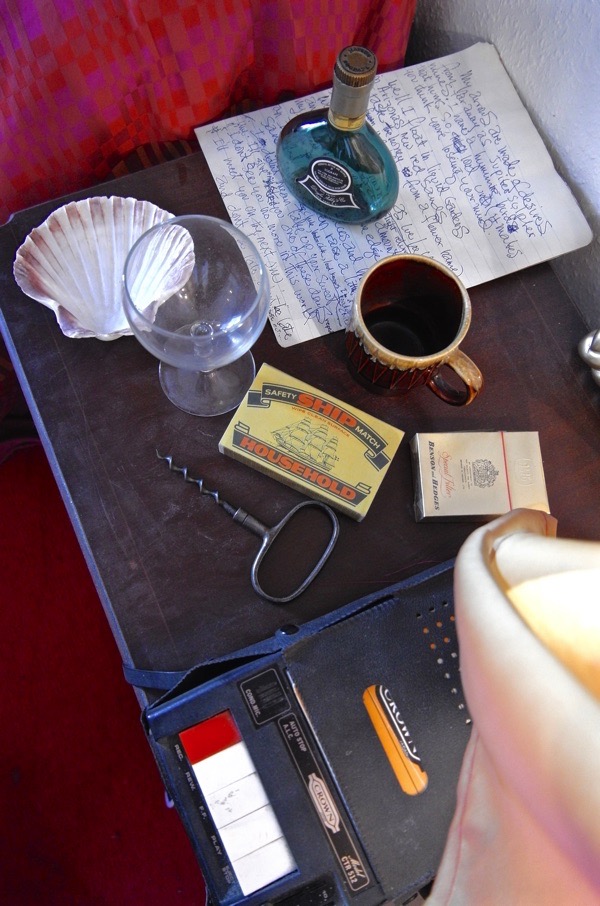
In Hendrix’ bedroom
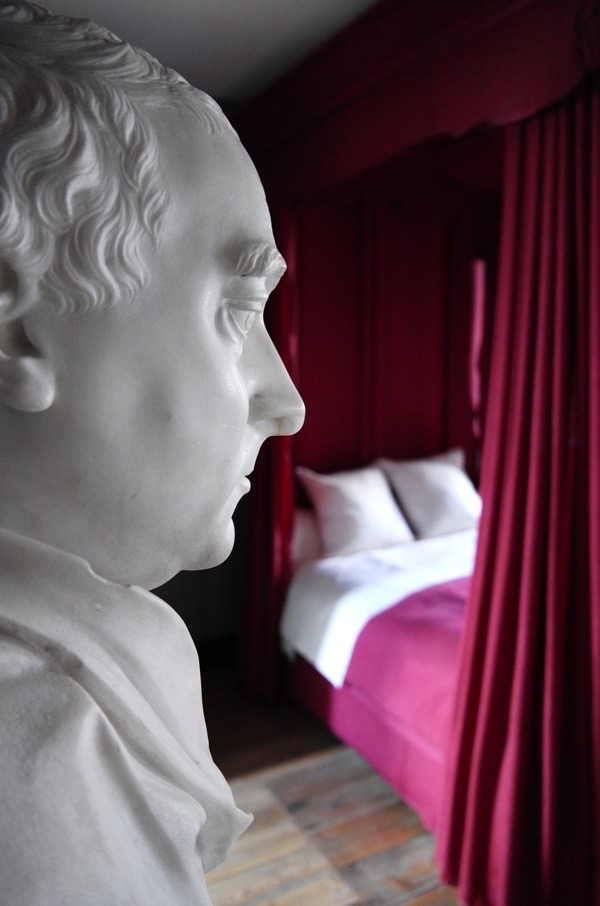
In Handel’s bedroom (Portrait bust courtesy of The Royal Collection)
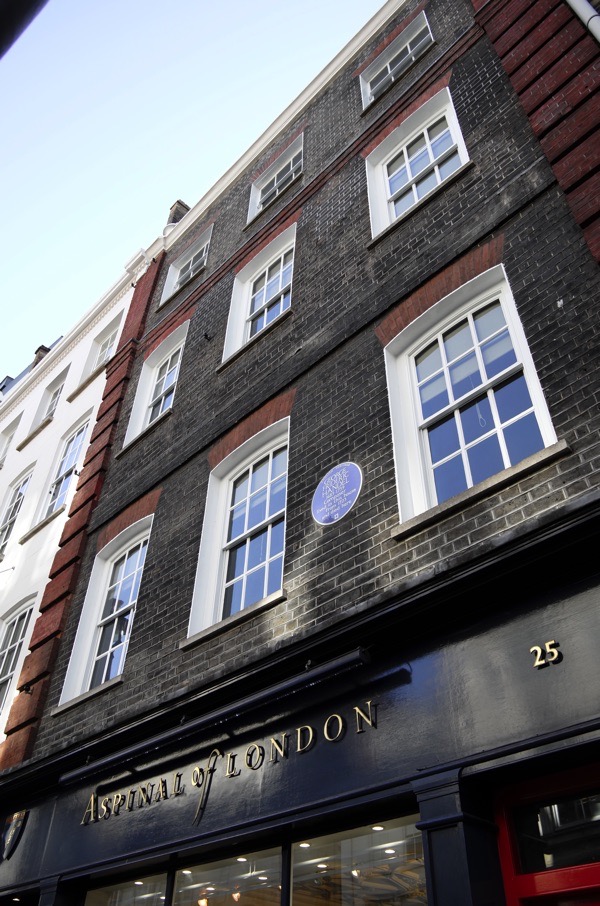
Jimi Hendrix’ windows were on the top floor at the left and Handel’s were on the first floor at the right
Visit Handel & Hendrix in London, 25 Brook St, Mayfair, W1K 4HB
You might also like to read about
Harry The Pencil’s Clerkenwell Sketch Book
When I was visiting Harry The Pencil – also known as Harry Harrison – in Mile End, he showed me this modest little sketchbook that he filled when he was working in Great Sutton St, Clerkenwell, undertaking a single half hour drawing each lunch hour – most are nearby his office but you will spot a few further afield in Soho, Kings Cross, Hatton Garden & Spitalfields.


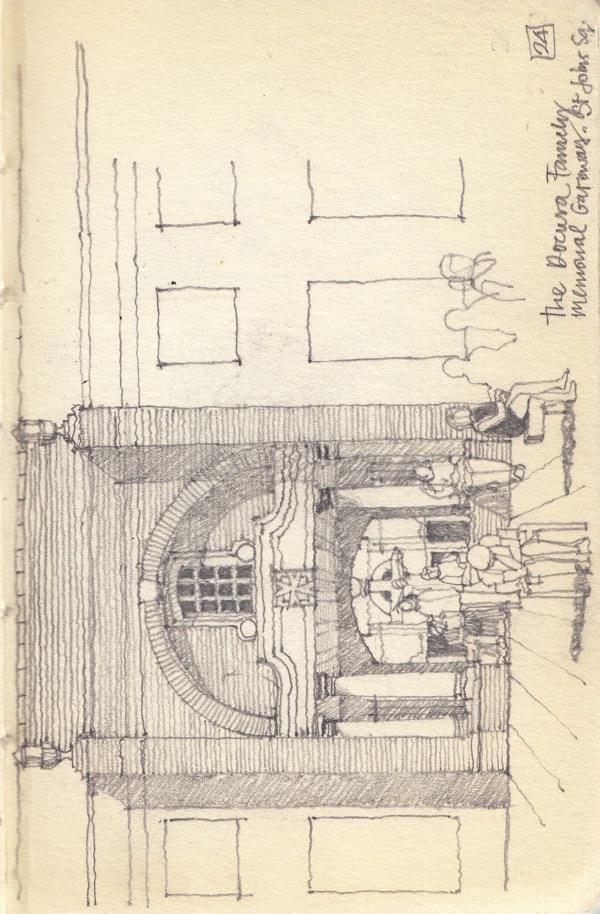


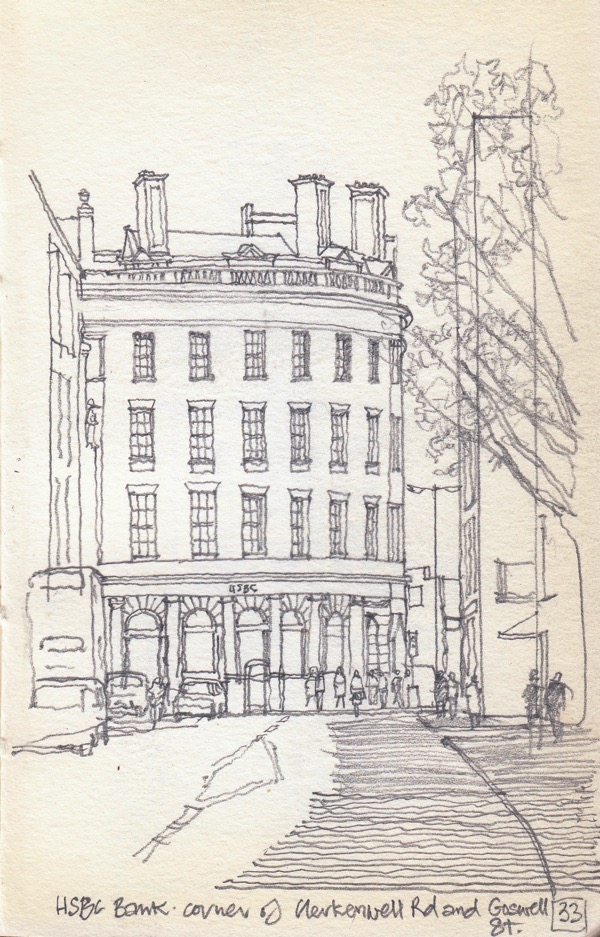


Drawings copyright © Harry Harrison
You may also like to take a look at
The Latin Market Is Saved
In celebration of the news that the Latin market in Seven Sisters is saved and the redevelopment plans abandoned thanks to the scale of the protest organised by the traders, I publish Sarah Ainslie‘s portraits of the heroic protagonists in this long-running drama.
We take inspiration from this victory for our campaign to Save Brick Lane, by stopping the Truman Brewery’s development proposal for a shopping mall with corporate offices and instead replace it with a community-led masterplan for the entire brewery site.
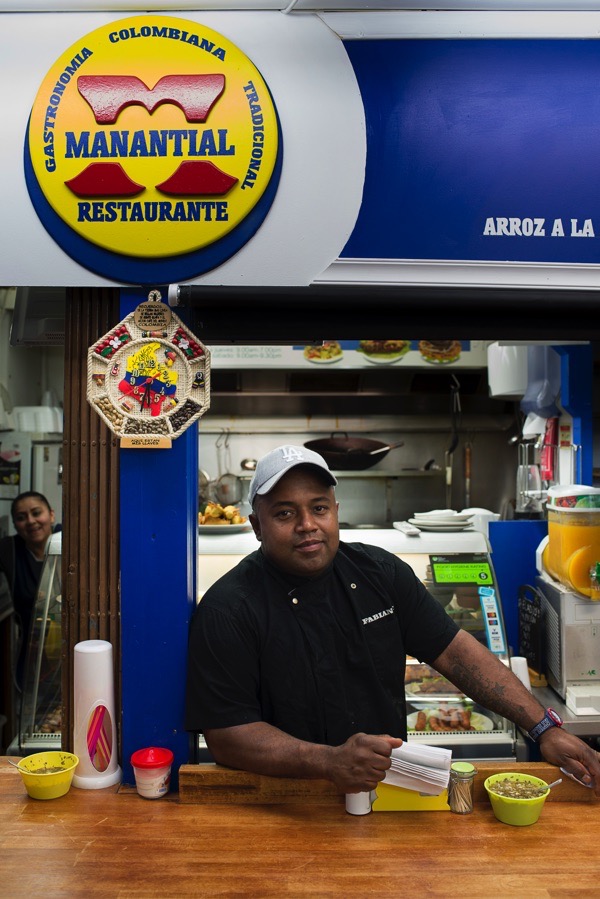
Fabian Alberto
Saturday nights at the Latin Market above the station in Seven Sisters are legendary, celebrated for the exuberant crowds, the variety of delicious food, the salsa dancing and the live music. This astonishing labyrinth of shops and booths built into a former department store is almost hidden from the street, yet you only have to walk through the frontage to discover yourself in Latin America. Here you can get a meal or a haircut, find a flat or a job, change money, buy fresh food and get your nails done, all under one roof.
Originally set up by small traders of South American origin, it now includes, Africans, Iranians and many others. Here in N15 – London’s most racially diverse postcode – the market is sometimes referred to as the United States of Tottenham. It is open to all and despite the best efforts of developers to close it down for the past fifteen years, a tenacious campaign to save it has ensured that the market flourishes against the odds.
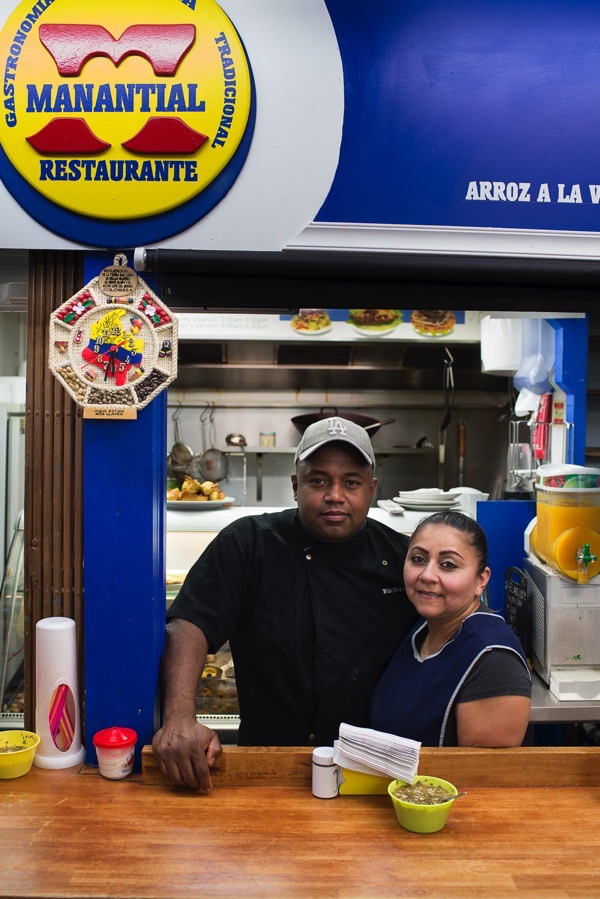
Fabian & Aleyda Alberto Catano Casavid, Restaurant Manantial
Fabian – “I was badly injured in the London bombings of 7/7. A year later I came to this market and met Don Alvaro who said to me, ‘I am selling half of my butcher’s shop, take it and do what you like with it – this will help you overcome your depression and stress.’ So I bought it with my compensation money from the bombing and I started to sell food because I always liked food and I had learnt to be a cook in Colombia. Now I have been here for sixteen years. I still get panic attacks every so often but this business has been a tonic for me. I have now had seven operations but working here distracts me from all that. It is my home! I arrive here at seven in the morning and leave at eight at night. This small restaurant is everything for me.
The market administration were trying to get rid of some the traders so they took away my licence claiming I did not pay my rent. I took them to court and it was established I had paid. Then they claimed they took it away because I did not pay for electricity. I usually paid around £140 a month but then they increased it to £900 a month. I used to pay £70 a month for gas and then they increased that to £400. I have suffered a lot of discrimination from the management. This market is very important because a lot of vulnerable people can find a refuge here. People arrive here from South America without food or anywhere to live but we can solve their problems because we are all family.”
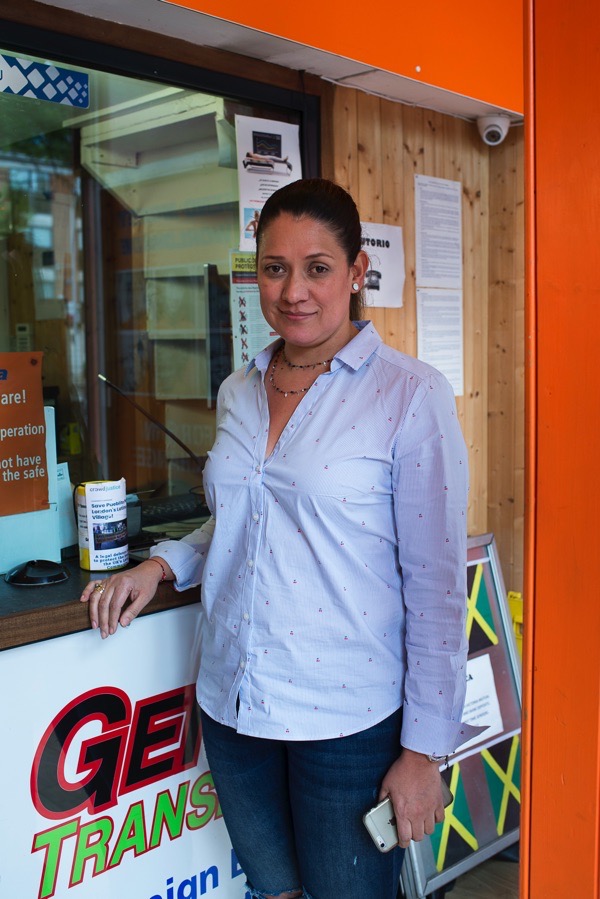
Paula Andrea Alvarez Martinez, Genesis Money Transfer
“I am from a village called Anserna Caldas in Colombia, where I grew up on the family farm that belonged to my father and his father before him. We kept cattle and grew coffee. But the story of my family is tragic because most of those on my father’s side have been assassinated, my uncles, my grandfather and my father. A feud arose with another family and the killings began. I witnessed this violence in my childhood and all these losses became too much for us but nobody wanted to leave. When things got really tough in 1992 my father came to London. He did unskilled labour, cleaning and washing dishes, before returning to Colombia after a year.
At that time, there were a lot of problems with armed guerrillas and they kidnapped my elderly grandmother, but my father confronted them and took her back. He became a hero, featured in newspapers, but from that moment he became a target and the threats began. It was very difficult time for our family. My younger brother was in London and he sought asylum. The day my father was killed, I was away on a school excursion and my cousin’s boyfriend arrived at half past ten. I knew something had happened but I never imagined my father was dead. Our lives changed. We became separated. I was eighteen years old and I went to live with my aunt in Bogota. I worked and studied psychology. After sixteen years, I met my current husband who is British and three years ago I came to London.”
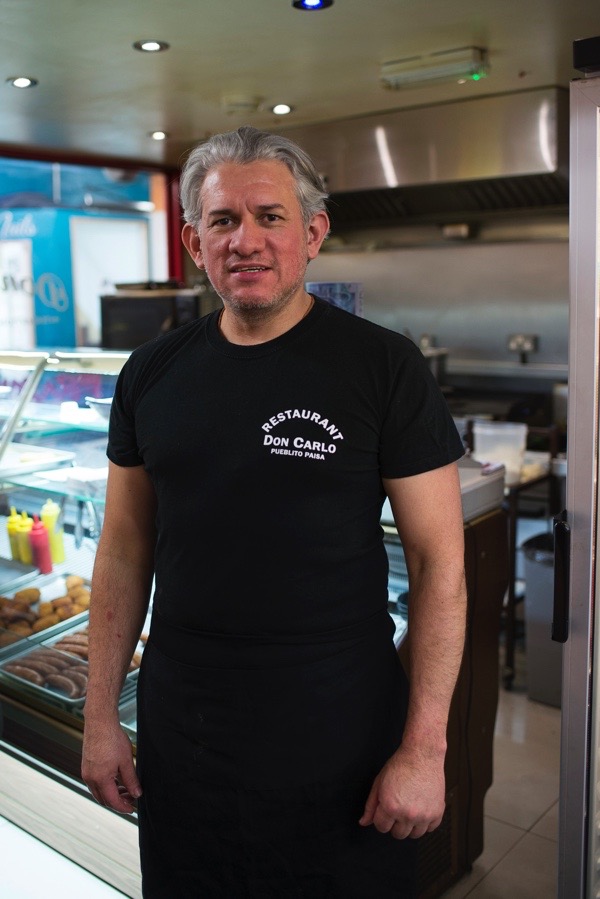
Juan Carlos Alvarez, Don Carlo Restaurant
“I was one of the first traders in this market eighteen years ago. We were looking for a place for the Colombian community. My first business here was the car wash outside, then I sold the car wash and opened a restaurant. Always I have been around this market and my children have grown up in it – both of them are at university now. I am working to pay for their fees.
When I started it was crazy because some people were using the units for prostitution and drug dealing and nobody else dared enter, yet slowly it got better. I am disappointed because it used to be cleaner and more secure but recently it has been run down by the management. They wanted to turn it into a dump so they could justify knocking it down. They wanted to emphasise the negative. After three o’clock, a lot of parents come with their kids and all of us we look after them. Anyone that arrives from South America, they know this place and we can help them. I work with local schools who bring children to try South American food and they learn about another culture, without even leaving Tottenham.”
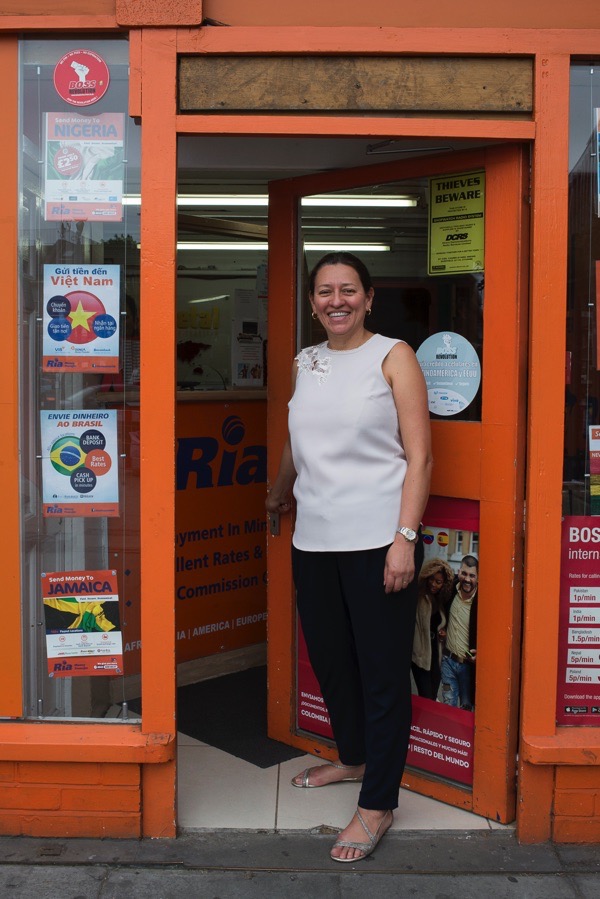
Vicky Alvarez Martinez, El Cafetal Services
“I started working here nineteen years ago. The reason was that I was a single mother with a daughter, divorced from my ex-husband. It was so difficult financially for me to work and earn enough to pay the bills. My friend told me that there was a unit to let in the Latin Market but I did not have any money so I went to the bank for a loan. I thought it would suit me because I could take care of my daughter at the same time as working and earning money. When my daughter finished school each day, she would came here and play around in the market.
At first, I brought merchandise from Colombia like silver and Colombian jeans for women. I was also working part-time somewhere else then, so when I finished I picked my daughter up from school and we came and opened up here. We were only three or four traders then but slowly the community started to come and the need of everybody else became our needs. That has been the real achievement – it is not what we sell, it is not what we do it, it is the community we have created. People come here with problems and we understand because we have been through the same struggles. In the beginning, it was the Colombian community and then people from all over Latin America and then people from all over the world. Now it is a market for everybody.”
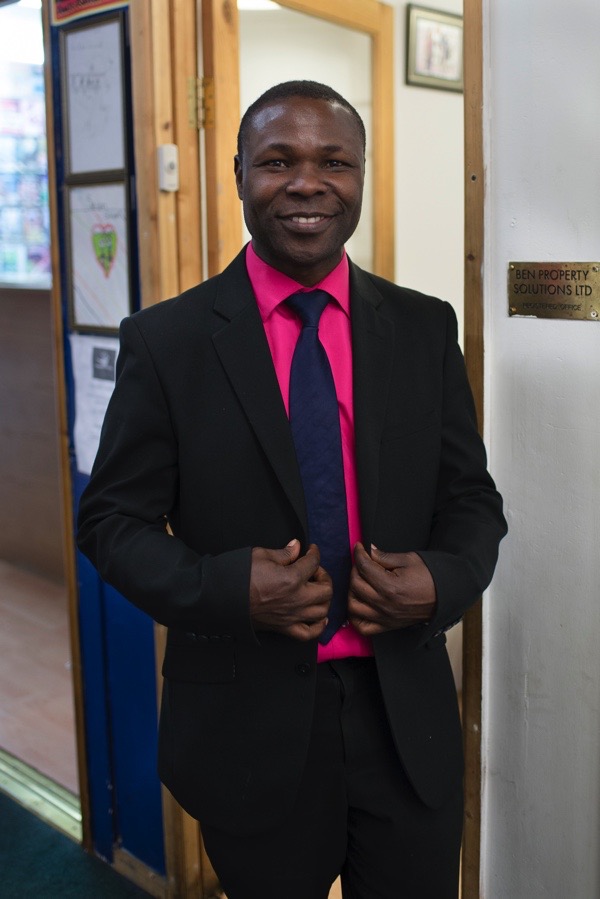
Ben Sanday Nyerende, Property Services
“I come from Uganda and I have been trading in this market since 2006. I came to Britain in 2002 because there were so many difficulties in my country and circumstances forced me to leave. This village is for everyone and there is a vibrant community here. Everyone is very helpful here and we found it easy to integrate and work with them. It feels a million miles from Africa but it makes a real difference for a person like me who comes from far away, to mix up with these good people. I started up as an estate agent in the market, we manage and rent properties, and I am one of the few that will work with vulnerable people living on benefits. People that other agencies reject, we take them. My customers all come through this market and they are from all parts of the community.
As traders, we used to have a sympathetic management in the market but things changed. The new management drove away our customers and affected our livelihoods, by saying they were going to knock down the building in adverts all over Tottenham. They would not fix anything, they permitted the property to be vandalised. This was their way to drive us out but this building brings everyone together, so many people from different cultural backgrounds. The whole building has free parking but the management gave out parking tickets and drive customers away. They created their own company to make money out of this, pounding us with penalties. I received a parking ticket in the mail for a time when I was not parked here. There was nowhere to buy a ticket but they fined you for not having one. The whole system was scrambled! People were scared and living in a fearful manner, but I was not scared – they will have to take me out of here with a bulldozer.”
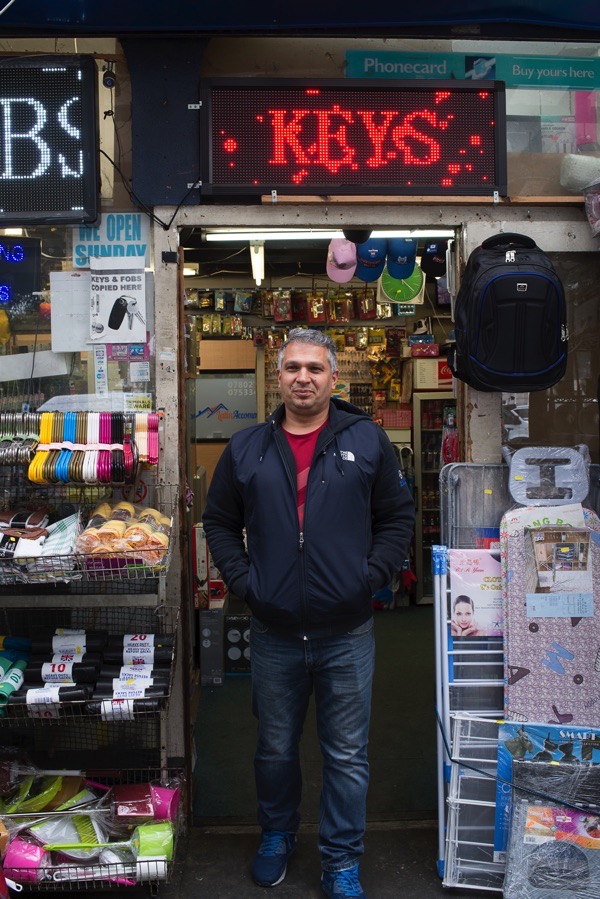
Farhad Zarei, City News
“I have been here in this market since 2002, running a general store selling housewares and doing key cutting. I bought the shop which had already been running for twenty-five years. Since then, the market has become busier and my business has grown, so I was able to expand into the next unit two years ago. The South American people have brought a lot of business. It is a very important place for me because I have been here twenty years and all my life is working in this market.”
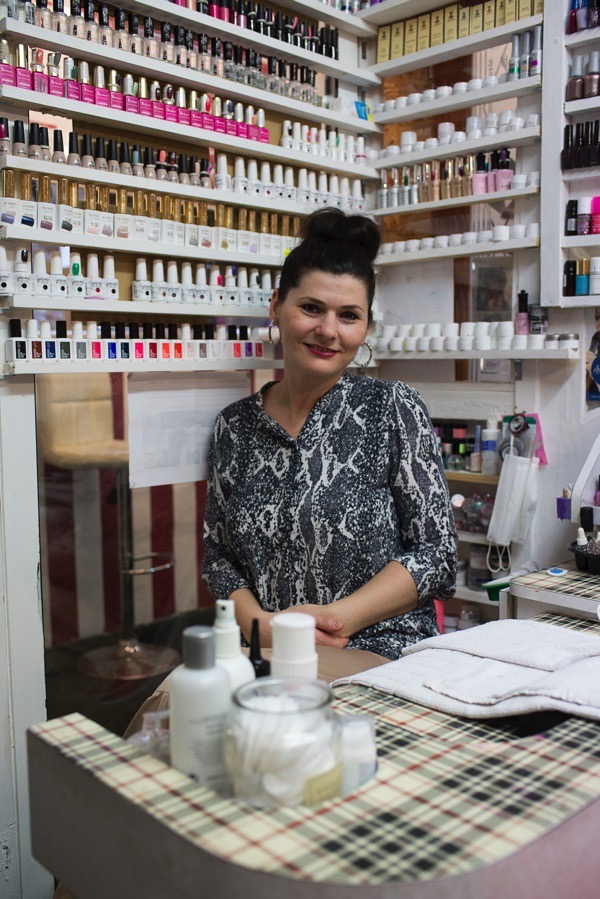
Corina – “I came to this market fourteen and a half years ago, I had a friend who ran this shop before me, selling clothes. I started bringing her clothes from my country, Romania. I was a single mother with two children and no access to benefits, so I had to do something. My son was seven months and my daughter was three. I got a loan from the bank and imported clothes from Romania to sell in Finsbury Park. But then I met a girl who ran this shop and she brought me here. At first, I used to clean the shop and change the clothes on the mannequins. This way my English improved. Then I bought the business and took it over.
Now I run a beauty parlour and this is how I support myself and my children. I studied to be a beautician twenty-nine years ago in Romania and eight years ago I decided to change from doing something I did not like to this. The certificates I had from Romania were not recognised here because technology has changed the profession. So I started to study again. I thought, “I’m old, I have two children and I have to work, so I cannot study” – but I did, and I won an award for excellence in 2015.”
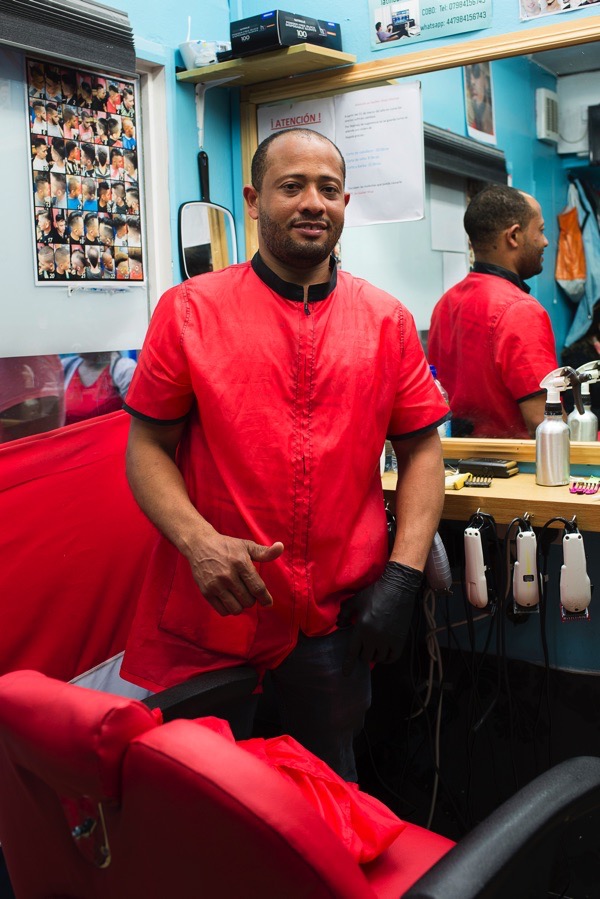
Ari – “I learnt to be a barber in the Dominican Republic and I came to London via Madrid. I have been cutting men’s hair in my sister’s shop in this market for six years and built the business up. I get on with my customers very well and I enjoy cutting hair and barbering. This market is an important meeting place for Latinos.”
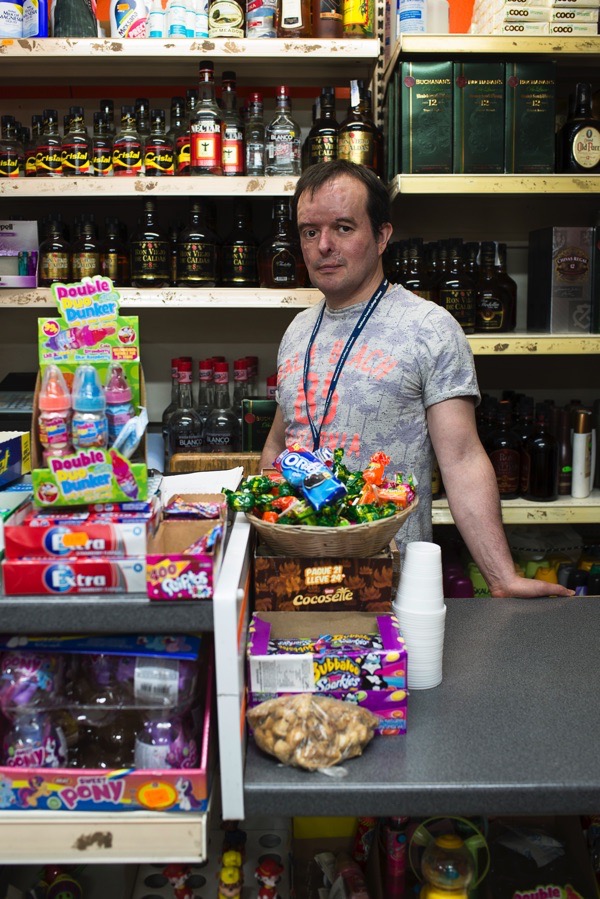
Fernando – “In 2004, I started here with a small grocery shop but now I have a butcher, a baker, a cafe and I sell Colombian spirits. We have special events at the weekend, people come to dance and sing. It is a family event, people bring their children and everybody dances. This market is very important for our community because it is the only one of its kind in this country. It is a meeting point for people from Latin America and Africa. I want to stay here but I do not know what will happen to us in the future, they were saying we may have to move to another location. Nothing is clear.”
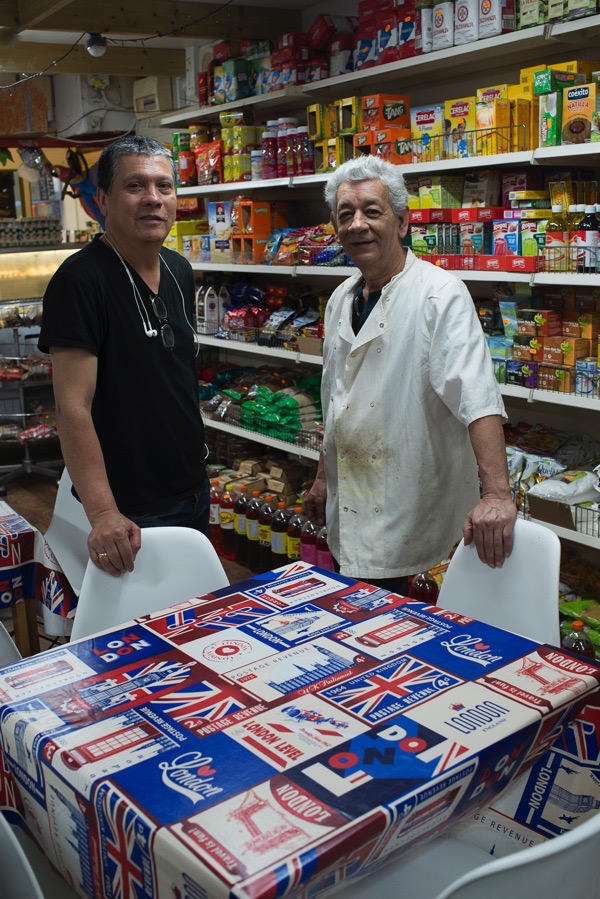
Nixon and Dago, baker and butcher
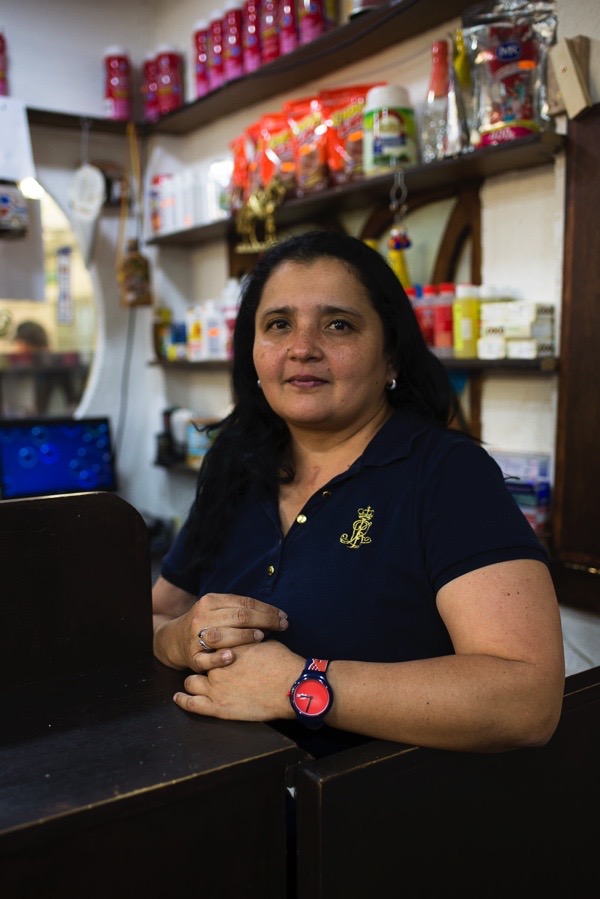
Catherine – “Me and my husband, we opened this shop here six years ago selling Colombian groceries. This is how we make our living. I run the business and order all the stock from a distributor in Spain. I want to extend the range of products that I sell and I hope to open a tapas bar one day.”
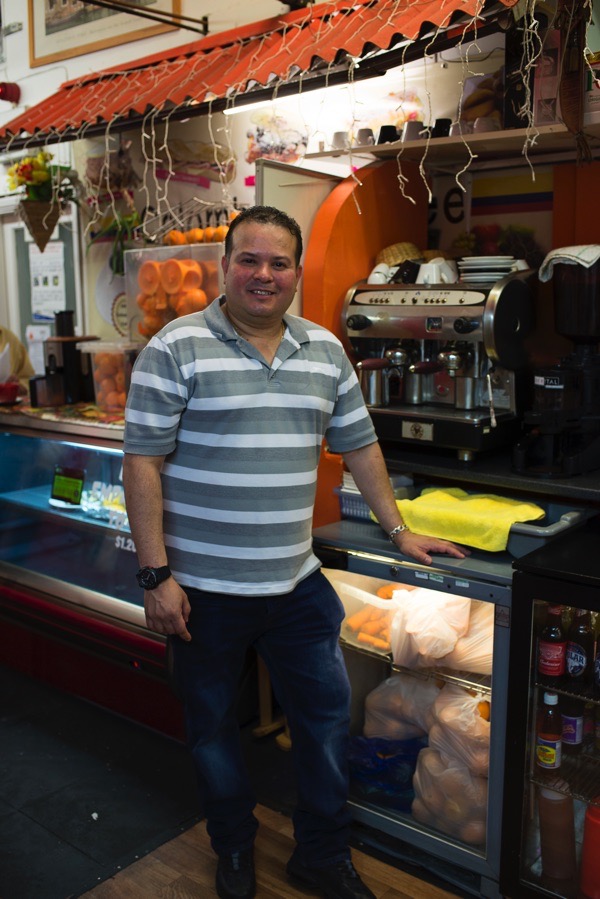
Pablo – “I came here eight years ago when I had the opportunity to buy this cafe, before that I sublet half a unit from the Colombian bakery. I never had a mother to take care of me, I learnt to cook for myself out of necessity when I was eight years old. We were four brothers and sisters without a mother or a father, and I was working at nine years old shining shoes and selling cigarettes in the street in Colombia. At thirteen, I emigrated to Venezuela and then to Spain. Now I am here in London. The majority of my customers are Latin Americans, they work hard supporting their families by doing cleaning.”
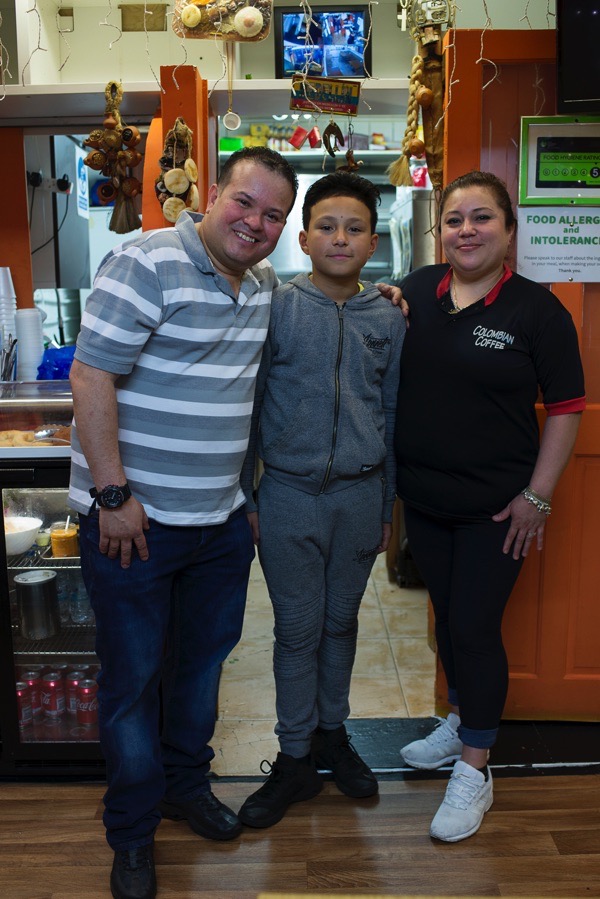
Pablo with his son Christopher and Ana
Photographs copyright © Sarah Ainslie
At The Lutheran Church
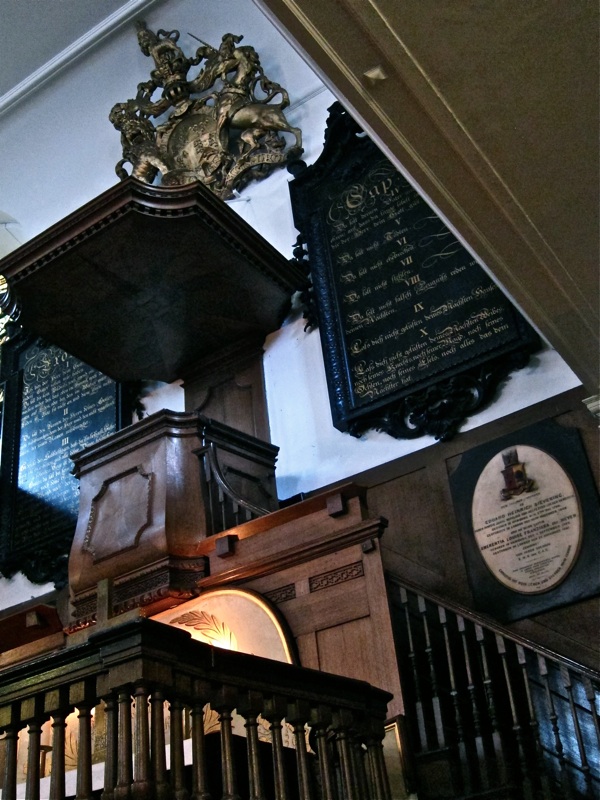
The Altar and Pulpit at St George’s German Lutheran Church, Alie St
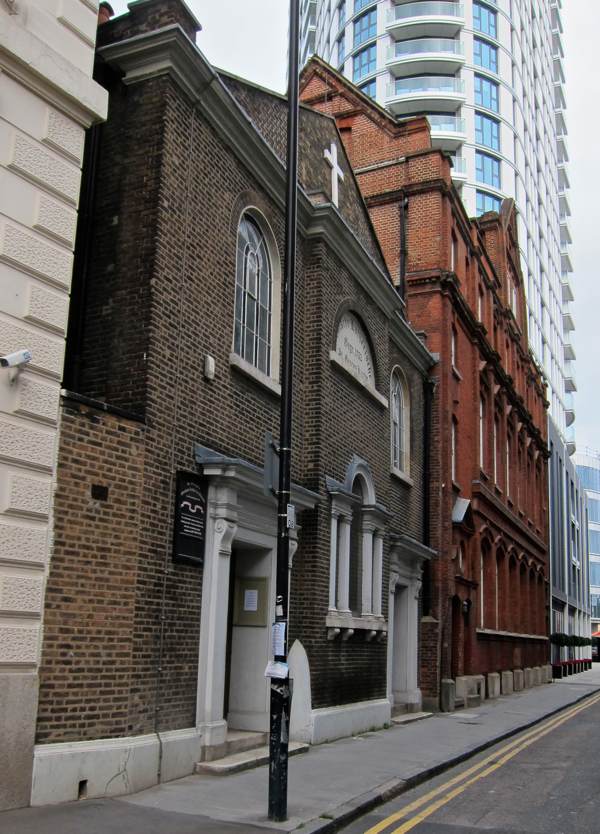
In Aldgate, caught between the thunder of the traffic down Leman St and the roar of the construction on Goodman’s Fields sits a modest church with an unremarkable exterior. Yet this quiet building contains an important story, the forgotten history of the German people in the East End.
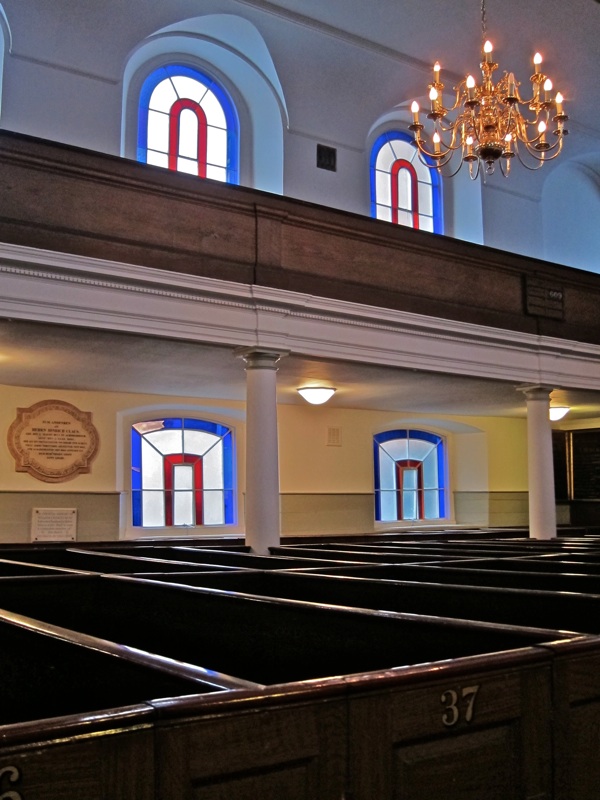
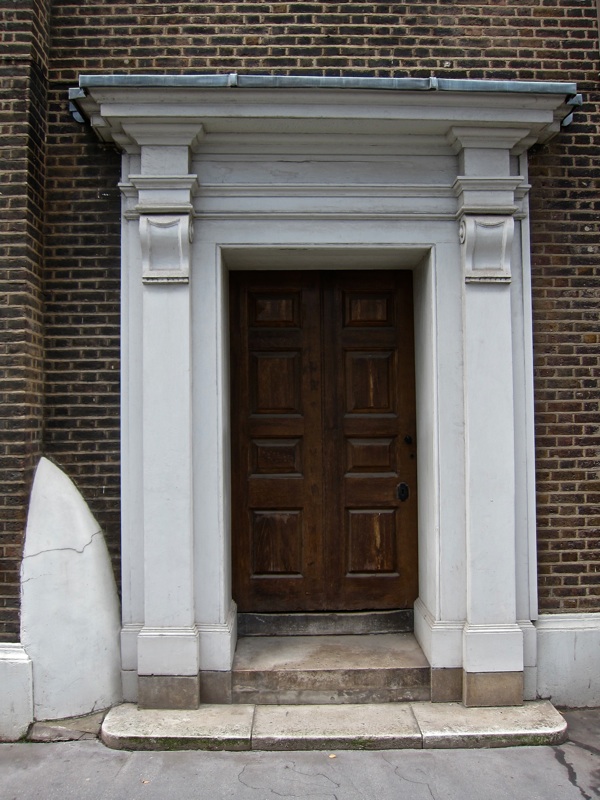
Dating from 1762, St George’s German Lutheran Church is Britain’s oldest surviving German church and once you step through the door, you find yourself in a peaceful space with a distinctive aesthetic and character that is unlike any other in London.
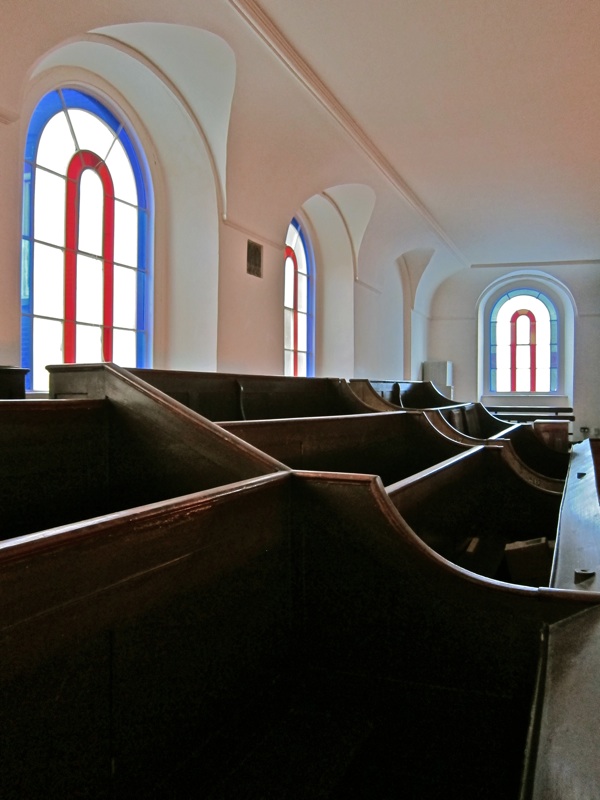
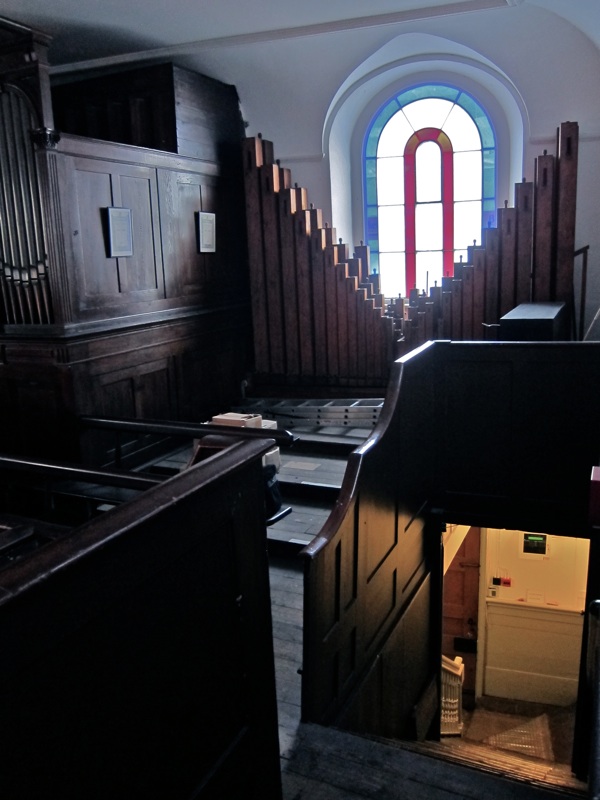
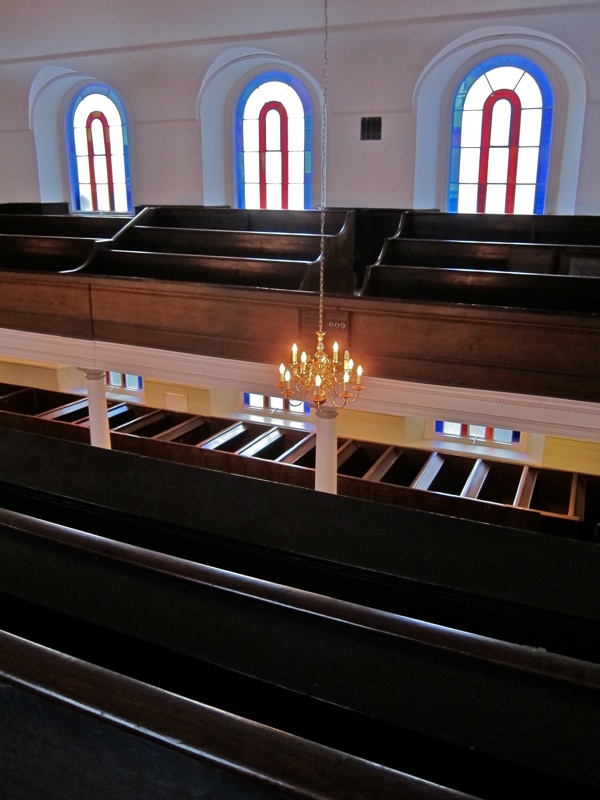
The austere lines of the interior emphasise the elegant, rather squat proportion of the architecture and the strong geometry of the box pews and galleries is ameliorated by unexpected curves and fine details. In fact, architect Joel Johnson was a carpenter by trade which may account for the domestic scale and the visual dominance of the intricately conceived internal wooden structure. Later iron windows of 1812, with their original glass in primary tones of red and blue, bring a surprising sense of modernity to the church and, even on a December afternoon, succeed in dispelling the gathering gloom.
This was once the heart of London’s sugar-baking industry and, from the mid-seventeenth century onwards, Germans brought their particular expertise to this volatile and dangerous trade, which required heating vast pans of sugar with an alarming tendency to combust or even explode. Such was the heat and sticky atmosphere that sugar-bakers worked naked, thus avoiding getting their clothes stuck to their bodies and, no doubt, experiencing the epilatory qualities of sugar.
Reflecting tensions in common with other immigrant communities through the centuries, there was discord over the issue of whether English or the language of the homeland should be spoken in church and, by implication, whether integration or separatism was preferable – this controversy led to a riot in the church on December 3rd 1767.
As the German community grew, the church became full to overcrowding – with the congregation swollen by six hundred German emigrants abandoned on their way to South Carolina in 1764. Many parishioners were forced to stand at the back and thieves capitalised upon the chaotic conditions in which, in 1789, the audience was described in the church records as eating “apples, oranges and nuts as in a theatre,” while the building itself became, “a place of Assignation for Persons of all descriptions, a receptacle for Pickpockets, and obtained the name St George’s Playhouse.”
Today the church feels like an empty theatre, maintained in good order as if the audience had just left. Even as late as 1855, the Vestry record reported that “the Elders and Wardens of the Church consist almost exclusively of the Boilers, Engineers and superior workers in the Sugar Refineries,” yet by the eighteen-eighties the number of refineries in the vicinity had dwindled from thirty to three and the surrounding streets had descended into poverty. Even up to 1914, at one hundred and thirty souls, St Georges had the largest German congregation in Britain. But the outbreak of the First World War led to the internment of the male parishioners and the expulsion of the females – many of whom spoke only English and thought of themselves as British.
In the thirties, the bell tower was demolished upon the instructions of the District Surveyor, thus robbing the facade of its most distinctive feature. Pastor Julius Reiger, an associate of Dietrich Bonhoeffer, a leading opponent of the Nazis, turned the church into a relief centre offering shelter for German and Jewish refugees during World War II, and the congregation continued until 1996 when there only twenty left.
St George’s is now under the care of the Historic Chapels Trust and opens regularly for concerts and lectures, standing in perpetuity as a remembrance of more than two centuries of the East End’s lost German community.

The classically-patterned linoleum is a rare survival from 1855
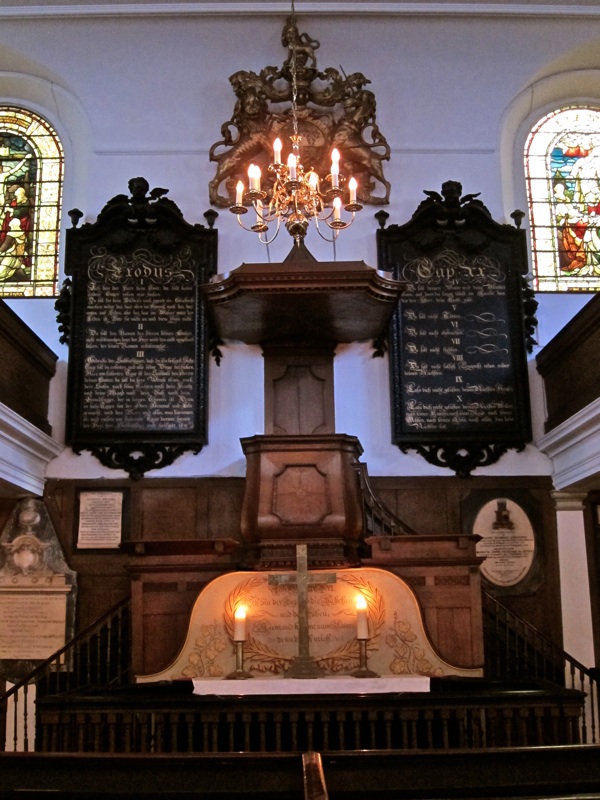

The arms of George III, King of England & Elector of Hanover



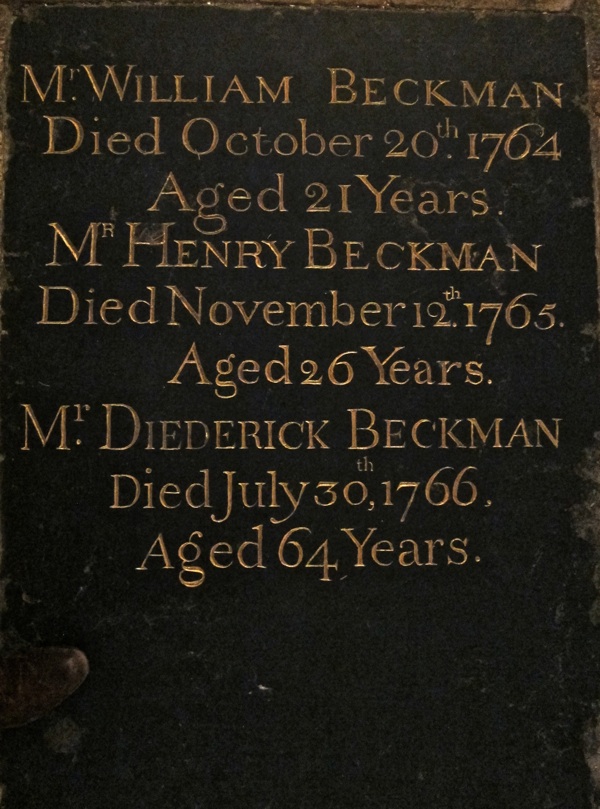
The principal founder of the church, Diederick Beckman
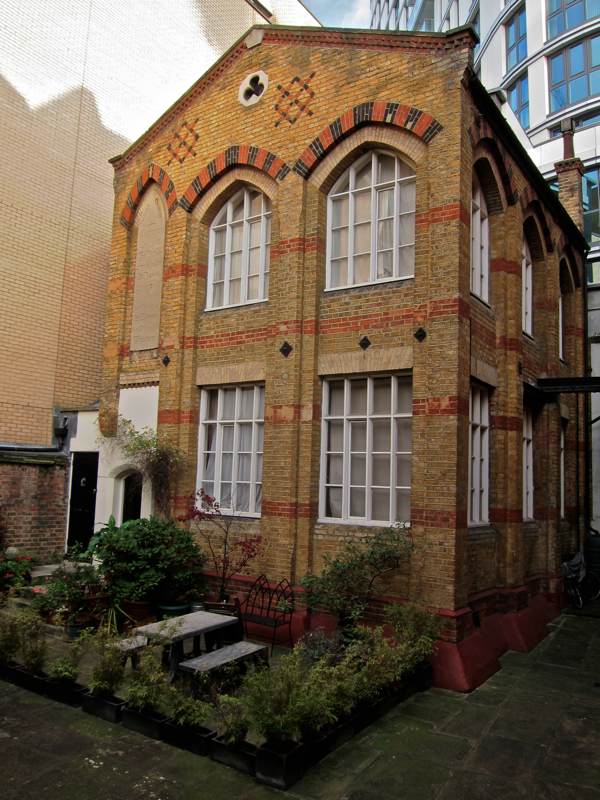
The Infant School was built in 1859 as gift from the son of Goethe’s publisher, W. H. Göschen

Names of benefactors carved into bricks above the vestry entrance.
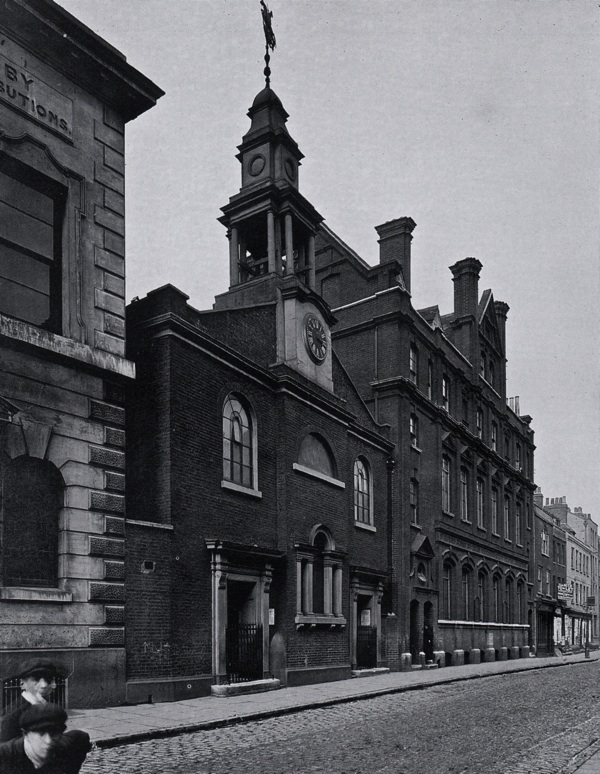
St Georges German Lutheran Church, c. 1920

The bell turret with weathervane before demolition in 1934
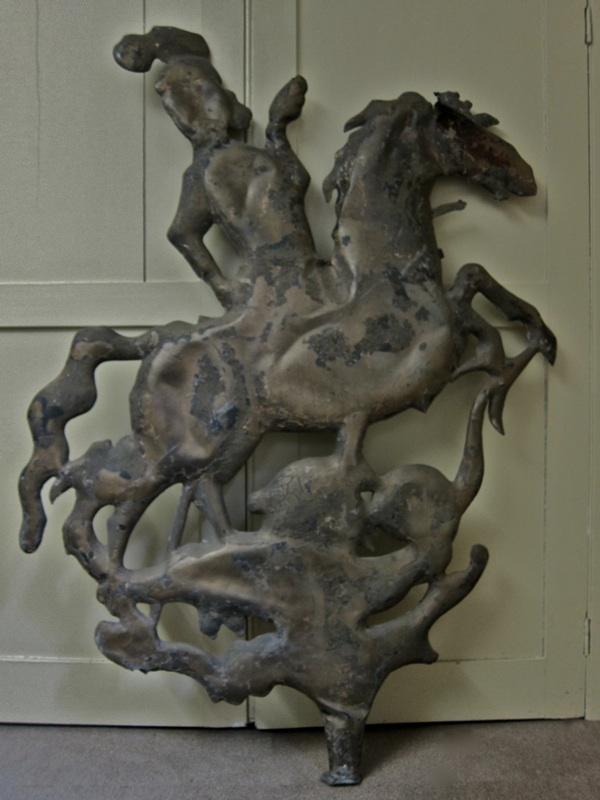
The original eighteenth century weathervane of St George & the Dragon that was retrieved from ebay
St George’s German Lutheran Church, 55 Alie Street, E1 8EB