
The Staircases Of Old London
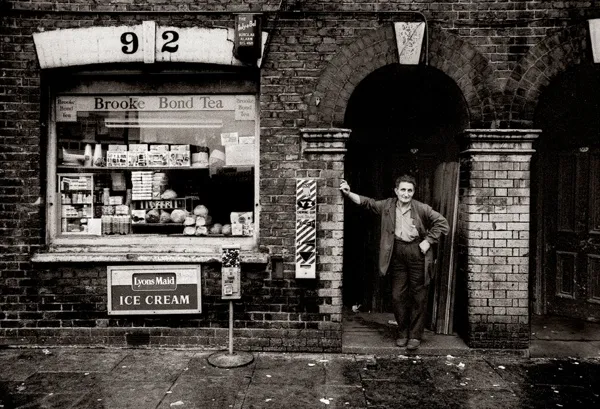
I am giving an illustrated lecture of Spitalfields & Whitechapel in Old Photographs on Thursday 16th October at 7pm at the Hanbury Hall in Hanbury St, E1 6QR. CLICK HERE TO BOOK TICKETS

Mercers’ Hall, c.1910
It gives me vertigo just to contemplate the staircases of old London – portrayed in these glass slides once used for magic lantern shows by the London & Middlesex Archaeological Society at the Bishopsgate Institute. Yet I cannot resist the foolish desire to climb every one to discover where it leads, scaling each creaking step and experiencing the sinister chill of the landing where the apparition materialises on moonless nights.
In the Mercers’ Hall and the Cutlers’ Hall, the half-light of a century ago glimmers at the top of the stairs eternally. Is someone standing there at the head of the staircase in the shadows? Did everyone that went up come down again? Or are they all still waiting at the top? These depopulated photographs are charged with the presence of those who ascended and descended through the centuries.
While it is tempting to follow on up, there is a certain grandeur to many of these staircases which presents an unspoken challenge – even a threat – to an interloper such as myself, inviting second thoughts. The question is, do you have the right? Not everybody enjoys the privilege of ascending the wide staircase of power to look down upon the rest of us. I suspect many of these places had a narrow stairway round the back, more suitable for the likes of you and I.
But since there is no-one around to stop us, why should we not walk right up the staircase to the top and take a look to see what is there? It cannot do any harm. You go first, I am right behind you.
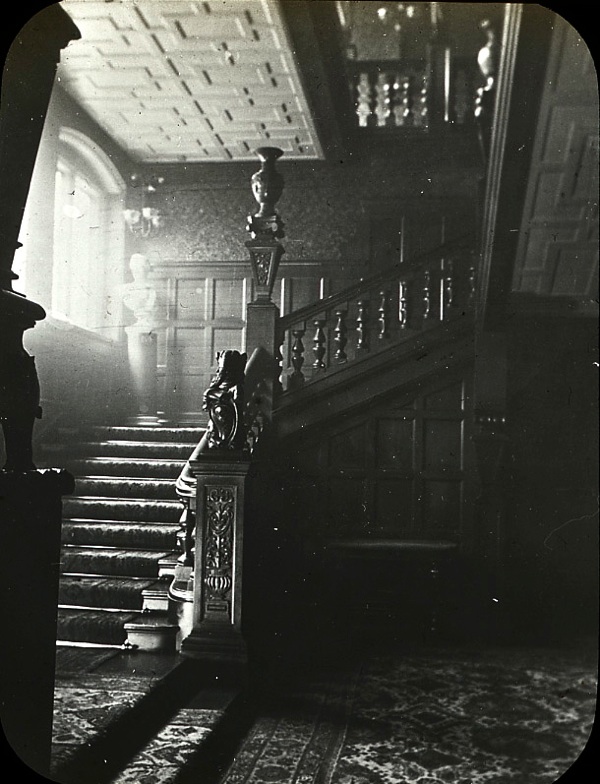
Cutlers’ Hall, c.1920.
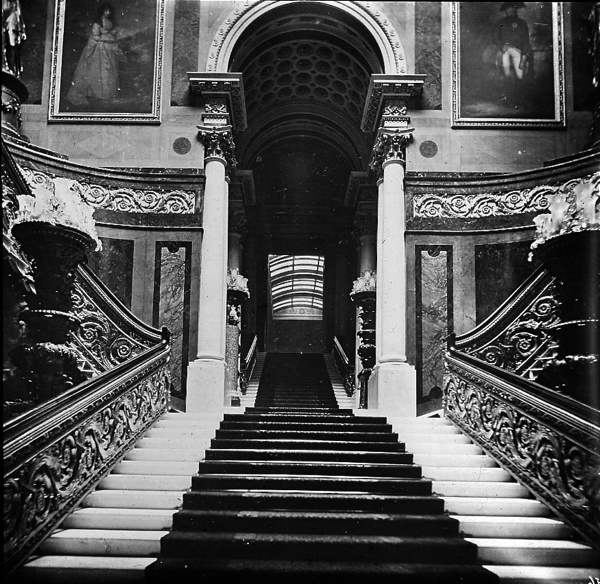
Buckingham Palace, Grand Staircase, c.1910.
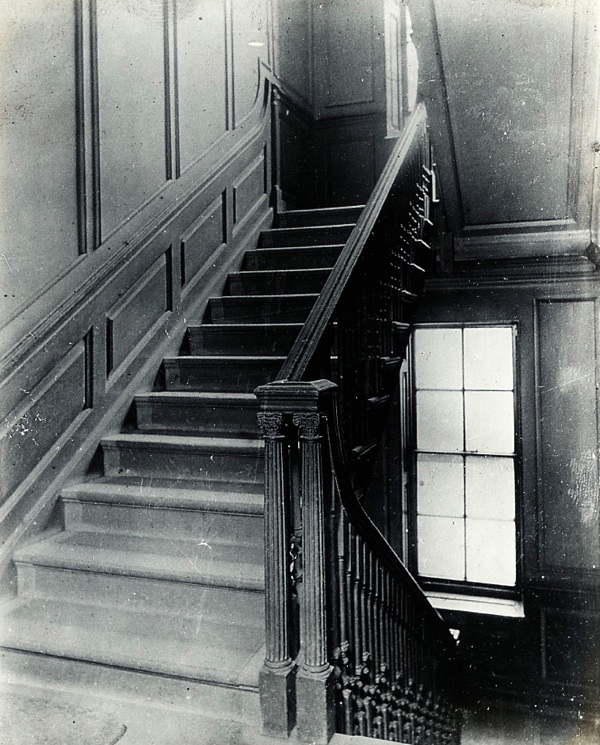
4 Catherine Court, Shadwell c.1900.
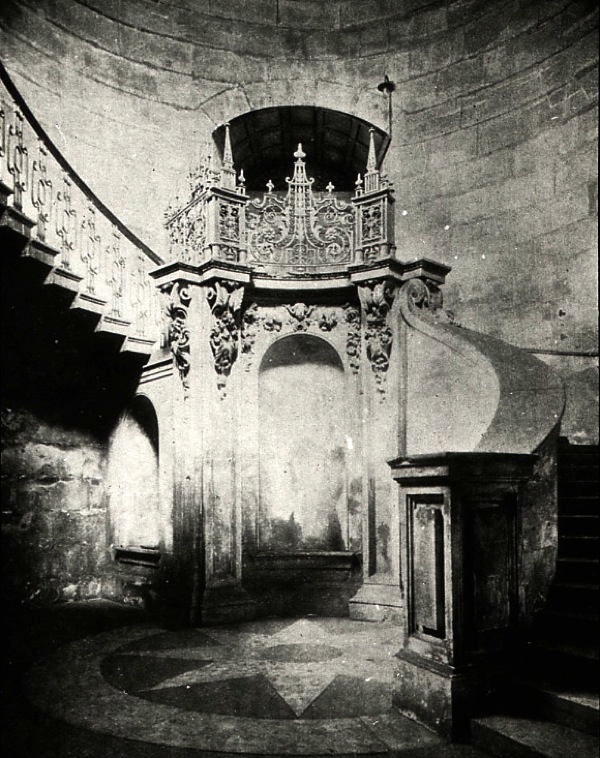
St Paul’s Cathedral, Dean’s staircase, c.1920.
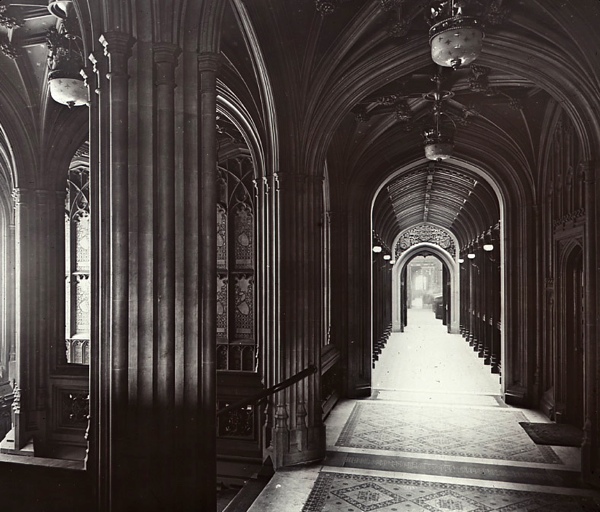
House of Lords, staircase and corridor, c.1920.
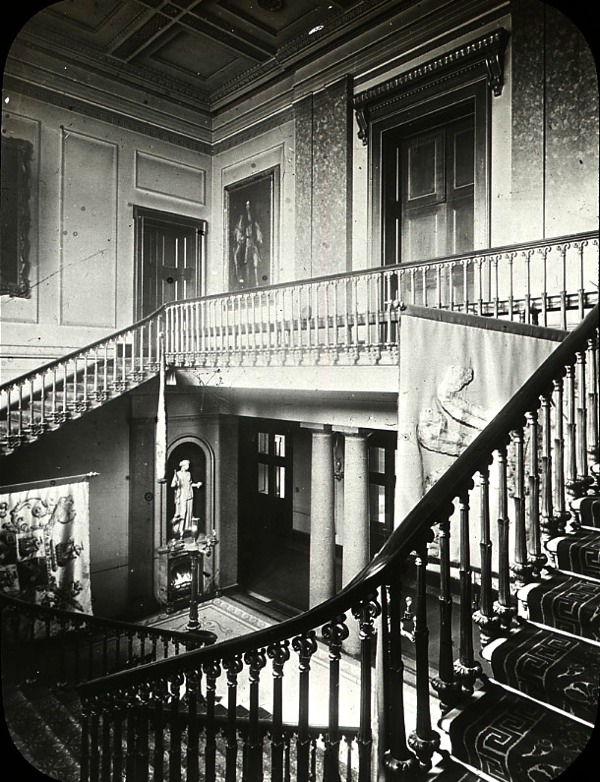
Fishmongers’ Hall, marble staircase, c.1920.
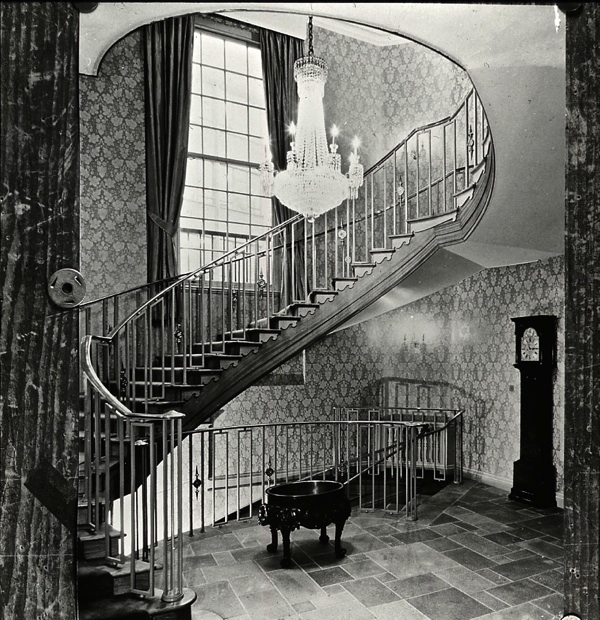
Girdlers’ Hall, c.1920.
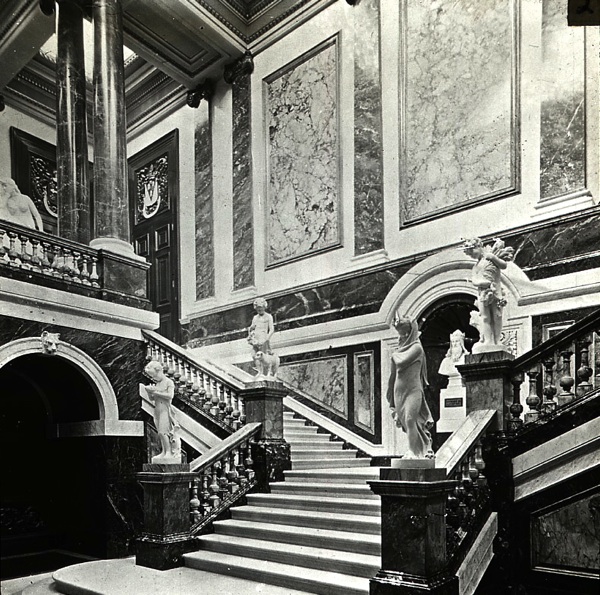
Goldsmiths’ Hall, c.1920.
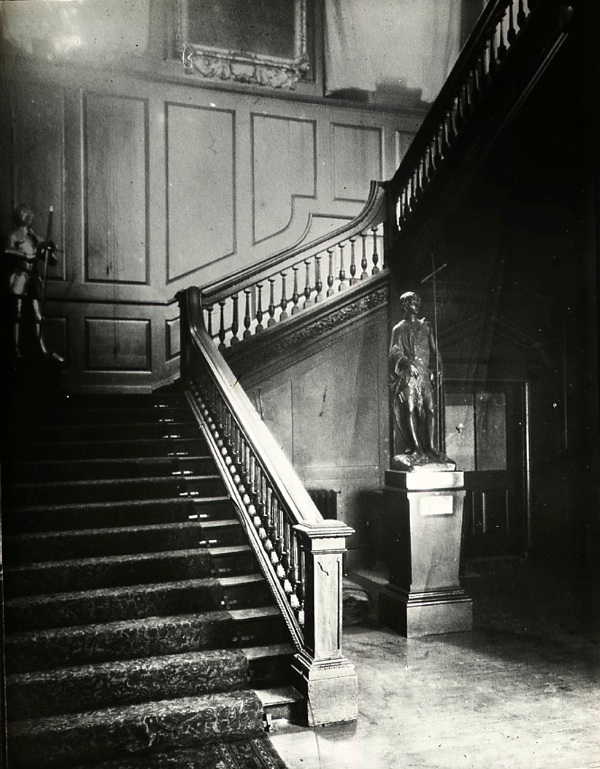
Merchant Taylors’ Hall, c.1920.

Cromwell House Hospital, Highgate Hill, c.1930.
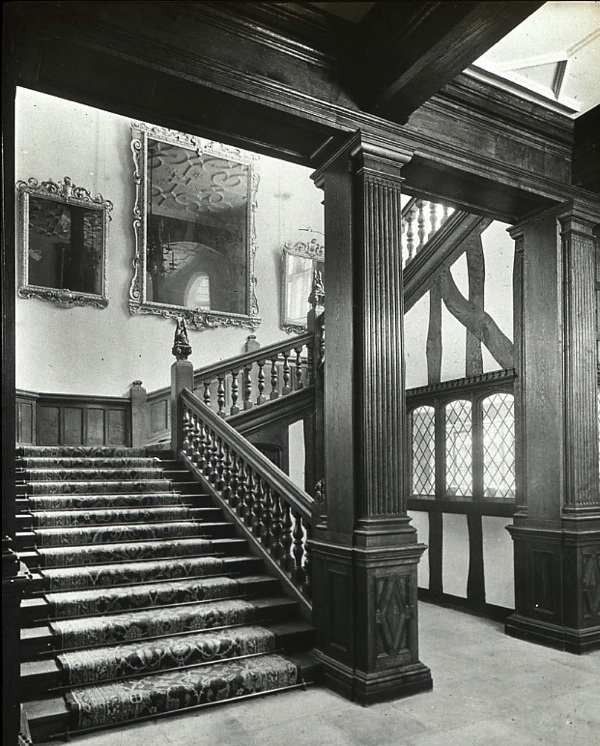
Ironmongers’ Hall, c.1910.
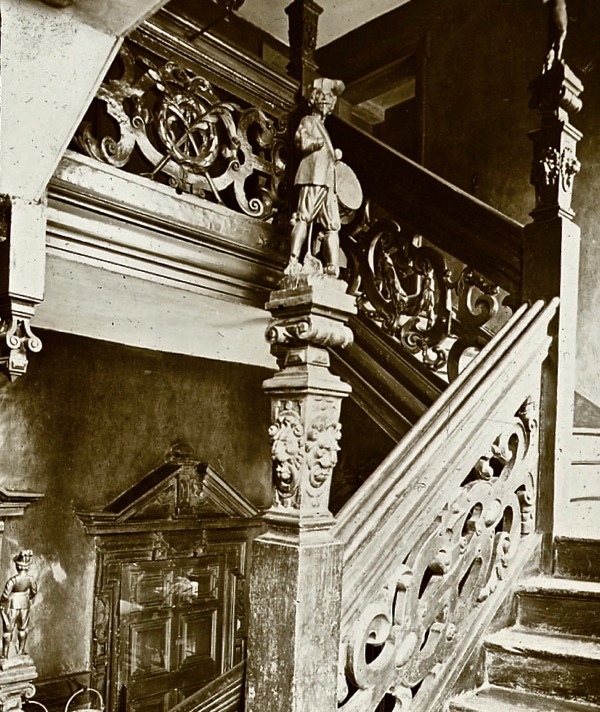
Cromwell House Hospital, Highgate Hill, c.1930.
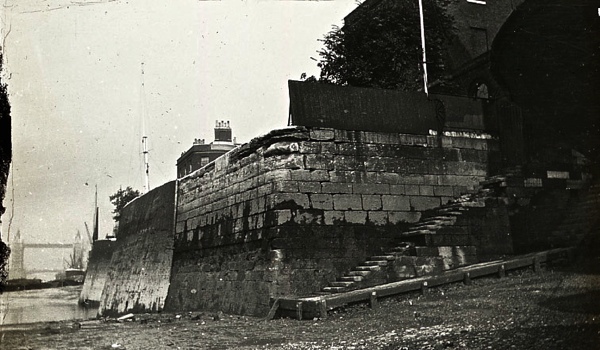
Stairs at Wapping, c.1910.
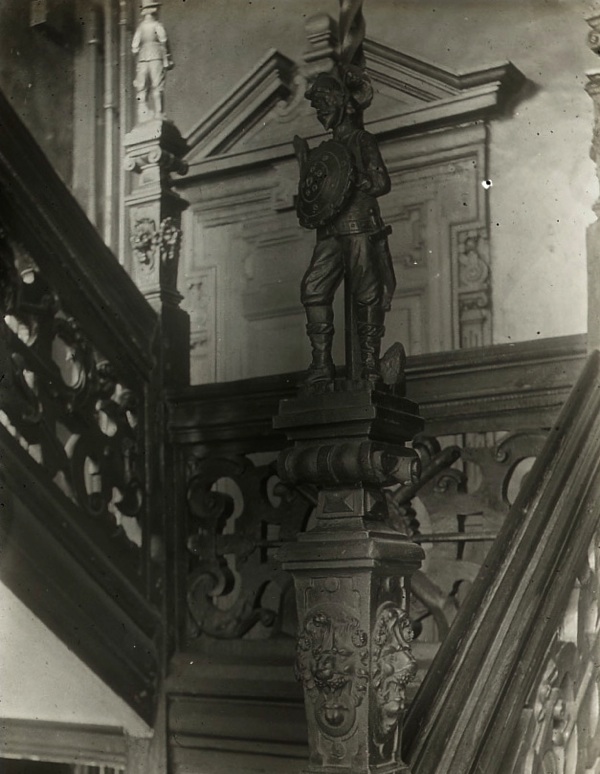
Cromwell House Hospital, Highgate Hill, c.1930.
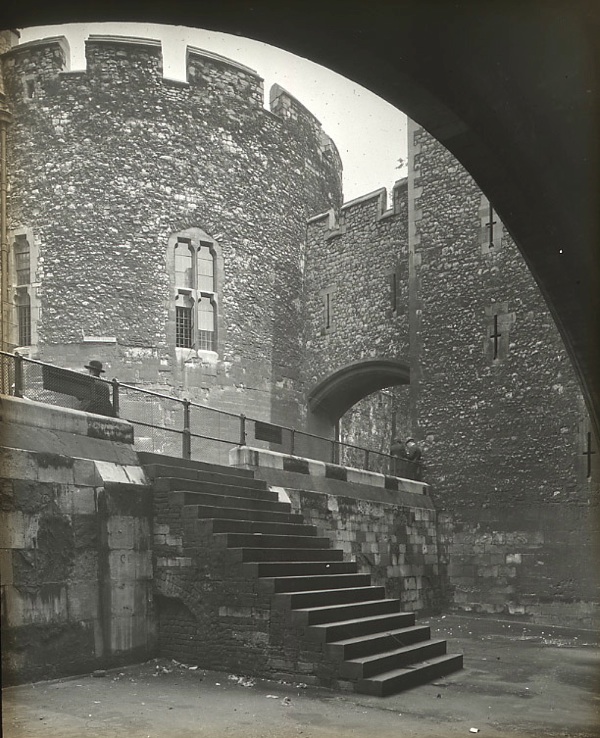
Staircase at the Tower of London, Traitors’ Gate, c.1910.
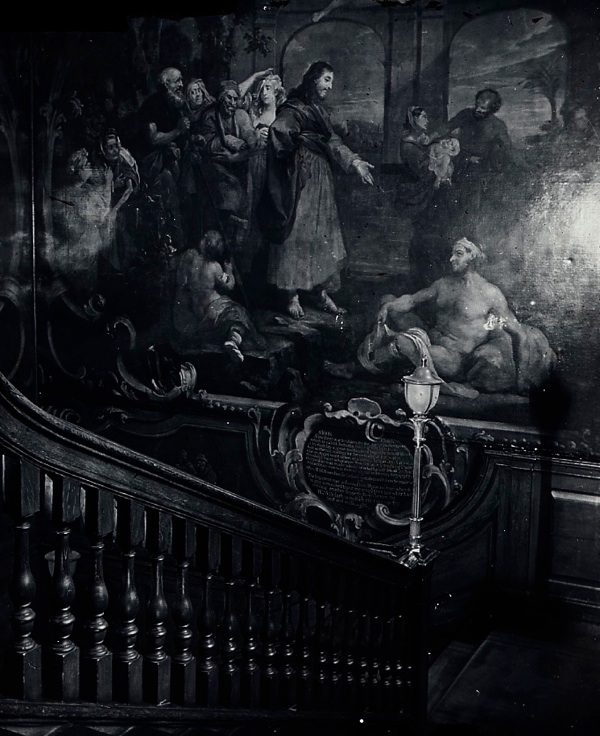
Hogarth’s “Christ at the Pool of Bethesda” on the staircase at Bart’s Hospital, c.1910.
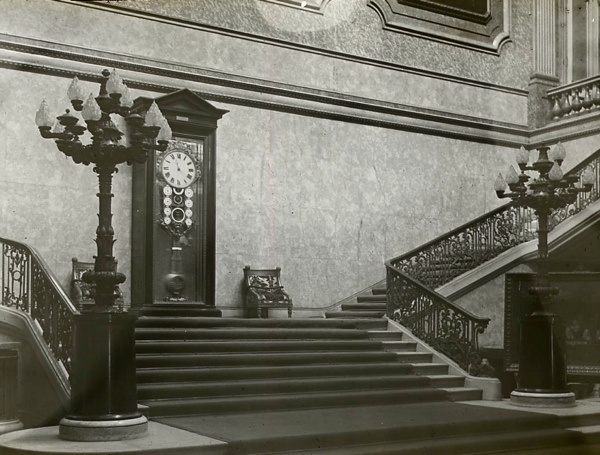
Lancaster House, c.1910.
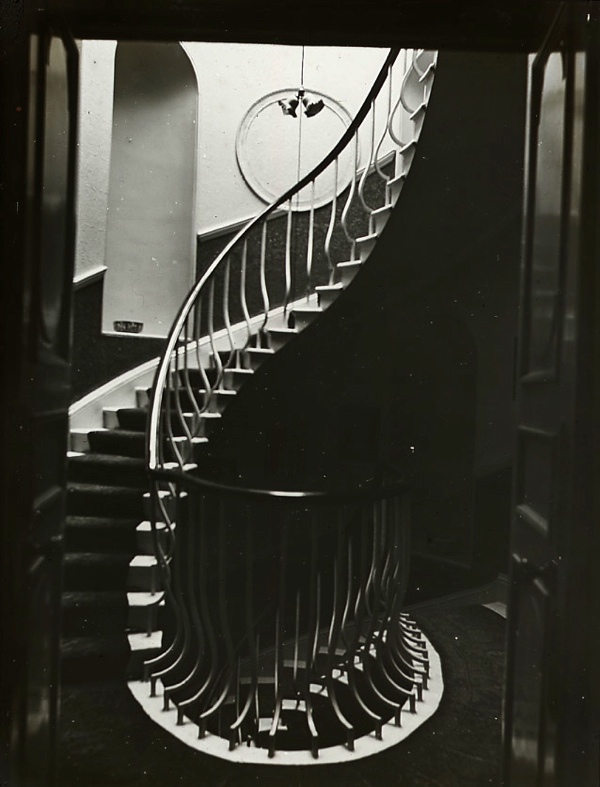
2 Arlington St, c.1915.
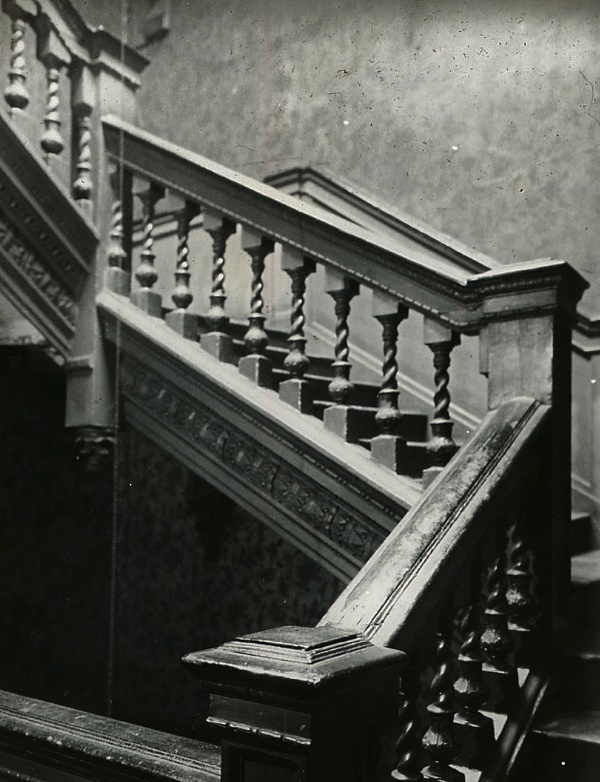
73 Cheapside, c.1910.
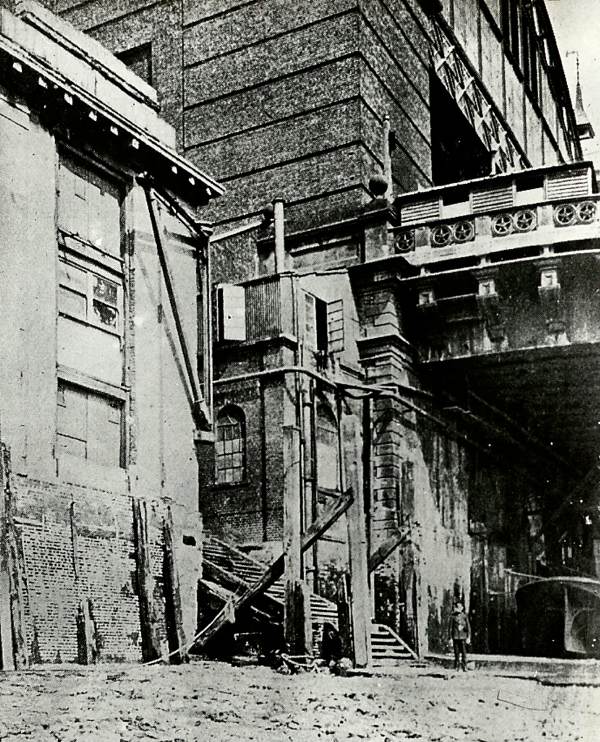
Dowgate stairs, c.1910.
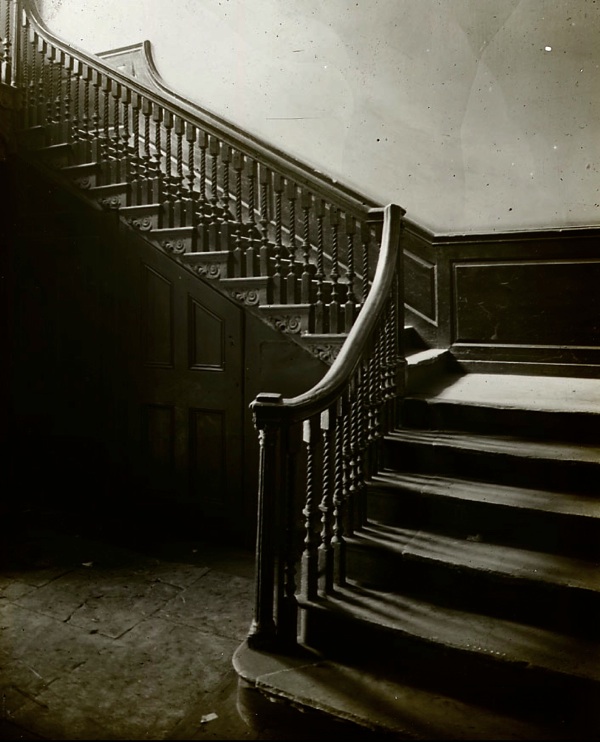
Crutched Friars, 1912.
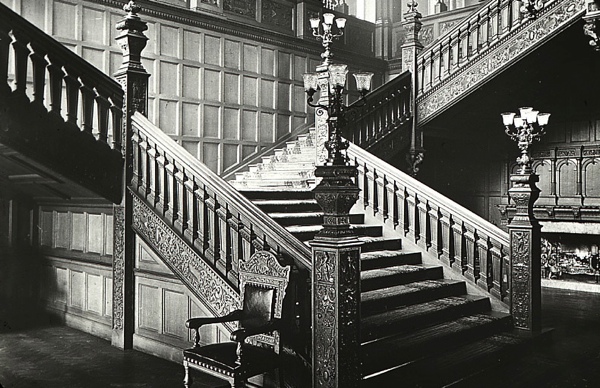
Grocers’ Hall, c.1910.
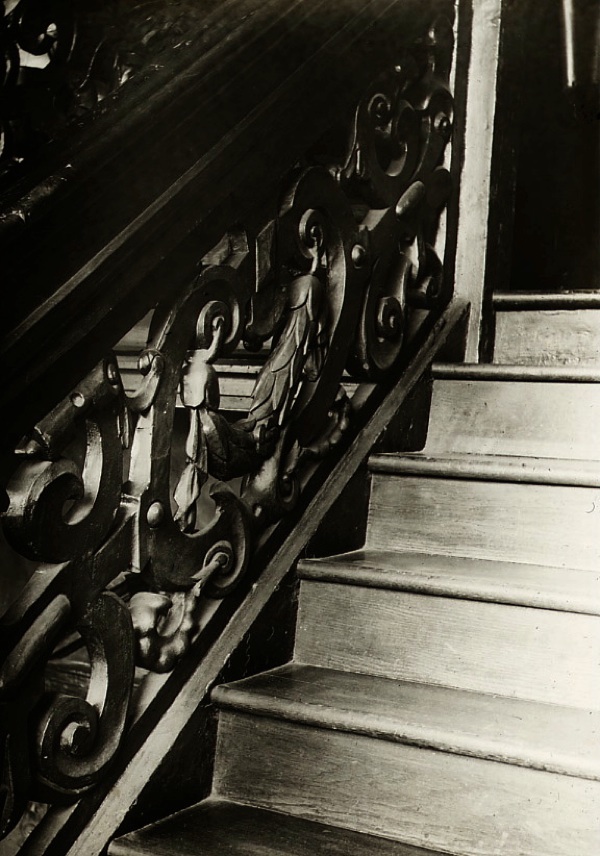
Cromwell House Hospital, Highgate Hill, c.1930.
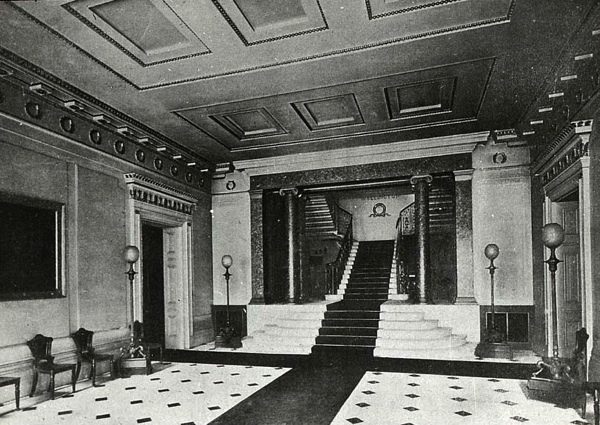
Salters’ Hall, Entrance Hall and Staircase, c.1910.
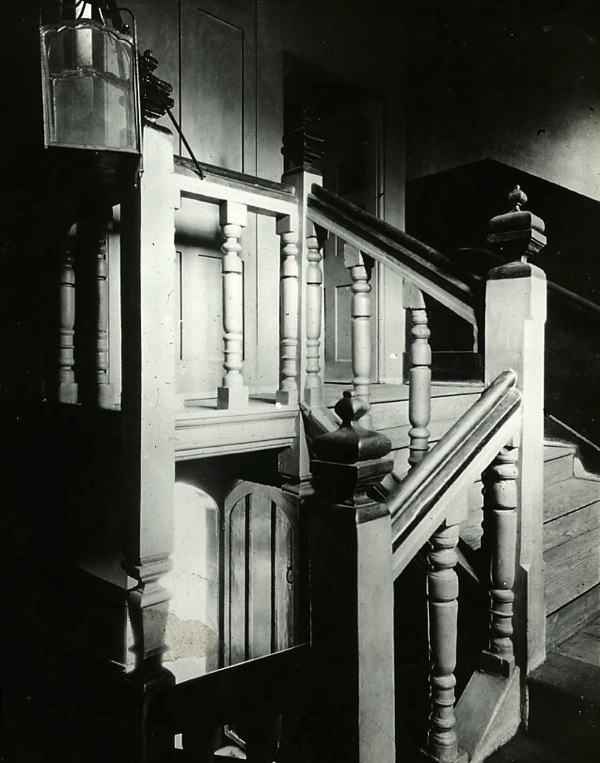
Holy Trinity Hospital, Greenwich, c.1910.
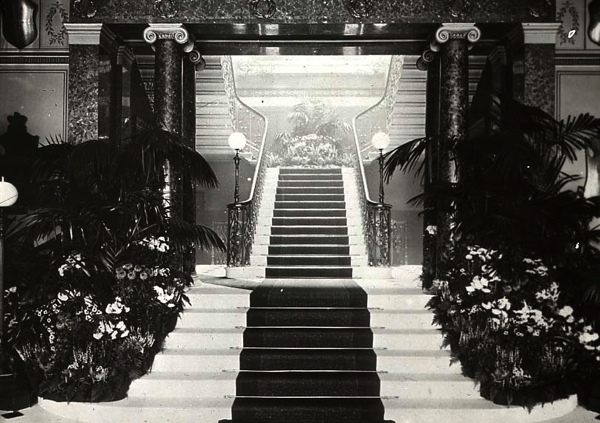
Salter’s Hall, c.1910.
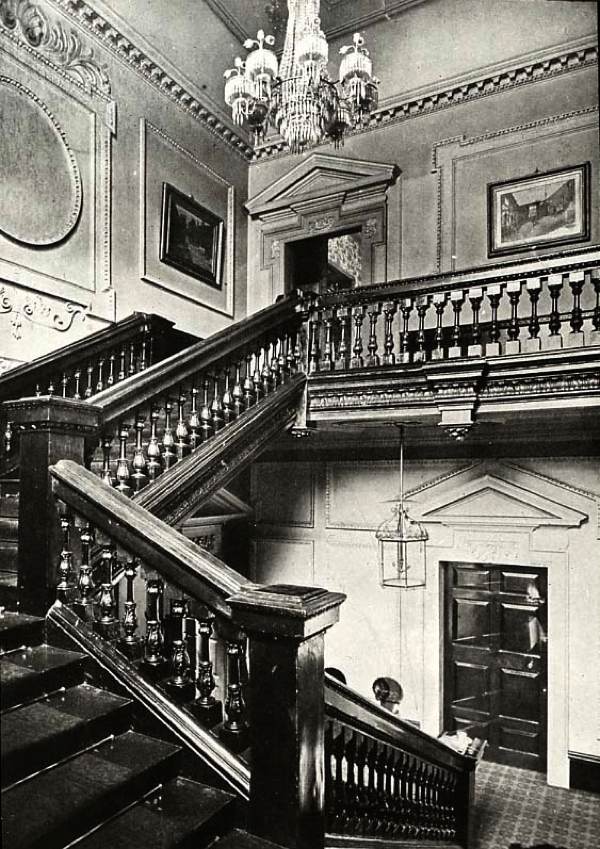
Skinners’ Hall, c.1910.
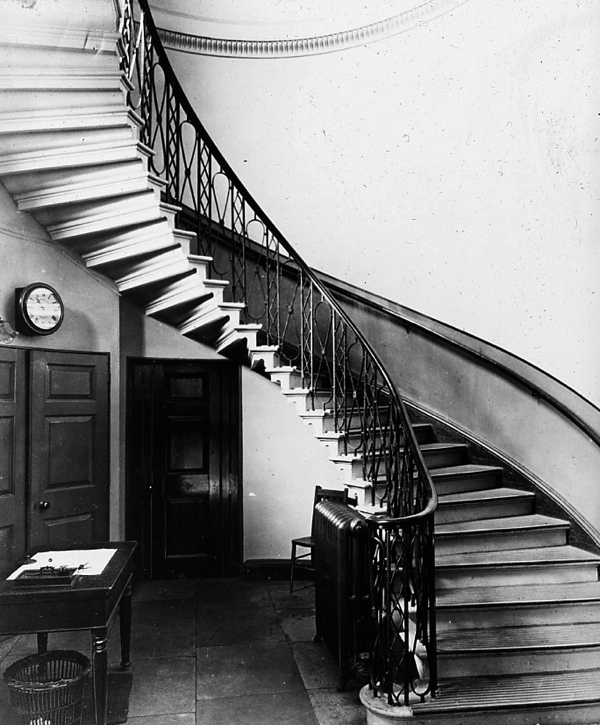
1 Horse Guards Avenue, 1932.
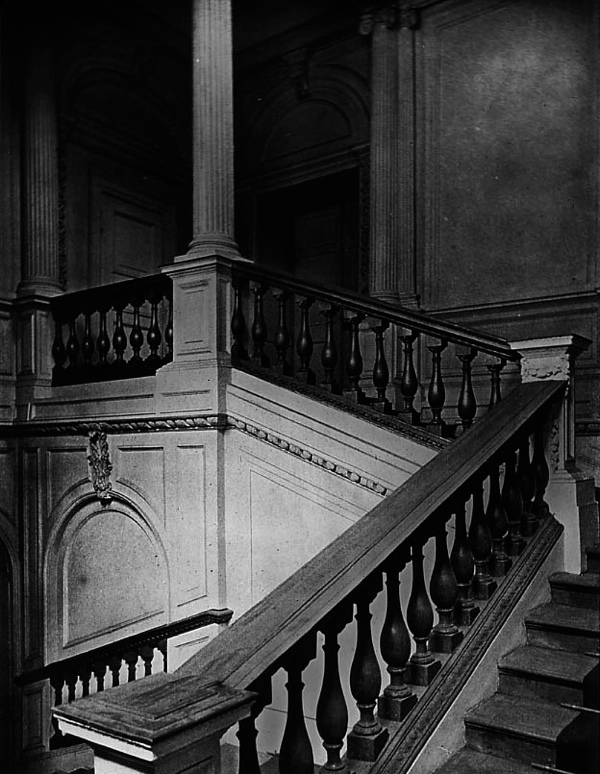
Ashburnham House, Westminster, c.1910.
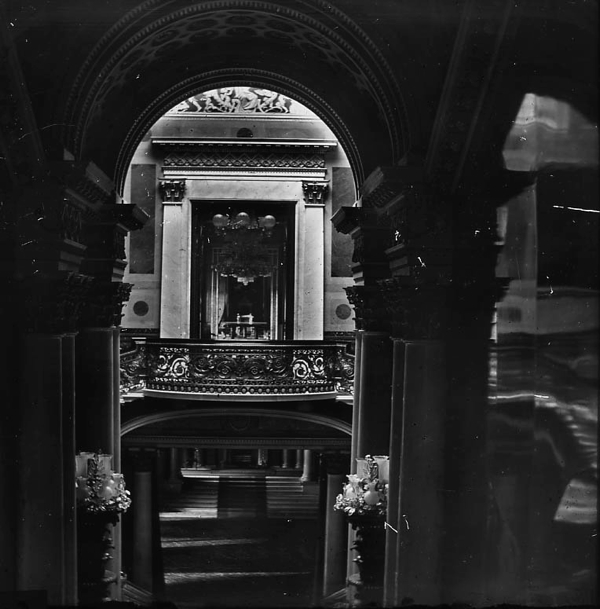
Buckingham Palace, c.1910.
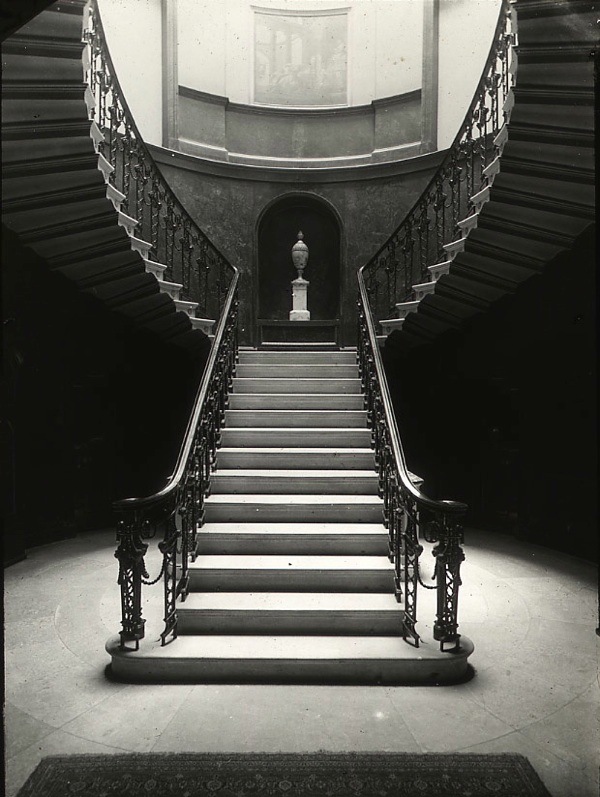
Home House, Portman Sq, c.1910.
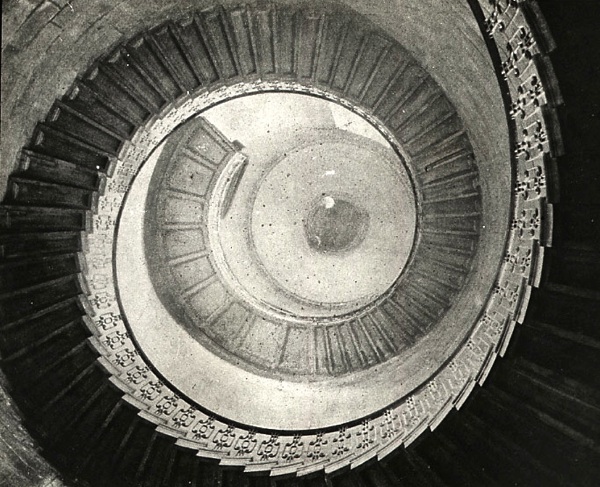
St Paul’s Cathedral, Dean’s Staircase, c.1920.
Glass slides copyright © Bishopsgate Institute











Another amazing staircase can be found at City of London boy school ..
A fascinating collection of pictures. A quick Google reveals Cromwell House in Highgate currently to be in use as the embassy of the Republic of Ghana. It would be interesting to know how many of the other less well-known buildings survive.
What a wonderful set of pictures: thank you so much for providing us with this marvellous magic lantern into a lost land!
A story about a staircase, which must represent the artery of any house, and also the human activity within it: my friend once awoke from afternoon slumber to the agitated yowling of his cat, only to see, across the landing of his Georgian house, a woman gliding up the staircase, hair coiled over her ears in early 19th century-style.
A transportation for them all, although where that was taking place, one cannot tell! A house is a receptacle for multiple lives, and aspirations.
Beautifully written story, GA! I wish I could attend your upcoming lecture, but . . .
Keep up the good work, and be careful on those stairs.
Grand staircases for grand buildings, occasions, and homes but prior to elevators, stairs are also interesting in their use to enable people to establish homes vertically. The recent Spitalfields Life series of photos of historic London pubs, often with living quarters above them, are good examples. As they were torn down for “urban renewal” they were replaced by multi-story buildings, often for high-rise living quarters, that would have been unthinkable without elevators to reach them.