
Fran May’s Brick Lane

Help publication by preordering now and we will post you a copy signed by Tessa Hunkin at the end of September in advance of publication on October 2nd. Additionally, we are including a complimentary copy of A Hoxton Childhood (cover price £20) with all pre-orders in the United Kingdom. CLICK HERE TO ORDER YOUR COPY
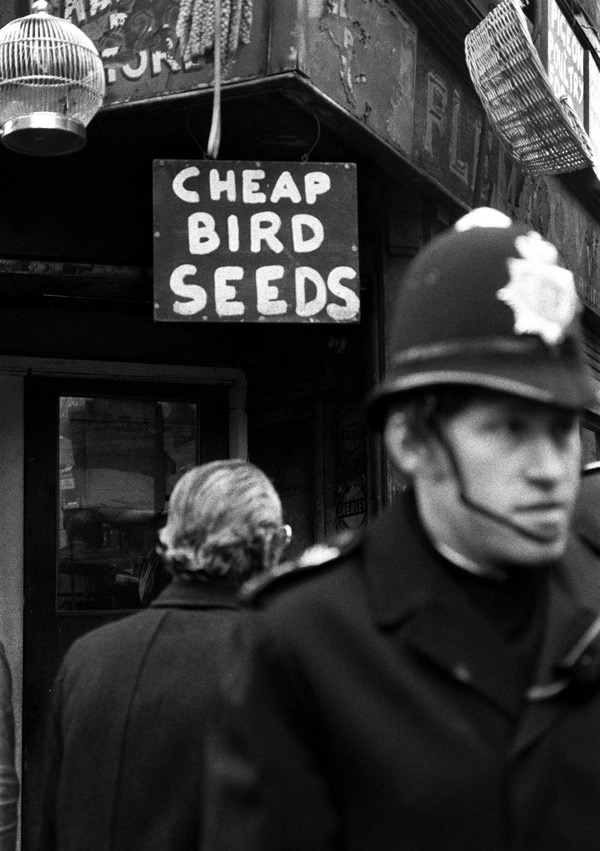
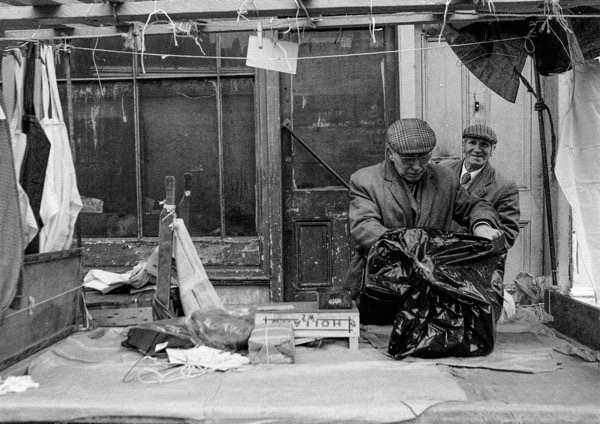
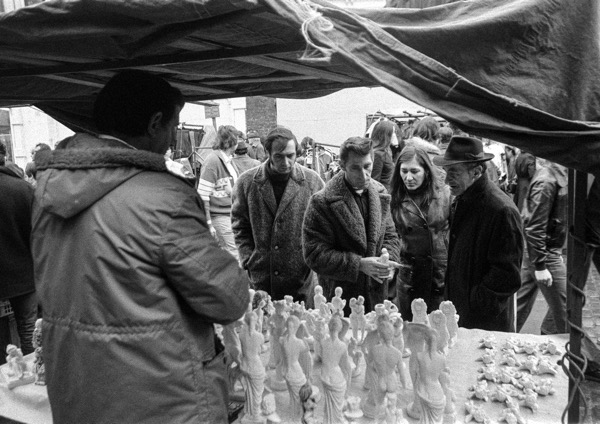
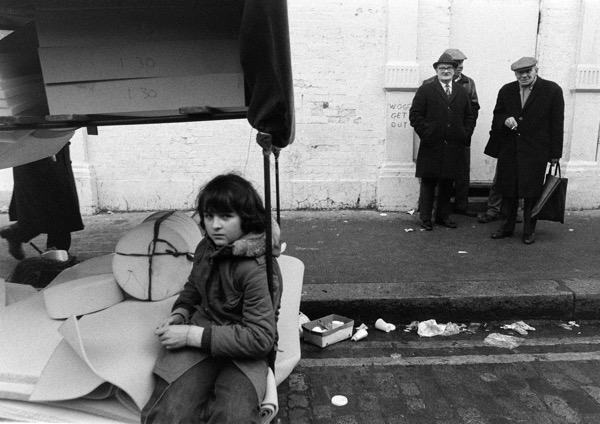
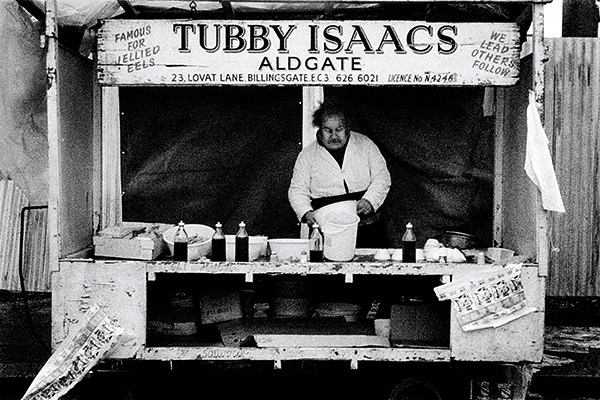
In 1976, Fran May arrived in London at the age of twenty-one to study photography at the Royal College of Art and some of the first pictures she took were of Brick Lane.
“At first, exploring London was daunting, too big and exhausting. Someone suggested I visited Brick Lane, but I would have to get there at dawn for the best of it. An early bird by nature, this was not too difficult. And what a reward. I wore my hair long and had a duffle coat—the perfect disguise. My dominant eye is my left eye, so the camera is always in front of my face. It is like the child of two who covers their eyes and thinks you cannot see them. I had become invisible too. I went time and time again. It was like stepping into a different world, a different universe, a film set. Characters, faces, businesses, from another time, caught in a time warp.
Head of Photography, John Hedgecoe, came to me one day and said I had been selected to be taught by Bill Brandt. The first time I went to his house near Kensington Church St, I took my landscape photographs. I confess I did not know all of Bill Brandt’s work, but I knew of the nudes on the beach. I rang his bell, acknowledged by a woman’s voice, the door clicked open. Once through the open front door, a voice called from beyond. “Come in. Come in.”
Bill sat before a fire in the grate, the light from the flames flickering on his face. “What have you brought me?” he asked in his gentle voice. I placed my portfolio on the floor and lifted the pictures to him one by one. He was silent until he looked at me and said, “I don’t think I can teach you anything, do you?” I did not know how to take this. I packed everything away, thanked him and left.
A couple of days later, I bumped into John Hedgecoe again in the corridor. “How did you get on with Bill Brandt?” he asked. I told him I didn’t think I should go again because Bill had said he couldn’t teach me anything. “No, you must go see him again. You must make the most of your opportunities”. So off I went, this time taking some of the images I had taken while at Sheffield and the more recent ones shot in Brick Lane.
This was a different experience. Bill studied each one for a long time. Seated on the footstool at his feet, Bill moved his reading light nearer and re-settled himself in his chair. I studied the firelight flickering on his face. Then he put the pile of photographs flat on his lap, breaking the silence and said, “Ah, Fran. Let me tell you something. Never loose these images, don’t think of them just as student work, for they will have social significance one day”. His eyes twinkled as he smiled at me.
I returned one more time to visit Bill Brandt. He told me he had not really known what he had achieved until later. The photographs he had taken were commissioned jobs. When they were put together in a particular order, they meant something new and that the passage of time mattered. Well, I did keep these images.”
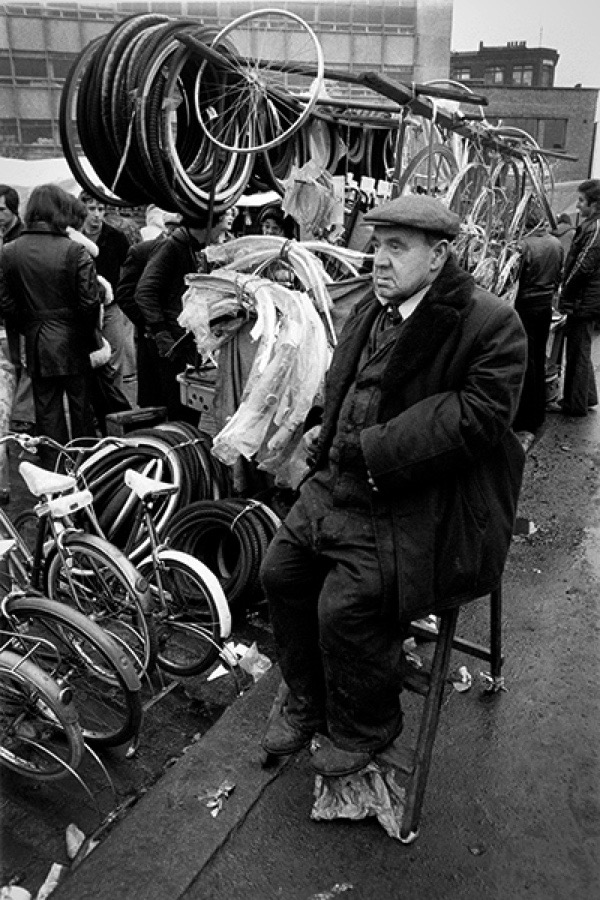
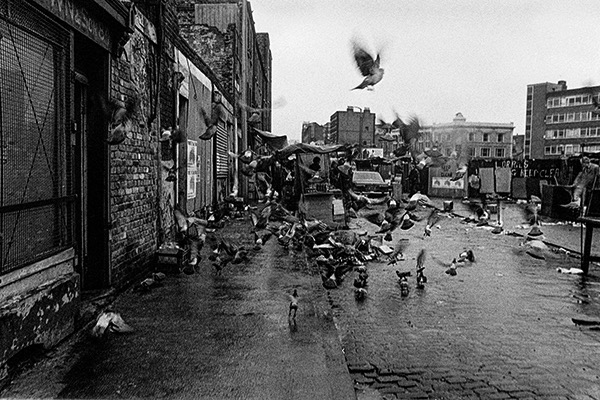
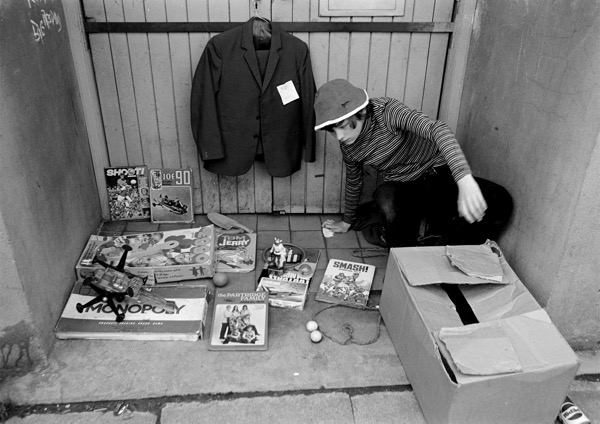
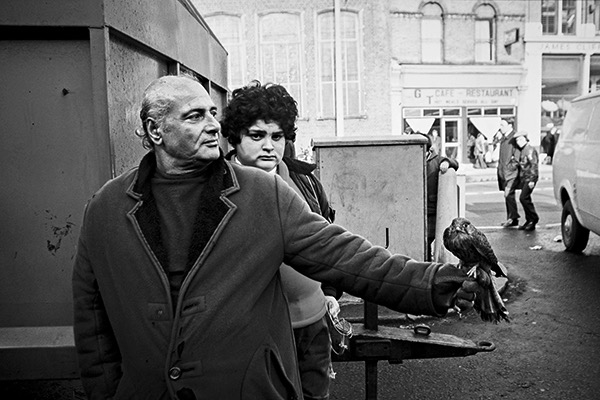
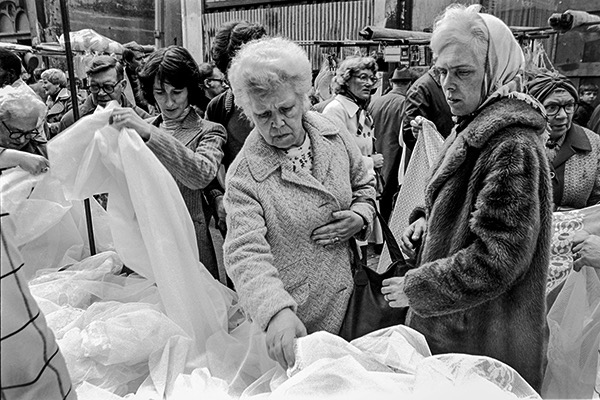
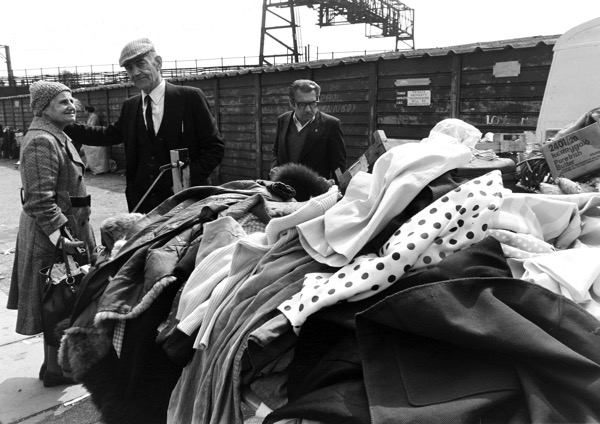
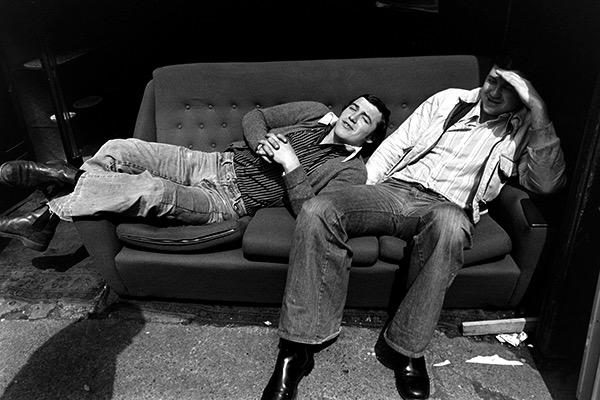
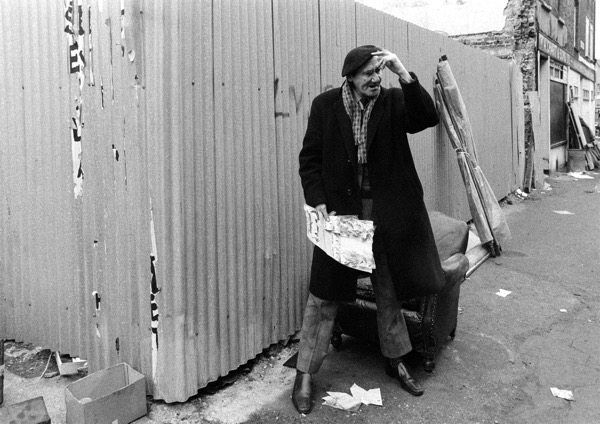
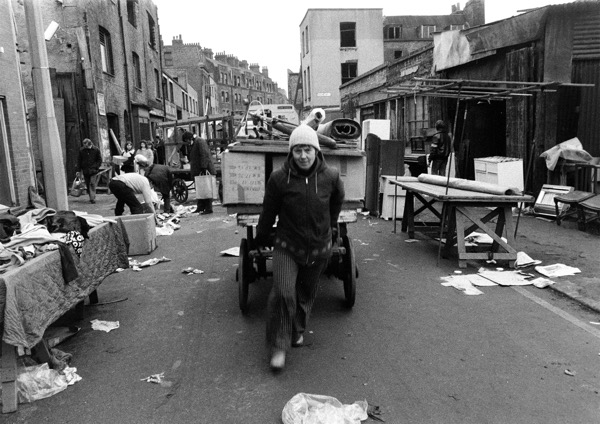
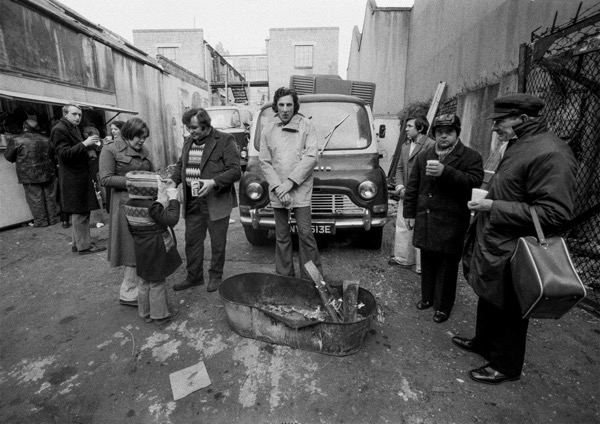
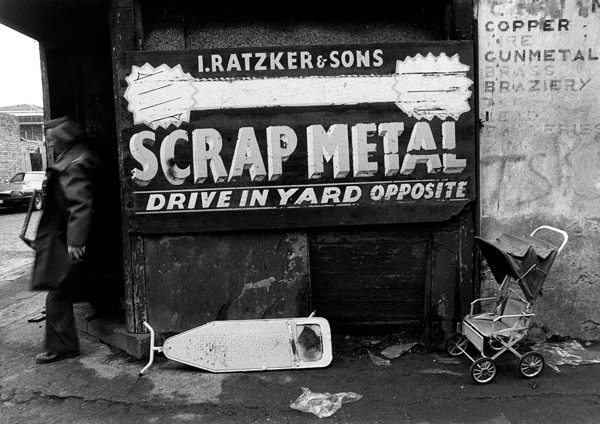
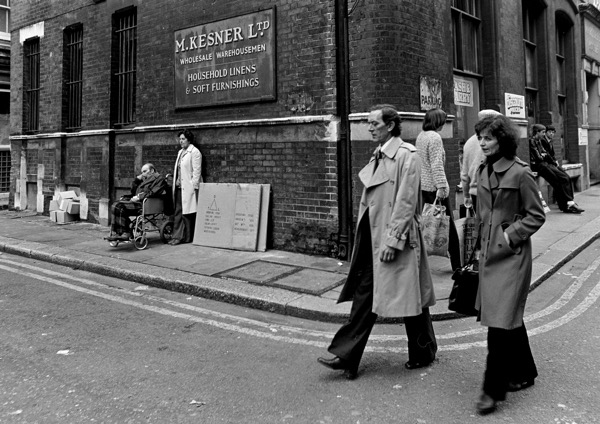
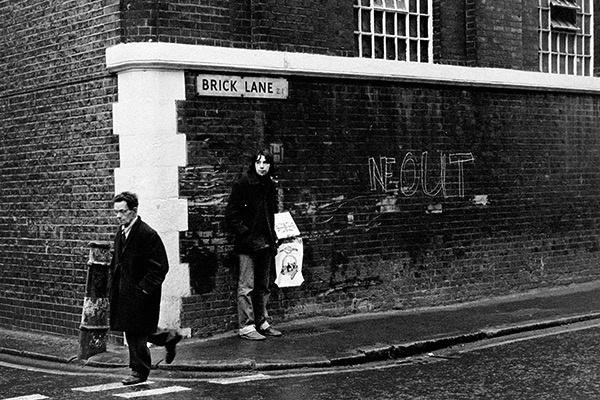
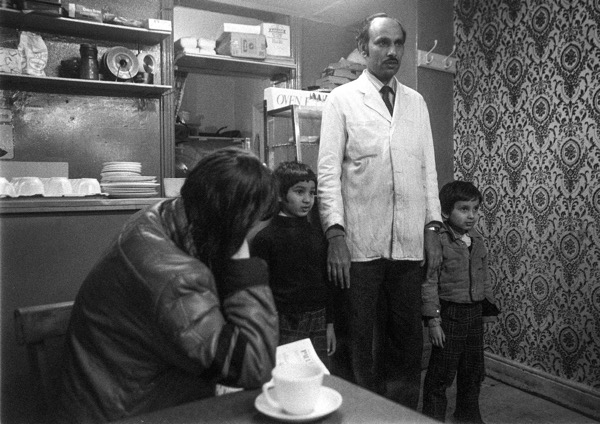
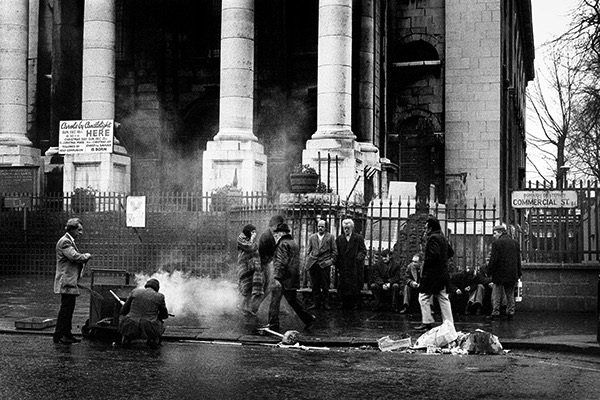
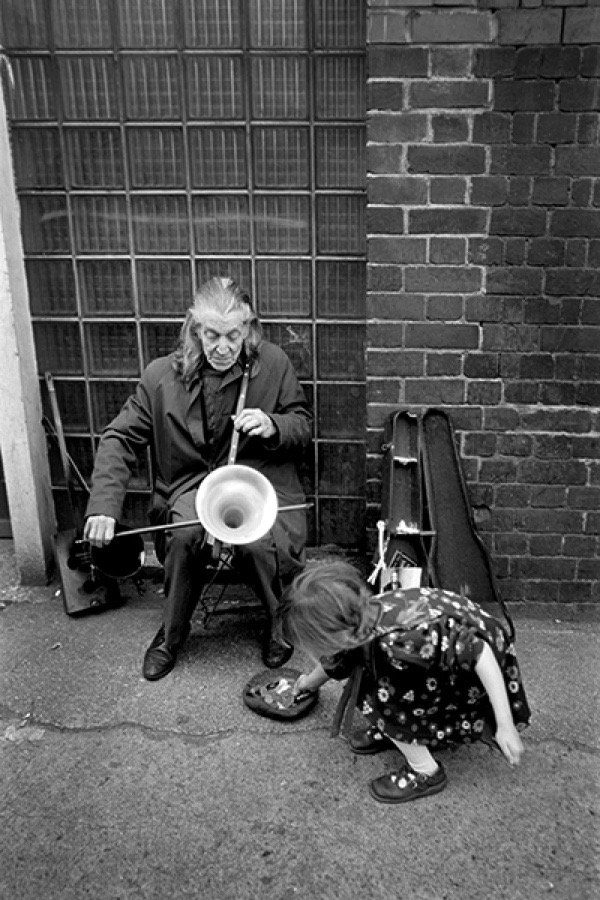
Photographs © Fran May
You may also like to take a look at
Raju Vaidyanathan’s Brick Lane













Great article.All brick lane articles are part of the East End fabric!
Isn’t it interesting that as the East Ebd became gentrified the kind of people you see selling things and Club Row I knew was no more .
Plus down and outs were a noticeable part of our scenery .
Recently ,I saw Enforcement Officers move them on , paid by the Council and encouraged by local shopkeepers .
Whatever has become of the childhood I knew ?
Even the Synagogue I knew and grew up with is permanently closed .
Thanks for sharing Fran May’s images, I’m so glad Bill Brandt advised her to keep all her student work – the East End of the 70s has entirely disappeared….
Fran’s photographs provide a vivid reminder of the old Brick Lane. A world that I glimpsed, in the early 1980s, and just as it was beginning to disappear…
The pictures remind me of Bill Brandt’s own social photography in his book, The English at Home (1936), and in Moholy-Nagy’s book about London street markets, also from 1936. This work inspired a whole lot of very interesting home-front WW2 photography…not least by Lee Miller etc.
More recently, Brandt’s book has inspired Martin Parr.
If you are interested in this kind of photography, I recommend The Social Eye of Picture Post (1972), and essay by Stuart Hall that describes the political and cultural imapact of these images.
Well, Andy, a synagogue needs a minion. A minimum of ten worshippers joining in the service. And with the changing population that characterises the East End, ten Jews present daily for the morning service may well be unattainable now.
In my teenage years, the 1960’s, I sometimes used to go to Brick Lane on Sundays (I had an aunt living at 60 Wilkes Street). And sometimes I took my camera too. But either through ignorance or poverty I did not, in those days, have a decent light-meter and so my photos were rarely up to scratch, unlike those seen here, which are perfectly exposed and also well-framed.
great human spirit!
So so impressive.